Get Premium
Dark mode theme is available exclusively for premium users. Learn more about the benefits of subscribing.
No fees, cancel anytime.

 Dark Mode Ad-Free Browsing Unlimited Content
 Ad-Free Browsing Unlimited Content Dark Mode
Join 1.2 million Panda readers who get the best art, memes, and fun stories every week!

Your palms get sweaty, your throat goes dry. Suddenly you’ve forgotten everything you worked so hard to prepare for. No matter how skilled you are, interviews aren’t always easy.
Some job seekers are cool, calm and collected. Others go completely blank. Then there are those who get a bad bout of verbal diarrhea when put on the spot.
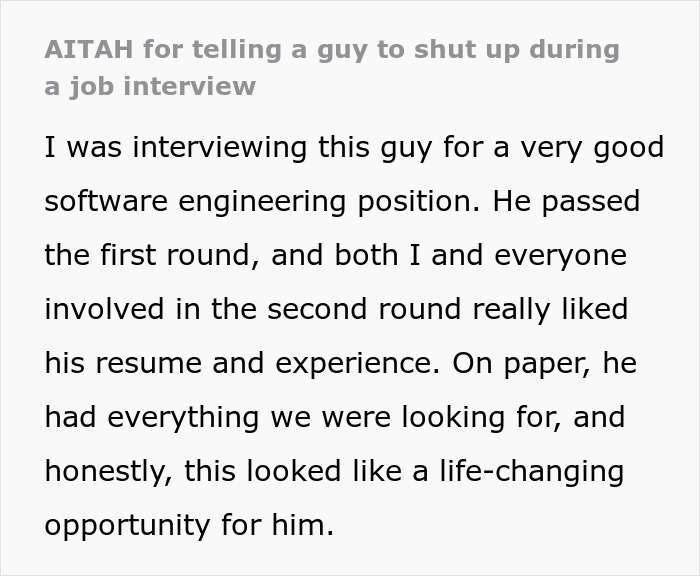
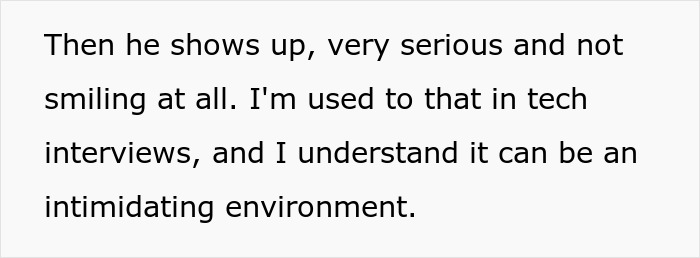
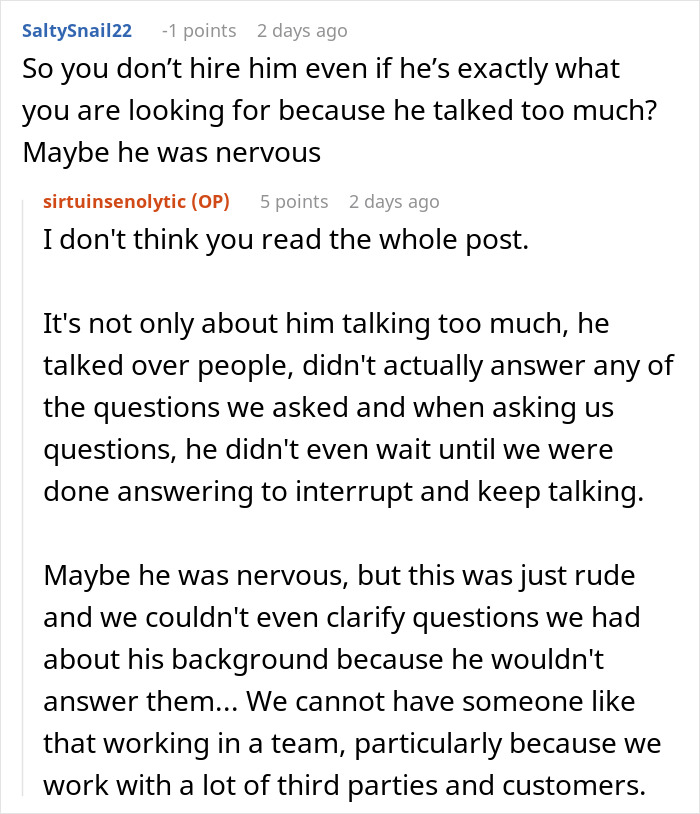
A hiring manager had their work cut out for them when a top candidate did a 360, just as they were about to land an amazing position. The person walked in with a 99% chance of landing the position. But messed it up within 15 minutes. All because they couldn’t keep their piehole shut for long enough for anyone to blink.
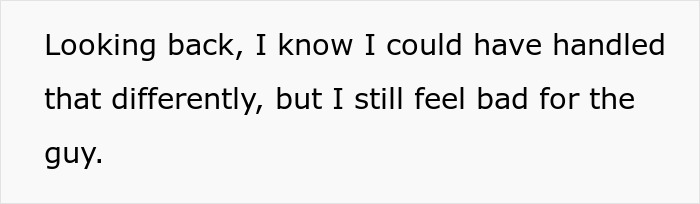
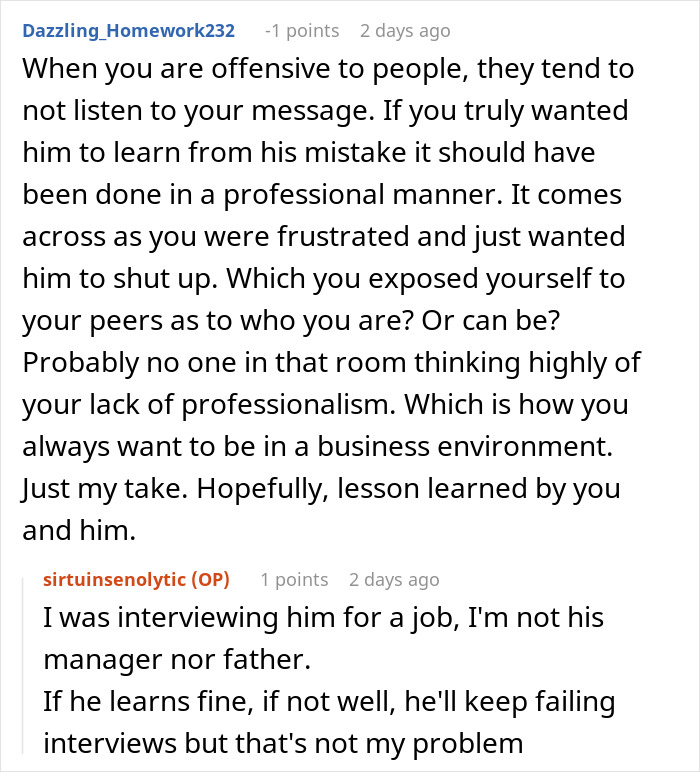
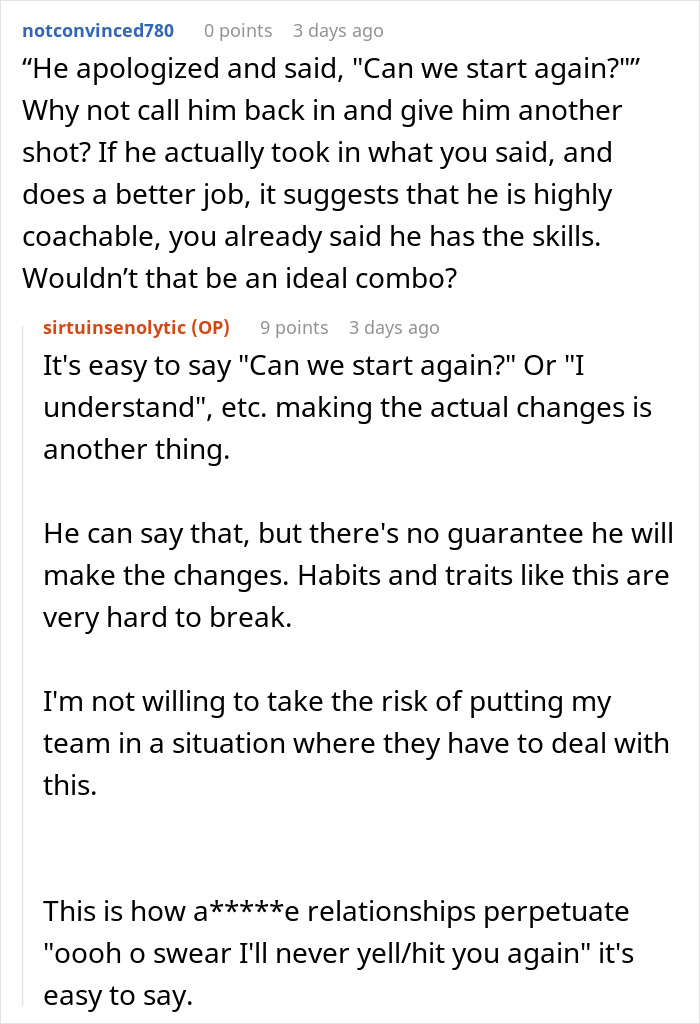
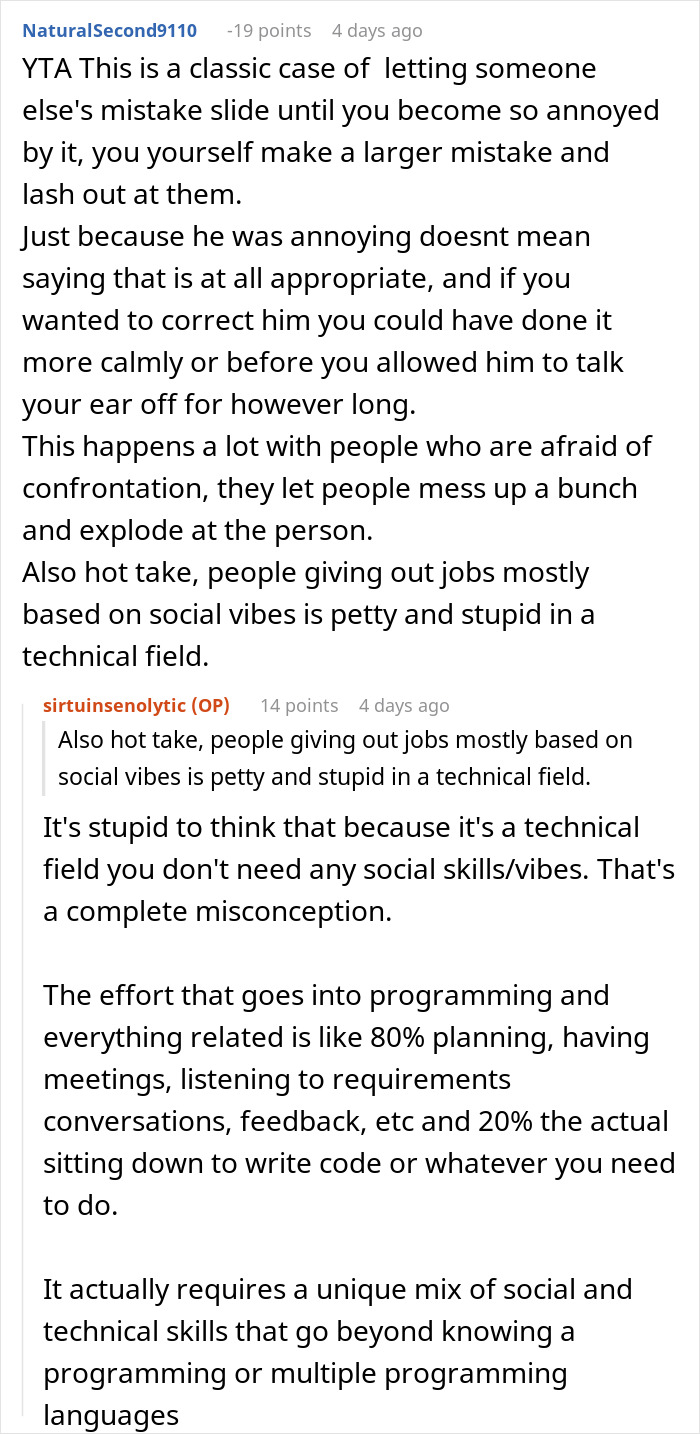
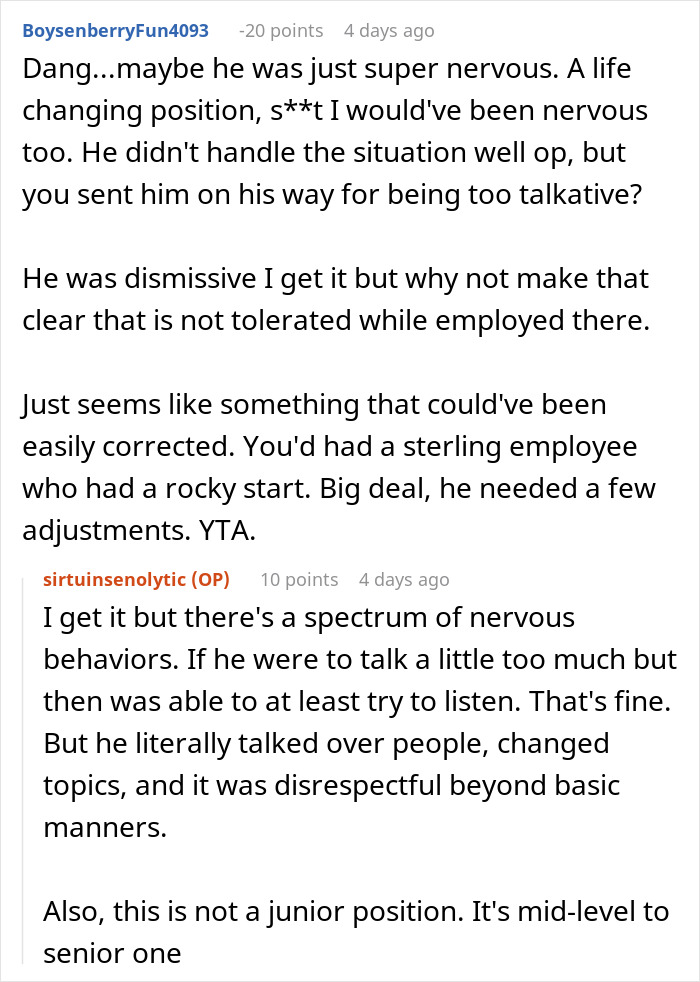
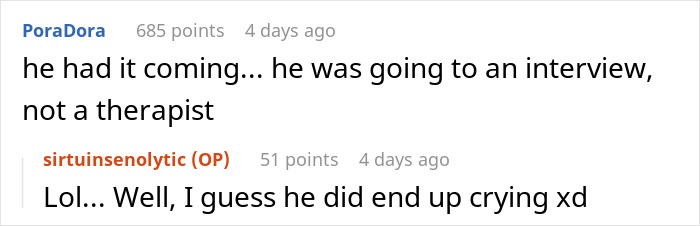
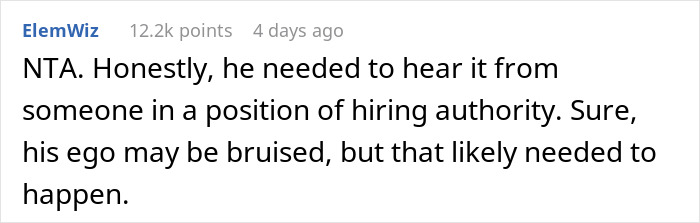
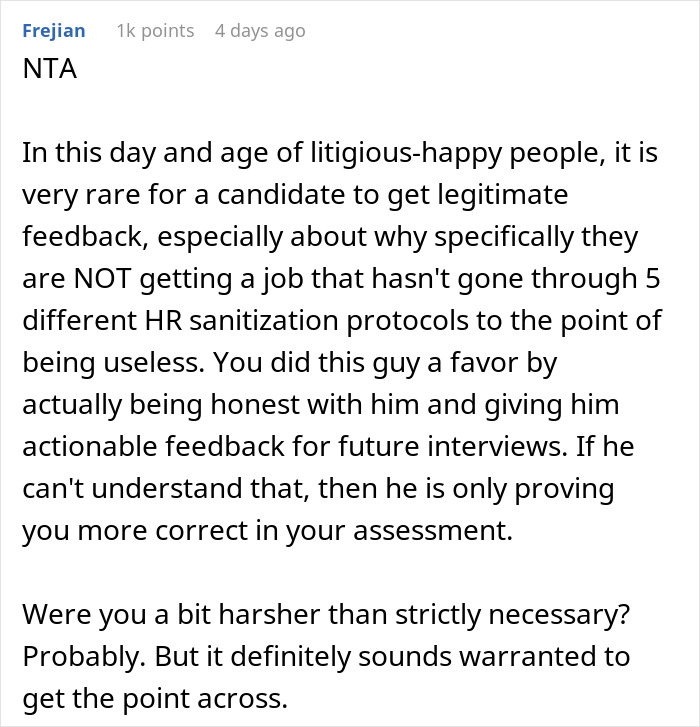
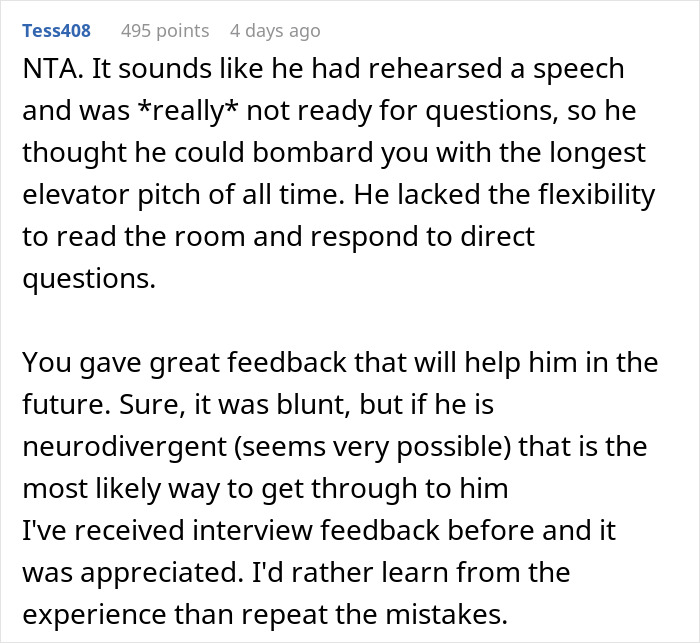
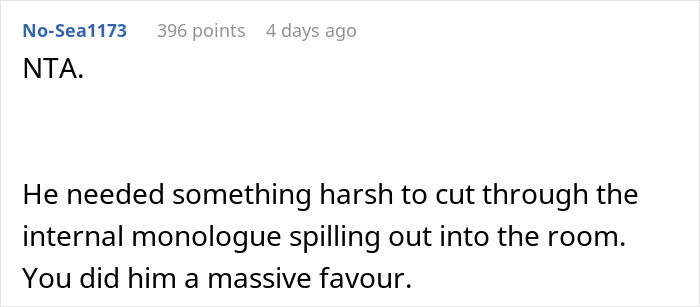
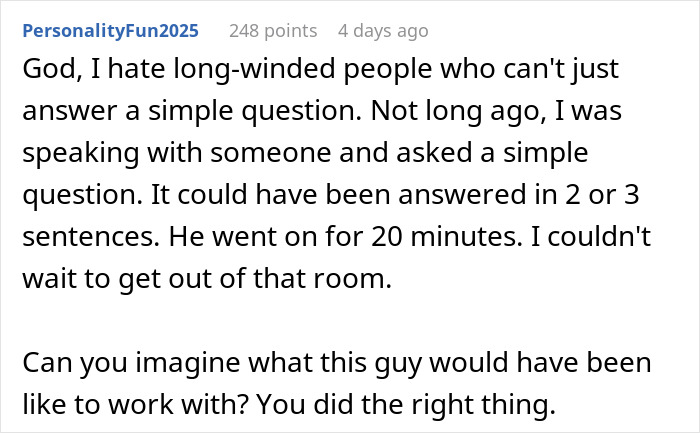
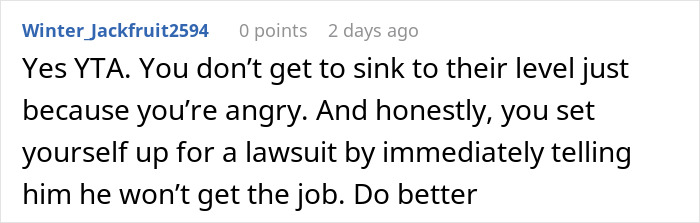
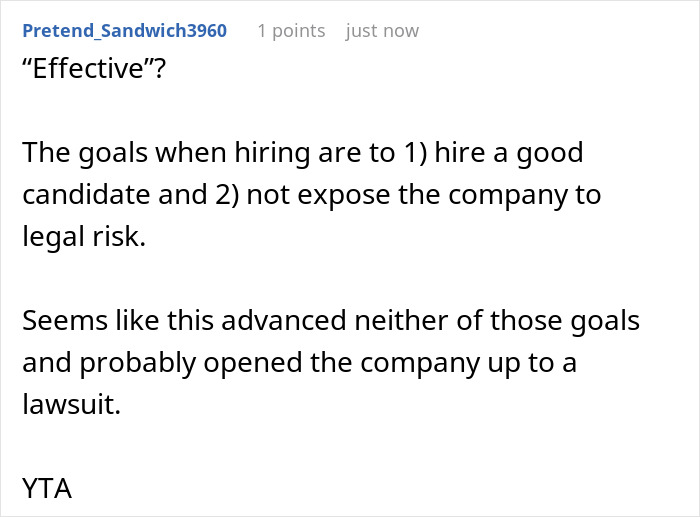
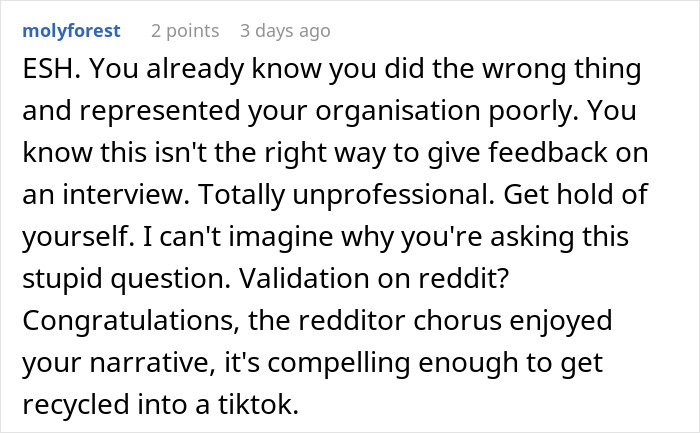
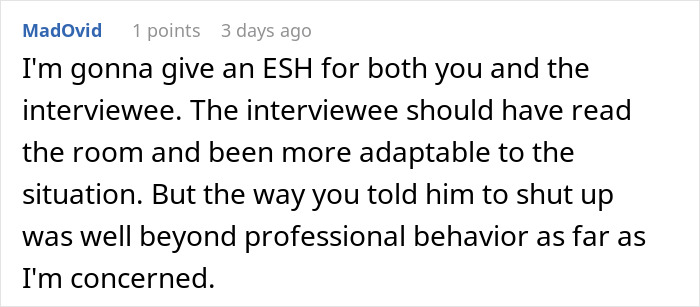
The interviewer has shared all about it online. But they’re wondering if they were maybe a bit too harsh.
Image credits: seventyfour (not the actual image)
Image credits: andreypopov (not the actual image)
Image credits: sedrik2007 (not the actual image)
Image credits: sirtuinsenolytic
You’ve landed the interview for your dream job. Congrats! But as we all know, things can go either way from here…
According to Jobhunt.org, the interview is your opportunity to make interviewers understand that you are qualified for the job and a good fit for the organization. But people often blow their chances by “nervously filling up silence with things better left unsaid,” notes the site.
It adds that you shouldn’t feel responsible for making sure there’s no “dead air” time in the interview by sharing too much information about yourself.
“Answer each question, focused on your fit for the job and the benefit to the employer for hiring you. Then, shut up OR ask a question of your own,” advises the site.
“If you talk too much, you may be blowing away an opportunity to knock their socks off with your answer to a question that they don’t have time to ask,” it explains. “They are (or should be) trying to impress you, too, and your questions will help you decide if you want to work for/with them.”
HR expert Michael Page advises taking time to think before you answer questions and avoid bumbling to an uncomfortable halt. It doesn’t inspire confidence, he explains. “Also, don’t mumble; the interviewer doesn’t want to have to ask you to repeat an answer or have to strain to hear every word you’re saying,” adds Page.
Job-hunt.org’s experts say that once you’ve answered a question, you can wait for their next question. Or you can ask a question of your own. This helps to turn the interview into a conversation, and often makes it a little more comfortable for everyone involved.
But don’t go overboard. “Sharing information that is not relevant to the job will either make you look like you are unprepared for the interview, somewhat clueless, or very inexperienced,” notes the site. “Worst case, the information may disqualify you, depending on what you’ve shared.”
“Stopping speaking when the question is answered is a much better strategy than sharing too much information,” they add.
Image credits: garetsvisual (not the actual image)

By entering your email and clicking Subscribe, you're agreeing to let us send you customized marketing messages about us and our advertising partners. You are also agreeing to our Privacy Policy.
Thank you! You've successfully subscribed to newsletters!
35Kviews
Share on Facebook

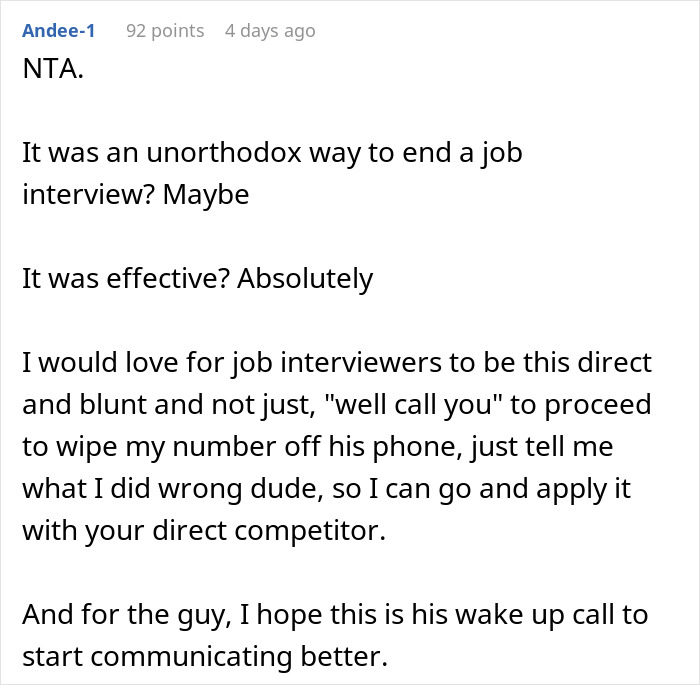
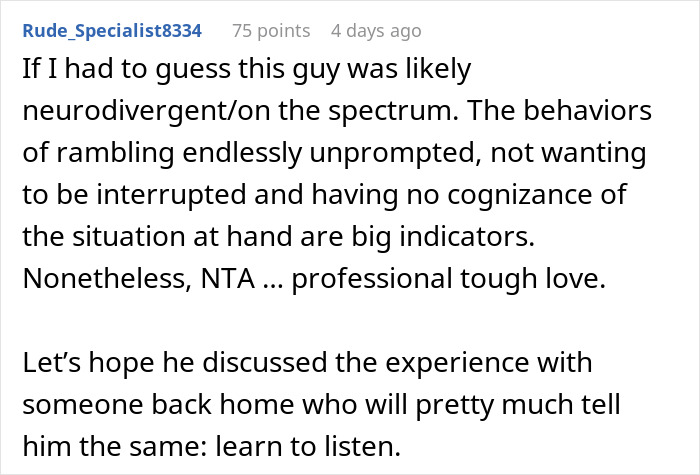
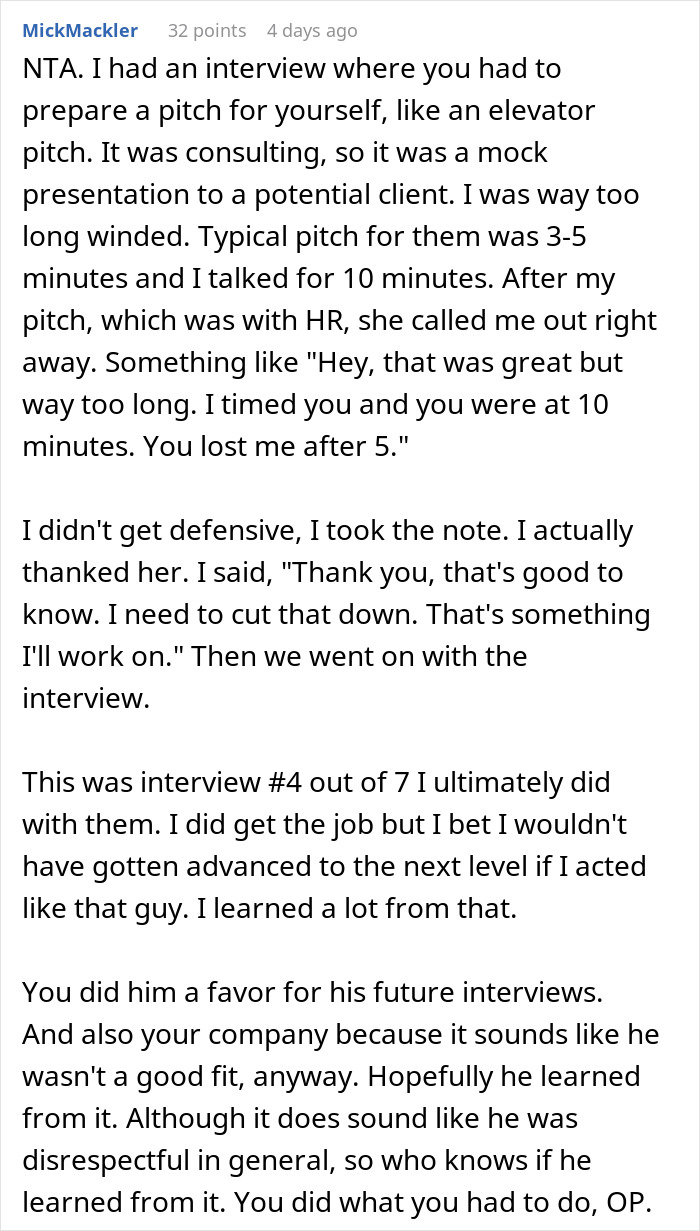
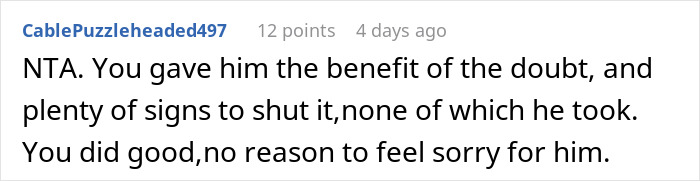
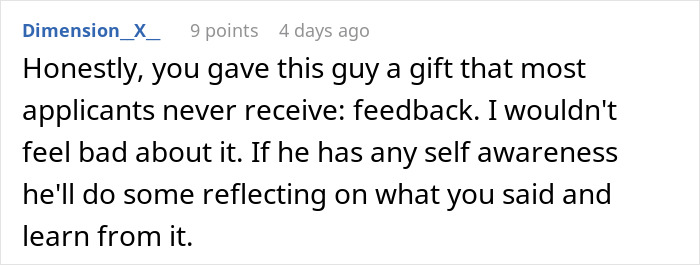
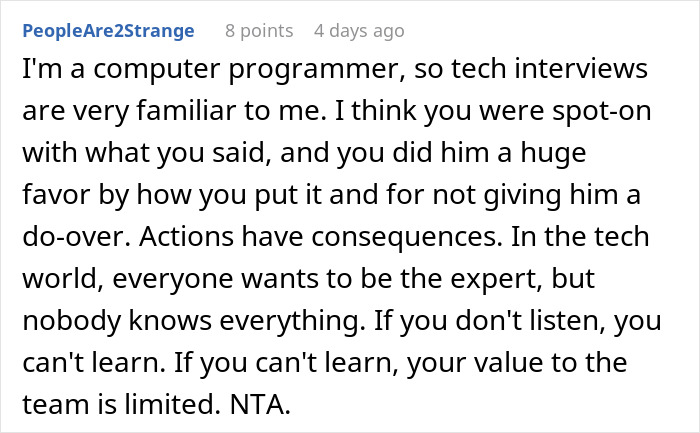
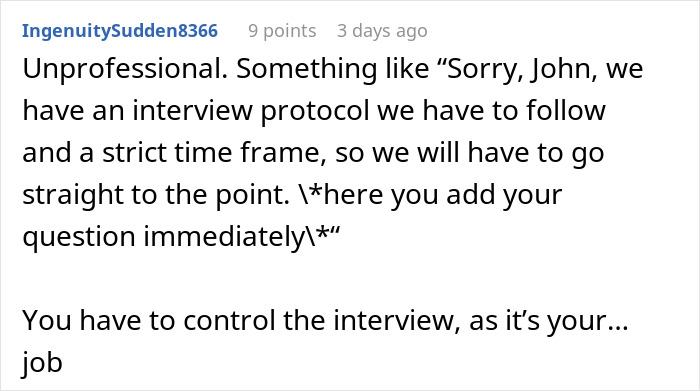
This is the type of feedback people need for interviews. Talking too much and not answering the questions is absolutely going to end up with the candidate not getting the job.

I've butchered my fair share of interviews. I'm not saying this is the case here, but it does remind me of what my ADHD does to my brain when I'm uncomfortable around people. It's something I've been trying to learn how to catch. I don't know much about tech jobs, so it's interesting to read the psychology of interviews for different fields. It seems in this case there's a need to have someone be able to actively listen in high pressure and intimidating situations, because you're working with sensitive technology and clients are going to need to feel like they have full confidence in the person working for them. It's also a sign of respect to hear out what entirely what someone is saying, and making sure they've finished what they needed to say. Reminds me of a time I called the revenue agency with a question regarding a tax credit. Agent cut me off, repeatedly, shouting irrelevant info at me. He hung up on me after it got heated. Listening is so important.

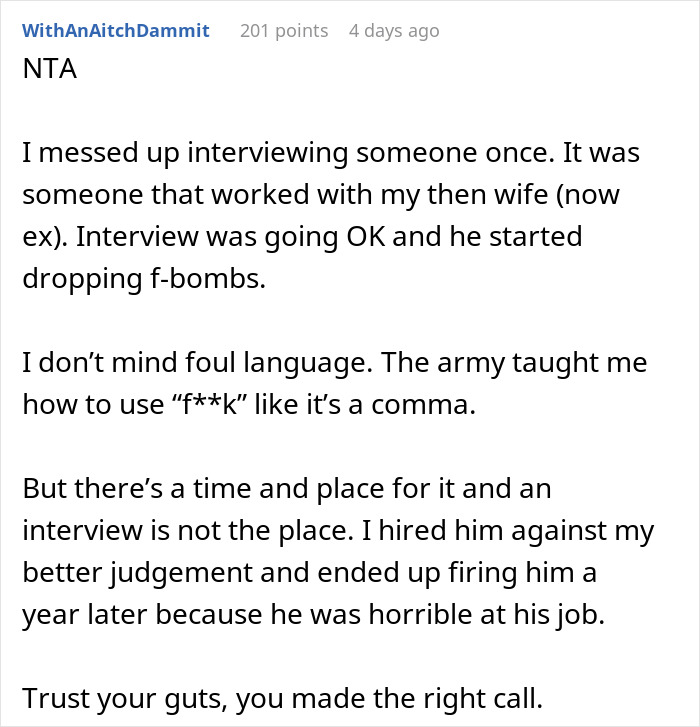
"The army taught me how to use "f**k" like it's a comma." If that ain't the truth...
This is the type of feedback people need for interviews. Talking too much and not answering the questions is absolutely going to end up with the candidate not getting the job.
I've butchered my fair share of interviews. I'm not saying this is the case here, but it does remind me of what my ADHD does to my brain when I'm uncomfortable around people. It's something I've been trying to learn how to catch. I don't know much about tech jobs, so it's interesting to read the psychology of interviews for different fields. It seems in this case there's a need to have someone be able to actively listen in high pressure and intimidating situations, because you're working with sensitive technology and clients are going to need to feel like they have full confidence in the person working for them. It's also a sign of respect to hear out what entirely what someone is saying, and making sure they've finished what they needed to say. Reminds me of a time I called the revenue agency with a question regarding a tax credit. Agent cut me off, repeatedly, shouting irrelevant info at me. He hung up on me after it got heated. Listening is so important.
"The army taught me how to use "f**k" like it's a comma." If that ain't the truth...






























 No fees, cancel anytime















40
22