Get Premium
Dark mode theme is available exclusively for premium users. Learn more about the benefits of subscribing.
No fees, cancel anytime.

 Dark Mode Ad-Free Browsing Unlimited Content
 Ad-Free Browsing Unlimited Content Dark Mode
Join 1.2 million Panda readers who get the best art, memes, and fun stories every week!



It still boggles our minds how many skilled craftspeople there are on Earth. Honestly, it’s inspiring. And it’s proof that with enough focus, persistence, and discipline, you can learn practically anything. But some people take things a step further. They walk out of their comfort zones to hone their skills and push the limits of what’s possible.
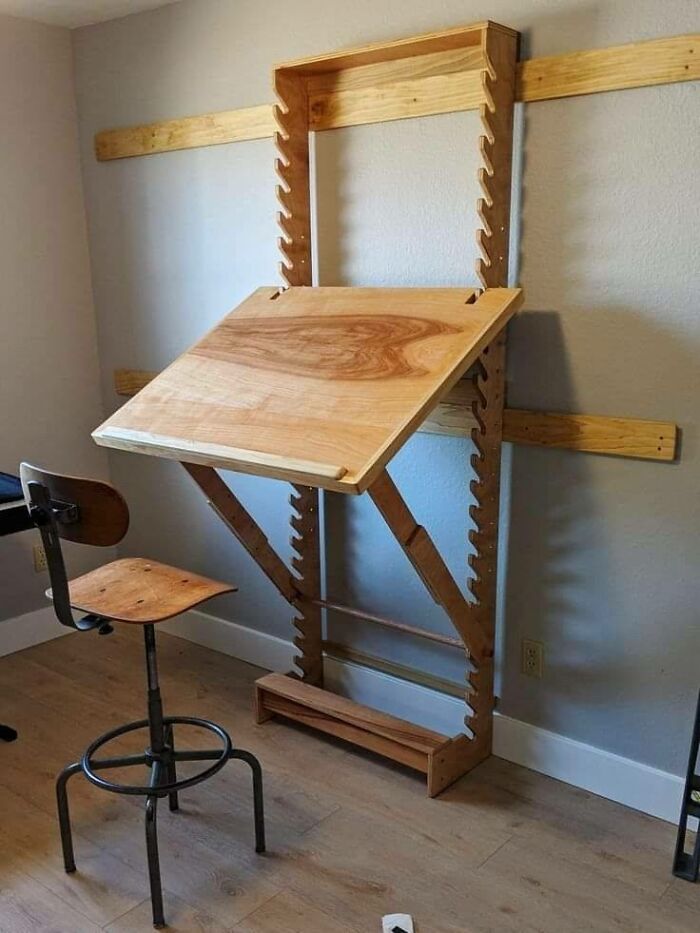
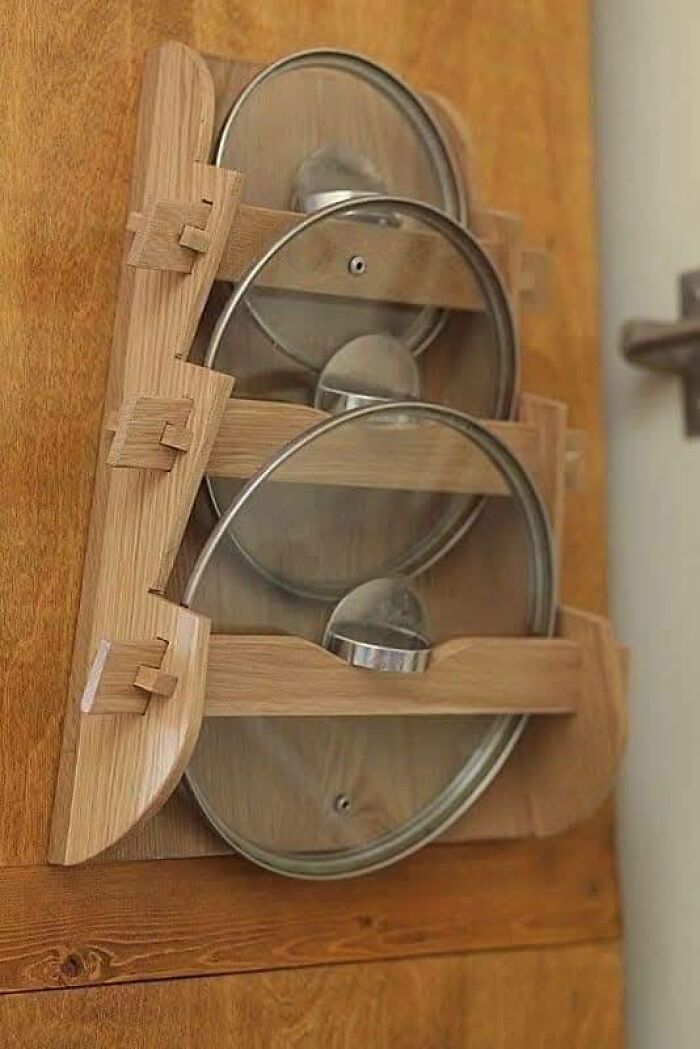
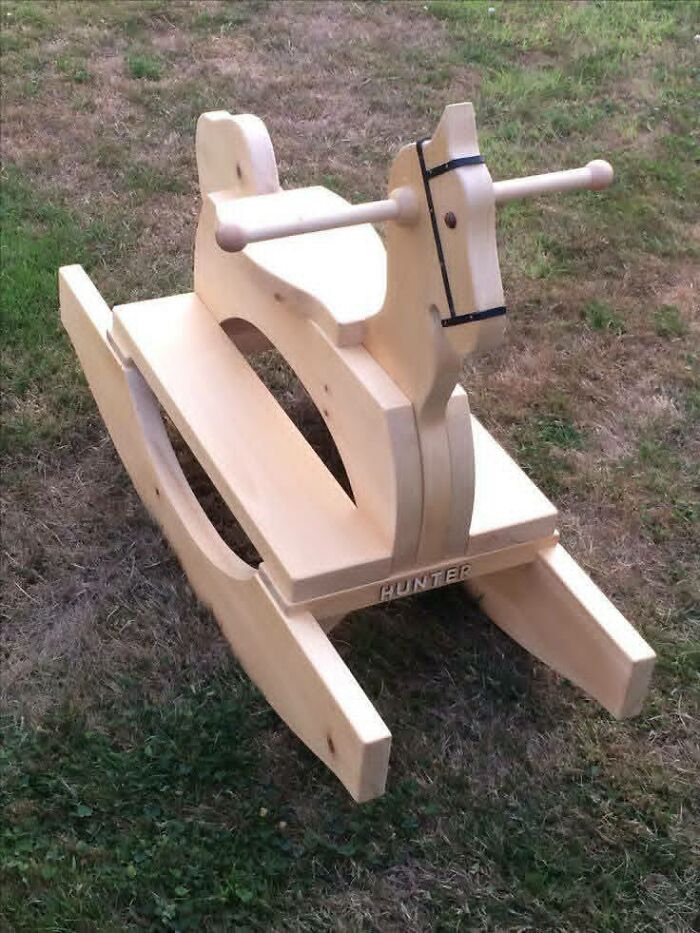
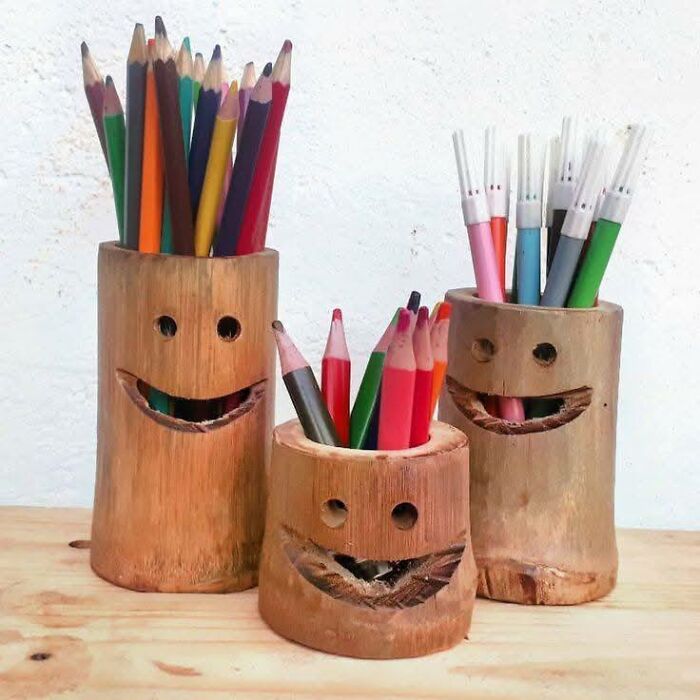
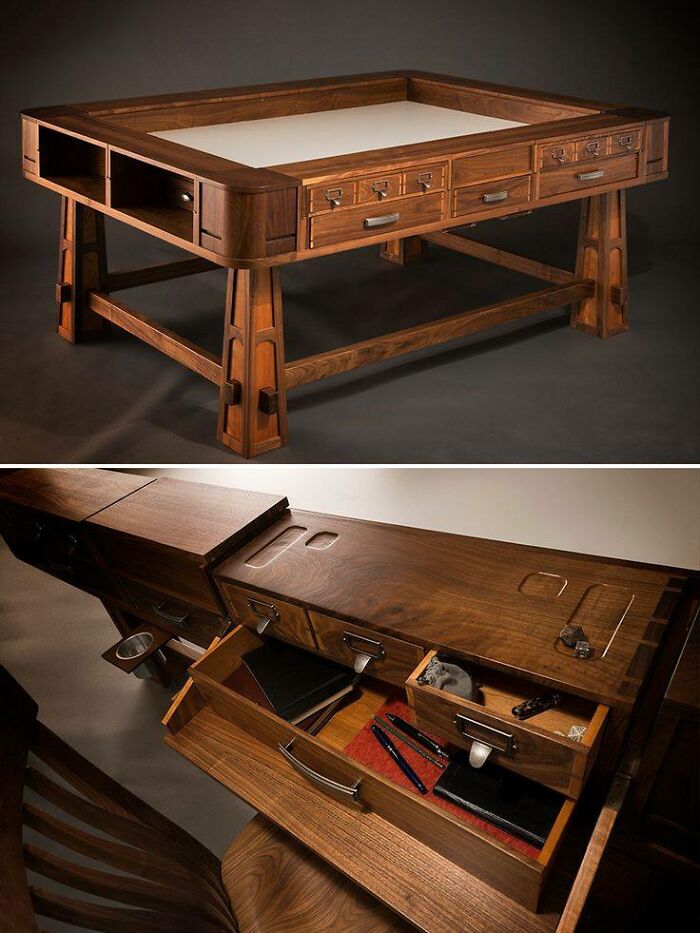
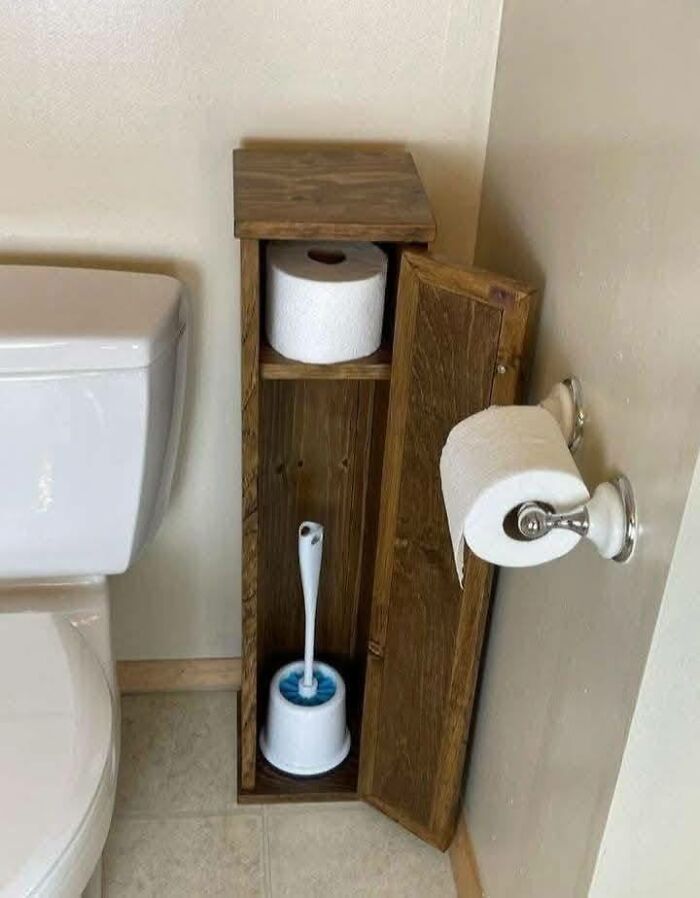
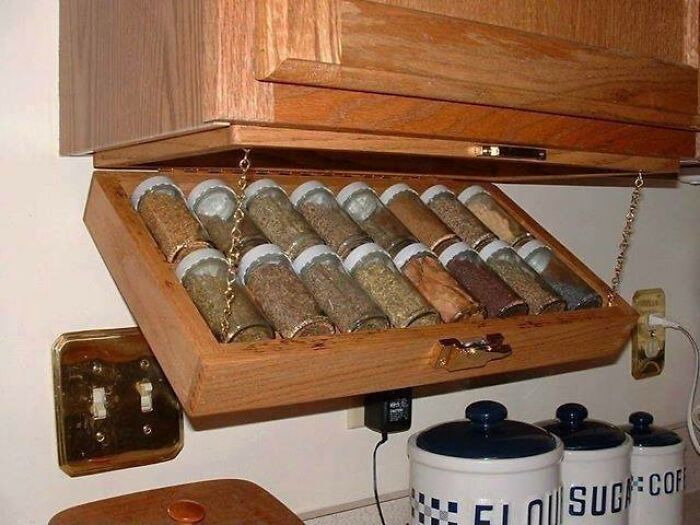
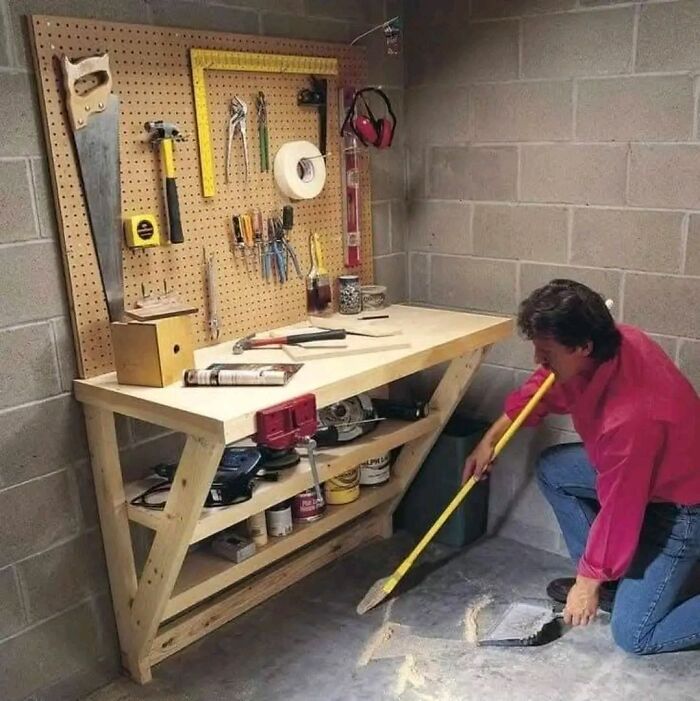
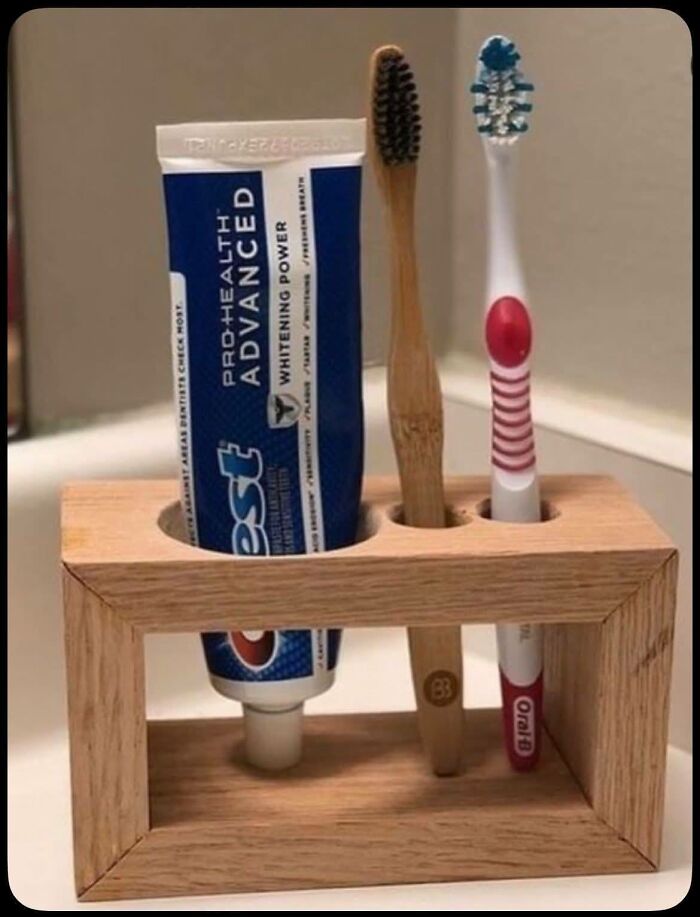
We've collected some of the coolest photos of woodworking projects from the 'Woodworking Ideas' Facebook group and 'Amazing Woodworking' page, crafted by both amateurs and veterans alike. Scroll down for a big dose of inspiration and another reason to pick up a new hobby.
This post may include affiliate links.
Trying out a new hobby or skill can be daunting. After all, most people don’t enjoy failure. And your first few hours of doing something new are likely going to be full of mistakes. And yet, with a bit of perseverance and smart practice, you can get decently good at something fairly quickly.
The conventional ‘wisdom’ that you need to spend 10,000 hours honing a skill to become a grandmaster doesn’t necessarily apply. All you really need is around 20 hours. That is, at least, according to Josh Kaufman, the author of ‘The First 20 Hours: How To Learn Anything… Fast!’
According to Kaufman, most people are “deeply disturbed” by the idea of being bad at something. Even if it’s temporary!
“When you try something new, you’re usually very bad, and you know it. The easiest way to eliminate that feeling of angst is to quit practicing and go do something else, so that’s what most of us do,” he explained to Forbes.
Kaufman points out that by precommitting to putting in at least 20 hours into learning a new skill, you’ll find it easier to progress despite any setbacks. According to him, it’s vital to learn just enough about the core concept of the skills so that you can apply it.
Meanwhile, it helps to break down any skill into smaller and more manageable parts so that you’re less overwhelmed.
The paradox is that the very idea of having to master a new skill can be extremely overwhelming.
As Kaufman told Forbes, this is counterproductive and can prevent you from exploring the new skill in the first place.
On the flip side, things are easier when you shift your focus, say, to having fun with a personal hobby or performing well enough to get meaningful results from the skill.
And, of course, you don’t actually have to master every single skill that you learn. Far from it.
“I believe that developing new skills in a way that allows you to perform well enough for your own purposes is – by far – the most common and valuable purpose of skill acquisition. Based on my research, reaching that level doesn’t take anywhere close to 10,000 hours – you can usually achieve the goals you set yourself in around 20 hours of deliberate practice,” Kaufman explained.
Meanwhile, Joseph Weintraub, a professor of management and organizational behavior at Babson College, told the Harvard Business Review that it’s essential to focus on constantly improving oneself.
“We need to constantly look for opportunities to stretch ourselves in ways that may not always feel comfortable at first. Continual improvement is necessary to get ahead,” he said.
In the meantime, motivational psychologist Heidi Grant Halvorson told HBR that the ability to learn new skills is one of the keys to success in a fast-moving and competitive world. “It’s not enough to be smart — you need to always be getting smarter,” she stressed.
According to Weintraub, self-improvement is hard work. You need to be honest with yourself about whether your goal is attainable, and how much time and energy you can realistically give to the new project.

I hope that decking is more level in reality, although at least the rain will run off it if not.
“Many people implicitly believe that if you have to work hard at something, it means you lack ability. This is rubbish,” Halvorson told HBR. She explained that learning a new skill takes extreme commitment. And you won’t get very far unless your goal is attainable and you’re prepared to work hard.
Moreover, Weintraub pointed out that it’s essential not to take everything on at once. You want to avoid becoming overwhelmed. So, focus on just one or two skills at a time.
We’d like to get your perspective once you’ve upvoted your favorite photos. Which of these woodworking projects impressed and inspired you the most, and why? Have you ever tried woodworking before? If so, how did it go?
Share your thoughts in the comments section at the bottom of this list.
Why do I feel something very heavy had been placed on that table?

































 No fees, cancel anytime