Get Premium
Dark mode theme is available exclusively for premium users. Learn more about the benefits of subscribing.
No fees, cancel anytime.

 Dark Mode Ad-Free Browsing Unlimited Content
 Ad-Free Browsing Unlimited Content Dark Mode
Join 1.2 million Panda readers who get the best art, memes, and fun stories every week!


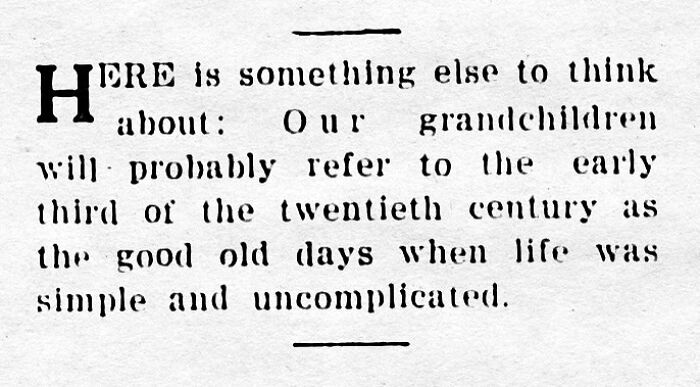
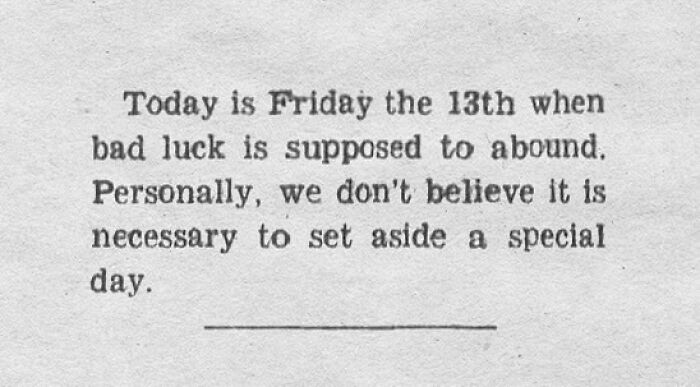
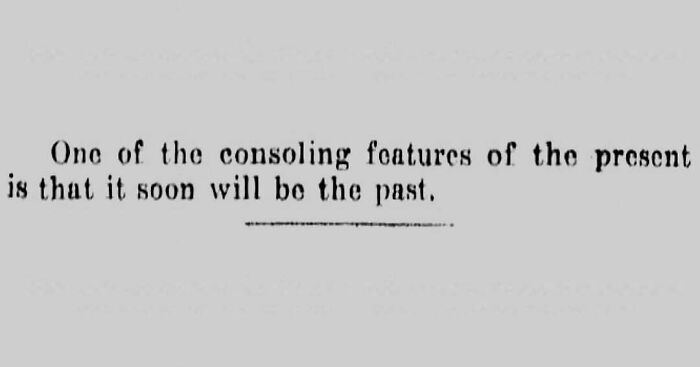
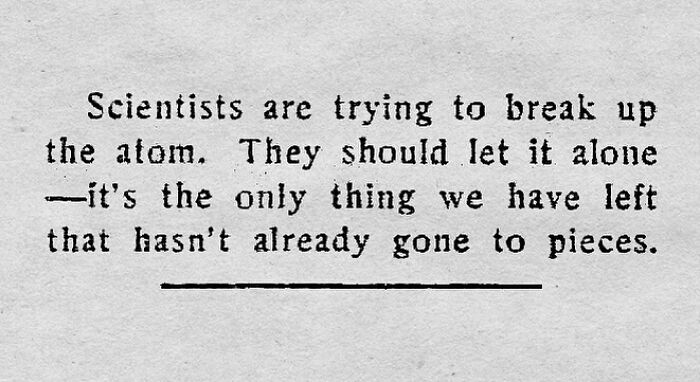
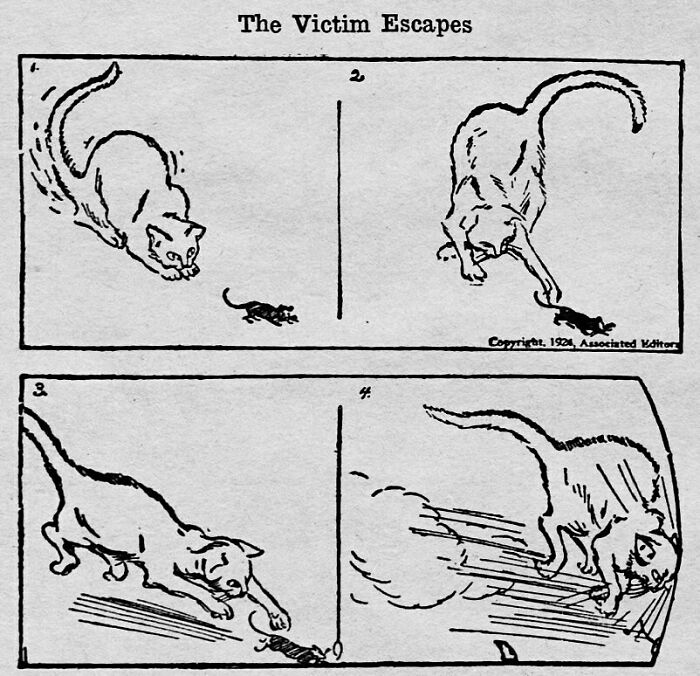
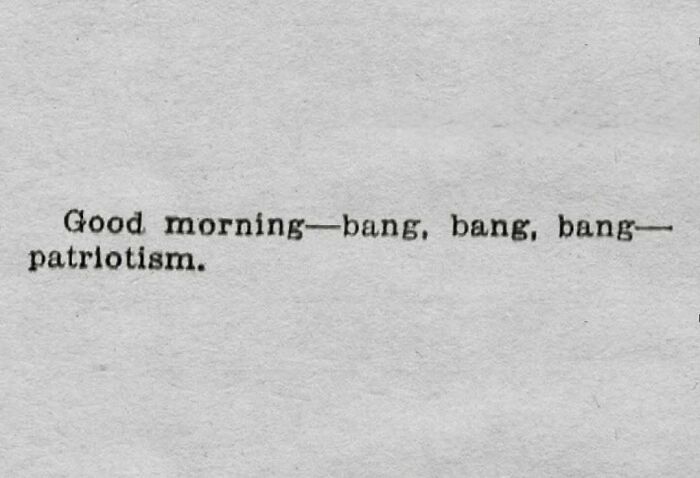
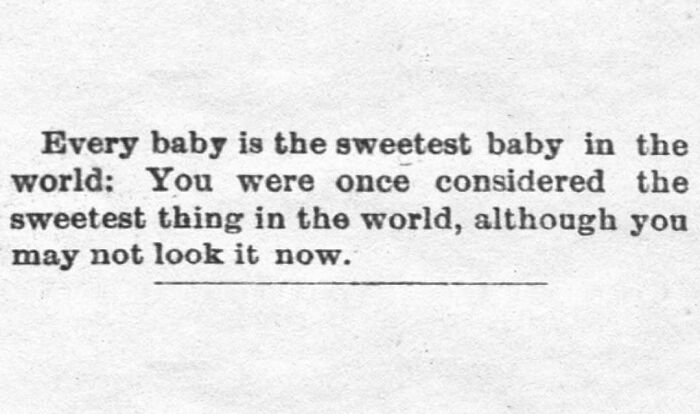
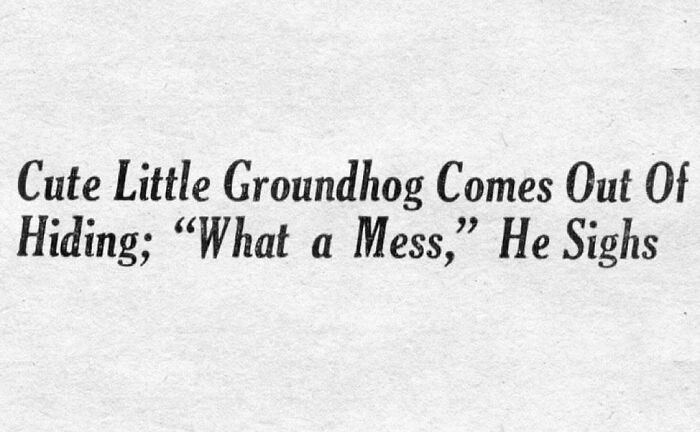
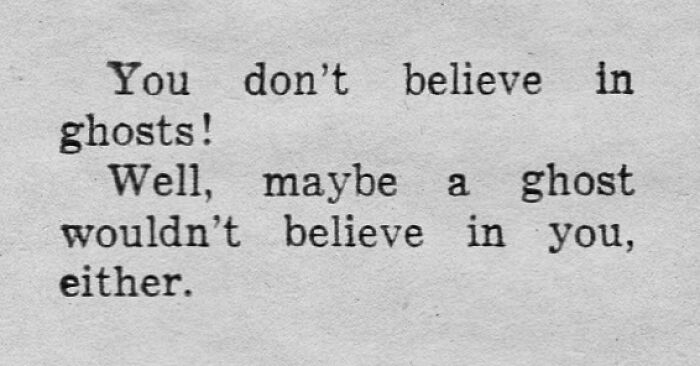
There's something about the past that remains relevant even in the present day. It's why people like to collect old trinkets, buy old houses, and spend hours in public library archives. The first newspaper in the U.S. was printed in 1690, but even old newspaper clippings, comics, and snippets can be relevant now.
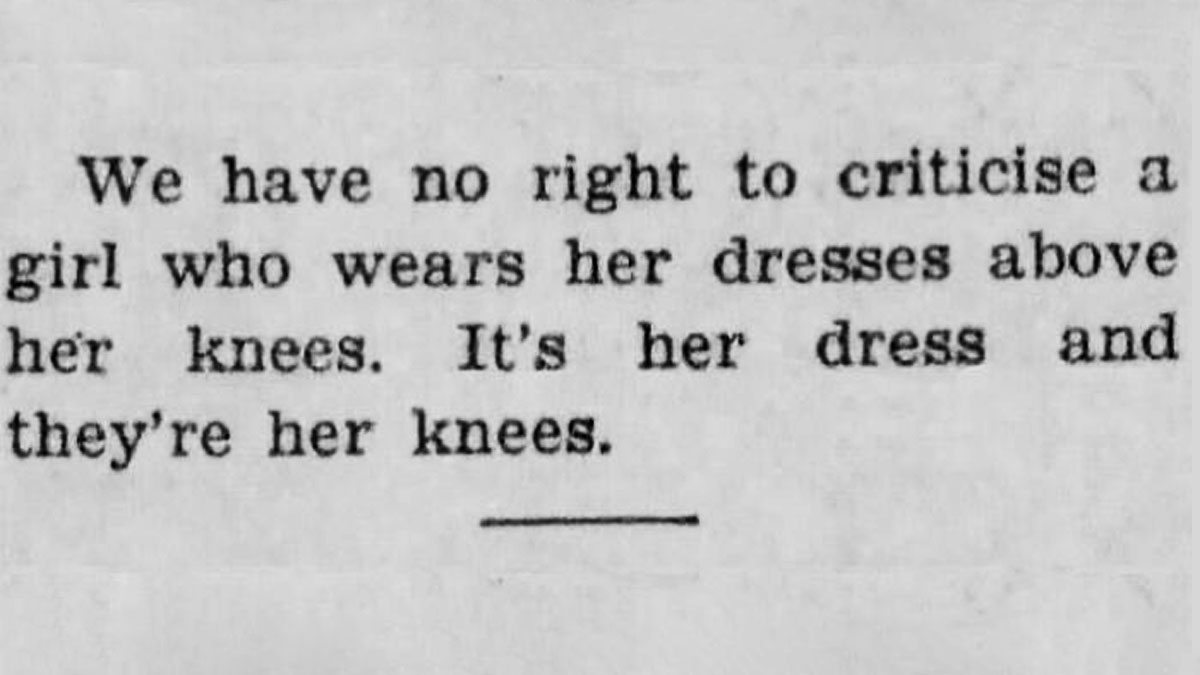
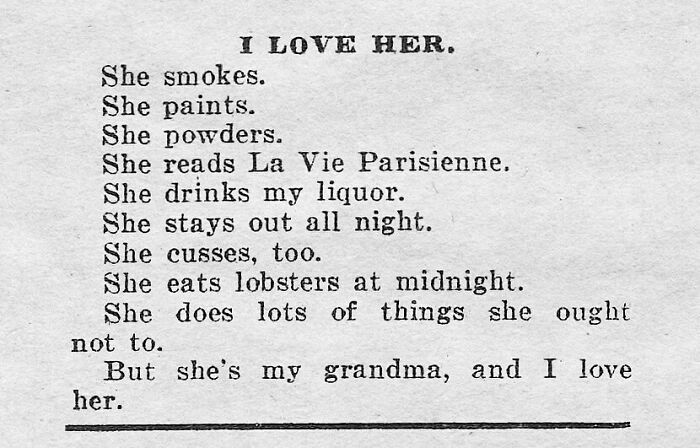
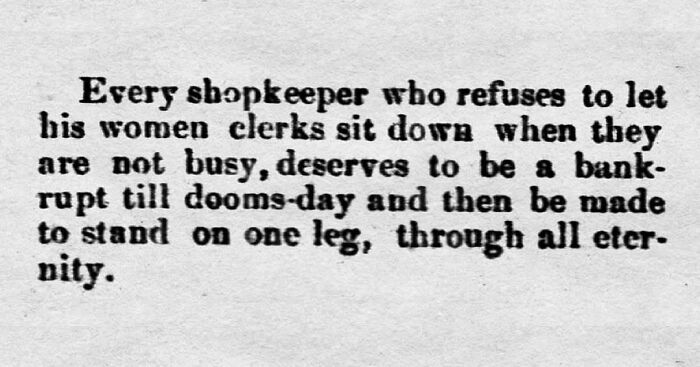
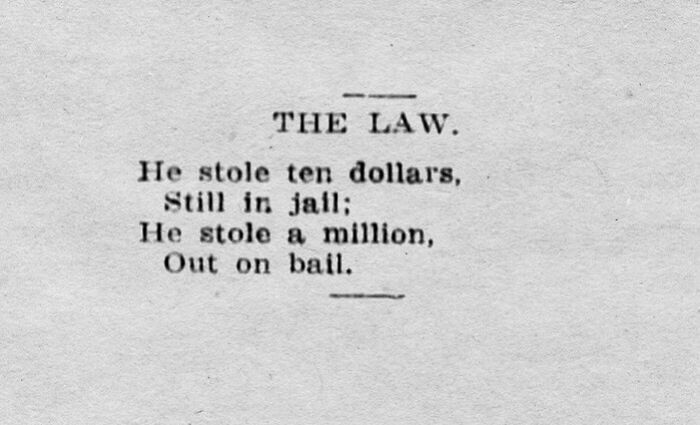
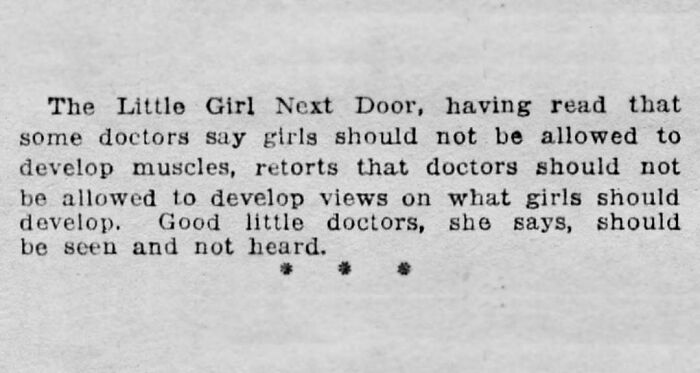
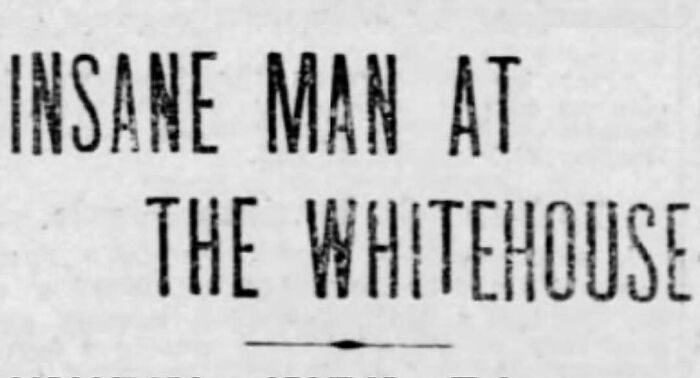
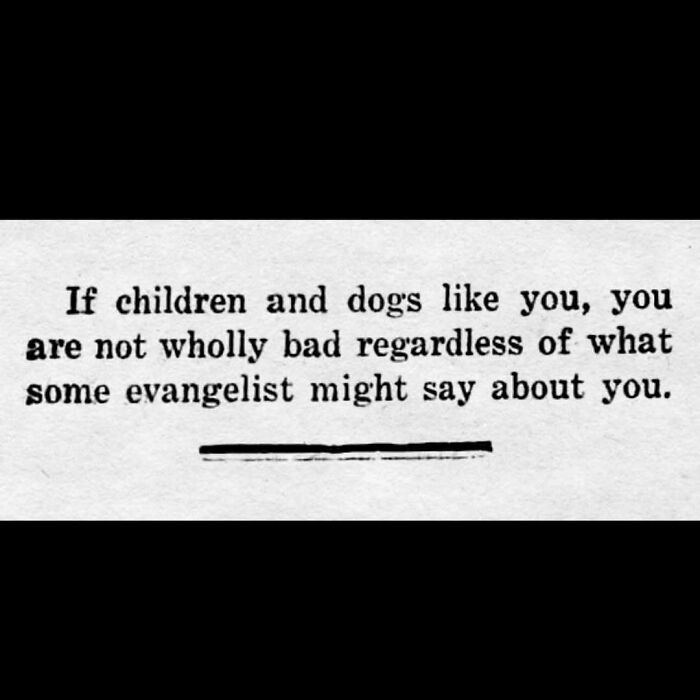
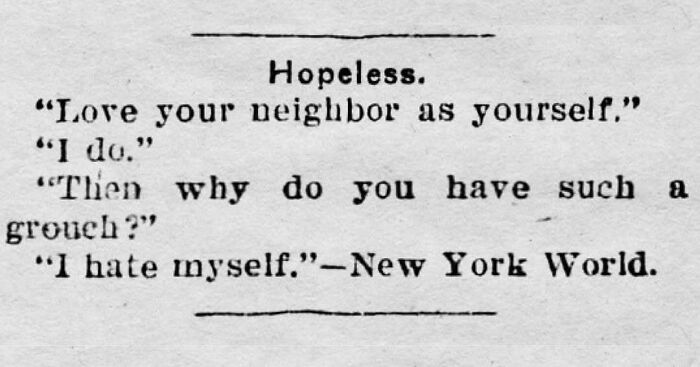
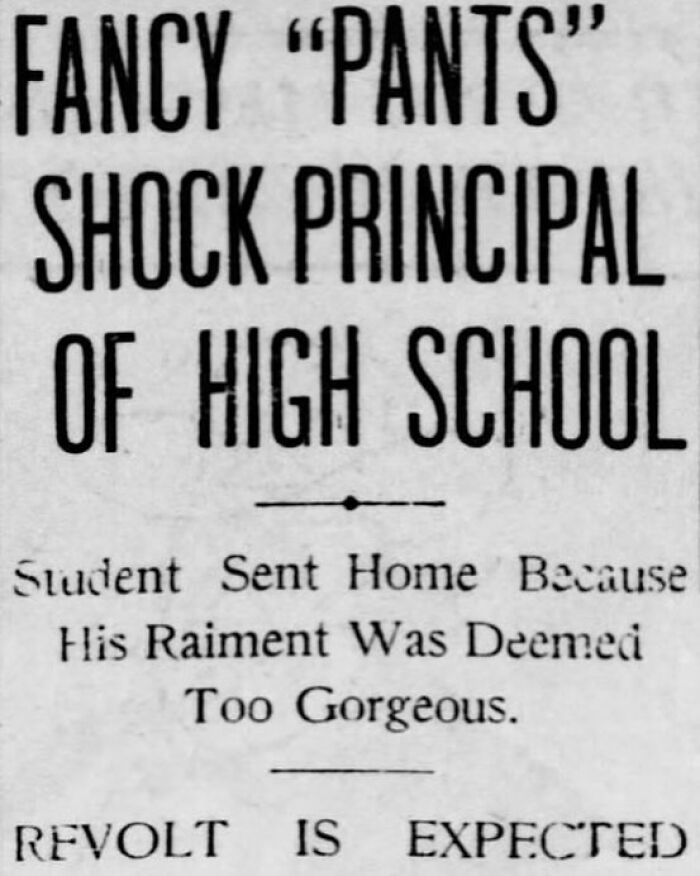
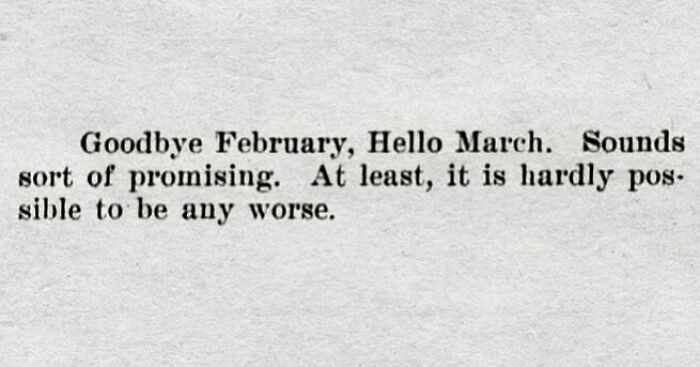
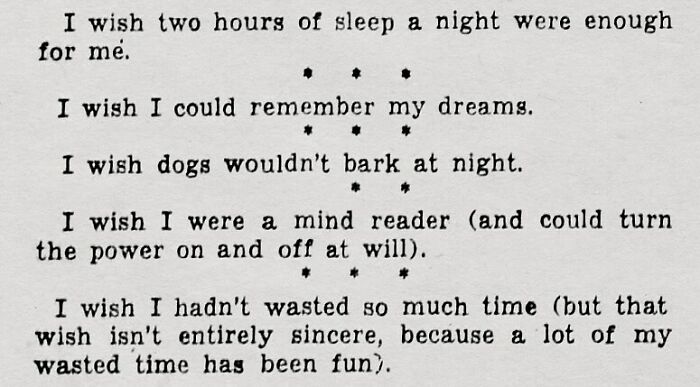
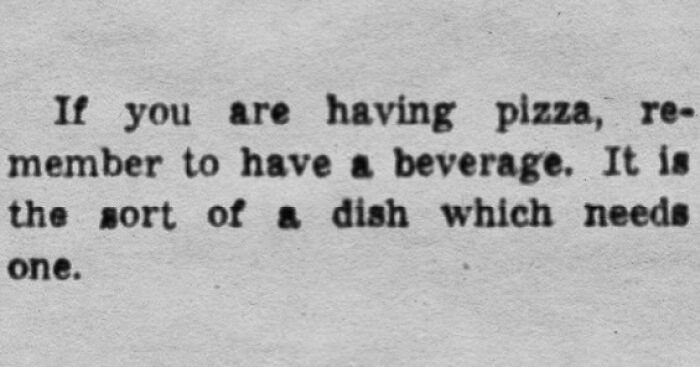
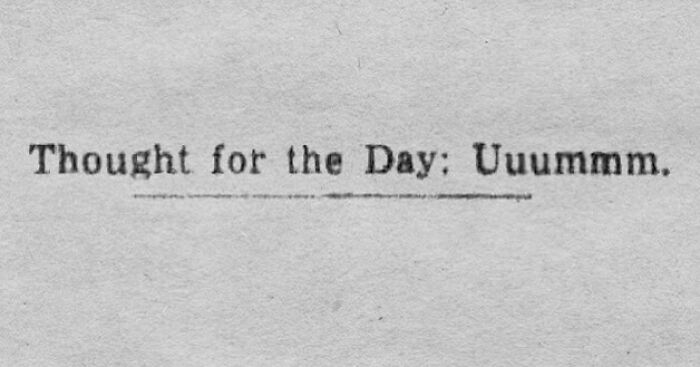
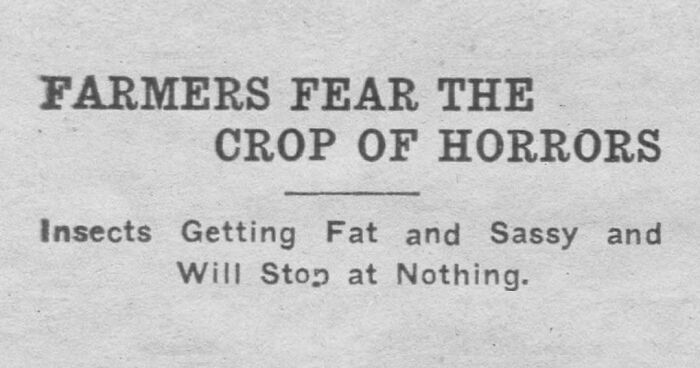
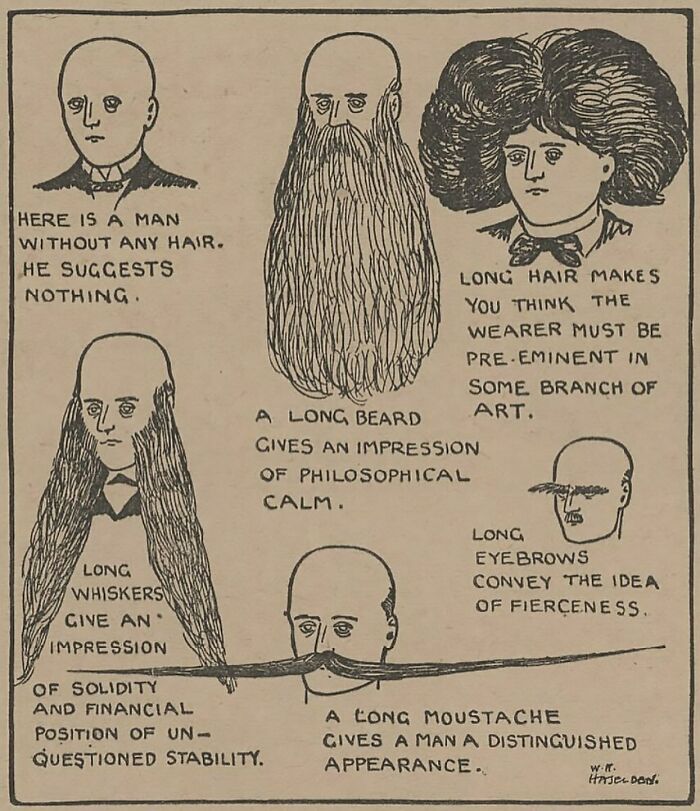
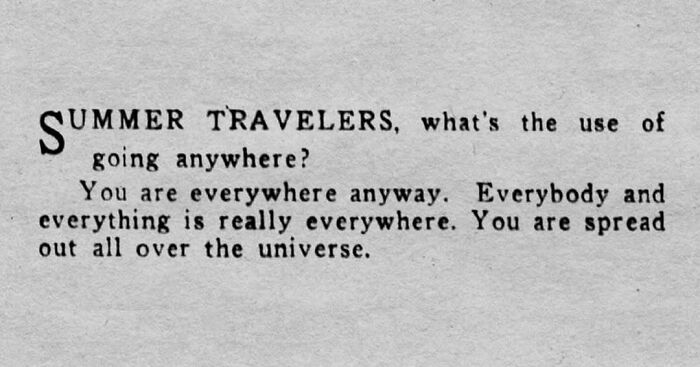
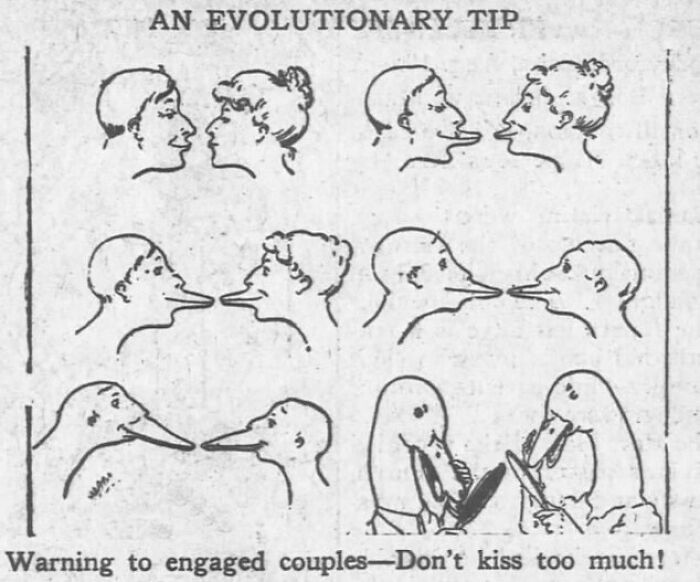
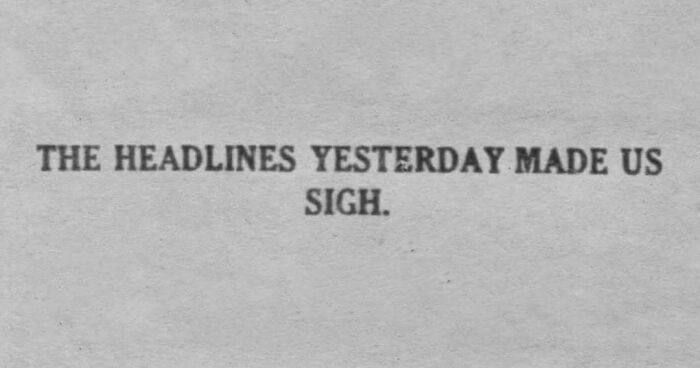
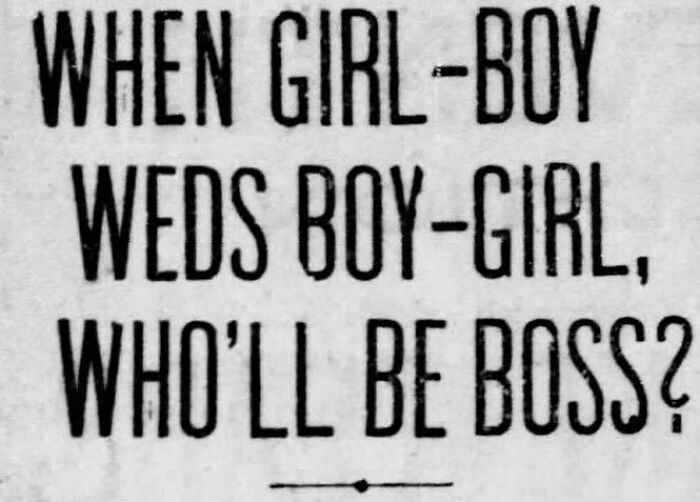
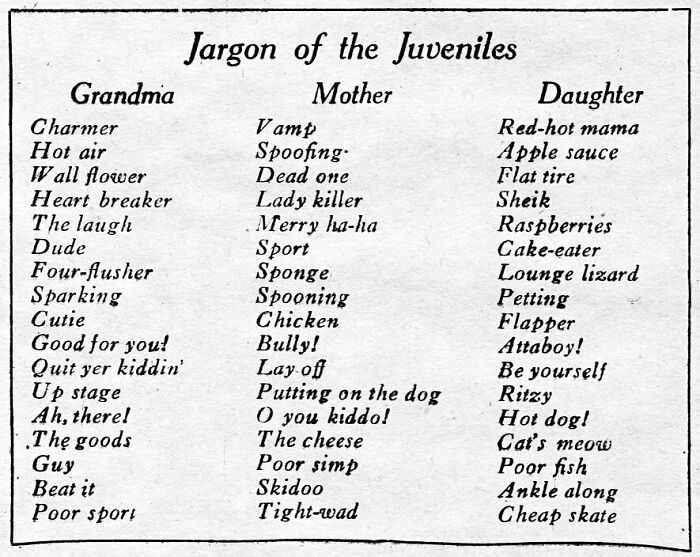
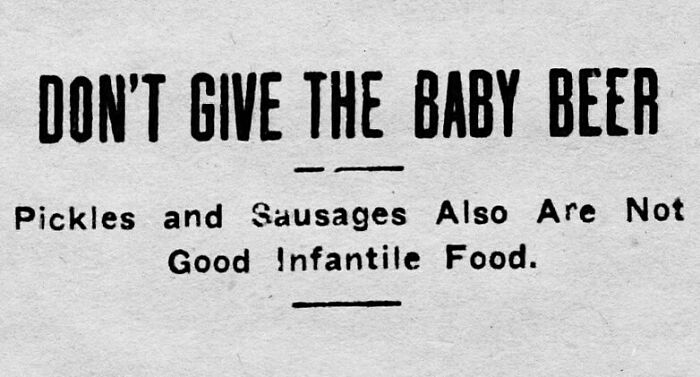
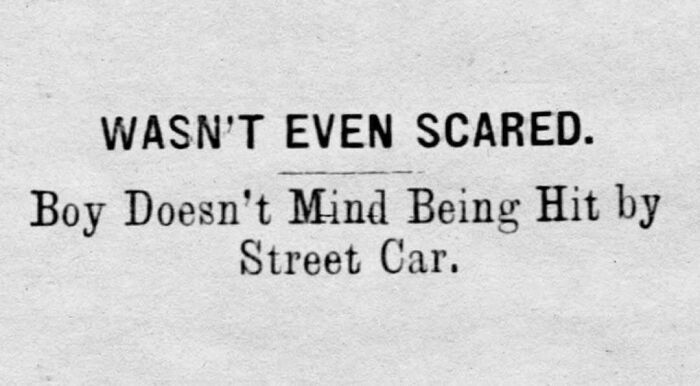
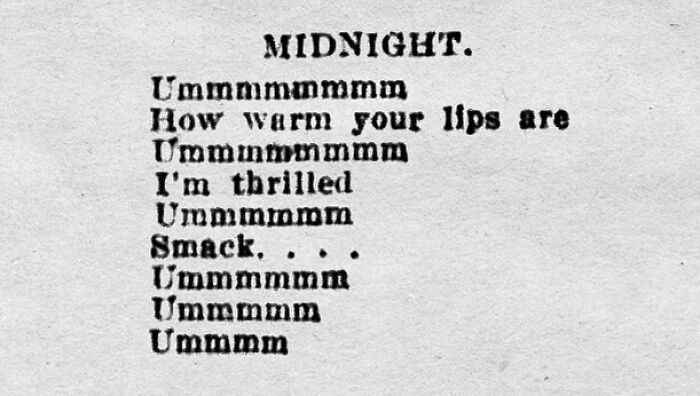
That's what we found out when we came across the Instagram page "Yesterday's Print" that shares vintage newspaper clippings. Some of them include headlines, others are poignant old-timey comics, and some are simple, short jokes from the funnies section. So, join us in rediscovering old-school humor from vintage newspapers that can still be relevant today!
More info: Yesterday's Print
This post may include affiliate links.
The history of American newspapers is quite fascinating. Yes, the first-ever paper was published in 1690, but it had to close down after its first issue. It turns out that the publishers ran it without obtaining a license. The man behind it, Benjamin Harris, had to go to jail for it.
The newspaper was titled "Publick Occurrences Both Forreign and Domestick" and came out only in Boston. Although it was ill-fated, it was quite modern for its time. It was the first multi-page (only four) newspaper and featured topics like politics, crime, and even gossip and scandal. The last of the four pages was left blank so that readers could write in their piece of news and hand it in to be published in the next issue.
1690 was still British America times, so this and many subsequent newspapers that followed it were closely related to the British government. Although public sentiment was different, the papers avoided criticizing it. The next newspaper, The Boston News-Letter, survived after its initial release.
However, it was a tool of the colonial establishment. At the top of every issue, there was a phrase, "Published by Authority," just like in the "London Gazette." The format of this newspaper sort of set the tone for what papers in 18th-century America looked like. There was only one sheet of paper, with text written on both sides in two columns. At the end of the second page, readers could buy ads, but newspaper advertising became lucrative only in the 19th century.
In the beginning of the 19th century, newspaper circulation was in the thousands in America. Not everyone would read them, given that illiteracy was still quite common. As time went by, printing technology became more advanced, and the telegraph and the telephone allowed for quicker communication (editors and publishers communicated mainly by letters).

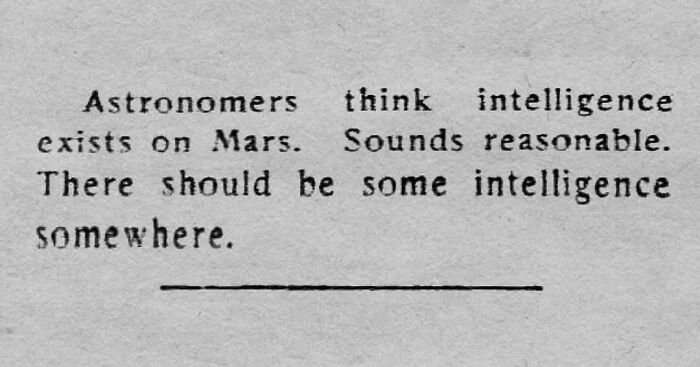
🎵🎶So remember, when you're feeling very small and insecure / How amazingly unlikely is your birth / And pray that there's intelligent life somewhere out in space / 'Cause it's bugger all down here on Earth🎶🎵

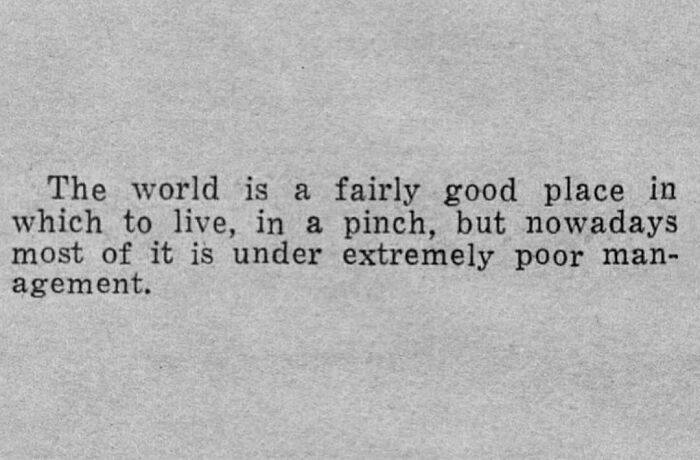
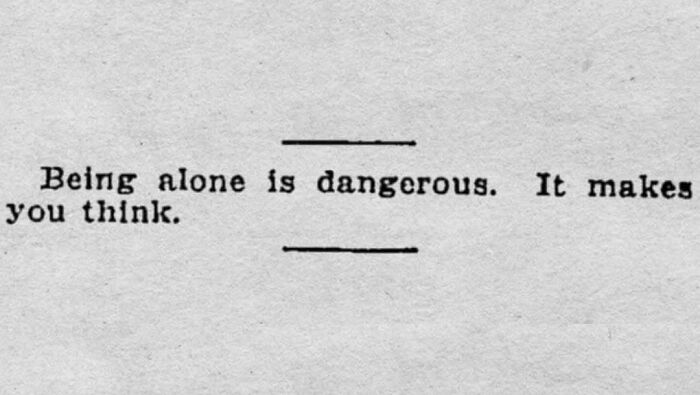
My little piece of the world is under little or no management. I like it!
In the 1830s, "penny papers" started to pop up. To make newspapers available for the masses and the working class, publishers started selling cheap, mass-produced newspapers that cost only one penny. Some examples include The Boston Herald, the Philadelphia Public Ledger, and the Baltimore Sun. At first, they were only available in the big cities, but, with time, spread to smaller cities in the South and the West.
In the early 20th century, newspapers were almost the main source of news for all Americans. Except for maybe the radio, it was the only place people would find out about what was going on in the world. Alternative, or "underground," newspapers began publishing, with different interest groups wanting one that represented them, whether by trade, ethnicity, occupation, or religion. The "Village Voice" of Greenwich Village in New York was one of them, which began publishing in 1955. It was a place for artists and various creatives like Jonas Mekas and Linda Solomon.

Today, newspapers aren't really that popular. Since the 2000s, the number of newspaper publishers in the U.S. has reducedby more than half. In 2002, there 46,000 of them, and in 2022, only 22,000 were left. In the 2010s, many publications and newspapers moved online and retained a pretty solid viewership of more than 10 million readers. Since 2020, even online newspapers have been experiencing an increasingly significant decline.
Why aren't we reading newspapers anymore? Julian Novitz, a lecturer in the Department of Media and Communication at Swinburne University of Technology, explains that our attention spans are no longer compatible with weekly or monthly newspapers and magazines.
"Casual readers are less willing to wait for a weekly or monthly print magazine to arrive in the post or on a newsstand. The ready availability of free, or significantly cheaper, digital content may deter them from purchasing print subscriptions or individual issues."
However, even if print magazines and newspapers are experiencing a decline in readership, they're still here. To make print materials interesting, some magazines and newspapers offer something more than just the written word. Recently, people buzzed on social media about the newest issue of Vogue UK that included a stylish notebook. "I don't even use a diary, just gonna get it to stand on my vanity," one person said.

Thanks for reminding me. It's after midday here so time for another one

Why do those ads think I wanna peel off my skin unless I have a million mosquito bites
That's a nice marketing strategy, of course, but there are other elements at play. Some experts note that people are experiencing "digital fatigue" and want to consume more and more physical media. So, perhaps newspapers and print magazines won't go out of style that quickly.
New Yorker's staff writer Nathan Heller explains the long-lasting appeal of print media like this: "What made magazines appealing in 1720 is the same thing that made them appealing in 1920 and in 2020: a blend of iconoclasm and authority, novelty and continuity, marketability and creativity, social engagement and personal voice."

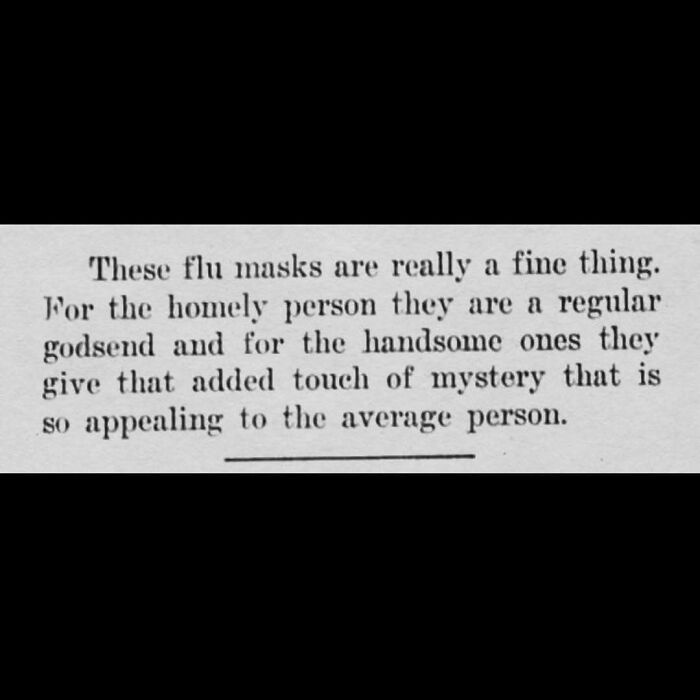
I wonder how many members of ICE couldn't breathe when wearing a mask during the pandemic.

Actually, we've incorporated that into our lives without realizing it, when our standard response becomes "if you think that's bad..."
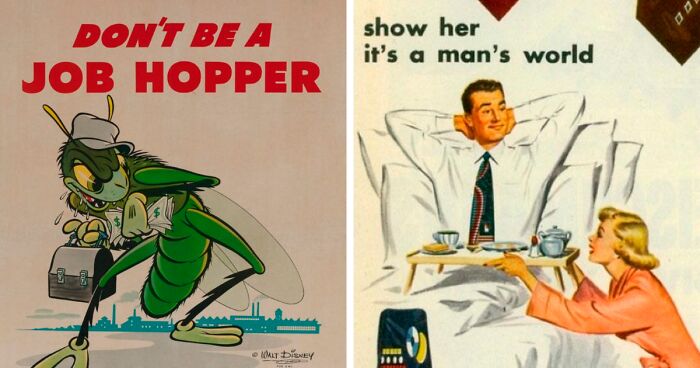
What do you think of these old newspaper clippings, Pandas? Have they brought you back in time at least a little bit? Or are they just as poignant and relatable as if they were written for a publication today? Let us know your thoughts in the comments! And if you're in the mood, we also have some vintage ads that did not stand the test of time for you to enjoy (or cringe at).

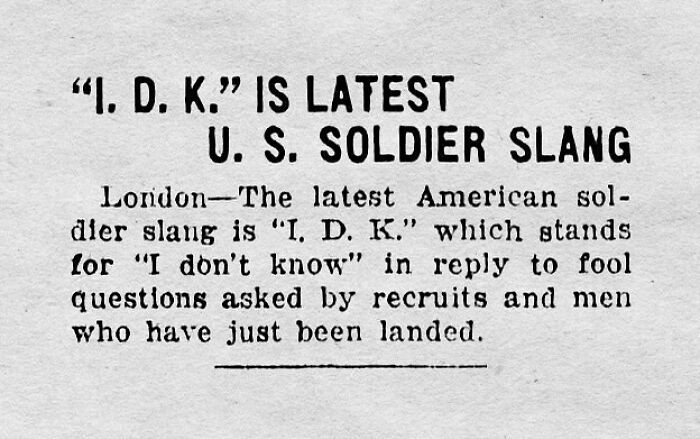
The expression O.K. was one an acronym too, invented about 20 years earlier

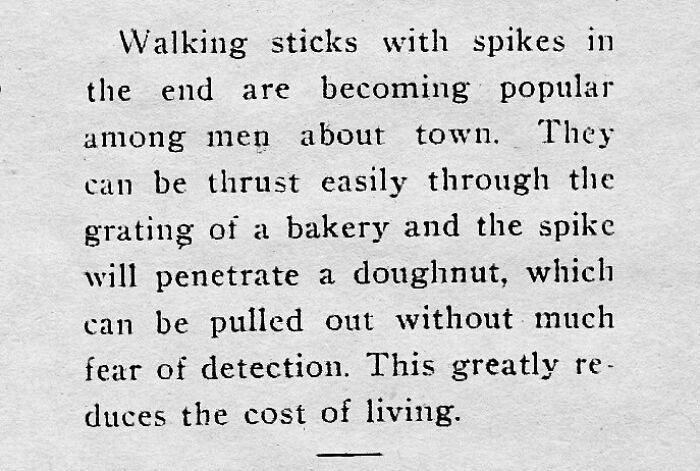
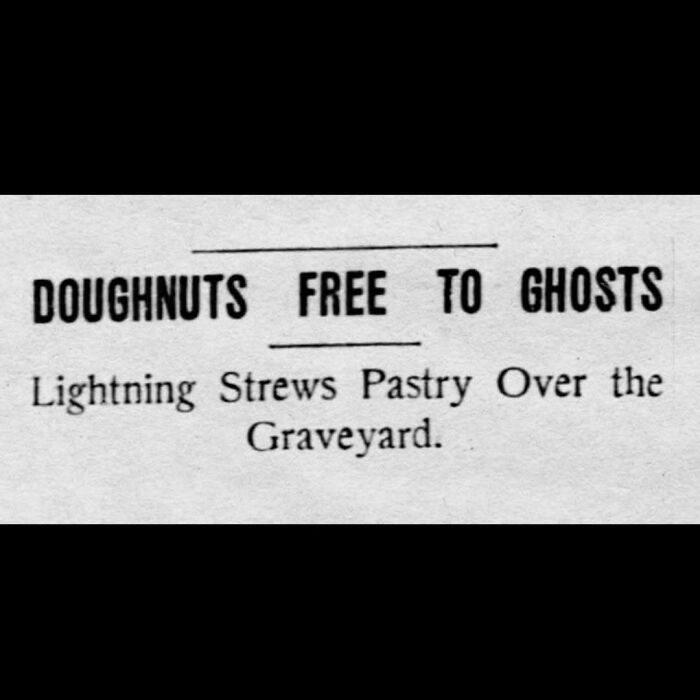
A doughnut now filled with whatever dirt the walking stick has been through that morning.

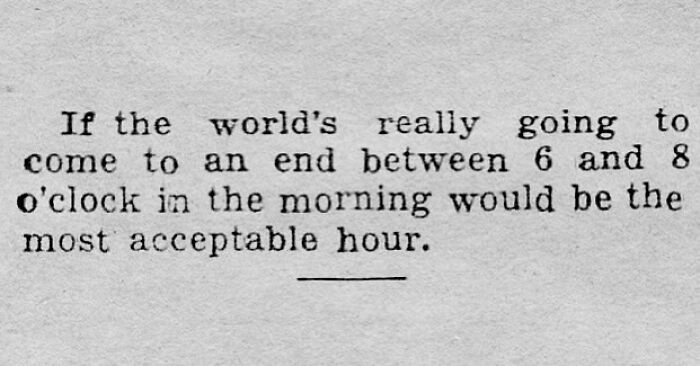
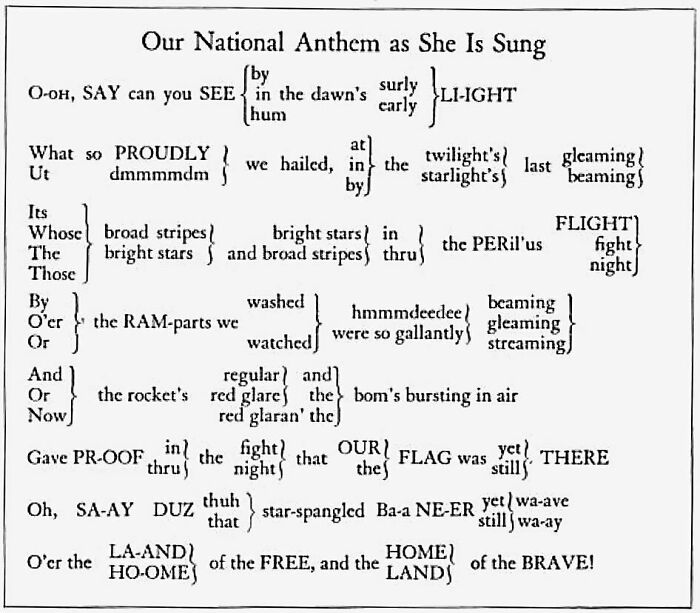
In my opinion, every dawn's light is quite surly XD I am not fond of mornings.
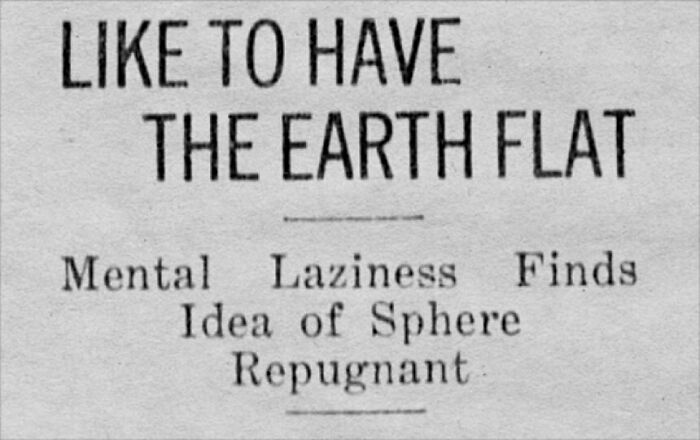
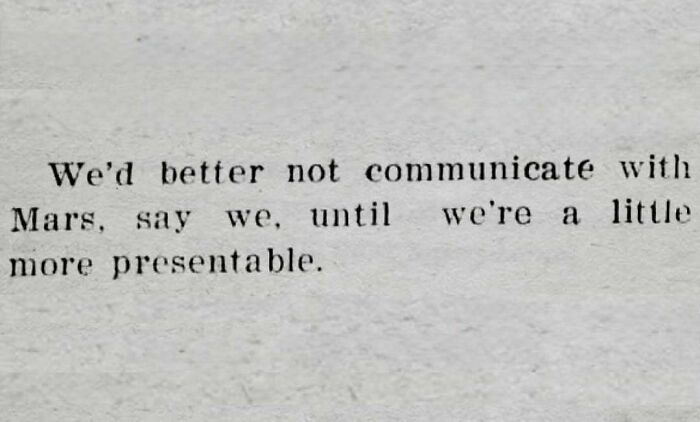
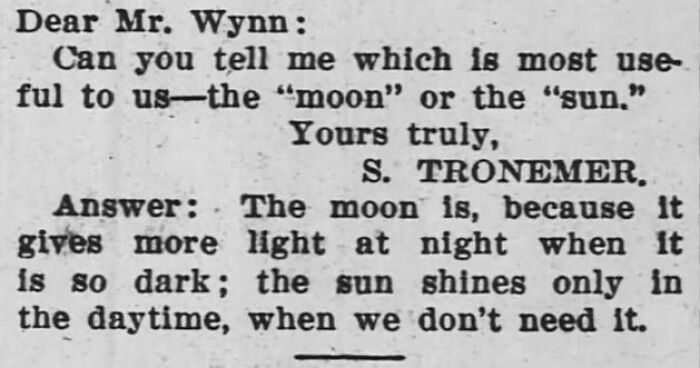
Sounds reasonable. I’m sure the flat earthers could be persuaded of this.
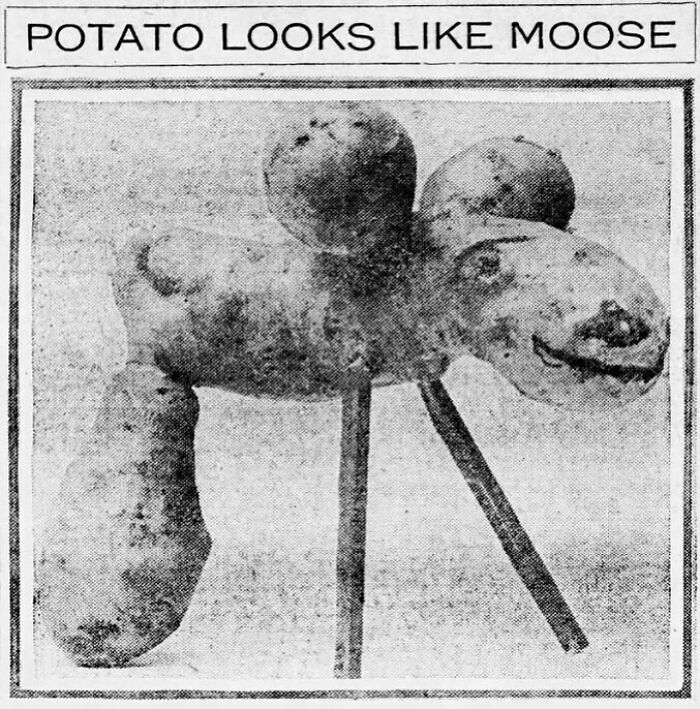
This is a demonstration of an early image editing system called TaterShop.
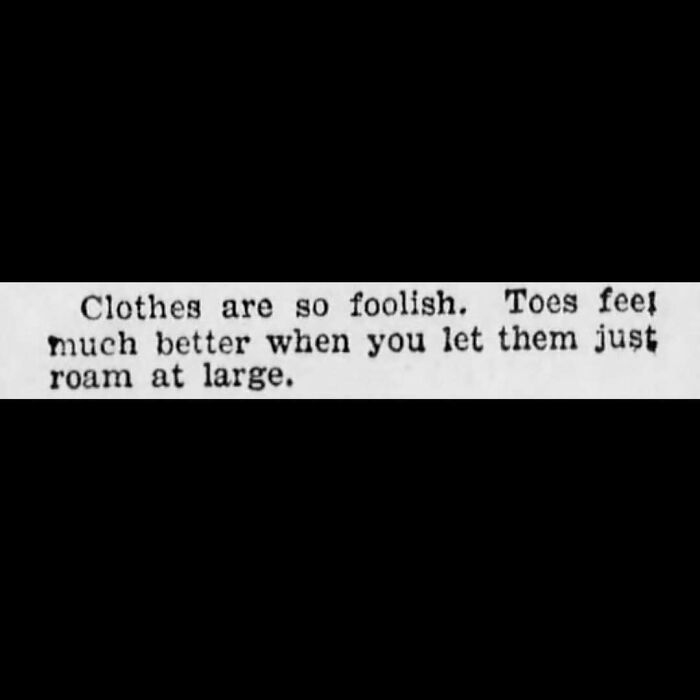
I’ve long argued that socks are straitjackets for your toes.












 No fees, cancel anytime
 then open in external browser


 and click "Open in External Browser"