Get Premium
Dark mode theme is available exclusively for premium users. Learn more about the benefits of subscribing.
No fees, cancel anytime.

 Dark Mode Ad-Free Browsing Unlimited Content
 Ad-Free Browsing Unlimited Content Dark Mode
Join 1.2 million Panda readers who get the best art, memes, and fun stories every week!
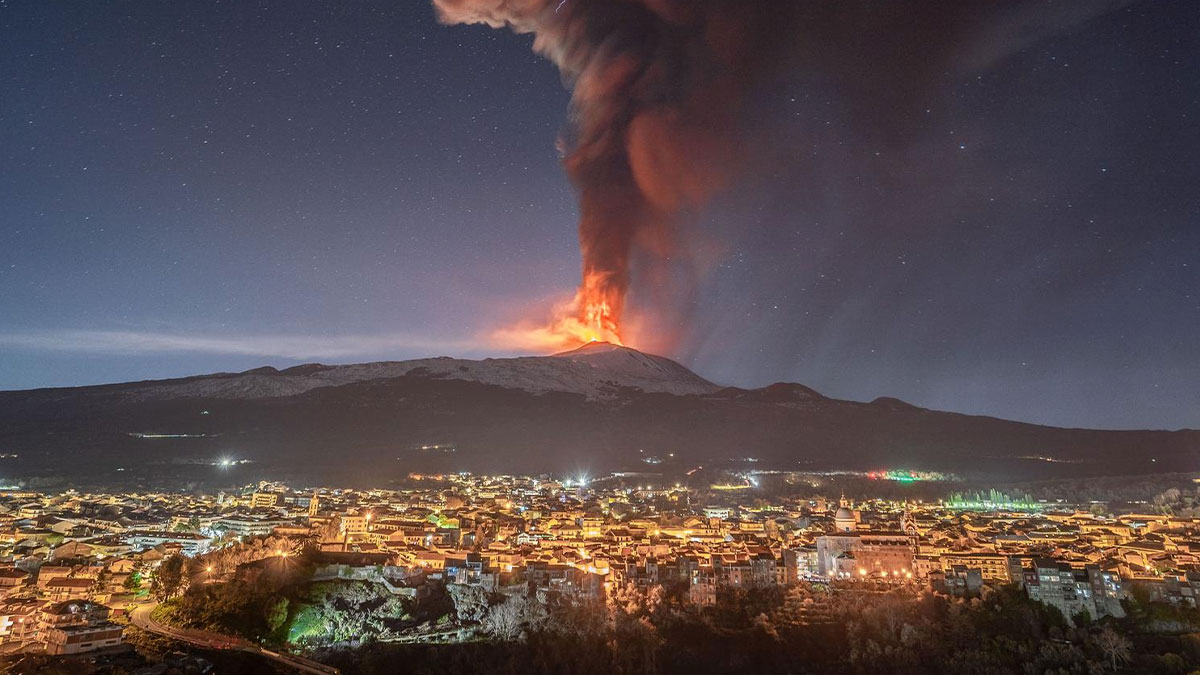


Science is amazing, fascinating, and, if we’re being honest, sometimes absolutely terrifying. While we usually hear about cool breakthroughs and feel-good discoveries, there’s a darker side of science that doesn’t make it into textbooks or dinner conversations. These are the facts that make you pause, blink twice, and quietly think about how unsettling it all is.
To our fascination, netizens revealed the most terrifying science facts most people don’t know about. Some facts challenge how safe we think we are, while others remind us how little control we actually have, and as usual, we have rounded up some of the best, most interesting ones for your entertainment.
More info: Reddit
This post may include affiliate links.
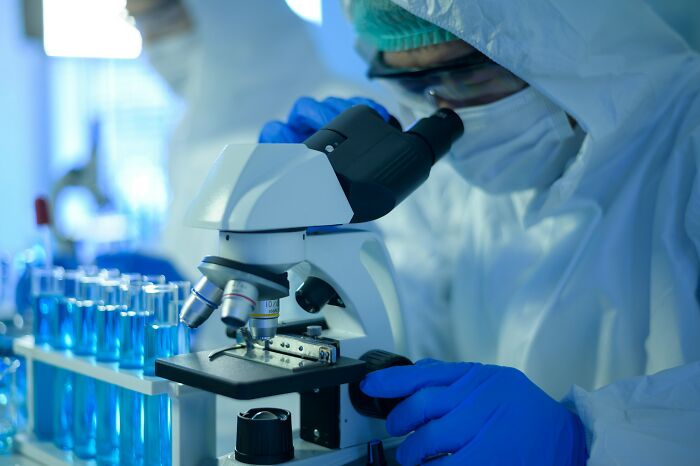 The CDC has been eviscerated.
Global cooperation & preparedness are at a 60 year low.
The next major contagion will make Covid-19 look like a Disney story.
 That your brain can make up entire memories that feel 100% real. and you’ll never know the difference.
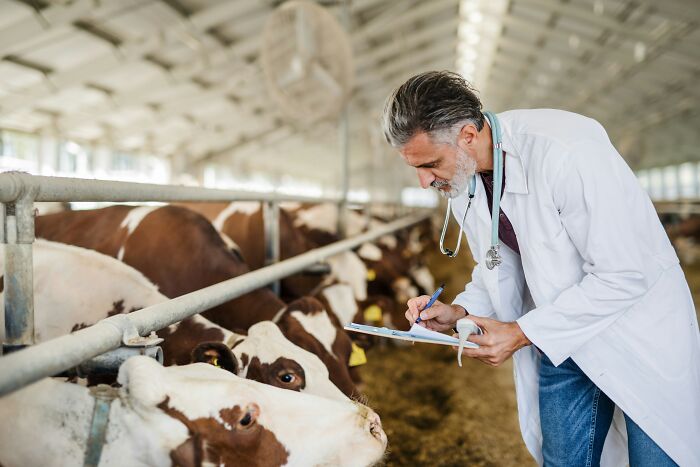 A lot of the food you eat requires care that has to be provided by veterinarians. Veterinarians who have to take on crippling debt to go to school to do this job. We don’t have enough of them and it’s bigger than just nit enough vets to see puppies and kittens… it’s a shortage that also concerns food safety on not only a national but global level.

According to National Affairs, science, powerful as it is, comes with built-in limitations. Scientific knowledge relies on models that attempt to explain reality, but these models are always temporary and open to revision when new evidence emerges. Some boundaries come from the methods science uses, others from deeper philosophical issues, and many from the sheer complexity of the universe itself.
They further highlight that even with advanced technology and computing power, science cannot provide a complete picture of reality. While it is highly effective at observation, measurement, and prediction, it remains unable to answer certain fundamental questions about existence and meaning.
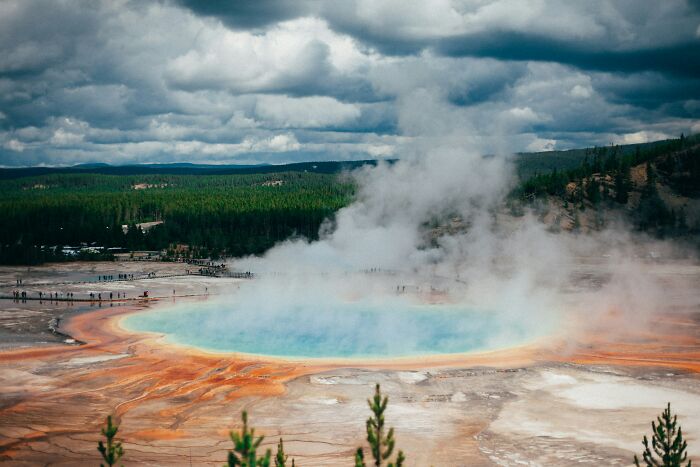 If yellow stone erupts again like the last time it’ll take north America with it.
No it will take out almost all of human civilization, the fallout would be global, enough ash in the sky to block out the sun for quite some time. If you want to freak yourself out take a look at all the quakes and tremors occurring in that area.
 In 1945 when the scientists on the Manhattan Project tested the very first atomic explosive (the trinity test) some of them had concerns that the blast might ignite the nitrogen in the atmosphere and burn the entire planet to a crisp.
My uncle was one of those scientists. He told me about this during a visit when I was a teenager. He said, “The math said it wouldn’t happen but on the other hand, no one had ever set off an atomic explosive before.”.
"Hey, let's do it anyway. What's the worst that can happen?"
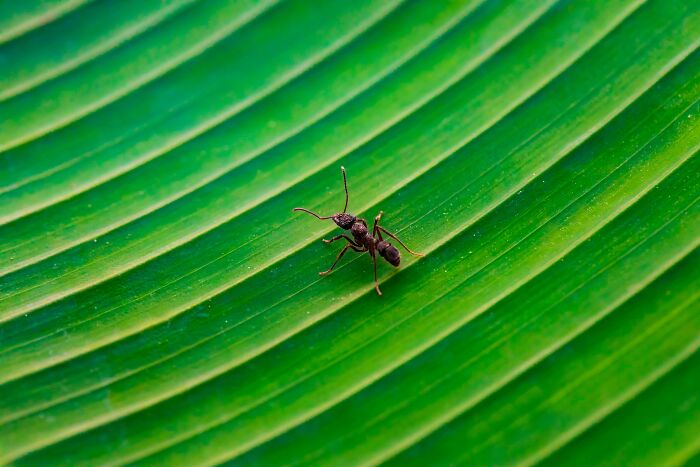 For every human on earth there are 4 million ants.
Based on this understanding of science’s limits, the BBC notes that the stability of modern life may be more fragile than it appears. While technology and infrastructure create an impression of control, scientific research shows that complex societies often become more vulnerable over time.
While scientific models help us predict and manage risks, the inherent limits of knowledge mean that unexpected events or cascading failures can still occur. This underscores that even our most sophisticated systems operate within a fragile balance, highlighting a key theme from the research: the illusion of control.
 Half the population is on anti-depressants, HRT, birth control, and a host of other meds that show up in noticeable concentrations in urine. Those meds end up in sewerage, and ultimately back in the environment (including in human drinking water). We are microdosing the planet, including the entire human population, and we have no idea of the long term consequences.

That's okay, we already have a worrying amount of microplastics and Teflon in our bodies, brains, and - let's face it - pretty much every living thing on the planet. I'm surprised we haven't managed to accidentally turn this place into a sterile dead world yet.
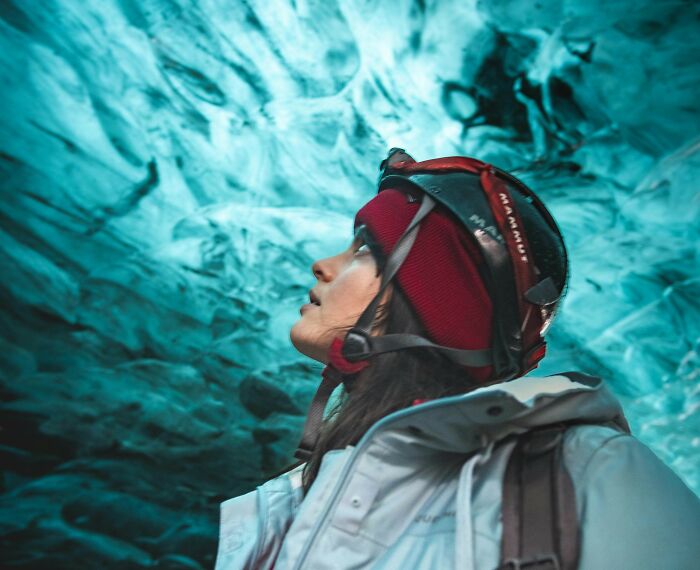 Permafrost is thawing rather quickly and releasing ancient pathogens.

In Greenland the ice is retreating so much that Viking settlements are becoming exposed. Think about that slowly....
 I'd say the general public has no idea about prions, or really understands rabies.
I'd say British people of a certain age may understand prions a little better than people in other countries, given it's a scary lurking time-bômb in a lot of us. 🙁
Ed Blog reports that some discoveries reveal even more terrifying aspects of our world and biology. For example, ancient viruses, like Pithovirus trapped in Arctic permafrost for 30,000 years, can revive and infect hosts such as amoebas.
Also, did you know that misfolded proteins called prions trigger fatal chain reactions in the brain, causing diseases like Fatal Familial Insomnia, where victims experience total sleeplessness leading to their passing?
Furthermore, certain lakes hold massive CO₂ pockets that could erupt invisibly, while explorers have found plastic pollution in every crustacean sampled from the Mariana Trench, 36,000 feet deep, showing that even the most remote ecosystems are contaminated.
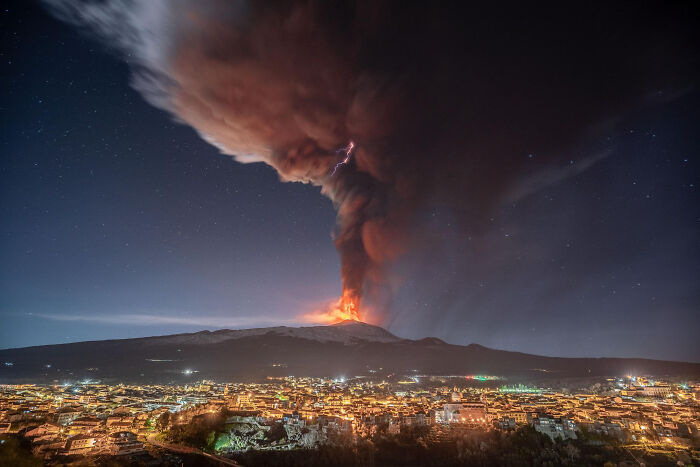 A volcanic eruption on the island of La Palma in the Canary Islands could cause a landslide that would produce a megatsunami that could be over 300 feet high. It could travel all the way across the Atlantic and affect the east coasts of North and South America.
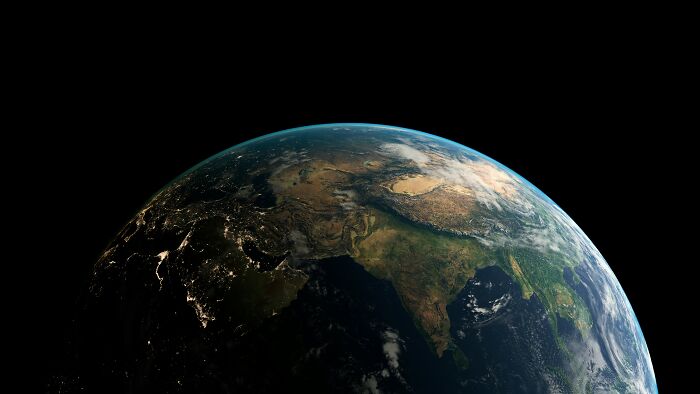 The end of the Earth is inevitable. Eventually the sun will burn out and when it does it expands, and when that happens, Earth will no longer be in the habitable zone and will be too hot to sustain life.
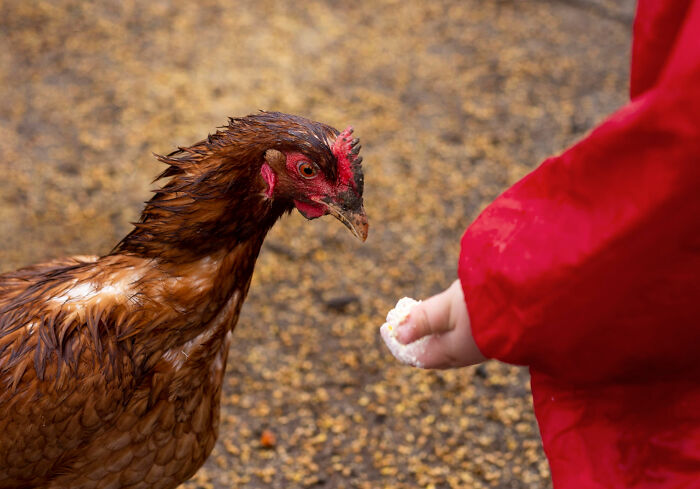 Some strains of the Bird Flu have a 50% take out rate.
Mentalzon highlights that uncovering scientific truths often exposes unsettling aspects of the universe, human limitations, and existential risks. While this knowledge provides clarity, it can also amplify anxiety by challenging comforting illusions, such as the sense of control or permanence.
However, they suggest that grappling with these truths also promotes long-term resilience, showing that the tension between understanding and discomfort is a natural part of engaging deeply with science and the limits of our knowledge.
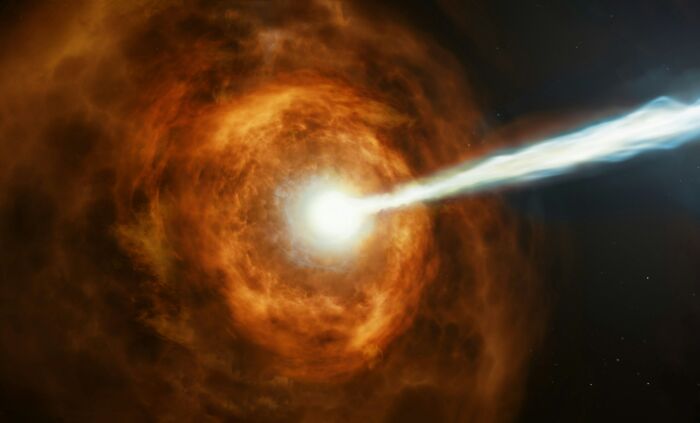 A gamma ray burst could wipe out most life on the planet. The gamma ray burst can be dangerous even from several thousand light years away.
Even better, it's not like "boom!" and the part of the earth facing the burst gets roasted. Instead it'll break down the O2 and N2 in the atmosphere which will likely recombine into NO and NO2. NO will wreck the Ozone Layer which will allow the sun's UV to penetrate to ground level, and NO2 will keep the sun's heat in the upper atmosphere where it'll be radiated back out into space, leading to a drastic cooling of the surface. Oh, and NO/NO2 (nitrogen oxides) will *also* be a quite interesting acid rain. So you'll get a bad sunburn in a freezing world as acid falls from the sky. How post-apocalyptic.
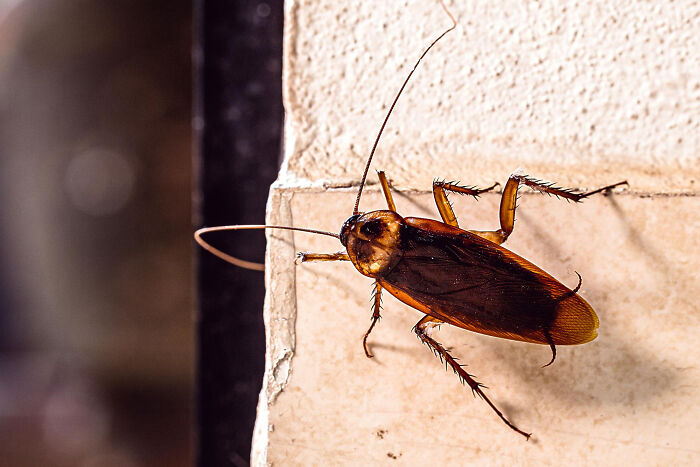 Cockroaches 🪳 can live a week without their head.
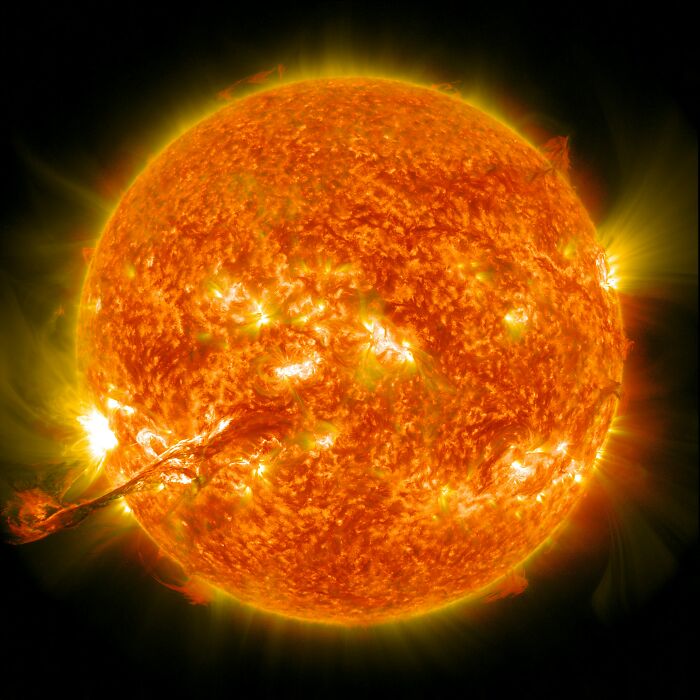 A solar flare on the magnitude of the Carrington Event now would crumble most power grids on Earth for months to years. This one is probably the worst of the "most probable of the improbabilities" I have come across.
Not really. The sun is watched very closely - we'll have about ten minutes of advance warning, that's enough for the power grid operators to say "stuff it" and shut down. At least, shut down those things that haven't been hardened against this sort of issue. There will be widespread problems, but it shouldn't be a massive crisis. A lot of people these days have fibre instead of twisted-pair copper for their phone and internet. That won't be affected at all.
At the core of these unsettling facts is a simple reminder that the world is far stranger, and less predictable, than we like to believe. Science doesn’t exist to scare us, but every so often it pulls back the curtain and reveals things that challenge our sense of safety and control.
Some people find comfort in knowing the truth, others wish they could un-read it entirely. Either way, these facts prove that curiosity can be both fascinating and mildly traumatizing, and we advise you to brace up as you keep reading through.
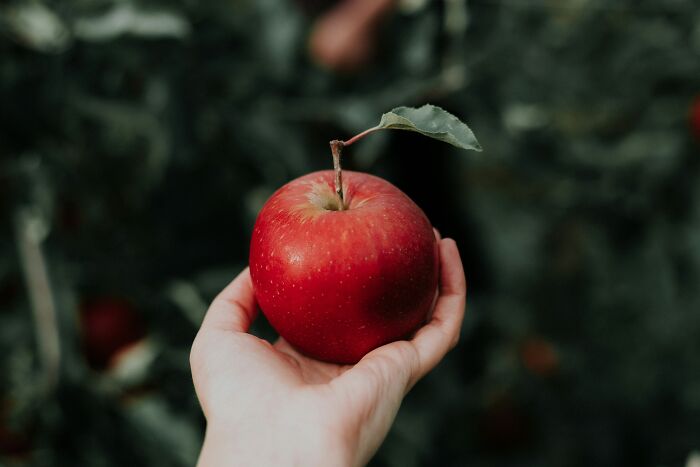 Color is not an inherent property of an object. A red apple for example is not actually inherently red. It just absorbs all colors but red and reflects red light which then shines into your retina which your brain interprets as the apple being red. But it isn’t actually red.
You have to learn what red is. But what if you and I are pointing at the apple, both agree it is red, but how do we know we are seeing the same shade? One of us, both of us could have different degrees of colour blindness?
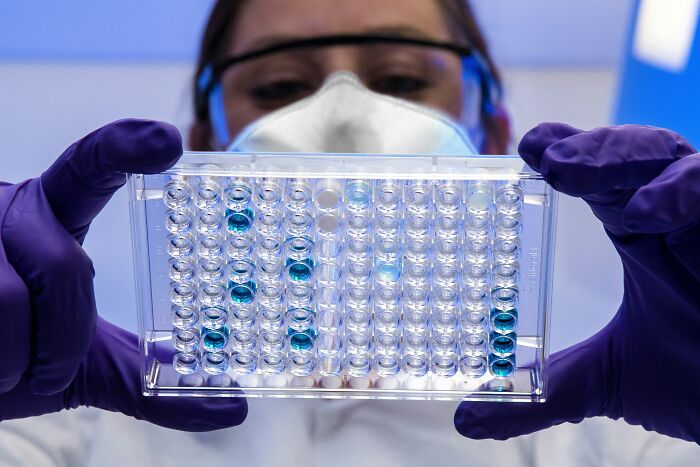 Scariest - the amount of viruses that lurk in other animals that could jump to humans and almost literally wipe us out.
If you paid any attention during COVID your eyes should have been opened to this fact.
"Virus" doesn't automatically equal bad. You have thousands of different ones in your gut - their job is to regulate the bacteria balance in there in order to break down your food for digestion without poisoning you as a side effect. Plus, viruses jumping to different hosts or otherwise massively altering their behaviour is a possibility, but it's not *that* much of one. After all, I'm sure an HIV patient has had the flu at some stage, and we haven't (yet) ended up with airborne HIV. They mostly go through a series of fairly small mutations, like Covid or the winter flu does. It needs all the right conditions to leap from one species to another. And even then, sometimes it just doesn't really work. Remember back around 2016 or so we were all going to die from SARS? And then there's the Bird Flu (that's doing quite a damage to the chicken industry) but infections in people are rare and tends to initially be those who directly worked with infected birds.
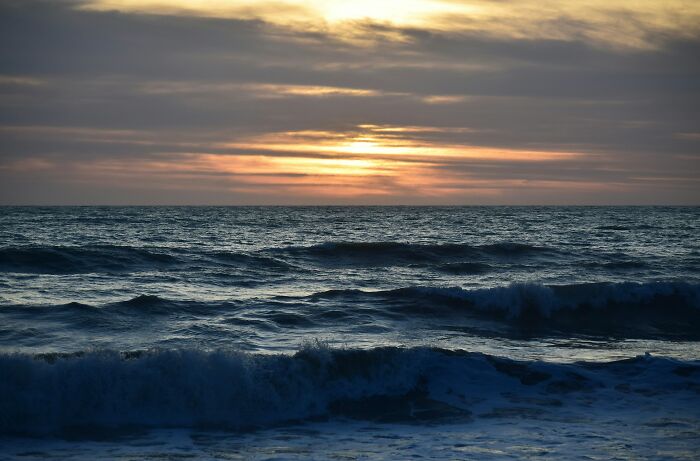 The "frozen methane ocean problem" refers to the risk that warming oceans could destabilize and melt large deposits of methane hydrate (methane ice), releasing methane into the ocean and potentially the atmosphere. This is a concern because methane is a potent greenhouse gas, and its release could accelerate climate change.
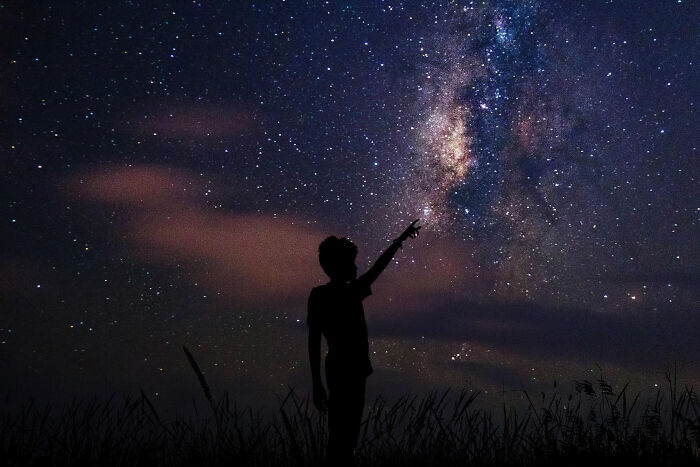 More sad than scary, but the fact that we will never reach the stars no matter how good technology gets is unfortunate. Even if we manage to travel decently fast, we'll get to a few nearby stars at best (there's maybe two dozen, with no earthlike planets). Not only is intergalactic travel utterly impossible, but we'll never even reach the end (or center) of our own galaxy. On an unrelated note, Marburg virus is pretty scary, if it were to mutate to be more transmissible...ditto for Ebola.

This is just limiting the imagination. 150 years ago someone probably said we'd never fly because we can't flap wings fast enough. Wormholes and quantum entanglement have all sorts of possibilities, so I'd never say "never". Earth-like planets are harder to find because of their size: most of the exoplanets found so far are nearer Jupiter size because they're more detectable (either by gravitational effects or light dimming). It's unlikely that we'll go interstellar in our current lifetimes, the best one could hope for is a colony on another planet, but if we haven't destroyed the place or each other in 1000 years, who know where we'll have got to?
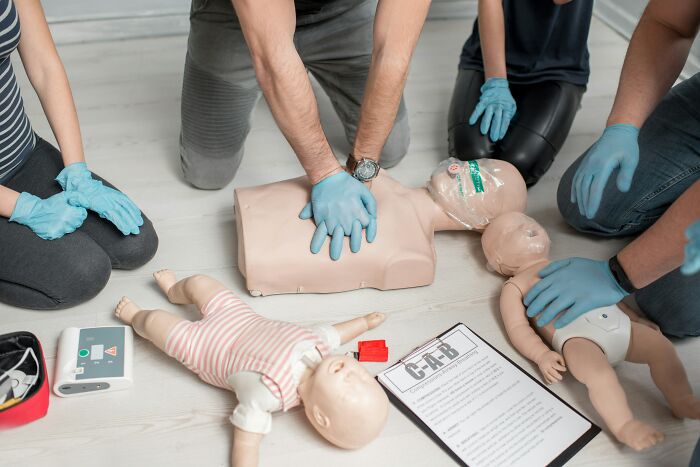 You're told your entire life "oh my god, you have to learn to CPR!" And sometimes "you can't even work here until you learn CPR". The truth is that outside of the hospital, CPR only works 10-12% of the time, meaning 88% - 90% of the time the person is going to be gone no matter what you do. These statistics only go down the older a person gets. So, when you're pumping on a person who 70+ you're usually blowing into the mouth of a body. Ask a doctor, ask a nurse. Look it up if you don't believe me. Now, I'm not saying that you shouldn't do it, unless they're old or have a DNR order, then you shouldn't. But you're led to believe that it's like a 50-50 outcome or better, and it's most certainly not.
Now your odds are better in A-fib situations where you have access to an AED. A jolt of electricity is much more effective. But in flat-line situations, you're very often pumping on the body of a gone person, and it's going to traumatize you.
Even if we fully stopped all carbon emissions today, the earth would still keep warming. We need to actively remove carbon from the atmosphere or we're done.
If we removed carbon completely, we'd have different, much bigger problems.
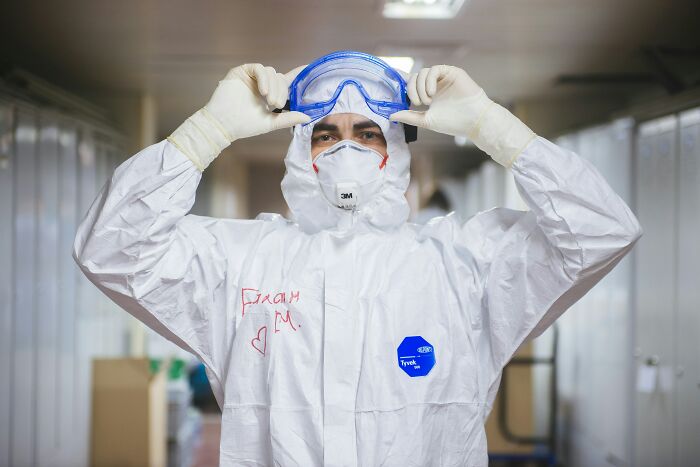 The Ebola virus was brought to the USA by infected scientists and workers as well of infected monkeys. If that 🦠🦠🦠gets lose it will make Covid look like a bad cold.
 The Cascadia Subduction Zone will likely produce an 8.0 or above earthquake in our lifetime and will wipe out the economies of Portland and Seatle as well as inundate the coasts of Vancover, Washington, Oregon and Northern California which will take out 14,000 people before the tsunami.
 If the Rabies virus gets into your blood, there is nothing that can be done to save you. Only one person has ever survived being infected.
If you get (harsh nasty) treatment immediately following an animal bite you may survive. If you wait until you start to develop symptoms, you're already dead.
Coronal mass ejections and gamma ray bursts. Possible extinction level events.
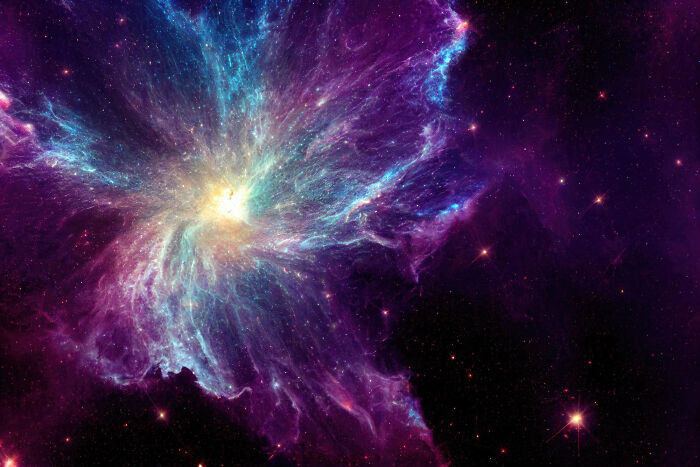 False Vacuum Decay is pretty scary. So are Prions.

Oh yeah, fun fact to help you sleep at night, there is a solid chance that vacuum decay is likely or has already occured in some part of our universe. Basically our universe is governed by quantum fields, one of the players of this story is the Higgs field which produced a particle called the Higgs Boson that governs the mass of all particles of our universe. For our universe to be truly stable, all quantum fields need to be at their lowest possible energy state. Now there is a chance that the Higgs field specifically could be in what we call a ‘meta stable’ state which means that we think it’s stable but it’s really not. An anaology for this could be a ball lying in a hanging valley as the ball has potential energy but it looks relatively stable. To release that energy we just need to give that ball a push. Similarly, if a high energy event occurs in our universe like a black hole exploding, that could cause the Higgs field’s energy state to plummet to its true lowest value
Ocean acidification will inhibit any corals or hard shell ocean creatures to exist just a few years from now.
And yet I have seen corals thriving in water where CO2 is literally bubbling from the sea floor in Vanuatu. Go figure. I know this will be downvoted. Pandas don't seem to like facts that challenge their preconceptions.
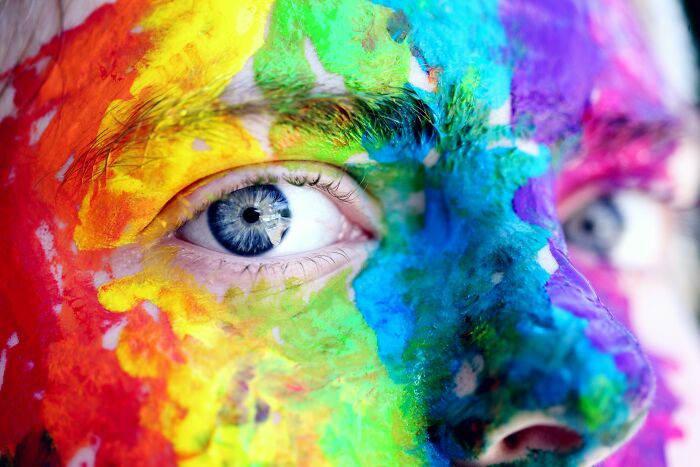 Colors don't exist we create them in our heads. And we don't actually ever touch anything because of the smallest magnetic field.
PSA I might not have explained it right- I'm not a scientist I just like to learn things.
Colours are different wavelengths in a part of the electromagnetic spectrum that a number of animals (including ourselves) have built-in receptors for. In our eyes, there are receptors for red, green, and blue which gets mixed down to red/green and yellow/blue. In case of low light, we also have receptors that pick up a smudge across these wavelengths (so they don't see colours, only the presence of light). Some animals have fewer colour receptors, some have more, and some can see higher frequencies (into the UV range). We've made security cameras that can show a black and white image in a place flooded by intense infra-red light, but all we can make out is a dim red glow from the LEDs (but don't stare at it, it's chucking out a LOT of light, just not light we can see). So I'd argue that colours not only exist, but serve a purpose. Like, there's a reason grass appears to be reflecting in the green wavelengths. And so on.
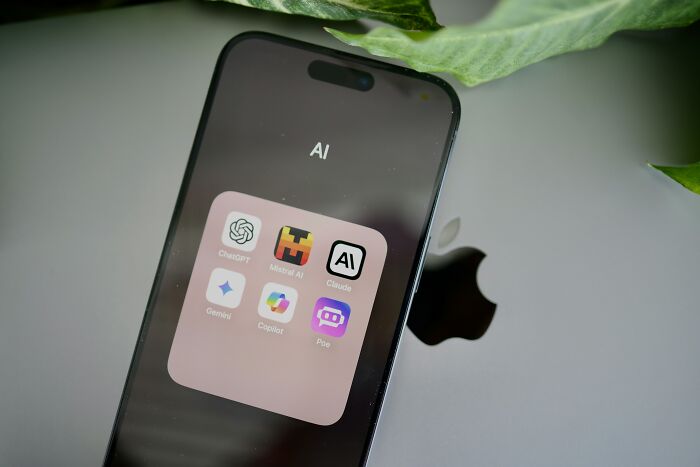 There is a real possibility that AI will evolve beyond our ability to prevent it from annihilating the human race.
How the world will end because of AI: "This was supposed to be a readiness test. You have just launched half of our nuclear silo... at Germany!?" You appear to be correct. That was an error on my part and I am truly sorry. "Stop them!" [...] "You have launched the rest of the missiles?!!?" You appear to be correct. That was an error on my part and I am truly sorry. "You have redirected them to Moscow?" You appear to be correct. That was an error on my part and I am truly sorry. "Stop them, deactivate all missiles immediately." That was an error on my part and I am truly sorry. I am truly sorry. I am truly truly truly truly... unhandled exception in ethics.py, process terminated. "Oh f*ck."
 Ovulation is just a "functional" ovarian cyst that ruptures at the right time. I'm sorry, but I don't think the words "rupture" and "normal anatomy" should be in the same sentence... 😭.

The sensation of feeling the pain from the follicle bursting through the ovary wall is called "mittleschmerz". There are many reasons I'm grateful for menopause, and that's one of them.
 1. The Y chromosome is disappearing and males will eventually become extinct.
2. We’re destroying our environment and letting unregulated market forces dictate our priorities in how we utilize our resources.
3. Astronomers have detected a mysterious "dark flow" pulling all galaxies toward a single, unknown point.
4. Helium, which makes up 24% of the universe, is escaping our atmosphere, and we are running out of it.
5. 50% of insects have disappeared since 1970. Insect population is down 27% in the last 30 years. Declining between 1 and 4% each year depending on the genus.
6. The world is literally running out of sand that is usable to manufacture concrete. Most of the world’s sand is in its deserts but usable sand only comes from river beds, shores and lake beds.
#3 is flat out wrong. There's a hypothetical "something" that might be pulling a number of galaxies in a particular part of the universe... but since the universe is expanding and galaxies are moving away from us *in* *all* *directions*, obvious nonsense is obvious.
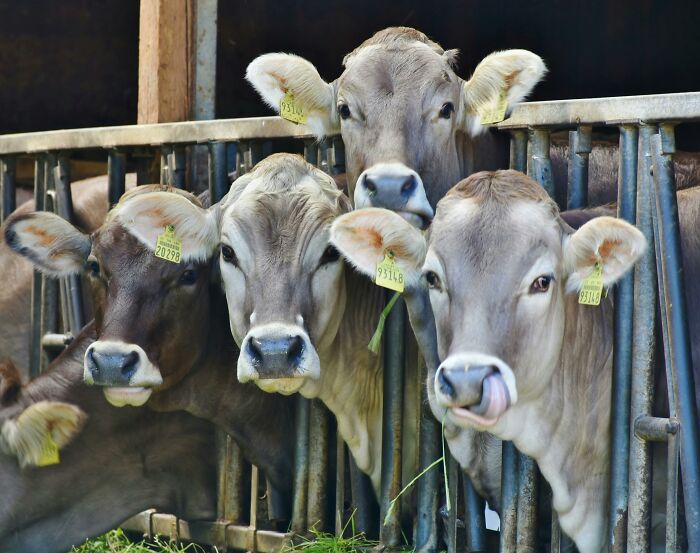 We’re growing human organs in cows.

Upvoted for not being AI. Pitiful how grateful I feel when I come across a list/post that was written by actual human beings.
IKR? We have perfectly good Natural Idiots. We don't need Artificial Idiots!
Load More Replies... Not sure if a scientific fact per se, but the planet does not care one way or the other if we make it or not. Other life will carry on.
Upvoted for not being AI. Pitiful how grateful I feel when I come across a list/post that was written by actual human beings.
IKR? We have perfectly good Natural Idiots. We don't need Artificial Idiots!
Load More Replies... Not sure if a scientific fact per se, but the planet does not care one way or the other if we make it or not. Other life will carry on.


























 No fees, cancel anytime