Get Premium
Dark mode theme is available exclusively for premium users. Learn more about the benefits of subscribing.
No fees, cancel anytime.

 Dark Mode Ad-Free Browsing Unlimited Content
 Ad-Free Browsing Unlimited Content Dark Mode
Join 1.2 million Panda readers who get the best art, memes, and fun stories every week!

Relationships often involve thoughtful gestures for a partner, like planning special dates or giving gifts, but experts revealed there can be a point at which generosity becomes unhealthy.
A growing relationship trend known as “spoiled pig syndrome” is being used to describe situations where one partner becomes so used to receiving special treatment that they begin to expect it all the time.
While the phrase is not an official psychological diagnosis, relationship experts shared that the dynamic behind it can leave one person carrying most of the emotional, financial, or practical load in a relationship.
Image credits: Pixabay/Pexels (Not the actual image)
Despite its unusual name, “spoiled pig syndrome” is not actually about pigs.
The term comes from a behavioral idea involving pampered pigs that eventually stop respecting boundaries because they have become accustomed to getting whatever they want.
Relationship experts said a similar dynamic can develop between romantic partners.
According to Dr. Max Doshay, clinical psychologist and co-founder of KMN Psych, the phrase is commonly used to describe a relationship in which one person develops unrealistic expectations about being treated with constant attention and special care.
Image credits: German Suarez/Pexels (Not the actual image)
“The ‘spoiled pig syndrome’ does not exist as an official medical or clinical diagnosis,” Dr. Doshay explained.
“Rather, it has become a common colloquialism that refers to a specific type of relationship dynamic in which one individual develops an unhealthy expectation for being treated with special attention.”
Over time, that can lead to a relationship where one partner consistently gives more than they receive.
The imbalance does not always begin with bad intentions.
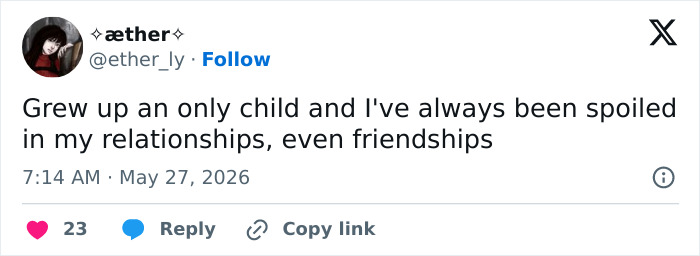
Image credits: ether_ly
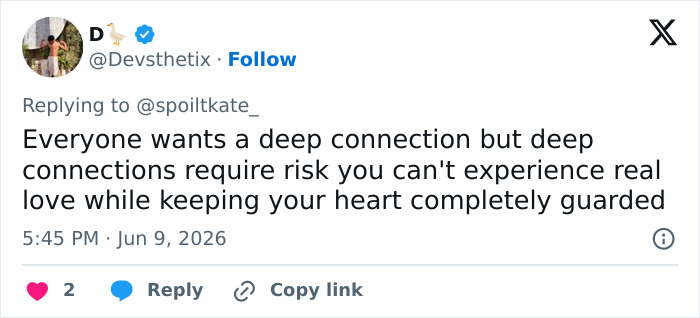
Image credits: Devsthetix
Many couples naturally go out of their way for each other during the early stages of dating. Expensive dinners, surprise gifts, weekend getaways, and grand romantic gestures are often part of getting to know someone.
Problems can arise when those efforts become expected rather than appreciated.
“In simple terms, it describes a situation where being excessively spoiled leads one partner to develop a strong sense of entitlement,” experts explained.
Image credits: Anna Tarazevich/Pexels (Not the actual image)
Experts revealed that some people may enter relationships already expecting special treatment because of past experiences or childhood conditioning.
In many cases, however, the behavior develops gradually.
“This behavior pattern can develop over time,” Dr. Doshay said.
“One of the partners in a relationship is typically more likely to consistently give in when confronted with a demand from the other. In addition, one of them may take on an unhealthy amount of the responsibilities in the relationship.”
Image credits: Febry Arya/Pexels (Not the actual image)
Image credits: stormiibankss
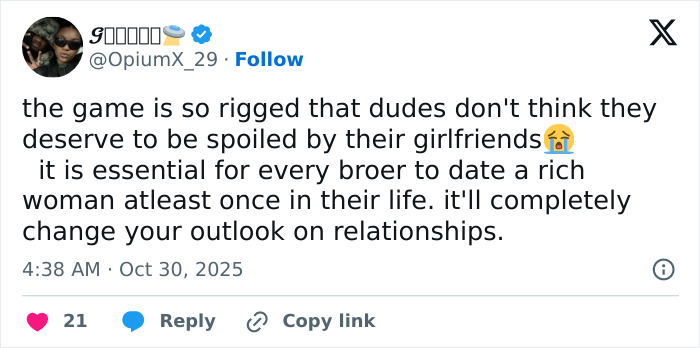
Image credits: OpiumX_29
According to the psychologist, repeatedly prioritizing one person’s needs over the other’s can unintentionally send the message that their wants should always come first.
“When these behaviors continue, they can inadvertently send a message to the other person that they have priority,” he explained.
Eventually, that kindness becomes an expectation.
As a result, one partner is left feeling exhausted, underappreciated, or responsible for maintaining the entire relationship, while the other becomes increasingly dependent on receiving constant validation.
Image credits: Gustavo Fring/Pexels (Not the actual image)
Another term that gained attention in 2025 was “monkey-barring,” a dating pattern where someone starts building a connection with a new romantic interest before ending their current relationship.
The name comes from the idea of a monkey swinging from one bar to the next without ever fully letting go.
In dating terms, it describes people who keep one foot in their current relationship while searching for a replacement.
Experts shared that the behavior often stems from deeper emotional issues.
According to relationship expert Angelika Koch, people who engage in monkey-barring often avoid the difficult work of processing emotions after a relationship ends.
Image credits: Rushay Booysen/Pexels (Not the actual image)
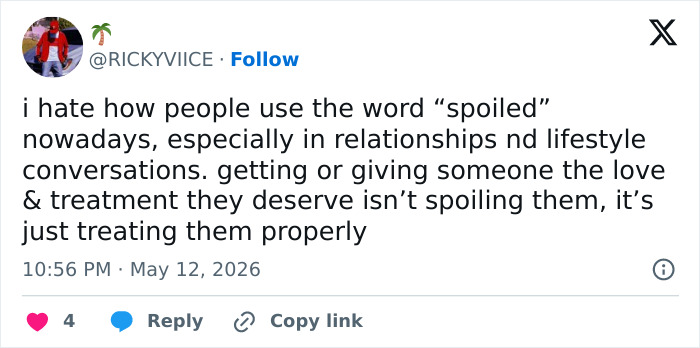
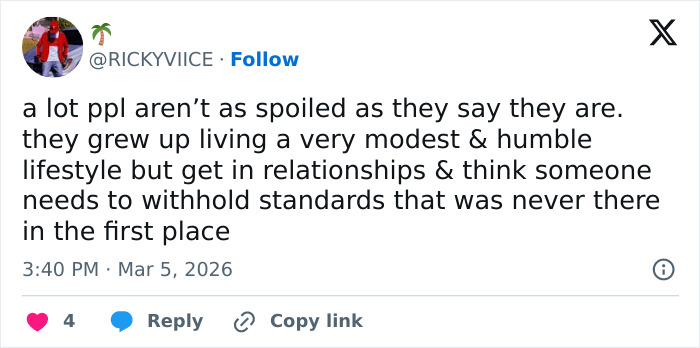
Image credits: RICKYVIICE
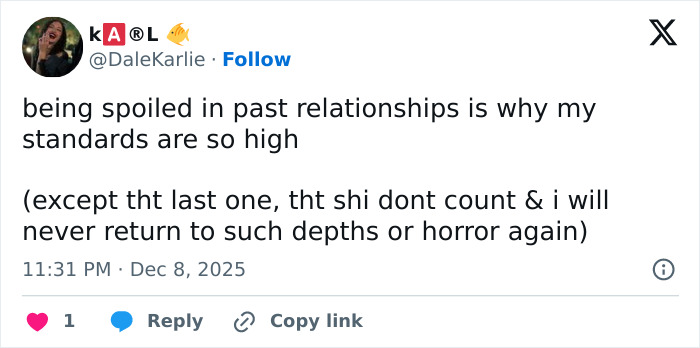
Image credits: DaleKarlie
“People who do this often lack emotional growth, because they are constantly moving through life in a fear-based manner to avoid the hard work it takes when healing from wounds in a past relationship,” Koch told Vice.
She added that constantly moving from one partner to another prevents people from fully understanding themselves.
“Jumping from one potential partner to another doesn’t allow you room to truly grow and get to know yourself,” Koch said.
Unlike consensual polyamorous relationships, monkey-barring typically happens without the knowledge or consent of a current partner, leading some experts to describe it as a form of emotional cheating.
Image credits: Danilo Arenas/Pexels (Not the actual image)
Whether it is spoiled pig syndrome or monkey-barring, experts explained that healthy relationships require mutual effort and respect from both partners.
For spoiled pig syndrome in particular, Dr. Doshay believes the best solution is establishing boundaries before unhealthy patterns have a chance to take hold.
“Maintaining equilibrium in your relationship from the outset is the most effective way to prevent abu*se,” he said.
“Partners who work together and are open with each other about their expectations have healthy relationships. Healthy relationships require that both partners put forth an equal amount of effort and show mutual respect for one another.”
Image credits: Yan Krukau/Pexels (Not the actual image)
He also encouraged people not to ignore their own needs simply to keep the peace.
“Be mindful of your needs so you can avoid putting them aside in order to maintain the peace,” Dr. Doshay added.
“Establishing consistent boundaries will give both parties in a partnership a sense of value instead of having all of the burden fall on one individual.”
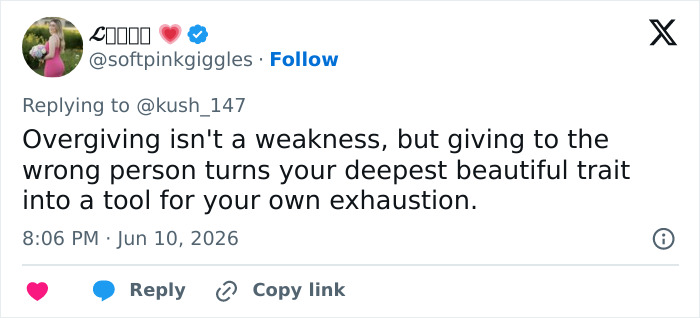
Image credits: softpinkgiggles
Image credits: ekyiej
Image credits: RICKYVIICE
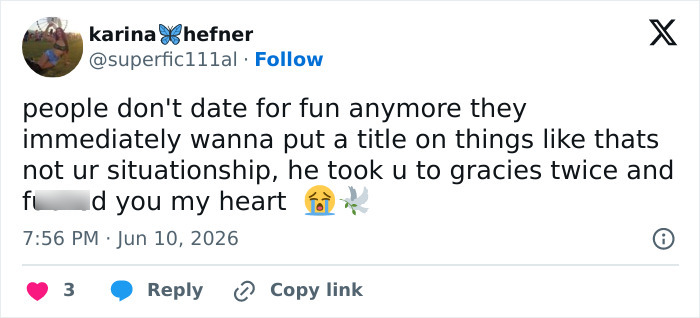
Image credits: superfic111al
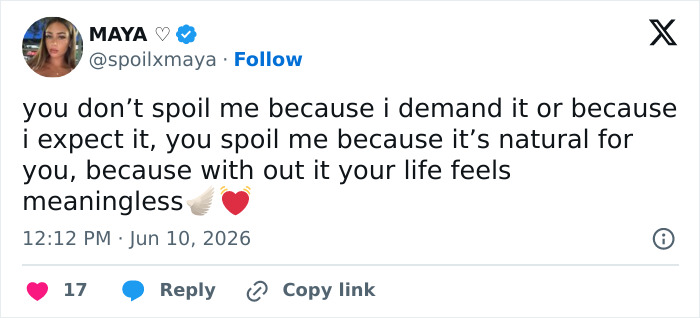
Image credits: spoilxmaya
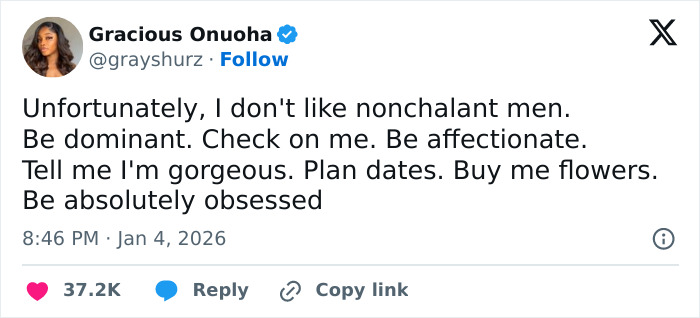
Image credits: grayshurz
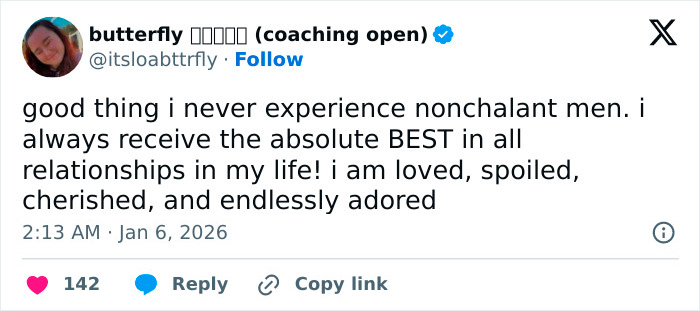
Image credits: itsloabttrfly
Image credits: funfettiara
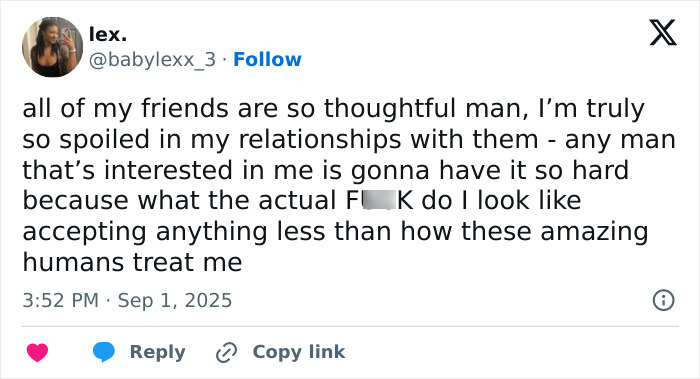
Image credits: babylexx_3
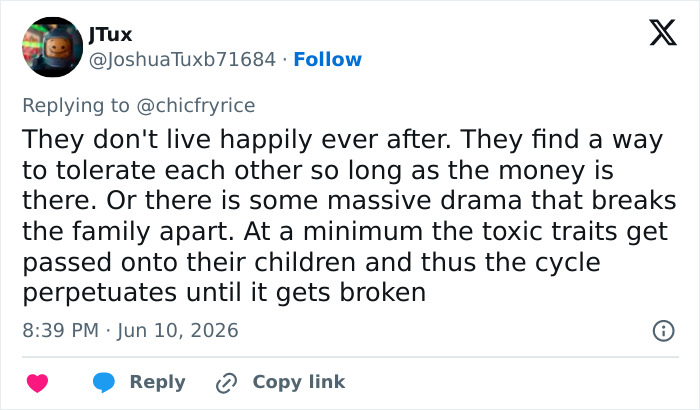
Image credits: JoshuaTuxb71684

By entering your email and clicking Subscribe, you're agreeing to let us send you customized marketing messages about us and our advertising partners. You are also agreeing to our Privacy Policy.
Thank you! You've successfully subscribed to newsletters!


From OP: "The term comes from a behavioral idea involving pampered pigs that eventually stop respecting boundaries..." What? Since when did pigs even have a concept of boundaries, let alone 'respect' them?

Pigs are way smarter than you think, with social hierarchies as well as a keen interest in breaking through actual physical boundaries!
Load More Replies...
are all those comments meant to be showing this syndrome, because all those people fit the definition to a T

My thoughts exactly lmao like yelling they are spoilt and won’t take anything less, is not the flex they think it is, in fact point in case of this post proven 🤣
Load More Replies... From OP: "The term comes from a behavioral idea involving pampered pigs that eventually stop respecting boundaries..." What? Since when did pigs even have a concept of boundaries, let alone 'respect' them?
Pigs are way smarter than you think, with social hierarchies as well as a keen interest in breaking through actual physical boundaries!
Load More Replies... are all those comments meant to be showing this syndrome, because all those people fit the definition to a T
My thoughts exactly lmao like yelling they are spoilt and won’t take anything less, is not the flex they think it is, in fact point in case of this post proven 🤣
Load More Replies... 































 No fees, cancel anytime














19
10