Get Premium
Dark mode theme is available exclusively for premium users. Learn more about the benefits of subscribing.
No fees, cancel anytime.

 Dark Mode Ad-Free Browsing Unlimited Content
 Ad-Free Browsing Unlimited Content Dark Mode
Join 1.2 million Panda readers who get the best art, memes, and fun stories every week!
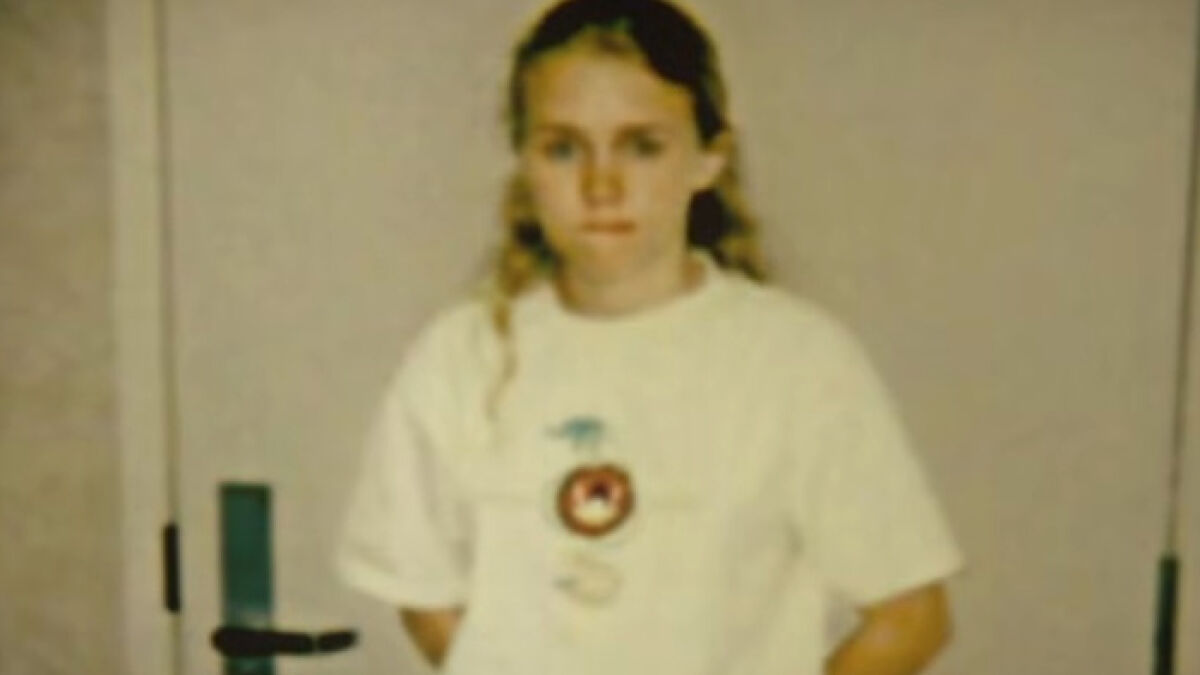
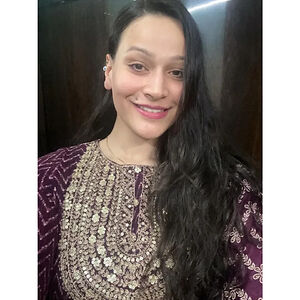
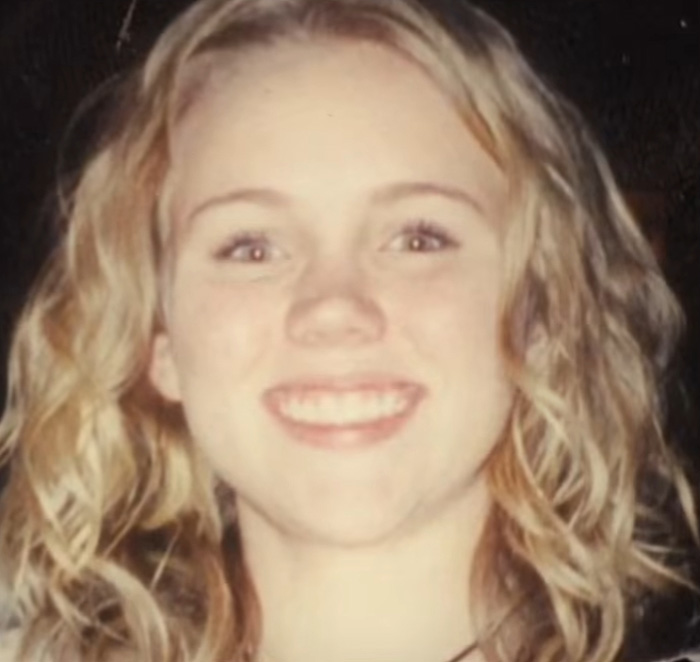
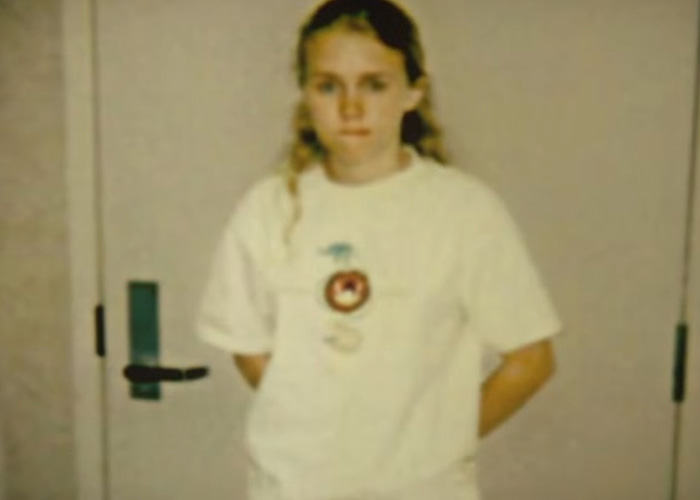
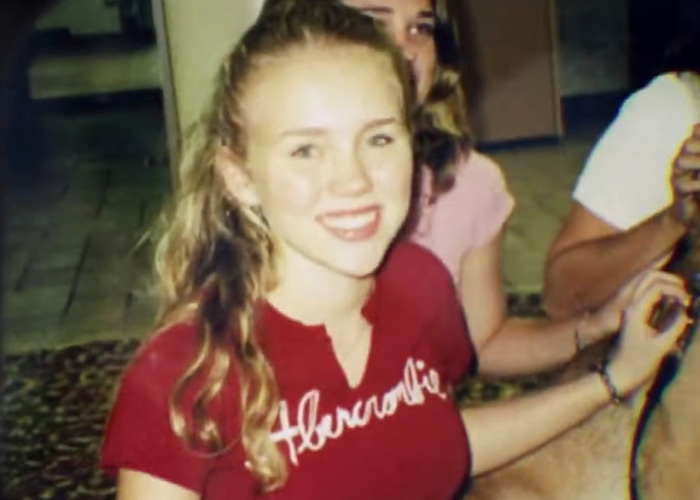
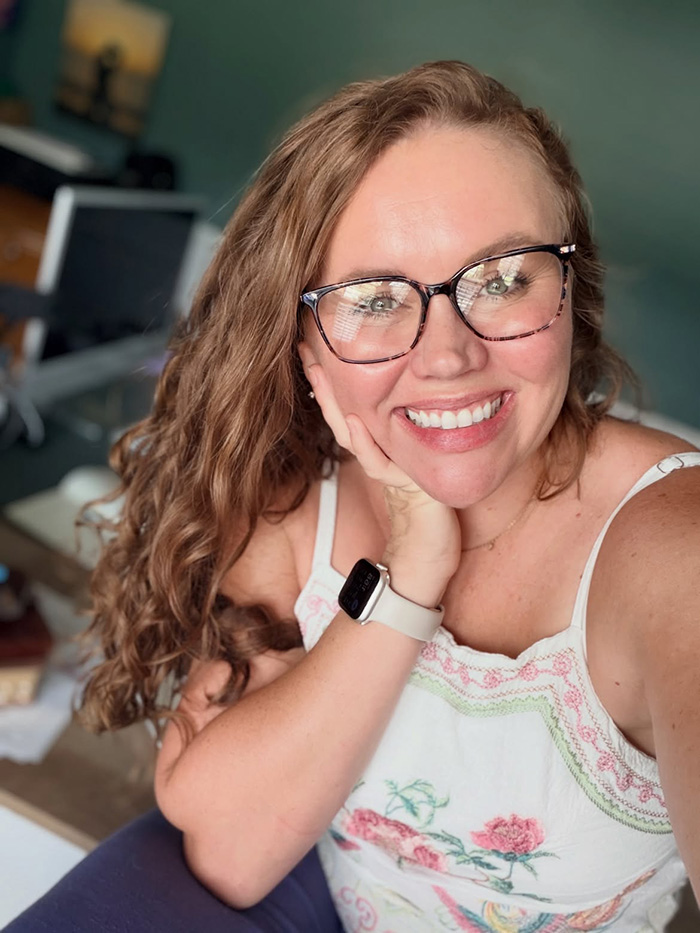
Kara Robinson Chamberlain was only 15 when a strange feeling told her something was wrong.
She noticed a man pulling into her friends’ driveway and immediately thought, “That’s weird.”
But instead of trusting her instinct, she came up with reasons for why he might be there. Moments later, the stranger put a firearm to her neck and abducted her.
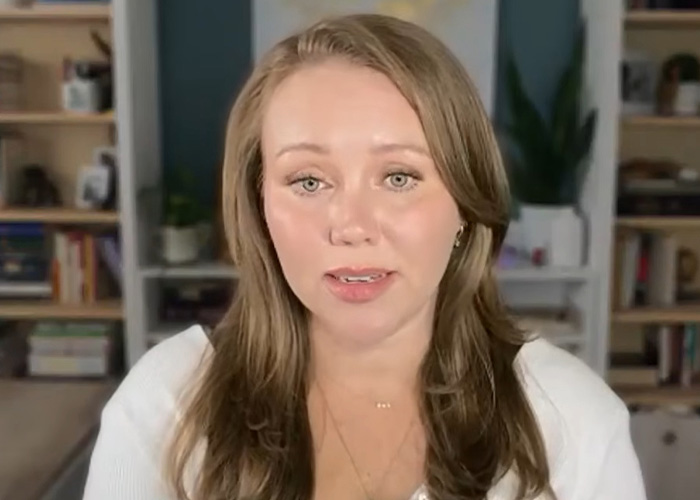
More than two decades later, Chamberlain has turned that terrifying experience into a reason to help other families.
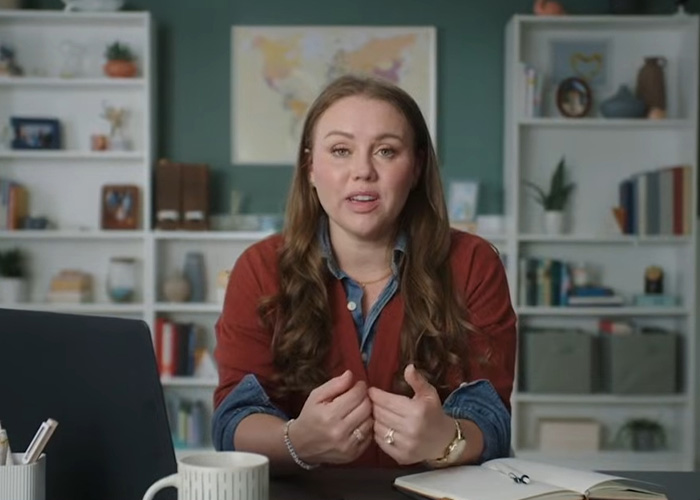
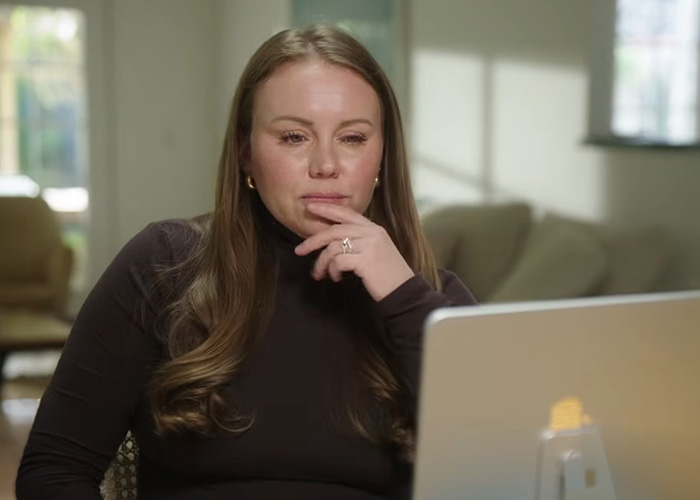
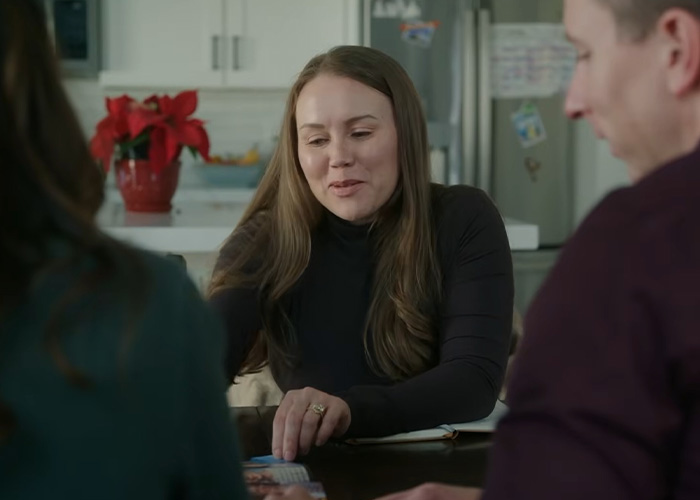
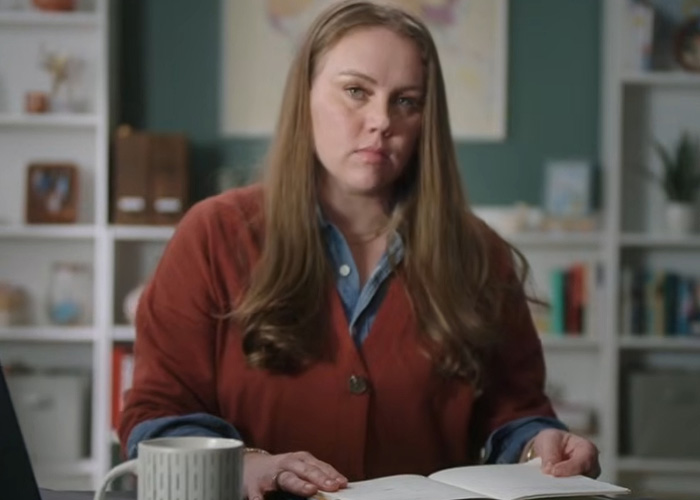
As the host of ABC News Studios and Freeform’s true-crime series Somebody Knows Something, she now investigates unsolved cases while sharing the lesson she wishes she had followed that day.
“Listen to your intuition.”
On June 24, 2002, Chamberlain was 15 and spending time at a friend’s home in South Carolina.
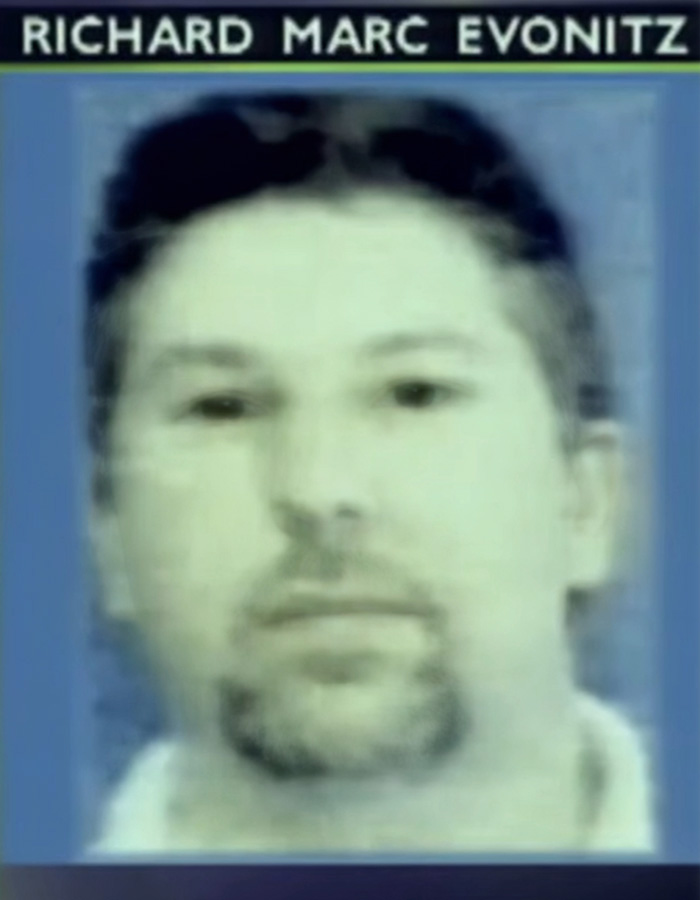
Richard Evonitz, the man who would later be identified as a serial k*ller, pulled into the driveway.
Something about the situation immediately felt strange to her.
“There was a moment when my captor pulled into my friend’s driveway, and I thought, ‘That’s weird.’”
That was her first warning sign.
But Chamberlain did what many people are taught to do when something feels uncomfortable. She talked herself out of it.
“That was my intuition. But I immediately started making excuses for why he could have been there, what could have been the reason. And so, I quieted my intuition.”
Evonitz then approached her carrying pamphlets and asked whether her parents were home.
The situation changed within moments.
He pulled a g*n and held it against Chamberlain’s neck, threatening to shoot her if she screamed.
He forced her into a dark storage container in his vehicle and drove away.
That moment stayed with Chamberlain for years because she knew her instincts had noticed something before she consciously understood what was happening.
Chamberlain often gets asked what other people can learn from her experience.
Her answer comes back to intuition.
She has recommended the book The Gift of Fear, saying it was the first time she had heard someone explain the feeling she experienced that day.
“Listen to your intuition.”
She explained that people often learn to ignore those feelings because they don’t want to seem rude or hurt someone’s feelings.
“We’re taught to silence that intuition for the sake of being nice, not hurting someone’s feelings — lots of different reasons.”
But Chamberlain believes that instinct exists for a reason. “That’s something that is meant to keep us alive.”
She said parents should also teach children that they are allowed to listen to their own instincts.
“Listen to your intuition and teach your children how to listen to that intuition.”
For Chamberlain, this doesn’t mean assuming every strange situation is dangerous.
Instead, she wants people to recognize when something feels wrong and permit themselves to leave, say no, or ask for help.
“It is a powerful gift that everyone has, and it saves your life.”
After taking Chamberlain to his apartment, Evonitz repeatedly se*ually a*saulted her.
But while she was being held captive, another instinct took over.
This time, it was not the feeling that something was wrong. It was the determination to survive.
“I have to acknowledge that there was something inside of me that said, ‘Not today. Not me. I’m going to outsmart this guy.’”
Chamberlain described herself as “very stubborn” and said that mindset helped her keep going.
She also believes several things came together to make her escape possible.
One was luck. Another was the way she interacted with her captor.
“It was also a big part of my coping mechanism … how I chose to appease my captor.”
She explained that appeasing an attacker can be a trauma response. In her case, she believed acting calmly helped lower his guard.
She also felt Evonitz had become overconfident because he had committed similar crimes before.
“There’s this part of him that was very arrogant, and he’d done that multiple times before.”
During the 18 hours she was held captive, Chamberlain quietly memorized details about her surroundings.
She waited until Evonitz fell asleep.
Then she freed herself from her restraints and escaped. She found people sitting in a car in a parking lot and begged them to take her to the police.
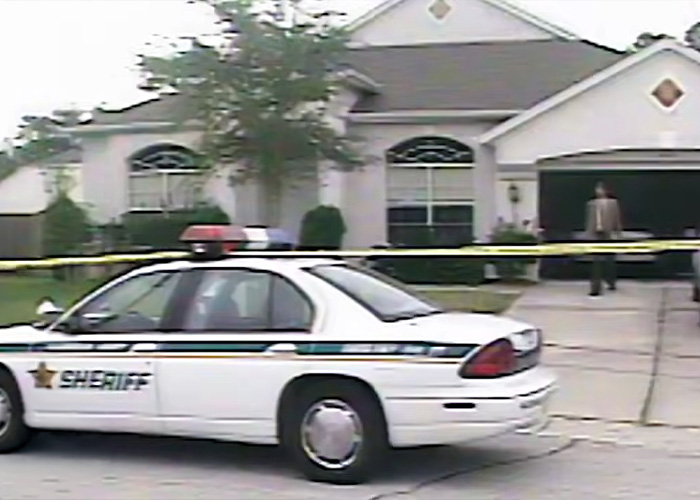
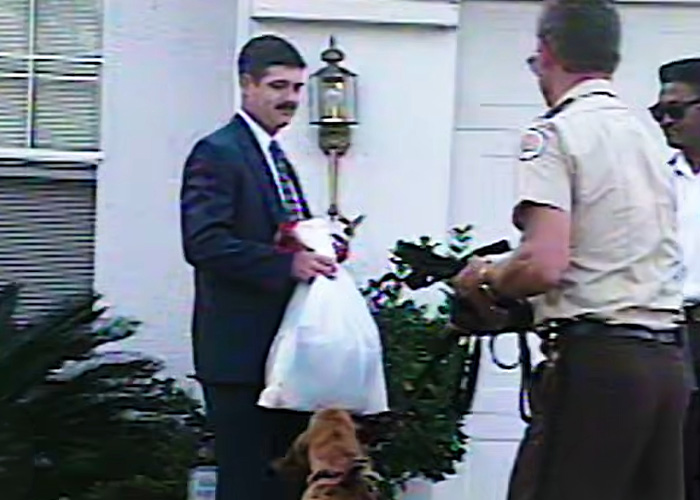
After Chamberlain reached the police station, she helped officers locate the apartment where she had been held.
But Evonitz was already gone by the time investigators arrived.
According to The Washington Post, investigators discovered that he had taken Chamberlain to the apartment he shared with his wife. His wife had been away at Walt Disney World at the time.
Police eventually tracked Evonitz to Sarasota, Florida.
As officers closed in on him, Evonitz passed away by s*icide. He was 38 years old.
The investigation did not end there. Evidence found at Evonitz’s apartment, former homes, and vehicle connected him to the abductions and murders of three girls from Spotsylvania County, Virginia. They were 16-year-old Sofia Silva, 15-year-old Kristin Lisk, and 12-year-old Kati Lisk.

Investigators also discovered notes suggesting that Evonitz had already been watching other potential victims.
That left Chamberlain with an unsettling question- how many other victims could there have been?
“I genuinely believe that he was responsible for more than we know of.”
But because Evonitz passed away before he could face questioning in those cases, some answers may never be known.
“Unfortunately, having taken his own life, that, at this point, is still a mystery.”
Chamberlain’s own unanswered questions have become an important part of her work.
She now hosts Somebody Knows Something, an ABC News Studios and Freeform true-crime series that looks at unsolved disappearances and mur*ers.
Each episode revisits a different cold case with the people closest to the victim.
Chamberlain’s goal is to retell what happened.
She wants families to have a chance to speak and investigators to get another opportunity to find information that could move a case forward.
“My purpose was to let families have the mic and show what law enforcement has done.”
She also wants viewers to understand that even a small piece of information could matter.

“We want people to have the information they need, so they can come forward with anything that could be helpful.”
Several of the cases involve children and young people, which makes the work particularly personal for Chamberlain.
She is now a mother of three. “I found myself identifying with either the young person who is missing or the victims themselves as parents.”
“I genuinely think we can make a difference.”
She continued, “If I can get answers for one of these families, it would be a life goal for me.”
Following the incident, Chamberlain understands why families searching for missing loved ones may want answers.
But she doesn’t like the way people often talk about closure.
She believes the word can create an unrealistic expectation that solving a case will somehow erase the pain.
“I think the biggest misconception is that these families will be able to get closure one day.”
She has heard people say that investigators need to get families closure, but she believes grief doesn’t work that way.
If a missing person is found alive, the family may still have to deal with the trauma of what happened.
If the person is never found, the uncertainty remains.
And if the person is found lifeless, the family has to learn how to live with that loss.
“They’re looking at the rest of their lives missing someone they love.”
That is why Chamberlain has reached a difficult conclusion. “Closure really is a myth.”
Instead, she wants the series to give families answers, information, and a chance to tell the full story of the person they lost.
Her own experience in law enforcement also supports Chamberlain’s work with missing-person cases.
In 2010, she completed training at the South Carolina Criminal Justice Academy and began working for the Richland County Sheriff’s Department as a school resource officer.
That experience became useful when she began working with families on Somebody Knows Something.
She said one of the most important things she has learned is that victims should never be reduced to the circumstances surrounding their disappearance.


“These people at the center of these stories are more than this story that we know.”
She remembered meeting a grieving father whose daughter was missing.
Chamberlain initially had many questions she wanted to ask him. But when she saw how heartbroken he was, she changed her approach.
“This is a man that’s heartbroken, who doesn’t know what happened to his daughter. He wants to talk about who she was, so I’m going to step back, and I’m going to let him do that.”
She said it became one part of the person she eventually grew into.
When asked what her 15-year-old self would think about her work today, she believes that younger version of herself wouldn’t have been surprised.
“She would’ve said, ‘I knew it.’”
Chamberlain believes she always felt there was a reason she survived what happened.
“I thought that I was able to handle what happened to me the way that I was able to handle it for a reason.”
@kararobinsonchamberlainAnd it’s almost like that’s the whole point.♬ EVERYTHING HALLELUJAH – Justin Bieber
That doesn’t mean she believes the experience was somehow good. It means she has chosen to use what happened to help others.
“Yes, I had this bad thing that happened to me, but that just became part of building who I became.”
And perhaps that is the biggest difference between the teenager who once ignored a strange feeling and the woman she is today.
She no longer tells people to silence that feeling.
She tells them to listen. “That’s not who I am. It’s just a part of my story.”


By entering your email and clicking Subscribe, you're agreeing to let us send you customized marketing messages about us and our advertising partners. You are also agreeing to our Privacy Policy.
Thank you! You've successfully subscribed to newsletters!

Our instincts are often wrong, but the consequences are different. If your instincts say the rustling in the bushes is a tiger and they are wrong, nothing bad happens, but that one time when there is a tiger, they save your life.

True, there is going to be an element of confirmation bias that makes us see more significance in the occasions when we ignored our instincts and something bad did happen. But I don't think the point is that our instincts are always right, it's that they don't have to be. If a situation feels dangerous, if it feels wrong, it is okay to behave with caution toward a potential threat until one has been disproven, or to remove ourselves from the situation entirely and seek safety. There are going to be limits and caveats to that, of course, for example when it comes to causing harm to someone who doesn't clearly have ill intent and hasn't behaved inappropriately, or in situations where our perception of threat may be influenced by our biases. But talking ourselves out of our discomfort can be dangerous, especially if our circumstances create vulnerability (for women, children and youth, BIPOC people, LGBTQIA2S+ people, people with disabilities, etc).
Load More Replies...
It's absolutely okay to LISTEN to your instincts. But too many people behave as if our instincts were some magical sense that's never wrong. We all had that worry about some person that then turned out to be harmless - but that doesn't make for good headlines. So for goodness' sake, you have a brain - use that as well. Nobody says we shouldn't be allowed to remove ourselves from any situation just to avoid hurting someone's feelings. But a "I felt threatened, so I ran away" can very quickly turn into a "I felt threatened, so I attacked them before they could attack me". USians especially should know.
Our instincts are often wrong, but the consequences are different. If your instincts say the rustling in the bushes is a tiger and they are wrong, nothing bad happens, but that one time when there is a tiger, they save your life.
True, there is going to be an element of confirmation bias that makes us see more significance in the occasions when we ignored our instincts and something bad did happen. But I don't think the point is that our instincts are always right, it's that they don't have to be. If a situation feels dangerous, if it feels wrong, it is okay to behave with caution toward a potential threat until one has been disproven, or to remove ourselves from the situation entirely and seek safety. There are going to be limits and caveats to that, of course, for example when it comes to causing harm to someone who doesn't clearly have ill intent and hasn't behaved inappropriately, or in situations where our perception of threat may be influenced by our biases. But talking ourselves out of our discomfort can be dangerous, especially if our circumstances create vulnerability (for women, children and youth, BIPOC people, LGBTQIA2S+ people, people with disabilities, etc).
Load More Replies... It's absolutely okay to LISTEN to your instincts. But too many people behave as if our instincts were some magical sense that's never wrong. We all had that worry about some person that then turned out to be harmless - but that doesn't make for good headlines. So for goodness' sake, you have a brain - use that as well. Nobody says we shouldn't be allowed to remove ourselves from any situation just to avoid hurting someone's feelings. But a "I felt threatened, so I ran away" can very quickly turn into a "I felt threatened, so I attacked them before they could attack me". USians especially should know.















 No fees, cancel anytime

















31
4