Get Premium
Dark mode theme is available exclusively for premium users. Learn more about the benefits of subscribing.
No fees, cancel anytime.

 Dark Mode Ad-Free Browsing Unlimited Content
 Ad-Free Browsing Unlimited Content Dark Mode
Join 1.2 million Panda readers who get the best art, memes, and fun stories every week!
There was once a time when the most we could build was a simple shelter to keep us safe from the elements. But as the centuries passed, we learned new skills, developed better tools, and figured out how to create much more impressive structures. Eventually, architecture became a real art form.
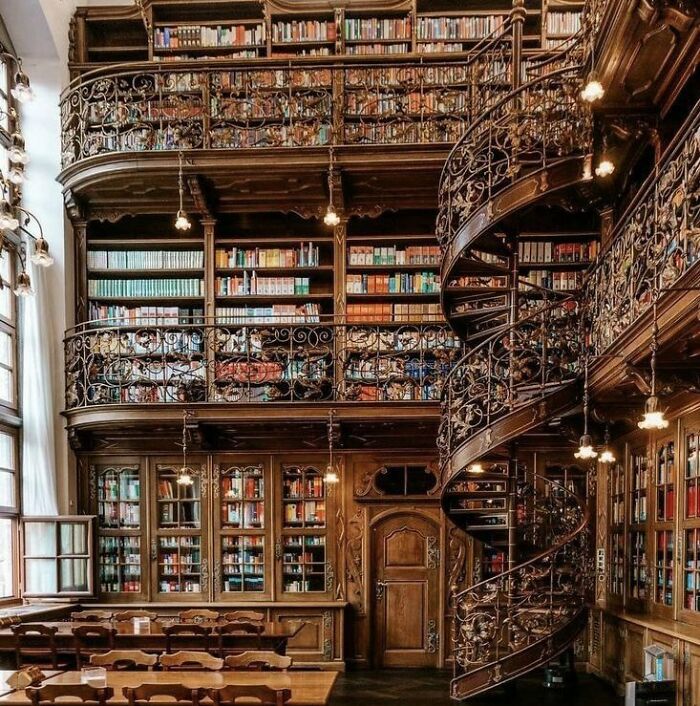
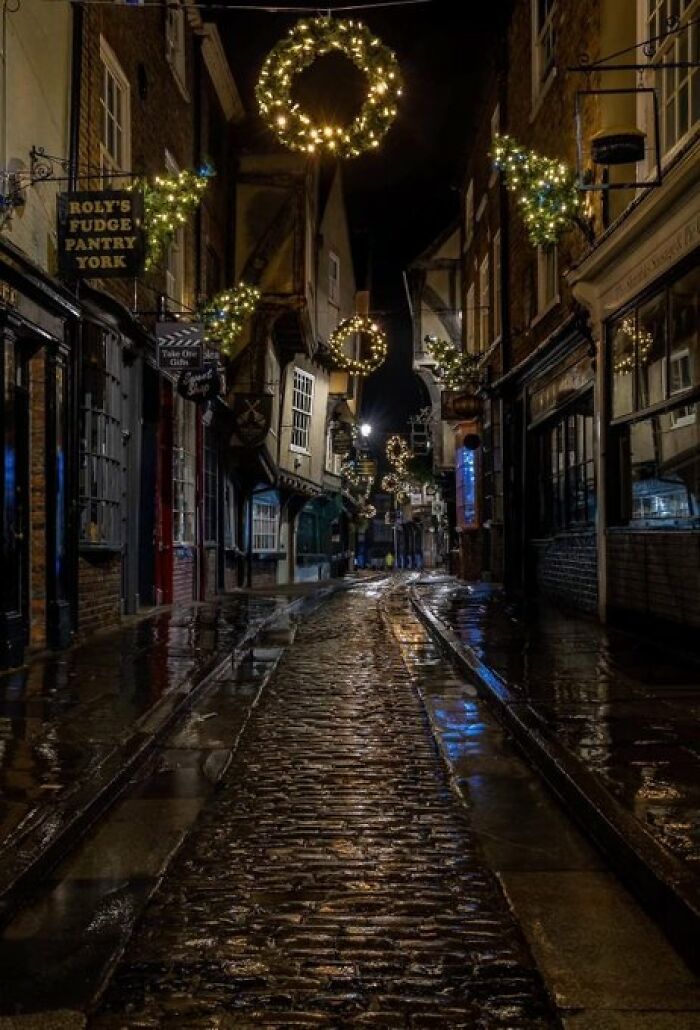
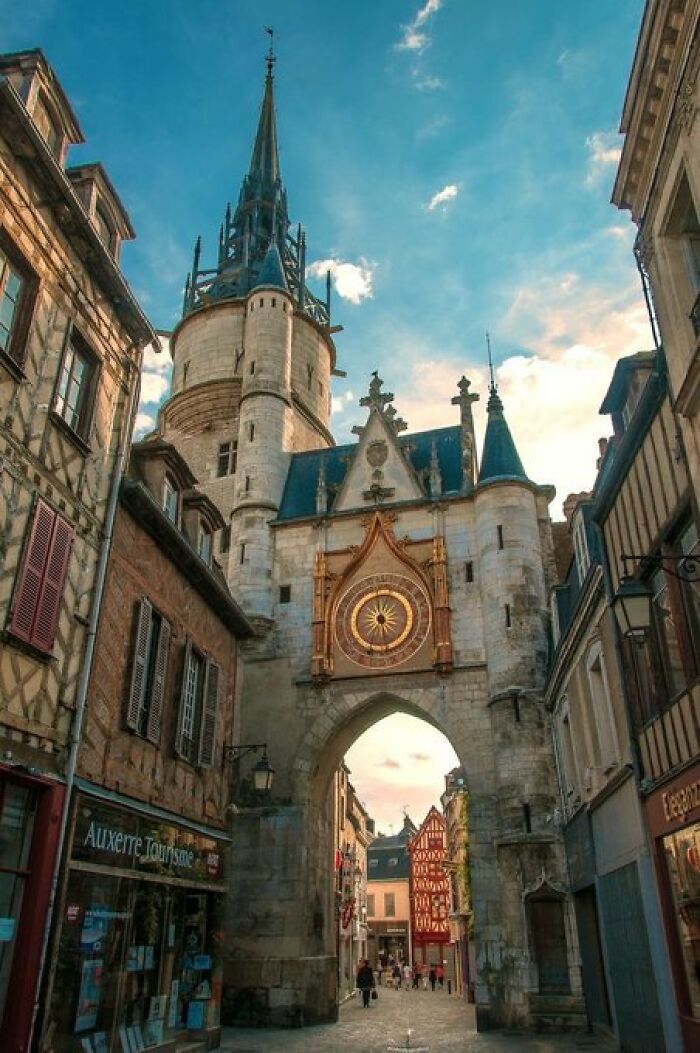
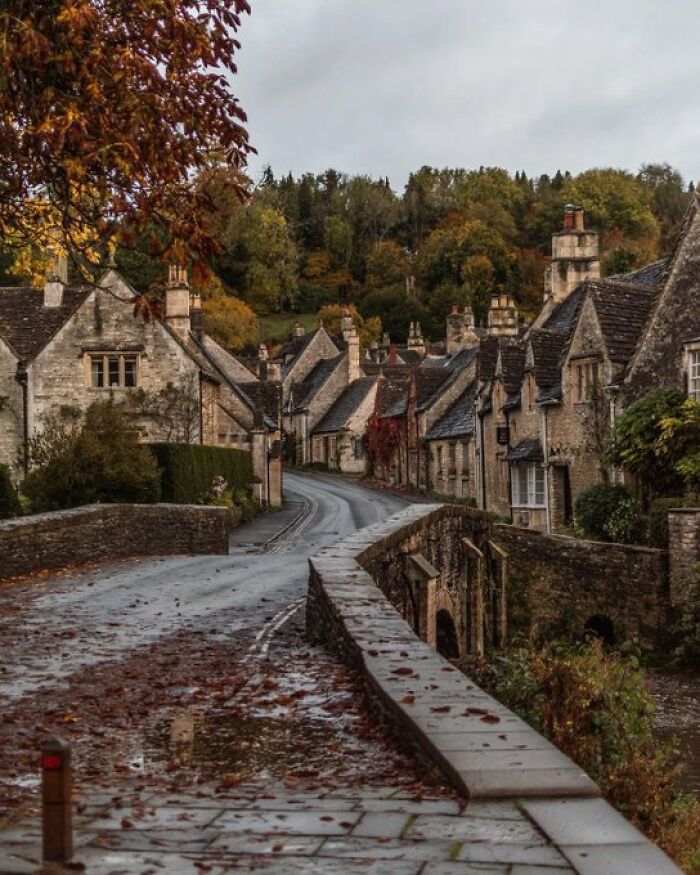
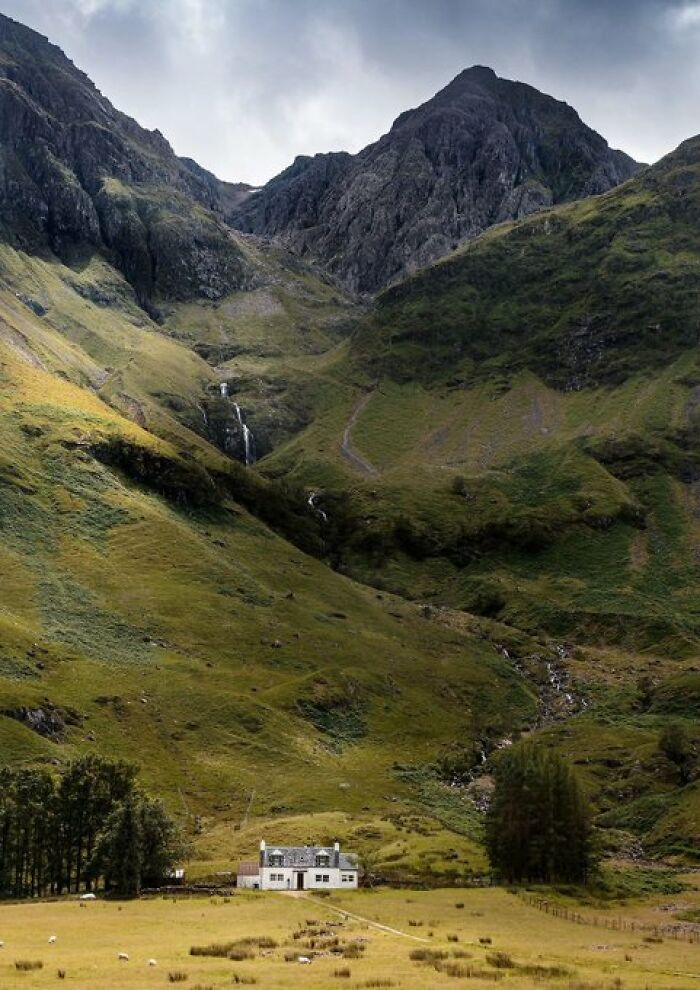
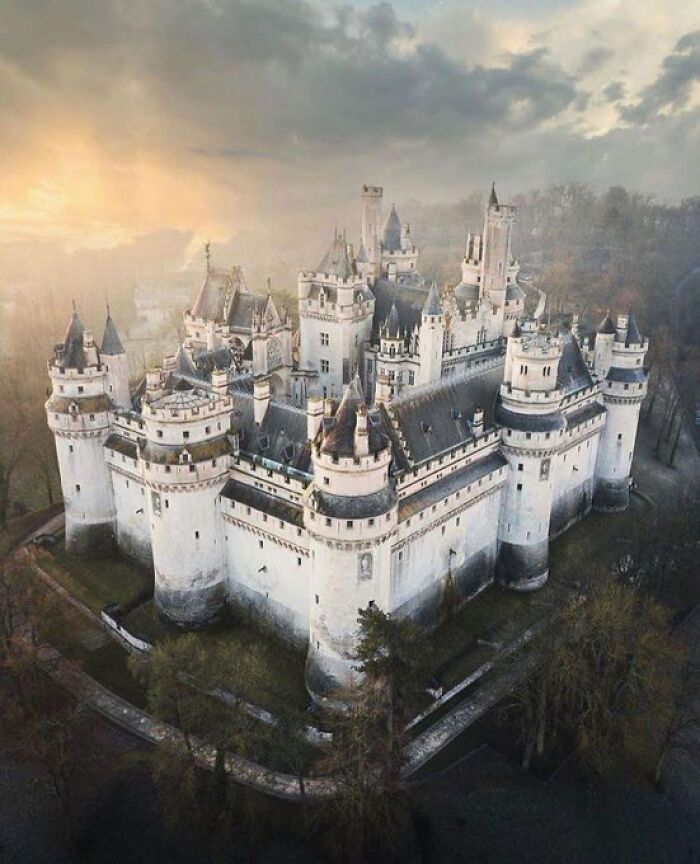
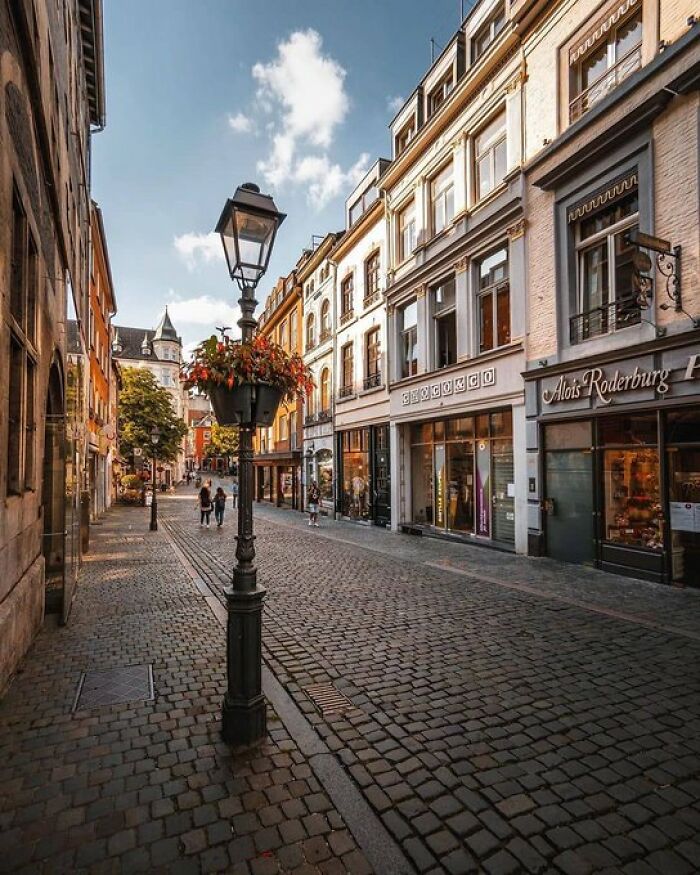
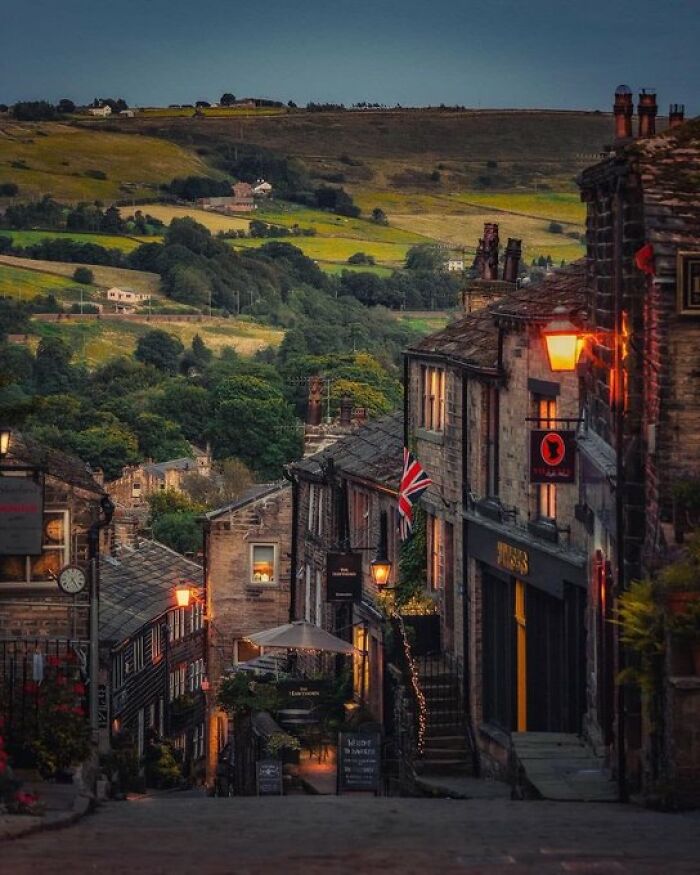
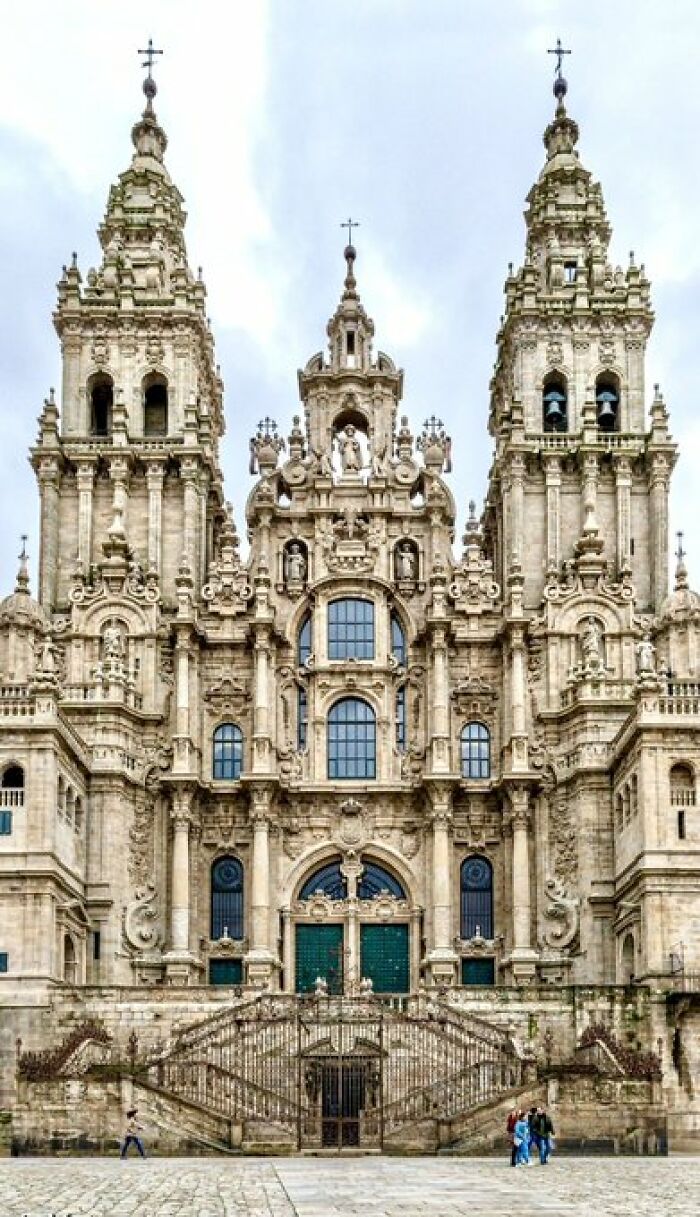
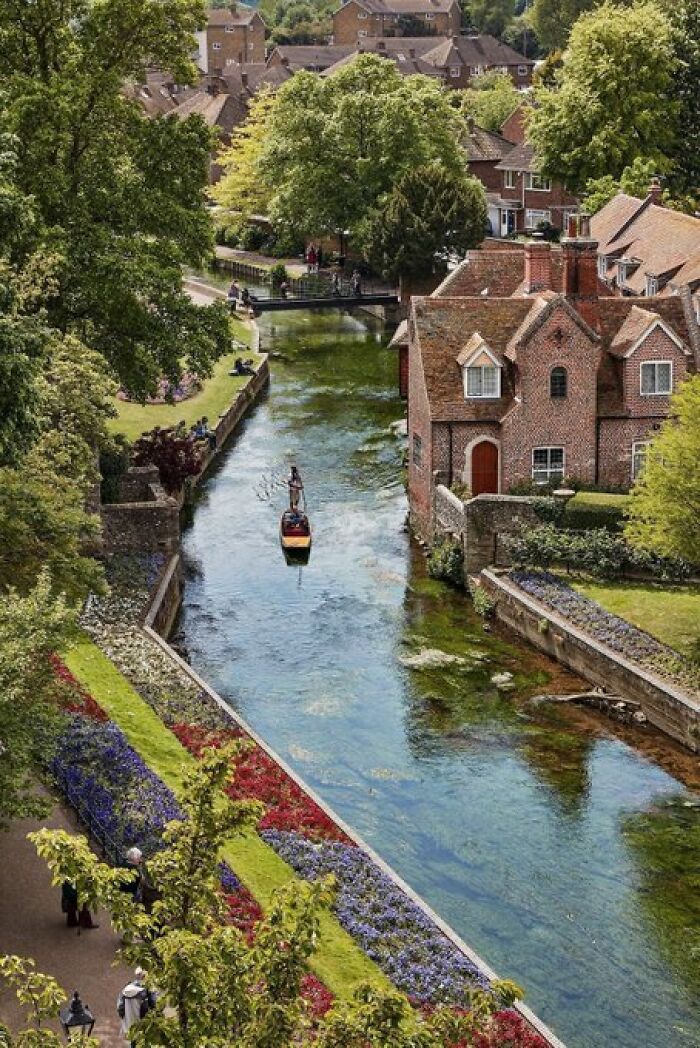
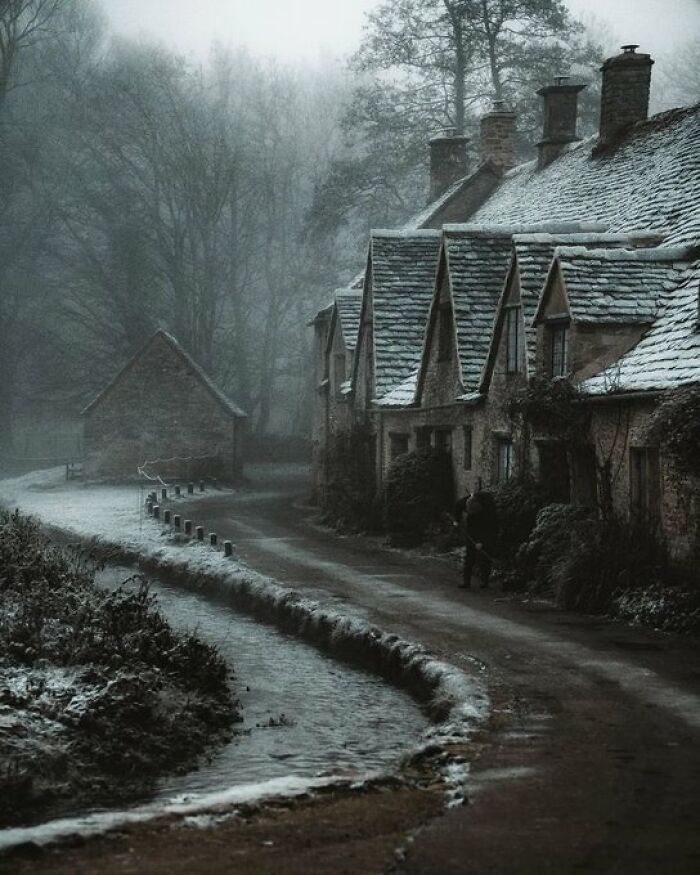
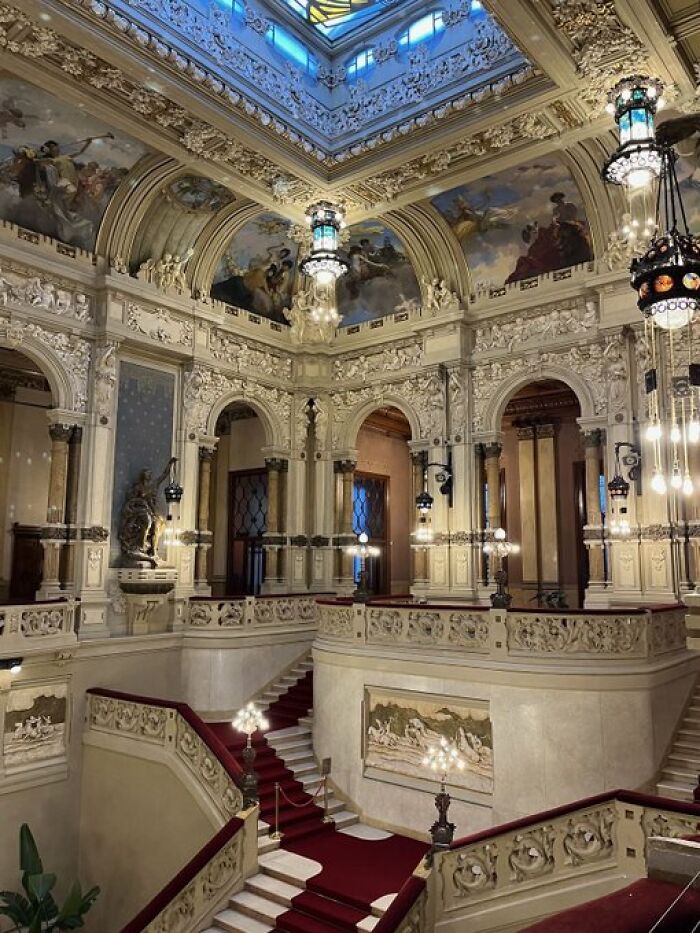
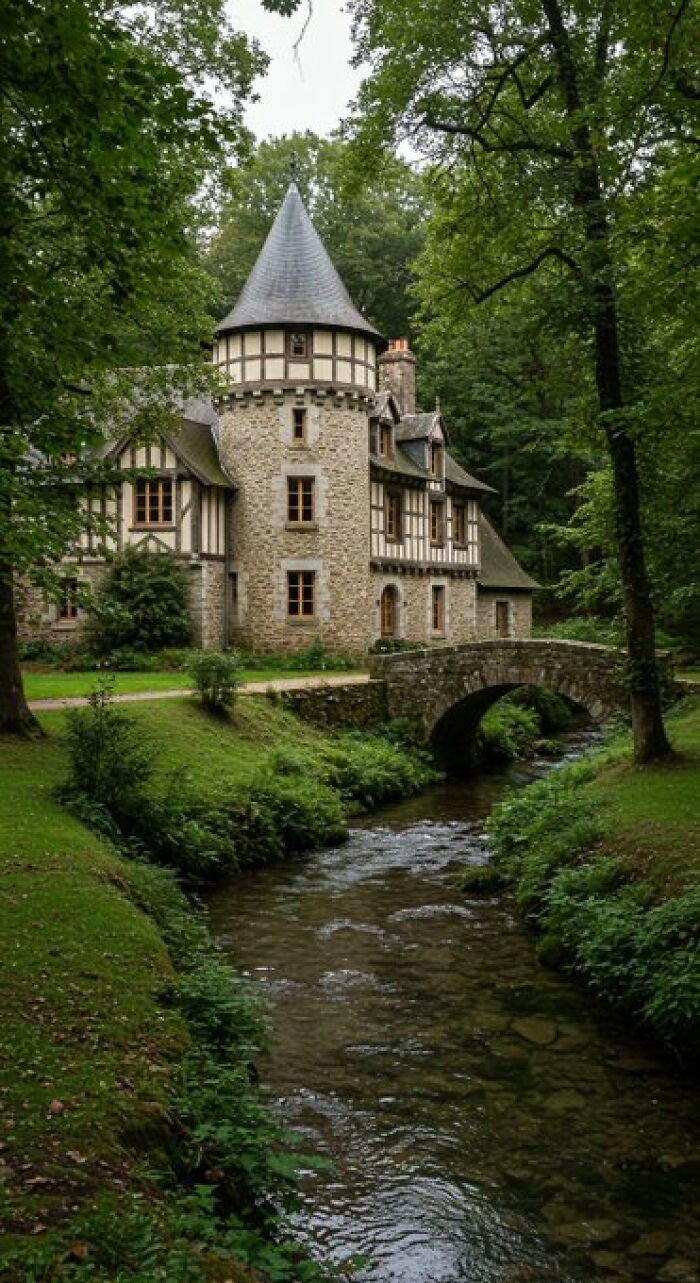
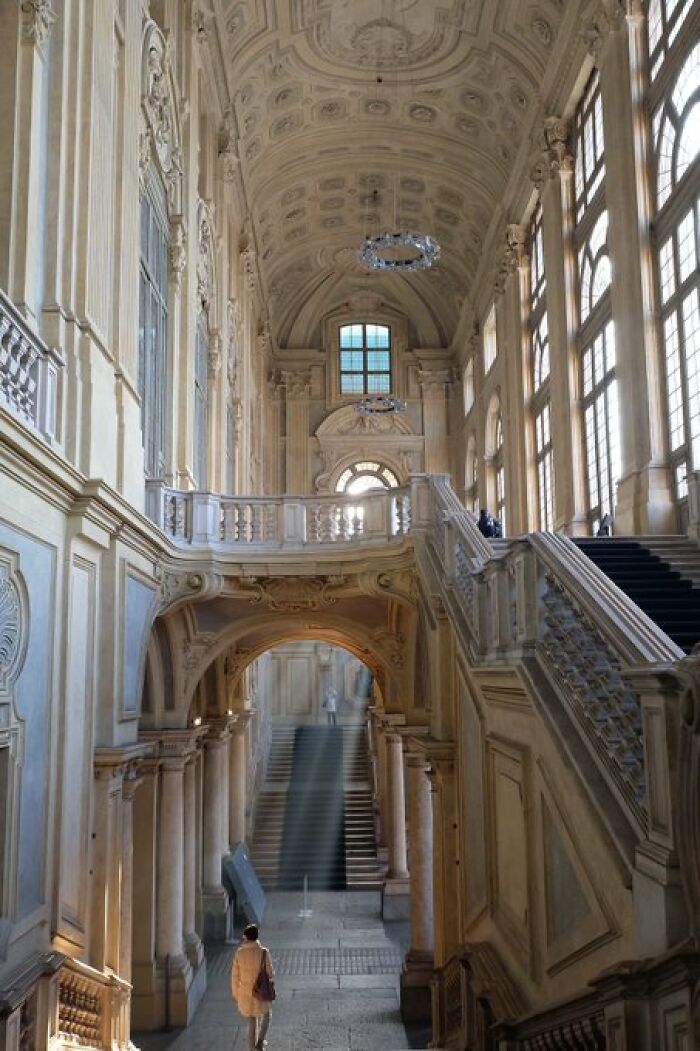
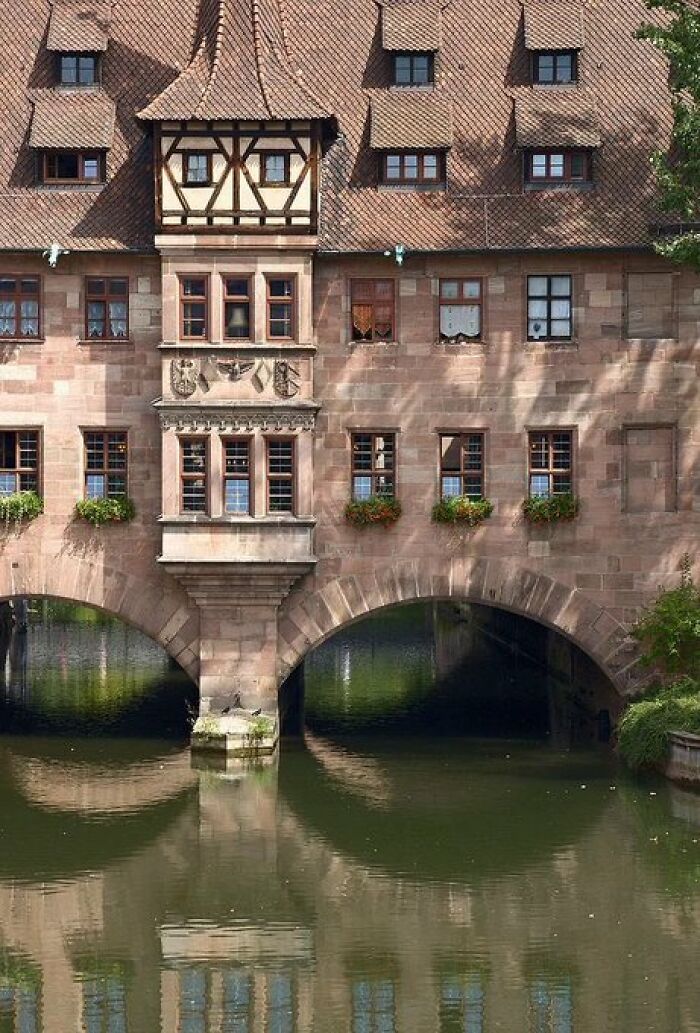
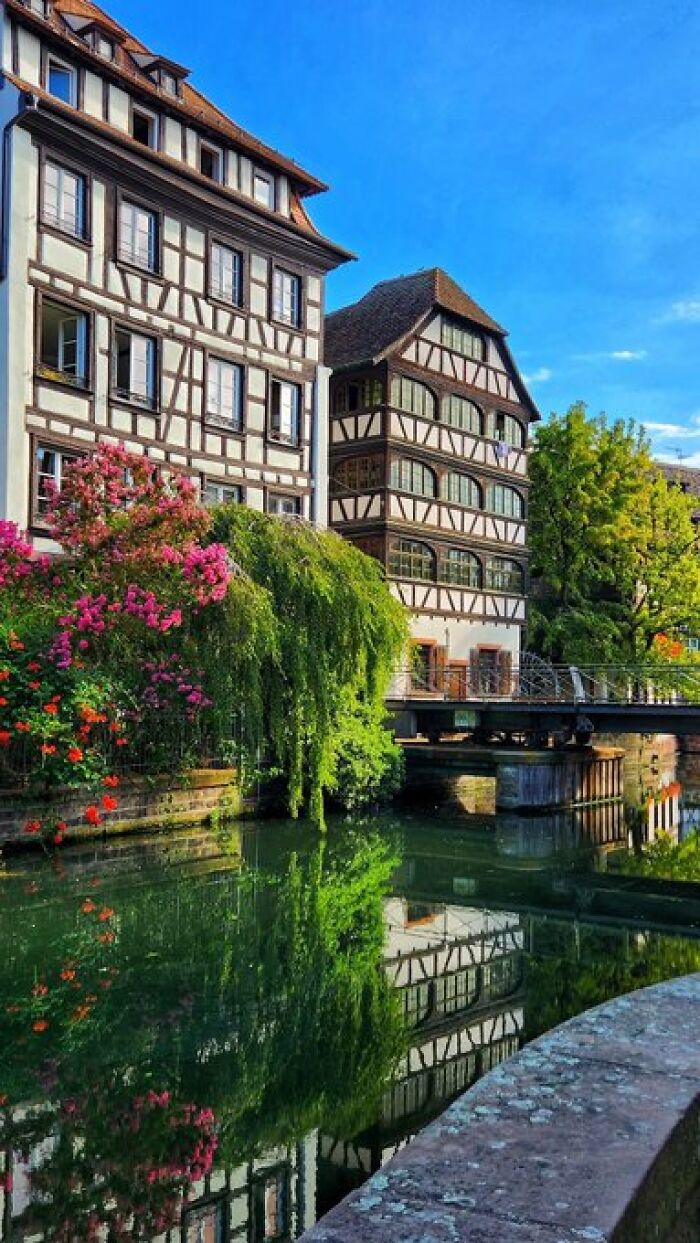
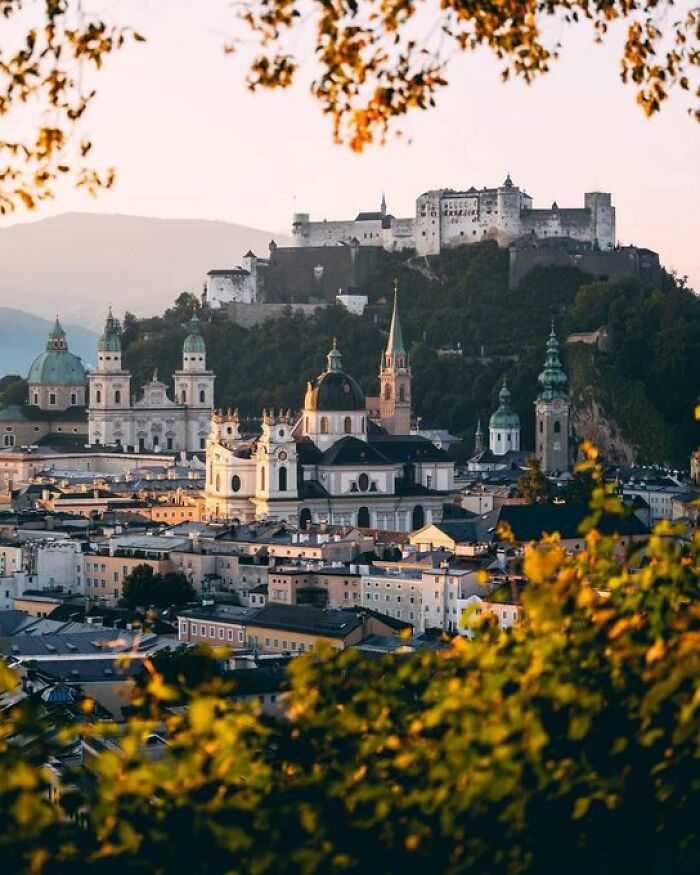
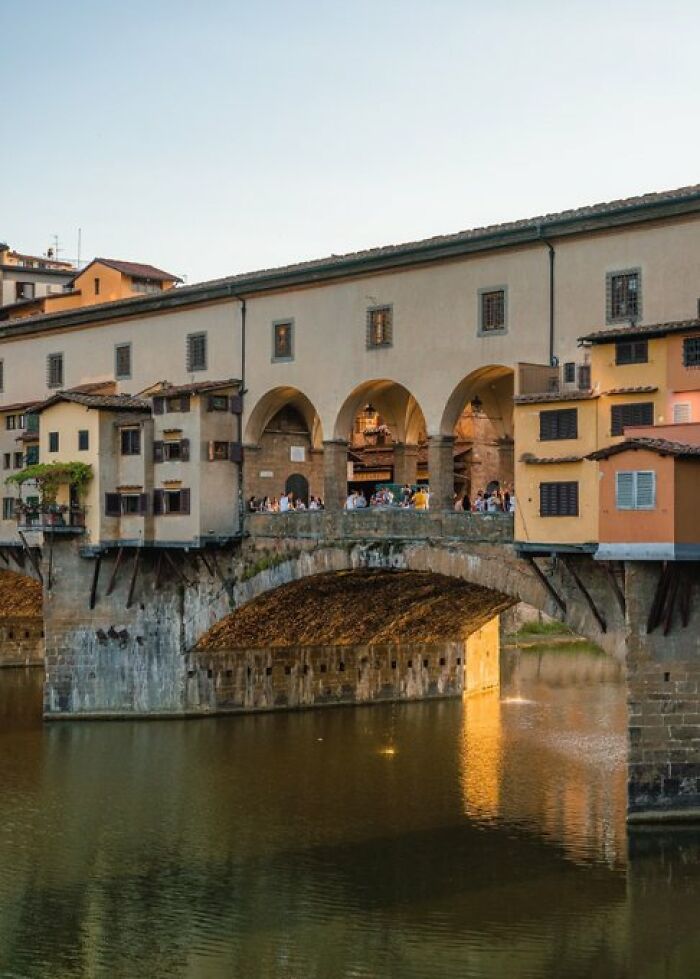
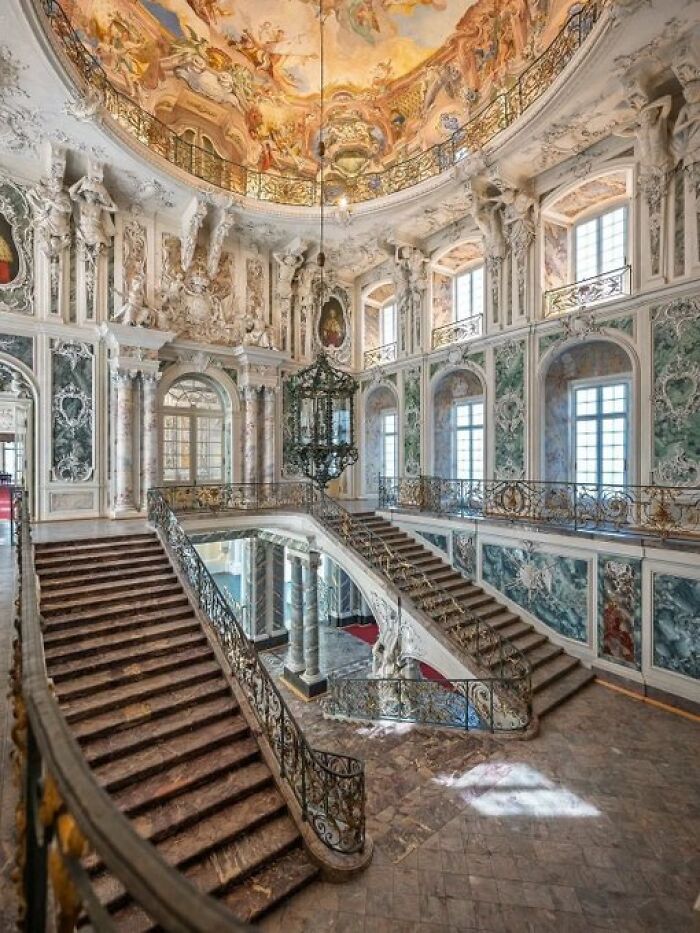
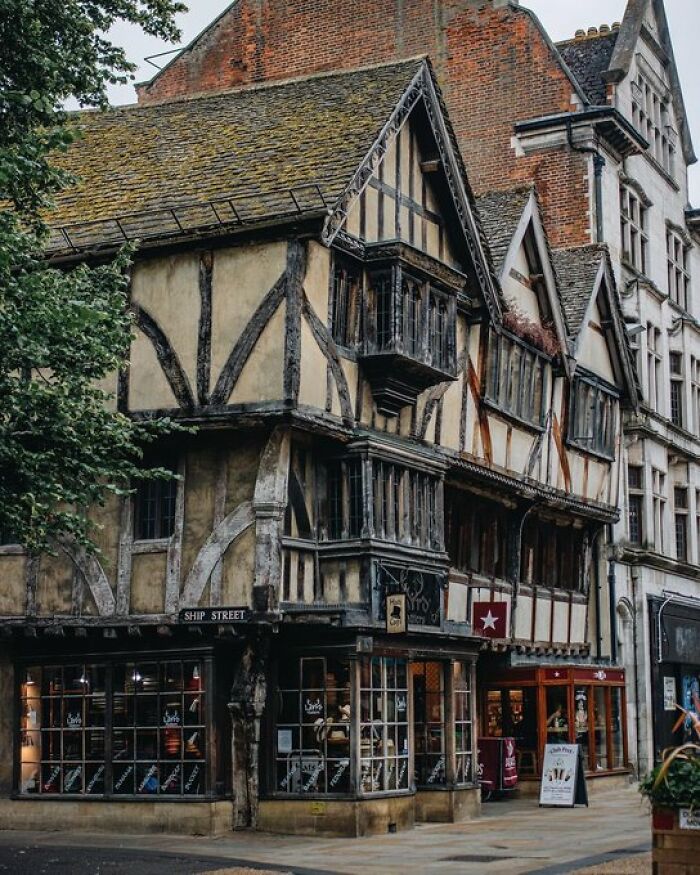
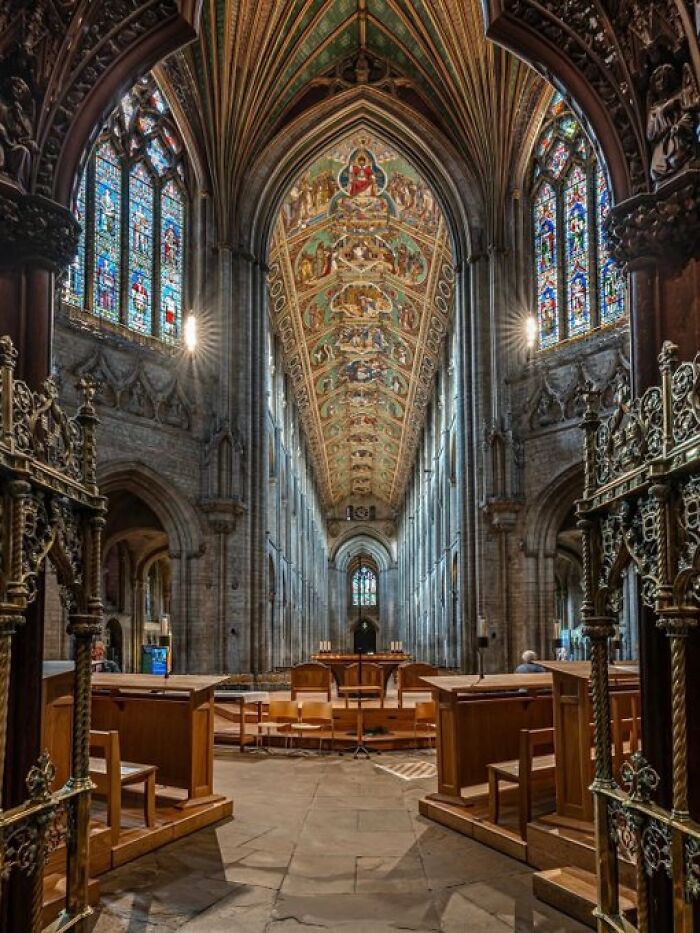
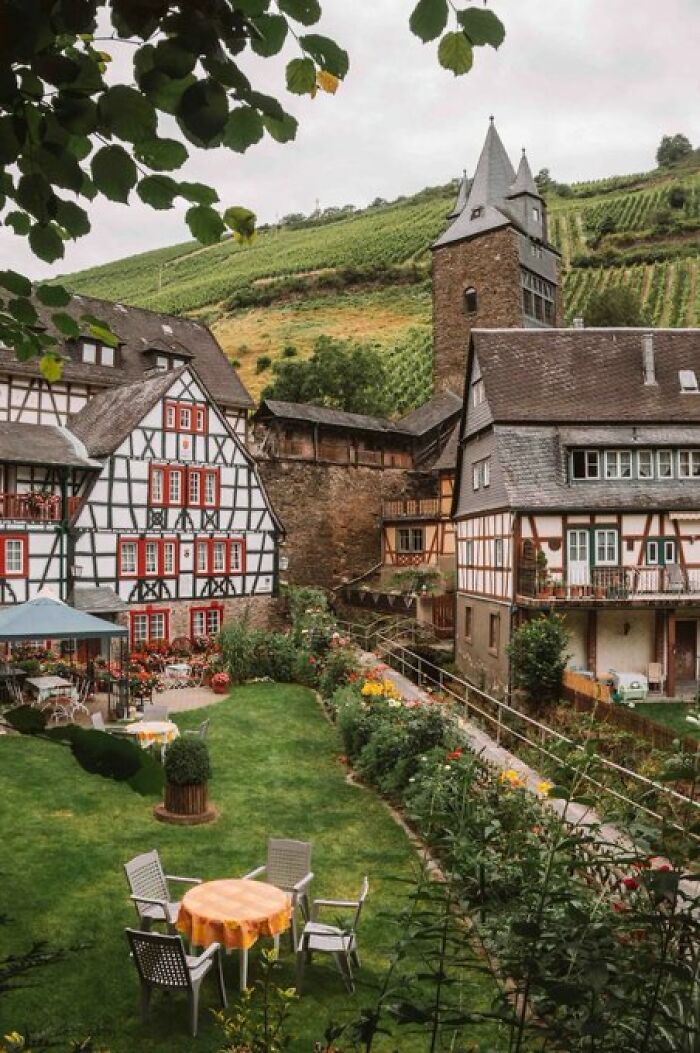
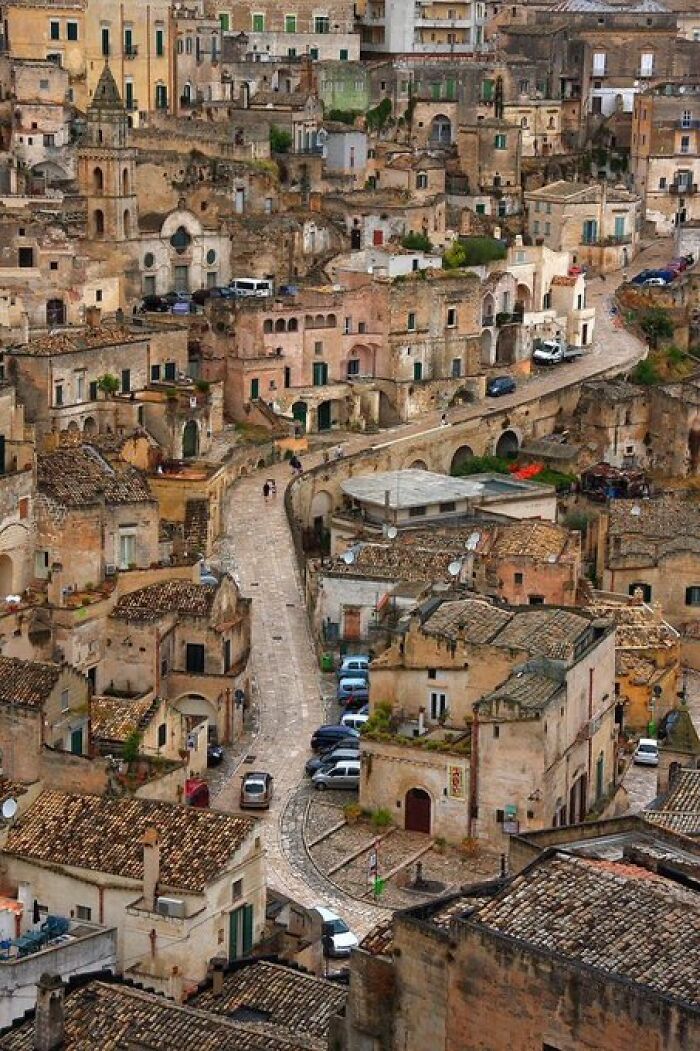
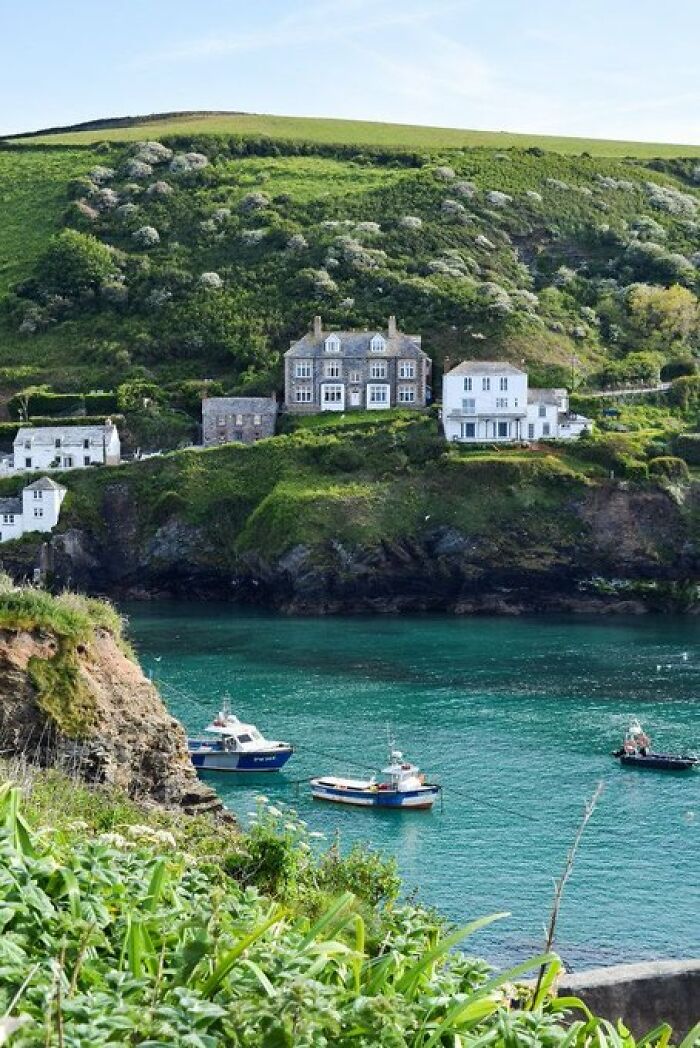
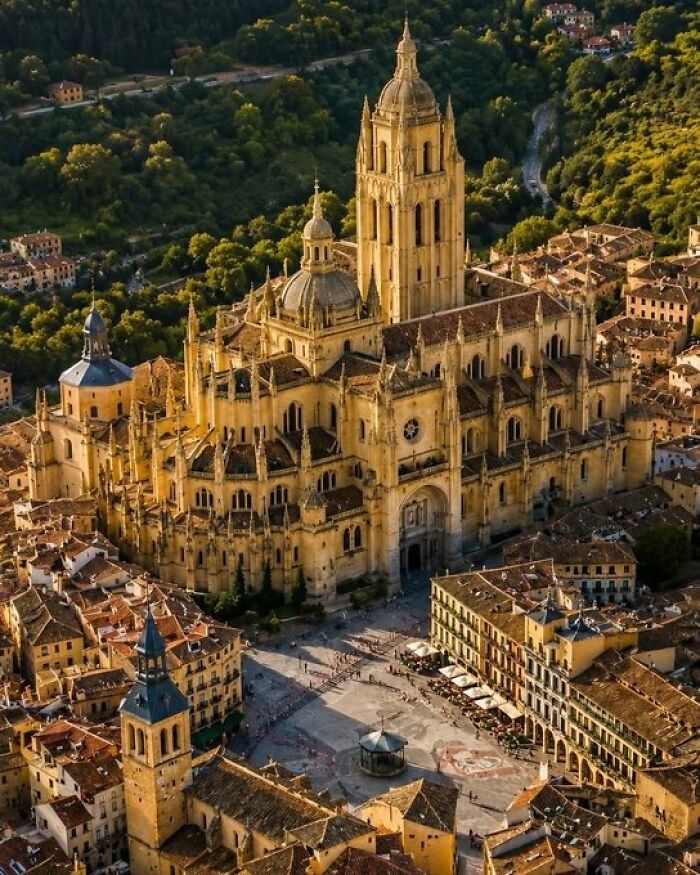
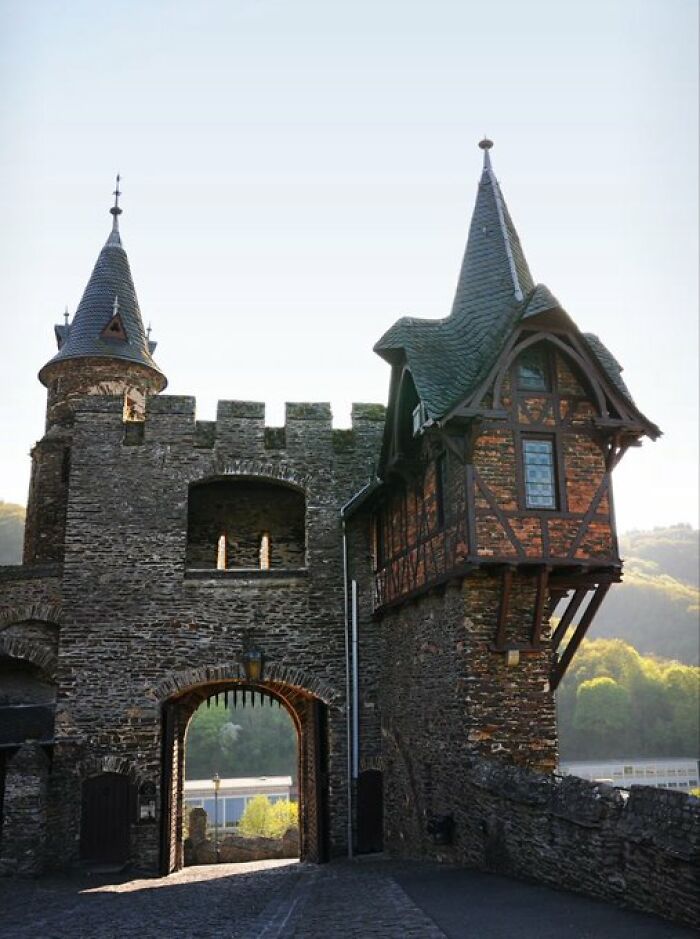
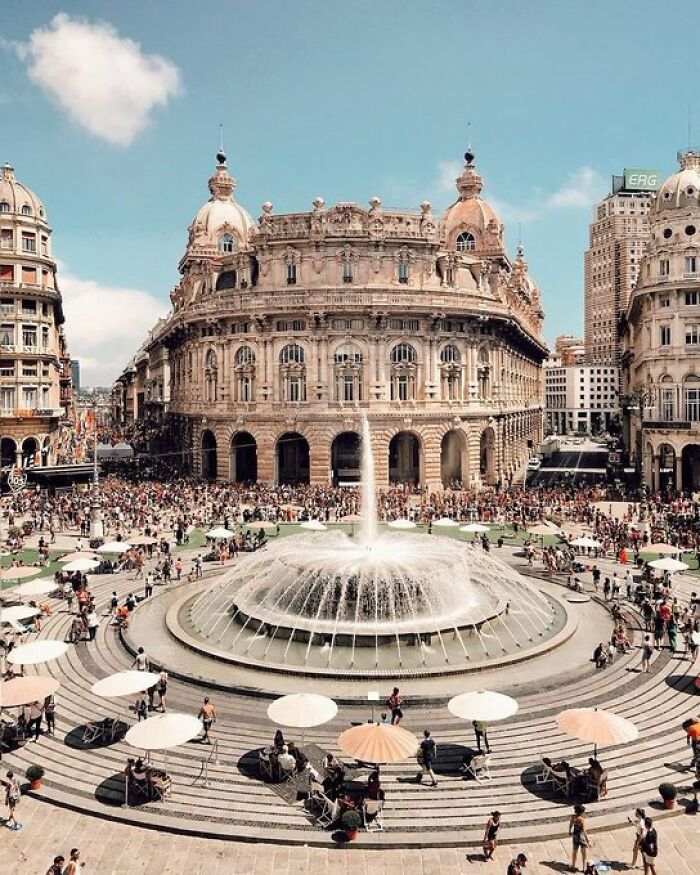
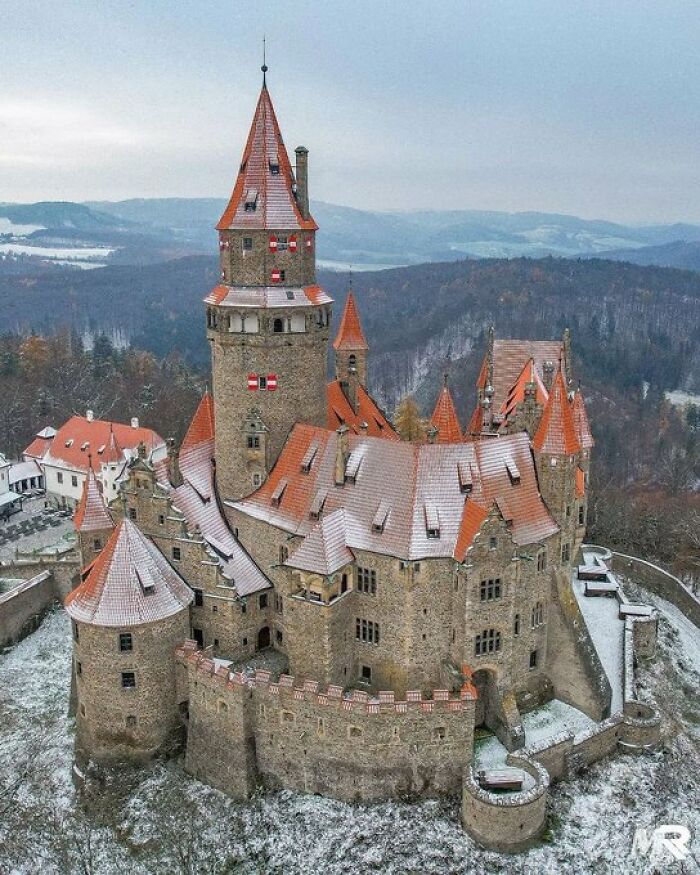
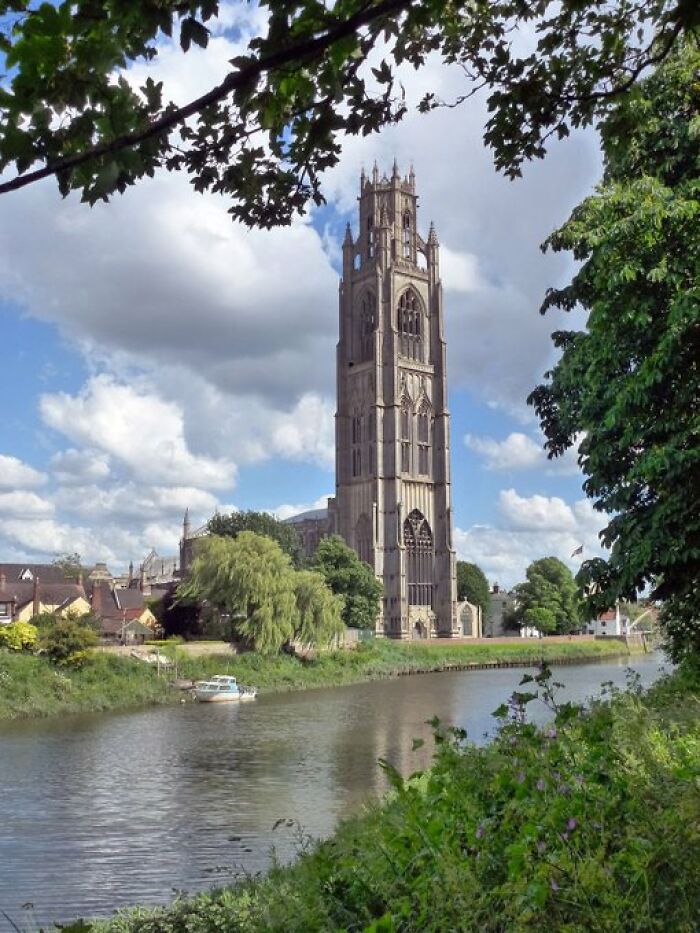
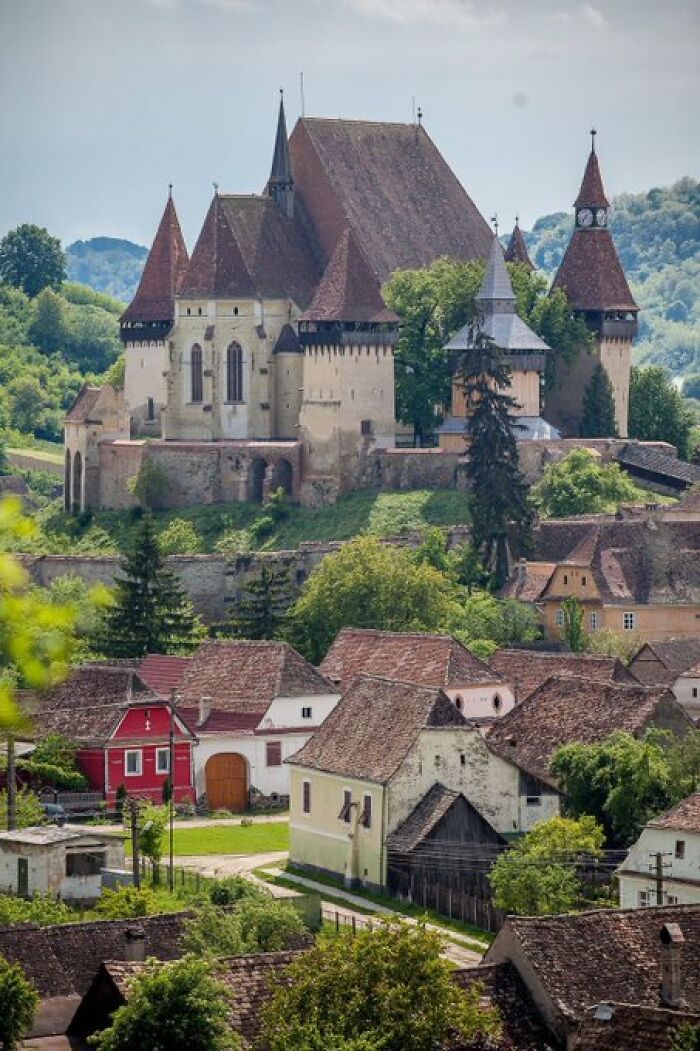
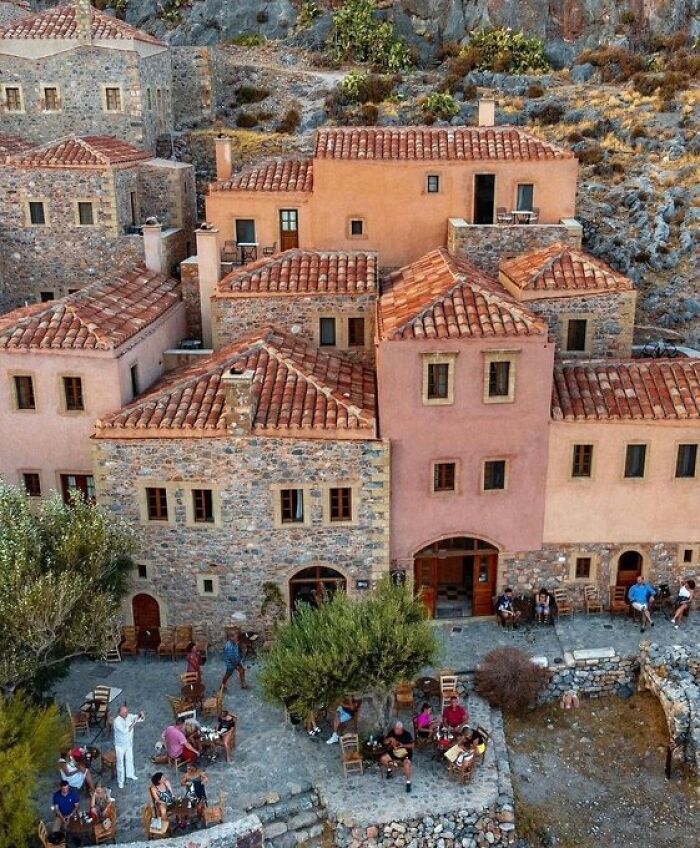
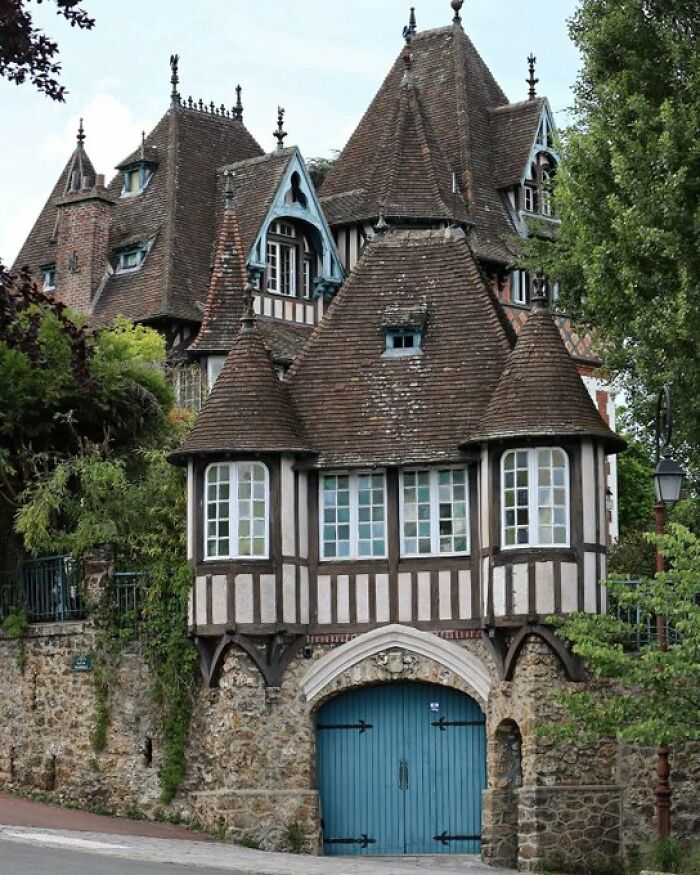
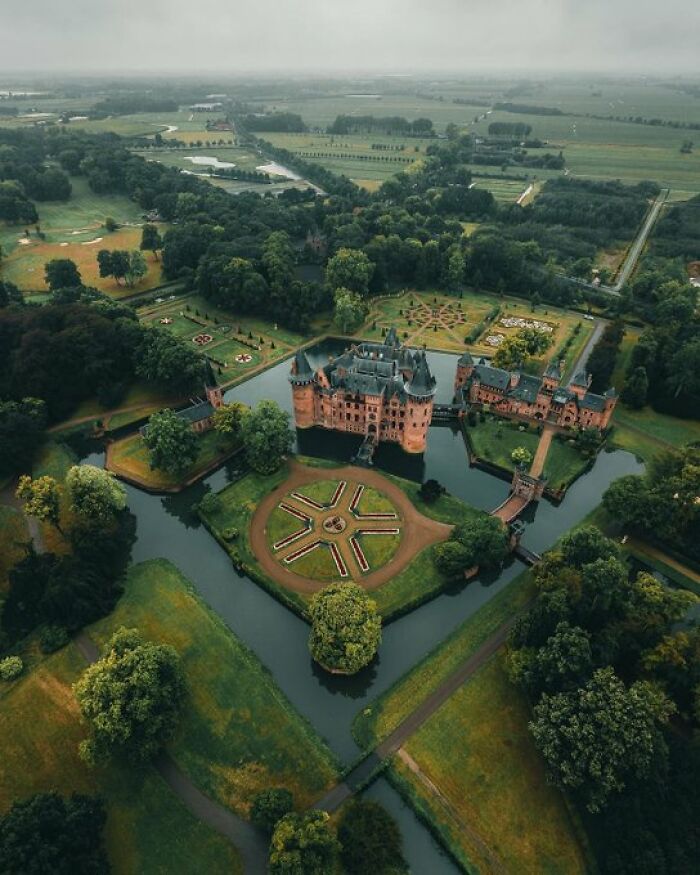
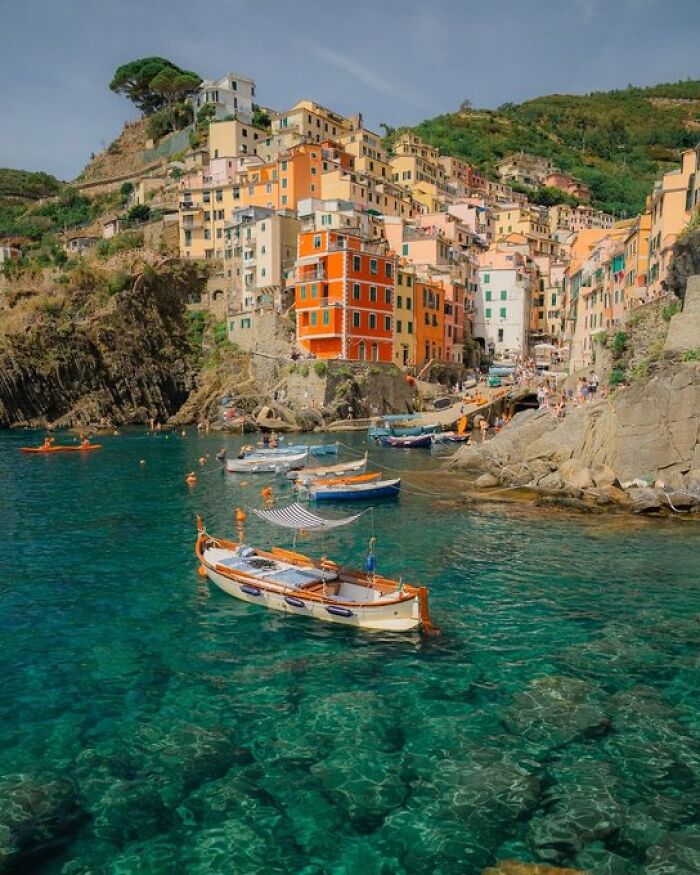
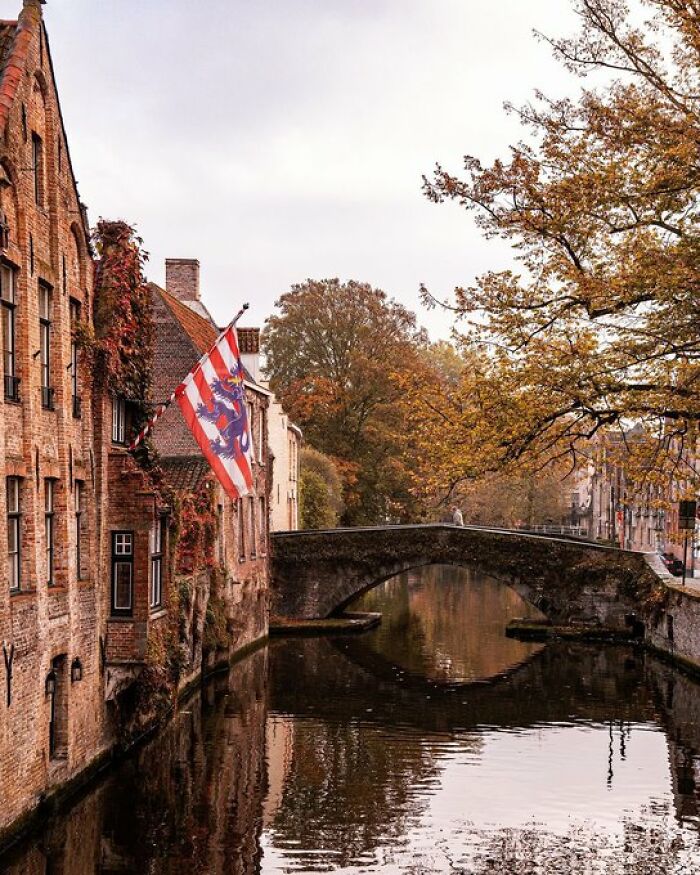
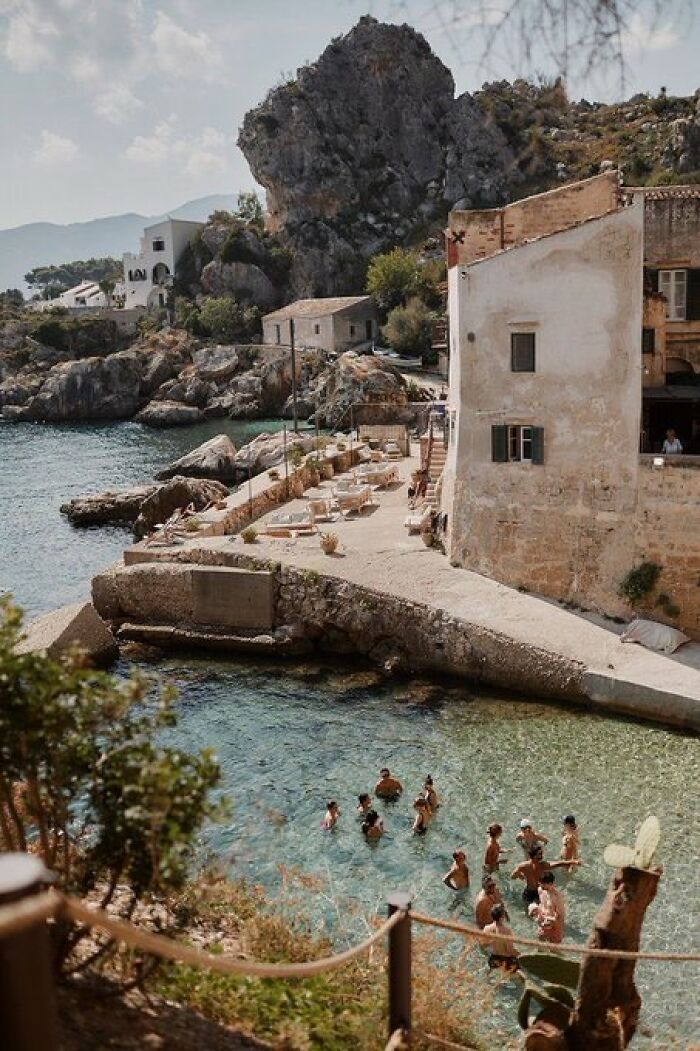
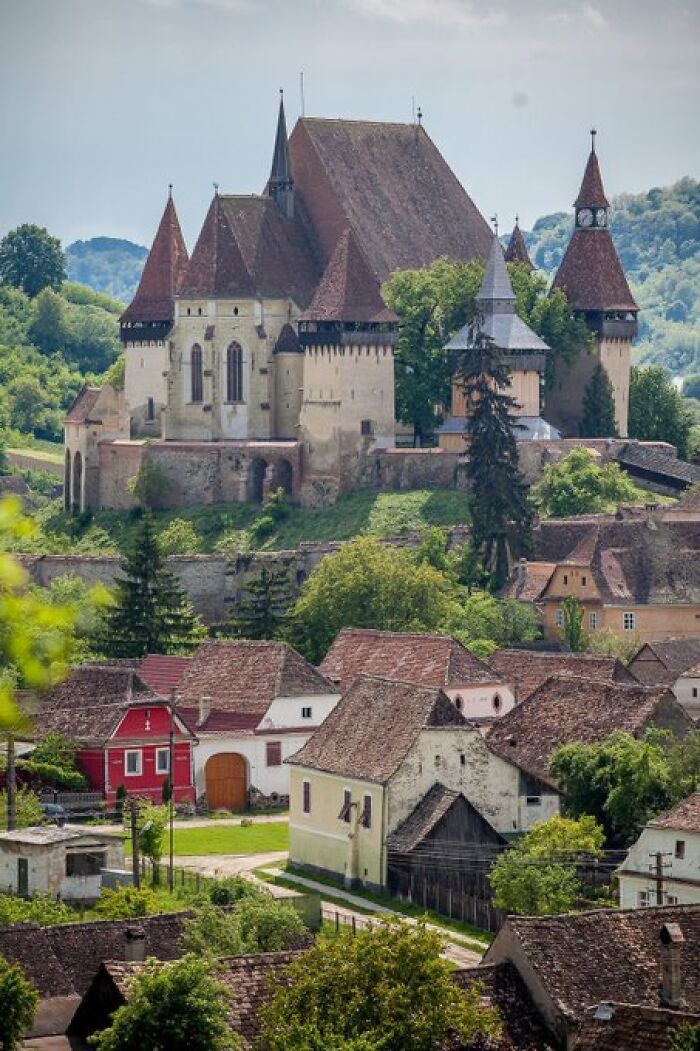
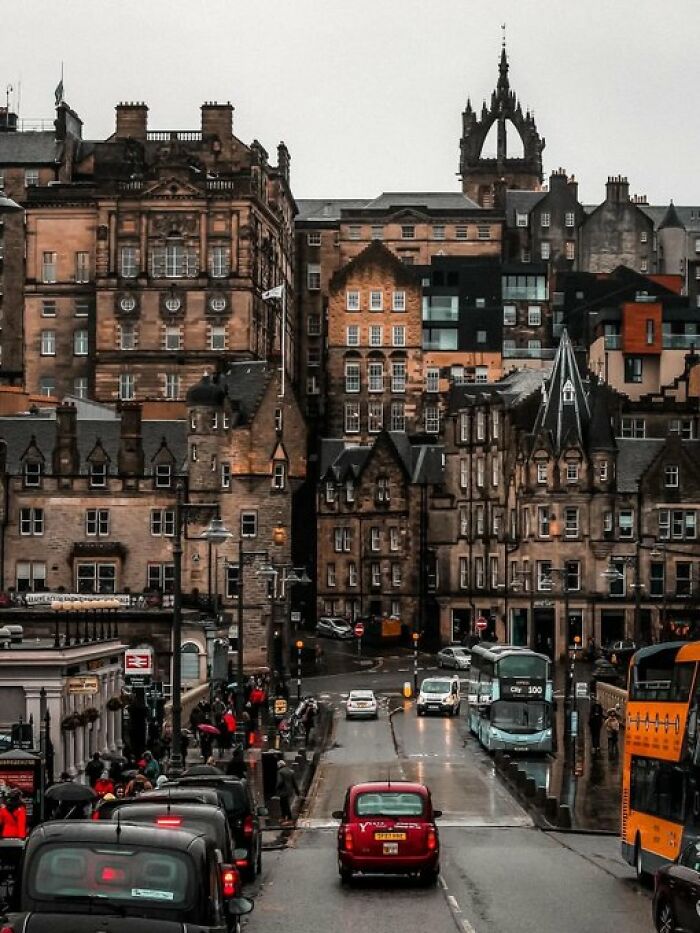
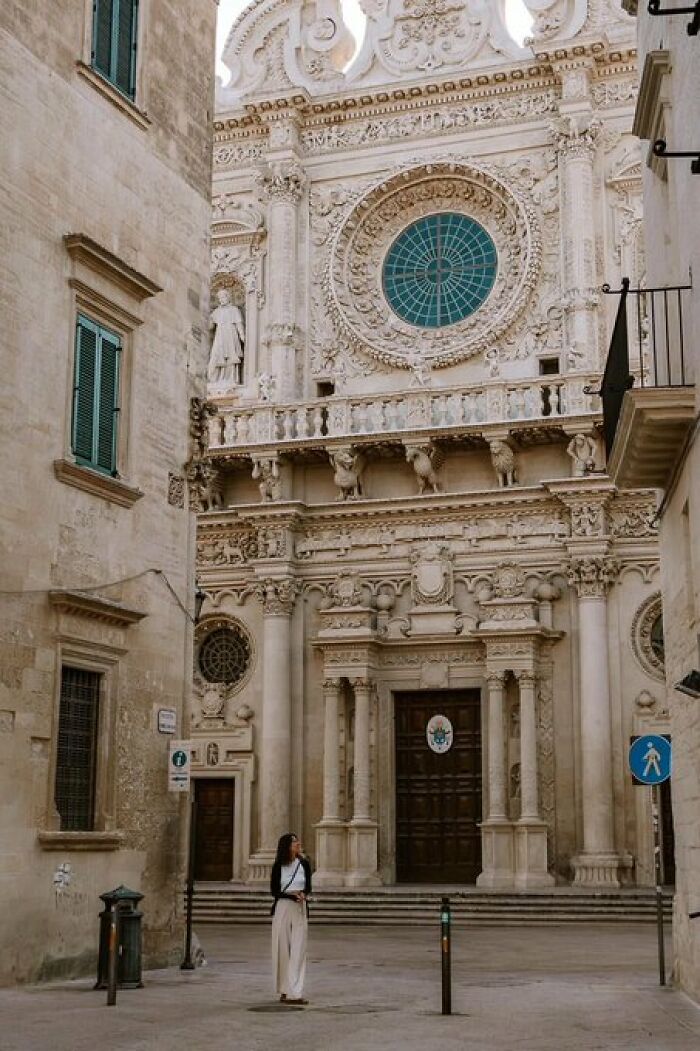
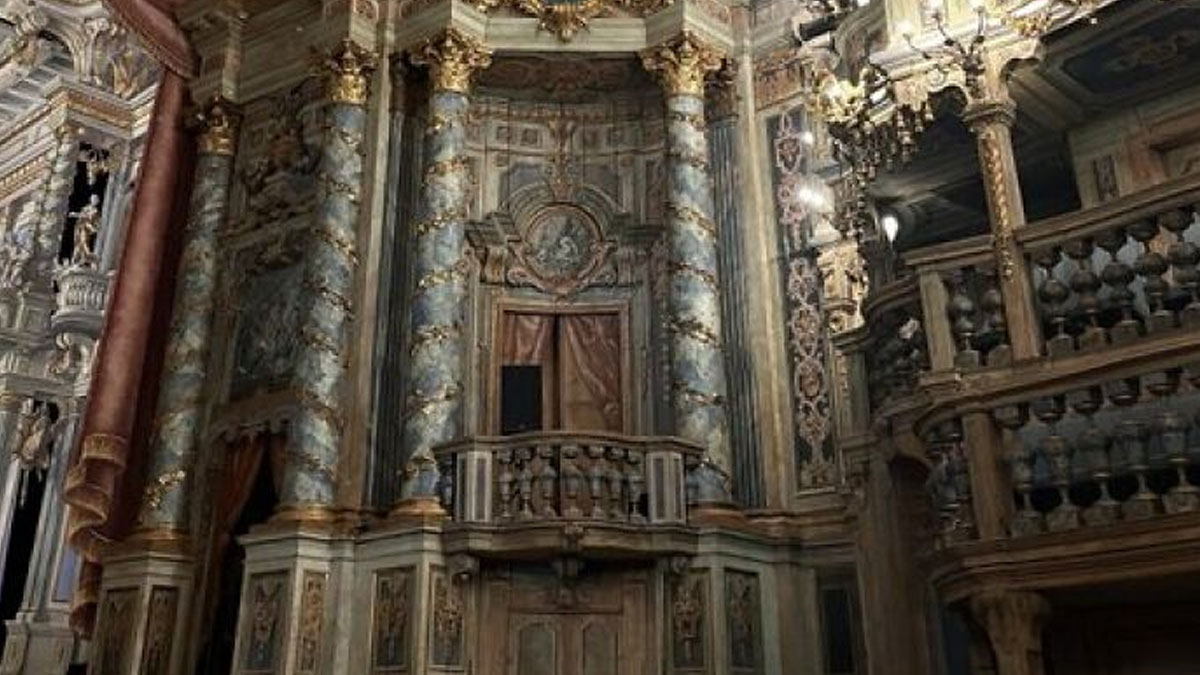
With that in mind, we’ve rounded up some beautiful and timeless buildings shared by the page Architecture & Tradition. It’s amazing to think that people designed and constructed places like these from scratch. Scroll down to admire them for yourself, and upvote the ones you love most.
This post may include affiliate links.
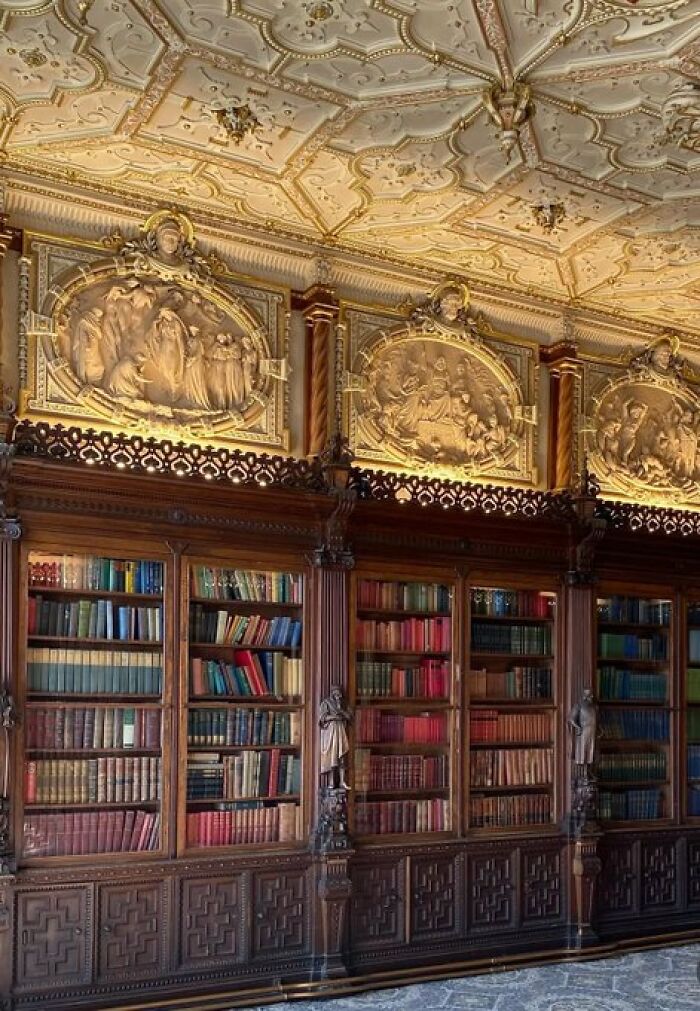
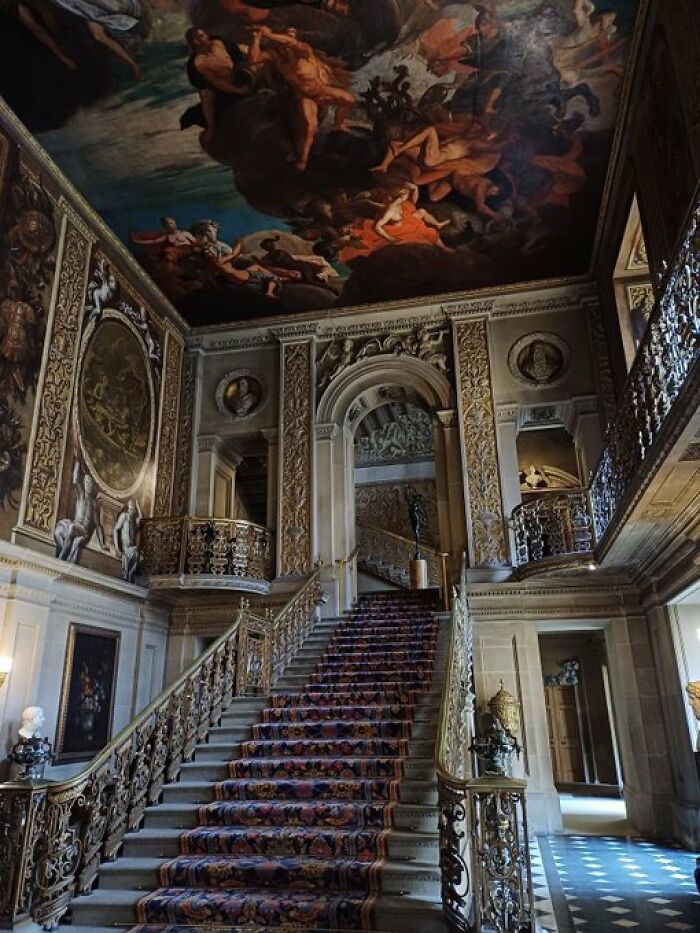
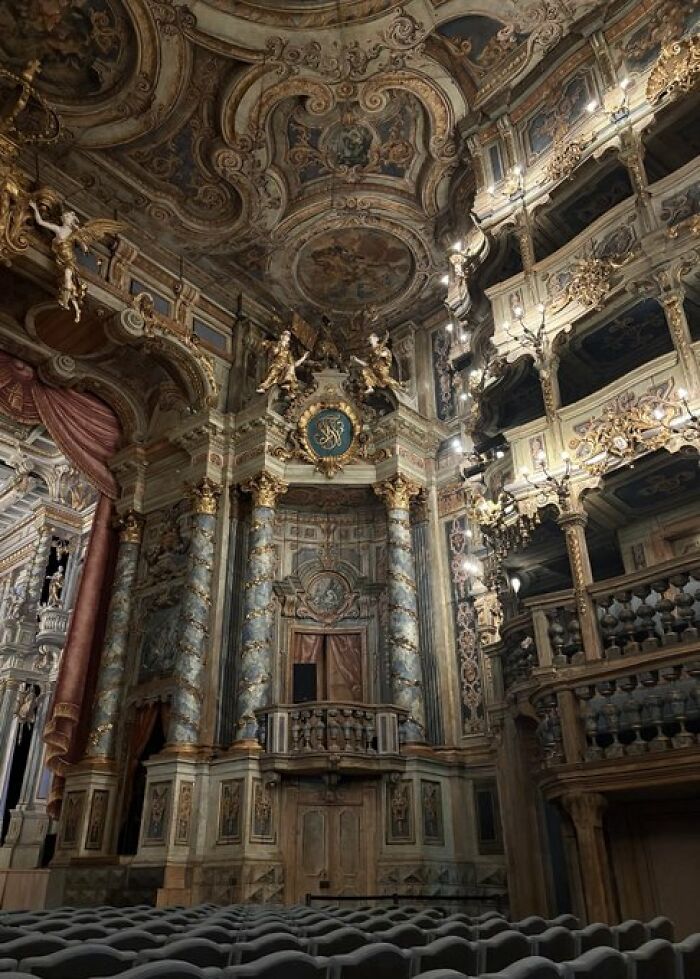
Looking at the buildings in this collection, it’s hard not to notice just how much work went into every little detail. Stone was carved into arches and intricate figures, while wooden doors and ceilings were covered in carefully made patterns.
Even windows could become works of art, with stained glass filling entire walls with color. It’s pretty wild to think that all of this grew from a time when humans were putting together simple homes from rocks and mud.
We don’t actually know exactly when people first started making their own shelters. According to Trimble, the earliest tents and simple huts made from things like sticks and animal hides left very little behind for archaeologists to study.
What we do know is that by the Neolithic era, humans were already putting together more permanent structures for protection.
Once people began settling down and farming, what they made became more ambitious too. Communities grew, and eventually the first cities appeared. Trimble notes that this also encouraged people to think about how those cities worked.
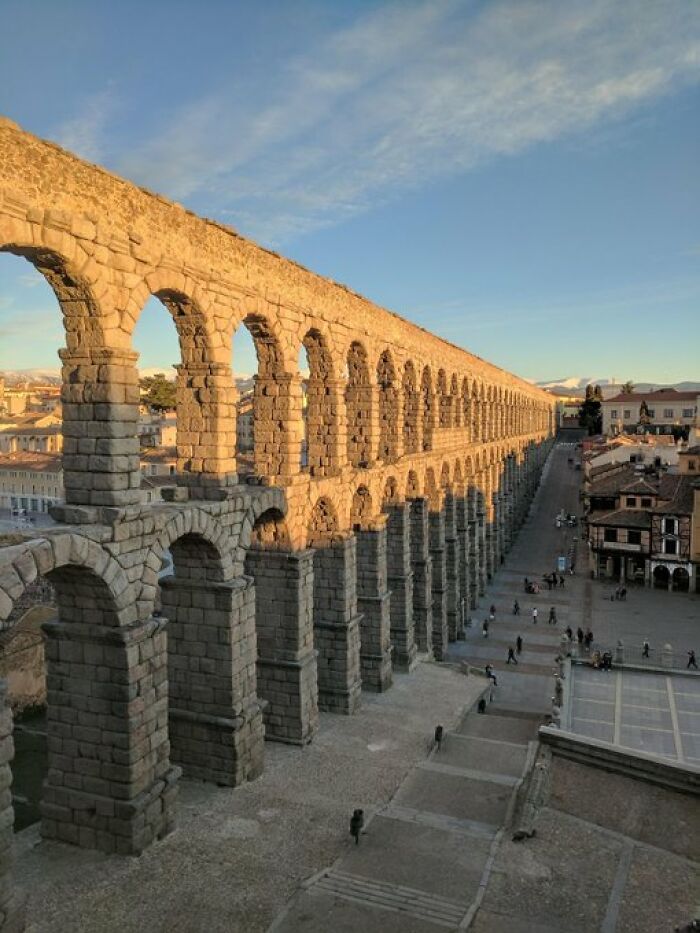
Ancient Romans, for example, had aqueducts bringing in fresh water, while Greek cities were being laid out using planned street grids centuries earlier.
Some ancient civilizations were also proving just how much could be achieved with stone. In Egypt, enormous pyramids and temples appeared thousands of years ago.
Many were made from carefully cut blocks of granite and limestone, and the Egyptians managed to fit them together without mortar. The pyramid itself was also a clever engineering solution, since its wide base could support the huge weight above it.
According to ThoughtCo, ancient Greece and Rome had a huge influence on Western architecture for centuries afterward. Greek builders placed a lot of importance on proportion and symmetry, using mathematical principles to decide how temples should look.
The Romans adopted many of those ideas, then combined them with new construction methods. Their use of concrete made it possible to build much larger spaces and impressive domed structures, including the Pantheon.

By the Middle Ages, architecture was reaching some pretty incredible heights. This was especially true for Gothic cathedrals, where new building techniques allowed structures to rise higher and made room for much larger stained-glass windows.
Detailed stone carvings also became a major part of the style. Famous examples such as Chartres Cathedral and Notre Dame in Paris came from this period.
During the Renaissance, architects became fascinated with the proportions and ideas of ancient Greece and Rome again, and symmetry became especially important.
Andrea Palladio helped make this approach hugely influential through both his villas and his writings. His ideas continued inspiring architecture long after the Renaissance itself had ended.
Later centuries brought plenty of new tastes. Baroque architecture became known for elaborate decoration and dramatic interiors, while Neoclassicism eventually returned to the cleaner proportions associated with ancient Greece and Rome.
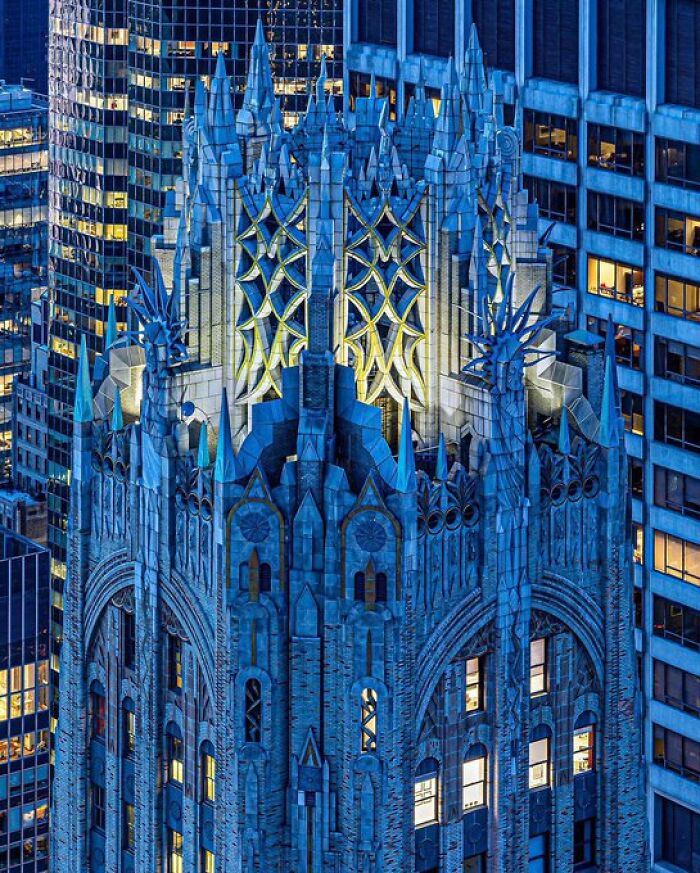
Then, in the early 20th century, Art Deco mixed sleek modern forms with inspiration from places as varied as ancient Egypt and classical Greece. The Chrysler Building is one of the best-known examples of that style today.
And that eventually brings us to the huge variety of architecture we see now. Modernist architects started putting much more emphasis on function, often using materials such as glass and concrete.
Postmodern architecture later brought more decoration and references to older styles back into the picture. Today, architects can draw inspiration from almost any period while also using new materials and technology to try completely different ideas.
Of course, not everyone is a fan of where modern architecture has gone. Do you prefer the more traditional and timeless styles in this collection, or do you like what architects are doing today? Share your thoughts in the comments.


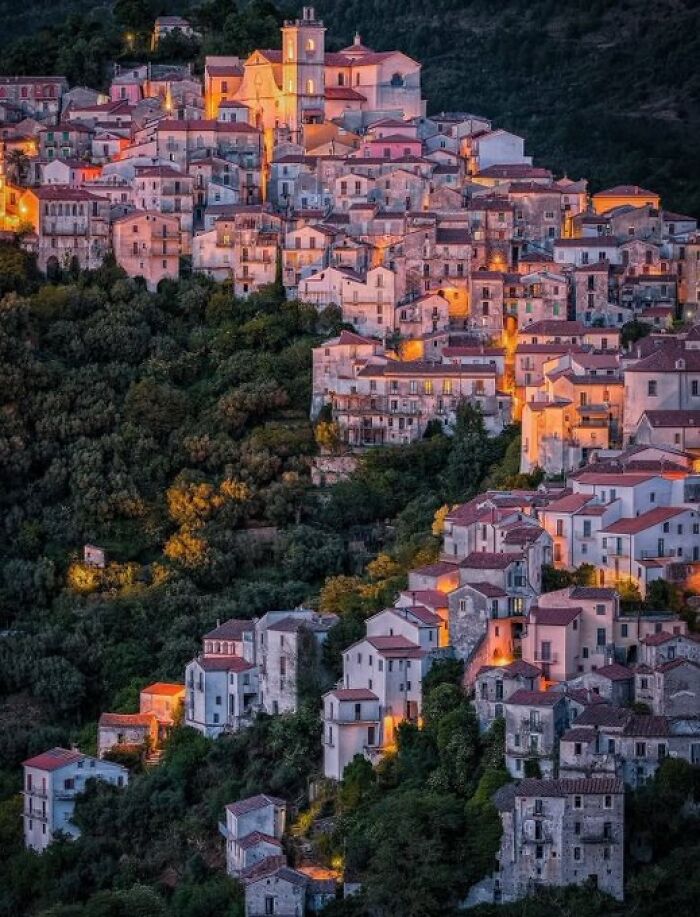
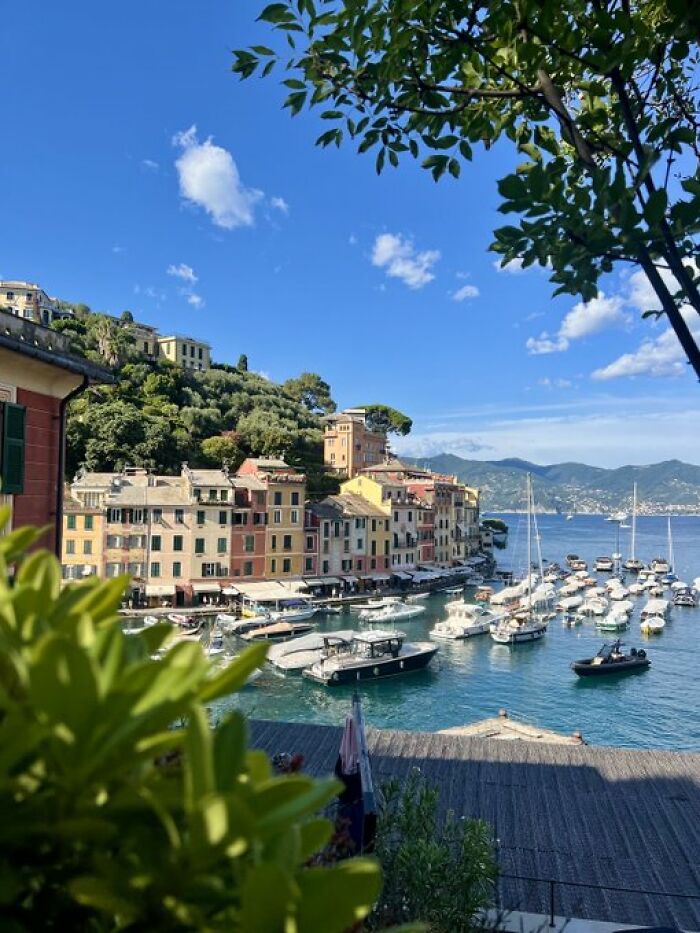
"Honey, I just go grab some orange juice from the store. See you tomorrow!"

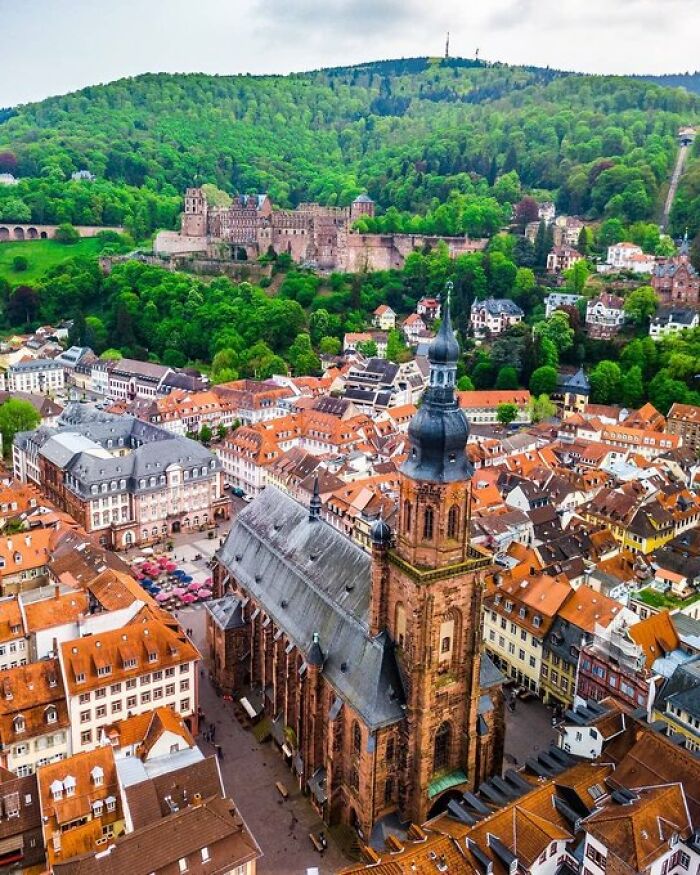
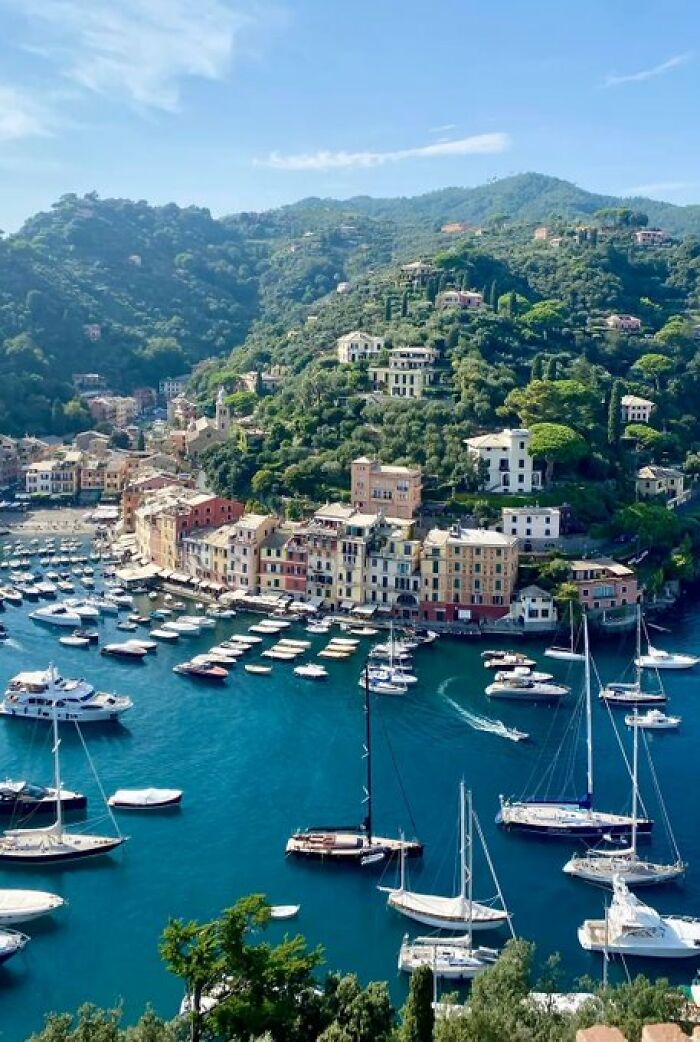
Gorgeous town, but the walk to the castle will just about do you in - it is so steep!

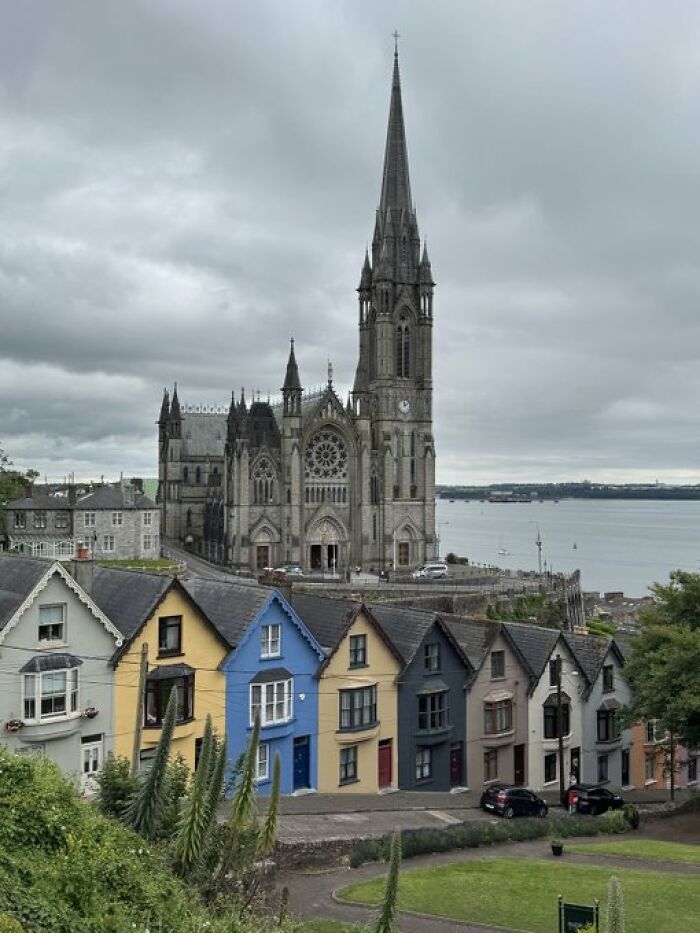
This is the harbour town of Cobh (pronounced cove). It is just outside Cork CIty. The town is known as the last port of call for the Titanic. The cathedral in the background is St. Colemans Cathedral, the houses are known as the deck of cards. The view point that this photo was taken from is in a private garden, the owner will let you take photos, he just asks that you leave a small donation that will go towards buying a Ferrari :)

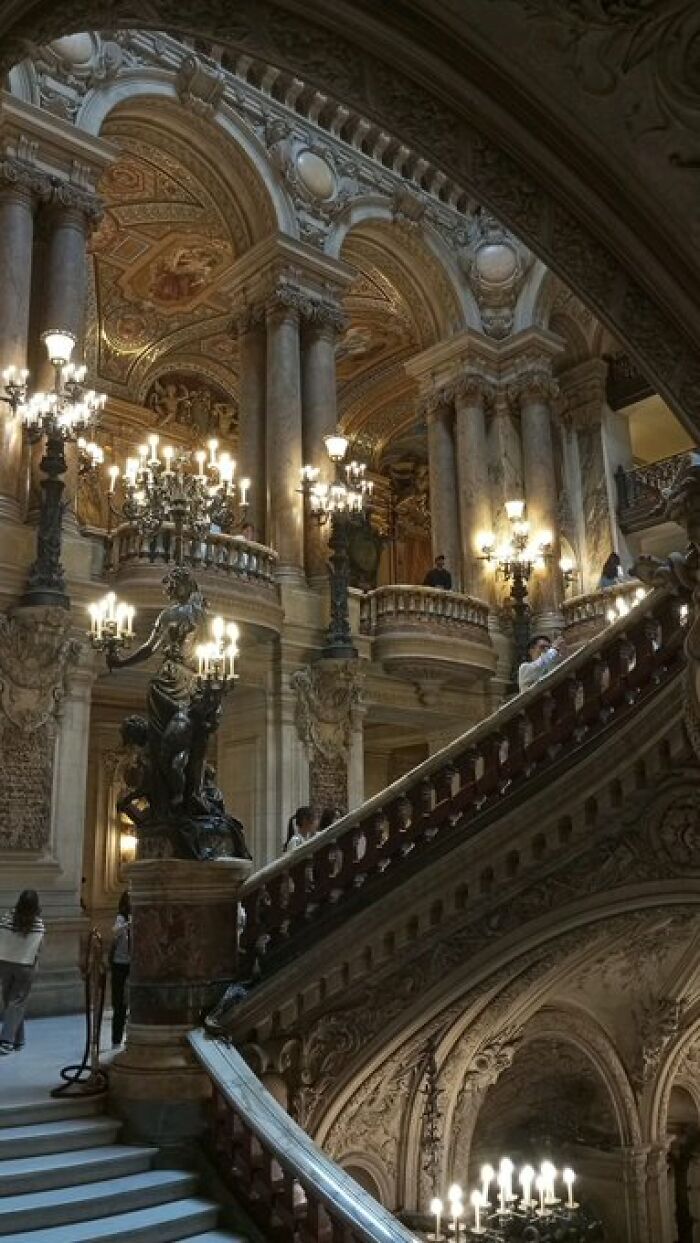
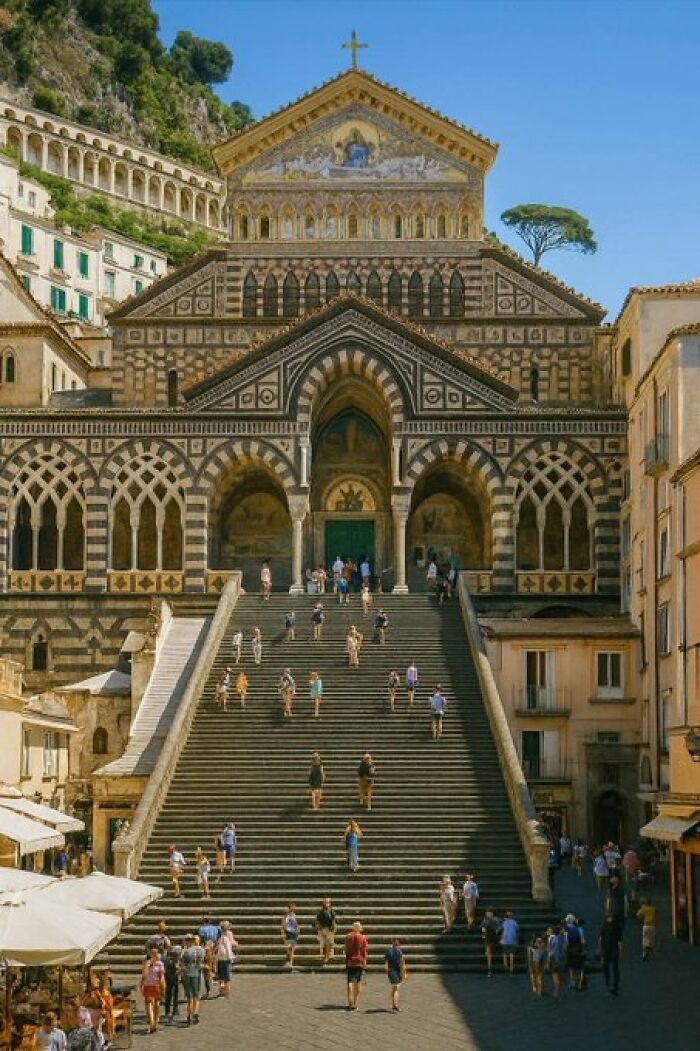
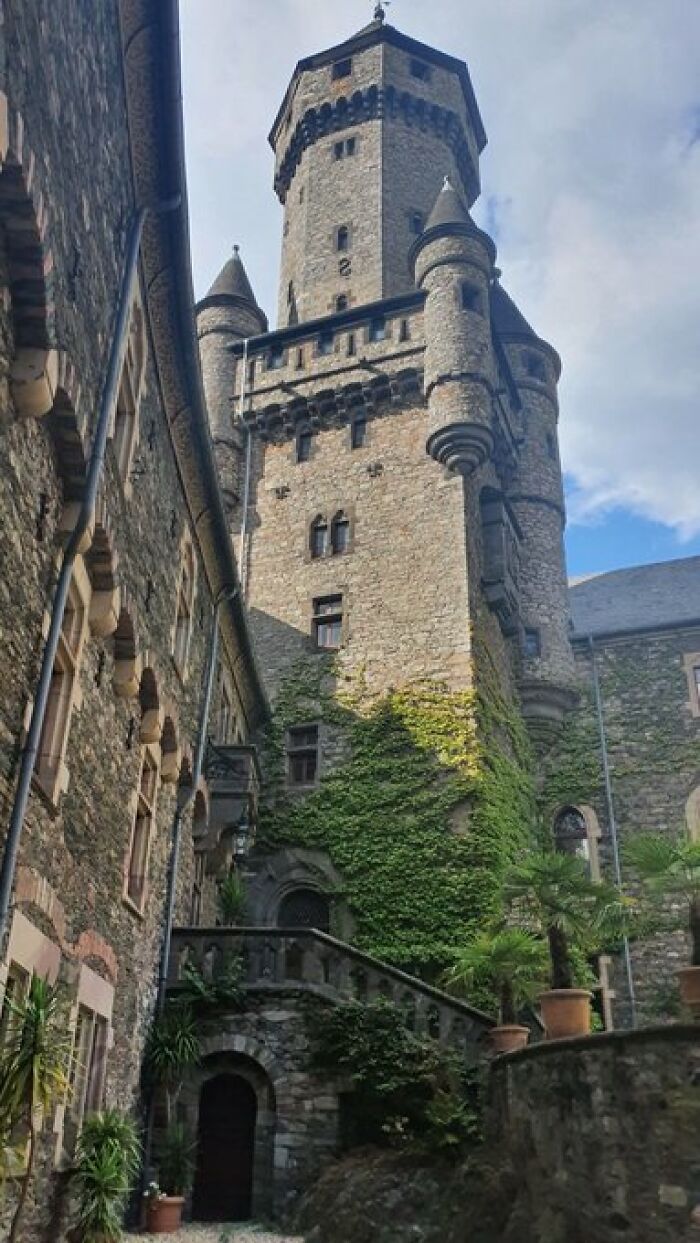
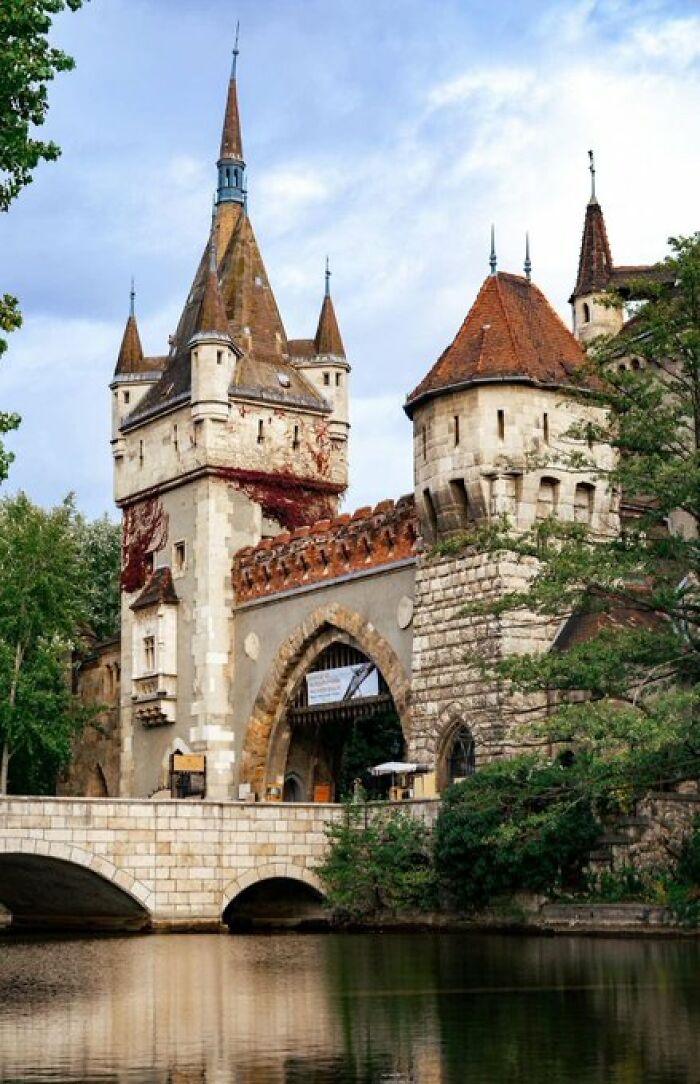
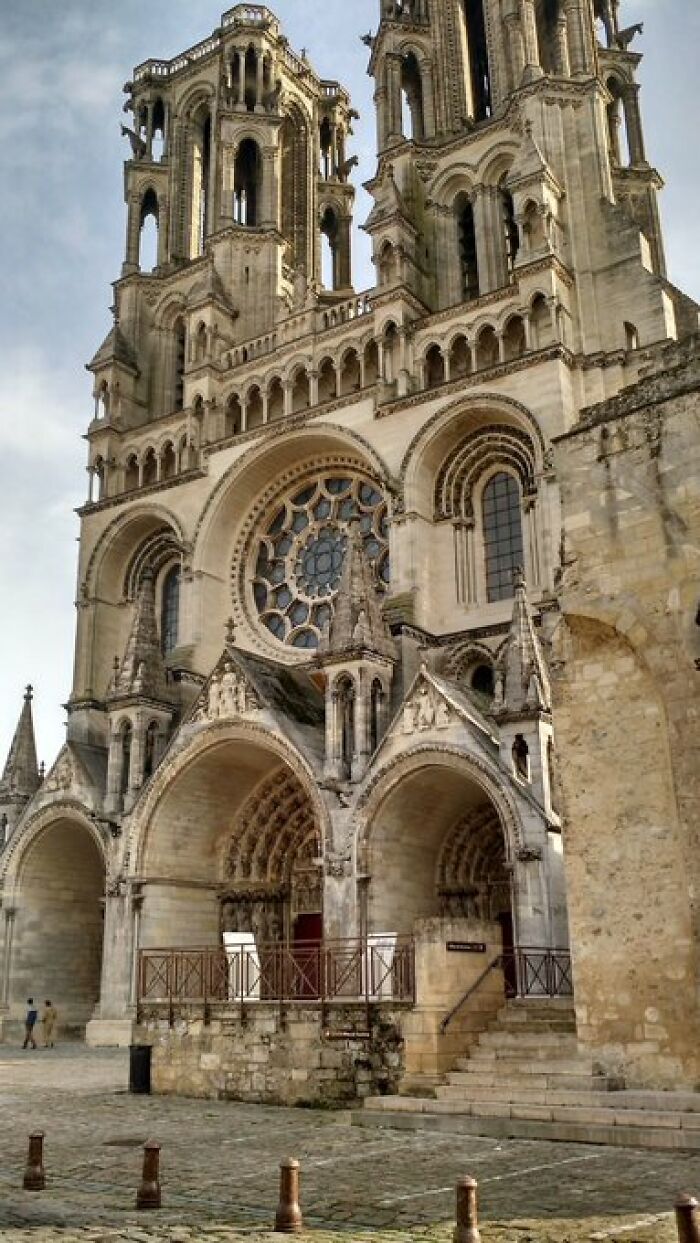
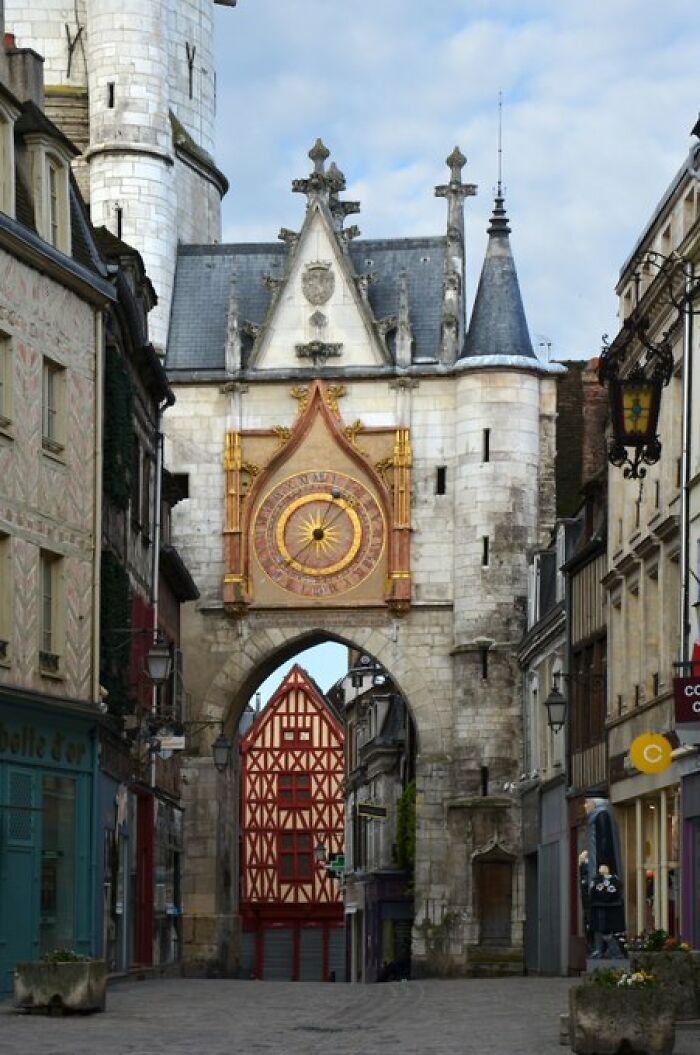
It's a beautiful building, but they clearly didn't consider accessibility when building it

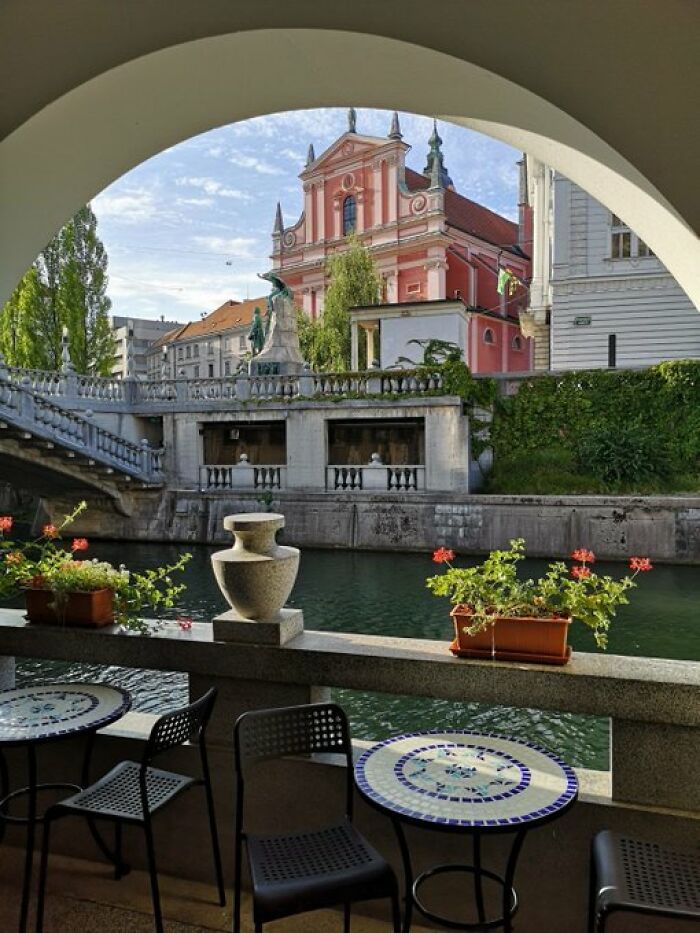
C'mon. Ljubljana's not THAT underrated. (Pic is from an advert for a hotel in Ljubljana, Slovenia.)

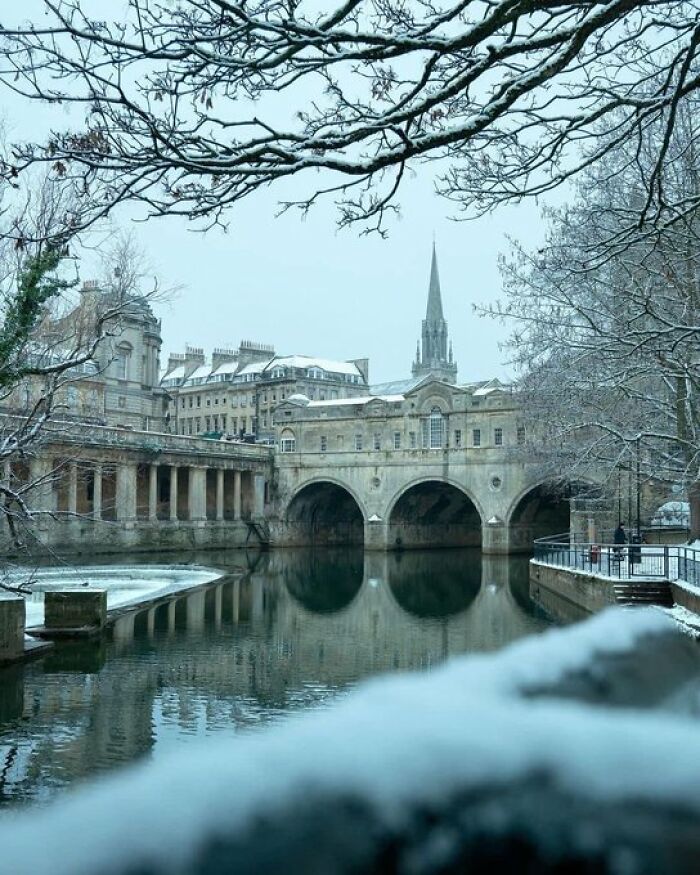
Bath, England. Very beautiful but there are other beautiful cities and towns in England. My favourite place in England is Stratford-upon-Avon (Shakespeare's birthplace). If you visit England, do yourself a favour and don't just stick to London. We do have much more to offer than our capital city.


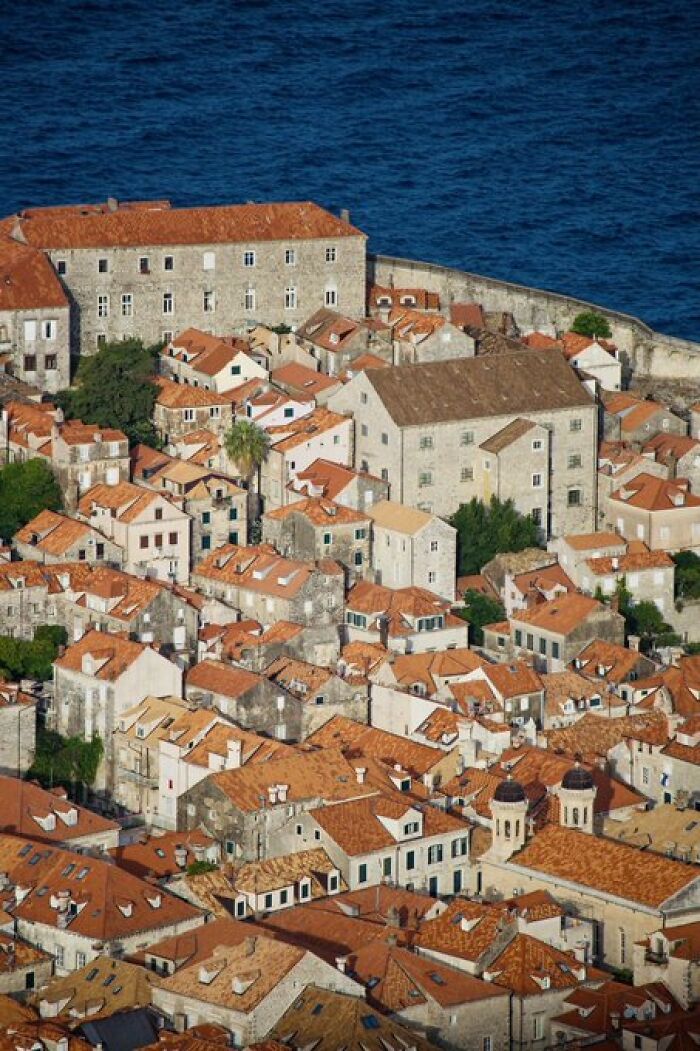
I walked the wall in 1979. I'm glad they got it back together after the war.



We had council office tower blocks built in the 70's, they were demolished about 10 years ago because they were falling apart.
Load More Replies... We had council office tower blocks built in the 70's, they were demolished about 10 years ago because they were falling apart.
Load More Replies...



































 No fees, cancel anytime