Get Premium
Dark mode theme is available exclusively for premium users. Learn more about the benefits of subscribing.
No fees, cancel anytime.

 Dark Mode Ad-Free Browsing Unlimited Content
 Ad-Free Browsing Unlimited Content Dark Mode
Join 1.2 million Panda readers who get the best art, memes, and fun stories every week!
Greek writer and philosopher Nikos Kazantzakis once said, “All my life, one of my greatest desires has been to travel, to see and touch unknown countries, to swim in unknown seas, to circle the globe, observing new lands, seas, people, and ideas with insatiable appetite.”
Modern transport has made the world feel smaller, but global travel is still far from universal. The Pew Research Center reports that up to 97% of people in some regions have never traveled outside their home country.
Even in the United States, only 11% of residents have visited ten or more countries. Why not make 2026 different?
Start with these 20 must-see destinations, picked for what makes them especially worth seeing now.
This post may include affiliate links.
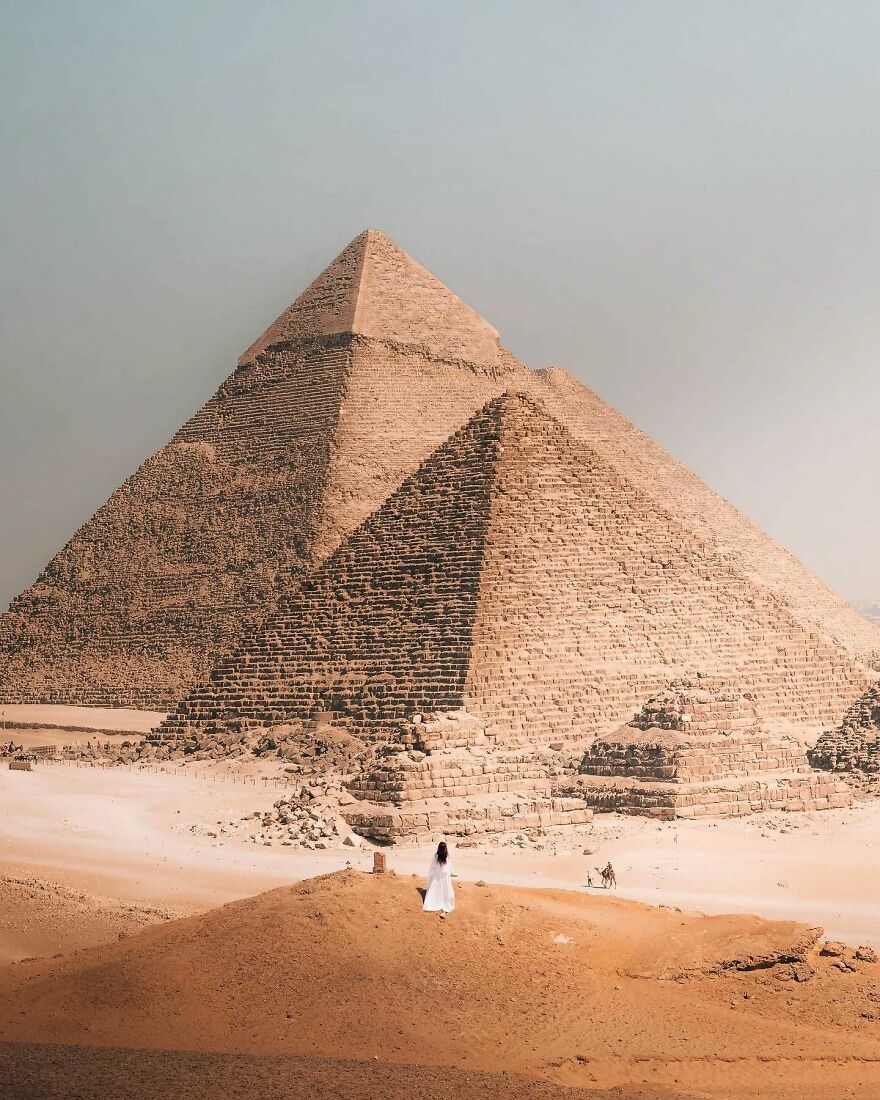
No travel bucket list feels complete without the Pyramids of Giza. Built more than 4,600 years ago, they are the oldest of the Seven Wonders of the Ancient World and the only ones still standing, their scale and precision remaining unmatched.
Time, however, is taking its toll. Rising groundwater levels are accelerating the decay of the limestone, weakening foundations and eroding stone blocks, according to Egypt Independent.
That reality makes seeing the pyramids in person feel less optional and more urgent.
At the Giza plateau, visitors can stand before the pyramids of Khufu, Khafre, and Menkaure, explore surrounding temples, and come face to face with the Great Sphinx.
Nearby sites such as Coptic Cairo and the Saladin Citadel provide religious and architectural context, rounding out a visit spanning millennia of Egyptian history.
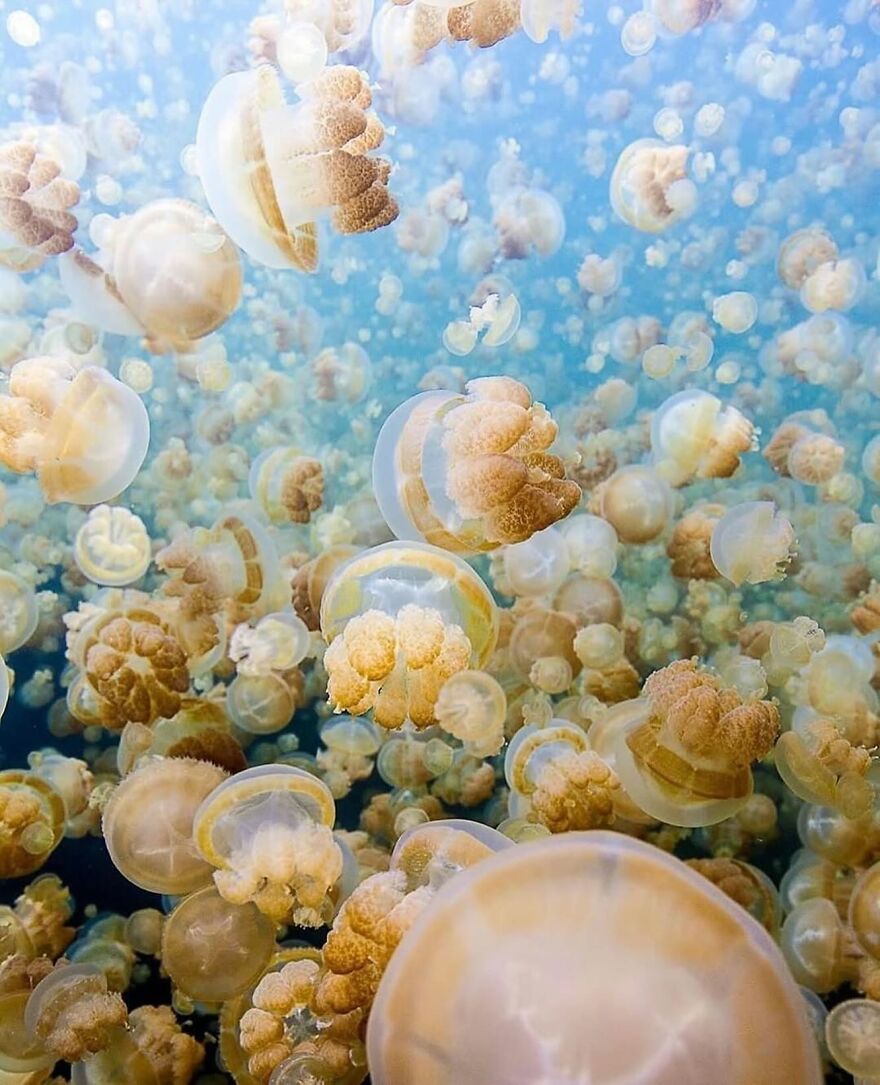
Swimming among drifting, translucent jellyfish feels like something pulled from a fantasy, but in most oceans it comes with real danger. Many species sting, and some are lethal. In Palau, however, one isolated lake offers a rare exception.
Jellyfish Lake is a roughly 12,000-year-old marine lake that became cut off from the ocean, allowing golden jellyfish and moon jellyfish to evolve without predators. As a result, their sting is harmless to humans.
Access is tightly regulated, with visitors required to purchase a permit and limited to surface snorkeling, since bubbles from scuba gear can damage the lake’s delicate layers.
That protection has become increasingly important. Seven Seas Media reports that by 2025, the jellyfish population had fallen from the millions to just 5,600, largely due to rising water temperatures.
Conservation measures are ongoing, and visiting responsibly in 2026 supports those efforts while offering one of the most unusual swimming experiences on the planet.

"Places You Should Visit At Least Once In Your Life" - Yes, this list absolutely had to include a fragile ecosystem that would be irreversibly destroyed if too many visitors came. DEFINITELY!
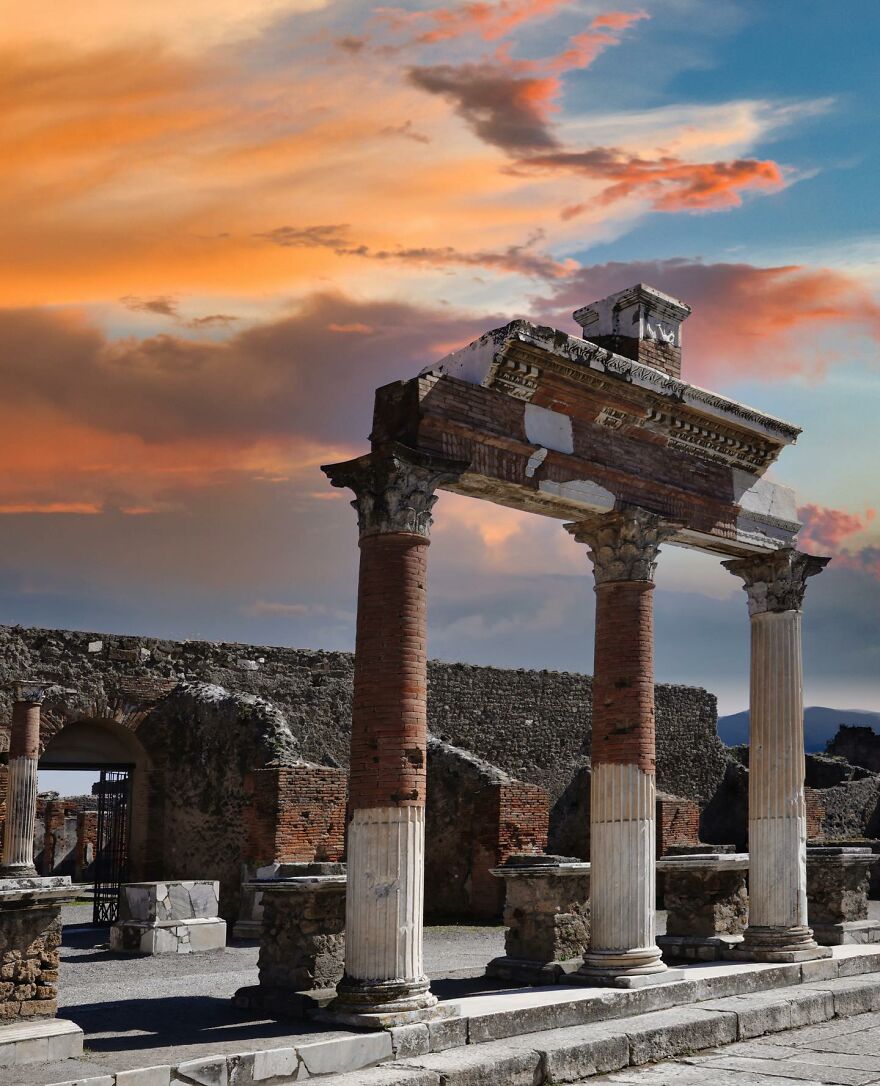
When Mount Vesuvius erupted in 79 AD, Pompeii was buried beneath layers of ash, preserving homes, streets, and daily routines with unsettling precision.
Walking through the site today offers a direct look into first-century Roman life, frozen at the exact moment disaster struck.
Exploring Pompeii reveals everything from monumental public spaces to intimate corners of daily life. Visitors can move through the forum, bath complexes like the Stabian Baths, private homes such as the House of the Faun, and the Garden of the Fugitives, where plaster casts capture the final moments of residents.
Along Via dell’Abbondanza, shops and apartments line the street, showing how ordinary Romans lived, worked, and socialized in what was once considered one of the best places to live in its time.
The surrounding region adds further context to the experience. At the nearby Bosco de Medici vineyard and winery, you can enjoy local wine while looking out toward Mount Vesuvius at sunset.
Smaller preserved sites such as Herculaneum, Paestum, and the Villa of Poppea help round out the picture, revealing how deeply Roman life extended across southern Italy.
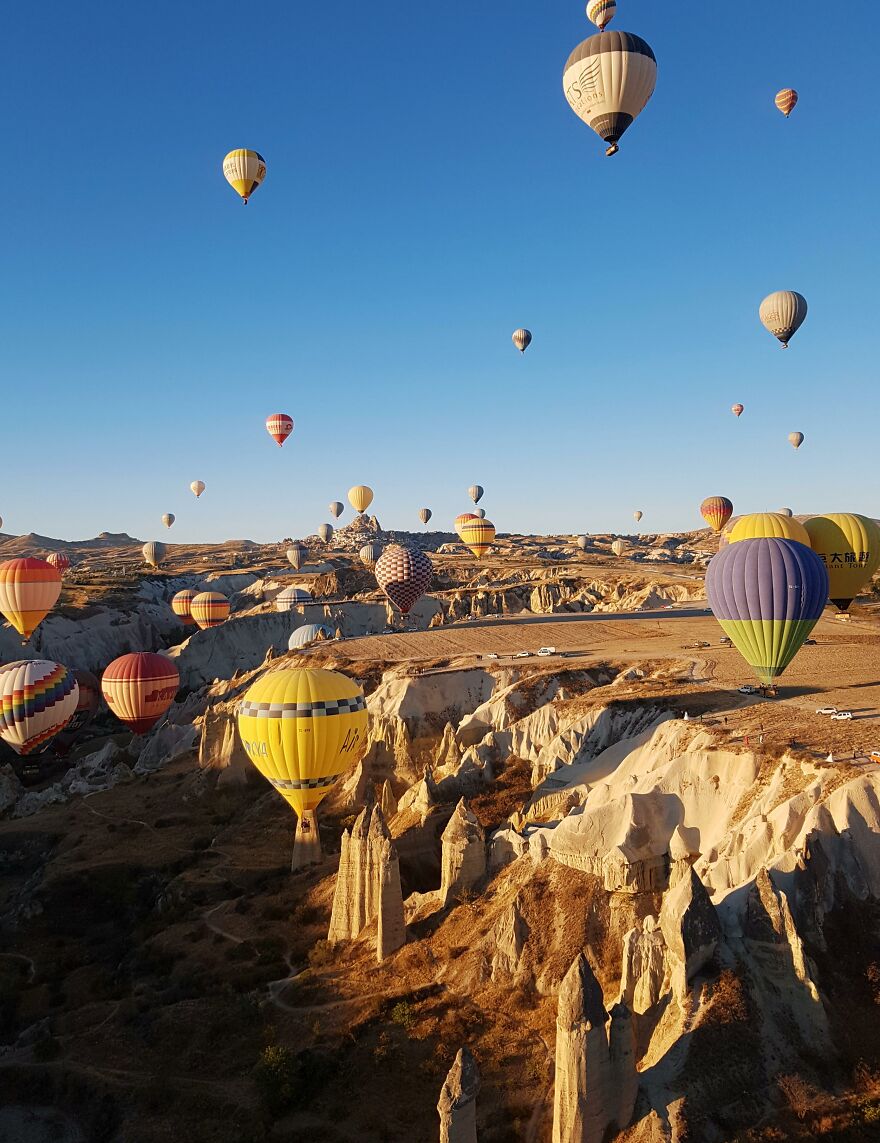
Cappadocia feels unreal in a way that has nothing to do with fantasy and everything to do with geology. The region’s cone-shaped rock formations, known as fairy chimneys, are the result of volcanic eruptions followed by millions of years of erosion.
According to National Geographic, lava from Mounts Erciyes, Hasan, and Göllüdağ hardened into layers that wind and water later carved into today’s distinctive landscape.
Over time, locals hollowed out the softer rock to create homes, churches, and entire underground cities tucked inside the formations.
One of the most iconic ways to experience the region is from above. Hot-air balloon flights drift over valleys dotted with fairy chimneys and entrances to underground cities like Derinkuyu and Kaymaklı, offering a sense of scale that is hard to grasp from the ground.
On land, cave hotels and the rock-cut churches and monasteries of Göreme National Park reveal how deeply people adapted to the terrain.
Cappadocia appeals to travelers drawn to places shaped equally by nature and human ingenuity. In 2026, it remains one of the clearest examples of how landscape, history, and daily life can merge into something unforgettable.
Rebuilt from scratch every winter, the Sorrisniva Igloo Hotel turns snow and ice into something temporary and immersive rather than permanent. Located deep in northern Norway, it is known as the world’s northernmost ice hotel.
According to Sorrisniva, the hotel features individually designed igloo rooms, an ice chapel, and large-scale ice sculptures that change theme each season. Visitors can tour the structure during the day or commit to the full overnight experience, sleeping on ice beds insulated with reindeer pelts and high-performance sleeping bags.
Life at the igloo extends beyond the rooms. Guests can sip drinks from hand-carved ice glasses at the ice bar or join winter activities such as snowmobiling, husky sledding, ice bathing, and snowshoeing.
Its remote location also makes nighttime special. With minimal light pollution, the area offers frequent, clear views of the aurora borealis.
Open from December through April until the spring thaw, the igloo hotel fits naturally into early 2026 travel plans for anyone seeking a once-in-a-lifetime winter stay.
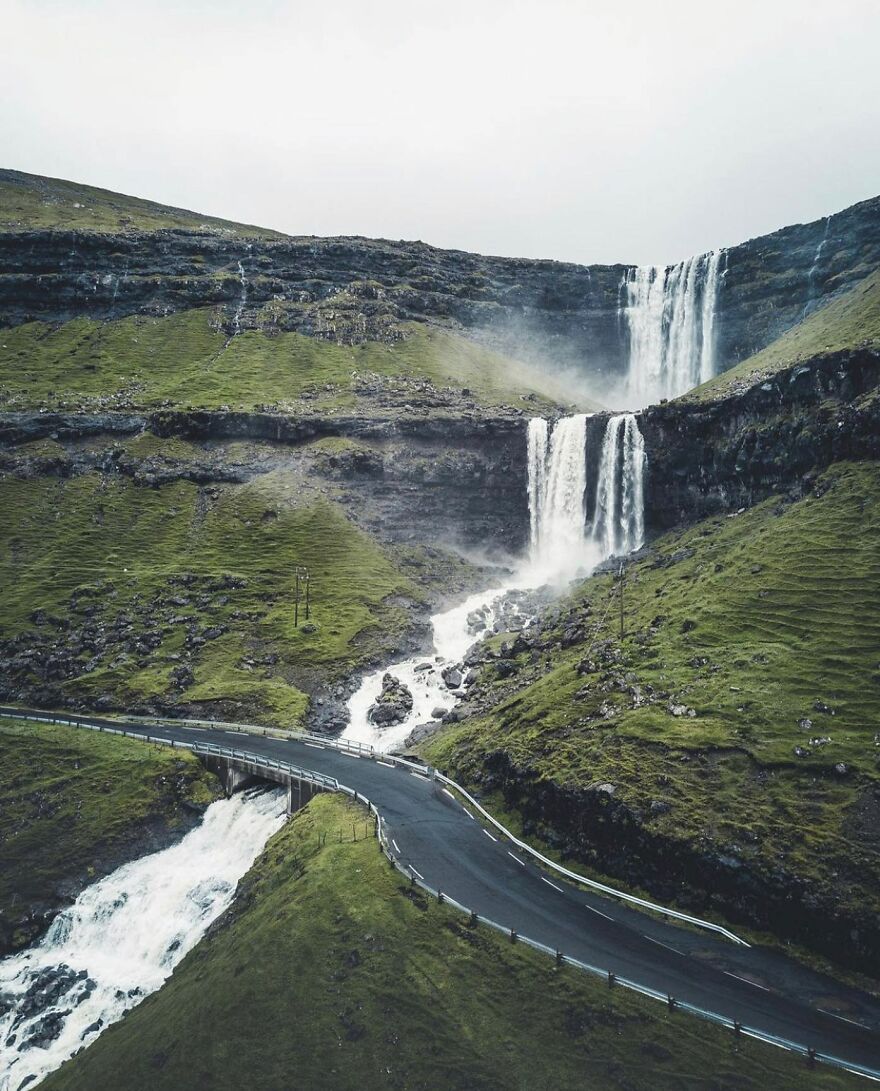
The Faroe Islands are a self-governing archipelago of 18 islands within the Kingdom of Denmark, perched between the North Atlantic and the Arctic Circle. Their location creates rapidly shifting weather and dramatic lighting conditions that shape daily life as much as the landscape itself.
Summer brings extended twilight, with the sun dipping just below the horizon and never fully disappearing. Winter flips the experience entirely.
Tórshavn, the capital of the Faroe Islands, receives fewer than 35 days of sunshine a year, a detail that adds atmosphere rather than gloom to its grass-roofed houses and quiet harbor streets.
Beyond the capital, the islands feature steep hillsides, fishing villages, and natural landmarks such as the Múlafossur waterfall, as well as remote settlements scattered across Sandoy and neighboring islands.
This balance of isolation and accessibility has long made the Faroes feel like a secret.
That secrecy is fading. Interest has surged in recent years, and prices are rising as more travelers discover the islands, which sit within one of the best countries to raise a family.
For travelers drawn to solitude, raw scenery, and slow travel, 2026 still offers a narrow window to experience the Faroes before they fully step into the spotlight.
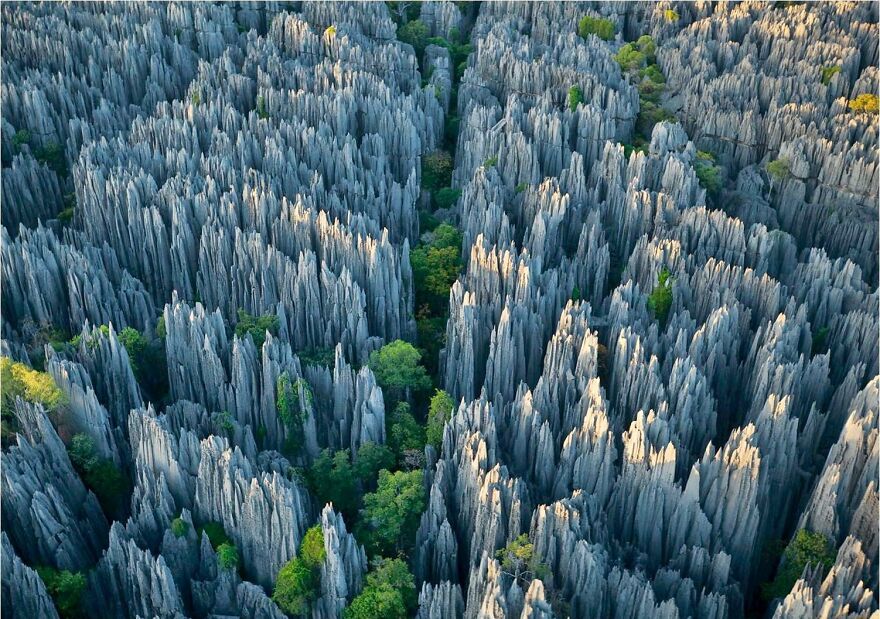
Tsingy de Bemaraha feels less like a national park and more like a natural obstacle course carved out of stone. The towering limestone pinnacles form what is often described as a forest, created over millions of years as groundwater slowly dissolved the rock into sharp ridges, caverns, and deep fissures.
The park is divided into two main areas. Big Tsingy is designed for experienced hikers and climbers who are comfortable navigating ladders, suspension bridges, and narrow passages high above the ground. Small Tsingy offers a more accessible route while still delivering the same dramatic scenery.
Wildlife encounters are part of the experience, including pirogue trips that pass through habitats home to multiple lemur species and the fossa, Madagascar’s largest mammalian predator.
Despite being one of the poorest countries in the world, Madagascar’s cultural richness and biodiversity are inseparable from places such as the Tsingy.
Morondava serves as a practical base for exploring the region, whether that means walking the Avenue of the Baobabs at sunset or spotting nocturnal wildlife in the Kirindy Dry Forest Reserve.
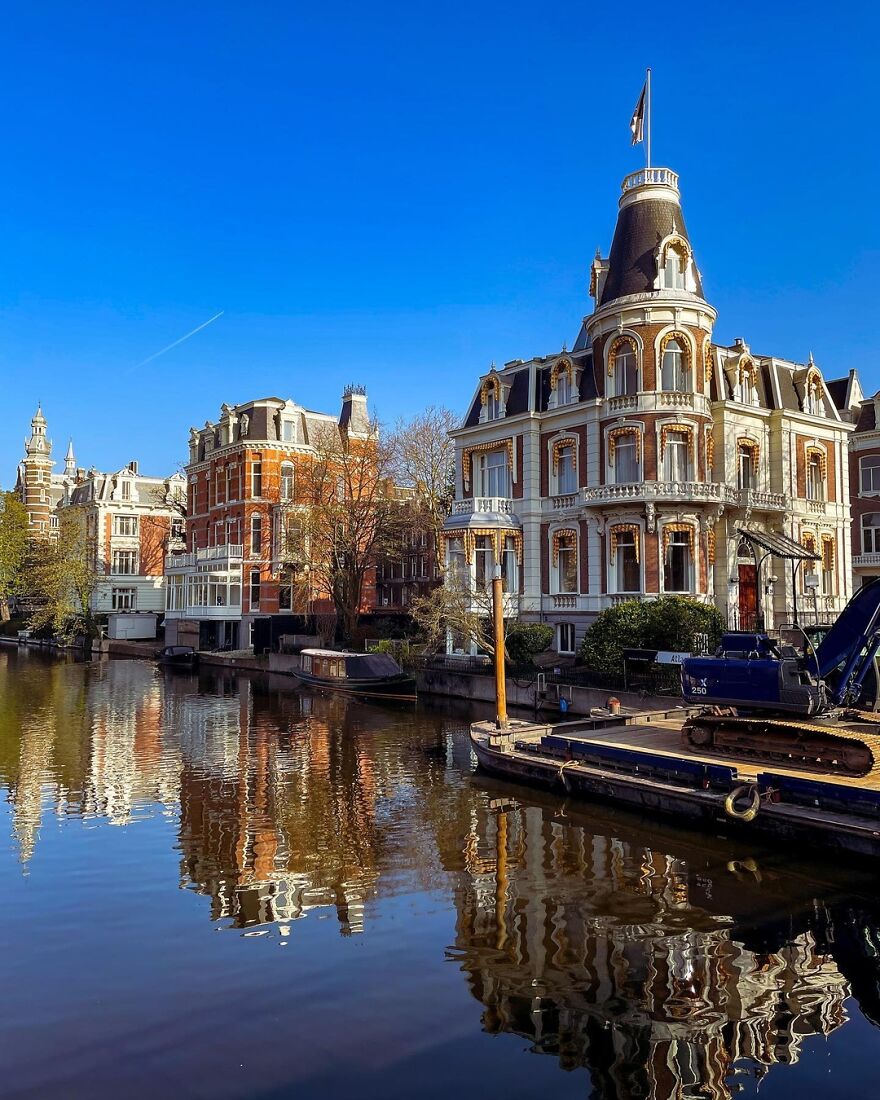
Amsterdam’s canals are not just scenic, but the backbone of the city. Built more than four centuries ago by 17th-century Dutch planners, the canal system was engineered for transport, defense, and water management, shaping the city’s layout long before tourism existed.
That infrastructure later earned global recognition when the canal ring was designated a UNESCO World Heritage Site in 2010. Today, visitors experience it from the water or on foot, weaving past historic houses, bridges, and former warehouses that define Amsterdam’s character.
Cultural life fills the spaces between canals. World-renowned museums like the Rijksmuseum and the Van Gogh Museum anchor the city’s art scene, while sites such as the Anne Frank House preserve its wartime history.
Alongside that legacy, attractions like Madame Tussauds, The Upside Down Amsterdam, and Icebar Amsterdam reflect the city’s more playful, modern side.
The future, however, is less certain. The World Atlas reports that Amsterdam is sinking by up to 8 millimetres per year and warns that flood risk could intensify by 2030.
Visiting in 2026 means experiencing the city at a moment when its historic beauty and environmental vulnerability are inseparable.

Not one of the cities near top of my list - we weren’t impressed at all, and the uninspiring description here illustrates why. I prefer Budapest, Brugge, Bath, Edinburgh, Paris, Dehli, Seoul, Venice, and many others.
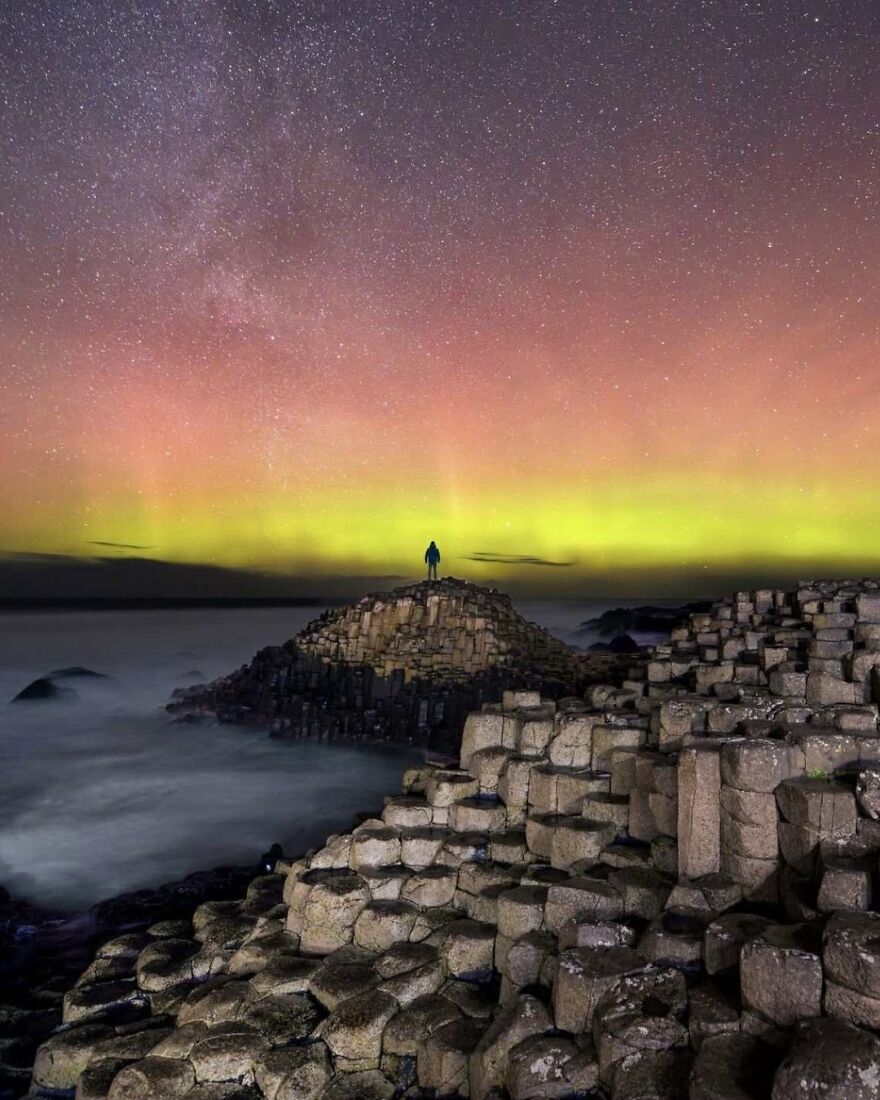
Giant’s Causeway looks deliberately designed, even though it is entirely the result of ancient volcanic activity. More than 40,000 interlocking basalt columns stretch along the Northern Irish coast, forming a geometric landscape where hexagonal stone steps descend directly into the Atlantic.
The site is free to explore and crisscrossed by coastal walking trails that reveal new angles of the formation with every turn. A nearby visitors’ center provides context through geology and folklore, including the legend of Finn McCool, the warrior said to have built the causeway as a bridge to Scotland.
The surrounding area adds to the appeal. Clifftop views near Dunluce Castle, coastal stops like Ballintoy Harbour, and the winding lanes of the Dark Hedges extend the experience beyond the stones themselves.
For those looking to push a little further, the Carrick-a-Rede rope bridge offers a short but nerve-testing crossing above the sea. Nearby Bushmills, the world’s oldest licensed whiskey distillery, provides a slower, well-earned contrast at the end of the day.
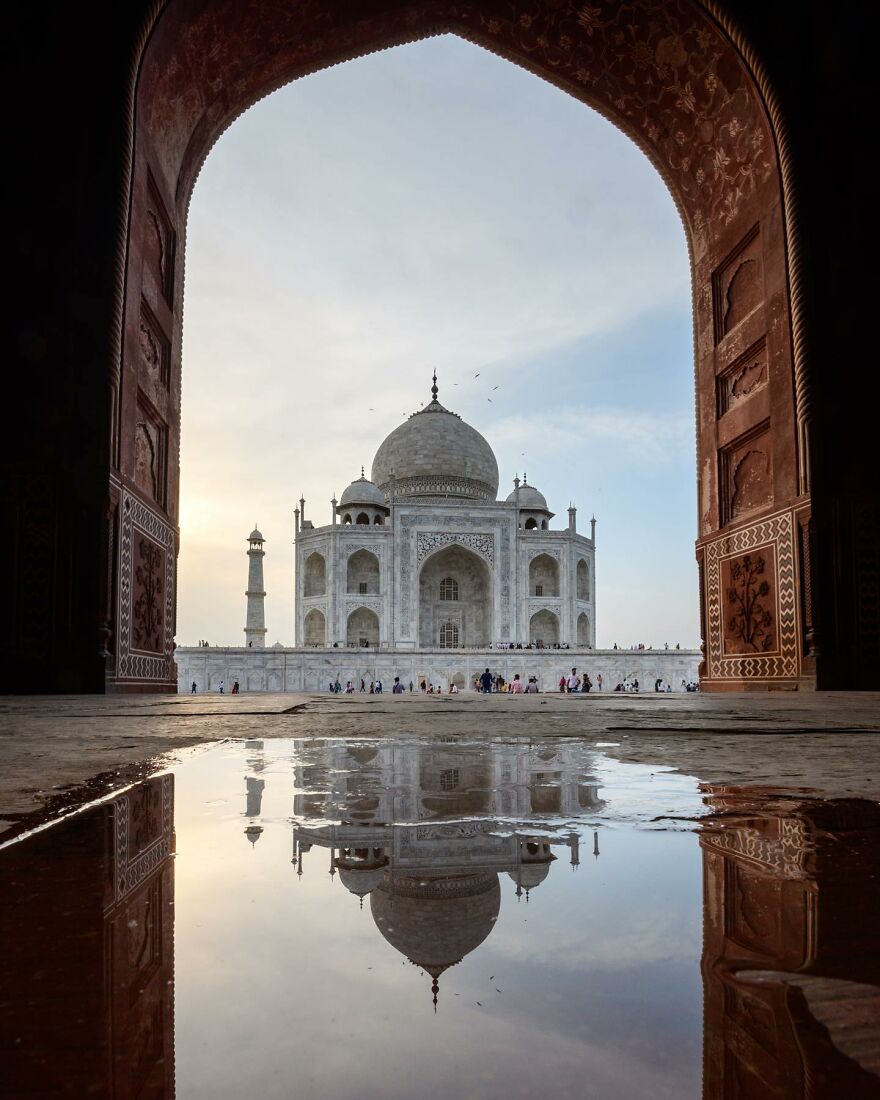
Built in the mid-17th century, the Taj Mahal was commissioned by Mughal emperor Shah Jahan as a mausoleum for his wife Mumtaz Mahal, turning personal grief into one of the most recognizable structures on Earth. Both are buried within the complex, which has come to symbolize devotion as much as architectural mastery.
The monument’s balance is deliberate down to the smallest detail. From the Persian-style gardens and sandstone mosque to the raised marble platform and central dome, every element is designed to reinforce symmetry and scale.
UNESCO has described the Taj Mahal as “one of the universally admired masterpieces of the world’s heritage,” reflecting its global cultural weight.
Its setting adds contrast. The Taj stands in stark visual opposition to its surroundings, remaining luminous despite being located in one of the dirtiest countries in the world.
Nearby landmarks like Agra Fort, the Baby Taj, Emperor Akbar’s tomb, and the abandoned city of Fatehpur Sikri help place the monument within the broader arc of Mughal history.
The coffins on the platform that most tourists see are empty dummies. The real tombs are underneath in a remarkably bare small room. Open to the public only 3 days a year, less than 1% of visitors to the Taj Mahal see the real tombs.
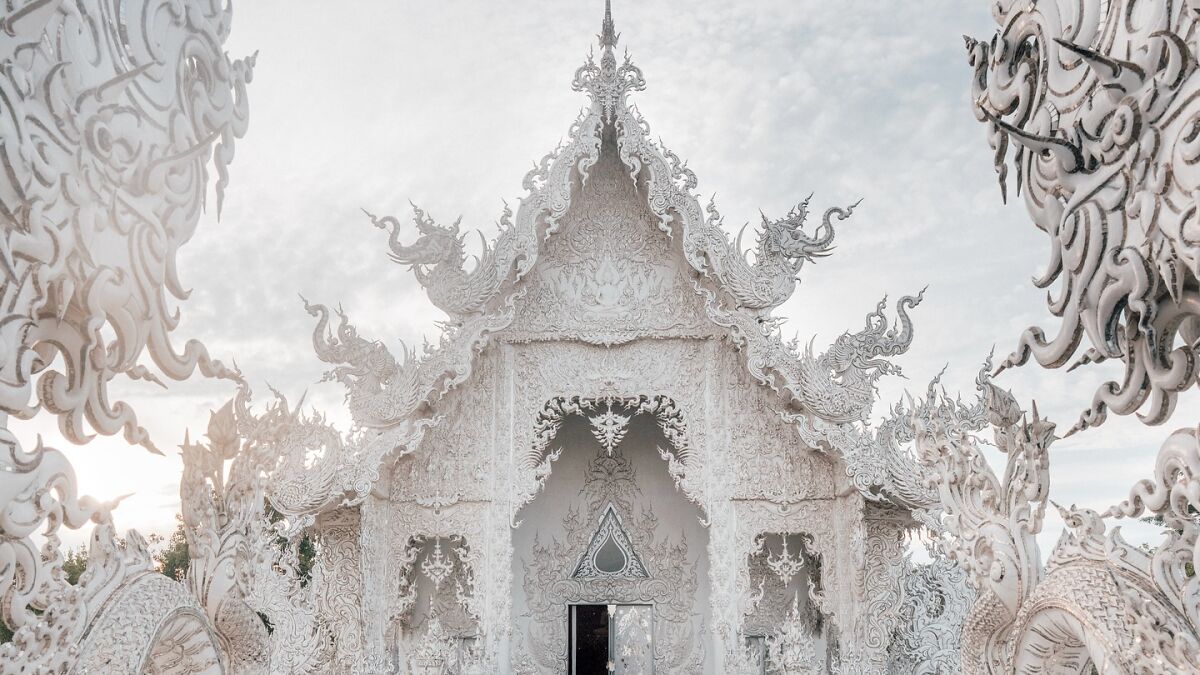
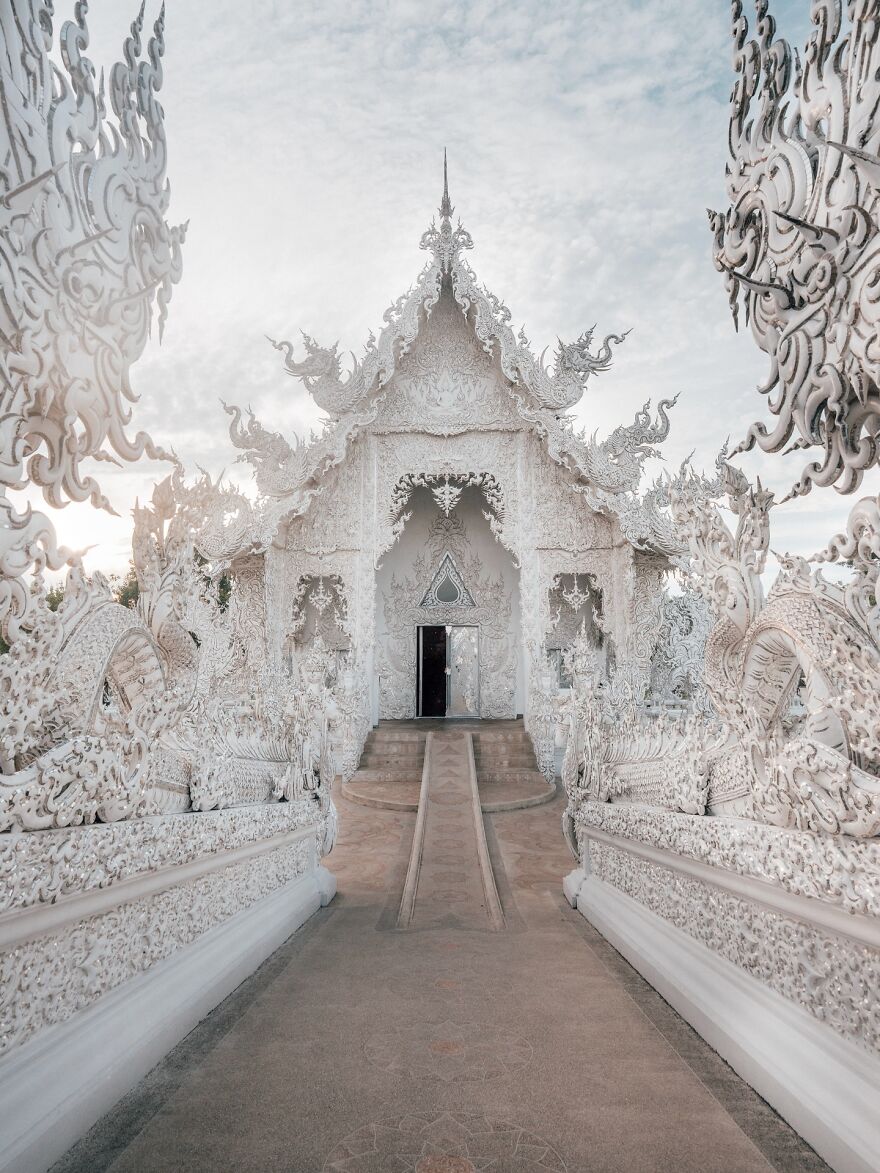
Wat Rong Khun is designed to be experienced as a sequence rather than a single sight.
Visitors begin at the Bridge of Rebirth, where sculpted hands and mythological figures represent temptation, suffering, and the desire to escape the grip of greed before reaching the temple itself.
At the heart of the complex stands the white ubosot, covered in mirrored glass and guarded by Naga serpent sculptures. Inside, murals blend traditional Buddhist imagery with modern references, including pop culture figures and scenes of destruction, creating a visual commentary on morality, chaos, and enlightenment.
The experience extends beyond Wat Rong Khun. Nearby temples such as Wat Phra Kaew, Wat Pho, and Wat Hong Rattanaram offer more traditional expressions of Thai spirituality, providing contrast and context after the intensity of the White Temple.
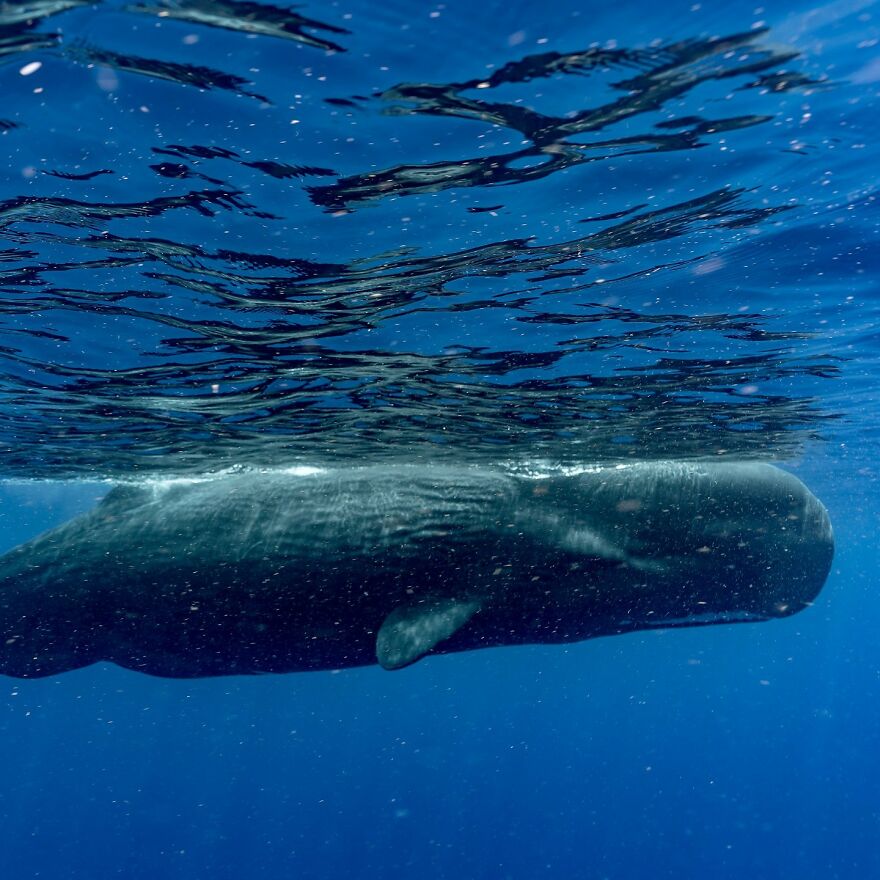
Named after the spermaceti oil gland on their heads, sperm whales are the largest toothed predators on the planet.
Despite their massive size, with adults reaching up to 60 feet long, they are known for being surprisingly gentle and highly vulnerable to environmental disruption.
In October 2025, the Commonwealth of Dominica officially established the world’s first protected reserve dedicated to sperm whales. National Geographic reports that the reserve’s role in carbon sequestration is equivalent to removing roughly 5,000 cars from the road.
As the Dominican Sperm Whale Reserve prepares to welcome visitors in 2026, it offers a rare chance to experience conservation in action. Visitors can observe the whales from boats or, under strict guidelines, swim alongside them while exploring an exceptionally preserved marine ecosystem just off Dominica’s Caribbean coastline.
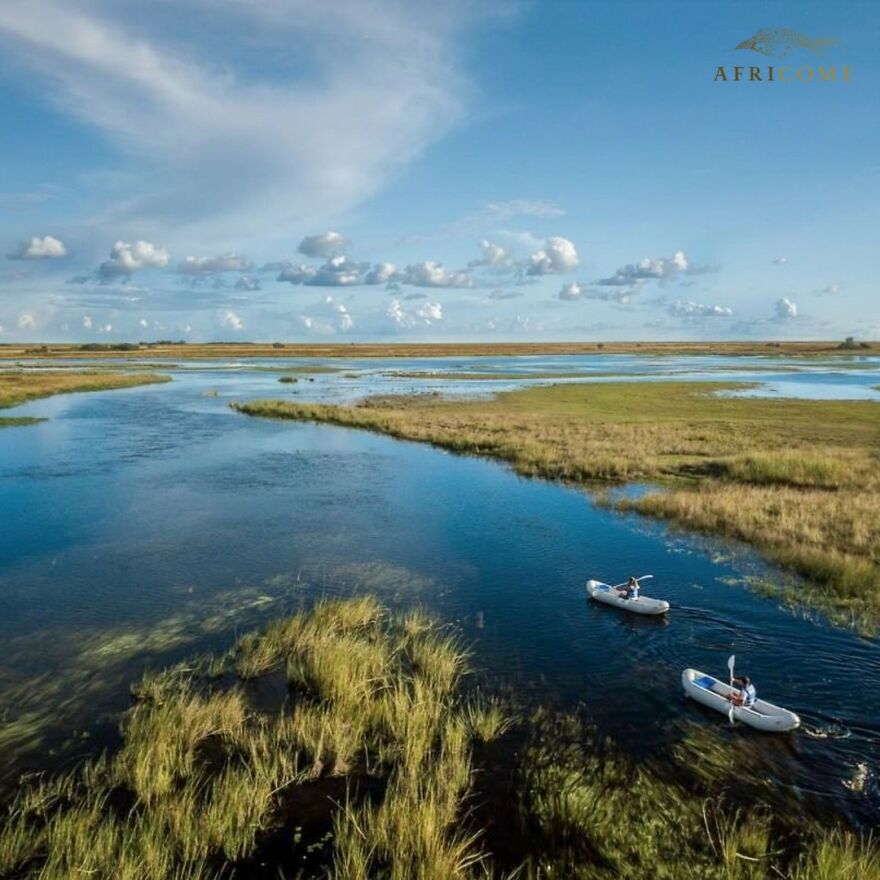
If you’ve ever wondered whether people and wildlife can truly coexist, Liuwa Plain offers a real-world answer. In the early 1880s, King Lubosi Lewanika of Barotseland declared the area protected.
Nearly two centuries later, more than 12,000 local residents still share the landscape with zebras, cheetahs, buffaloes, antelopes, lions, and other wildlife.
African Parks notes that Liuwa National Park hosts the second-largest wildebeest migration on the continent.
From October to December, more than 40,000 animals move through the park, creating opportunities to observe predator-prey dynamics in an environment that remains largely undisturbed.
What makes Liuwa especially compelling is how quietly it exists. With only a handful of seasonal luxury lodges and limited visitor capacity, it remains one of Africa’s least crowded safari destinations.
As interest continues to grow, 2026 is a smart window to experience this rugged landscape before it becomes widely discovered.
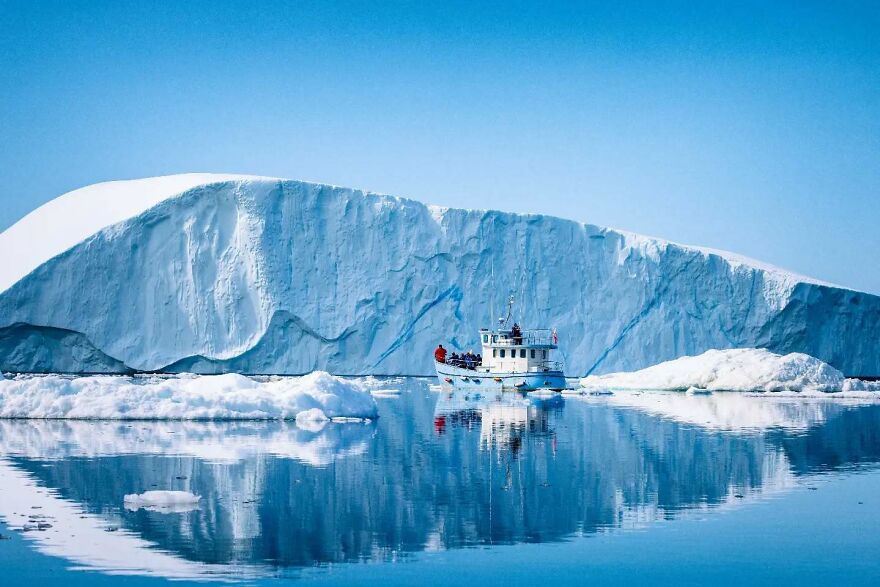
The Ilulissat Icefjord is a dramatic glacial valley shaped by Jakobshavn Glacier, an exceptionally active outlet of the Greenland Ice Sheet.
It is the kind of place where you can watch towering ice break away in real time and understand the scale of the landscape without a long explanation.
UNESCO recognizes the fjord as a World Heritage Site and notes that some of its ice is more than 250,000 years old. The fjord produces more than 2 billion tonnes of ice each year, and nearby viewpoints such as Eqi Glacier make it possible to watch icebergs calve straight into the sea.
Beyond the ice, Ilulissat adds a human layer to the setting. The town has small galleries, a museum, and artist workshops, all set against an alpine backdrop with waters suited for whale watching, kayaking, and fishing.
There is something going on all summer. In June, visitors can catch Arctic Palerfik, a multi-day dogsled race that marks the transition out of winter.
Later, in August 2026, a total solar eclipse will cross the region, and Ilulissat is positioned to see the partial phase (per TimeandDate).
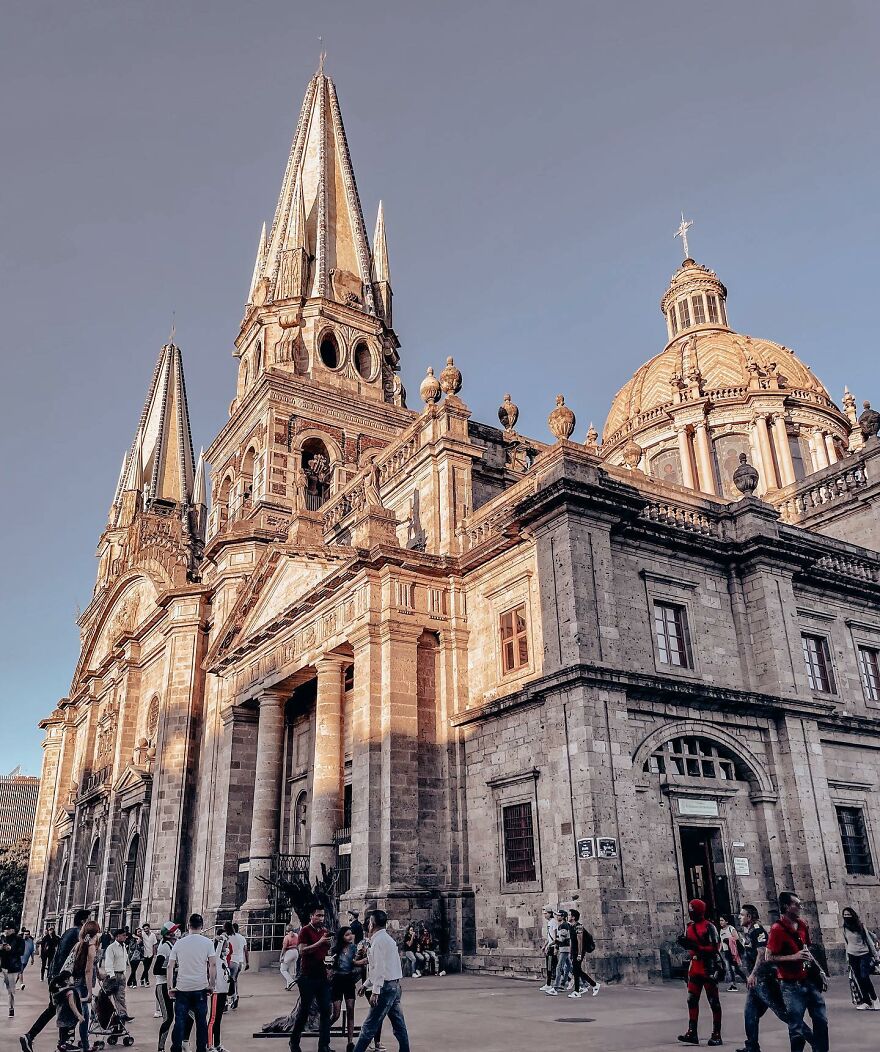
With Mexico set to host matches during the 2026 FIFA World Cup, Guadalajara is having a moment that goes well beyond football. Long considered the cultural heart of Jalisco, the city balances historic landmarks with a nightlife and food scene that feels unmistakably alive.
At the center of the old city stands the Guadalajara Cathedral, nearly five centuries old, where Spanish Renaissance design blends with later Gothic revival elements.
Nearby, the Hospicio Cabañas, now a museum, houses José Clemente Orozco’s monumental murals, a cornerstone of Mexican muralism. Performances at Teatro Degollado add another layer, showcasing classical music and traditional Mexican dance in a timeless setting.
Daily life unfolds at San Juan de Dios Market, the largest indoor market in Latin America, where locals shop for sweets, street food, and handmade crafts.
Just outside, the Rotonda de los Jaliscienses Ilustres anchors the historic center, honoring influential figures from the region through a circle of bronze sculptures.
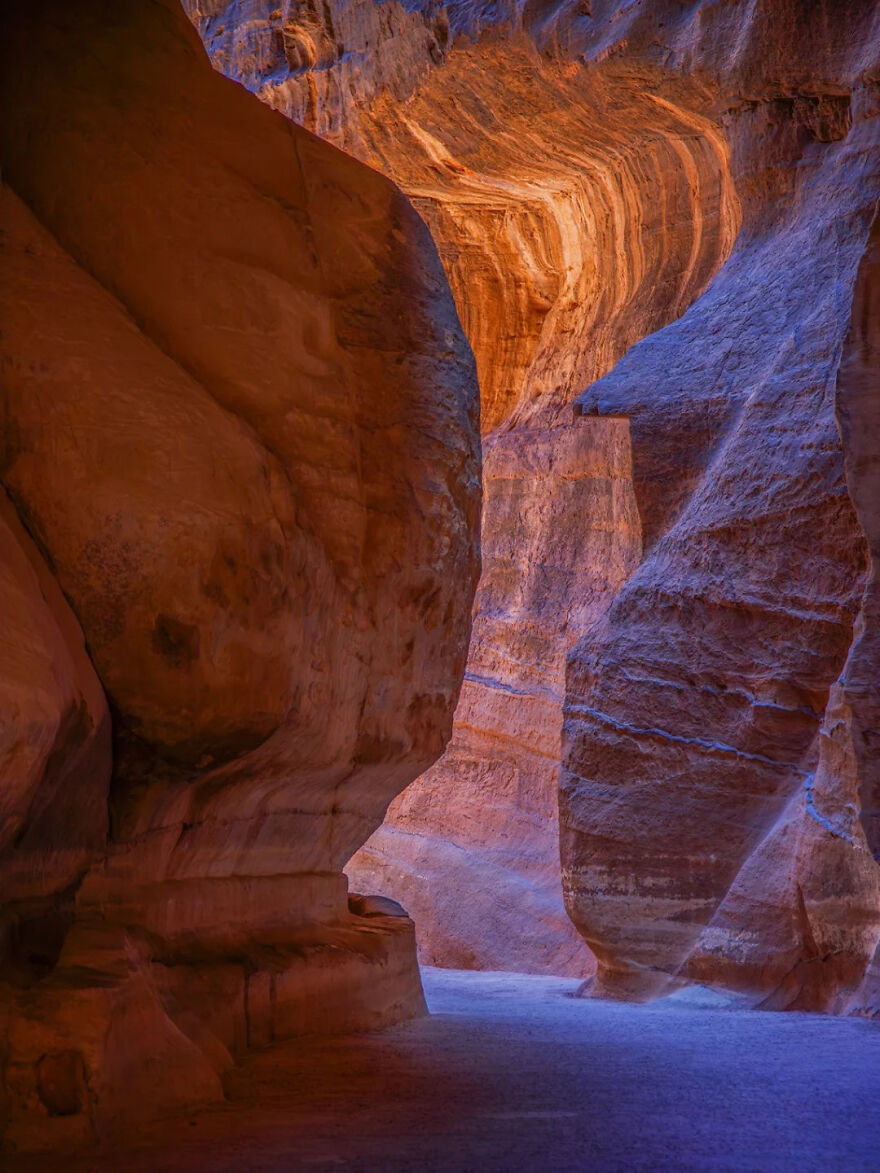
Al-Siq is what happens when water spends centuries carving a three-quarter-mile-long split through solid rock. This winding sandstone gorge forms the main entrance to Petra and sets the tone long before the ruins themselves come into view.
As you walk through the narrowing passage, the canyon walls reveal carvings, tombs, and niches left behind by the Nabatean civilization.
Stone blocks known as djinn markers stand near the entrance, and deeper inside, remnants of an ancient dam system show how the Nabateans engineered flood protection against seasonal surges from Wadi Musa.
The payoff comes at the end of the gorge, when the walls suddenly open to reveal Al-Khazneh. The American Society of Mechanical Engineers explains that this rock-cut structure dates back to the fifth century BC and reflects advanced Nabatean engineering carved directly into the cliff face.
Beyond it, the Street of Facades lines the canyon with monumental tombs, while a short detour leads to the Nabatean Theater, an 8,500-seat venue carved entirely from rock.
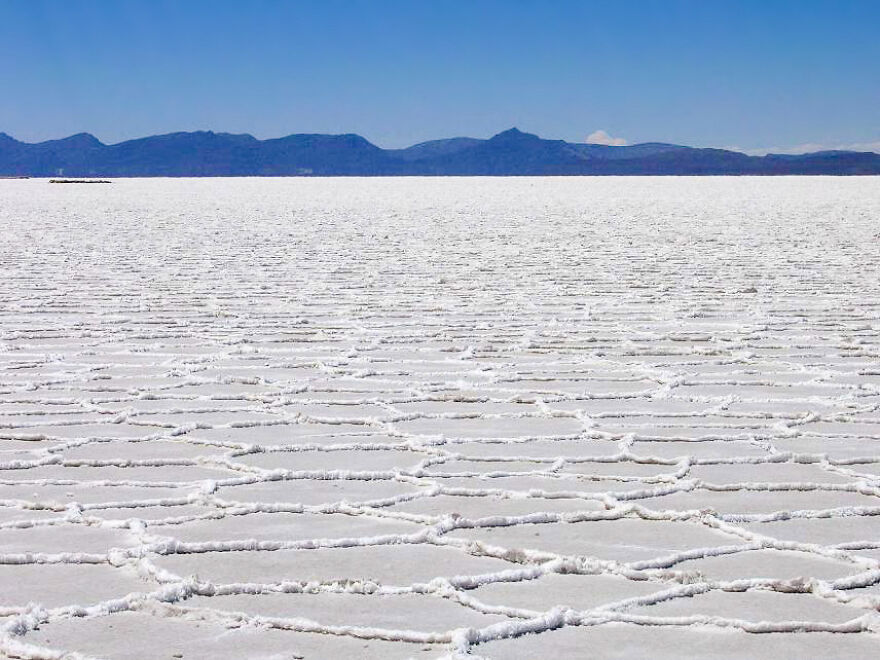
Salar de Uyuni stretches across roughly 4,000 square miles of southern Bolivia, forming the largest salt flat on Earth and one of the most visually disorienting landscapes you can walk across.
World Atlas explains that the flats formed around 40,000 years ago after a series of prehistoric lakes evaporated, leaving behind dense layers of salt and minerals.
Between December and April, seasonal rains spread a thin layer of water across the surface, transforming the flats into a vast natural mirror. The sky reflects so cleanly that the horizon disappears, turning even short walks into an almost floating experience.
Rising from the center of the flats, Isla Incahuasi breaks the illusion with fields of towering cacti that thrive despite the harsh, mineral-heavy ground. Nearby, even accommodations lean into the environment, with salt-block hotels built directly on the flats and designed to blend into the landscape.
Beneath the surface, the salt pan holds far more than scenery. Research published by Duke University confirms that the brine below Salar de Uyuni contains the world’s largest known lithium reserves.
With industrial extraction plans advancing, seeing the flats before large-scale development reshapes them makes 2026 a particularly meaningful window.
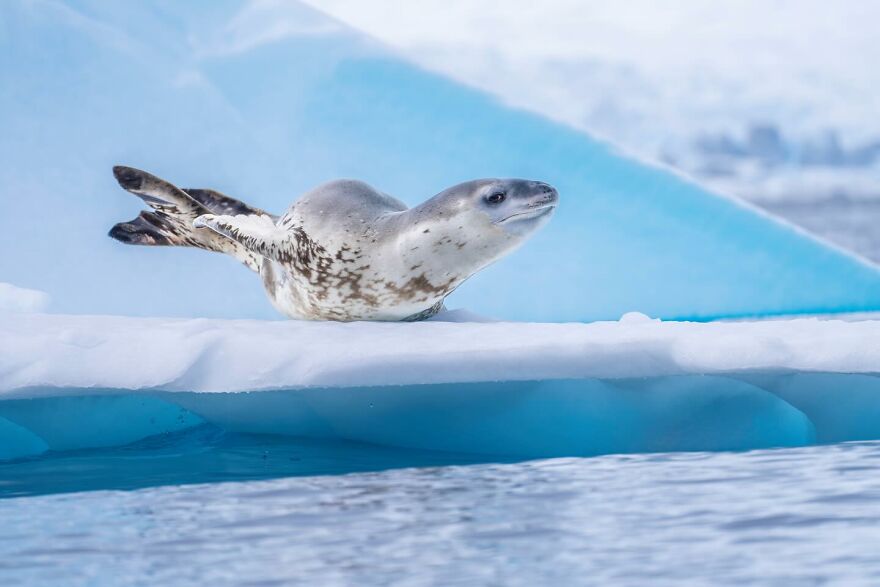
Antarctica remains one of the least-visited places on Earth. As of the most recent tourism data, only about 0.002% of the world’s population has ever set foot on the continent (per Unsold Antarctica).
Reaching it is still an intentional decision, not a casual one.
That effort is part of the appeal. The southernmost continent is defined by towering icebergs, vast glaciers, and marine wildlife that moves through an environment largely untouched by permanent human settlement.
Long stretches of silence, broken only by whales, seals, or shifting ice, create a sense of scale that few other places can match.
Visits typically focus on a handful of accessible landmarks. Travelers may step inside historic huts along the Ross Ice Shelf, land on the volcanic terrain of Deception Island, or pass through dramatic scenery like the Kodak Gap.
Stops at Port Lockroy and other research stations offer a rare glimpse into life and science at the edge of the world, alongside activities such as kayaking, coastal wildlife observation, and brief polar swims.
If your ideal holiday revolves around beer halls, carnival rides, and loud communal singing, Oktoberfest belongs on your calendar. Held from September 19 to October 4, the festival transforms Munich into a citywide celebration anchored by the official Oktoberfest grounds.
DW reports that the event draws more than 7 million visitors, who collectively consume around 2 million gallons of beer alongside traditional food, games, and fairground attractions. Inside the festival grounds, highlights range from climbing inside the 59-foot Bavaria statue for a city view to classic sideshows like Schichtl’s performances and strength tests at Hau den Lukas.
The experience does not end when the tents close. Spending extra time in Munich allows visitors to explore the historic Oide Wiesn, wander through Viktualienmarkt, visit the Cathedral of Our Dear Lady, or dive into science and culture at the Deutsches Museum.
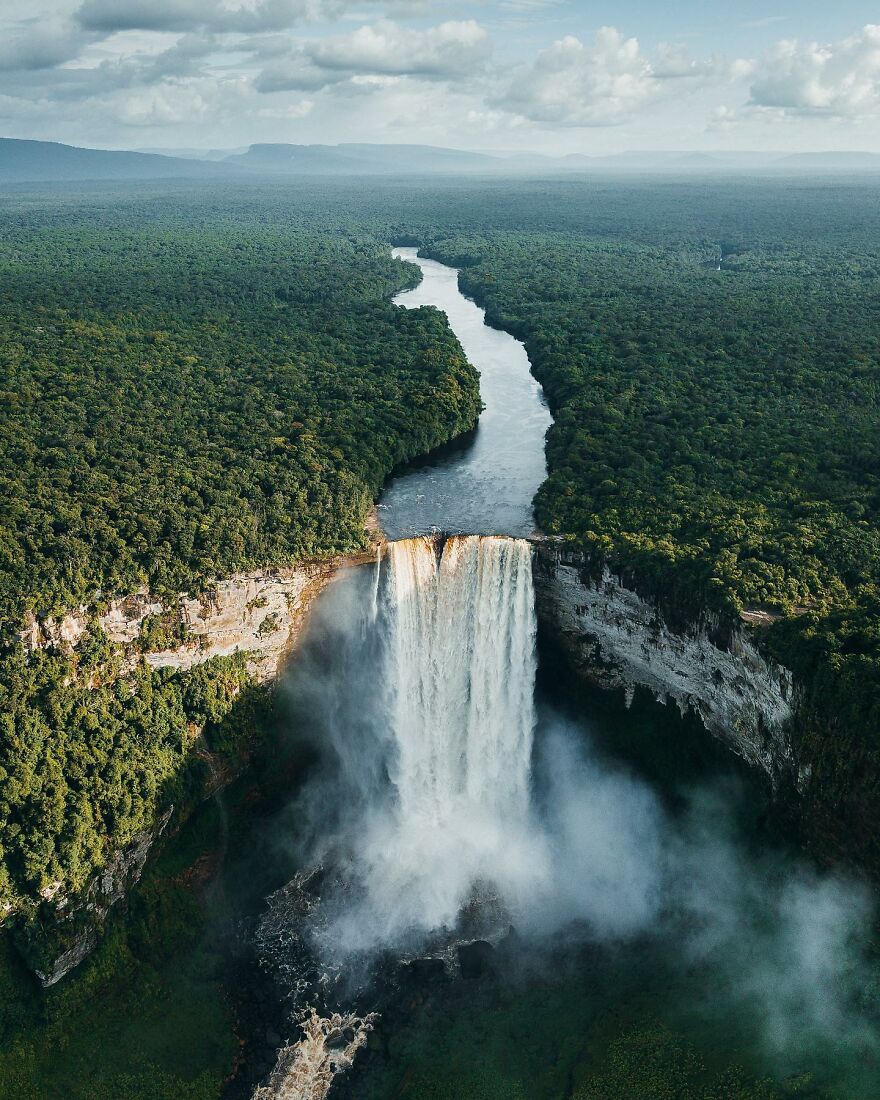
Kaieteur Falls does not ease you in. With a single plunge of roughly 741 feet and an immense volume of water behind it, the falls combine height and force in a way few waterfalls on Earth can match.
The Global Alliance of National Parks reports that Kaieteur sends an average of 23,400 cubic feet of water per second over the edge, making it one of the most powerful waterfalls in the world. Unlike multi-tiered cascades, Kaieteur drops in one uninterrupted fall, amplifying both its visual impact and thunderous sound.
The site also carries deep cultural meaning. According to Patamona oral history, the falls are named after Chief Kai, who sacrificed himself to the spirit Makonaima to save his people from intertribal conflict.
Surrounding the falls, Kaieteur National Park protects a stretch of rainforest rich in endemic species, including the Guianan cock-of-the-rock and the tiny golden rocket frog.
Nearby natural sites, such as Orinduik Falls and the Iwokrama Forest, enhance the experience, offering a broader view of Guyana’s largely untouched interior.
There are some great places here, but others no so much. I’m sure other Pandas will have some great examples. I’ll start with the Himalayas, Victoria Falls, Uluru (Ayers Rock) and Chobe National Park.
There are some great places here, but others no so much. I’m sure other Pandas will have some great examples. I’ll start with the Himalayas, Victoria Falls, Uluru (Ayers Rock) and Chobe National Park.






































 No fees, cancel anytime