Get Premium
Dark mode theme is available exclusively for premium users. Learn more about the benefits of subscribing.
No fees, cancel anytime.

 Dark Mode Ad-Free Browsing Unlimited Content
 Ad-Free Browsing Unlimited Content Dark Mode
Join 1.2 million Panda readers who get the best art, memes, and fun stories every week!
"What could possibly go wrong?" is a question many of us have learned to avoid asking, especially at work. And it's no different for tech support folk.
These girls and guys are trained to handle all sorts of issues, from minor glitches to massive malfunctions, and they often carry out their duties by figuring out the problem, finding a solution, and then fixing or replacing it. But every now and again, the tech gurus come face-to-face with the stuff nightmares are made of.
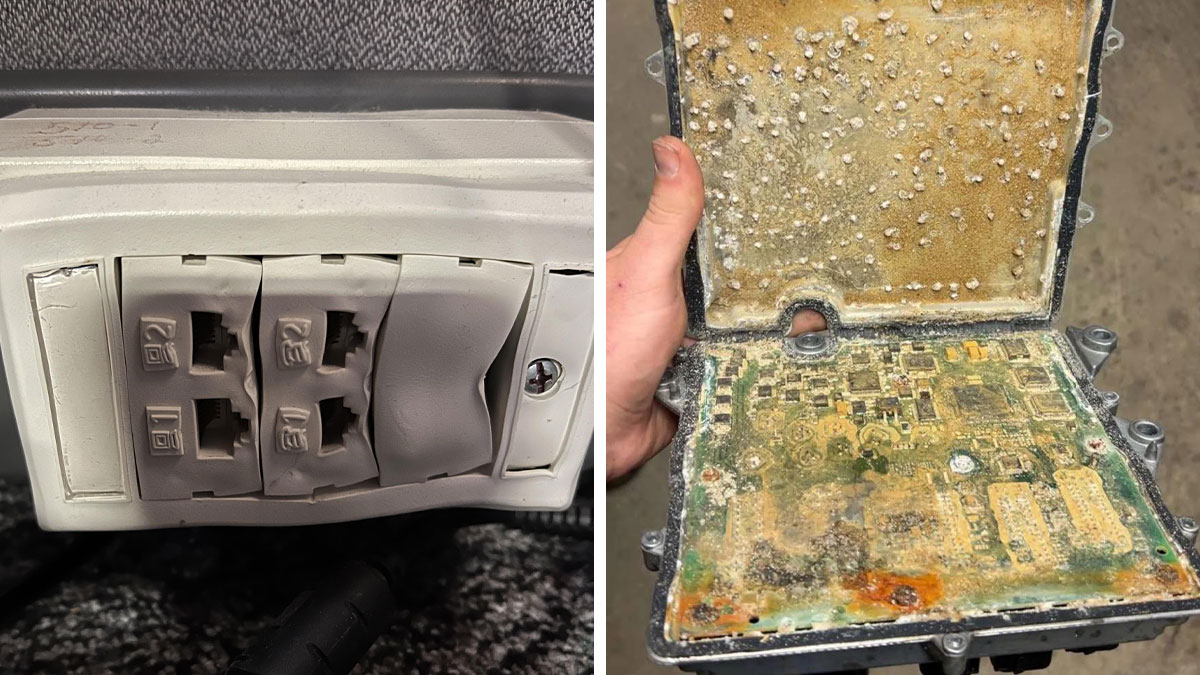
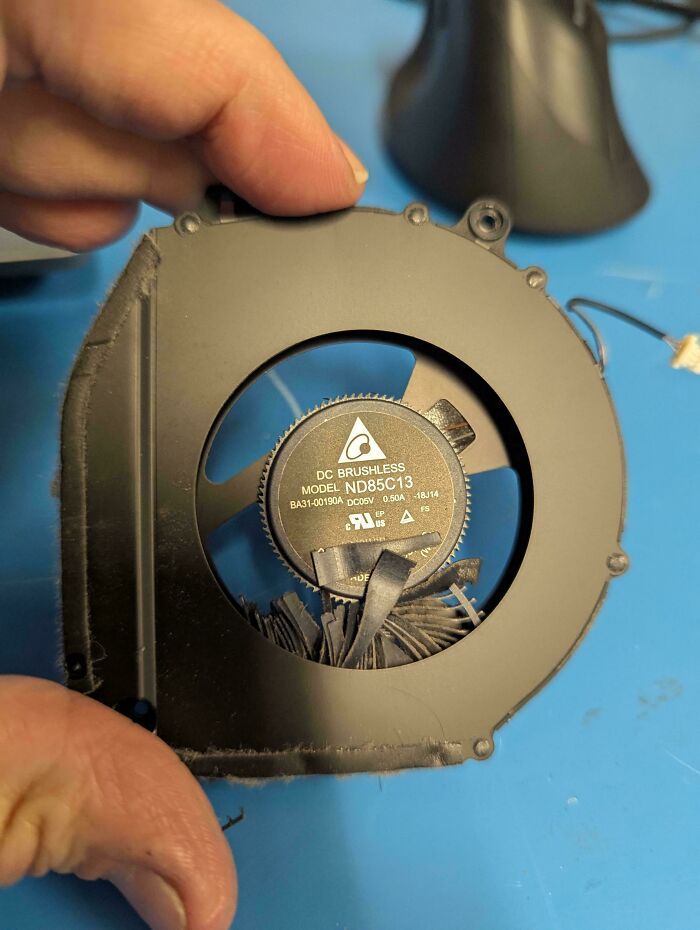
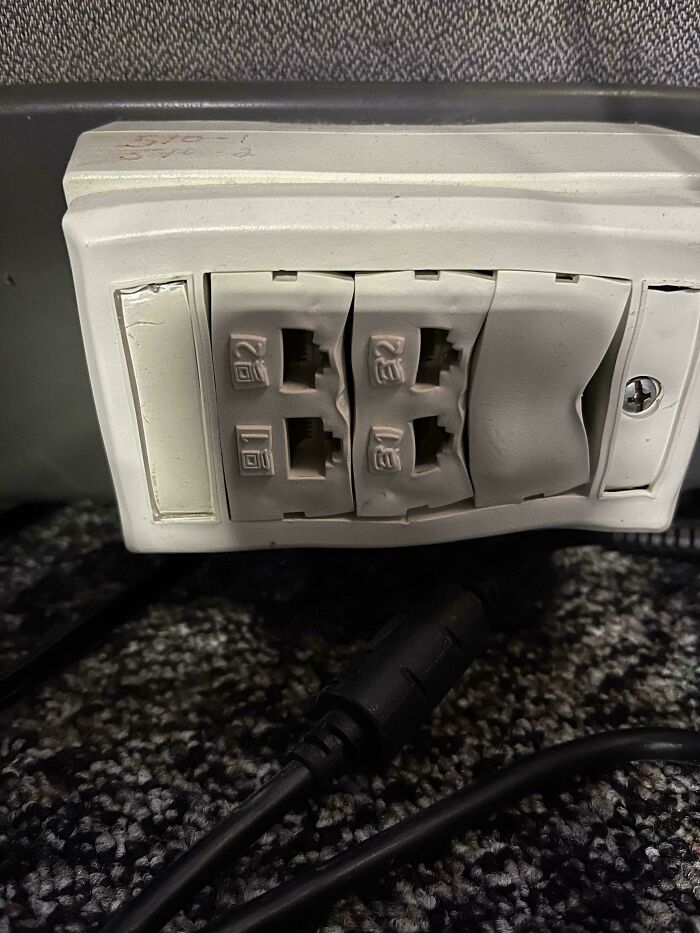
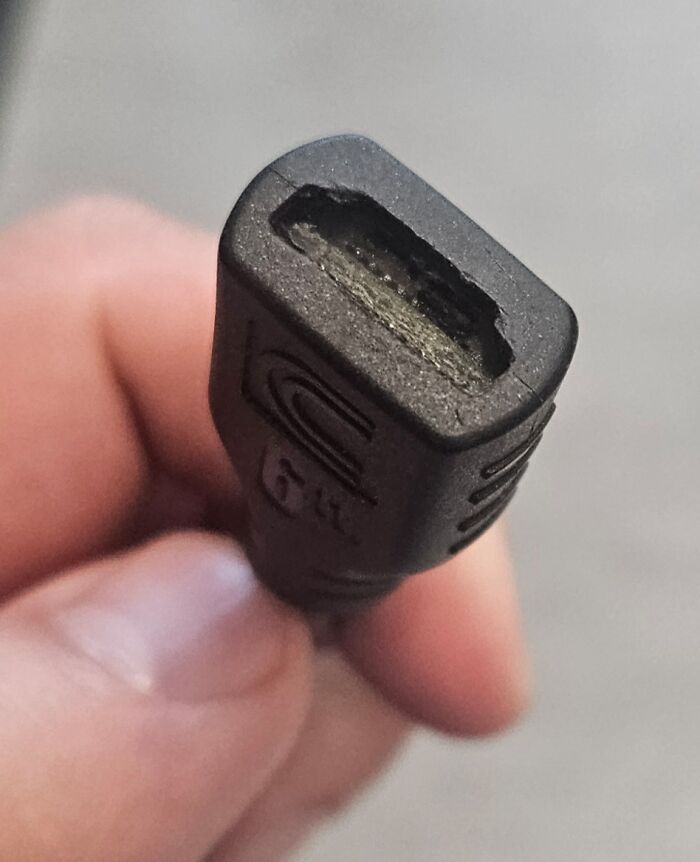
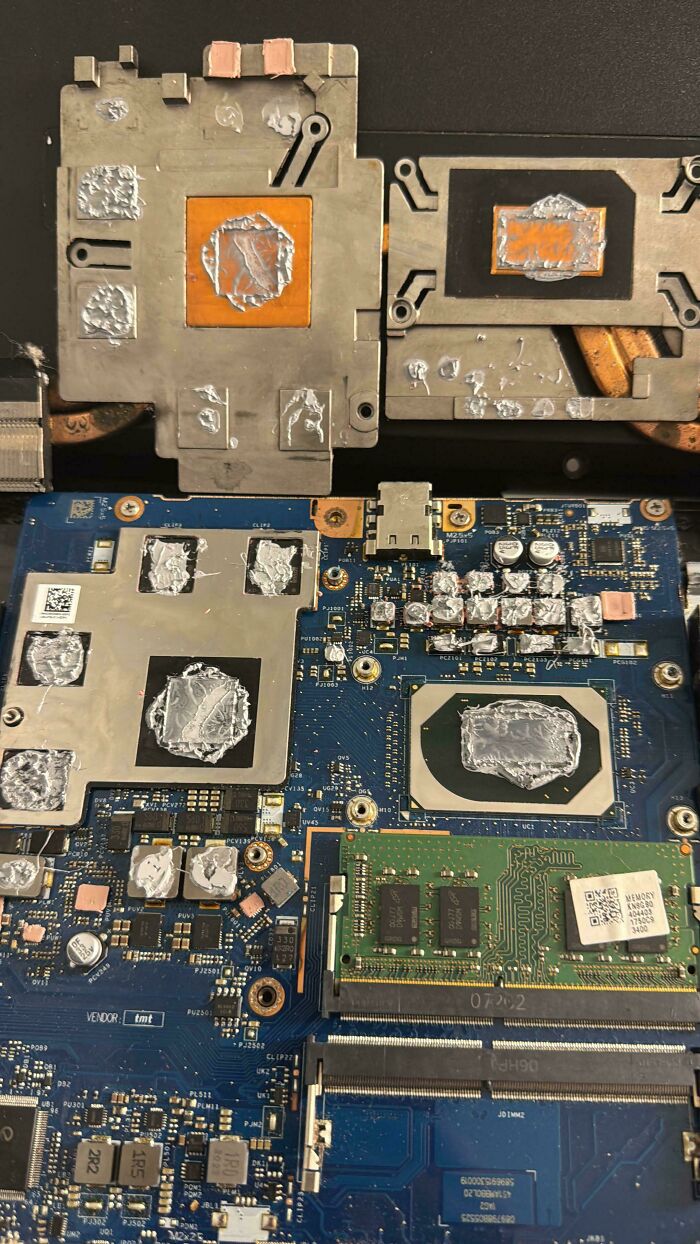
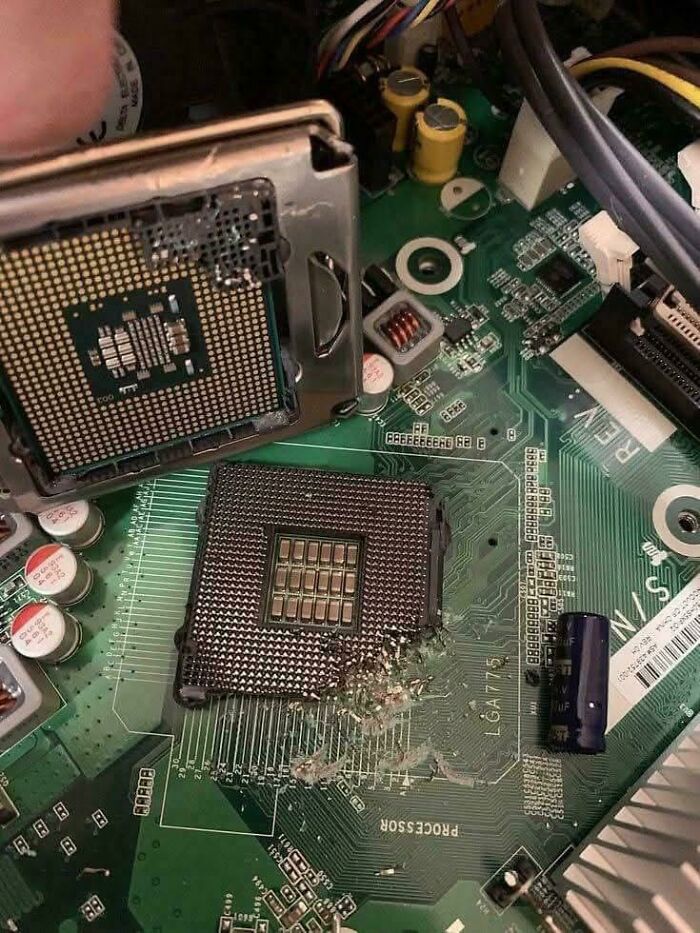
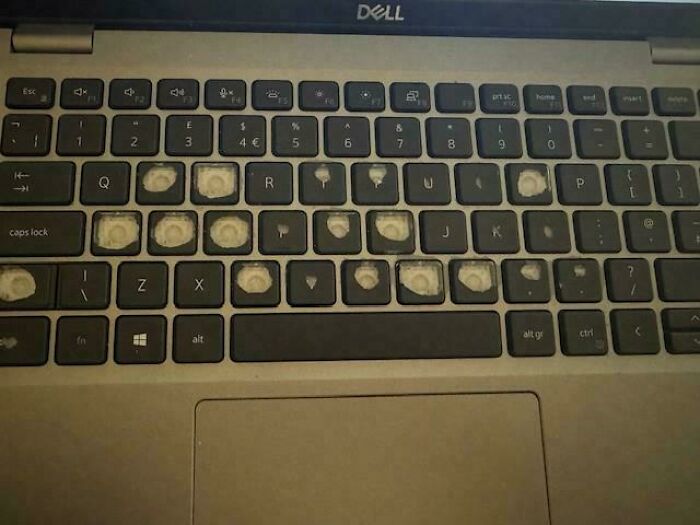
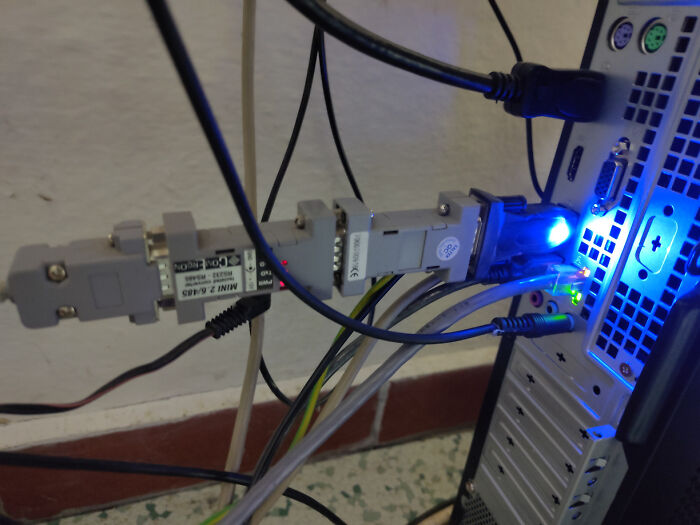
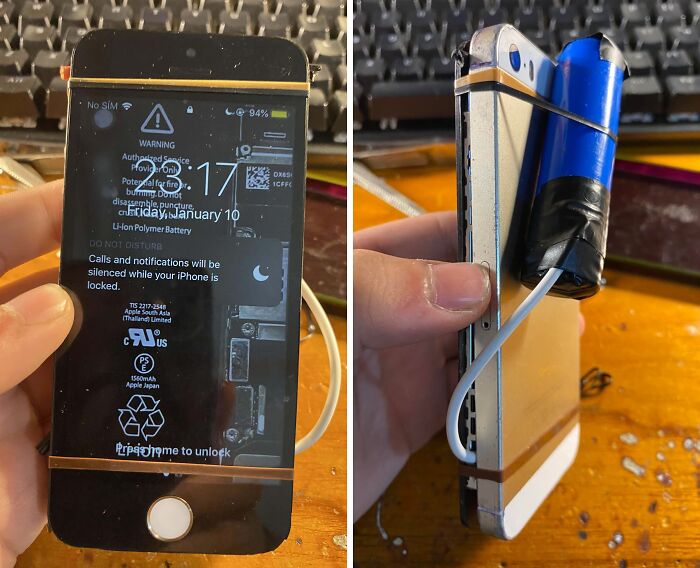
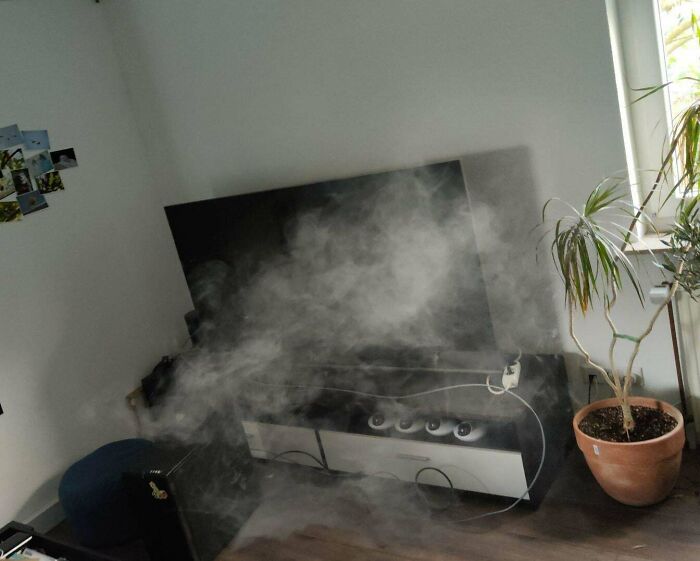
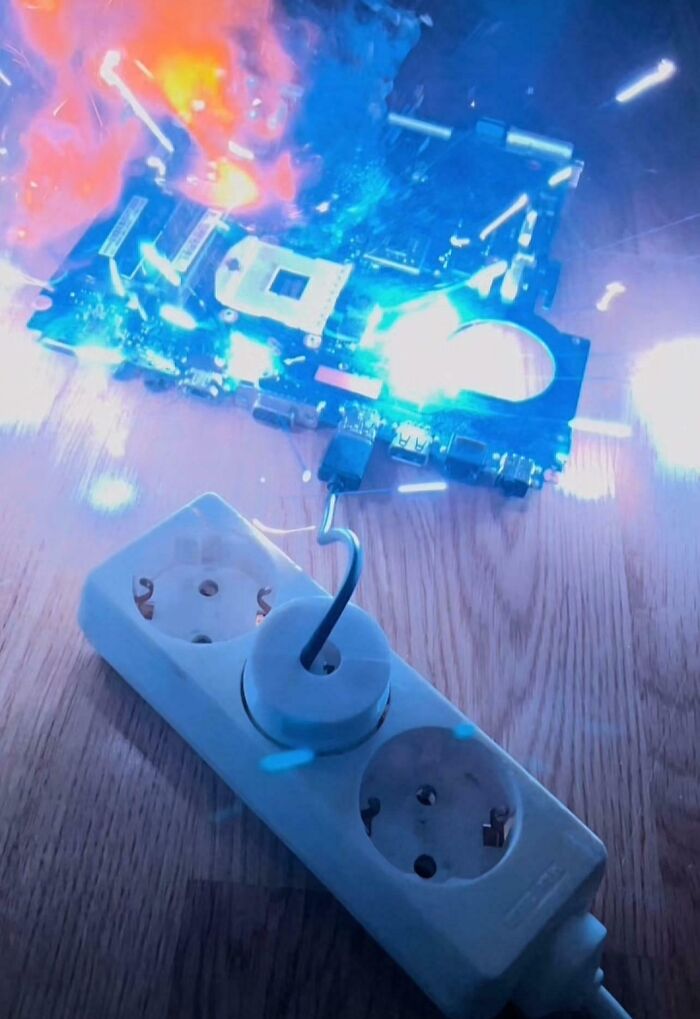
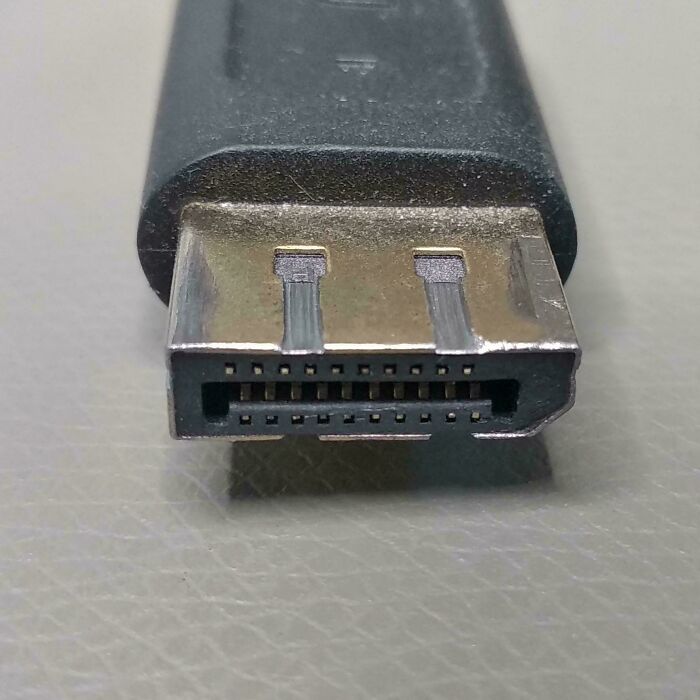
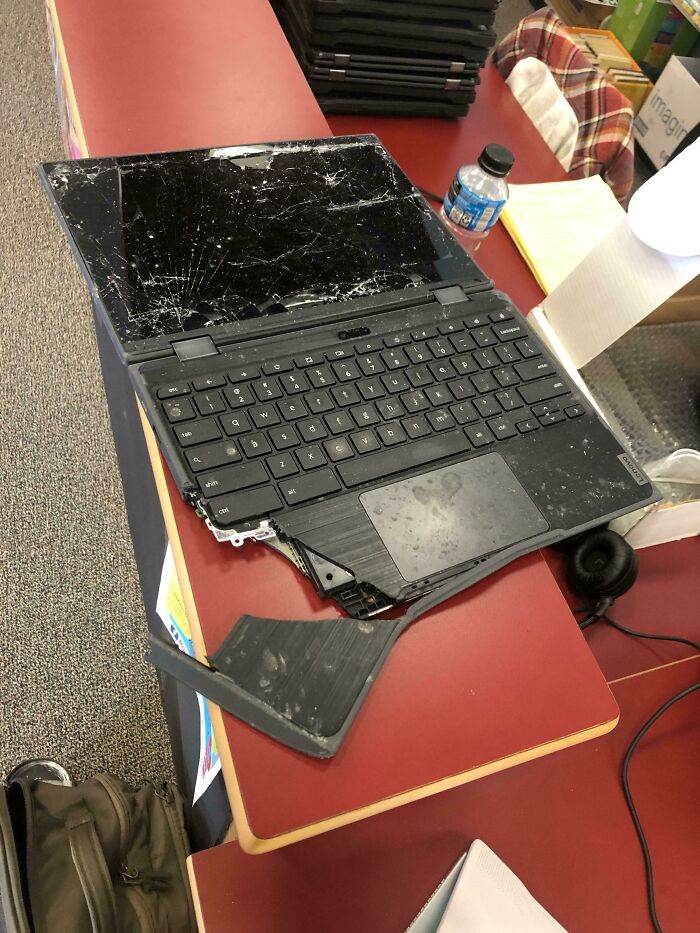
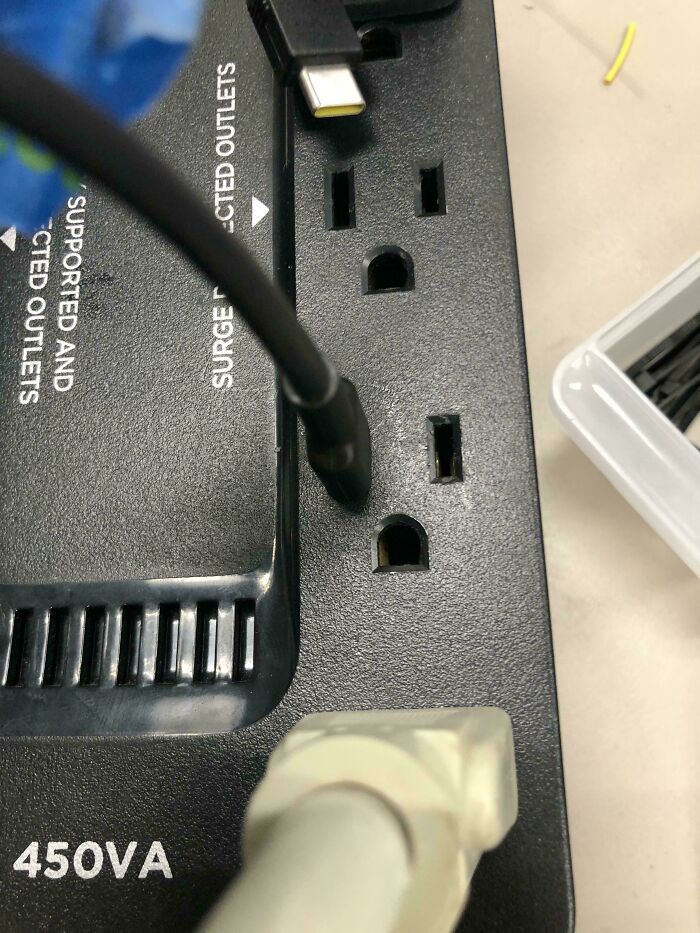
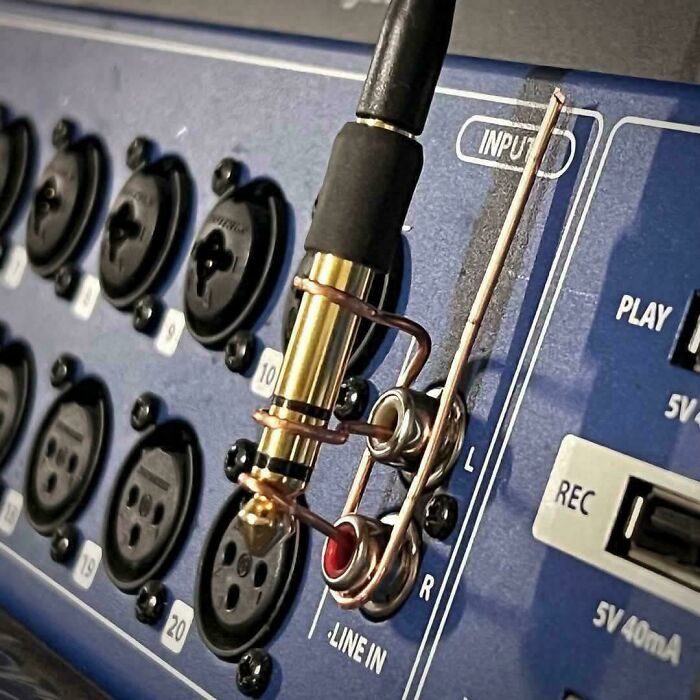
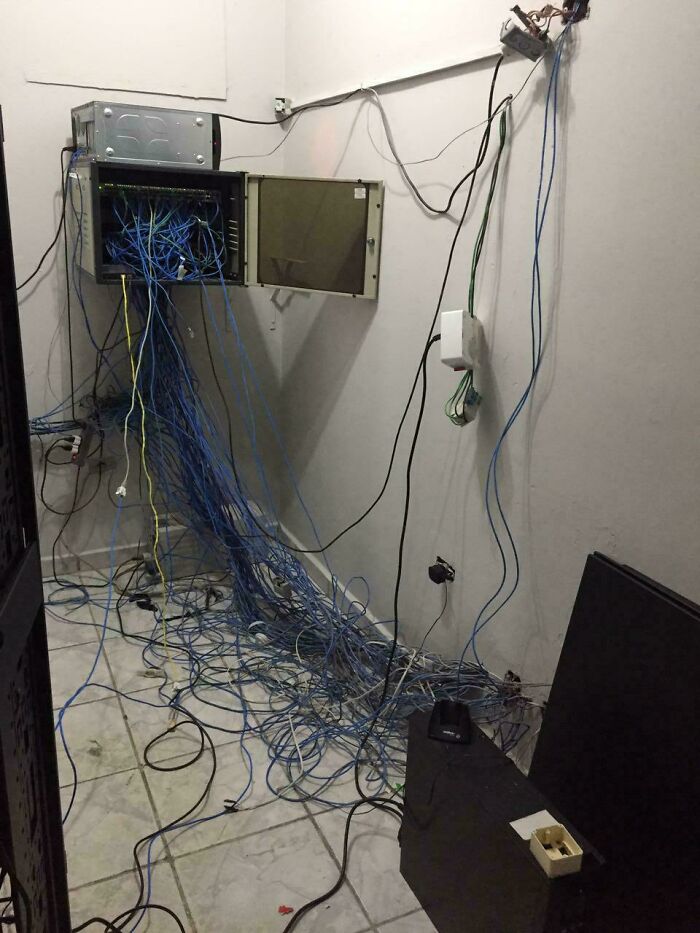
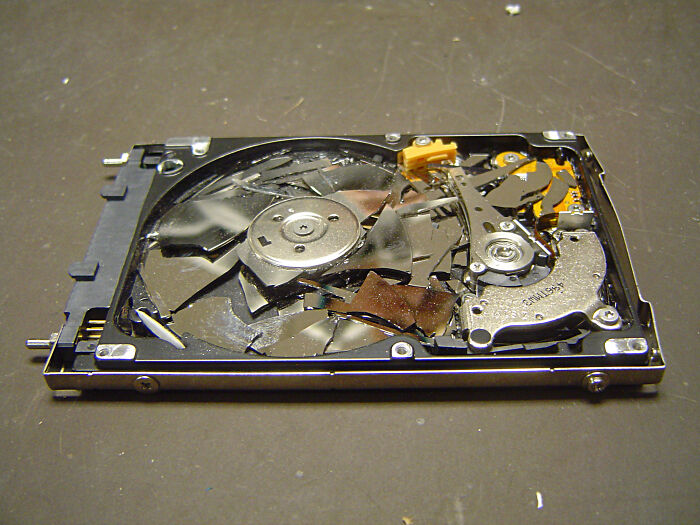
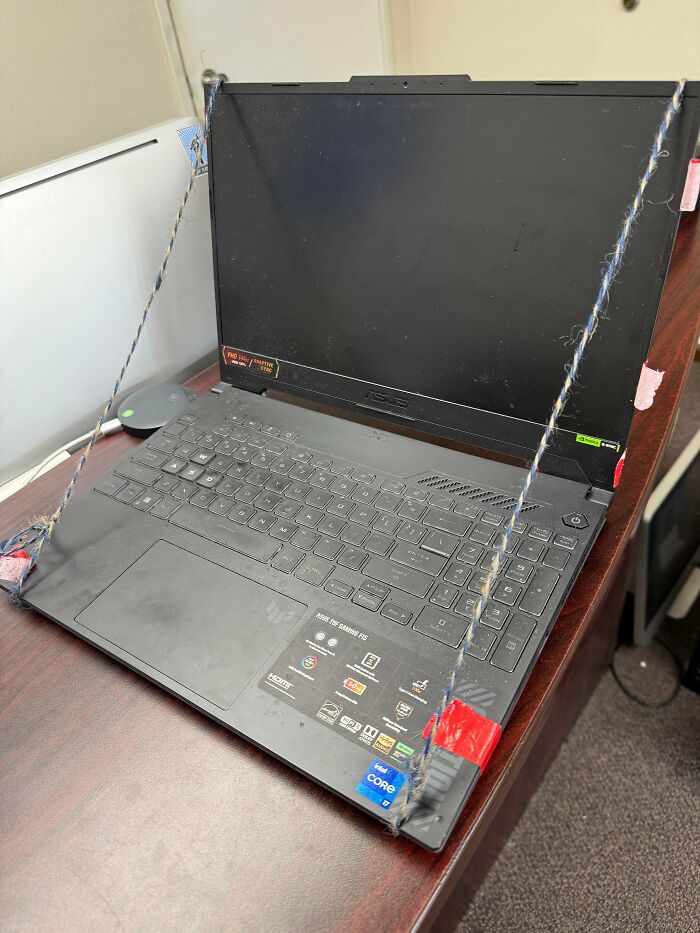
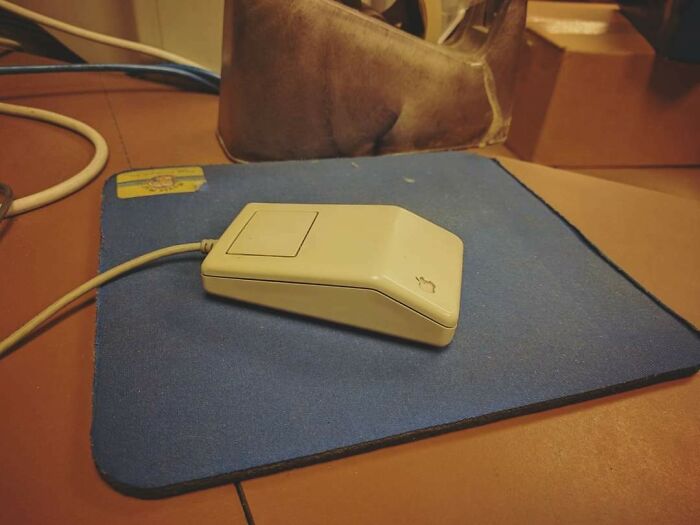
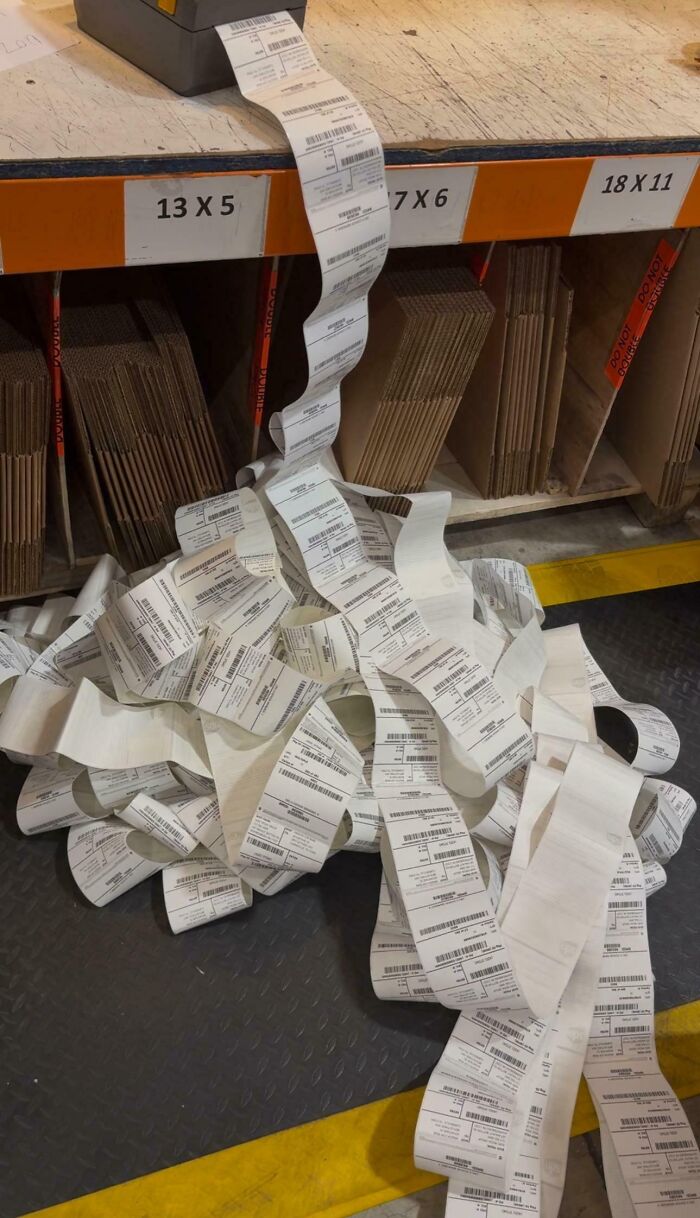
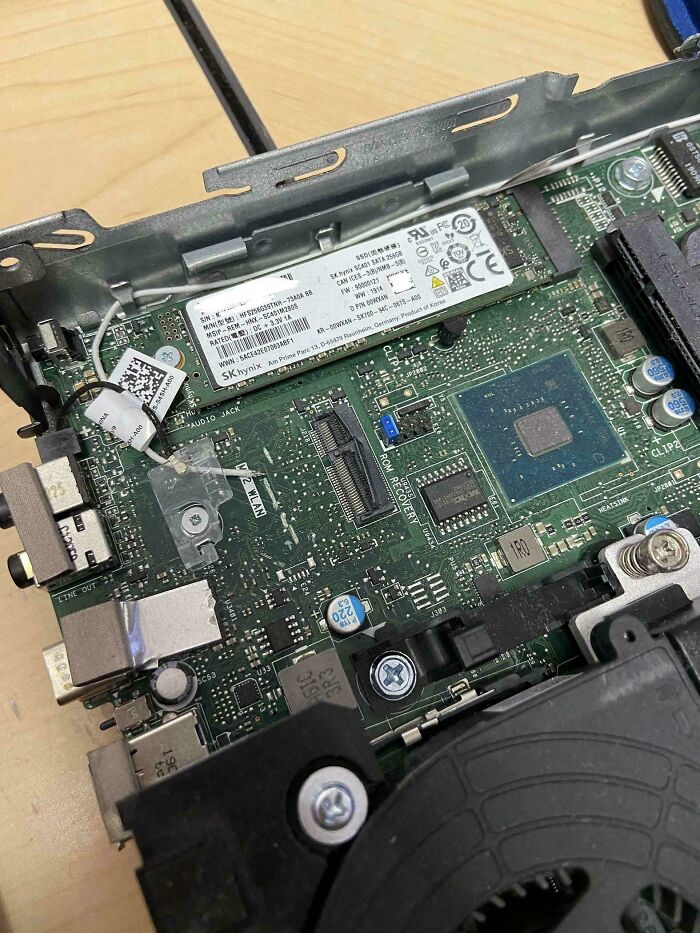
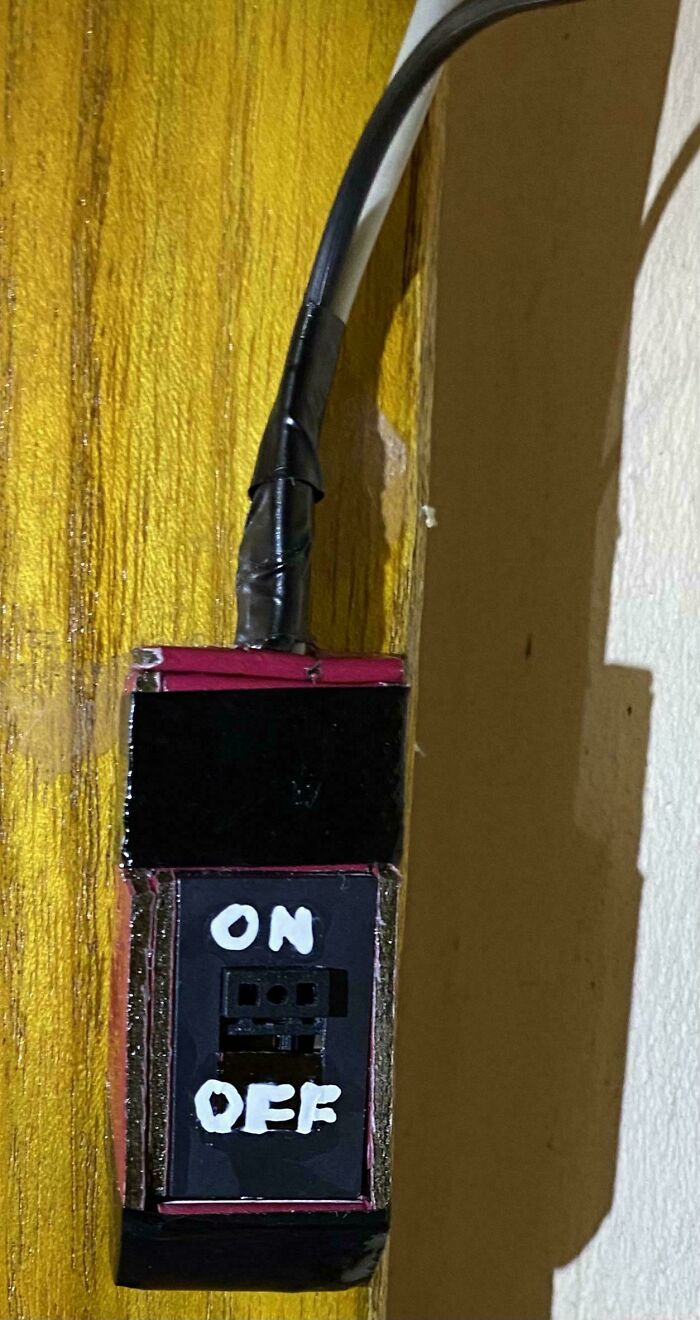
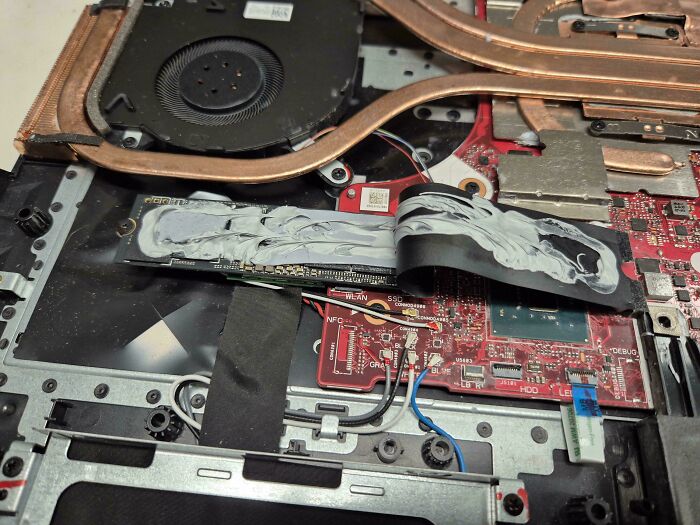
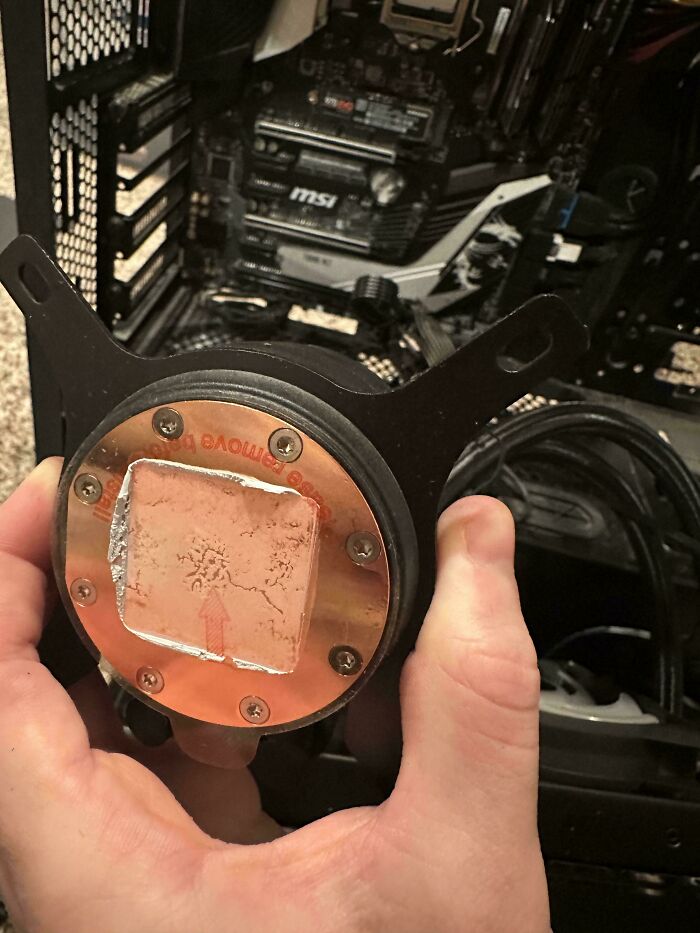
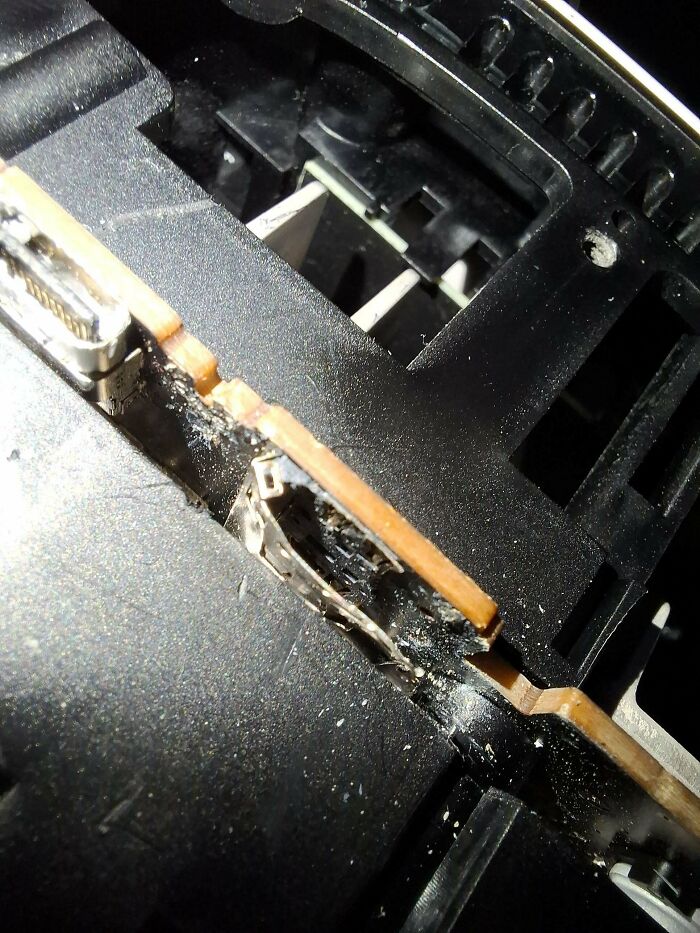
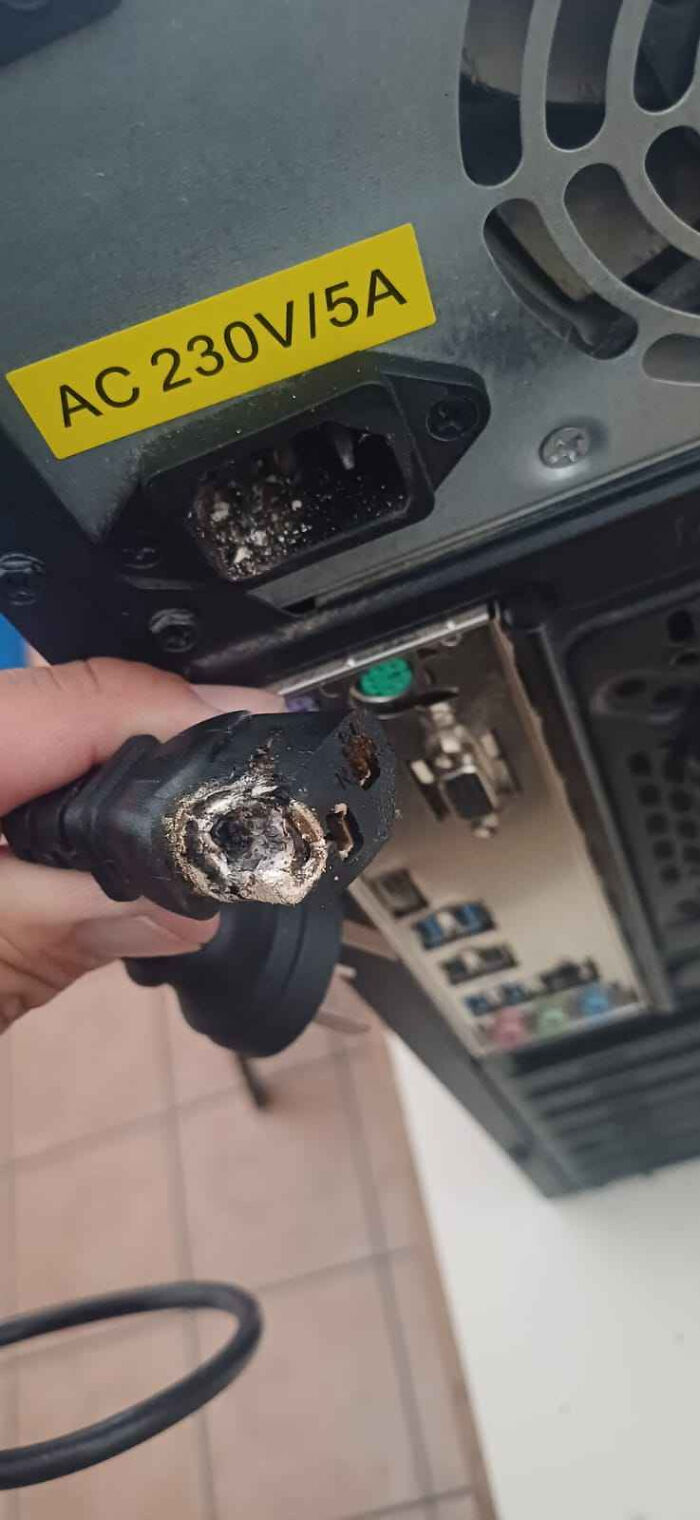
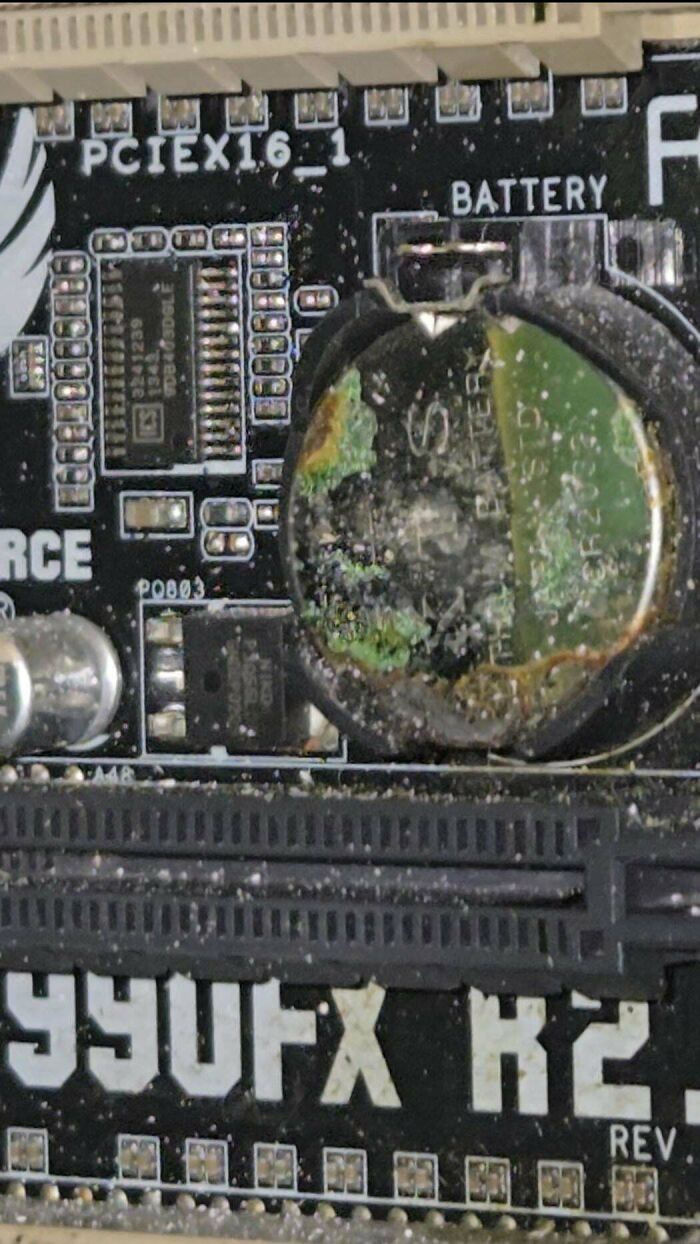
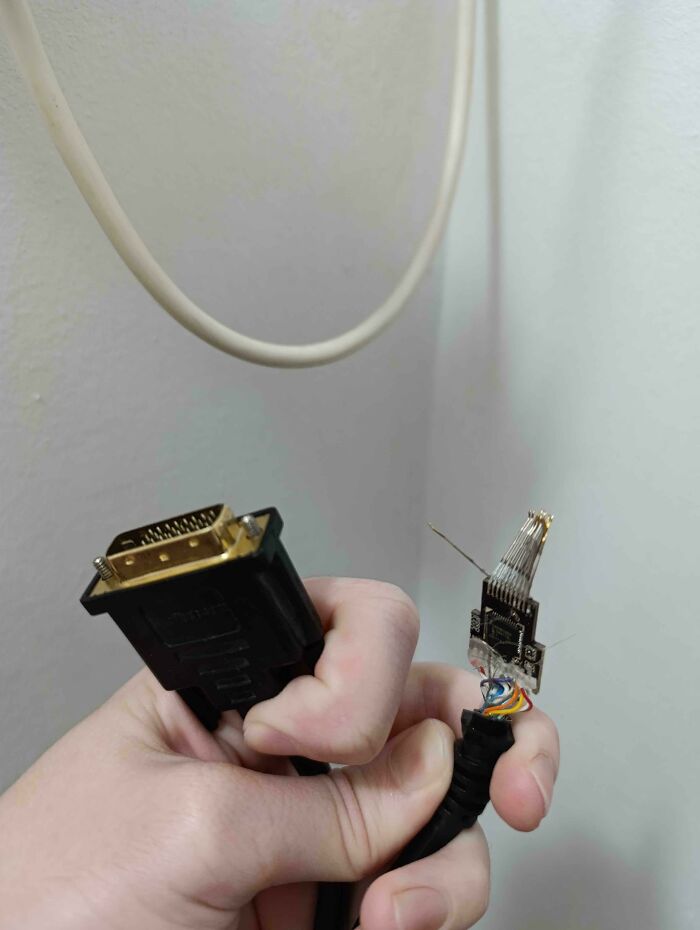
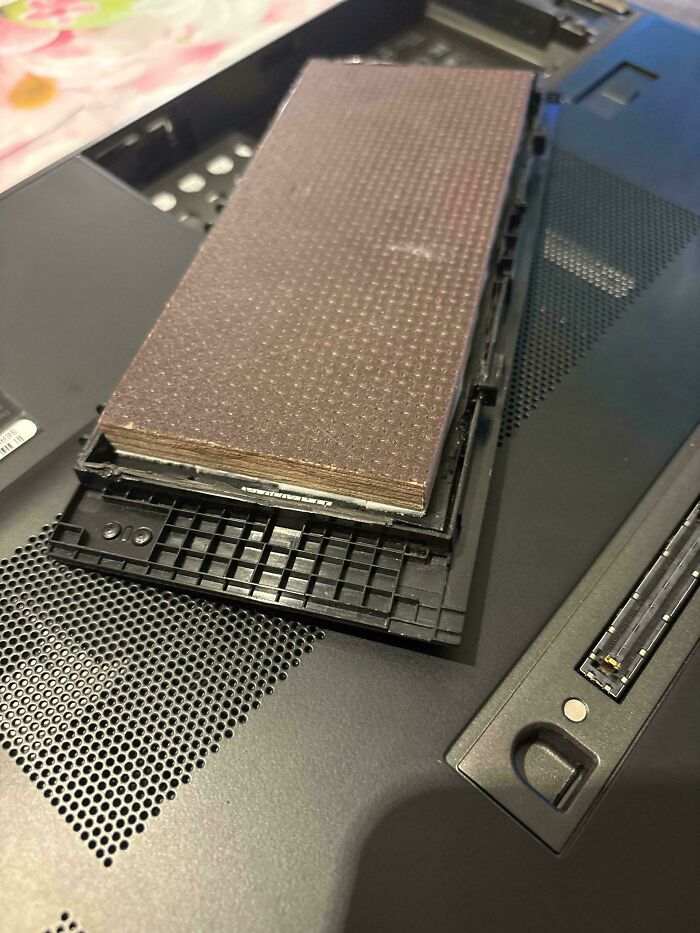
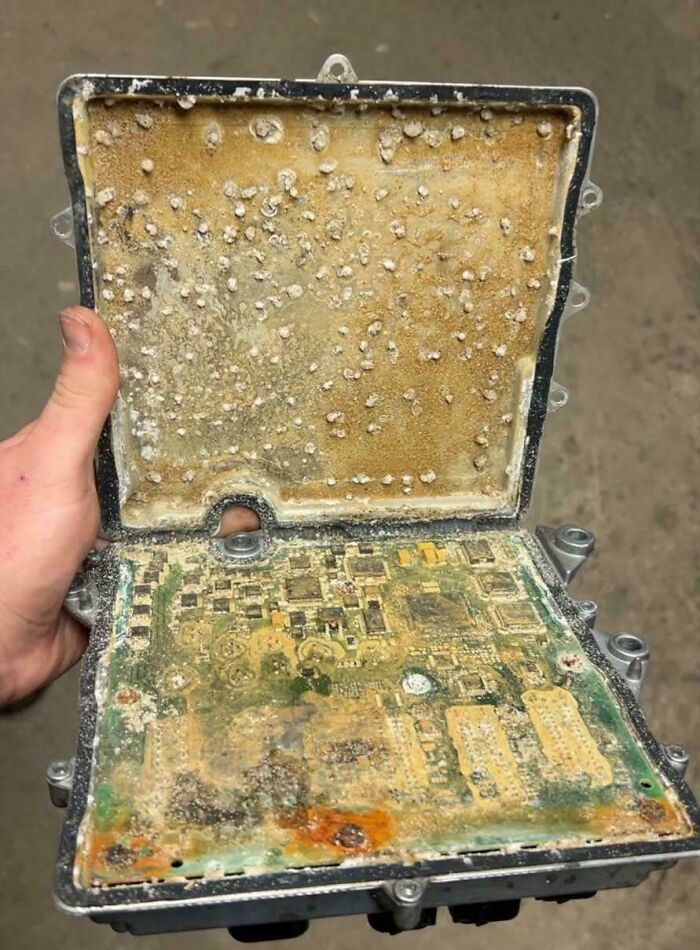
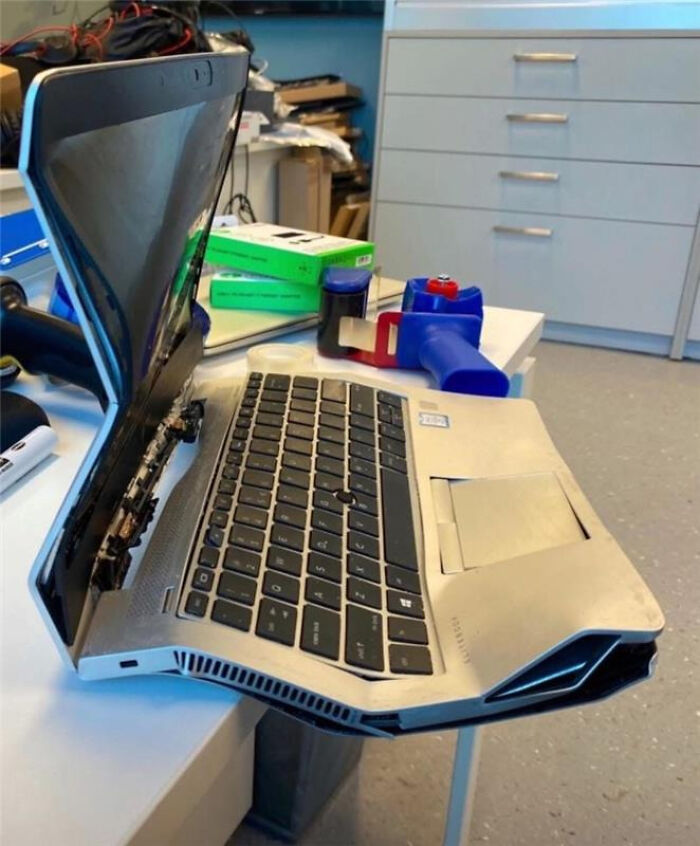
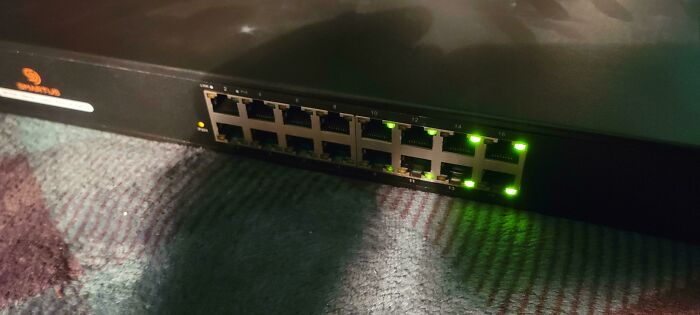
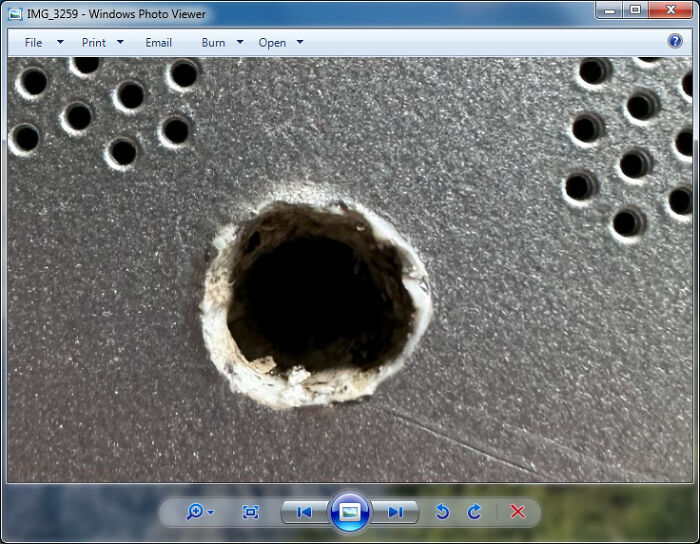
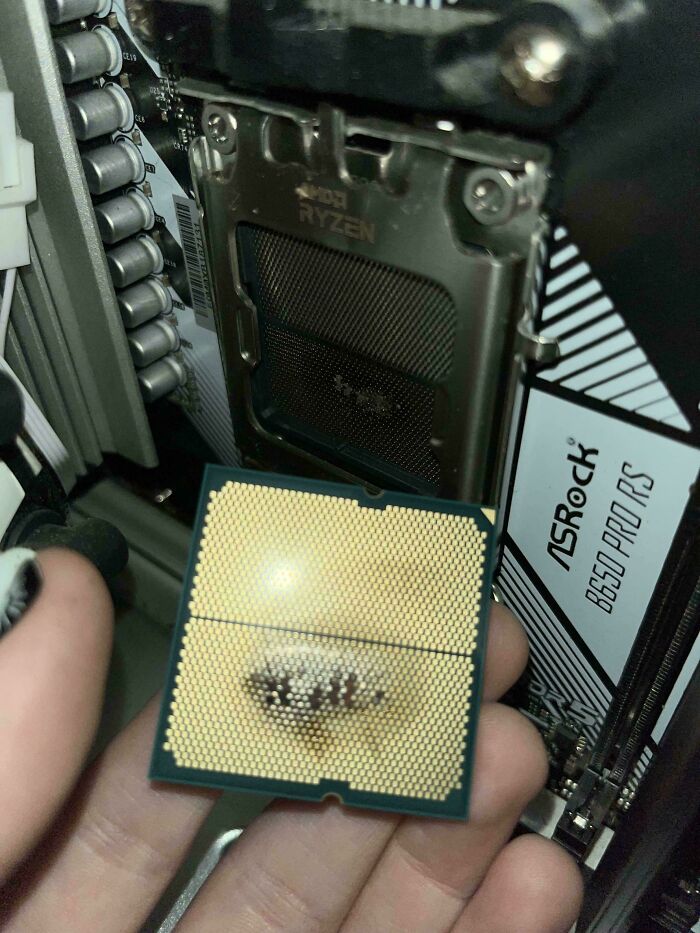
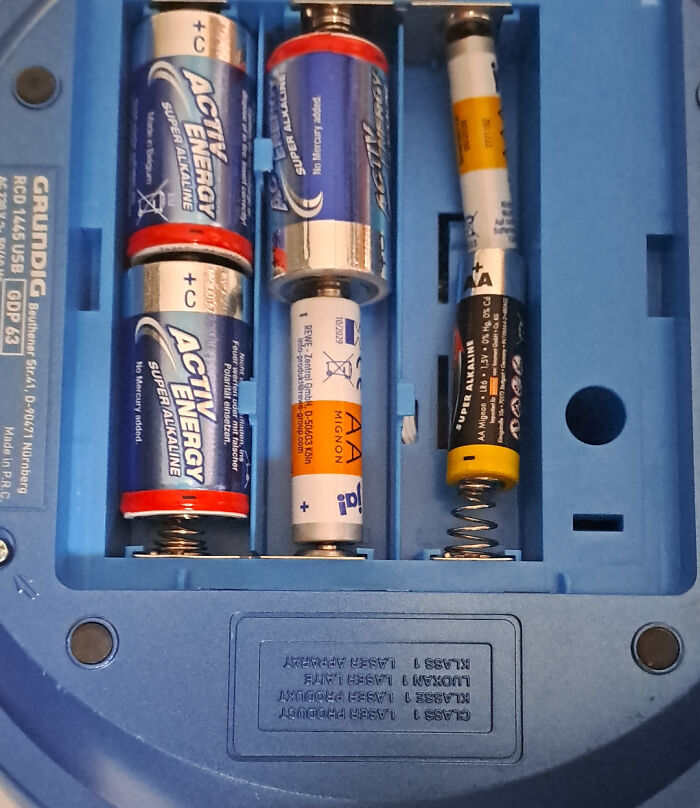
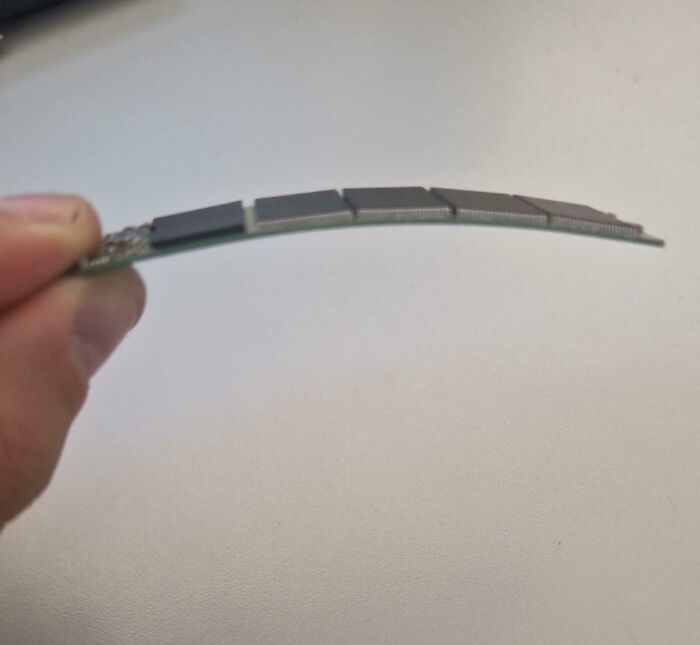
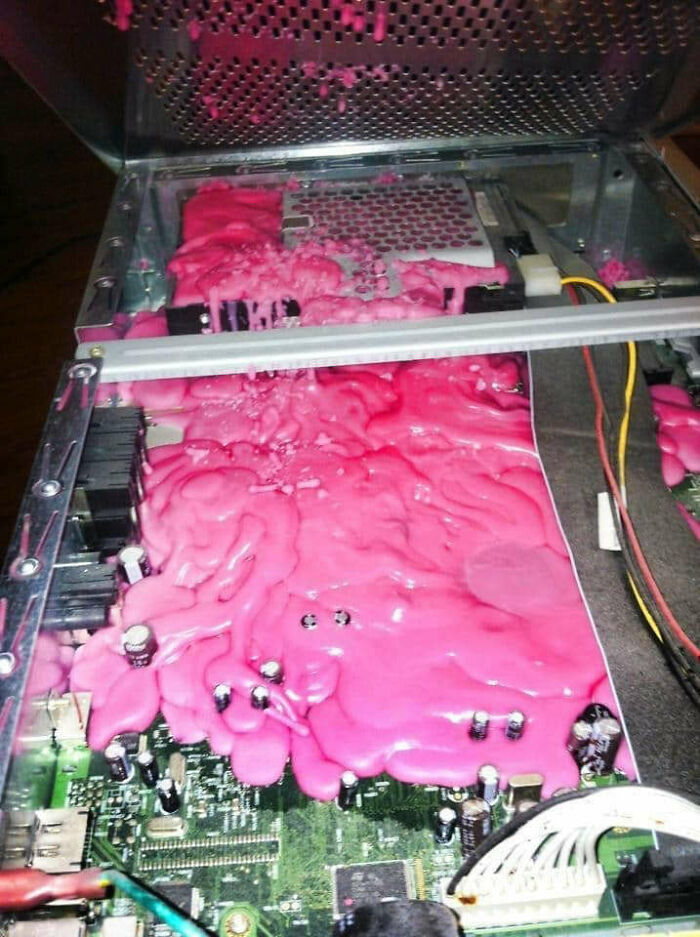
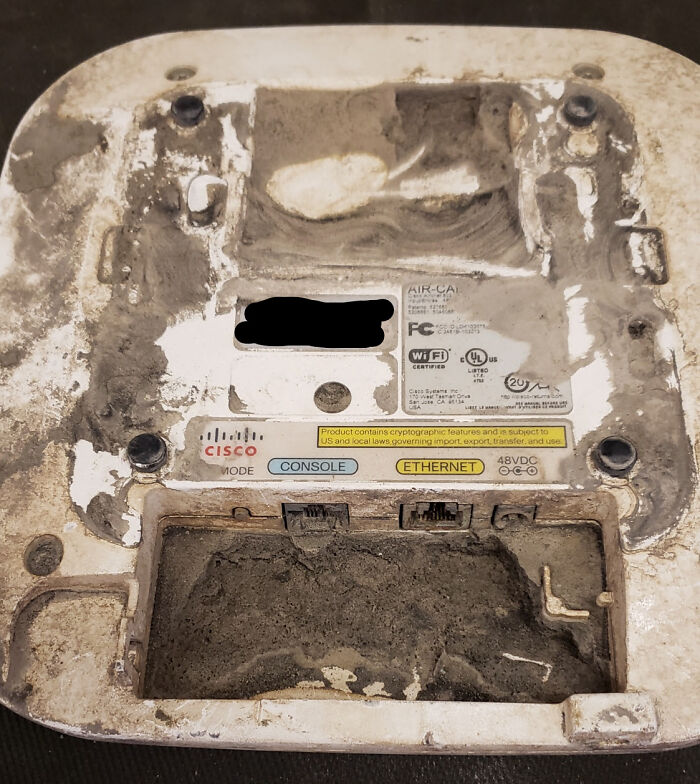
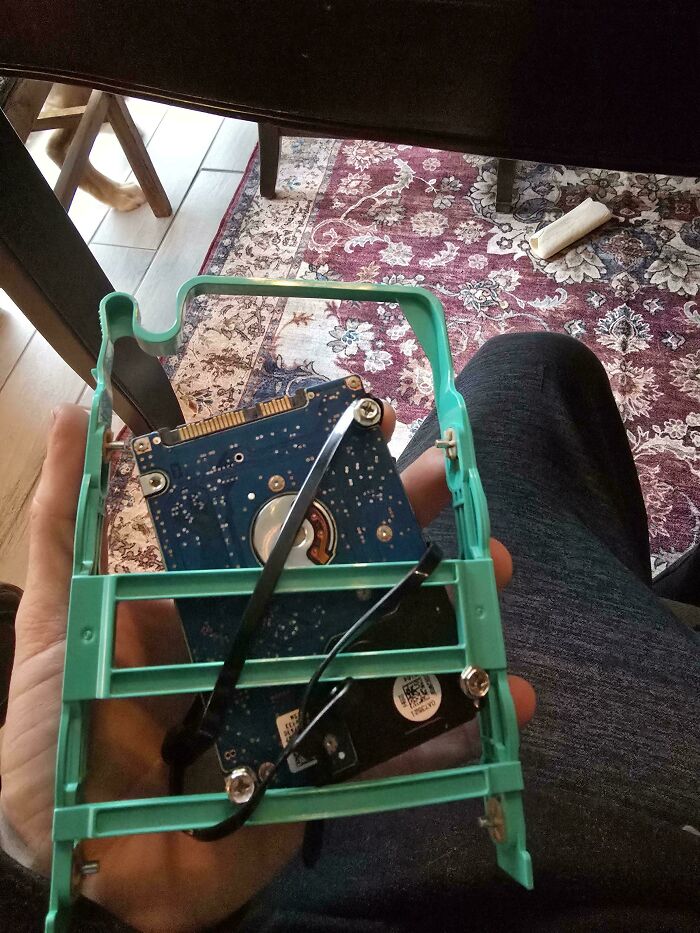
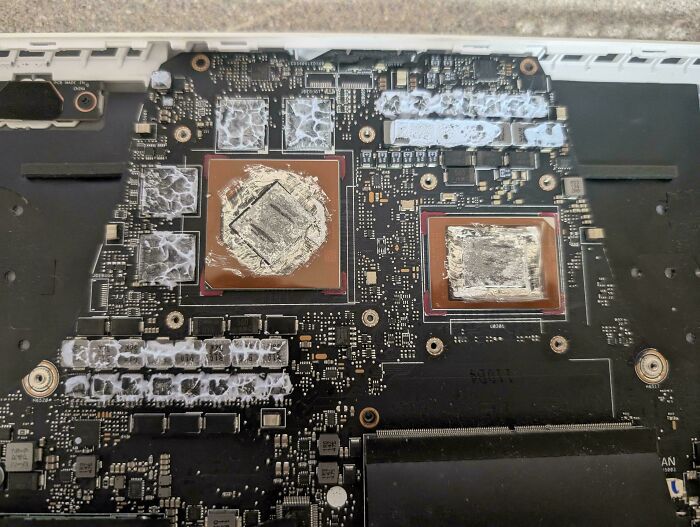
Some of the cases are so bad that they've made it into a digital Hall of Shame known as Tech Support Gore. The online community claims that "You will cringe to the brink of passing out after a few minutes looking at this subreddit." And a quick glance at the page reveals exactly why. From multimillion-dollar servers being mistreated to humidifiers placed on top of important equipment, there's horror lurking at every corner.
Bored Panda has put together a gory list of the best posts from the page for you to scroll through when you need a distraction from your own bad day at work. May they serve as a reminder to look after your tech carefully because, clearly, a lot could possibly go wrong.
We also have some advice on how to prolong the life of your gadgets and equipment so that you aren't the source of more stress for tech support workers. You'll find that info between the images.
This post may include affiliate links.
We're living in a digital world, and many of us have various tech devices and gadgets at our disposal. But contrary to popular belief, it's not just a matter of purchase, plug and play — at least if you want your stuff to last...
A lot of tech support worker nightmares can be avoided if people (users/owners) took better care of their equipment. As they say, “An ounce of prevention is worth a pound of cure.”
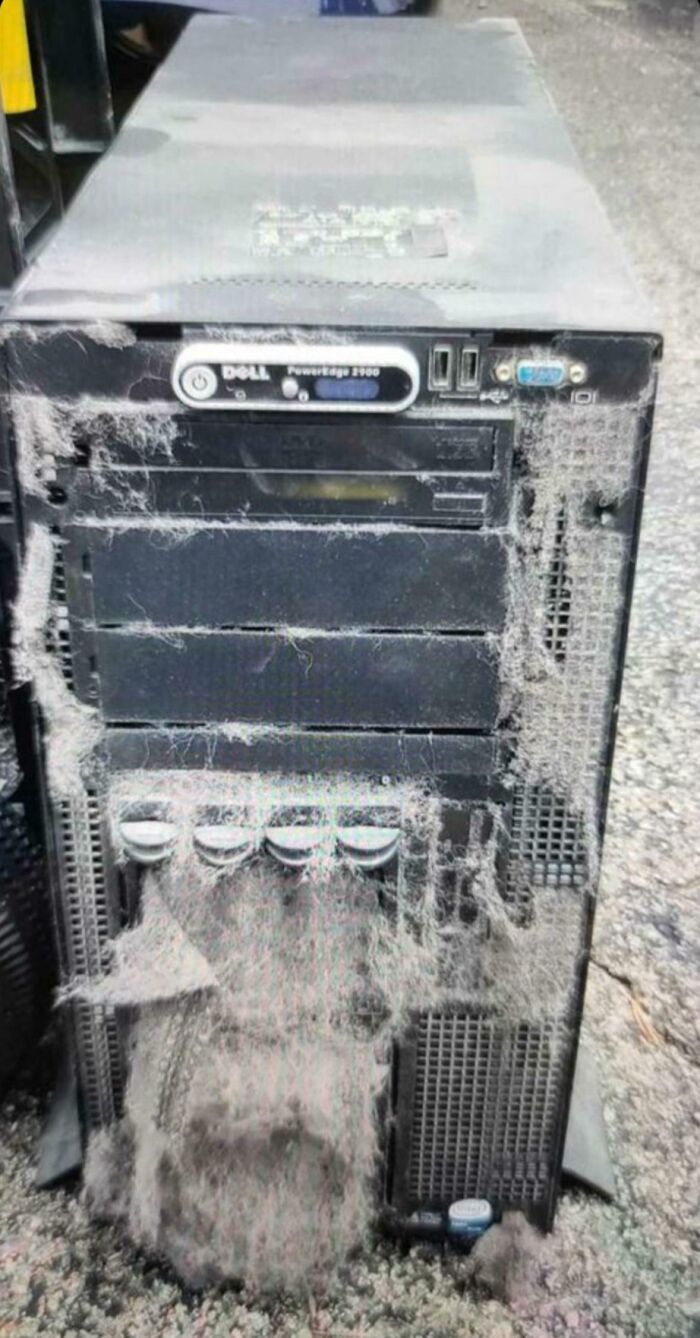
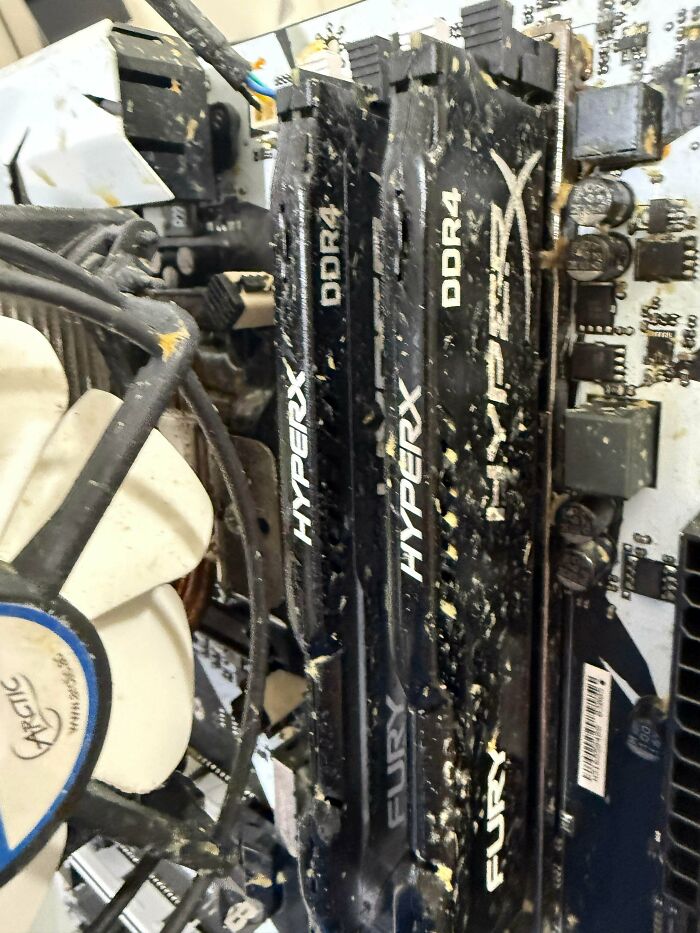
One of the most obvious ways to prolong the life of your tech equipment is to clean it regularly and properly. "Keep cans of clean compressed air around and blow out laptops, routers, Wi-Fi access points and so on," advises Peter Gregory, who is a Forbes Technology Council expert. "Don’t keep equipment such as modems on the floor, where they will be subject to greater amounts of dust. Invest in quality surge protectors and UPS systems."
Gregory says that keeping equipment clean, well ventilated and supplied with clean power are the most important habits for making sure your electronics last.
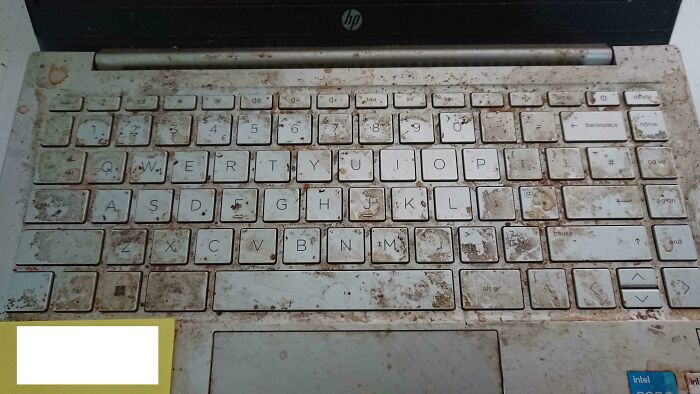
Guy Courtin from Tecsys Inc. suggests investing in some electronic wipes. "It’s always good to regularly wipe down touchpads, keyboards, screens, phones, tablets and so on — just because you are the only one using something doesn’t mean it shouldn’t be kept clean!"
Courtin adds that you should also remember to turn off your devices, not just put them in “sleep” mode. "Clear that cache and allow the device to power off," he says.
Claire Rutkowski from Bentley Systems agrees. She told Forbes that the best thing you can do for your computer (and your mental health) is to turn it off every night.
According to Rutkowski, this stops all applications running in the background and clears the cache, and it often stops buggy software issues from creating bigger problems later. "A daily startup and shutdown routine also helps the environment, and most importantly, helps you develop a ritual that separates work life from home life," she says.
Your family, colleagues and friends might not like the next tip, but many experts advise against allowing other people to use your equipment. Especially if you need it for work.
"A work-issued device is exactly that: a device for work. Don’t give it to your children to play Fortnite or to a relative to check their emails. Why? Because they could use the device in a way that puts both you and your employer at risk," warns Jeff Shiner from the Forbes expert panel. "Resource-intensive, non-work-related actions will have an impact on the device’s long-term performance."
Shiner strongly suggests keeping your personal life on a personal machine, and lending that one to someone else at your own peril.
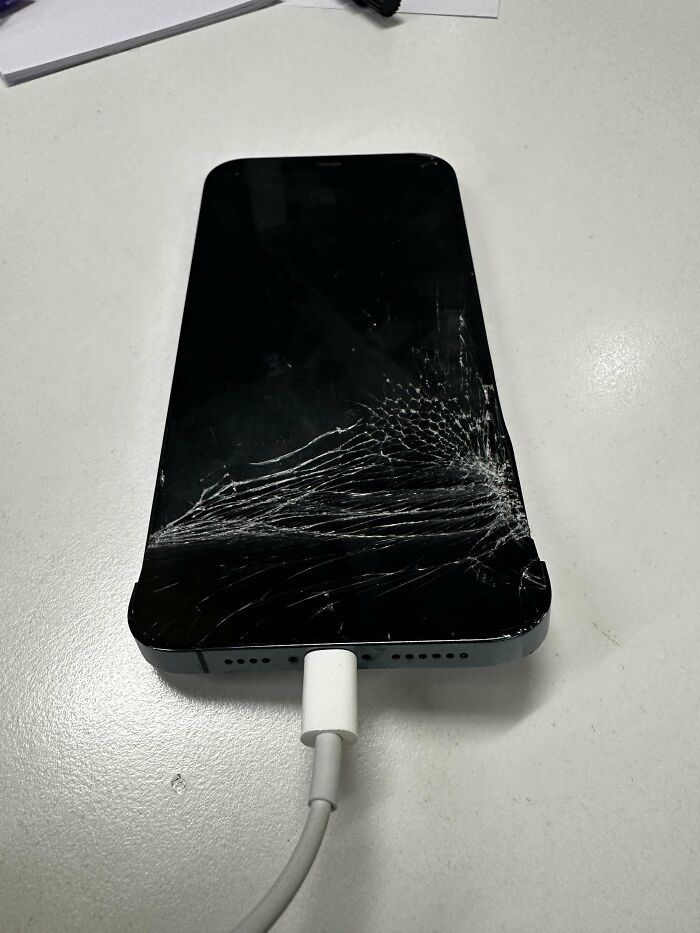
Storing your equipment properly is also a must. Who hasn't had the nightmare of a cracked or scratched phone/tablet screen? Congrats if you're among the few who raised your hand.
The American Automobile Association (AAA) advises using both a screen protector and a case on phones and tablets, as well as avoiding keeping your personal tech in extreme temperatures.
"High heat can cause permanent damage to the battery, while freezing temperatures can cause performance blips or even data loss," explains the AAA site. "Never leave phones, tablets, or computers in direct sunlight or hot cars: Temperatures can spike to over 100 degrees inside a vehicle on a sunny, temperate day."
Many of us are guilty of hitting "remind me later" when prompted to update software, or not updating at all. Then we wonder what went wrong...
Experts say keeping our gadgets' software up-to-date ensures they operate optimally and also helps prevent problems like incompatibility and viruses before they occur.
"Most modern devices provide over-the-air software updates," says Steven Hau from Newfire Global Partners, adding that these are often free. "Enterprises with mobile device management may force OTA updates; however, many devices require the owner to initiate the update."
Staying up to date matters, and many of us forget to (or are unaware that we should) update the firmware on any routers and access points used for wireless access at home. Doing so helps to not only improve the performance of your device but also extend its life and increase security.
"For cable modems, power cycling should suffice, as it will 'phone home' for upgrades," says Shoreline.io's Anurag Gupta. "You’ll likely need to upgrade access points manually using supplied software from your vendor," adds the expert.
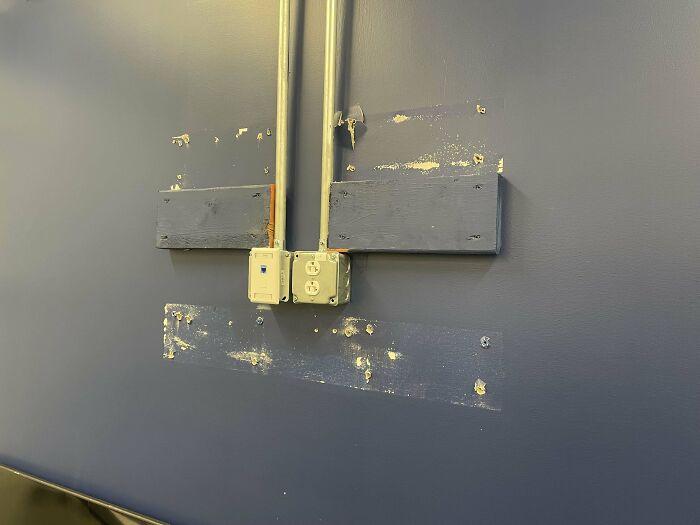
Brand office employees swear they left everything exactly the same before cleaning and organizing the room.
Jason Carolan from Flexential suggests having separate networks at home: one for work, one for personal use and a third for smart devices.
"By keeping private data on a separate Wi-Fi network, any compromise of a smart device will not give an attacker a direct route to your company’s data," he warns. "Using a VPN is also recommended when you’re connecting for work."
At some point, your electronic devices might decide they're done working and living, or you may want to upgrade.
“Don't just throw your old device into a drawer,” says Taylor Dixon. The senior technical writer with iFixit.com suggests rather looking for other ways to use them, or donating or selling them. If none of these are an option, recycle responsibly. You can do this through the manufacturer, a box store recycling program, or an e-waste recycling center.






































 No fees, cancel anytime