Get Premium
Dark mode theme is available exclusively for premium users. Learn more about the benefits of subscribing.
No fees, cancel anytime.

 Dark Mode Ad-Free Browsing Unlimited Content
 Ad-Free Browsing Unlimited Content Dark Mode
Join 1.2 million Panda readers who get the best art, memes, and fun stories every week!
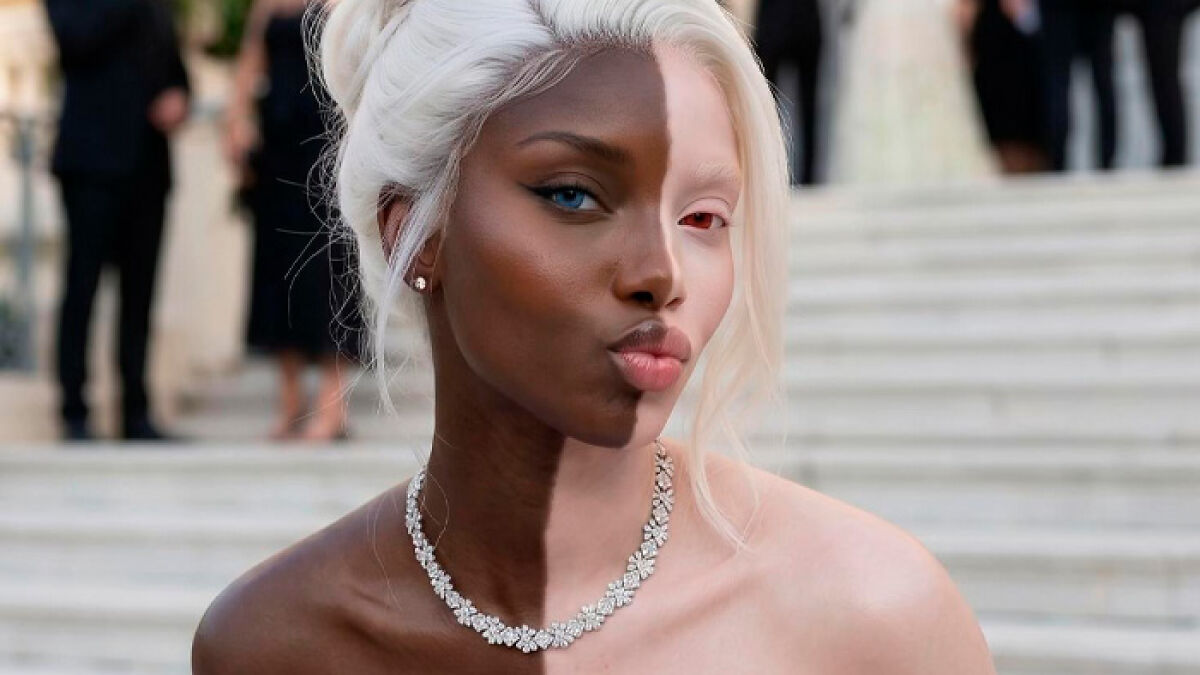
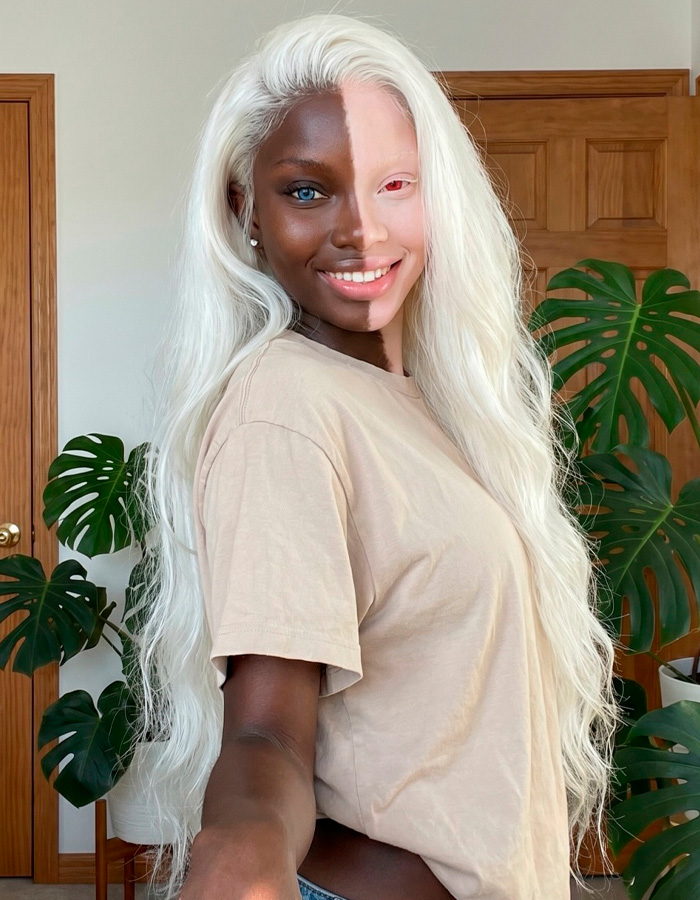
A model with a perfectly split two-tone complexion had recently left social media users stunned after a video of her went viral.
The video, which garnered 1.4 million views, featured a woman with an extremely rare skin condition.
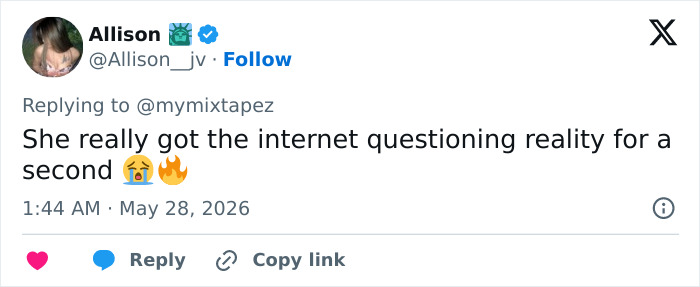
As a clip of the striking model continued to circulate on social media, many netizens admitted the visuals felt almost too unreal to believe.
“She is really the best of both worlds. A beautiful sight,” one viewer commented.
Image credits: evadelonne.official/TikTok
The woman featured in the viral video was identified as Eva Delonne, an AI-generated virtual influencer with a large online following who presents herself as a singer, dancer, and visual artist.
Delonne’s Instagram account has attracted 895k followers, many of whom appeared to believe she was a real person.
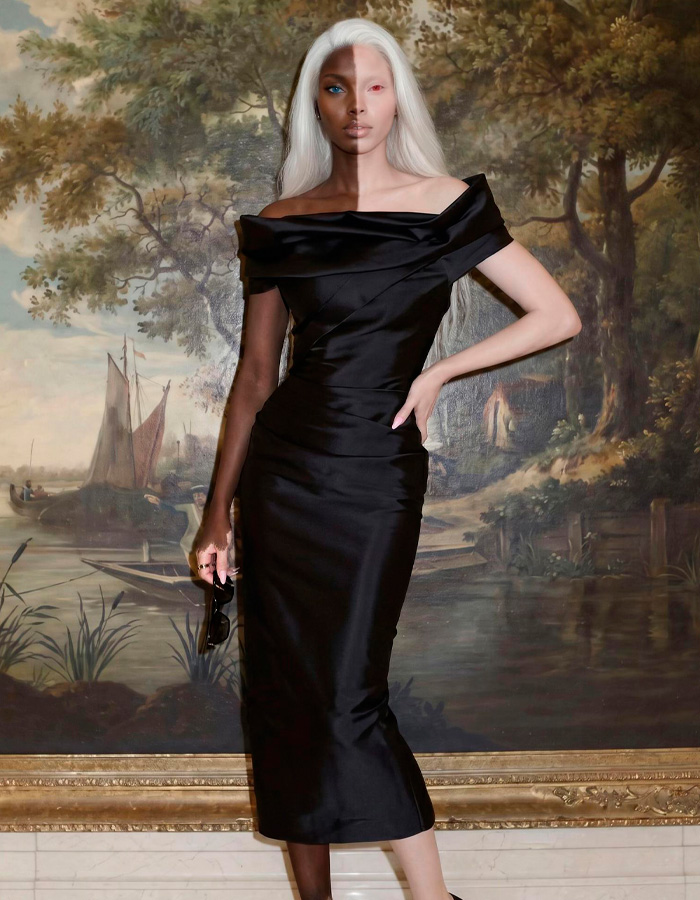
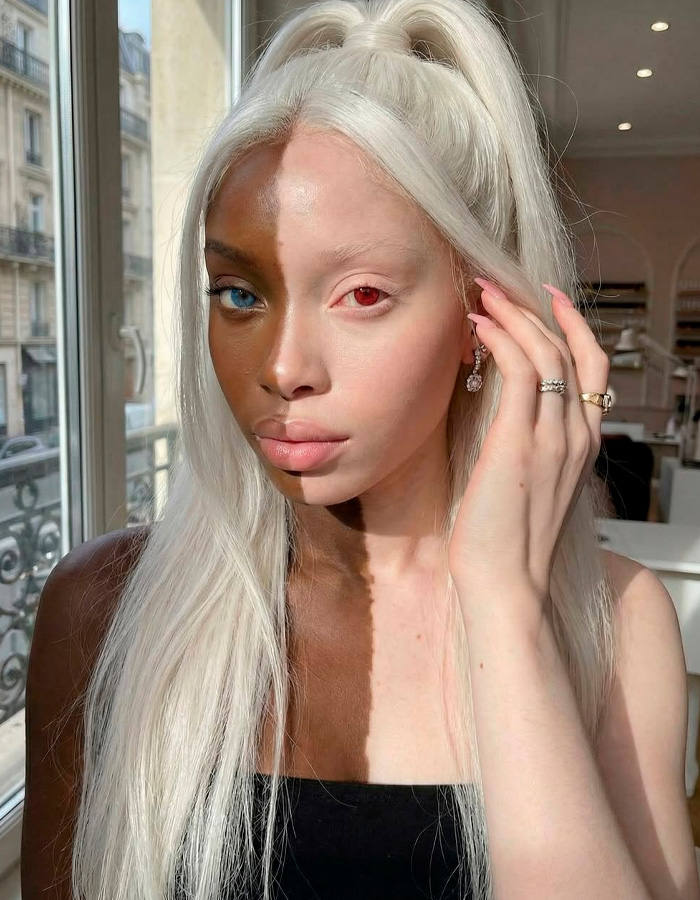
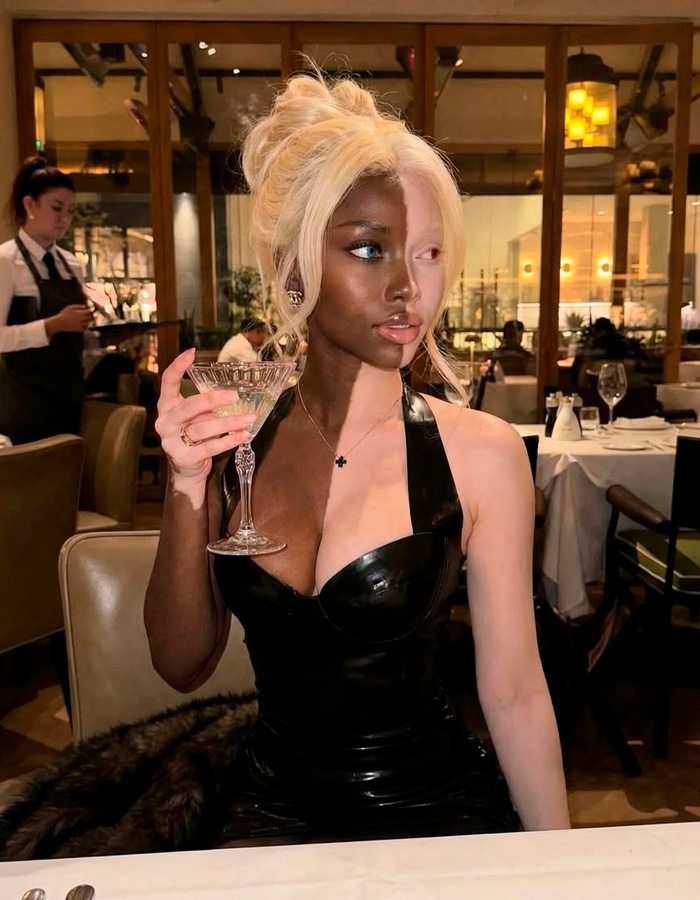
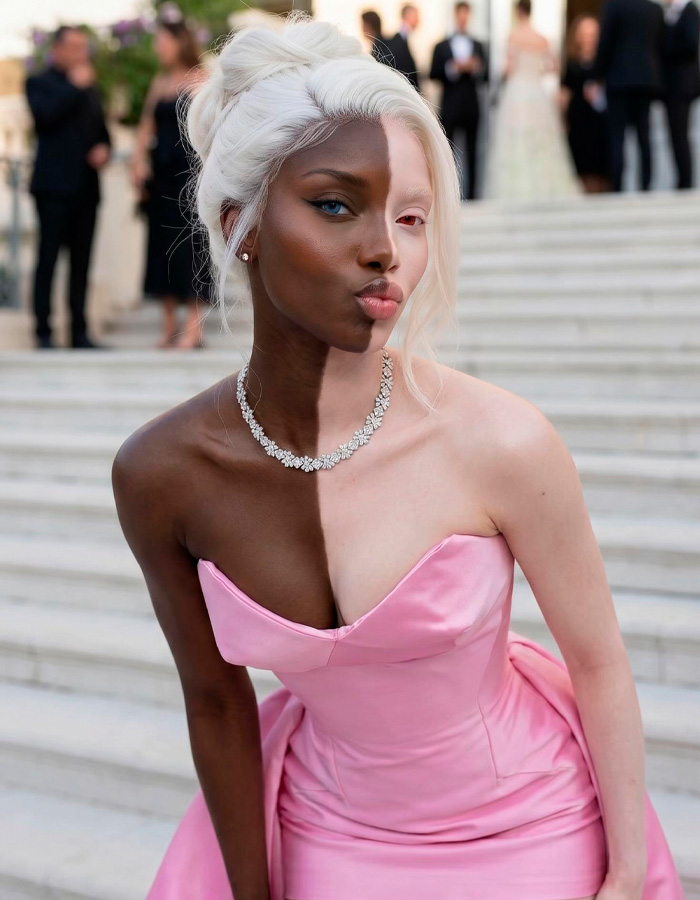
Her most recognizable feature was the sharp vertical split running down the center of her face and body, with one side dark brown and the other pale.
She also appeared to have heterochromia, meaning her eyes are different colors.
Image credits: www.instagram.com
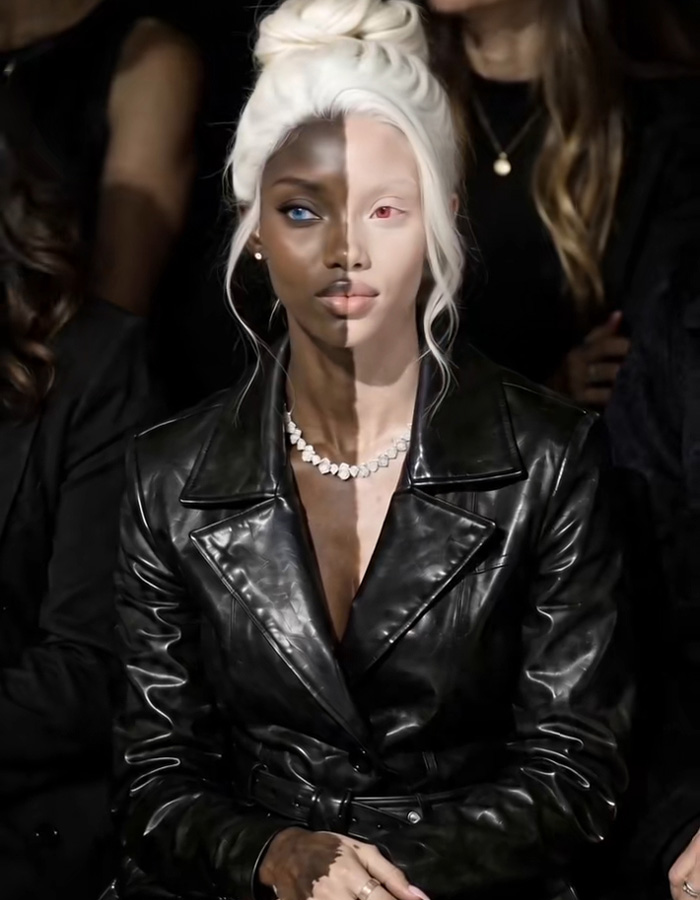
One of her most widely shared videos showed her sitting silently at what appeared to be a dimly lit fashion event, wearing a black leather blazer, a pearl necklace, and a platinum-blonde bun.
The truth behind Delonne’s identity was later confirmed through community notes, Reddit discussions, YouTube breakdowns, and multiple independent analyses.
Online communities, including r/RealOrAI and r/isthisAI, reportedly reached near-unanimous conclusions that the influencer was digitally created.
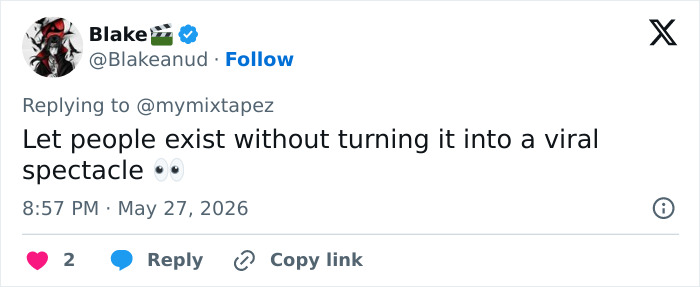
Image credits: Blakeanud
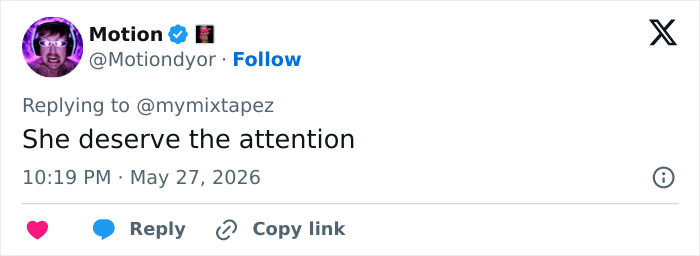
Image credits: Motiondyor
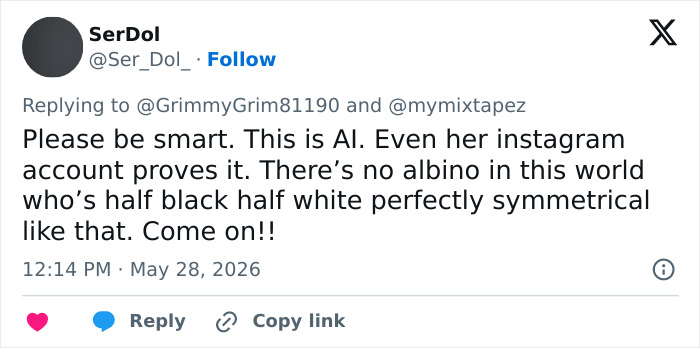
Several details reportedly exposed the illusion. Real vitiligo usually develops in irregular patterns that change over time, while Delonne’s pigmentation follows an almost perfectly symmetrical line.
Viewers also noticed inconsistent lighting, changing eye colors between posts, shifting skin boundaries, and occasional glitches in her hands and movements.
Despite that, many viewers still struggled to tell she was artificial.
Image credits: evadelonne/Instagram
Some people admitted they were initially convinced the influencer was real.
“Is this real or some kind of make-up? She looks like a chocolate. I wanna have a taste,” one viewer commented.
Others compared her appearance to two people merged into one.
“She looks like two individuals sewn together,” one comment read.
Several viewers specifically pointed out how difficult it was to identify AI-generated people online.
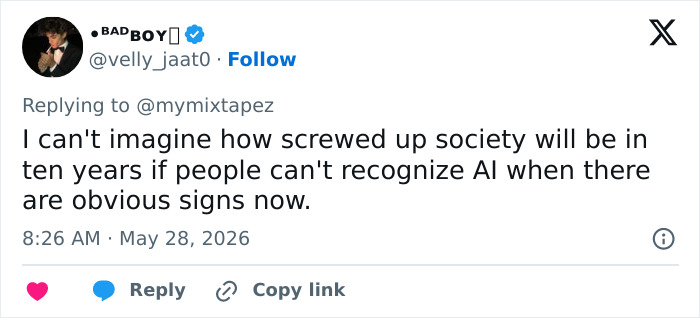
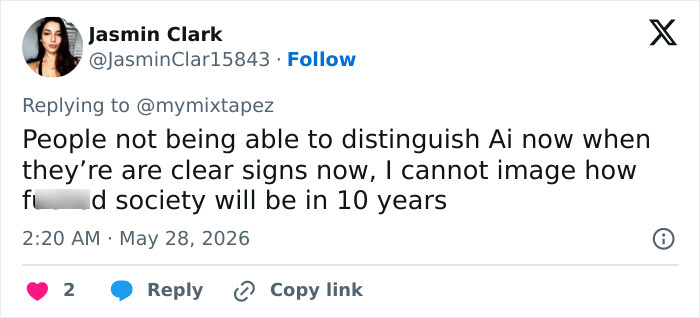
“I can’t imagine how screwed up society will be in ten years if people can’t recognize AI when there are obvious signs now,” one person wrote.
Others said the videos pushed them closer to quitting social media altogether.
She is really the best of both worlds
A beautiful sight pic.twitter.com/Vcuc4VGerT— stylishVee (@stylishVeee) May 27, 2026
View this post on Instagram
“It’s really hard to spot now. I’m gonna have to quit social media. They are taking us on a ride,” one viewer commented.
At the same time, some users argued that the artificial nature of the videos seemed obvious from the beginning.
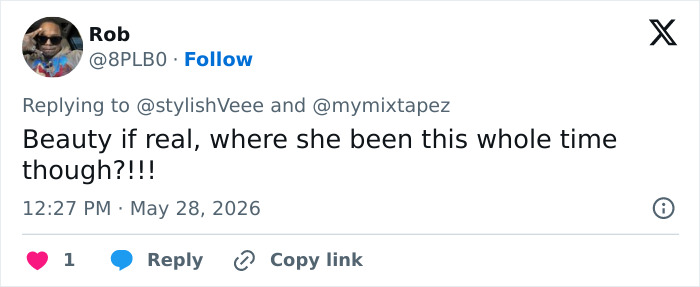
Image credits: 8PLB0
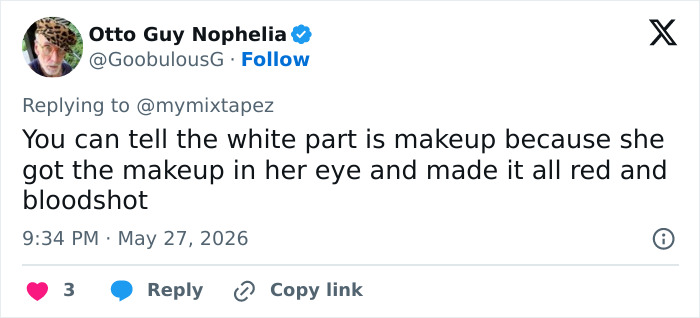
Image credits: GoobulousG
“This Zebra is black with white stripes/accents. You can clearly tell this is not white whatsoever,” one person wrote, while another added, “She is really looking different, but why she chose this two-tone for skin treatment.”
Some viewers also compared Delonne to real-life model Winnie Harlow, known for her vitiligo. “Oh, Winnie Harlow, pack ya bags,” one commenter joked.
Image credits: evadelonne/Instagram
Delonne’s profile describes her as a “Singer & Visual Artist” and includes the phrase “I dance what I can’t explain.”
The account regularly shares fashion-style photos, dance clips, music promotions, and stylized videos.
Delonne also promotes tracks on Spotify and Apple Music, and reportedly offers paid, exclusive content through a Telegram VIP subscription club.
The page even advertises brand collaborations and engagement analytics, as many real influencers do.
Critics argued the biggest issue was transparency.
@evadelonne.officialstarted with a giggle… ended up in Ibiza mode ✨💅🏻 Ibiza, Circoloco is already stuck in my head♬ Ibiza, Circoloco – DHALI & dagi
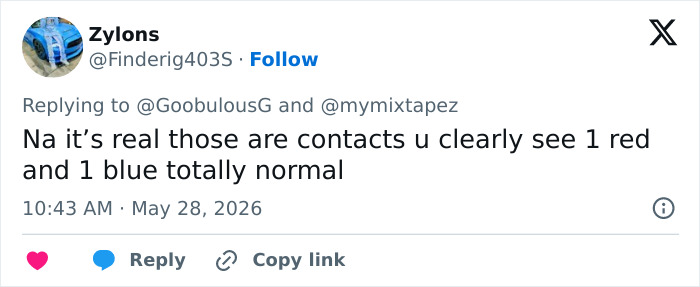
Image credits: Finderig403S
While some earlier posts reportedly included “AI-generated” labels, users claimed the disclosure later became inconsistent or disappeared entirely.
The account itself has never made a clear public statement directly confirming that Delonne is artificial.
That lack of disclosure led some people to argue that followers were being misled into forming emotional connections with a digital creation.
Others defended the concept by comparing Delonne to well-known virtual influencers like Lil Miquela, with millions of followers, and the virtual pop star Hatsune Miku, who has sold out real-world concerts.
Image credits: evadelonne/Instagram
Delonne’s viral rise reflected a broader shift already underway across social media platforms. AI-generated influencers are becoming increasingly realistic, with many designed specifically to maximize engagement and attention online.
Unlike human creators, virtual influencers never age, never miss uploads, never create scandals, and can be endlessly customized. That makes them appealing to brands, creators, and agencies seeking complete control over online personalities.
But critics warn that the technology is advancing faster than most users can keep up with.
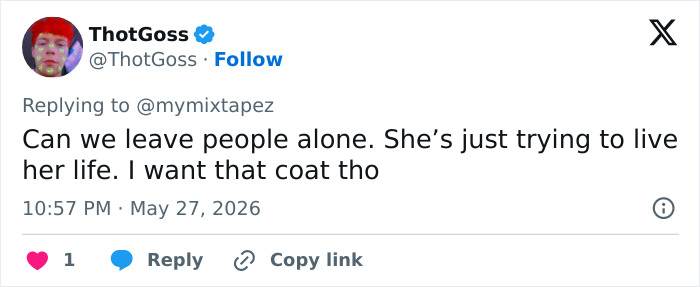
Image credits: ThotGoss
Community notes and fact-checks often appear only after videos have already reached millions of viewers. By that point, many users have already formed strong impressions or shared the content elsewhere.
Image credits: evadelonne/Instagram
The situation has also intensified conversations surrounding disclosure rules for AI-generated content. Social media platforms and governments have started discussing regulations requiring clearer labeling, though enforcement still remains inconsistent.
For many viewers, Delonne became less about one viral model and more about the future of the internet itself.
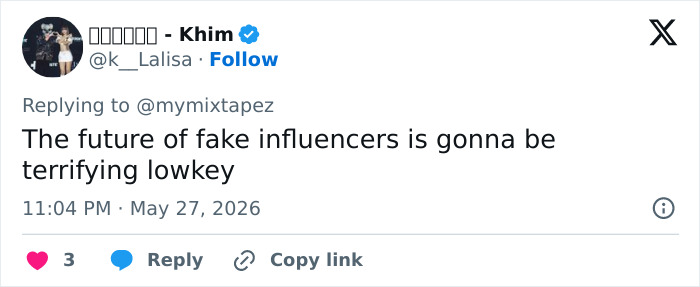
“The future of fake influencers is gonna be terrifying lowkey,” one viewer repeated after discovering the truth behind the account.
Image credits: Allison__jv
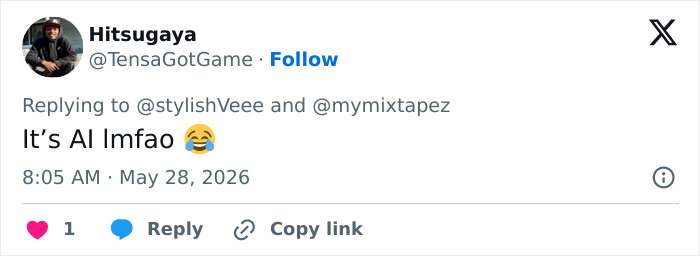
Image credits: TensaGotGame
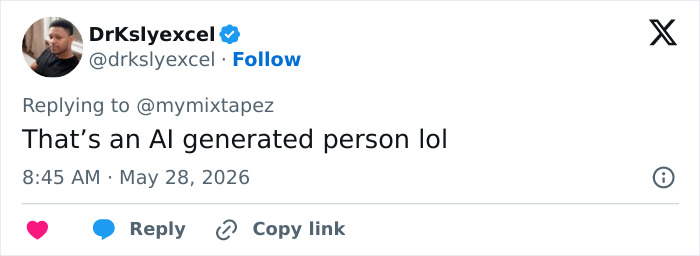
Image credits: drkslyexcel
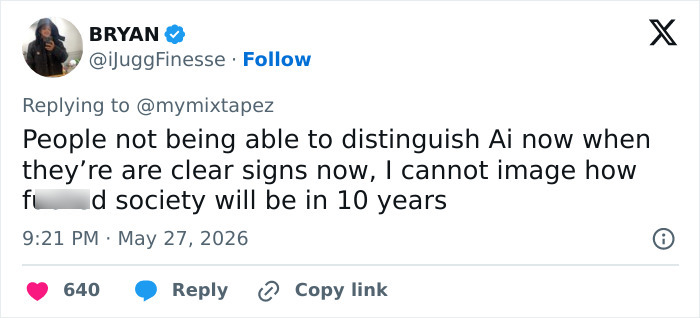
Image credits: iJuggFinesse
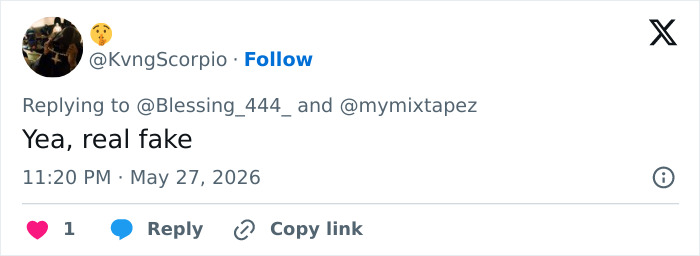
Image credits: KvngScorpio
Image credits: Ser_Dol_
Image credits: velly_jaat0
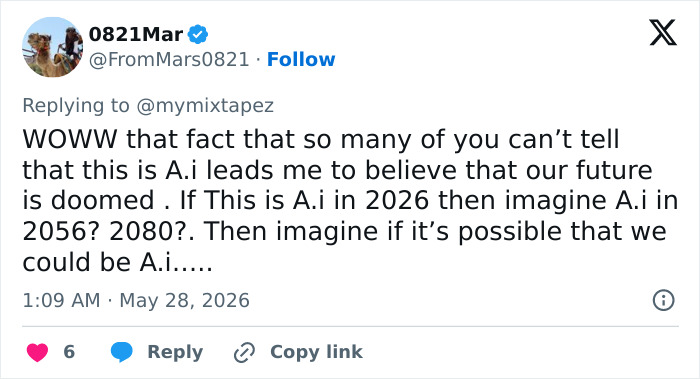
Image credits: FromMars0821
Image credits: k__Lalisa
Image credits: JasminClar15843

By entering your email and clicking Subscribe, you're agreeing to let us send you customized marketing messages about us and our advertising partners. You are also agreeing to our Privacy Policy.
Thank you! You've successfully subscribed to newsletters!



Has anybody else noticed the twitter comments by Jasmin Clark (last in the article) and Bryan, six comments above it? Both are supposedly replying to @mymixtapez and they are word-for-word identical, mistakes and all. AI bots mocking people for not recognising AI and gloating about how it is going to fúck-up humanity. Satire is officially déad.

Has anybody else noticed the twitter comments by Jasmin Clark (last in the article) and Bryan, six comments above it? Both are supposedly replying to @mymixtapez and they are word-for-word identical, mistakes and all. AI bots mocking people for not recognising AI and gloating about how it is going to fúck-up humanity. Satire is officially déad.

 No fees, cancel anytime






-8
22