Get Premium
Dark mode theme is available exclusively for premium users. Learn more about the benefits of subscribing.
No fees, cancel anytime.

 Dark Mode Ad-Free Browsing Unlimited Content
 Ad-Free Browsing Unlimited Content Dark Mode
Join 1.2 million Panda readers who get the best art, memes, and fun stories every week!
For much of the 20th and early 21st centuries, the future arrived early, at least on magazine covers and television.
Engineers, scientists, and futurists spoke with remarkable confidence about the future technology that would transform everyday life within a decade or two: airborne traffic, robot helpers, and cities beneath the sea.
Innovation has come a long way, but it's not quite the science fiction reality we were promised.
This list revisits those breakthroughs, not to mock the past, but to understand how confidently imagined futures can still outpace the present, and why some ideas may remain on the drawing board indefinitely.
This post may include affiliate links.
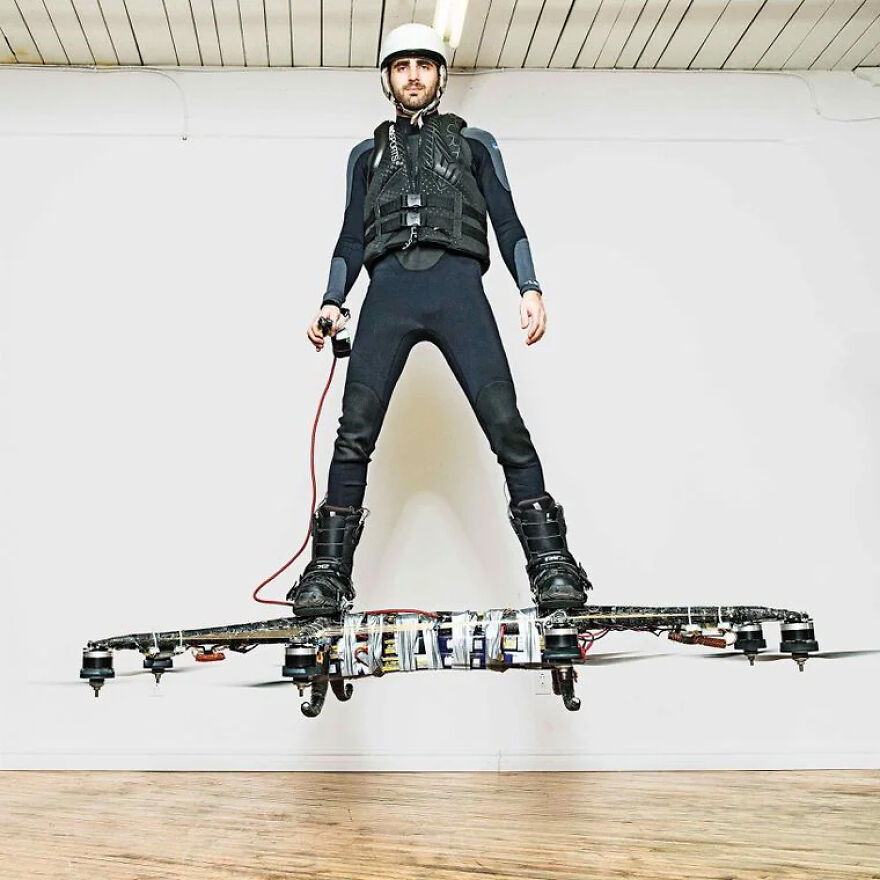
Hoverboards were supposed to have us all floating above the ground by now, redefining personal transport.
Engineers and pop culture in the 1980s and ‘90s treated them as imminent consumer gadgets that we could all buy for affordable prices.
The US army has actually been experimenting with this technology since the ‘50s, with “flying platform” prototypes like the Hiller VZ-1 Pawnee, which Hiller itself described as "the closest design to mimic a flying carpet".
Unfortunately, the only modern equivalents are wheeled self-balancing boards or limited magnetic levitation demos that can't be used practically. True hovering demands immense energy and infrastructure, rendering casual use impossible.
Hoverboards didn't fail due to a lack of imagination, but because sustained hovering without fixed infrastructure proved physically and economically impractical.
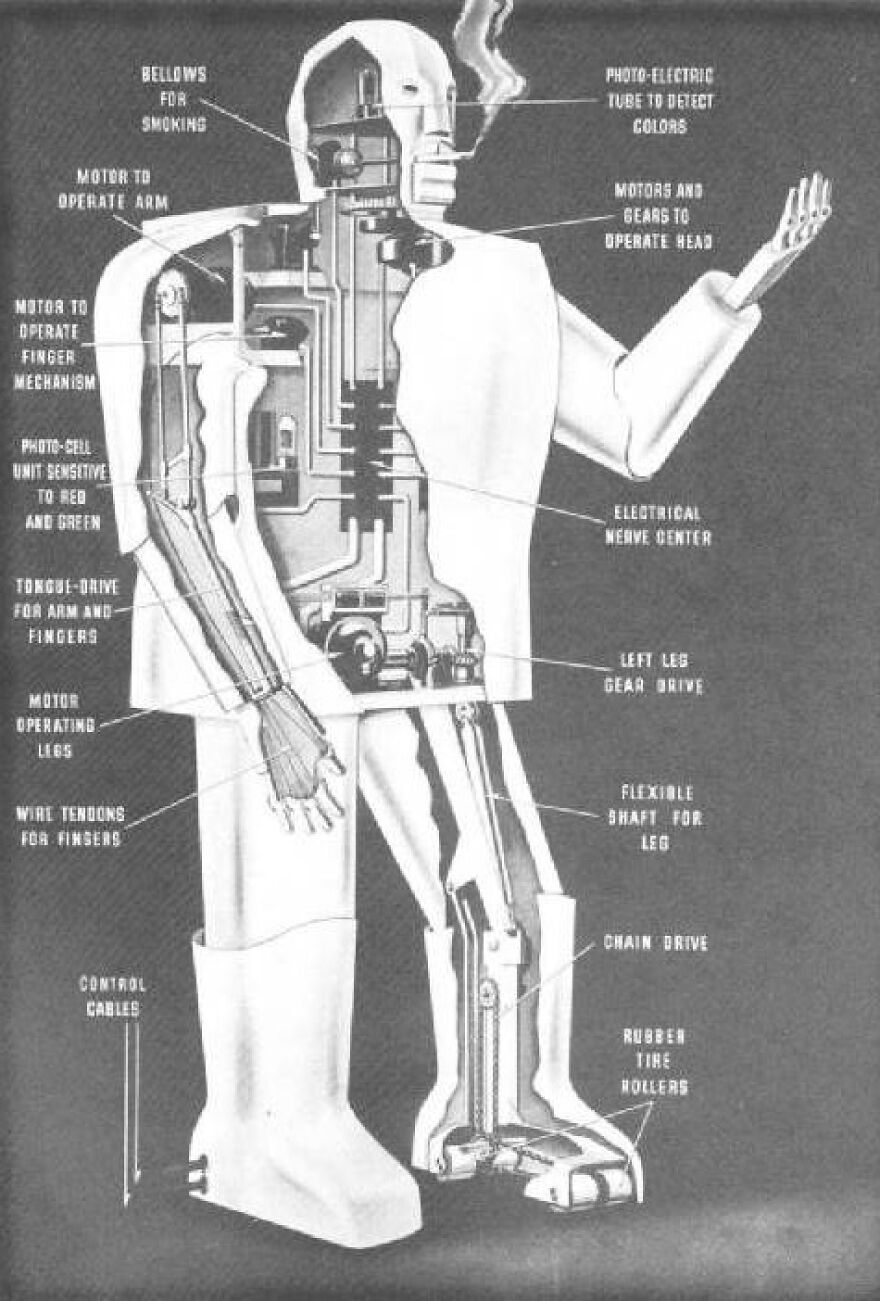
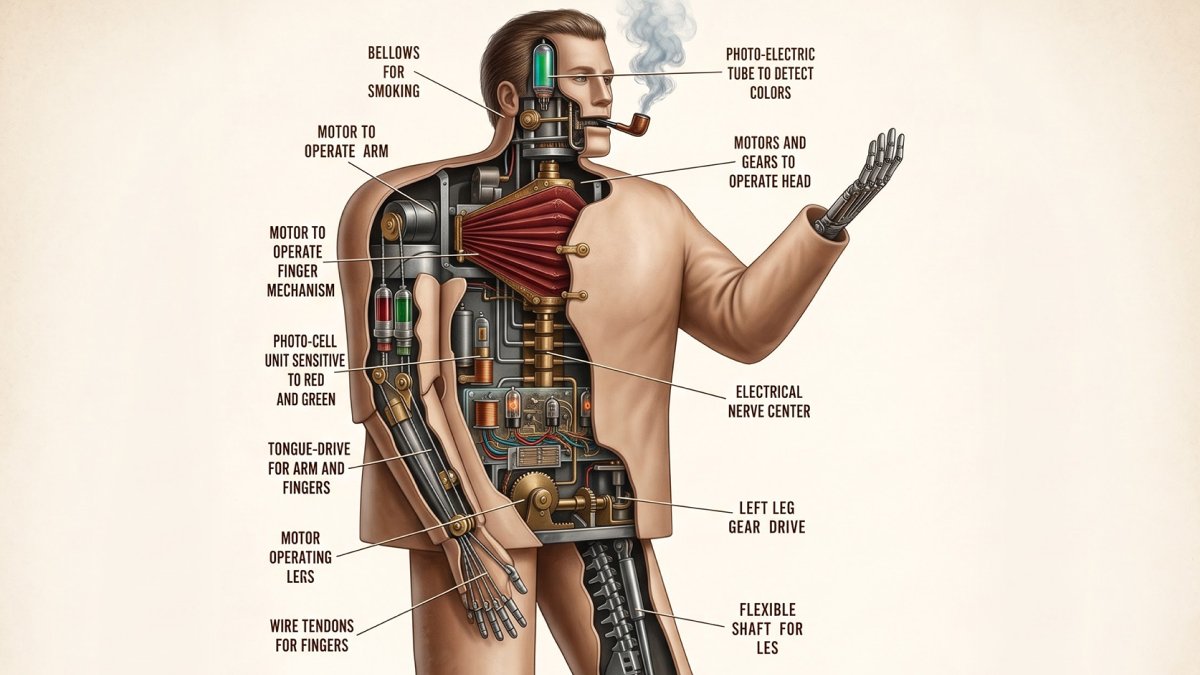
Robot domestic helpers were supposed to free humans from mundane chores, but we’re still sweeping floors and washing dishes!
From the 1950s World Fairs to the 1990s, when tech was using AI in its earliest form, experts predicted that autonomous household robots would exist by the early 21st century. Early prototypes could fetch objects, load dishwashers, or fold towels, but under controlled lab conditions.
Consumer versions arrived in the form of robotic vacuums and lawn mowers, and though the automation is good, they still need guidance to navigate the corners and edges in houses.
In 1995, “Father of Robotics” Joseph Engelberger introduced ScrubMate, an aptly-named toilet and bathroom scrubbing robot, which New Scientist described as "loving the jobs people hate".
However, fully automated robot helpers are still constrained by technological limitations.
Brain-internet integration once promised seamless thought-to-digital communication.
Neuroscientists and futurists in the 1990s predicted that people might now browse information or send messages directly from their minds.
According to Forbes, the first breakthrough in this field was the 1980s Utah array, which enabled a person to control external devices by implanting them into their brain tissue, while also damaging neurons.
But consumer-ready versions never arrived. Signals are too noisy, surgeries are risky and invasive, and ethical concerns often take over the debate.
Biology is far messier than software development, resisting clean integration with networks designed for machines. The vision persists in medical research, but will we see full-scale adoption any time soon? It’s unlikely.
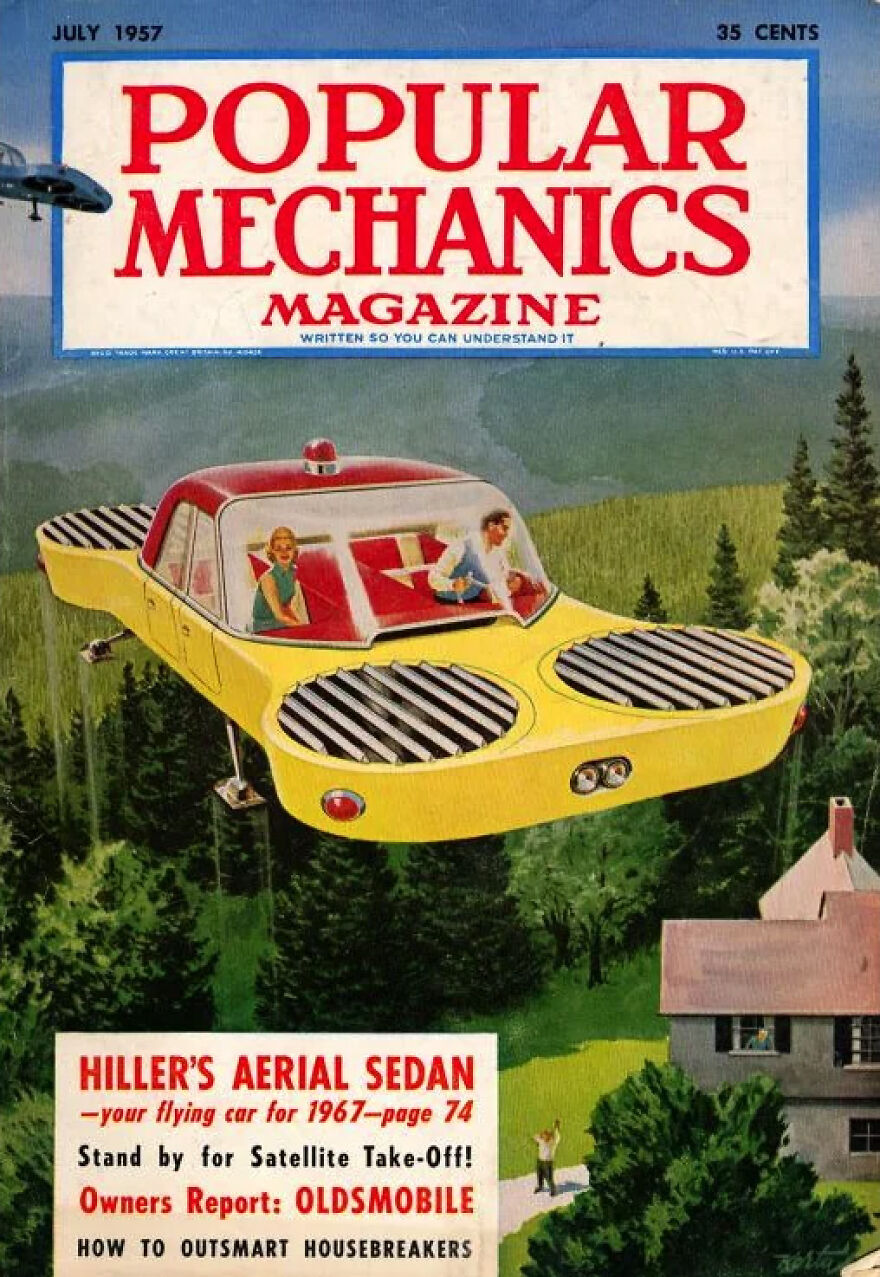
Everyone expected we’d be commuting in flying cars by now, orbiting in luxury high above any traffic congestion.
CBS News recalls how aviation experts and magazines like “Popular Mechanics” in the 1960s predicted that personal air vehicles would become common by the early 2000s, with spaceship-style bodywork, insanely powerful propellers, and unlimited fuel supply.
Over the decades, prototypes like the Moller Skycar, Terrafugia Transition, and electric vehicles with eVTOL designs cropped up, reviving optimism that ultimately never took off.
Vertical flight demanded enormous energy, safety certification was slow, and airspace regulation proved incredibly complex.
Outside limited trials, flying cars never materialized; it wasn’t a lack of curiosity but pesky infrastructure and cost concerns that stalled them.
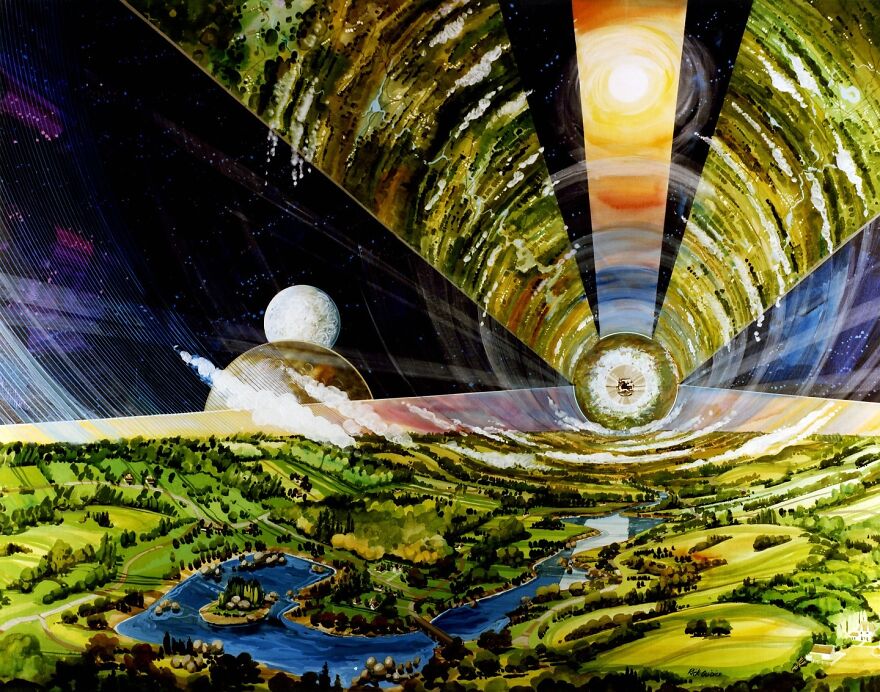
Space colonies have always been one of the biggest “future technology” predictions. The National Space Society has shared artworks from the 1970s depicting concepts for future space colonies, followed by NASA-funded studies to create habitats capable of housing 10,000 people by the early 21st century.
These designs captured imagination, promising self-sustaining orbital cities for entire communities, and they boomed in popularity as space voyages became more frequent.
What we actually got was similar, but not quite what scientists predicted: space stations. These are remarkable, but also cramped, temporary, and costly.
Rocket launch prices stayed high, political priorities shifted, and more resources were allocated to satellites, space tech, and research services.
The blueprints for large space colonies still exist, but they need more funding, stronger incentives, and a more sustainable foundation.

I think we first have to devise a method of getting into space that isn't essentially flinging ourselves off the planet whilst perched atop a giant firework.
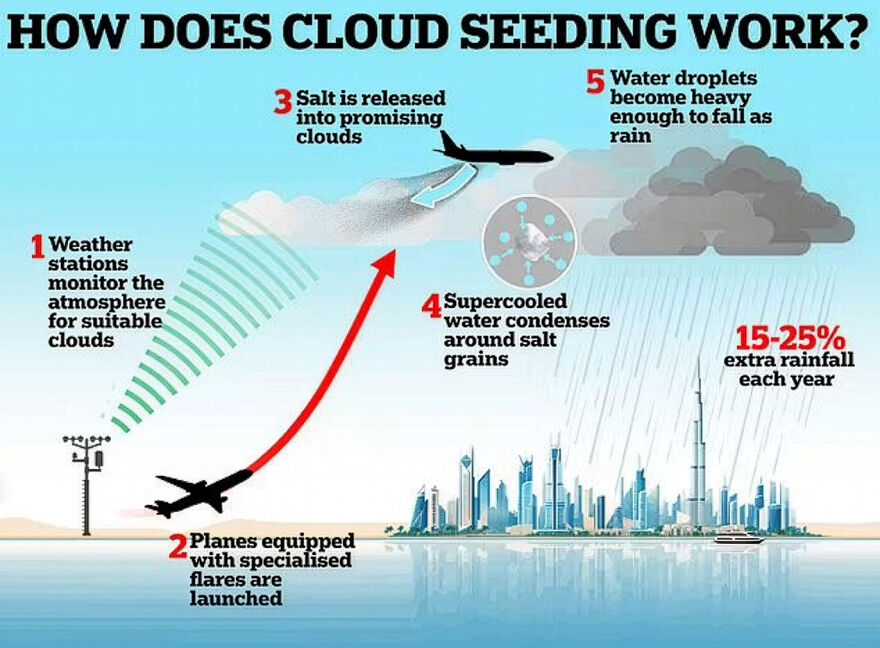
Weather control technology dreams promised humanity total mastery over nature. By now, mid-20th-century scientists believed cloud seeding and atmospheric engineering would prevent droughts and steer storms.
Unfortunately, several disasters, including the 1952 UK Operation Cumulus, which, per the BBC, was believed to have caused "250 times the normal rainfall" and triggered a devastating flood, killed any chance of those experiments becoming mainstream.
The results formed were also inconsistent and difficult to verify. Small-scale solutions like cloud seeding continue, but controlling natural disasters remains far off.
Ethical, legal, and geopolitical risks further dampen ambition, leaving nature with the ultimate control over us. Human influence over nature is, sadly, less renewable nowadays.
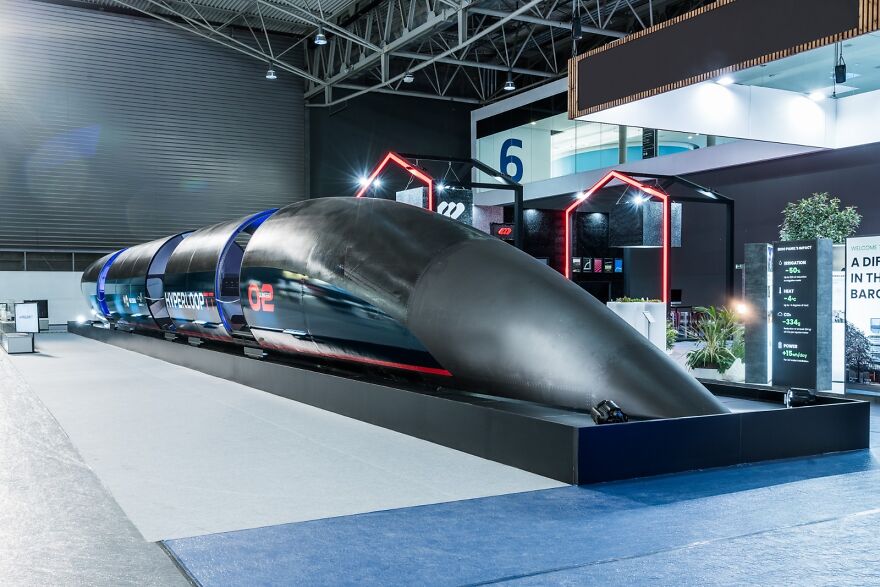
Hyperloop promised to revolutionize transportation, carrying passengers between cities at near-supersonic speeds.
Most people associate this idea with Elon Musk's 2013 endeavor into the field, but it’s actually much older. The ‘60s British Hovertrain was the earliest “hyperloop”, using hover air-cushion tech and motors for propulsion, but it was canceled in 1973 when the government pulled the plug "after not being overly impressed with the progress" (per BBC).
Still, engineers and investors predicted operational routes by the 2020s, with test tracks built, practice pods raced, and complete systems planned.
But scaling those systems proved brutal and enormously expensive for providers. Land acquisition and safety concerns also stalled progress.
Several companies pivoted away from passenger travel entirely, pushing hyperloop transit to the innovative back burner.

Japan's MagLev train will soon operate at about 311 MPH. Isn't that sufficient?
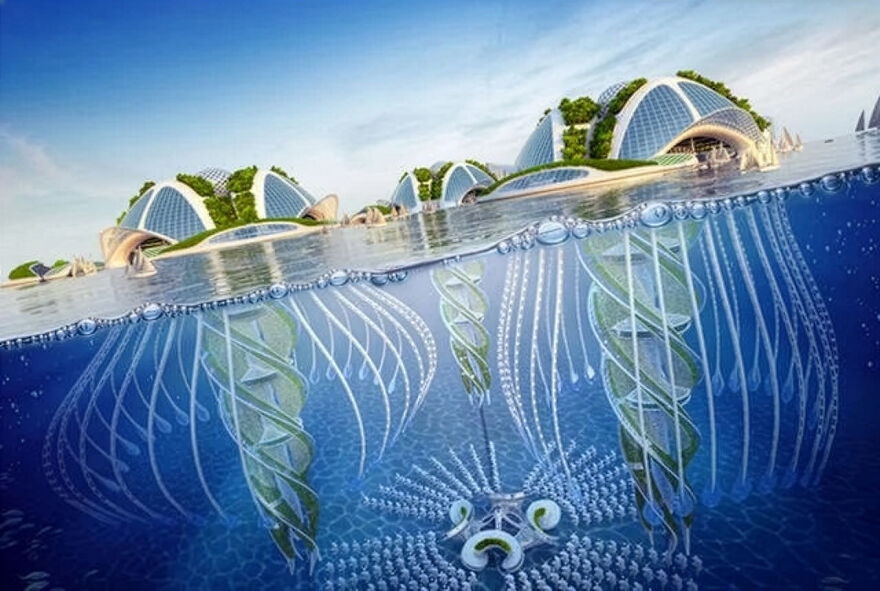
Undersea cities once gave people hope of a bold new frontier for human expansion, but never delivered.
During the 1950s and ‘60s, oceanographers and futurists predicted permanent submerged habitats by the end of the 20th century, inspired by space-age engineering and Jules Verne's classic novel "20,000 Leagues Under the Sea", first published in 1870.
Per DEEP, two scientists even spent a week in 1965 living in a cylindrical tank underwater to test how humans would endure life below the surface.
Old concept art regularly depicted innovative metropolises to explore beneath the waves, and some people even put it into practice. Jacques Cousteau’s Conshelf experiments briefly housed divers in the Red Sea, but this immersion was used only to improve ocean exploration, not to build underwater civilizations.
The pressure, corrosion, and limited sunlight alone were enough to indicate how unfeasible this goal actually was.
Why build down into a challenging environment when you can just build up as we've done for decades? Even without the corrosion, pressure, and "if that wall goes everybody dïes" level of risk - it's still not exactly economically viable to build into water. Oh, and looking at that picture, gravity would like a word...
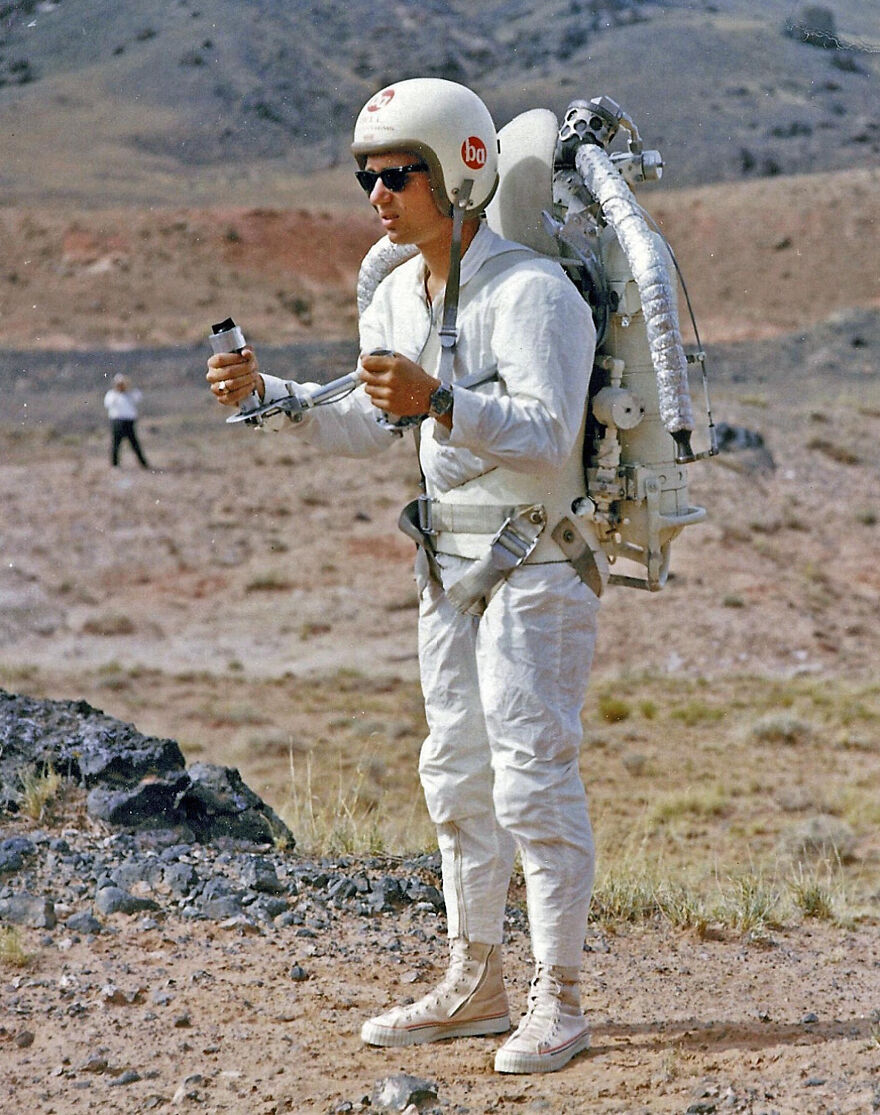
Commuter jetpacks were once heralded as the answer to everybody’s personal transport problems.
Engineers in the 1960s predicted everyday use within decades, fueled by dramatic demonstrations such as the Bell Rocket Belt in the 1950s, which the National Air and Space Museum describes as the first to use the term "Jet Pack". Unfortunately, that particular prototype only had a 21-second fuel duration.
Modern jetpacks exist now, but they’re far from ready to be used for commuting. Fuel efficiency, flight times measured in minutes, safety risks, and high costs all make them inaccessible, and that’s before you even mention the strict regulations around them.
They’re more reserved for stunts and shows until physics can be scaled to practicality.
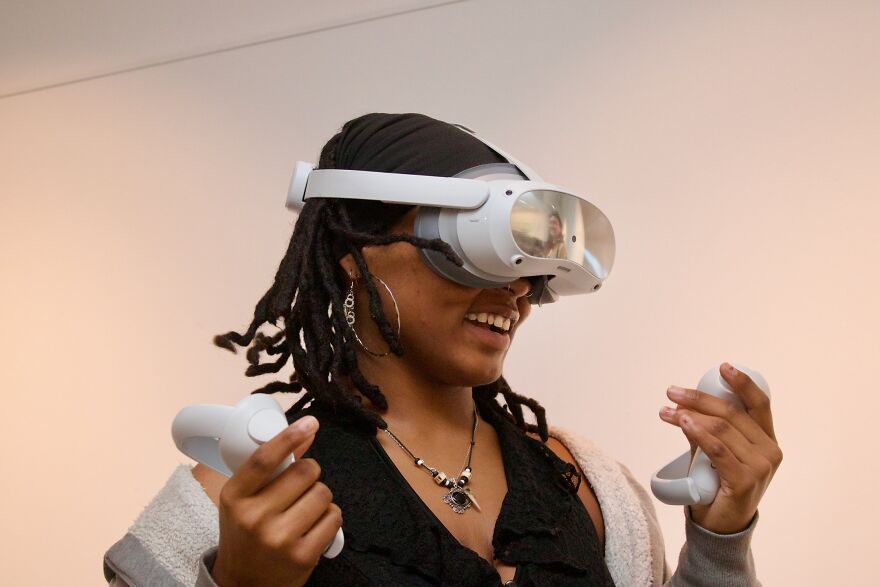
Wearable immersive reality has been invented in a sense, but experts previously promised that they would revolutionize everyday life.
Verdict recalls how this trend began to take off in the 1990s, with the coining of "augmented reality" and the launch of Bluetooth technology. These provided a basis for the subsequent invention of smart glasses, which people imagined as virtual reality devices that could be worn 24/7.
Prototypes arrived, but the bulky headsets and limited AR glasses felt like concessions compared to what was previously predicted.
Smarter wearable VR technology promised full immersion, but the devices that emerged were uncomfortable, conspicuous, and had limited battery life.
They flourished in gaming and training, but everyday use, such as for errands and work, proved harder to implement. Experts found it too difficult and expensive to make tiny, intelligent wearable devices that could truly bring immersive reality to life.

For the users staggering around, the room walls are not stable enough.
Artificial general intelligence was expected to rival human cognition by now.
Software and digital applications, like ChatGPT and AI security algorithms, have come a long way and are slowly being integrated into modern tech.
According to research by the University of Michigan, pioneer Herbert A. Simon, who endeavored to make a computer the next world chess champion, claimed it would take just 20 years for machines to become capable of “doing any work a man can”, but that reality is still far off.
Today’s systems excel at automated tasks and can master language, analytics, and strategy, but they’re not on par with human intelligence. Research demos suggest incremental progress, but genuine understanding remains elusive.
Intelligence is not a single trend or breakthrough; it’s a web of perception, context, and experience, and we don’t understand it well enough to develop working AGI.
Really it is just an info compiler that pulls from all sources regardless of of source and has no way of identifying satire, humor or plain maliciousness.
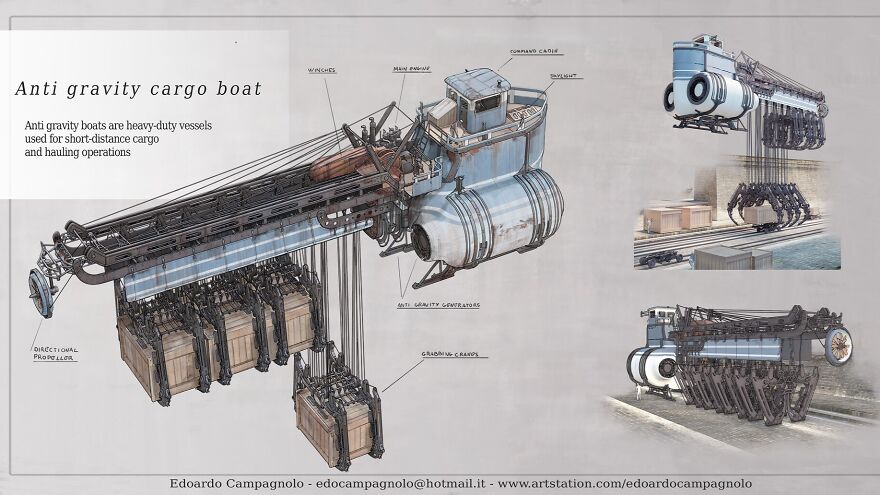
The concept of anti-gravity devices once felt tantalizingly close to becoming a reality.
Mid-century inventor Thomas Townsend Brown's Biefield-Brown Effect, which, per the International Journal of Geosciences, suggested that electric fields could reduce gravitational pull, theorized several different ways they could be used in future decades.
Bold headlines and, later, conspiracy theories fueled public appetite for anti-gravity devices — though none of the fringe claims ever produced verifiable results.
Half a century later, no such verified technology has ever been created, beyond clever demonstrations of lift and magnetism.
Innovators have realized that gravity is not optional, so those theoretical possibilities will likely never translate into reality. Equations suggest a possibility, but experiments stubbornly refuse to validate them.

Anti-gravity is easily demonstrated as follows: 1) Put a pat of butter on a cat's back; and 2) release cat above floor at table height such that it will land on the floor. If the weights and quantities are just right, the Butter Side Down toast phenomenon will offset that Cat Always Lands on its Feet maxim, cancel each other out, and the cat will hover. It is *CRUCIAL* to avoid the temptation to tickle the tummy during this process.
After Dolly the Sheep was cloned in 1996, human cloning services seemed like the natural next step.
Some scientists and bioethicists speculated that it could become technically feasible within decades, sparking discussion of medical, reproductive, and even commercial applications.
But, according to the Canadian Medical Association Journal, Dolly's cloning triggered immense legal pushback as governments attempted to impose bans on human cloning.
While cloning techniques have advanced in laboratories and agriculture, personal services have never emerged.
In 2008, the FDA greenlit the sale of meat and milk products produced by cloned animals, but that was as far as the technology went. It was impressive, but many people were disappointed to learn they’d likely never have the opportunity to clone their own DNA.
You'd have to be quite the narcissist to think that this is a good idea.
Universal translation earpieces were set to be the next big thing in language processing by now. Tech companies predicted near-perfect real-time translation by the 2010s, hoping to build off the limited electronic translation devices developed in the 1970s.
Per Interpro, they introduced crucial foundational concepts, including controlled language input, which paved the way for future developments. And while we do now have devices that can translate on the spot, they’re not always accurate or easy to use.
Nuance, humor, and cultural context remain stubborn obstacles to giving every person a universal translator.
Any conversations that are translated feel mediated and mechanical, making learning the language a more appealing option. The technology has arrived, but without the finesse we were promised, even with the most advanced algorithms cannot compute.
This goes back to the problem with AI. In order to translate effectively, you need to *understand* what is being said. Machines can infer a lot, but they still lack understanding, so translations are likely to be rather literal except for things they have been specially coded to recognise. For example, it took GTrans quite a while before it understood the nuance of "pas terrible" in French.
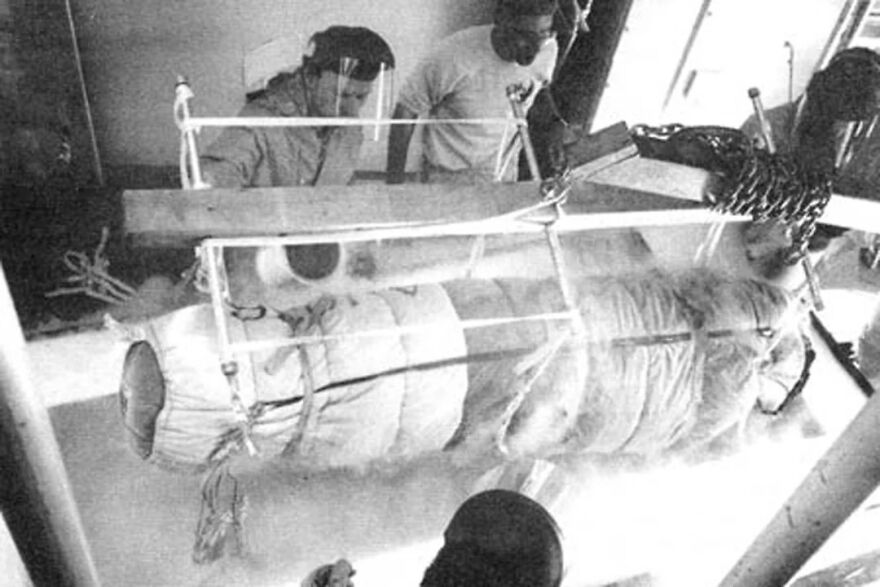
Cryogenic human preservation is the final boss of past “future technology” breakthrough promises. People believed that by now, we’d be able to activate an indefinite “pause” function on death, remaining perfectly pristine as we awaited revival.
Scientists in the 1960s staunchly believed it was possible, and they made many attempts by freezing deceased individuals, like James Bedford in 1967, who Cryonics Archive describes as "the first cryonic suspension", then trying to revive them.
Unfortunately, despite hundreds of legally dead bodies being cryogenically frozen, not one has been successfully revived.
Human preservation ambitions predicted that people could freeze themselves before death and be revived later, but every attempt so far has been performed on those already legally dead, with no successful revival on record.
Ice damage, cellular complexity, and unknown repair methods all serve as preventive measures. Cryogenics is still a speculative bet, rather than a proven breakthrough. The tech works, but has yet to deliver the second half of the process.
"The tech works, but has yet to deliver the second half of the process." So half the tech works, then.
The gap between imagined and actual future technology says less about failure and more about ambition.
These predictions weren't reckless; they were products of genuine excitement, real research, and the human tendency to believe that if something can be dreamed, it can be built.
Some of these breakthroughs may still arrive, just later than promised. Others may stay permanently on the drawing board. Either way, they shaped how generations understood progress, and that influence hasn't expired.
How about the "automation gives you more time to enjoy what matters in life"? Nope! Automation makes you unemployed, because if boss man has a machine he has no need for you.

How about the "automation gives you more time to enjoy what matters in life"? Nope! Automation makes you unemployed, because if boss man has a machine he has no need for you.



































 No fees, cancel anytime