Get Premium
Dark mode theme is available exclusively for premium users. Learn more about the benefits of subscribing.
No fees, cancel anytime.

 Dark Mode Ad-Free Browsing Unlimited Content
 Ad-Free Browsing Unlimited Content Dark Mode
Join 1.2 million Panda readers who get the best art, memes, and fun stories every week!
Some animals live in groups, as opposed to wandering in solitude, so they can protect themselves from dangers lurking around every corner. Each group has its own quirks in how it runs things in its community, which, of course, calls for a different name. People have taken the creative liberty to come up with them, which aren’t always as scientific or serious as we might imagine. For example, a group of jays is called a party, while a community of clams is called a bed.More strange yet funny names of groups of animals are awaiting you in the list below, courtesy of our Bored Panda team. Scroll down to find them, and be sure to upvote those that you think are the most fitting!
This post may include affiliate links.
What businesses are these ferrets running, and what conspiracies are these lemurs devising?
It's a question that you might be asking after learning that a group of ferrets is called a business, while a community of lemurs is named a conspiracy. It turns out the names that are assigned to animal communities were created based on close observation of wildlife behavior, with some clever, imaginative, and humorous twists, of course.
Unfortunately, a gathering of ferrets is called a business, not because they have good entrepreneurship skills or like having daily debriefing meetings. They acquired this name because they’re known for their energetic and often mischievous nature. When they’re together, they resemble a busy group of people—that’s why they were first called a busyness and now a business. When people saw ferrets, their impression of them was that they were very busy, not that they belonged in an office (sadly).
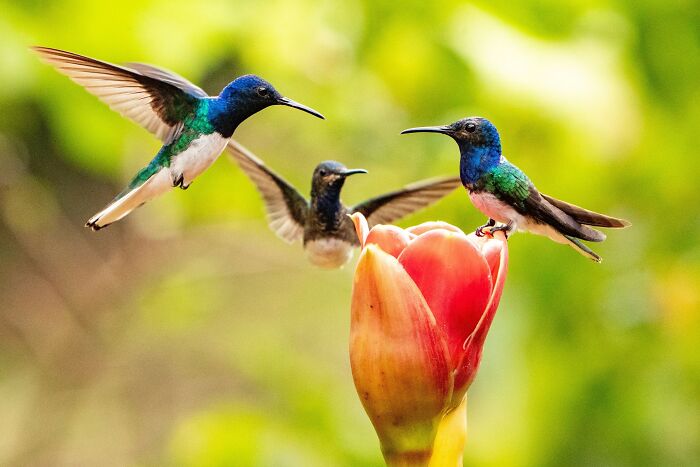 A bouquet of hummingbirds.
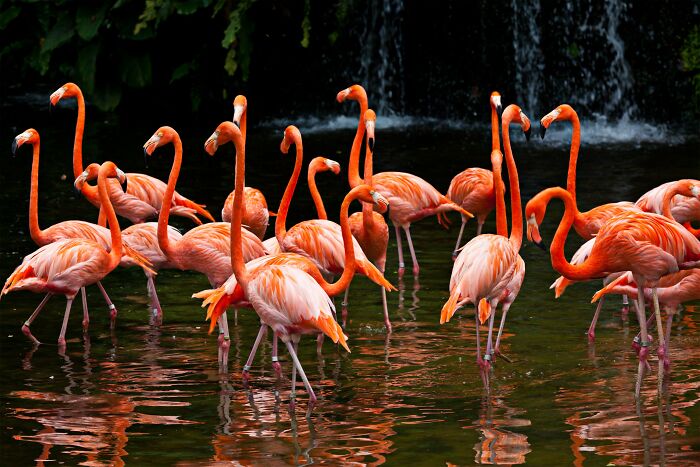 A flamboyance of flamingos.
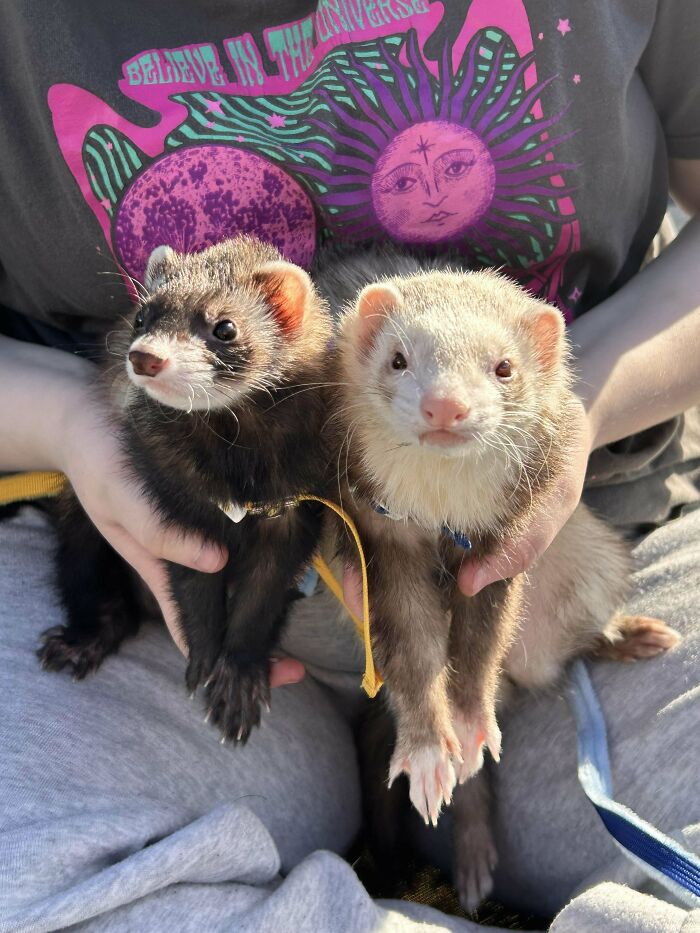 A business of ferrets.
Similarly, a group of lemurs is called a conspiracy not because they’re planning to take over the world, but because they have to come up with creative tactics to outsmart their predators. The technique they use is called ‘mobbing,’ during which they harass the predator and make alarm calls so others can be warned and have enough time to escape.
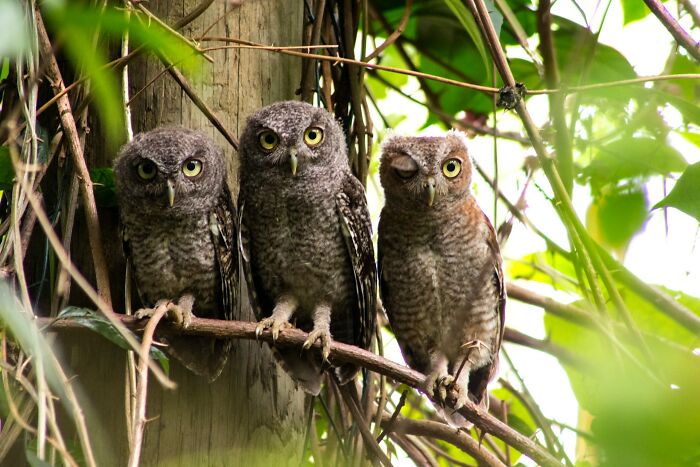 A parliament of owls.
The earlier-mentioned group of jays is called a party because it reflects their bold, noisy, and social behavior, while a gathering of clams is named a bed because they live and burrow in all sorts of water beds, like seabeds, riverbeds, and lakebeds. For clams, their collective noun no longer focuses on their characteristics but draws attention to their habitat.
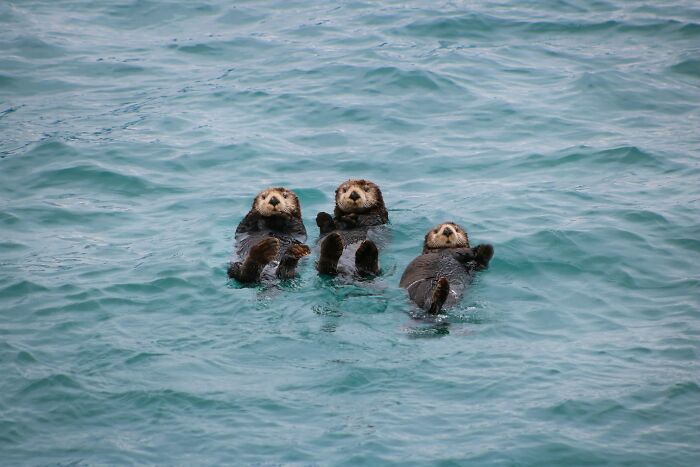 A raft of otters.
Many of these names were created and recorded in books of etiquette in medieval times by the upper-class society so they could avoid embarrassment while out hunting or fishing. The main source of collective nouns for animals comes from The Book of Saint Albans (originally Boke of Seynt Albans), written by Juliana Berners (a noble lady turned nun) and printed in 1486.
It provided detailed information about hunting and fishing, including the terms we now commonly use for animal groups, such as a gaggle of geese. Interestingly, the book was also one of the earliest known works written by a woman in English.
The book became very popular and was even read by those who wanted to boost their social status, says Roly Sussex, Emeritus Professor of Applied Language Studies at the University of Queensland. “Young squires and knights wanting to learn hunting had to learn a whole range of terms, such as a brace of deer or grouse,” he says.
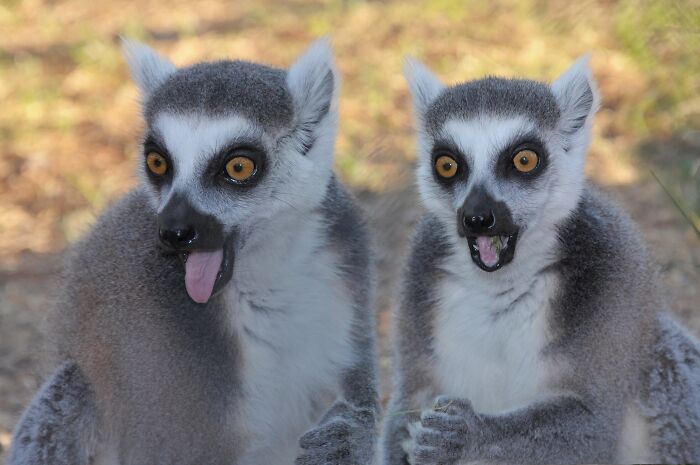 A conspiracy of lemurs.
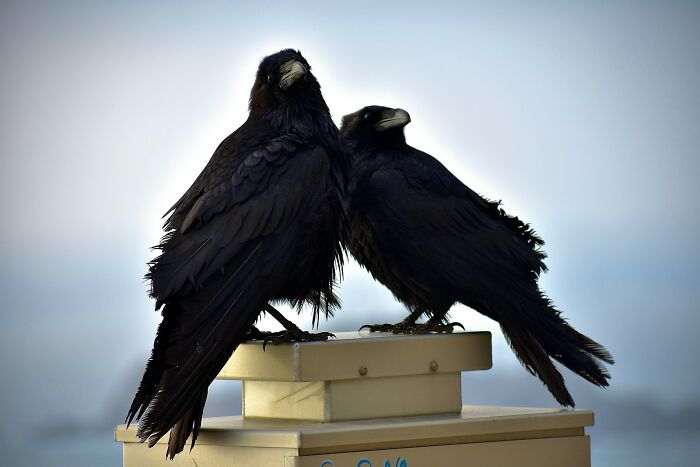 An unkindness of ravens
Ravens are much more polite than crows, it seems, considering that crows are called a murder....
Originally, the book was published anonymously and written largely in verse and was applauded as the work of “a gentleman of excellent gifts,” until it was discovered that the author actually was a woman named Juliana Barnes.
After she suffered heartbreak, she immersed herself in study and joined a convent, as it was often the only way to access books in a time when education was meant only for men. Starting off with a diary, she refined her writing and soon after started writing for the public. It was a very courageous act for a woman in the 15th century, so she chose to write about masculine endeavors like hunting, fishing, and hawking.
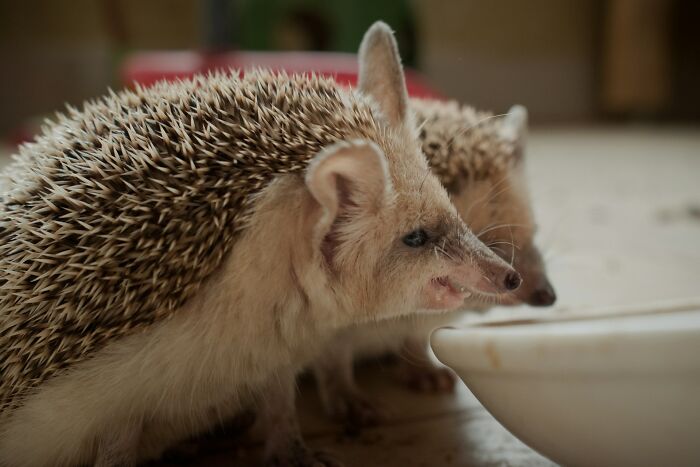 A prickle of hedgehogs.
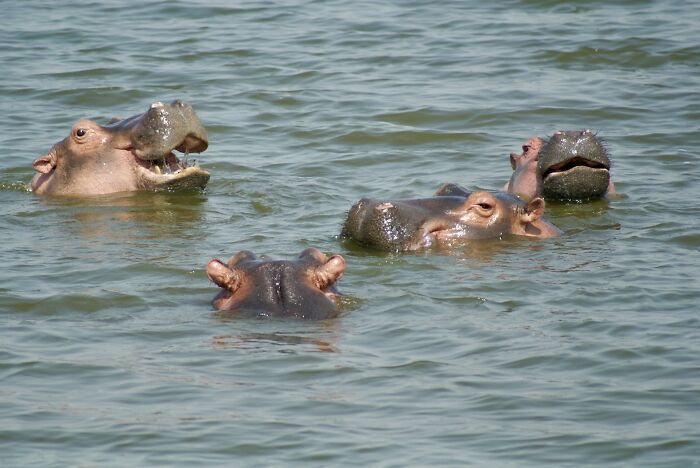 A bloat of hippopotamuses.
Back then, the language of the time was quite colorful and poetic, so it’s no surprise that many of the animal group names that remained are quite strange and humorous. Not to mention, people also jumped in on the fun and created their own collective names for animals in addition to the Berners’ ones, which resulted in more unusual names for animal groups.
The remaining collective nouns for animals are modern, but unfortunately, there are no official lists for them in the English language. The names for groups of animals were chosen because they’re commonly used, but they aren’t approved by anyone keeping records.
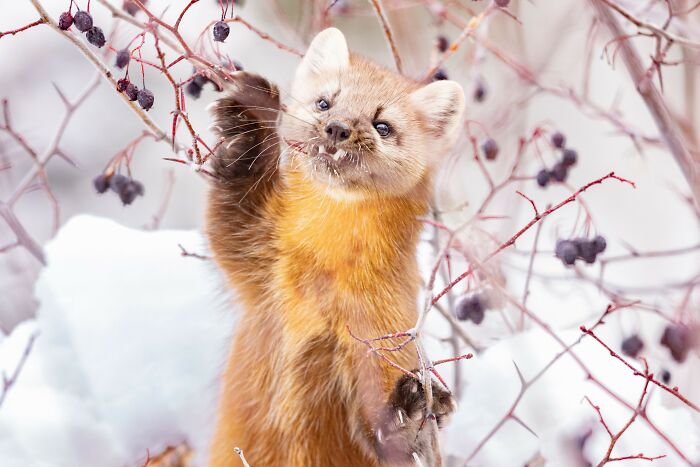 A richness of martens.

I have never seen or heard of martens before! They're adorable! O_O
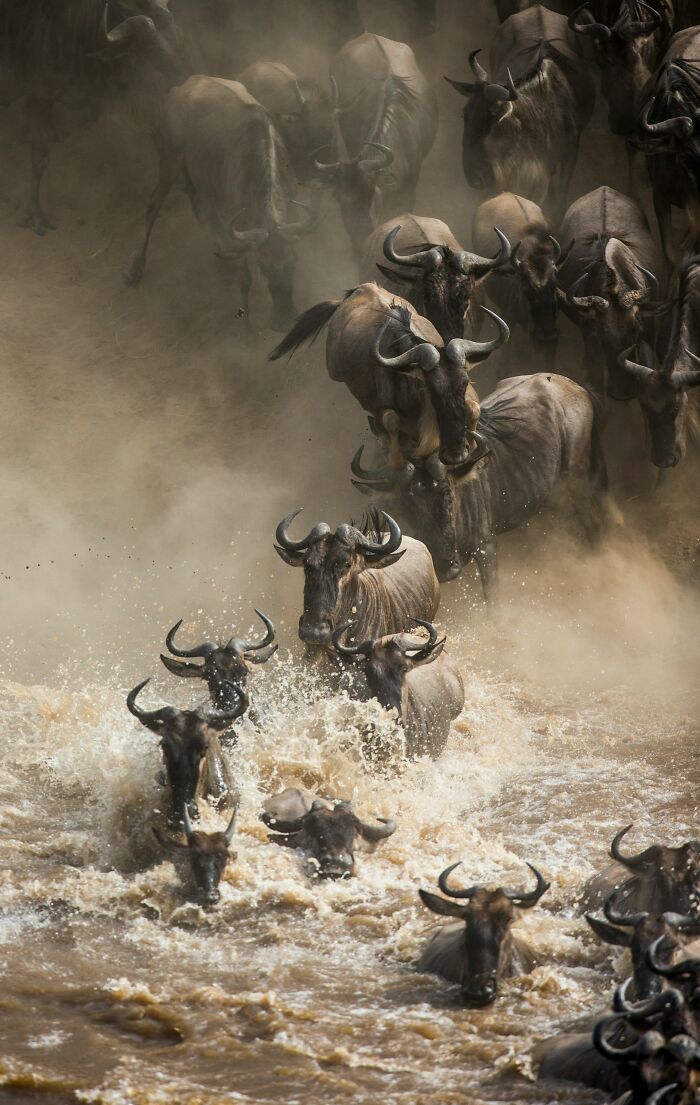 A confusion of wildebeest.
One collective noun that doesn’t really fit in with the rest is the parliament of owls. Owls are usually found alone or in pairs, but they’re not commonly seen in large groups. Parliament was occasionally used to refer to their perceived knowledge and wisdom, but what cemented it in place was Geoffrey Chaucer's 14th-century poem "The Parlement of Foules," which was then popularized by C.S. Lewis in his Chronicles of Narnia.
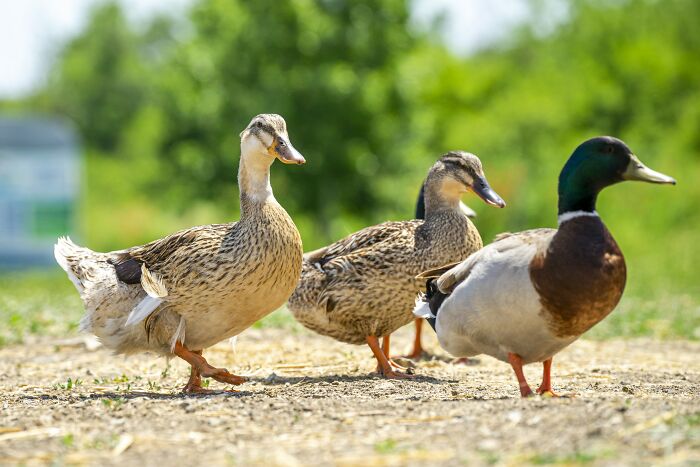 A dropping of ducks.
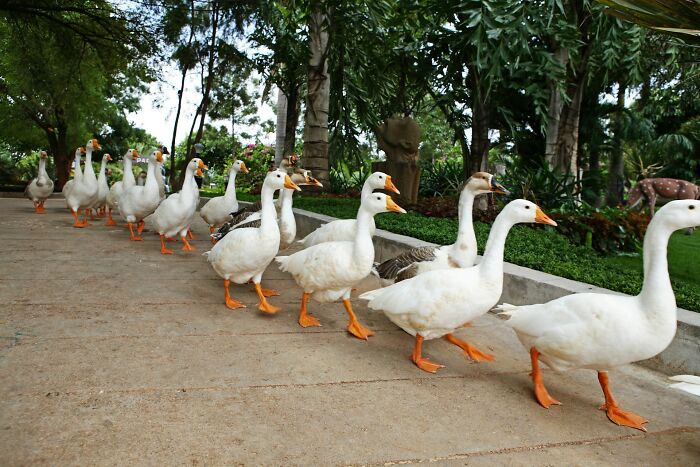 A gaggle of geese.
That's when they are walking. When they are flying, they are a skein.
The parliament of owls also draws on ancient Greek mythology, in which an owl, Nyctimene, accompanies Athena, the goddess of wisdom and reason, to court. The bird’s influence extended to various aspects of ancient Greek society, too. It served as the symbol of Athens' cultural and intellectual nature. Their image was even punched into coins, showing how influential and respected the animal was and still is.
A stubbornness (or a crash) of rhinoceroses.
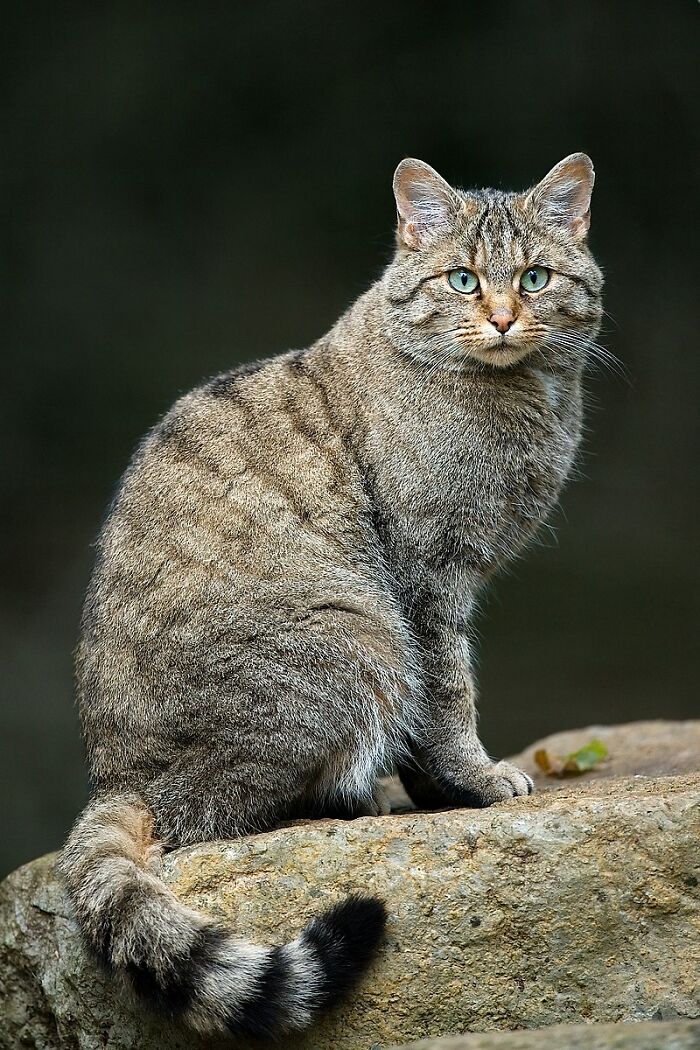 A destruction of wild cats.
A murder of crows.
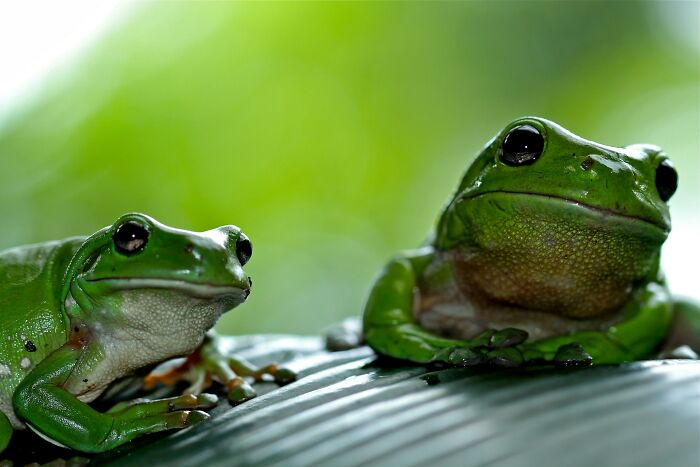 An army of frogs.

A prickle of porcupines.
A scurry of squirrels.
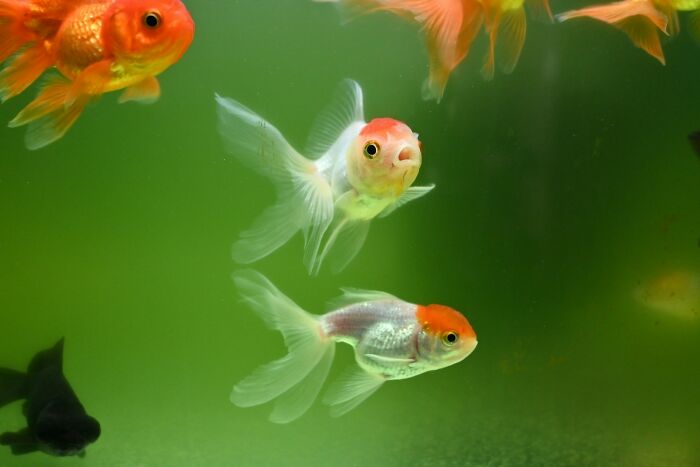 A troubling of goldfish.
"Troubling Goldfish" sounds like the name of an Indie Rock band from 2010 that got briefly famous for a homemade music video shared on Myspace.
A gang of elk.
A smack of jellyfish.
A building of rooks.
I was hoping a group of rooks would be something like "inconvenience" or something, to theme with raven's "unkindness" and crow's "murder".
A troop or a mob of kangaroos.

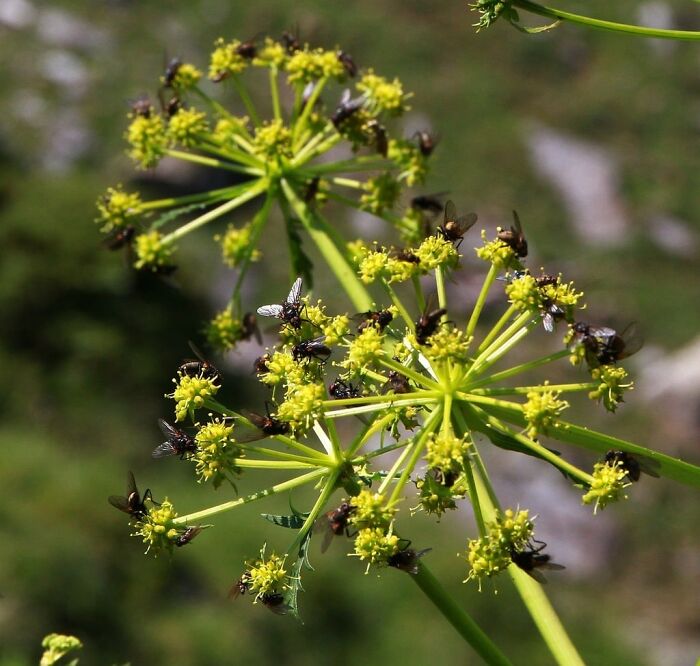 A business of flies.
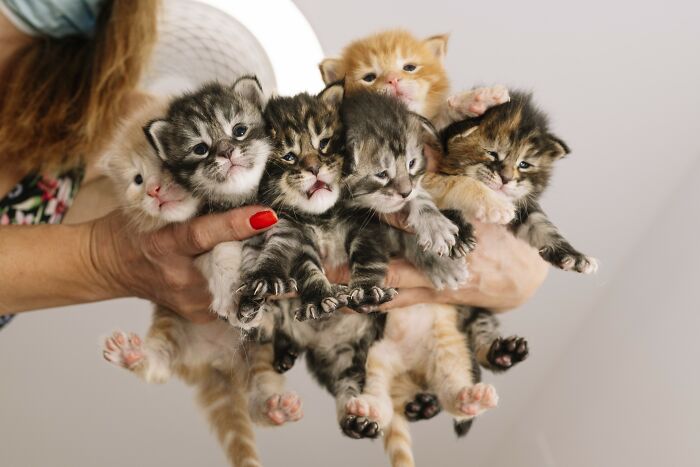
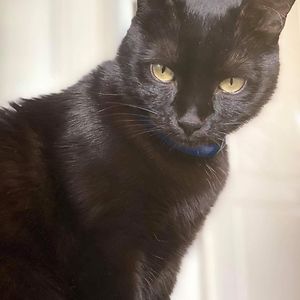
A clowder, pounce, or glaring of cats.

With my kitten it's a pounce. With my two older girls it's a glaring.

Most of these were really stupid. I'm gonna stick with herd, swarm and school and the like.
Most of these were really stupid. I'm gonna stick with herd, swarm and school and the like.
























 No fees, cancel anytime