Get Premium
Dark mode theme is available exclusively for premium users. Learn more about the benefits of subscribing.
No fees, cancel anytime.

 Dark Mode Ad-Free Browsing Unlimited Content
 Ad-Free Browsing Unlimited Content Dark Mode
Join 1.2 million Panda readers who get the best art, memes, and fun stories every week!
Who doesn’t love a good DIY? Whether it’s some papier-mâché, a bit of woodworking, or even a full home makeover if you’re feeling ambitious, it’s always fun to roll up your sleeves and create something with your own hands.
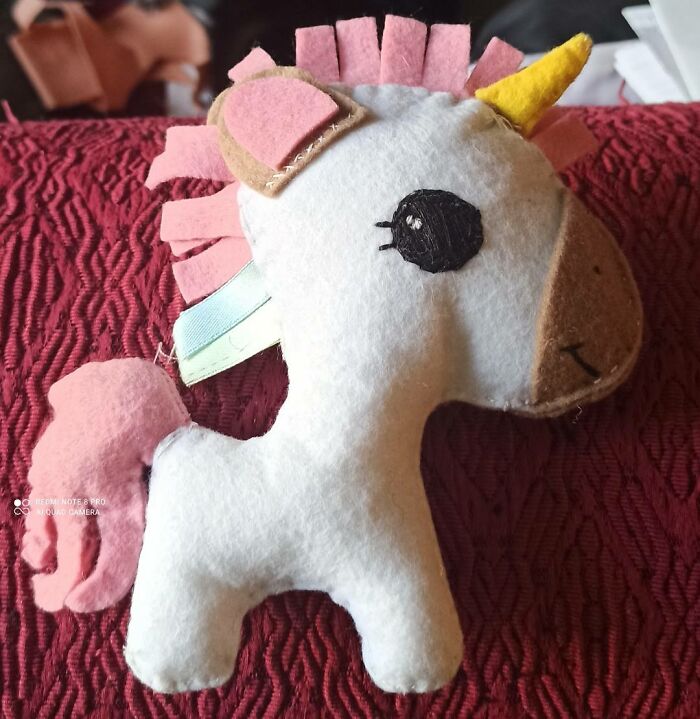
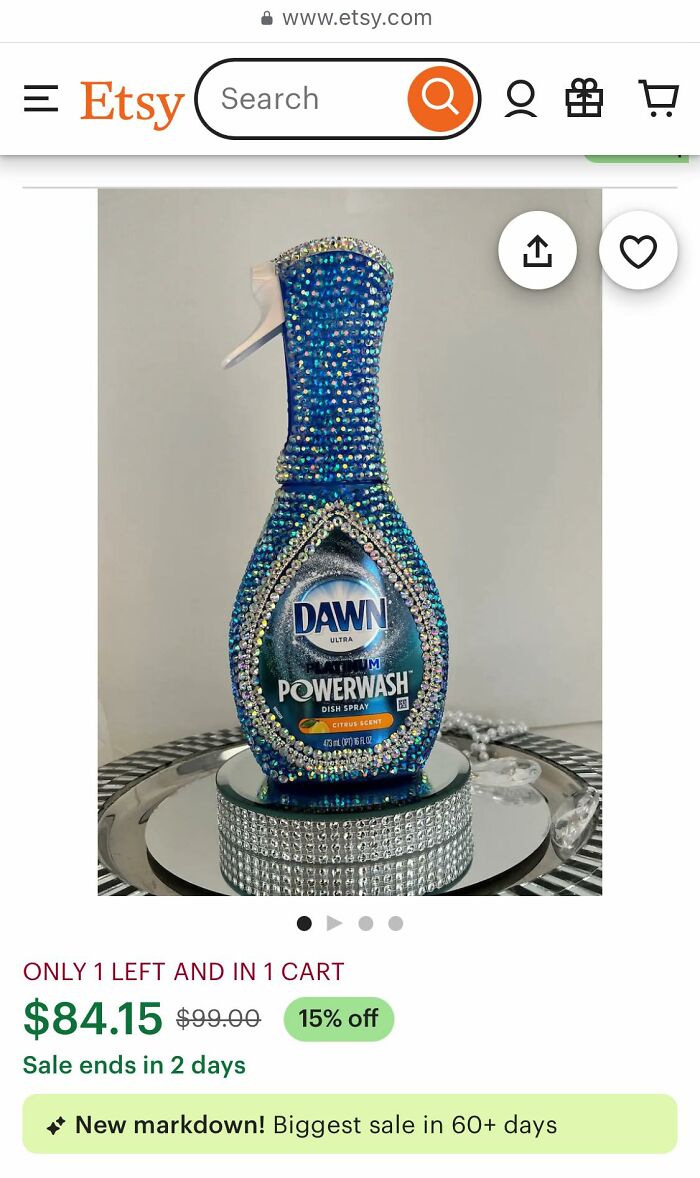
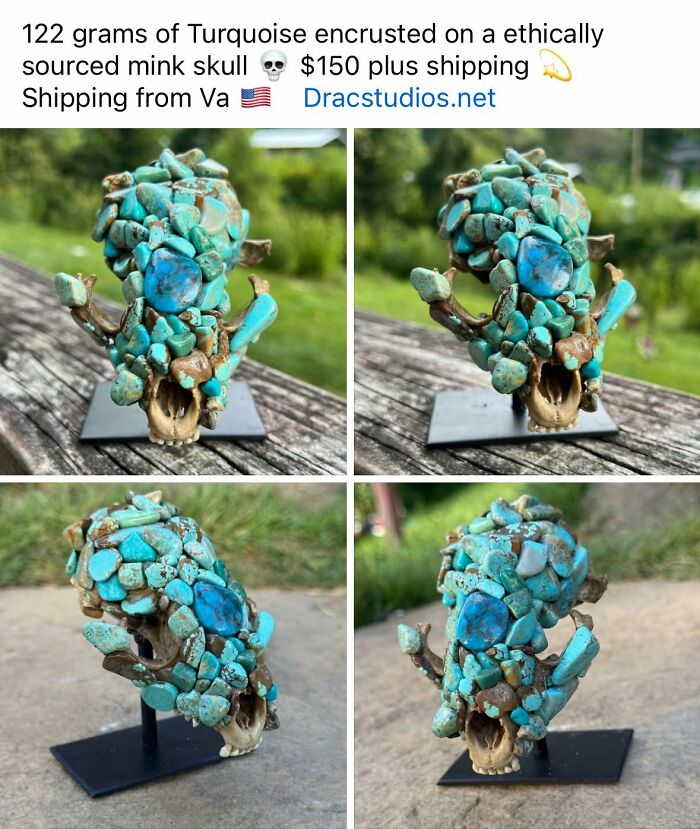
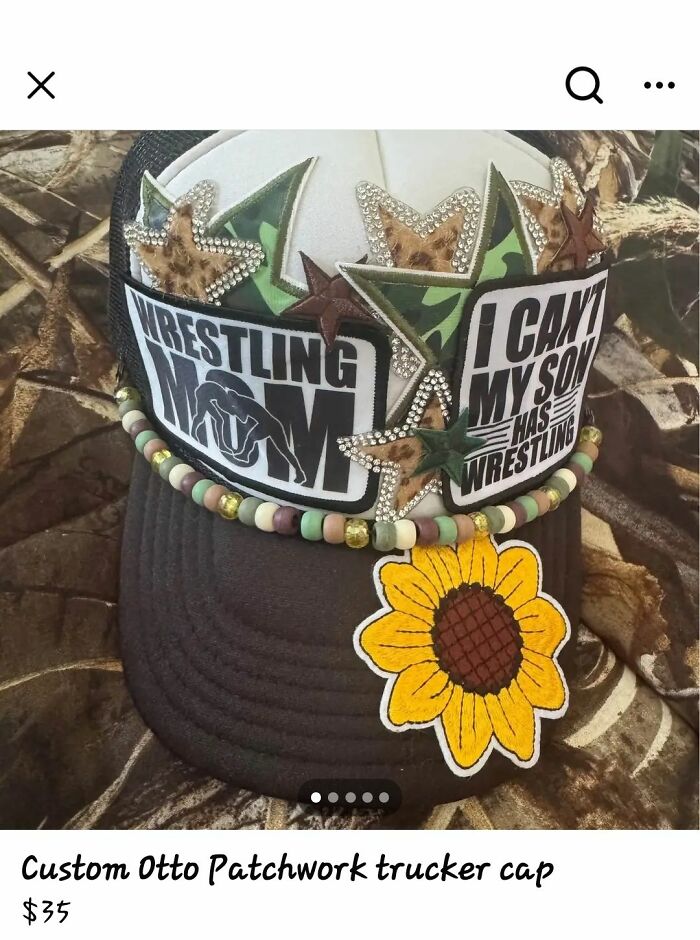
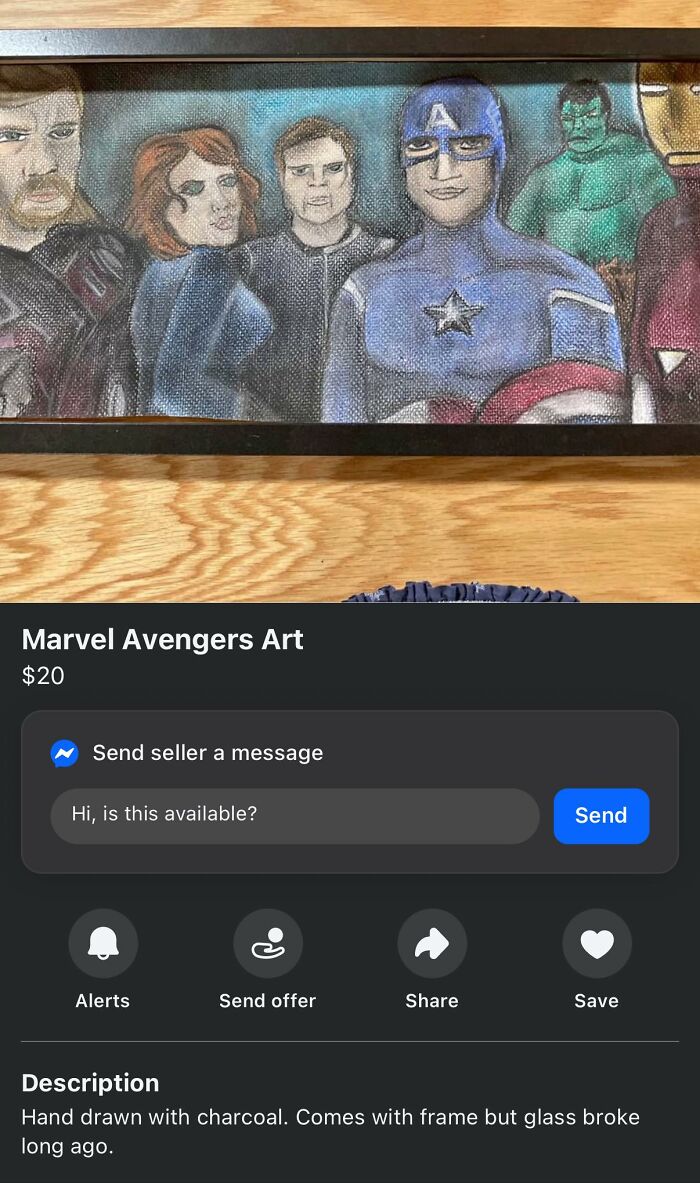
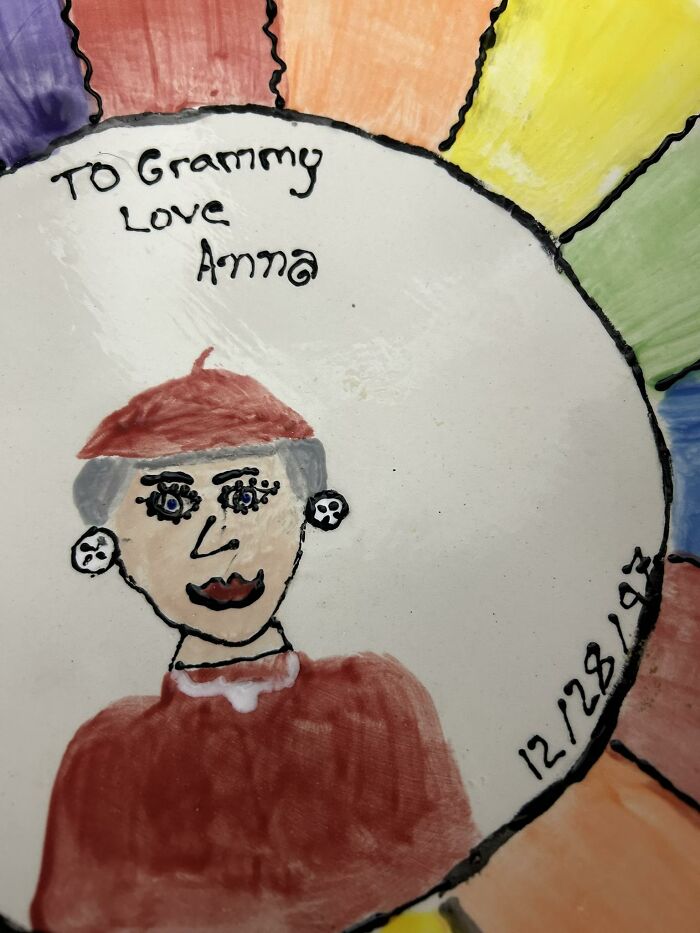
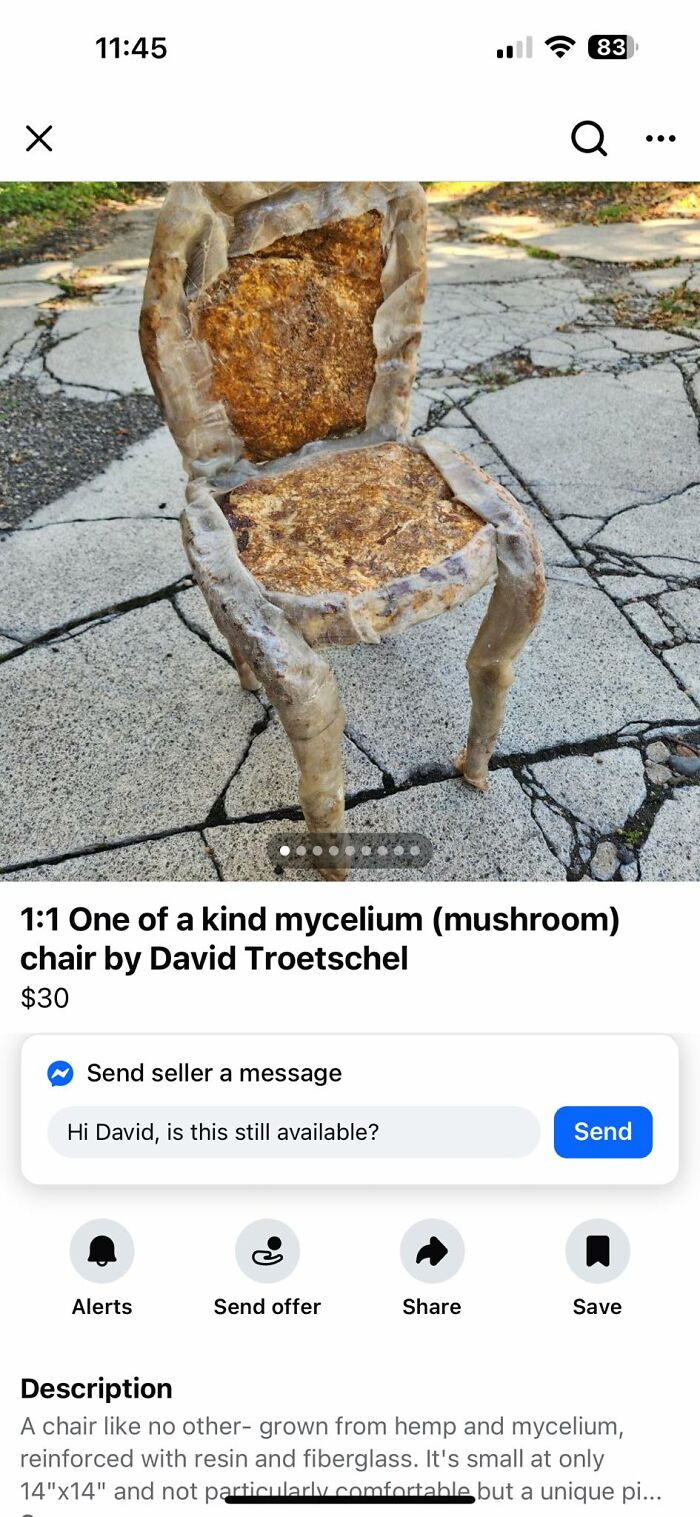
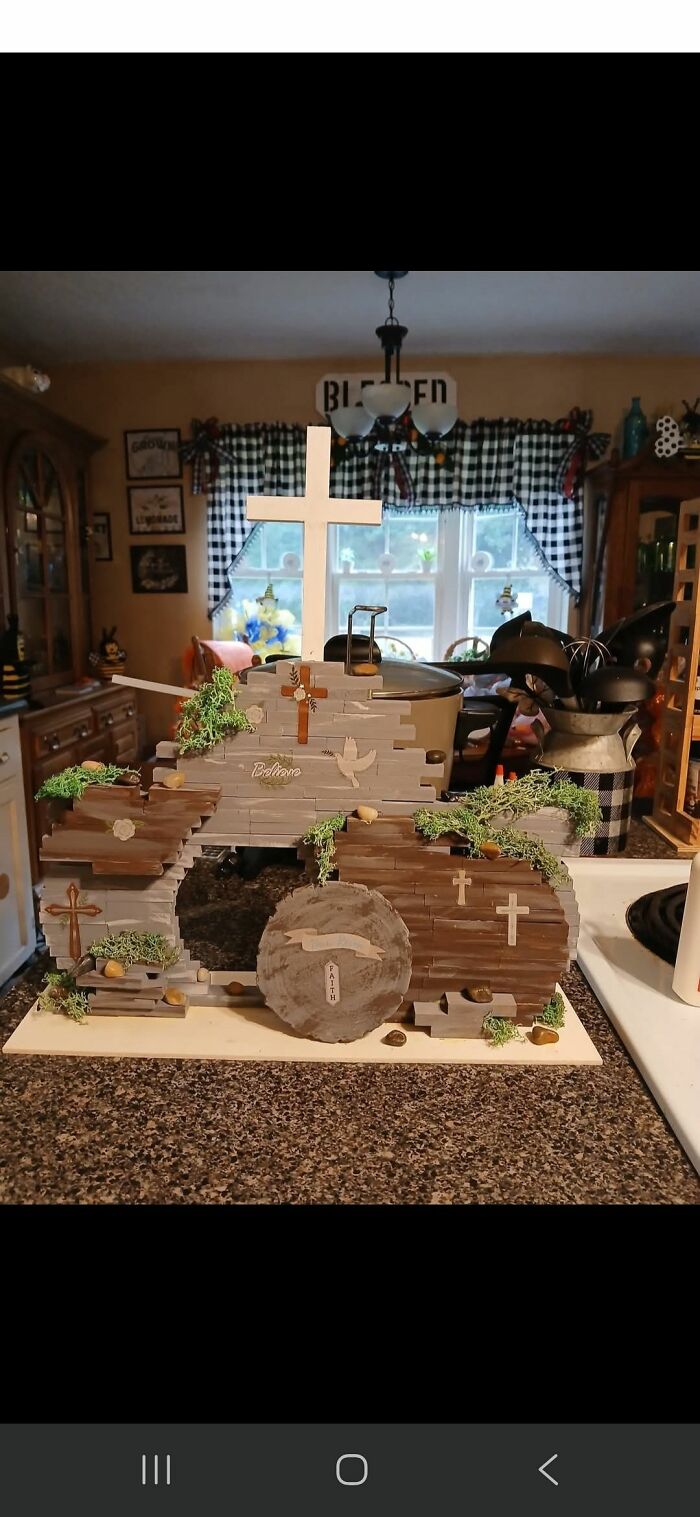
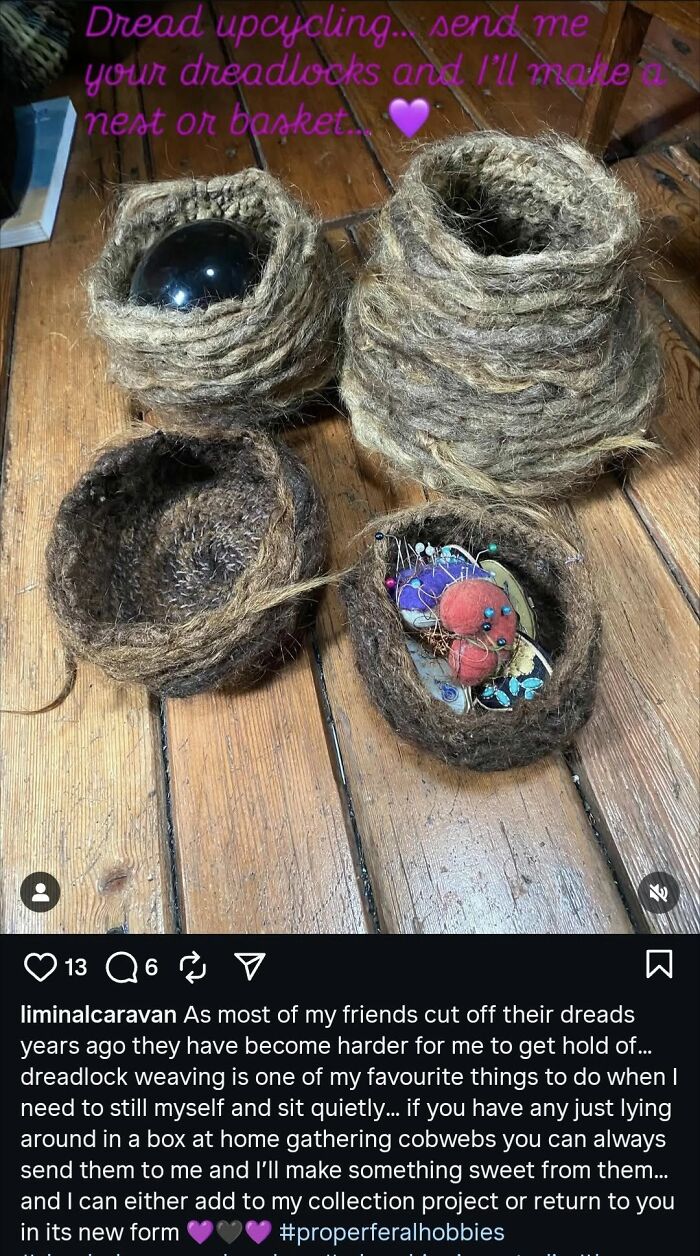
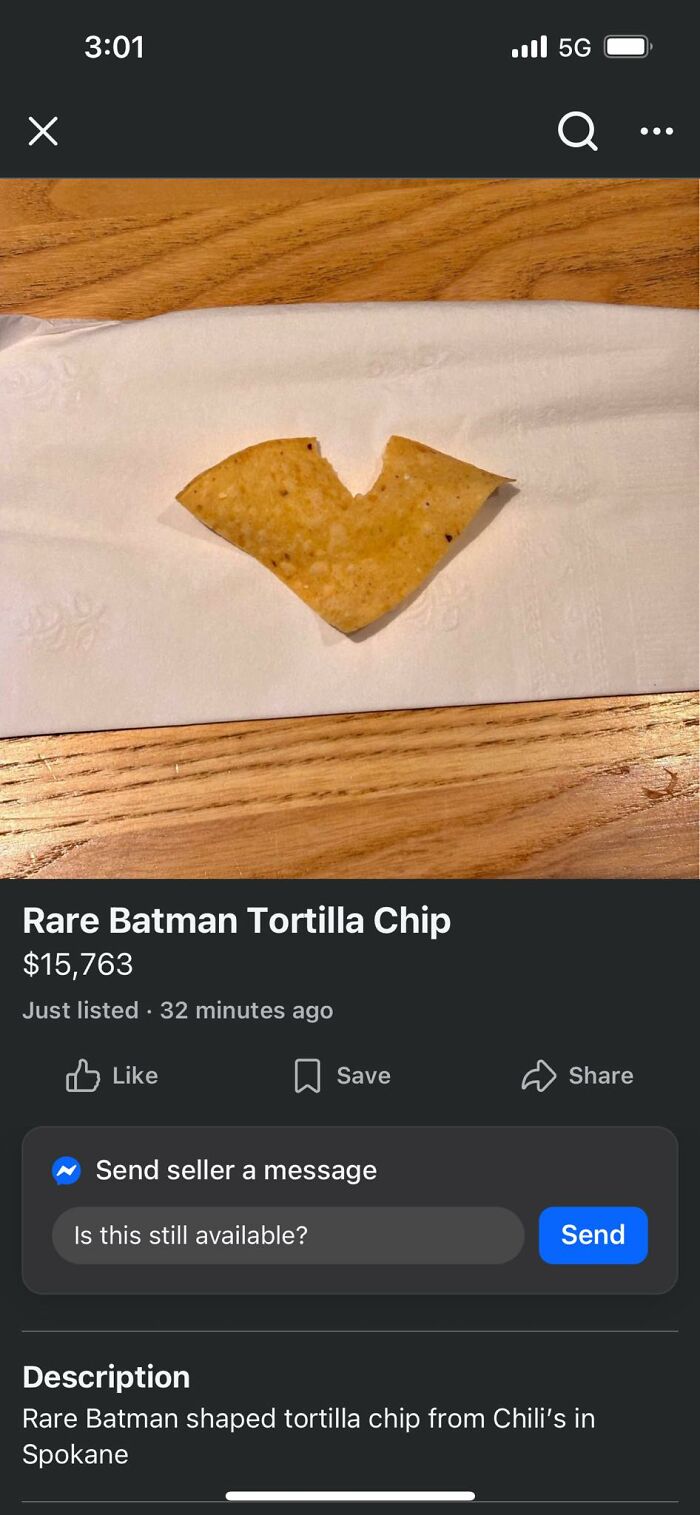
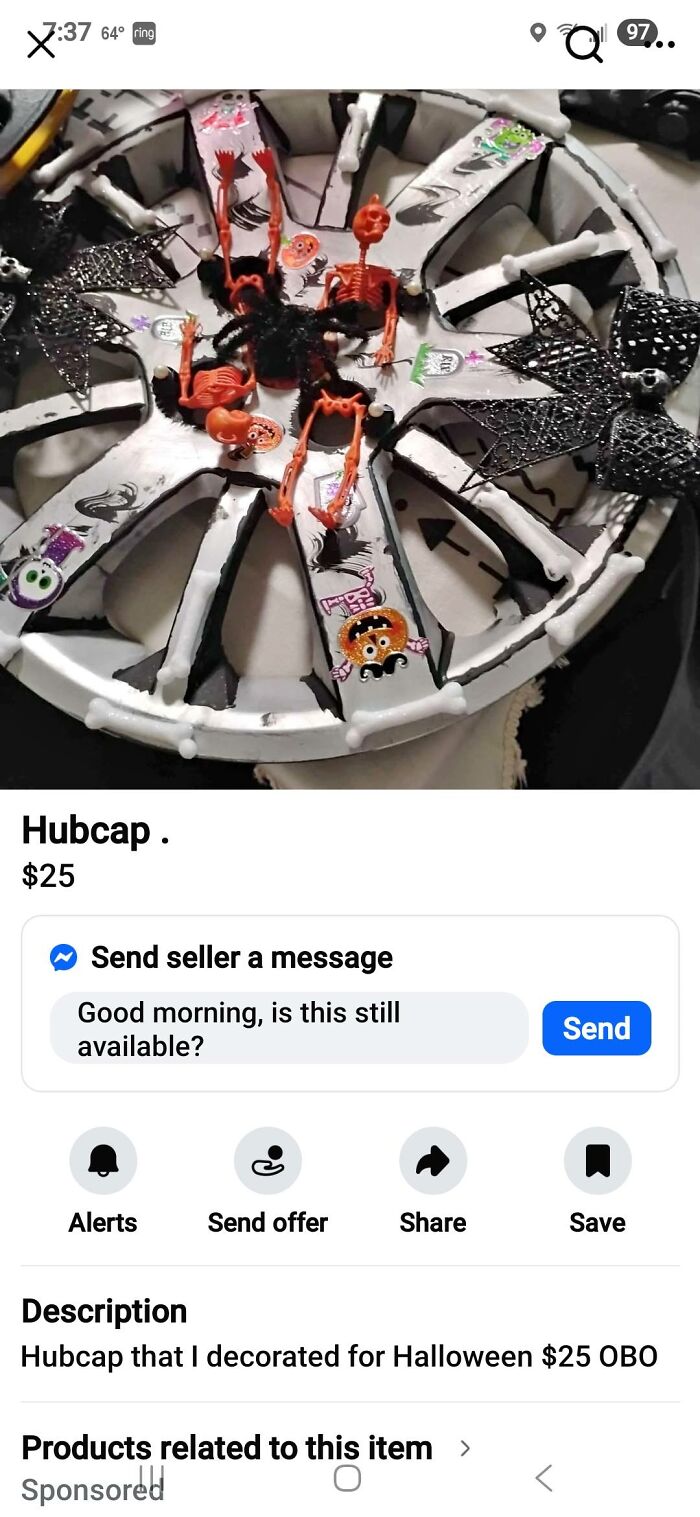
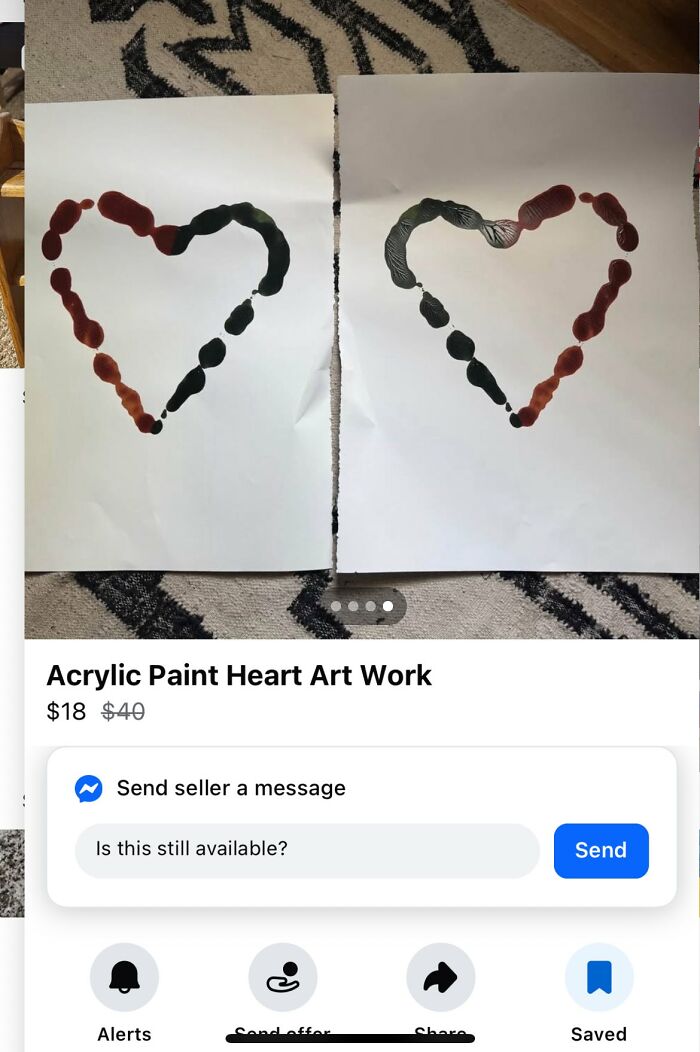
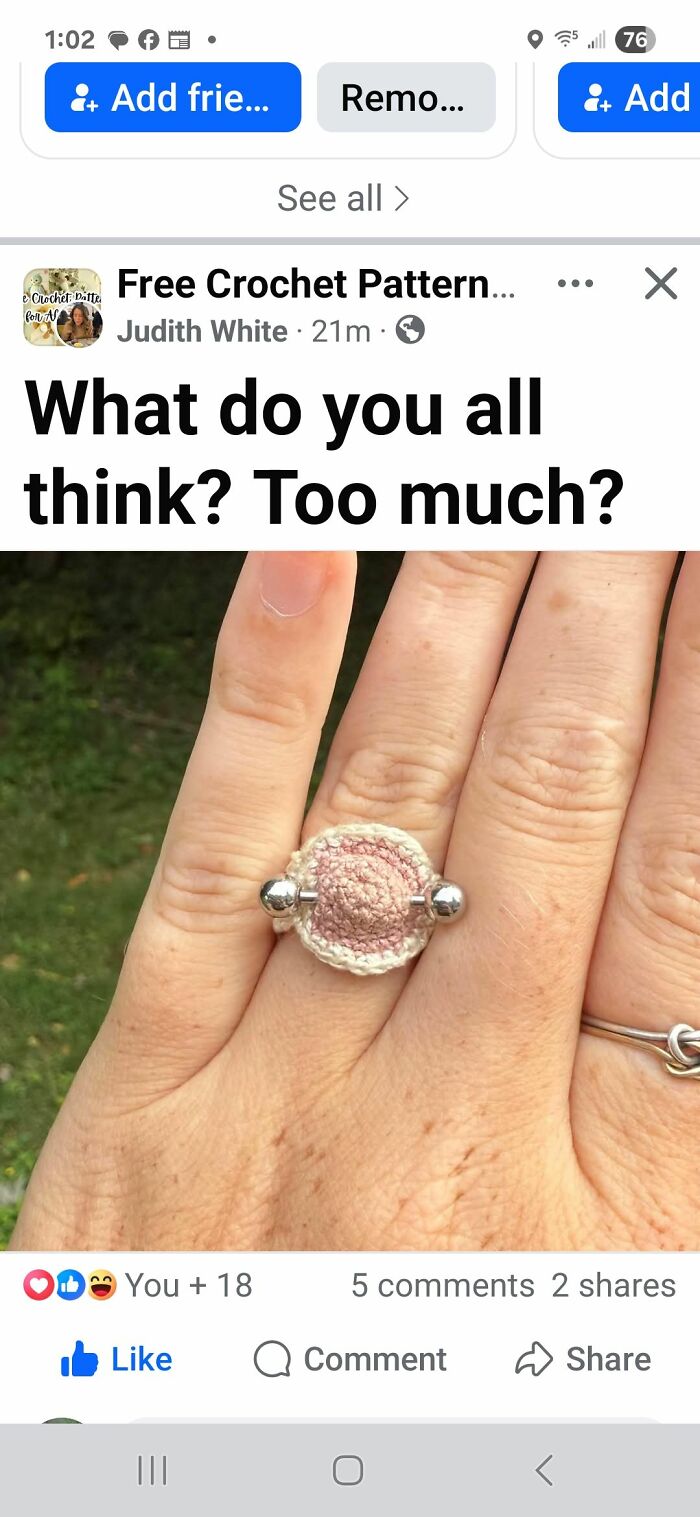
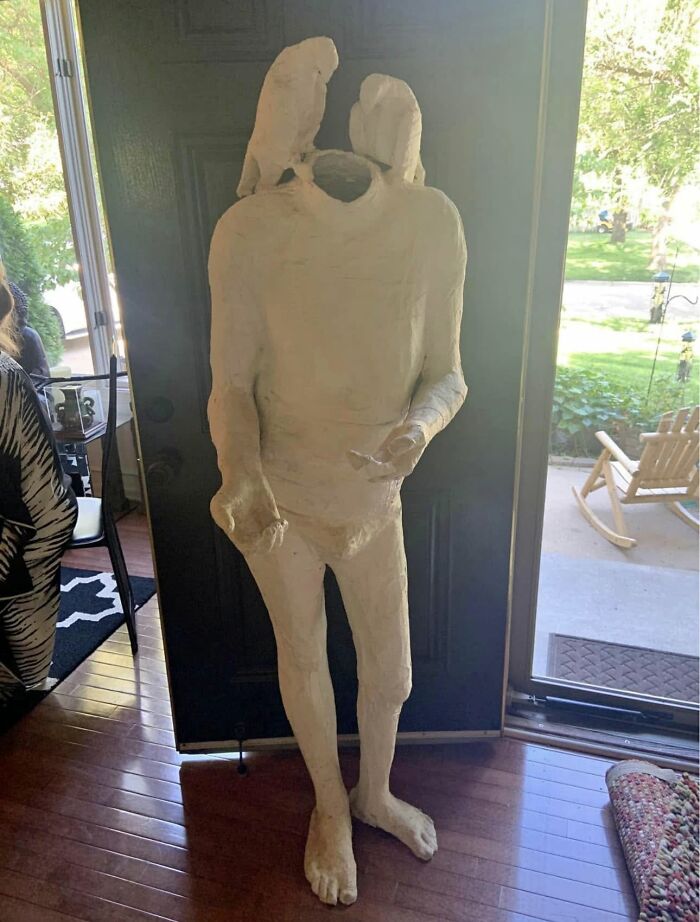
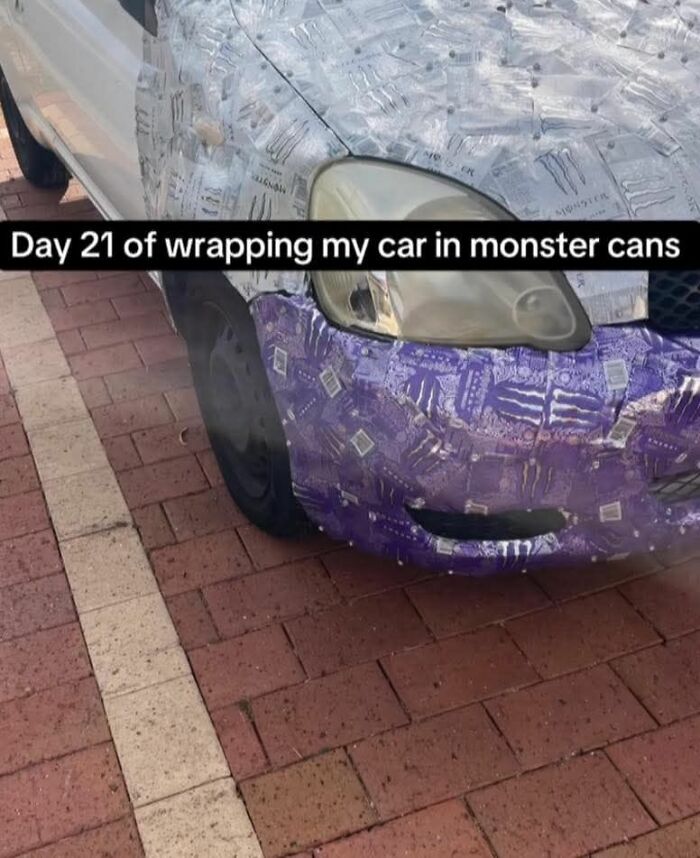
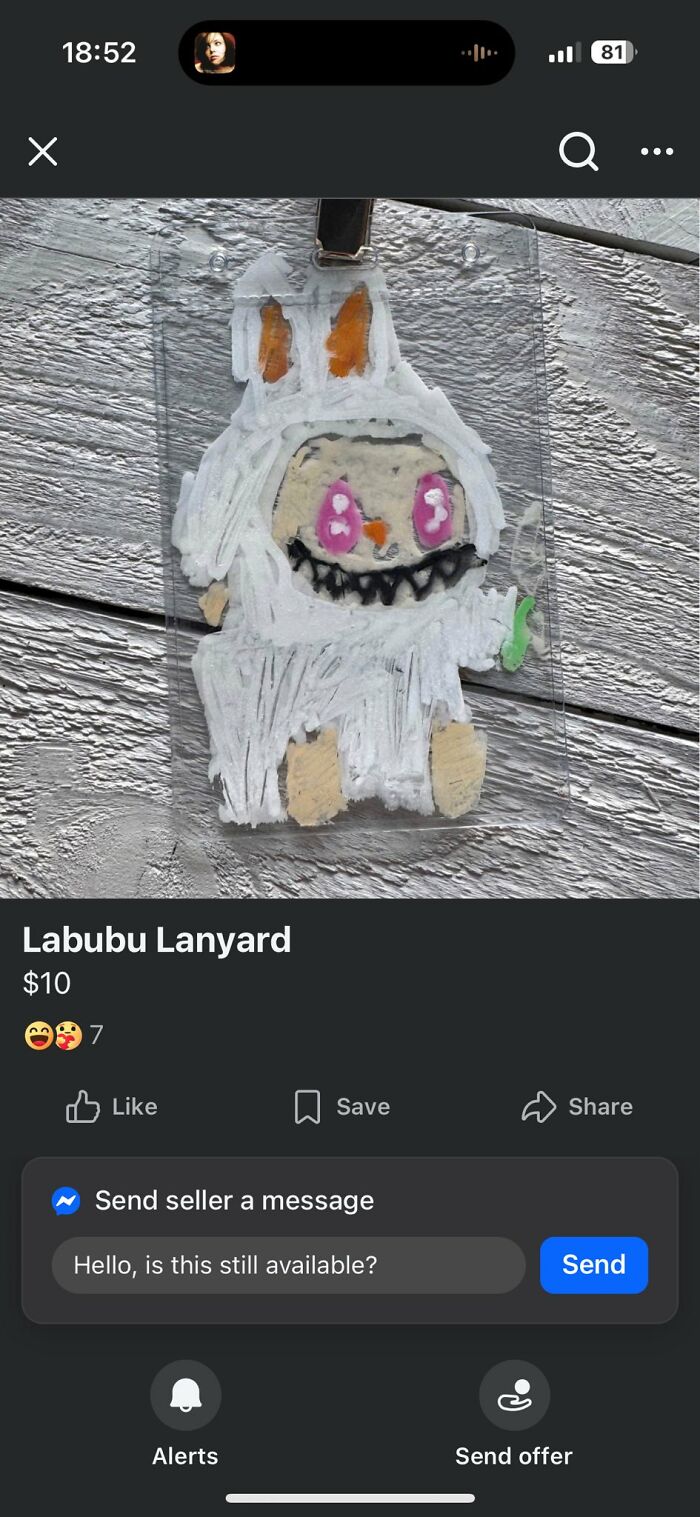
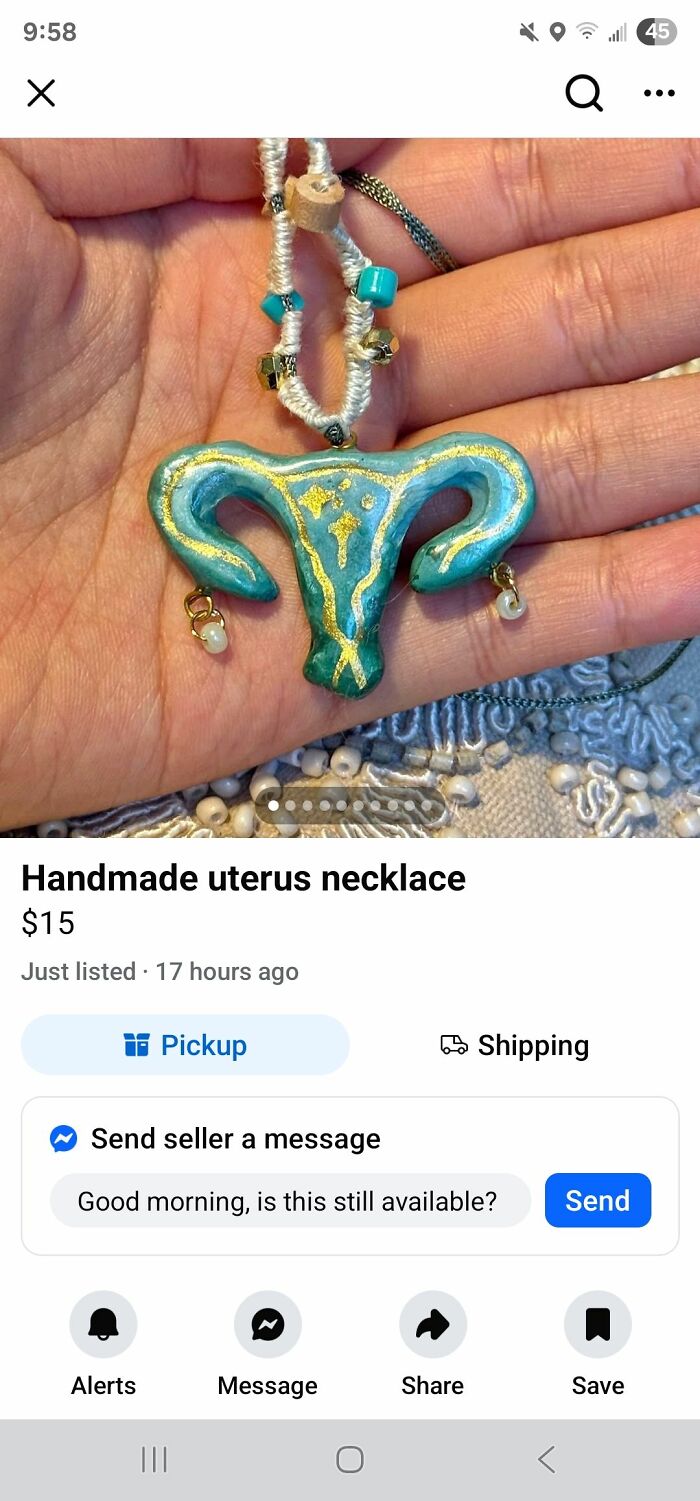
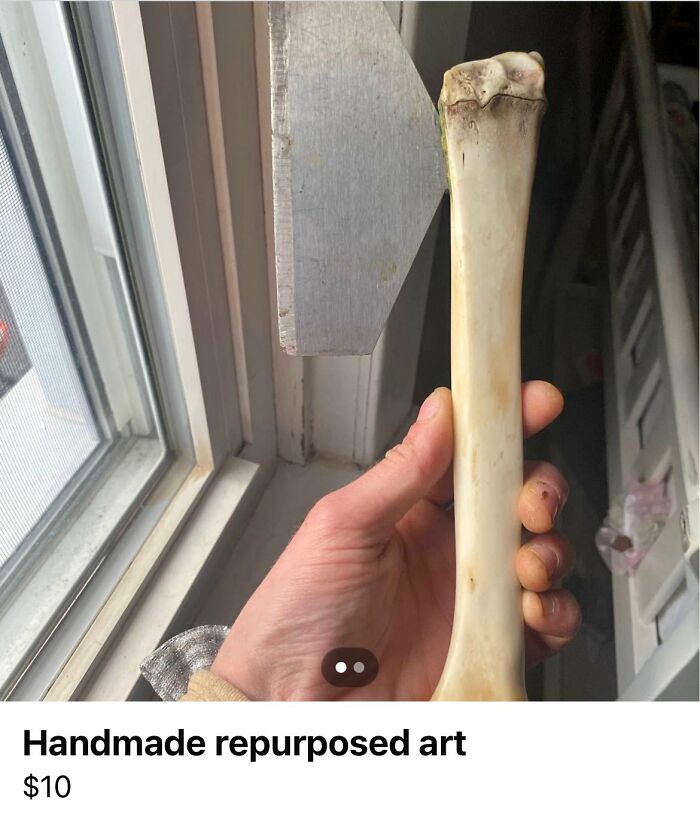
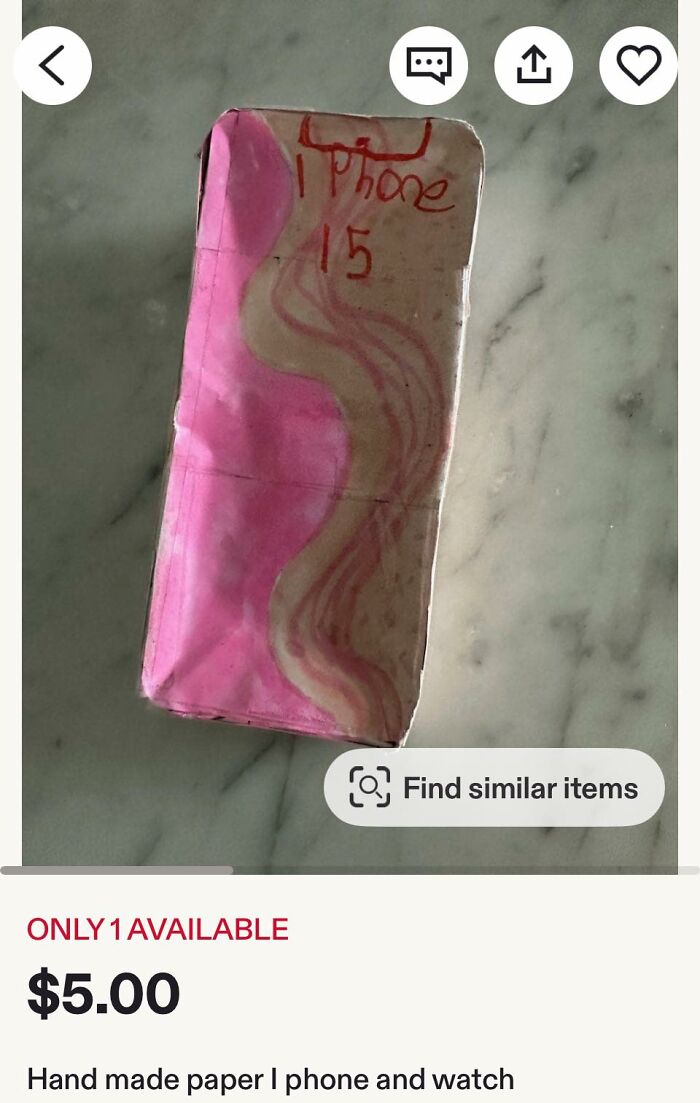
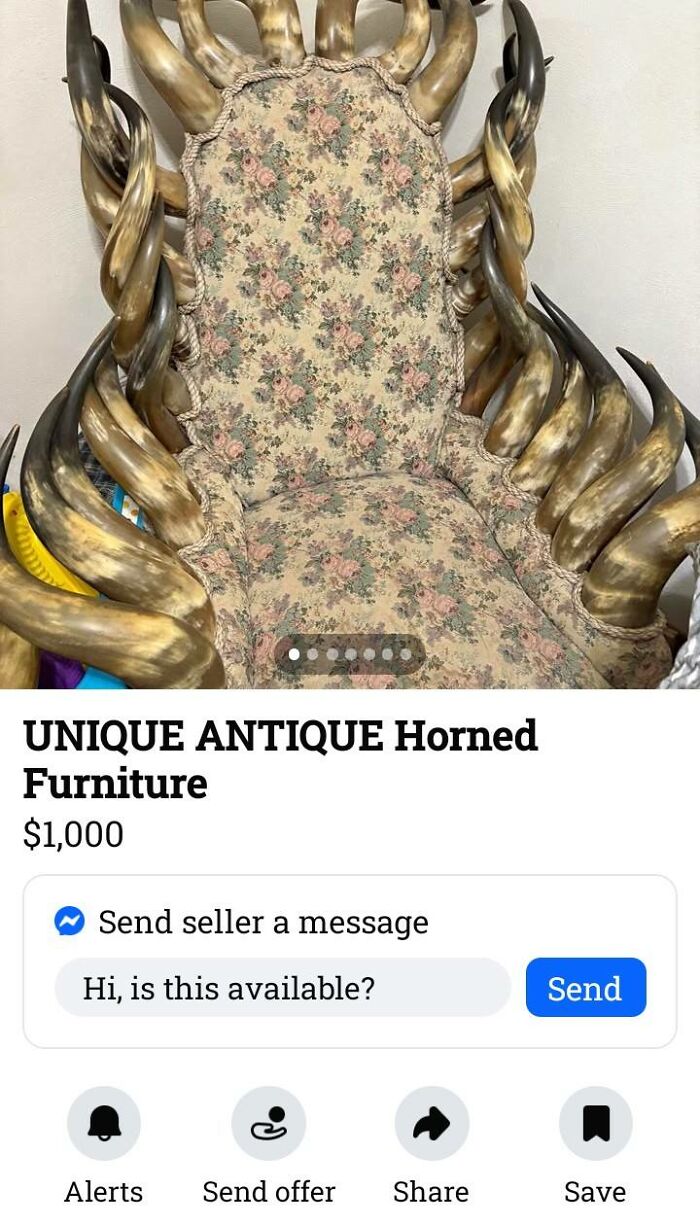
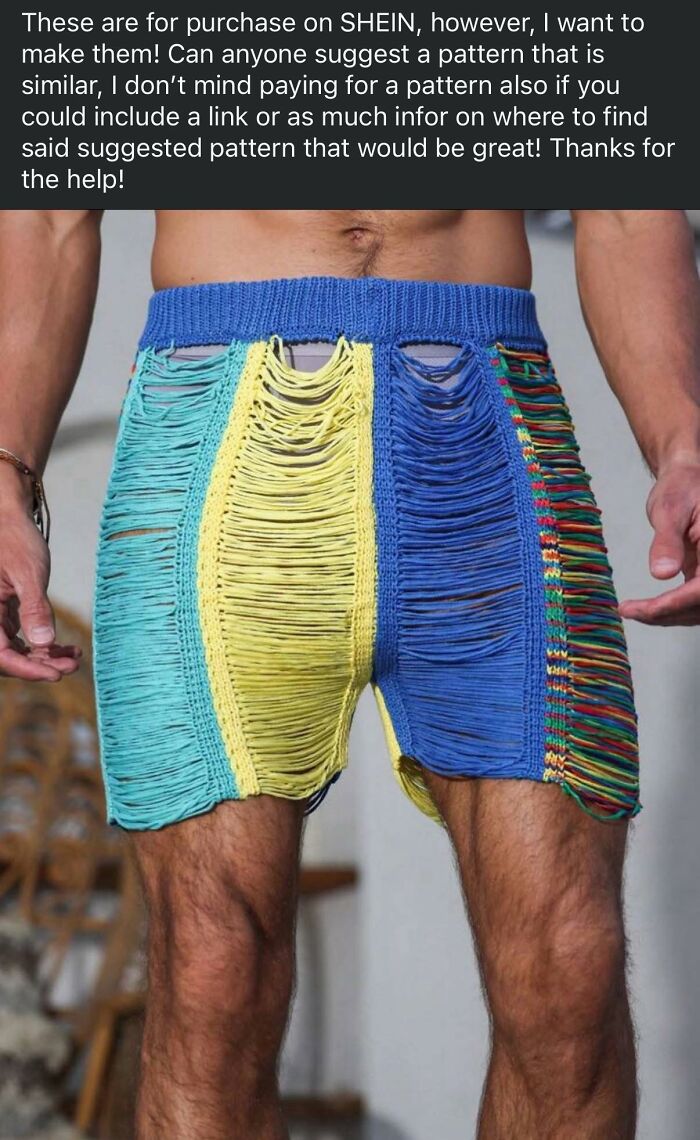
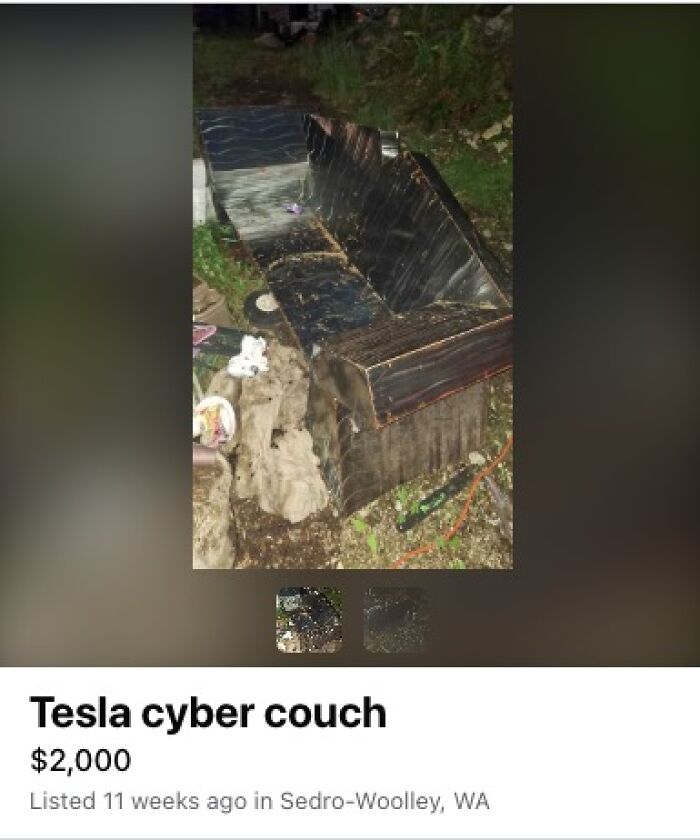
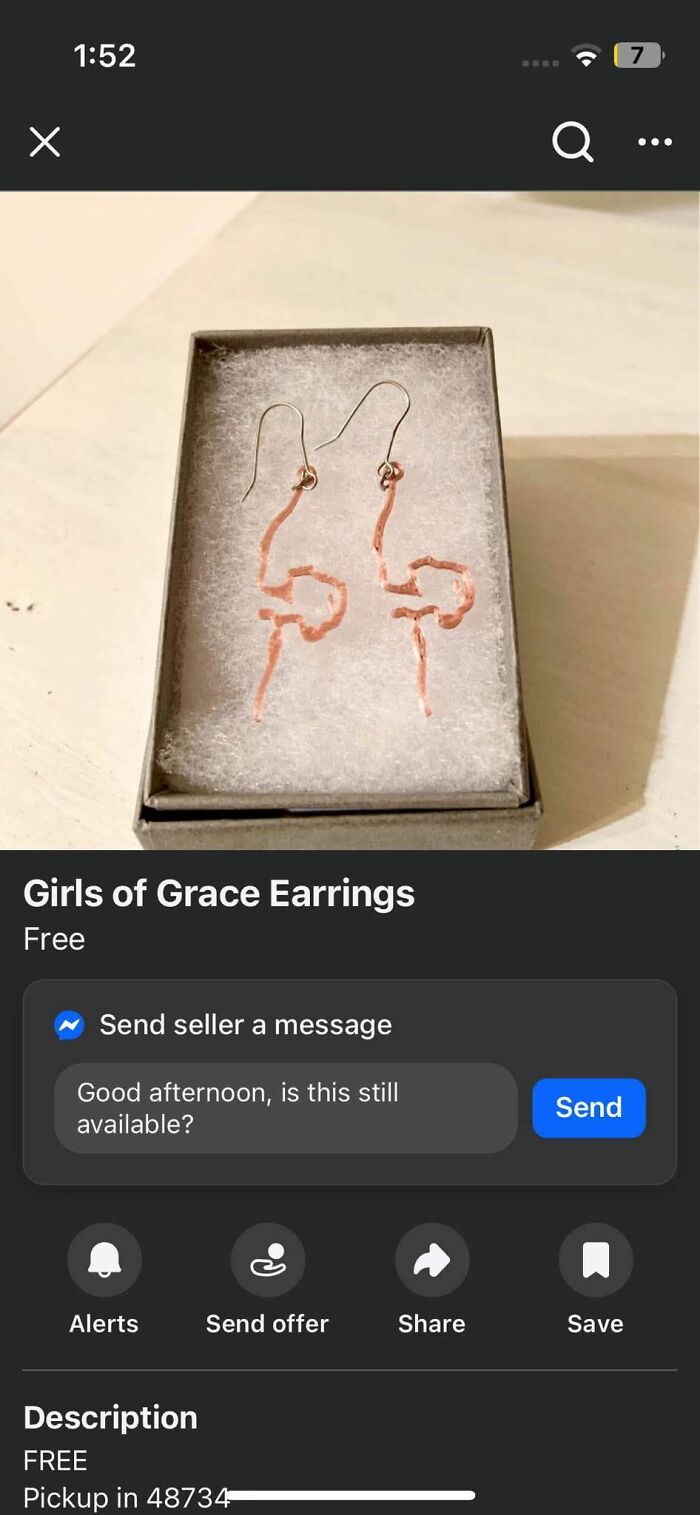
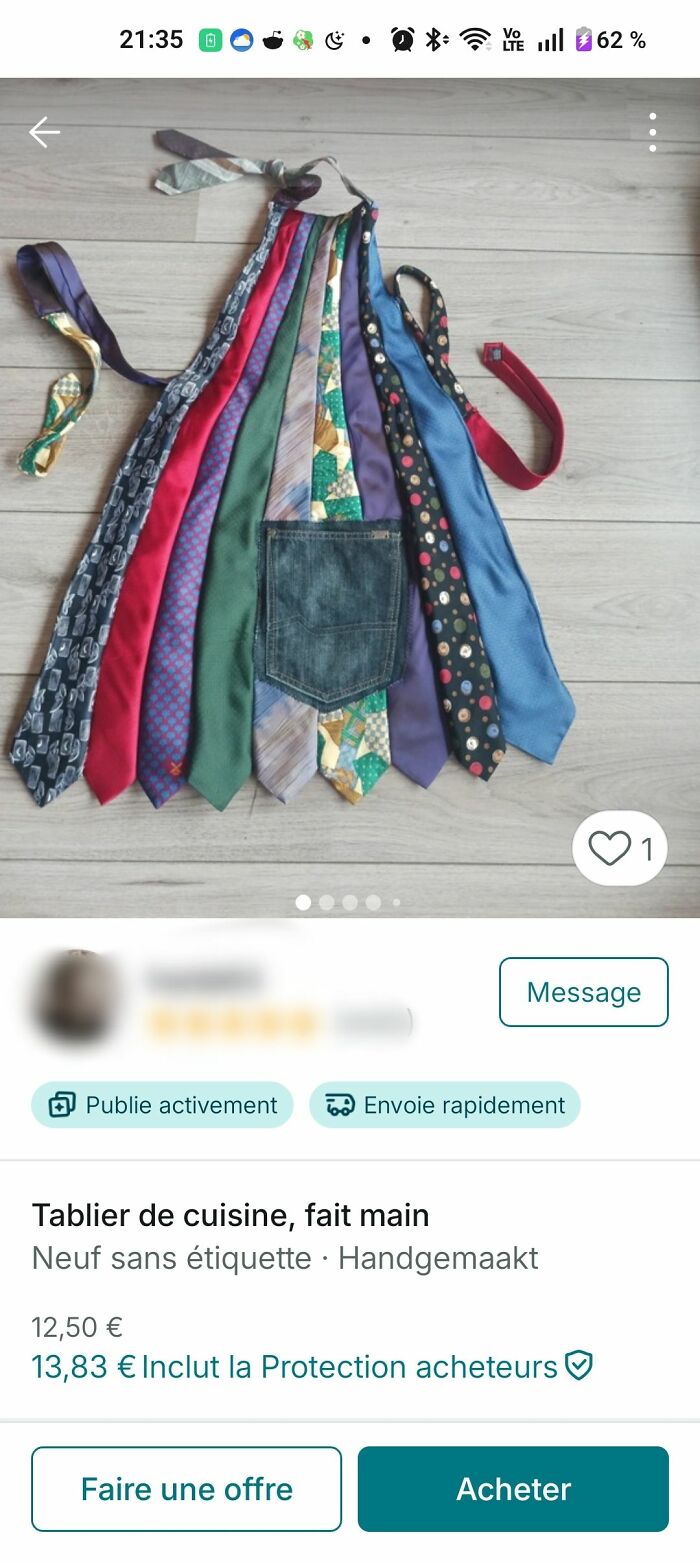
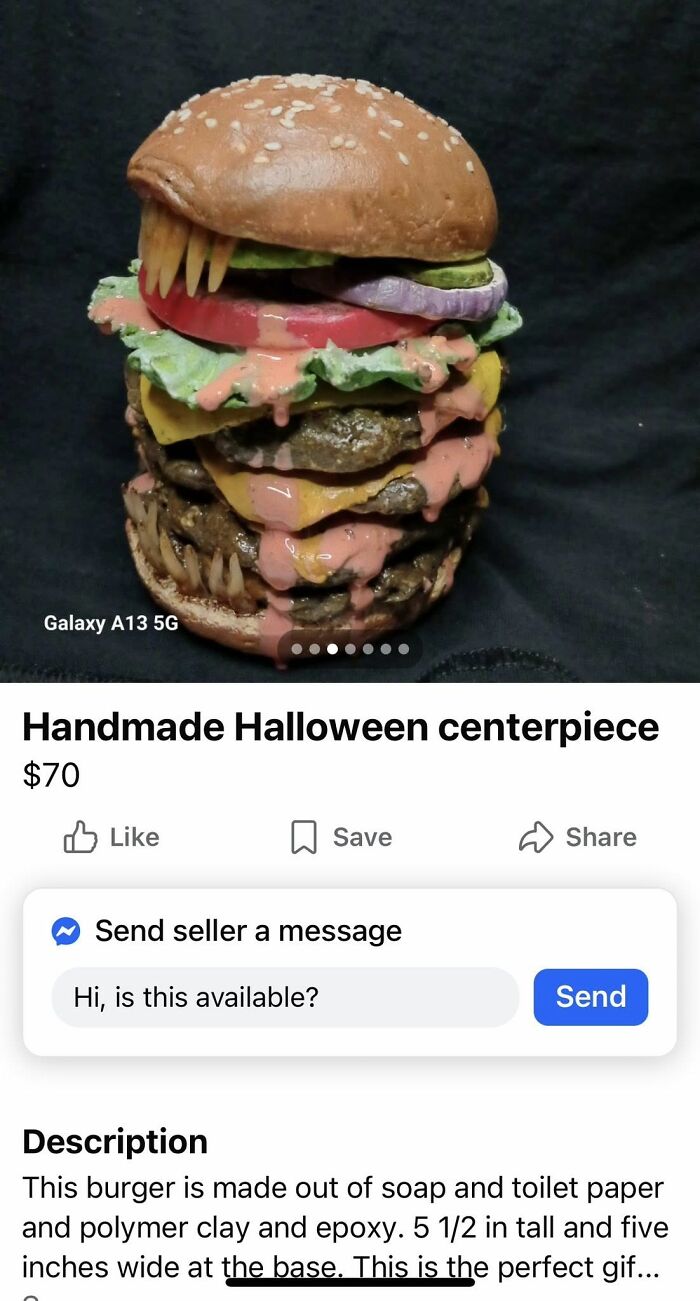
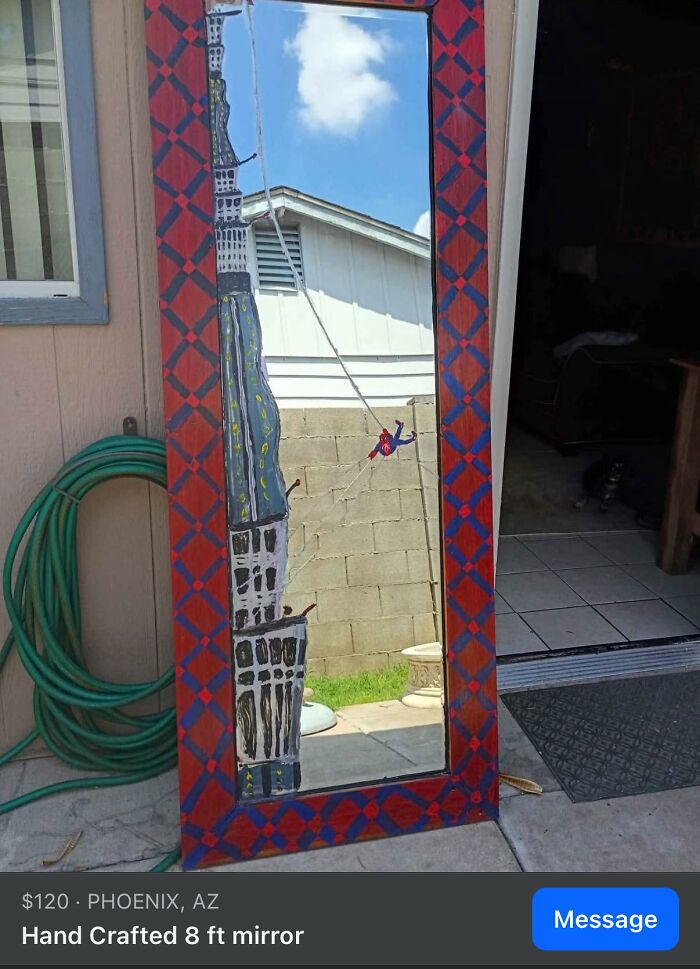
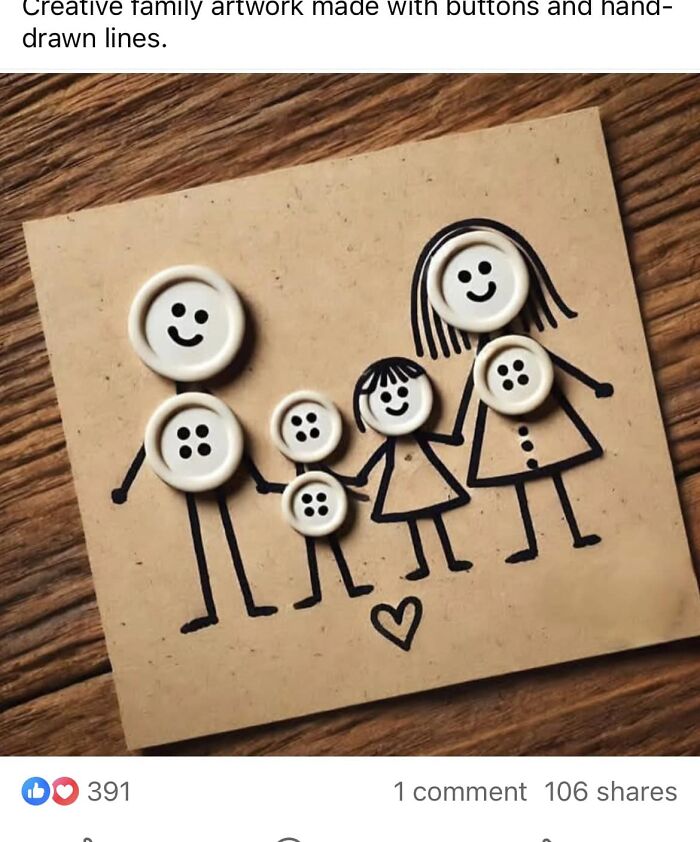
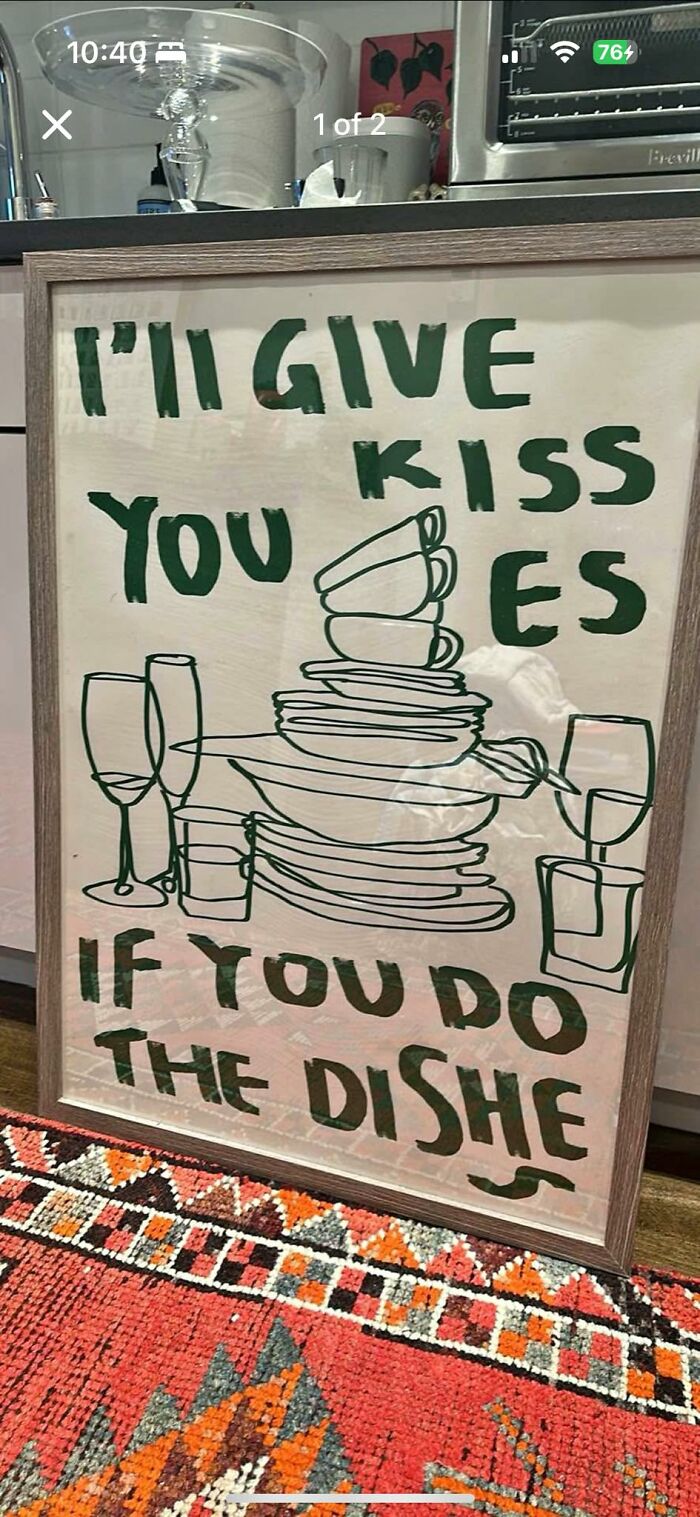
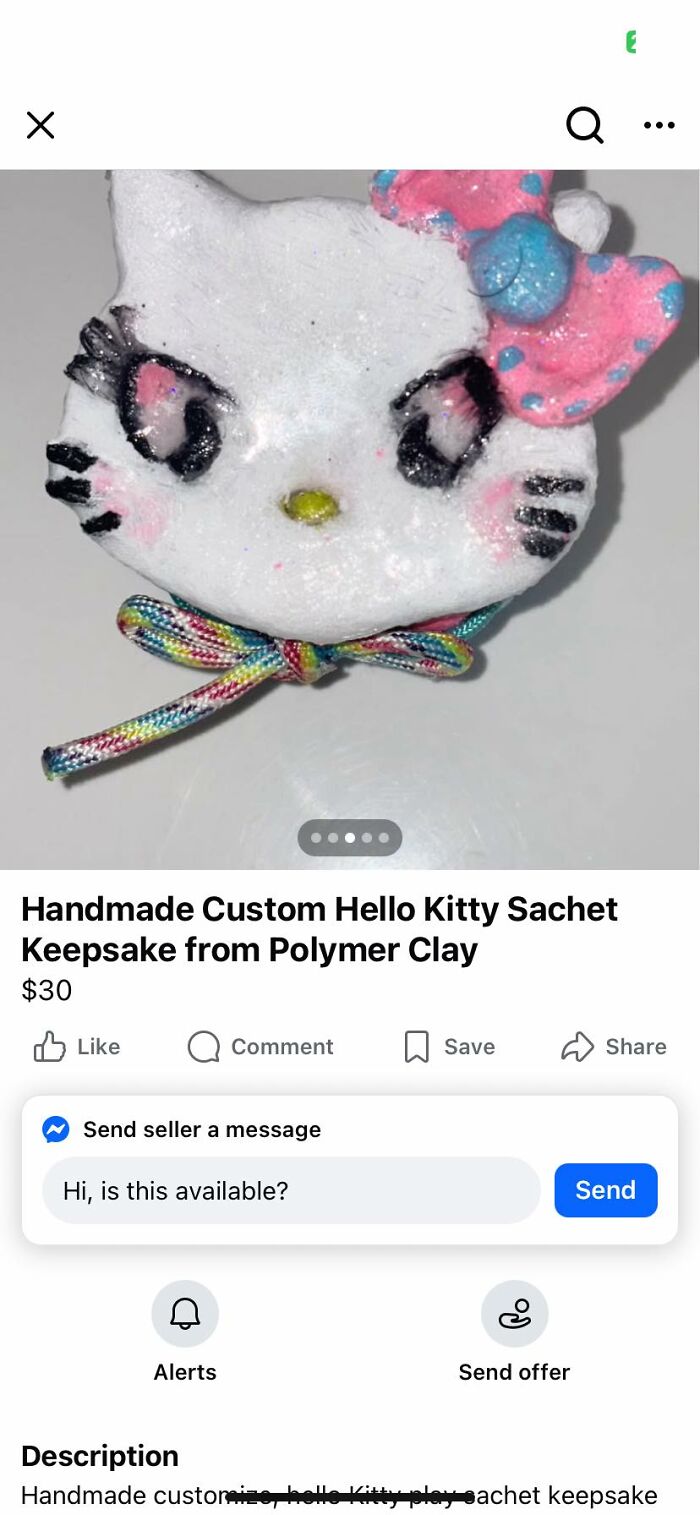
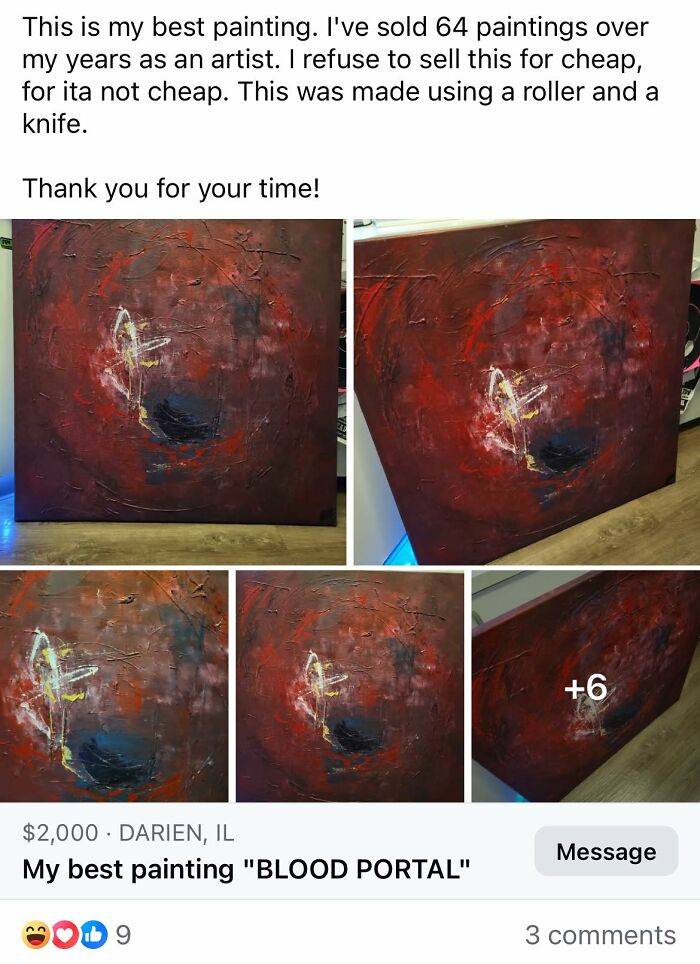
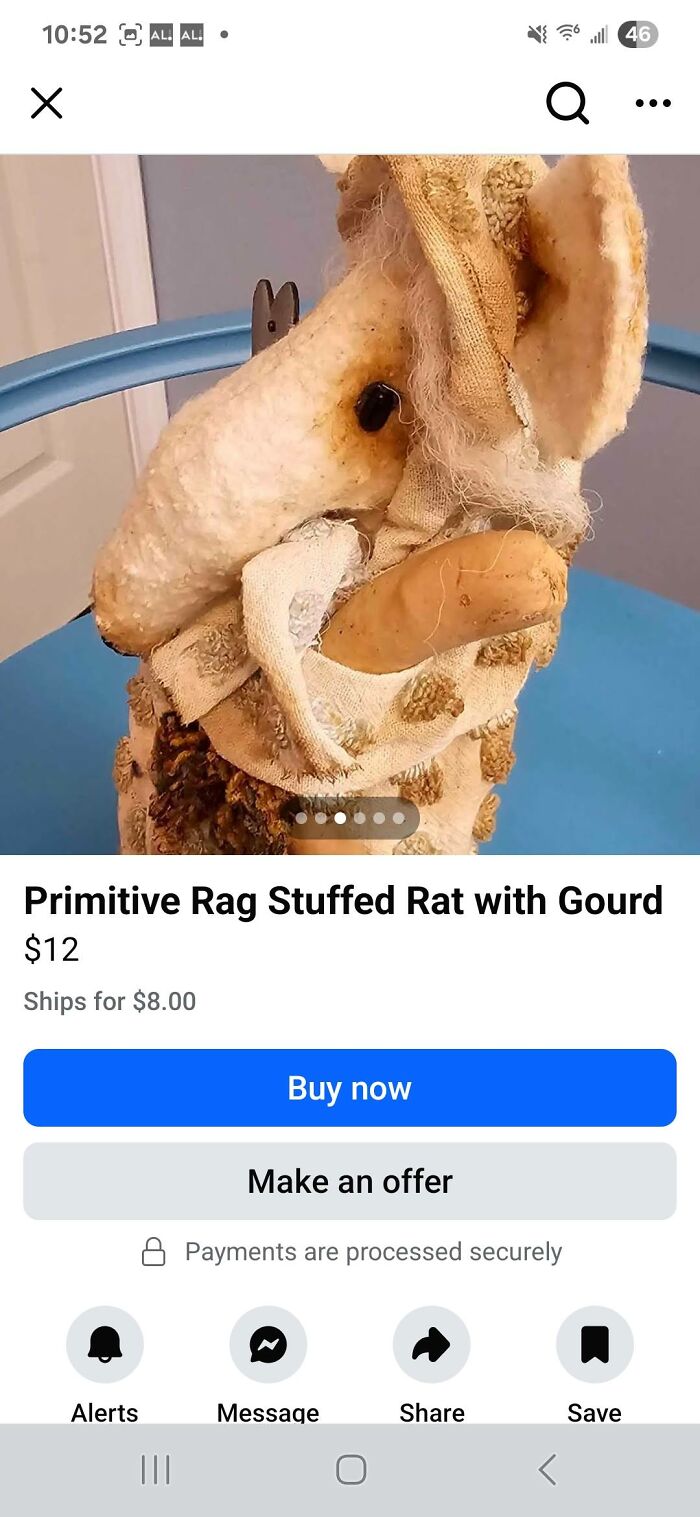
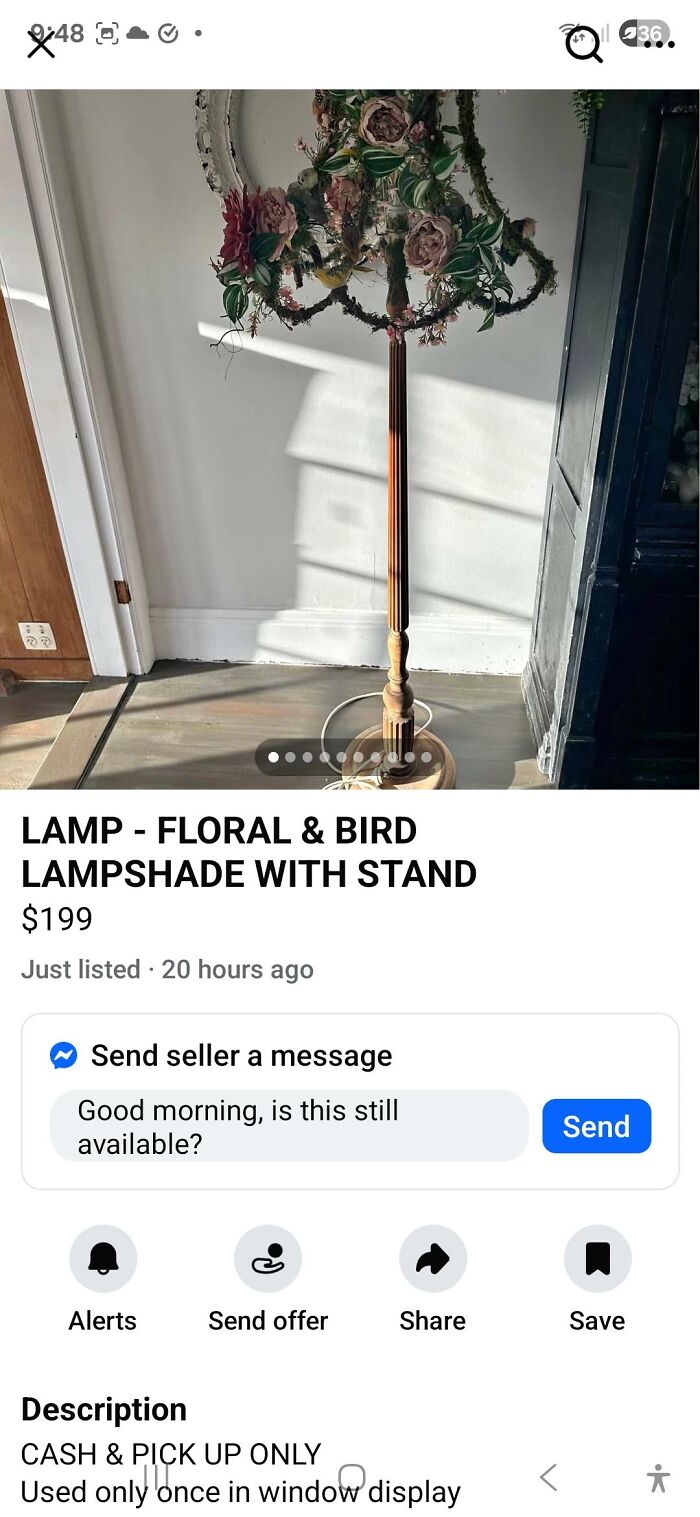
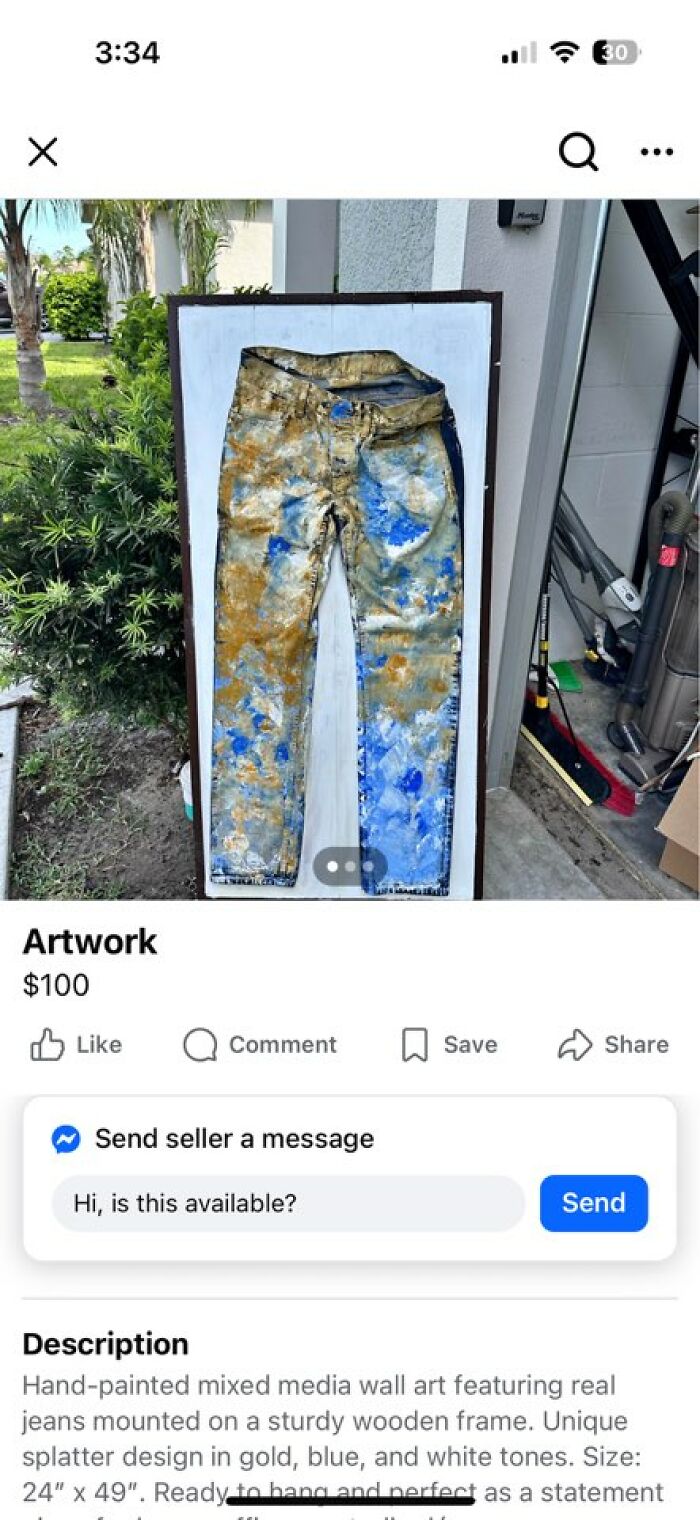
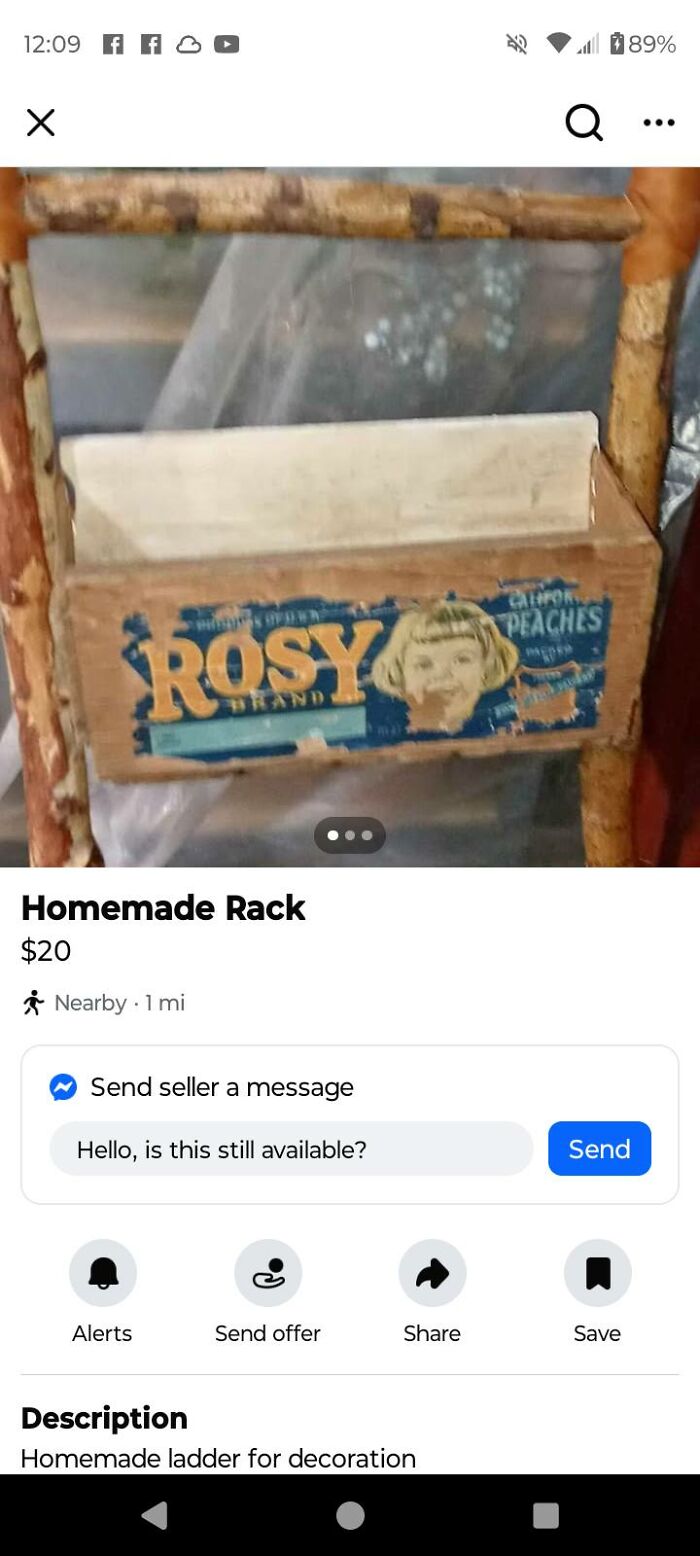
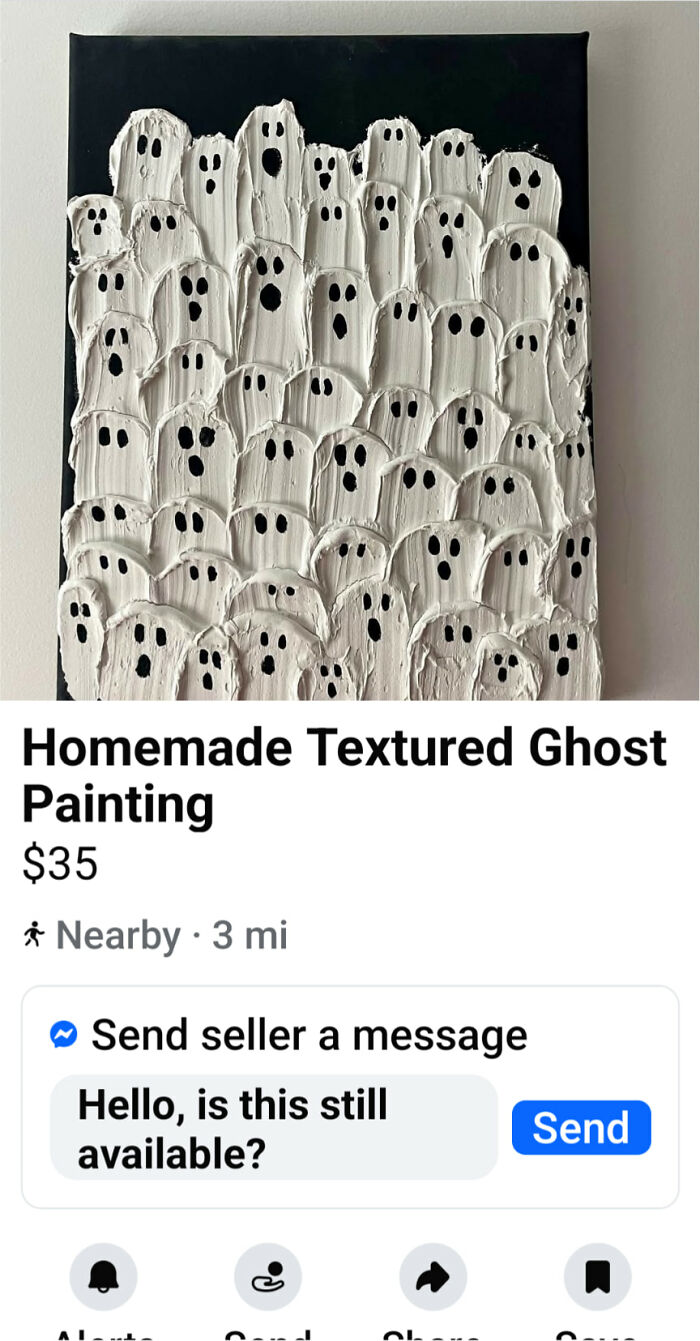
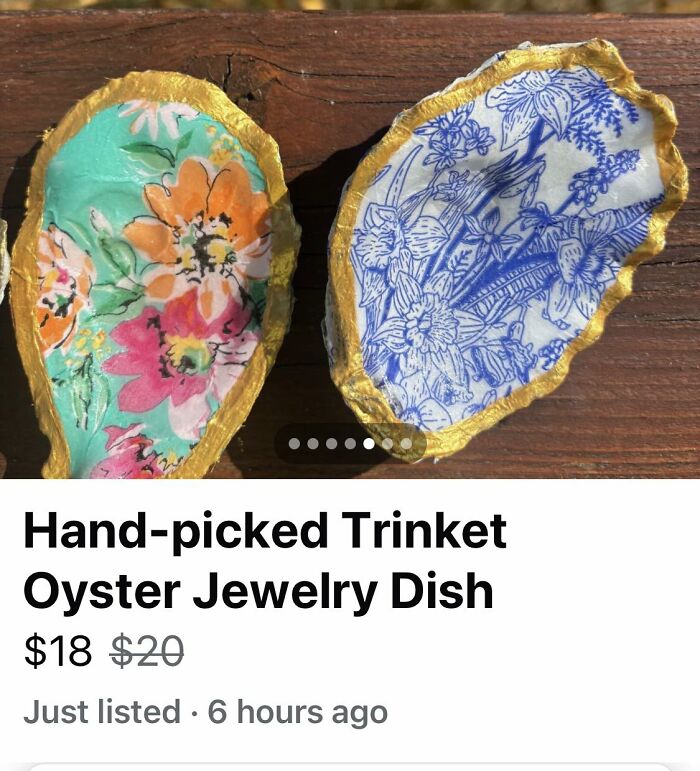
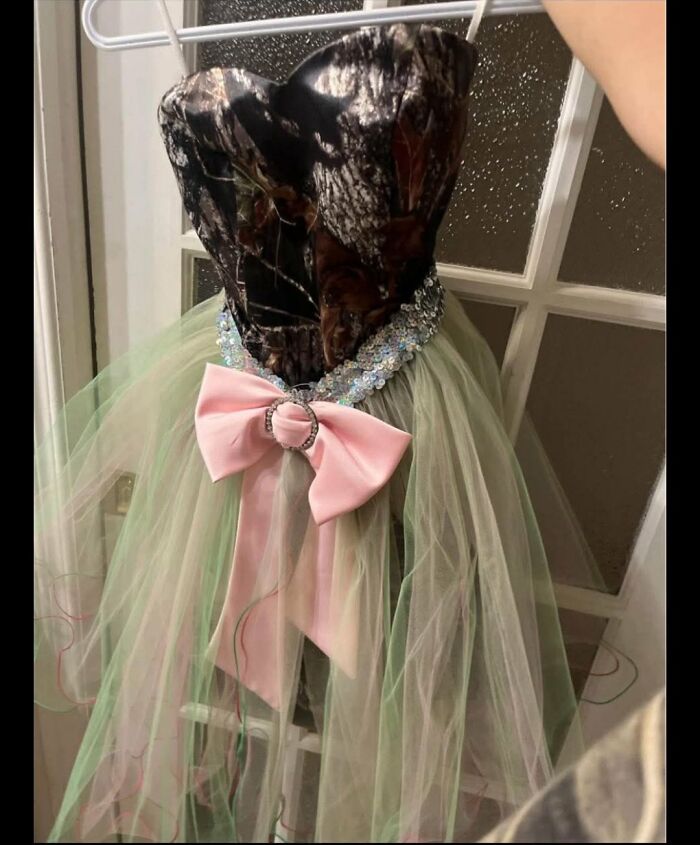
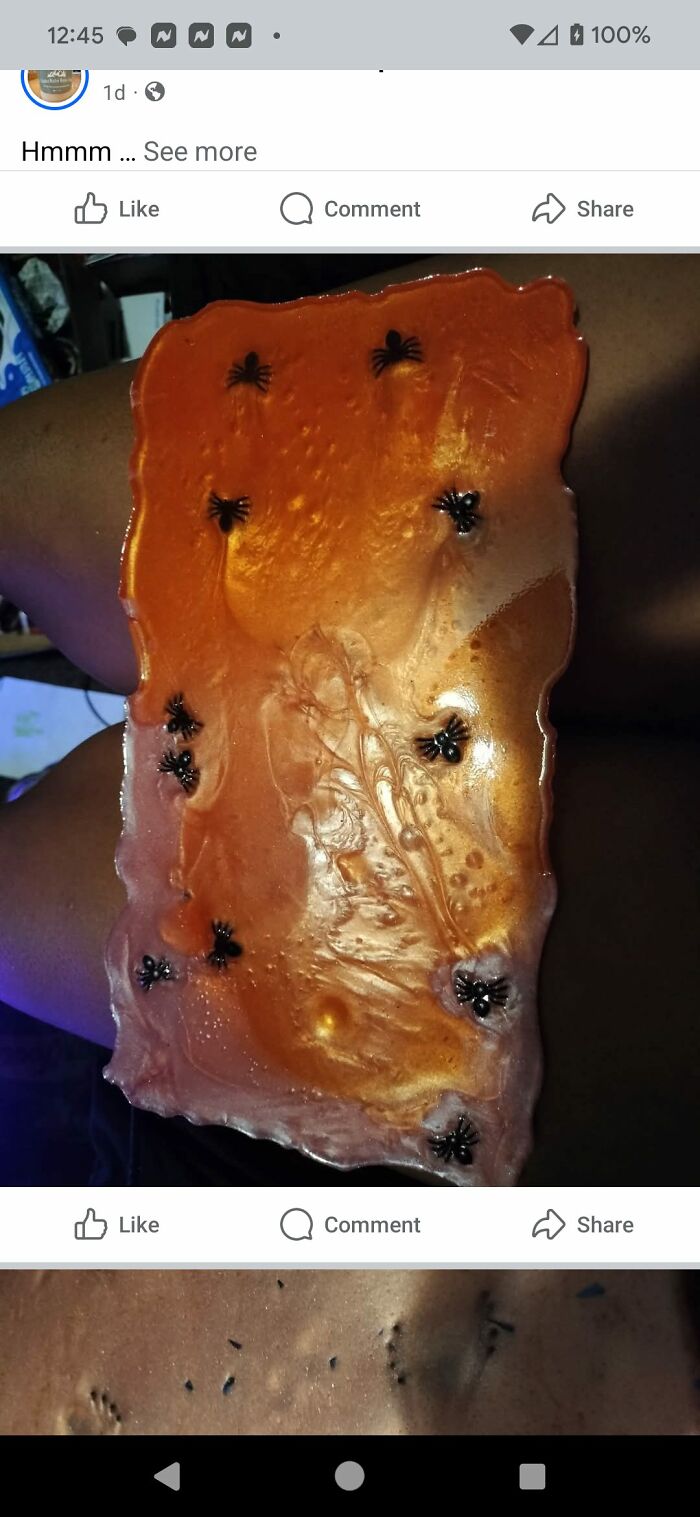
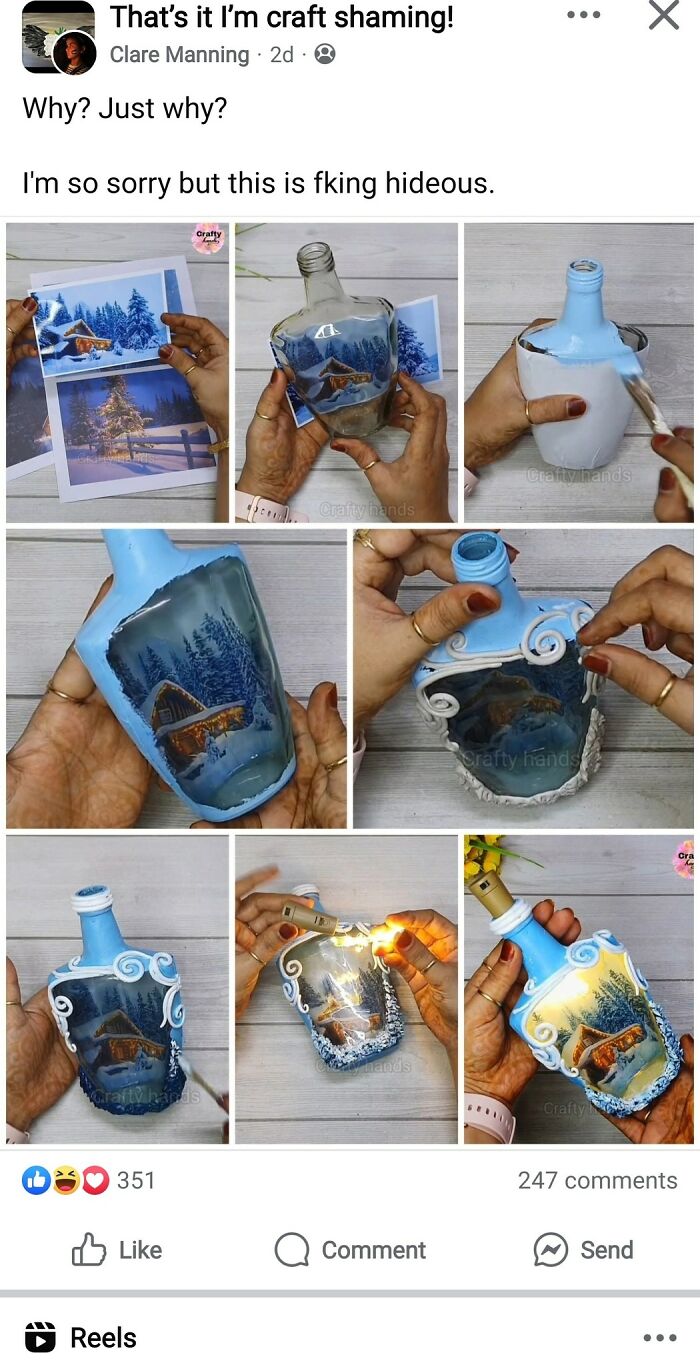
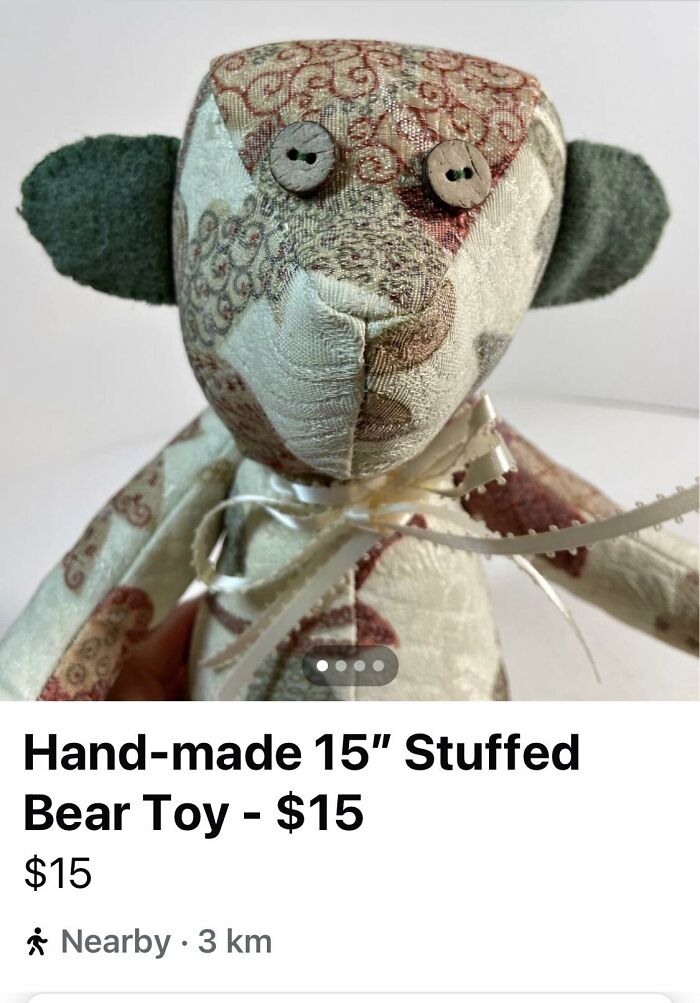
But just because the process is enjoyable and rewarding doesn’t always mean the final result will live up to the vision in your head. And if those creations ever find their way online, they might also end up featured in the Facebook group “That’s It, I’m Craft Shaming!”
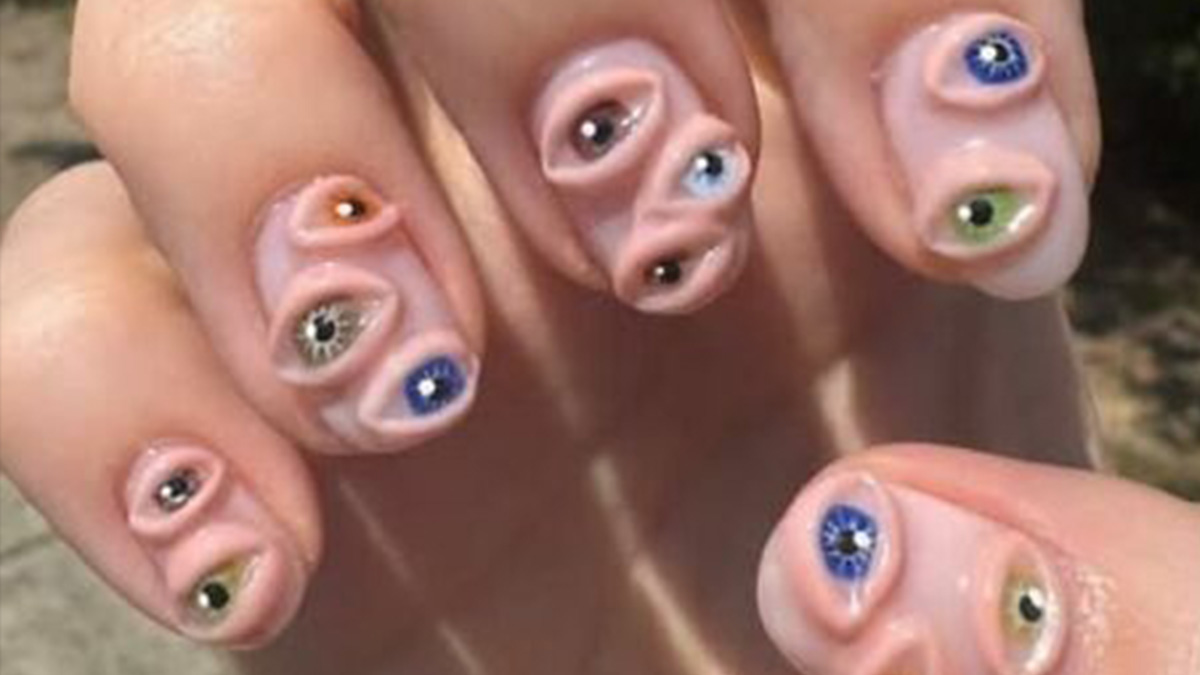
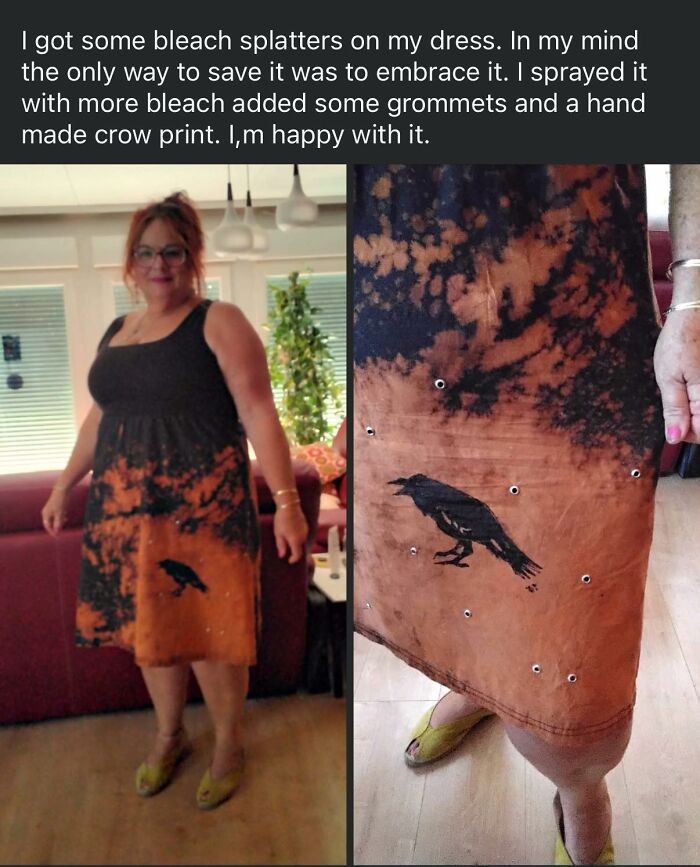
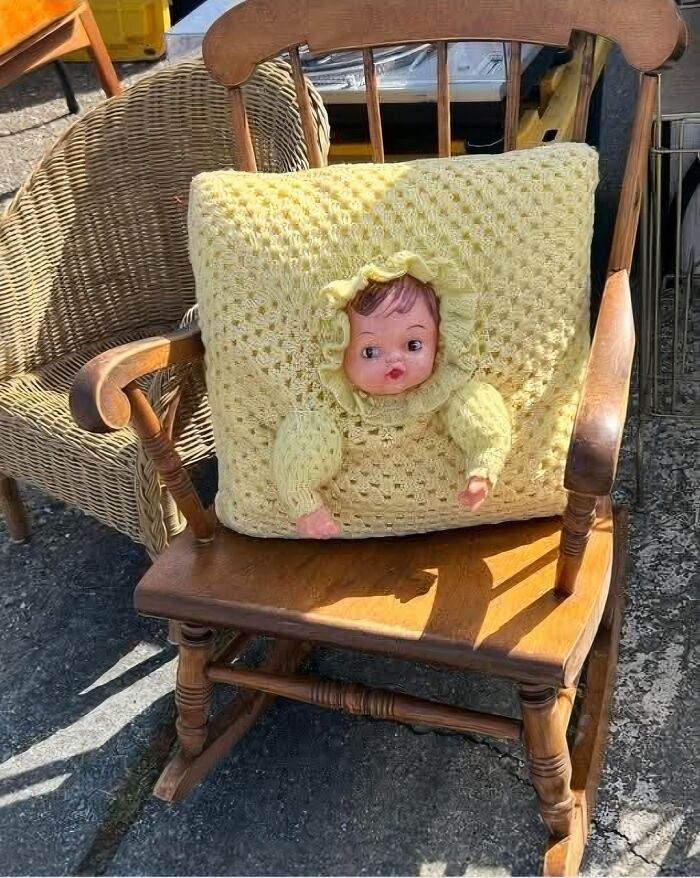
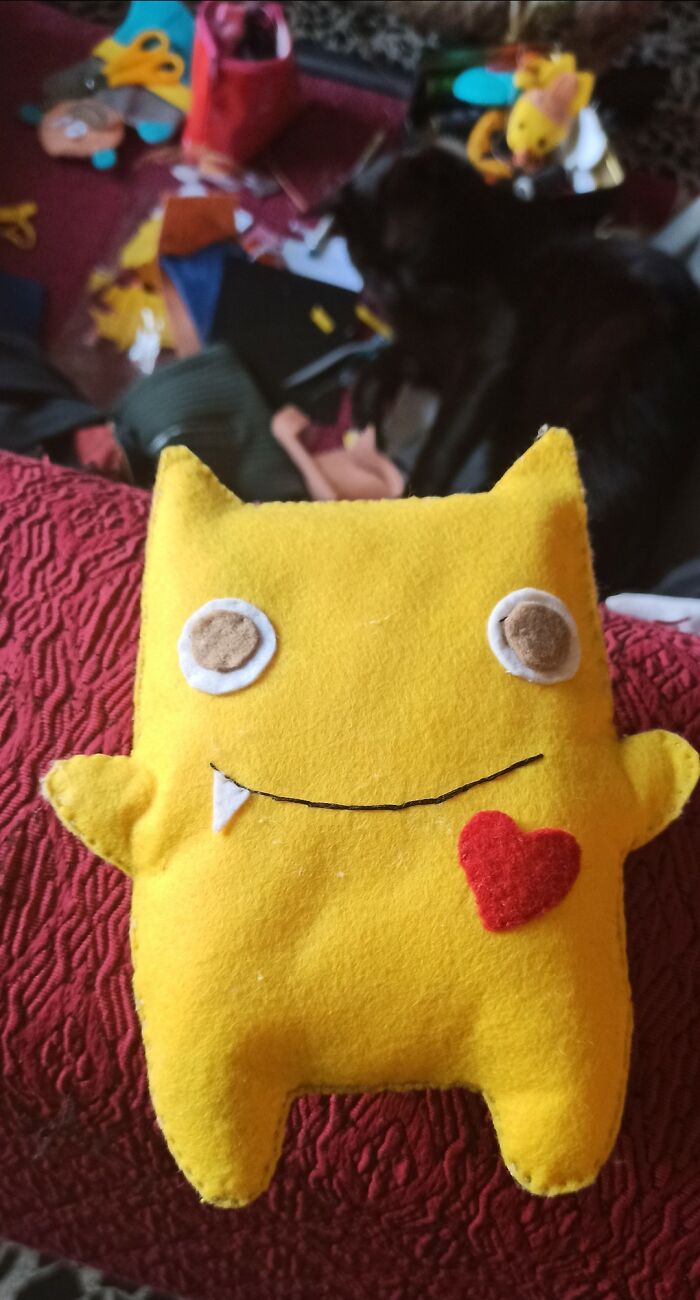
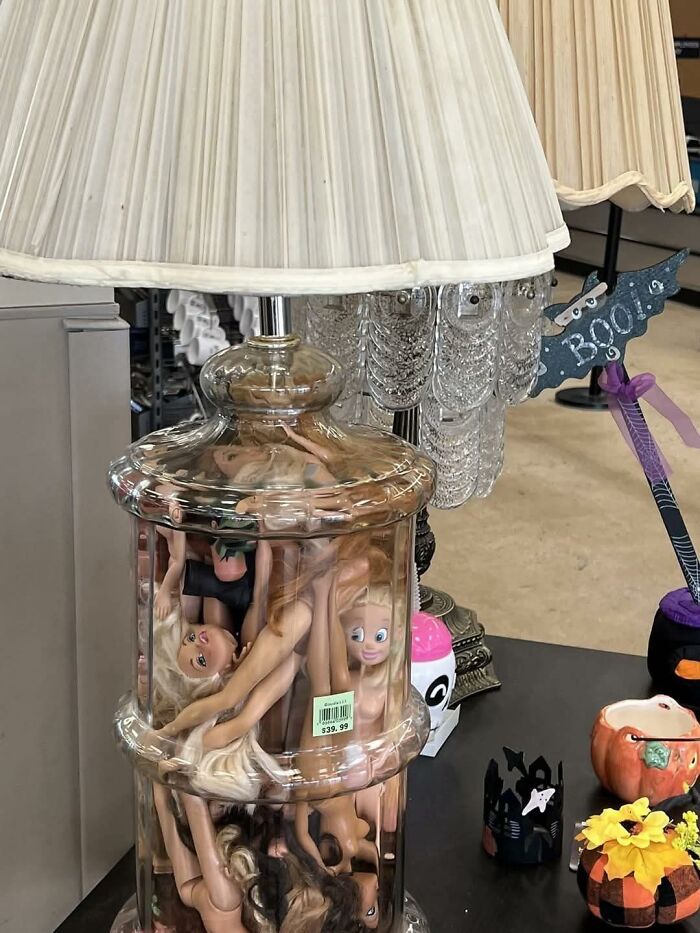
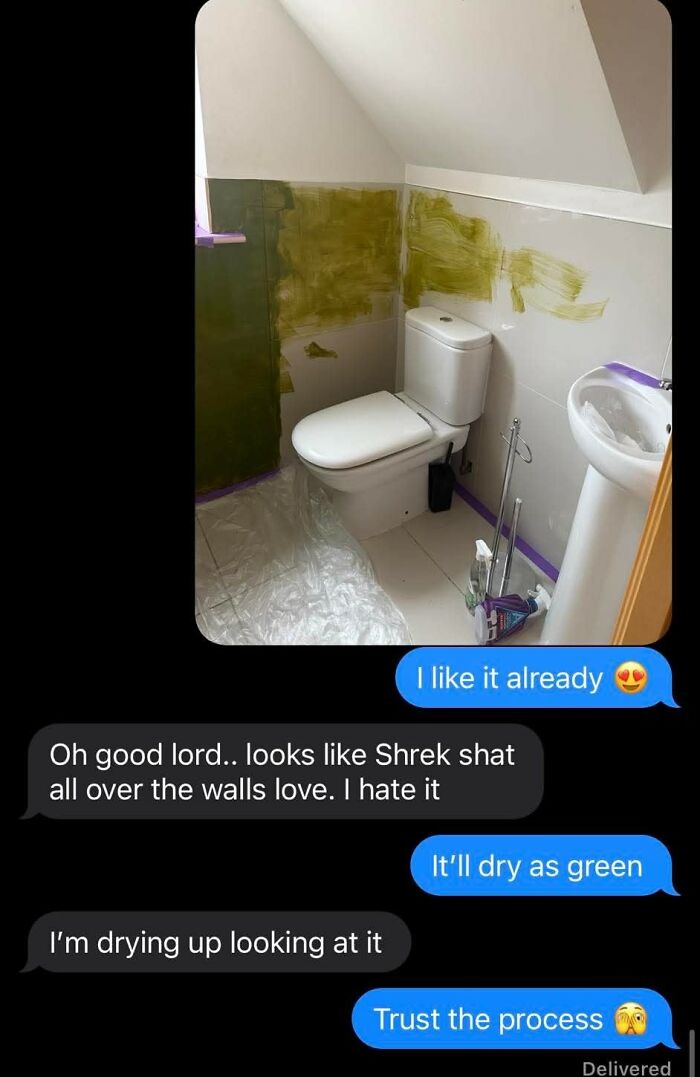
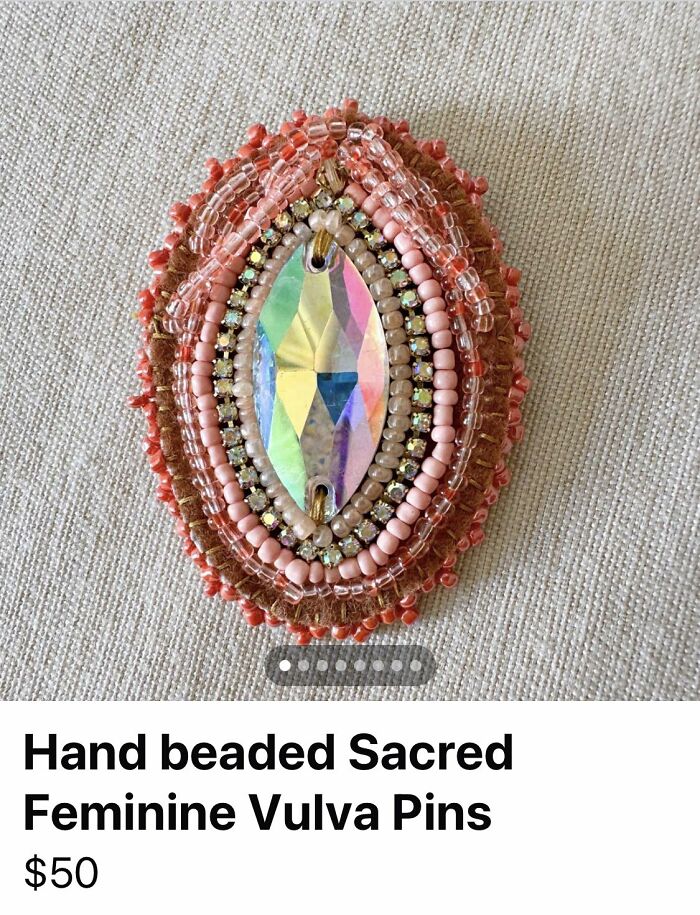
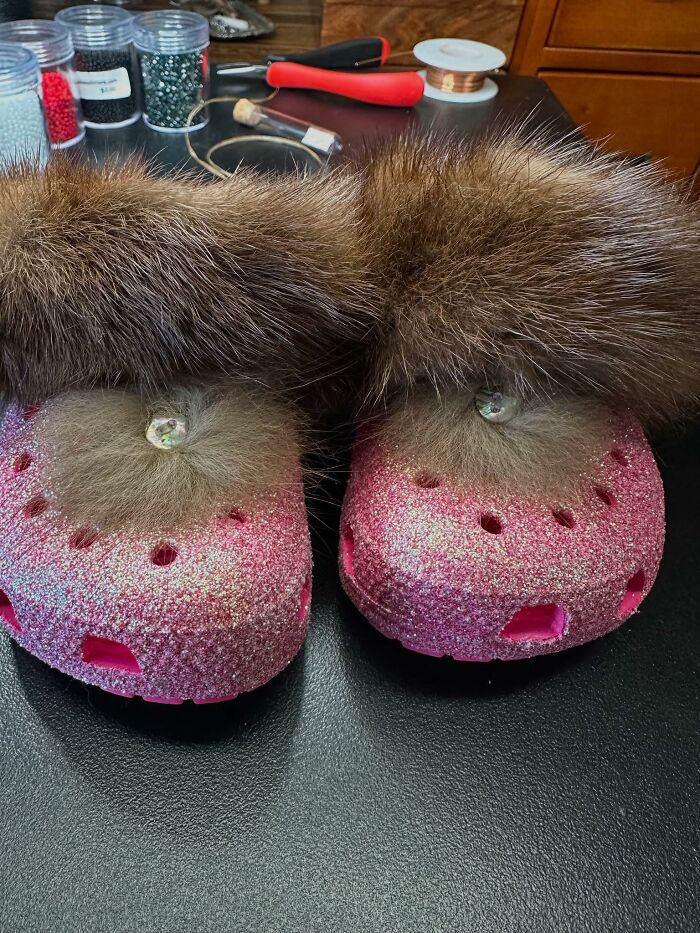
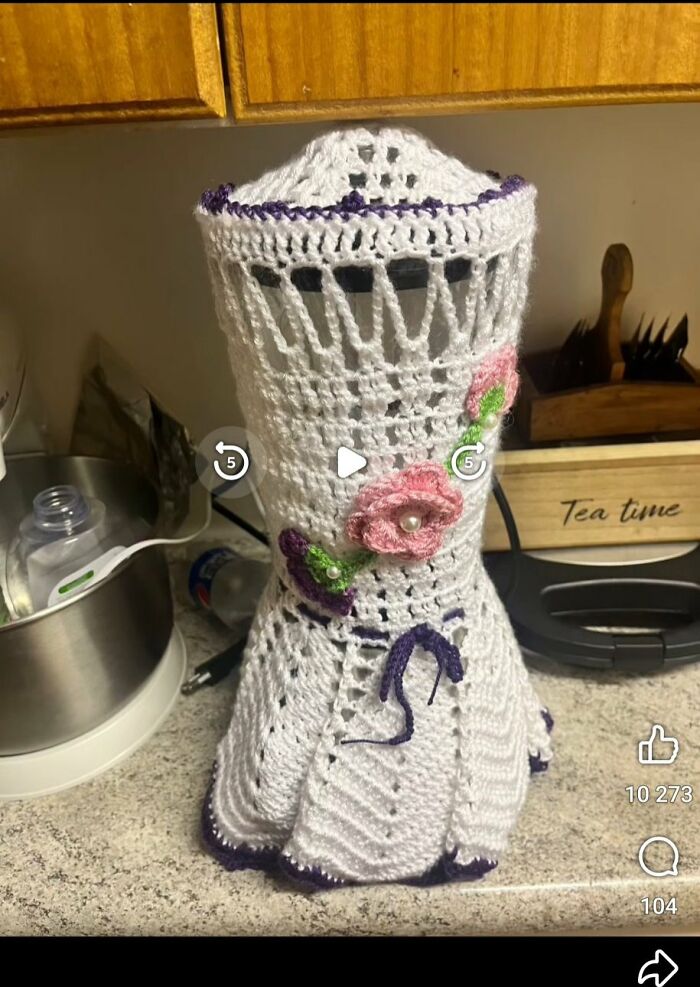
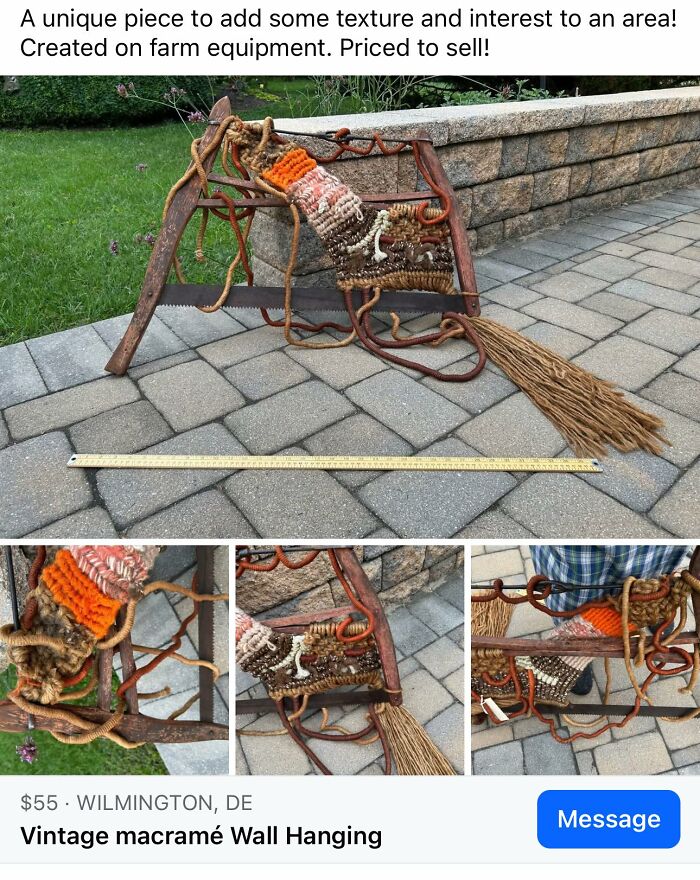
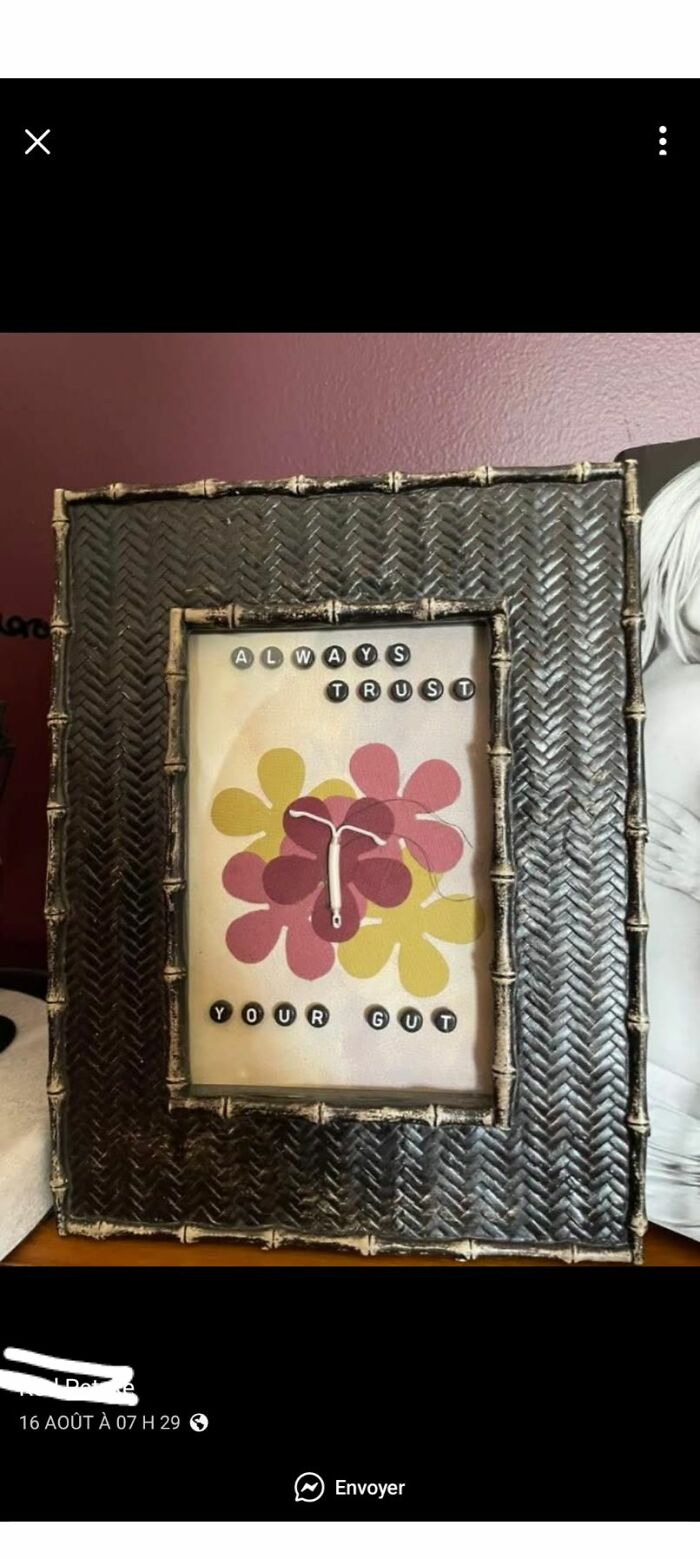
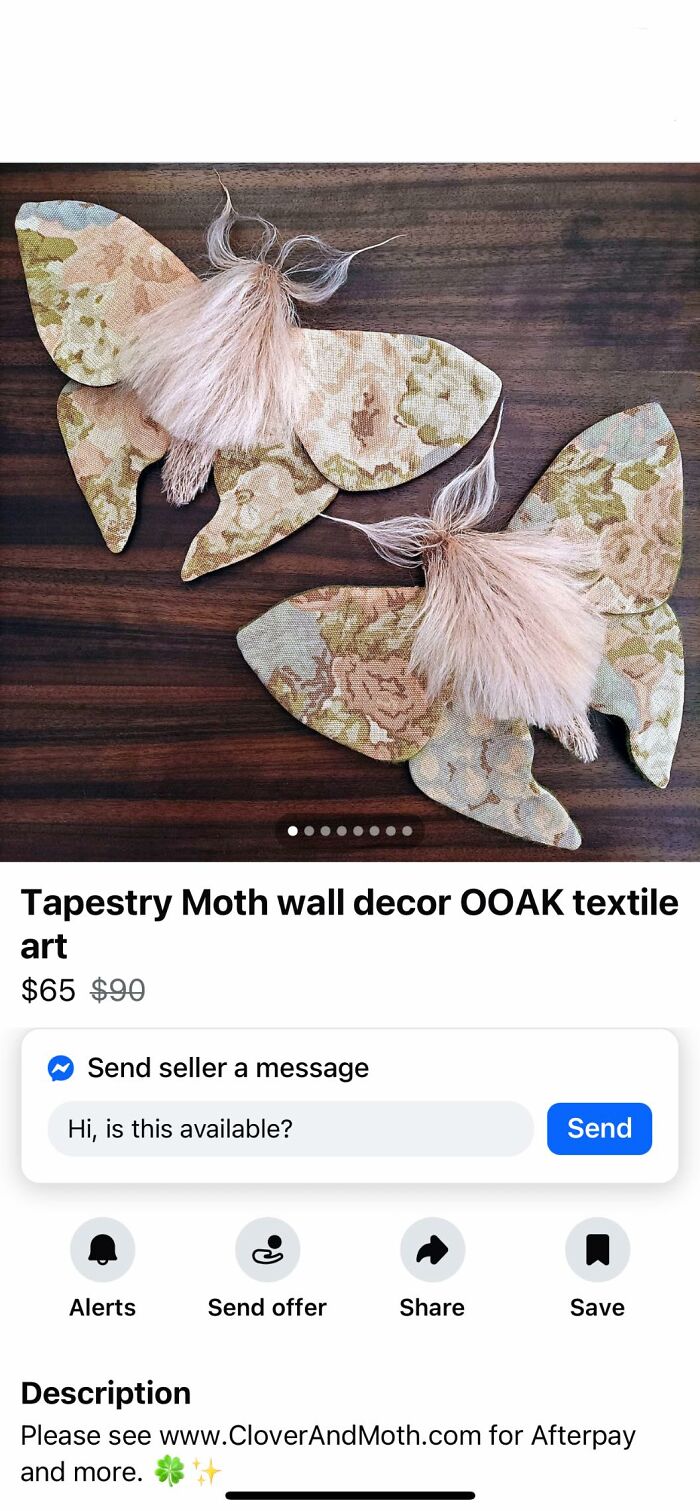
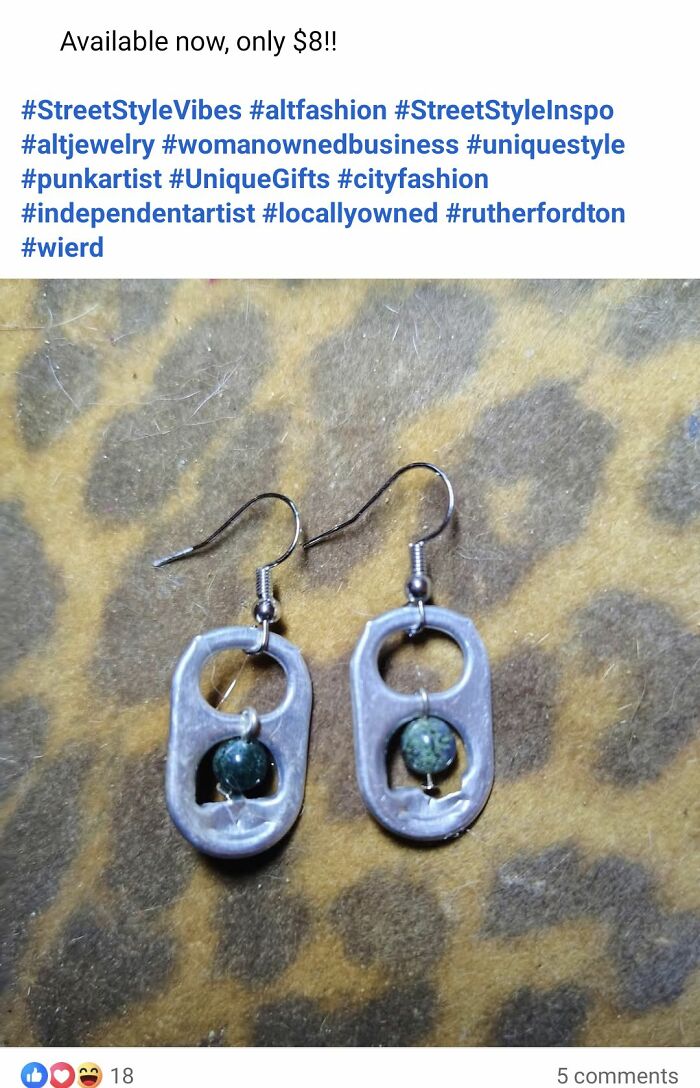
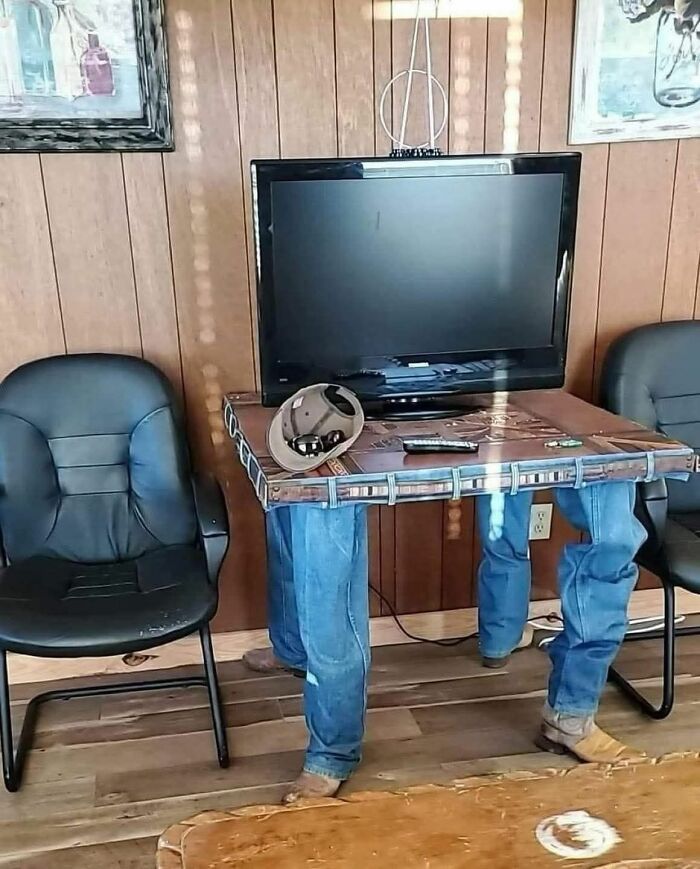
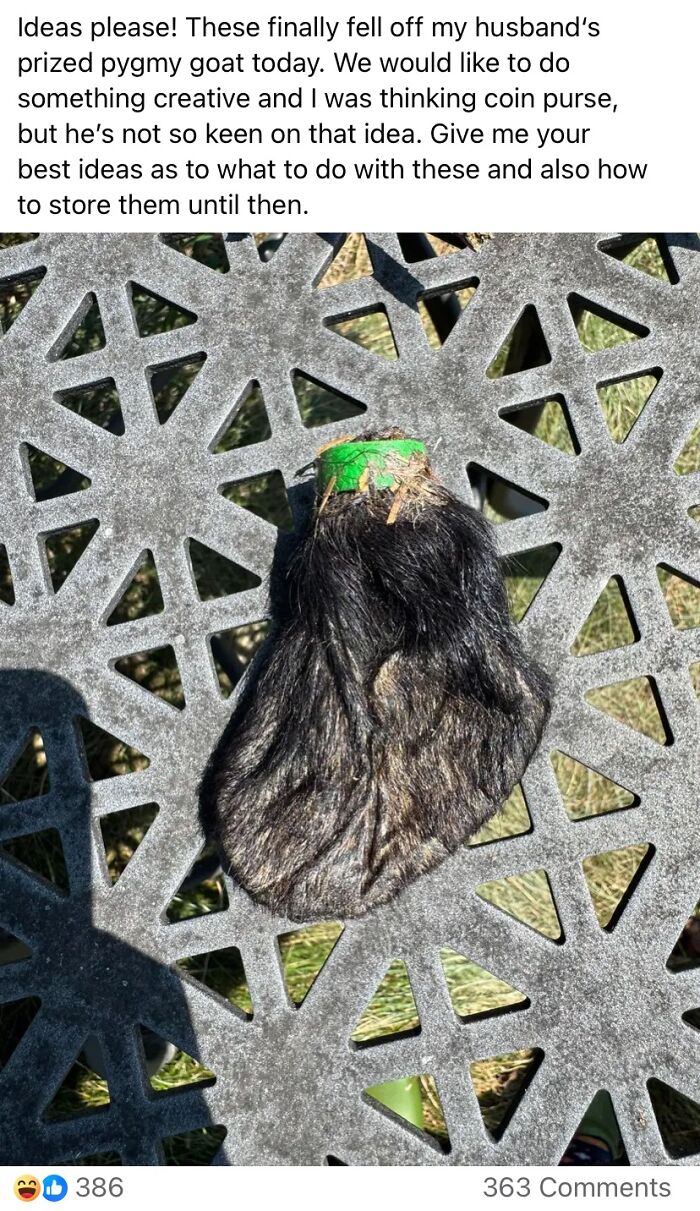
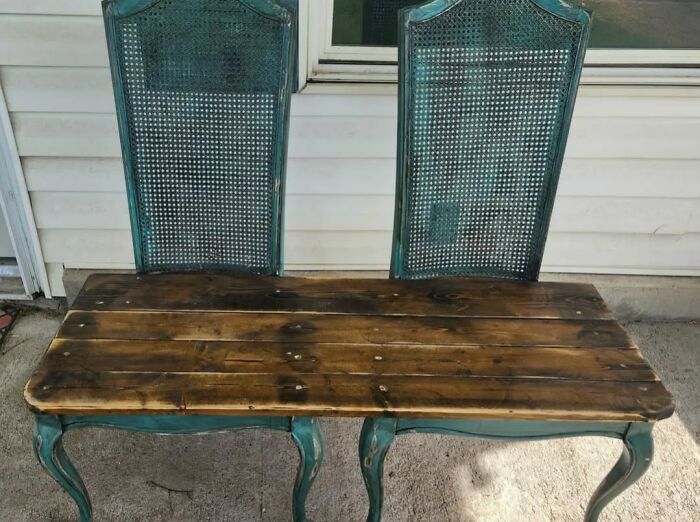
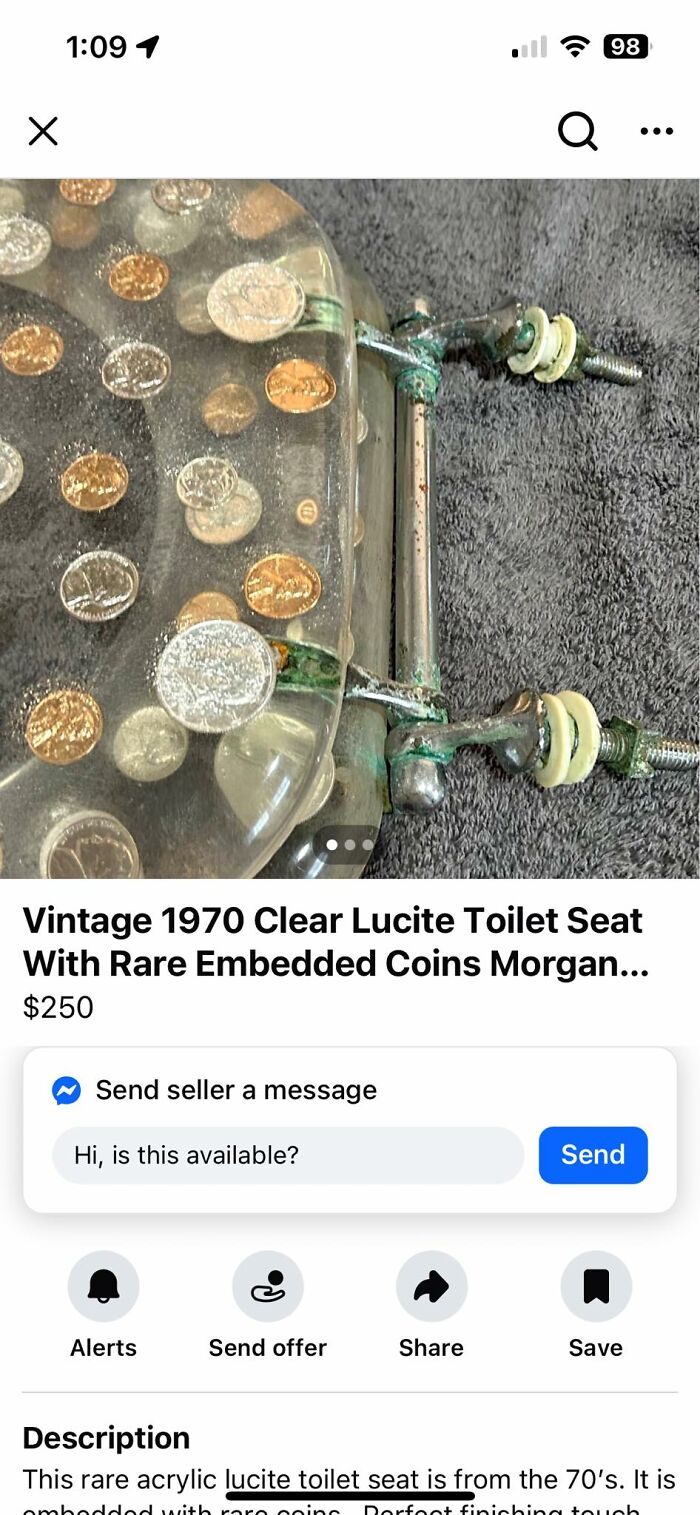
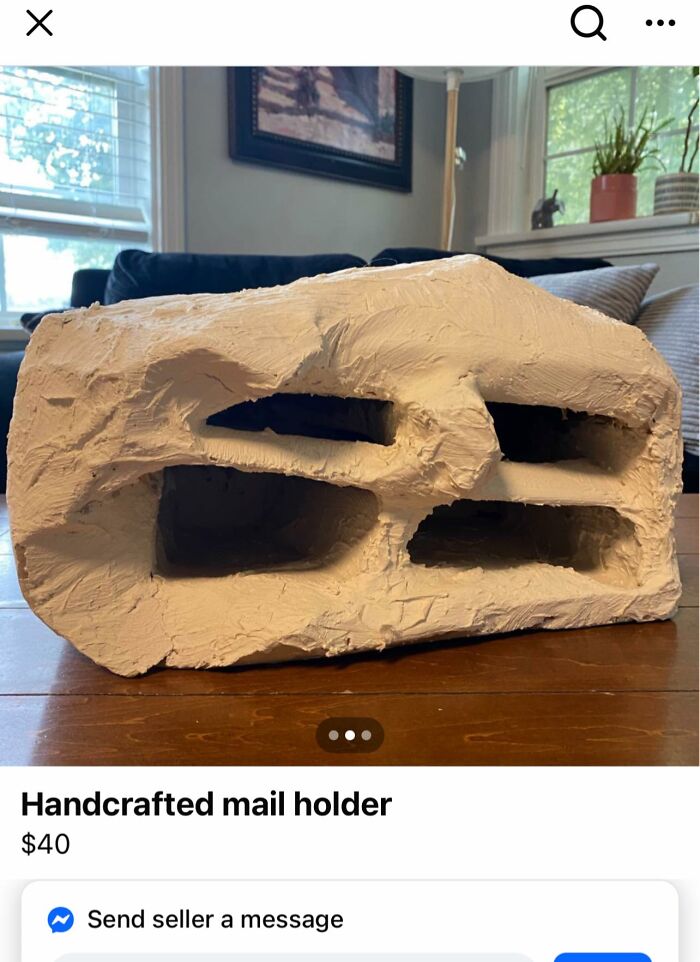
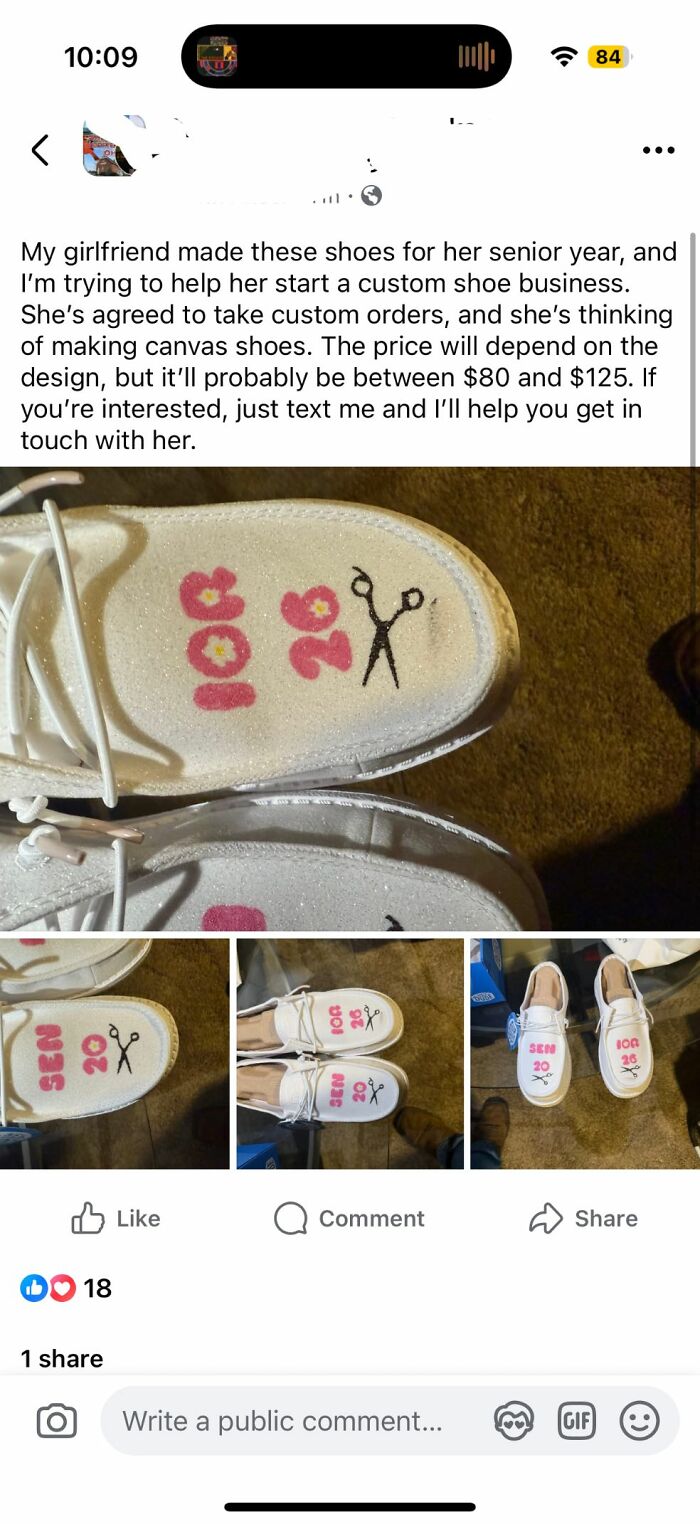
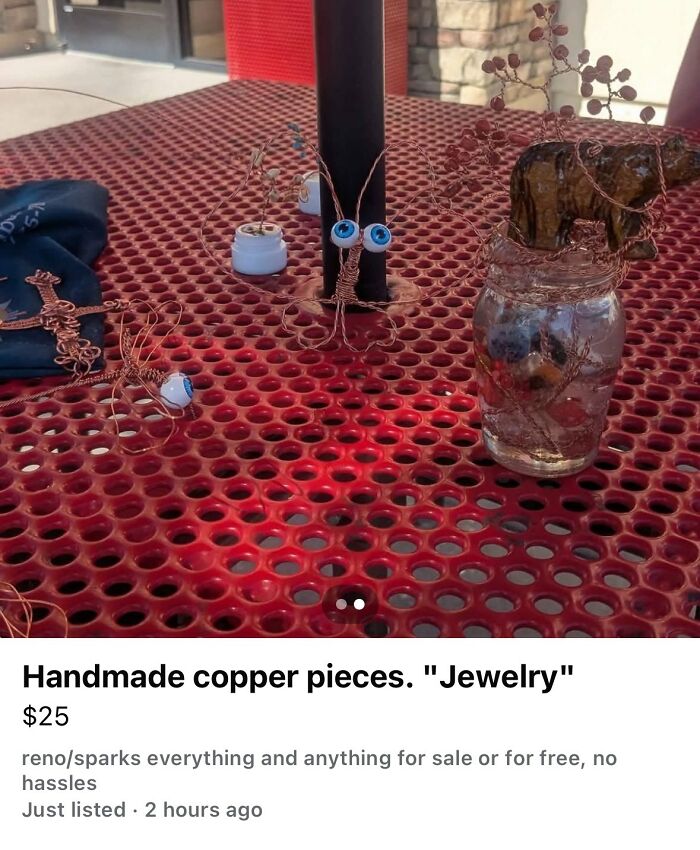
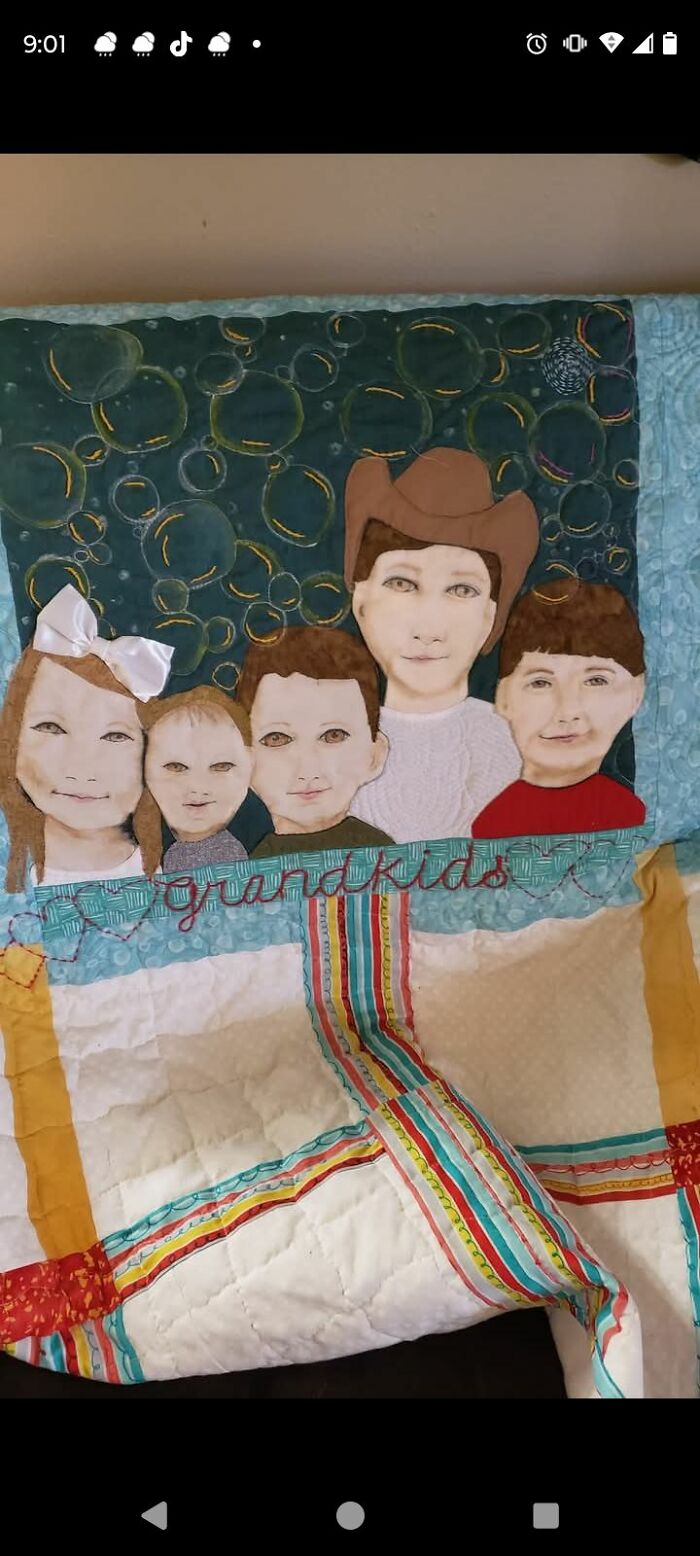
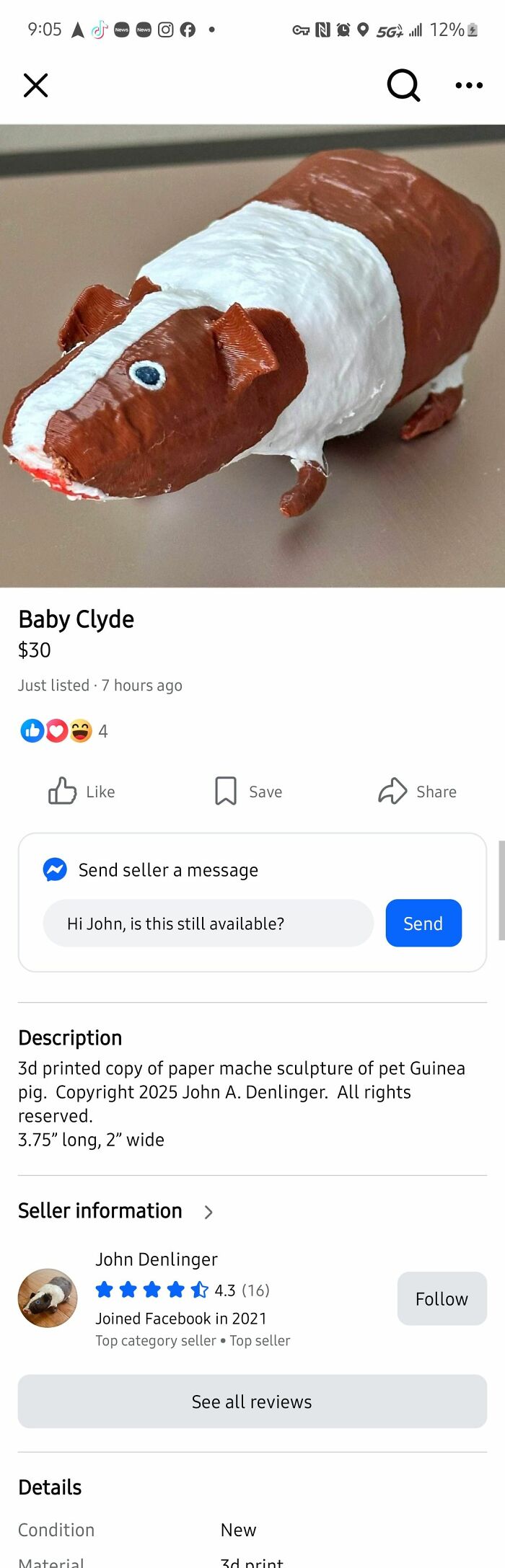
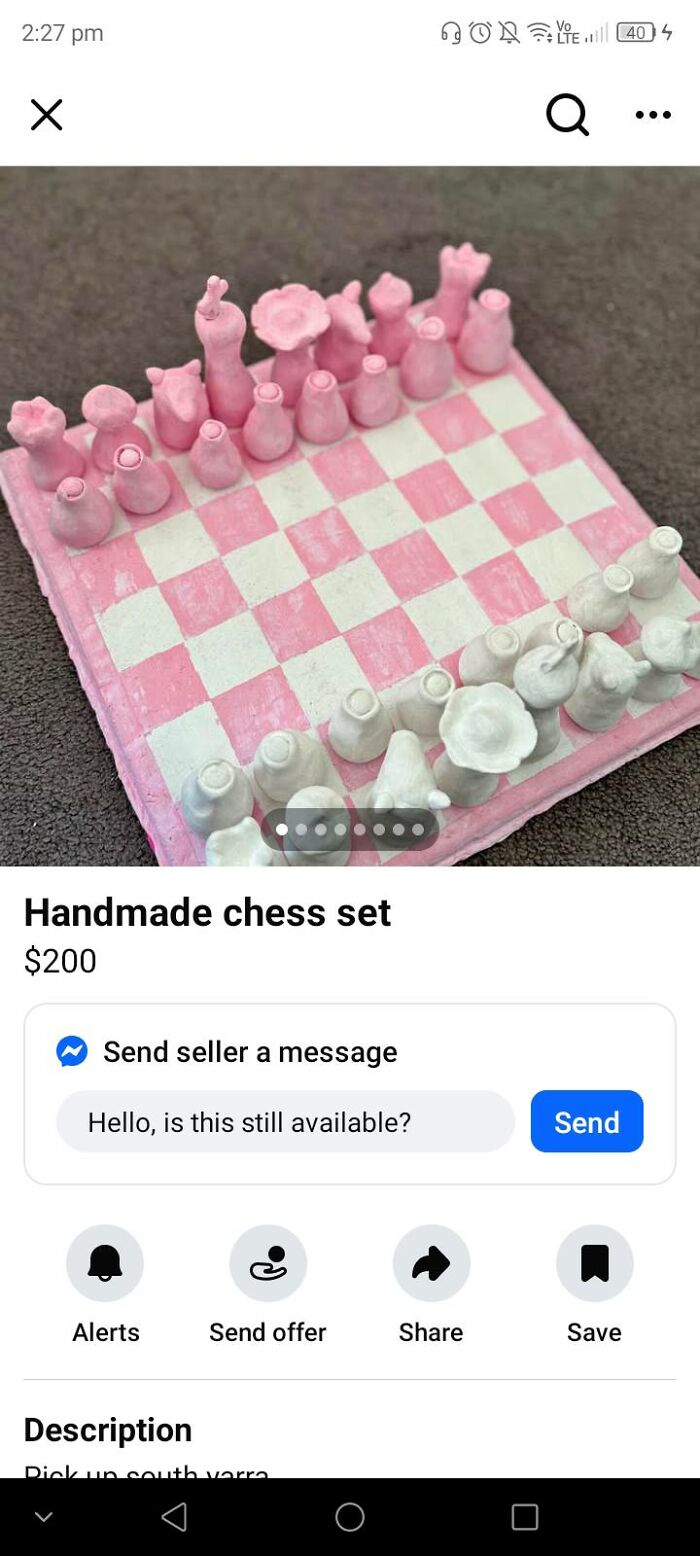
As the name suggests, this corner of the internet doesn’t hand out pity—it puts failed craft projects on full blast. Harsh? Maybe. Entertaining? Definitely. Scroll down to see some truly disastrous DIYs and decide for yourself which ones deserve the most shaming.
This post may include affiliate links.
Okay, but let’s be real: apart from having a laugh at these questionable creations, we can also extend some sympathy. After all, who hasn’t messed up their own DIY? (I can proudly confirm I have. Definitely more than once. Oops.)
In fact, according to one survey, 80% of people attempting DIY projects make mistakes, and 45% of DIYers admit they’ve completely butchered at least one project. We’re human. It happens.
And if there’s a silver lining, it’s that a bad DIY can actually be an amazing learning opportunity. It’s humbling, sure, but it’s also a chance to realize: okay, maybe I overestimated my skills—or, on the flip side, hey, here’s an area I can improve next time.
But how do you actually get better at DIY? Sandra Haurant wrote a great piece for The Guardian where she asked professional DIY-ers to share their tips. Their first piece of advice was perfectly fitting for this topic: know when not to do it yourself.
And that’s not because a creative or complicated art piece might be out of your aesthetic depth, it’s because some things are genuinely unsafe to attempt.
For example, Jo Behari, a DIY expert and author, explains that it’s illegal to do gas and certain electrical work in England if you’re not qualified. “People can die if it goes wrong.”
So when it comes to tasks like these, it’s always best to leave them to the professionals.
If you do want to get serious with DIY—say for your home, not just small craft projects—it’s smart to start with the basics.
Experts recommend putting together a solid starter toolkit: a measuring tape, screwdrivers, hex keys (aka Allen keys), a spirit level, a claw hammer, a scraper, and some safety gear like goggles. And if the budget’s tight, even regular glasses or sunglasses can work for lighter jobs like sanding.
But having the tools is only half the battle. The next step is knowing how to take care of them.
Clean them, store them properly, and show them a little respect. Sometimes maintenance might not be as intuitive as you’d think, so don’t be afraid to look it up.
Neglecting them will only shorten their lifespan, and what’s the point of investing in a toolkit if it won’t last you long?
While DIY is often seen as the budget-friendly option, it’s worth remembering that not everything should be done on the cheap. Knowing when to save and when to spend can make all the difference.
Sometimes splurging just a little will save you a whole lot of trouble down the line. Paint, for instance, is one of those things you really don’t want to cut corners on.
As Behari points out: “Cheap paint is going to involve lots and lots of coats, so you have to buy more, and then it takes more time because you’re painting for a lot longer.”
Finally, don’t forget one of the biggest perks of modern DIY: the internet. Beyond shaming bad crafts, it’s an endless source of inspiration and education. Tutorials, videos, online communities, you name it. Great DIY takes trial and error, and thanks to the online world, you don’t always have to start from scratch.

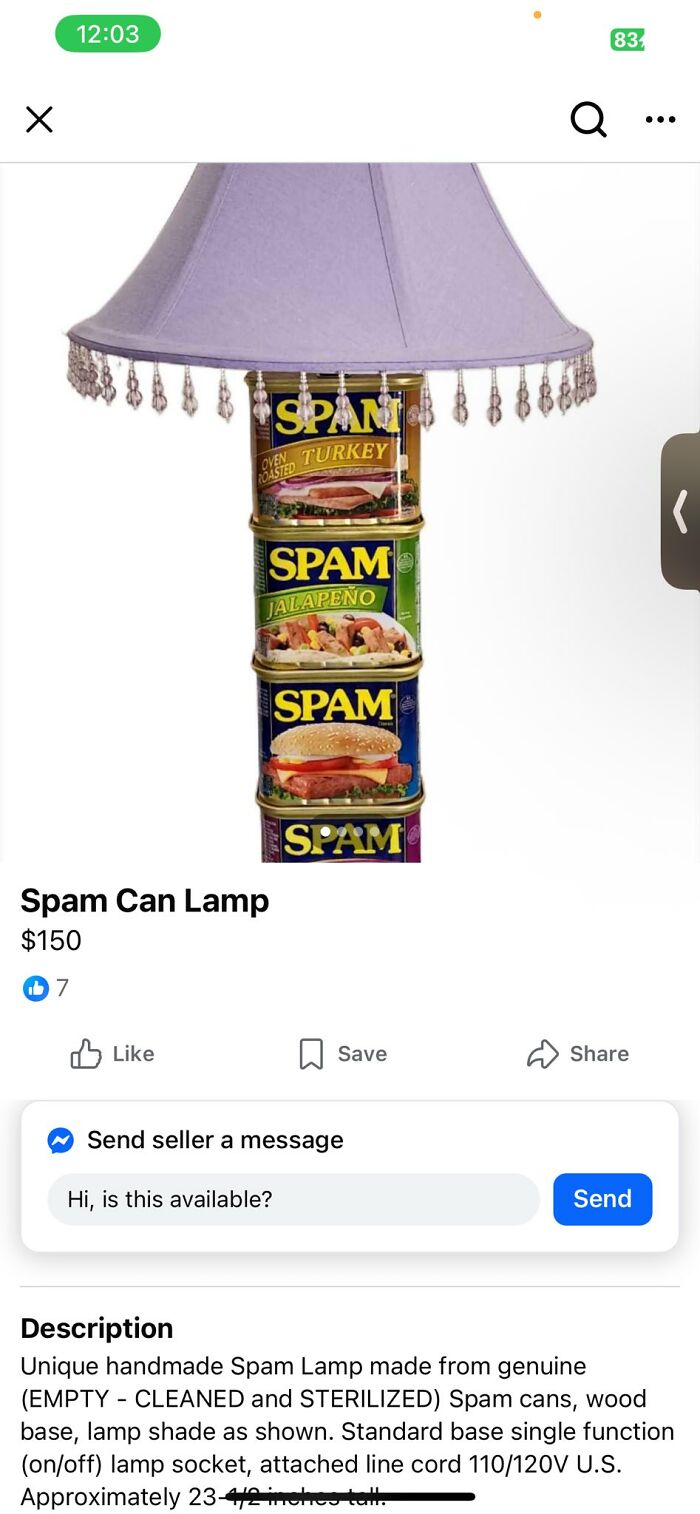
Wait! What! Spam has jalapeno flavour mmm old skool went spicy… like it

If that was in their gut, they need a new gynaecologist!

For all the ardent feminists in your life. I was young and angry once too.

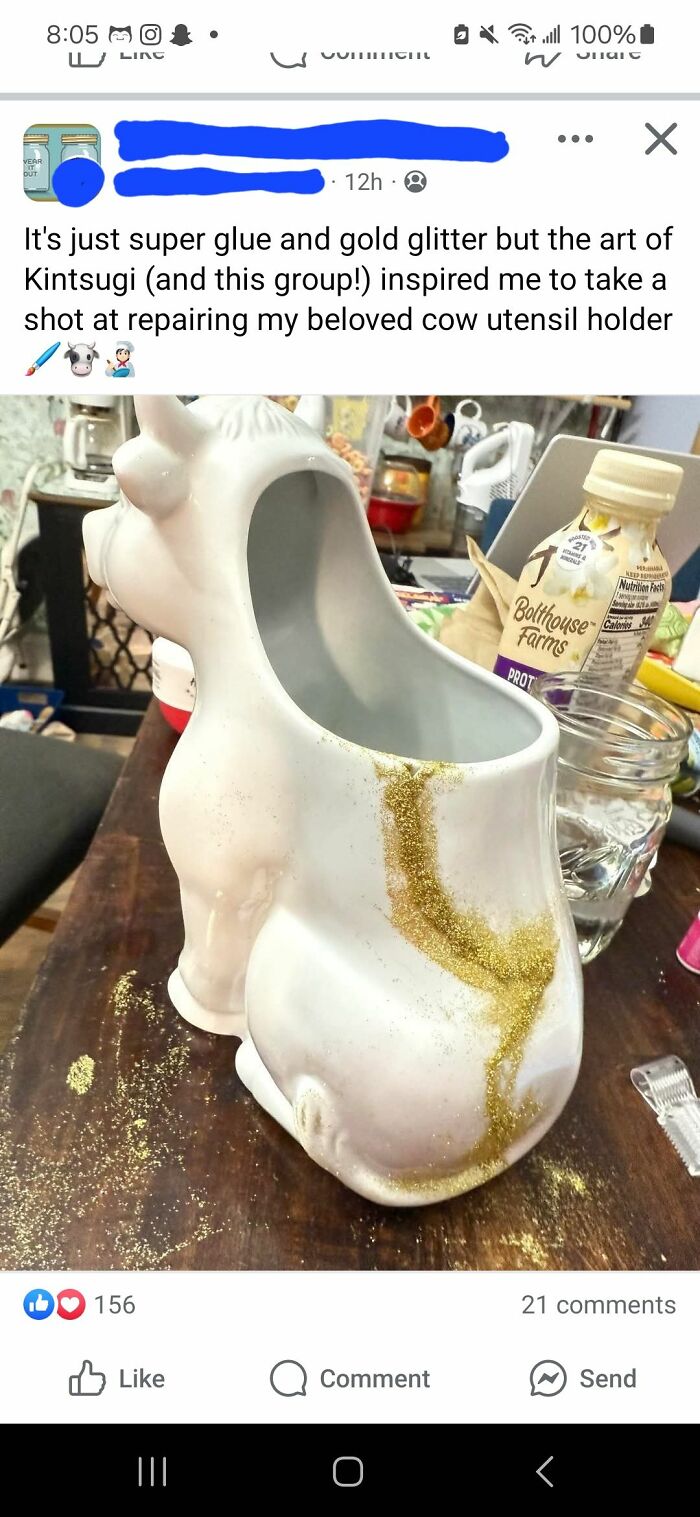
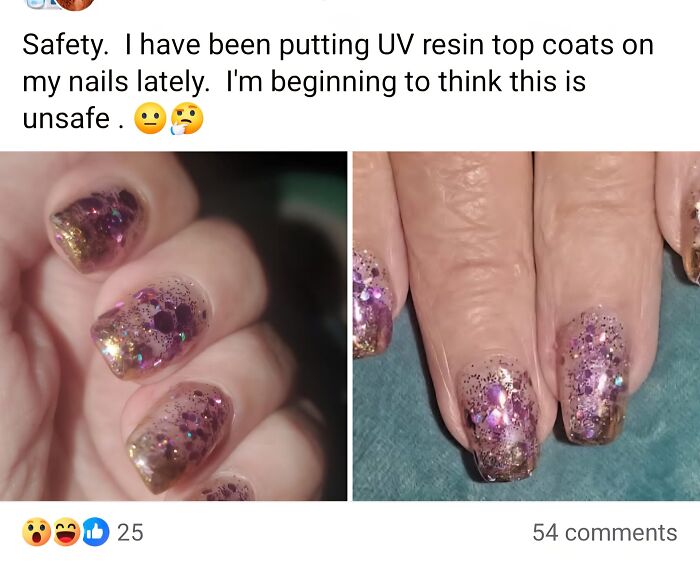
If she stores (and uses) her utensils in that thing, she'll be eating glitter for a very long time.
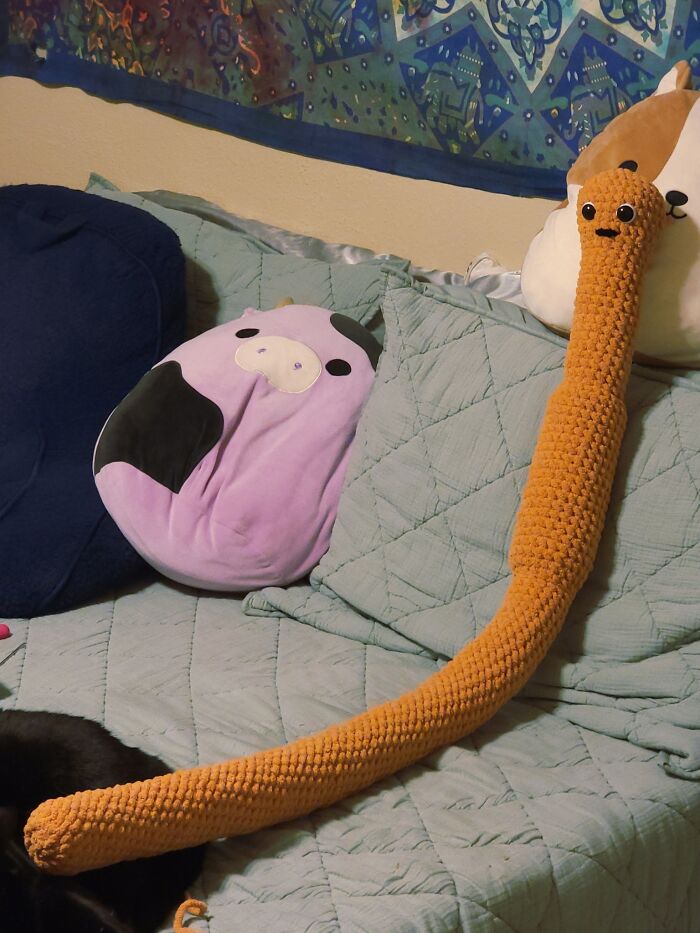
Why do these remind me of a very small boyfriend I had once…


Tbh, I know that similar "snake pillows" are used in care to prevent decubitus (wound created by pressure when somebody is bed-bound). You move those pillows every 2 hours around to support different body regions of the patient.
Is that what I think it is, kept close to hand for adults only?
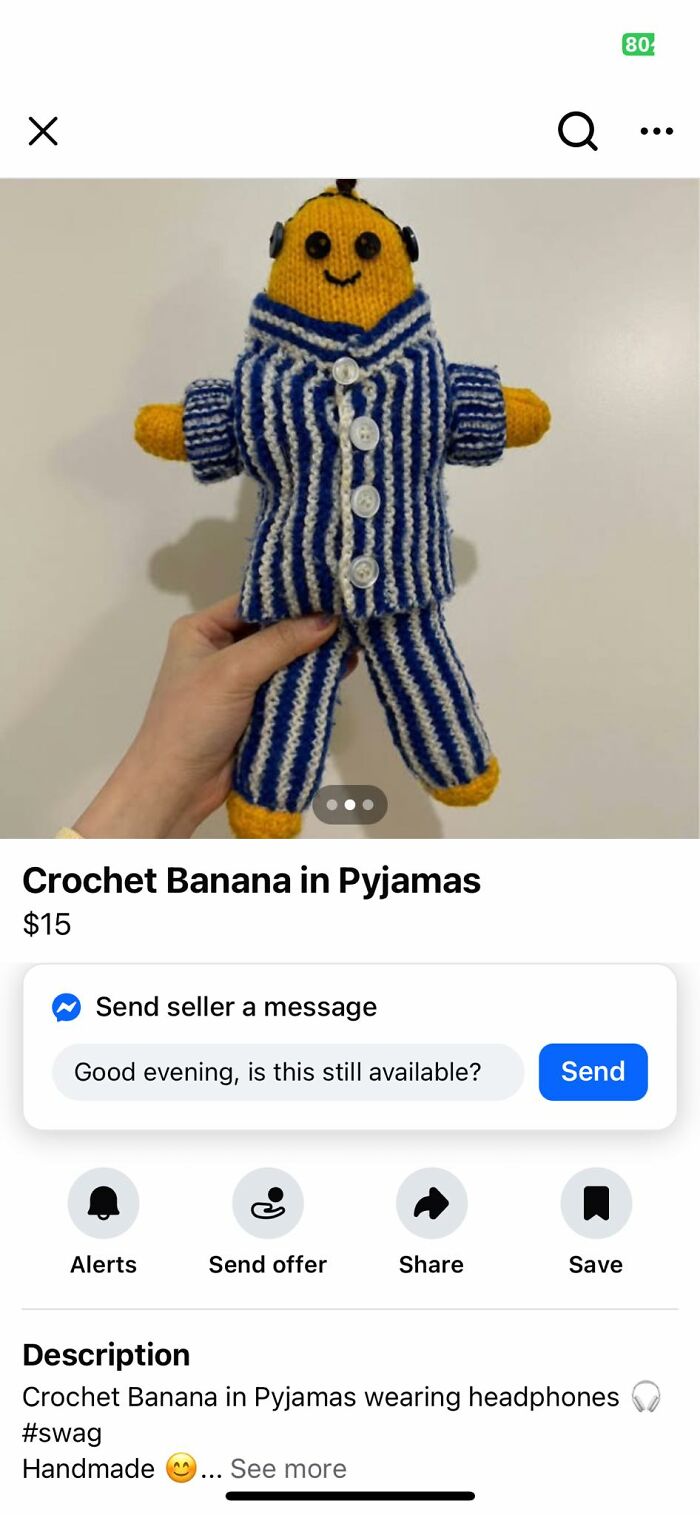
I was going to as, “Since when did bananas have legs?”, but then I remembered that bananas in pyjamas go running down the stairs…
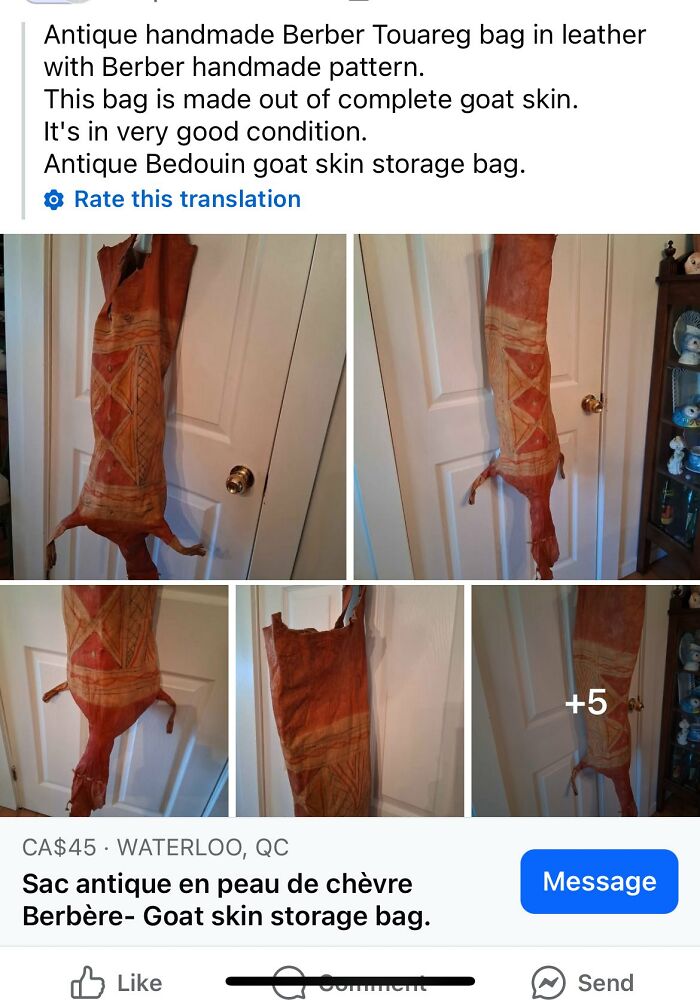
This is not DIY. It’s actually made by tribal people from Northern Africa.
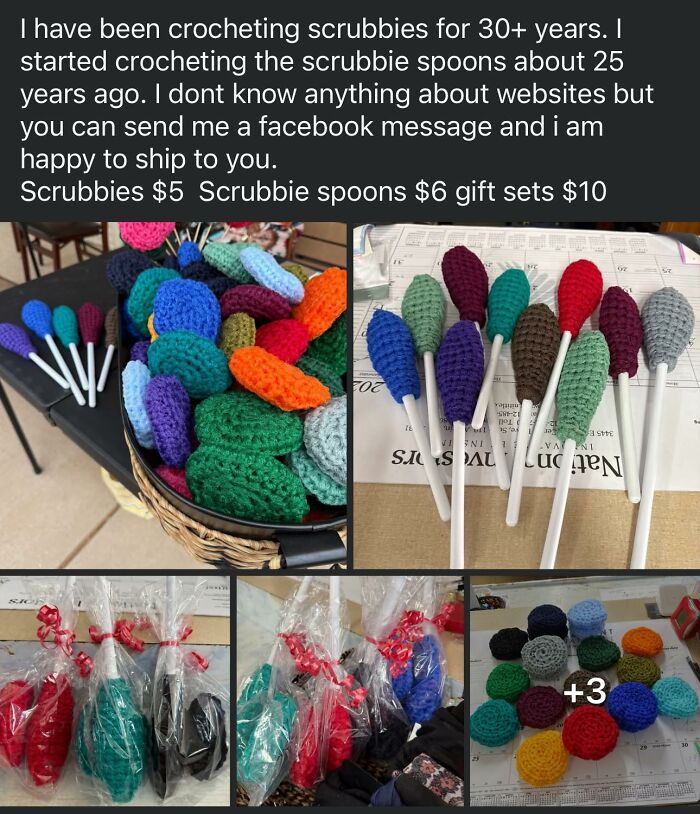
Why is this a fail? So many people use these instead of plastic sponges. They are durable and eco friendly. Definitely does not belong on this list.
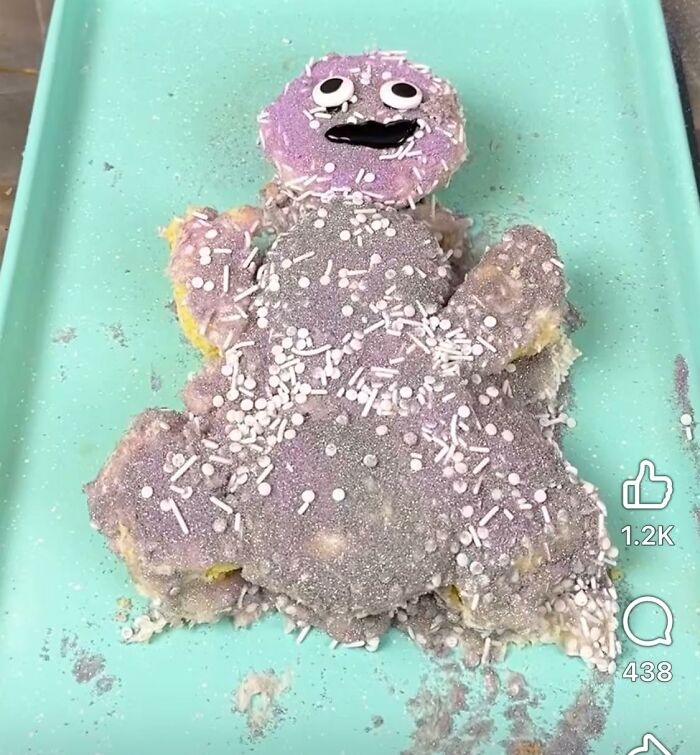
I didn’t realise they based the model on one of mine.

This reminds me of an old website that used to post this kind of thing , called Regretsy. It was a hoot.

This reminds me of an old website that used to post this kind of thing , called Regretsy. It was a hoot.
































 No fees, cancel anytime