Get Premium
Dark mode theme is available exclusively for premium users. Learn more about the benefits of subscribing.
No fees, cancel anytime.

 Dark Mode Ad-Free Browsing Unlimited Content
 Ad-Free Browsing Unlimited Content Dark Mode
Join 1.2 million Panda readers who get the best art, memes, and fun stories every week!

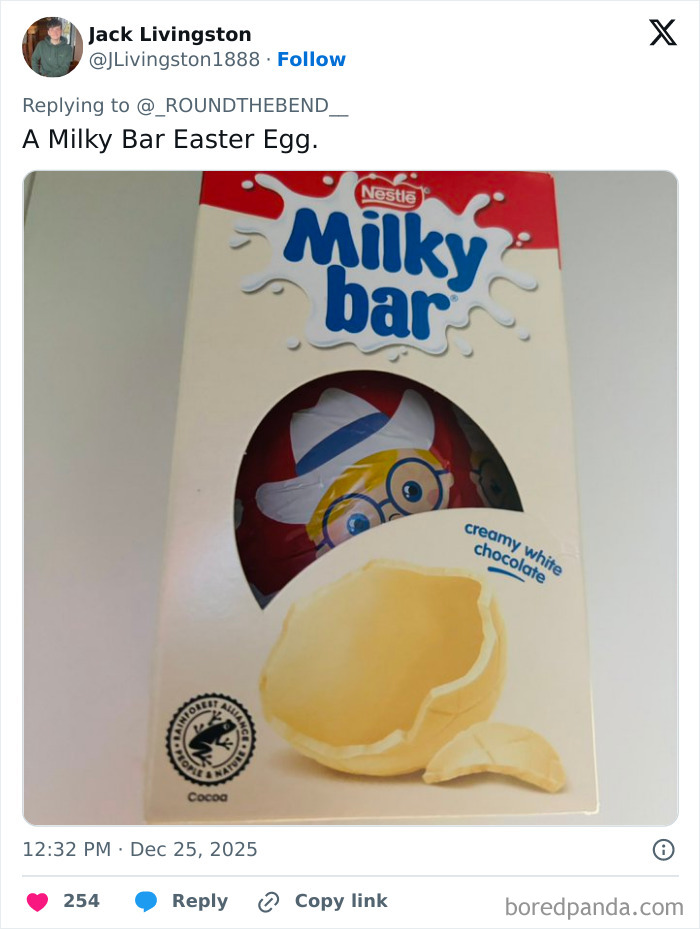
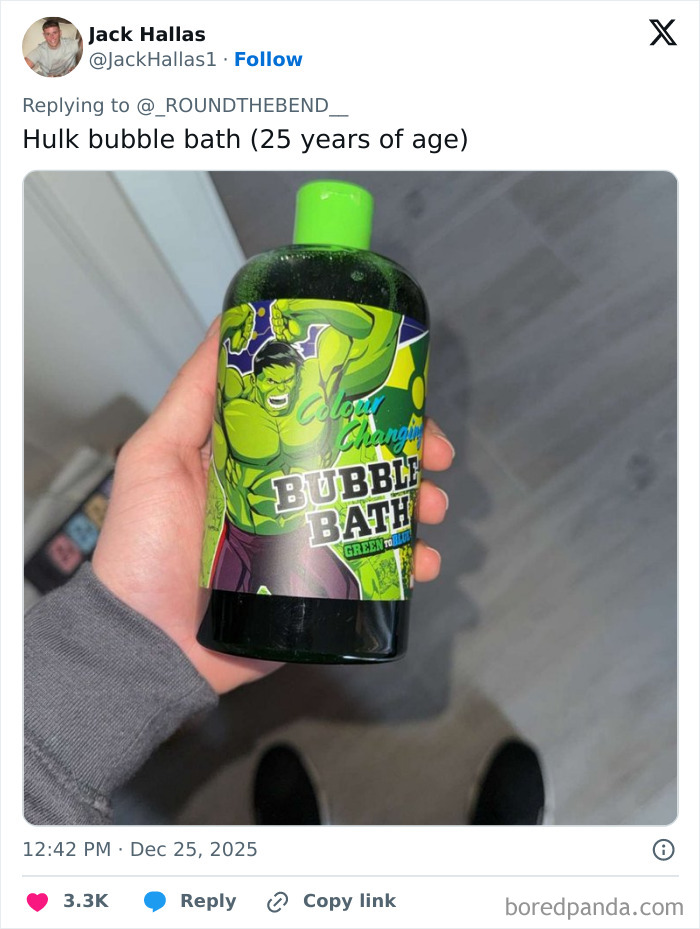
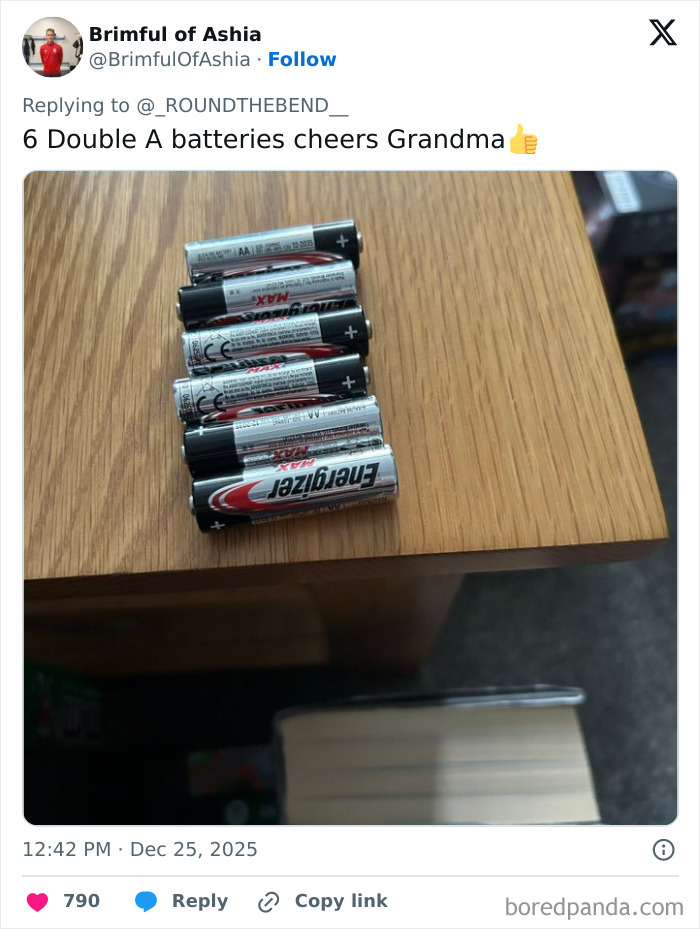
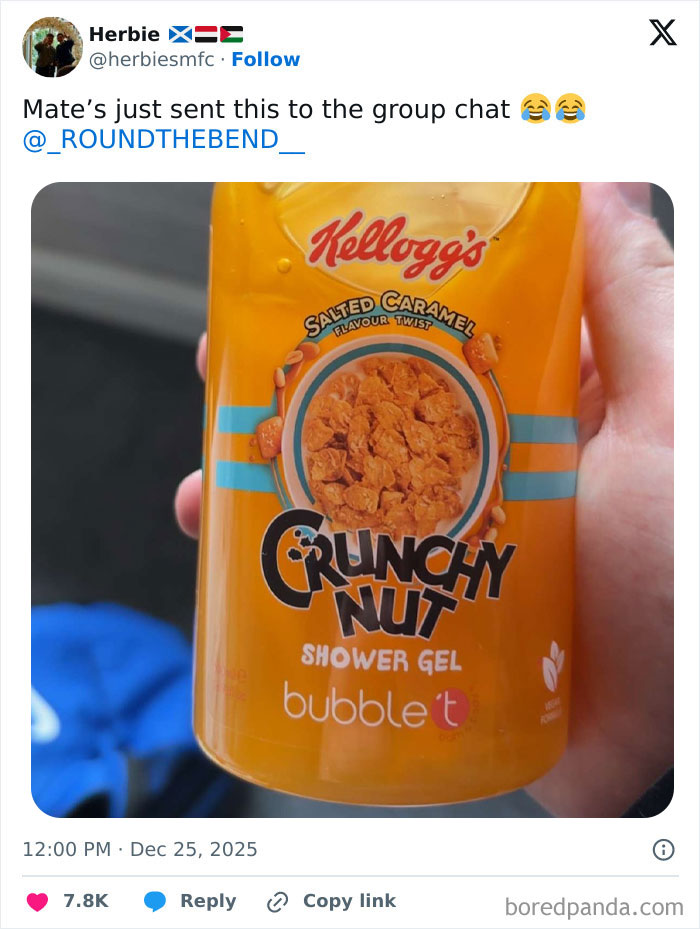
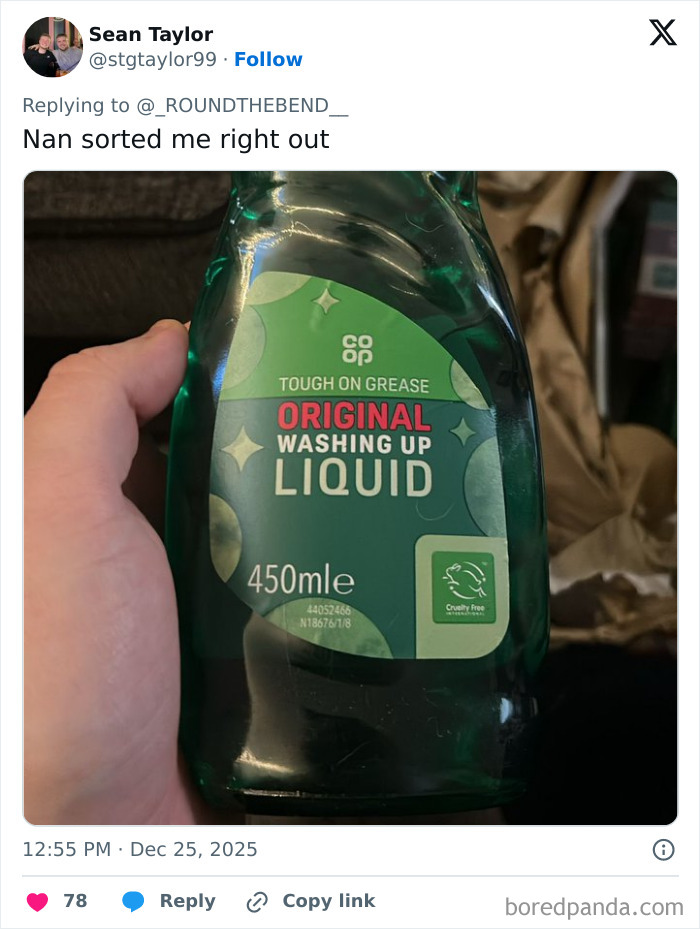
Some folks are very hard to gift shop for. Their interests are arcane, they never say what they want, they seem to already own everything they like. However, at the very least most of us can get a mediocre gift, some chocolates, maybe a generic gift card, some snacks. But a few people out there have a special gift, if you’ll forgive the pun, for horrible items.
So we’ve gathered some of the worst things people have gotten for Christmas this year. So settle in, thank your lucky stars if you actually got something nice, upvote your favorites and be sure to share your own thoughts and experiences in the comments section down below.
This post may include affiliate links.

There’s a specific sound that defines late December: the crisp, satisfying crinkle of wrapping paper being torn apart. Whether you’re five years old or fifty-five, that moment of holding a mystery box triggers a primitive excitement that’s hard to replicate. But have you ever wondered why we, as a species, are so obsessed with the ritual of gift-giving?
It isn't just about the "stuff." If it were purely about the items, we’d all just buy what we wanted in July and call it a day. Instead, the psychology of Christmas gifts is a complex dance of neurobiology, social signaling, and the high-stakes art of being "seen" by another person. It turns out that the "magic of Christmas" is actually a very real chemical cocktail happening inside your brain.
When you see a stack of presents under a tree, your brain begins producing dopamine, the neurotransmitter associated with reward and motivation. Interestingly, research into the psychology of anticipation suggests that we often get a bigger chemical hit from the lead-up to the gift than from the object itself. That’s why the beautiful wrapping, the ribbons, and the "Do Not Open Until Dec 25" tags are so effective, they prolong the dopamine loop.
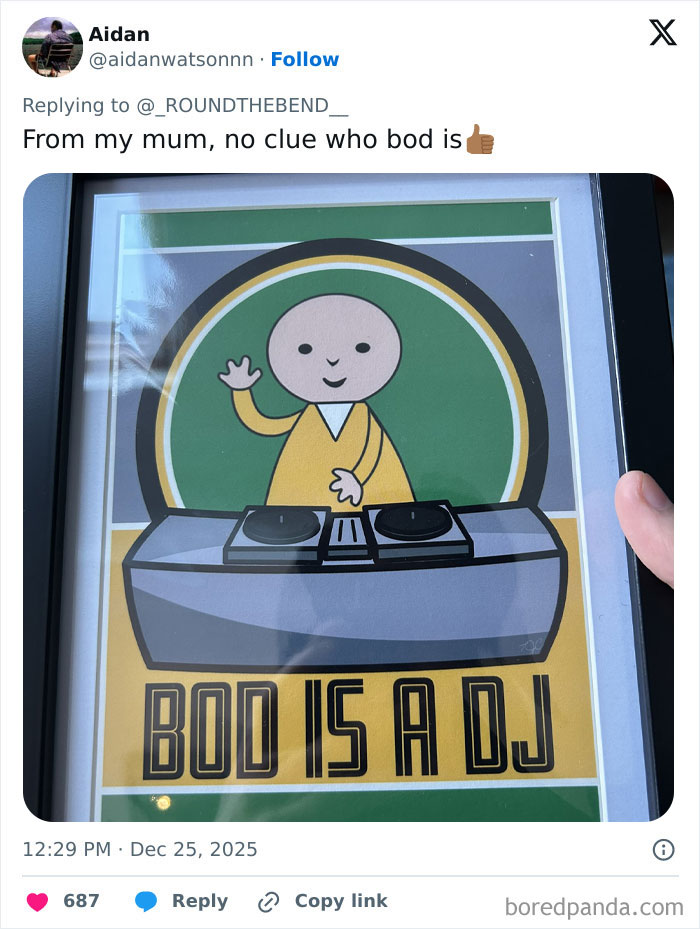
I would LOVE that gift. I love Marmite AND Elton John.
We love getting gifts because it satisfies an ancient human need for social bonding. In a tribal context, exchanging items was a way to signal peace and mutual support. Today, a well-chosen gift serves as a physical manifestation of a relationship, a way of saying, "I know who you are, and I value you."
This brings us to the fascinating "Reciprocity Principle." When someone gives us something, our brains are hardwired to want to give something back. This isn't just a social obligation, it's a biological drive to maintain social equilibrium. When the exchange goes well, it strengthens the "social glue" that holds our families and friendships together.
We feel a sense of belonging and security. However, this same high-stakes social contract is exactly why gift-giving can go so hilariously, or tragically, wrong. Because if a good gift says "I know you," a bad gift can accidentally say "I have no idea who you are, and I might have forgotten your name for a second."

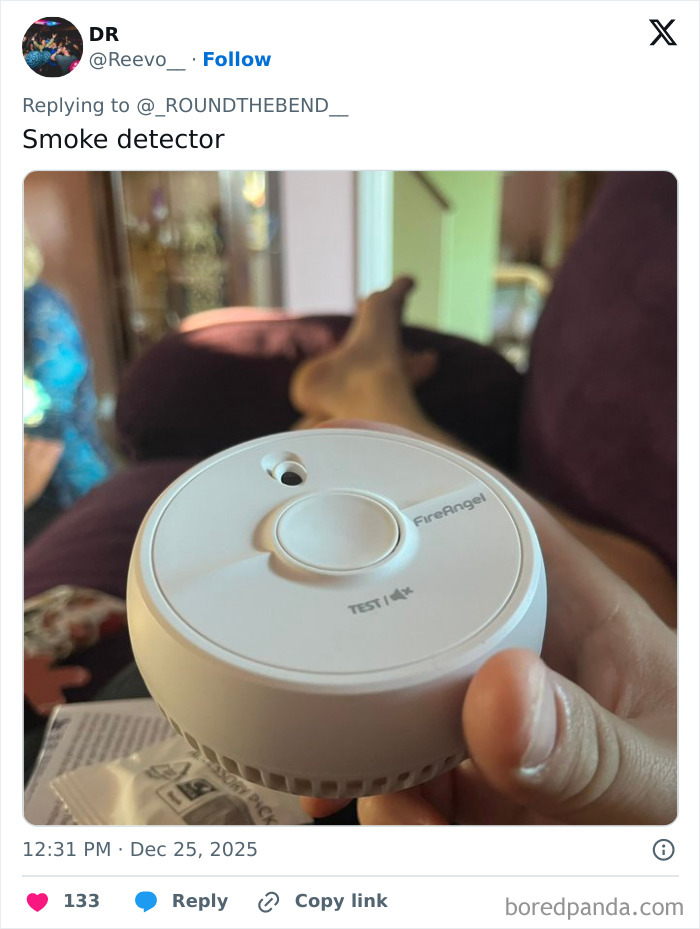
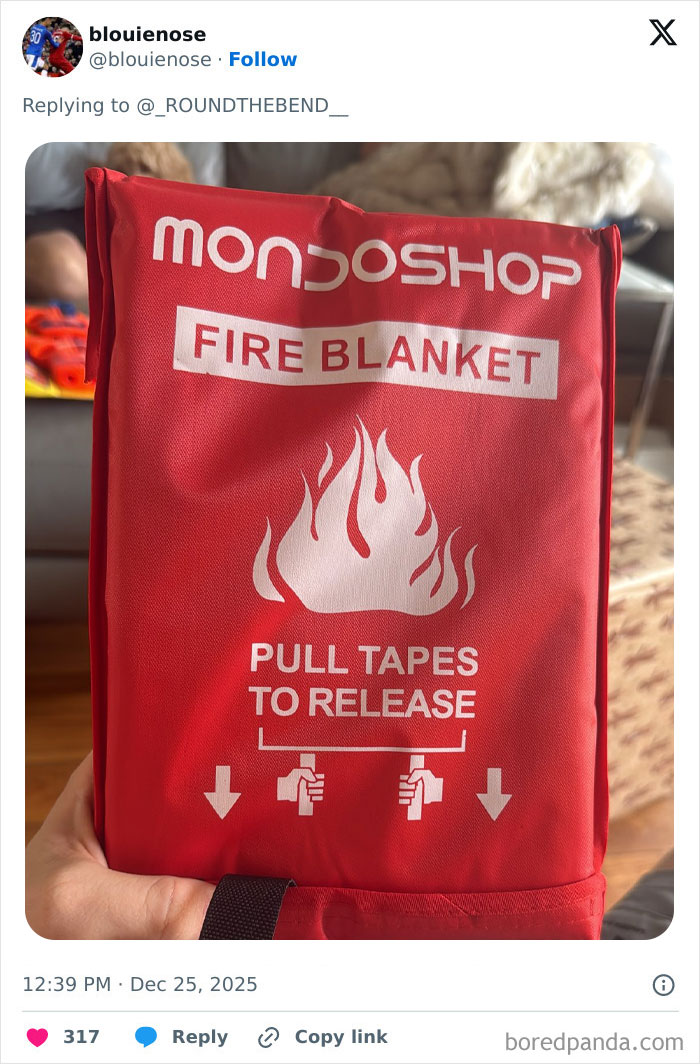
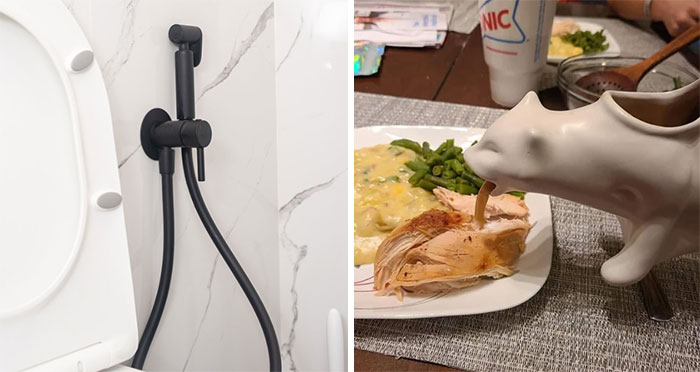
Really useful, in the UK it is mandatory to have one in your kitchen if you rent your home. If you own your home, you should definitely invest in one.
So, what exactly makes a gift "bad"? It’s rarely about the price tag. In fact, some of the worst gifts are incredibly expensive. The primary culprit is often what psychologists call "egocentric giving." This happens when the giver buys something they would love, rather than considering the recipient's tastes.
For example, gifting a high-tech espresso machine to someone who only drinks herbal tea. It’s a great object, but a terrible gift because it ignores the recipient's identity. Another common pitfall is the "gift with a chore attached." This includes things like complicated DIY kits for someone who is already overwhelmed, or a "self-help" book that implies the recipient needs fixing. Instead of feeling loved, the recipient feels burdened or criticized.
There is also the dreaded "thoughtless" gift, the generic candle or the pre-packaged bath set that looks like it was grabbed during a frantic gas station run on Christmas Eve. These fail because they lack "symbolic meaning." A study on the science of bad gifts points out that humans are highly sensitive to the effort behind a gesture. If the gift feels like a checked box on a to-do list rather than a genuine attempt at connection, the social bond isn't strengthened, it’s slightly bruised. We’d often rather have a small, thoughtful $5 item that references an inside joke than a $50 item that feels like it was chosen by an algorithm.

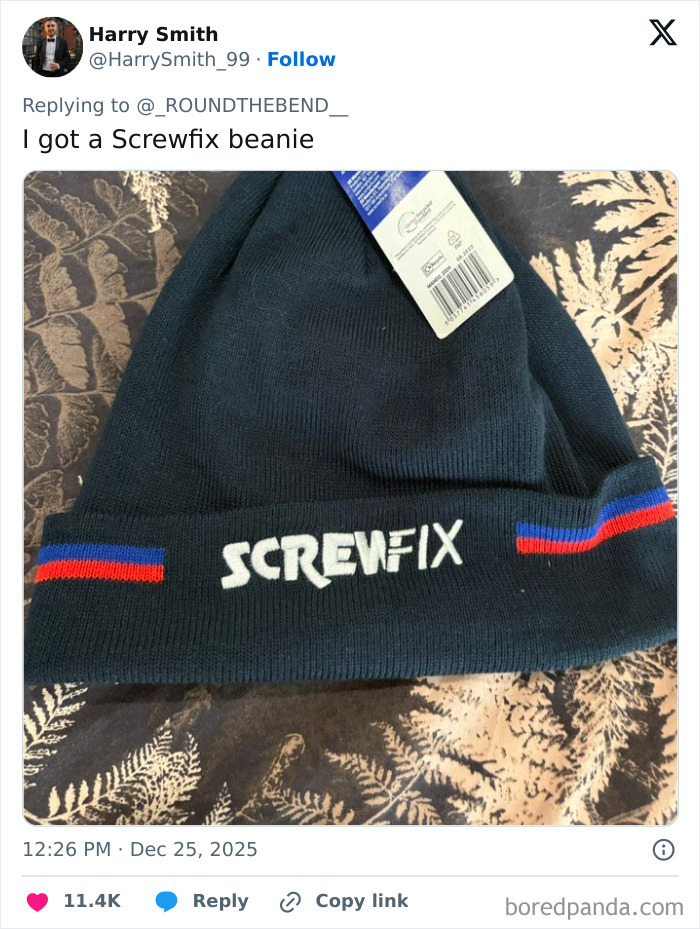
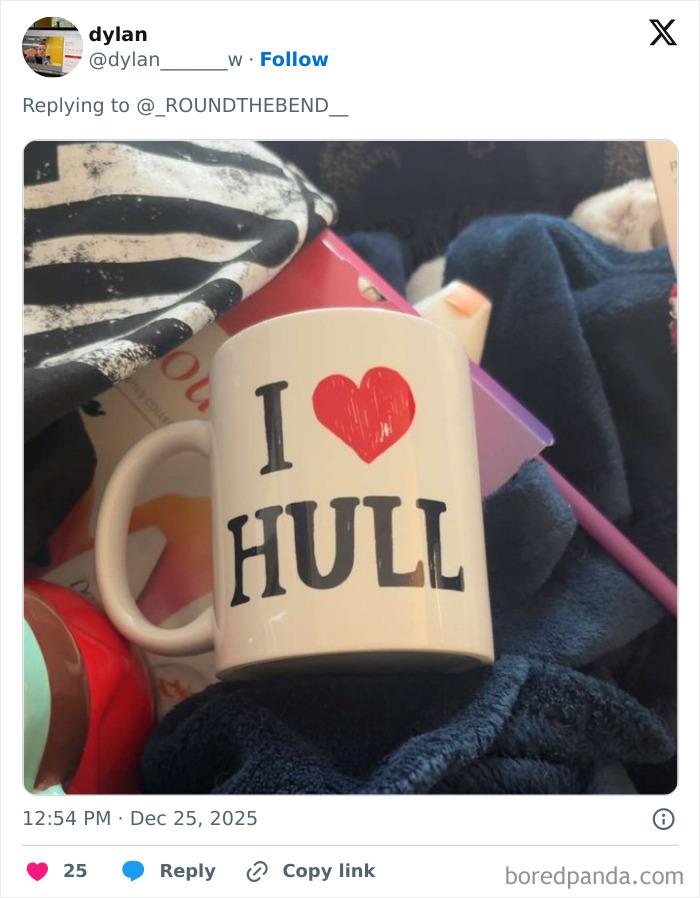
If the recipient is from Hull, then this is quite funny. I'm from Birmingham, and I've got a hoodie that says 'Brum Ting' on it.

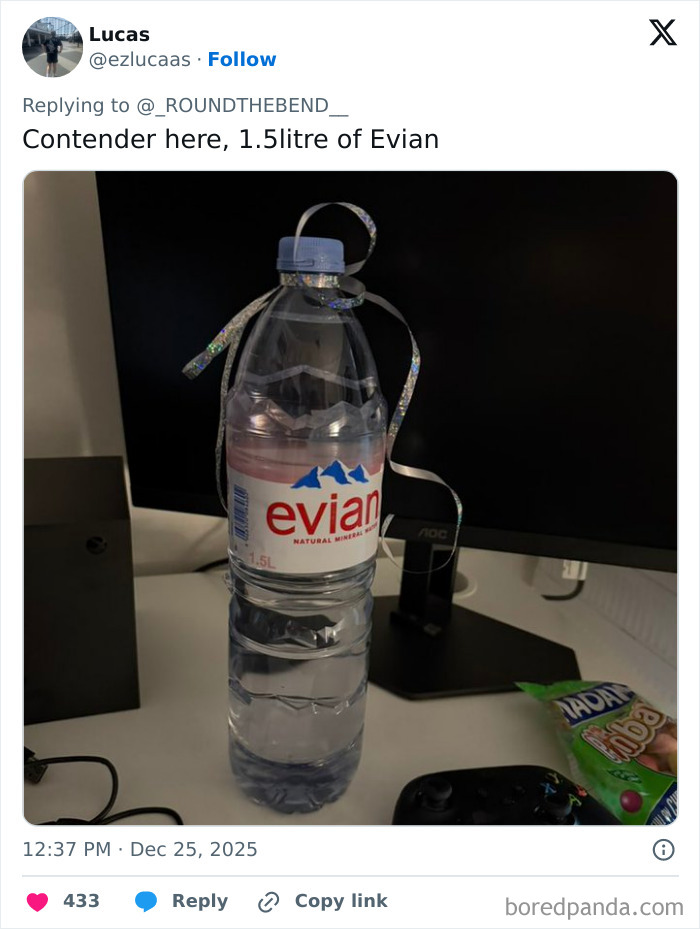
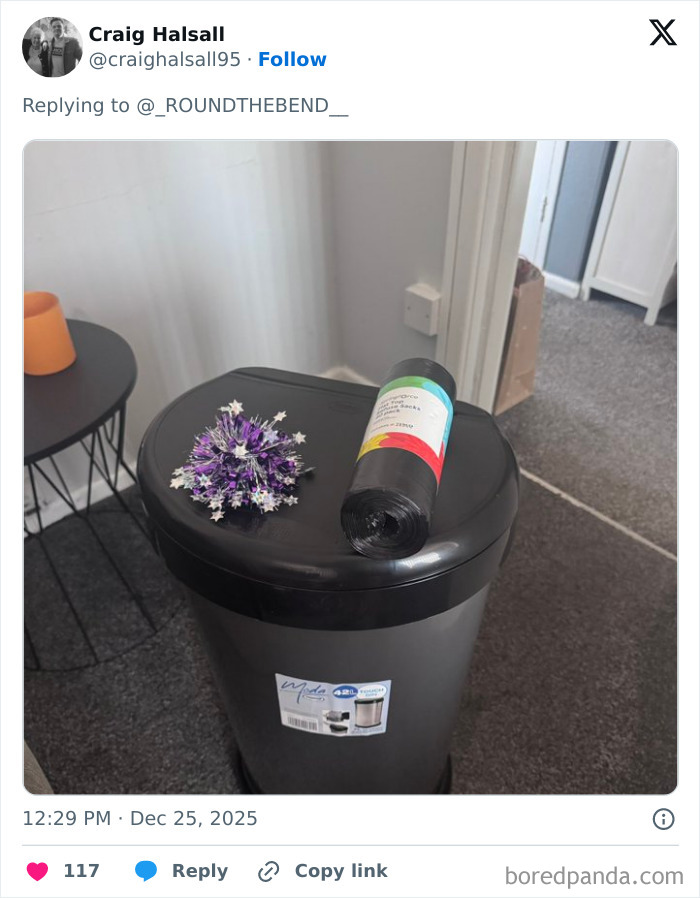
That appears to be a fairly nice trash can. I would not complain.
Ultimately, the reason we love getting gifts is that we love the feeling of being understood. A perfect Christmas gift acts as a mirror, reflecting a version of ourselves that someone else appreciates. When you open a box and find exactly what you didn't even know you wanted, it validates your existence in a way few other things can.
On the flip side, we navigate the "bad" gifts with a polite smile because the ritual itself, the gathering, the shared meal, and the attempt at kindness, is usually more important than the accidental "World's Best Accountant" mug you received even though you’re a florist. Christmas gifts are just a medium for the message, and that message, hopefully, is that we aren't alone in the world.

I would love this! I had one I inherited from my grandma, but it kept making my fingers hurt/go numb because of how you had to hold it.

Many of them are practical, some of them are cheap, and the others are just crappy free stuff. I've had worse. Stupid dollar store mini toys for a 40yo for example.

Most of these are just ungratefull people whining they didn't get what they wanted and don't apreciate usefull gifts
Many of them are practical, some of them are cheap, and the others are just crappy free stuff. I've had worse. Stupid dollar store mini toys for a 40yo for example.
Most of these are just ungratefull people whining they didn't get what they wanted and don't apreciate usefull gifts
























 No fees, cancel anytime
 then open in external browser


 and click "Open in External Browser"