Get Premium
Dark mode theme is available exclusively for premium users. Learn more about the benefits of subscribing.
No fees, cancel anytime.

 Dark Mode Ad-Free Browsing Unlimited Content
 Ad-Free Browsing Unlimited Content Dark Mode
Join 1.2 million Panda readers who get the best art, memes, and fun stories every week!


We often like to look back on the past with a sense of nostalgia, remembering it as a time when everything felt a little better. People seemed kinder, music more soulful, and food somehow tastier. But was it really all that great?
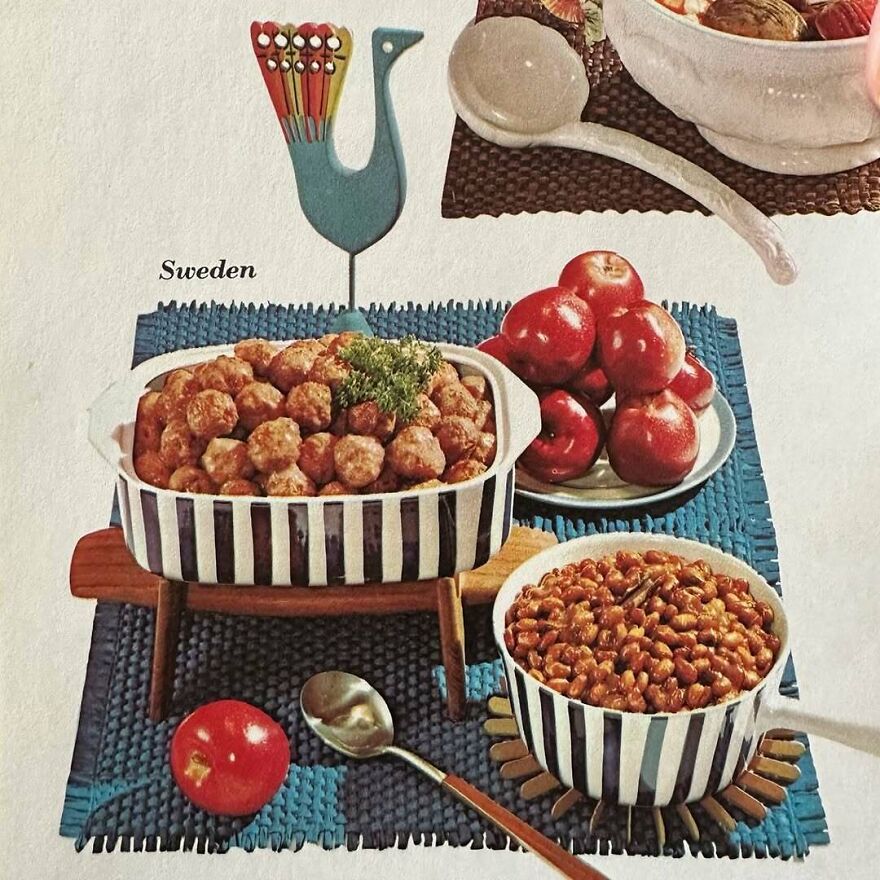
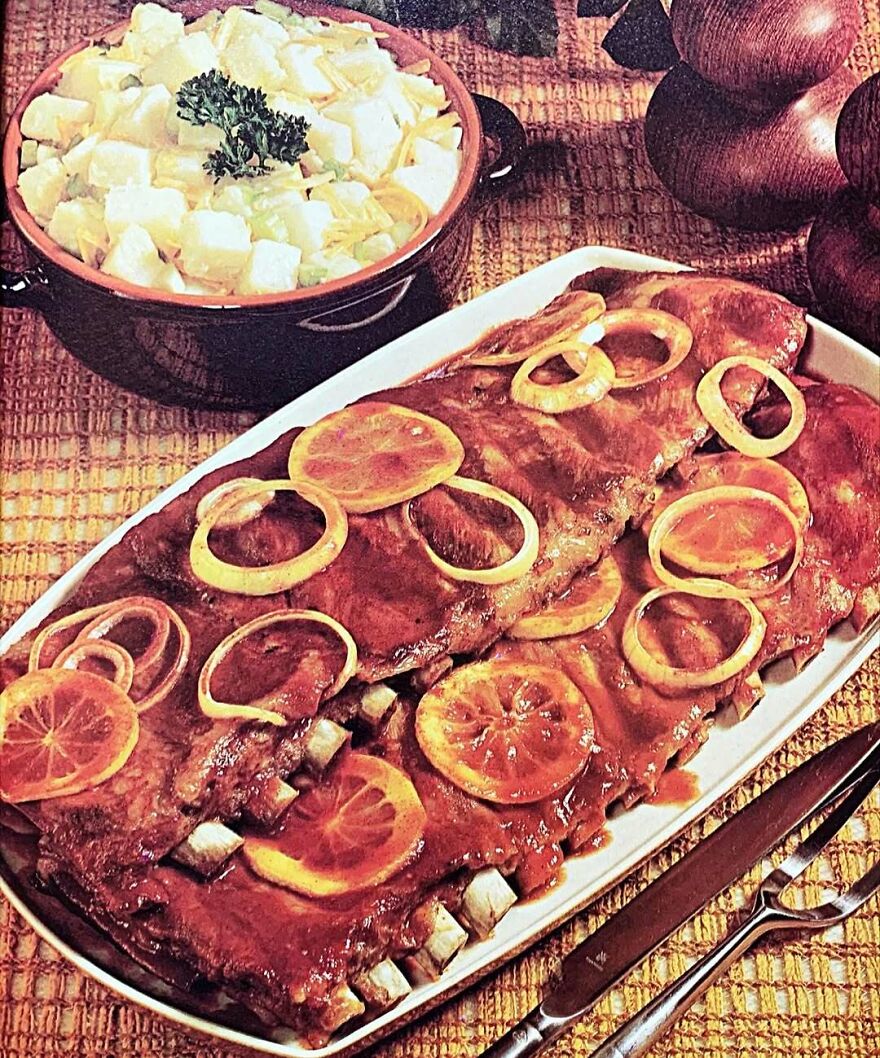
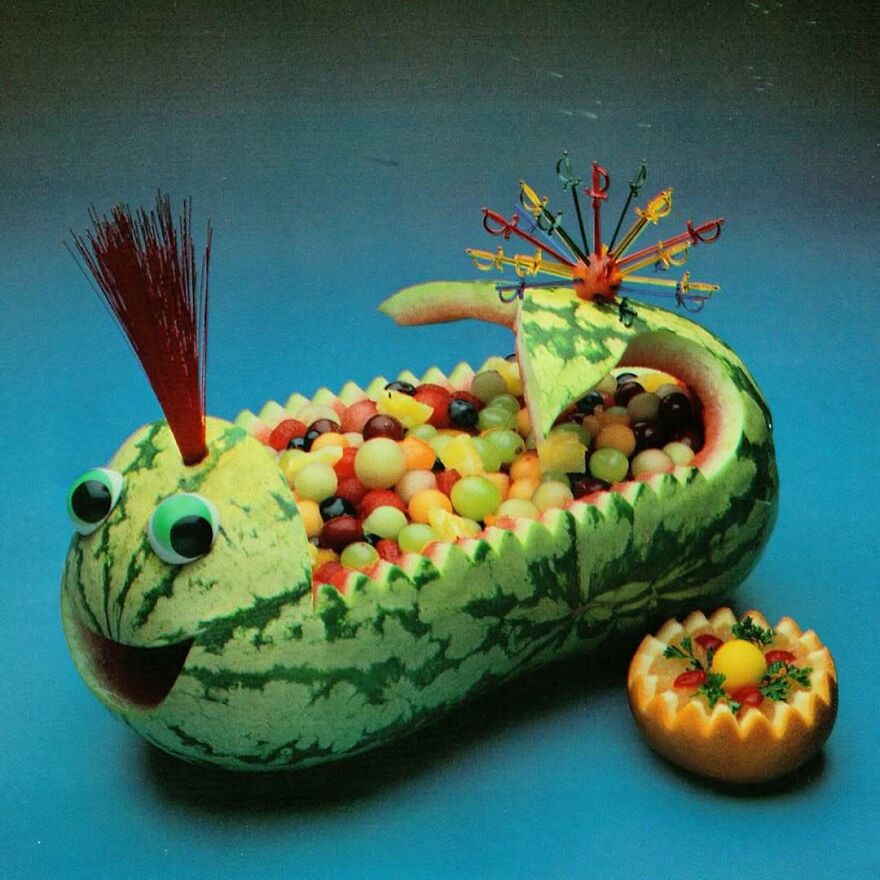
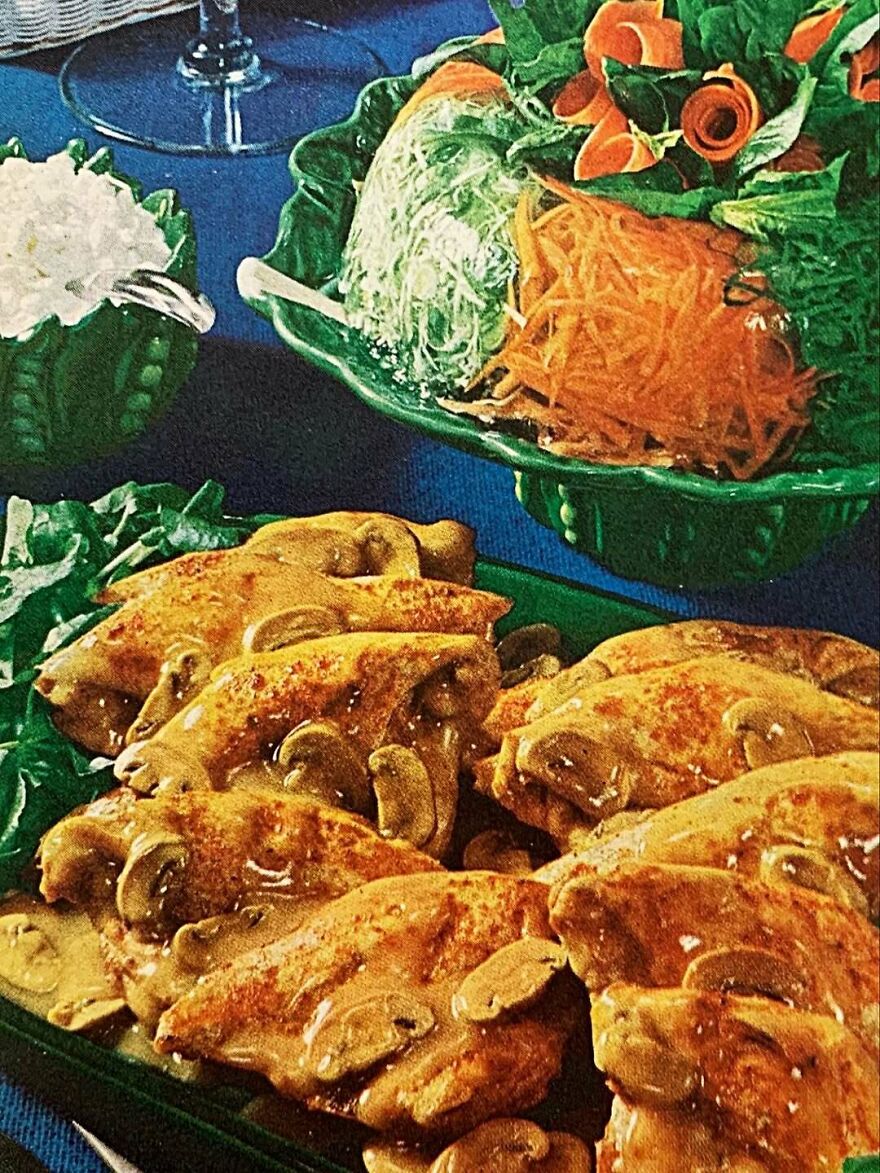
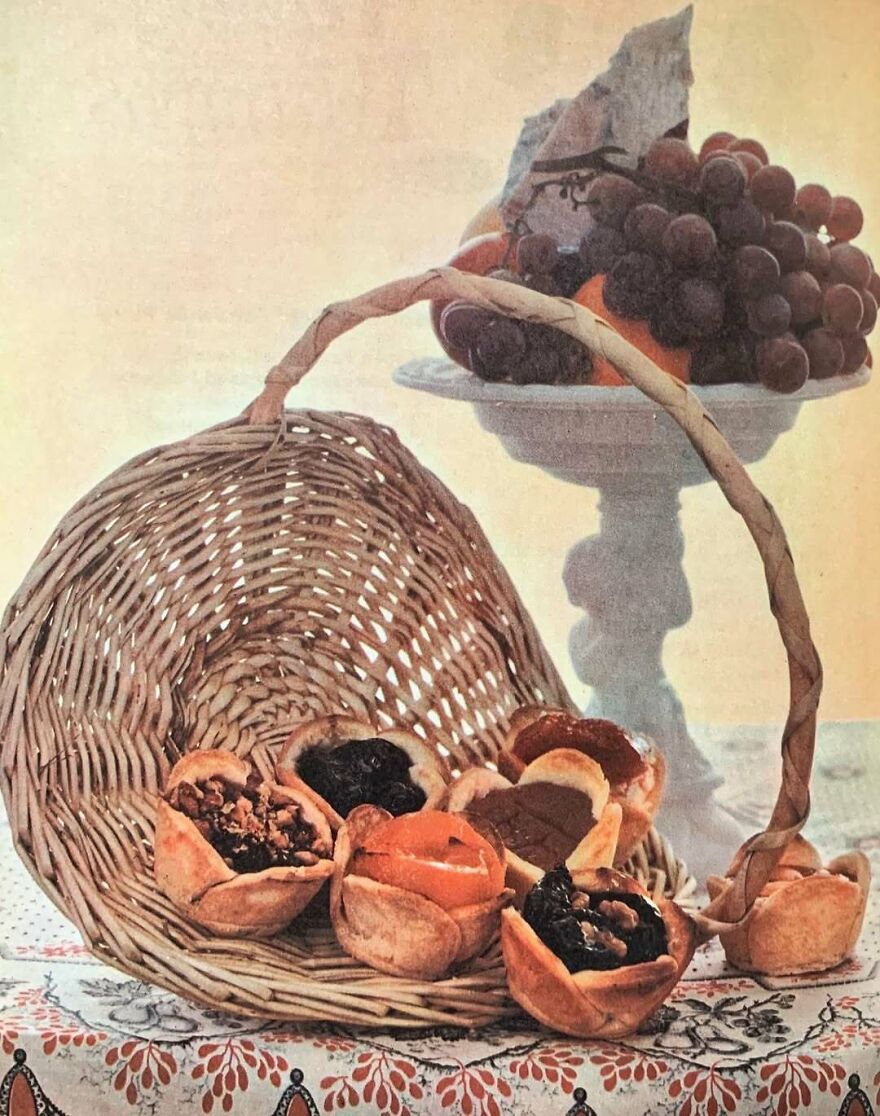
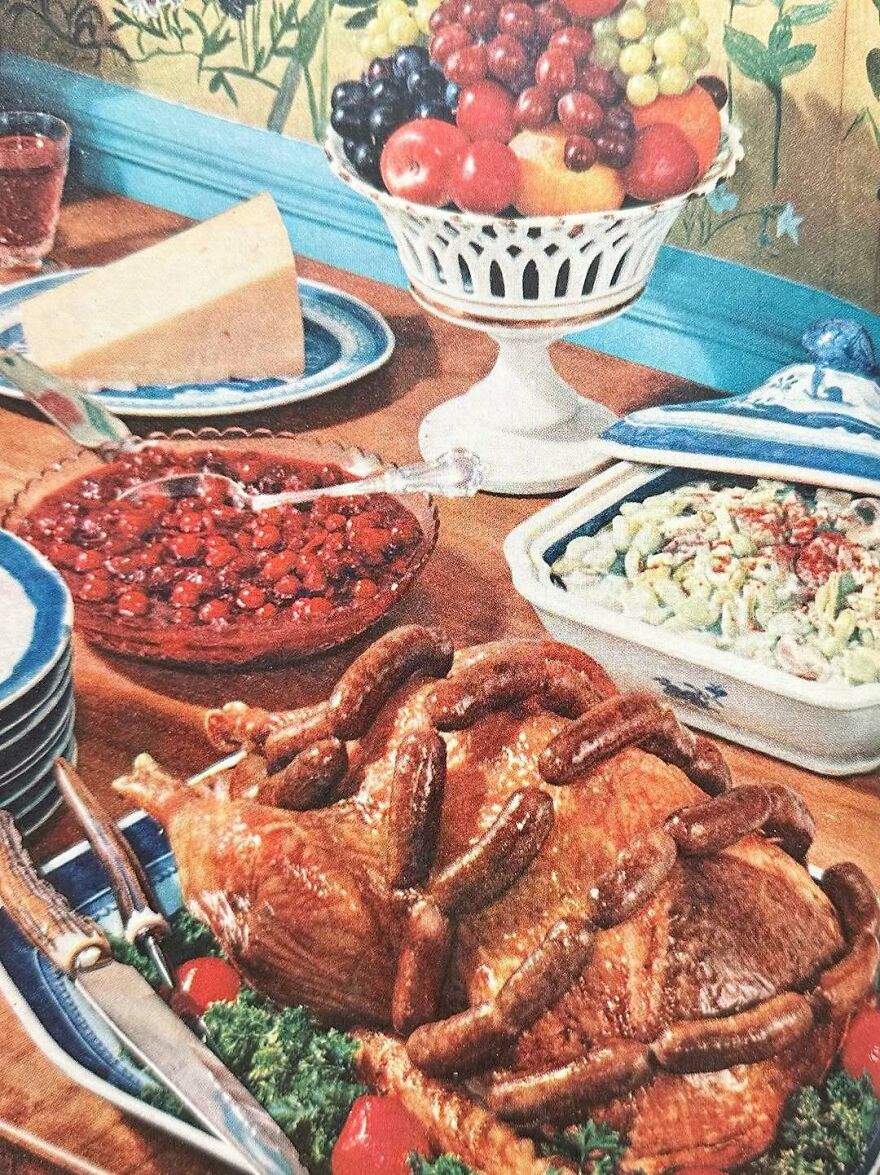
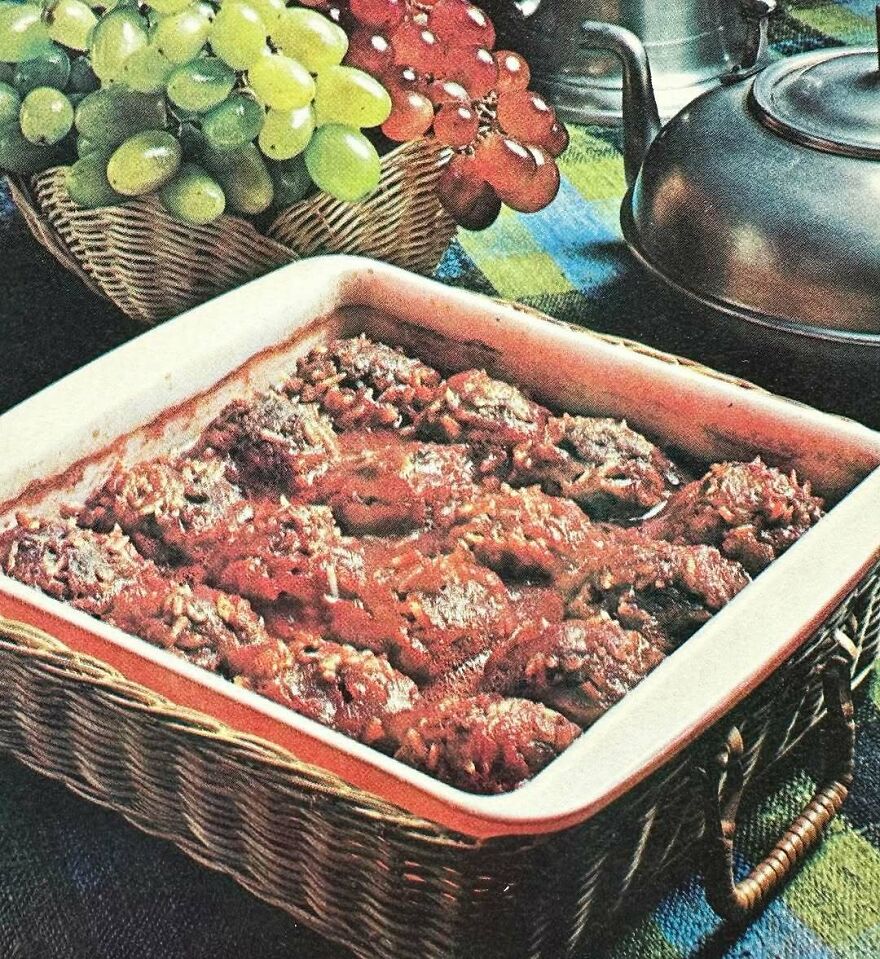
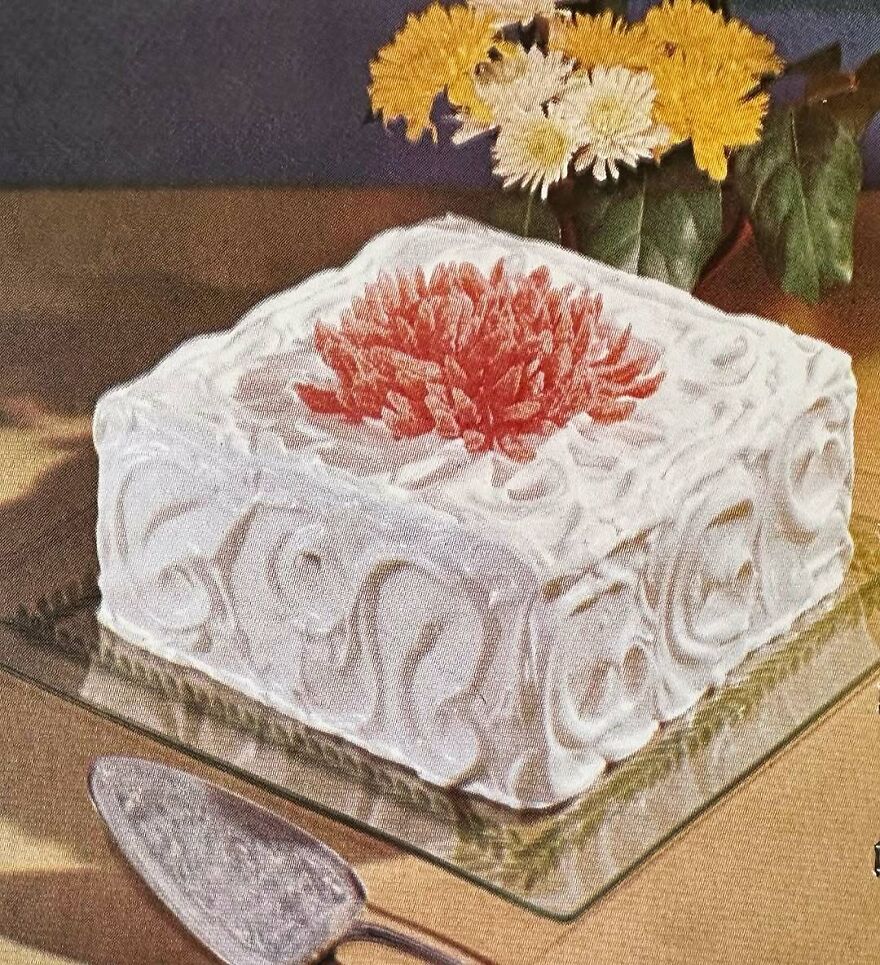
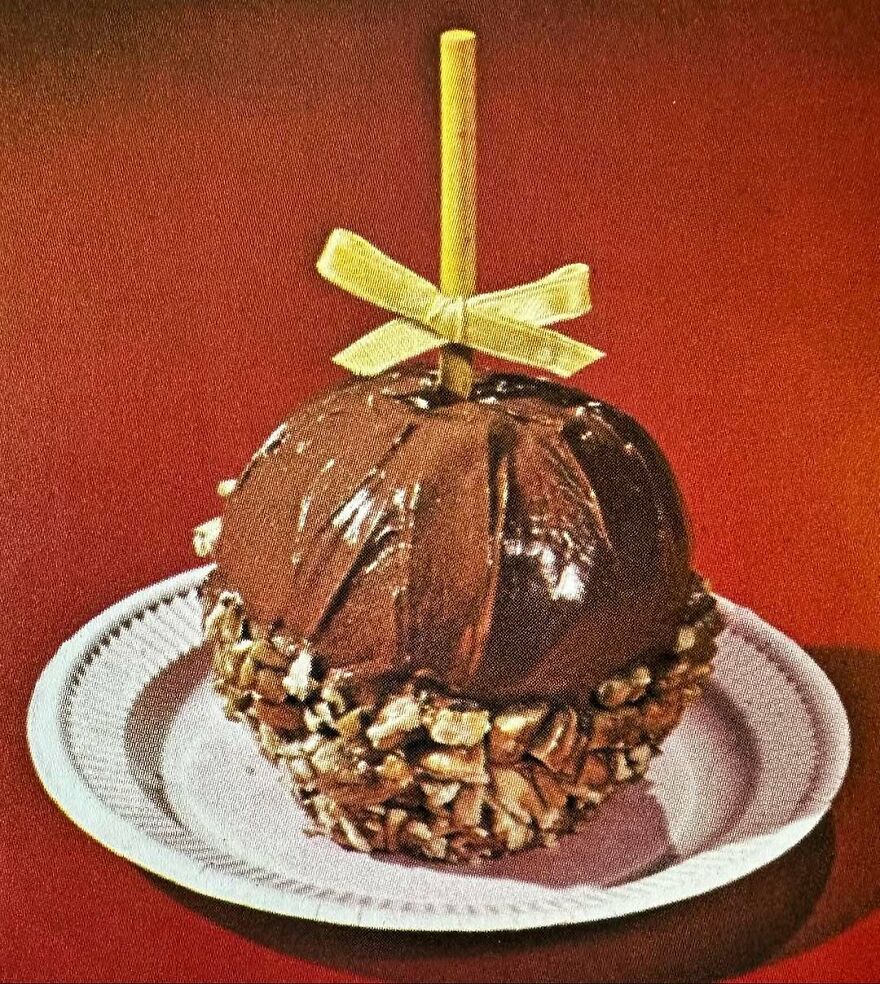
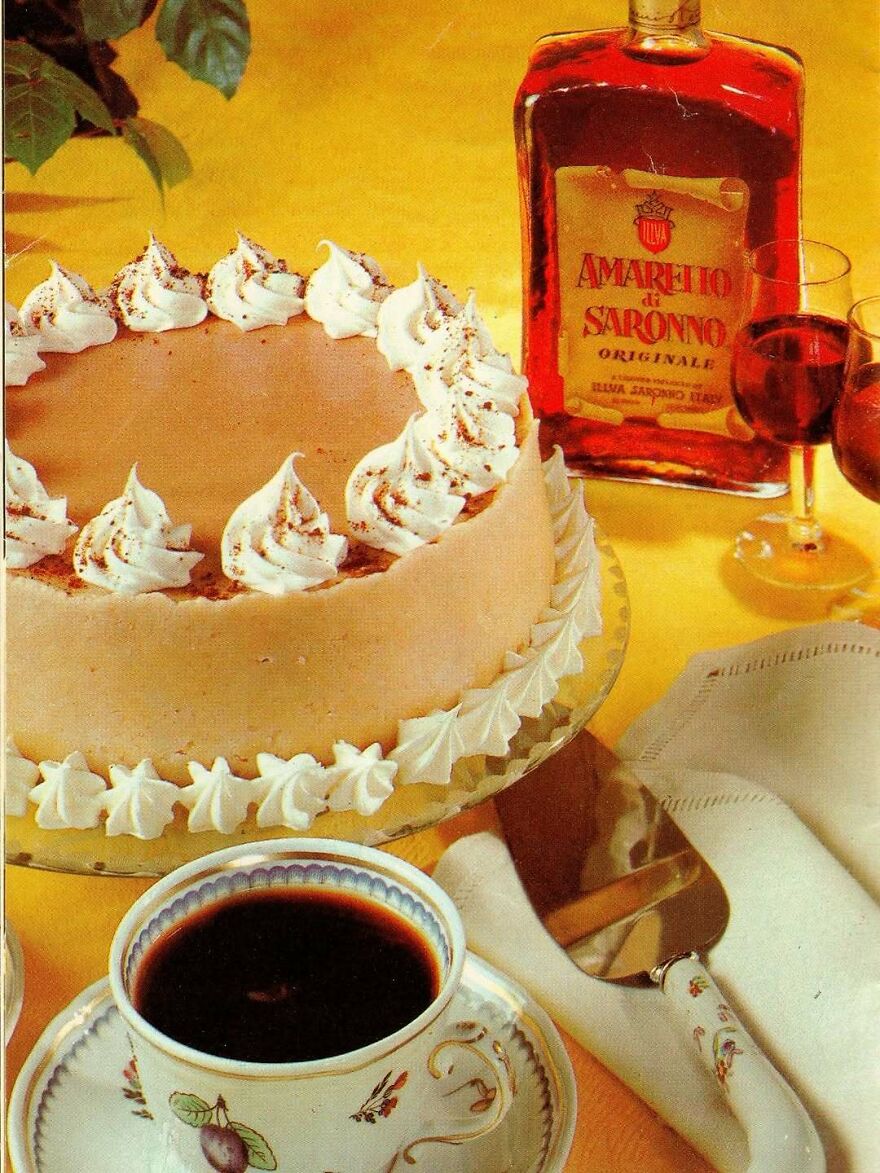
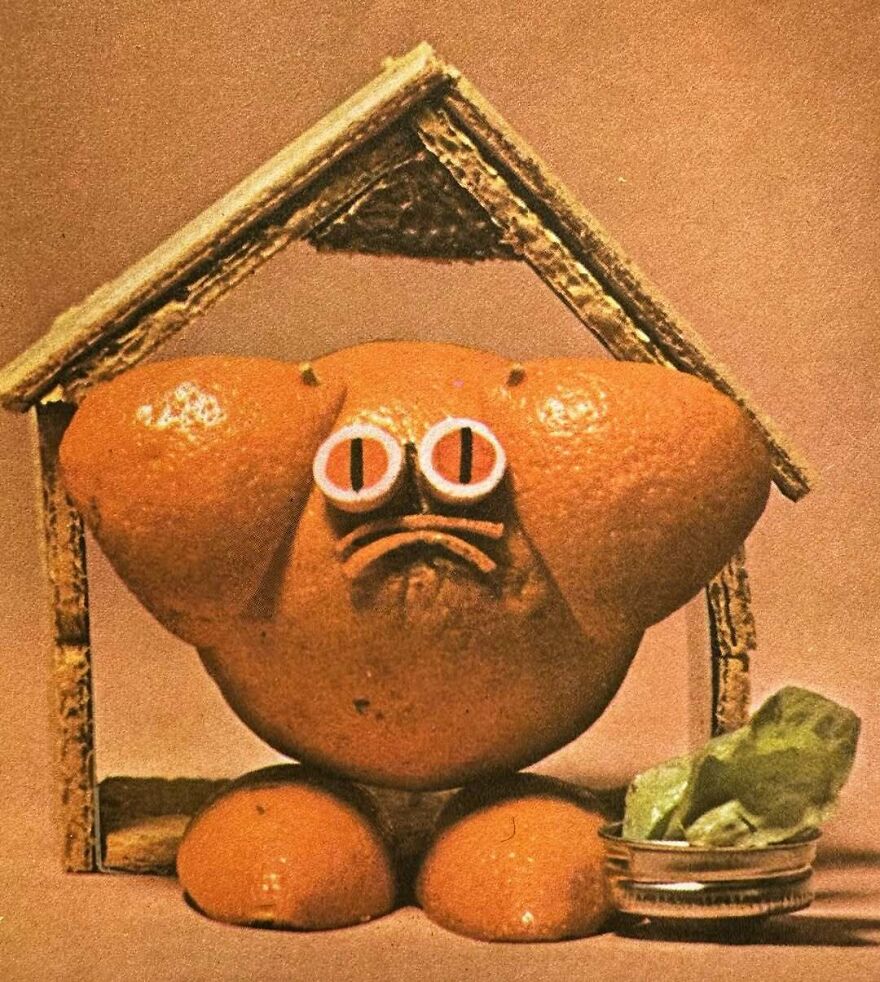
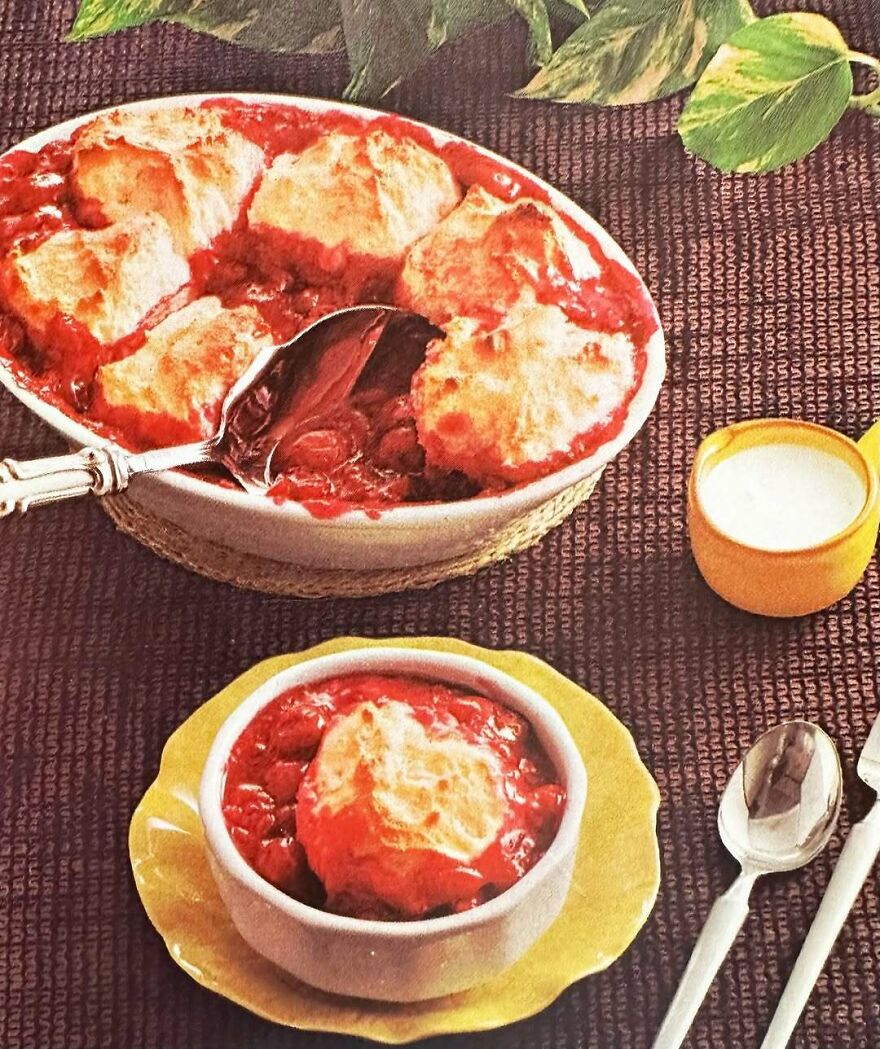
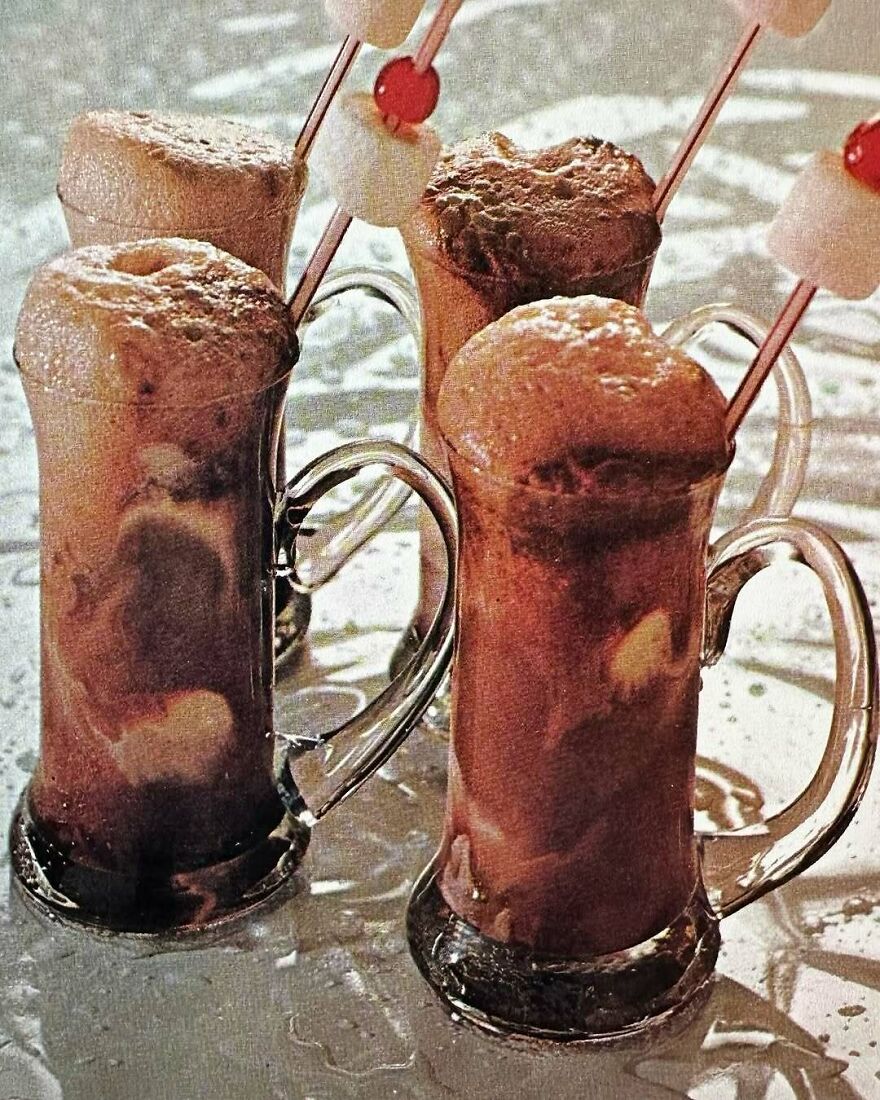
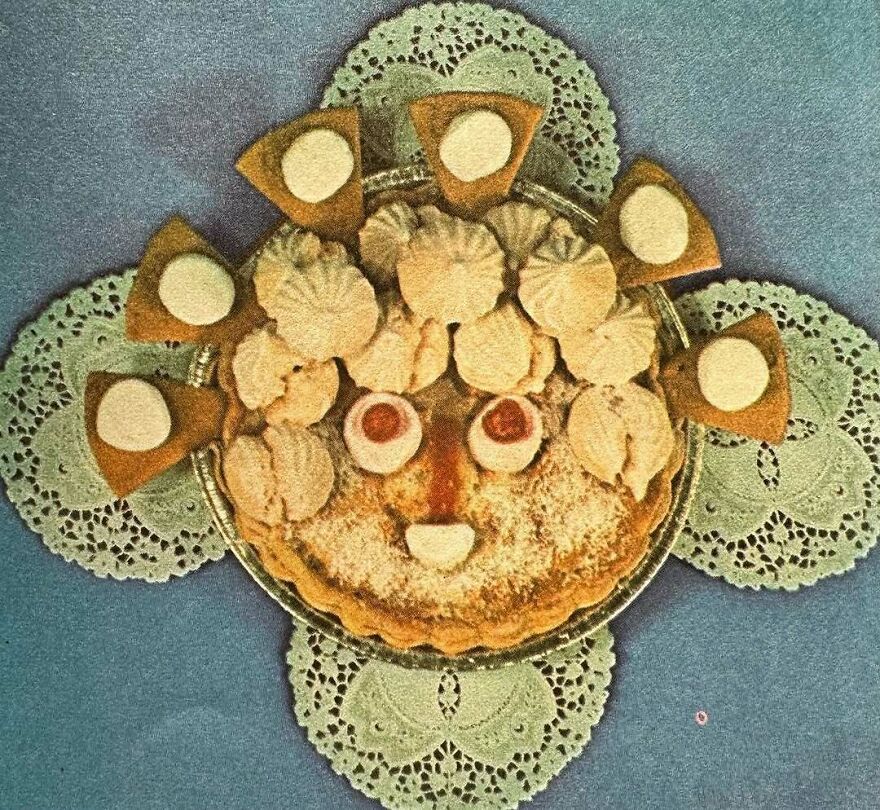
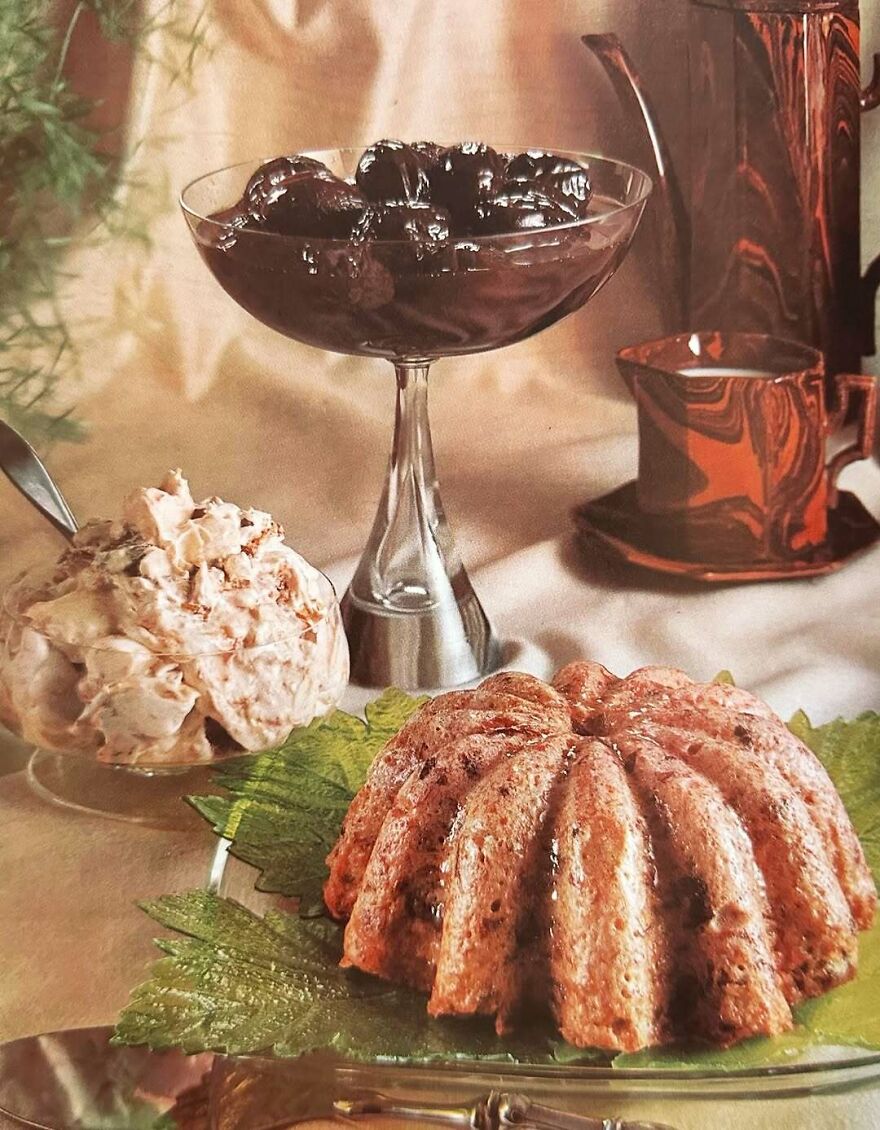
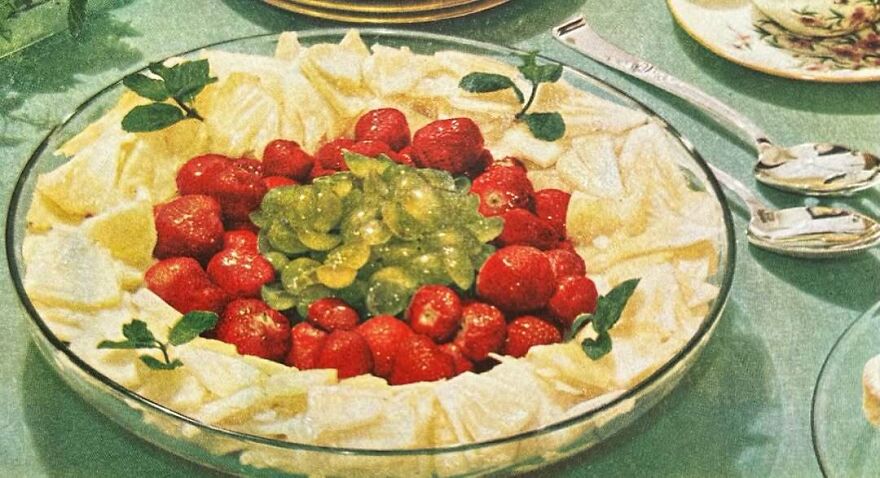
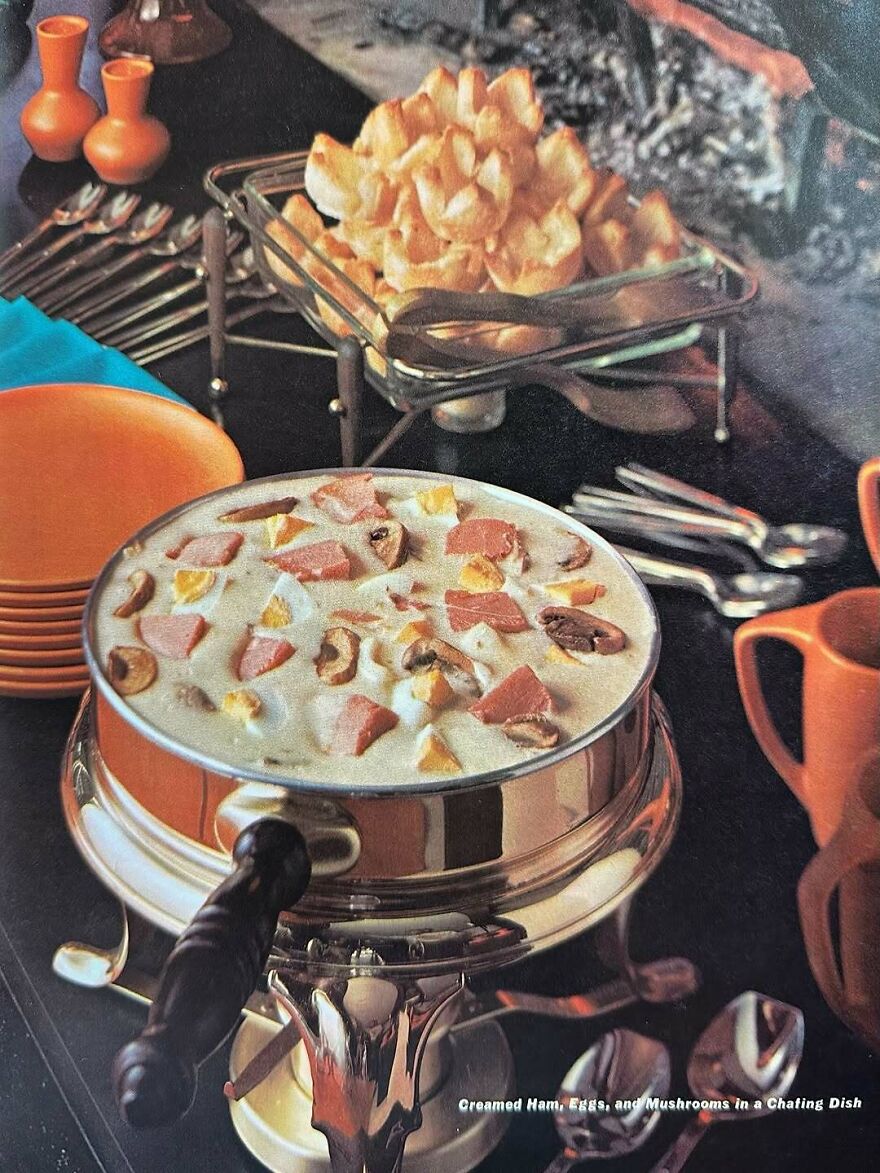
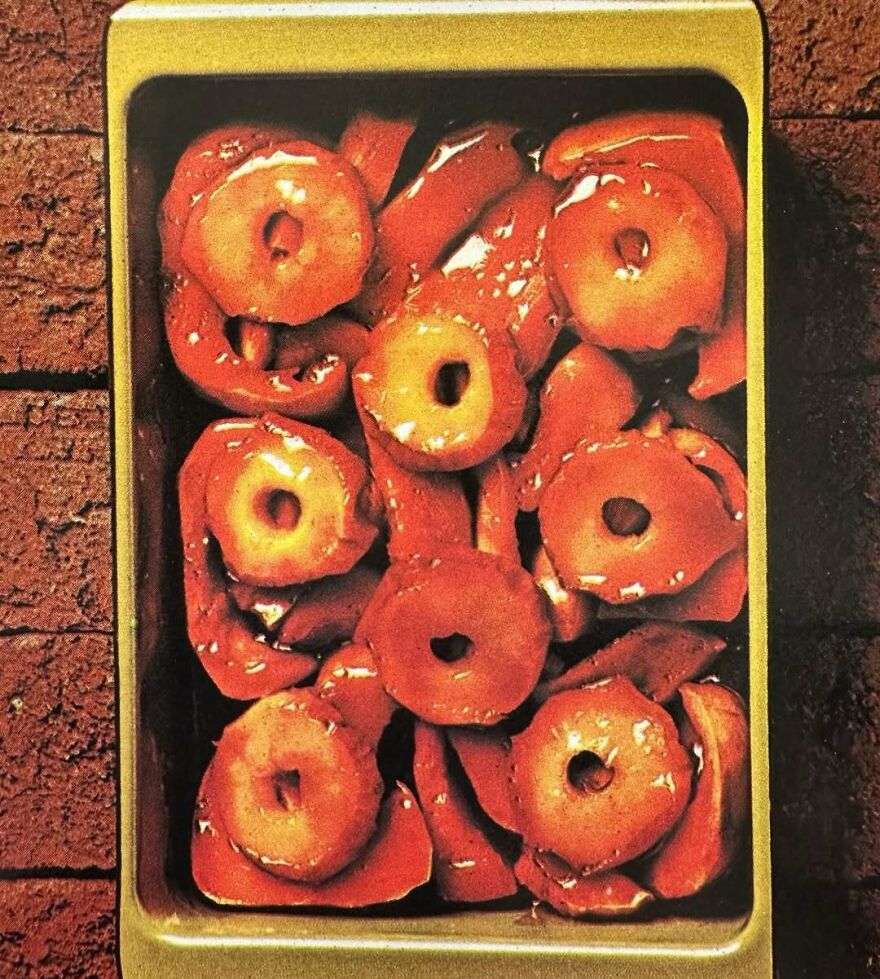
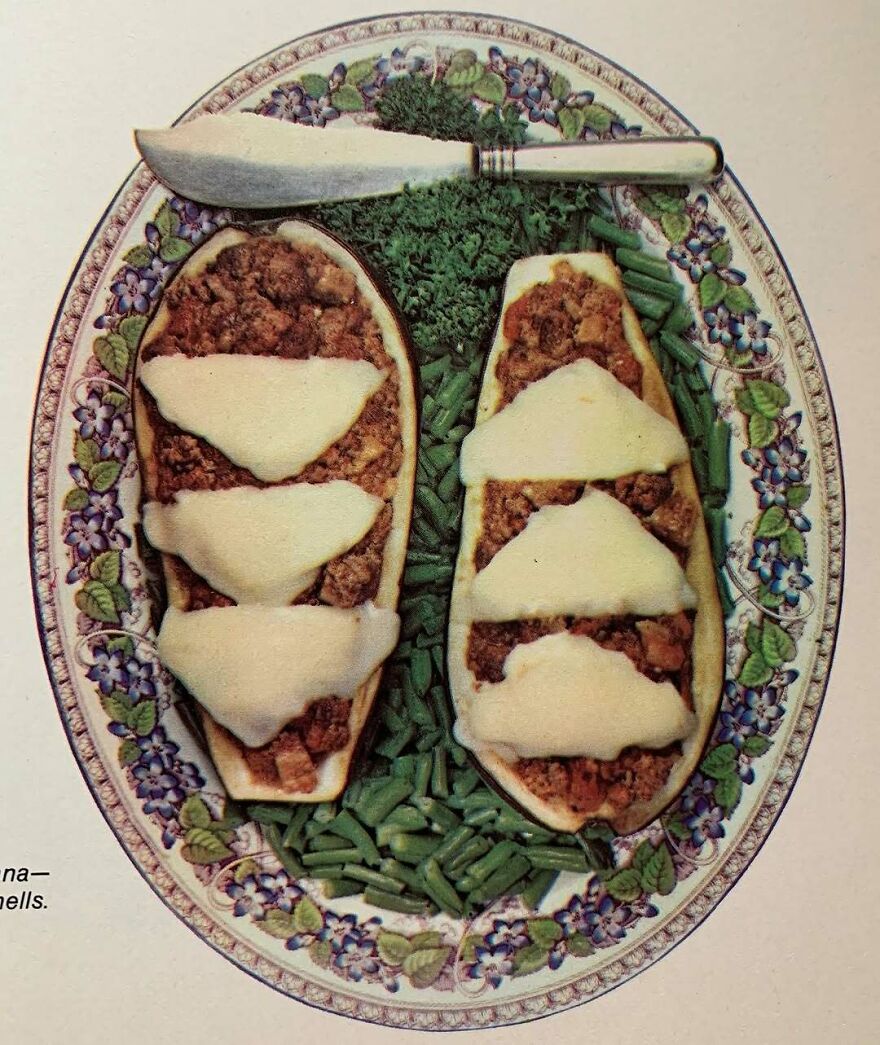
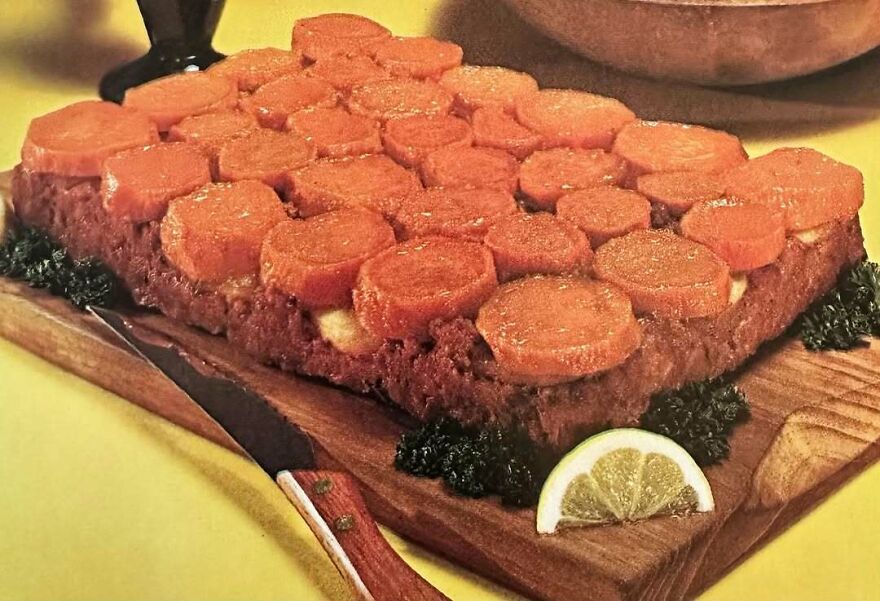
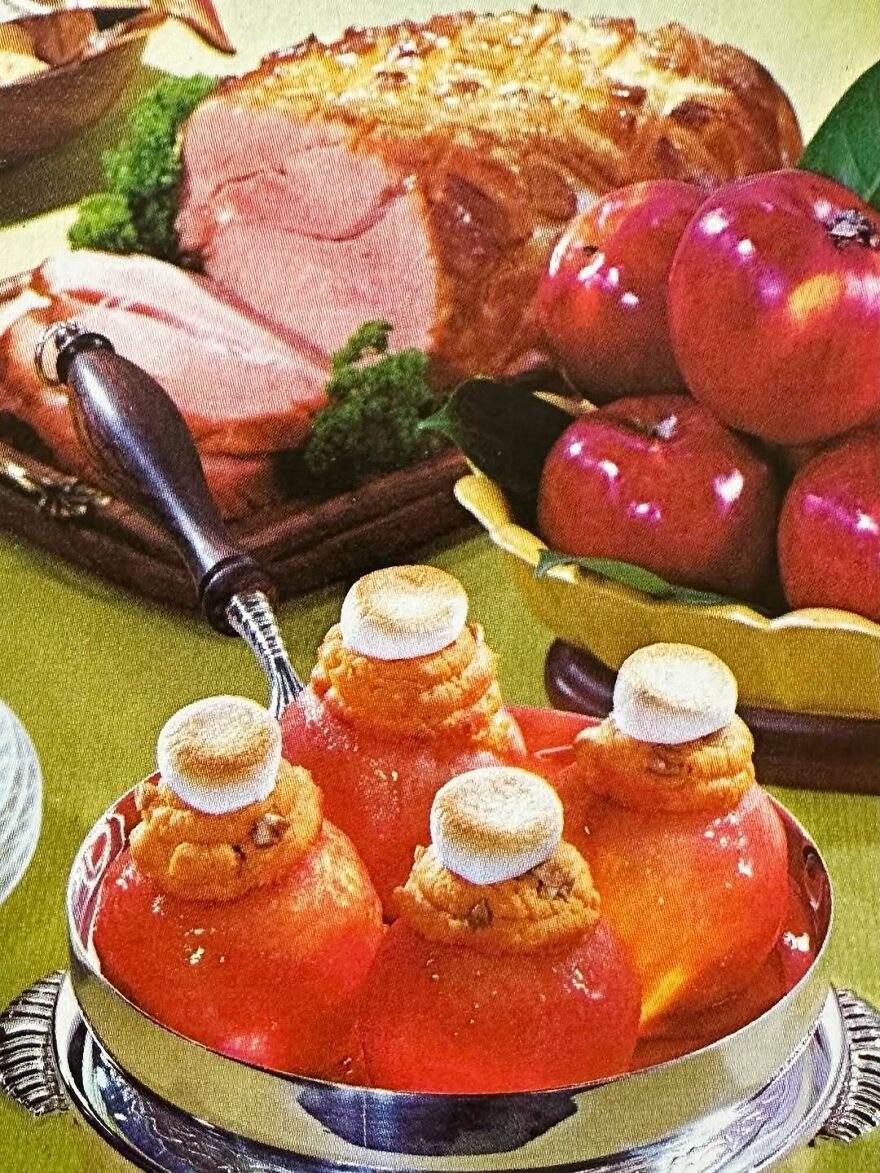
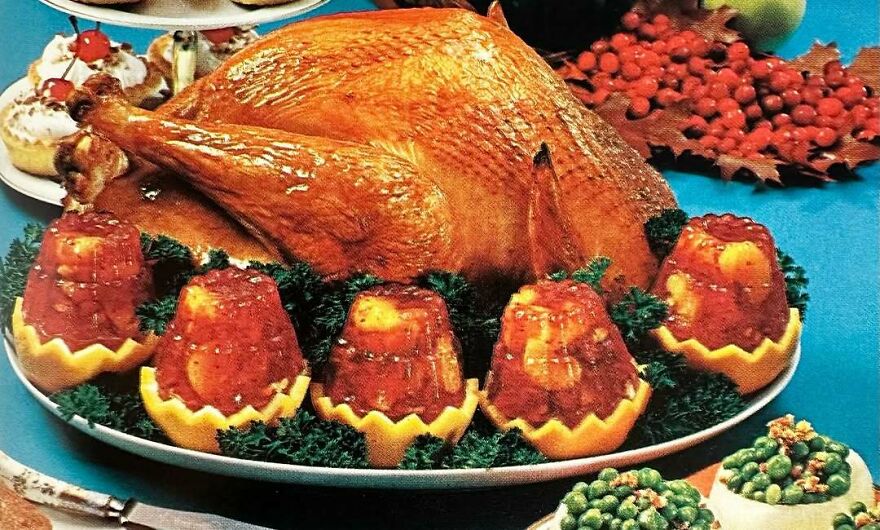
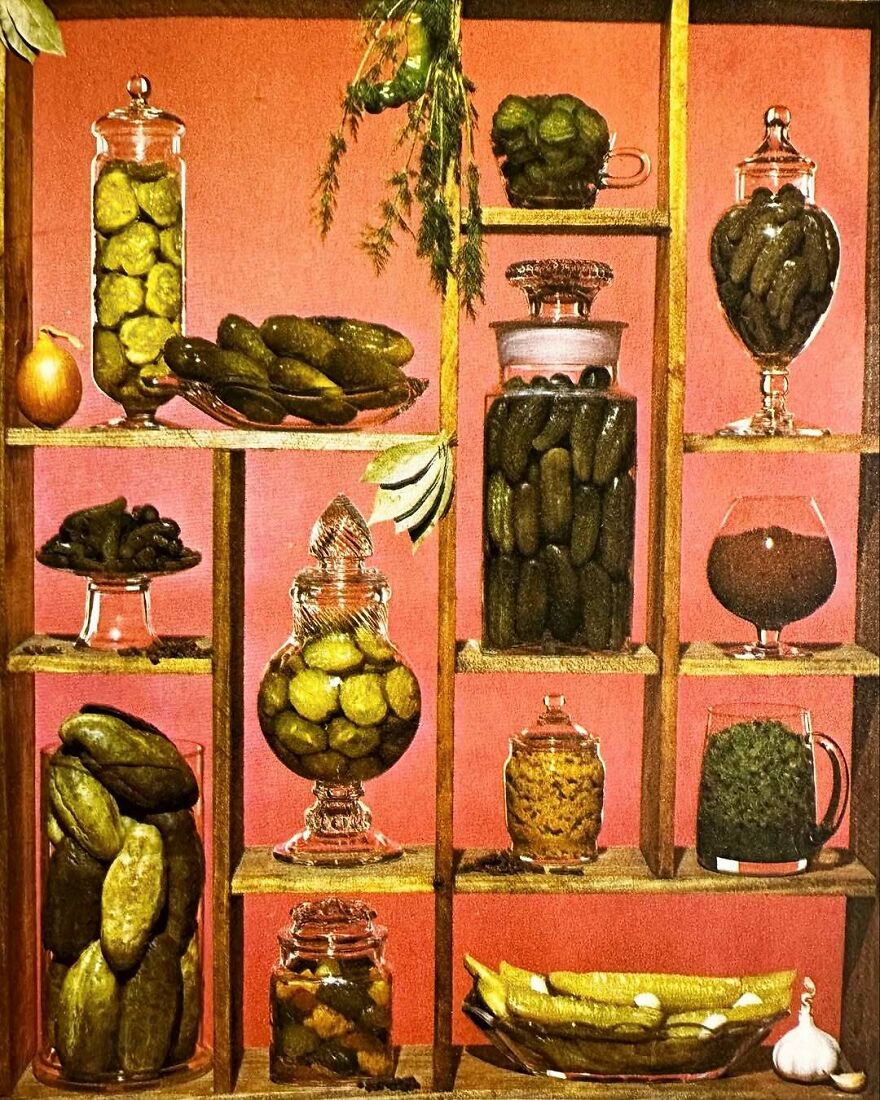
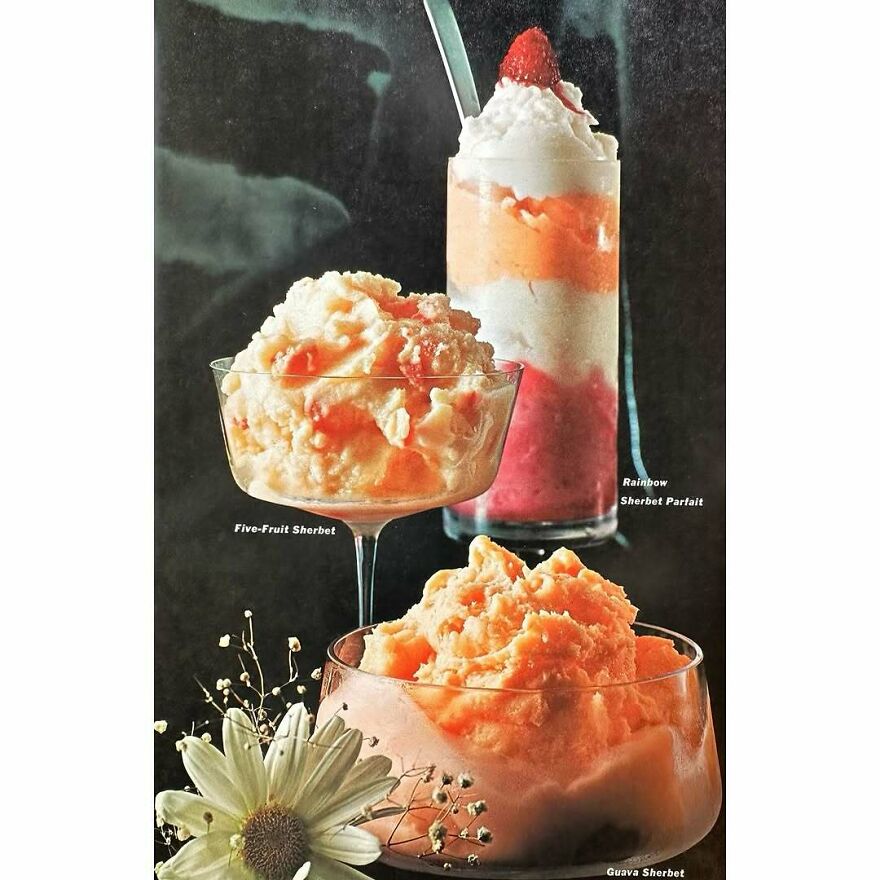
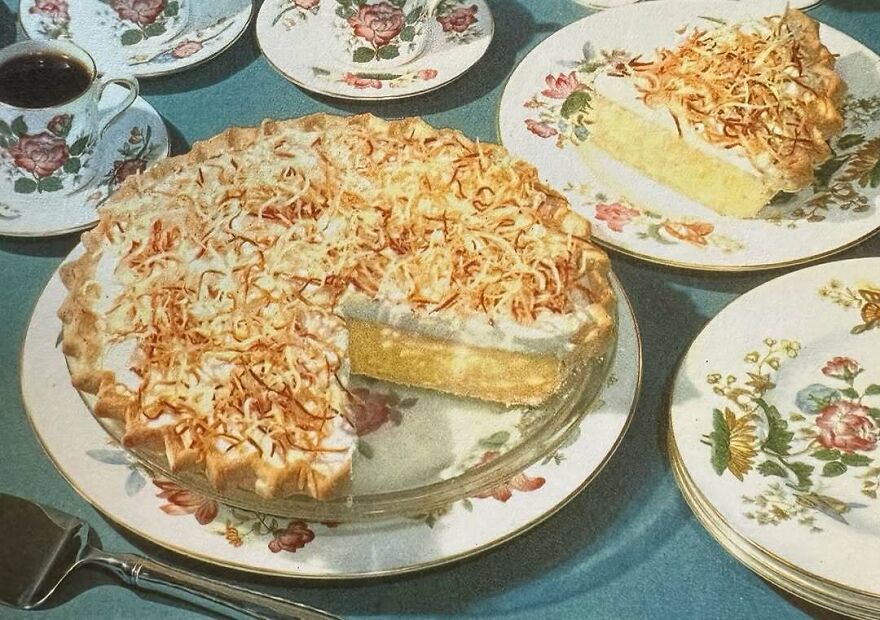
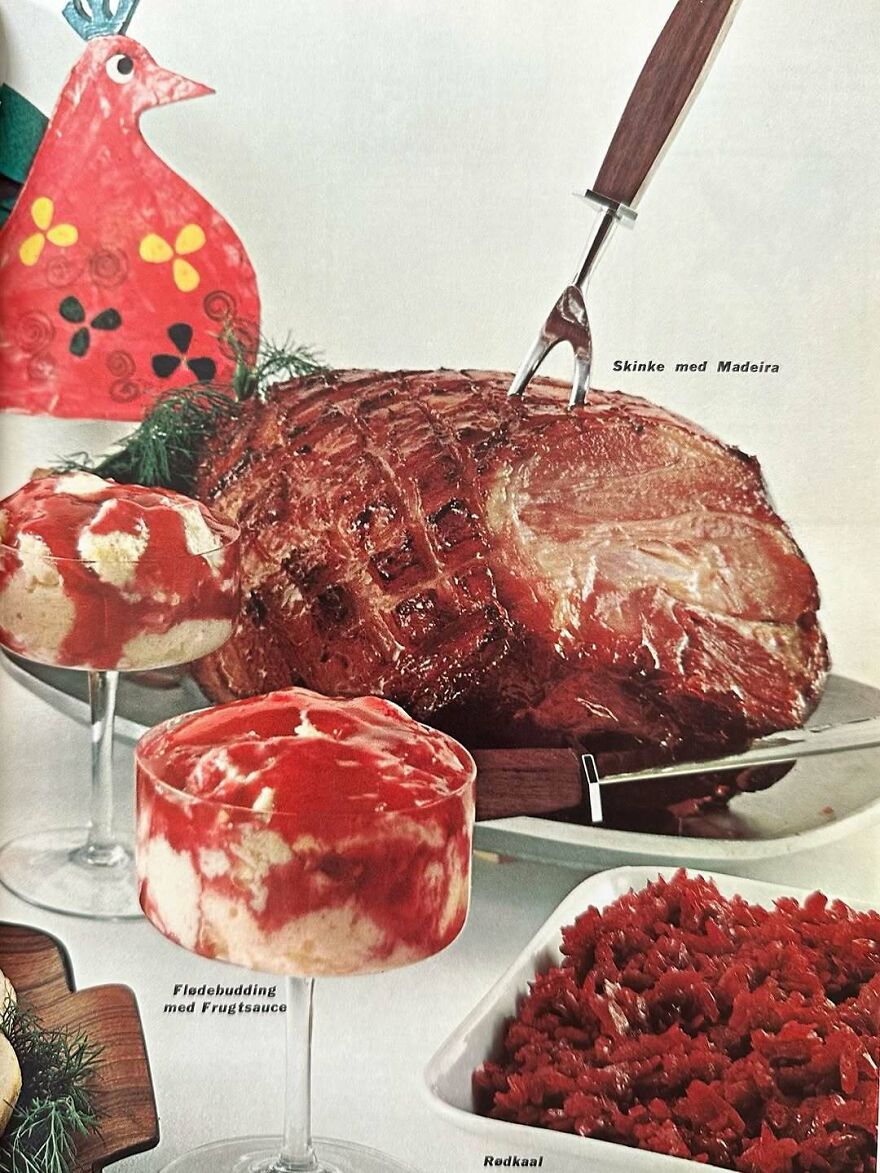
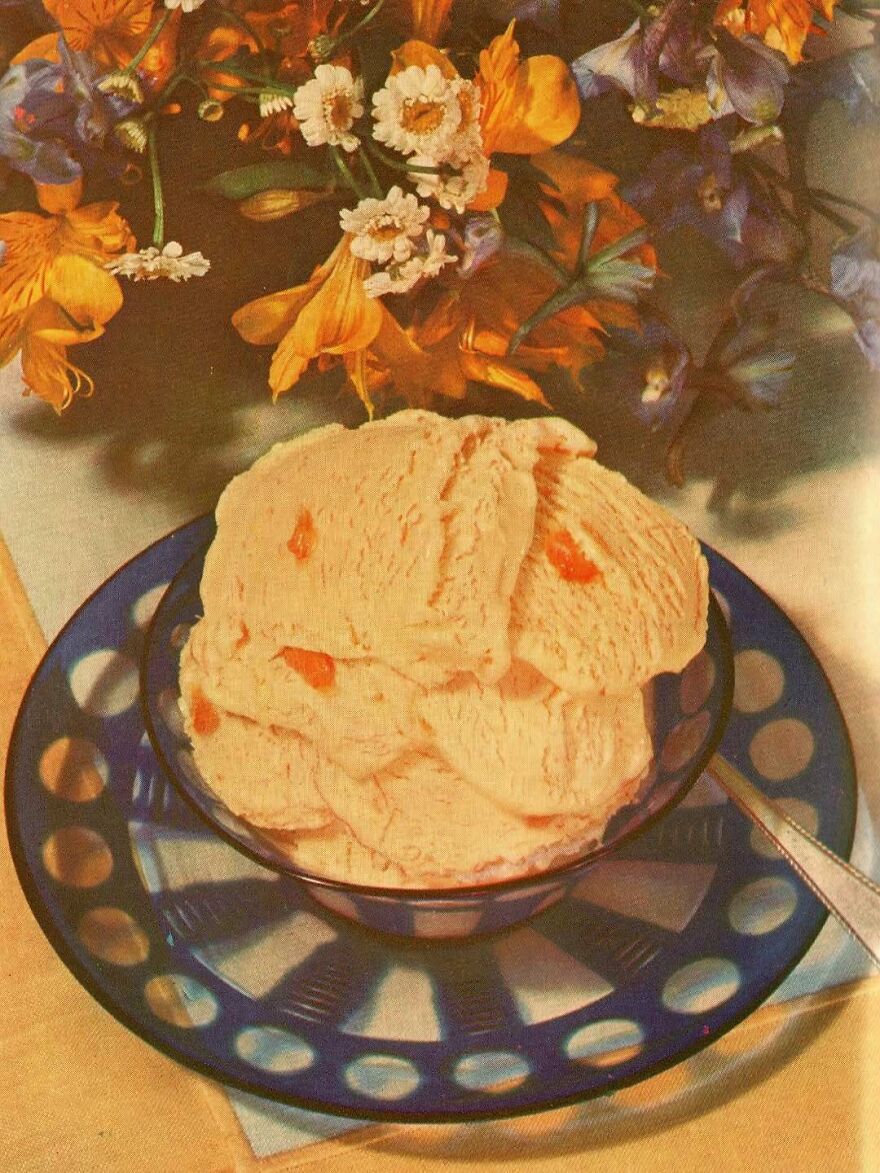
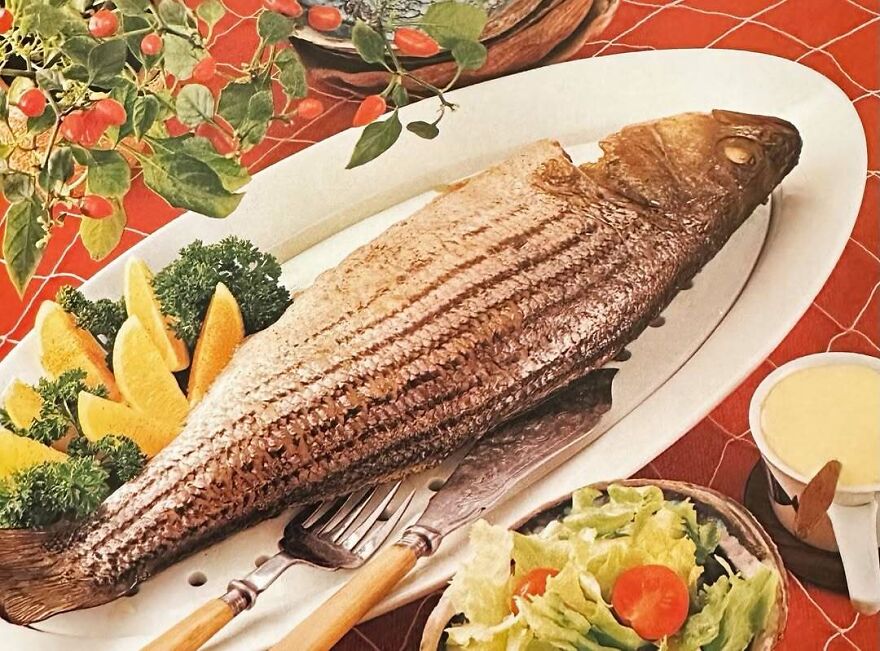
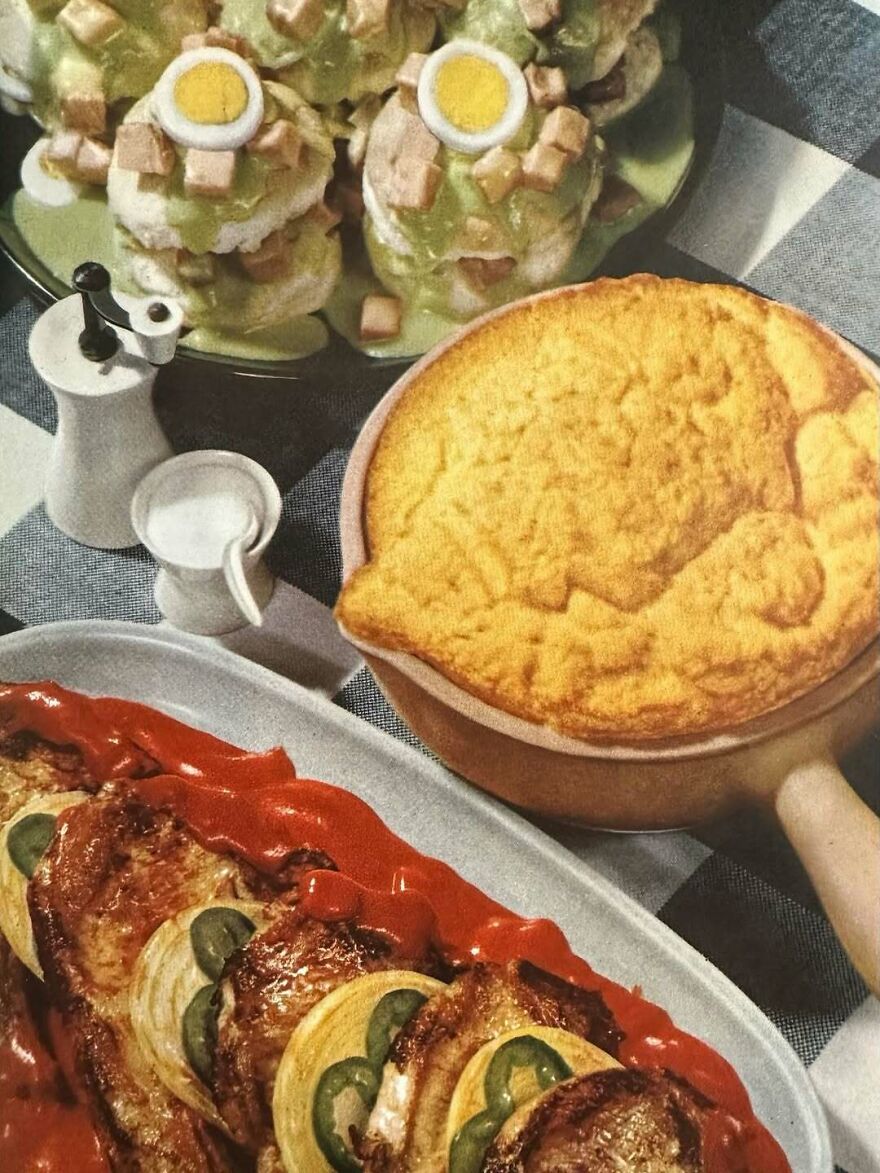
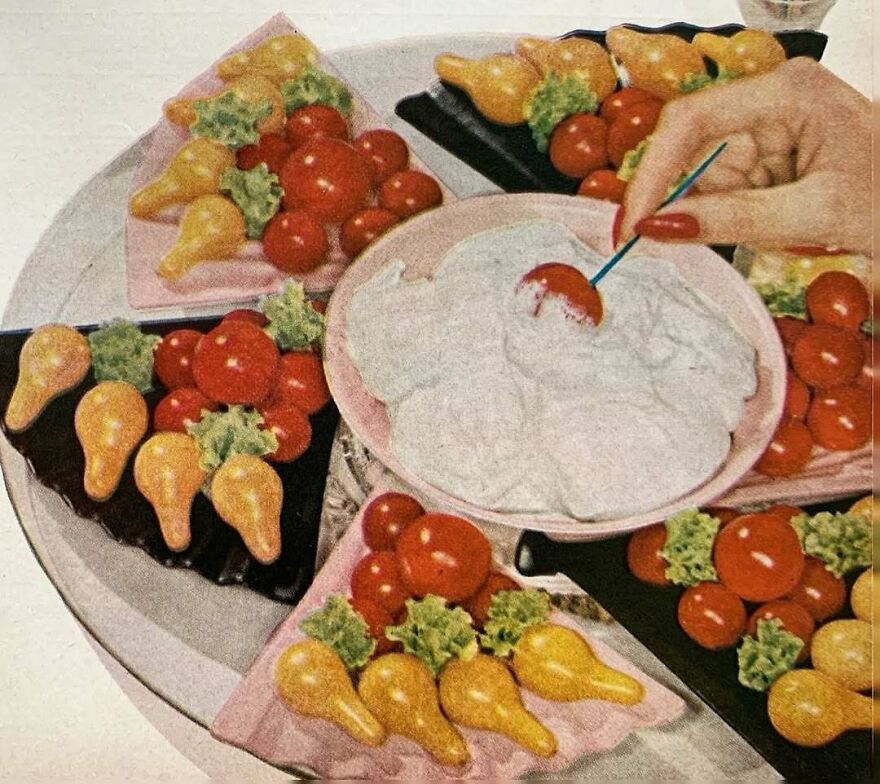
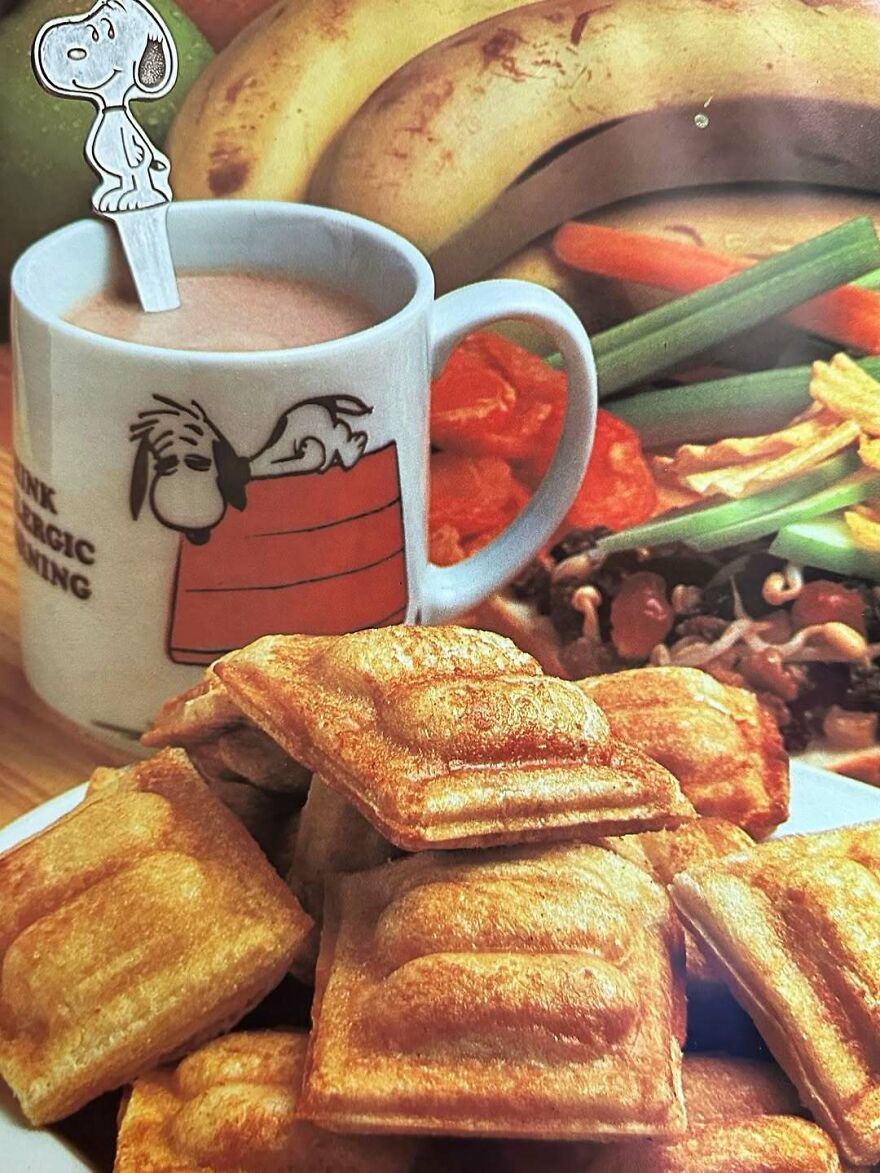
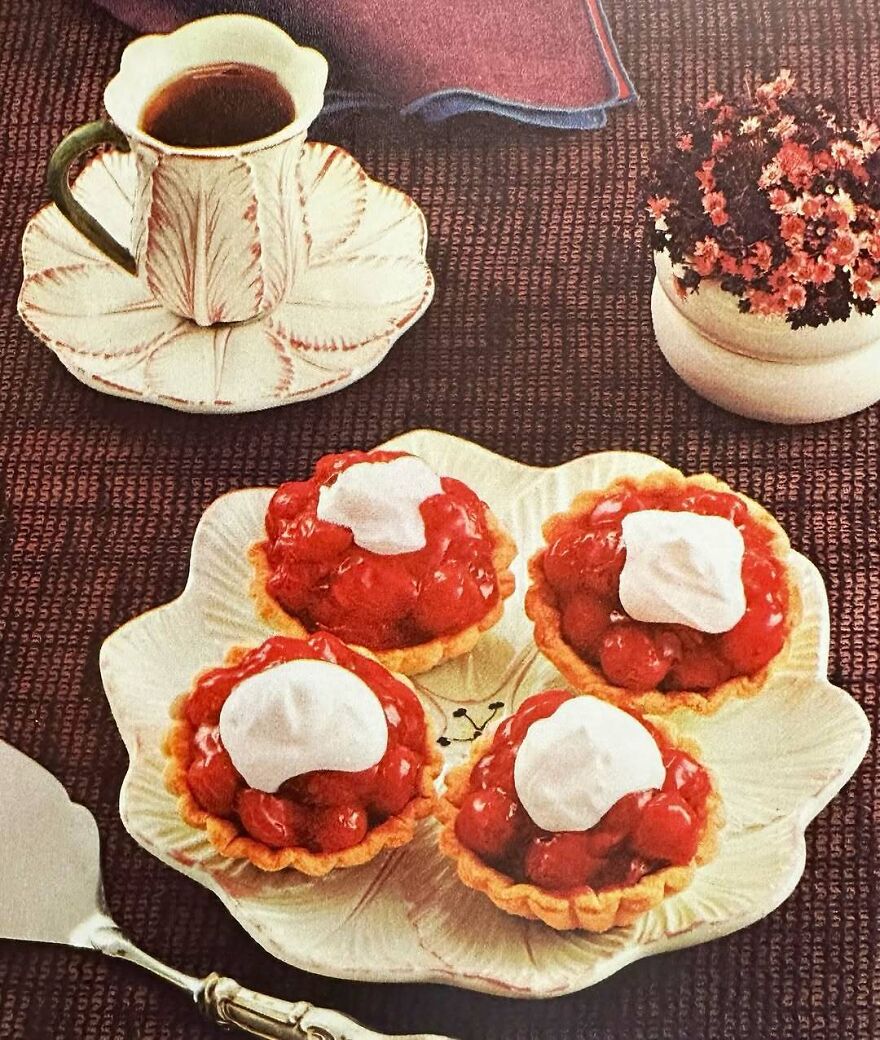
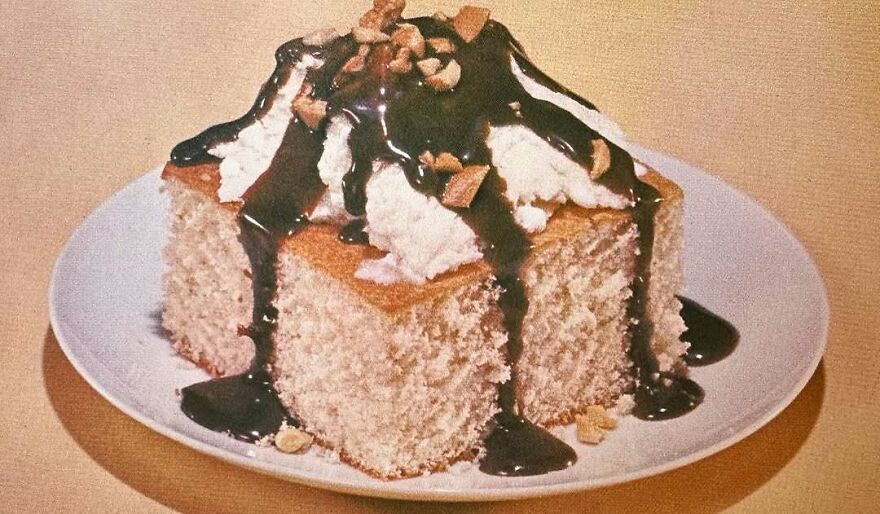
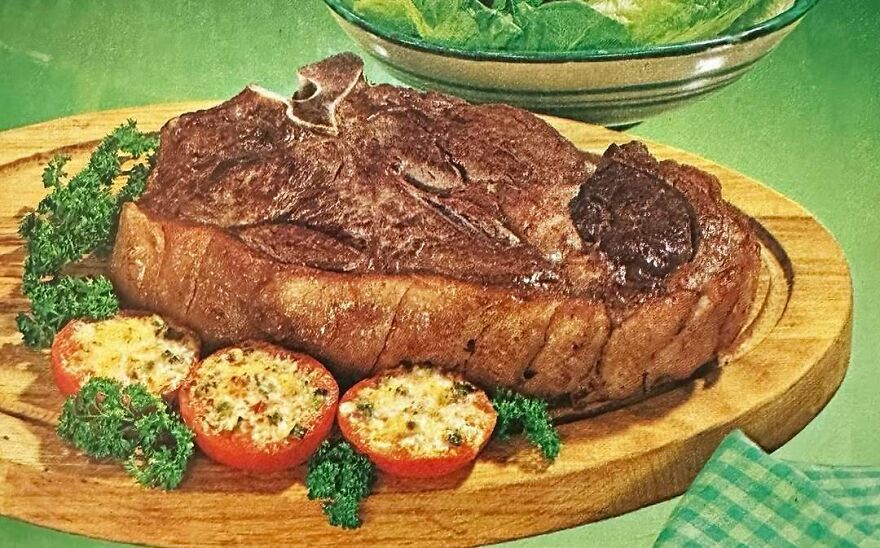
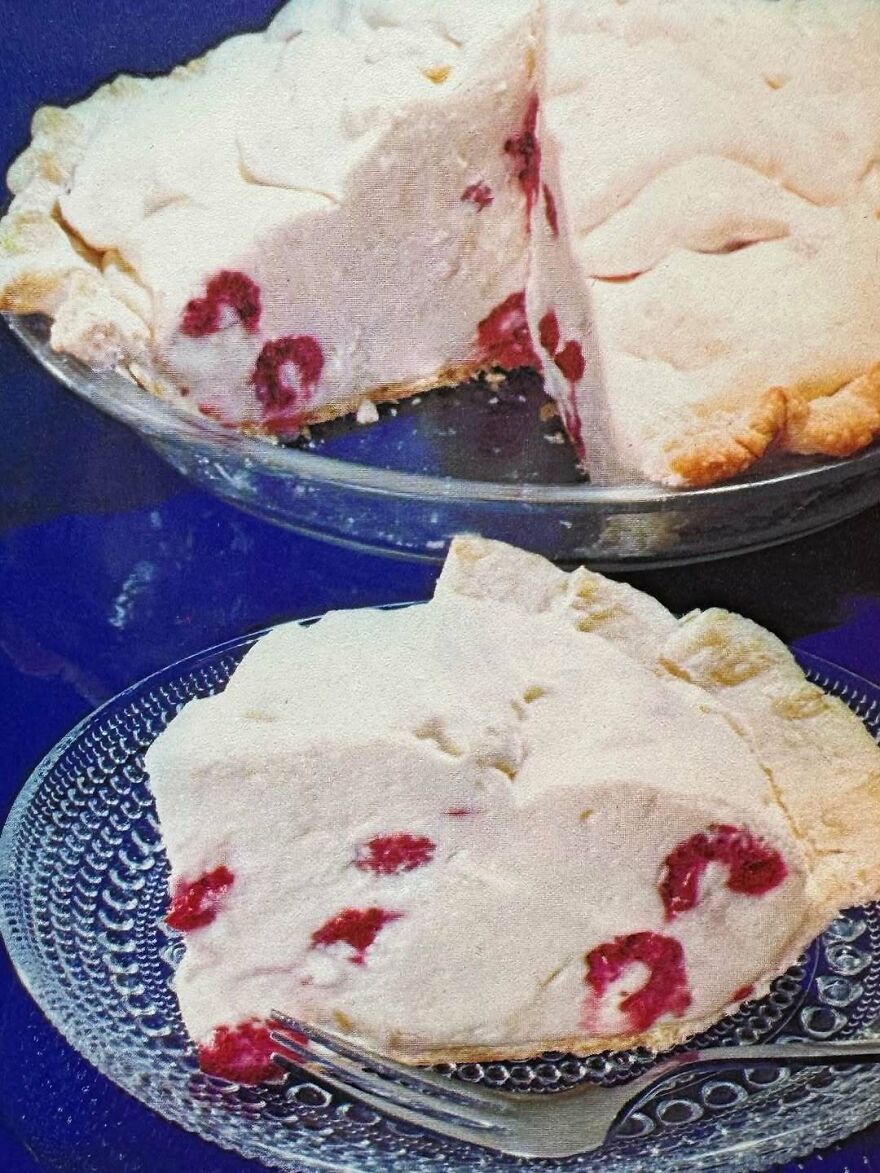
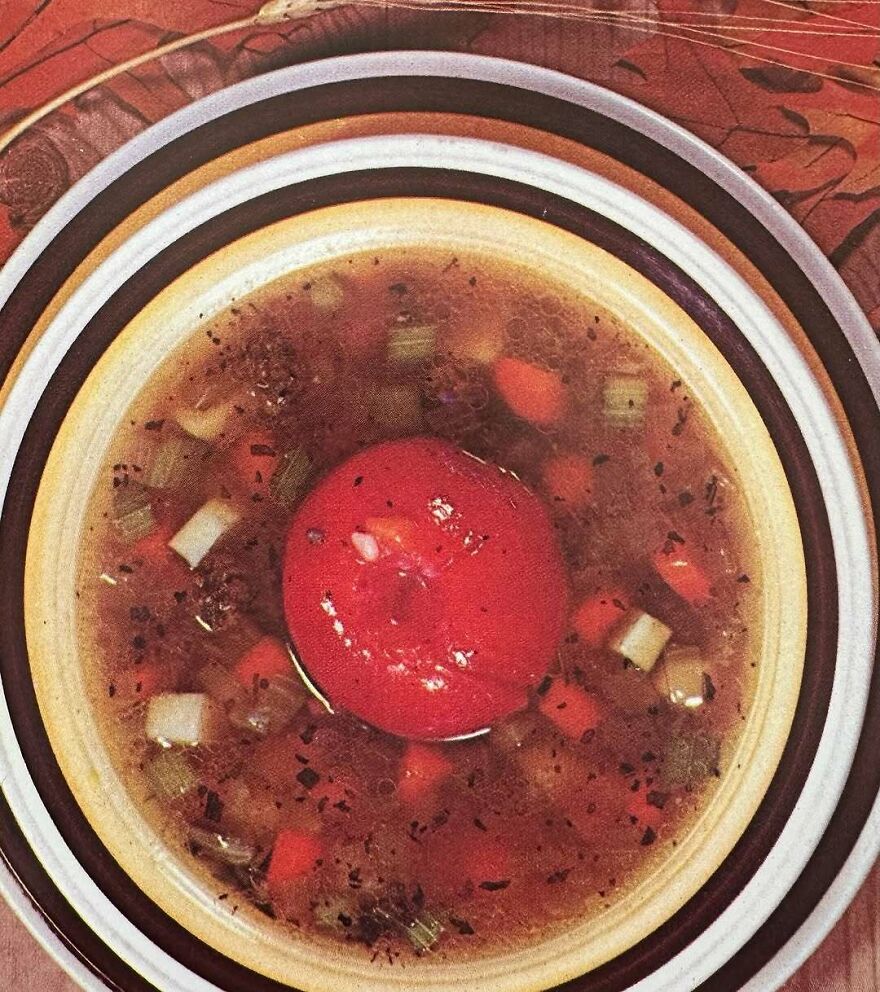
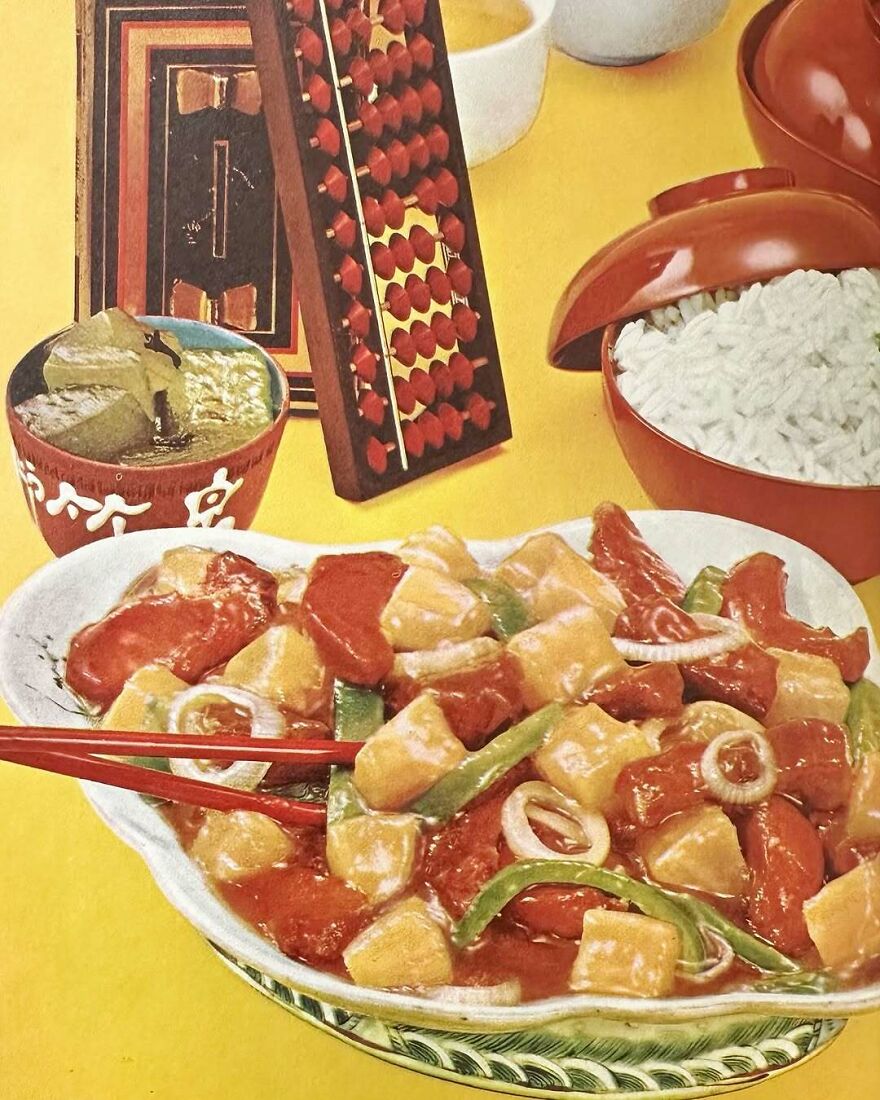
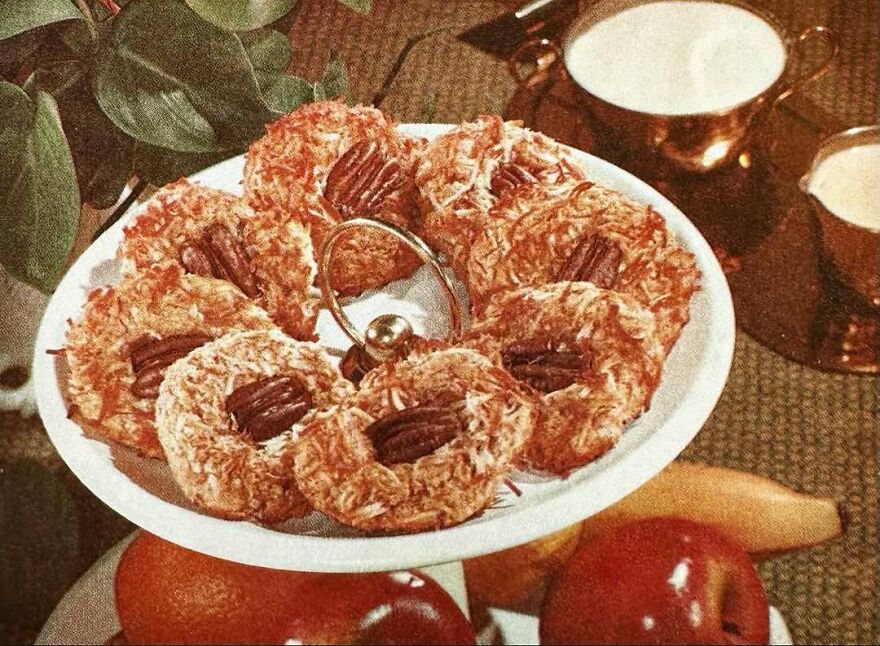
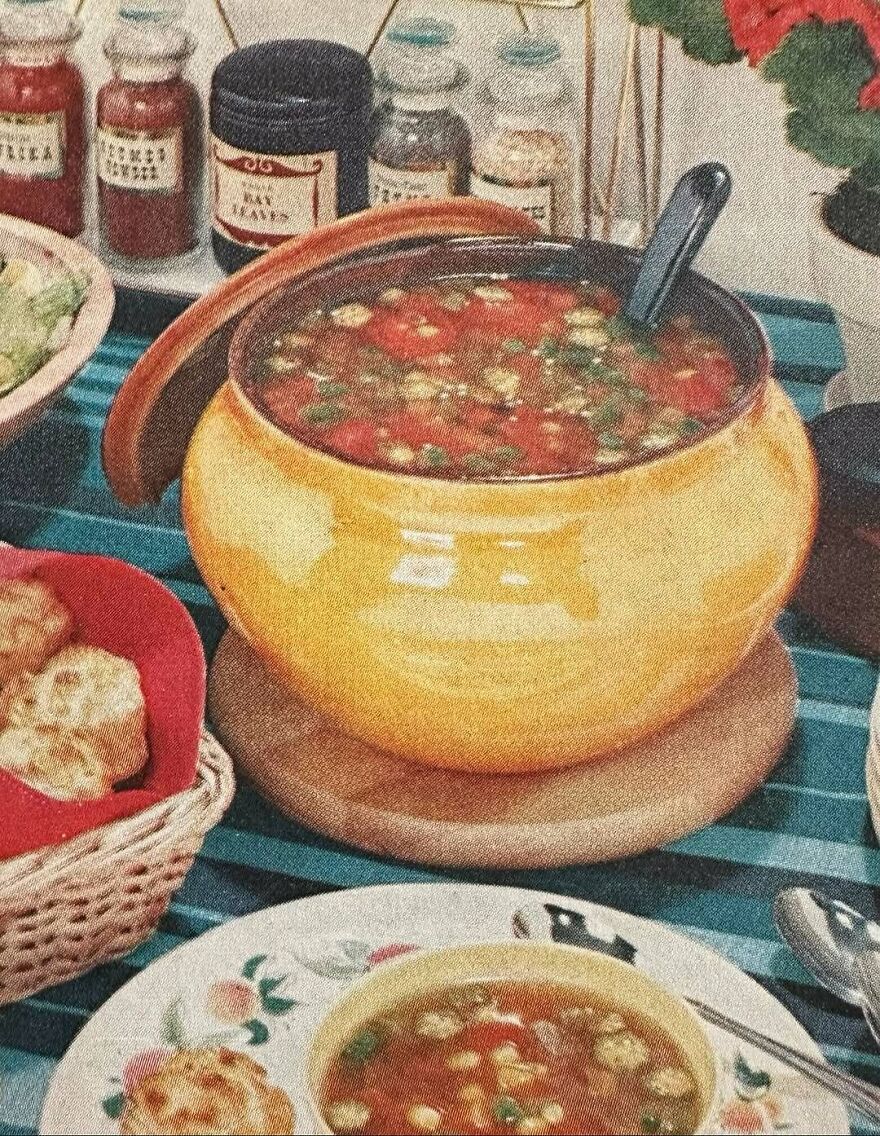
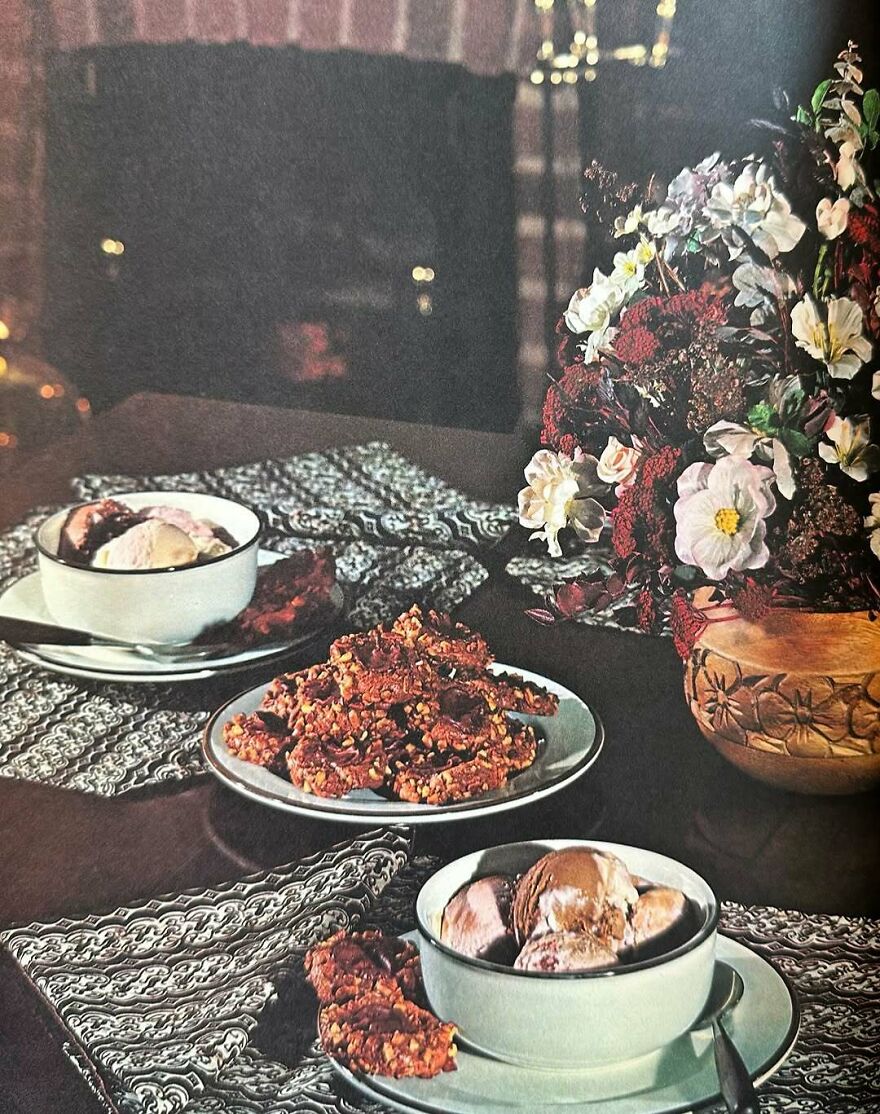
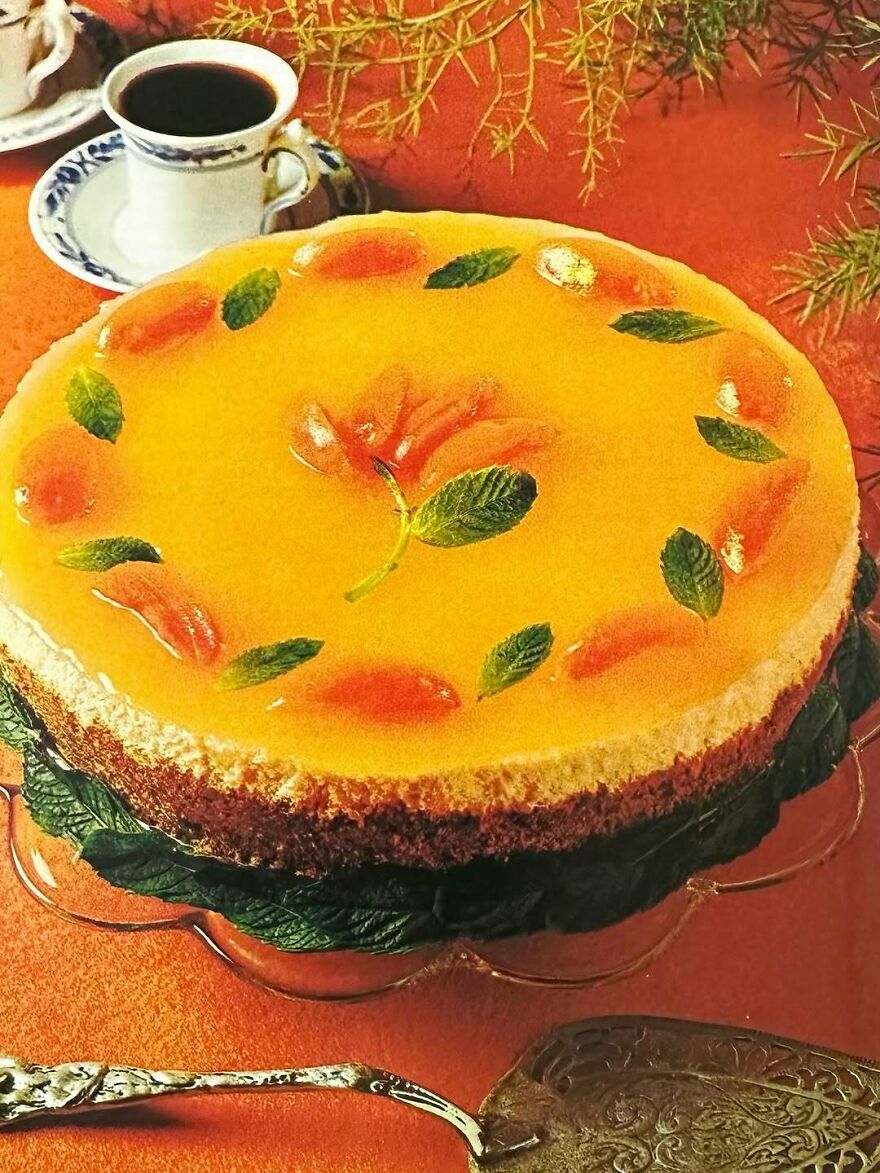
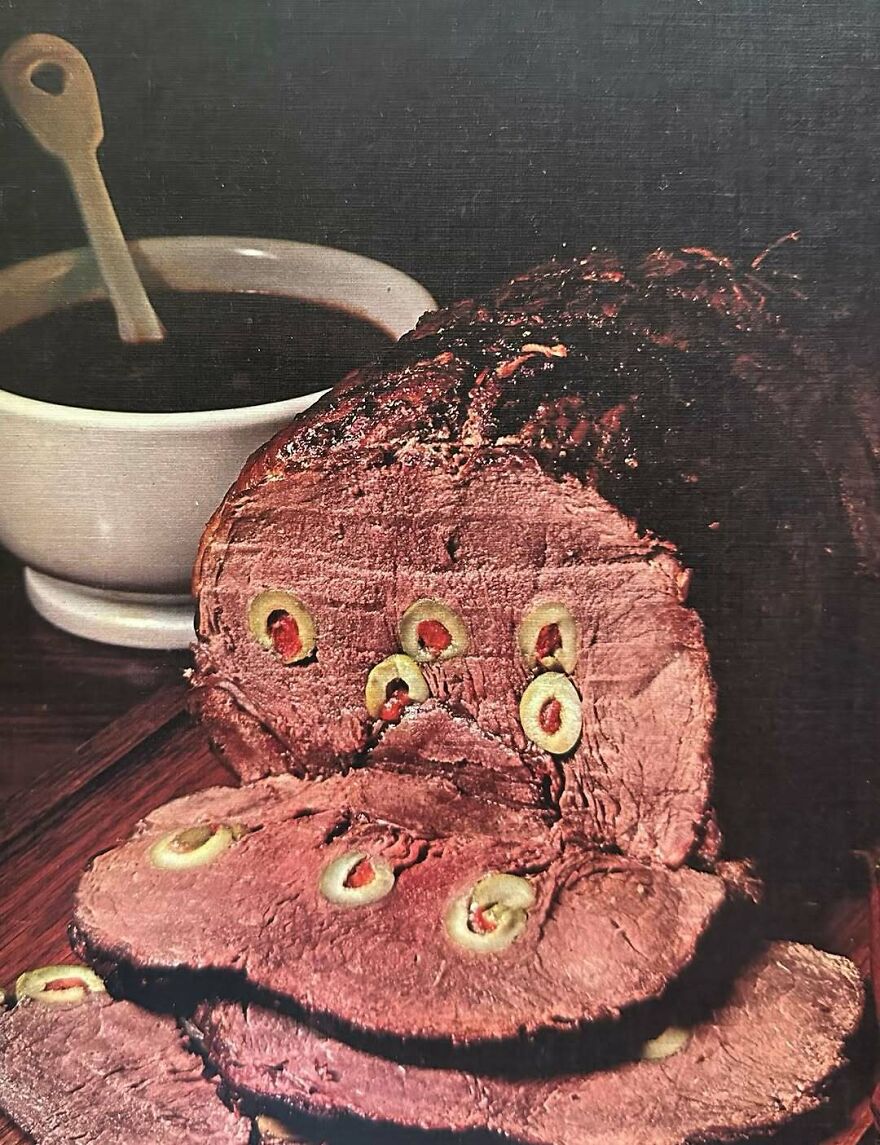
To find out, we’re stepping several decades back with Wendy, the creator of Vintage Cookbook Gore on Instagram. She shares recipes from her personal collection of vintage cookbooks, some dating as far back as the 1940s. And while a few of them still look surprisingly appealing, plenty of others raise an eyebrow or two.
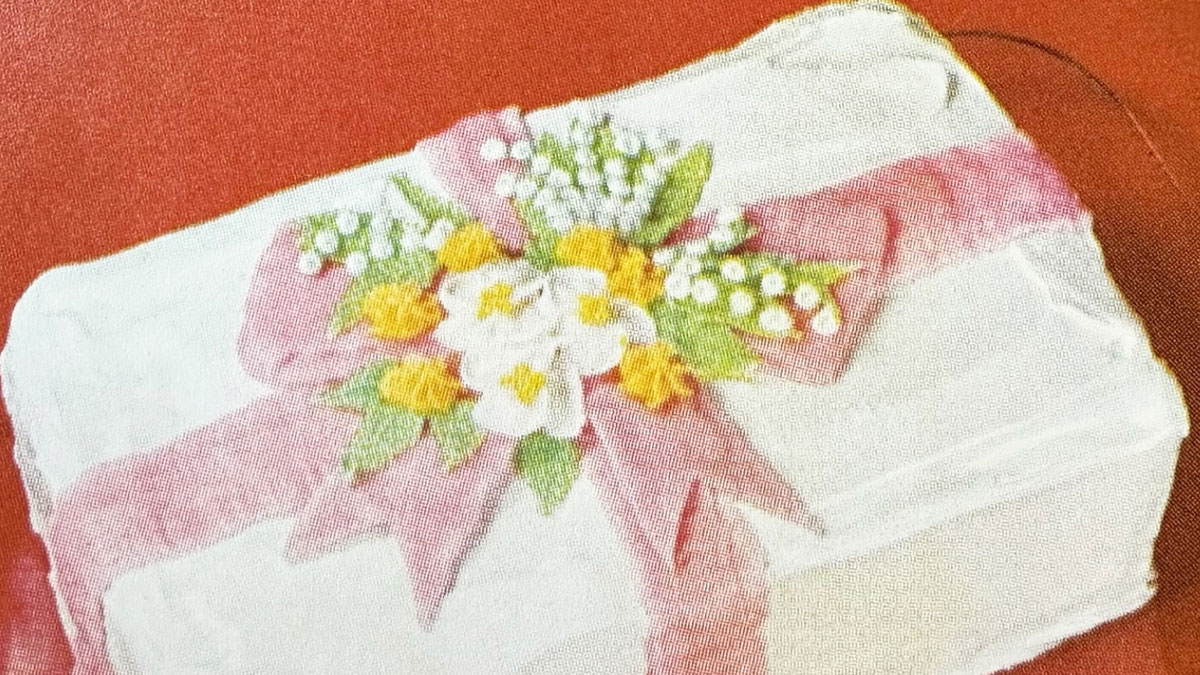
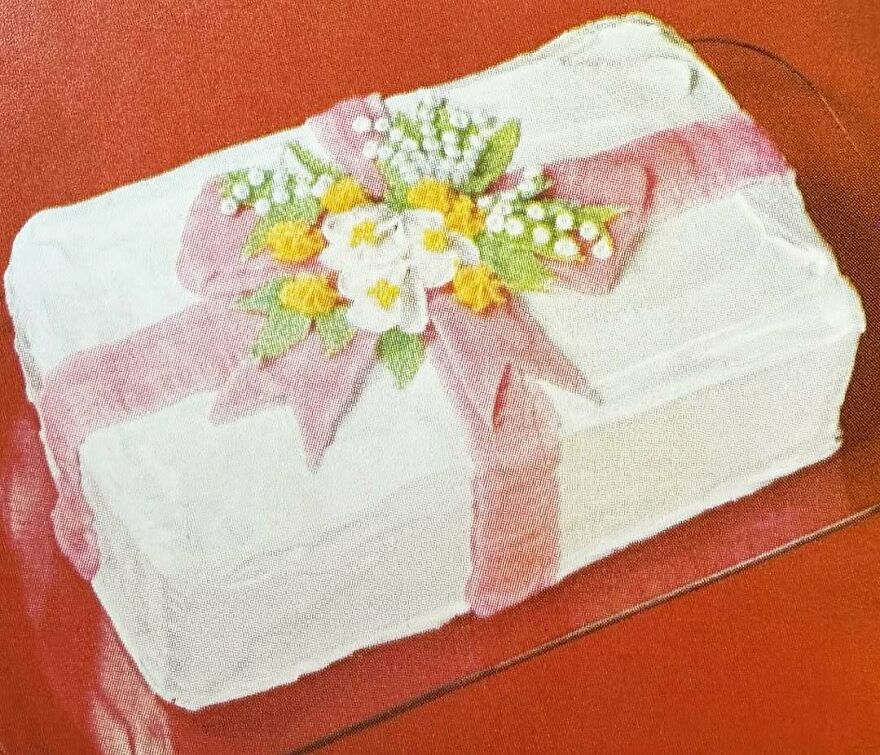
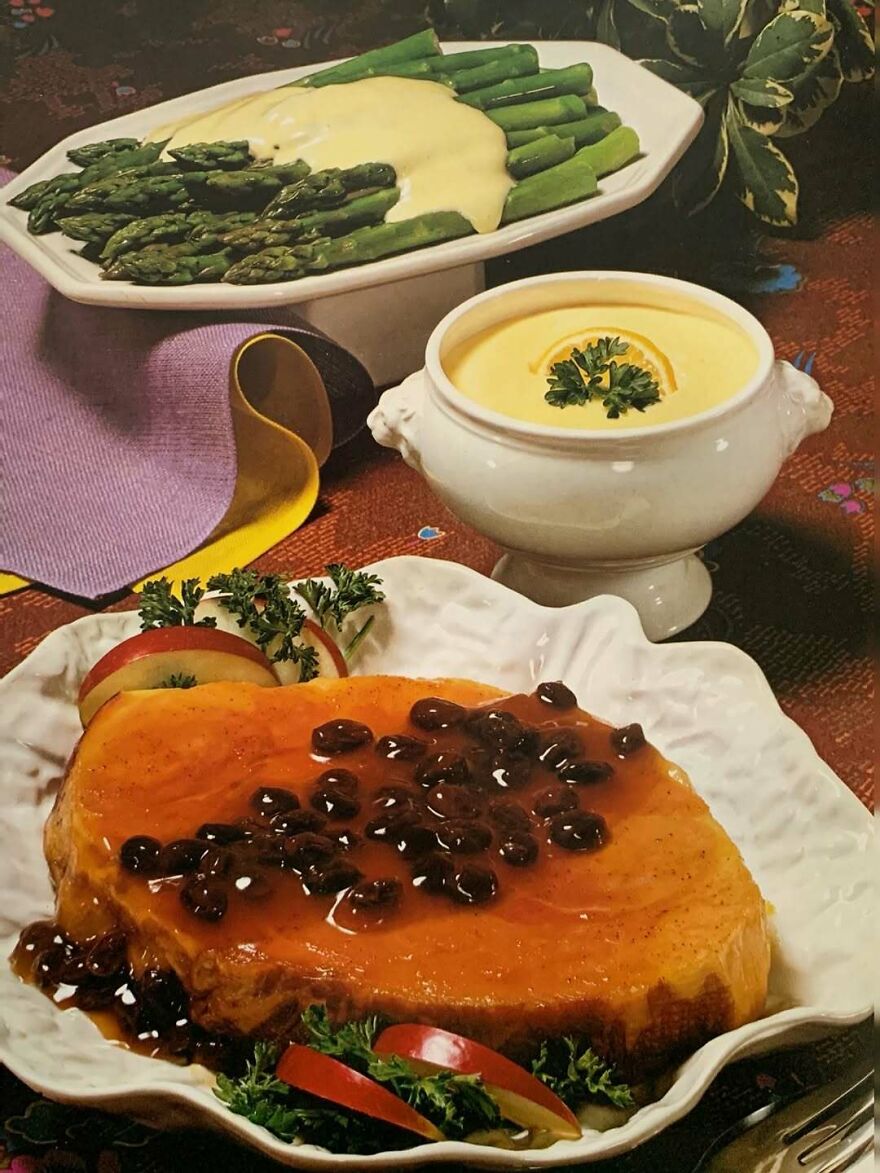
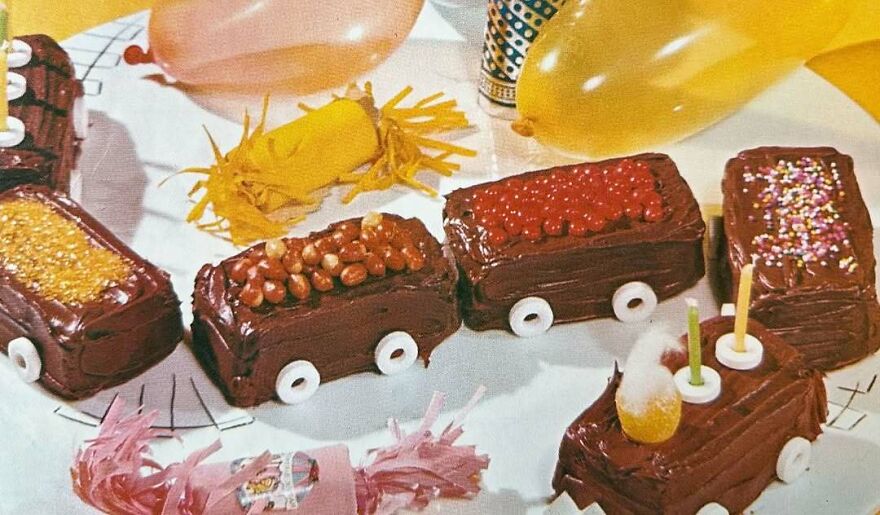
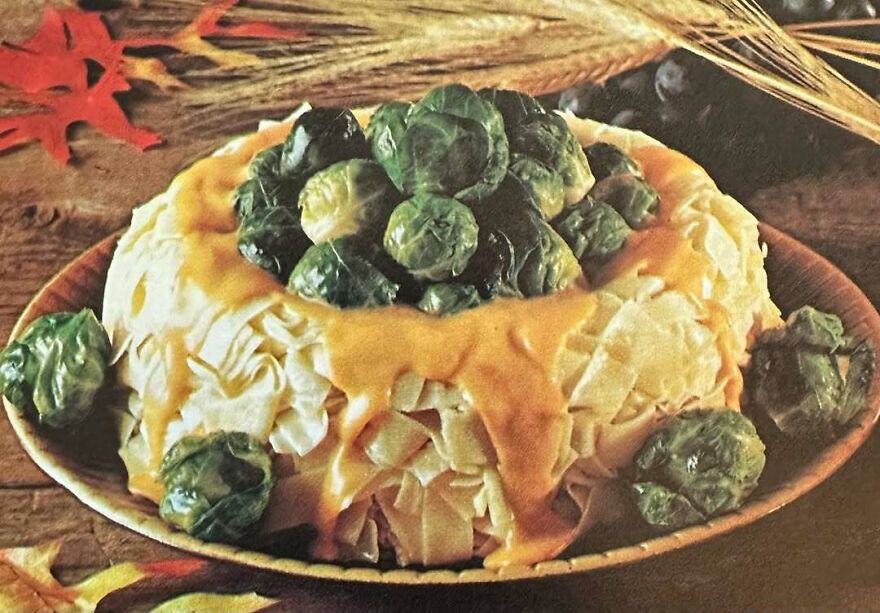
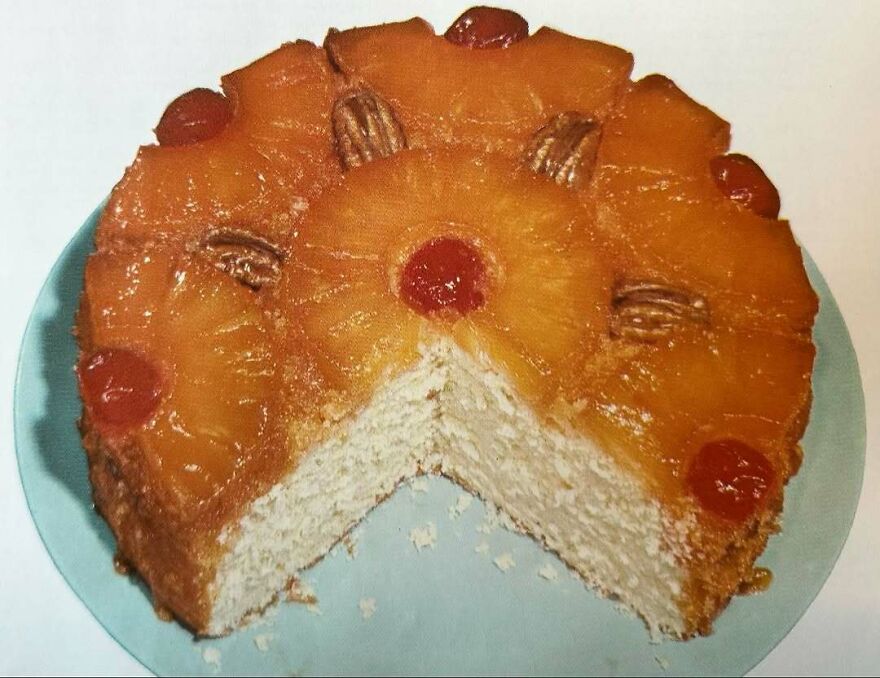
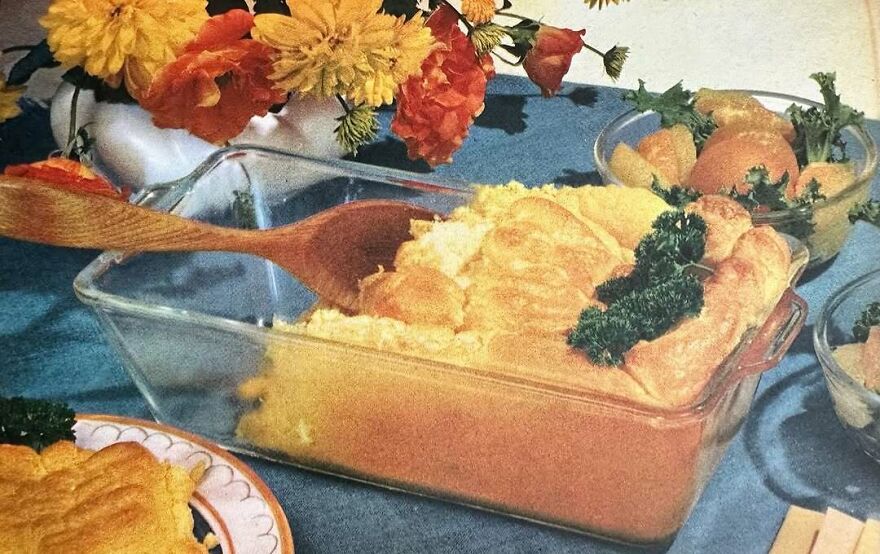
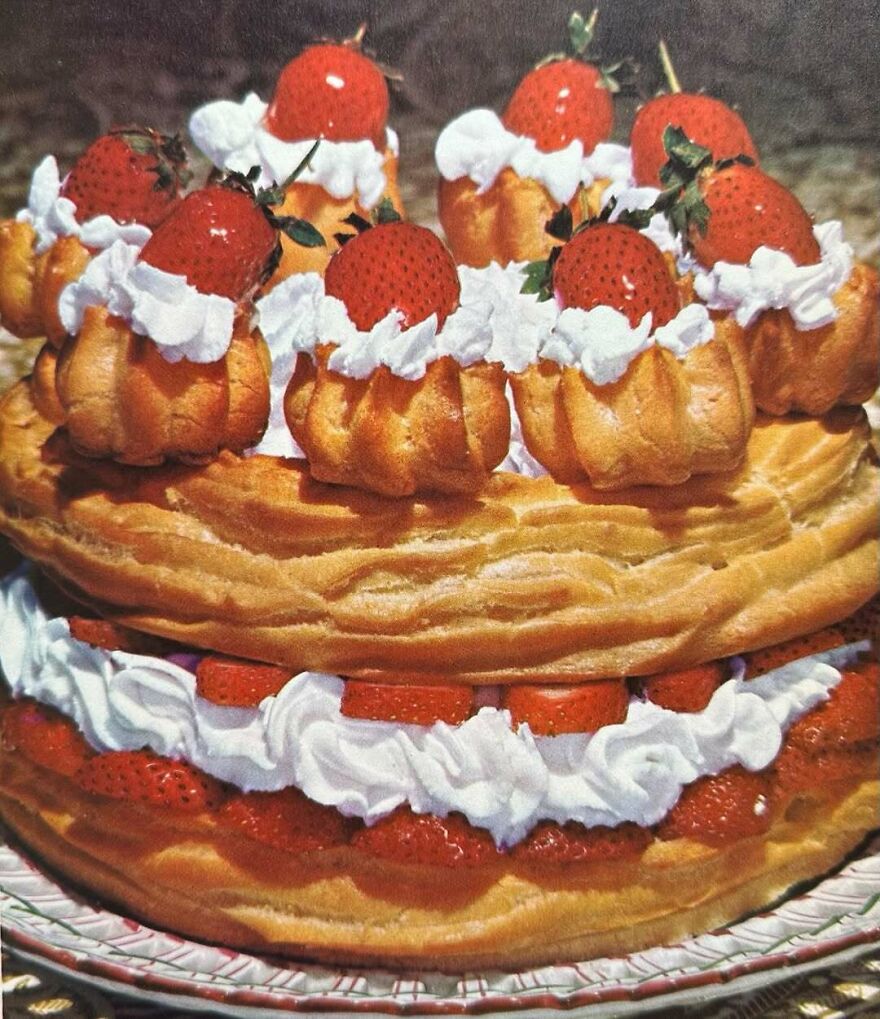
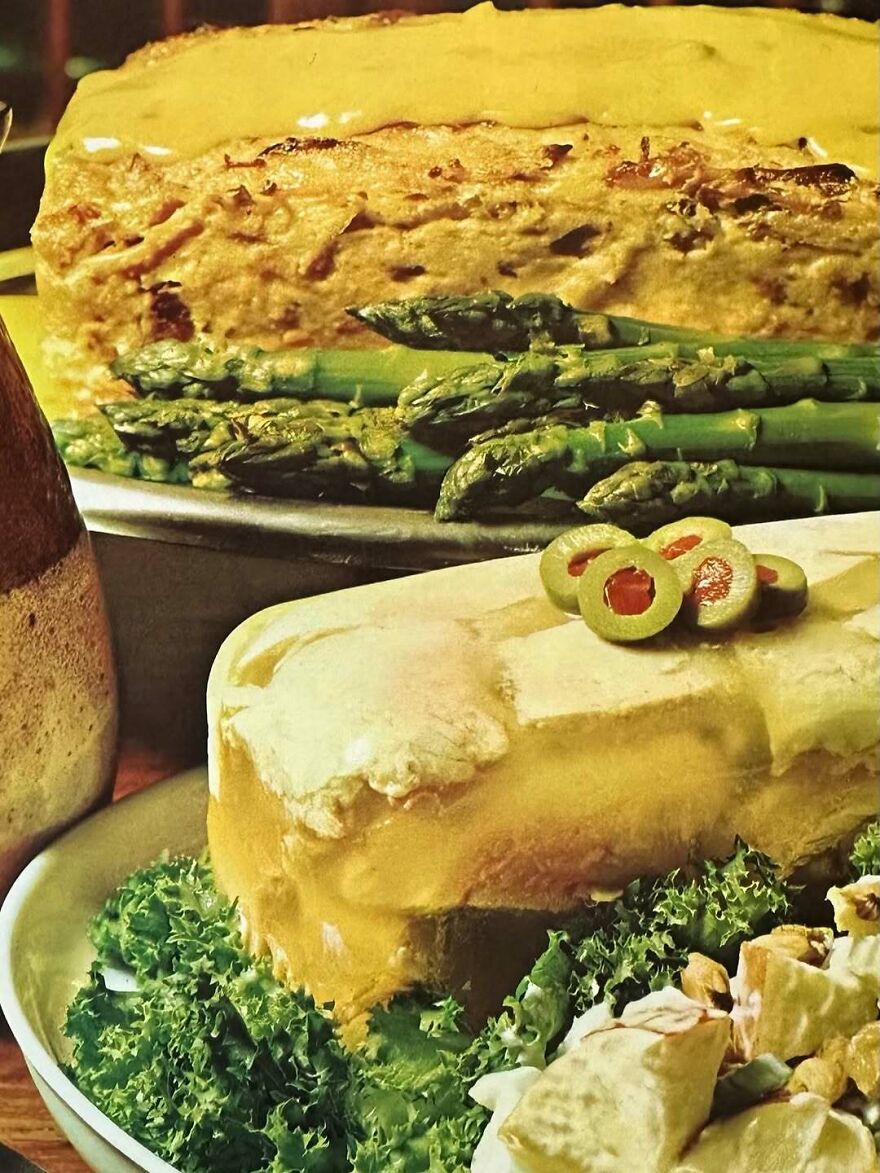
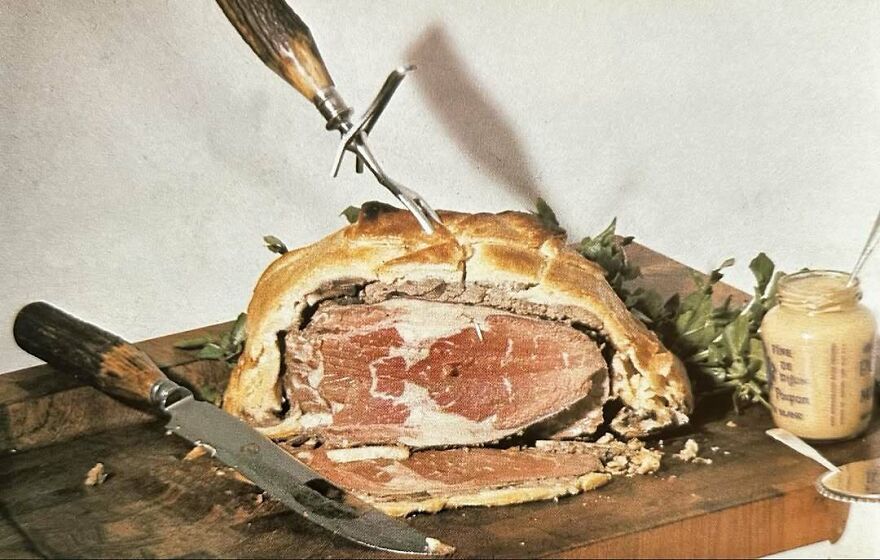
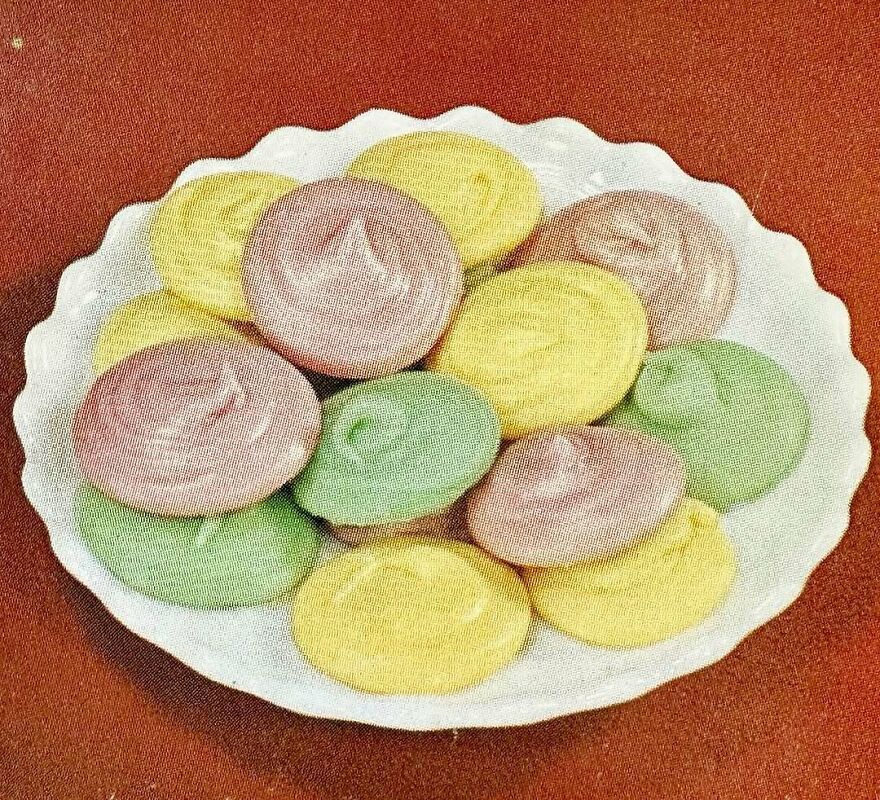
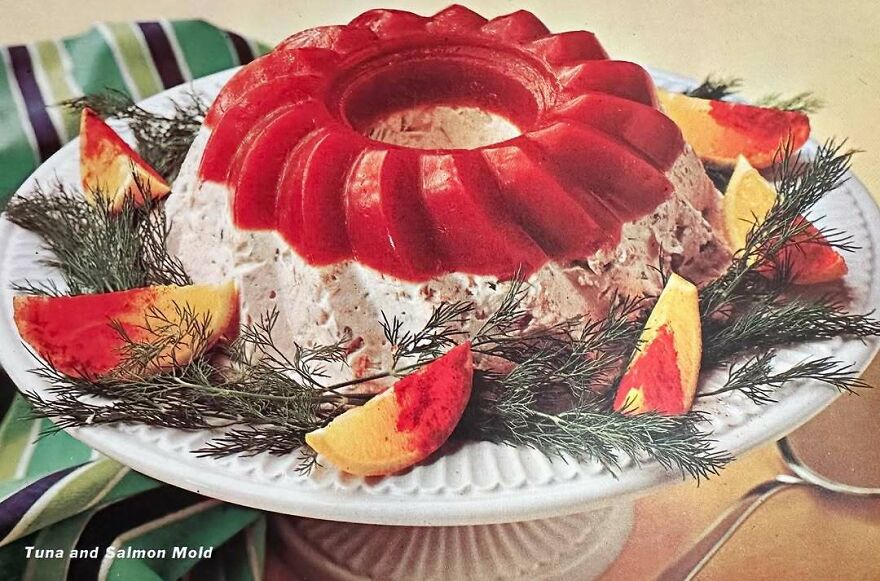
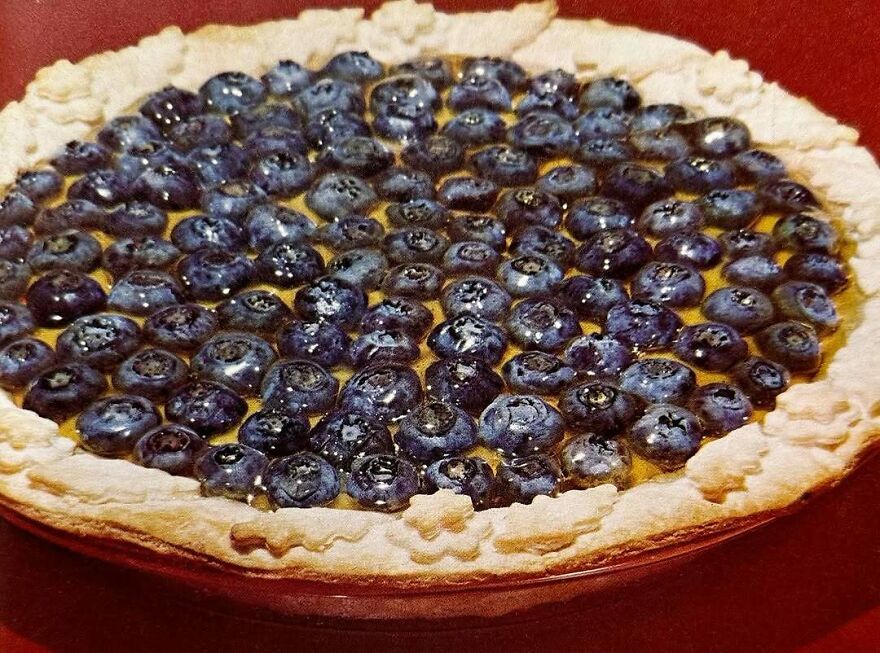
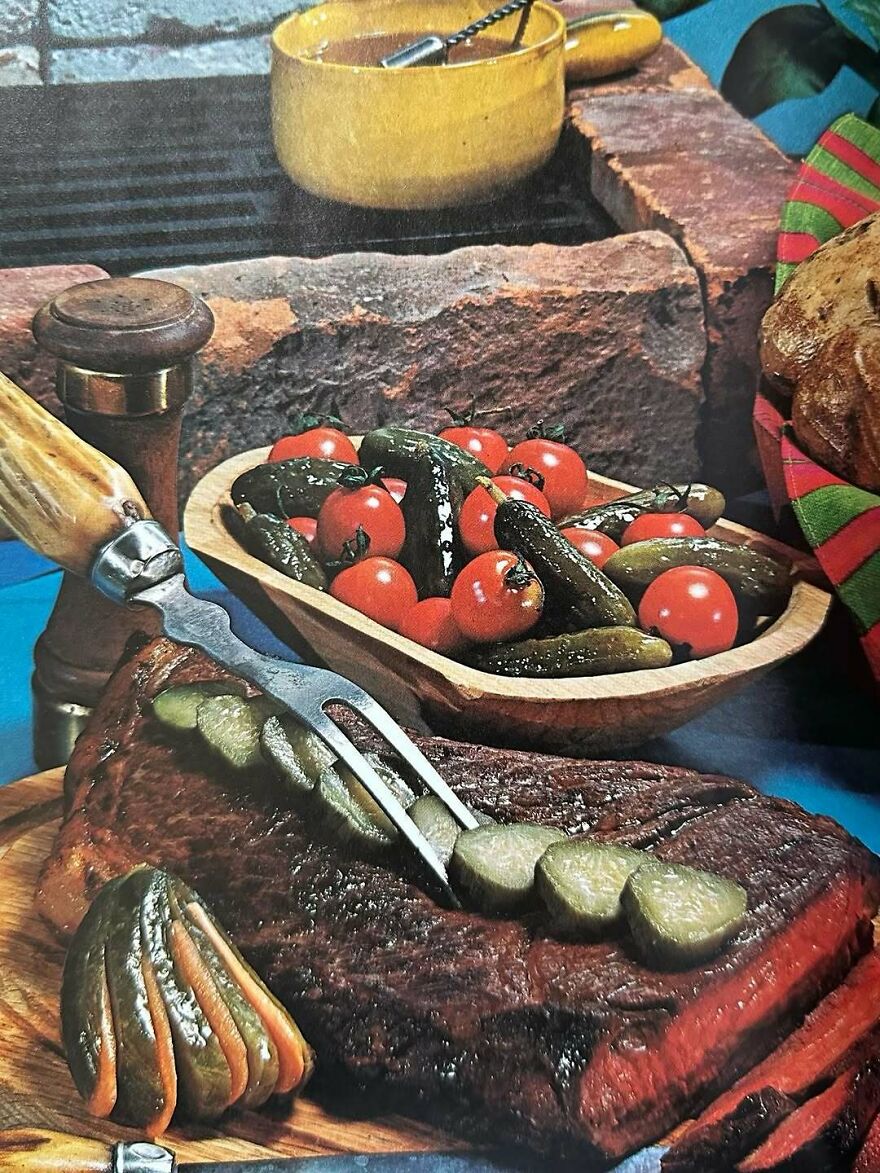
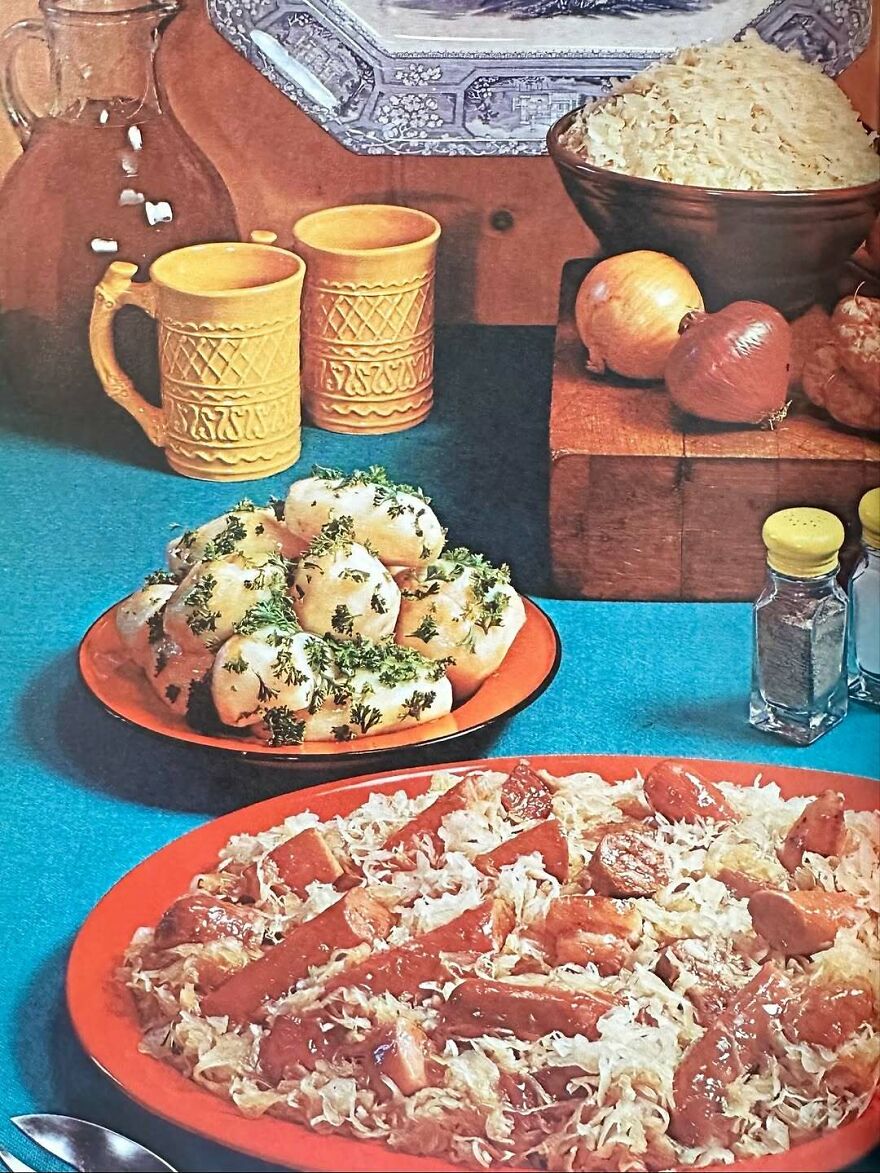
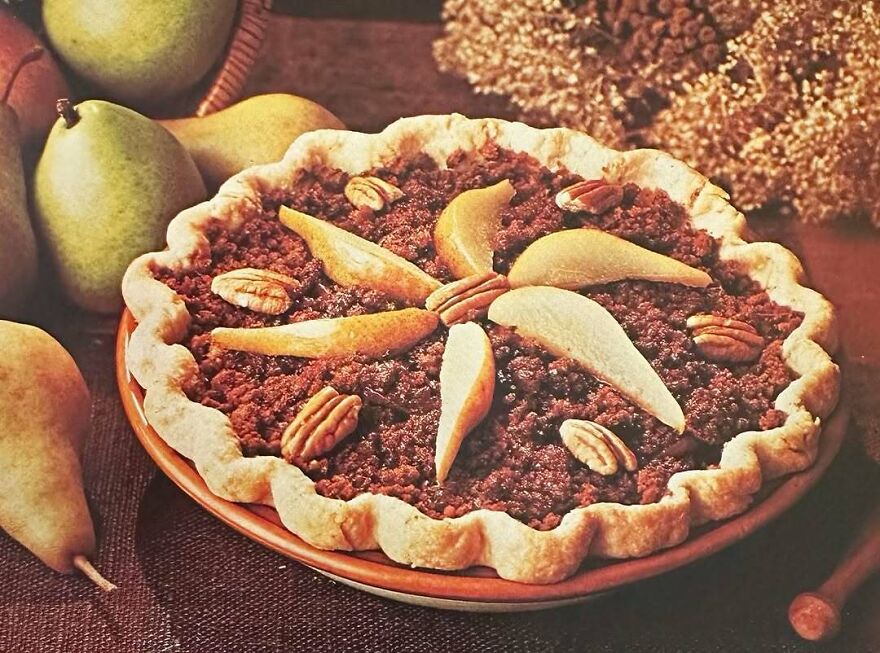
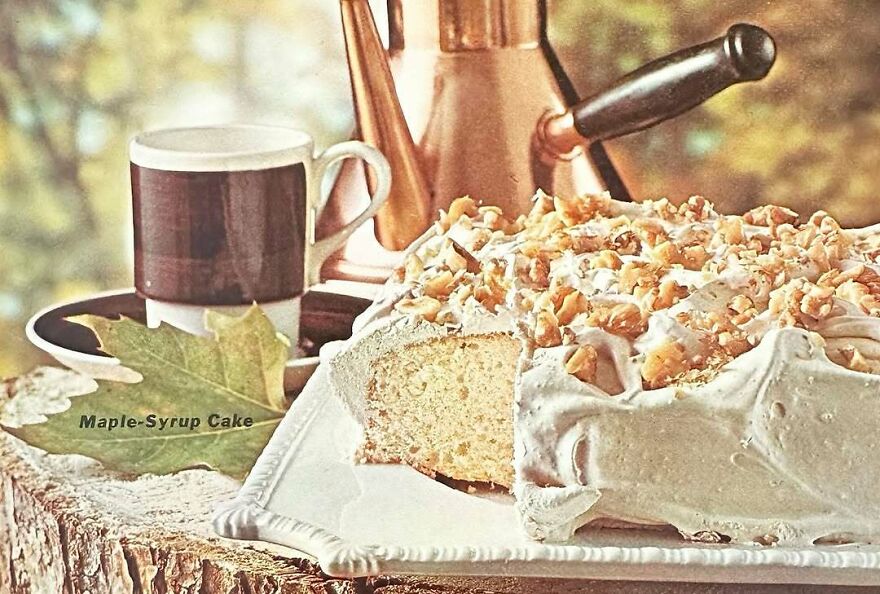
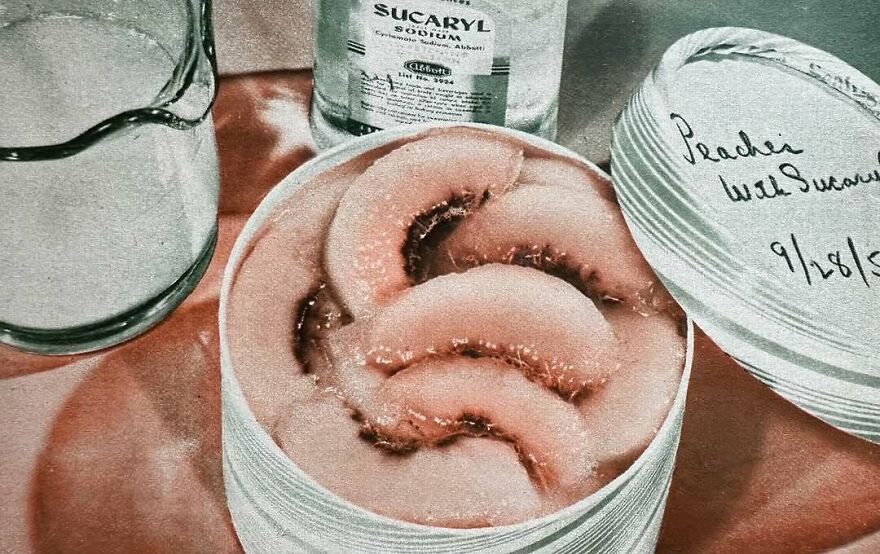
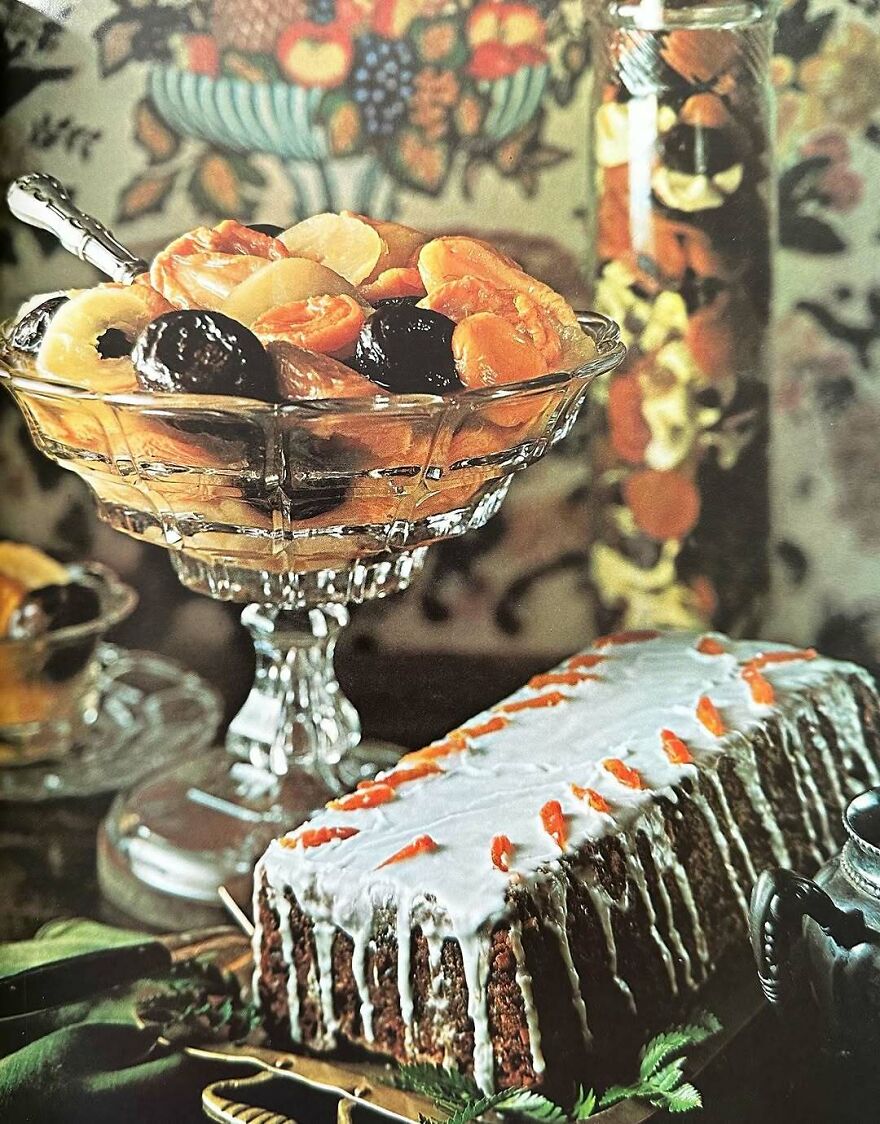
The photos themselves are undeniably beautiful. Whether the meals would hold up today is another question entirely. Scroll down to see them all, and let us know if there are any you’d be willing to try.
This post may include affiliate links.

This isn't weird. It's just not insane because they remembered it's food, not a TV show competition.

Raisin brandy sauce on ham sounds amazing, and not unlike the way my family's always done ham.

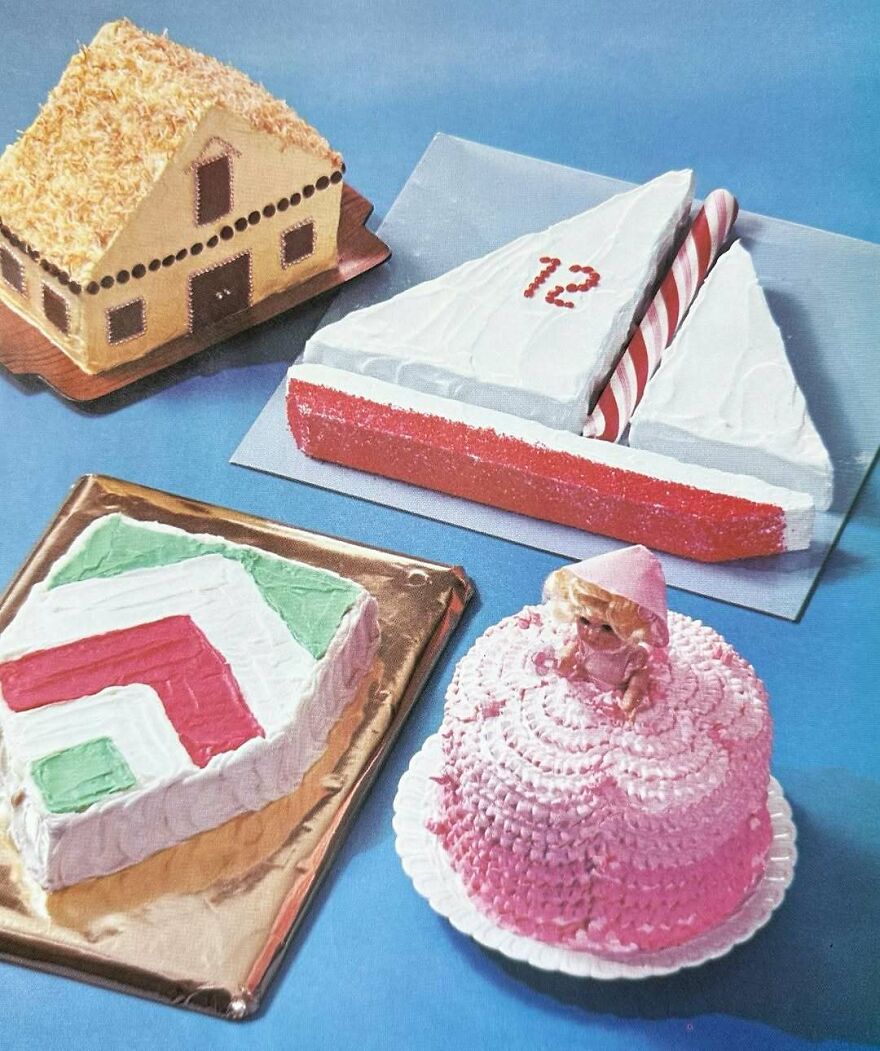
The Women's Weekly (Australia) cake book had a cake that looked almost identical to this, just the carriages were different colours.
Whether you find vintage recipes strangely appealing or completely baffling, one thing is hard to argue with: food today is probably the best it’s ever been. We have access to dishes from every corner of the world, centuries of accumulated knowledge, and the freedom to eat however we choose.
If you wanted to, you could recreate a noodle pudding from 1975 for dinner. Or simply grab McDonald’s on the way home. And chances are, there’s Japanese or Italian cuisine somewhere in your area if you’re in the mood for something else. There’s a whole world of food out there.
Of course, that level of choice didn’t happen overnight. The way we cook and eat now is the result of a very long history, and it all begins with one discovery that changed everything: fire.
The exact moment humans first began using fire is still debated. Some researchers believe early humans may have started using embers taken from natural wildfires as far back as 1.7 to 2 million years ago.
More widely accepted archaeological evidence places controlled fire use much later. At a site known as Daughters of Jacob Bridge traces of fire dated to around 790,000 years ago were found deep inside a cave, along with fish teeth that appear to have been cooked.
Definitive evidence of humans making fire themselves, by striking sparks rather than relying on natural flames, dates to roughly 400,000 years ago, based on findings at Neanderthal sites in eastern England.
Before fire entered the picture, early humans survived on raw food. According to culinary school École Ducasse, their diet consisted mainly of fruits, nuts, seeds, and uncooked meat.
While this food provided basic sustenance, it was difficult to chew and digest, limiting how many calories and nutrients the body could actually absorb and placing natural constraints on human development.
That all changed once cooking became part of daily life. Heat made food softer, easier to digest, and far more efficient as a source of energy, while the increased nutrients supported better brain growth. It also killed harmful bacteria and parasites, making meals safer to eat.
Controlling fire didn’t just improve how food tasted or how safe it was. It also encouraged people to cook and eat together, with shared meals around a fire helping strengthen social interaction and contributing to cultural life.
For hundreds of thousands of years, cooking methods with fire changed very little. According to Guy Crosby, adjunct associate professor of nutrition at the Harvard T. H. Chan School of Public Health, physical evidence suggests that cooking food on hot stones may have been one of the earliest and only adaptations during this long period.
That began to shift around 30,000 years ago with the development of so-called earth ovens in parts of Europe. These were pits lined with heated stones, where food was slowly cooked under layers of earth and ash. This method allowed meat to cook for much longer, breaking down tough connective tissue and making it easier to chew and digest—an early version of slow cooking that shares more in common with modern barbecue than you might expect.
As techniques evolved, humans began experimenting with boiling food, explains Crosby. Long before pottery existed, water was likely heated using hot stones dropped into containers made of bark, animal hides, or wood. Even though these materials seem fragile, they could safely hold boiling liquid as long as water absorbed the heat.
Physical evidence of fired clay pottery appears around 20,000 years ago, with pottery fragments found in Japan showing traces of cooked fish and shellfish. This marked a major step forward, allowing people to prepare grains and other foods that couldn’t easily be roasted.
An even bigger transformation came when humans stopped living as constant nomads. Around 10,000 to 12,000 years ago, the agricultural revolution began, first in the Fertile Crescent. People started growing crops like wheat and barley and domesticating animals, which meant food could be harvested in large quantities and stored.
Cooking adapted to this new reality. Boiling and stewing became essential techniques for preparing grains and legumes, and kitchens became more permanent spaces rather than temporary setups around a fire.
As societies grew and interacted, cooking became a way cultures connected. Ingredients and techniques traveled along trade routes, with spices valued for both flavor and preservation.
By the Middle Ages, according to École Ducasse, kitchens centered around open hearths, where food was cooked in suspended pots and cauldrons or baked in simple ovens. Preservation methods like salting, smoking, and brining made food easier to transport and store. Monasteries and scholars began recording recipes and techniques, ensuring that culinary knowledge survived beyond a single generation.
Eventually, cooking moved beyond a domestic necessity and began to be seen as a true craft. As affluent urban centers expanded and grand hotels and restaurants appeared in the 18th century, there was growing demand for skilled professionals who could create memorable dining experiences rather than simply prepare food.
This period paved the way for figures who would shape what we now think of as gourmet cuisine. Chefs like Marie-Antoine Carême and Georges Auguste Escoffier, active in the late 19th and early 20th centuries, played a major role in elevating cooking to an art form.
Carême, often called the “King of chefs and the chef of kings,” was known for his elaborate pastry work and dramatic presentations, treating food as something meant to impress both visually and technically.
Escoffier, widely regarded as the father of modern French cuisine, brought structure and efficiency to professional kitchens. He refined classic sauces and dishes and introduced systems that made large-scale, high-quality dining possible.
Together, their influence helped turn cooking into a respected profession, laying the foundations for modern restaurants and the fine dining culture we recognize today.
Now, whether we cook for ourselves or rely on someone else to do it, food feels like an effortless part of modern life. But getting here took, without exaggeration, millions of years and a great deal of effort along the way.
So the next time you enjoy a really good meal, it might be worth savoring it a little more—there’s a long history behind every bite.

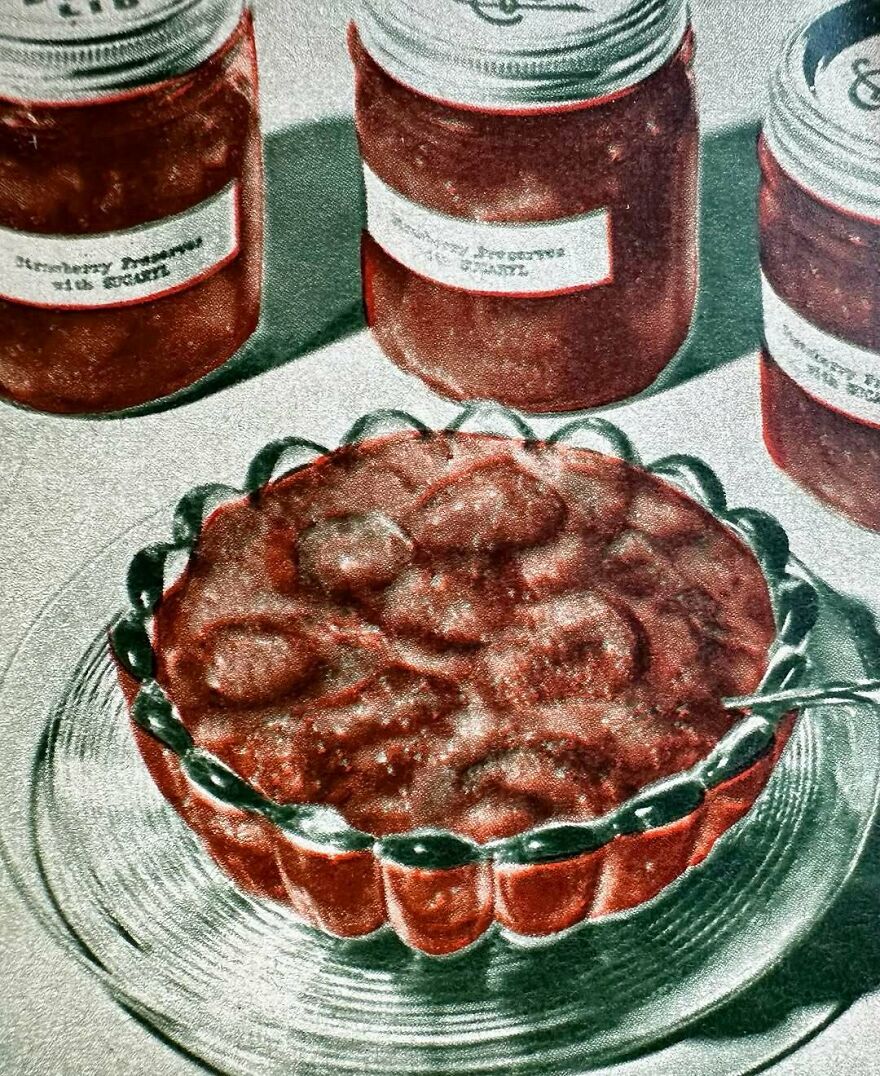
Why would anybody ever want to ruin perfectly good strawberries with 10 tons of sugar?

Not many of these are truly "disgusting", just different to many of today's cooking styles. For some really bizarre dishes from the 40s-70s, check out James Lileks' "Gallery of Regrettable Food" at lileks dot com / institute / gallery.
Yes it was. I have a couple of my mother's cookbooks of that era, and the colour plates are garish and not entirely tempting
Load More Replies... Not many of these are truly "disgusting", just different to many of today's cooking styles. For some really bizarre dishes from the 40s-70s, check out James Lileks' "Gallery of Regrettable Food" at lileks dot com / institute / gallery.
Yes it was. I have a couple of my mother's cookbooks of that era, and the colour plates are garish and not entirely tempting
Load More Replies...




























 No fees, cancel anytime
 then open in external browser


 and click "Open in External Browser"