Get Premium
Dark mode theme is available exclusively for premium users. Learn more about the benefits of subscribing.
No fees, cancel anytime.

 Dark Mode Ad-Free Browsing Unlimited Content
 Ad-Free Browsing Unlimited Content Dark Mode
Join 1.2 million Panda readers who get the best art, memes, and fun stories every week!
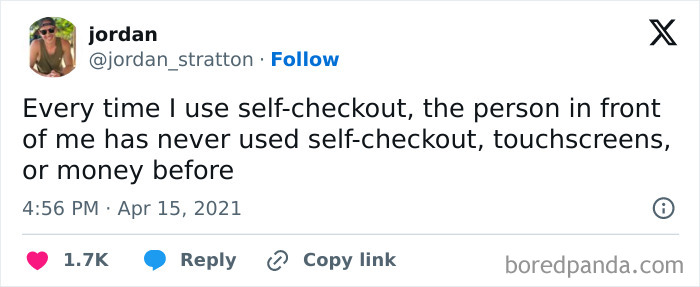
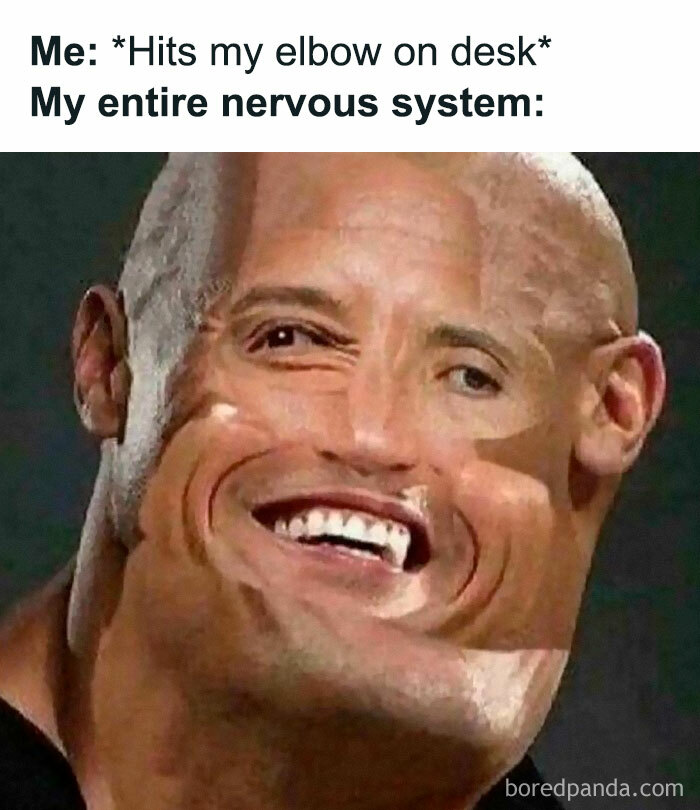
People are far more alike than you might think! Despite cultural and other differences, the human experience is incredibly similar. Usually, it’s the small things in life that unite us. Whether that’s accidentally hitting your elbow on a hard surface, getting stuck behind someone having issues at self-checkout, or rereading your own awesome social media post after someone gives it a like.
But that’s just the tip of the iceberg. Our team at Bored Panda has ventured all over the internet to collect some of the funniest and weirdest examples of common and relatable things that most people have done or experienced but rarely talk about. Keep scrolling to check these witty memes and posts out!
This post may include affiliate links.
No matter how much technology progresses and the innovations you see, your ability to connect with other people will never go out of style. (Well, unless AI becomes sentient and goes all Matrix on us, but let’s not be so pessimistic for a bit.) Empathy, good communication, authenticity, relatability, and active listening are all ‘soft’ skills that are incredibly helpful in life.
Not just in your career but also while you’re interacting with your family, friends, and complete strangers. After all, unless you live alone in the wilderness, you’ll constantly interact with people nearly every day of your life. But even if you’re not particularly emotionally intelligent right now, luckily, it’s something that you can develop.
Your emotional intelligence (also known as EI or EQ) is your ability to express and control your own emotions while also understanding, interpreting, and responding to the emotions of other people.
While your IQ is related to book smarts, your EQ revolves around your interactions with other human beings in the real world.
It’s natural to wonder how emotionally intelligent you are. While there are tests that you can take, there are general signs to be aware of, too. Verywell Mind explains that some of the main signs of emotional intelligence include things like:

IKR? If I’m late, it’s the end of the world. But they’re allowed to keep me waiting. 🤬
According to the Harvard Business School, emotional intelligence has become a “must-have skill” and it is the strongest predictor of performance at work.
“Employees with high emotional intelligence are more likely to stay calm under pressure, resolve conflict effectively, and respond to co-workers with empathy.”

Identifying a lack of emotional intelligence can be pretty tough. HBR notes that the main components of EQ include:
Meanwhile, some indicators that you or someone else at work might have low EQ include things like blaming others when things don’t go as planned, regular outbursts, and strained conversations.

It’s my dryer that lies to me. The washer is reliable. The dryer though - it must be on the edge of some dark matter black hole where time has slowed significantly!
For some people, emotional intelligence is something that comes naturally to them. For others, it’s something that they take a while to develop, while others still need to be very intentional about practicing it.
Some of the main ways that you can raise your EQ include things like journaling, where you record your emotions and reflect on how they influenced your decisions and interactions. That way, you know what mistakes you made and what not to do in the future.

You can also raise your EQ by practicing active listening to others (where you don’t just wait for your turn to speak and you’re not distracted by screens), paying attention to your emotions, and undergoing in-depth 360-degree individual assessments.
On top of that, you can take various online and in-person courses to understand your strengths, weaknesses, and limitations better.
I take that as my cue from the universe to practice my patience. It doesn't work, but I try.
Honestly, it’s not all that surprising that most of us have experienced many—if not all—of the things featured in this list. To a greater or lesser extent, most people’s lives are very similar.
Even if you live like a hermit in nature, have a bazillion dollars in your trust fund, or have a totally unique job that barely anyone else does, you’re still not immune to, say, small accidents like hitting the ulnar nerve (aka ‘funny bone’) in their elbow and getting that weird tingling sensation.
The hard part is realizing you have to go pee, but you're still half-awake.
It’s by opening up about those small moments of friction with other people and your environment that you begin to realize how similar everyone really is. If you start opening up about all the little things you experience in your daily life, you might come to the conclusion that you’re way more similar to other individuals than you are different.
Sure, everyone is unique in some small ways. But the core human experience, especially during your mundane routine, is fairly relatable to most people on Earth. You’ve got work or studies to get to, groceries to buy, food to cook and eat, chores to do, kids to raise, and a hundred other small things to do every day.
Which of these experiences that we’ve featured in this list do you vibe with the most? Which ones were the most and least relatable?
Be sure to upvote the pics that you think match your life well. Was there anything super common that you think we might have missed? Tell us what you think in the comments!

Can raccoons eat pasta not fit for human consumption? Asking for a friend...

Nah, I'll delete apps way before I delete near identical photos of my cat.

It should read "making an email ADDRESS." Make an email means writing an email. Sheesh






























 No fees, cancel anytime