Get Premium
Dark mode theme is available exclusively for premium users. Learn more about the benefits of subscribing.
No fees, cancel anytime.

 Dark Mode Ad-Free Browsing Unlimited Content
 Ad-Free Browsing Unlimited Content Dark Mode
Join 1.2 million Panda readers who get the best art, memes, and fun stories every week!
You know the moment. Someone starts chewing a little too loudly. A phone rings at the worst possible time. A person in front of you does one tiny thing that should not matter, yet suddenly you are clenching your jaw and counting to ten.
That is the weird power of pet peeves. They feel personal and obvious when you are the one experiencing them. The problem is, they are not universal.
Some of these will probably make you nod in agreement, others migh*//*t make you roll your eyes. Either way, not everyone reacts the same, and that’s where the real divide starts.
This post may include affiliate links.
You spot it a second too late. One step, then the awful realization, and suddenly your whole walk is ruined. That is why people who leave dog poop behind get called out so fast.
But it is not always as simple as “lazy owner equals bad person.” A University of Sydney study notes that most dog walkers do pick up after their dogs, while a smaller group admits they are too “proud to pick up,” or decide there are situations where leaving it feels tolerable.
The same study also found that some dog walkers “will not pick up even if they are aware of the health and environmental consequences,” which is exactly what makes this one so polarizing.
Then there is the excuse almost everyone has used at least once. As one owner wrote on Quora, “To be fair...there have been times when I'm walking my dog, he does his duty, and I find I have no doo bags. There's not much to do except come back later with a bag… sometimes I don't have time to come back or I forget,” a confession that instantly divides people into the unforgiving and the understanding.
So what is your stance, is leaving it behind ever acceptable if you genuinely ran out of bags, or is there no excuse, ever?
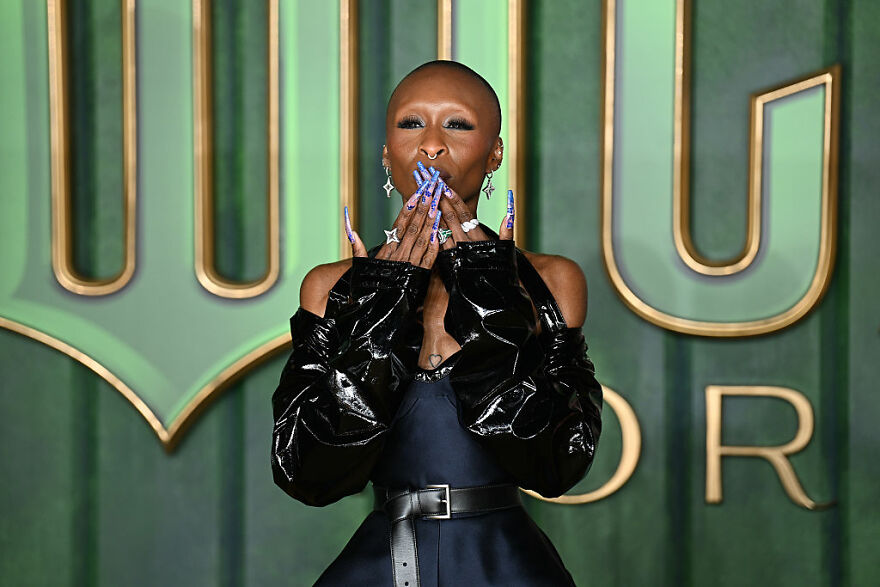
Few style debates get as oddly heated as nail length. Long nails can look dramatic, glamorous, and intentional, until you actually have to live your life with them.
That tension shows up even among celebrities. Cardi B, long known for her over-the-top manicures, has recently leaned into shorter “princess nails,” a move many fans quietly celebrated.
Sabrina Carpenter explained why she prefers shorter nails in a TikTok clip, saying they make everyday tasks like playing instruments and applying skincare easier. Still, she admitted that longer nails make her feel more confident.
And she is far from alone. Stars like Zendaya, Cynthia Erivo, and Rihanna continue to show up on red carpets with elaborate long nails, proving the appeal has not waned.
When you see someone with nails that could double as accessories, do you admire the commitment or immediately wonder how they get anything done?
“No offense” sounds harmless enough until you hear what comes next. The phrase technically signals good intentions, but in real conversations, it has a habit of acting like a warning label.
Most people have learned to brace themselves the moment it is said. That is because “no offense” often serves as a soft launch for criticism that would feel too blunt without it, which is exactly why it divides opinions so sharply.
Communication expert and lawyer Jefferson Fisher has pointed out that people often use the phrase as a kind of permission slip, allowing them to say things they might otherwise hold back, while distancing themselves from the impact of the words.
In a TikTok video, he suggested that you can shut the moment down by responding with a simple, “But is it?” whenever someone leads with “No offense.”
That does not mean it is always insincere. In some situations, tone matters. When used carefully, “no offense” can genuinely signal honesty without malice, especially when someone is sharing an uncomfortable truth.
If you hear someone lead with it, do you immediately tense up, or do you wait to see whether they actually mean it?
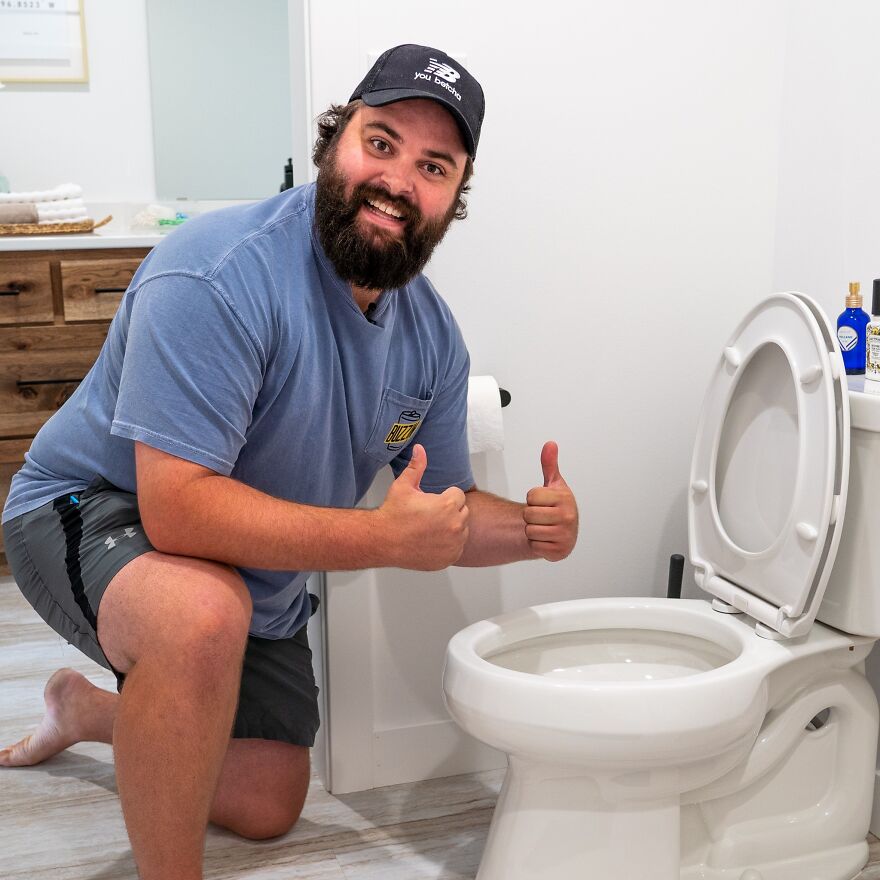
Few household habits spark arguments faster than the position of the toilet seat. A Plumbworld survey found that most people believe the seat should always be put down after use, while a smaller group sees no issue leaving it up.
For many women, discovering the seat left up feels inconsiderate at best and unpleasant at worst, especially when it leads to that dreaded late-night misstep. It becomes less about the seat itself and more about feeling ignored in a shared space.
On the other side, some men genuinely do not see the problem. If the seat is just going to be lifted again, putting it down every time feels unnecessary and illogical to them, which only fuels the ongoing standoff.
When you walk into the bathroom, do you expect the seat to be down automatically, or do you see this as an overblown argument people should stop fighting about?
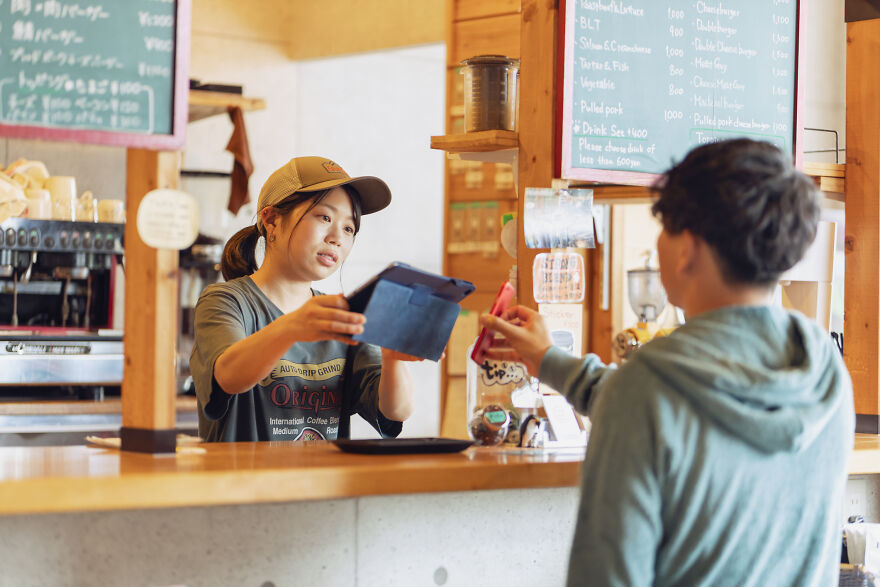
Few things test people’s patience like standing in line behind someone who only starts deciding once they reach the counter. When everyone else has been scanning the menu from afar, that pause can feel painfully long.
From the waiting customer’s perspective, it comes off as inconsiderate. Hunger is already high, the line is moving slowly, and the delay feels avoidable. It is easy to see why this habit earns instant side-eye.
Still, there are reasonable exceptions. Some people need to ask about ingredients, dietary restrictions, or unfamiliar menu items. Menus change, specials rotate, and not everyone has had time to plan ahead.
When it is your turn at the counter, do you feel pressured to order immediately, or do you think it is fair to take a moment, even if the line behind you is growing restless?
That constant sniffling can drive people insane. One sniff is fine. The nonstop version is hard to ignore.
The frustrating part is that the science is not exactly on team “blow your nose.” ENT specialist Godelieve Damen at Radboudumc says it can be better to sniffle, directing mucus to the back of the throat where stomach acid breaks it down, which is part of the body’s natural process.
That explanation does not stop people from judging it anyway. “Sniffling constantly is a sign that they need to blow their nose,” one social media user complained, while others went even further, calling snifflers “stupid” or “lazy” and mocking them for their manners.
So if someone keeps sniffling next to you, are you thinking “they might be doing the right thing,” or are you silently begging them to grab a tissue?
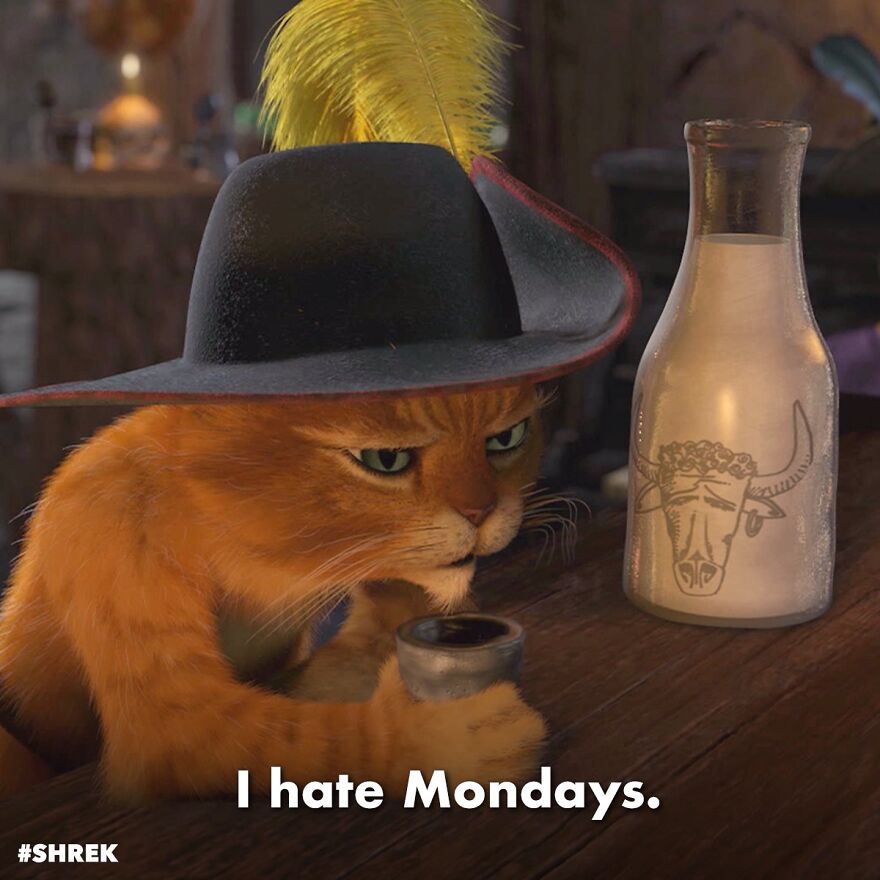
People collectively hate Mondays for a good reason. Mondays mean returning to hard work after two consecutive days of complete freedom, with all of these looming deadlines “greeting” you at your workplace.
Venting your anger by saying “I hate Mondays” can be a good momentary relief, but for others, it only makes them feel worse about their jobs and work ahead, especially after a blissful weekend.
On a brighter side, some don’t even feel anything negative about Mondays, questioning on social media why anyone would complain about “Another fresh start. Another day to get things done.”
Next time someone drops an “I hate Mondays” before 9 a.m., does it make you feel understood, or does it instantly get on your nerves?
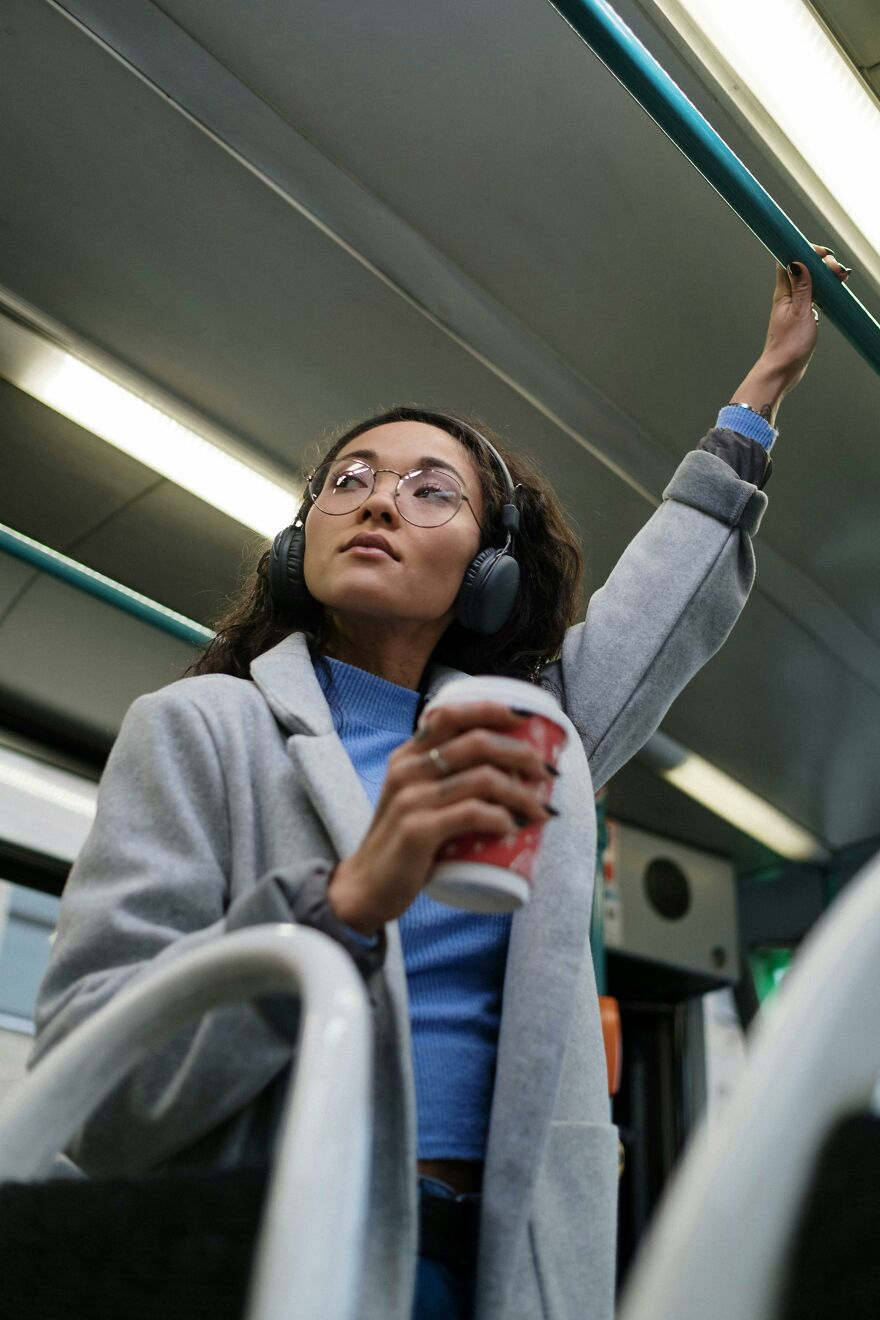
Starting a conversation with someone who is clearly wearing headphones can feel like an instant boundary violation, especially when the other person keeps going as if the headphones aren't even there.
In one Reddit thread, the frustration is not about someone getting your attention and waiting. It is about the people who launch into a full conversation anyway, then act offended when you did not hear them through noise canceling.
But not everyone sees headphones as a universal “do not disturb” sign. A Quora user argued that leaving them on while someone is speaking is a rude move, and that you should unplug and engage once you realize someone is trying to talk.
So, what is the rule in your world? Are headphones a clear hint to back off, or is it on the wearer to pause and participate?
Remove earbud, say "sorry, I don't have any change," then reinsert earbud. Watch discreetly as they turn red and start pouting.
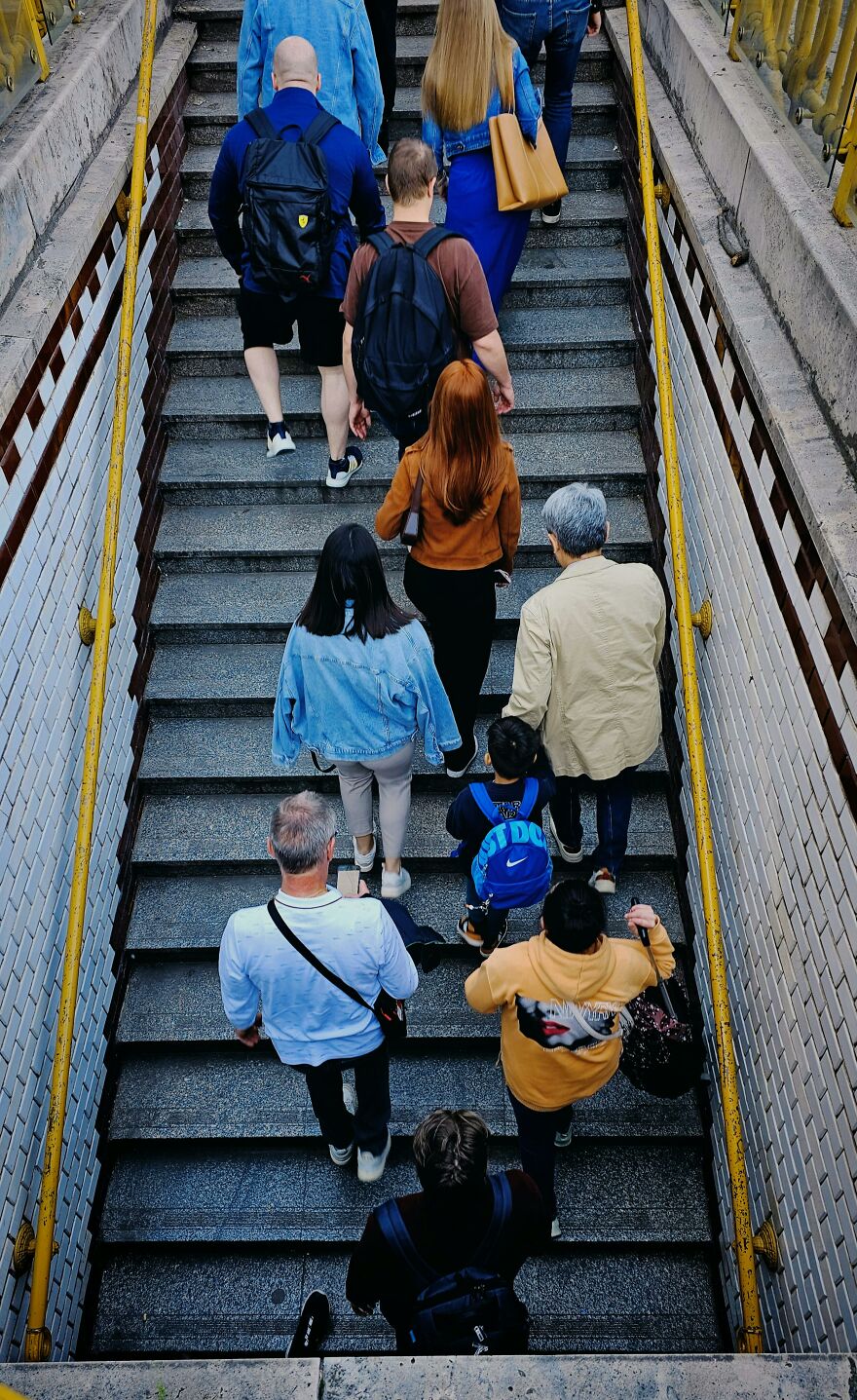
It usually hits when you are already late. You are moving with purpose, weaving through a busy street, and then you get stuck behind someone strolling right down the middle like they have nowhere to be.
For people in a rush, slow walkers feel like a personal obstacle. Even though there may be perfectly valid reasons for the pace, injuries, age, or simply wanting to enjoy the moment, the frustration still builds when there is no space to pass.
On the other side are those who see no reason to speed up just because someone else is impatient. In one Reddit thread, a user went so far as to say, “If you can't walk faster than 3.5km/h (about 2 miles per hour) then you need a goddamn wheelchair,” a comment that shows just how intense this irritation can be.
So when you are stuck behind a slow walker in a crowded street, do you quietly seethe and try to pass, or do you think everyone should slow down and stop acting like the world is a race?
You’ve seen it in texts and comments: “cuteeeeeee,” “nooooo,” “pleeeease.” For some people, it is playful and obvious. For others, it is instantly grating, especially when the stretching feels random or off.
The funny part is that this is not just a quirky internet habit. Researchers at the University of Vermont, Burlington, analyzed approximately 100 billion tweets from 2008 to 2016 to determine why we stretch words online, as CNN reported.
Peter Dodds, a professor in the university’s math and statistics department, said the team was being “a bit silly and playful,” but the results still revealed a pattern: people stretch out words to convey emotion, including sarcasm (think “suuuuuurrrrre”).
That still does not stop the annoyance factor. The researchers found people tend to stretch the parts of words you can actually say out loud, and then there is the version that makes some readers snap, the extra letters that do not even translate in speech, like the last “p” in “pleeeeaaasee hhhheeeellllpppp.”
When you see “cuteeeeeee,” are you reading it as cute, or are you silently editing it into “cuuuuuute” in your head?

If you need to stretch a word, the least you can do is put the emphasis on the letter you can actually stretch if you were verbalizing it. For example, using no waaaay instead of no wayyyyy.
For people who rinse as they go, dried-on food feels like an avoidable mess. Sticky leftovers smell, spread to other dishes, and turn a simple cleanup into a scrubbing job.
That annoyance shows up clearly in one Reddit thread, where a user described a roommate who refused to rinse anything. “Now they complain we only have paper plates and bowls, and plastic flatware. Sorry. Can’t rinse a dish, you don’t get to use them,” they wrote.
Non-rinsers see it as unnecessary effort. If everything is getting washed anyway, the sink is just a temporary stop, not a problem.
Where do you land, quick rinse or deal with it later?
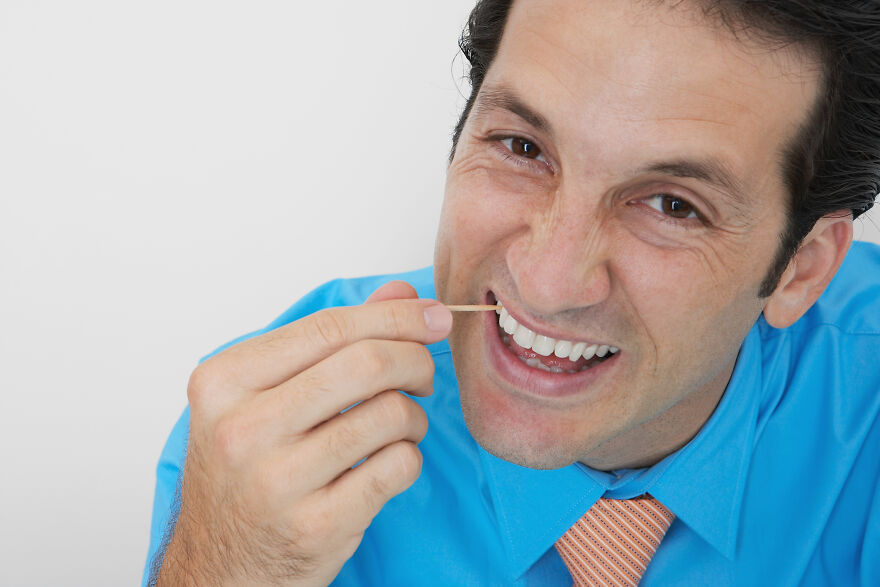
If you think no one’s watching when you use a toothpick in public, they are. And they might find it pretty gross to watch someone clean their teeth at the table.
Still, plenty of people see it as totally normal, as long as you do it discreetly. If you cannot stand having food stuck in your teeth, you can cover your mouth, take care of it quickly, and avoid making it everyone else’s problem.
Then again, others would rather you skip it entirely and step away to handle it privately.
Etiquette coach William Hanson made that point in a TikTok video, saying that just because toothpicks are on the table does not mean you should use them there. He urged people to excuse themselves to the restroom instead.
So, where do you land, quick, discreet pick if you need it, or is this strictly a restroom situation?

People are disgusting animals. We should be naked and disgusting! Like apes in trees!
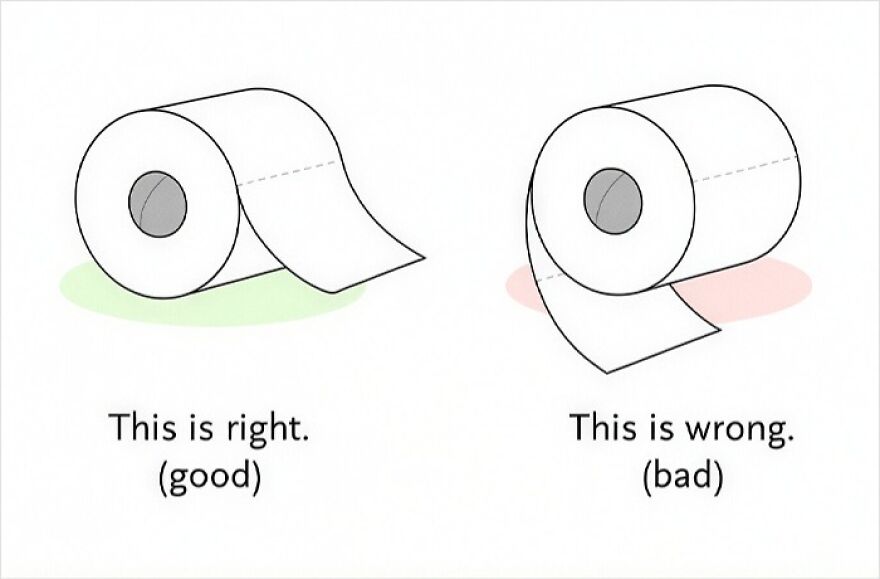
Should toilet paper go over or under? It’s one of those household debates that somehow turns heated fast, with social media users firmly split into opposing camps.
The team tends to be loud and proud about it, calling the under method "unhinged" and even admitting they will flip the roll at other people’s houses without asking.
The under-for-life crowd fires back just as hard. They see the over-crowd as entitled and invasive, arguing that touching someone else’s toilet paper setup crosses a line. Some even swear by the under method for practical reasons, like preventing cats from unraveling the entire roll.
And then there are the people who feel blissfully untouched by the whole thing. As one person put it, they have never cared about toilet paper orientation at all and feel completely free because of it.
What about you, are you quietly judging the roll every time you use someone else’s bathroom, or is this one debate you genuinely do not care about?

My wife has a preference, I've never cared enough to have one. So we do it her way.
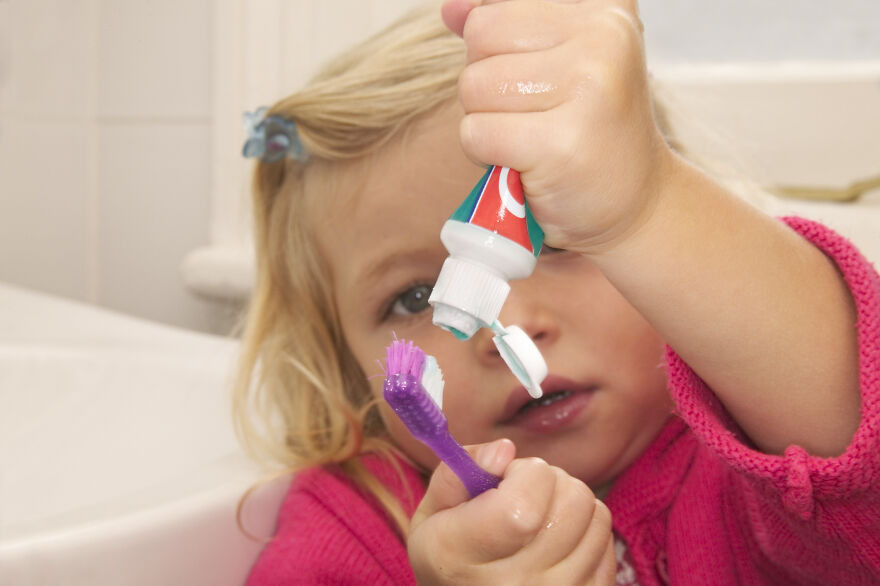
It is a tiny habit that somehow sparks outsized reactions. Where you squeeze your toothpaste from has become one of those oddly specific debates people feel surprisingly passionate about.
For bottom-up loyalists, squeezing from the middle feels chaotic and wasteful. One Reddit user even called out middle squeezers directly, asking how they manage to live with themselves.
Middle squeezers, of course, have their defense. Many say squeezing the center makes sense when the tube is new, then switch to the bottom later on. Others argue that rolling from the bottom leaves the tube looking messy, especially in an otherwise tidy bathroom.
And then there are the people who cannot believe this is an argument at all. Some openly question why anyone gets worked up over something so minor in the first place.
When you grab a fresh tube, are you carefully rolling from the bottom, instinctively squeezing the middle, or wondering why anyone cares this much?
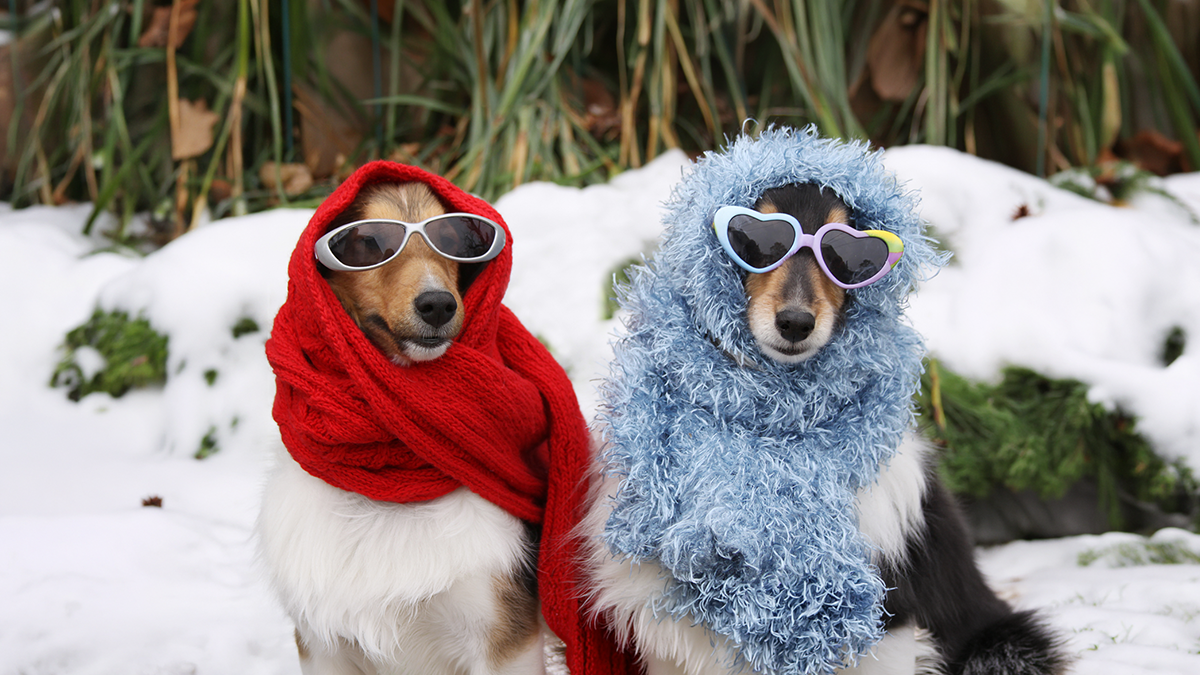
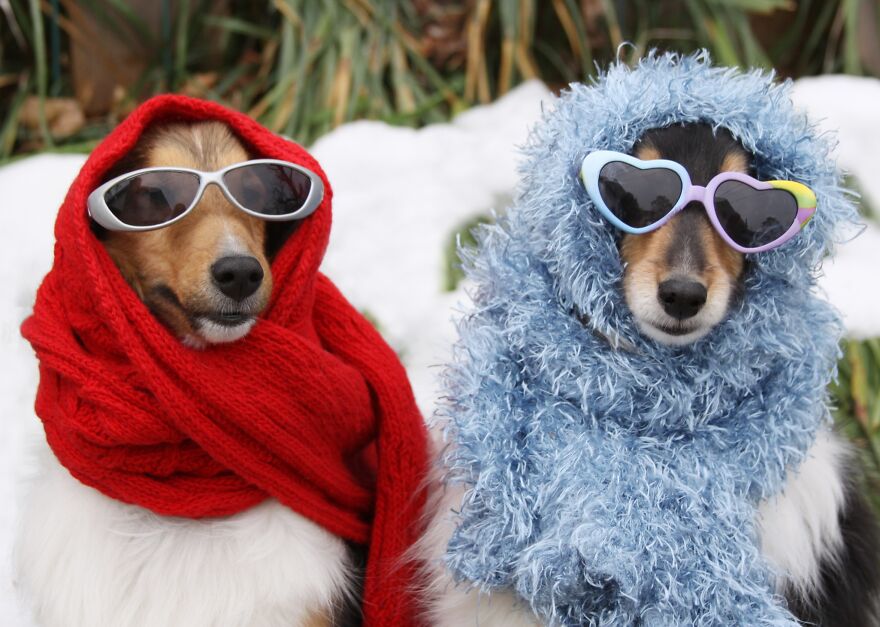
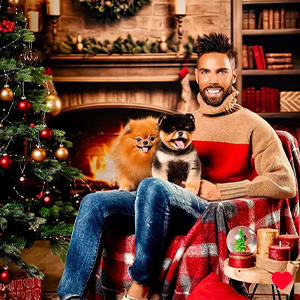
That little pink dress might look cute on your pet, but your pet probably hates it, and so do many other people. Clothes could restrict your pet’s natural movement or even get them tangled up or caught on something. Some even consider dressing up your animal a form of “animal abuse.”
Is it that bad, though? The RSPCA told BBC that, “There can be clear benefits from animals wearing some forms of clothing such as for warmth and waterproofing. However, functionality must always come before fashion and the clothing must have a clear welfare benefit when dressing animals.”
And the trend is only getting bigger. The global pet clothing market is anticipated to reach a $7bn worth by 2032. Chris Corbin, commercial director at Pets at Home, told The Guardian, “This is driven by an increasing number of pet owners, and pets becoming an integral part of the family in a growing humanisation trend.”
So when you see a dog in a costume, are you thinking “aw,” or “leave the poor thing alone,” and if it is your pet, where do you draw the line between practical and just for fun?
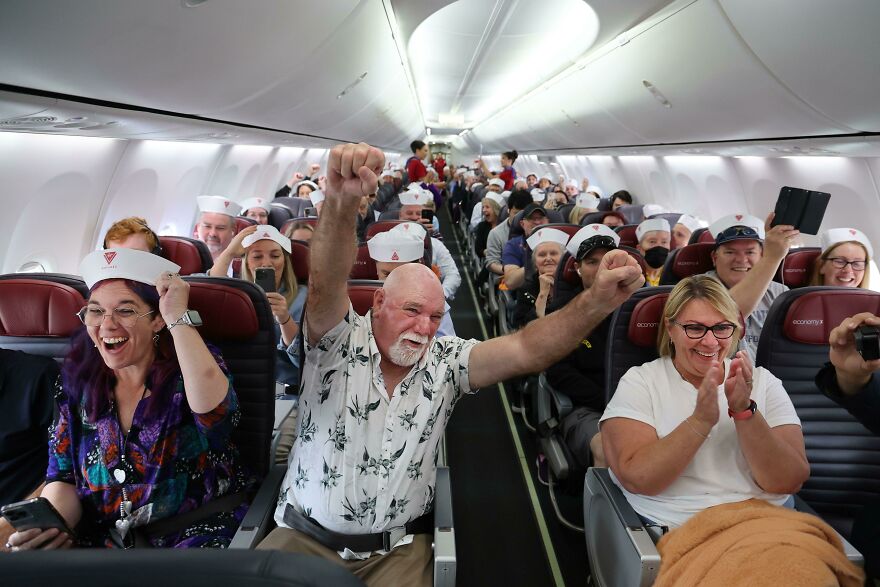
The second the wheels hit the runway, it happens. A few claps echo through the cabin, then more join in, and suddenly half the plane is applauding, a moment that regularly sparks debate across Reddit threads and comment sections.
For some travelers, that moment is pure relief. A Wizz Air survey of 4,500 passengers and 150 flight attendants found that 55 percent of passengers usually clap after landing, often as a way to celebrate a safe arrival and acknowledge the crew’s work.
For others, it is instant secondhand embarrassment. They argue that landing safely is literally the pilot’s job, and the added “Thank God!” comments only make the moment more awkward.
Even pilots are split. One pilot named Steeve said in a YouTube video that he actually loves hearing applause after landing, adding, “We don’t participate in life as much as we ought to. We don’t celebrate little moments.”
So when the clapping starts, are you joining in with a smile, or sinking into your seat and wishing everyone would stop?
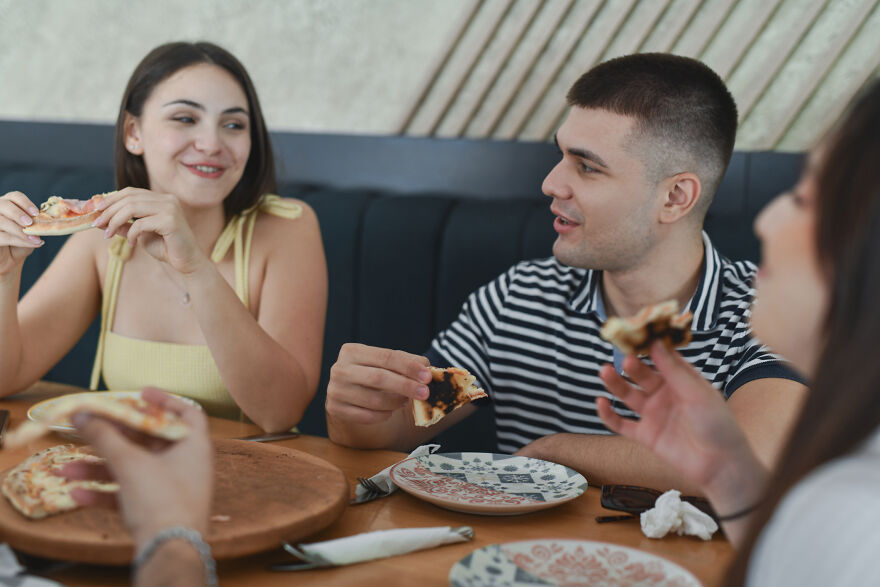
Talking while eating is one of those habits that feels harmless in casual settings until you are the one watching someone explain a story mid-chew. Do you pause to finish your bite before responding, or keep talking and hope no one notices?
Plenty of people see no issue with it at all. One Reddit user argued that talking during meals is completely normal and something most people do without thinking twice.
For others, the sound alone is unbearable. They would rather wait until the person finishes eating before continuing the conversation, or use the silence as a not-so-subtle hint. Some even admit they chew extra slowly before replying, hoping the other person will lose interest and stop talking.
When you are mid-meal and a conversation kicks off, do you power through the sentence with food still in your mouth, or pause everything until the bite is gone?
That harmless cat-on-laptop meme can land very differently when it shows up in a work chat.
Office messaging etiquette is one of those areas where intentions do not always matter. Jokes about coworkers, too many abbreviations, or casual complaints about work can quickly make someone seem unprofessional, even if they meant no harm.
The line gets even blurrier with GIFs and memes. Legal experts at the Florida-based Law Office of William M. Julien, P.A., warn that repeated jokes or playful messages can cross into harassment or discrimination territory if they make others uncomfortable or create a pattern of inappropriate behavior.
The blog notes that frequency matters. The more often someone sends questionable messages to coworkers or group chats, the easier it becomes to frame that behavior as a broader issue rather than a one-off mistake.
When you type in a work chat, are you treating it like a relaxed group text, or do you stop and rethink whether that joke would land just as well in an email or meeting?
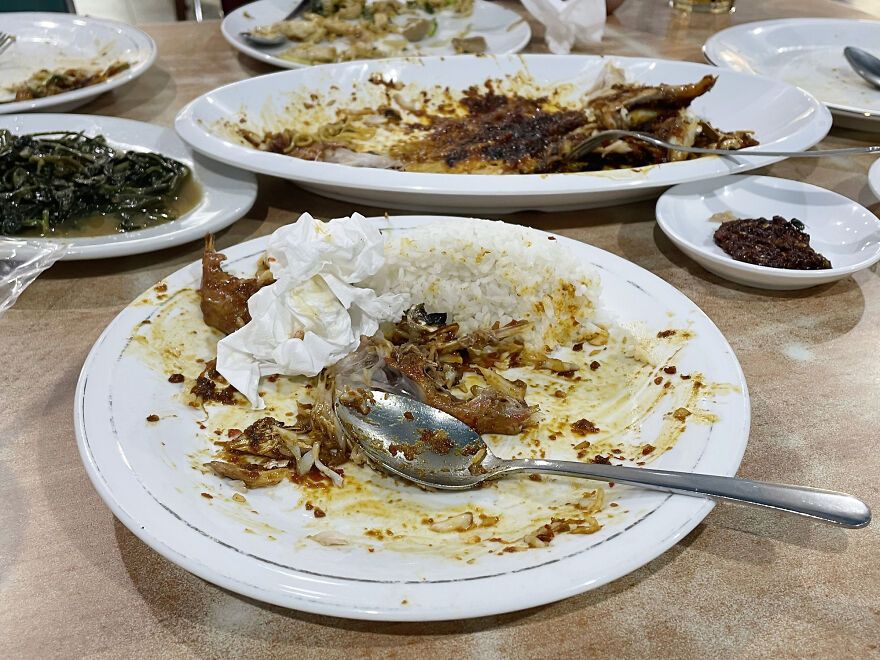
The argument usually starts with one simple truth: restaurant staff are paid to clean tables. But that fact alone does not settle how much mess is socially acceptable to leave behind.
For many diners, walking away from a table covered in food scraps, spilled drinks, and crumpled napkins feels inconsiderate. It raises the question of whether courtesy should still apply, even when cleanup is technically part of someone else’s job.
Others see it differently. As long as you are not being deliberately disrespectful, a little mess feels inevitable. Some even argue that cleaning too much can be awkward, making it look like you are trying to do the staff’s job for them.
When you leave a restaurant, do you stack plates and wipe crumbs out of habit, or do you figure cleanup is simply part of the service?
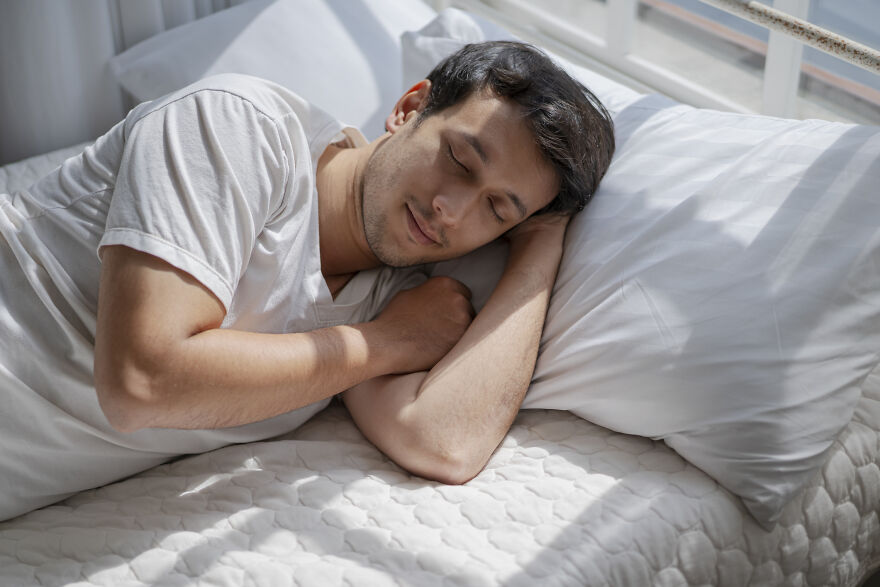
Few habits divide people faster than what they wear to bed. Some happily fall asleep in whatever they had on all day, while others cannot get comfortable unless they strip down to underwear or pajamas.
For clothes-on sleepers, the appeal is convenience. There is no extra routine, no changing outfits, just getting into bed and calling it a night. To them, daytime clothes feel no different from sleepwear.
That idea horrifies underwear sleepers. Jeans, jackets, and worn shirts feel restrictive, unclean, and impossible to relax in. And then there is a third group entirely, people who sleep naked and leave everyone else wondering how they manage to feel comfortable at all.
When it is time to sleep, are you climbing into bed exactly as you are, changing into something specific, or ditching clothes altogether?
Does pineapple belong on pizza or not?
In the 1960s, a chef in Canada created what would later become the world's most divisive pizza topping. The mix of salty tomato sauce, ham, cheese, and the sweet pineapple has even sparked heated global disputes between world leaders and diplomatic interventions (per BBC).
While many Americans swear by this “heavenly” combo, pineapple on pizza still gives traditional-minded foodies the ick. In a viral TikTok video,
Gordon Ramsay vehemently rejected the polarizing topping. “Pineapple does not belong on a pizza!” the award-winning British chef angrily screamed, only to be met with a chorus of boos in the comment section.

Just take the pineapple away and add the delicious banana with some curry
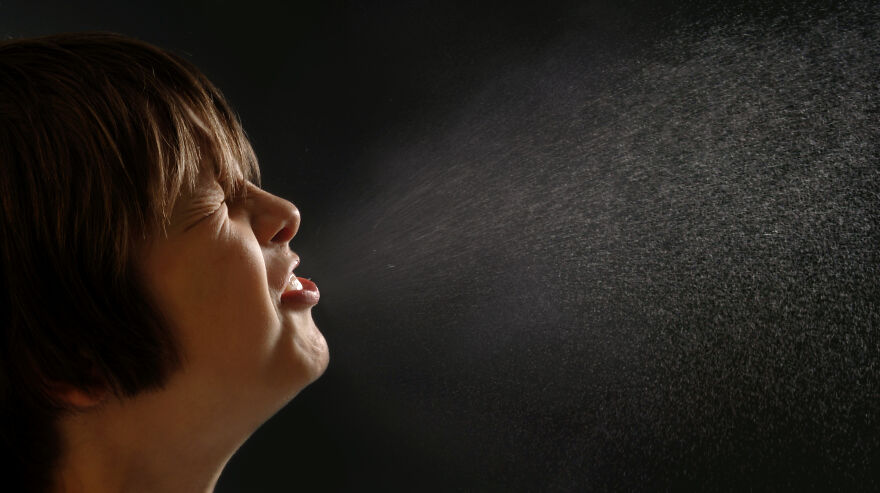
If a loud sneeze has ever made you jump in public, you’re not alone. People tend to lose patience quickly with a full-volume, explosive sneeze, especially when it comes with no attempt to cover it.
At the same time, it is not exactly something you can schedule. Professor Richard Harvey at St Vincents and Macquarie University Hospitals told ABC News that holding in a sneeze can be risky because it can feel like “a mini explosion in your head” and force air into places it should not go.
But the “dad sneeze” has taken on a life of its own on social media. A light-hearted TikTok thread frames screaming as a guilty pleasure for working dads, worn-out moms, and anyone who needs a dramatic, full-body release.
So, what is it for you? Is a loud sneeze a harmless involuntary reflex, or a public nuisance that people could control if they actually tried?
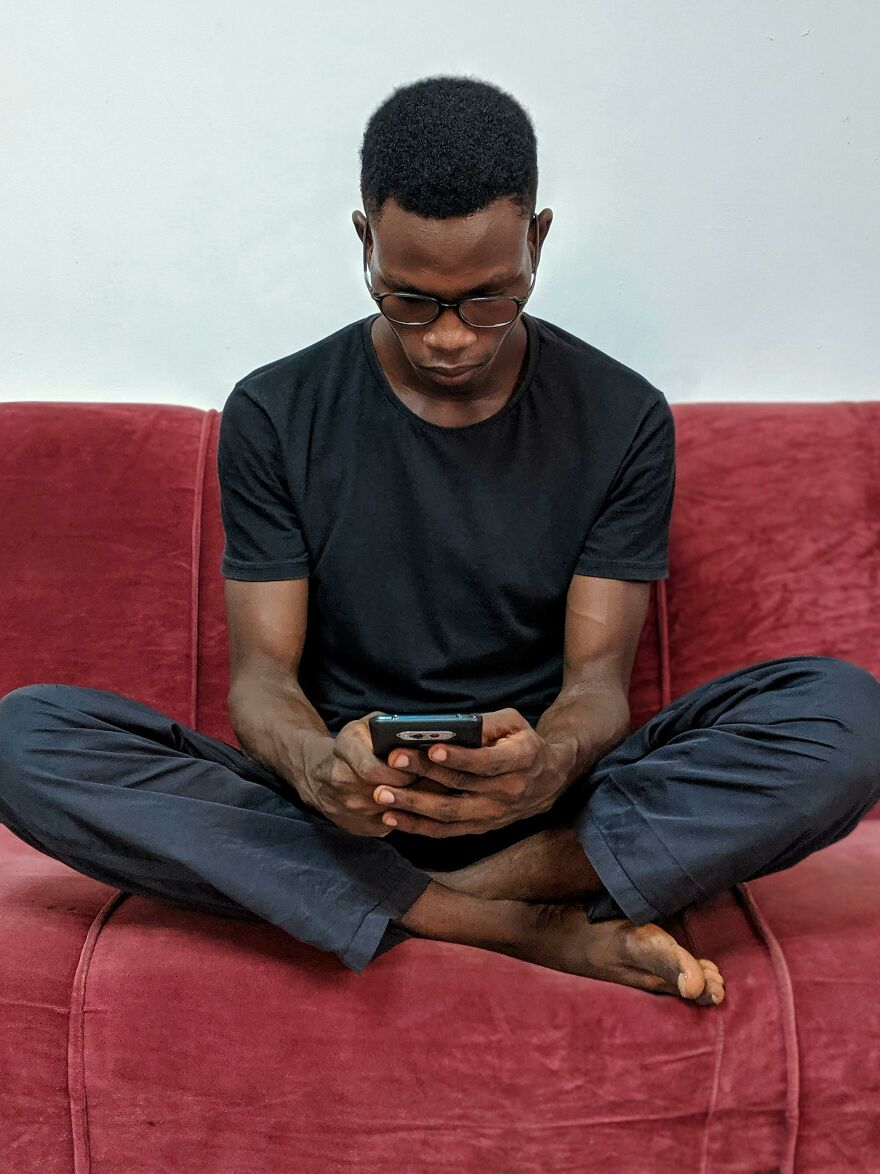
Extroverts can relate to this anxiety-inducing scenario: you get an unexpected phone call, and suddenly, you either have to reluctantly answer or just pretend to be dead.
Nelson Roque, an assistant professor of human development and family studies at Pennsylvania State University, believes that texting is superior to calling in certain situations. “One thing to point out with phone calls is that, if you make a mistake, it’s out there, whereas with texting, you can censor yourself: you can revise, you can decide not to reply or you can delete the message,” he said. “I think the device serves as a buffer” (per The Guardian).
Sure, a phone call usually allows for more authentic communication, but it can signify that there’s probably something bad coming down the line, according to Duncan Brumby, a professor of human-computer interaction at University College London.
On the other hand, texting goes a long way when you need to quickly deliver a message without having to answer a potentially lengthy call (or worse, an unexpected video call!).
Wearing a backpack on the front seems like a non-issue until you are the one squeezing past it on a packed train. Still, plenty of people find it instantly irritating. Hugh Grant even admitted he walks around “pet peeving,” and said backpacks bother him most when they are worn on the front.
At the same time, The Japan Times notes that wearing a backpack on your chest is common in Japan, partly for security in crowds and partly to make more space for others.
And then there is the practical argument. As one traveler put it on social media, “It is done all over the world by wary travellers on crowded trains, buses, and in busy public places. One reason is so that you don’t smack someone in the head with it, because you didn’t see them, but the main reason is to prevent theft.”
So if you see someone wearing their backpack on the front, are you thinking “thank you for being considerate,” or “turn it around already?”

I hopped on a city bus in Costa Rica. The woman in front of me a bit and to the right did not have a slit in the bottom of that backpack back pocket when we got on but it was there and the pocket was empty when we got off 10 minutes later. I didn't see or sense anything. My daybag has an internal steel mesh to prevent this. I don't know if it mattered but my bag wasn't touched.
Some people get in the car, turn nothing on, and feel instantly calmer. Other people hear that silence and think, why are we doing this to ourselves?
If you are team music, the drive feels incomplete without it. If you are on a team that is silent, music can feel like another distraction you did not ask for.
The research does not settle the argument either. A 2023 study published on NCBI linked music while driving with higher odds of aggressive driving, miscalculations, and road violations. But Ben-Gurion University of the Negev researchers told News Medical that for many people, driving without music feels “absolutely impossible.”
And Prof. Warren Brodsky, who leads the BGU Music Science Lab, put it bluntly: “To young drivers 18-29, music in the car isn't just entertainment, it's part of their autosphere whether they're alone or not.”
So when you get in the car, and the driver stays in silence, do you respect the focus, or are you itching to reach for the radio?
Quiet speakers can seem calm and thoughtful, until you are leaning across a table for the fifth time trying to catch what they just said.
In louder settings, their low volume can quietly take over the entire interaction. You nod along, miss half the sentence, then wonder whether it is worth asking them to repeat themselves again or just letting it go.
Of course, quiet talkers usually have a reason. Some are shy, some second-guess their words, and some simply do not want their personal conversations broadcast to everyone around them.
That explanation does not always make it less frustrating. People who speak loudly often describe mumbling as inconsiderate, while quieter speakers push back just as hard, calling loud talkers “trashy,” “immature,” and “insecure.”
Be honest, do you think quiet speakers are being considerate, or making everyone else work for it?
Some of us have naturally quiet voices. In our minds, if we speak loudly, we're shouting, and that's uncomfortable.
You either crack your fingers or feel your patience evaporate when someone else does it, there rarely seems to be any middle ground.
Studies estimate that somewhere between 20% and 50% of Americans crack their knuckles, and Harvard Medical School has said the habit itself is harmless, as reported by The Washington Post.
That reassurance does little for people who have to sit through it, especially when each finger is popped slowly, one by one.
The tension usually comes down to etiquette, not health. If the sound makes you cringe, do you grit your teeth and let it go, or speak up and risk being the annoying one in the room?
Microtears to blood vessels, blood clots floating around eventually make it to the brain
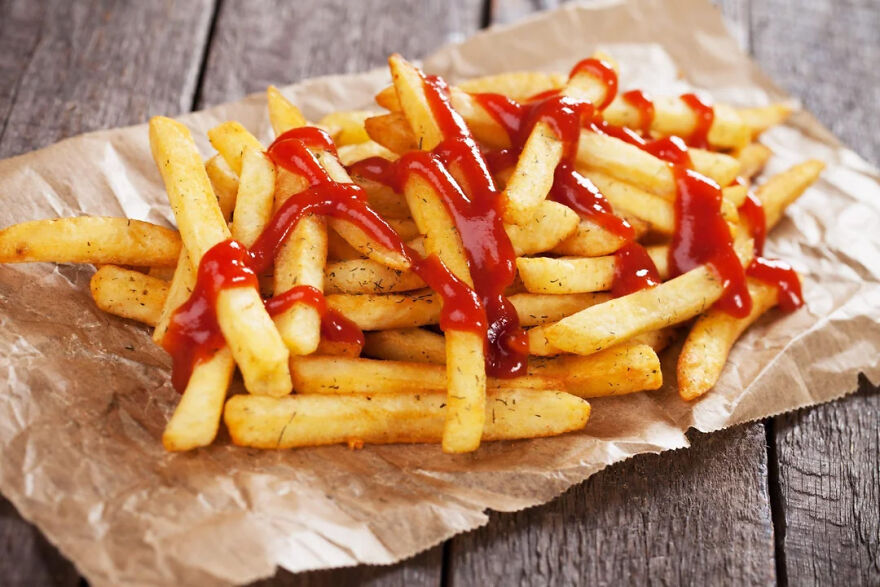
This debate starts the second fries hit the table. Do you drizzle ketchup straight over them, or do you keep it safely on the side?
For some people, ketchup directly on fries feels like sabotage. Once they are drenched, the crisp is gone, the texture changes, and every fry tastes exactly the same. Keeping ketchup on the side means control, cleaner hands, and fries that stay crunchy for as long as possible.
Others see no point in the extra steps. If you are going to eat ketchup with fries anyway, you might as well commit. Drenching them saves time, ensures even coverage, and skips the repetitive dipping altogether, including soggy fries.
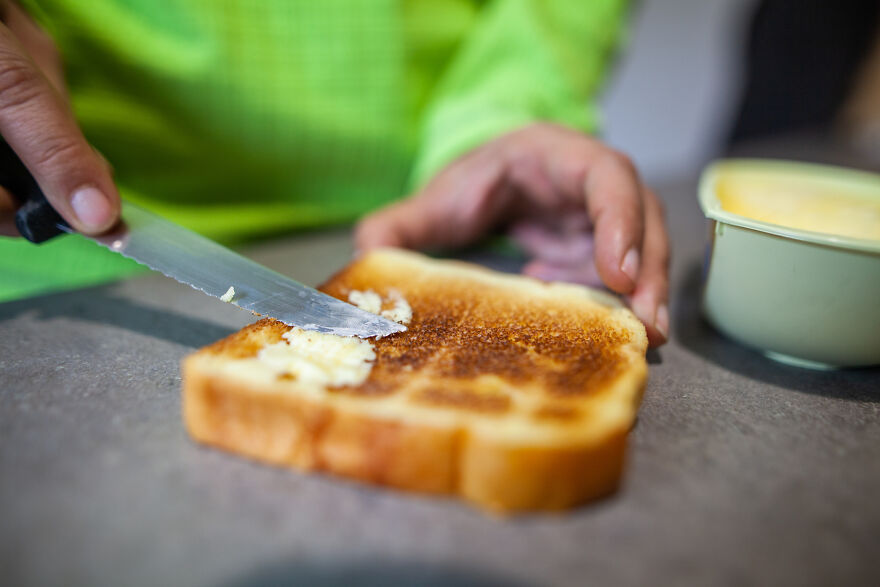
Few breakfast habits spark as much low-level outrage as crushing toast with rock-hard butter. For some people, watching toast get flattened under cold butter feels like witnessing a small but unforgivable food crime.
The frustration usually comes down to texture. Cold butter tears the toast, leaves uneven patches, and ruins that perfect crunch. Others, however, are willing to accept a mangled slice if it means eating right away instead of waiting around hungry for butter to soften.
Food creator Jessica Gavin offered a workaround in a Facebook video, suggesting people shave thin slices of cold butter with a peeler or knife and lay them gently on the toast so they melt evenly without destruction.
When your toast pops up, and the butter is still fridge-cold, do you wait it out, shave it carefully, or go full smash and accept the consequences?
For emoji users, text-only replies can feel flat or even cold. Without visual cues, messages are easier to misread, especially in casual or friendly conversations.
That instinct is backed by research from Christopher Newport University, where psychologists Nicole Guajardo and Brooke Nixon found that people who mirror emojis and texting style are rated as more likable than those who do not. As Nixon put it, matching linguistic style helps build a sense of connection, even without face-to-face interaction.
Still, not everyone wants to decorate every message. Some see emojis as unnecessary effort, or worry they come off as forced or childish in certain contexts.
Do emojis make conversations warmer, or do they just clutter a perfectly clear message?







 No fees, cancel anytime