Get Premium
Dark mode theme is available exclusively for premium users. Learn more about the benefits of subscribing.
No fees, cancel anytime.

 Dark Mode Ad-Free Browsing Unlimited Content
 Ad-Free Browsing Unlimited Content Dark Mode
Join 1.2 million Panda readers who get the best art, memes, and fun stories every week!
28submissions
Finished

I think it's safe to say most of us have had our fair share of bad relationships. But when does a bad relationship becomes toxic? The kind that takes a toll on your physical, psychological, spiritual or emotional well-being?
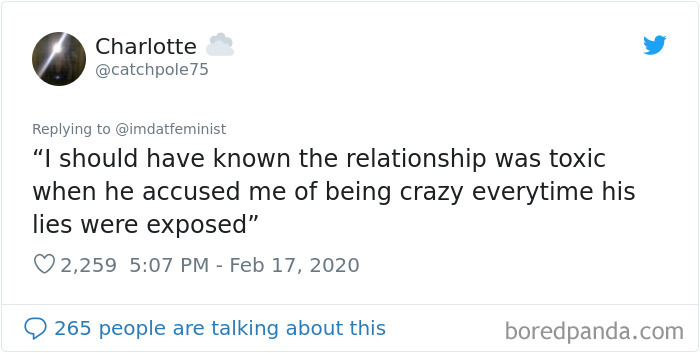
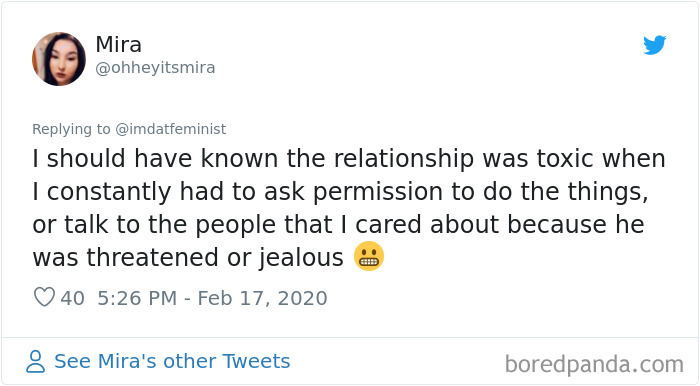
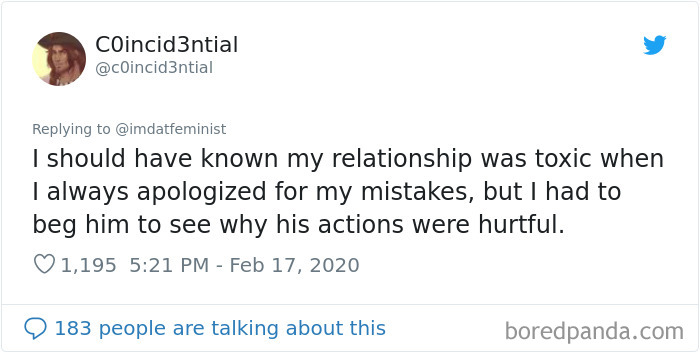
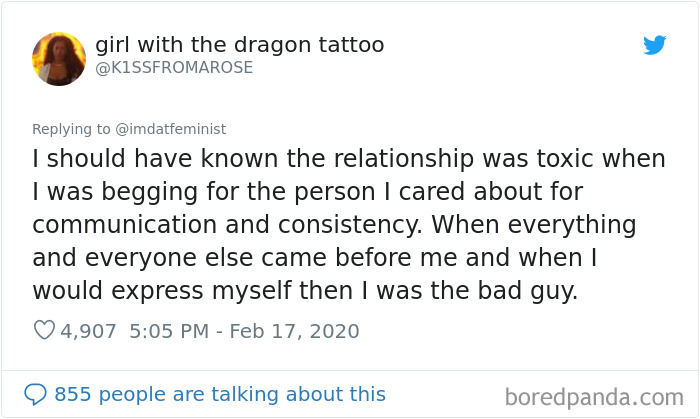
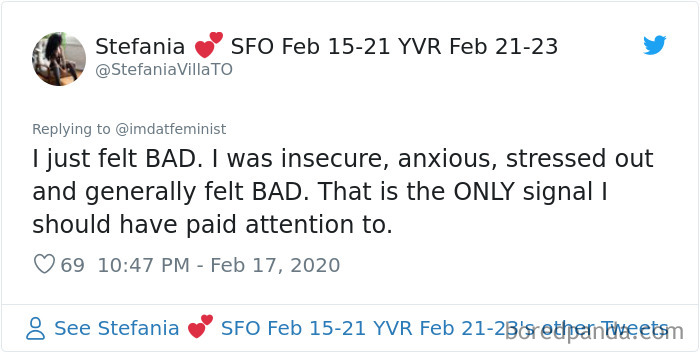
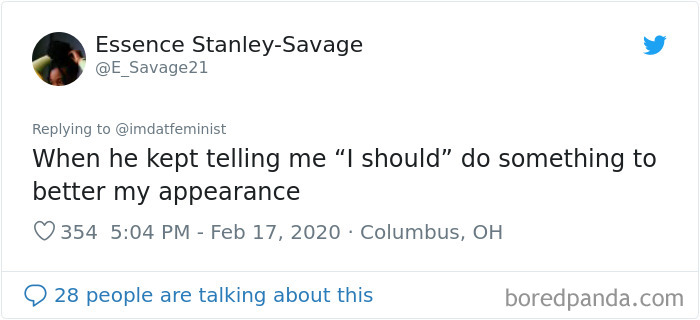
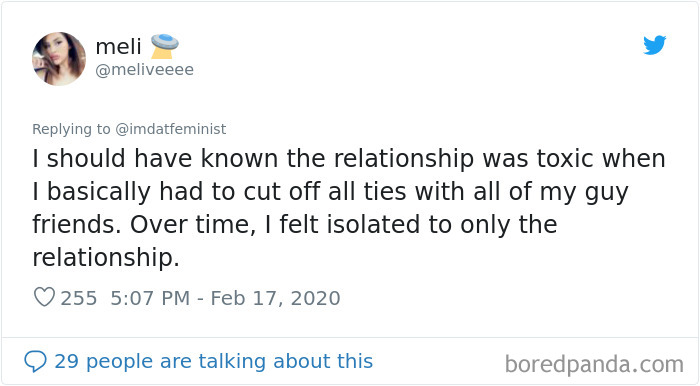
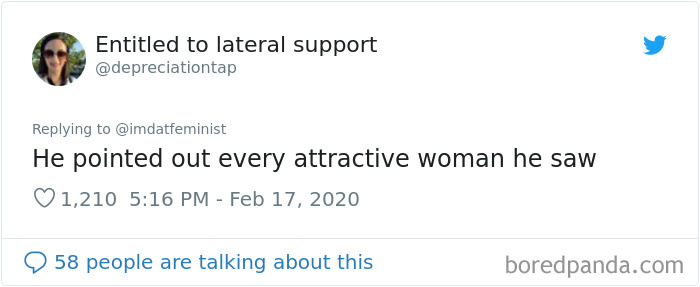
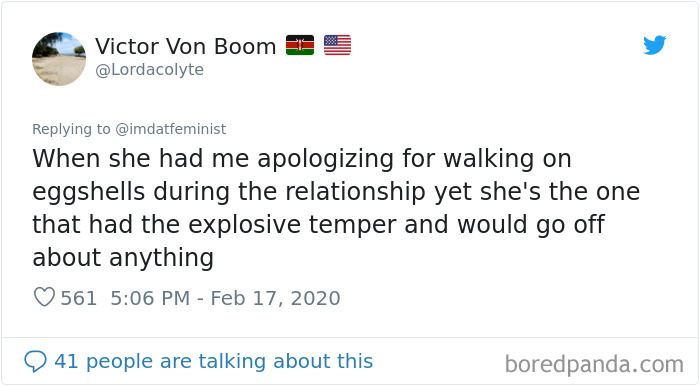
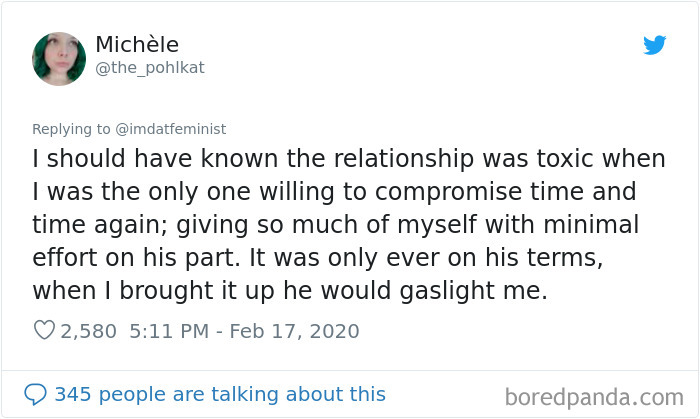
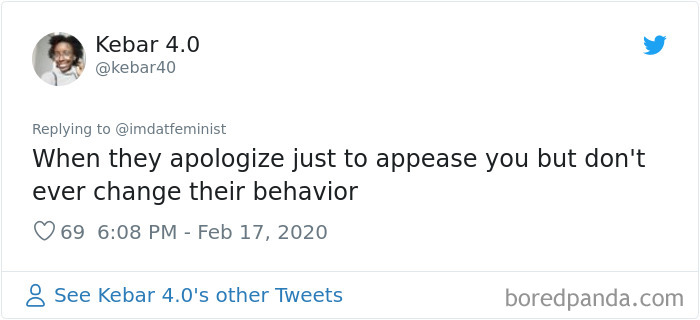
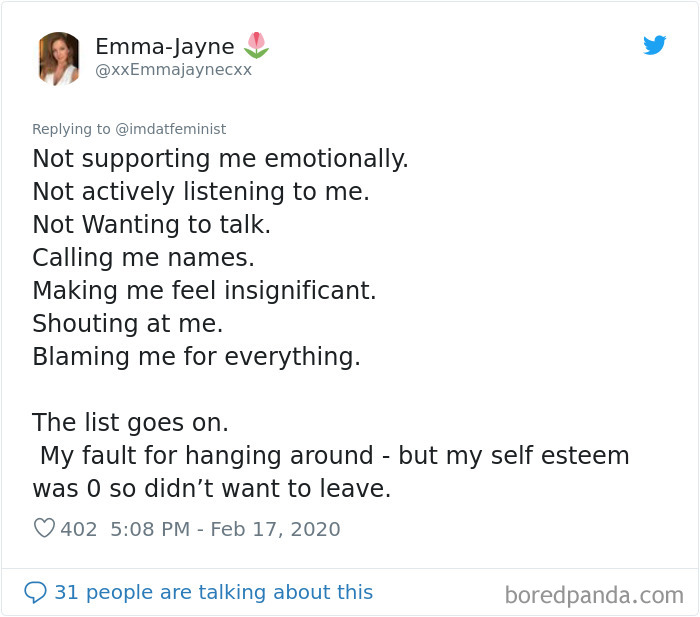
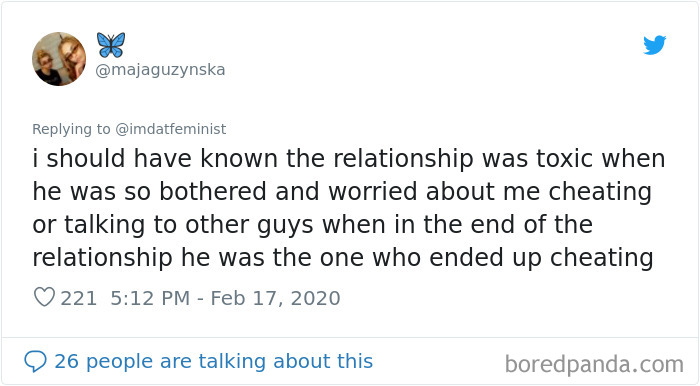
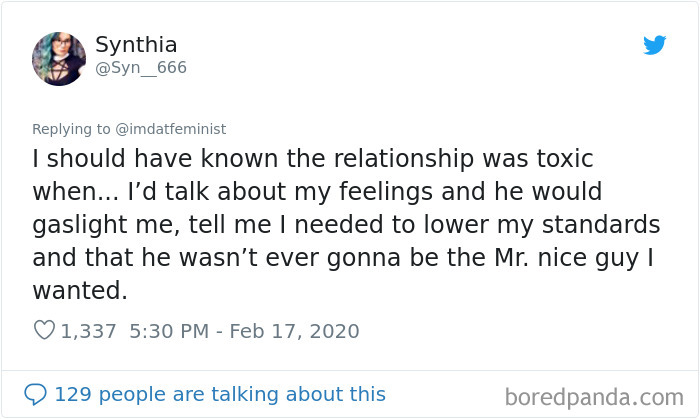
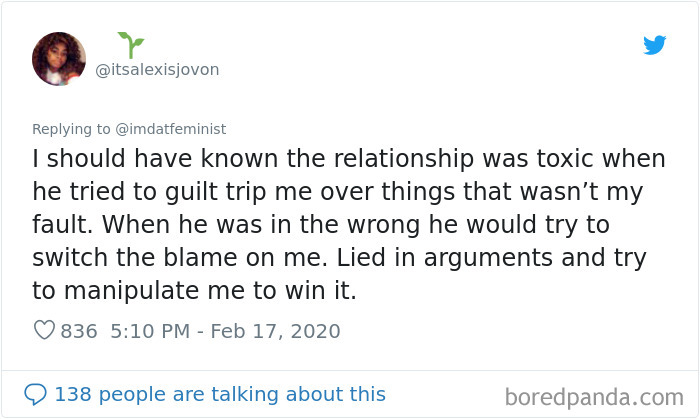
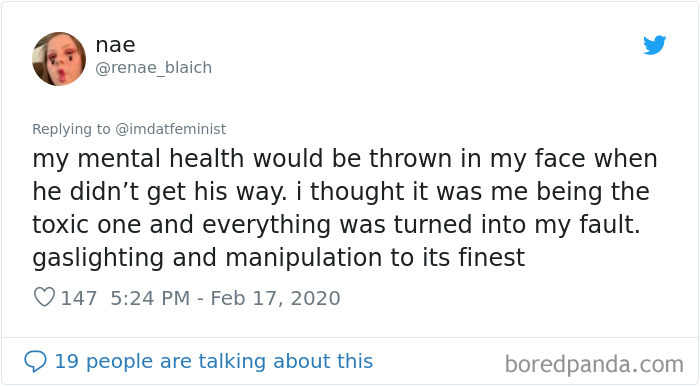
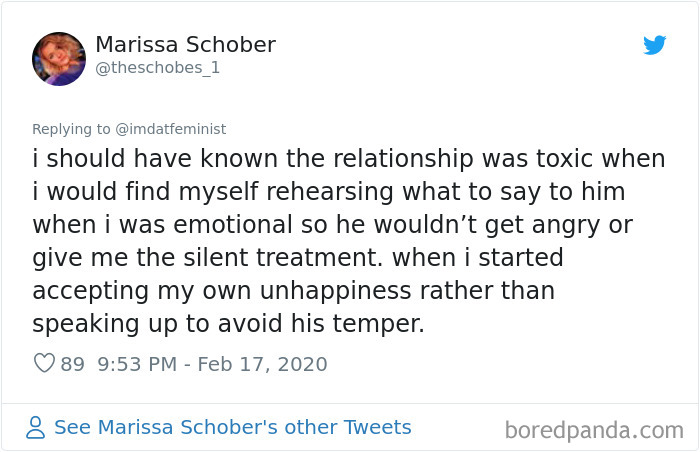
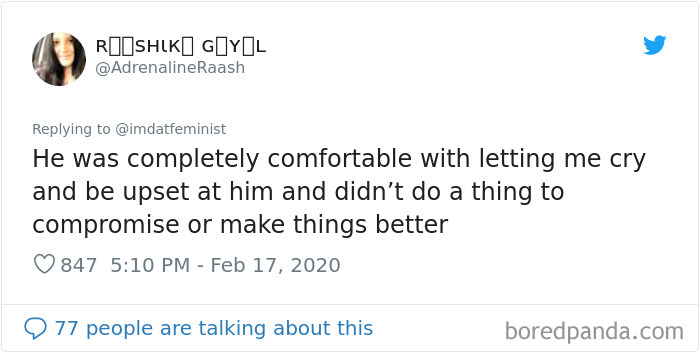
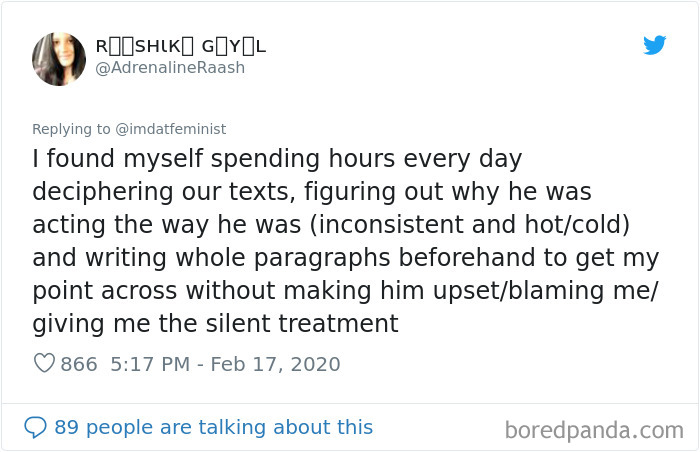
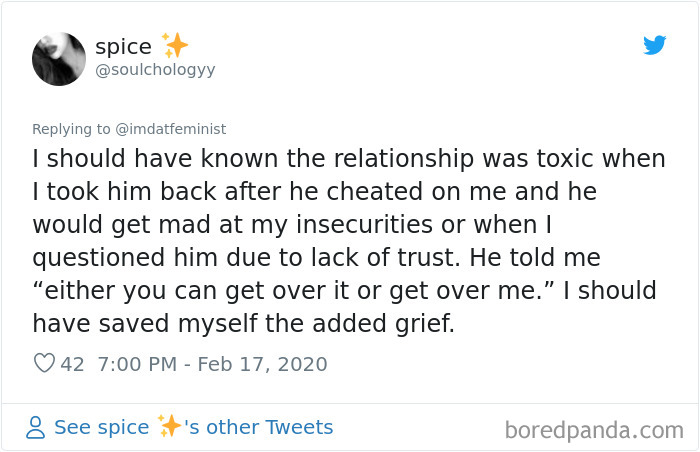
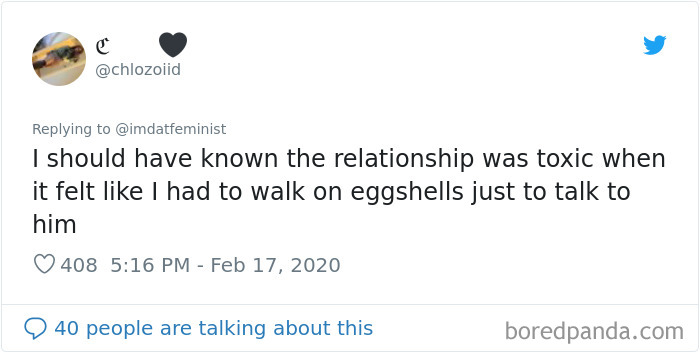
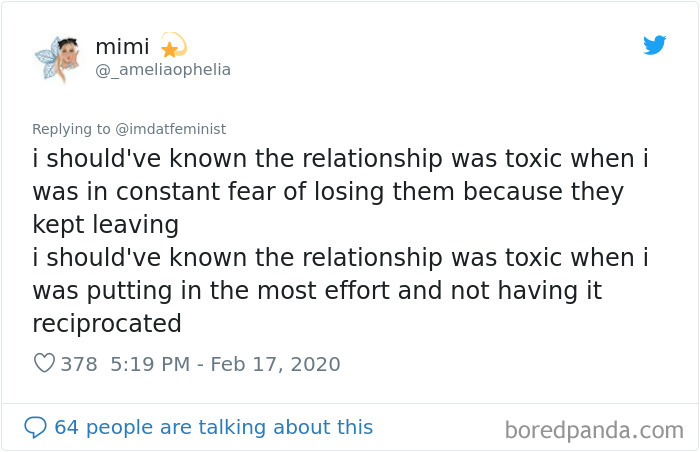
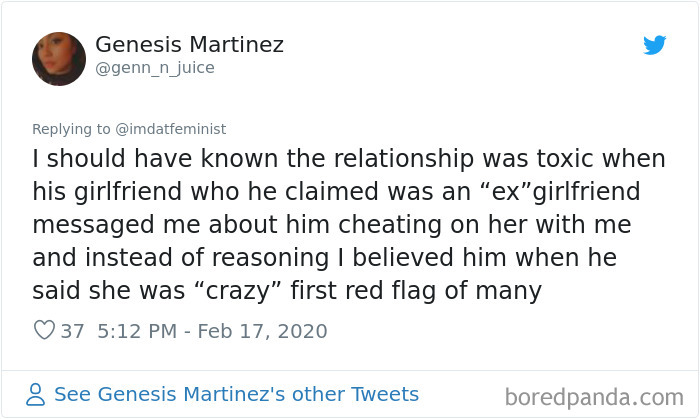
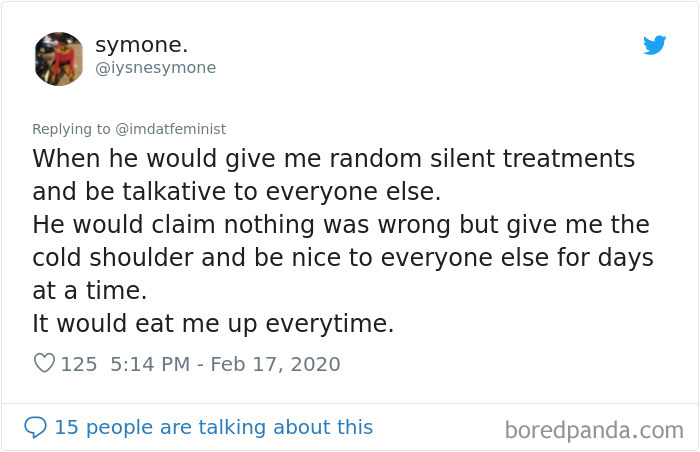
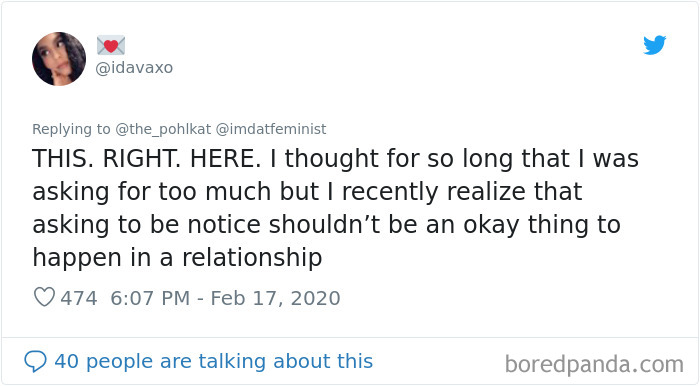
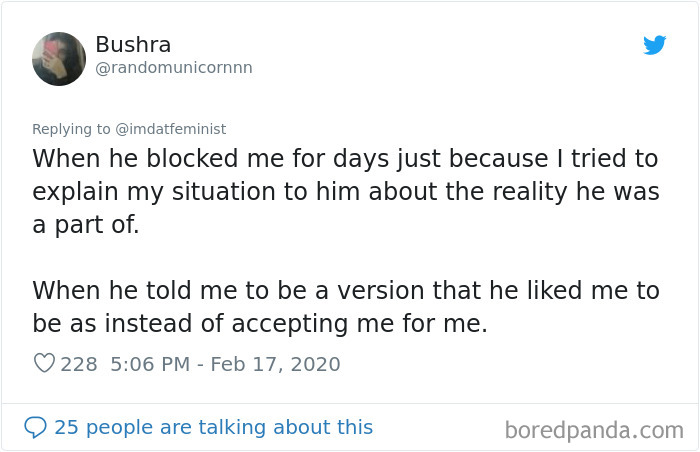
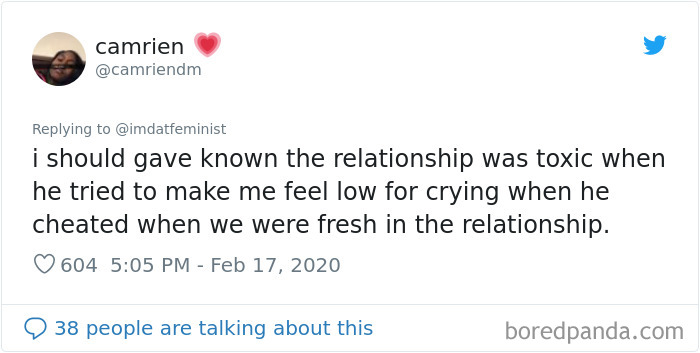
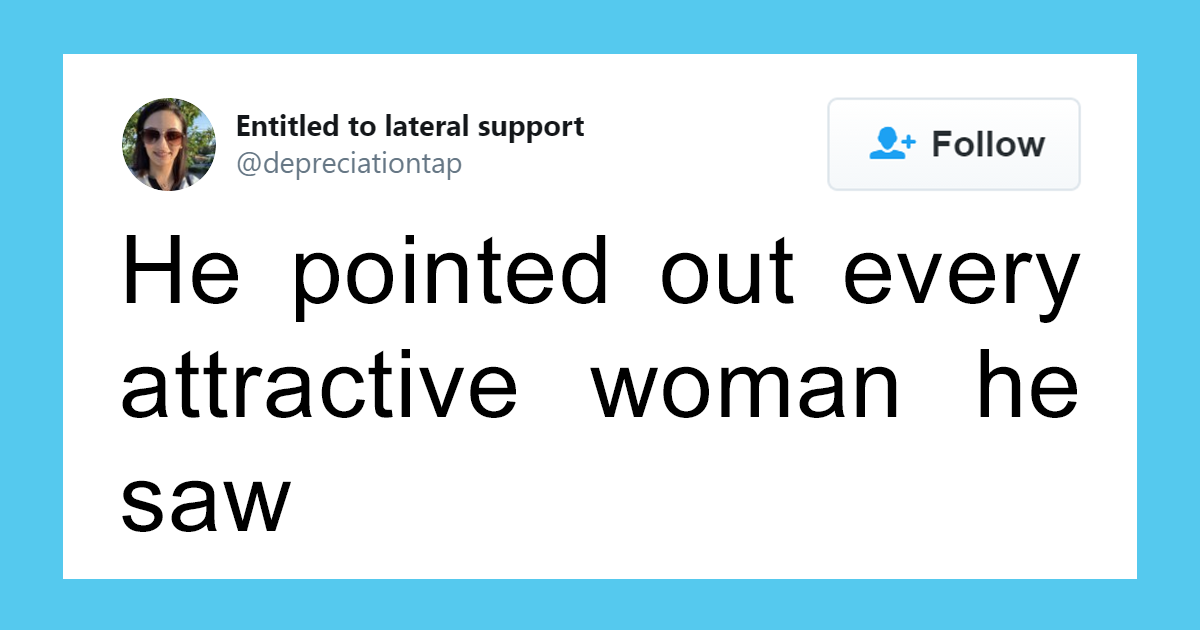
Twitter user Halima has set out to find out just that. Recently, she asked people what 'red flags' they overlooked in their exes and her tweet instantly went viral.
From forcing girlfriends to cut off ties with all of their guy-friends to defending everything but your boyfriend, scroll down to see what to look out for in your next relationship and let us know in the comments if you have something to add to the list.
More info: Twitter
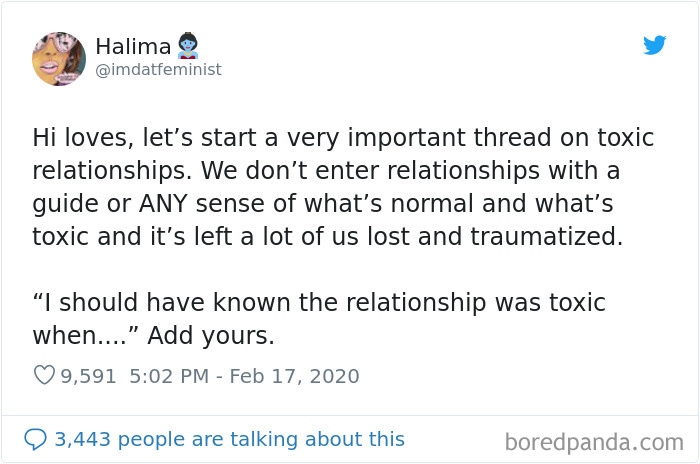
Image credits: imdatfeminist
Discover more in People Share 'Red Flags' They Ignored In Their Relationships That Turned Out To Be Very Toxic (30 Pics)
Click here & follow us for more lists, facts, and stories.
This post may include affiliate links.
Dr. Lillian Glass, a California-based communication and psychology expert, who says she coined the term 'toxic relationship' in her 1995 book Toxic People, defines it as “any relationship [between people who] don’t support each other, where there’s conflict and one seeks to undermine the other where there’s competition, where there’s disrespect, and a lack of cohesiveness.”
Dr. Kristen Fuller, a California-based family medicine physician specializing in mental health, told TIME that those who regularly undermine or cause harm to their partner often have a reason for their behavior even if it’s subconscious. “Maybe they were in a toxic relationship, either romantically or as a child. Maybe they didn’t have the most supportive, loving upbringing,” Fuller says. “They could have been bullied in school. They could be suffering from an undiagnosed mental health disorder such as depression or anxiety or bipolar disorder, an eating disorder, any form of trauma.”
Either way, being in a toxic relationship with these people might even cause health problems similar to those caused by fast food or other toxic environments. "In fact, unhealthy relationships may contribute to a toxic internal environment that can lead to stress, depression, anxiety, and even medical problems," author and psychologist Dr. Sherrie Bourg Carter wrote for Psychology Today.
To back up her claim, Dr. Carter highlighted a long-term study that followed more than 10,000 subjects for an average of 12.2 years. Eventually, it was discovered that subjects in negative relationships were at a greater risk for developing heart problems, including a fatal cardiac event, than counterparts whose close relationships were not negative.
As we can see, positive relationships are vital for a healthy, well-balanced life. "Make sure your health-conscious lifestyle doesn't leave out this crucial ingredient," Dr. Carter concluded.





















 No fees, cancel anytime