Get Premium
Dark mode theme is available exclusively for premium users. Learn more about the benefits of subscribing.
No fees, cancel anytime.

 Dark Mode Ad-Free Browsing Unlimited Content
 Ad-Free Browsing Unlimited Content Dark Mode
Join 1.2 million Panda readers who get the best art, memes, and fun stories every week!




Fashion is timeless and some styles from way back still manage to steal our hearts today. Whether it’s a lace-trimmed gown, a string of pearls, or a perfectly embroidered glove, the elegance of the past continues to inspire.
Today, we stumbled upon a delightful Facebook group that celebrates just that. It features fashion, jewelry, decor, photos, and more from eras spanning ca. 1101 to 1960. Each photo feels like stepping into another time, a quiet, graceful world shaped by resilience, romance, and artistry. It’s not just about style; it’s about stories. So go ahead, take your time, soak in the beauty, and keep scrolling. You might just fall in love with a decade you never lived in.
This post may include affiliate links.
Heinrich Gogarten (1850-1911) was a 19th-century landscape painter known for his mastery of winter scenes. He was born in Linz am Rhein. He studied at the Dusseldorf Art Academy under the renowned painter Oswald Achenbach. Most of his works are in private hands.
There’s just something magical about vintage jewelry, right? The kind of sparkle that makes you feel like royalty the moment you put it on. Back in the day, there was an undeniable sense of grandeur, jewelry wasn’t just pretty, it was powerful. From the delicate craftsmanship to the bold designs, every piece told a story. It was less about matching your outfit and more about making a statement without even speaking.
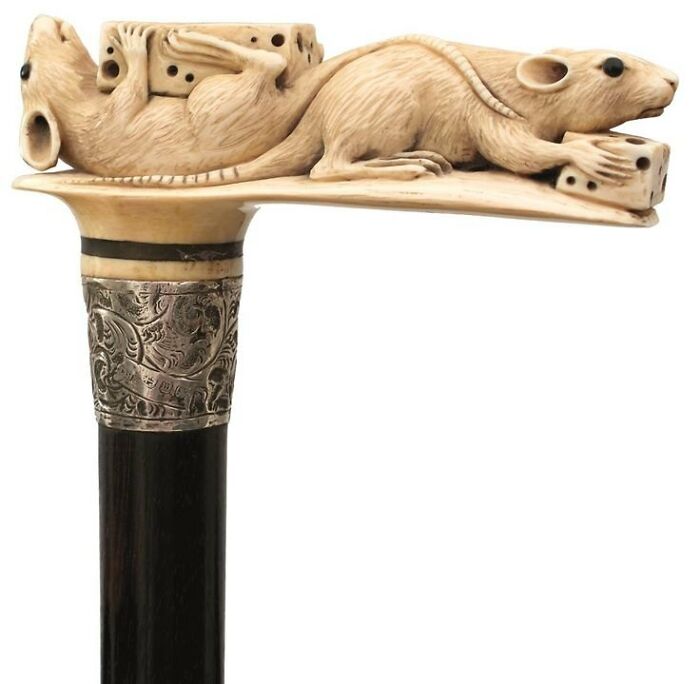
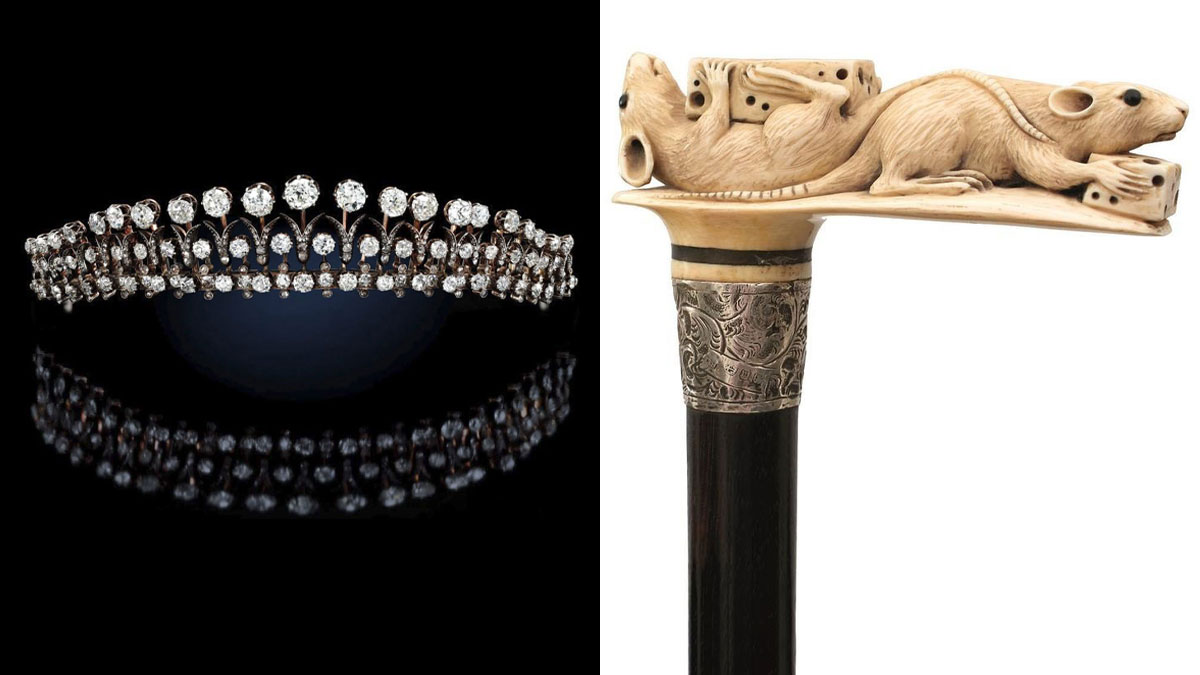
The ivory handle is carved as two rats or mice eating cheese, foliate engraved silver collar hallmarked Birmingham 1896, ebonised haft, metal ferrule.
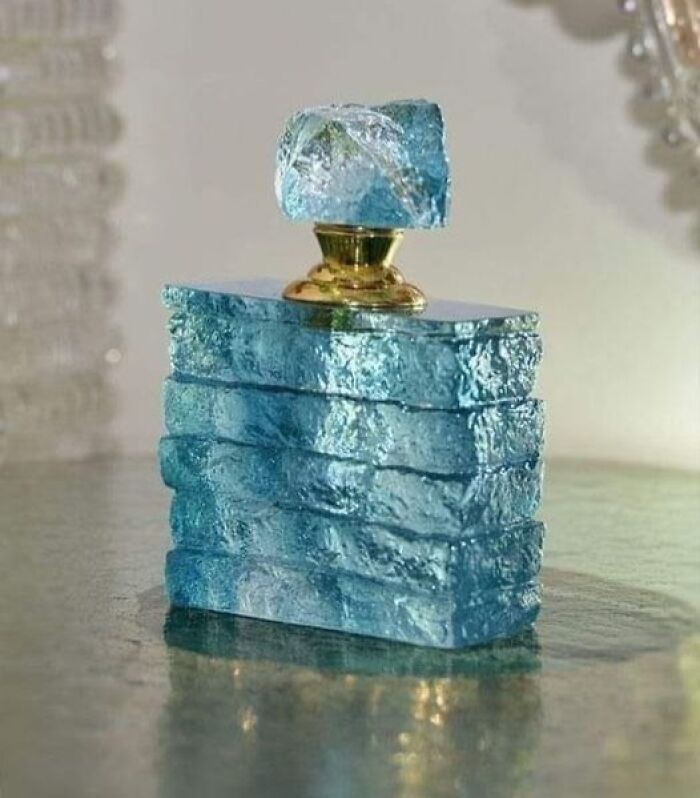
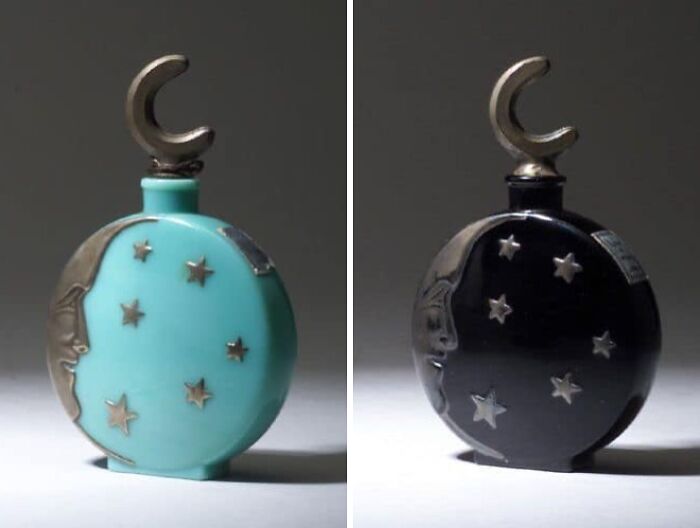
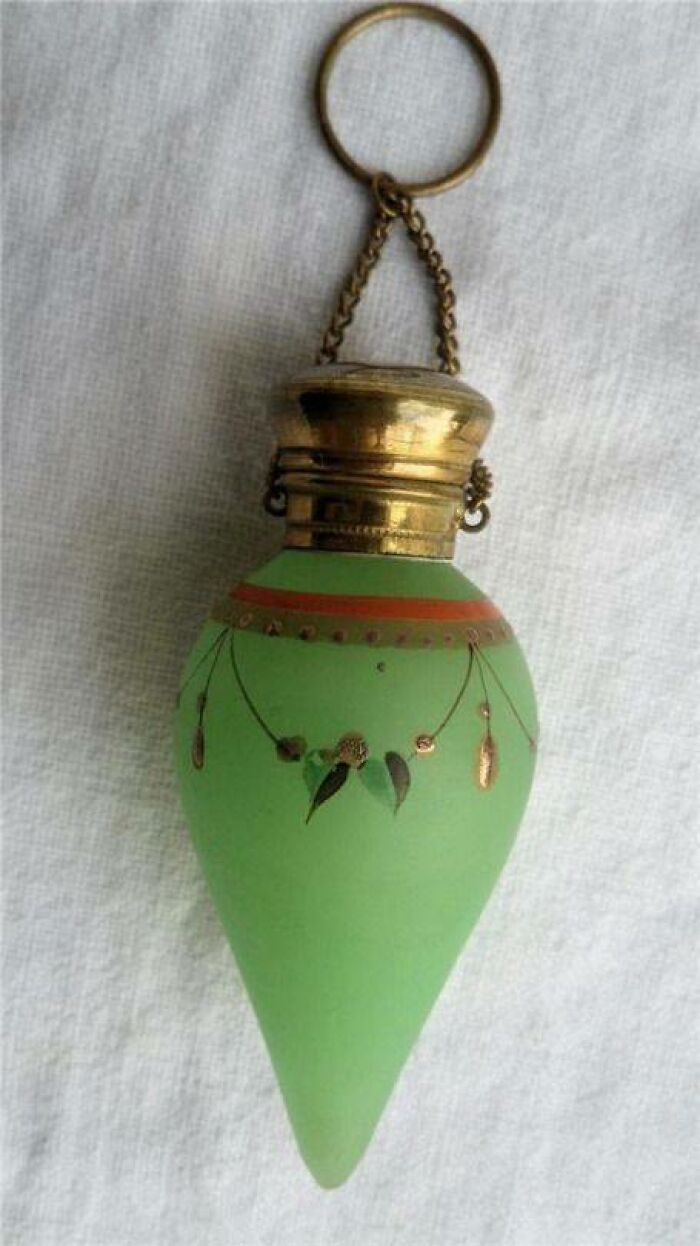
The bottle has a stacked, "brutalist" ice-like or cut-glass appearance and a brass-toned stopper.

I'm not into perfume, but I love how that glass looks. It's like an iceberg.
Then came the 1960s and everything got loud, proud, and fabulous. Jewelry took center stage like a scene-stealer in a movie. Women weren’t just accessorizing, they were showing off their sass and style through bold, oversized pieces. Think chunky necklaces, loud cocktail rings, and unapologetic glitz. The energy of the decade oozed into every jewel box, and honestly, modern fashion owes it a thank-you card.
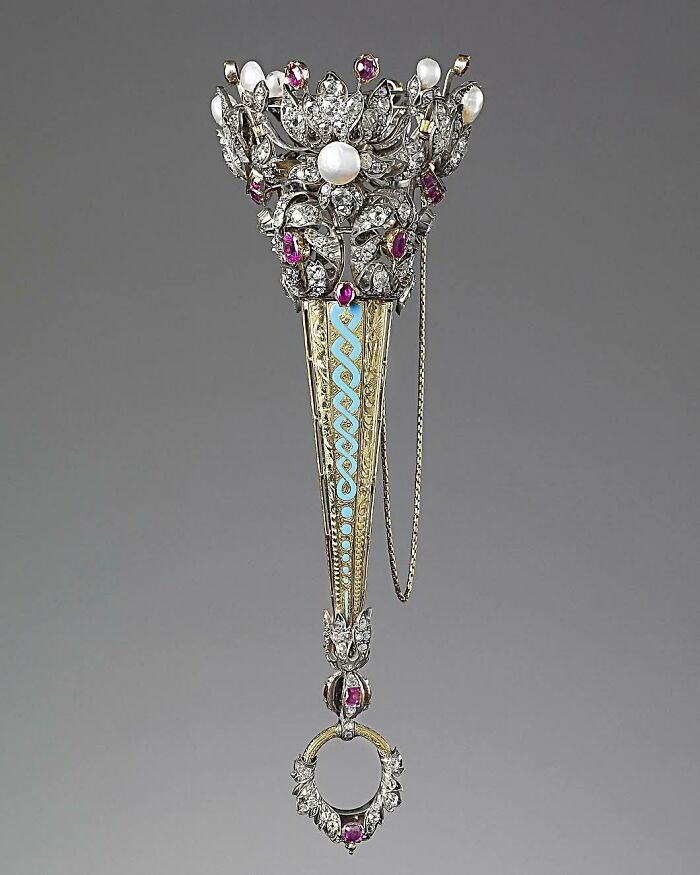
This specific piece was a gift to Queen Victoria from the French Empress Eugénie during a state visit to France in August 1855.
The holder is elaborately decorated with diamonds, rubies, and pearls. It features intricate gold and silver openwork, with a central section adorned with light blue enamel in a Celtic knot pattern.
-Royal Collection Trust

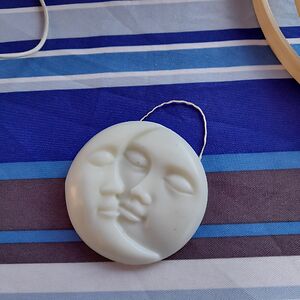
You put a little bit of water in, then pinned it and then inserted the flowers upright so nothing was spilled. The bottom ring is a weight that keeps it upright.
One of the coolest things about ’60s jewelry? Shapes. Geometric shapes were everywhere. Triangles, circles, rectangles, you name it, someone was wearing it on a pendant. These clean, angular designs gave off major modern-art vibes. Add in some colorful gems or shiny metals, and suddenly your necklace was basically its own little gallery show.
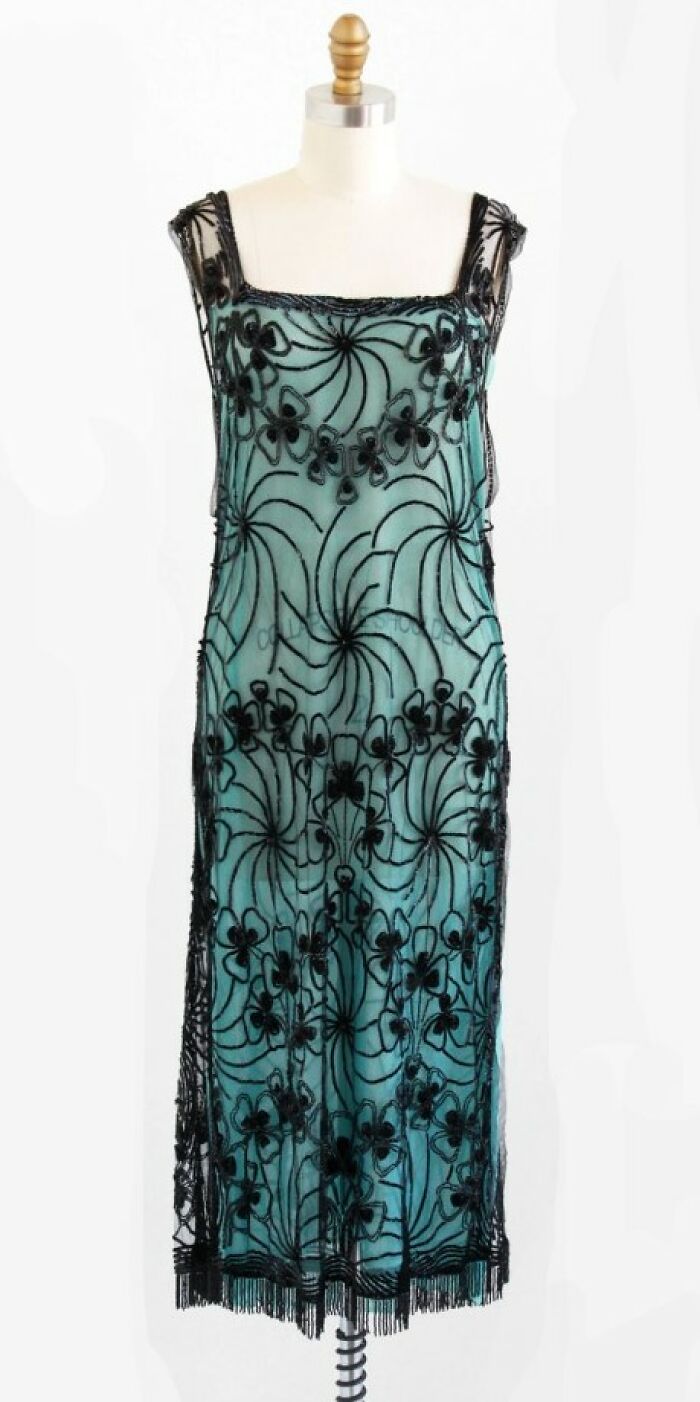
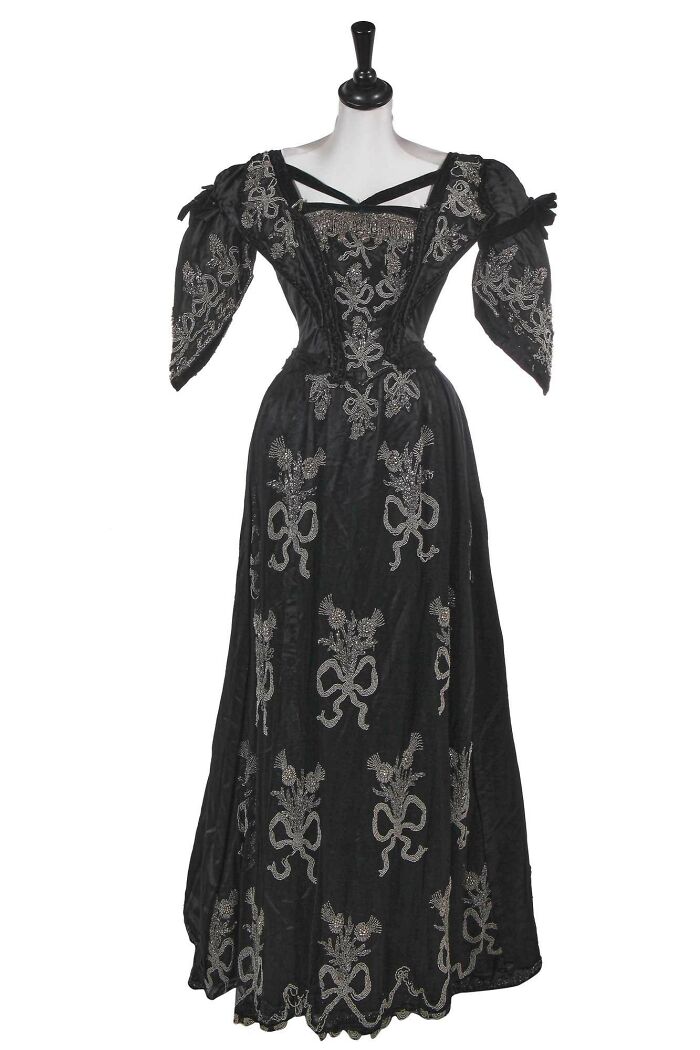
This is an over dress and is missing the underdress, which was probably the same color of the minty aqua lining.
It's a bit hard to see but the back sequin part is all one piece. It's then been attached to the colored lining.
It is possible that the sheer black over-dress was sold alone with no under dress at all. The lady bought the black over dress and then decided to have it worn with a minty aqua underdress.
What’s fun is that the 1960s had a split personality when it came to color. On one hand, you had super sleek black and white pieces that looked like they belonged in a fancy Paris café. Checkerboard earrings? Yes please. Zebra-stripe bangles? Absolutely. Then on the other hand, things were colorful. We’re talking pretty pinks and screaming yellows. It was wild and wonderful.
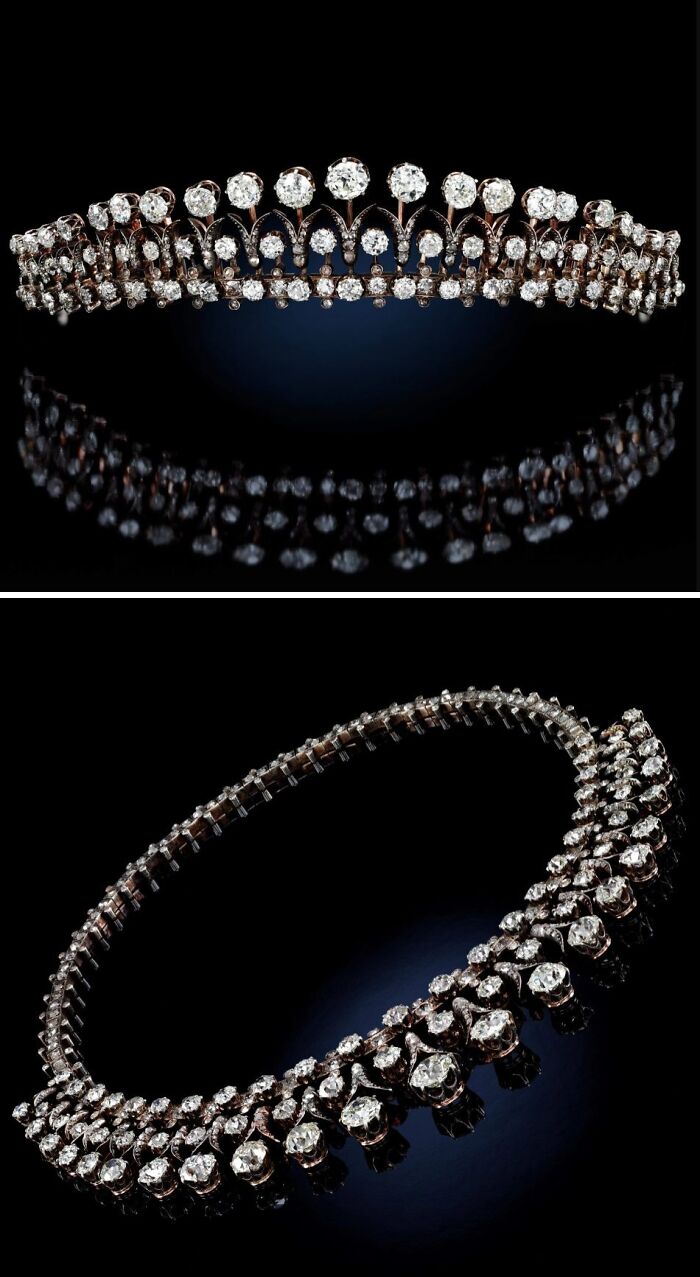
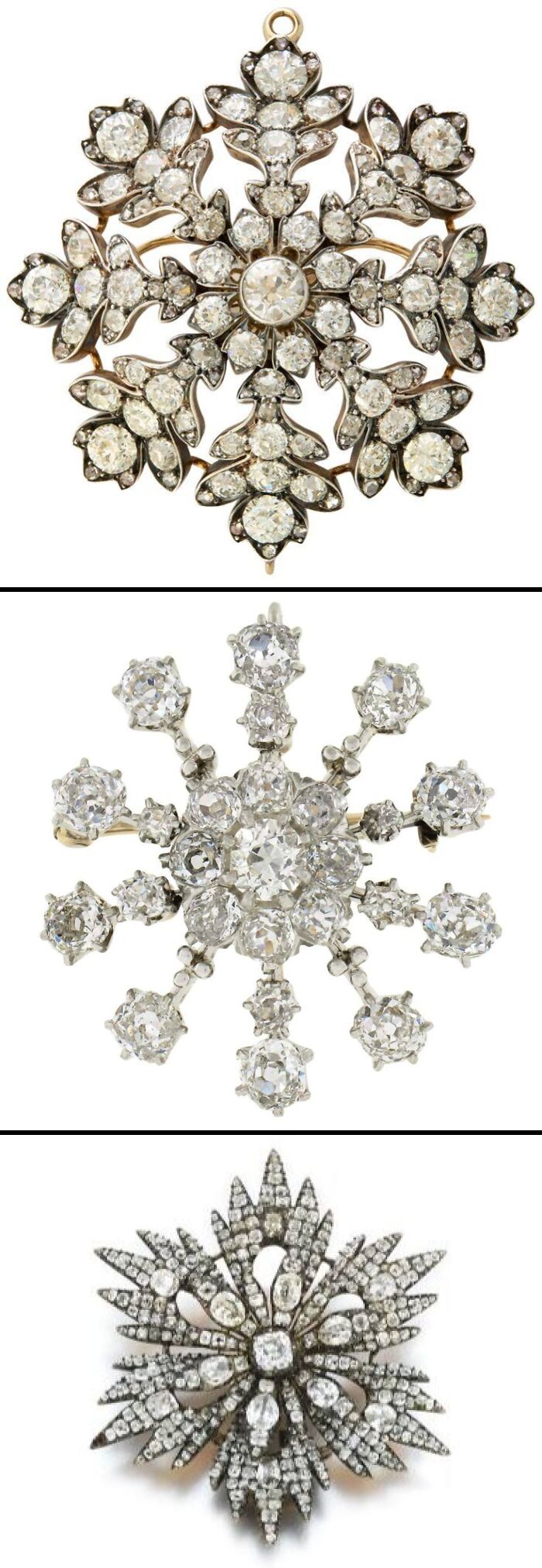
Designed as a relatively short compact fringe, the slightly tapered form composed of 23 knife-edge bars each applied with a curved V-shape diamond-set motif and surmounted by an old-cut diamond in claw setting and interspersed with shorter bars topped with graduated old cut diamonds. All are set above a base row of diamonds with alternate stones embellished above and below with a bezel set rose-cut diamond. All diamonds set within the frame in silver and gold. The tiara converts into a necklace whose back chain is fully set with rose-cut diamonds and adjusts in length to be worn as a bracelet, with French assay marks, inner length of tiara approximately 340mm, length of backchain approximately 200mm.
Total weight approximately 32cts
Comprising:
376 x old-cut and rose-cut diamonds estimated to weigh an approximate total of 32cts
Largest central old cut diamond estimated to weigh approx. 1.6ct.
Of course, you can’t talk about ’60s style without mentioning the hippie influence. With flower power blooming all over the place, jewelry designers got inspired by nature, big time. Leaves, petals, and all things earthy started popping up in designs, often in vibrant, colorful ways. It wasn’t just about looking pretty; it was about feeling connected to something real and raw.
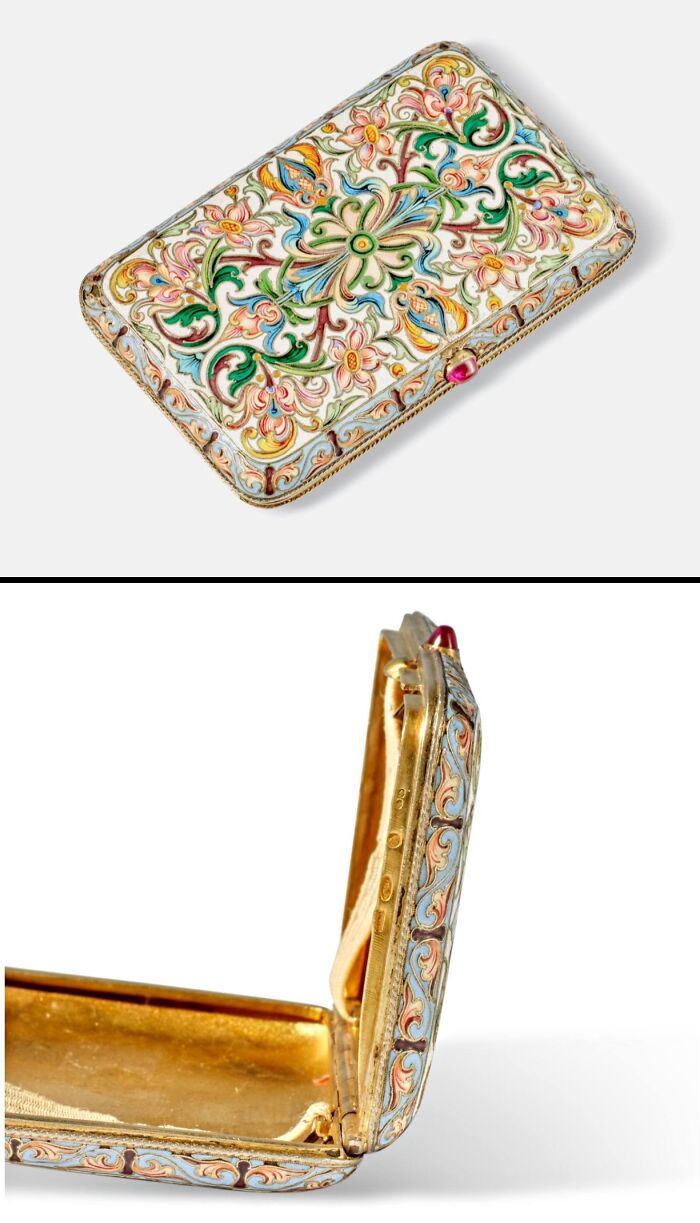
The surface is enamelled throughout with scrolling foliage and flowers in shaded pink, blue green, yellow, and translucent green over an opaque white ground, within powder blue borders similarly enamelled in a conforming style, with a cabochon ruby push-piece, struck with workmaster's initials, 88 standard
width 10.5cm; 4 1/8 in.
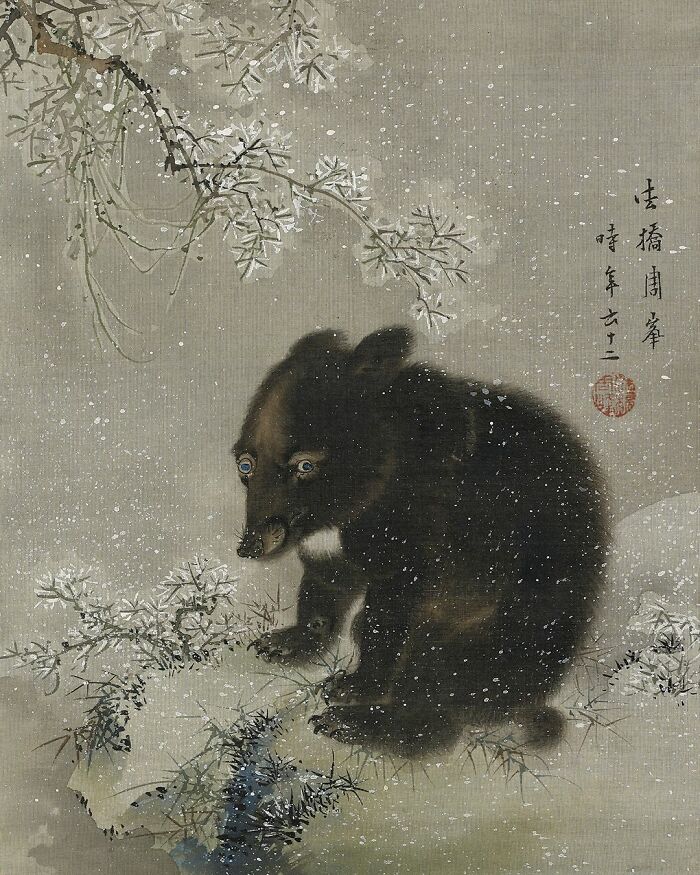
Painted by Japanese artist Mori Shūhō, this small bear looks directly out at the viewer while it sits uneasily on a ledge amid the snowflakes. Shūhō was a member of the Mori School of artists who specialised in lifelike depictions of animals.
He was the elder brother of Sosen (1747–1821), the famous painter of monkeys. Though less well regarded than his brother, Shūhō was a respected and prolific artist in his hometown of Osaka.
Shūhō often wrote his age after his signature, as done here, making it possible to chart his career quite closely. He painted this work when he was sixty-two.

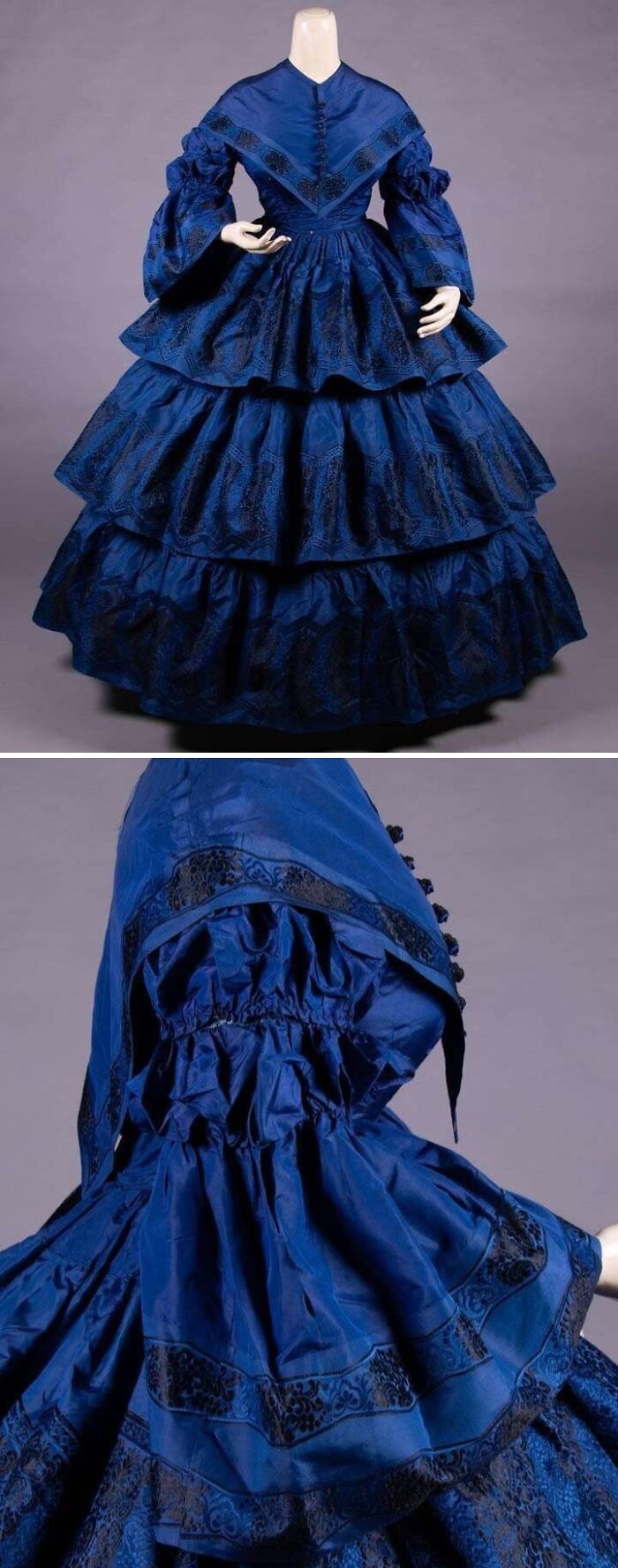
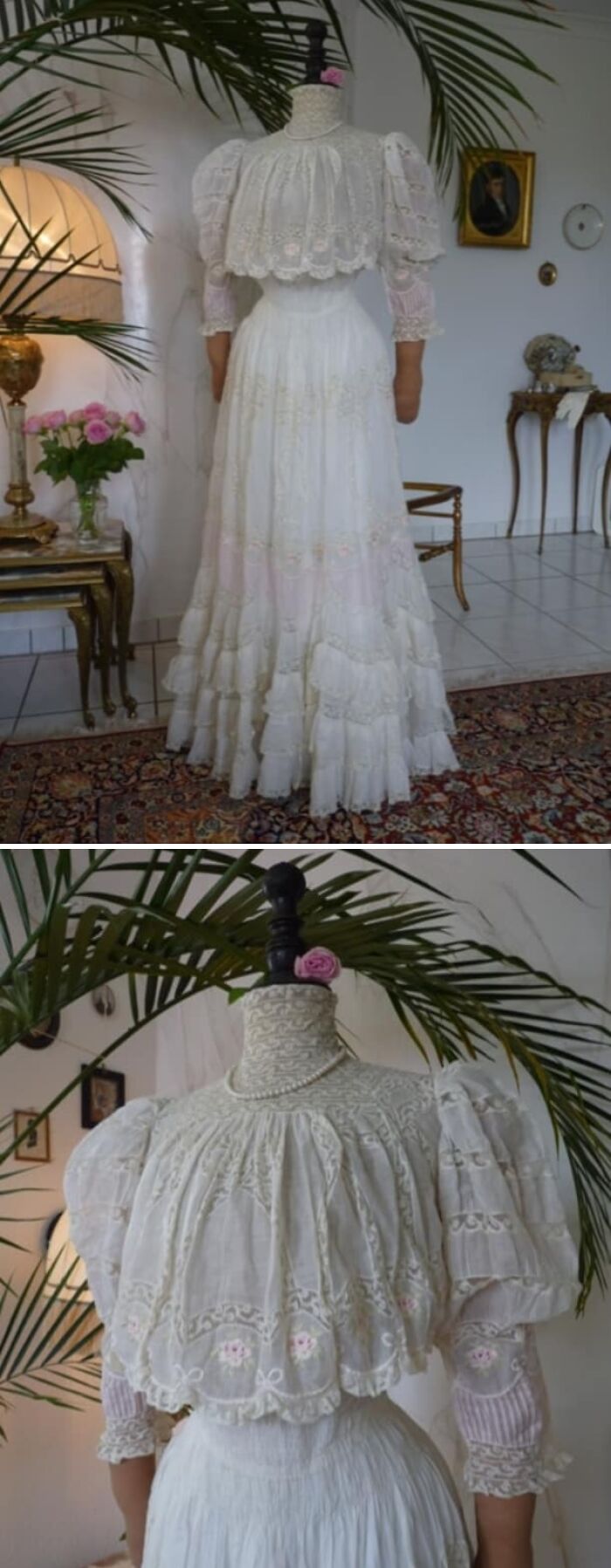
High neck and bands in a pattern of loops and bows. Decorated with a band of polychrome embroidered roses at lower bodice, sleeves and skirt. Sleeves and skirt have scalloped inserts of tucked pink cotton beneath embroidered bows. The lower skirt is ruffled in three bands.
And let’s not forget about the drama, specifically, dramatic earrings. Long, shoulder-grazing earrings were the moment. They swayed with every step, caught the light in all the right ways, and basically said, “Look at me.” Whether they were metallic, gem-studded, or shaped like funky abstract art, they brought that extra flair everyone secretly wants.
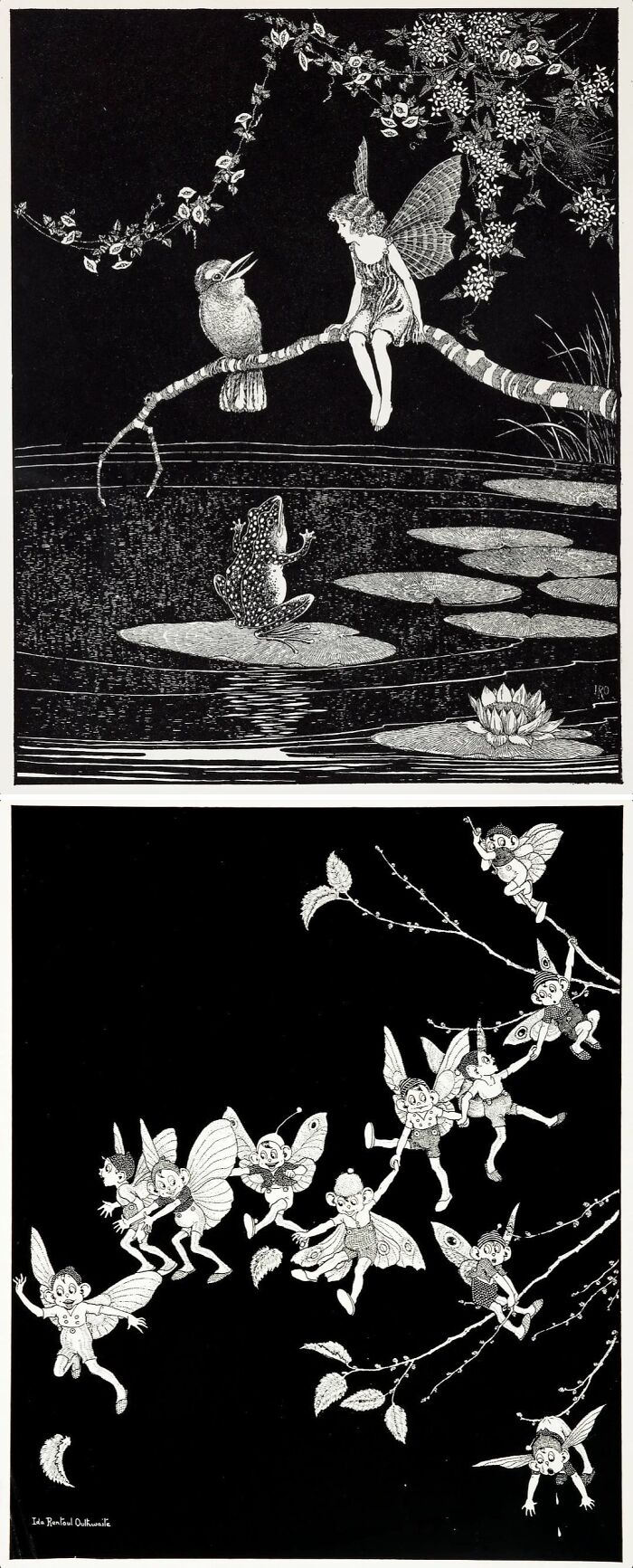
Outhwaite worked predominantly with pen and ink, and watercolour. Her first illustration was published by New Idea magazine in 1903 when she was just 15 years of age – it accompanied a story written by her older sister, Annie Rattray Rentoul. In the years that followed, the sisters collaborated on a number of stories.
Following her marriage, she also collaborated with her husband – most notably for The Enchanted Forest (1921), The Little Fairy Sister (1923) and Fairyland (1926). In a number of cases, her children – Robert, Anne, Wendy and William – served as models for her illustrations.This was the period during which she did her best work, particularly Elves and Fairies (1916), a glorious art book with color plates as well as black-and-white.
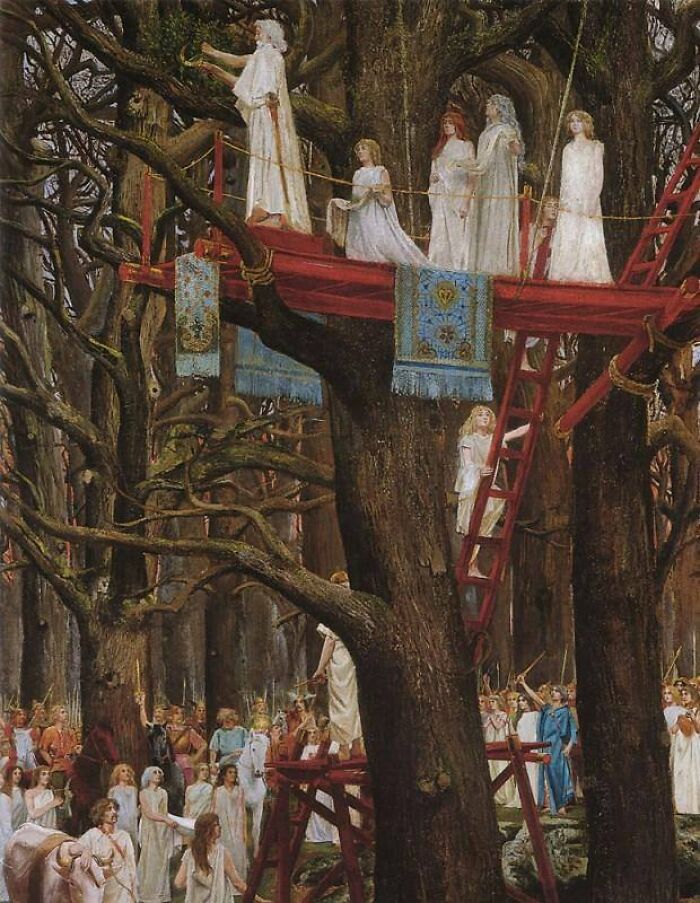
It depicts a Celtic religious ceremony based on a description by the Roman author Pliny the Elder.
The ritual involved white-clad druids climbing a sacred oak tree and cutting mistletoe with a golden sickle. The mistletoe was believed to have medicinal properties and was used to make an elixir to cure infertility and poison effects.
Henri-Paul Motte (1846-1922) was a French painter from Paris who specialised in historical subjects. A pupil of French painter Jean-Léon Gérôme, whose works likewise included historical paintings as well as Greek mythology and Orientalism. Motte first exhibited his paintings at the Paris Salon of 1874.
Now enter bangle bracelets: chunky, stackable, and impossible to ignore. Some were gold, some were neon, and some were so loud they jingled like you were carrying a tambourine. People wore them by the dozen, stacked from wrist to elbow, mixing metals with colors and textures with patterns. Together with those long earrings? Pure 1960s magic.
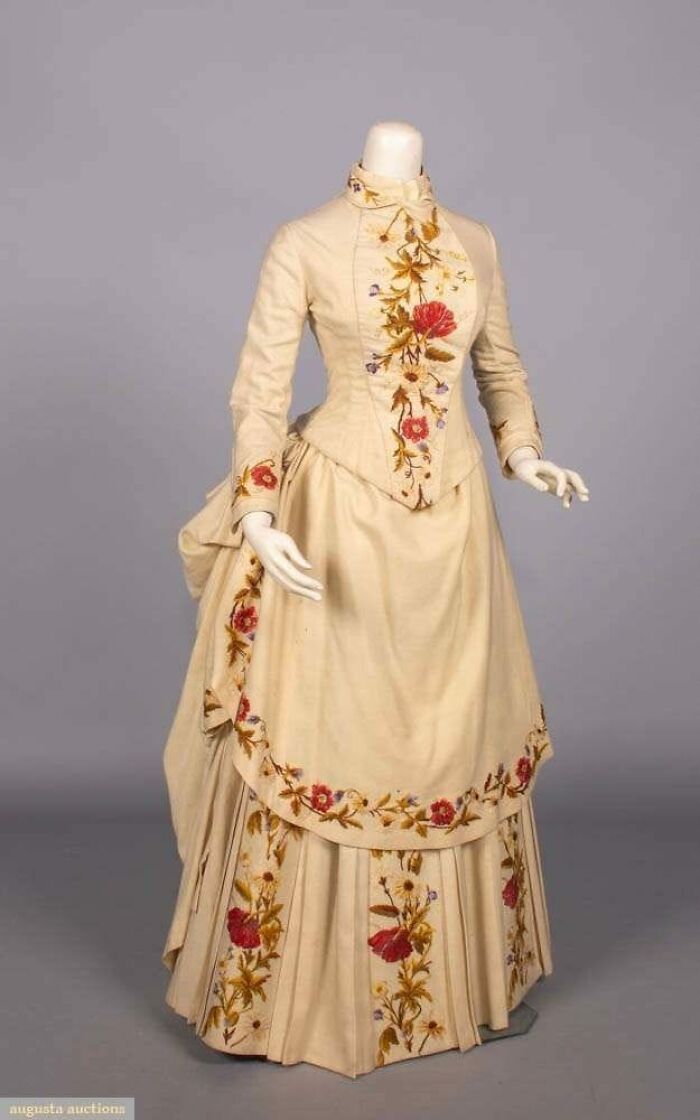
2-pc cream twill wool flannel day dress hand embroidered with satin stitch floral motifs in wool & silk to convertible collar, center front & back of fitted bodice, cuffs, front of integrated apron overskirt & in vertical bands at skirt front, bodice. -Augusta Auctions
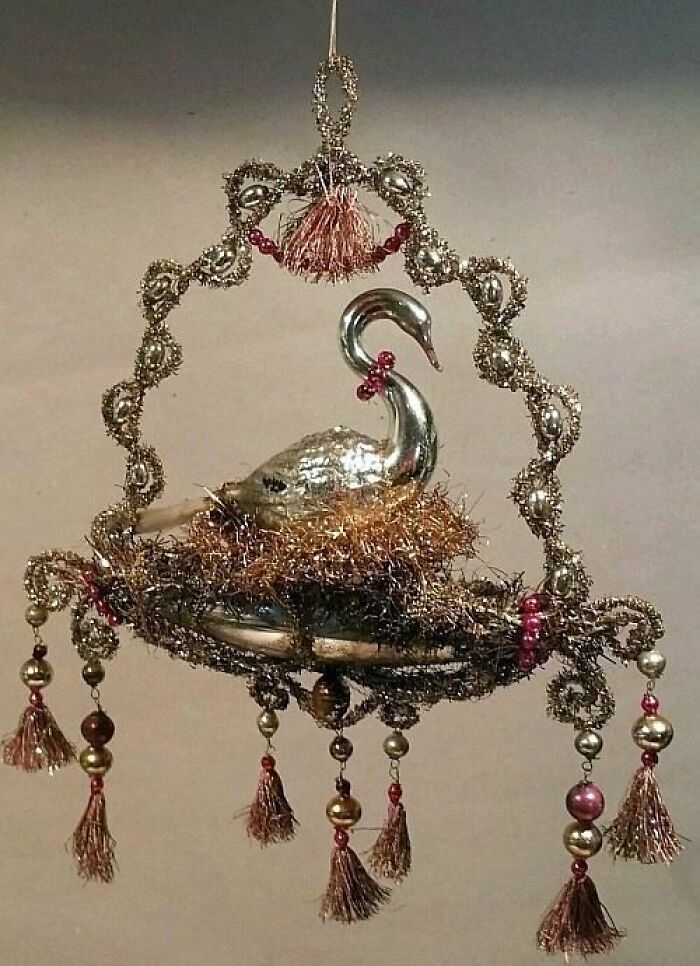
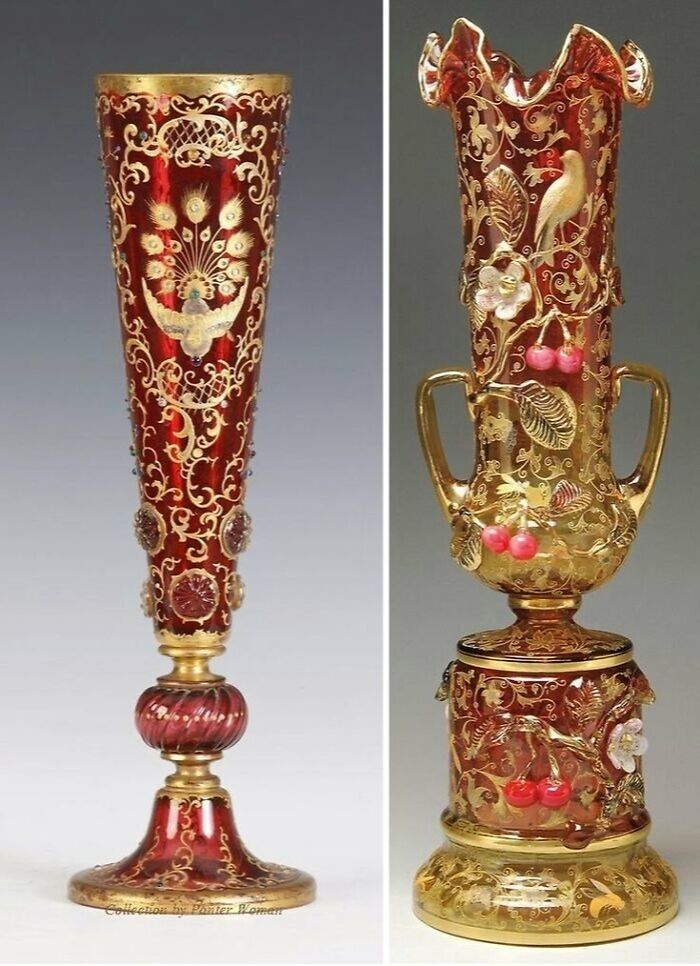
Czech Gablonz" refers to Jablonec nad Nisou, a city in the Czech Republic that is the historical center of the Bohemian glassmaking industry. The term is also used to describe Gablonz-style glass products, especially antique Christmas ornaments, beads, and imitation jewelry, which are known for their fine craftsmanship and beadwork.
The area has a long history of glass production, dating back to the 8th or 9th century. German settlers established glass factories there around 1550, and the city became a major global supplier of glass beads and other products by the 19th and 20th centuries.
Honestly, the 1960s feels like a jewelry fever dream, in the best way. Everything was bigger, bolder, and bursting with personality. You could be elegant one day and eccentric the next, all with a change of earrings. It was a time when fashion didn’t whisper, it shouted.
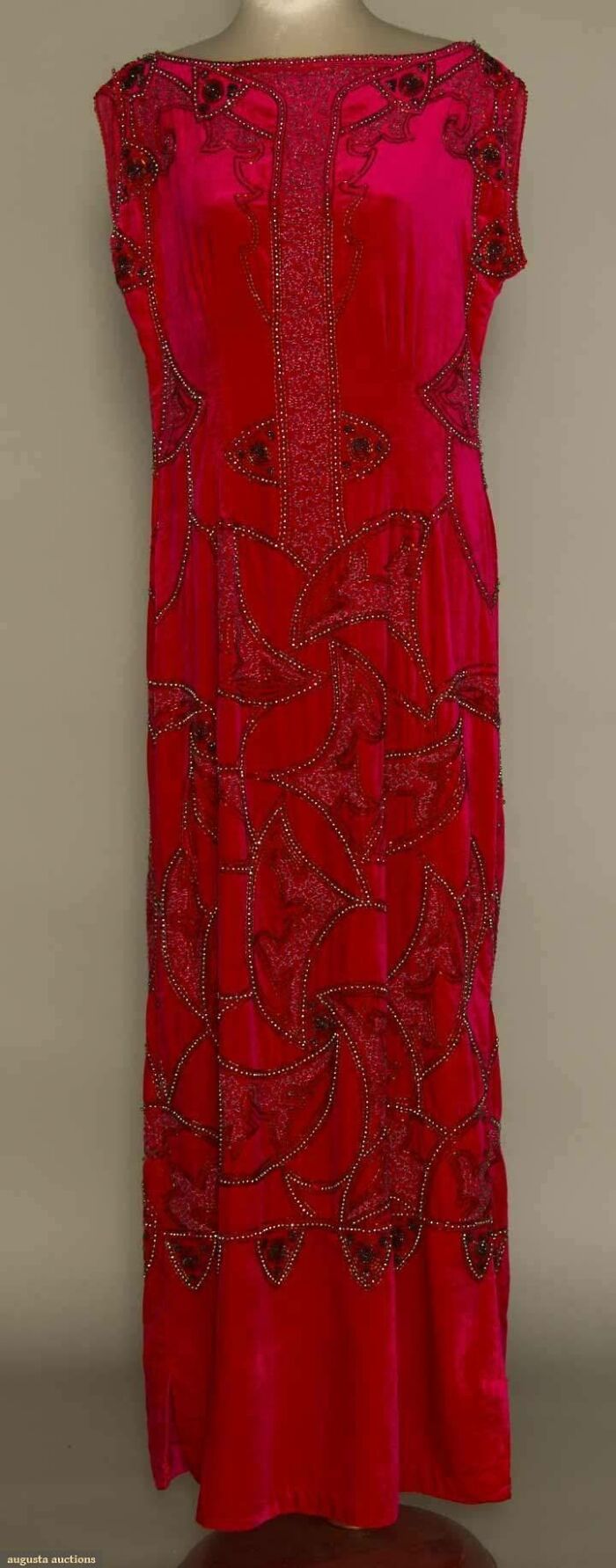
Vibrant fuchsia long column, beaded all over with stylized fan shapes in black & silver glass beads & silver balls, label "House of Adair Paris New York London".
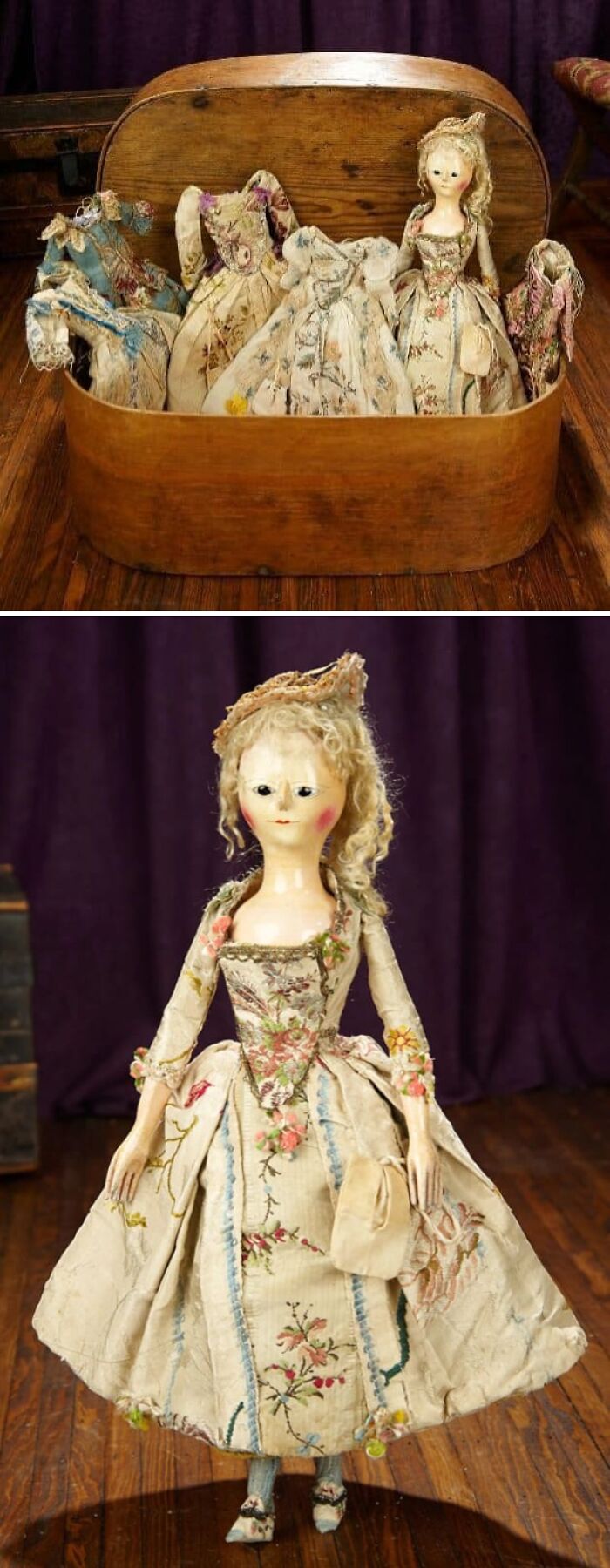
All carved wood with one-piece torso and egg-shaped head, elongated curved throat, shapely bosom, flat back, black enamel inset eyes, "dot" painted all-around lashes and wide brows, tiny pointy nose with accent dots, thin line lips with center detail, cheek blush spots, blonde delicate mohair wig on original linen cap, cloth upper arms, carved wooden lower arms with fork-shaped fingers, wooden legs with jointing at hips and knees. - Theriaults
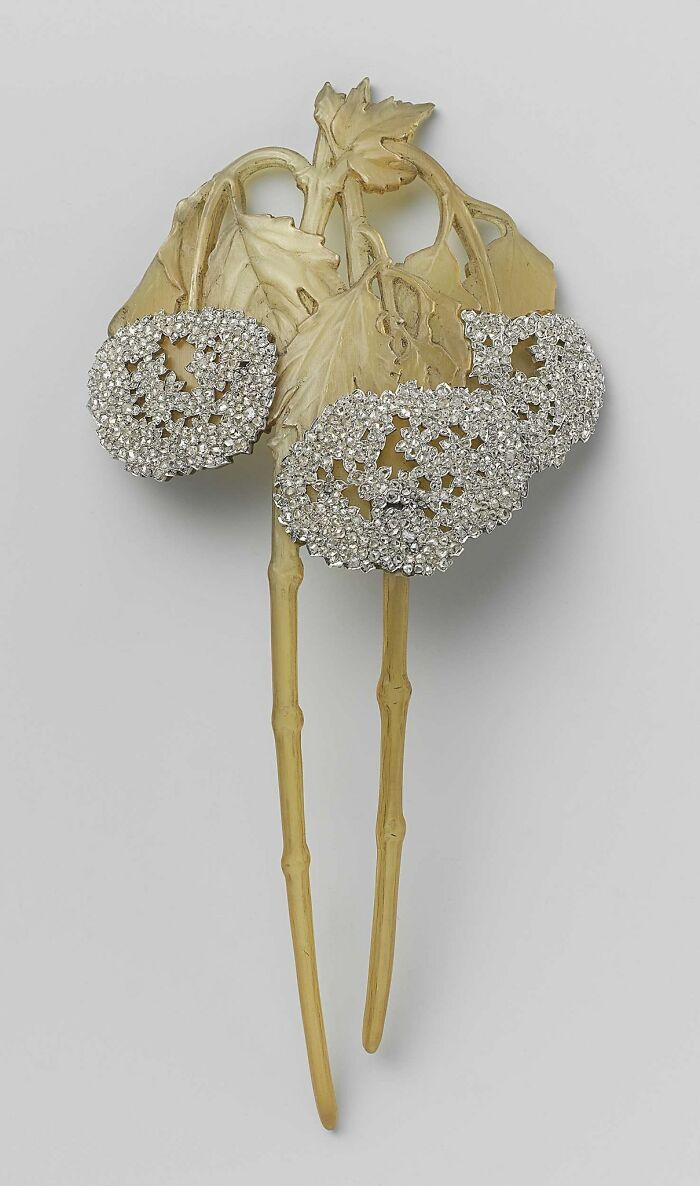
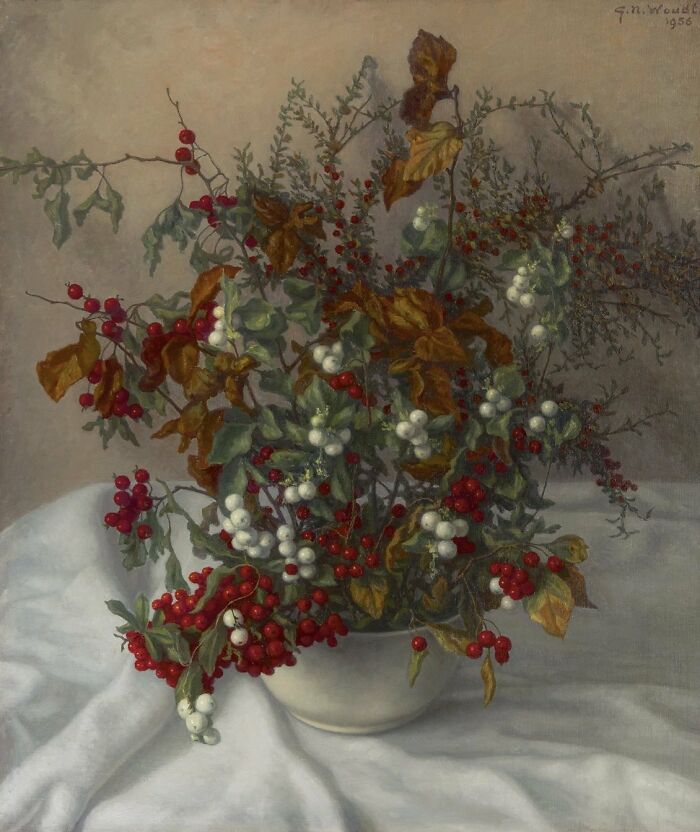
Hair comb of horn, gold and diamonds. The crest is inspired by Japanese models and is shaped like two branches of a shrub with flowers (Viburnum opulus roseum 'snowball').
-Haarkam in de vorm van twee takken Viburnum - Rijksmuseum, Netherlands
And what’s amazing is that it wasn’t just about the jewelry, it was a whole vibe. These posts show every detail from back then had flavor. So tell us, which photo made your jaw drop? Let us know your favorites in the comments, we’re excited to see what you’d bring back.

Oh gosh, I could never use something as lovely as this for its intended usage.
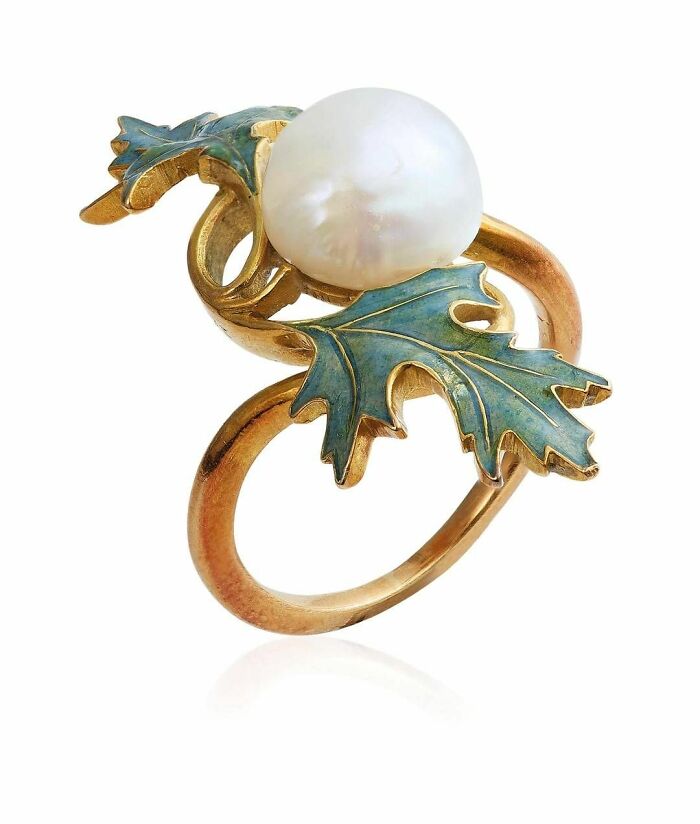
Centering a button-shaped pearl, between leaves applied with green enamel.
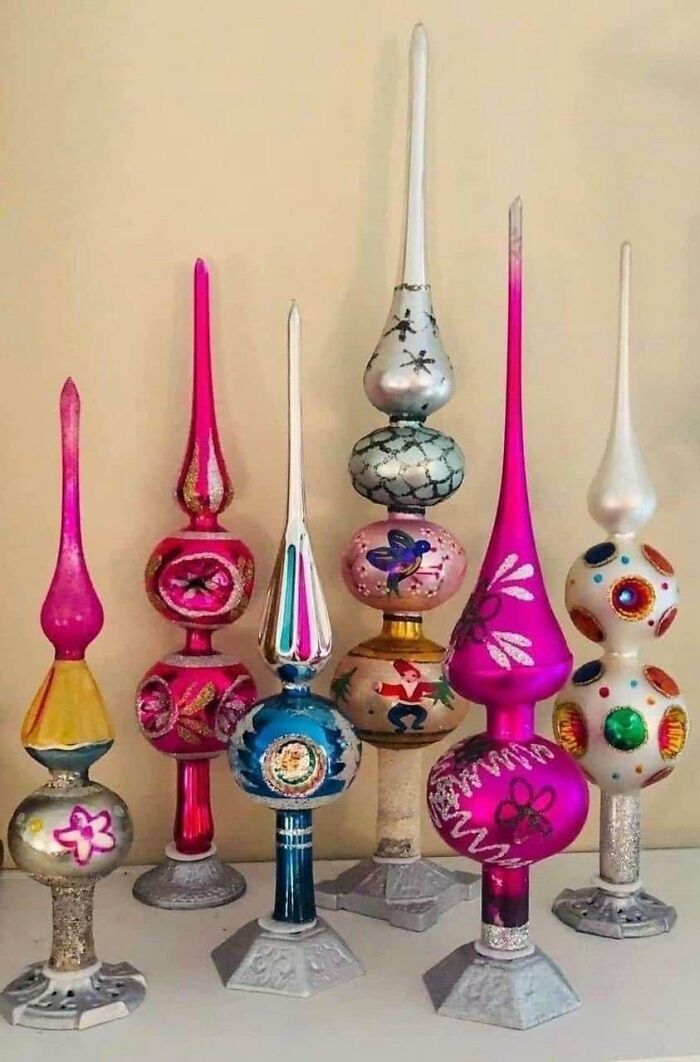
They hark back to a classic style popular in the mid-20th century. The ornaments are made from glass and feature various colors and decorative patterns.
The style, featuring a spindle or ball and spire shape, is a traditional European design, with glass ornaments tracing their origins to Lauscha in 1847. These fragile items are often passed down as heirlooms through generations.

We had these in our family along with all the blown glass ornaments we used to put on the tree. My mom moved after my dad died and decided to throw everything out. Not give it away or donate it - throw it out. We had so much from the 50s and 60s that would be worth a small fortune today, but my mom was a thrower-outer. It still makes me mad today.

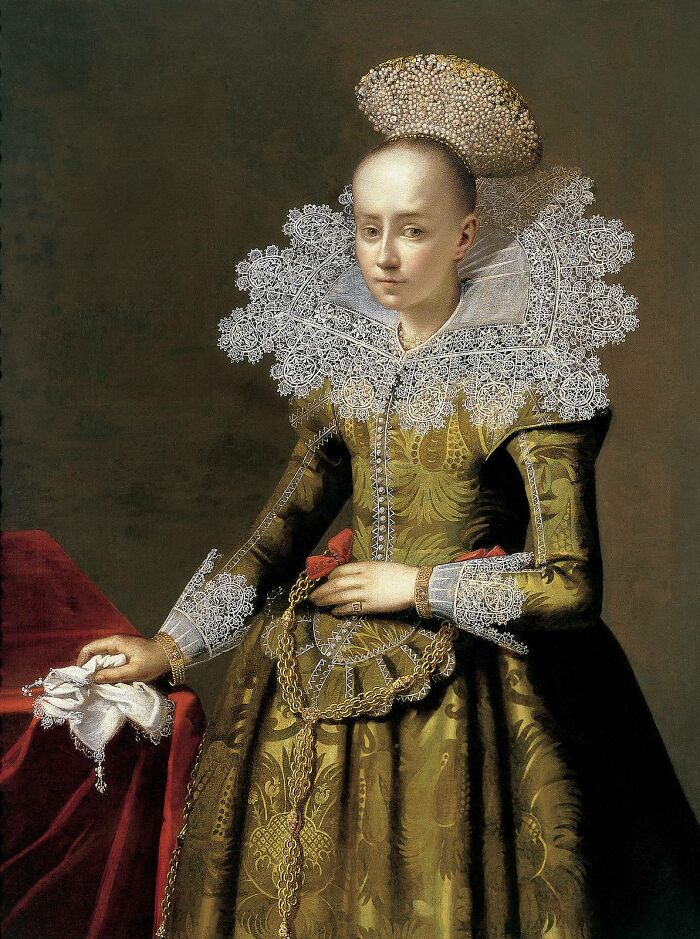
I would have been asking her to wear something less lacy if I was painting her! Stunning.
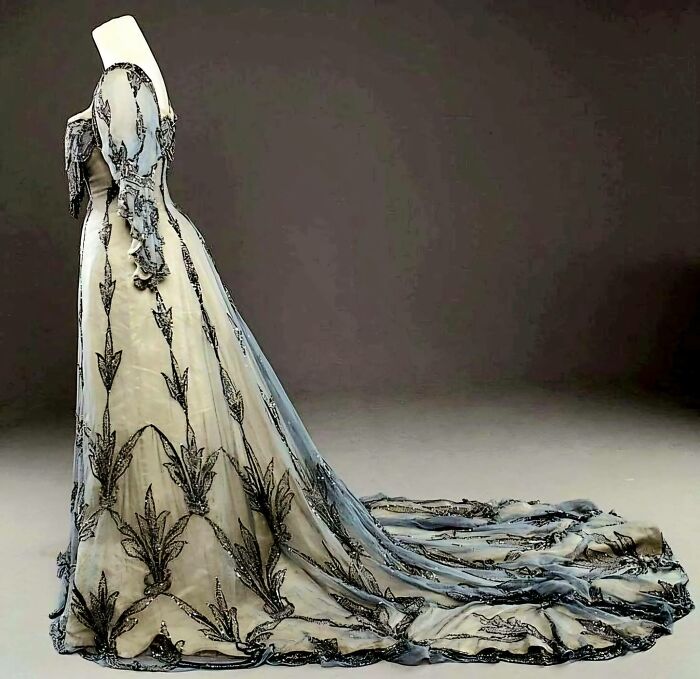
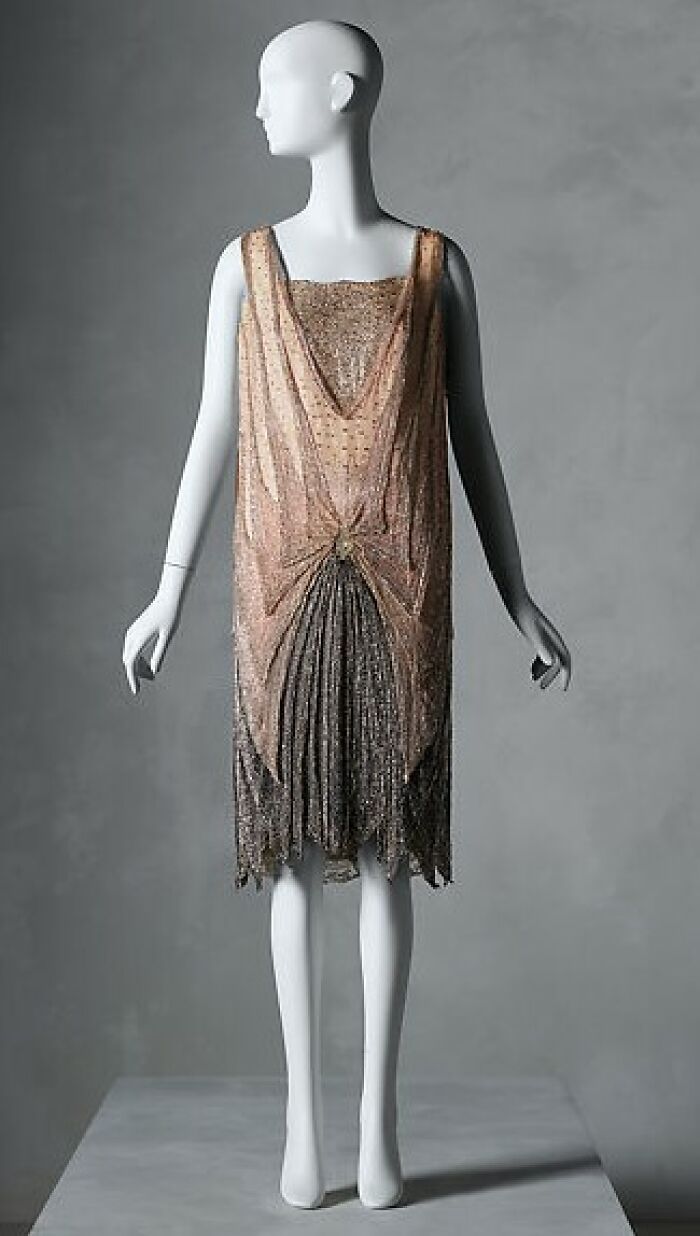
Each of the lightweight chiffon tiers has been weighted with a glittering constellation of beads. The embroidery extends beyond the overlap of every layer to convey the impression of continuous embellishment.
With all the layering and beadwork, this gown would have been amazing to see when worn and the lady moves about.

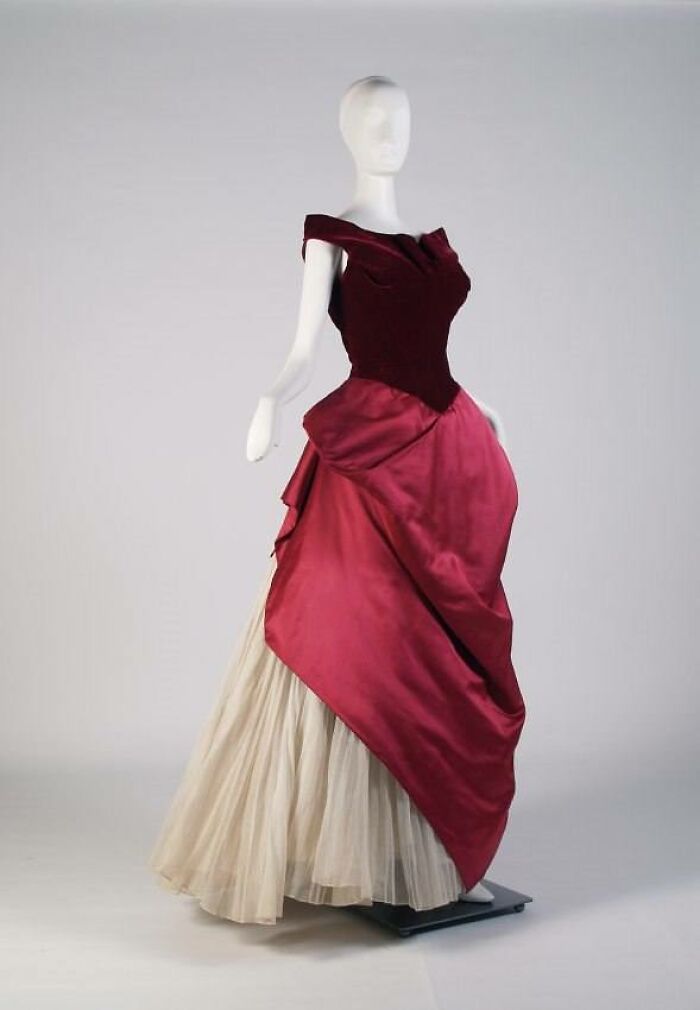
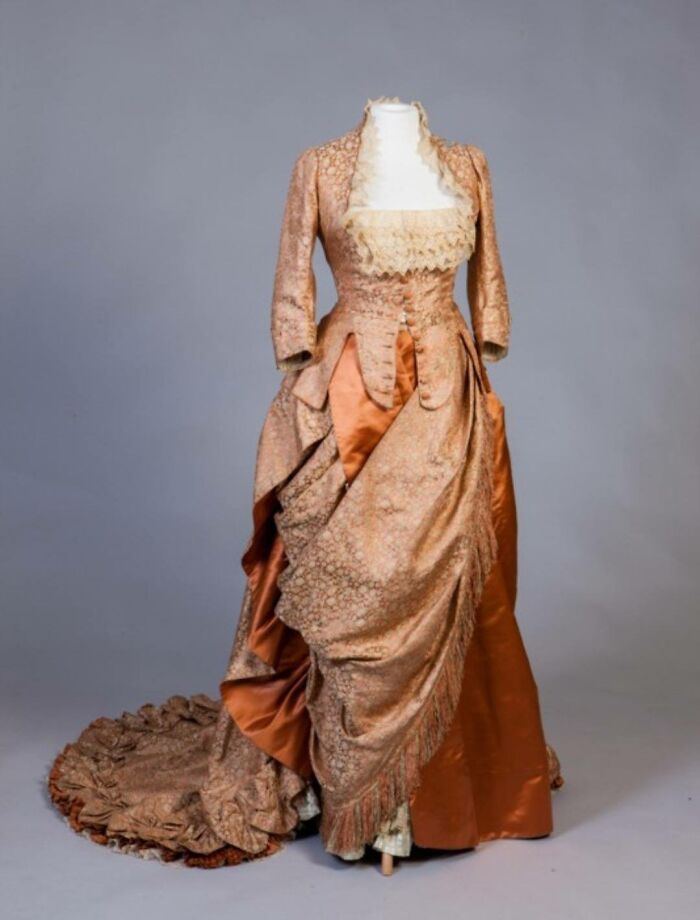
Ruby red silk velvet, garnet Catoir silk satin, white organdy. Draped, fitted & boned bodice of velvet, asymmetrical satin polonaise drape, pleated silk organdy underskirt. Silk faille facings.
-KSU Museum
The Catoir Silk Company was an American textile company founded in New York in 1889 and operated until it closed in 1989. The company had a major silk mill in Allentown, Pennsylvania, which was part of the region's larger silk industry. The mill's closure in 1989 marked the end of its century-long history.
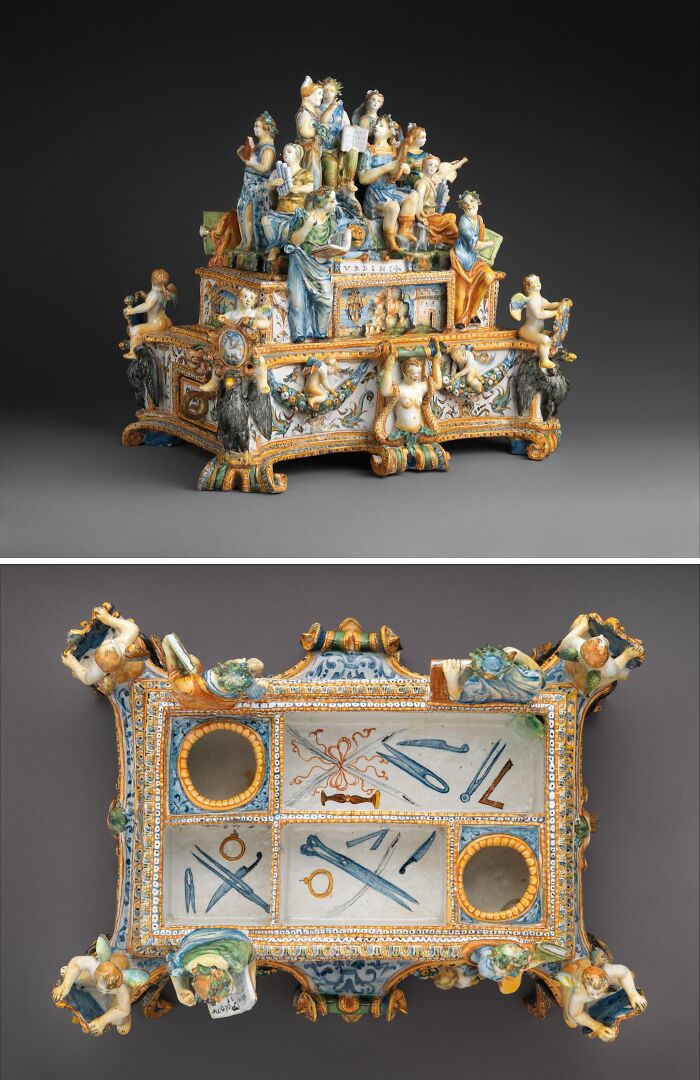
This extravagant desk set celebrates the art of poetry while providing a writer with storage for the tools of his craft. The exterior decorations evoke ancient Roman art and honor the divine sources of creativity. Gods and muses perch beside famous poets atop an elaborate confection of drawers and removable containers, including inkwells and a sand-shaker (for drying fresh text). Inside, the compartments are decorated with images denoting their contents, such as scissors and quills.
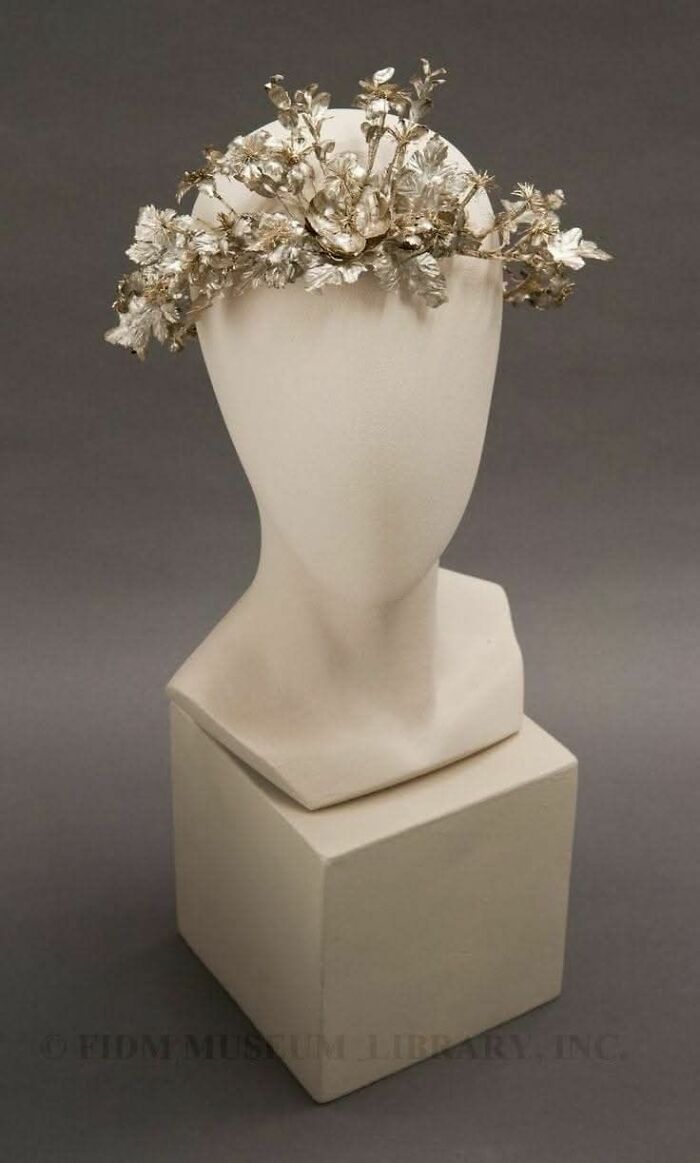
Delicate headdresses made of jewels, ribbons and real or artificial flowers and leaves were popular in the late 1850s and early 1860s. These were worn primarily for evening or formal dress, and often matched or complemented motifs seen on the dress itself. Whether incorporating roses, ribbons or the oak leaves seen here, this style is a clear reference to the crowns seen on ancient Greek and Roman statuary. In both ancient Greece and Rome, wreaths of flowers or leaves were awarded to Olympic athletes, military commanders and supreme rulers. Oak leaves and acorns have a particular significance, as they were sacred to the Greek god Zeus and his Roman equivalent, Jupiter.
Like many consumer goods of the mid-nineteenth century, headdresses could be purchased at multiple price-points. The most lavish, worn by royalty and wealthy aristocrats, incorporated precious jewels, gold and silver. More modest headdresses were made of leftover ribbon and fresh flowers. The silver paper headdress seen here was perhaps a less expensive version of the diamond headdresses worn by the upper echelons of society. Like some of its more expensive cousins, this delicate paper headdress was meant to tremble delicately when the wearer moved. Each leaf and flower is wired to the headband, so that the slightest movement creates a delicate, trembling movement akin to the wind gently brushing the leaves of a tree.
-FIDM Museum
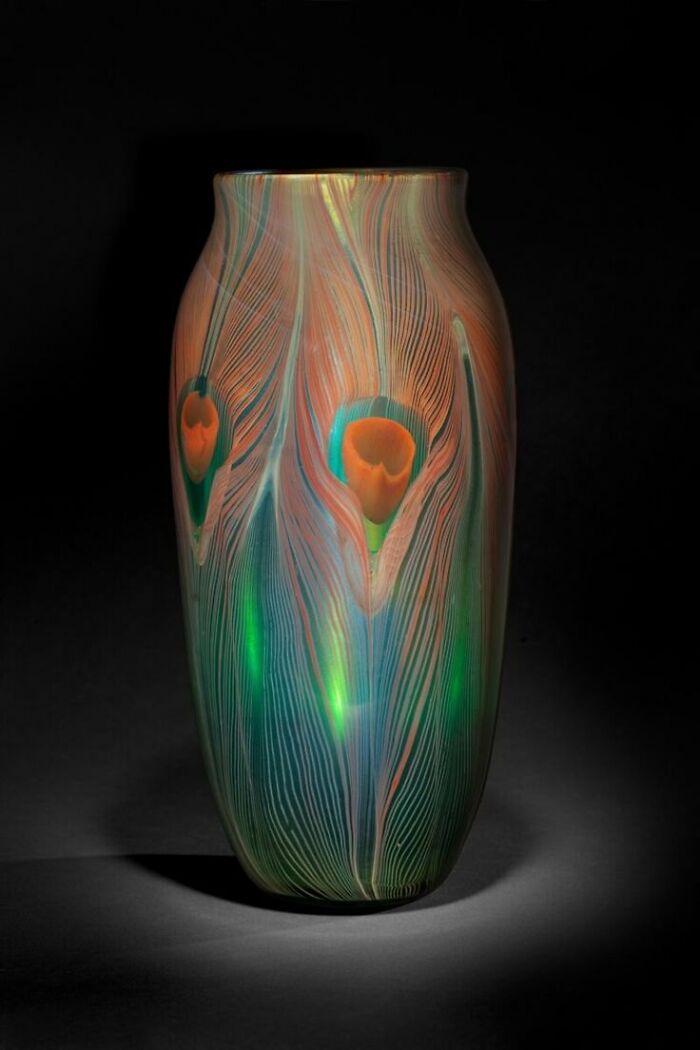
The vase on the left includes a stylized peacock motif, while the one on the right features a bird and cherry design.
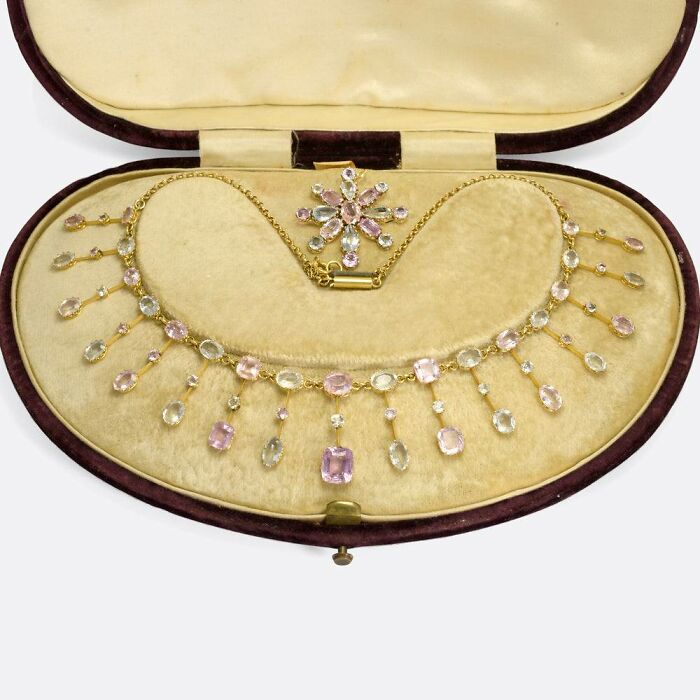
In 15k gold, and set with the Imperial (or "precious") pink, and sky blue gems color.
The box indicates that they were retailed by Mallett Goldsmith, Bath - now known as Mallett Antiques, with galleries in London and New York who regularly exhibit at the International Fine Art & Antique Fairs.
Another stunning dress that I’m glad I don’t have to wear. Can’t imagine running for the bus in that.
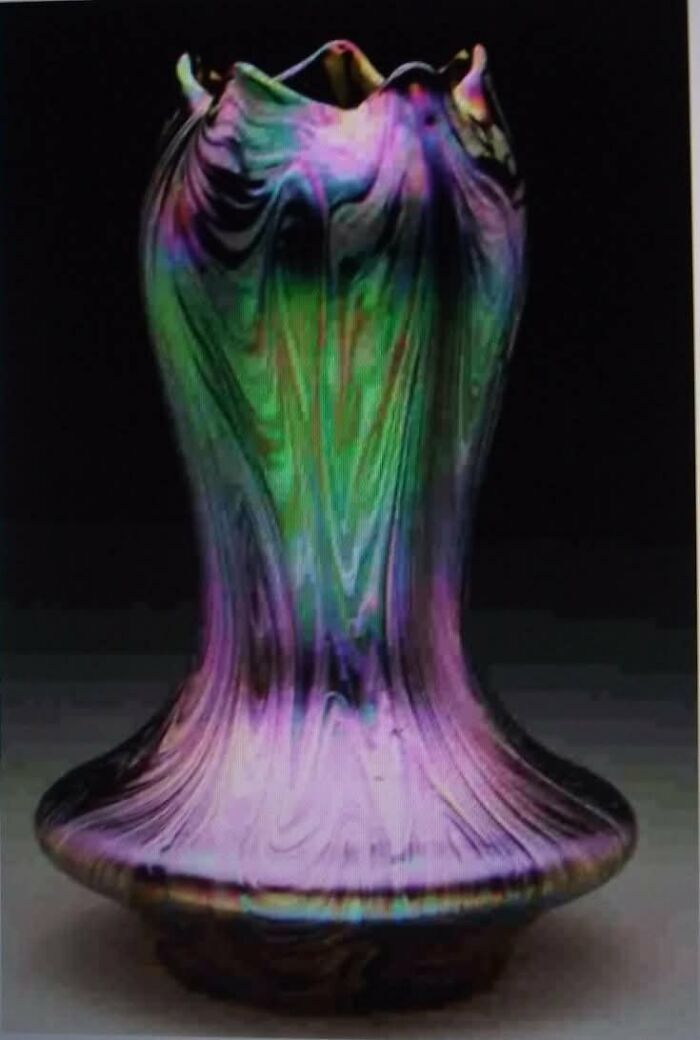
A cream and purple dragged loop design descending from the lip and rising from the foot, encircling the entire vase, finished with a ruffled lip.
Rindskopf glass was produced by a company called Josef Rindskopf's Sohne AG, which translates from German to English as Josef Rindskopf's Sons. This glass manufacturer was set up by the sons of Josef Rindskopf after his death in 1890, and was located near the spa town of Teplice in what is now the Czech Republic
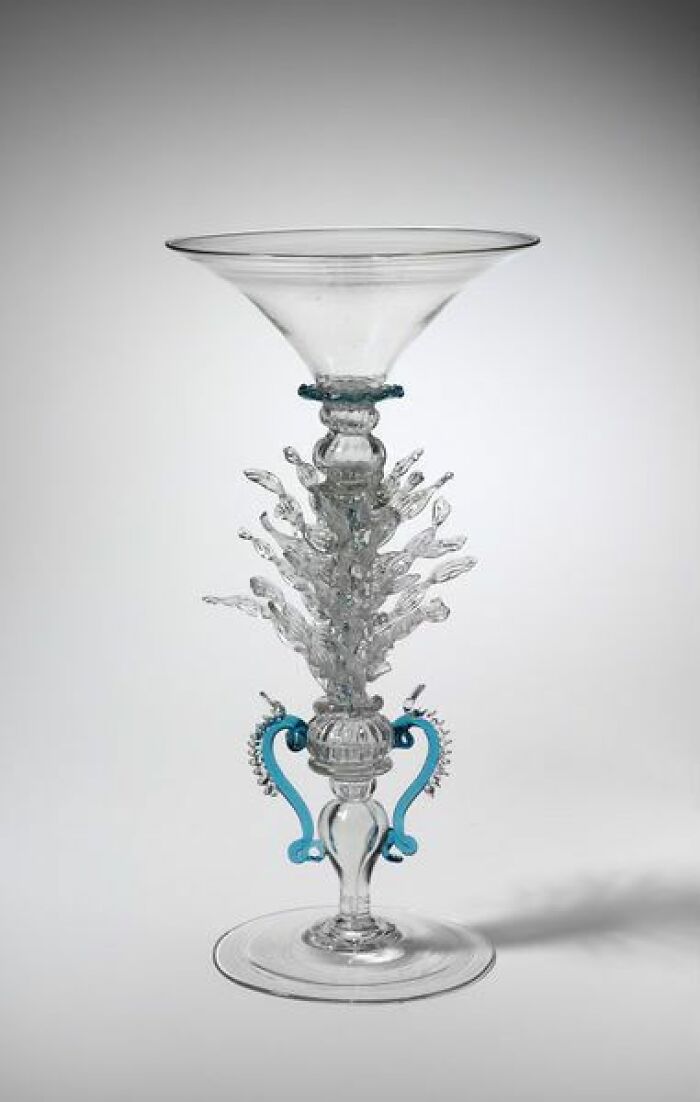
Quite intricate, but would require some skill to use without breaking, especially if you had several drinks.
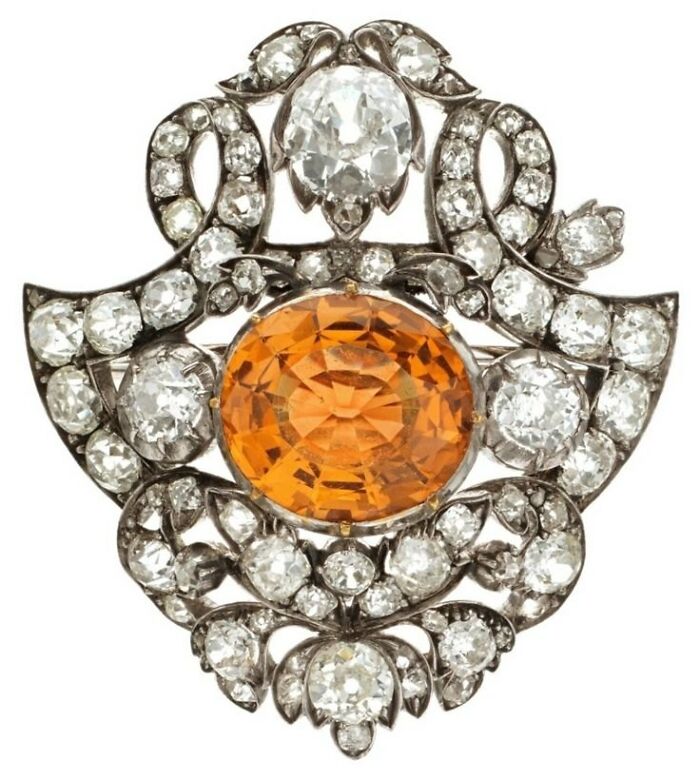
Shield-shaped brooch centering a collet-set oval topaz within a surround of old mine- and single-cut diamonds. (50 x 50mm)
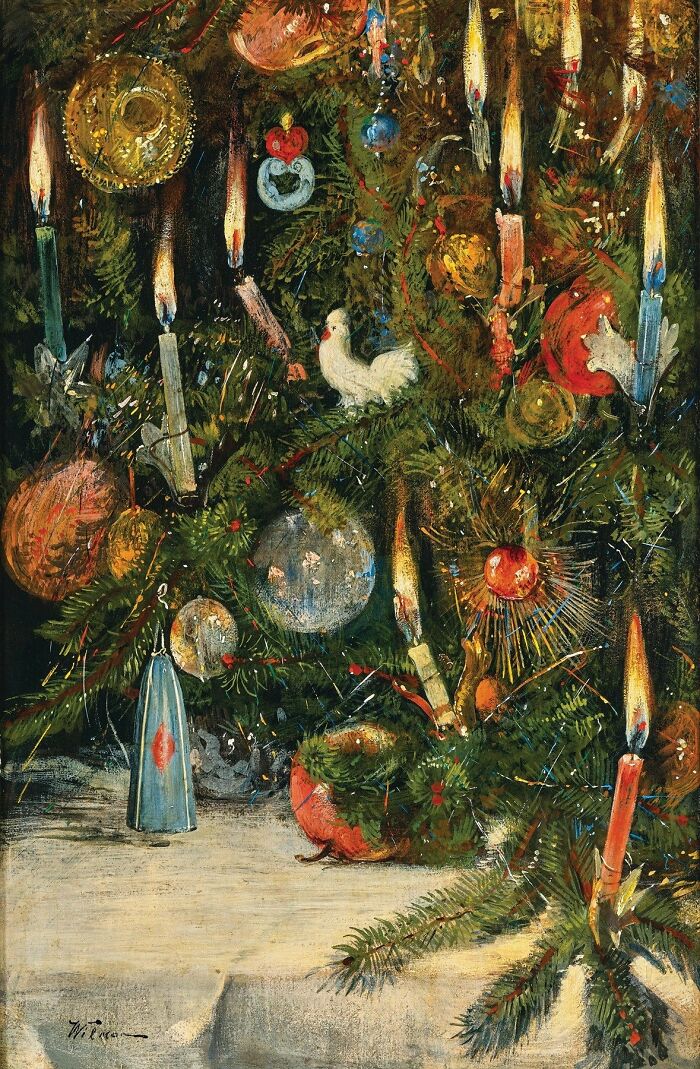
Beautiful painting, but it's a wonder anyone survived the Christmas season in those days.
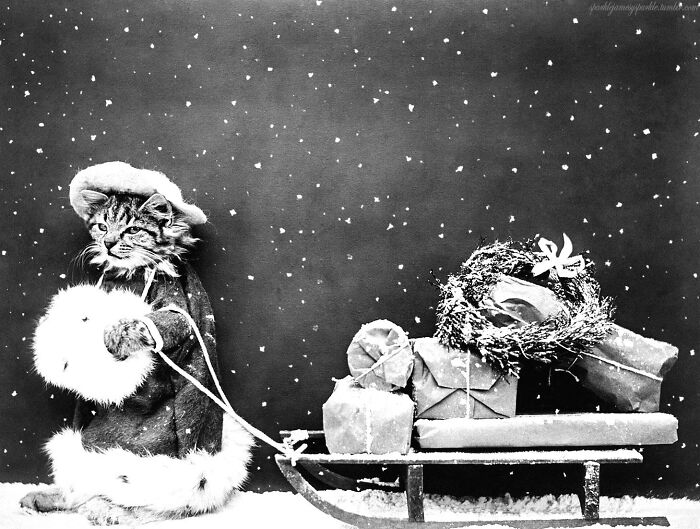
He sees you when you’re sleeping… sleep with at least one eye open, judging by that expression.
Note: this post originally had 92 images. It’s been shortened to the top 50 images based on user votes.

Beautiful stuff. I felt like I was binge-watching back-to-back episodes of Antiques Roadshow, UK and US combined.
I ɢᴇᴛ ᴘᴀɪᴅ ᴏᴠᴇʀ $120 ᴘᴇʀ ʜᴏᴜʀ ᴡᴏʀᴋɪɴɢ ғʀᴏᴍ ʜᴏᴍᴇ. I ɴᴇᴠᴇʀ ᴛʜᴏᴜɢʜᴛ ɪ'ᴅ ʙᴇ ᴀʙʟᴇ ᴛᴏ ᴅᴏ ɪᴛ ʙᴜᴛ ᴍʏ ʙᴜᴅᴅʏ ᴍᴀᴋᴇs ᴏᴠᴇʀ $13,453 ᴀ ᴍᴏɴᴛʜ ᴅᴏɪɴɢ ᴛʜɪs ᴀɴᴅ sʜᴇ ᴄᴏɴᴠɪɴᴄᴇᴅ ᴍᴇ ᴛᴏ ᴛʀʏ. sᴛᴀʀᴛ ᴇᴀʀɴɪɴɢ ᴍᴏʀᴇ ᴄᴀsʜ ɪɴ ᴘᴀʀᴛ ᴛɪᴍᴇ. ᴄʜᴀɴɢᴇᴅ ᴍʏ ʟɪғᴇ.....➤➤ 𝗟𝗶𝘃𝗲𝗝𝗼𝗯𝟭.𝗰𝗼𝗺
Load More Replies... Beautiful stuff. I felt like I was binge-watching back-to-back episodes of Antiques Roadshow, UK and US combined.
I ɢᴇᴛ ᴘᴀɪᴅ ᴏᴠᴇʀ $120 ᴘᴇʀ ʜᴏᴜʀ ᴡᴏʀᴋɪɴɢ ғʀᴏᴍ ʜᴏᴍᴇ. I ɴᴇᴠᴇʀ ᴛʜᴏᴜɢʜᴛ ɪ'ᴅ ʙᴇ ᴀʙʟᴇ ᴛᴏ ᴅᴏ ɪᴛ ʙᴜᴛ ᴍʏ ʙᴜᴅᴅʏ ᴍᴀᴋᴇs ᴏᴠᴇʀ $13,453 ᴀ ᴍᴏɴᴛʜ ᴅᴏɪɴɢ ᴛʜɪs ᴀɴᴅ sʜᴇ ᴄᴏɴᴠɪɴᴄᴇᴅ ᴍᴇ ᴛᴏ ᴛʀʏ. sᴛᴀʀᴛ ᴇᴀʀɴɪɴɢ ᴍᴏʀᴇ ᴄᴀsʜ ɪɴ ᴘᴀʀᴛ ᴛɪᴍᴇ. ᴄʜᴀɴɢᴇᴅ ᴍʏ ʟɪғᴇ.....➤➤ 𝗟𝗶𝘃𝗲𝗝𝗼𝗯𝟭.𝗰𝗼𝗺
Load More Replies...





























 No fees, cancel anytime
 then open in external browser


 and click "Open in External Browser"