Get Premium
Dark mode theme is available exclusively for premium users. Learn more about the benefits of subscribing.
No fees, cancel anytime.

 Dark Mode Ad-Free Browsing Unlimited Content
 Ad-Free Browsing Unlimited Content Dark Mode
Join 1.2 million Panda readers who get the best art, memes, and fun stories every week!
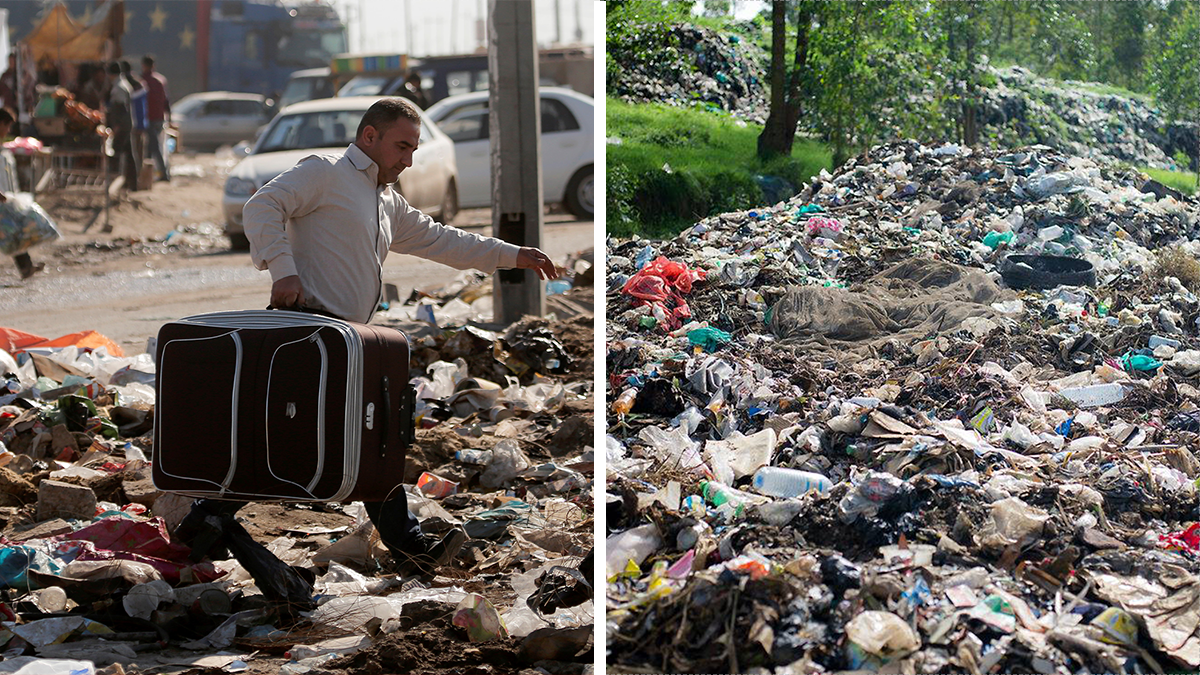
Some countries are known for having dangerously high pollution levels, poor sanitation, and large amounts of unmanaged waste. These problems are usually caused by overpopulation, industrial activity, or weak environmental policies.
The term “dirtiest” doesn’t mean these places are bad overall. It refers to measurable pollution indicators, such as air quality (PM2.5), contaminated water, and levels of trash.
Based on these factors, here are the 14 most polluted countries in the world, according to the Swiss air quality company IQAir.
This post may include affiliate links.
PM2.5 Concentration: 35.5
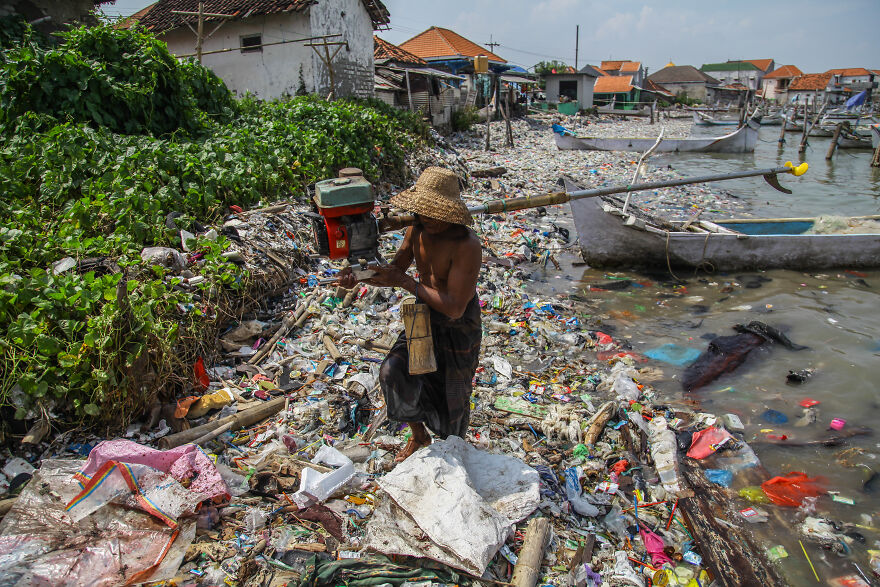
Indonesia has some of the worst air pollution in Southeast Asia. Its capital, Jakarta, is one of the ten most polluted cities in the world.
Experts blame the city’s poor air quality on vehicle emissions, droughts during the dry season, and open burning of waste. These ongoing problems keep Jakarta near the top of global pollution rankings.
Bali also struggles with environmental issues. The island produces about 3,436 tonnes of waste each day, totaling over 1.2 million tonnes a year (per Ocean Gardener).
Waste levels have jumped by 30% since 2000. This rise is primarily due to poor infrastructure, low public awareness, and a culture of overconsumption.
China cleaned its air by legislating hard targets, choking off coal, electrifying transport, monitoring ruthlessly, and spending well over USD 100 billion on abatement and forests. The recipe combined quick visible wins with long-term structural shifts—proof that determined policy can beat even “airpocalyptic” odds.
PM2.5 Concentration: 35.8
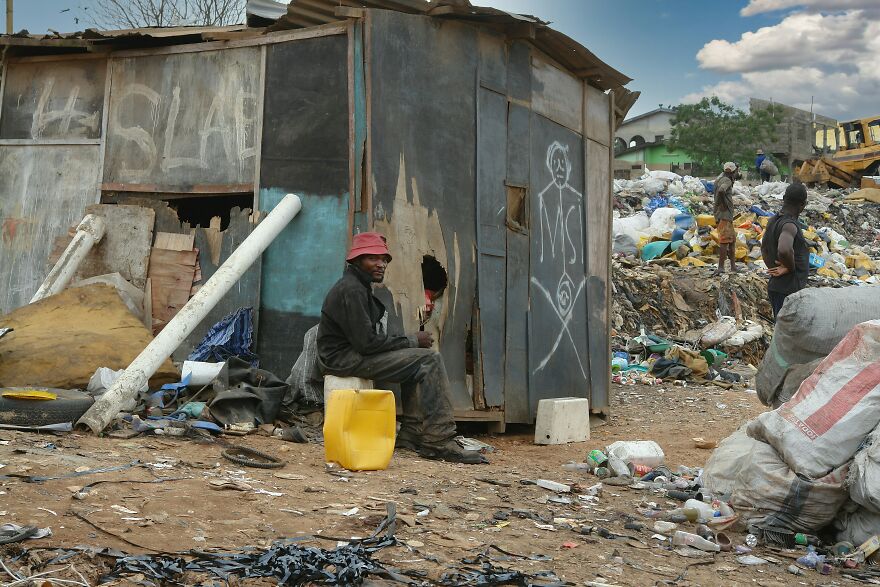
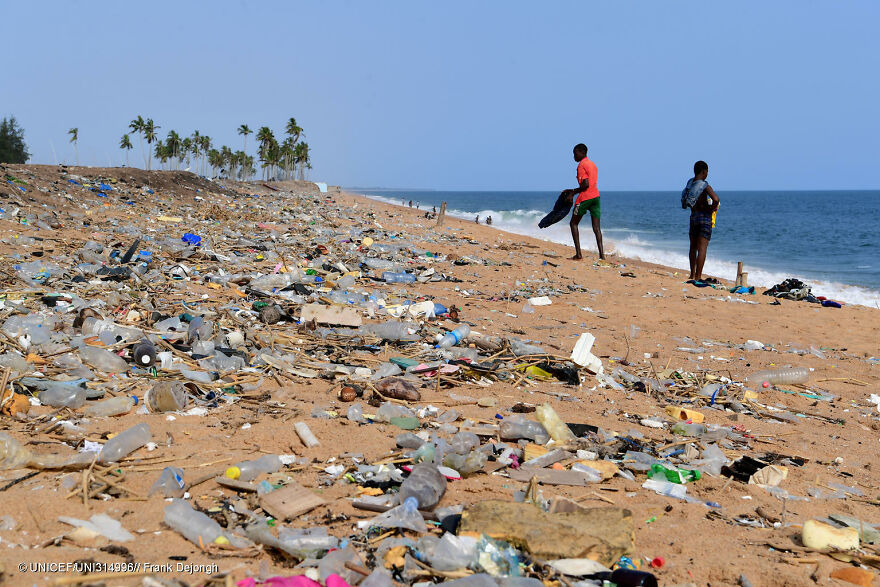
Ghana ranks among the dirtiest countries in the world. It holds the second spot in West Africa and ranks fourth among the continent's most unsanitary countries (per The New Humanitarian).
Executive Secretary Patrick Apoya called the ranking a “reality check” and said the country is facing a national sanitation crisis. He urged the government to treat the situation as a national emergency.
According to the Environmental Health and Sanitation Directorate, only 30% of Ghana’s daily waste is properly managed.
This failure leads to as many as eight deaths per hour, the Minister of Health Courage Quarfhigah warned.
PM2.5 Concentration: 38.4
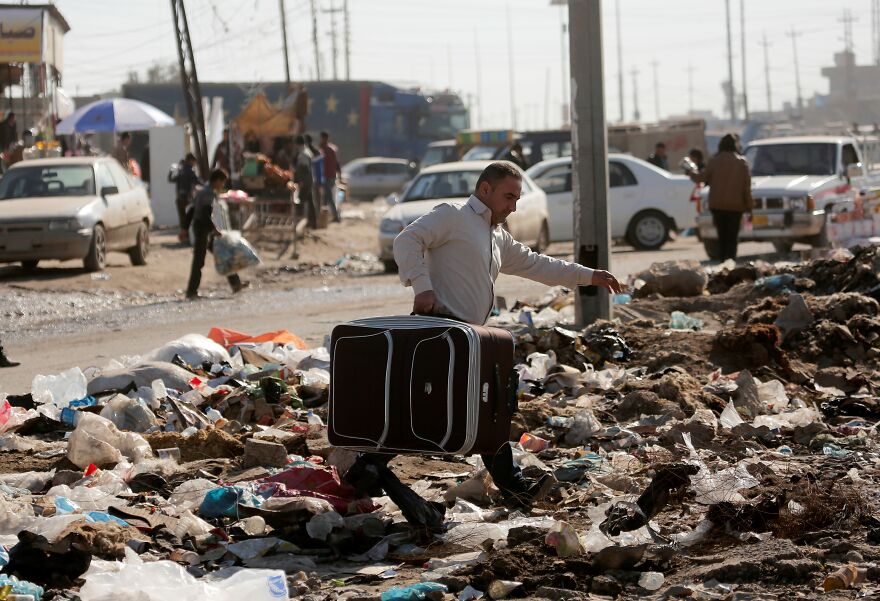
Iraq is one of the most significant contributors to greenhouse gas emissions in the Middle East. Emissions there are increasing faster than the country’s population (per Carnegie Endowment for International Peace).
Baghdad, the capital, has some of the world’s worst air quality. Pollution levels regularly exceed safe levels, making the city one of the most hazardous places to breathe.

PM2.5 Concentration: 39.8
Cairo, Egypt’s capital of more than 23 million people (per World Population Review), suffers from severe air pollution.
The main causes include vehicle traffic, industrial emissions, urban growth, and weather conditions like dry air and low wind.
The Nile River also faces serious contamination. Studies show it contains high levels of toxic heavy metals like lead, nickel, and cadmium (per USC Today).
Much of this pollution comes from untreated agricultural runoff and wastewater from cities and factories.

I was in Cairo in 2000 and the entire group developed the same little cough within three days. A short, dry, and unproductive little 'cah.'
PM2.5 Concentration: 40.3
Burundi has some of the worst air pollution rates in Africa, with serious effects on public health, natural ecosystems, and the economy (per the Interactive Country Fiches).
The country loses an estimated $ 376 million annually to environmental damage.
Poor indoor air quality contributes to 14% of child deaths and one-quarter of all hospital visits. Pollution also harms wildlife, with fish dying off due to bad farming and sanitation practices.
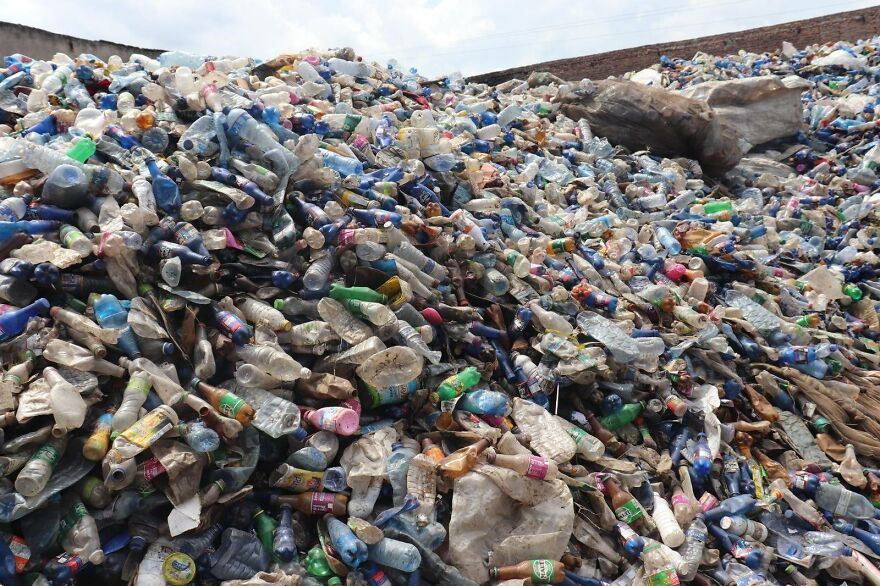
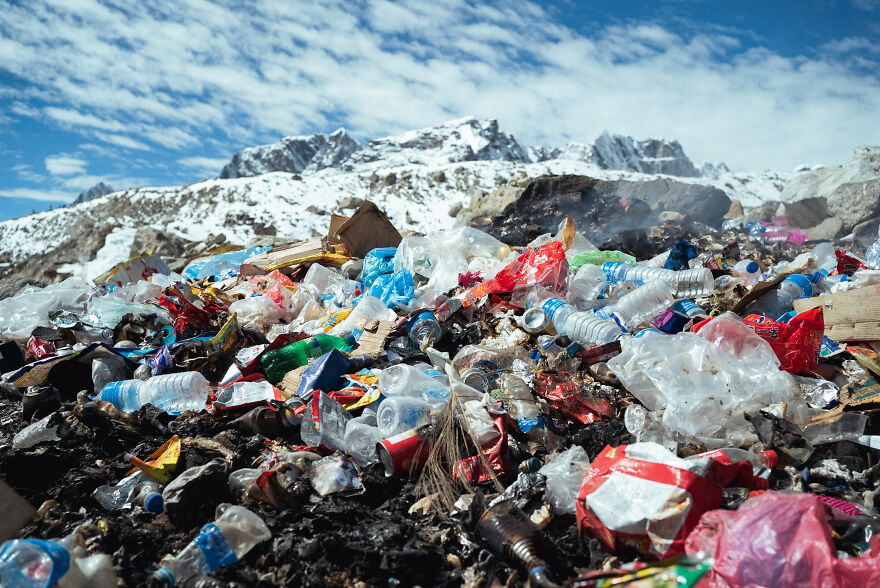
Whomever chose the pictures needs a refresher on the differences between air and land pollution.
PM2.5 Concentration: 40.8
Kigali, the capital of Rwanda, has earned praise for its clean streets, plastic bag ban, and community-led cleaning efforts (per DW).
However, despite its reputation, Rwanda still struggles with air pollution.
The country scores poorly due to old vehicles, factory emissions, indoor smoke, and a lack of strong environmental laws (per Rwanda Standards Board).
PM2.5 Concentration: 41.0
Kampala, Uganda’s capital, frequently records PM2.5 levels far above the World Health Organization’s safe limit of 5 micrograms per cubic meter (via IQAir).
Major causes include industrial zones, unpaved roads, garbage burning, traffic, and rapid urban growth. Low humidity and poor wind flow make things worse.
In response, Uganda has launched initiatives such as the Kampala Clean Air Action Plan and the #KampalaBreathes campaign to promote clean air, public education, and vehicle-free days.
PM2.5 Concentration: 42.8
Nepal lies between India and China, two of the world’s largest sources of air pollution. This geographic position makes it especially vulnerable to dirty air.
Kathmandu, the capital, often traps pollution due to the country’s mountainous terrain and weak wind flow. Dust and vehicle exhaust accumulate in valleys, creating hazardous air quality.
Air quality worsened after Nepal’s 2015 earthquake, which caused widespread building damage and released large amounts of dust across the city.
PM2.5 Concentration: 46.3
Tajikistan has some of the worst air pollution levels globally. In the past decade, harmful emissions have nearly doubled, reaching 4.5 million tons (per CAREC).
Vehicles are the main source, accounting for 88% of emissions. Industrial sources, such as factories and power plants, account for the remaining 12%.
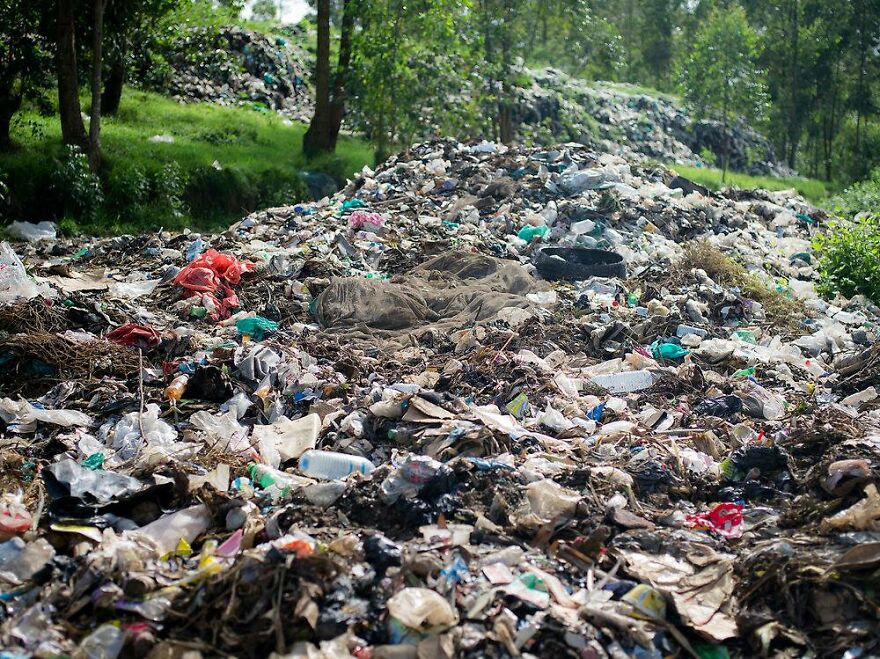
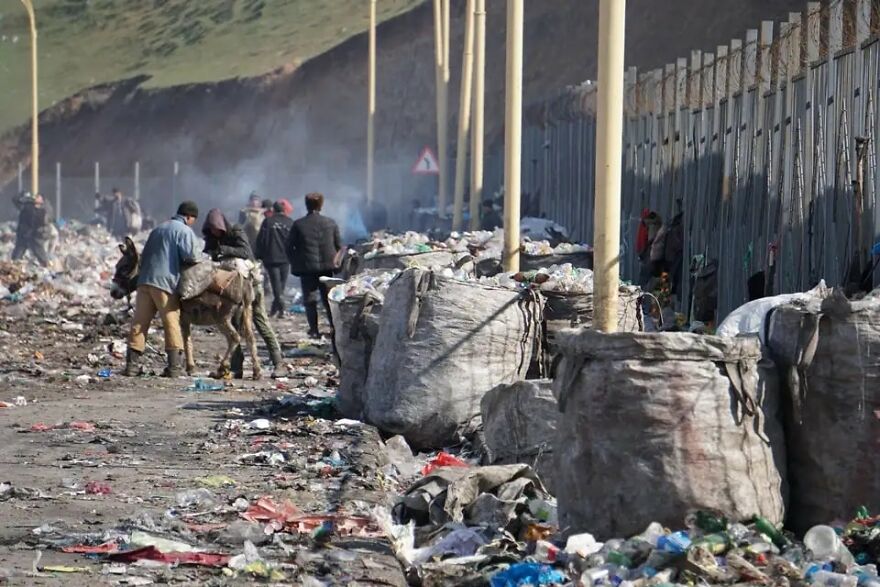
Why are you showing a picture of the streets littered with garbage if the problem is air pollution?
PM2.5 Concentration: 50.6
India regularly ranks among the world's most polluted countries. It is currently the fifth worst in terms of air quality.
The country’s toxic air is driven by high population density, industrial waste, vehicle emissions, crop burning, and garbage dumped in streets and rivers.
These issues are especially severe in Delhi, where smog has become a year-round concern.
“The air is killing us all,” said journalist Hartosh Singh between coughs (per The Guardian).
“The government is leaving us to die so that India can grow big. Every year more cars, more buildings, more rubbish, more factories, filling the air with filth.”

I think Britain had huge hand in the damages done in India, and then seem to have left them to suffer on their own @50yrs ago
PM2.5 Concentration: 58.2
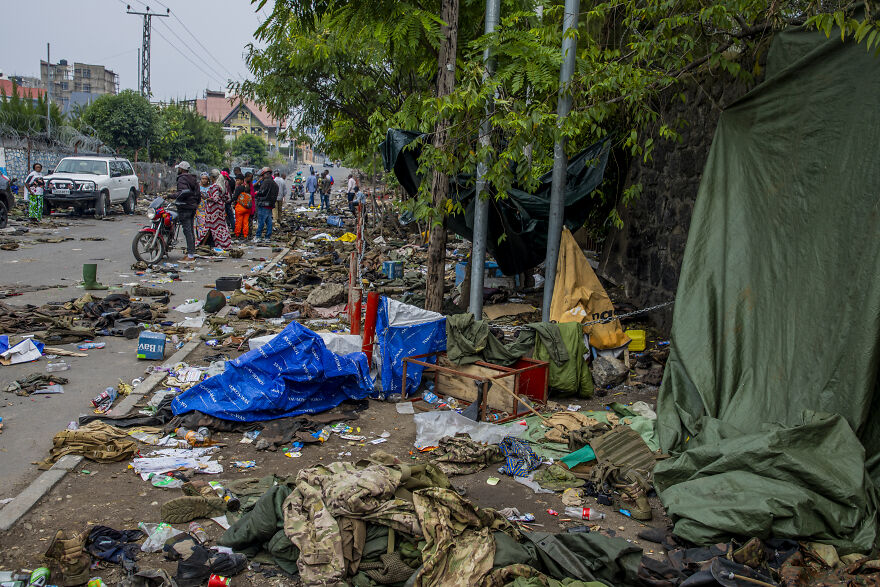
The Democratic Republic of the Congo has the most polluted air in Africa.
Pollution in the country poses a bigger health threat than HIV/AIDS, malaria, or child malnutrition (per The Institute for Climate and Sustainable Growth).
Kinshasa, the capital, was named the world’s most polluted major city on August 8, 2025.
Causes include the use of biomass fuels, emissions from cars and factories, mining operations, toxic waste from nearby areas, and dangerous pollutants like arsenic and lead.
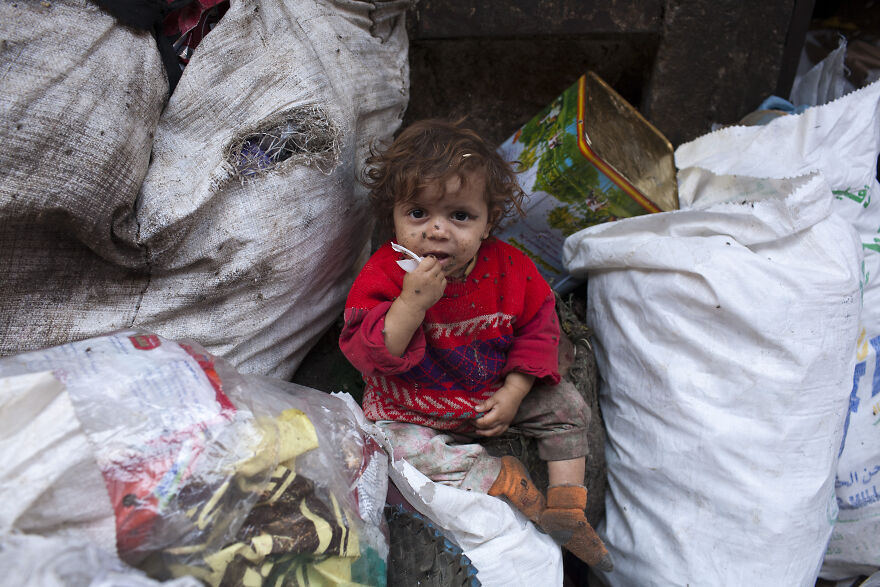
If their streets are really as full of garbage as depicted in this picture, I'm surprised any one survives!
PM2.5 Concentration: 73.7
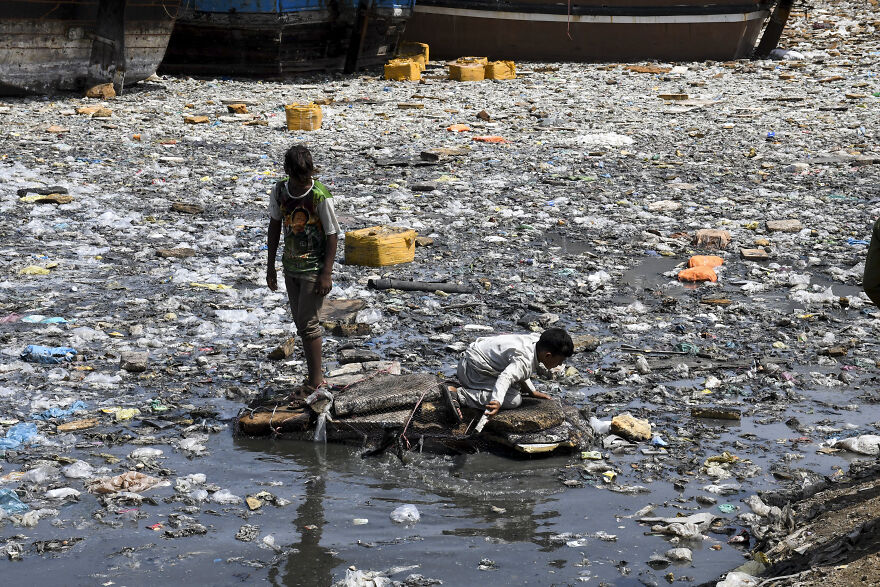
Pakistan experienced a severe smog season in 2024, with nearly two million people needing medical help due to poor air quality (per The Times of India).
PM2.5 levels in the country were nearly 15 times higher than the World Health Organization’s safety limit (per Dawn).
Pollution is especially bad in Punjab, where car exhaust, industrial smoke, construction dust, and burning biomass all contribute to the toxic air.
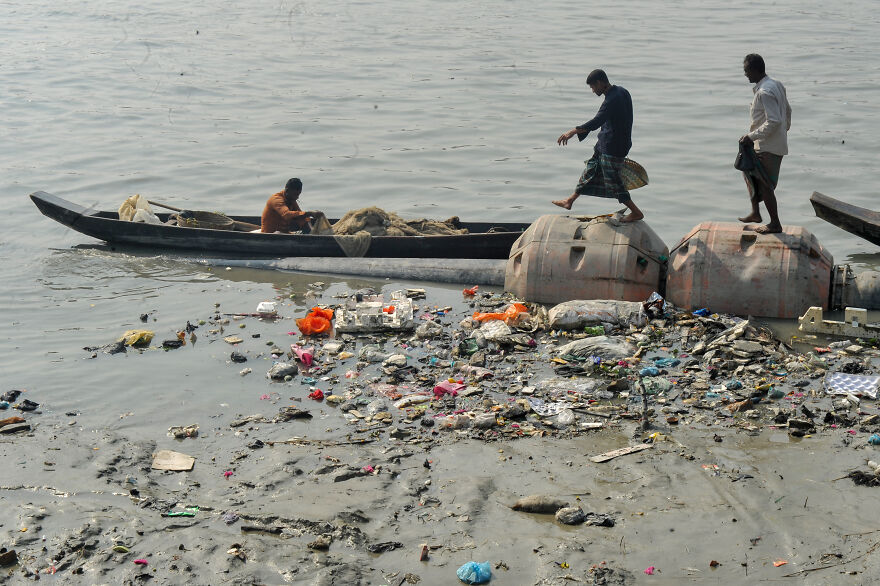
That river is disgusting! I would think they would at least try to clean it up somewhat
PM2.5 Concentration: 78.0
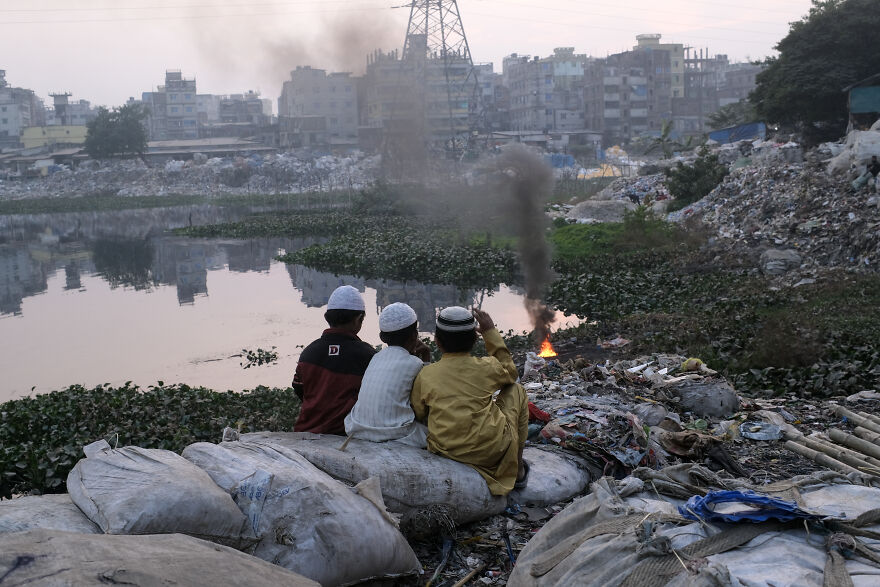
Air pollution in Bangladesh is severe enough to reduce the average person’s life by 5.5 years, according to a 2025 report by the University of Chicago’s Energy Policy Institute (Air Quality Life Index).
Particulate levels in the country rose by over 66% between 1998 and 2023.
In Dhaka, the most populous district, air pollution is cutting life expectancy by nearly seven years.
Other heavily polluted cities include Chittagong, Comilla, Gazipur, Narayanganj, and Cox’s Bazar.
PM2.5 Concentration: 91.8
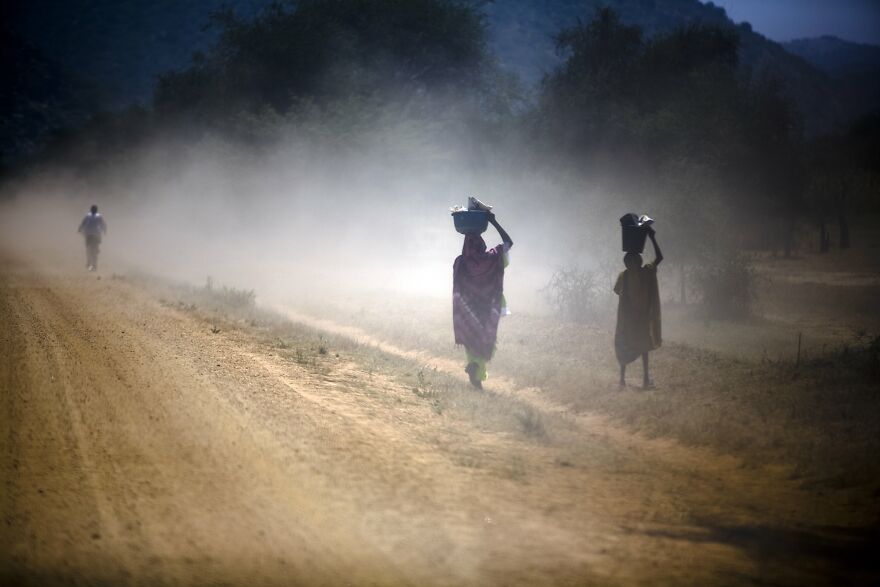
Chad has the highest recorded PM2.5 levels in the world, averaging more than ten times the World Health Organization’s recommended limit. It currently ranks as the most polluted country on the planet.
Indoor air pollution alone causes an estimated 9,600 premature deaths each year (per the Interactive Country Fiches).
Open burning of waste, including plastics, tires, and other debris, releases dangerous chemicals like dioxins and furans.
The situation is made worse by outdated public transport, rising vehicle numbers, and the use of dirty fuels.
The struggle for survival in each and every one of these countries is so much for a majority of the population that there is no bandwidth left to think about pollution, cleanliness, civic sense, value of human life. When you are struggling to find 2 square meals a day or sitting in traffic for hours for a 10 km trip, dealing with corrupt bureaucrats day in and day out, PM and concentrations are the last things on your mind.

Sadly, we can put all our plastics into the correct bins (which I do) but until India and China join in it's not going to make much difference. From 2009 and 2024 we gave India £2.9 billion in aid and yet they have a space programme. Maybe sort stuff out, on the ground, before we go polluting space with more junk?
If you're in North America, most, if not all, of that plastic ends up in landfill.
Load More Replies... The struggle for survival in each and every one of these countries is so much for a majority of the population that there is no bandwidth left to think about pollution, cleanliness, civic sense, value of human life. When you are struggling to find 2 square meals a day or sitting in traffic for hours for a 10 km trip, dealing with corrupt bureaucrats day in and day out, PM and concentrations are the last things on your mind.
Sadly, we can put all our plastics into the correct bins (which I do) but until India and China join in it's not going to make much difference. From 2009 and 2024 we gave India £2.9 billion in aid and yet they have a space programme. Maybe sort stuff out, on the ground, before we go polluting space with more junk?
If you're in North America, most, if not all, of that plastic ends up in landfill.
Load More Replies...

































 No fees, cancel anytime