Get Premium
Dark mode theme is available exclusively for premium users. Learn more about the benefits of subscribing.
No fees, cancel anytime.

 Dark Mode Ad-Free Browsing Unlimited Content
 Ad-Free Browsing Unlimited Content Dark Mode
Join 1.2 million Panda readers who get the best art, memes, and fun stories every week!
Hair grows back, and technically that means you can always start over. But that idea does very little to comfort you when you’re staring at a fresh disaster in the salon mirror. A bad haircut has a way of making you feel like the ugliest person alive, all rationality be damned.
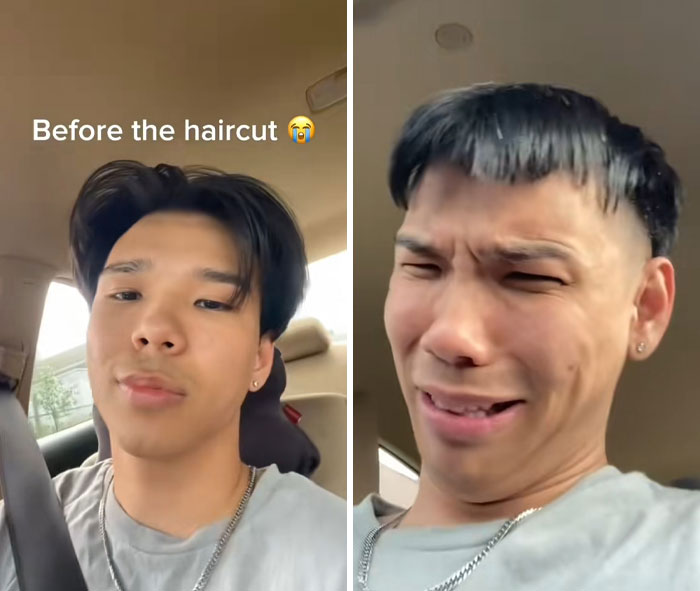
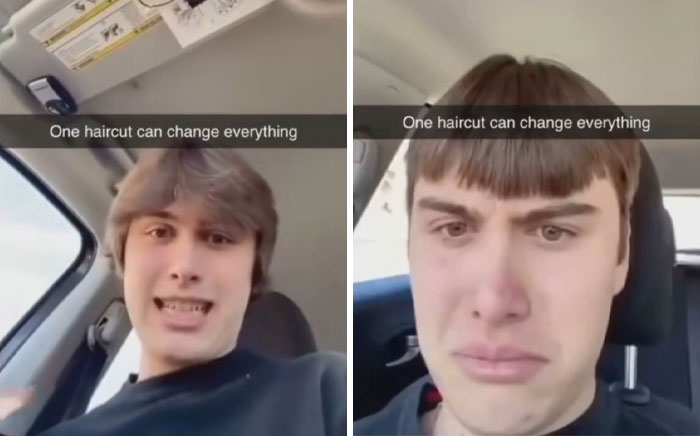
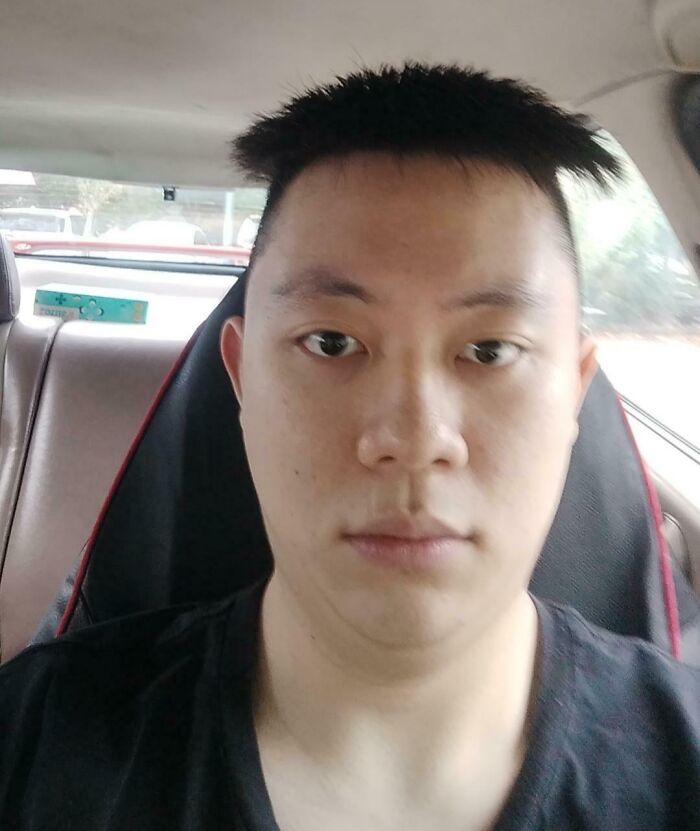
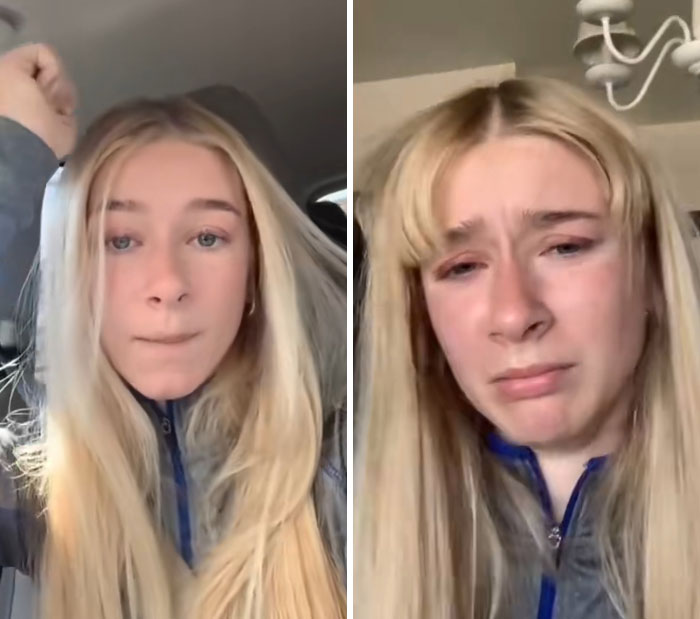
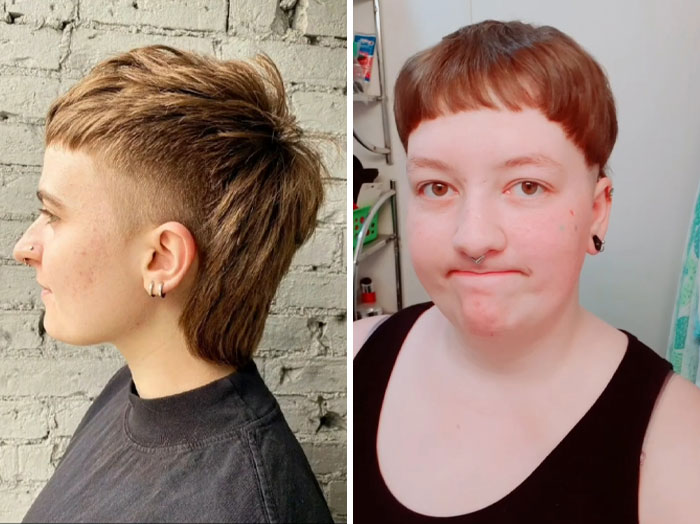
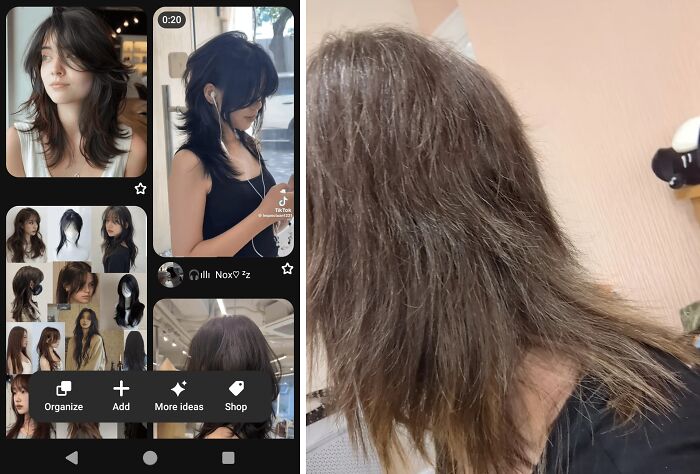
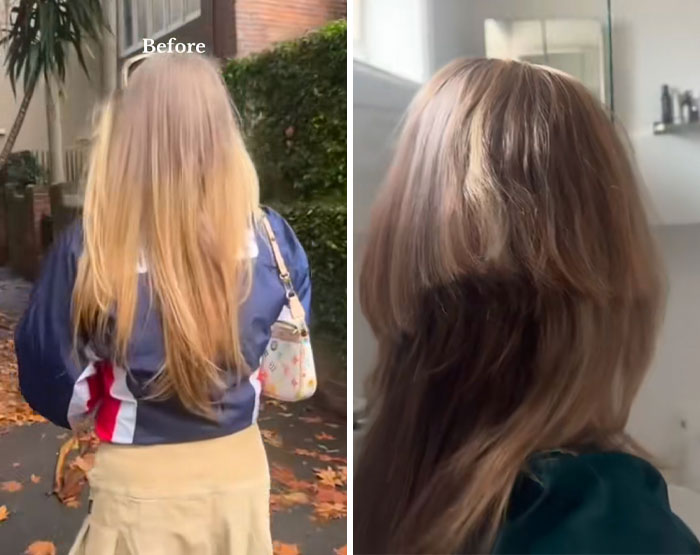
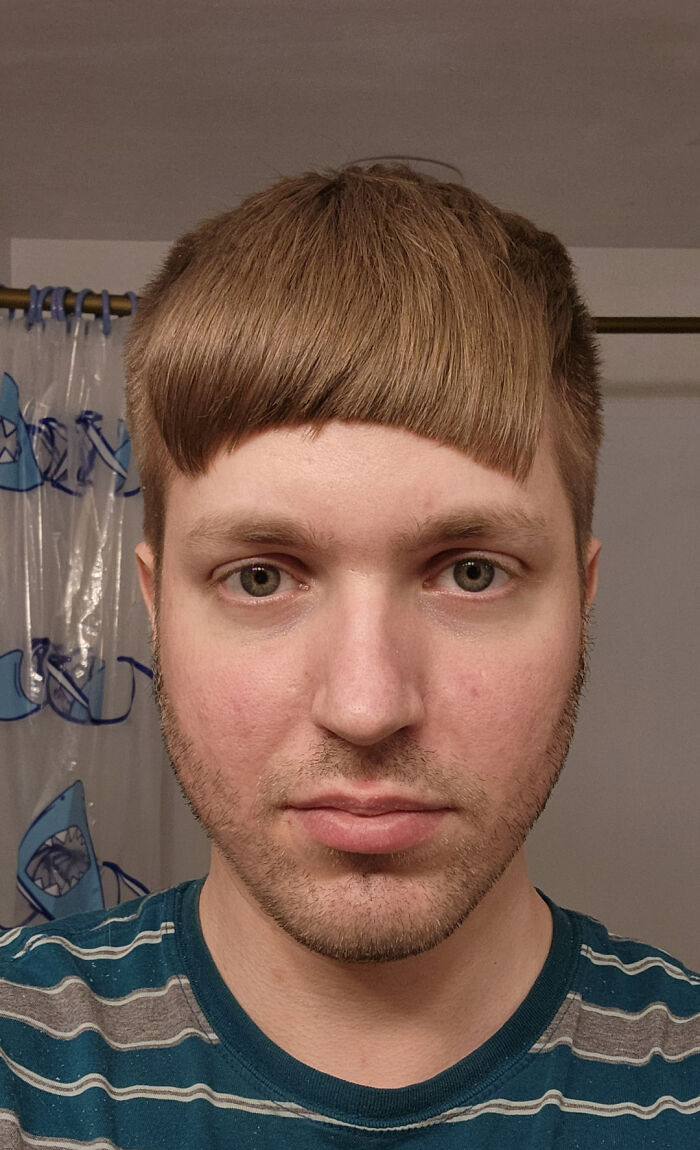
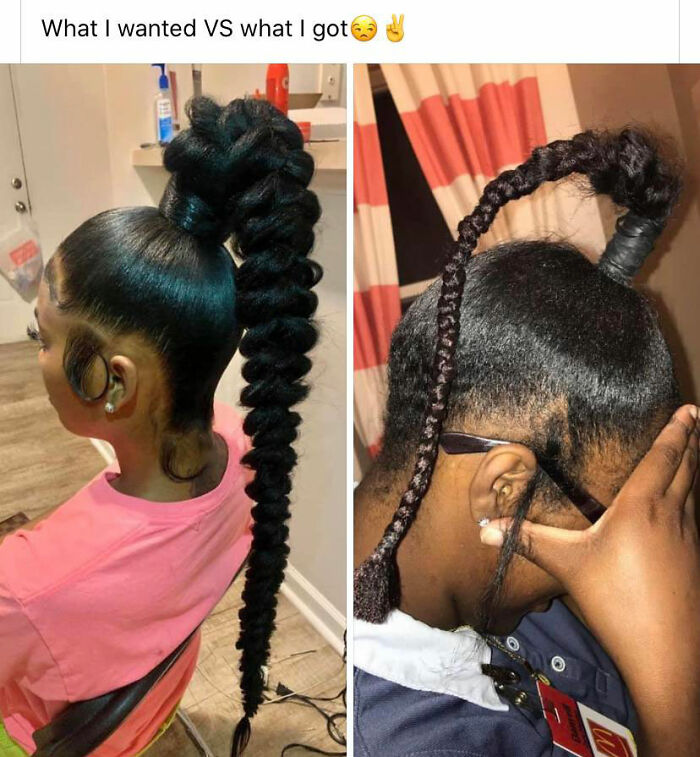
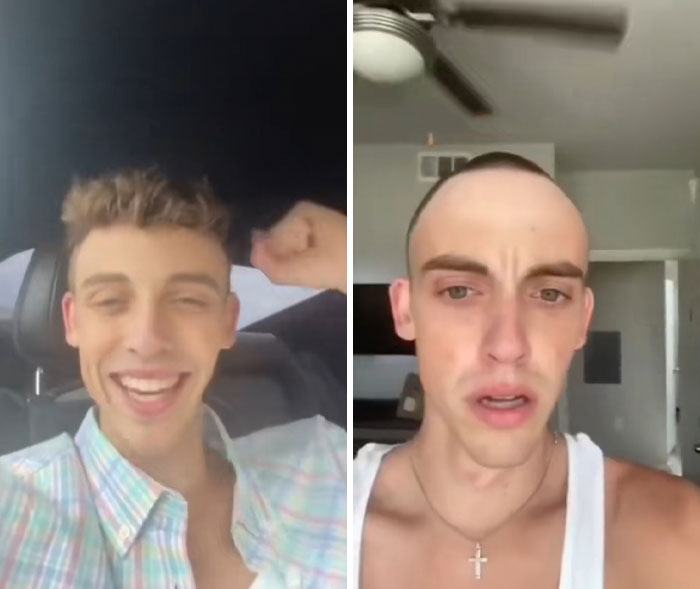
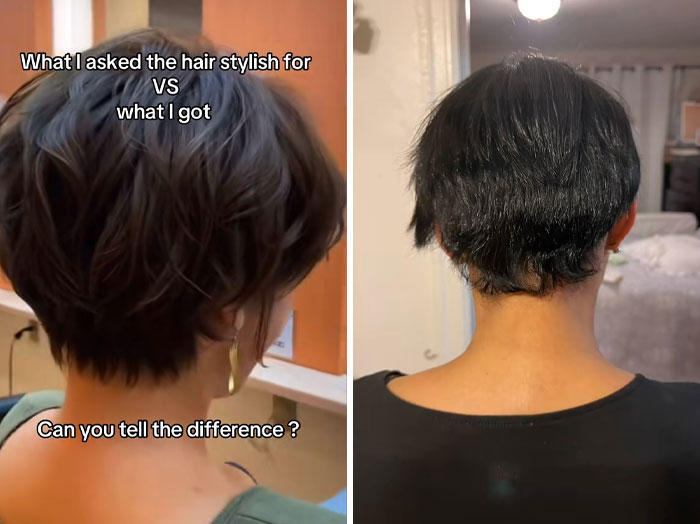
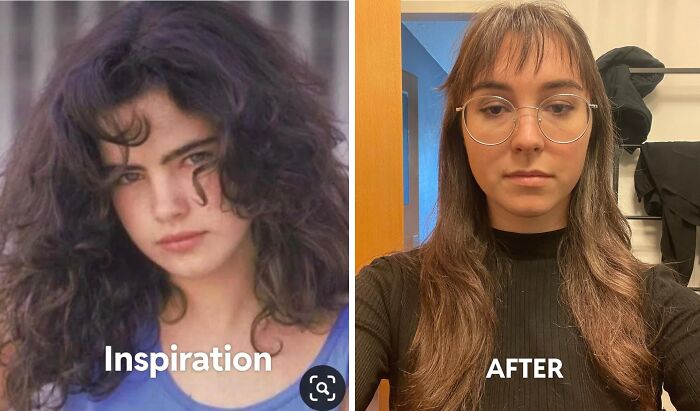
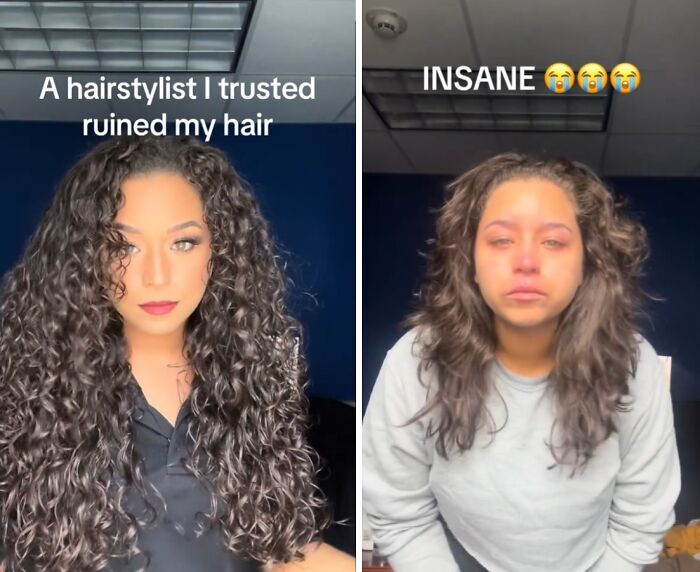
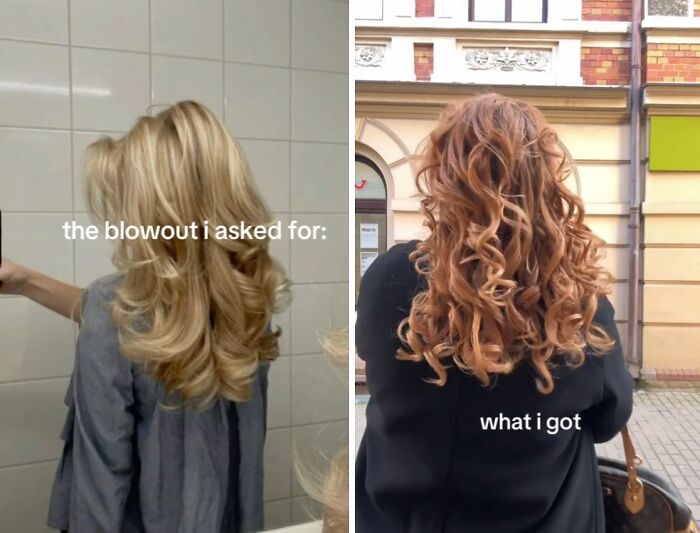
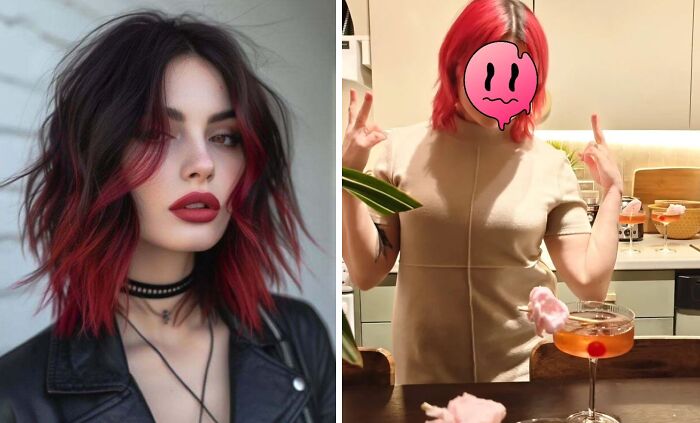
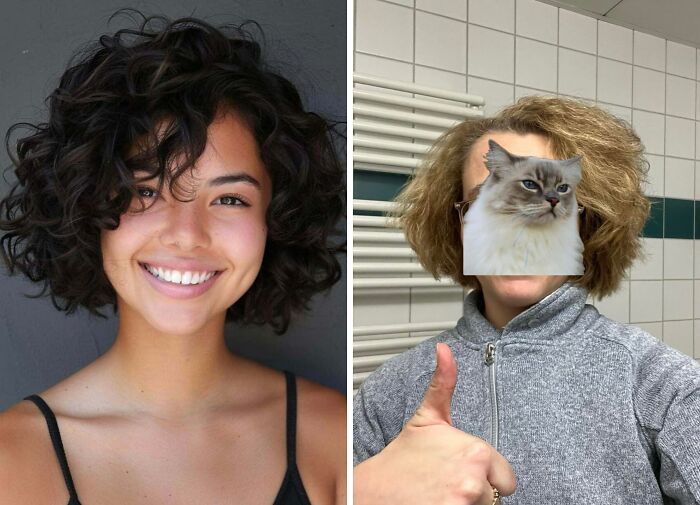
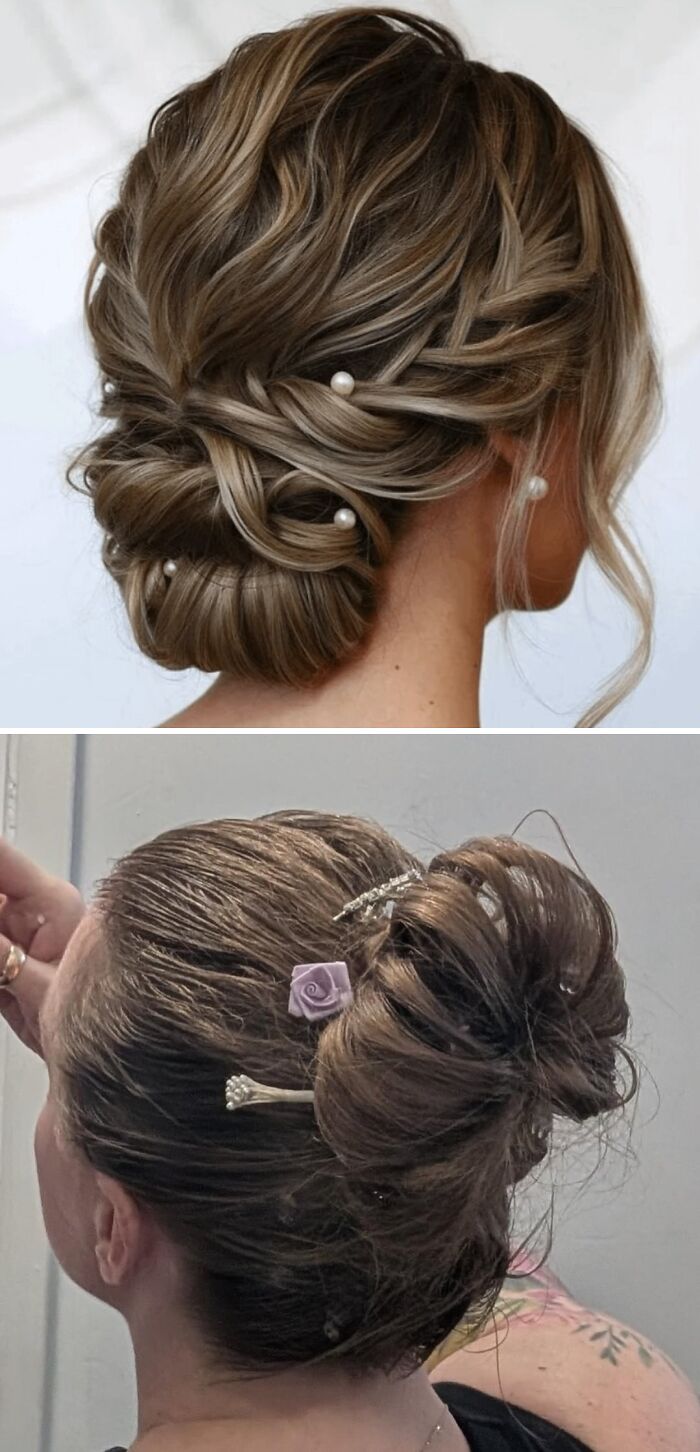
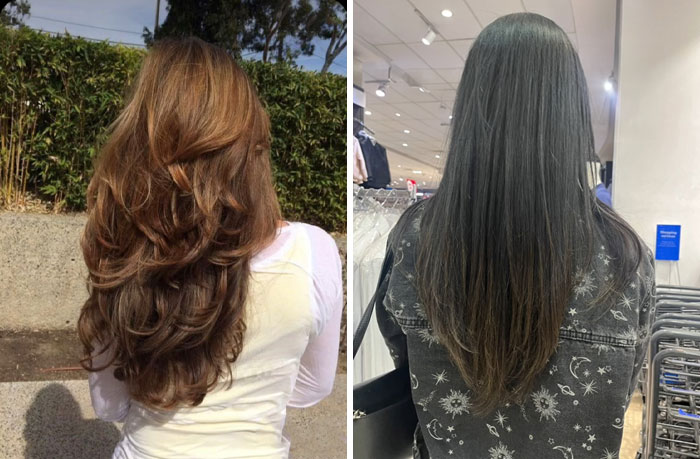
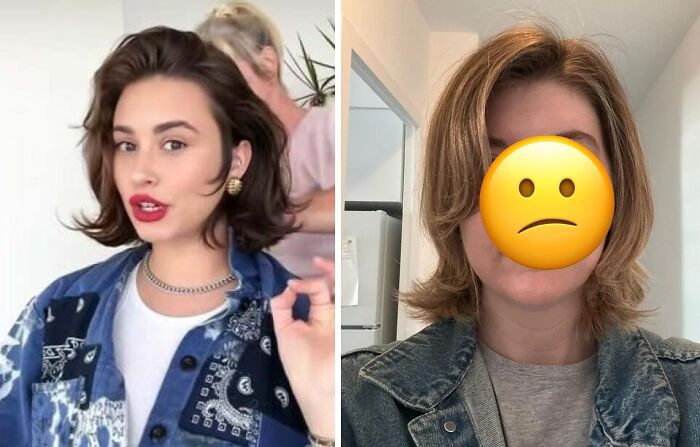
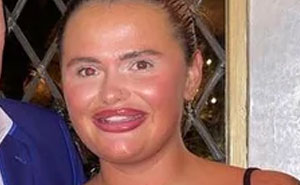
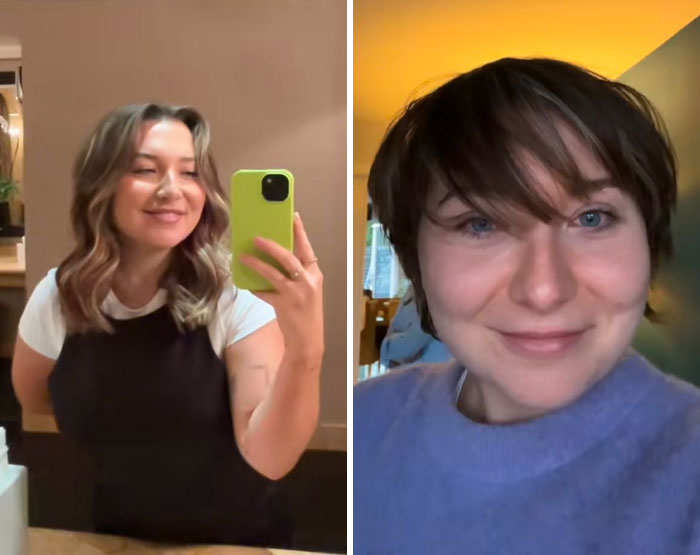
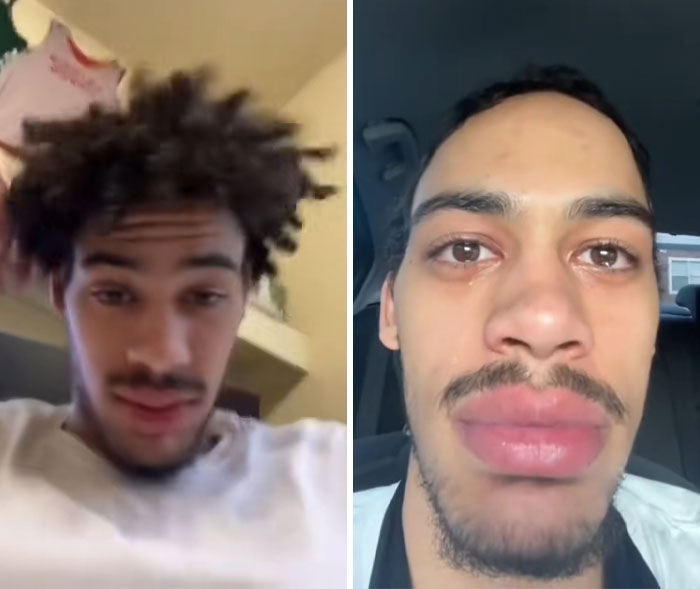
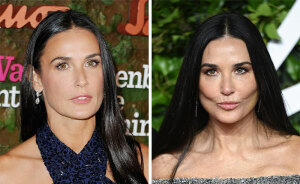
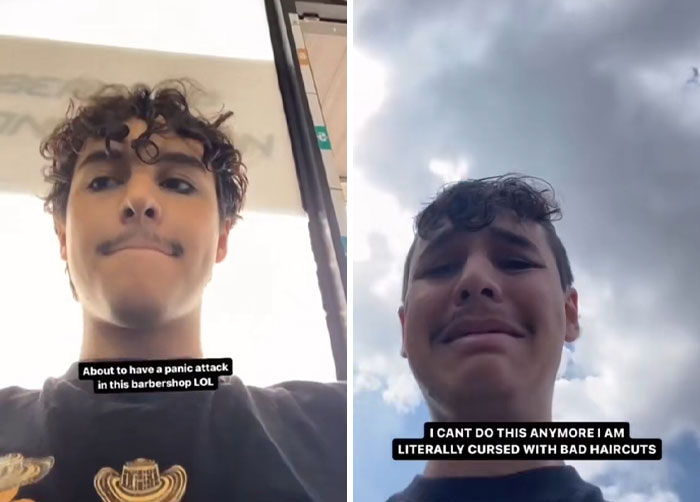
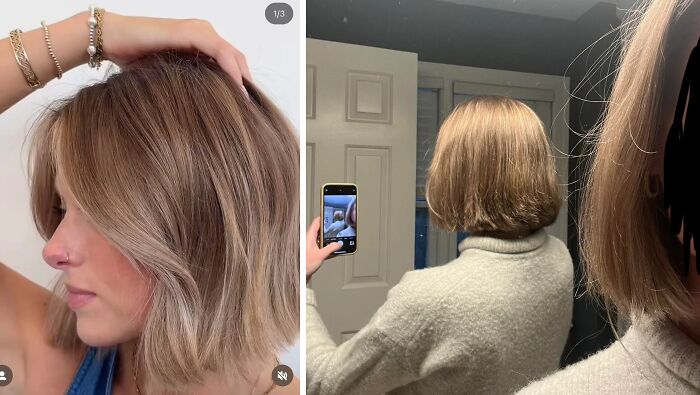
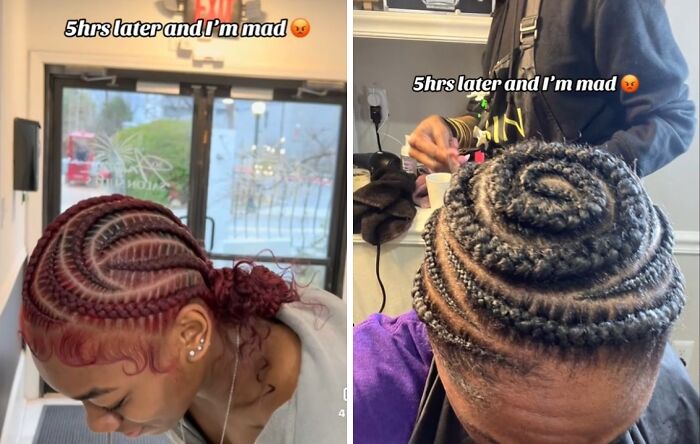
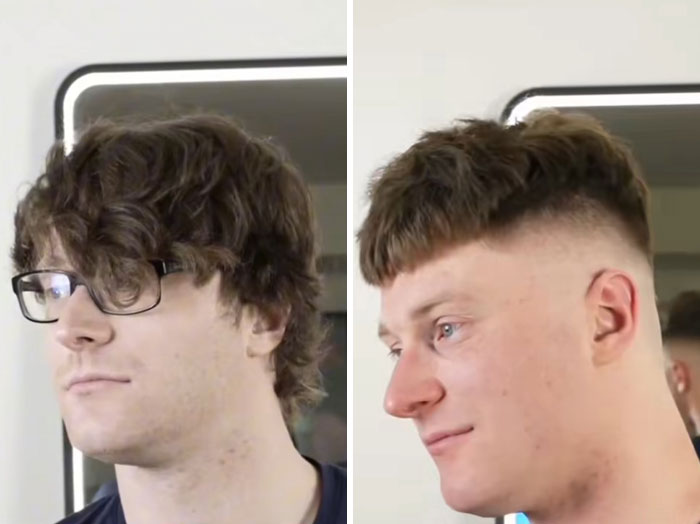
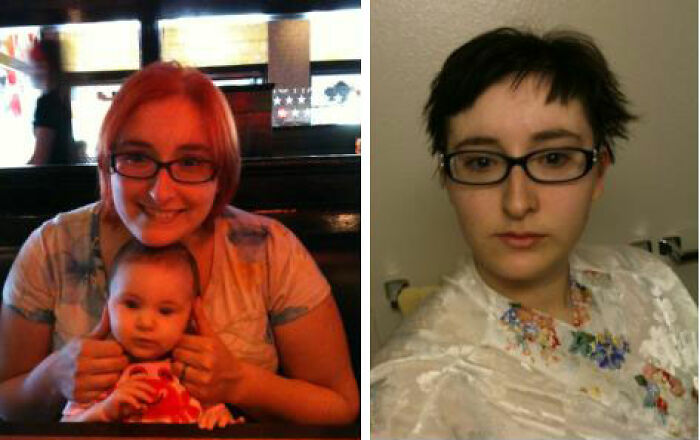
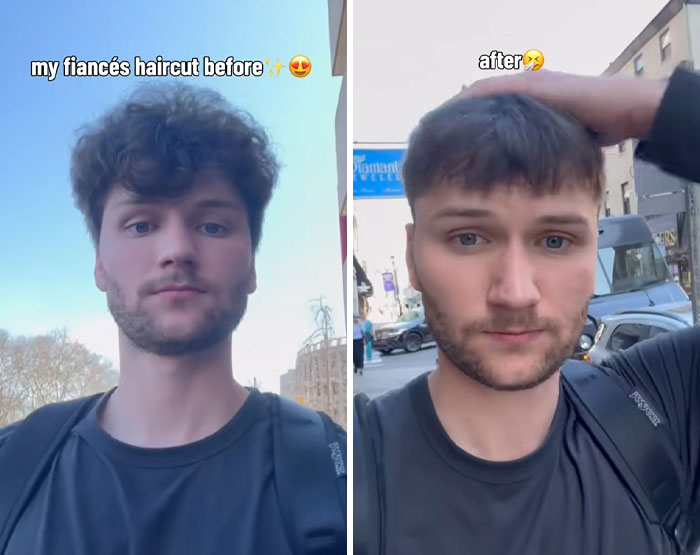
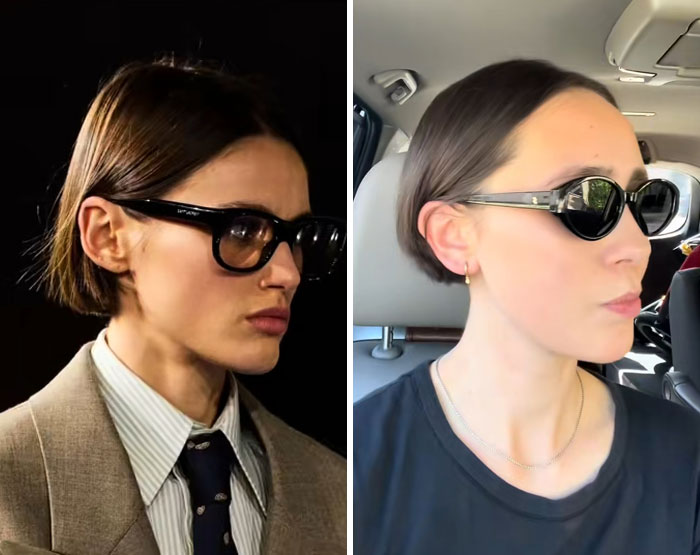
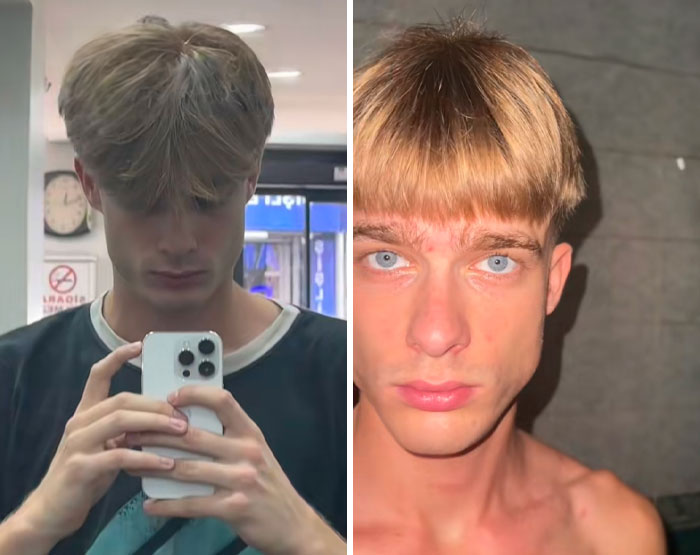
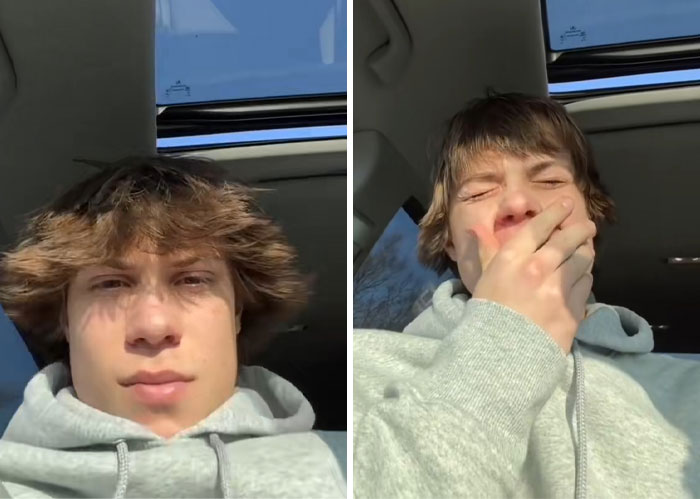
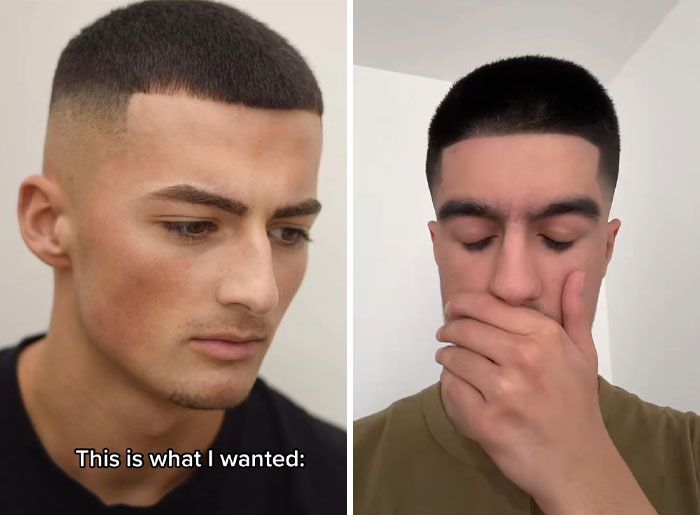
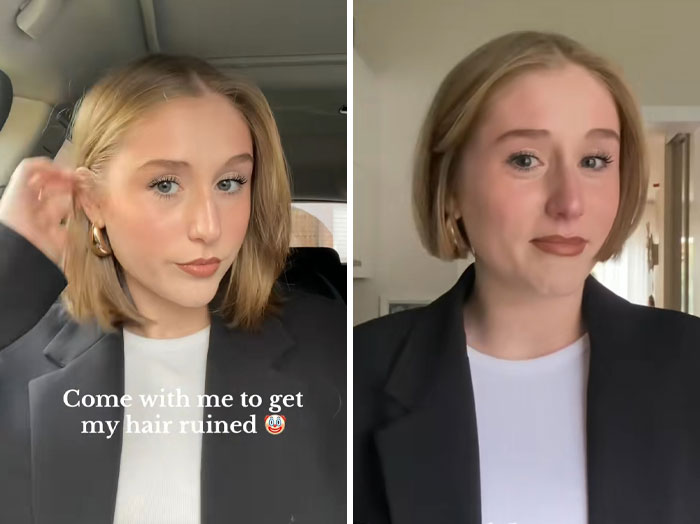
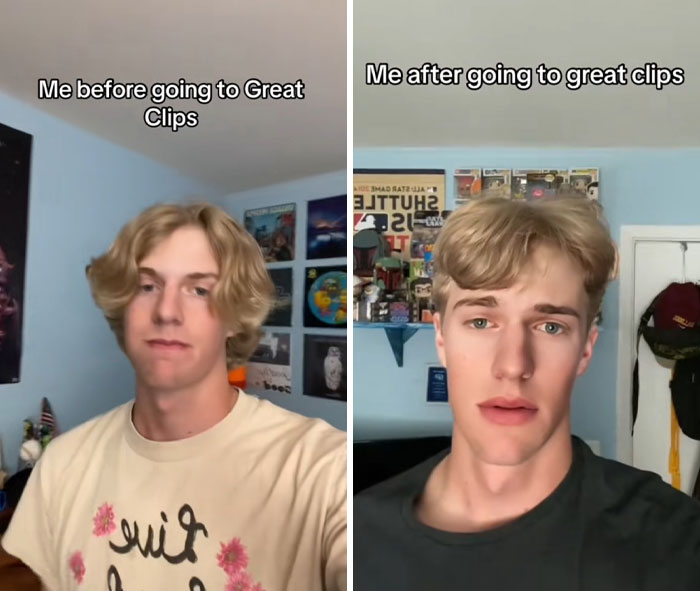
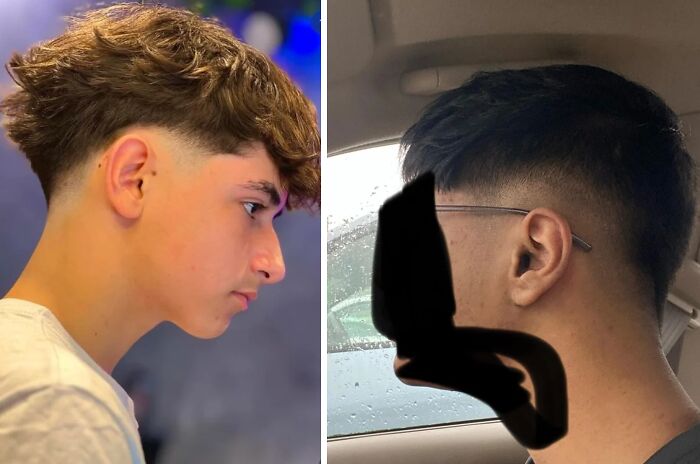
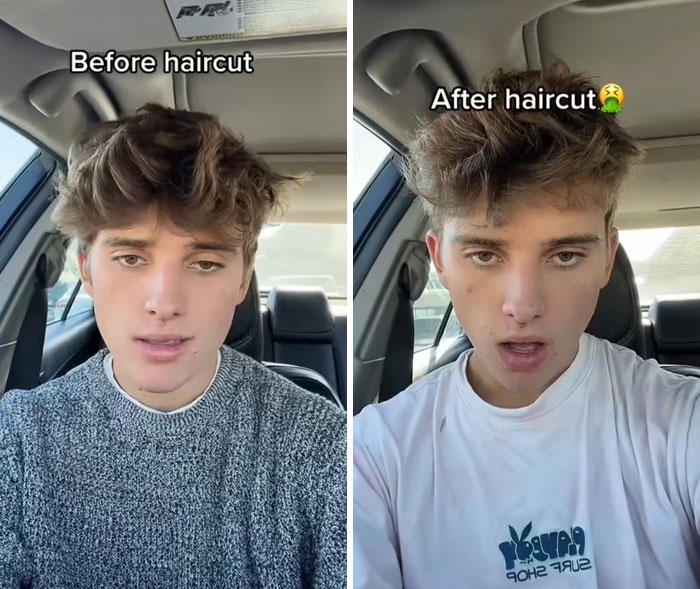
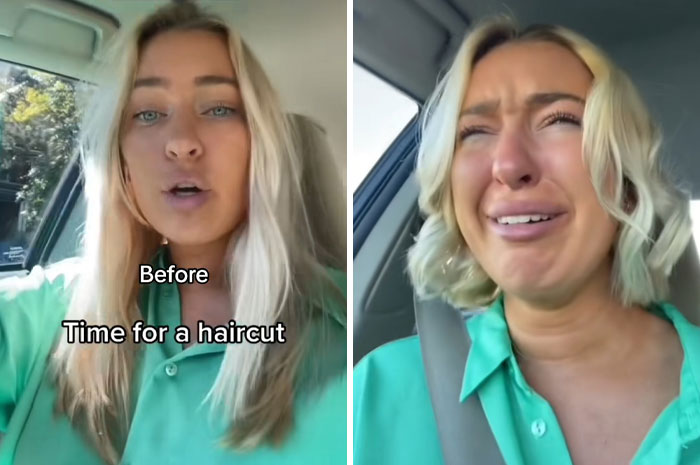
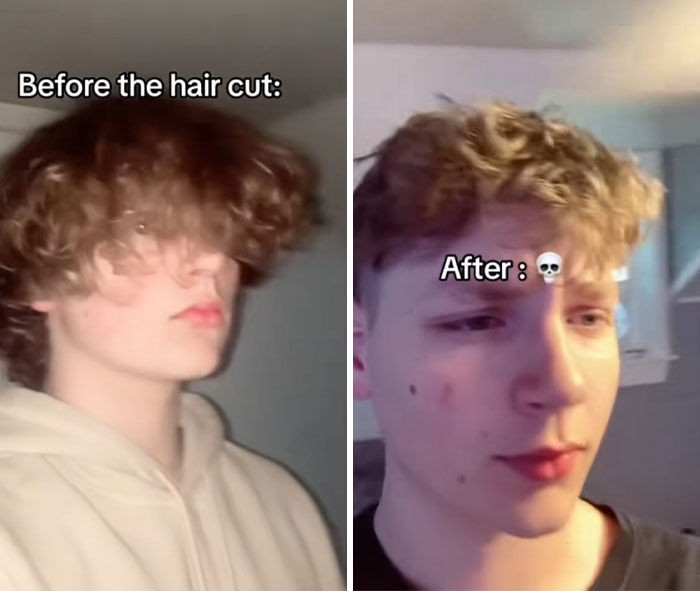
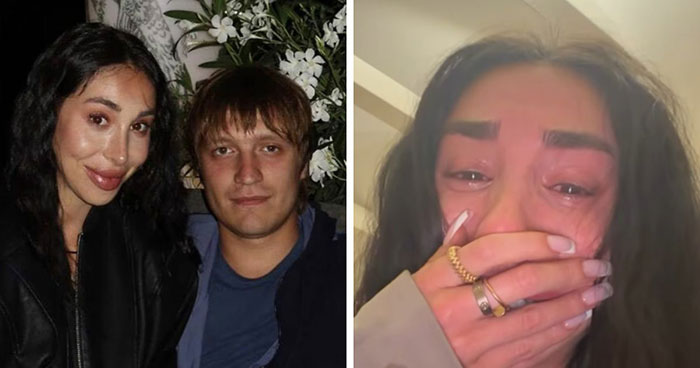
Sadly, the people below know that feeling all too well. They ended up with haircuts nobody should ever have to live with, and they took to the internet to share the evidence. It’s not hard to see why they’re upset. Scroll down and show them some sympathy—they could really use it.
This post may include affiliate links.
“It’s just hair.” That’s the ultimate consolation people give each other after a bad haircut or even just a bad hair day. But in reality, that phrase does very little to make anyone feel better in such a vulnerable and embarrassing moment. Most of the time, it doesn’t even sound convincing.
As Phoebe Waller-Bridge brilliantly put it in Fleabag, when Claire is dealing with a haircut disaster of her own, “Hair is everything.” Honestly, that’s hardly an exaggeration.
“We wish it wasn’t so we could actually think about something else occasionally. But it is,” she tells the hairdresser Anthony. “It’s the difference between a good day and a bad day. We’re meant to think that it’s a symbol of power, that it’s a symbol of fertility. Some people are exploited for it [...]. Hair is everything.”
It’s probably one of the most iconic parts of the show, not just because it’s funny, but because it captures something a lot of people already know. Hair has carried a surprising amount of meaning throughout history and across cultures. For such an ordinary part of our appearance, hair can shape both our self-image and the way others see us.
For starters, hair is a very unique feature. It’s one of the defining characteristics of mammals and something that sets them apart from other animals.
On your scalp alone, you have around 100,000 hair follicles, according to Maksim Plikus, a cell biologist at the University of California, Irvine, who spoke to The New York Times. Each follicle functions like a tiny production site, creating a strand of hair along with the pigment that gives it color.
Beyond appearance, hair serves a protective function. Inside hair follicles is an entire microscopic ecosystem made up of bacteria, viruses, and fungi. Dr. Ralf Paus, a dermatologist at the University of Miami, told The New York Times that this hair microbiome helps keep harmful germs in check and lowers the risk of infection.
Hair follicles are involved in healing as well. When you get a scrape, cut, or another minor wound, your body can use stem cells from the follicles to help repair the skin. As Plikus explained, those cells move to the injured area, turn into skin cells, and then go back to growing hair once the wound has healed.
Still, hair matters for reasons that go far beyond biology. Culturally and symbolically, it carries a great deal of weight and plays an important role in our identity. It can mark different stages of life, too. Hair changes as we age: secondary hair develops during puberty, while thinning, graying, or balding often comes later.
In that sense, hairstyles can reveal a lot about social expectations. Across different cultures and time periods, they have reflected ideas about what is considered acceptable, attractive, or proper. That can include whether hair should be covered, how it should be worn, or even which parts of the body people are expected to remove it from.
Those ideas have changed over time. Short hair, like the bob that feels completely ordinary today, was once seen as scandalous. Before it became more widely accepted in the 1920s, it was often associated with promiscuity, along with behaviors many people considered inappropriate for women at the time, such as smoking, drinking, wearing makeup, and short skirts.
Anu Taranath, a professor at the University of Washington who specializes in global literature, identity, race, and equity, gave a presentation called Tangled: Why Your Hair Matters to Society, where she examined the many ways people express themselves through hair. She showed how those choices are often met with praise in some cases and judgment in others.
Taranath points to many powerful examples. “We just have to look at Michelle Obama’s trajectory,” she says. “How she groomed her hair said a lot, and how she was not able to groom her hair said a lot.” In other words, hair is never only about appearance.
The same can be seen in the treatment of early Chinese immigrants in the United States, especially men, who were often ridiculed for wearing long braids that advertisements and caricatures portrayed as strange and threatening.
In Native American boarding schools in both the U.S. and Canada, children were forced to cut their long hair to fit an imposed ideal. Black hair, too, has long been shaped by debates over beauty, respectability, and race, with people constantly being told what is or is not considered acceptable.
On the opposite side of the spectrum, just as hair has been used to oppress, it has also given people a way to reclaim control over how they present themselves and reject the standards placed on them.
You can see that in the shift toward more natural Black hairstyles in the 1960s and ’70s, or in women choosing not to shave their body hair today. That does not mean the criticism has disappeared, but it does show how much power hair can hold.

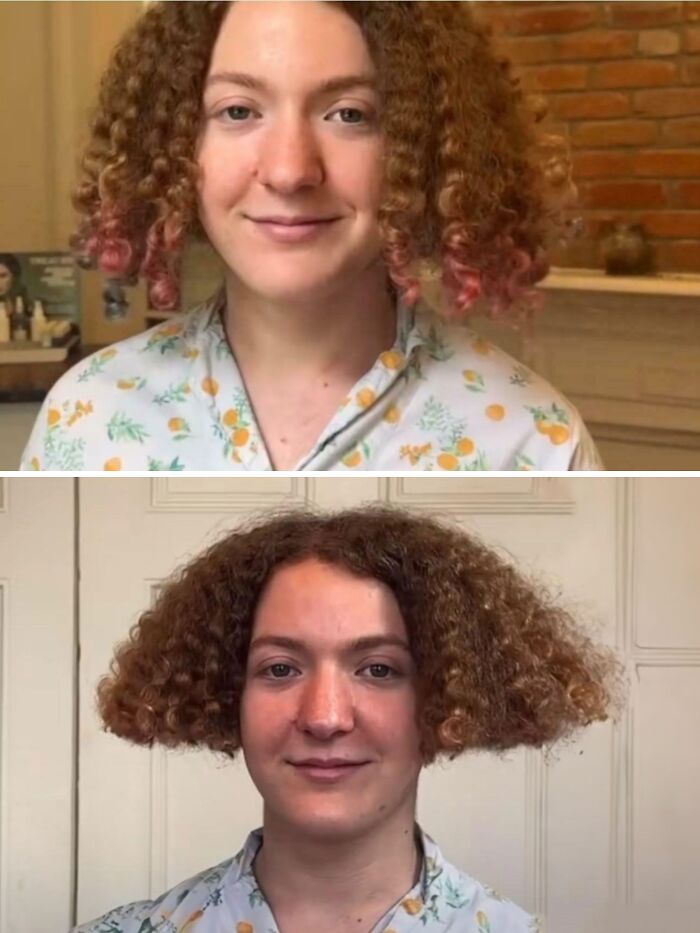
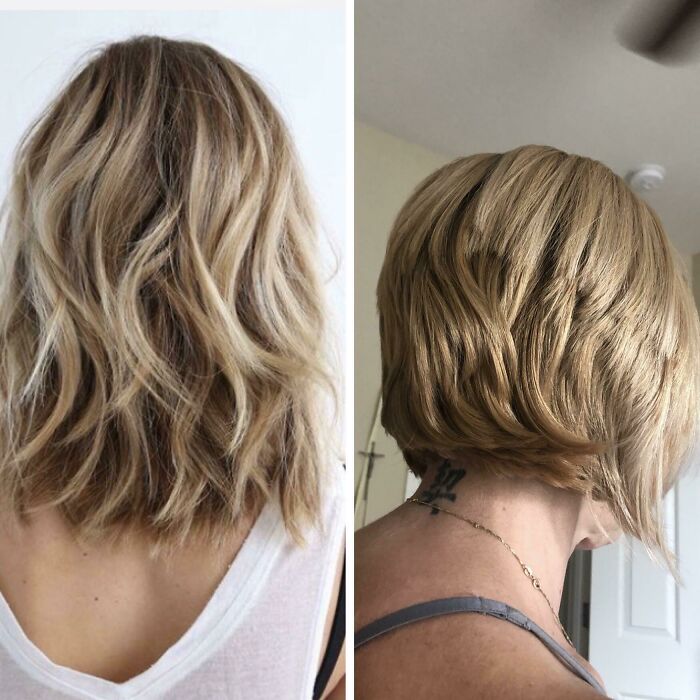
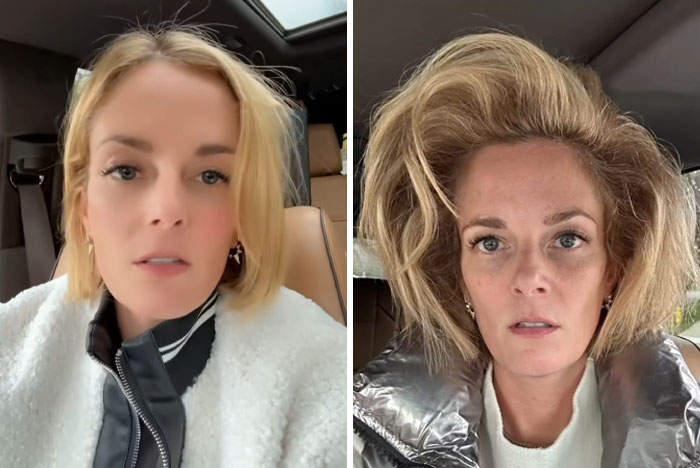
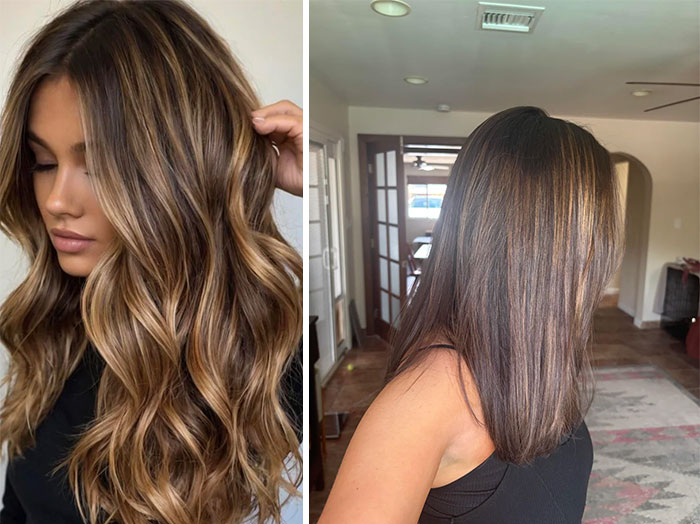
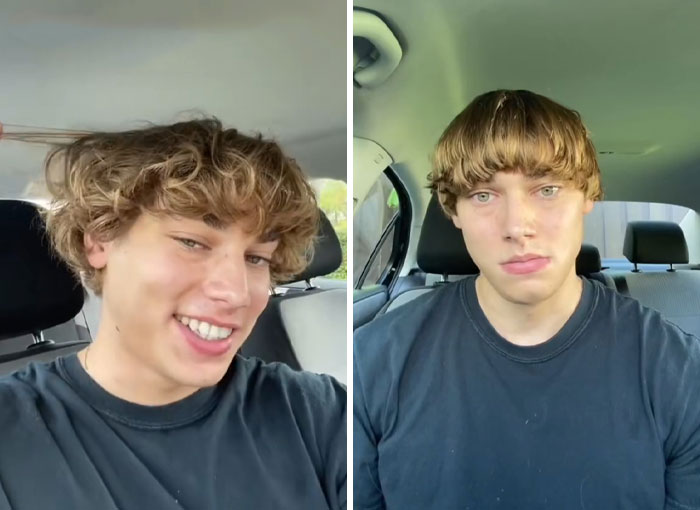
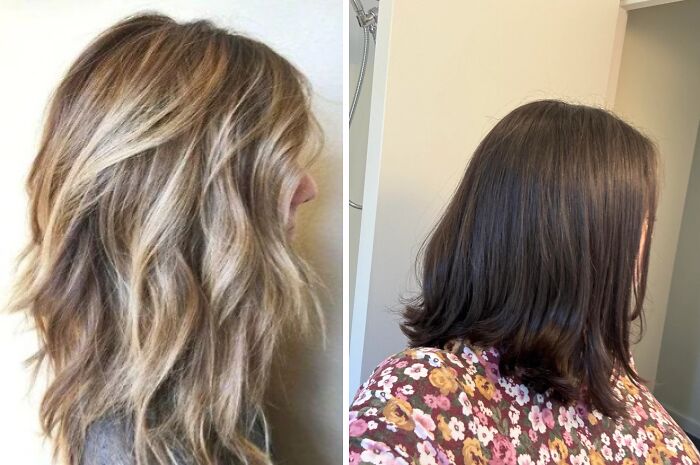
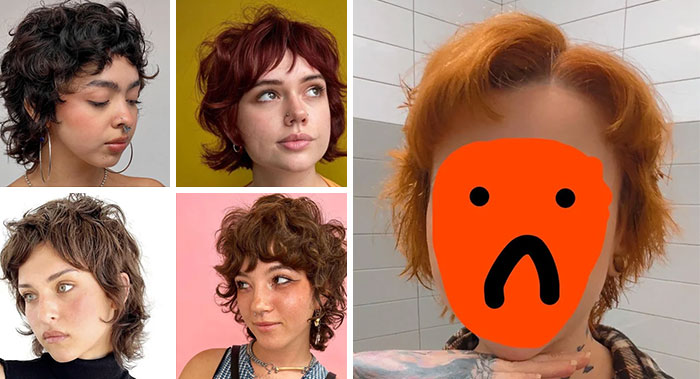
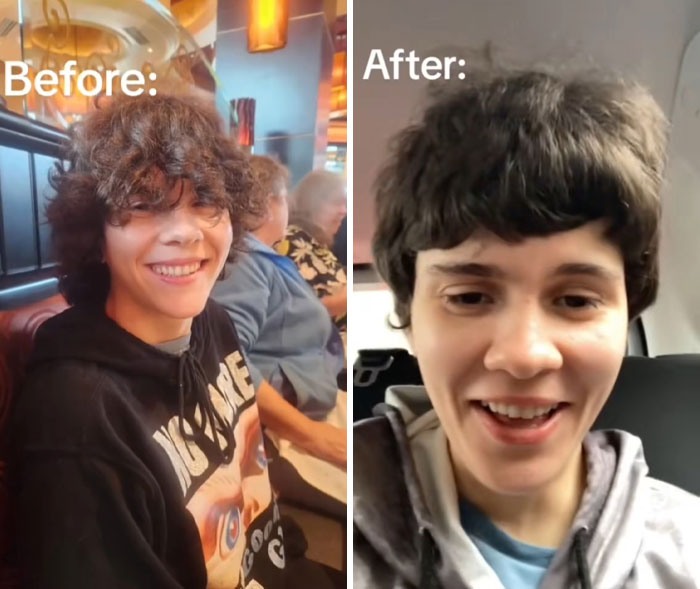
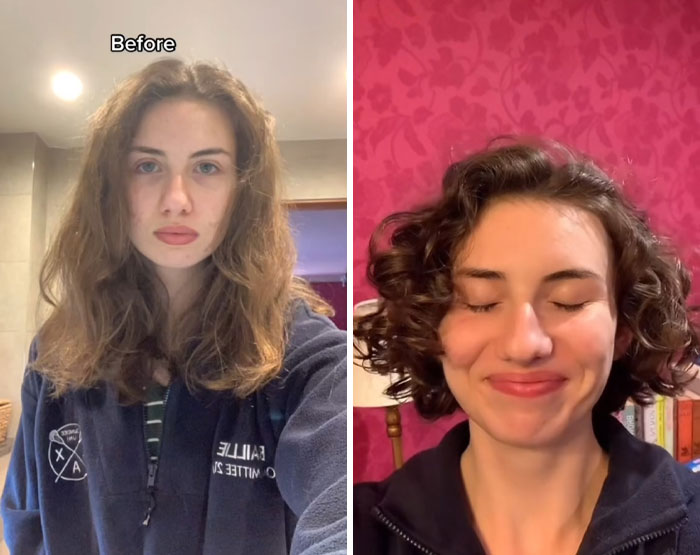
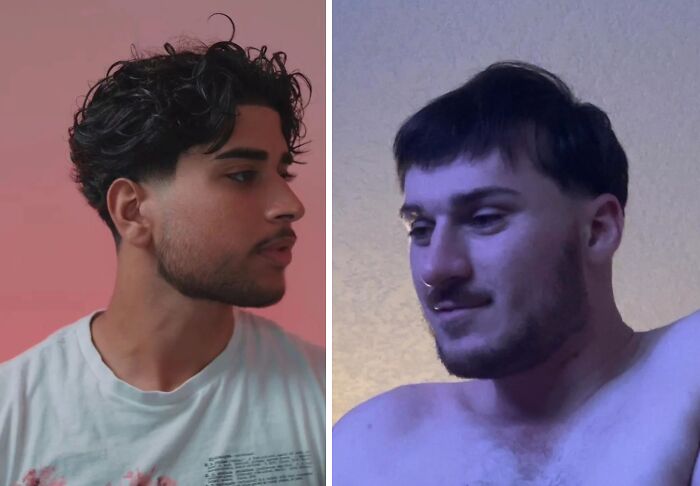
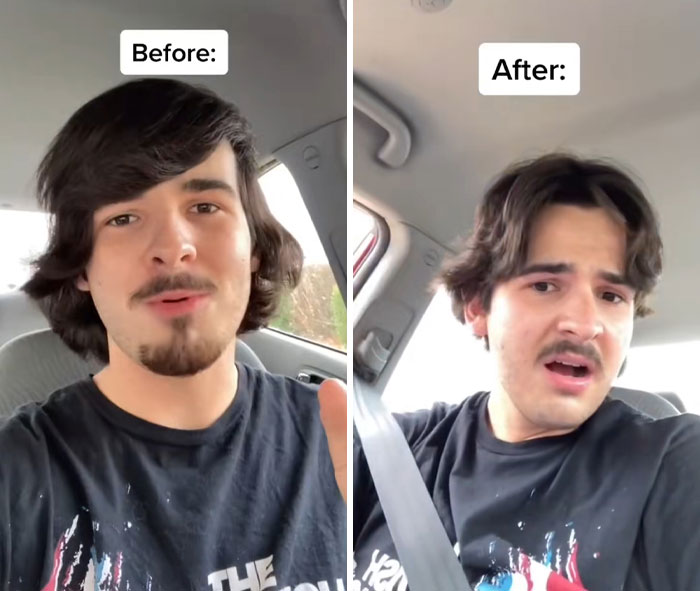
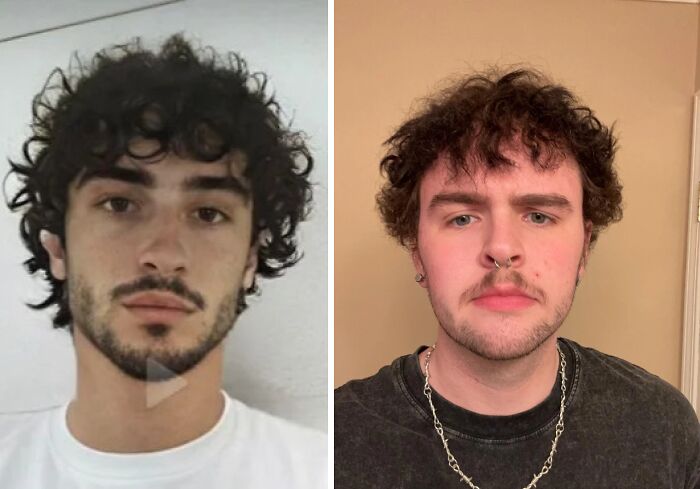
hu? I basically gave myself the cut on the left yesterday.😄my wavey hair loves it
People often cut their hair during major turning points in life, too. A breakup, a traumatic experience, or the feeling that a new chapter is beginning can all send someone to the salon in search of change.
In moments like that, a haircut can feel deeply symbolic, as if changing your hair might help you shed part of what you’ve been carrying and step into a different version of yourself.
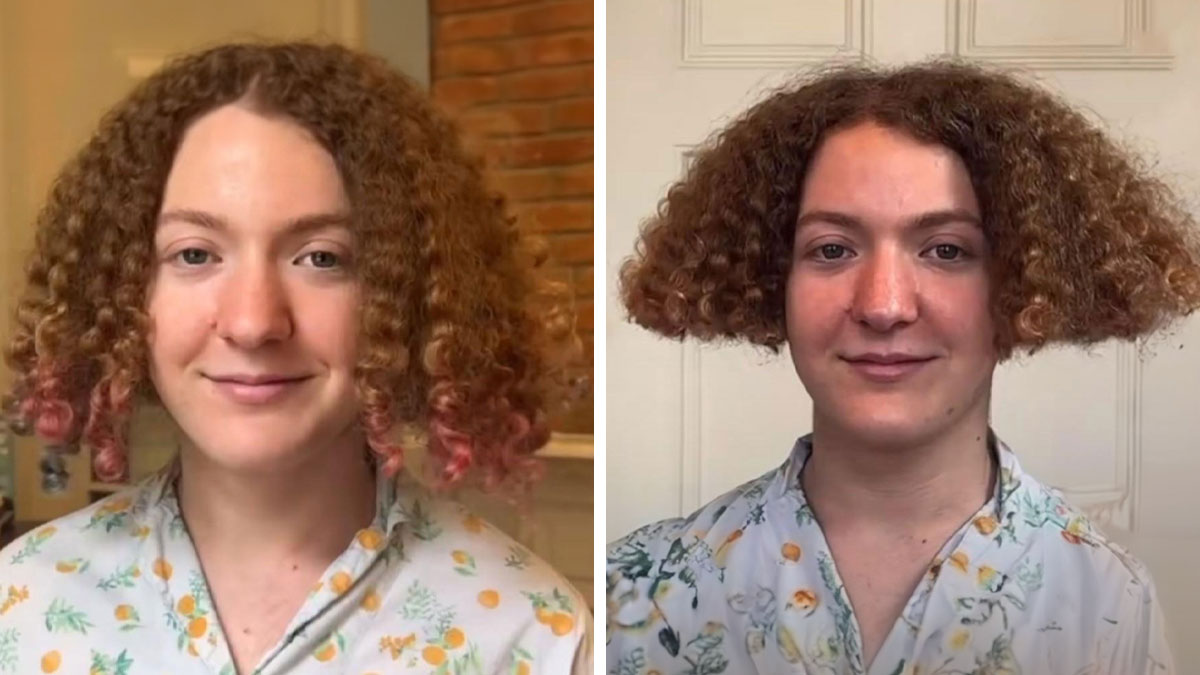
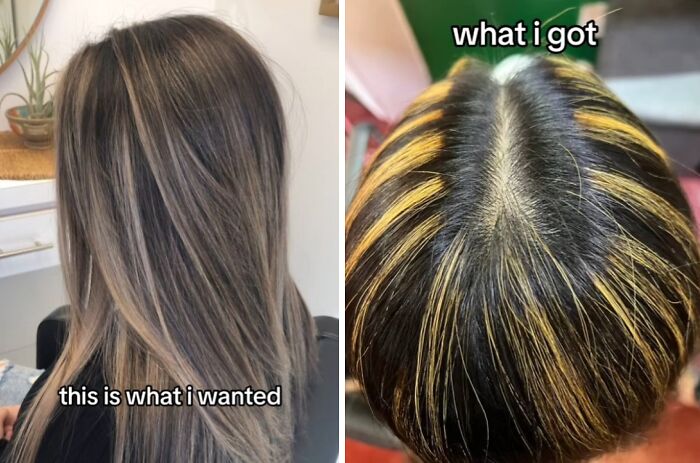
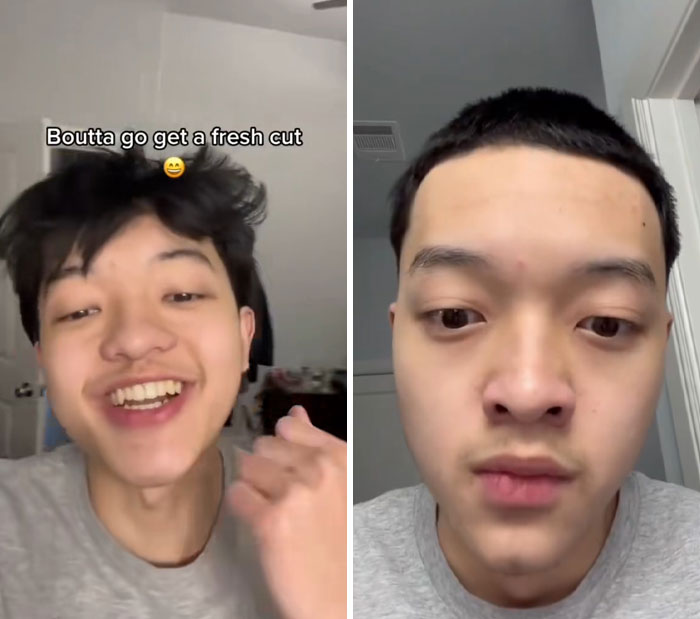
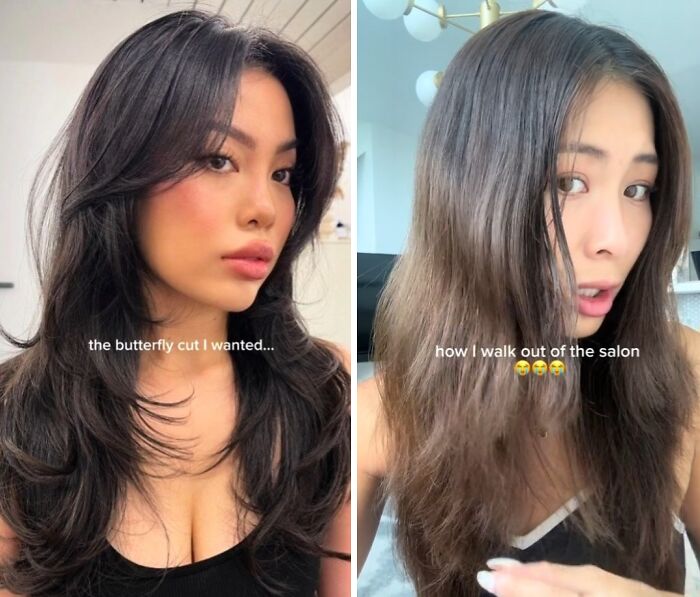
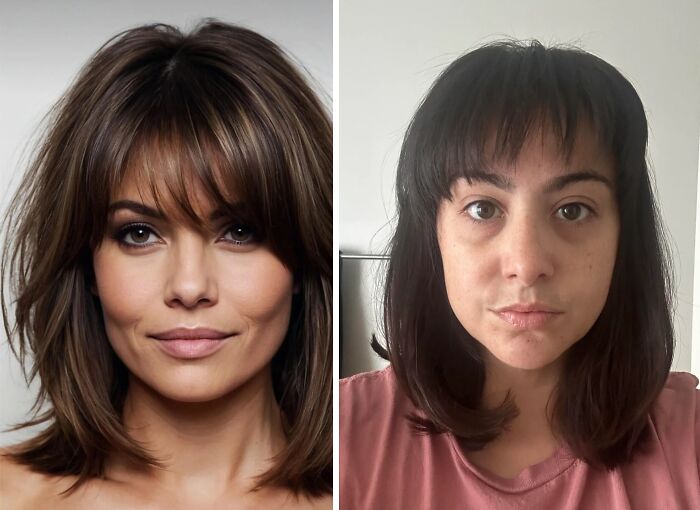
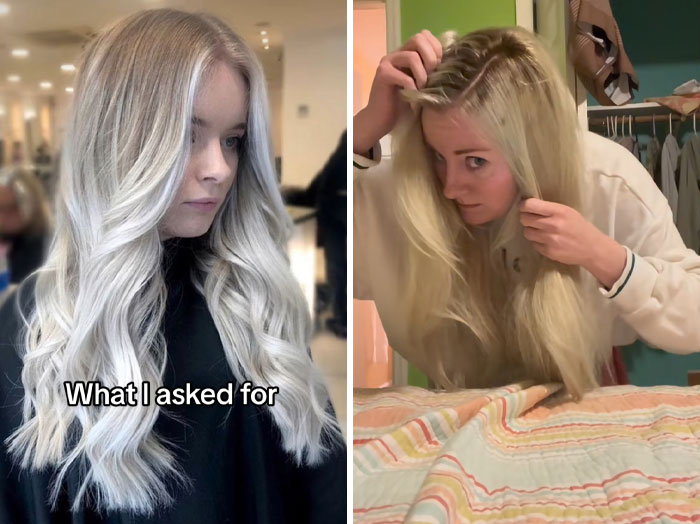
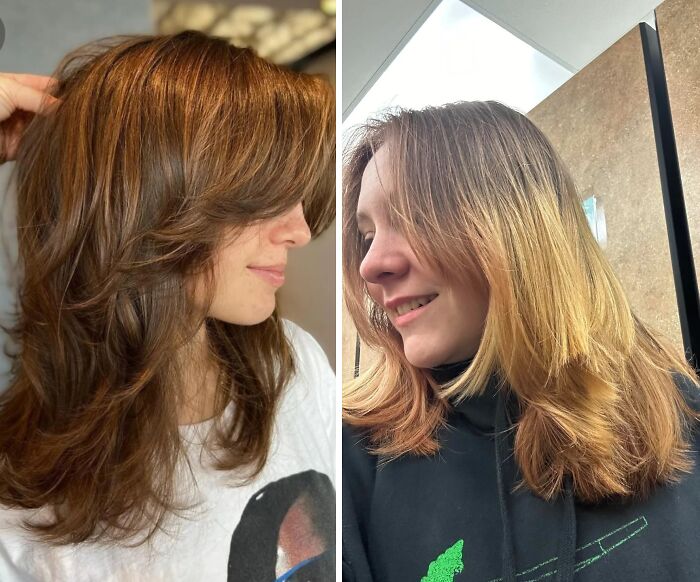
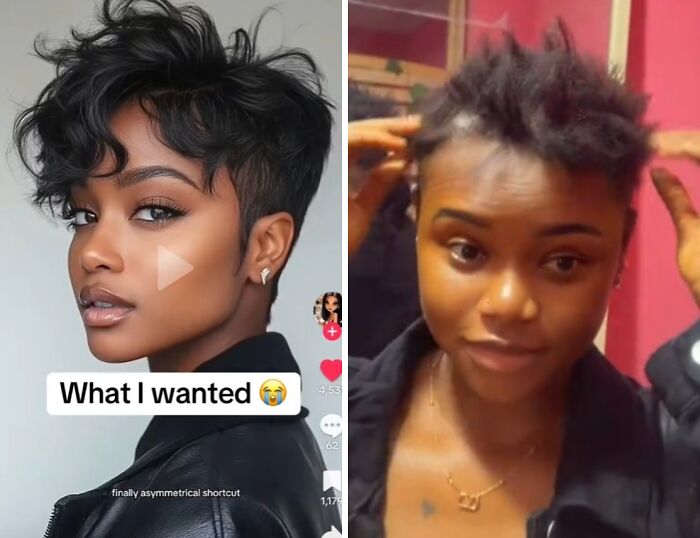
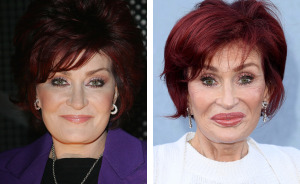
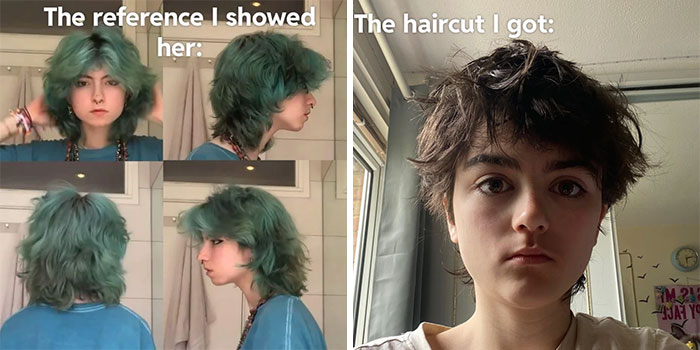
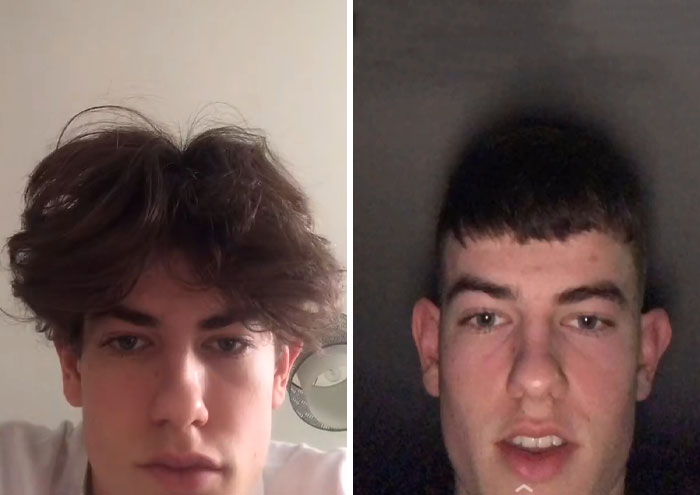
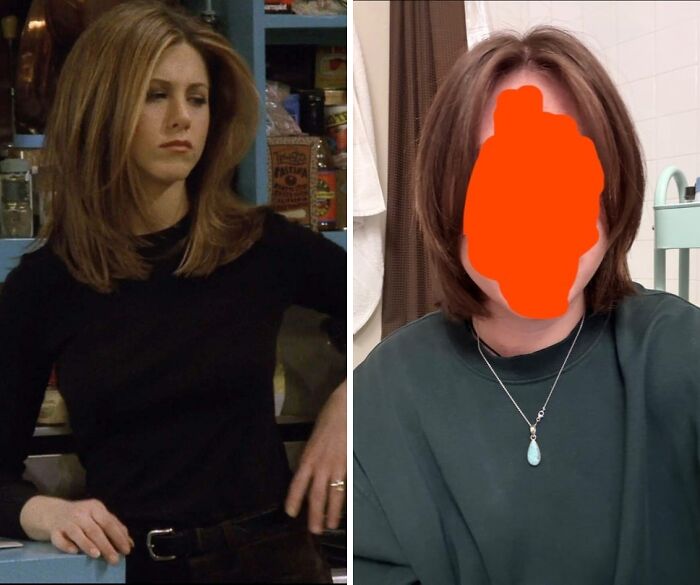
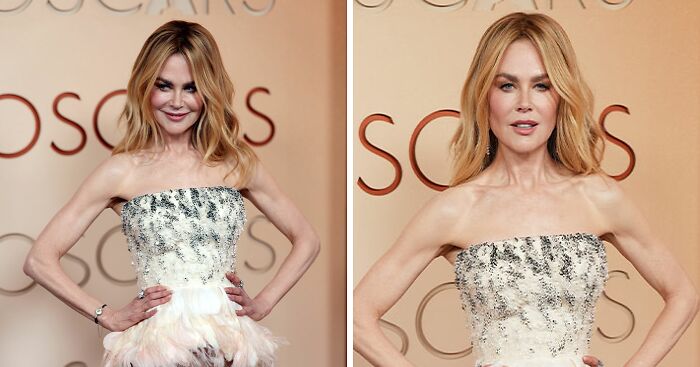
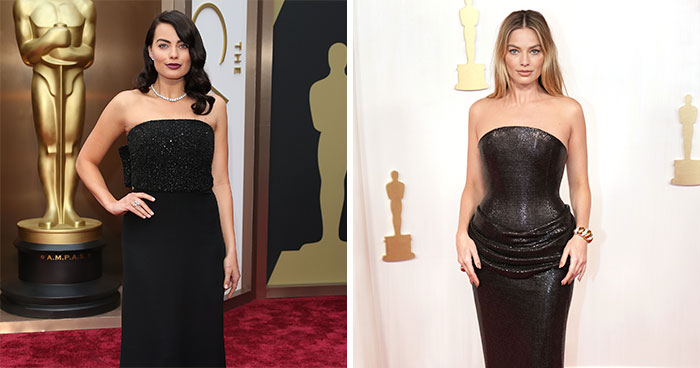
And while the result does not always turn out the way people hoped, as these photos clearly show, that only proves how much importance hair can carry in the first place.
I think models on the left have naturally curly hair, and girl on the right has straight or wavy.

All these hair dressers are cutting the curly hair way too short. And then not doing any styling with he curls to keep them looking like actual ringlets instead of frizz.

A good hair stylist will tell you when a particular style is inappropriate for your hair type. Not to mention that many of these are styled using some type of product - gel, etc.
as always: half of these are simply missing the styling routine. I always make sure my stylist knows I need a cut, that basically only needs blowdrying and works without a big routine and a ton of product. it only works, if you work with your hairtype and not against it.
A good hair stylist will tell you when a particular style is inappropriate for your hair type. Not to mention that many of these are styled using some type of product - gel, etc.
as always: half of these are simply missing the styling routine. I always make sure my stylist knows I need a cut, that basically only needs blowdrying and works without a big routine and a ton of product. it only works, if you work with your hairtype and not against it.





 No fees, cancel anytime