Get Premium
Dark mode theme is available exclusively for premium users. Learn more about the benefits of subscribing.
No fees, cancel anytime.

 Dark Mode Ad-Free Browsing Unlimited Content
 Ad-Free Browsing Unlimited Content Dark Mode
Join 1.2 million Panda readers who get the best art, memes, and fun stories every week!
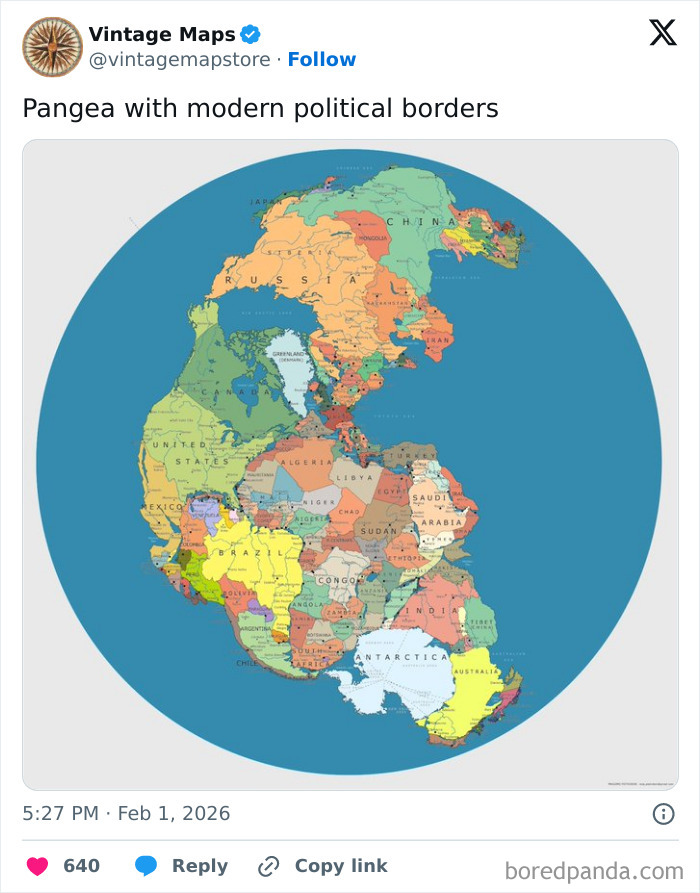
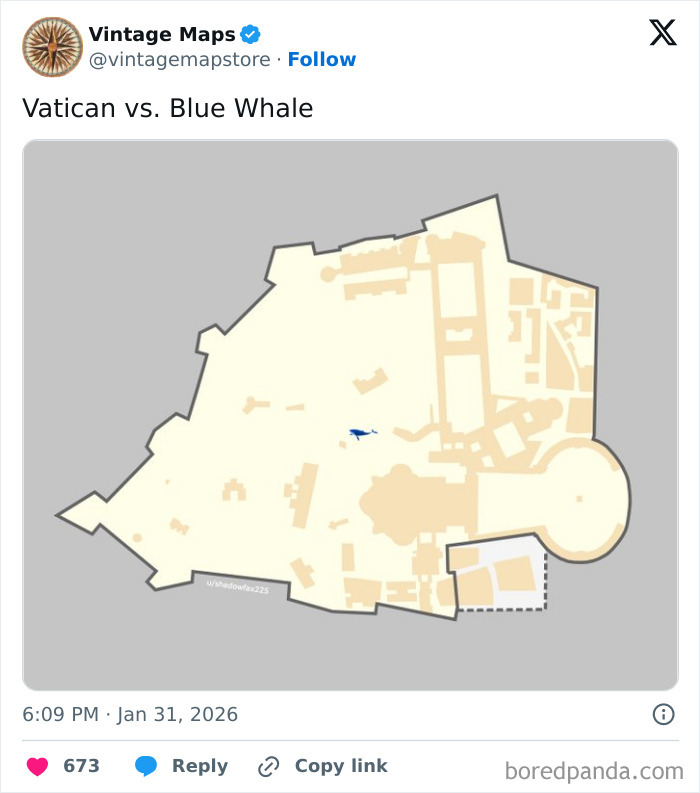
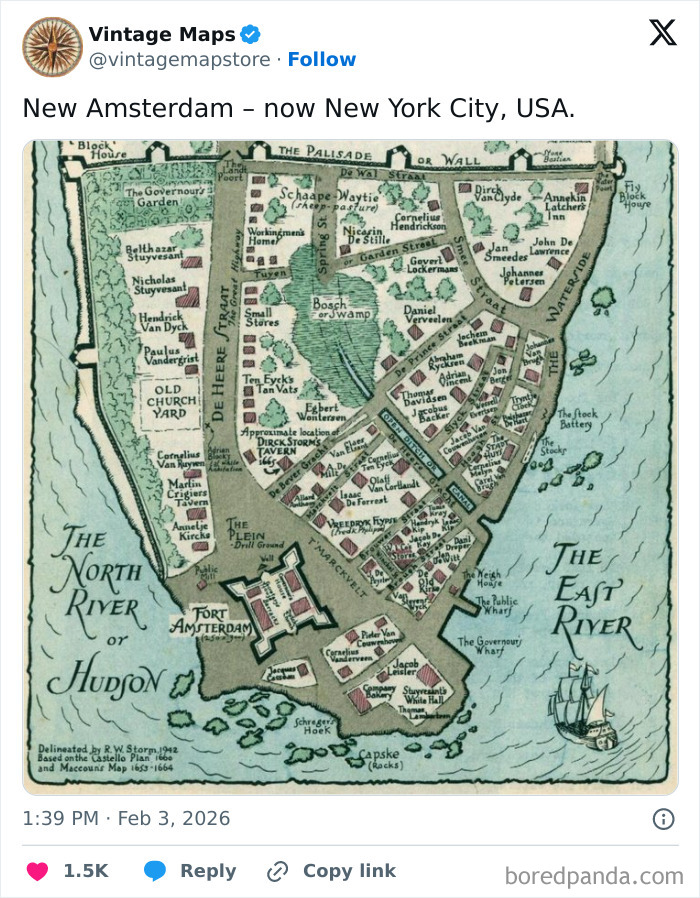
Are you a fan of cartography but curious to see the world through a different lens? Have you ever wondered how many blue whales would fit into the Vatican? Or what the ancient continent of Pangea would look like with modern political borders? Or maybe you would just like to see how Manhattan looked when it was still called New Amsterdam?
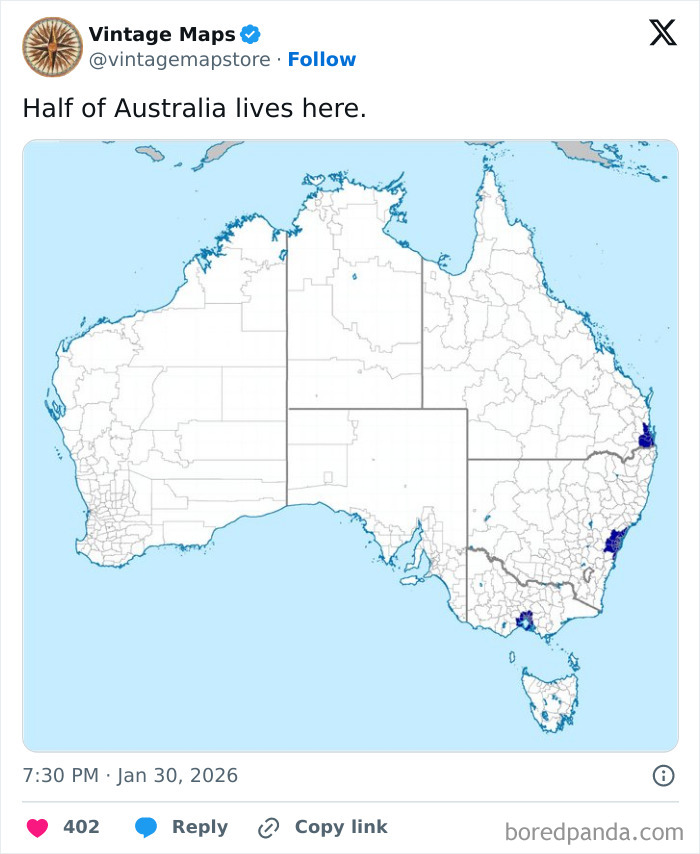
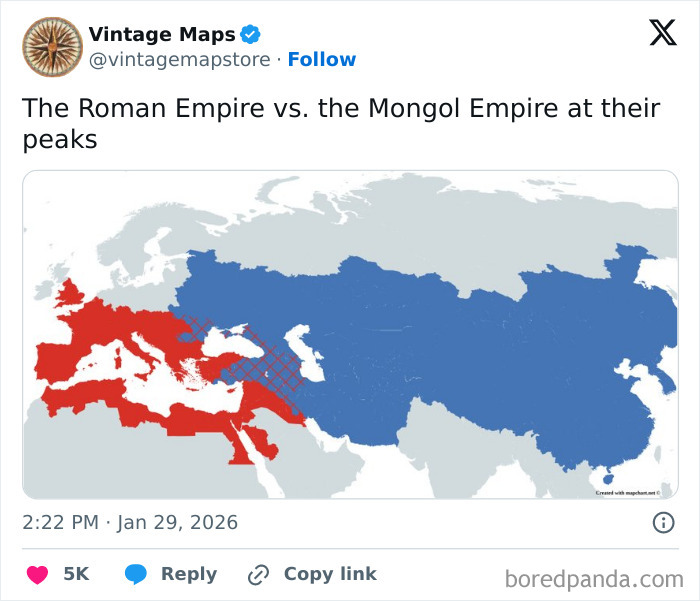
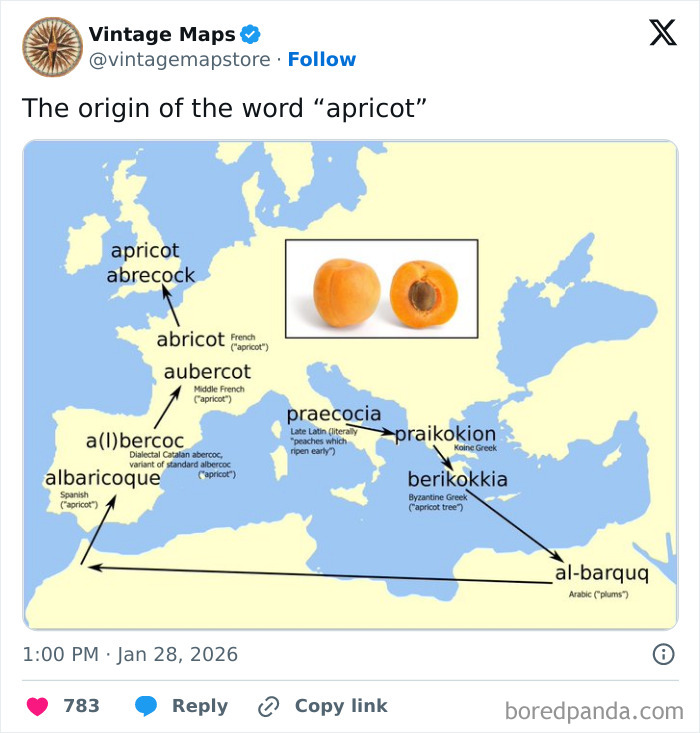
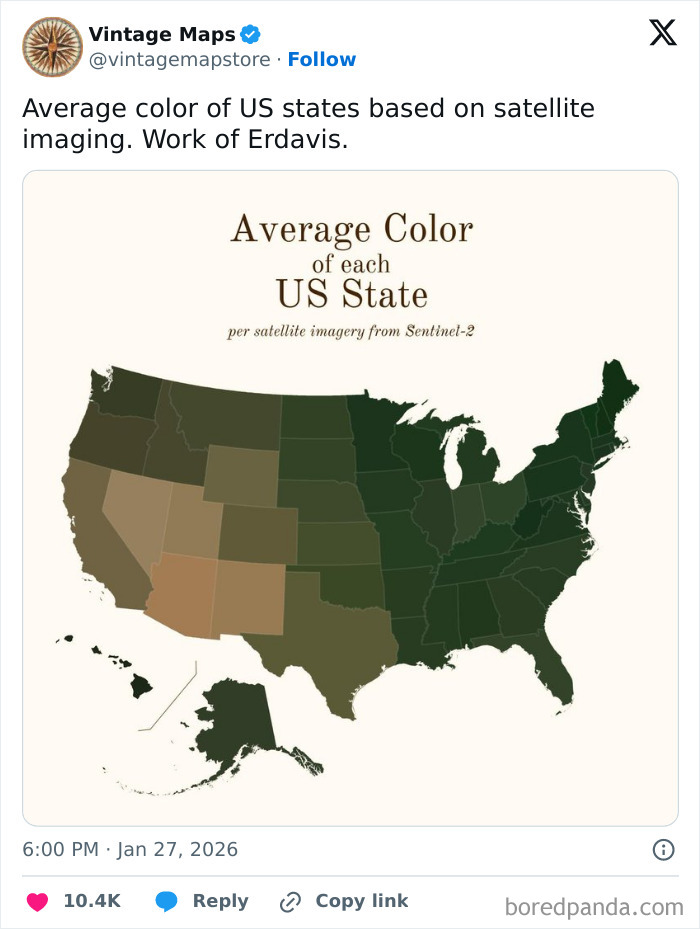
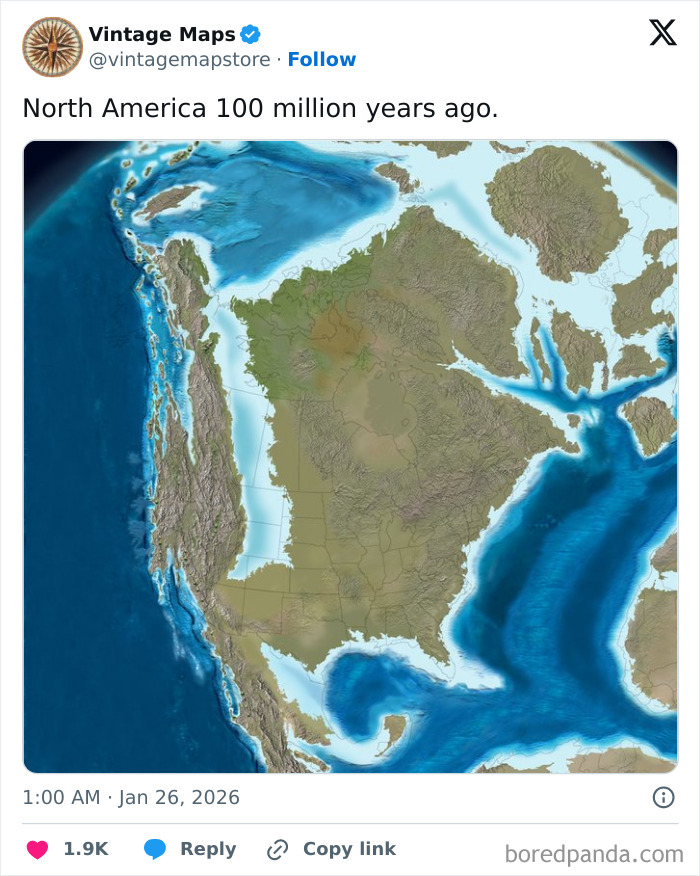
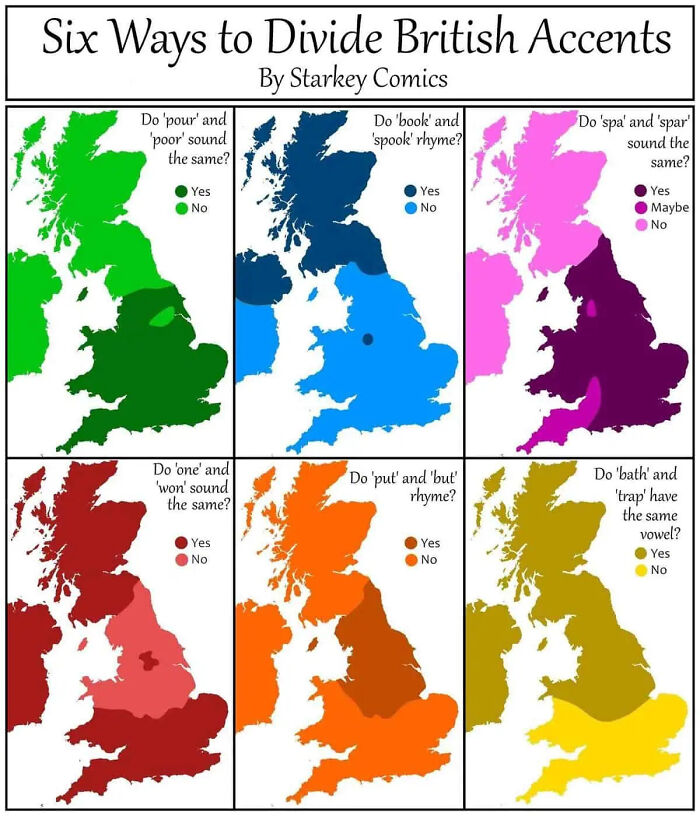
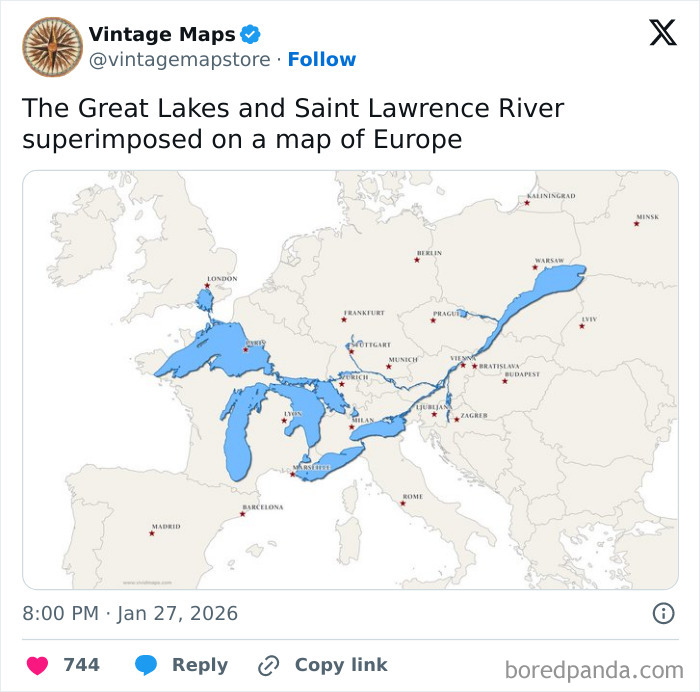
If you've said "yes" to at least one of these, you're in luck! Bored Panda has prepared a compilation of cool maps from the Vintage Maps page on X, where you can learn history and interesting new facts through the medium of cartography. So, scroll through these maps and marvel at how cool our world is.
More info: X (Twitter)
This post may include affiliate links.

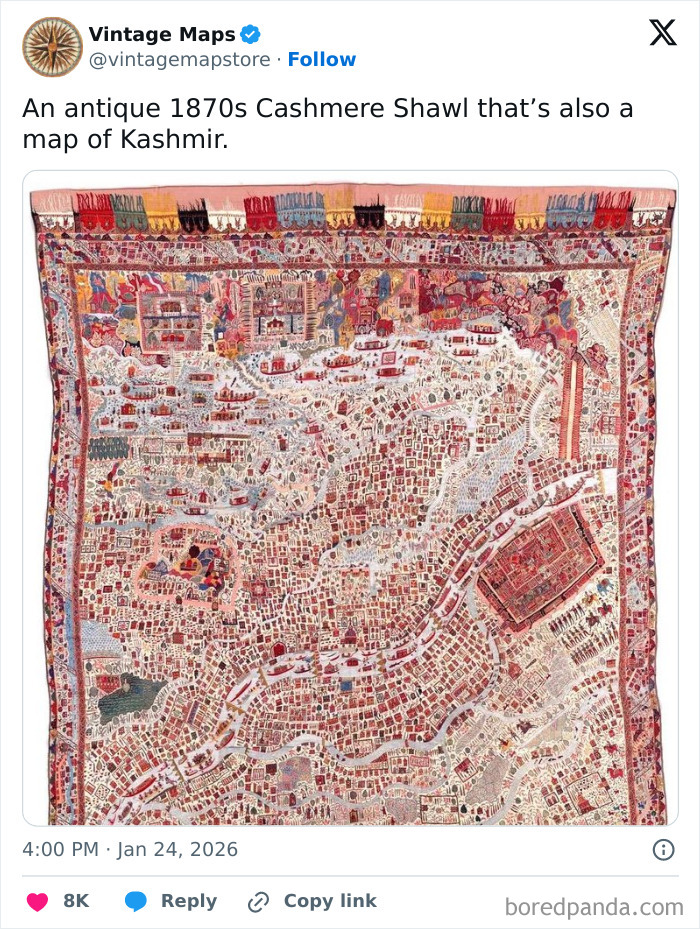
Kashmir is such a beautiful place but it’s honestly a shame that the situation is such that it’s unsafe to visit
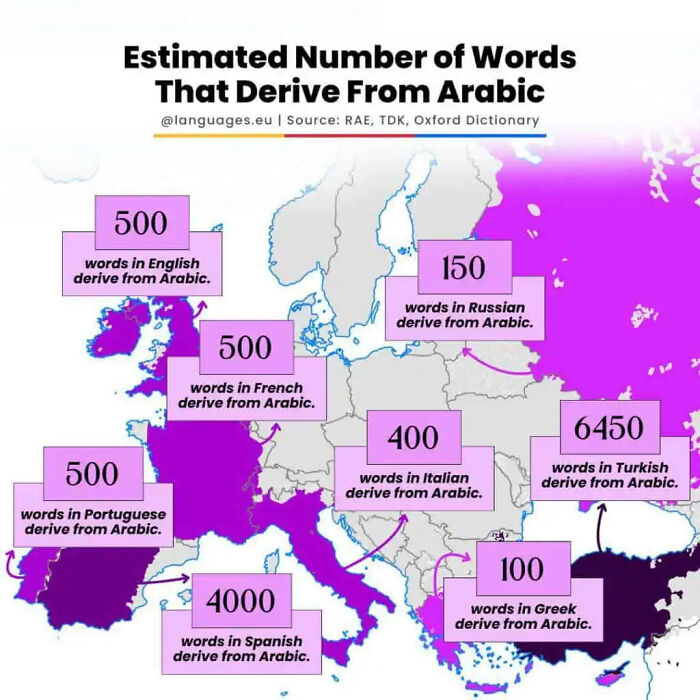
Today, we think of maps as visual representations of information. As evident from this list, maps can show more than just geography. They offer us historical comparisons, goofy facts, and even where the word "apricot" came from. Today, we think of maps as accurate, reliable information.
But in the past, maps were a mix of artistry, imagination, mythology, and just a dash of geographical knowledge. Take the Borgia Map of the late 18th century, for example. Although it claims to be a map of the world, we could hardly recognize what it even is. There are illustrations of humans and animals on it, and the south is at the top.

I grew up right in the centre, and I can tell you there's a very good reason why all the people live where they do.
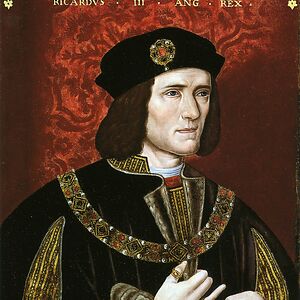
According to the Borgia Map, North Russia was "Asia Major." Its creators claimed that dogs were stronger than lions there. The Hyperborean Mountains (possibly the Ural Mountains) were said to be the dwelling place of griffins and tigers. They also got some things right, like Alexandria in Egypt. However, the description of the phoenix, a bird that supposedly lived there, was a dash of mythology.
"Phoenix, the sole most beautiful and solitary bird in the world, burns itself in an aromatic fire, and in three days is recreated from its ashes," the description on the Borgia Map says. Cartographers note that in many other maps of that time, Jerusalem was the center, hence why the maps were oriented to the east. They speculate that the Borgia Map, with its orientation to the south, was purely for decoration.
This map was on the inside covers of my aunt's first edition copy. I adored that book.
Not all ancient maps were of land. The oldest nautical map of the Western World, the Carta Pisana, was supposedly designed in the 13th century and mapped out the Mediterranean basin. Different from the Borgia Map, the Carta Pisana is impressively accurate.
The Italian coastline is represented proportionally, and the most important ports are all in their precise locations. Historians call the Carta Pisana a turning point in mapmaking in the Middle Ages. It wasn't just a political or religious representation of the world, but practical and of unmatched precision.
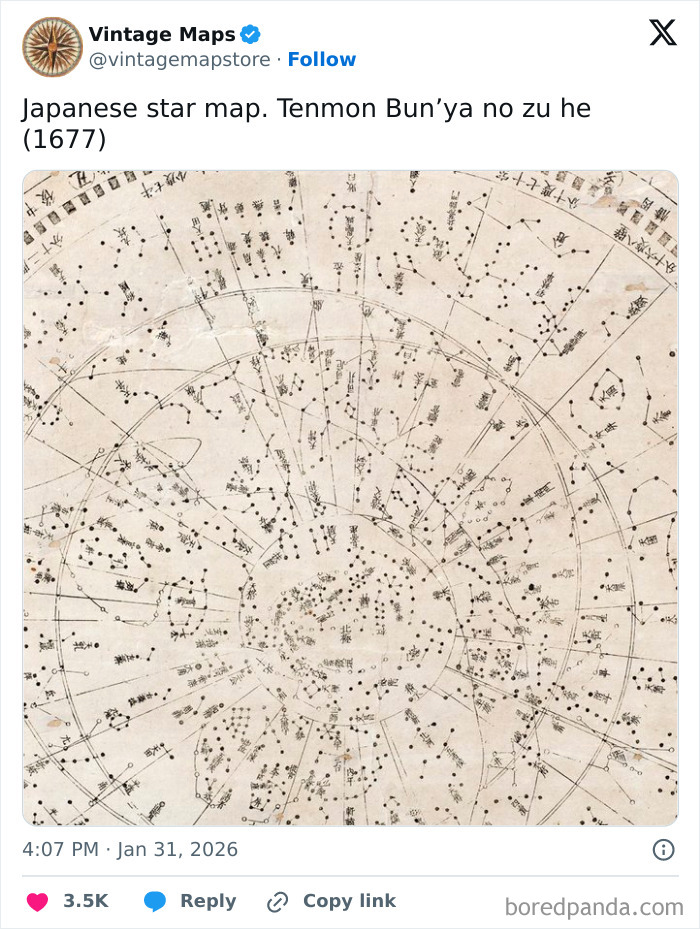
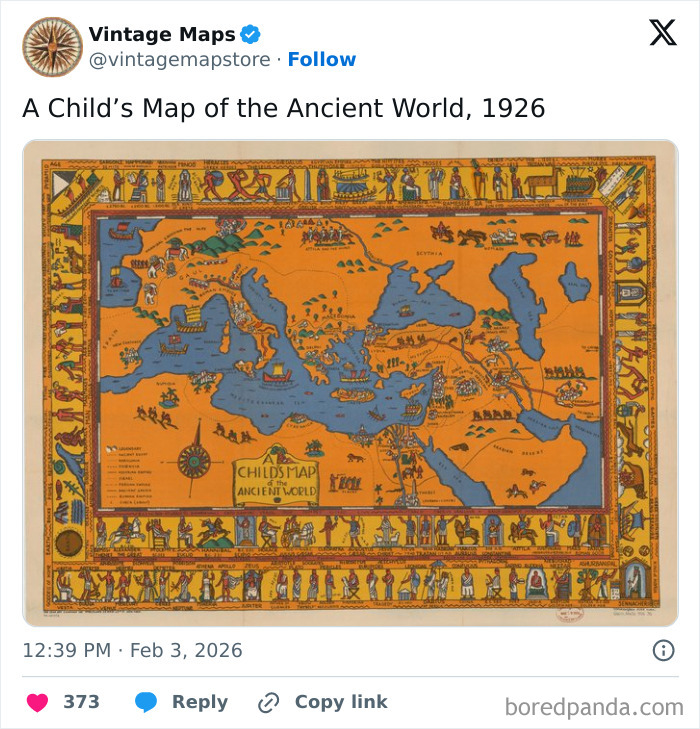
I wonder what constellations they used. Right-hand corner looks like Orion, so they seem to have seen a similar picture in that group of stars.

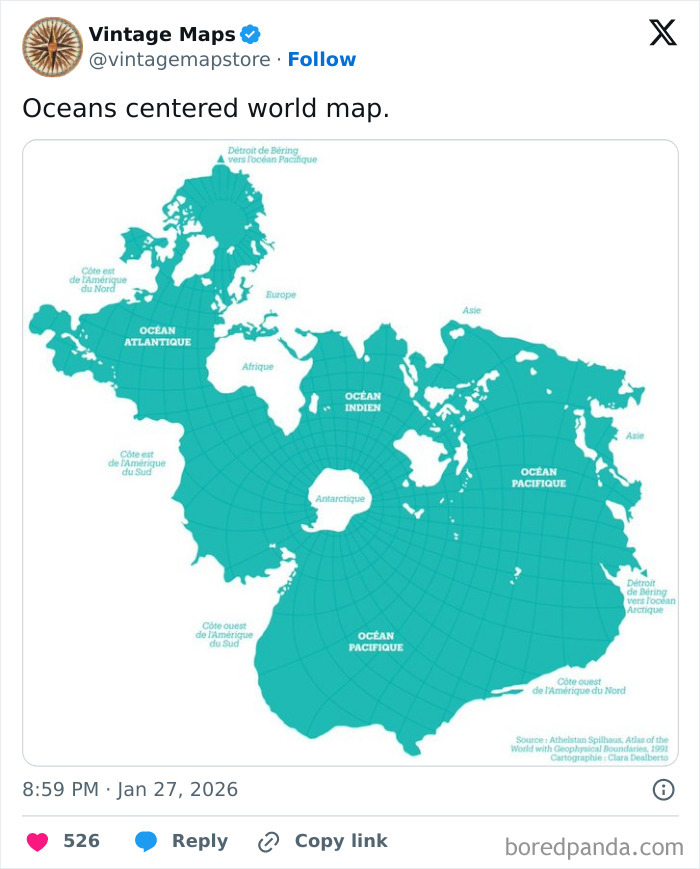
It always takes me a while to get my Bering(s) with this map. It's difficult to sea strait.
The typical maps of the Middle Ages are called Mappa Mundi. The Hereford Mappa Mundi, for example, is the largest medieval map (5’2” by 4’4”). As was right for its time, its creator wasn't very keen on geographical accuracy. The Hereford map included depictions of Heaven and Hell. Anthropologist Francesca Small's verdict for it was "all propaganda, religious propaganda."
But there was another medieval map that was quite accurate in the geographical sense, the Fra Mauro Mappa Mundi. Today, it's considered the most accurate depiction of early Europe. However, it includes more than just the Eurasian continent. Although its top points south, there is a surprisingly accurate depiction of the African continent. It's surprising because the Portuguese traveled to the Cape of Good Hope only in 1488, and the map was created in 1450.
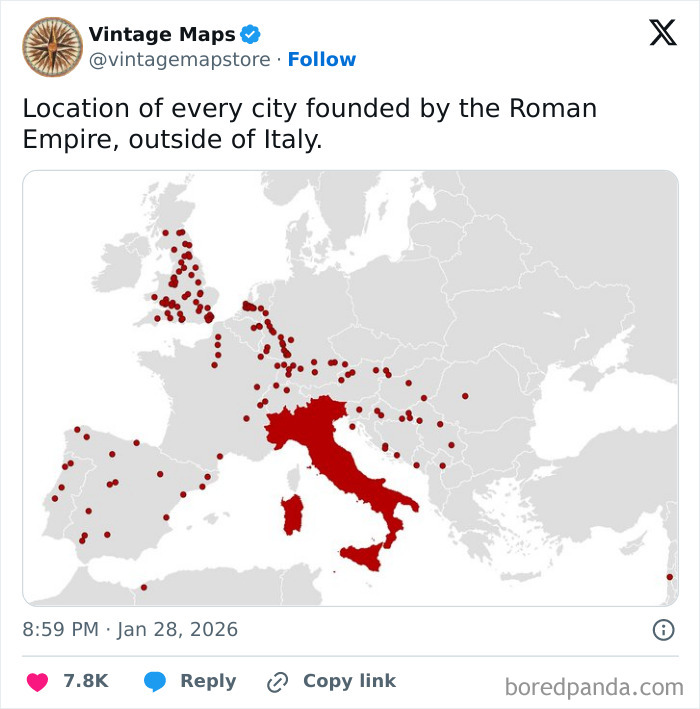
I'm trying to work out exactly what one that is in SW Wales. Is that Moridunum perhaps? Modern name Caerfyrddin/Carmarthen. A LOT of historians do like to claim that Romans never went that far west in Wales, in spite of the clear evidence in Carmarthen itself. Random map on the internet possibly being more accurate than quite a number of Roman Britain historians.
If you've ever seen the "Blue Marble" image that Apollo 17 took of the Earth (that was originally taken upside down), you'd have a pretty similar picture of Fra Mauro's Mappa Mundi. Of course, the accuracy would be lacking, but the general shape of the coastlines is still there. "The comparison is stunning when you consider that Fra Mauro compiled his data from the travel tales of myriad 15th century sailors," according to NASA scientists.
Which of the maps on this list caught your attention the most, Pandas? Share your thoughts with us in the comments! Were there any other quirky and interesting maps that you expected to see here but didn't? Tell us all about it in the comment section as well. And if you'd like to see even more cool maps you probably haven't seen before, be sure to check this compilation where you can learn new facts about the world through unconventional maps!
Sometimes I wish I could just raze NYC completely and make it the way it used to be.
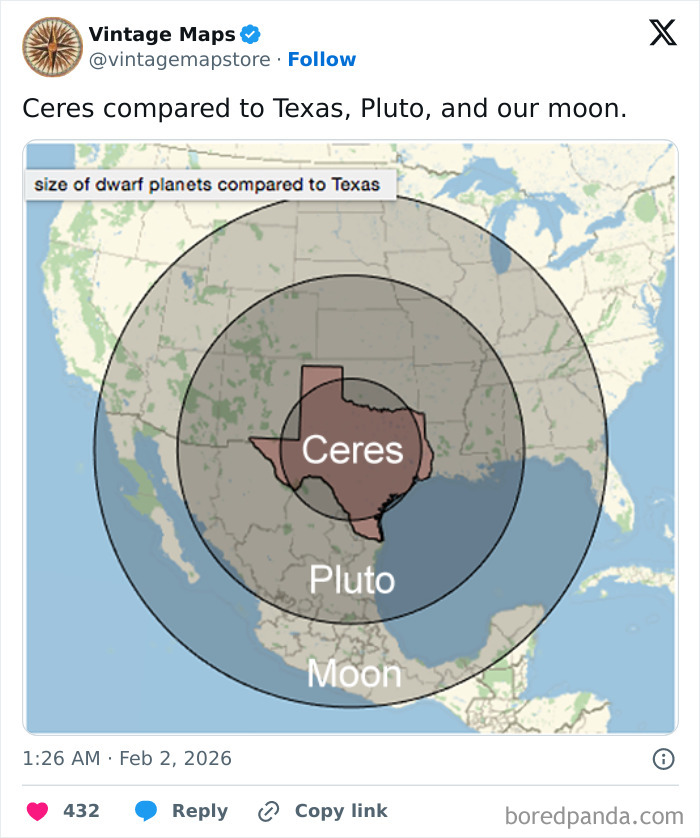
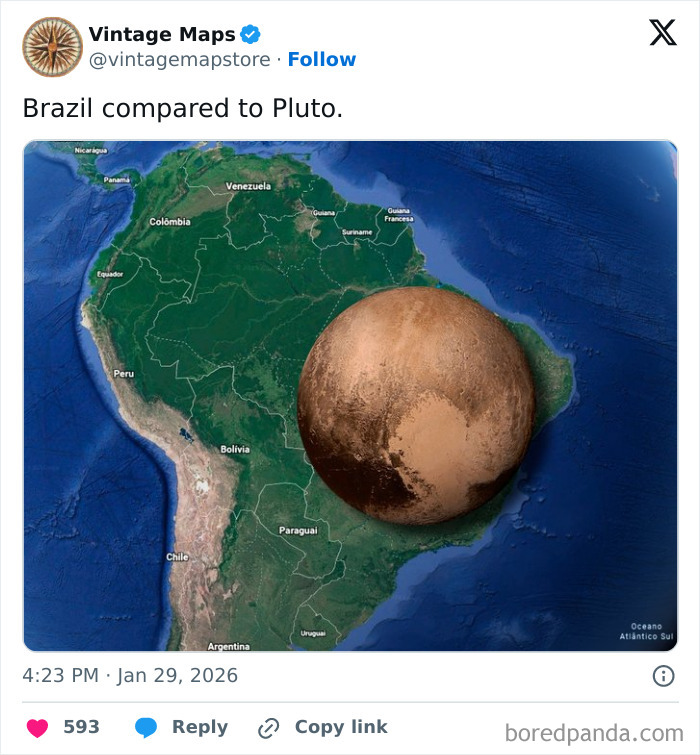
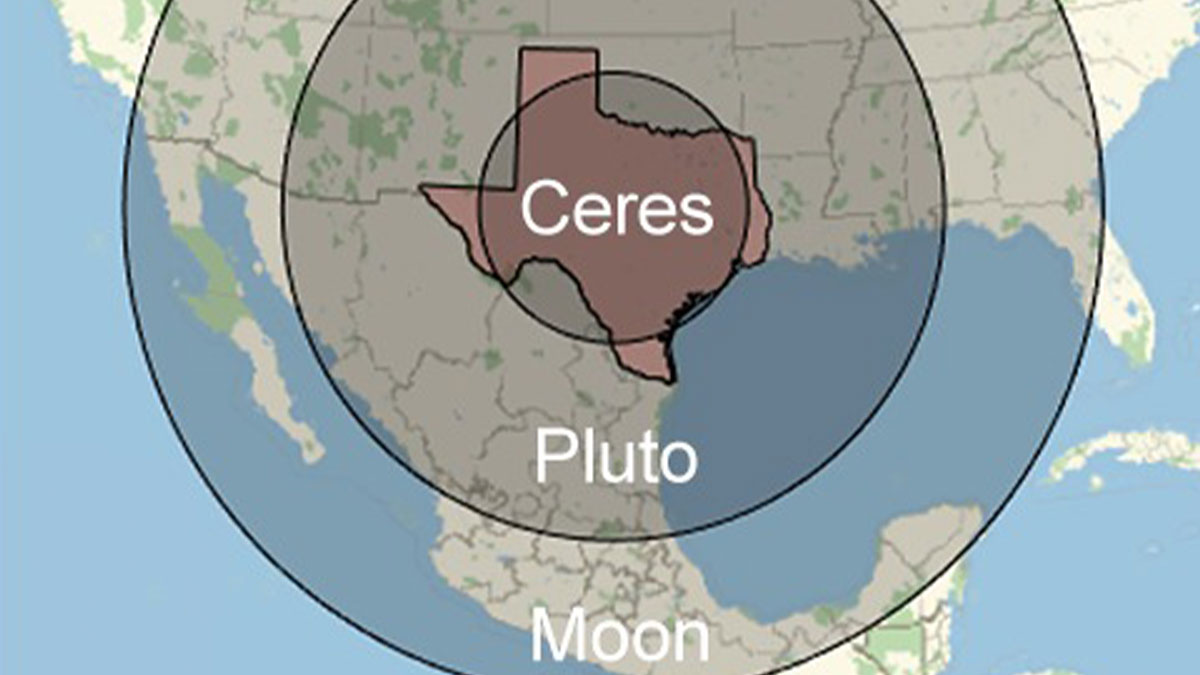
I will never shut up about how Pluto gets more attention than all the other dwarf planets just because it’s the only one you remember. The other dwarf planets are equally as interesting with interesting histories as well. Did you know that at one point Ceres was demoted from a planet to an asteroid and then to a dwarf planet? Did anyone complain back then about their favourite planet Ceres becoming an asteroid?
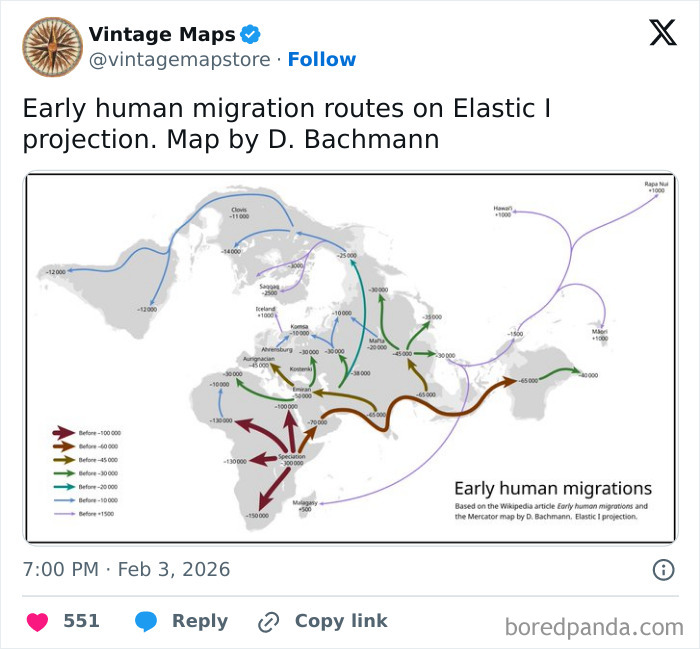
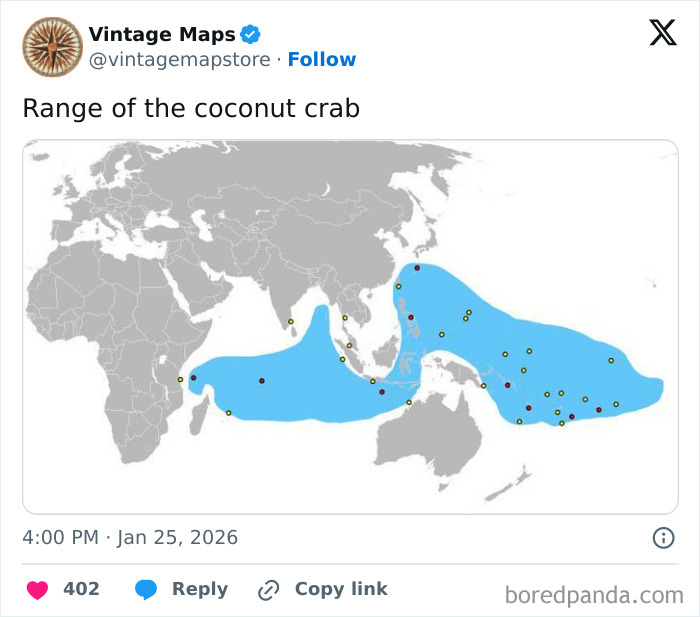
I often think about those people who migrated across Oceania. Those islands would’ve been very small and spread so far apart yet humans were able to somehow do it. I wonder how many of them didn’t make it, sailing across vast distances can be pretty hard especially with wooden rafts yet somehow just enough of us did
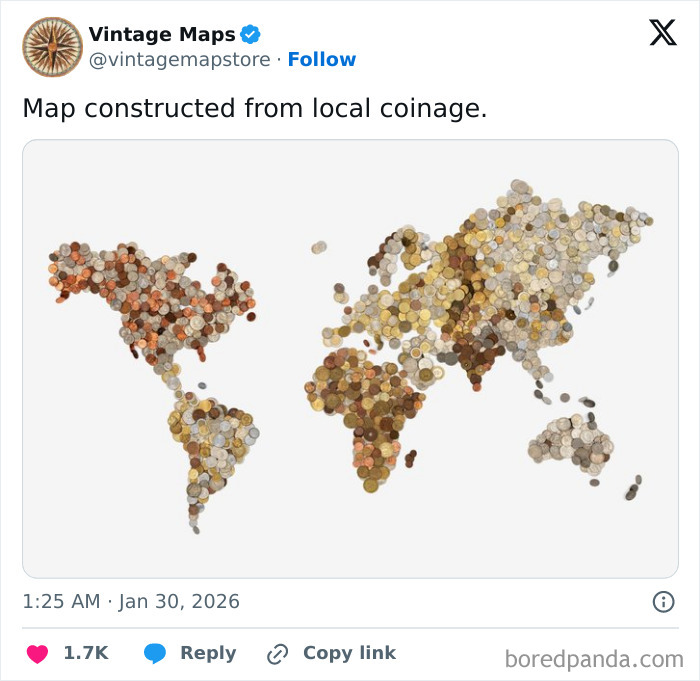
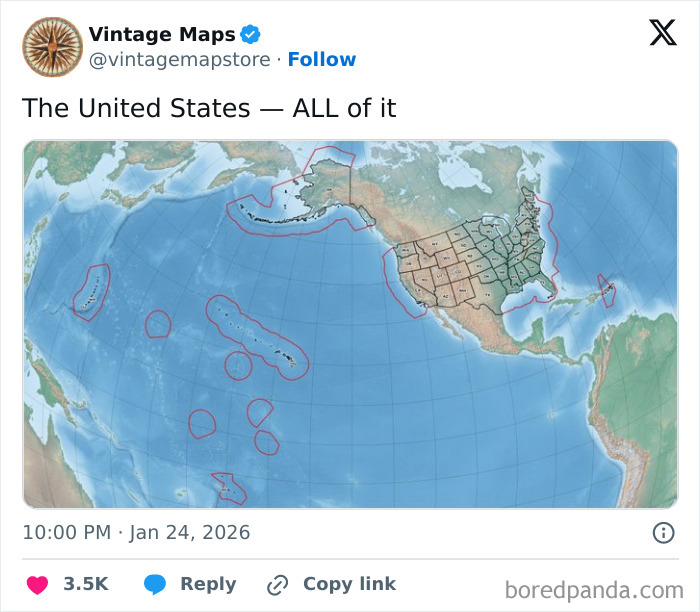
The US has minted its last one cent coin as of 2025, so no more pennies.
This is what's left when Mom makes you a continent sandwich with the crusts cut off

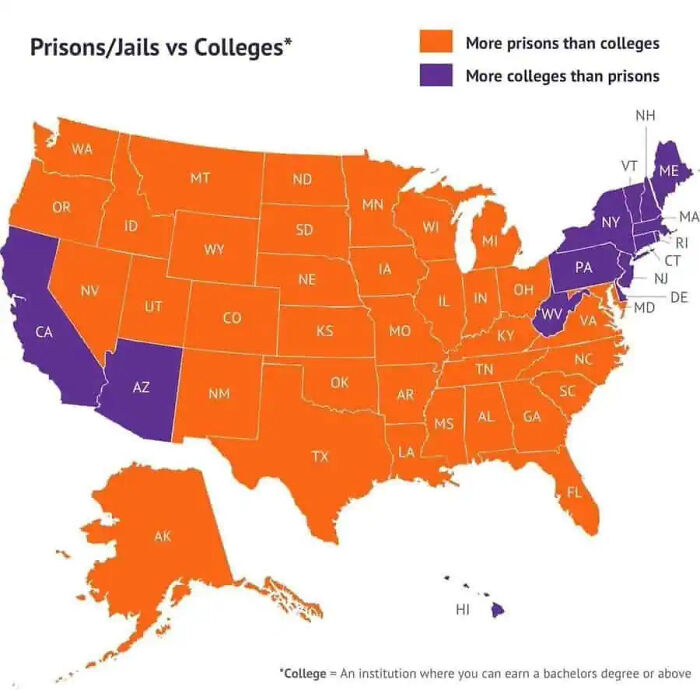
Someone better remind the orange Oompa-Loompa that Bad Bunny is actually an American.
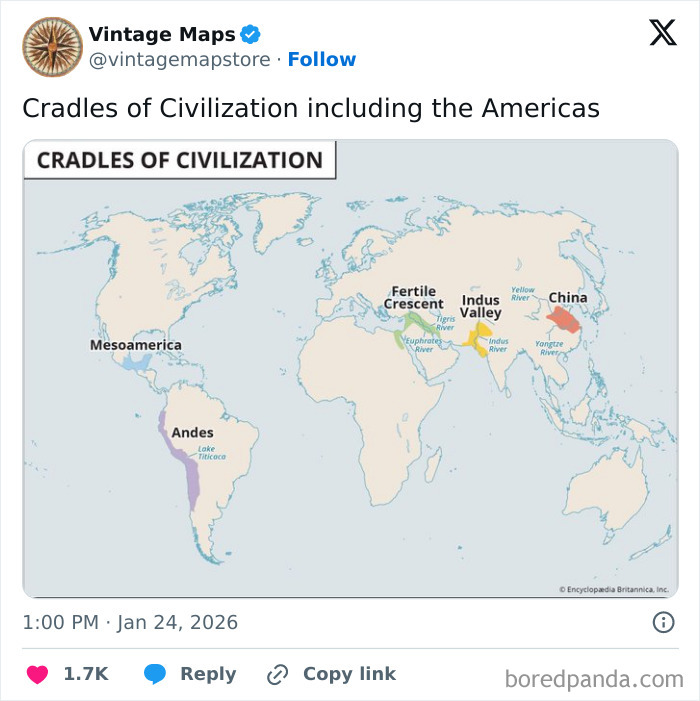
Something I love is how every culture has at some point had a mythological story about a great flood as it shows how our cultures have originated near rivers and experienced major. river flooding at some point
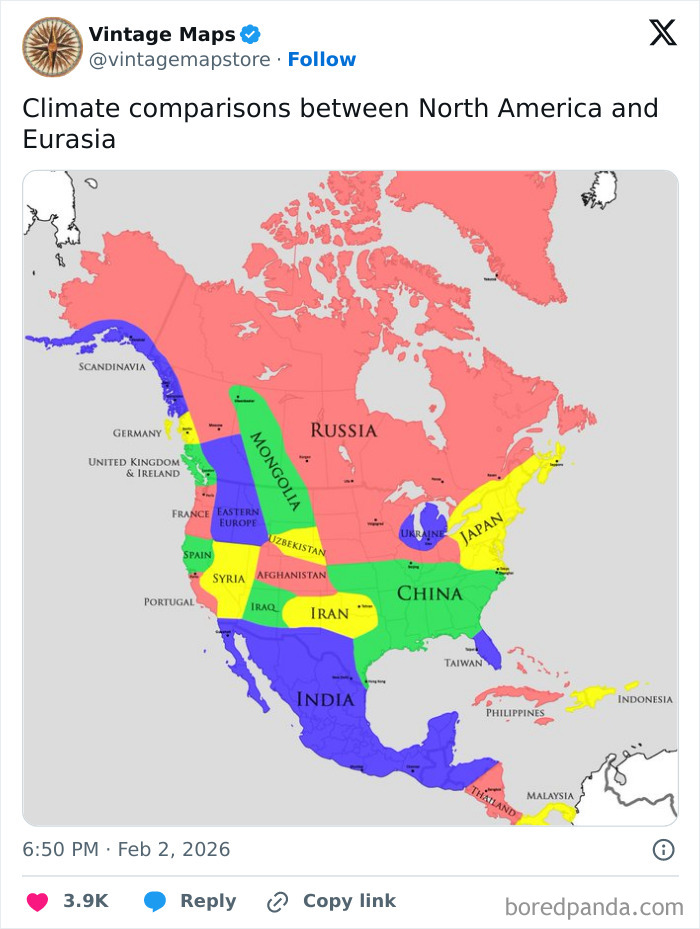
India and I think to an extent China have huge variations in climate across the country. What I know about India is that while it may be snowing in Kashmir, you could be boiling to death in South India while North-East India enjoys heavy rains
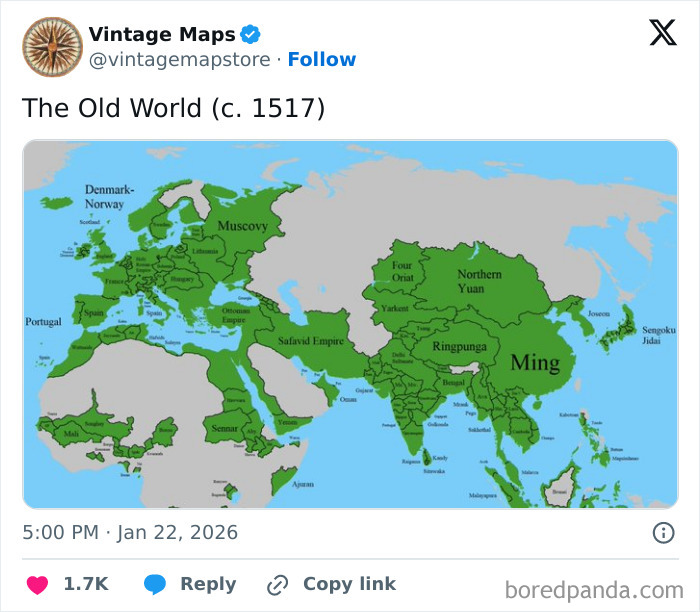
The area to the north of Joseon and east of Northern Yuan was the Jianzhou Jurchen Confederation. About 50 years after this map, the Ming tried to destabilise the Confederation, taking the grandson of one of the Jurchen chieftains (Giocangga) hostage and allying with another chieftain (Nikan Wailan). That hostage grandson was a boy named Nurhaci, who would go on to become the chieftain of the Jianzhou Confederacies, united the Jurchen under the name of "Manju" (anglicised: Manchu, believed to be an older name for the Jurchen) and under his banner of the Later Jin (renamed Daicing Gurun/Great Qing by his son and successor Hong Taiji, the Qing Dynasty you might know it as). They would become part of the fall of the Ming, and I find the lack of presence of the Jianzhou Jurchen Confederation annoying for how important they are to history, especially since the Four Oirat/Oirat Confederation is on here (so it is including important Asian continent Confederations).

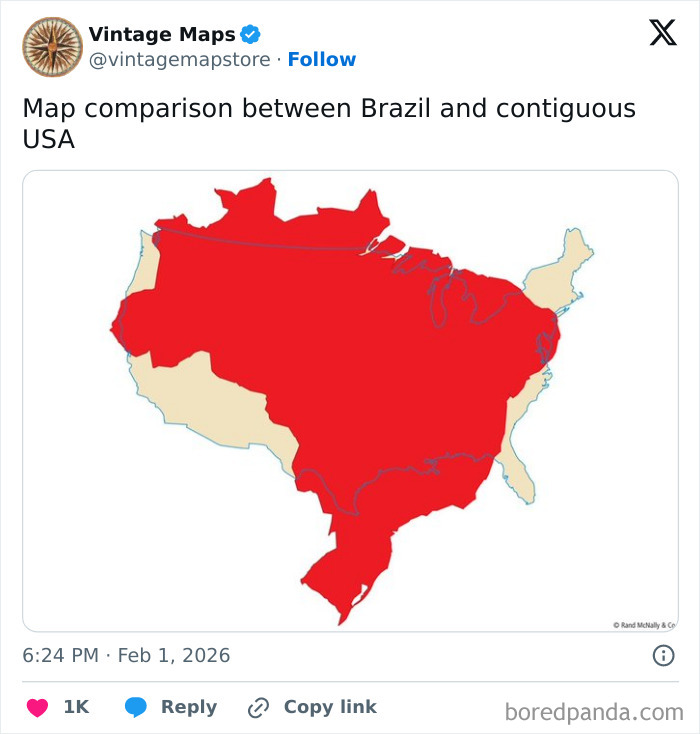
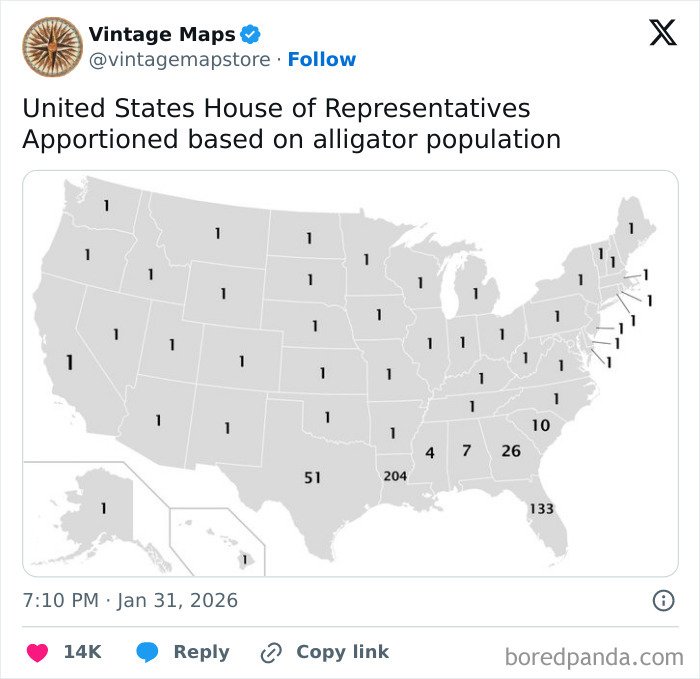
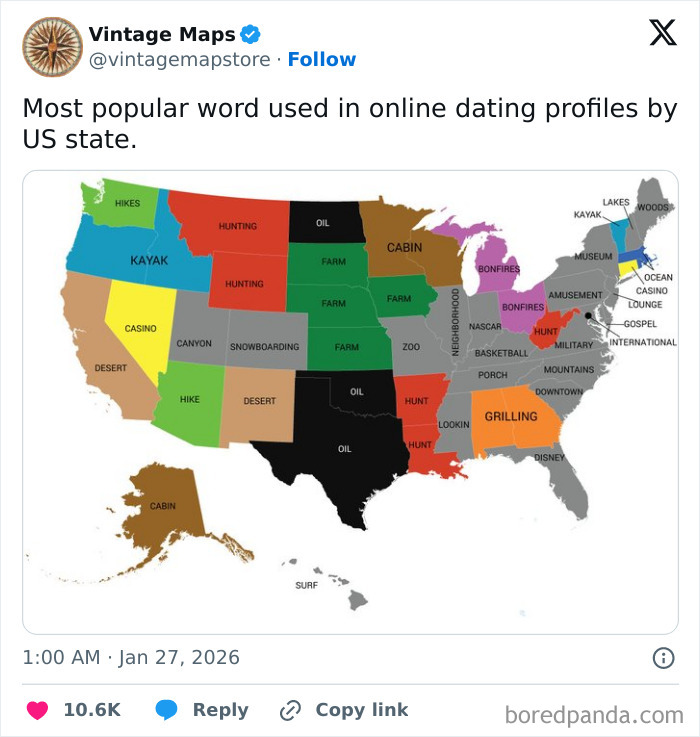
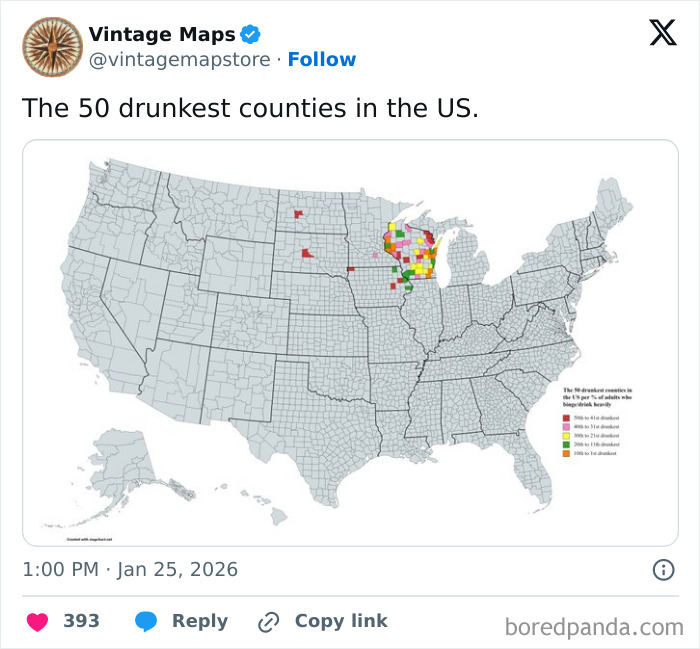
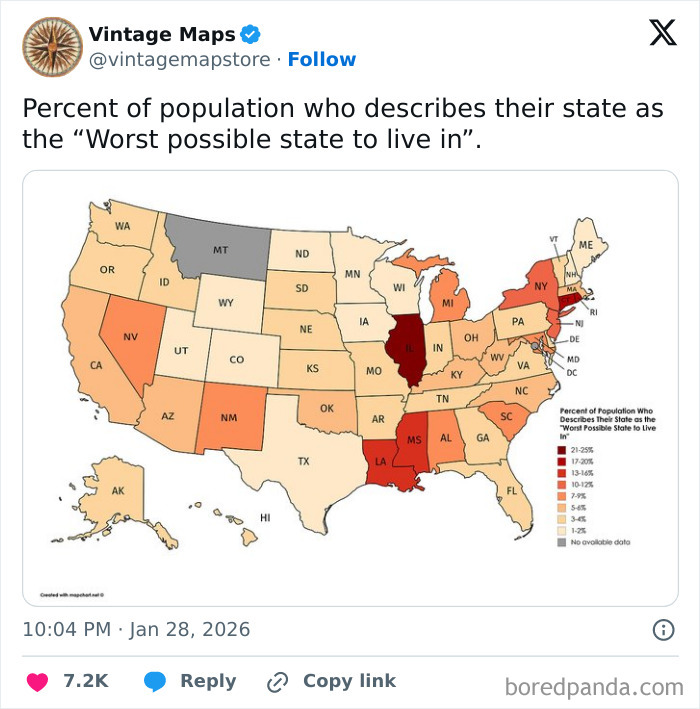
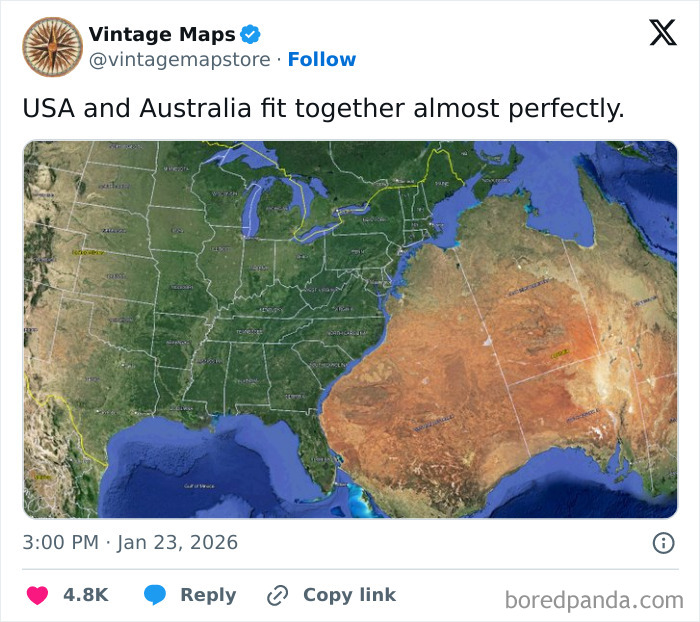
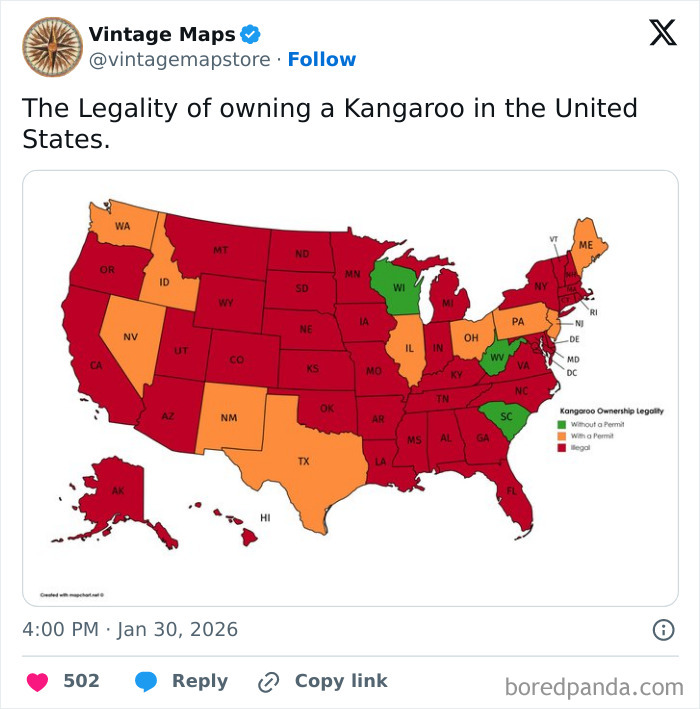
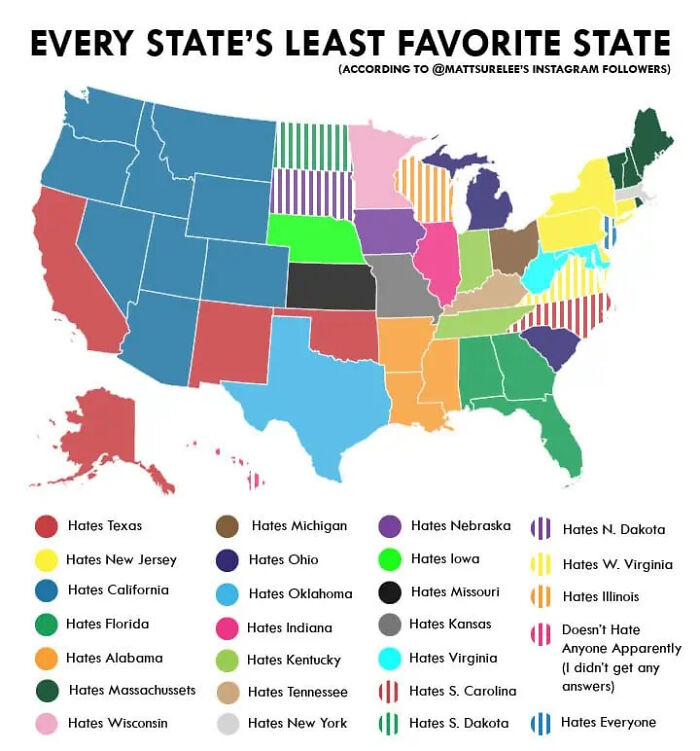
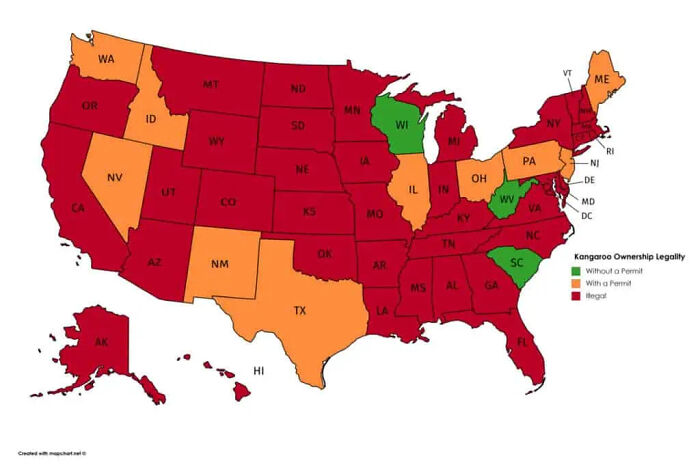
Trying to decide if I should move to Illinois/get permit for kangaroo OR move to Wisconsin and go wild owning a kangaroo without a permit.































 No fees, cancel anytime