Get Premium
Dark mode theme is available exclusively for premium users. Learn more about the benefits of subscribing.
No fees, cancel anytime.

 Dark Mode Ad-Free Browsing Unlimited Content
 Ad-Free Browsing Unlimited Content Dark Mode
Join 1.2 million Panda readers who get the best art, memes, and fun stories every week!
Mass adoption of the internet has allowed us to very regularly see or hear something that makes us go “oh, that’s so true!” Even the humble meme is still based on some common emotion or feeling, indeed, this sort of content is so common that netizens regularly refer to it as “painfully” relatable.
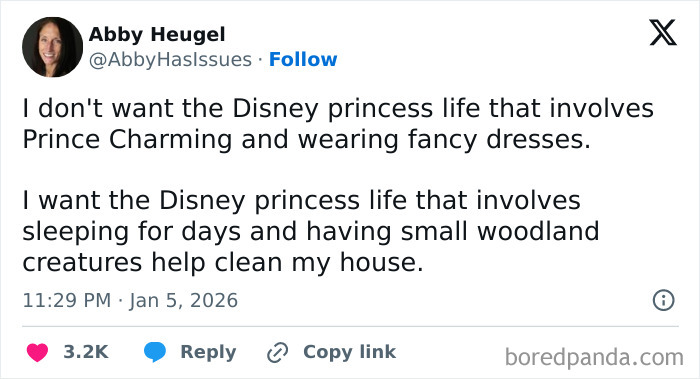
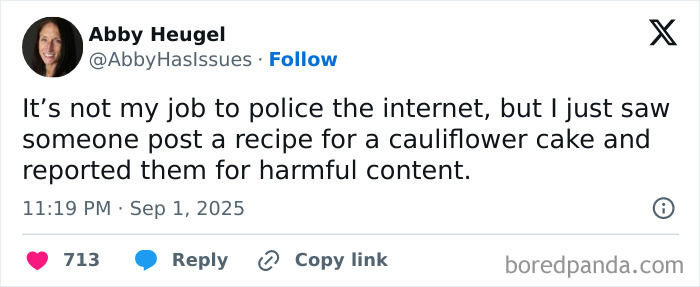
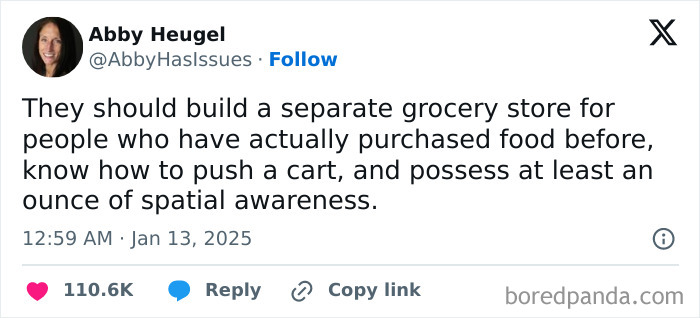
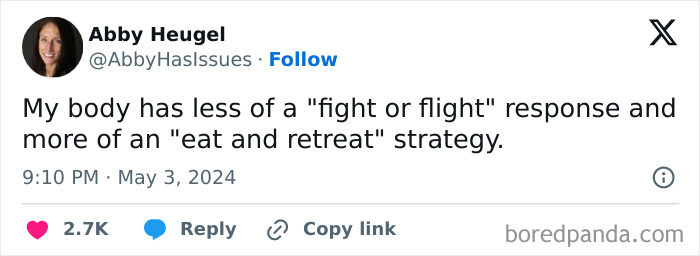
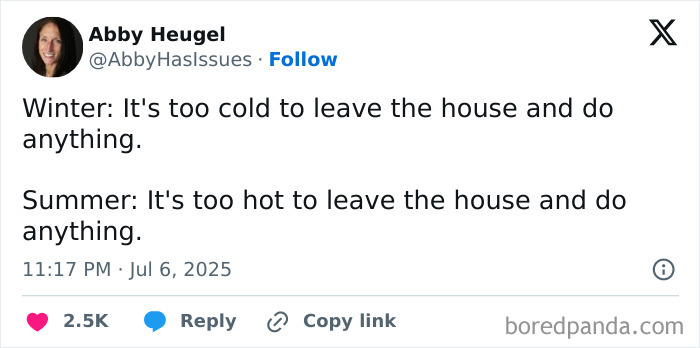
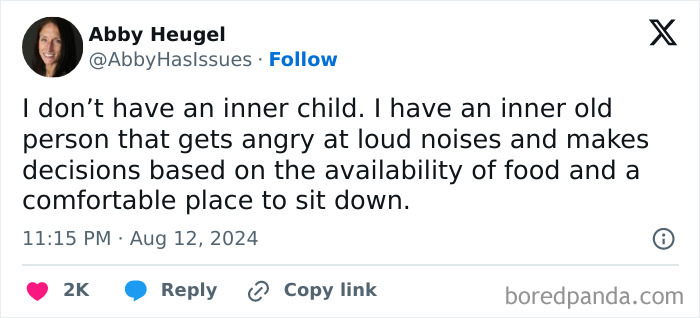
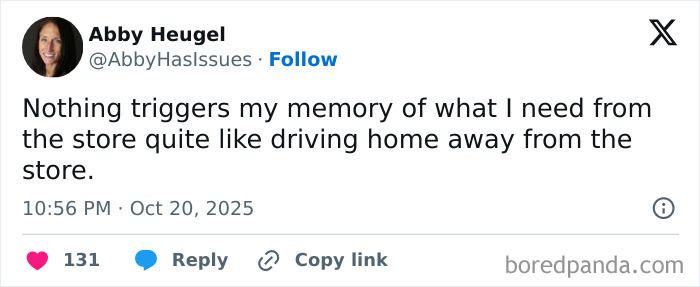
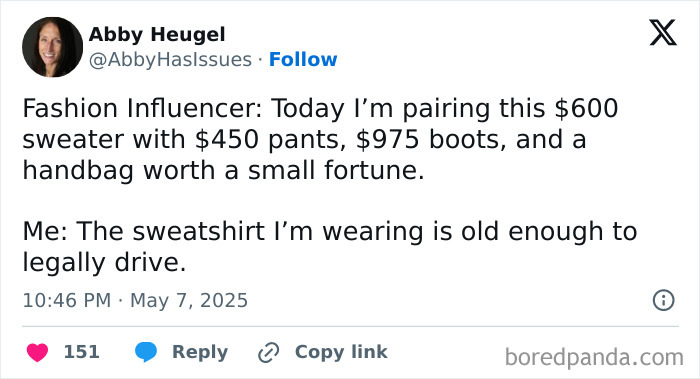
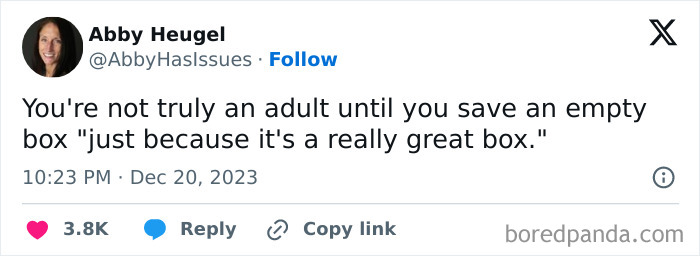
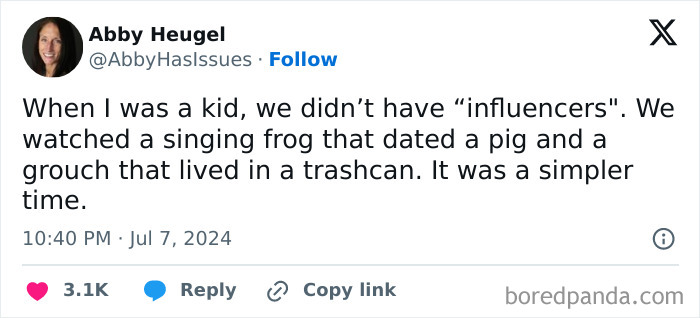
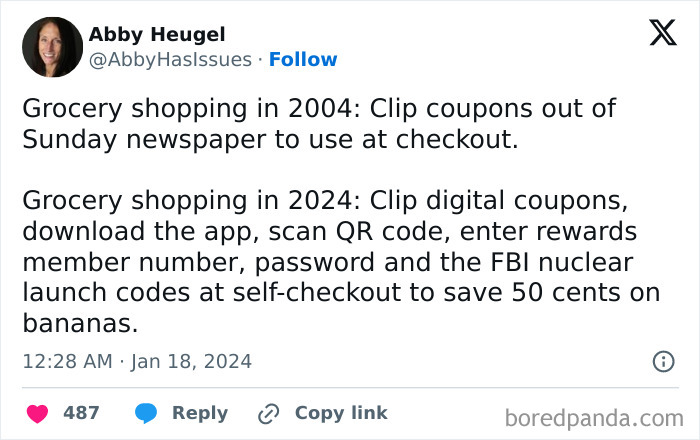
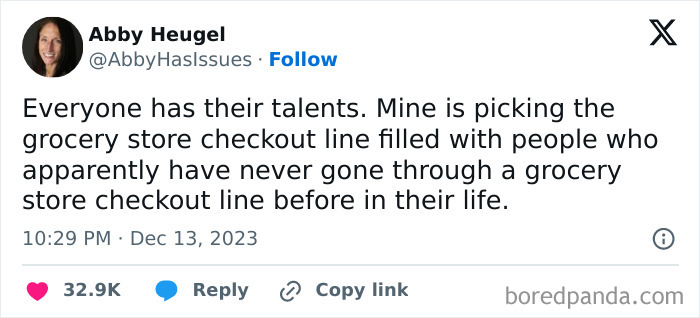
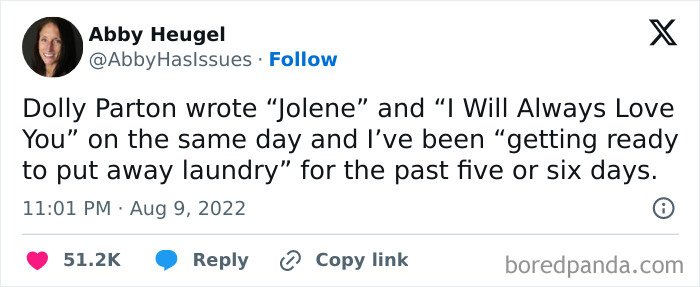
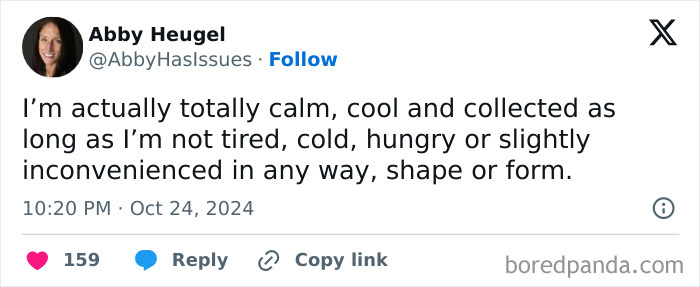
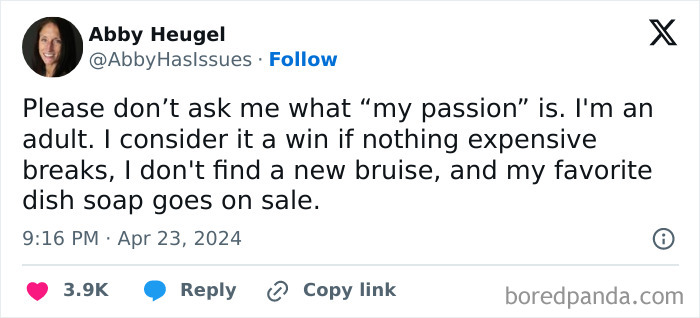
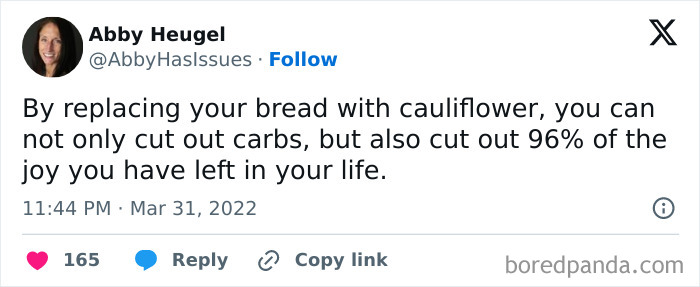
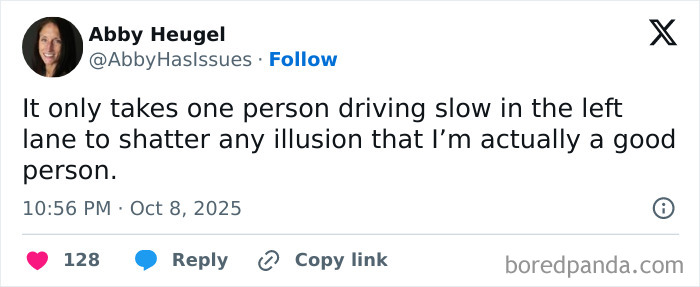
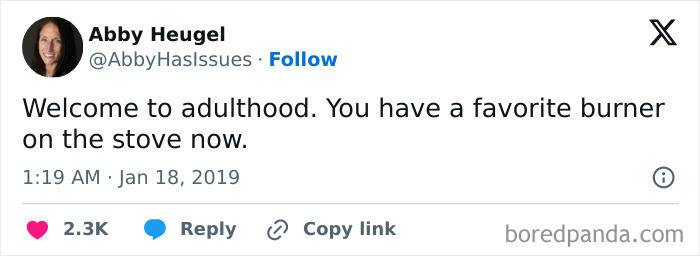
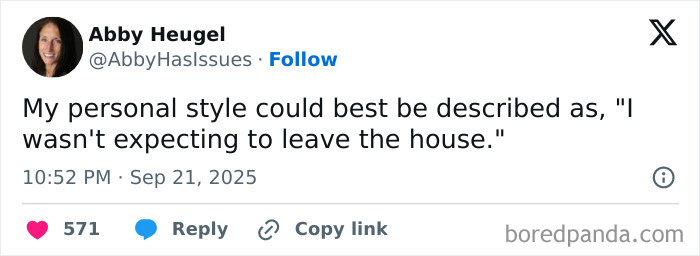
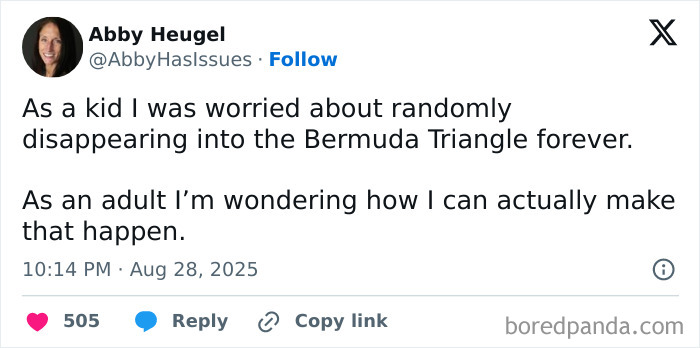
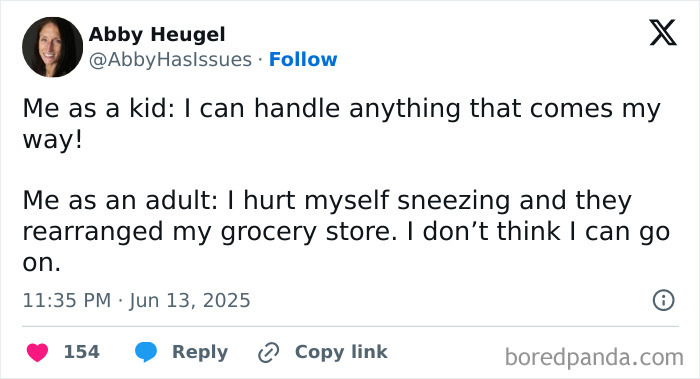
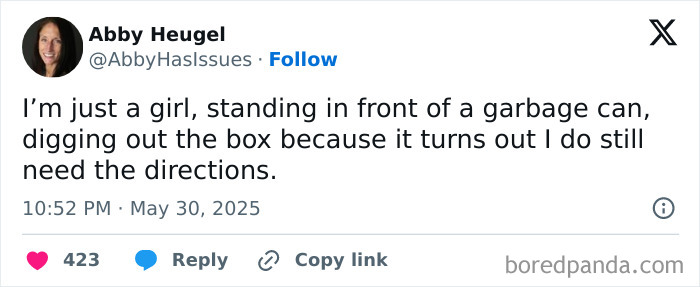
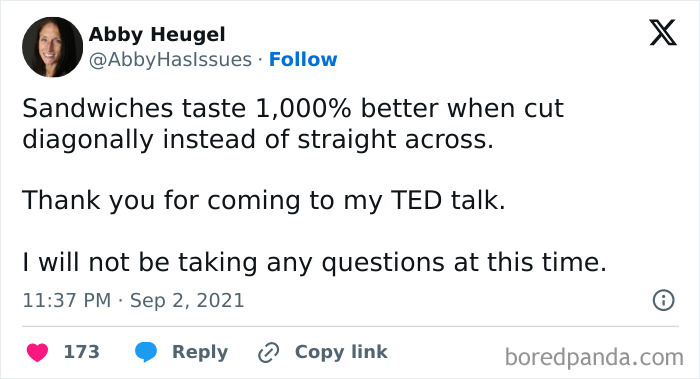
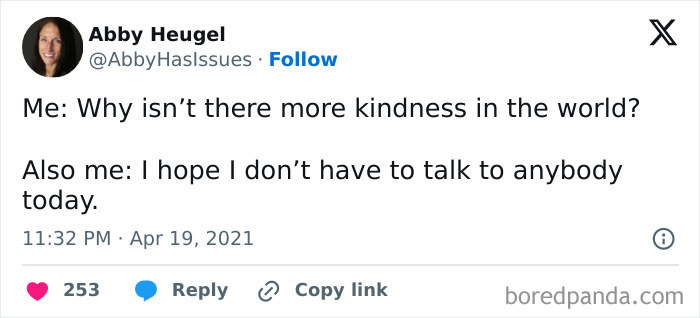
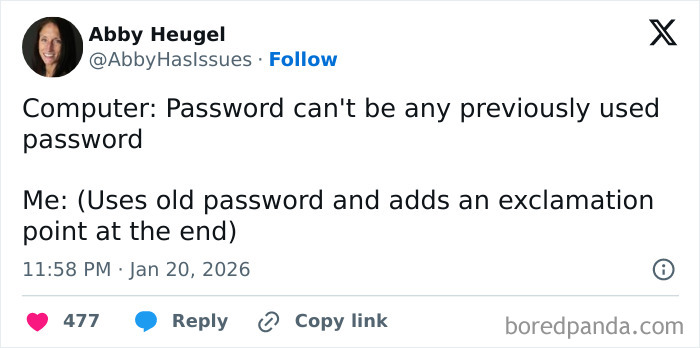
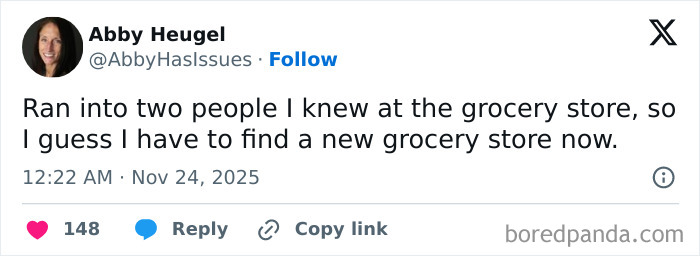
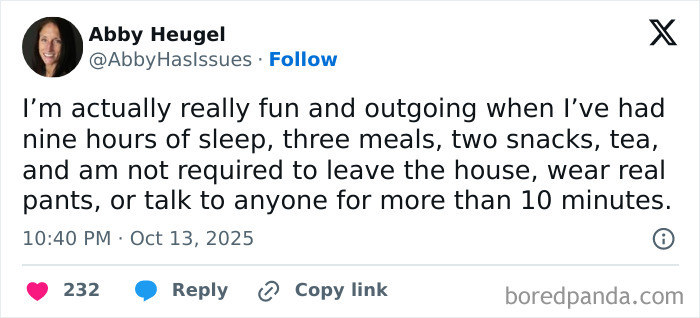
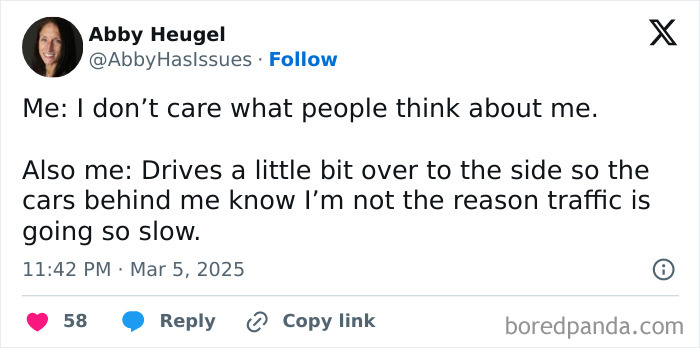
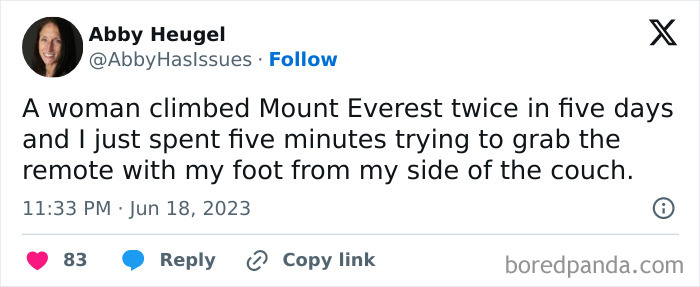
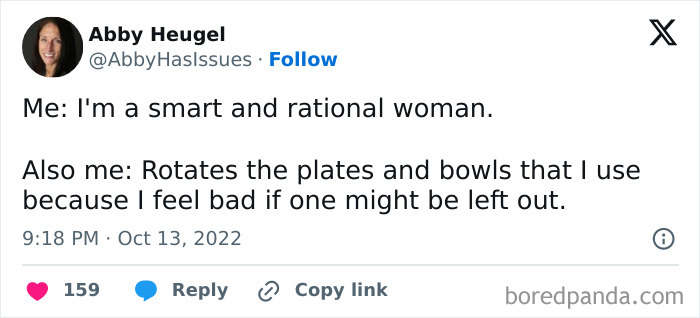
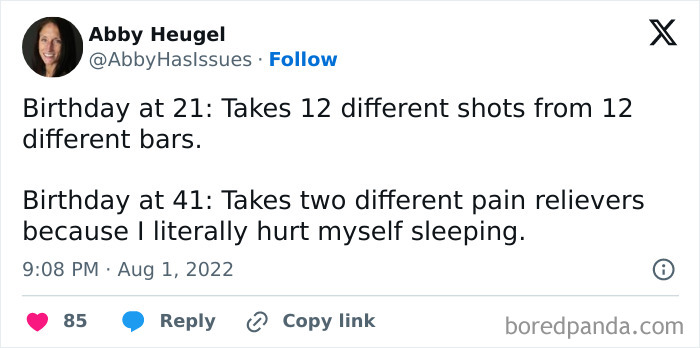
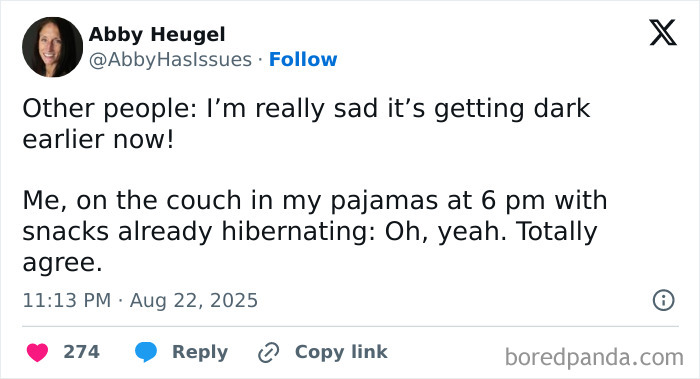
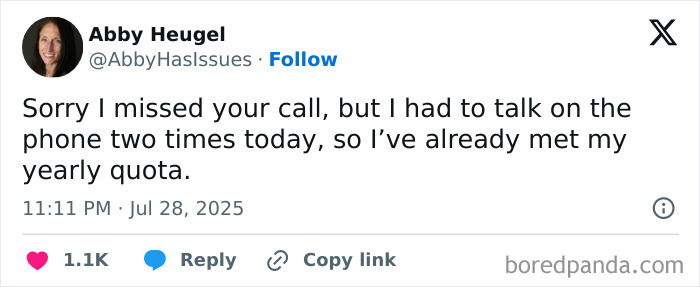
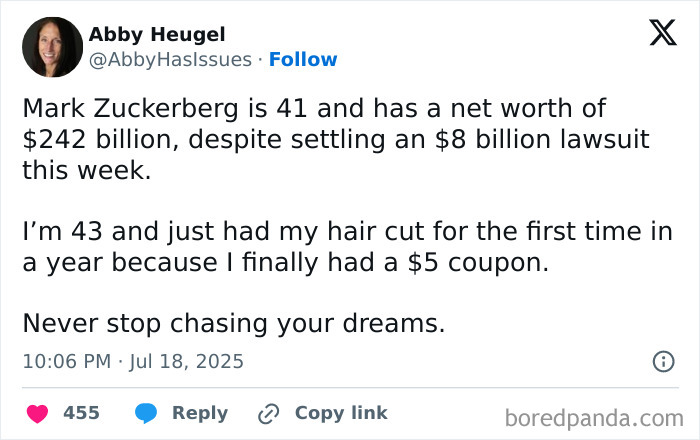
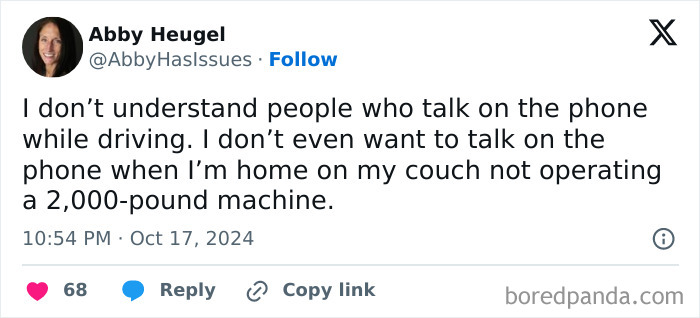
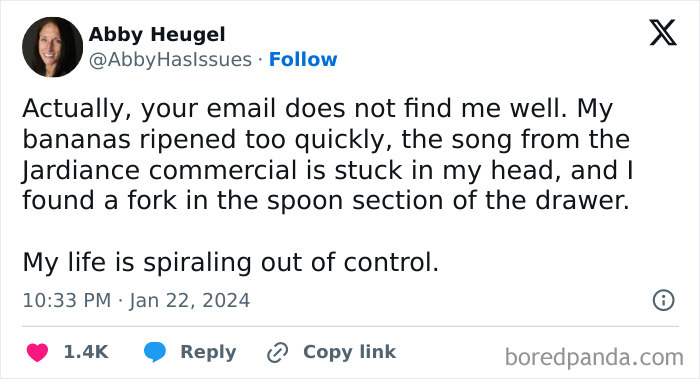
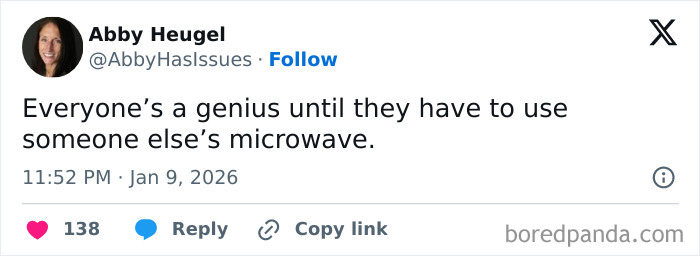
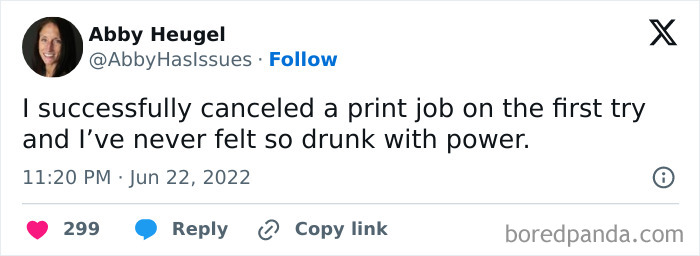
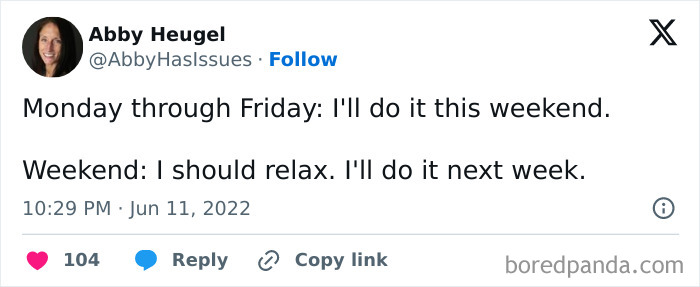
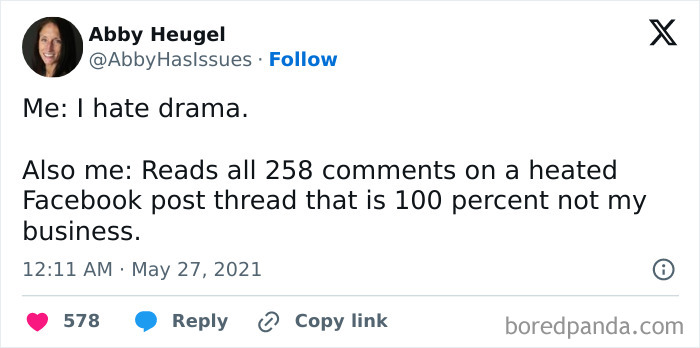
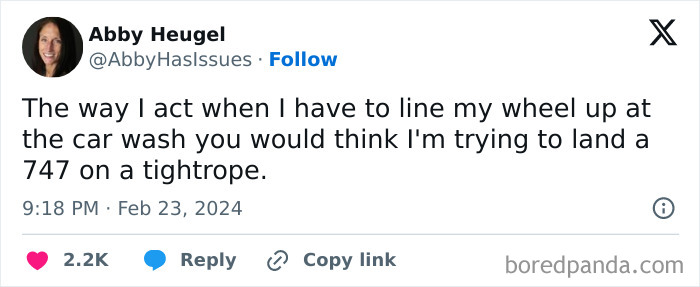
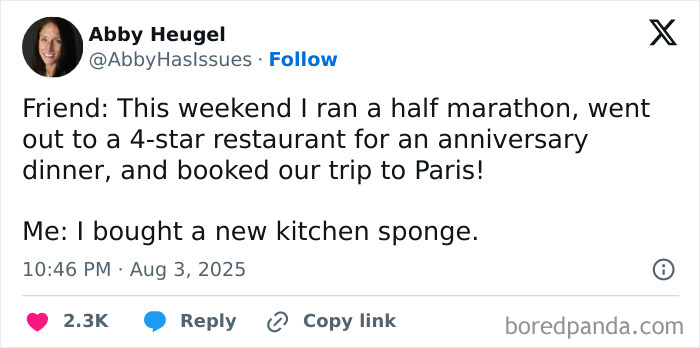
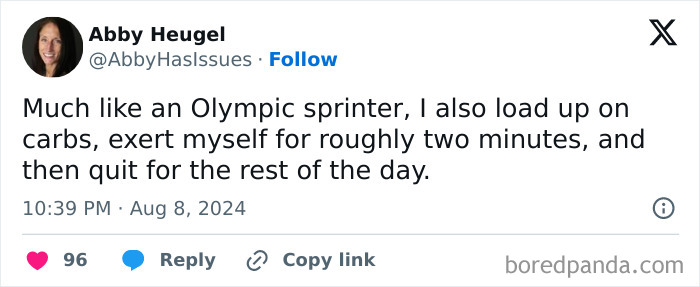
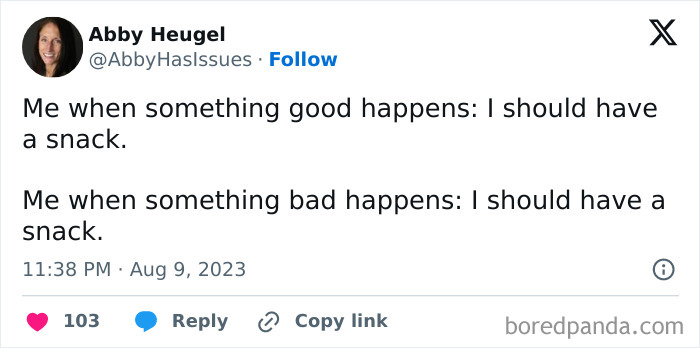
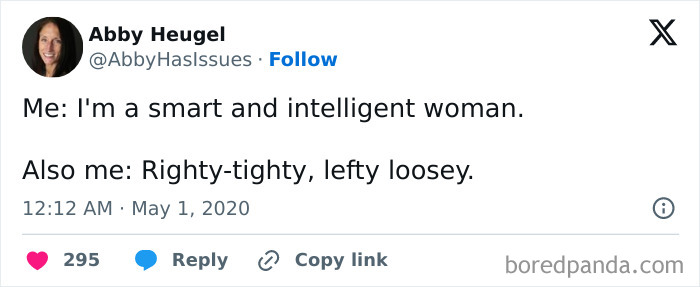
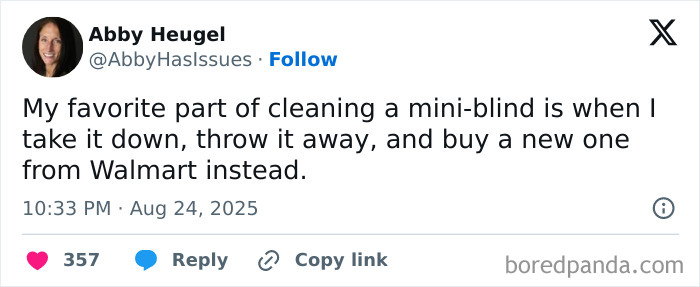
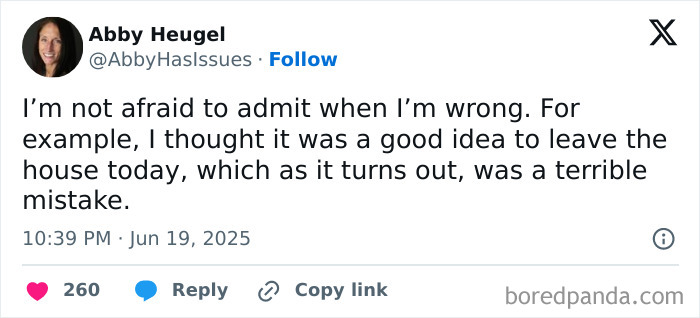
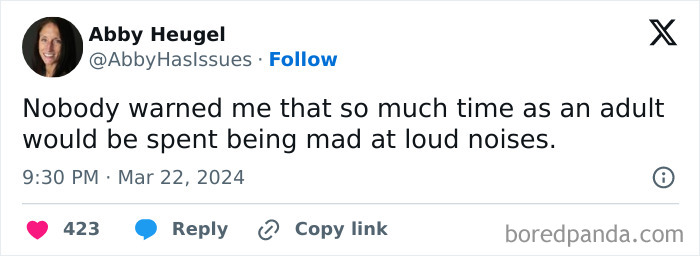
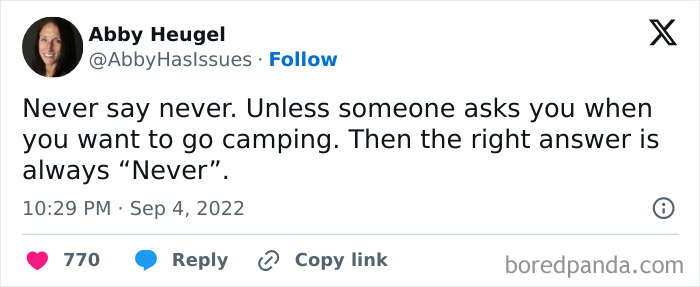
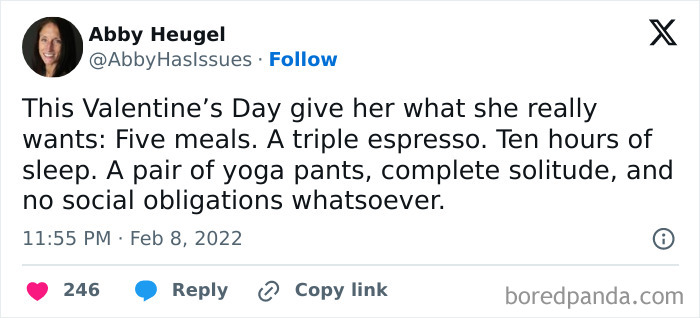
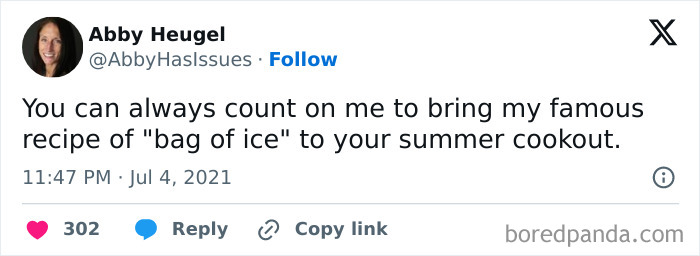
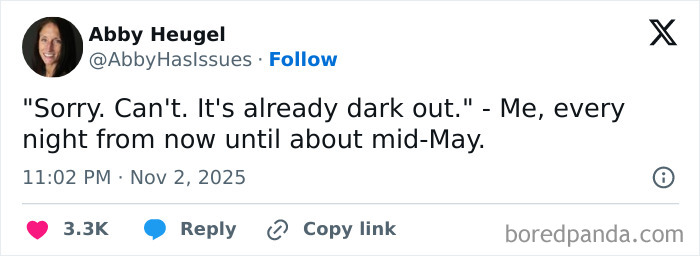
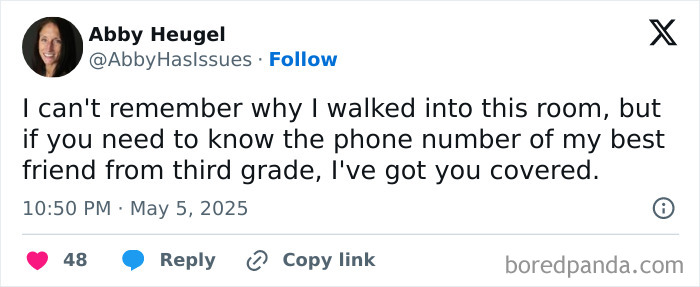
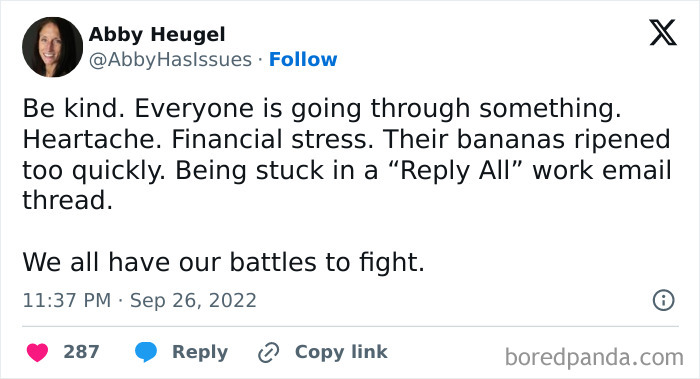
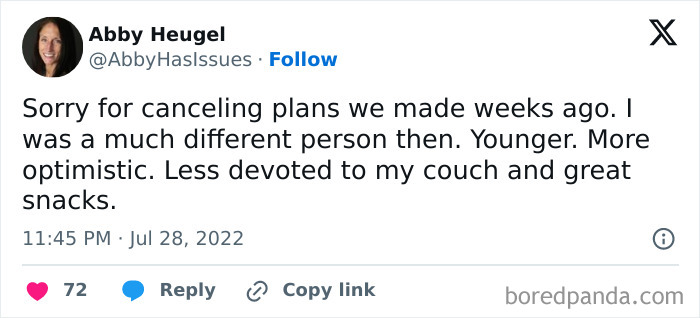
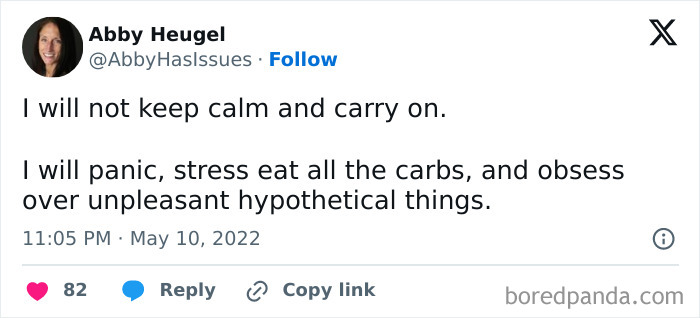
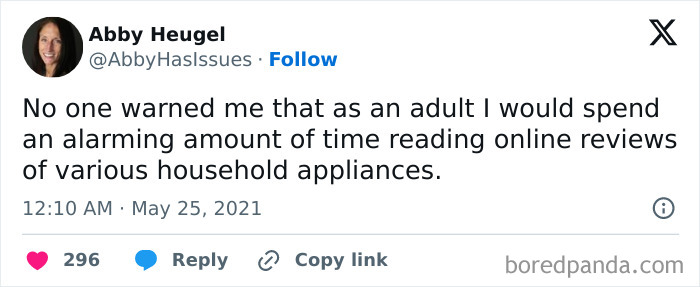
The X (formerly Twitter) user “Abby Has Issues” (don’t we all) posts hilarious, relatable tweets, so we’ve gathered the best ones for your viewing enjoyment. Get comfortable as you scroll through, upvote your favorites and be sure to share your own thoughts in the comments down below.
More info: X
This post may include affiliate links.
If you have ever spent fifteen minutes trying to decide which of your children, I mean, adjectives, to delete so your post can finally hit that elusive "Send" button, then you have experienced the peculiar pain of the character limit. On the surface, being told exactly how many letters you are allowed to use feels like being given a tiny, digital cage and told to perform a Shakespearean play inside it.
However, it turns out that this cage is actually a trampoline for the human brain. When we are given a blank page and infinite space, most of us freeze like a deer in the headlights of a very large, very well-funded marketing budget. This is often referred to as the blank canvas dilemma, where the sheer lack of boundaries leads to a paralyzed state of "analysis paralysis."

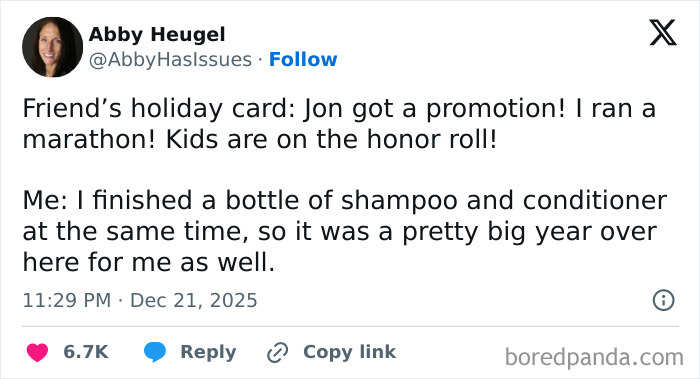
A relatively massive accomplishment compared to the previous years

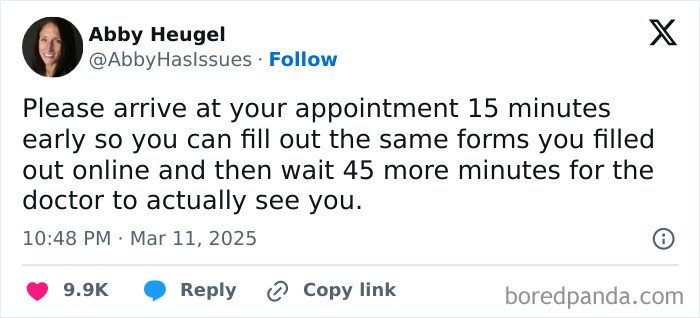
I'm currently waiting 90 mins for my supposedly scheduled appointment...
By contrast, when X (the platform formerly known as Twitter) tells you that you have exactly 280 characters to save the world, or at least complain about your local coffee shop, it flips a switch in your head from "aimless wanderer" to "linguistic sniper." The magic of the character limit lies in the fact that it forces us to value every single vowel.
You just show the chicken, show the road, and deliver the twist. Research into the causal effects of brevity has even suggested that shorter messages are often more successful and engaging than their longer counterparts, simply because they are easier for the human brain to process in a fast-paced digital environment. We are naturally drawn to "high-signal" content that doesn't waste our time, and nothing provides a higher signal than a joke that has been sanded down to its barest, funniest essentials.
There is also a fascinating psychological component to why we get funnier when we are restricted. When our options are limited, we stop looking for the "perfect" word and start looking for the "clever" solution. We start using puns, irony, and creative punctuation to convey tone that would otherwise require three paragraphs of description.
According to a deep-dive study on how constraints affect content, users who were forced to "squeeze" their thoughts into a tight limit actually produced higher-quality content that elicited more engagement than those who had more room to roam. The struggle to fit a big idea into a small box creates a kind of "cognitive friction" that sparks original thought. It’s the difference between a garden hose spraying water everywhere and a high-pressure nozzle cutting through metal. The constraint focuses the energy.
This is why some of the most iconic "Twitter jokes", like the "Me/Also Me" format or the "Expectation vs. Reality" posts, thrive on brevity. They use the layout and the limit to tell a story in a single glance, turning the platform into a gallery of digital haikus that happen to be about memes and existential dread.

Even when the platform doubled the limit from 140 to 280 characters, the culture of brevity remained. It turns out that once you’ve learned how to dance in a small room, you don’t necessarily want a ballroom, you just want enough space to move your arms without hitting a lamp. This "sweet spot" of constraint ensures that the platform doesn't just become a collection of unedited diary entries.

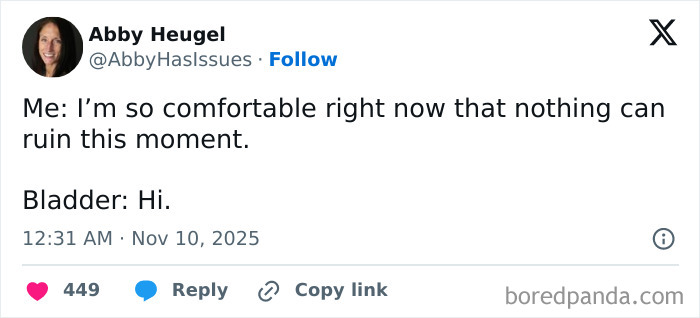
It eventually dawned on me that the cat can hear my bladder's almost full alert about five minutes before I do and uses it to decide it's time to sleep on my lap. That's how she's consistently sleeping on my lap when I need to pee. So I've learned to identify her circling as a cue to get up and pee before she does.
By keeping the walls close, the platform preserves its identity as a place for "snappy and pithy" communication. We’ve all seen what happens when people are given too much room, they start "threading," which is essentially just writing a book one page at a time while everyone else in the library is trying to watch a ten-second clip of a dog wearing sunglasses. The character limit is the invisible referee that keeps the game moving fast, ensuring that the wit stays sharp and the readers stay awake.
It reminds us that sometimes, the best way to be heard isn’t to talk louder or longer, but to say exactly what needs to be said and then get out of the way. It’s a beautiful, chaotic lesson in the power of "less is more," proving that the human mind is at its most brilliant when it is being told exactly what it can't do.
Top three worries as an American child of the 80s--acid rain, quicksand, and killer bees. My science teacher was a bit...dramatic.
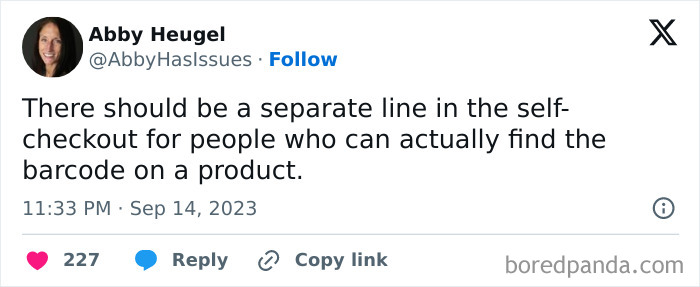
Easy fix, go to grocery find the product and read off the instructions. *This is sarcastic*

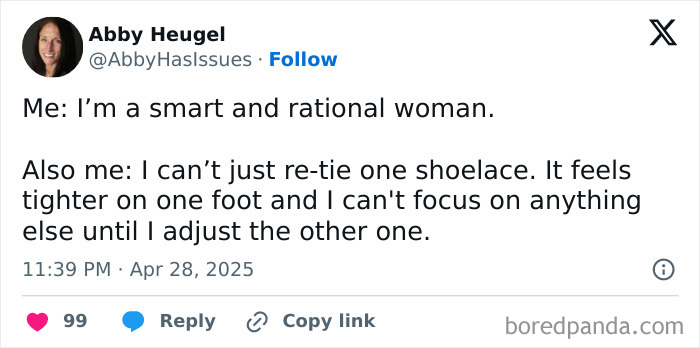
They have to be the same tension. Sleeves have to be rolled up the exact same amount. I autistic (medically diagnosed as such.)
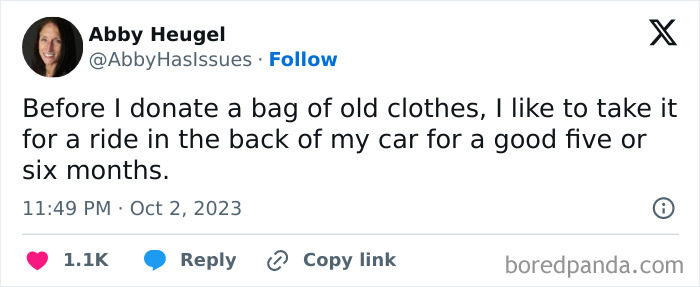
If it's not op shop donations in my car, it's bottles to return for 10c refund

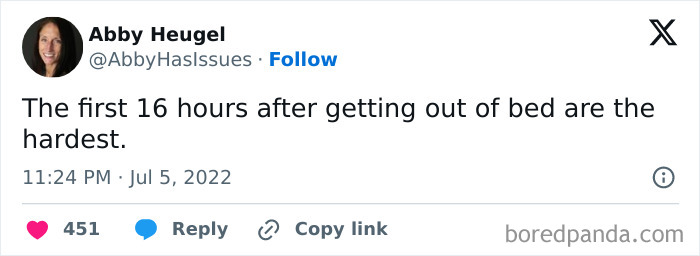
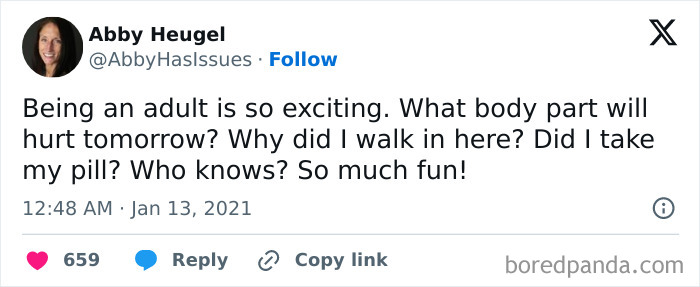
Ah yes, nothing like waking up, getting out of bed and your joints sound like a bowl of Rice Bubbles (y’know snap, crackle and pop?)
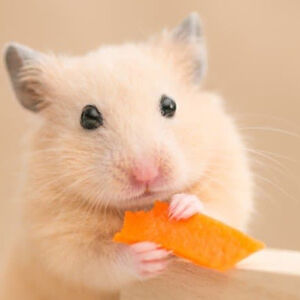

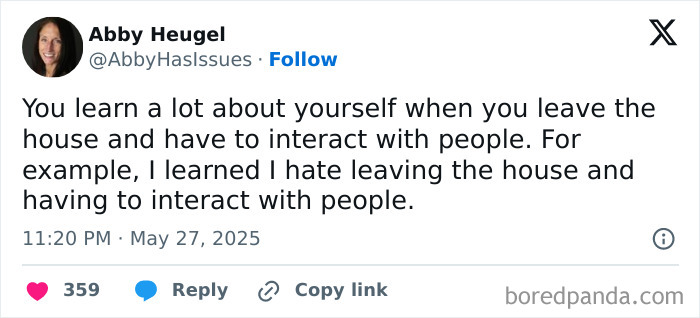
Going to the grocery store for me is ambivalent: I usually hate running into people I know, but I love the background music. Best in town.
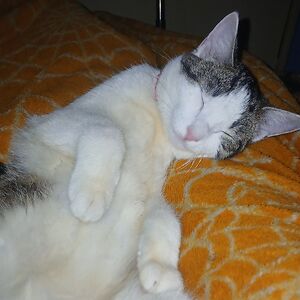
Yeah that's a great accomplishment...but did u GET the remote??? 🤣🤣🤣

I used to have a space in a communal parking area. There was one older couple who I caught sight of one day. Lady parked, man jumped out and literally got out a tape measure, checking all round. If it wasn't exact they would pull out and do it again. This went on for about 15 minutes, until they were happy. If anyone parked, what they considered, too close, they left notes. They caused so many arguments in the area over multiple things. If there had been an HOA, they would have been in charge.
That's something that my resident smart intelligent woman hasn't figured out yet.

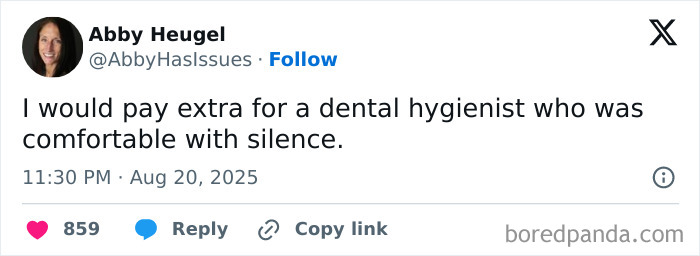
I would too, if it weren't for the fact that I get stressed if I don't know what someone is doing whole they're poking around in my mouth
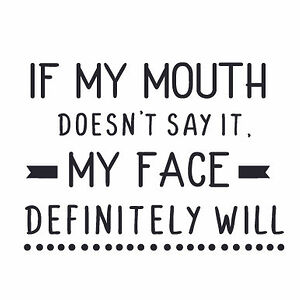
You feel like you've been taken hostage with no way out when that happens, though...

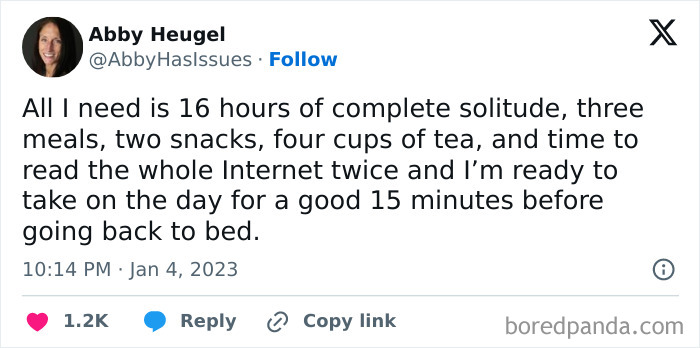
Nah. The first two cups are still rebooting the system. Only with the first sip from the third cup will I, once again, evolve into human.
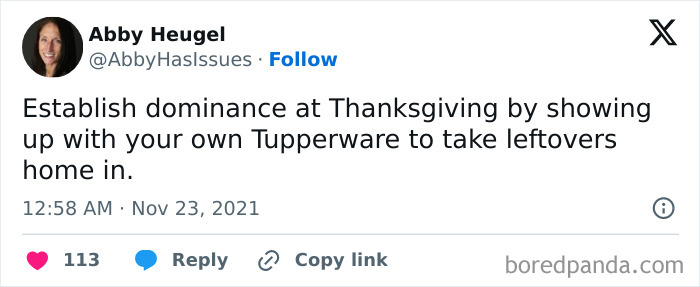
I live alone, and actively bully my guests into bringing Tupperware to take leftovers. W*F am I going to do with all this food?
Thank you Abby, just like Loteguy, I'm in my seventies and have to say she is absolutely spot on with just about everyone of her comments. One question, are you spying on me?
Another person in my 70s. I didn't know there were cameras in my apartment.
Load More Replies...
I'm worried about Abby. I'm in my seventies, and from her picture she looks way too young to think the same way I do on so many points.
Thank you Abby, just like Loteguy, I'm in my seventies and have to say she is absolutely spot on with just about everyone of her comments. One question, are you spying on me?
Another person in my 70s. I didn't know there were cameras in my apartment.
Load More Replies... I'm worried about Abby. I'm in my seventies, and from her picture she looks way too young to think the same way I do on so many points.














 No fees, cancel anytime