Get Premium
Dark mode theme is available exclusively for premium users. Learn more about the benefits of subscribing.
No fees, cancel anytime.

 Dark Mode Ad-Free Browsing Unlimited Content
 Ad-Free Browsing Unlimited Content Dark Mode
Join 1.2 million Panda readers who get the best art, memes, and fun stories every week!
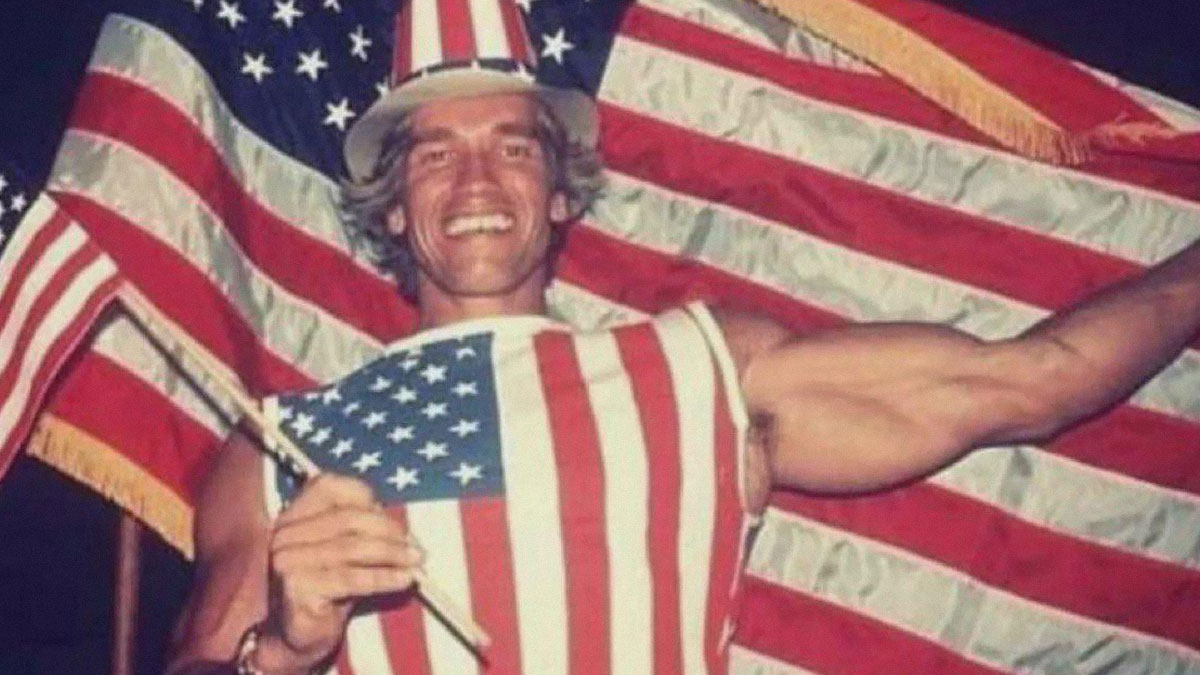



History is rich and fascinating, but with so many moments to remember and life moving as fast as it does, we tend to hold onto only the biggest ones. The lesser-known stories get lost along the way—which is a shame, because they’re often just as captivating.
Thankfully, corners of the internet like the Instagram page Rare Histories do a wonderful job of giving them the spotlight they deserve. We’ve rounded up some of their most interesting posts below. Scroll down to check them out.
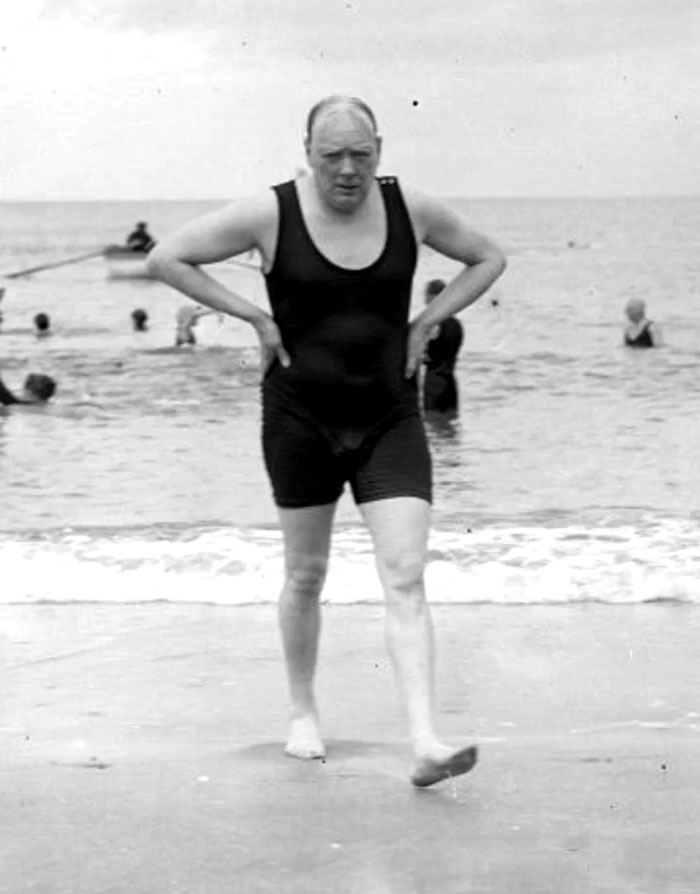
Image credits: rarehistories
This post may include affiliate links.
There is something special about getting an unfiltered peek at the past, the kind that rarely makes it into classrooms or school textbooks. Textbooks certainly do their best, but they can only hold so much, and the stories that get left out are often the ones that make history feel most human.
And when we do encounter the past through film or television, what we tend to get is a polished, dramatic version of events that prioritizes excitement over accuracy.
That is what makes posts like those from Rare Histories so refreshing. They fill in the gaps with real stories and moments that bring historical figures to life in ways no screenplay quite manages.
Take gladiators, for example. Most of what people picture when they hear the word comes straight from Hollywood, and that picture tends to be entirely male.
The reality, though, was a little more complicated. There is actual historical evidence, backed by Roman writers and a carved marble relief found in modern-day Turkey, that women did take part in gladiatorial combat.
The emperor Domitian reportedly arranged for female fighters to compete by torchlight at night, and in 200 AD, Emperor Septimius Severus formally banned women from the games, which tells its own story about how common the practice had become.

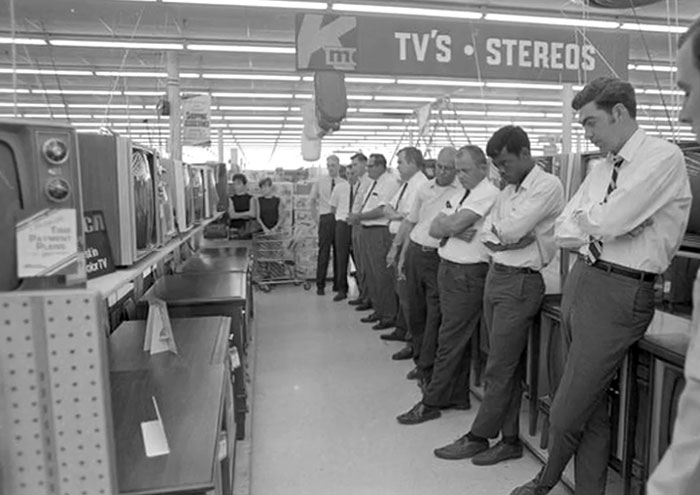
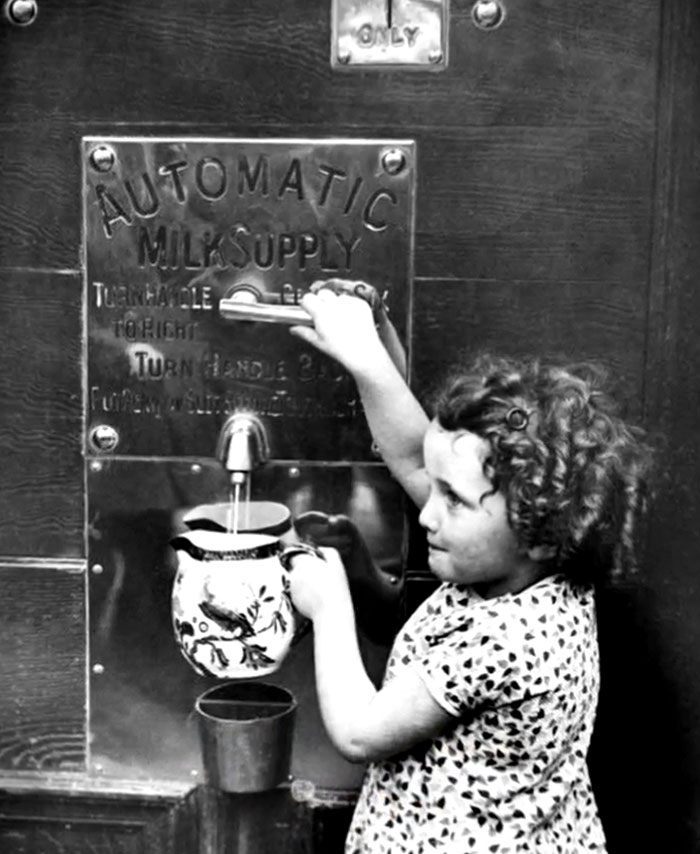
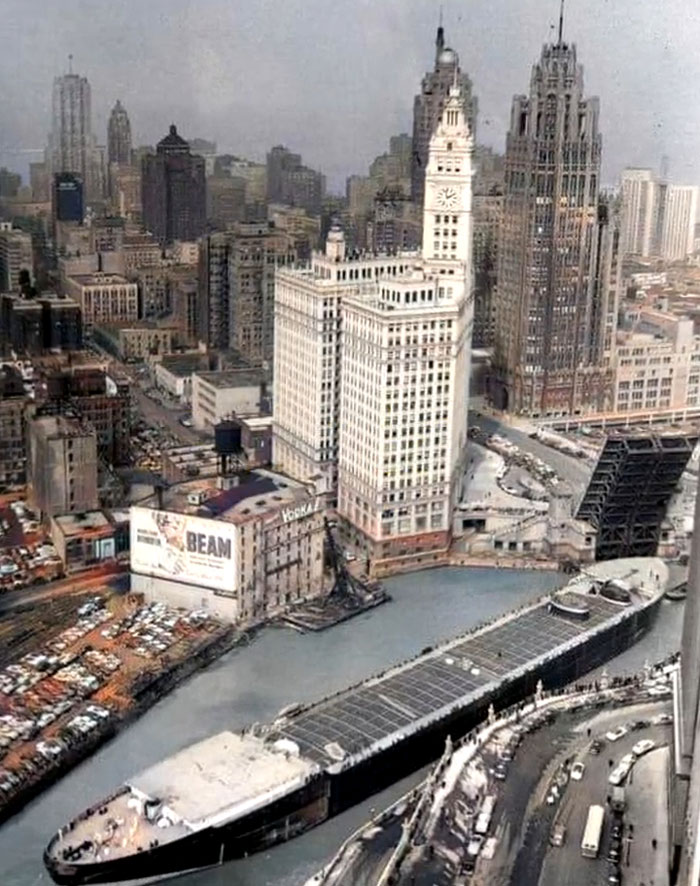
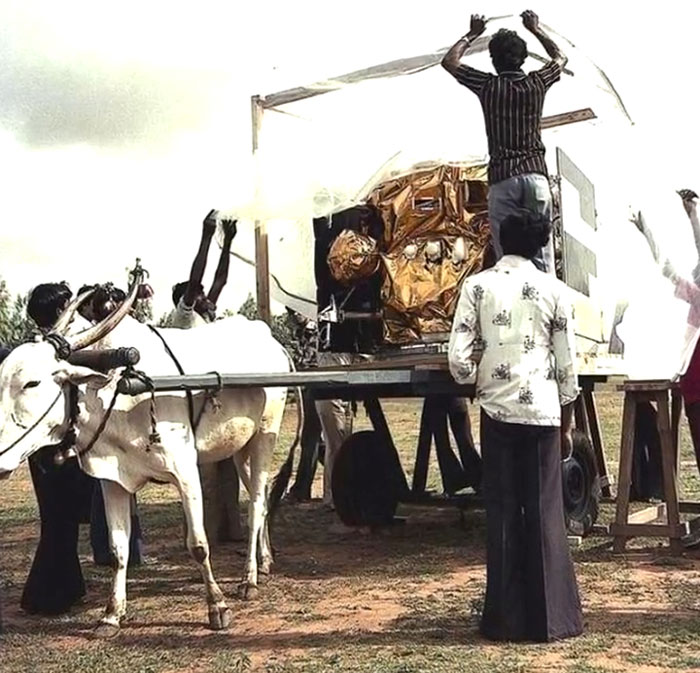
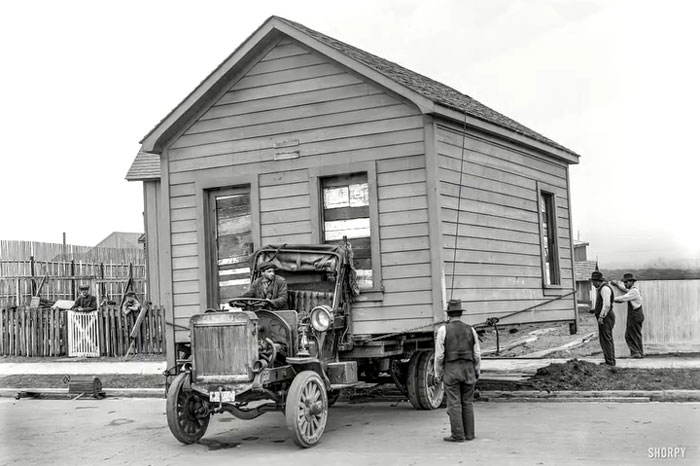
I was 6 years old back them and clearly remember my grandpa was very moved and he said "when I was a child there were only horse-drawn carts in my town. Look how far we've come"
There is another widely held assumption about gladiators that turns out to be far less true than the movies suggest: that their fights almost always ended with someone losing their life.
In practice, gladiators were expensive to house, train, and feed, and their owners had every financial reason to keep them alive and fighting. When one gladiator admitted defeat, they would raise a finger, and that was usually the end of it.
A match that ended in a fatality was actually considered unusual. These were professional fighters with careers and a strict diet heavy in barley, which earned them the nickname “Barley Boys.”
Wealthy Roman women were apparently devoted fans, some even paying to have the sweat scraped from their favorite fighter’s skin after a bout, which they would then use as a luxury moisturizer.

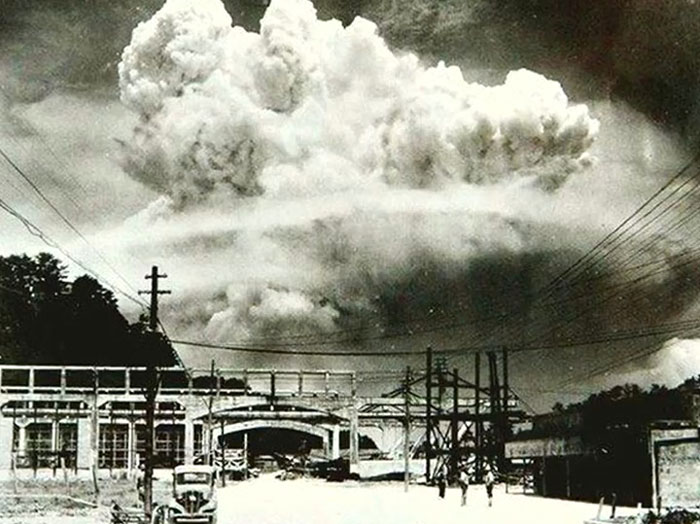
It's worth bearing in mind that there are hardly any nuclear warheads in service these days with a yield that small. (some of the 'dial a yield' types can deliver a blast that small, if set to do so). I read that back in the late 1940s, the US military planners reckoned that 200 ordinary single stage fission bombs (similar to what we see going off here) would be enough to effectively destroy the USSR. Now? Both the US and Russia have thousands of nuclear warheads, all of which are much more powerful. 21kt was the Nagasaki 'Fat man' yield. Trident missile warheads have around 100kt to 475 kt yield - potentially 8 (or 12) per missile (variations depending on US/UK service and warhead type). US B61 nuclear bombs have around a 400 kt yield. Fun fact: the civilization-ending nuclear war could be starting now. Between its start and the end of the world as we know it could be less than an hour and once the orders are given, it can't be stopped. 😁🥺

Florence Nightingale is one of history’s most celebrated figures, but there is a side of her that rarely gets talked about. Long before she became famous for her work during the Crimean War, she was already practicing her instinct for care on the animals around her.
She kept a little owl named Athena as a pet, which she had apparently trained to peck her sister when her sister was being annoying.
Over the course of her lifetime, she also adopted at least 60 cats, and she was a genuine advocate for using small animals to help hospital patients recover more quickly, which was quite a forward-thinking idea for the time.
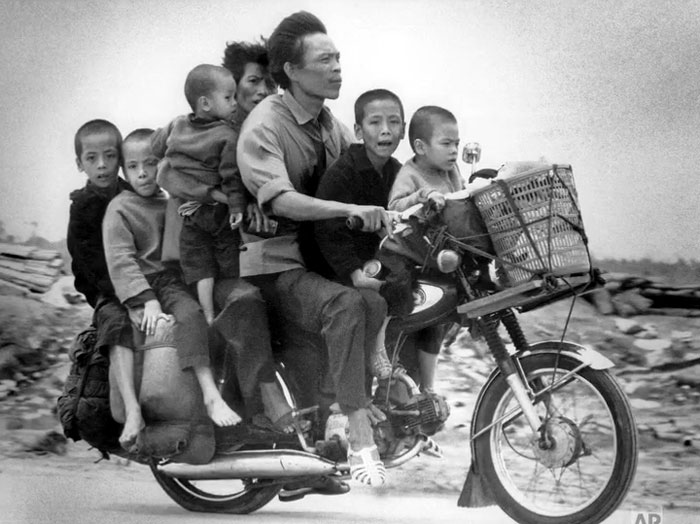
Under normal circumstances, I'd be critical of the parents - seven on one small motorcycle? No footwear on the children? On the other hand, when fleeing from actual warfare? Yeah - never mind all that, just run away. Maybe they should have put some more air in the back tyre - but if it worked, it worked. Also: the bike looks like a Honda Cub, often judged the best motorcycle ever designed. The fact that it did the job we see it doing goes some way to explaining that judgement.
The Victorian era also gave us Charles Dickens, and while most people know him as one of the greatest novelists in the English language, fewer know that he had a very personal reason to fear train travel.
In 1865, he survived a serious rail accident when the train he was on plunged off a bridge. He escaped relatively unharmed, helped pull other passengers to safety, and then went back into the wreckage to retrieve the manuscript he had been working on, which would become Our Mutual Friend.
He never really got over the experience and largely avoided trains for the rest of his life.
Dickens knew London well, and the city he wrote about was not always a pleasant place to be. In the summer of 1858, it became almost unbearable. That period even got its own nickname: the Great Stink.
A combination of extreme heat and a total lack of proper sewage infrastructure caused the River Thames to produce a smell so overpowering that it brought the city to its knees.
With a population that had grown to millions over the previous decades, and no effective plumbing to handle the waste, the river had essentially become an open sewer.
Queen Victoria reportedly abandoned a river cruise the moment the smell hit. Parliament, which sat right along the riverbank, seriously debated whether to pack up and move to another city entirely.
Dickens himself described the stench to a friend in vivid and unflattering terms. It was that crisis of a summer that finally pushed the government to invest in a proper sewage system for the capital.
What makes all of this even more striking is that most ordinary Londoners living through these events could not have read a newspaper account of any of it.
There was no legal requirement to send children to school in Britain until 1880, and in the meantime, debates about who should fund education and whether working-class families could afford to give up their children’s wages kept generation after generation from learning to read or write.
In the slums, sending a child to school meant losing the income that child could otherwise bring in. Even as late as 1870, roughly half of all British children had no access to schooling at all.
School meals were eventually introduced as one way to soften the blow, making attendance at least a little more appealing to struggling families.
It is a long way from those overcrowded Victorian streets to where we are now, with centuries of history just a few taps away. The stories above are just a small handful of the many moments that shaped the world we live in, and yet most of us will never come across them through traditional education.
That is what makes it so worthwhile to pause and take notice when a corner of the internet decides to shine a light on the overlooked and the unexpected. History has no shortage of surprises, and there is always something new to discover.

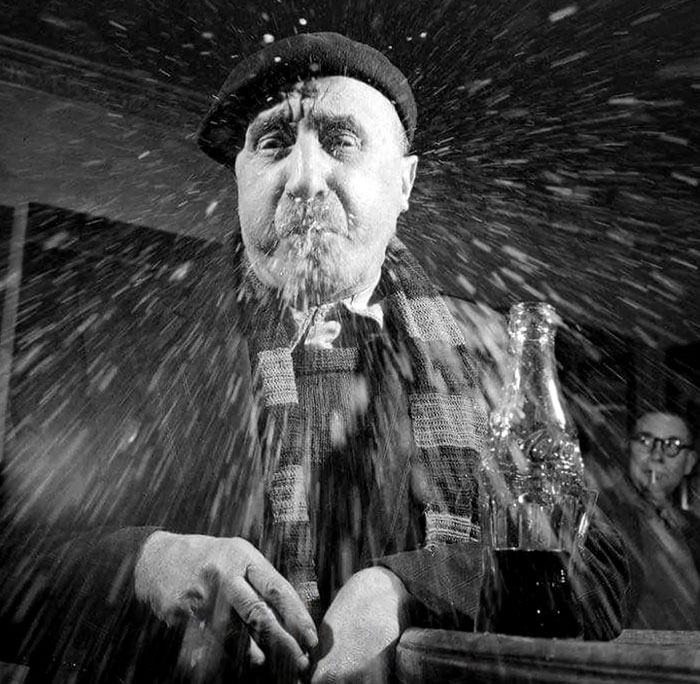
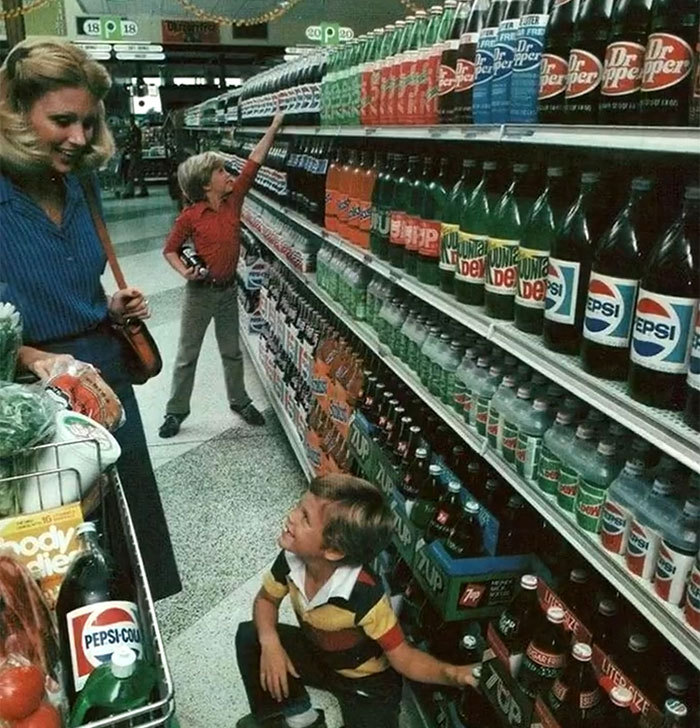
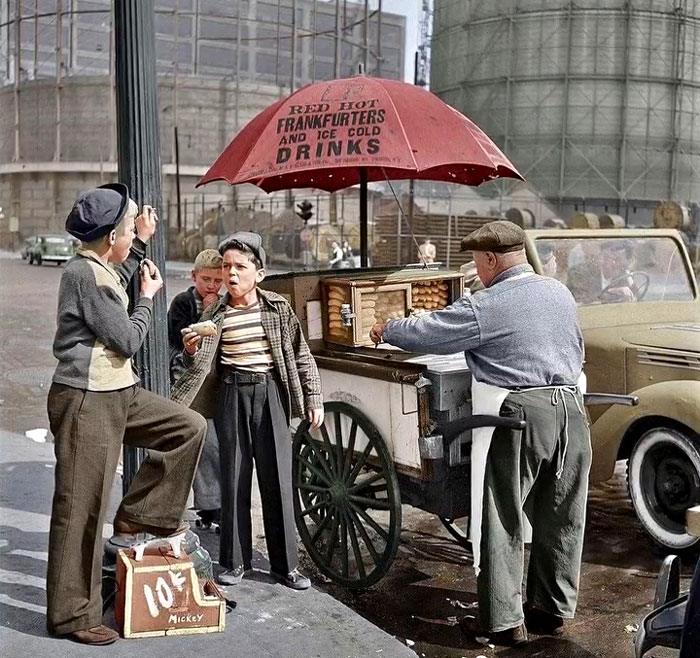
I remember hunting for bottles to return for money. Even the cardboard carriers would get a little refund. I wish this were a thing again. I’d much rather have beverage in glass rather than aluminum cans or plastic.

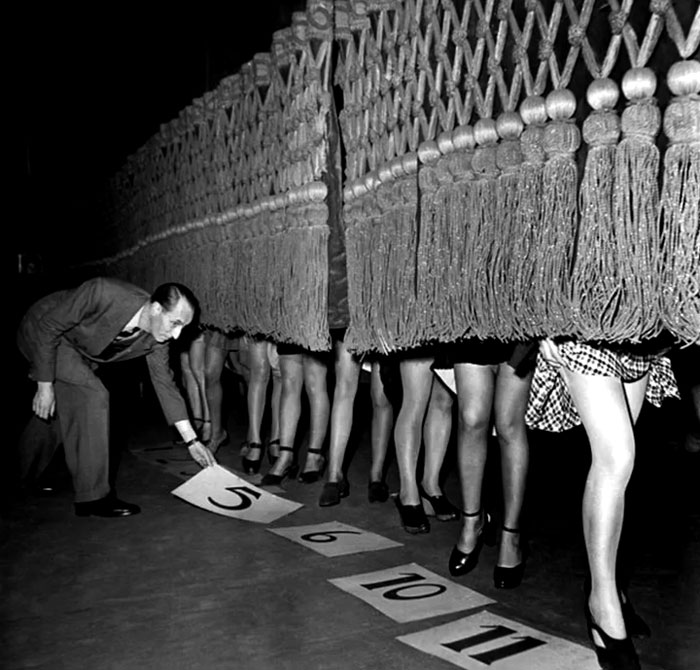
Don't laugh, he was number 4 in the "Prettiest Legs" Competition In Paris, 1950

Eugene the Jeep: whatever anyone says about W S Churchill, he did fight on the battlefield - took part in the last major cavalry charge conducted by the British army. Much criticism of him is valid, but he did have personal courage.
Load More Replies...
"A good speech should be like a woman's skirt: long enough to cover the subject and short enough to create interest" - Winston Churchill





The racist, Zionist, white supremacist and ethnic-cleansing supporter Winston Churchill


If the contrast of that pic was as the original is, you would see that his bits are completely outlined by the wet suit. Look it up.
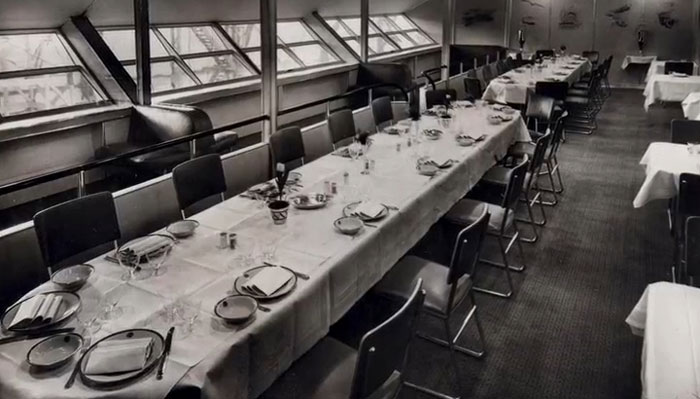
Hindenburg's first flight was March 4, 1936. Either the date is wrong or the airship's name is.
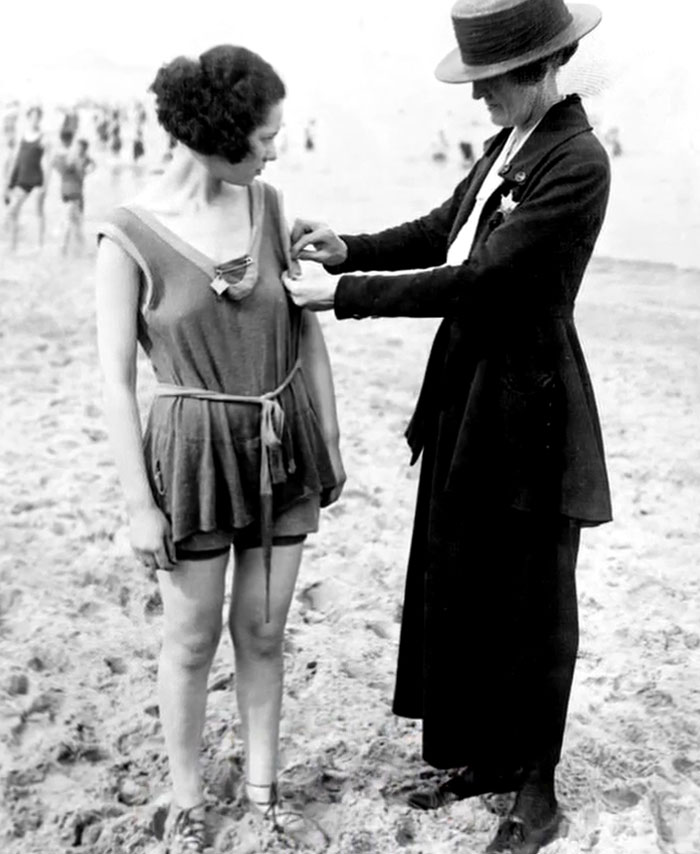
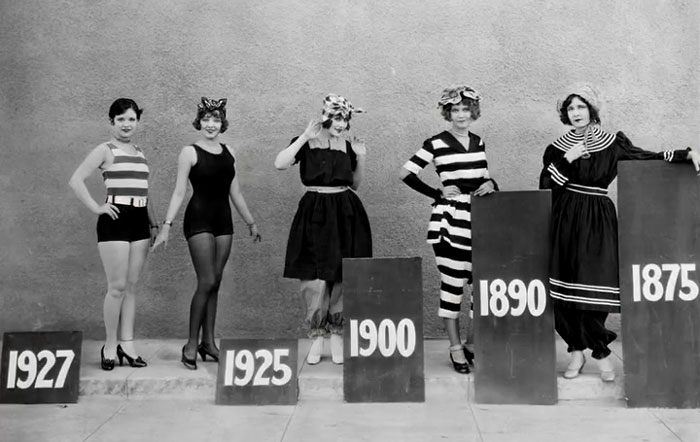
I don't think "swimwear" is the right term for the 1875, 1890, 0r 1900 costumes. "Wadingwear" maybe, but I'd defy anyone to swim in those things.
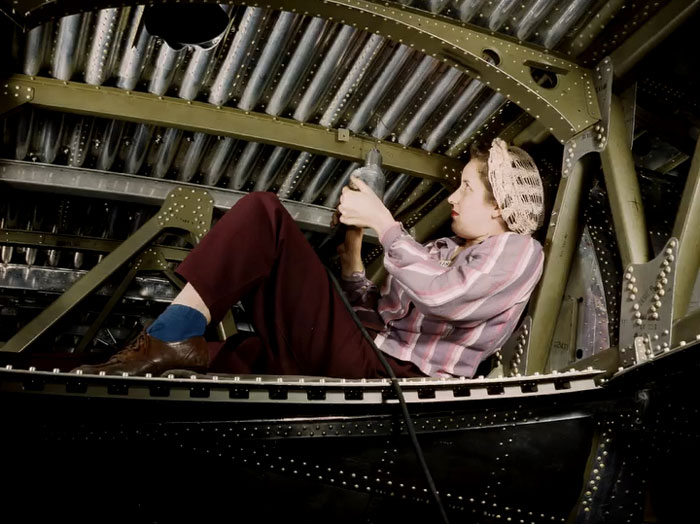
I've seen this photo before and thought the setup looked pretty comfy. I hadn't noticed previously, though, that she's using a Dvorak keyboard.

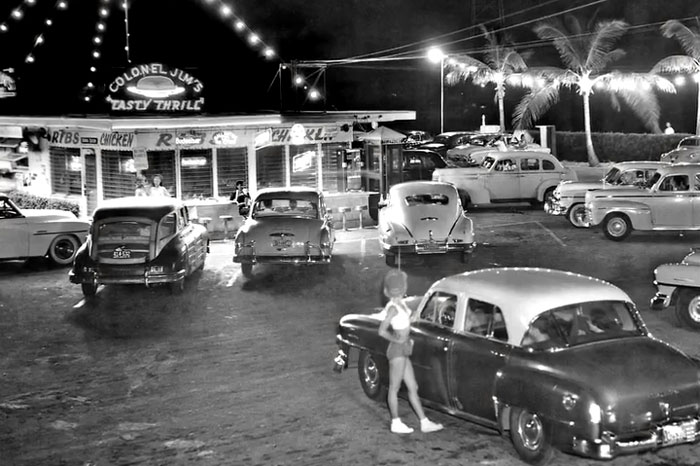
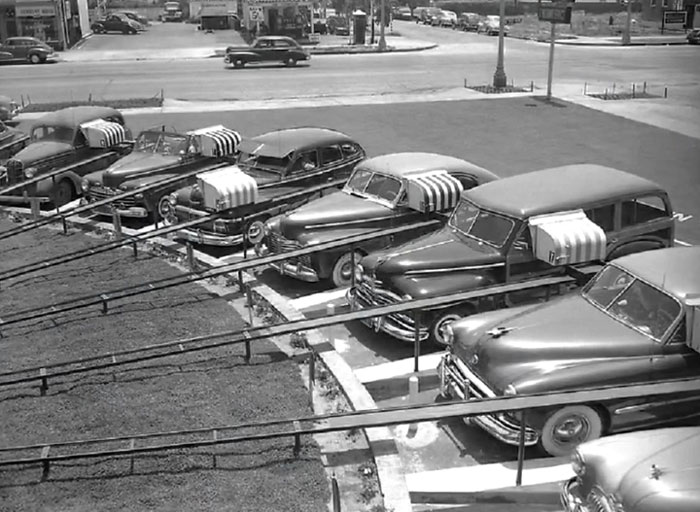
The Miami Herald reported in 1952 on the burgeoning number of local drive-in restaurants staffed by scantily clad young women. “There seems to be a race going on among Miami drive-in restaurant owners to see who can clothe curvaceous curb cuties in the tightest sweaters and the briefest shorts,” a Herald story by reporter Pat Murphy said. “Within metropolitan city limits, there are some 150 drive-in hasheries operating throughout the year. Of these roadside restaurants, about seven-eighths of them are known to have curb girls — ‘car hops,’ if you please — sprinting between car and kitchen wearing uniforms with little more fabric than two handkerchiefs.

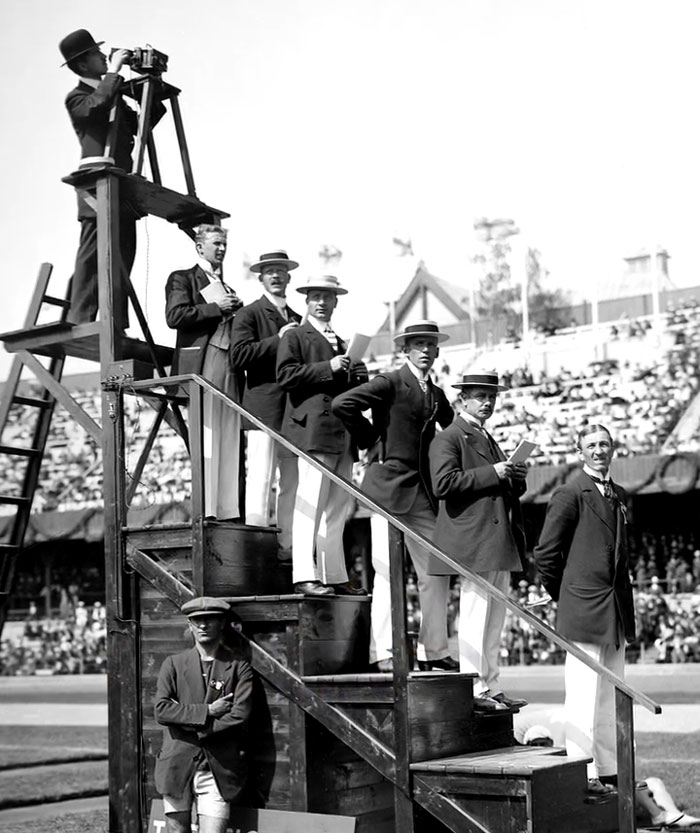
The 1912 Olympics were the first to be condensed into the two weeks that we have now. The previous games of 1908, held in London, were stretched over 8 months.

My concern, is what it took for us(US) during this time will not be replicated. Hopefully no need, but all hands were on deck. United in our focus.
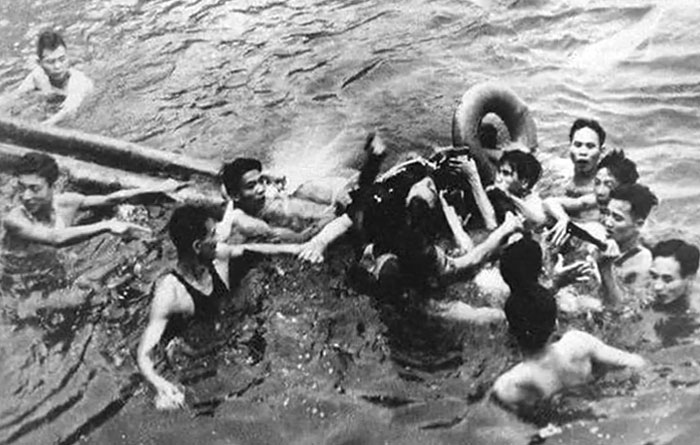
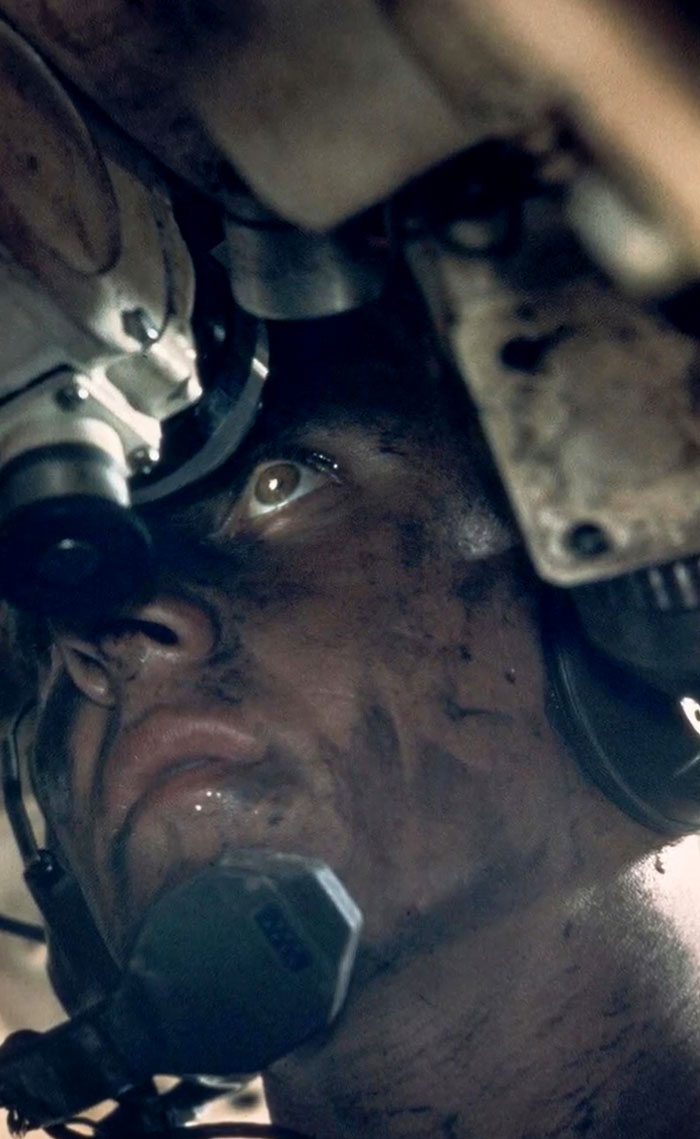
The airman was then-Lt. Cmdr. and later Senator John McCain. He was held prisoner by the North Vietnamese until 1973 and endured t*****e and solitary confinement. This is the courage and endurance Tr*mp mocked when he said, "I like people who weren't captured."
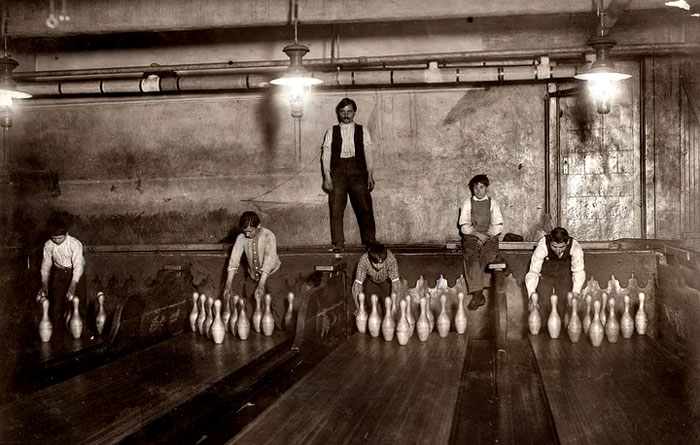
Shoeshine boys have been known to turn into underdogs from time to time.
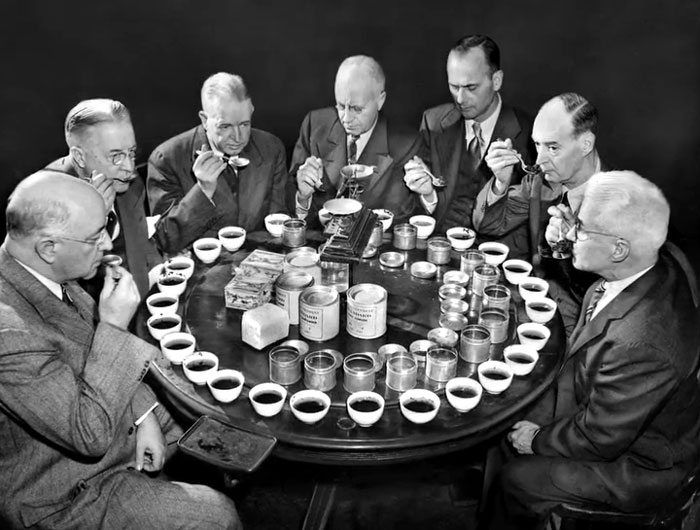
"We've secretly replaced their regular tea with new Folger's, now let's see what they think."
Yes, but it was worth a lot less come the next morning. Hyperinflation ain't great. Thing is, the underlying cause of German hyperinflation at that time was a combination of factors - mostly, the fact that the French continued to demand war reparation payments; then the fact that the German government provided those payments on the basis of printing more money; then the fact that they hadn't really understood the economic problems this would cause. Everything is more complicated than you might think. No-one involved had any idea that the subsequent very bad consequences would be Hitler and all that stuff.
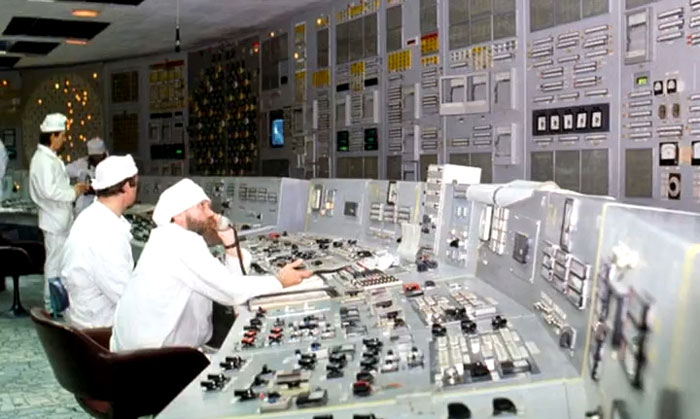
The plant was built with four reactors. One exploded. They continued to operate the other three. Unit two closed down in 1991 (turbine fire), unit 1 continued to operate until 1996 (despite 1982 partial meltdown), while the final operating reactor - unit 3 - was shut down in 2000. In 2025, Russia attacked and blew a hole in the 'new safe confinement' enclosure, so radioactive contamination can once again escape.

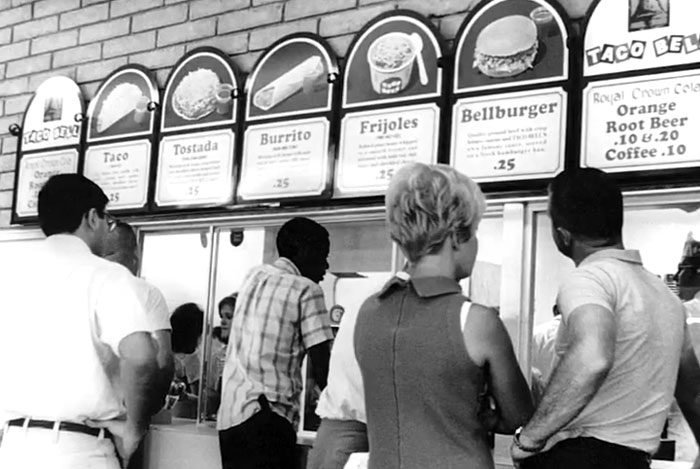
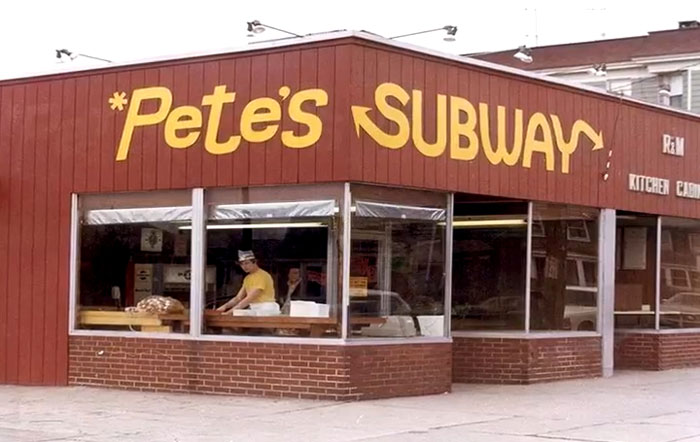
back when the meat, beans, and veg were prepped and cook on-site...and it was actually good
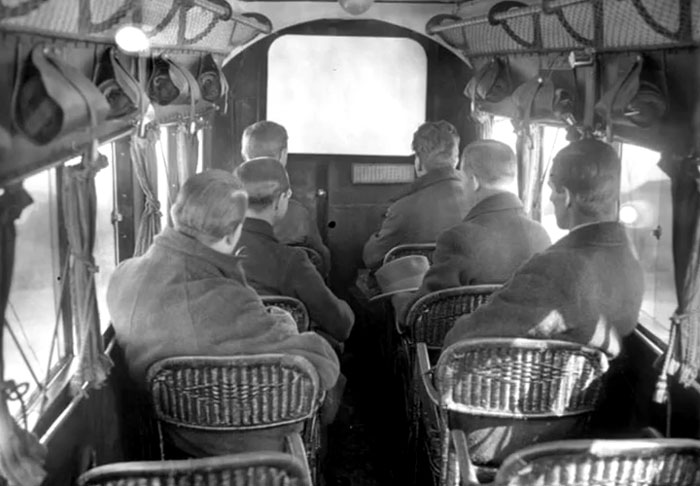
Didn't have to worry about the engine drowning out the dialogue, anyway.

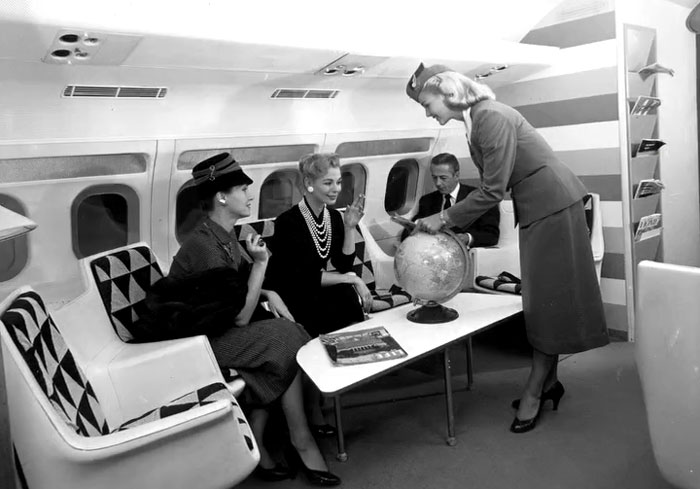
Early attempts at in-flight location updates were found to be labor intensive.

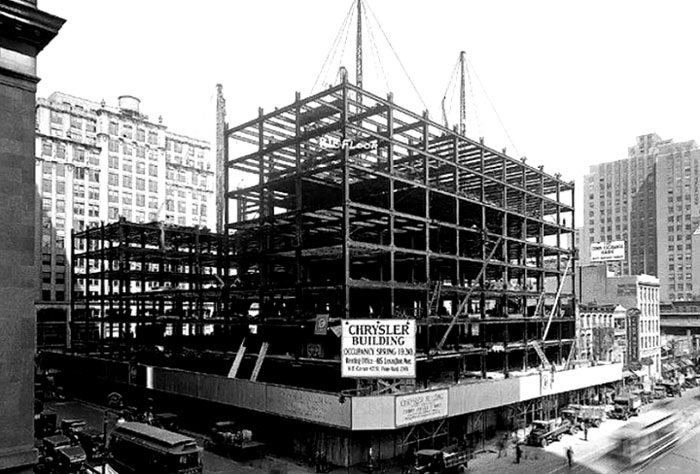
I'm not a fan of the Chrysler Building. I prefer the Chevrolet Building.
I have’t seen any of these photos before. It’s nice to have an original list to go through. Thank you.


I enjoyed these old photos! I also enjoy watching old moviio look at the customs and fashions of those long gone days.
I have’t seen any of these photos before. It’s nice to have an original list to go through. Thank you.
I enjoyed these old photos! I also enjoy watching old moviio look at the customs and fashions of those long gone days.

























 No fees, cancel anytime