Get Premium
Dark mode theme is available exclusively for premium users. Learn more about the benefits of subscribing.
No fees, cancel anytime.

 Dark Mode Ad-Free Browsing Unlimited Content
 Ad-Free Browsing Unlimited Content Dark Mode
Join 1.2 million Panda readers who get the best art, memes, and fun stories every week!
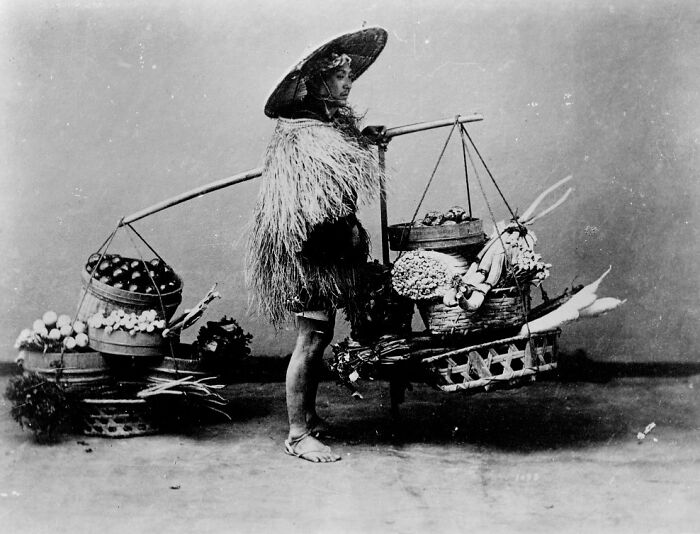
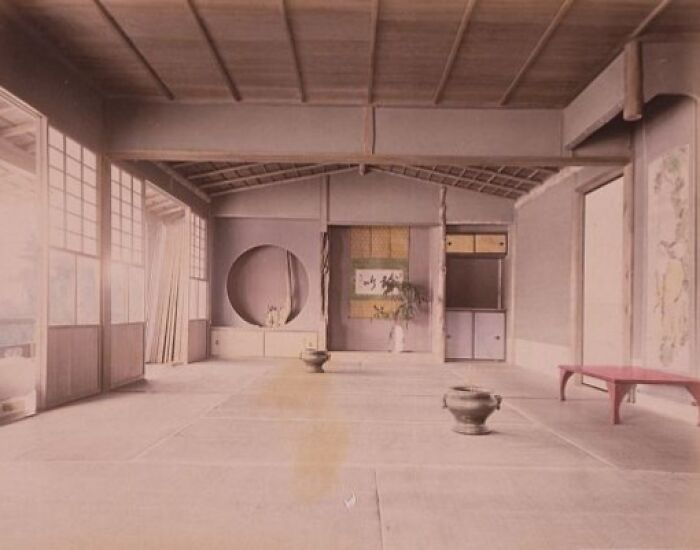
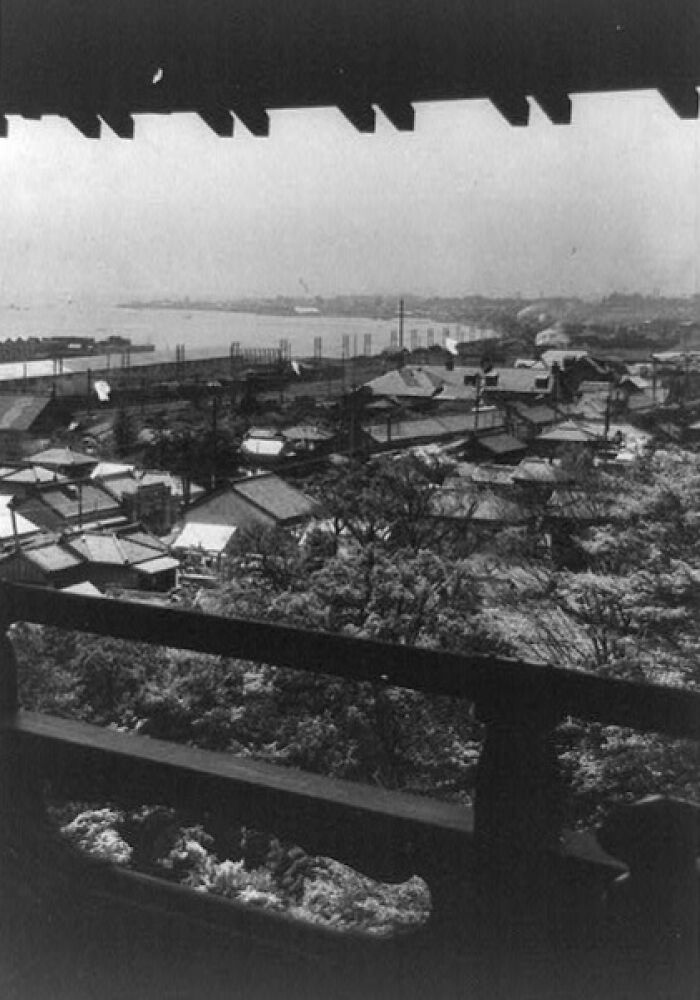
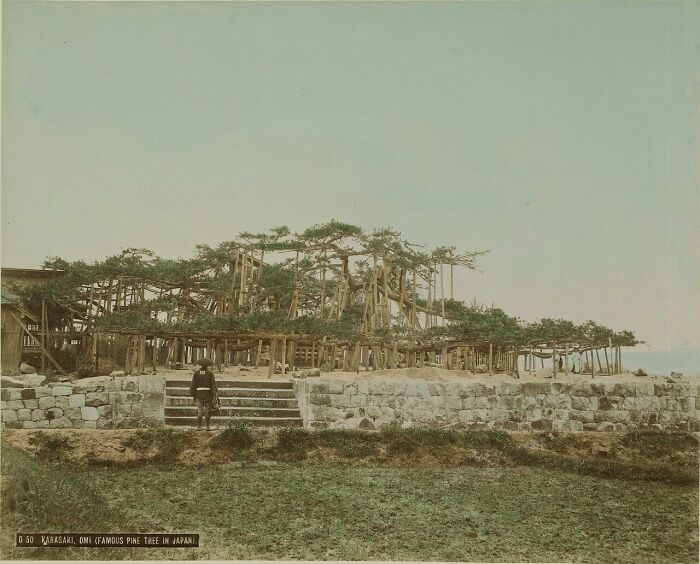
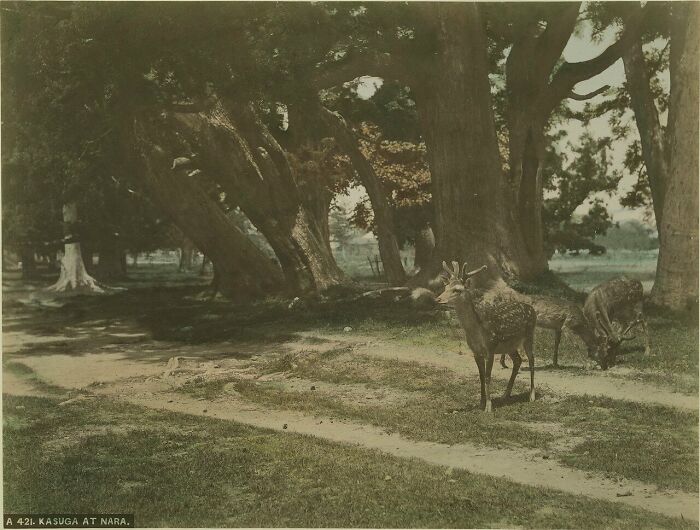
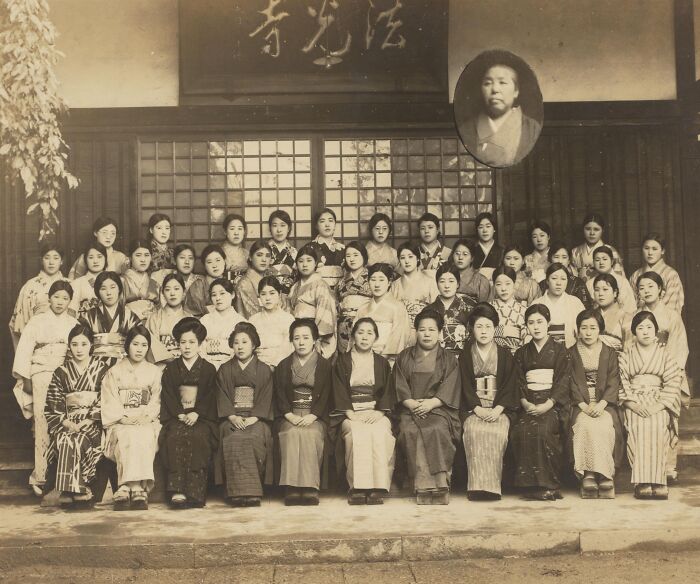
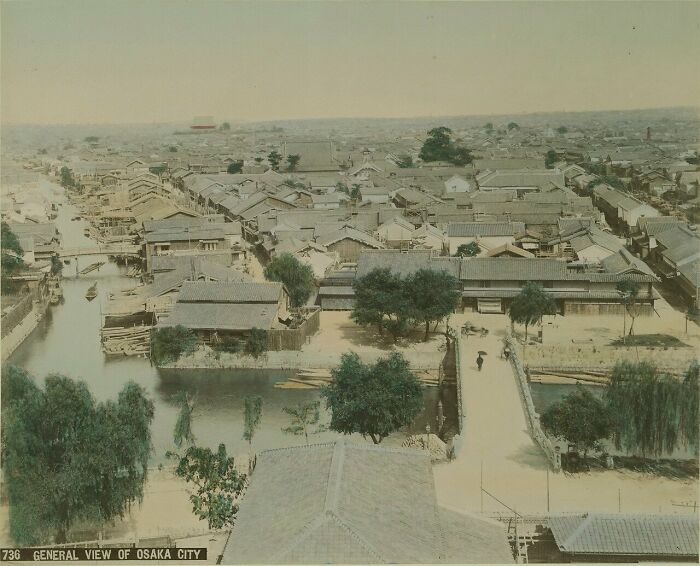
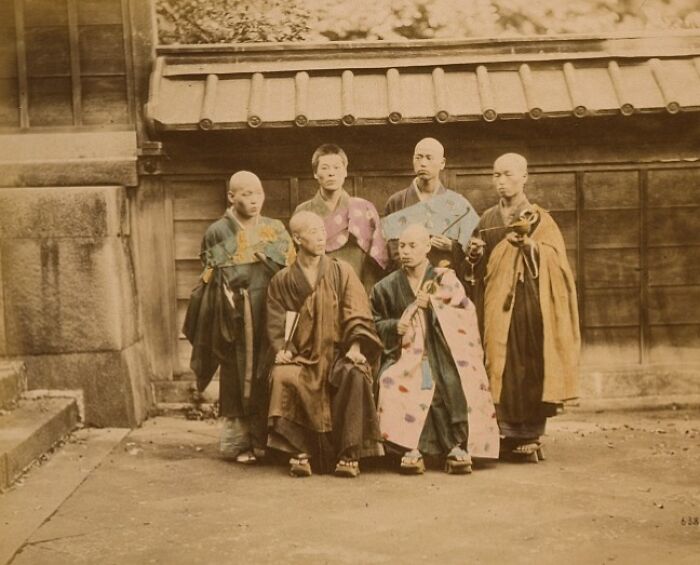
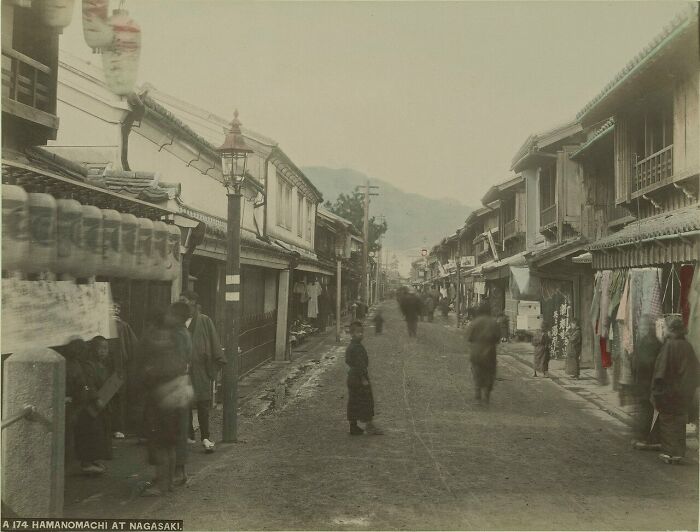
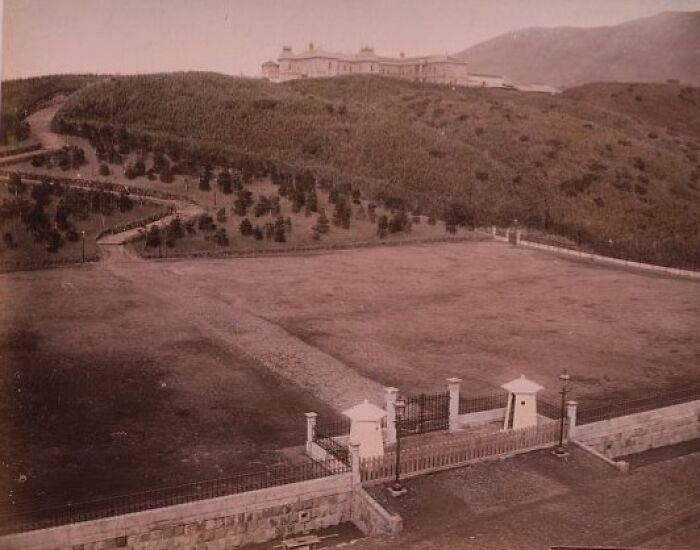
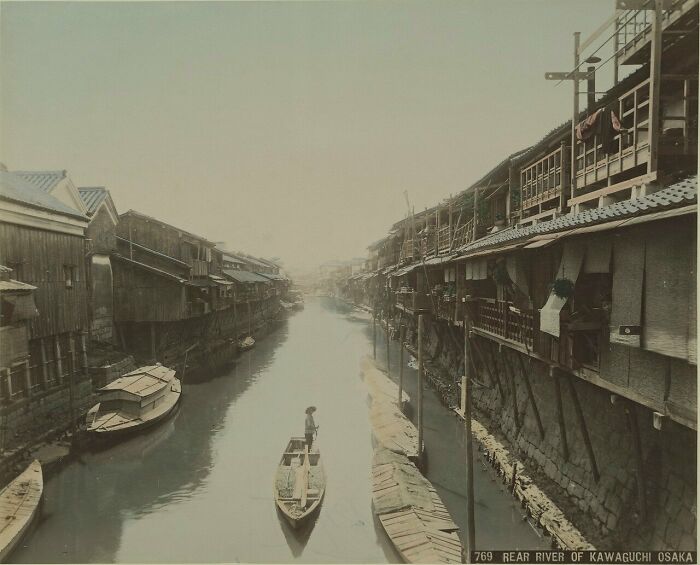
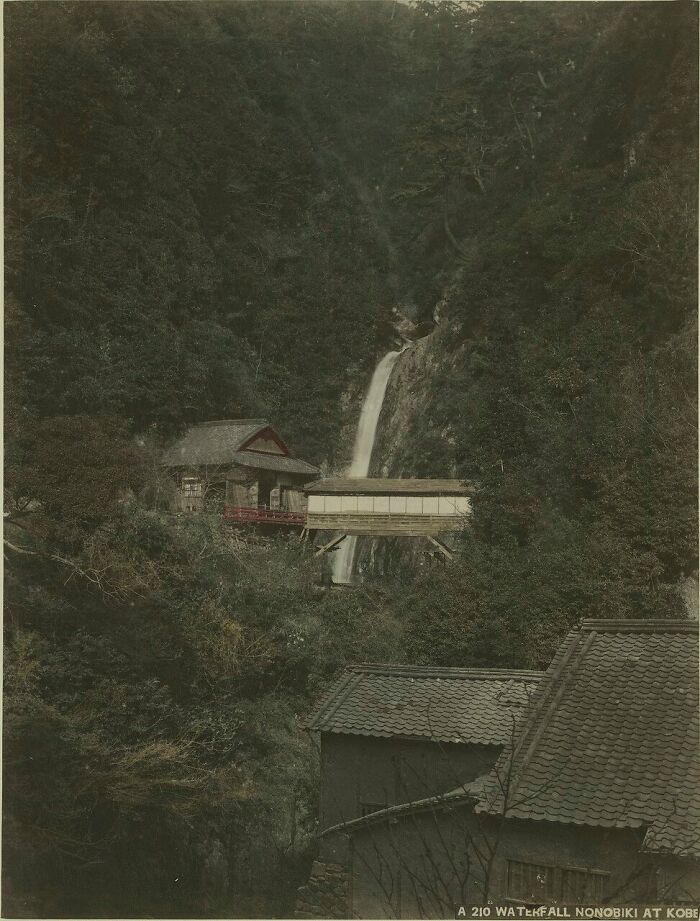
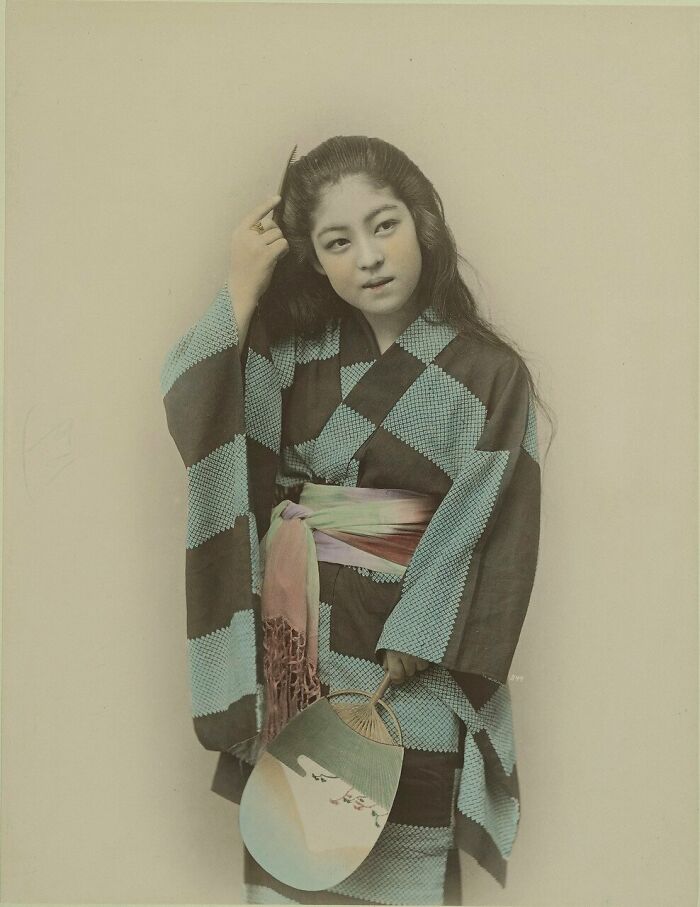
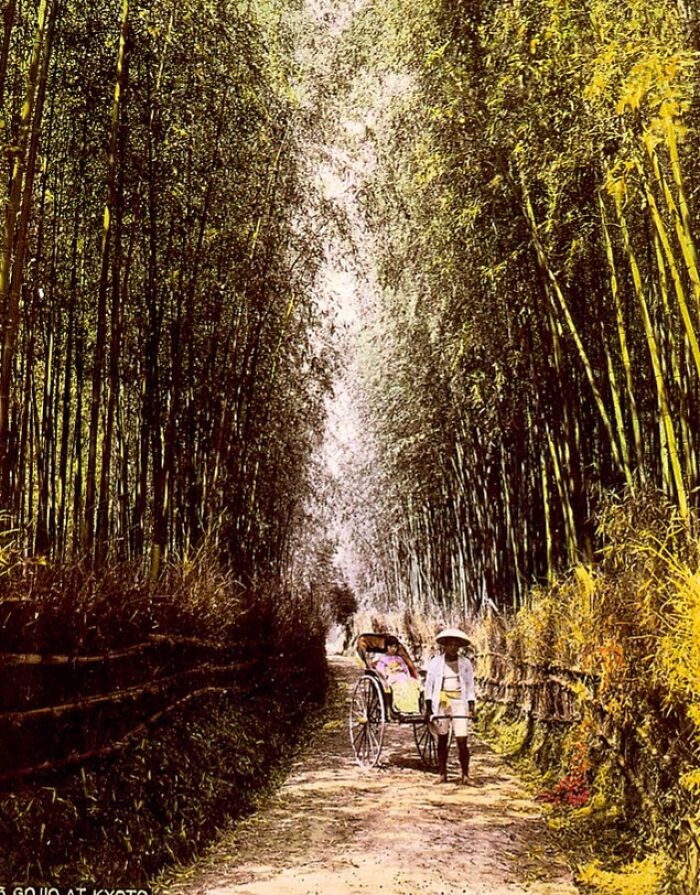
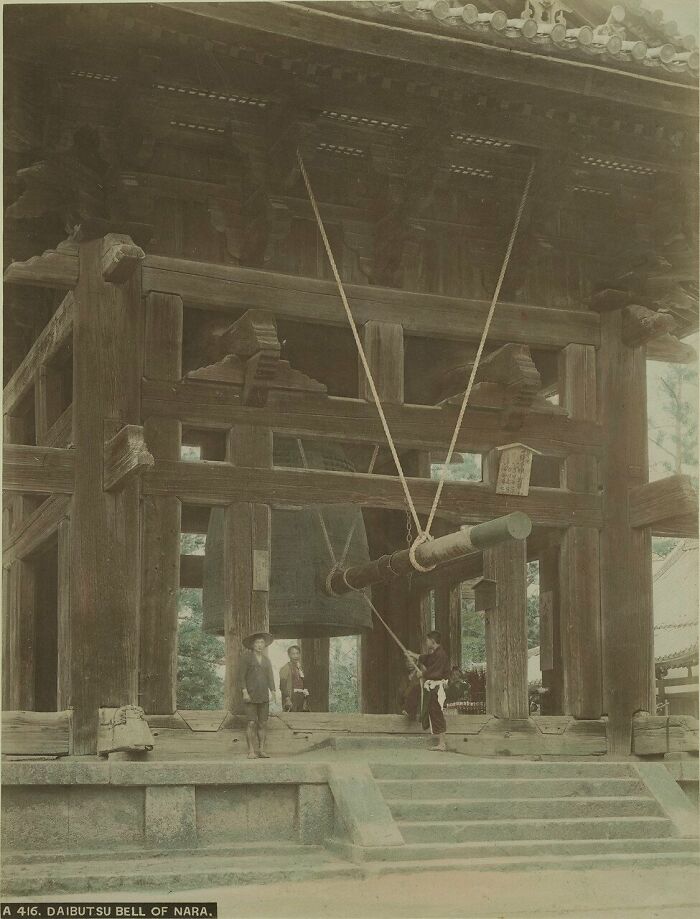
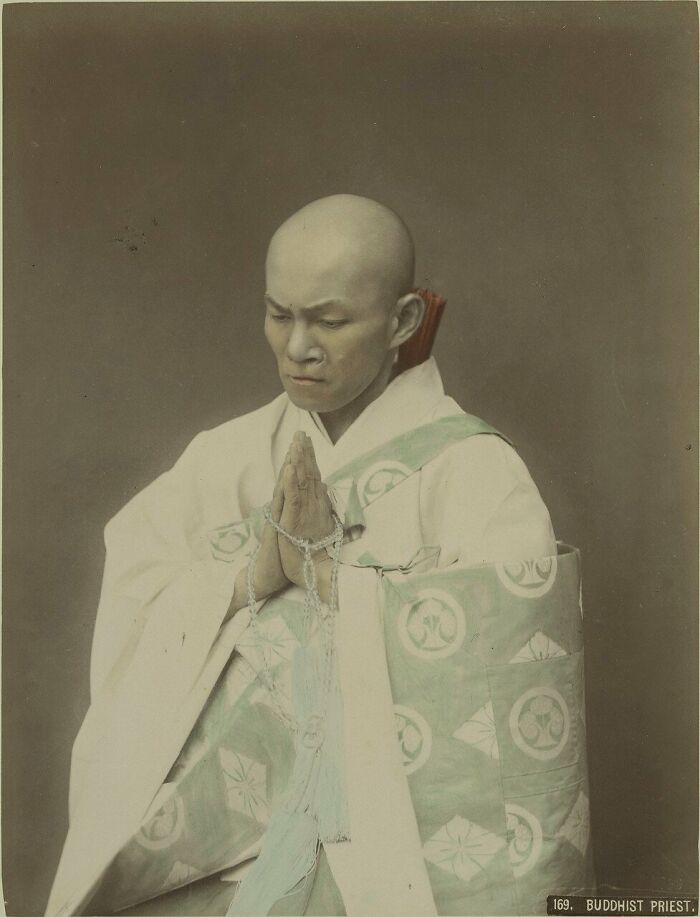
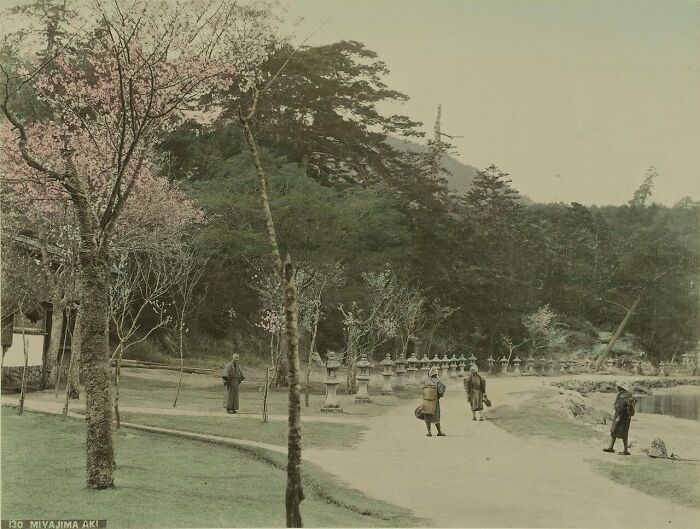
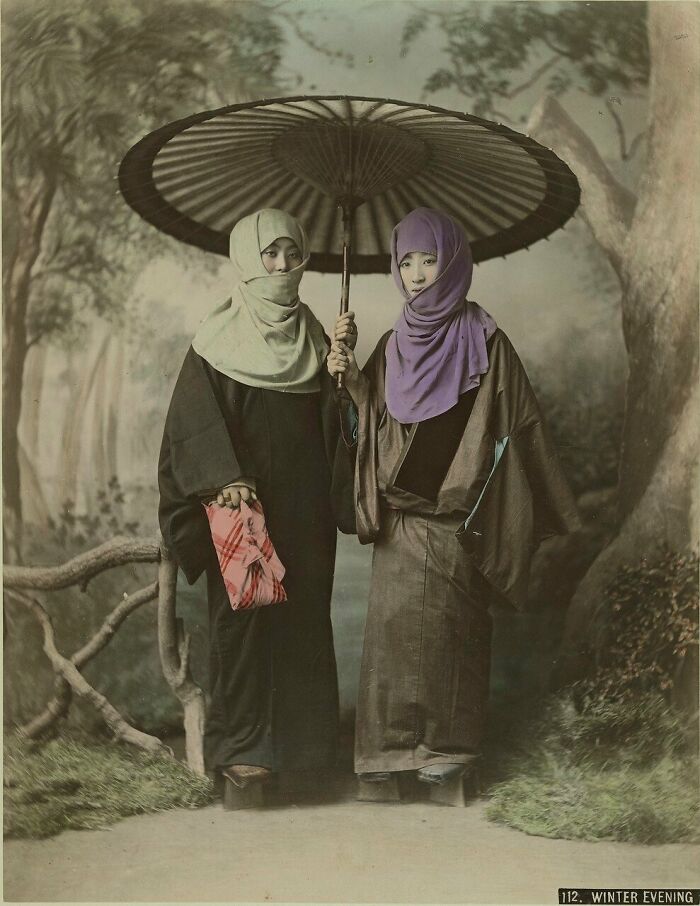
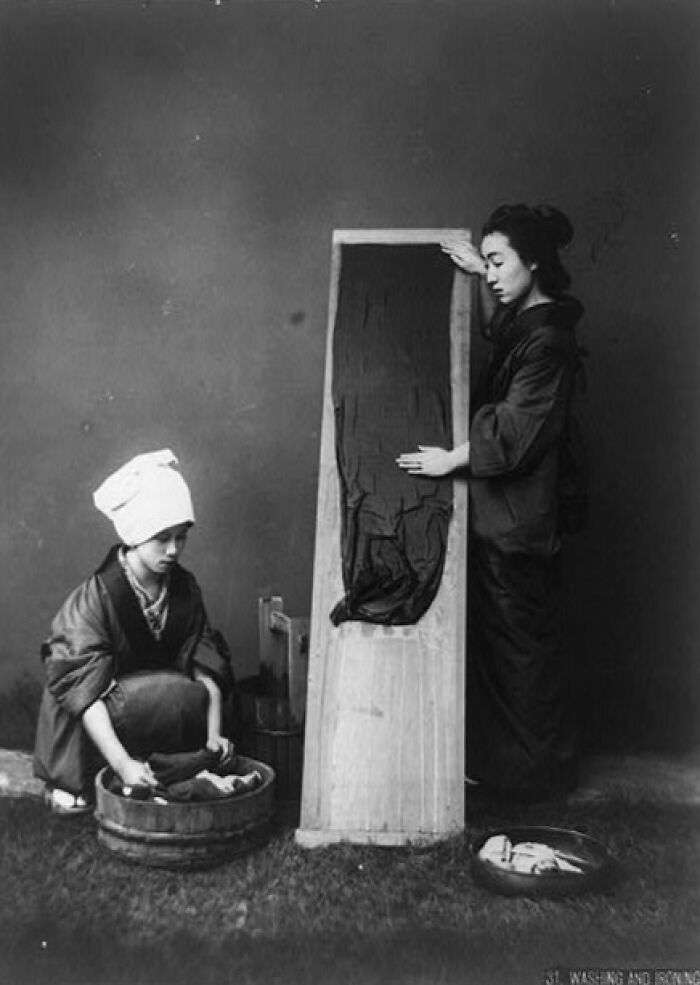
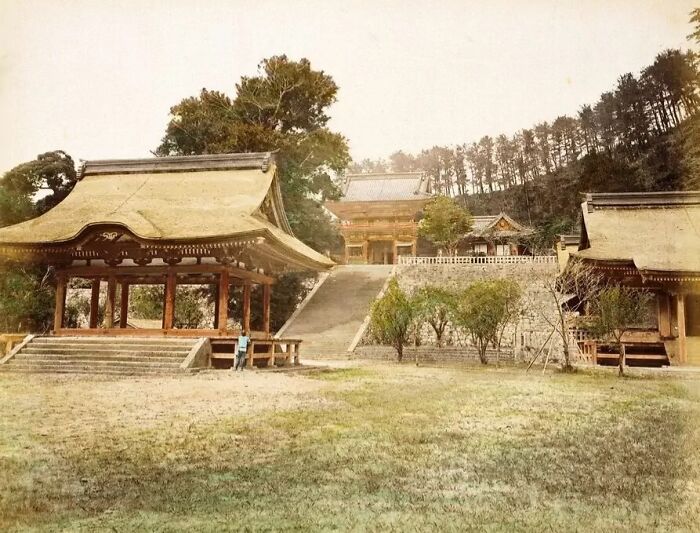
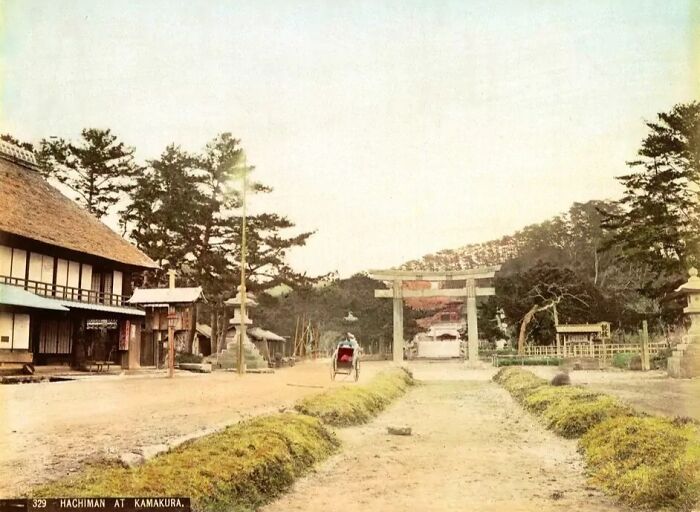
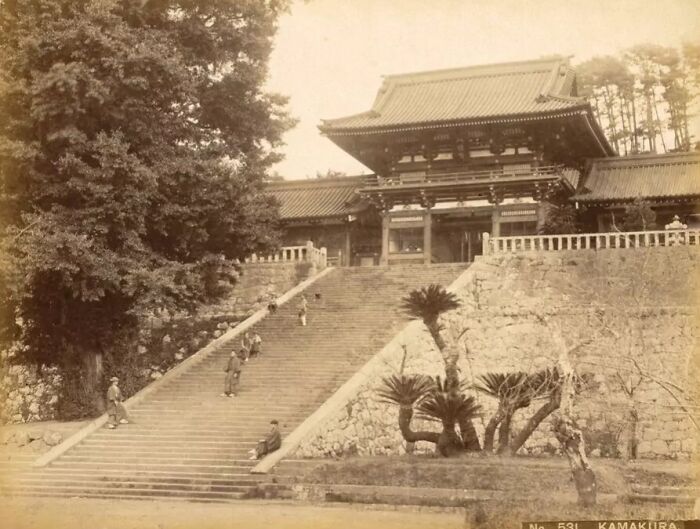
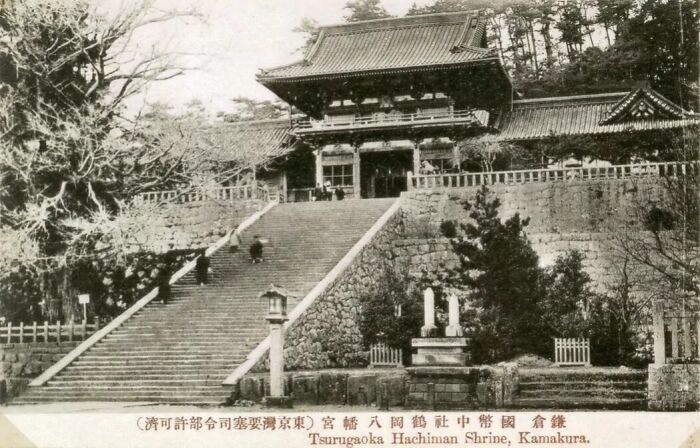
Every country has a history like no other, and the corner of the world that we want to take you to today is no exception. On the list below you will find a magic carpet – a collection of pictures from 19th-century Japan that ought to take you not only miles away from home (unless you’re from Japan, of course), but hundreds of years back in time, too.
So, whether you’ve always been fascinated by the culture and history of Japan or have never heard a thing about it, make yourself comfortable and take your time viewing the pictures, each of which will bring you closer to one of the most fascinating countries in East Asia.
This post may include affiliate links.
Located in East Asia, Japan is an island country comprised of four main islands—Honshu, Hokkaido, Kyushu, and Shikoku—and thousands of smaller ones. The whole territory of the archipelago nation adds up to roughly 145,869 square miles, or 377,800 square kilometers, and houses more than 123,200,000 people.
According to the Stanford Program on International and Cross-Cultural Education (SPICE), in Japan, “no one lives further than seventy miles from the coast, so Japanese are oriented to the sea, even though their land is mountainous.” Mountains—some of which are volcanic—reportedly occupy more than 80% of the country’s landmass.

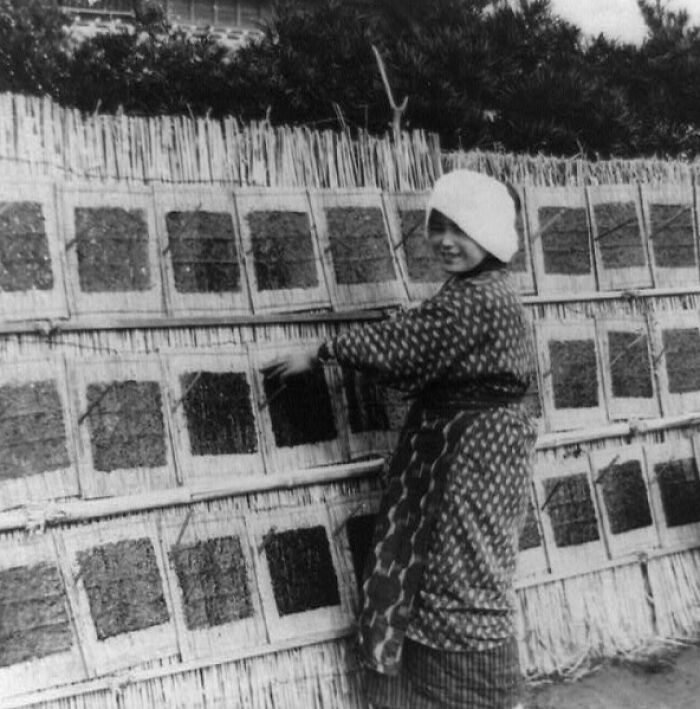
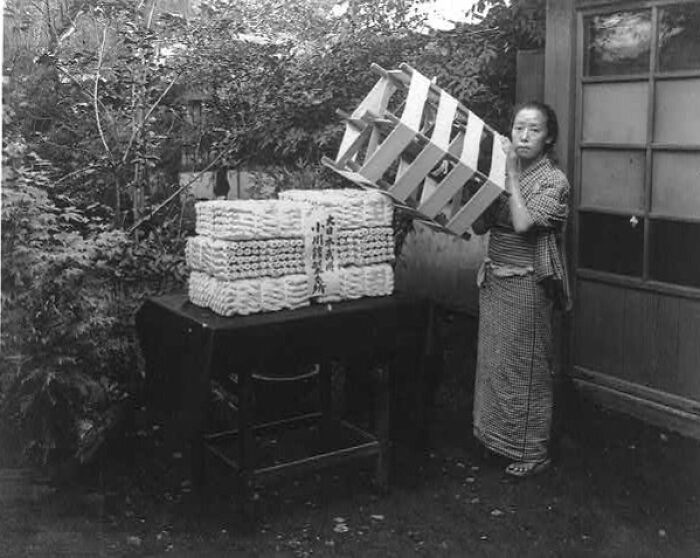
That's not just seaweed, it's Nori. The seaweed doesn't come in sheets, the sheets have to be "made."
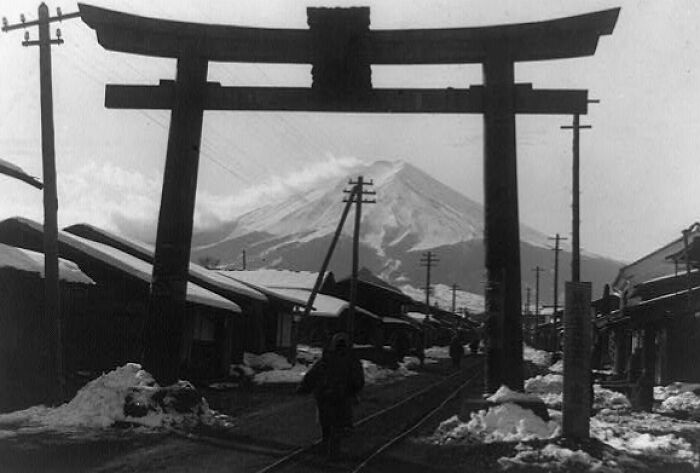
One of the most iconic sights in the country, Mt. Fuji, is just one of the many volcanoes in the area. According to information provided by National Parks of Japan, there are at least 111 active volcanoes in Japan, which is part of the Ring of Fire—“a 40,000-kilometer horseshoe-shaped chain of volcanic activity.”
“Home” to three-quarters of the earth’s volcanoes, the Ring of Fire stretches from New Zealand to Japan, going through the Bering Sea, along the west coast of the United States all the way to South America.
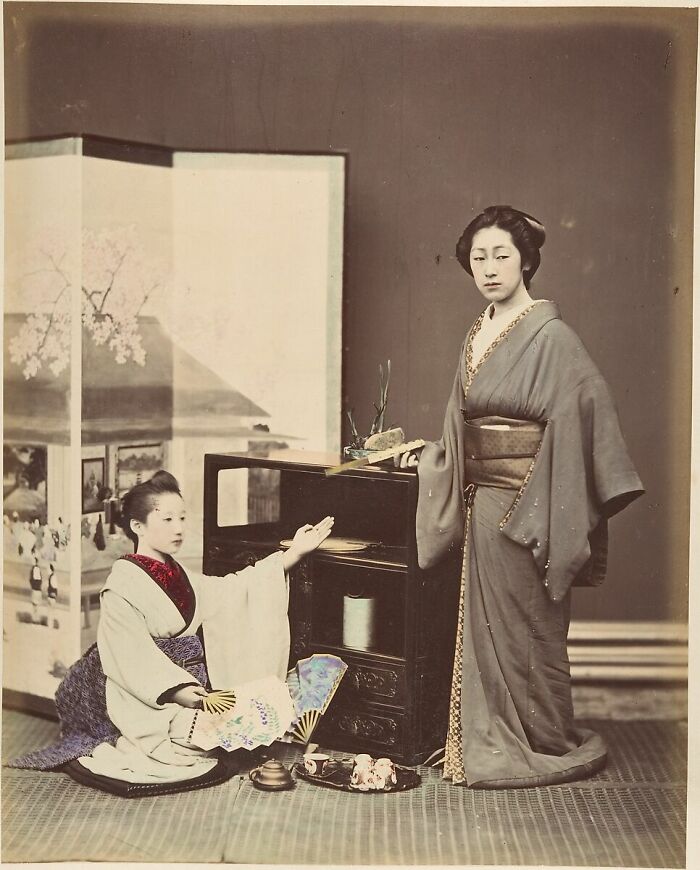
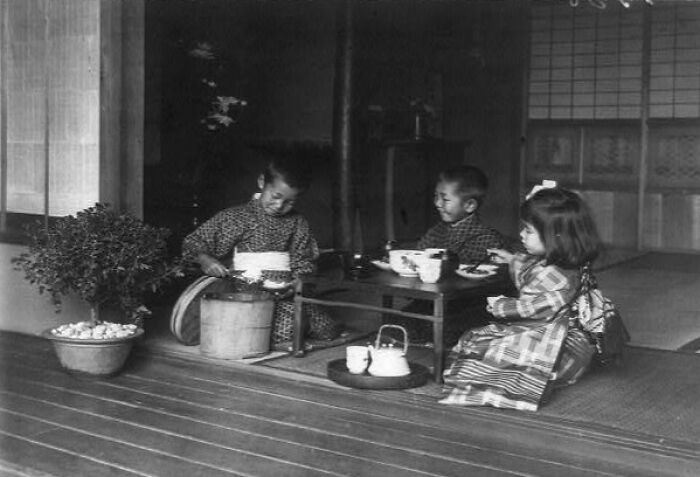
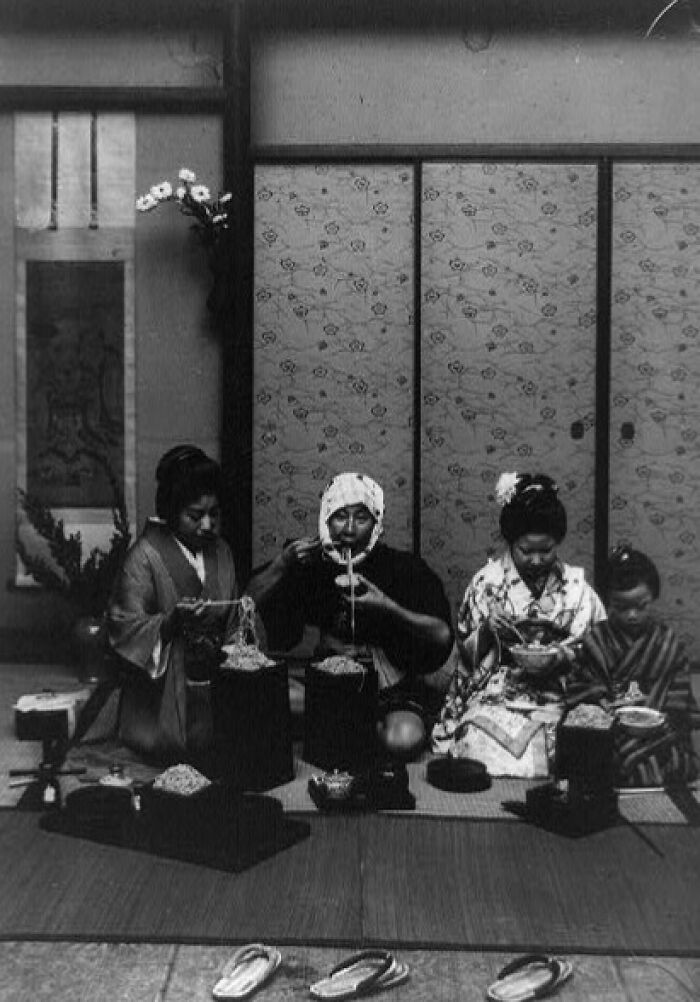
Looks like proper meal rather than just tea. The boy with the white sash seems to be filling a bowl with cooked rice
Standing tall at 12,389 feet 3 inches, or 3,776 meters, Mount Fuji is the highest—and possibly the most famous—volcano in the country. Its volcanic activity reportedly began roughly 100,000 years ago, though the last time it erupted was not that long ago, in 1707.
For the Japanese people, Mt. Fuji is more than just a volcano, though. According to the Japan National Tourism Organization, it is also an object of worship, a pilgrimage site, and a cultural icon, not to mention a global attraction.

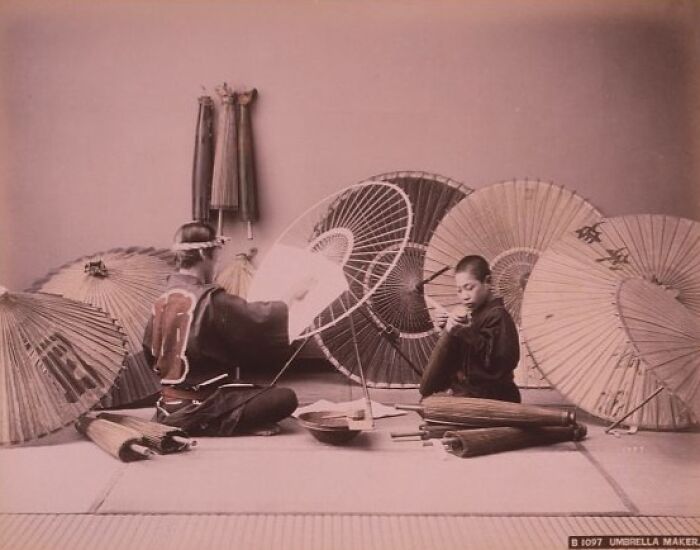
This is an absolutely lovely photo. The girl among the large umbrellas make look small. There is intent in this piece of art.
As noted by the Japan National Tourism Organization, Mt. Fuji’s most iconic images date back to the Edo period, which ended in the 19th century—the period in which the pictures on this list were taken.
Lasting from 1603 until 1868, it was a time when Japan was ruled by the Tokugawa family, which was named after the city of Edo (modern-day Tokyo), where the Tokugawa Shogunate government was located.
Covering Japan in the 19th century, the Metropolitan Museum of Art pointed out that the period marked a significant change in the country’s history. It was the time of “a dramatic shift from the conservative, isolationist policies of the shōgun-dominated Edo period to the rapid and widespread drive to modernize and engage with the rest of the world that characterizes the Meiji Restoration.”
The Met noted that in the name of Emperor Meiji, striking and far-reaching social, political, and economic changes were legislated through a series of edicts. Japan also reportedly opened its borders and invited foreign educators, scientists, and engineers, among other specialists, to assist the country’s people in “rapidly absorbing modern technology and Western knowledge.”
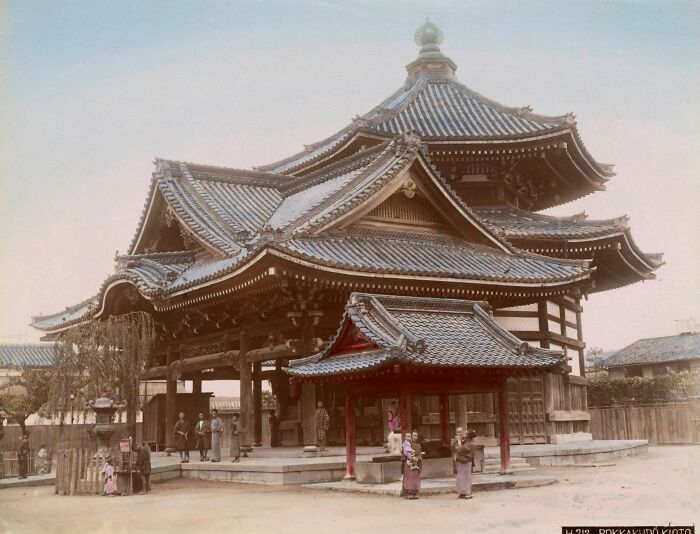
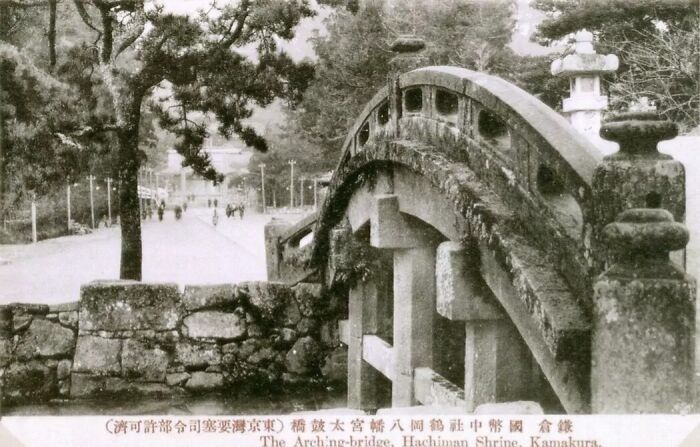
Found this, a more recent view: https://mindtrip.ai/cdn-cgi/image/w=1920,format=webp,fit=cover/https://iorigin.mindtrip.ai/attractions/2bf0/8a88/9998/823d/b314/99ec/a4fd/ac04
“Throughout the century, however, the drive to Westernize is paralleled by continued isolationist tendencies and a desire to resist foreign influences. Eventually, as has happened numerous times in the nation’s history, after the Japanese assimilate what has been borrowed, they use these imports to formulate a new but distinctly Japanese modern society,” the Met’s coverage of 19th century Japan read in part.
As with most countries, learning all there is to know about history—even if only about one century—is impossible by doing some light reading. Usually, it’s impossible even after a day or an entire week of delving deeper into it. But if these pictures evoked your interest in the topic, make sure to spend some time learning more about Japanese history and culture—it gets increasingly fascinating the more you know.

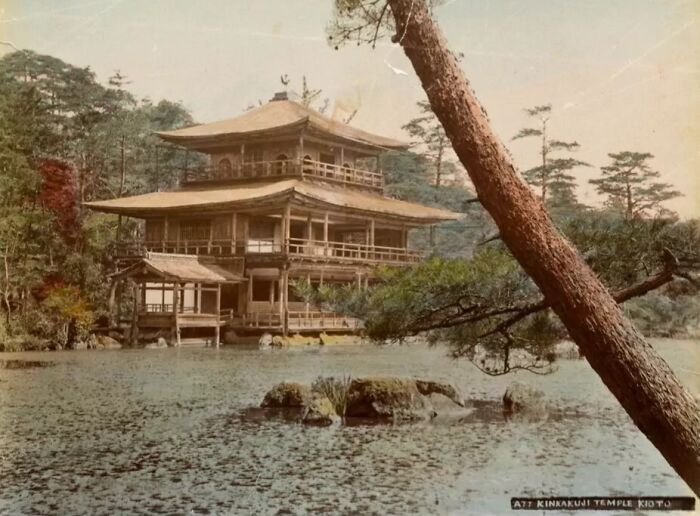
Struck by arson by a mentally disturbed acolyte in 1950, which inspired a novel by Yukon Mishima. https://en.m.wikipedia.org/wiki/Kinkaku-ji_arson

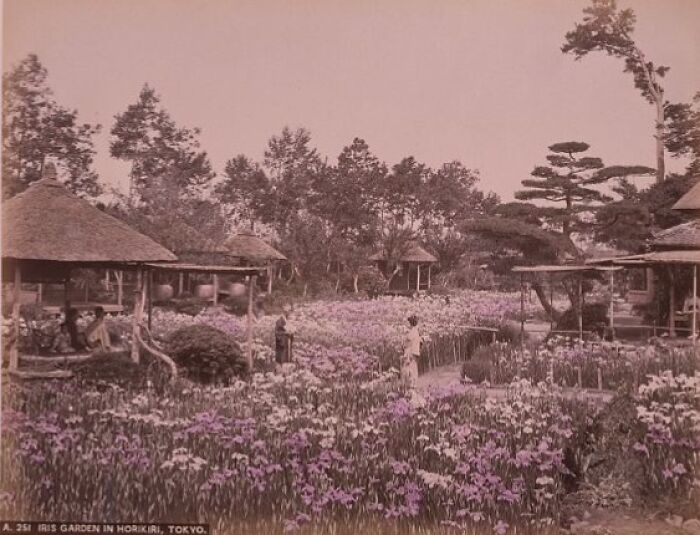
Japanese gardens look like they've always been immaculately kept
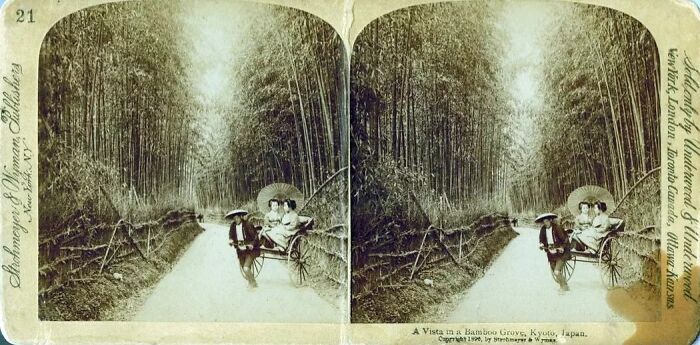
This card is made for those "3D viewer" things they had at the time. I forget the correct name for them. It's a wooden frame thing; you put the card in it, and the frame holds it so that each of your eyes sees one photo, and it appears to be a 3D image.







































 No fees, cancel anytime