Get Premium
Dark mode theme is available exclusively for premium users. Learn more about the benefits of subscribing.
No fees, cancel anytime.

 Dark Mode Ad-Free Browsing Unlimited Content
 Ad-Free Browsing Unlimited Content Dark Mode
Join 1.2 million Panda readers who get the best art, memes, and fun stories every week!
One of the biggest fashion events of the year took place this week. Celebrities showcased their interpretations of “Tailored For You” at the Met Gala 2025. As always, there were some hits and some horrors on the red carpet. The aim of the dress code was to complement the Costume Institute's spring 2025 exhibition, “Superfine: Tailoring Black Style.” Each year, the Institute pays homage to a person, era or style that has shaped the face of fashion. And this year, we were transported back to the 18th century "Black Dandy" era.
In keeping with the fashion history trend, Bored Panda found it fitting to take a trip down the runways of time. We happened upon an online community dedicated to showcasing "historical garments, past patterns, illustrations, demonstrations, perukes, petticoats, hoops, codpieces, houppelandes, hennins, restorations and recreations from long ago." r/FashionHistory has more than 120,000 members and a wall of iconic designs. We've put together a list of their best posts. Keep scrolling for some good-old-fashioned fashion, and don't forget to upvote your favorites.
This post may include affiliate links.

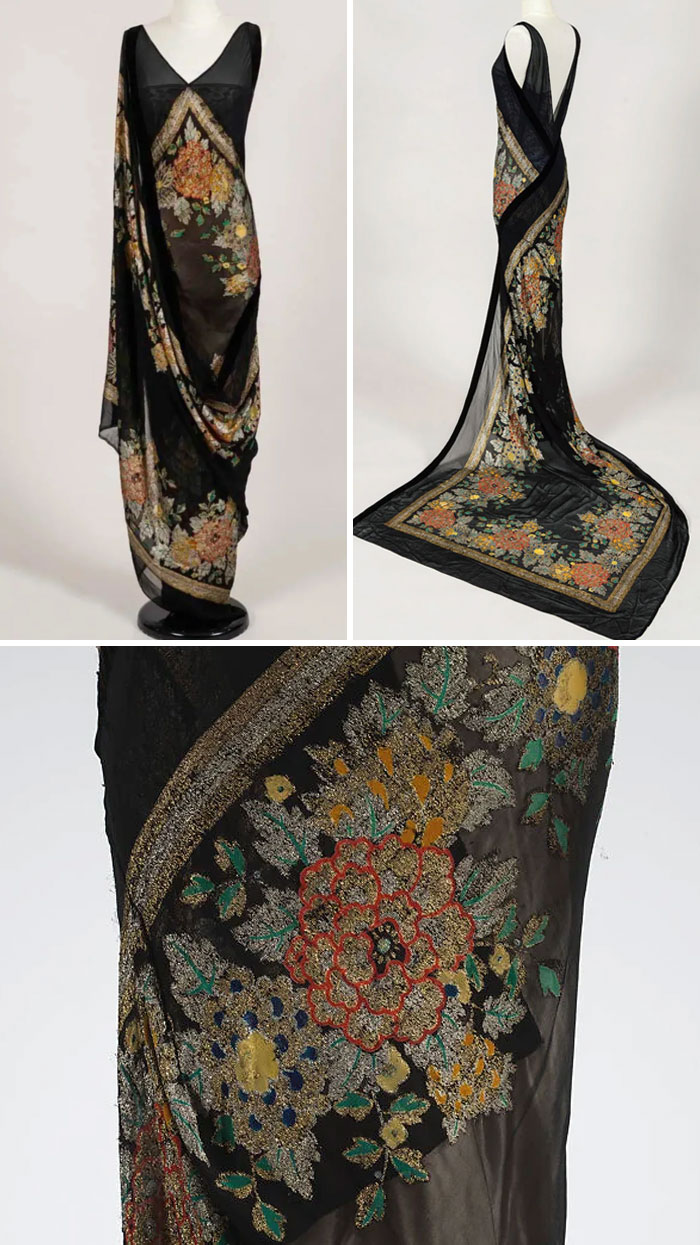
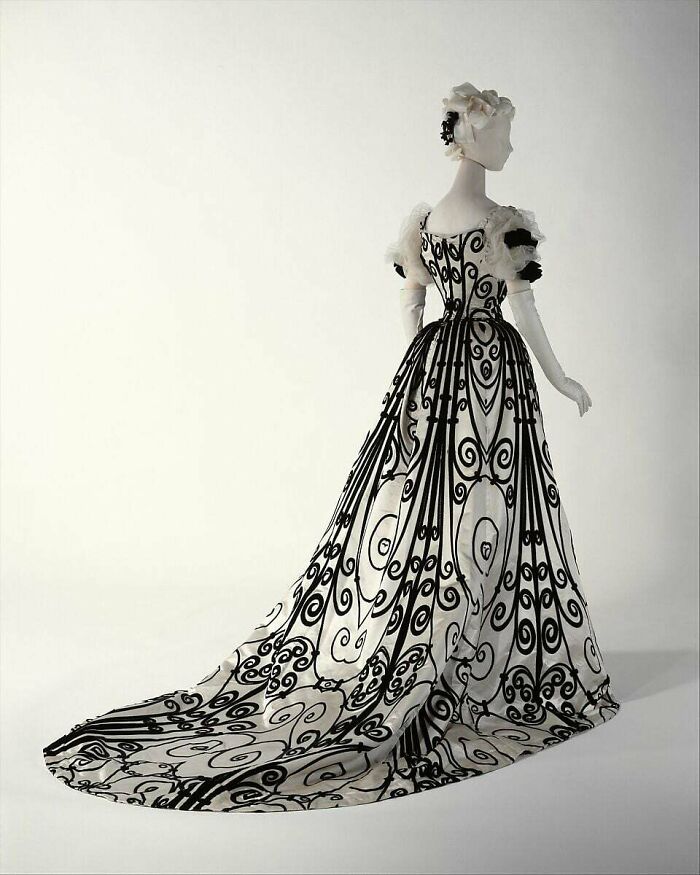
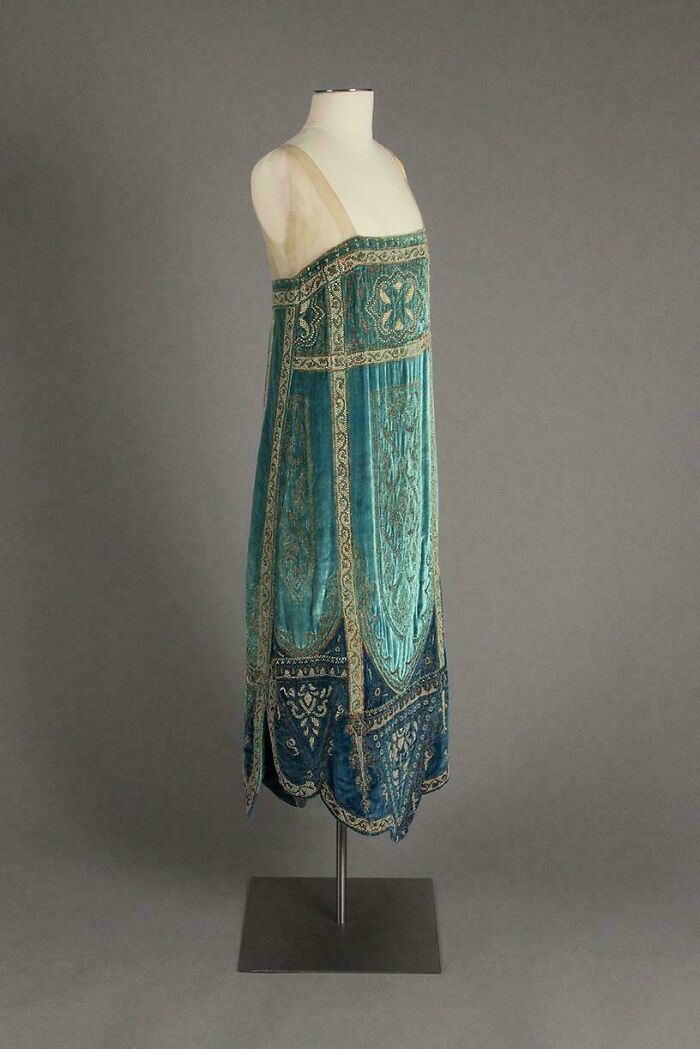
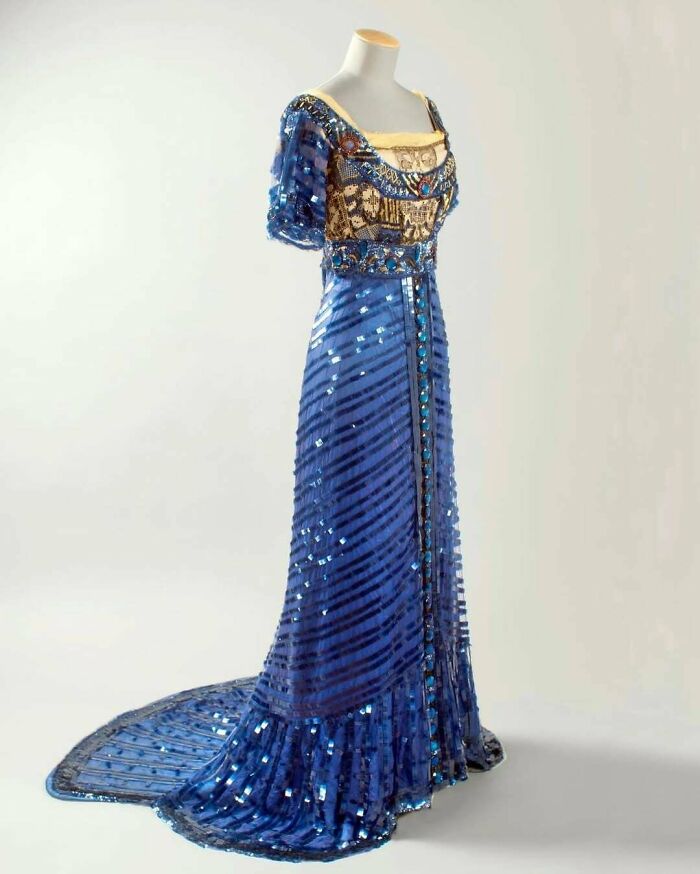
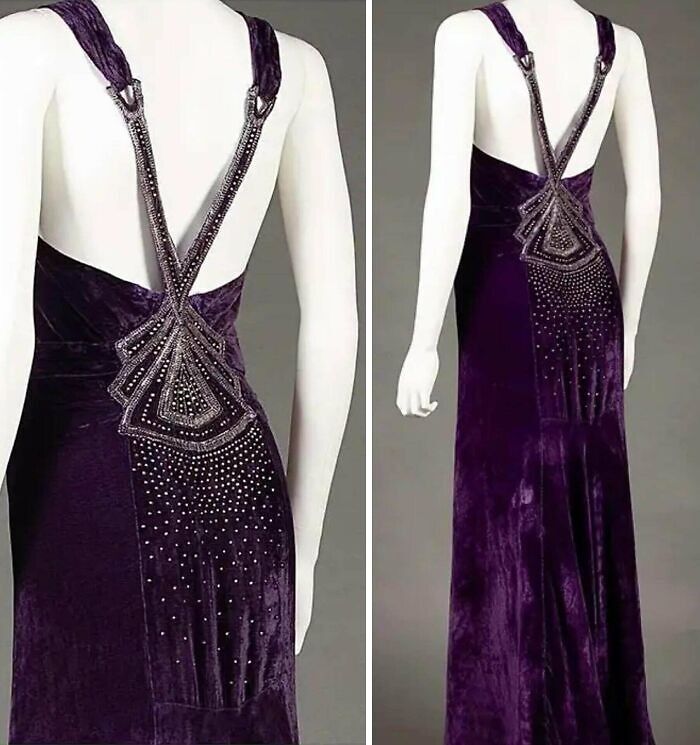
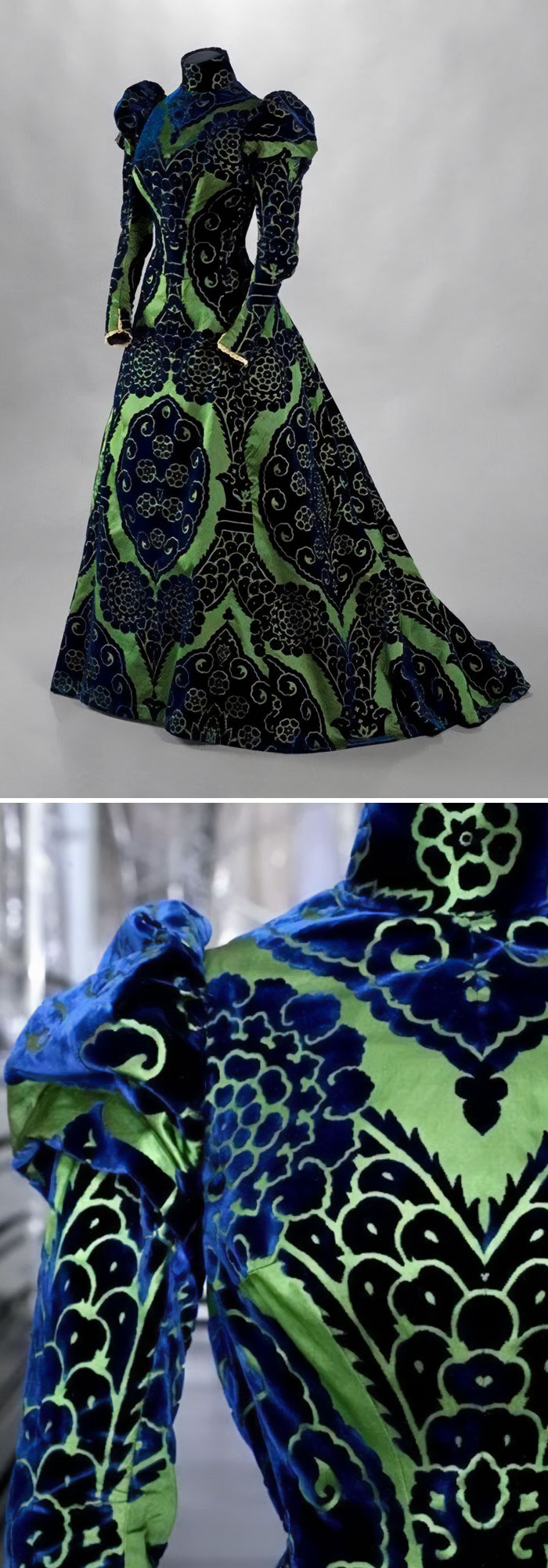
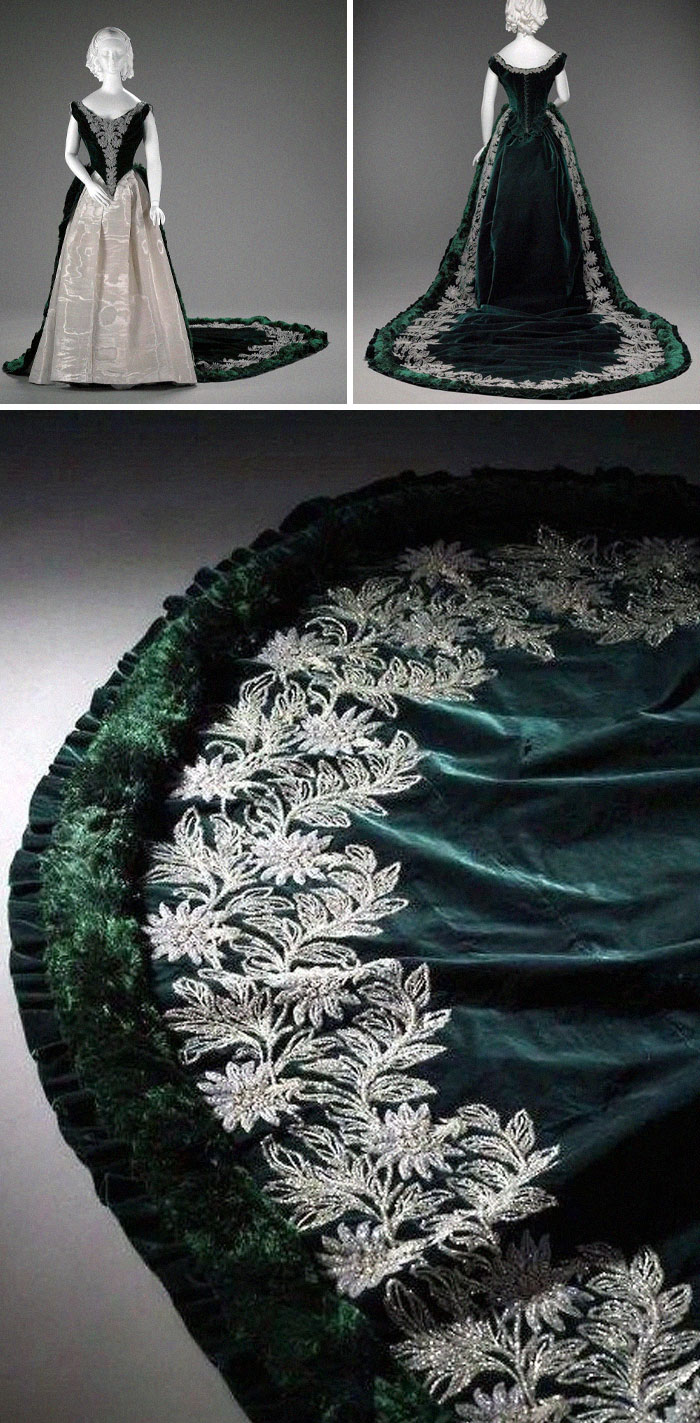
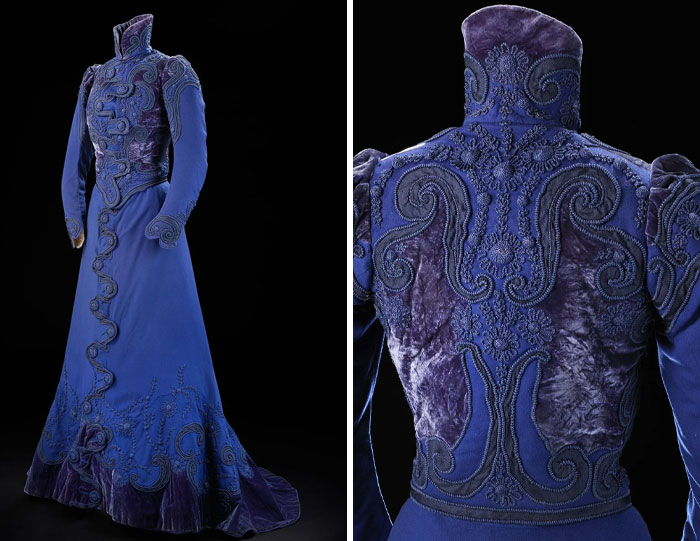
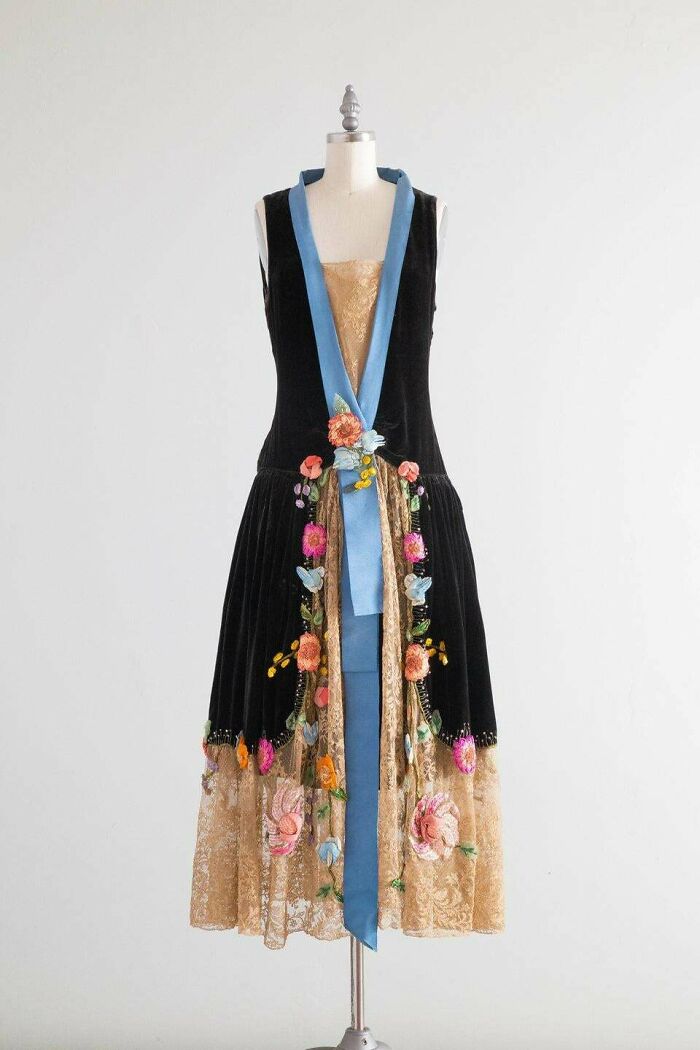
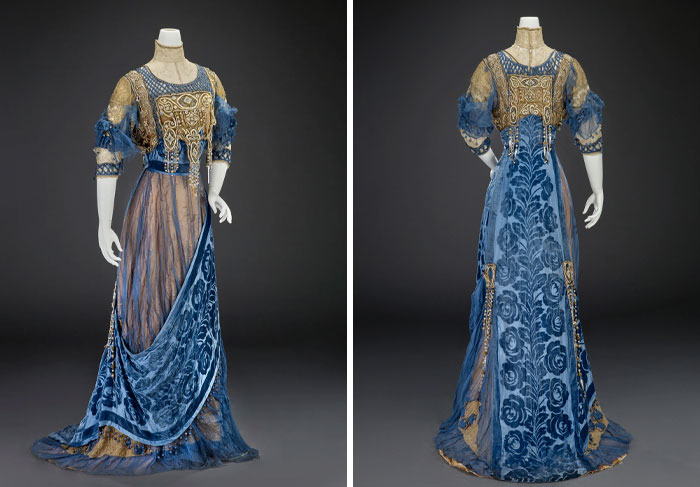
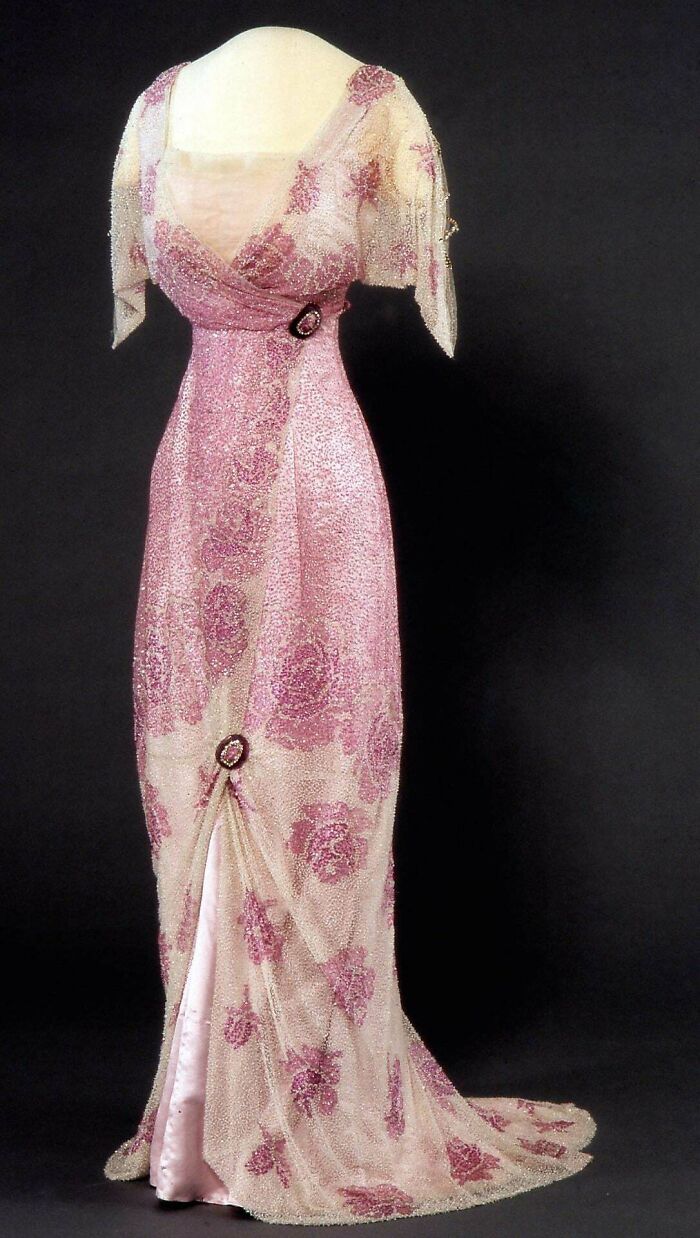
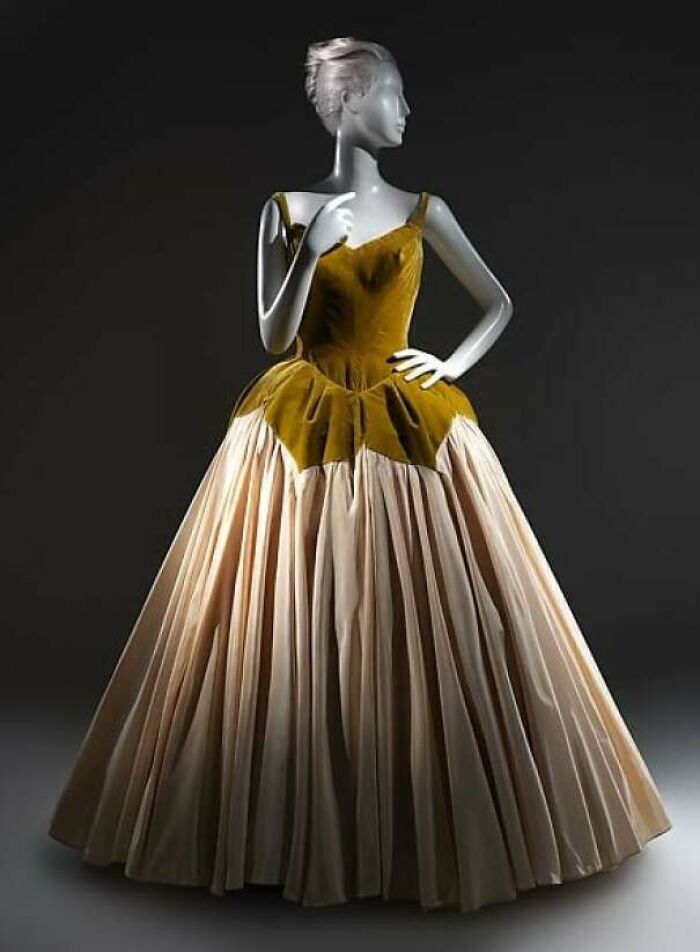
Callot Soeurs wad one of the first designers to use burn out velvet.
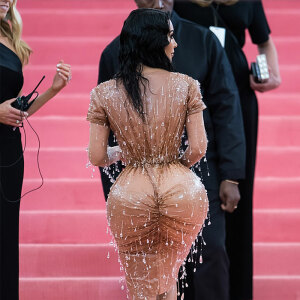
Just when we think we've seen it all, someone rocks up on the red carpet wearing a dress made from raw meat. Or, they bring their chopped off dreadlocks as their "date" for the evening. Let's not forget the 2023 Met Gala where several celebrities arrived looking like Karl Lagerfeld's white cat Choupette. And of course, there was Bianca Censori's birthday suit stunt at the 2025 Grammies. It's safe to say that nowadays, anything goes...
Perhaps Censori was channeling our ancestors. Perhaps not. But once upon a time, people didn't wear any clothing at all. When humans finally started making and donning outfits, it wasn't to be fashionable or trendy. But rather, out of a need to survive and protect their bodies from the environmental elements.
At first, the clothing of choice was often made out of animal hides. Research suggests that around 800,000 years ago, Paleolithic hominins wore simple cloak-like garments. Their outfits started getting a little more complex after 400,000 years ago when they were forced to live in colder, glacial times. But back then, there was no such thing as a sewing machine. Even an eyed needle took a while to find its way into the hands and haystacks of humankind.
According the Smithsonian magazine, people used dedicated cutting tools called blades to shape animal hides. "They also pierced holes in the hides to sew the cut segments together," reads the site. "The basic hide-piercing tool is called an awl, a slender pointed artifact often made from an elongated animal bone, such as a thin forearm bone or a rib."
Archeological finds suggests that Paleolithic humans invented the "sophisticated" eyed needle around 30,000 years ago.
Fashion has moved fast over the years. Charles Frederick Worth is credited as the first "real" fashion designer. He launched his House of Worth fashion design label in Paris in the 19th century. Before then, seamsters or dressmakers would make outfits for their customers, and often, trends were dictated by what royalty were wearing.
It was Worth who set the ball in motion for designers to set the tone, rather than just follow instructions from clients. He paved the way for the likes of Prada, Gucci, Christian Dior, Coco Chanel, Louis Vuitton and crew.

I shutter to think about all the gorgeous gowns laying at the bottom of the North Atlantic on Titanic.

Beautiful, simple and elegant. And nowadays, it's a race between "stars" to see who can show the most flesh and sling their baps out without being called on it.
Modern fashion design is divided into two basic categories: haute couture and ready-to-wear. "The haute couture collection is dedicated to certain customers and is custom-sized to fit these customers exactly," explains the fibre2fashion site. "In order to qualify as a haute couture house, a designer has to be part of the Syndical Chamber for Haute Couture and show a new collection twice a year presenting a minimum of 35 different outfits each time."
On the other hand, ready-to-wear collections are standard-sized, not custom-made, so they are more suitable for large production runs. Think the clothes we find in shops or online. "They are also split into two categories: designer/createur and confection collections," notes fibre2fashion. Designer collections are high quality, unique pieces, which are often created to make a statement.
While our ancestors started wearing clothing to protect themselves from the varying climate conditions, current fashion trends are contributing to climate change. Vogue reports that between 80 and 150 billion clothes are produced every single year.
Because there isn't an exact figure, the fashion magazine believes its safe to settle on around 70 billion items of clothing. Others, like the Copenhagen Fashion Summit, use an average figure of 100 million garments. Either way, it's a large number. And environmentalists say our penchant for fashion is wreaking havoc on the earth.
According to the UN Environment Programme, the industry is the second-biggest consumer of water. You might be surprised to know that it takes about 700 gallons to produce one cotton shirt and 2,000 gallons of water to produce a pair of jeans. The industry is also responsible for about 10% of global carbon emissions. That's more than all international flights and maritime shipping combined.
Besides water consumption and carbon emissions, there's also the issue of waste. The Copenhagen Fashion Summit revealed that out of the 100 billion garments produced annually, 92 million tonnes end up discarded in landfills. And every second, the equivalent of a rubbish truckload of clothes is either incinerated or buried in landfills. Globally, 57% of clothing waste is sent to landfill. While 25% goes up in flames.
According to the State of Matter Apparel, "an estimated 11.3 million tons of textile waste end up in U.S. landfills yearly, accounting for approximately 85% of all textiles. This equates to an alarming 81.5 pounds (37 kilograms) of textile waste per person per year." Or 2,150 textile pieces discarded per second across the country.

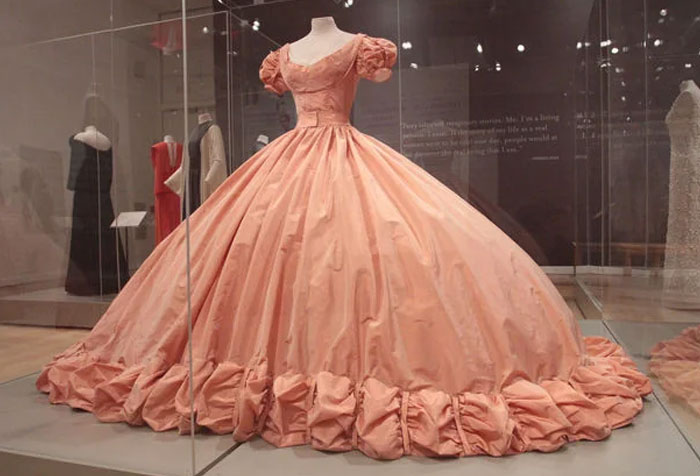
Her famous Hermes bag was part of the wardrobe from this movie.
The biggest culprit is fast fashion. Earth.org defines fast fashion as “cheaply produced and priced garments that copy the latest catwalk styles and get pumped quickly through stores in order to maximise on current trends.” Basically, our need to keep up with trends by constantly buying cheap versions of the latest in-fashion pieces.
One of the often overlooked problems that comes with fast fashion is the issue of returned items or garments. "In the United States alone, shoppers returned $816 billion in goods last year," notes the State of Matter Apparel site. "Unfortunately, many of these items are sent to landfills as companies often find it more cost-effective to dispose of them than reintroduce them into the market."
As many as 9.5 billion pounds of returns ended up in landfills in 2022. To put that into context, it's like fully loading 10,500 Boeing 747s with the clothes people took back to the shop.
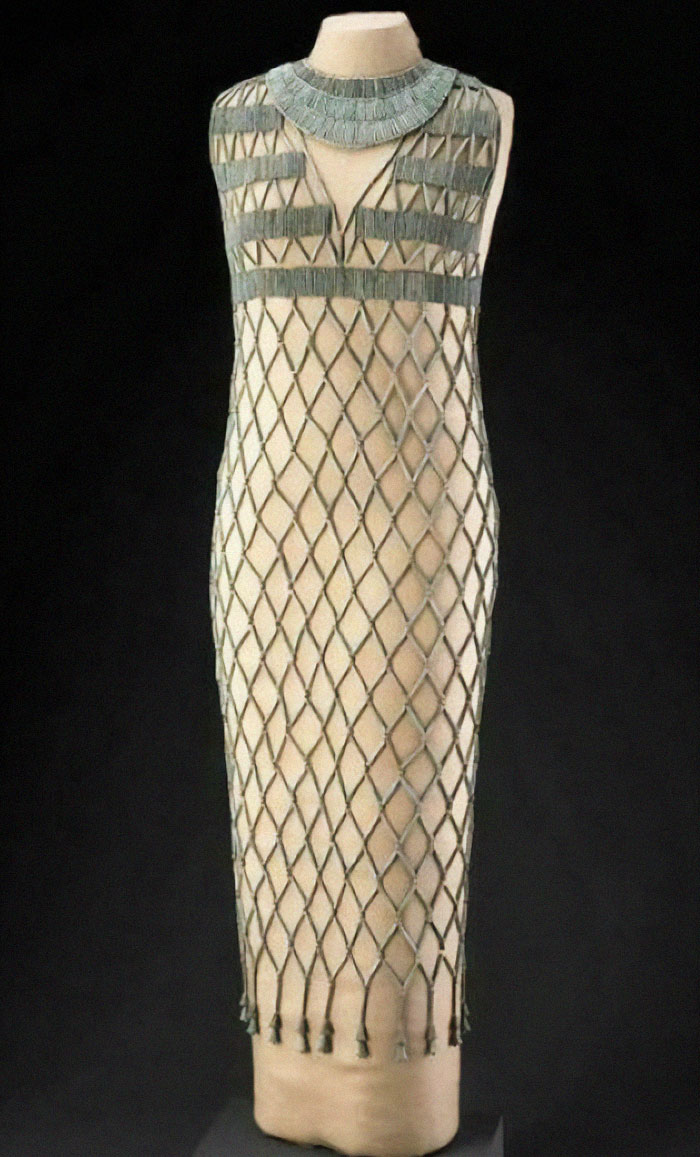
It was painstakingly reassembled from approximately 7000 beads which were found in an undisturbed tomb (G7442, Shaft Z), at Giza and not put together for more than 60 years after it was discovered in 1927
Some of the ways you can help are by donating or selling the clothes you no longer wear. And by shopping second-hand or at thrift stores. Maintaining a minimalist wardrobe also means you won't constantly be buying new clothes and contributing to the crisis. There are loads of ideas online about how to create a capsule wardrobe...

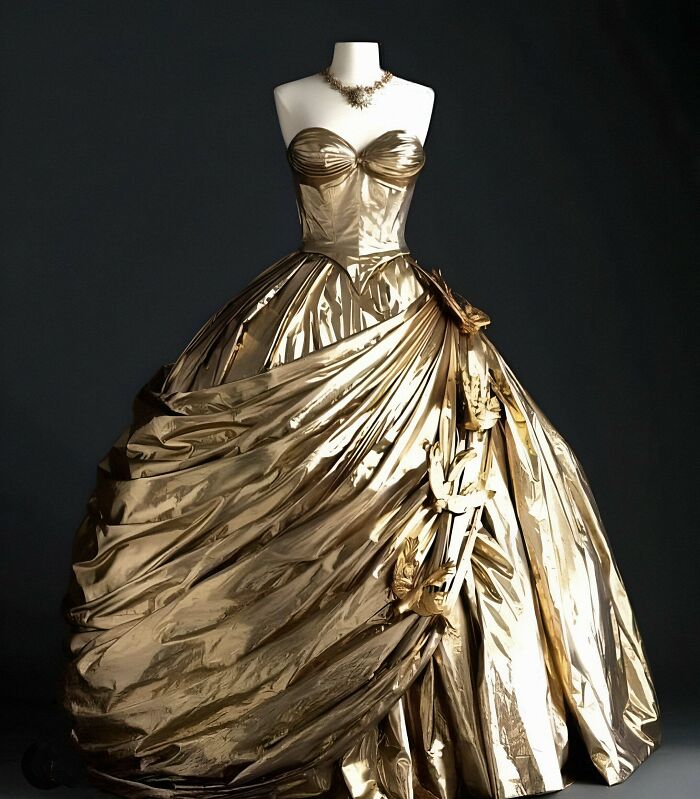
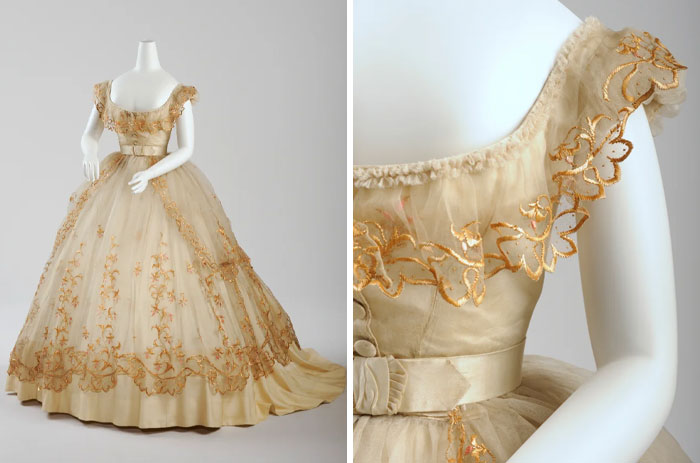
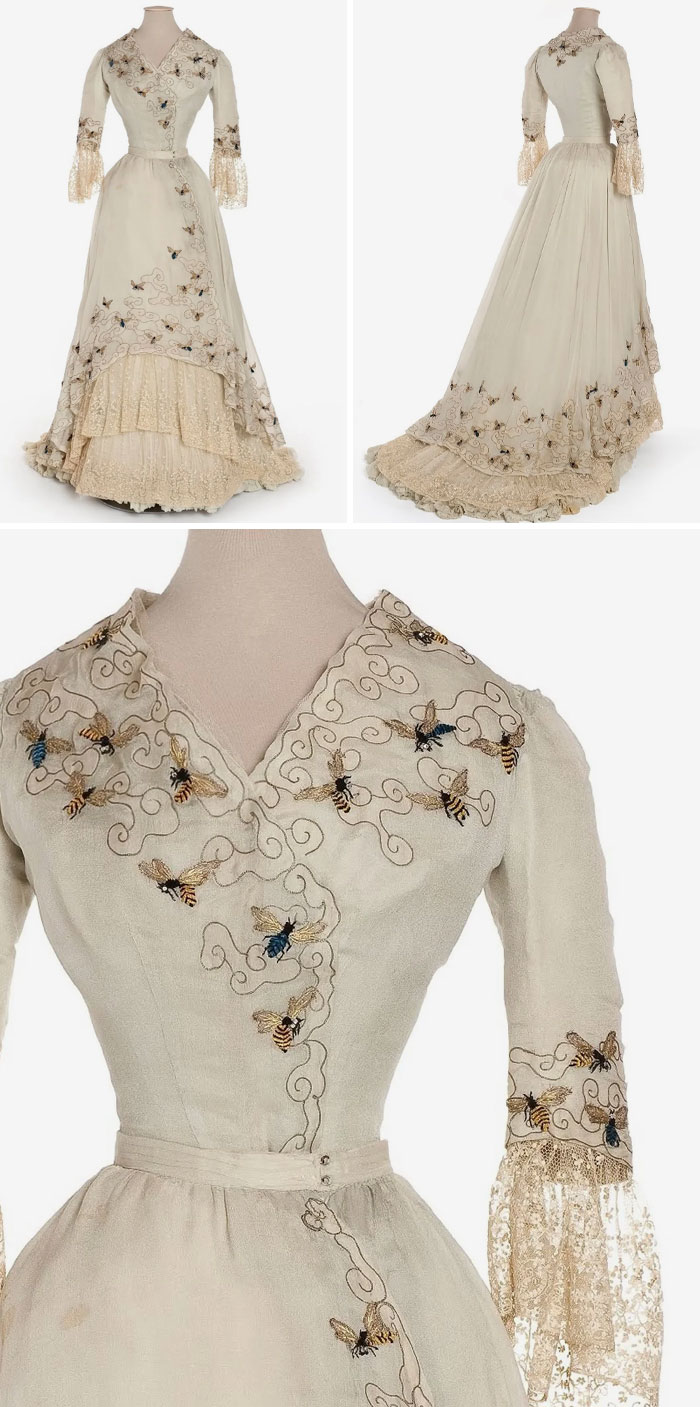
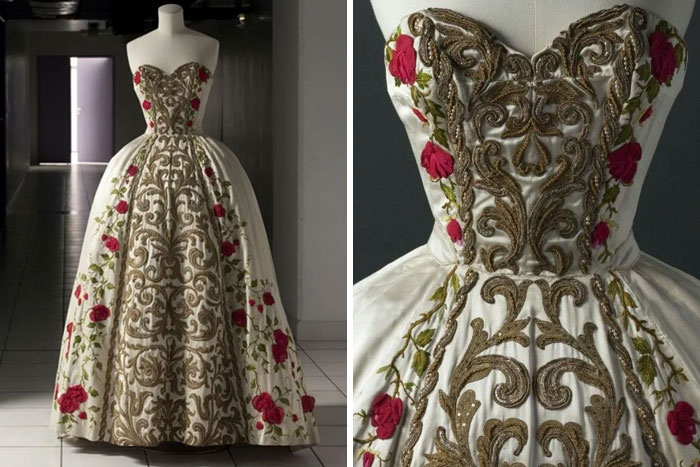
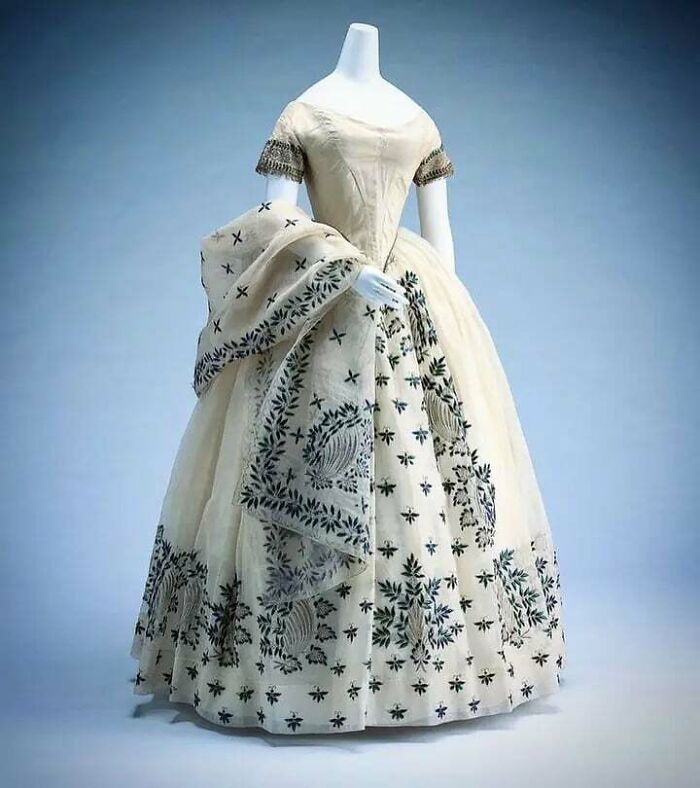
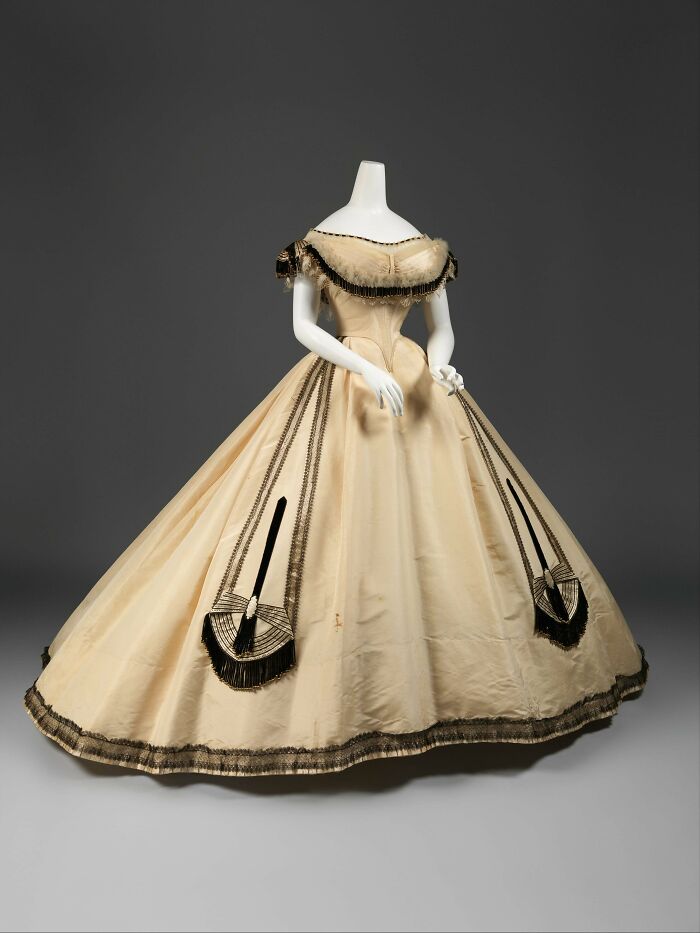
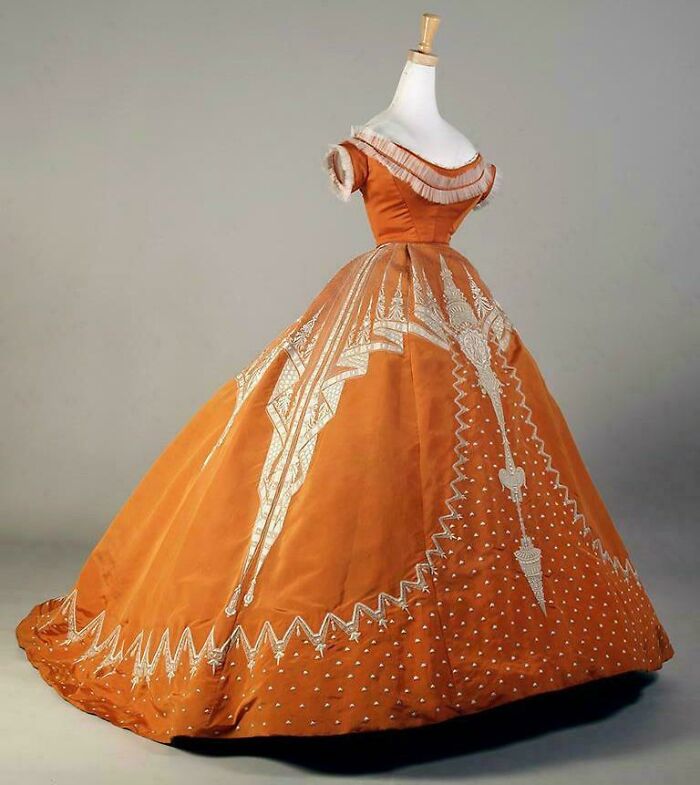
I googled so you don't have to, "Straw embroidery is a decorative needlework technique where pre-cut straw forms are sewn onto fabric to create designs. It's particularly known for its use in trimming ball gowns and decorating garments, often with shapes like butterflies, flowers, and leaves. "
When purchasing garments, invest in quality pieces that'll last for years. Try to buy clothing made from environmentally friendly, sustainable, or recycled fibers. As mentioned earlier, fast fashion is speeding up climate change. So, if possible, stay away from brands that are known for mass-producing cheap and trendy clothing.
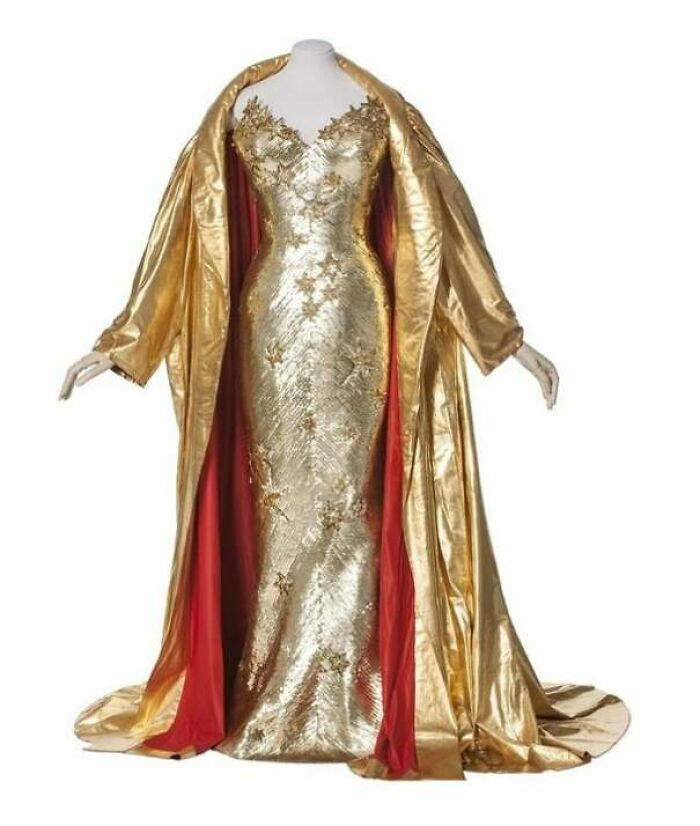
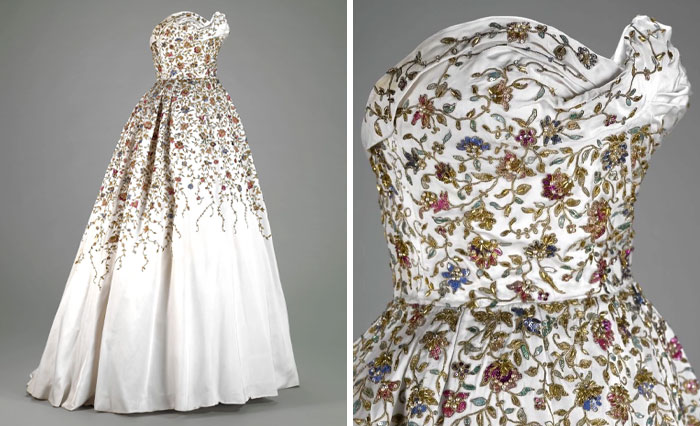
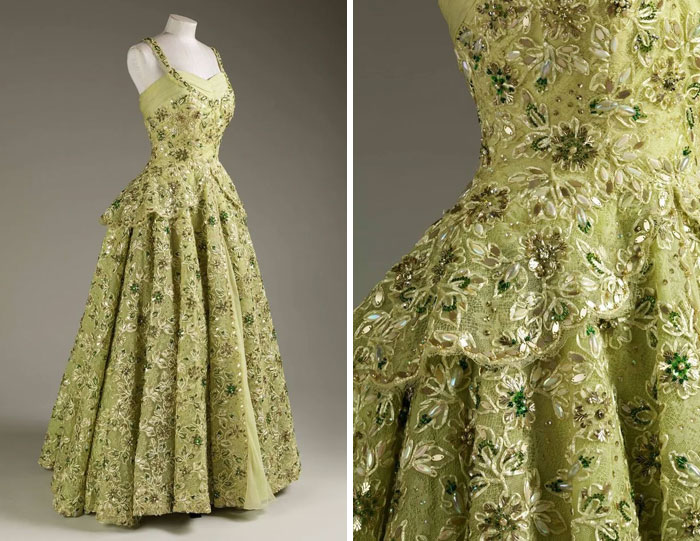
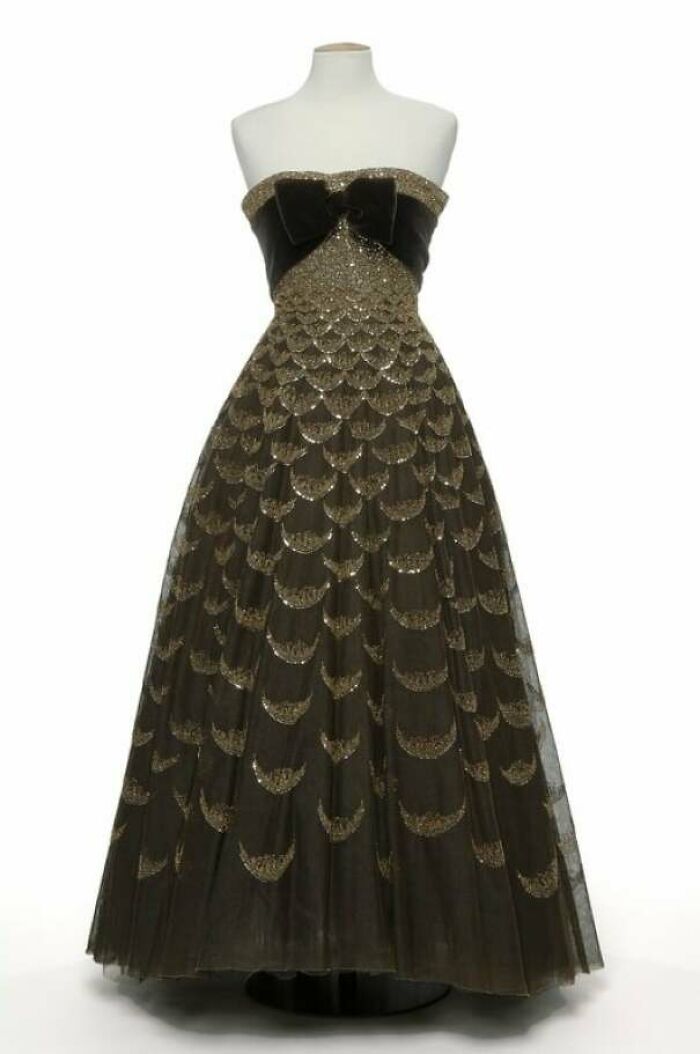
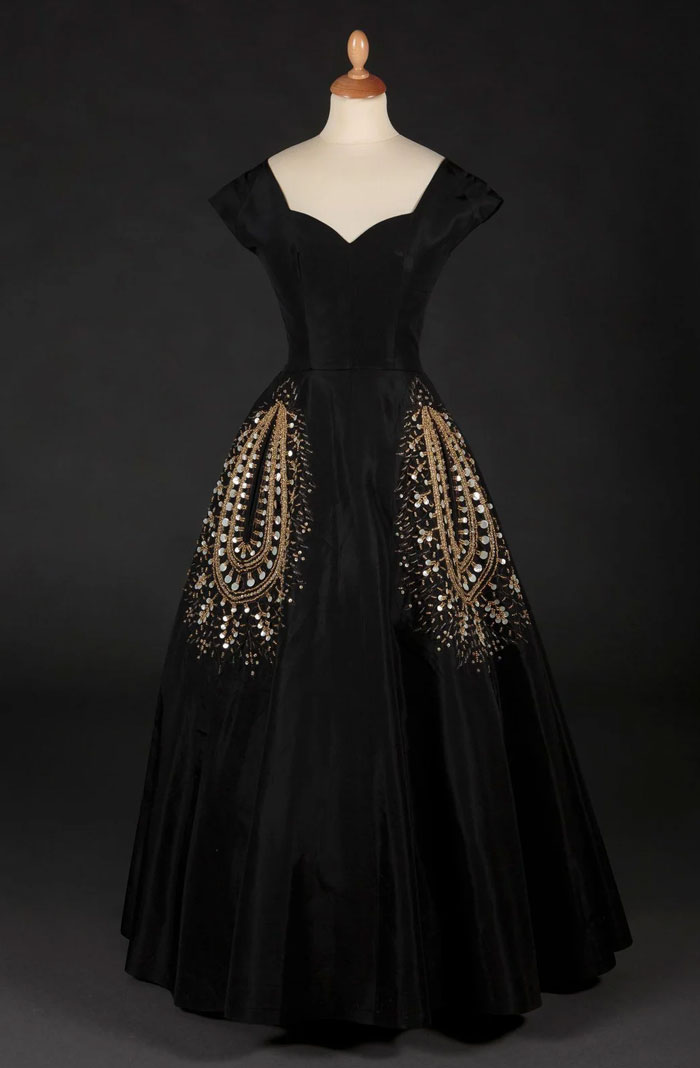
Norman Hartnell was renowned for his exemplary couture creations for The Queen in the 1950s and 1960s. Worn by Her Majesty Queen Elizabeth for a lavish dinner at the British Embassy

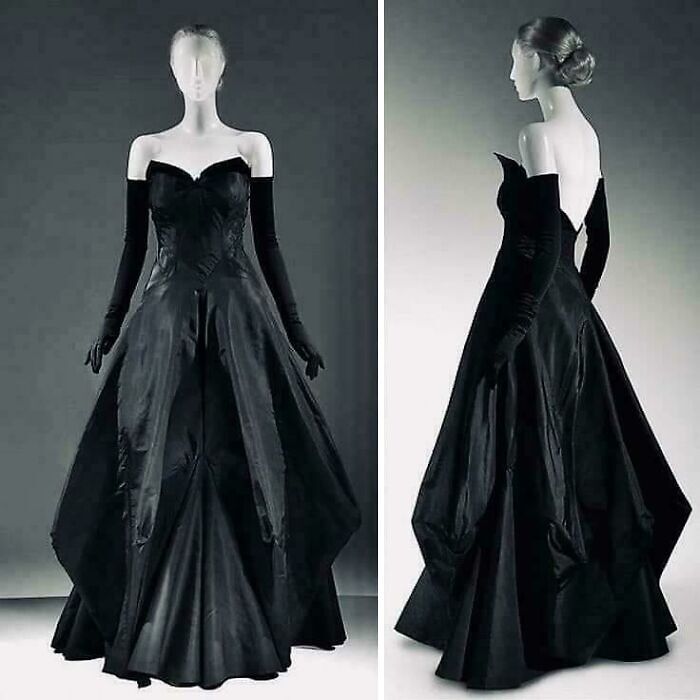
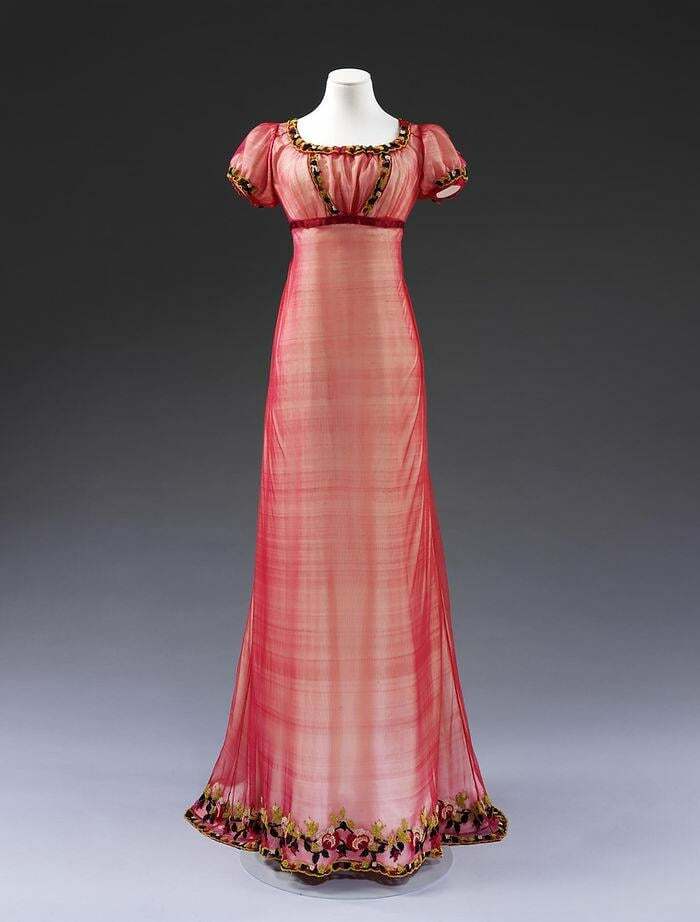
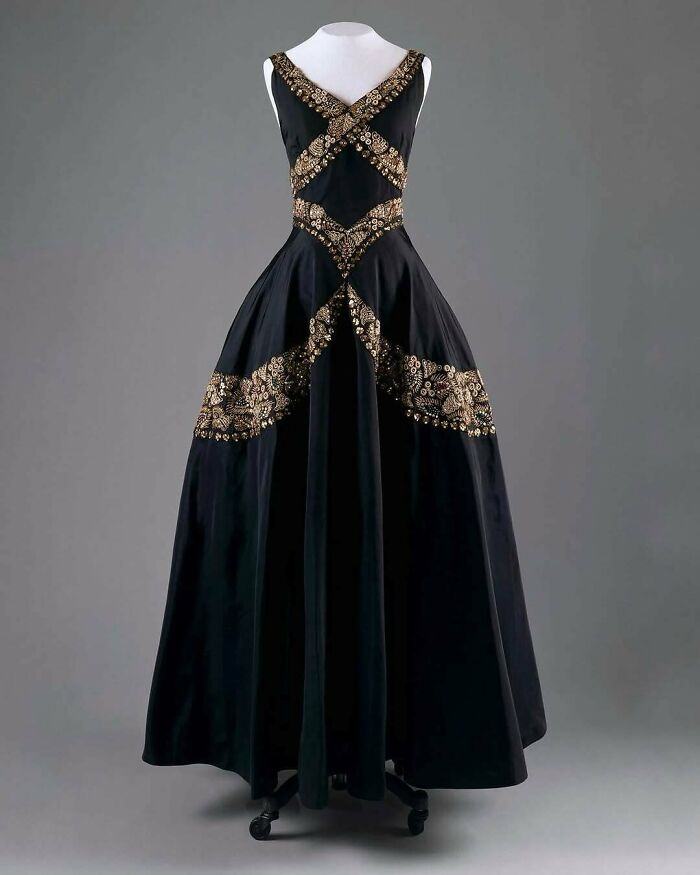
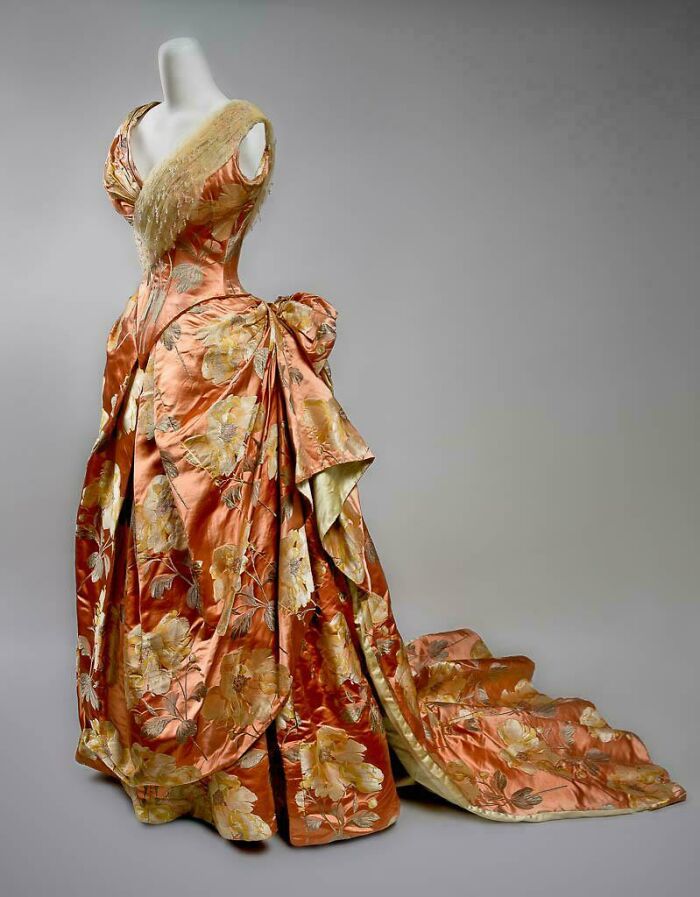
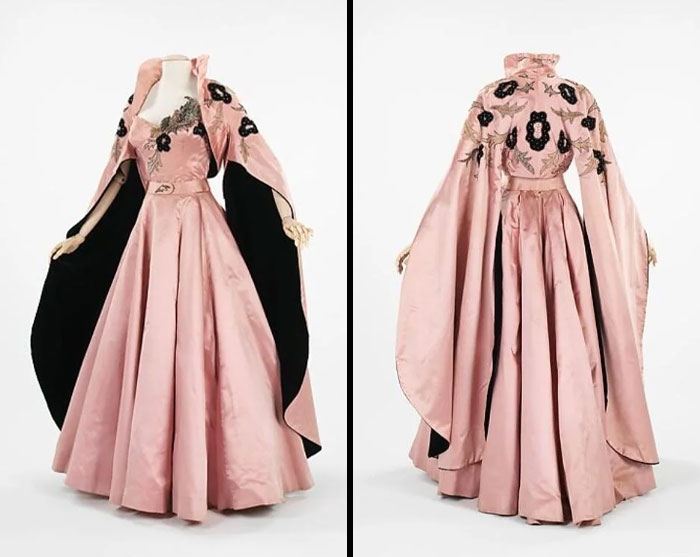
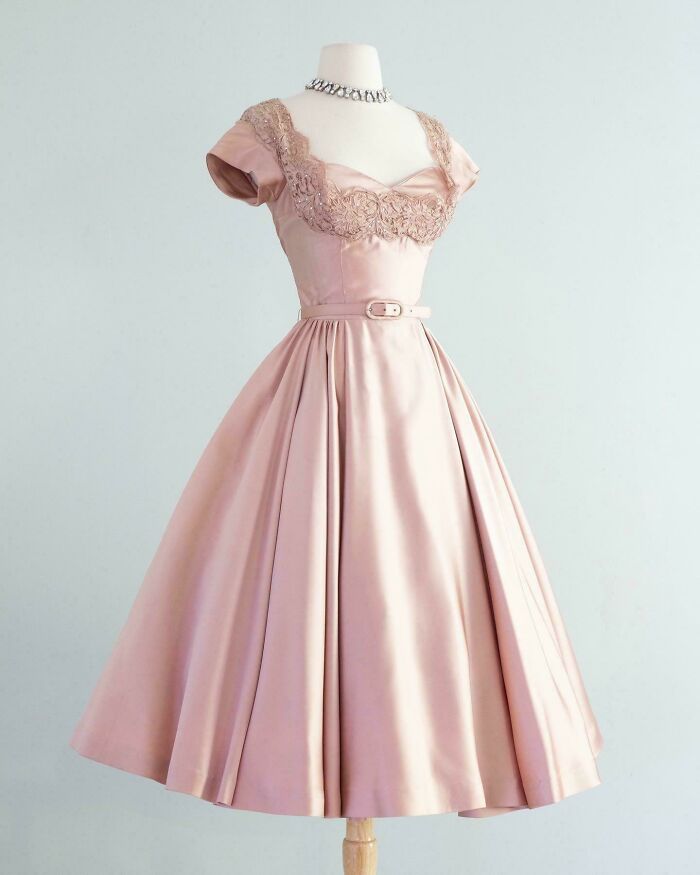
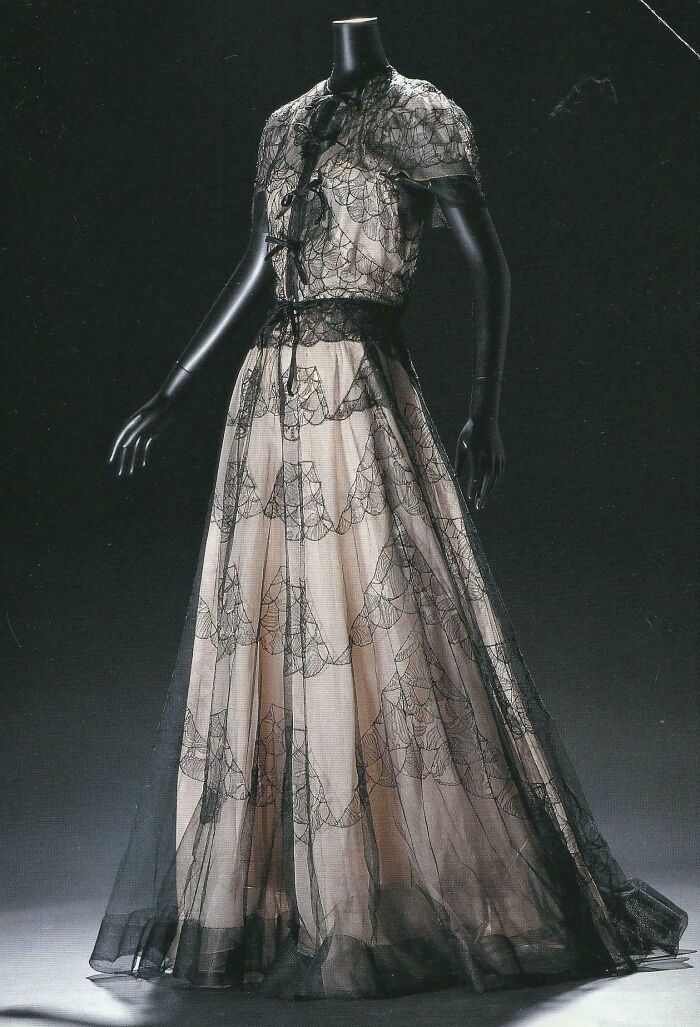
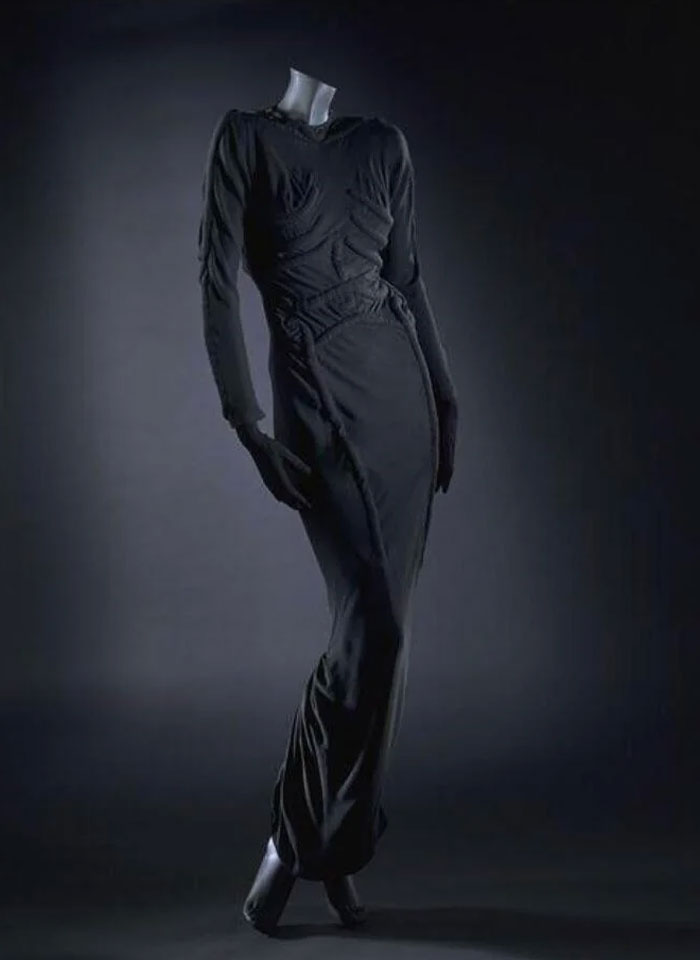
When did black evening dresses become so predominant? I love the gorgeous colors of all these gowns.
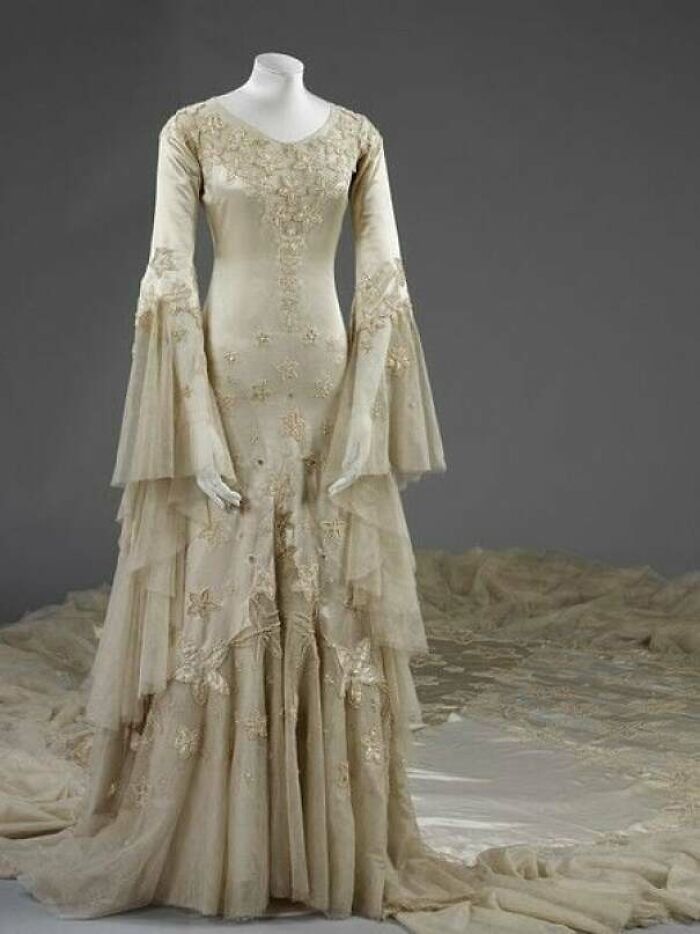
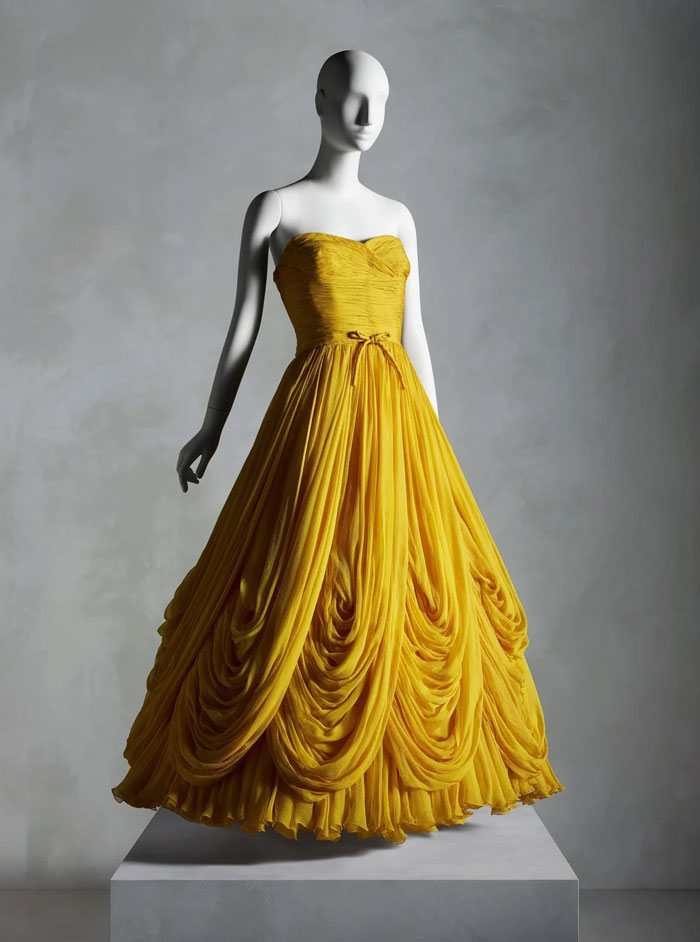
This is the kind of dress I used to draw when I was at primary school, but brought to life!
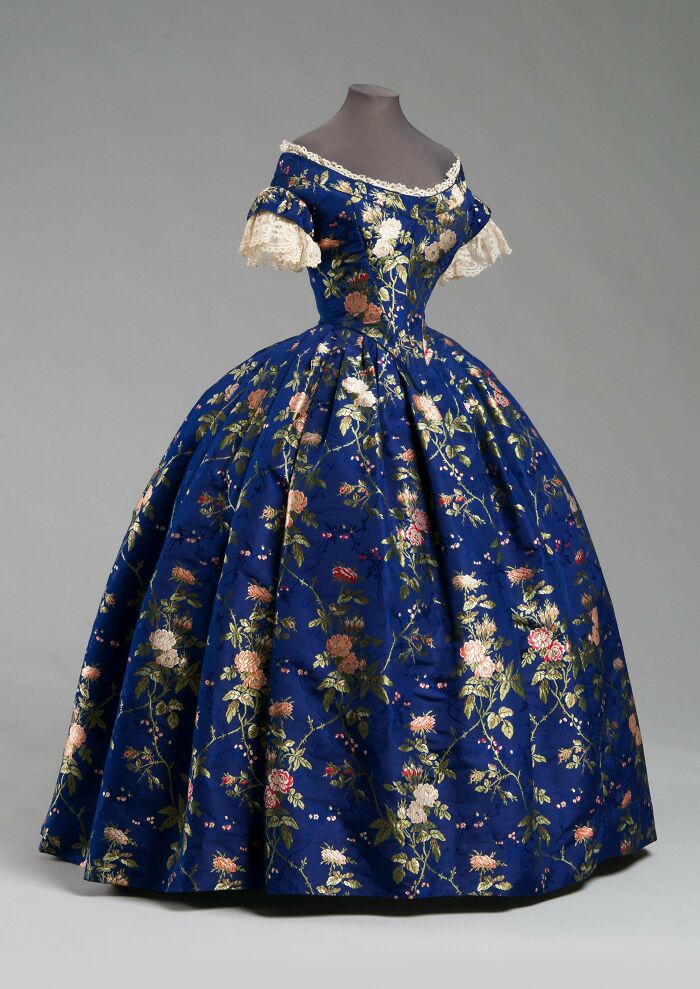
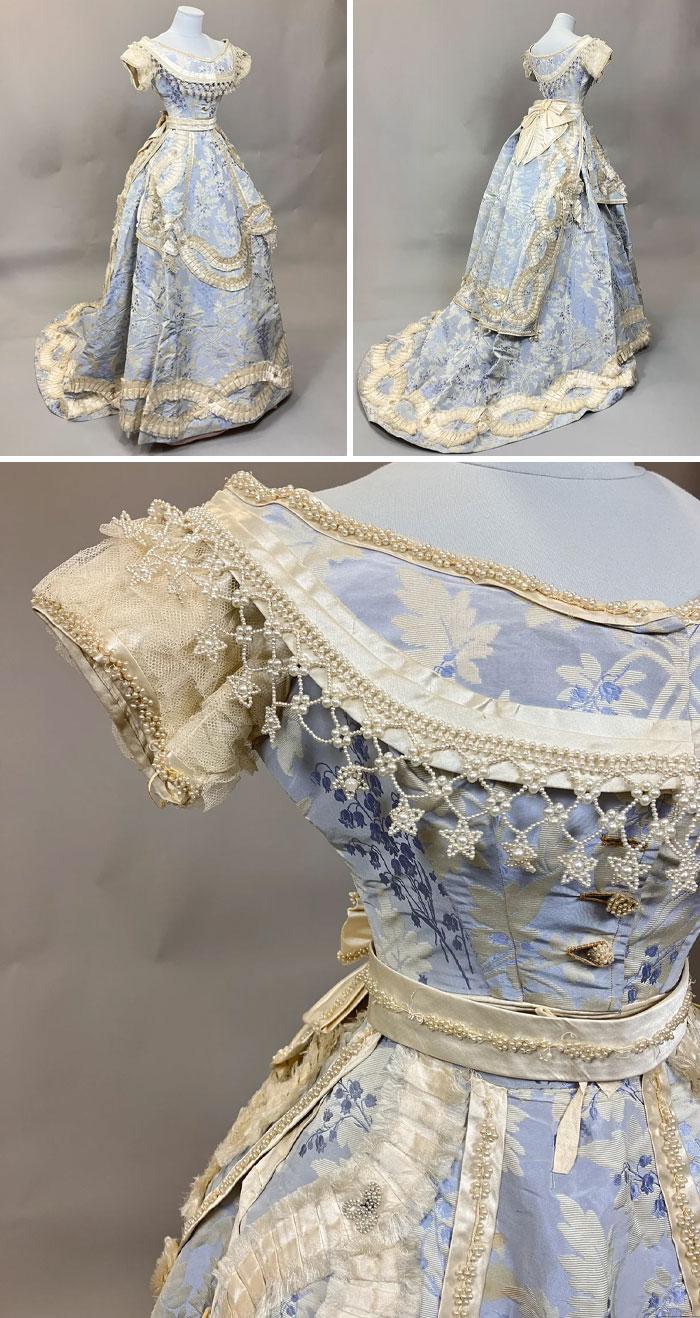
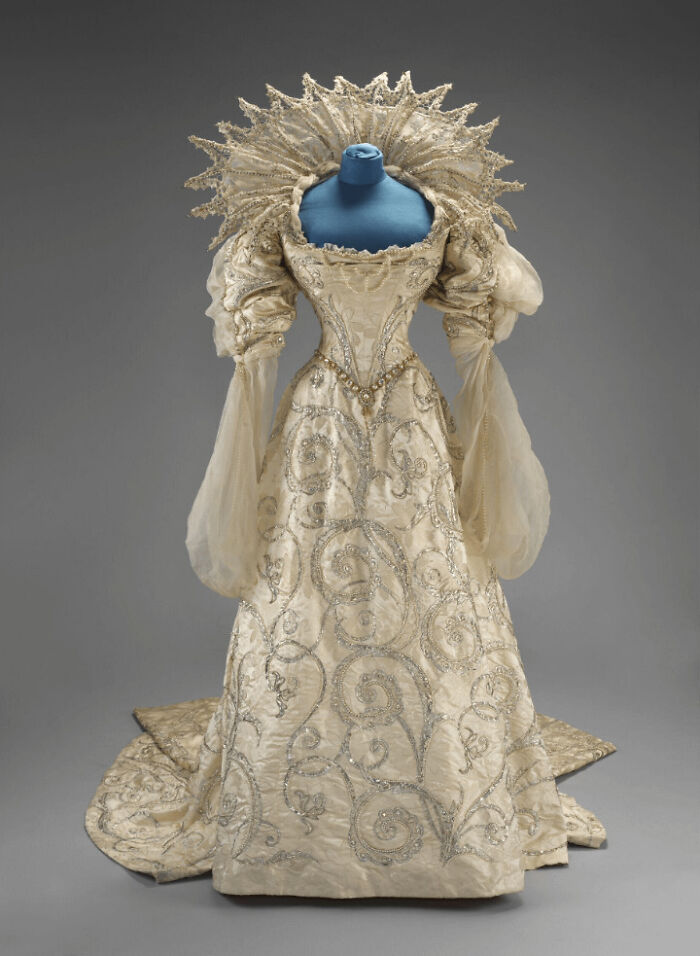
Made of pattern-woven light blue silk damask with motifs of lilies of the valley and leaves, decorated with wavy pleated silk borders, pearl borders and pearl embroidered flowers with large pearl pendants, 1860s. Gothenburg City Museum
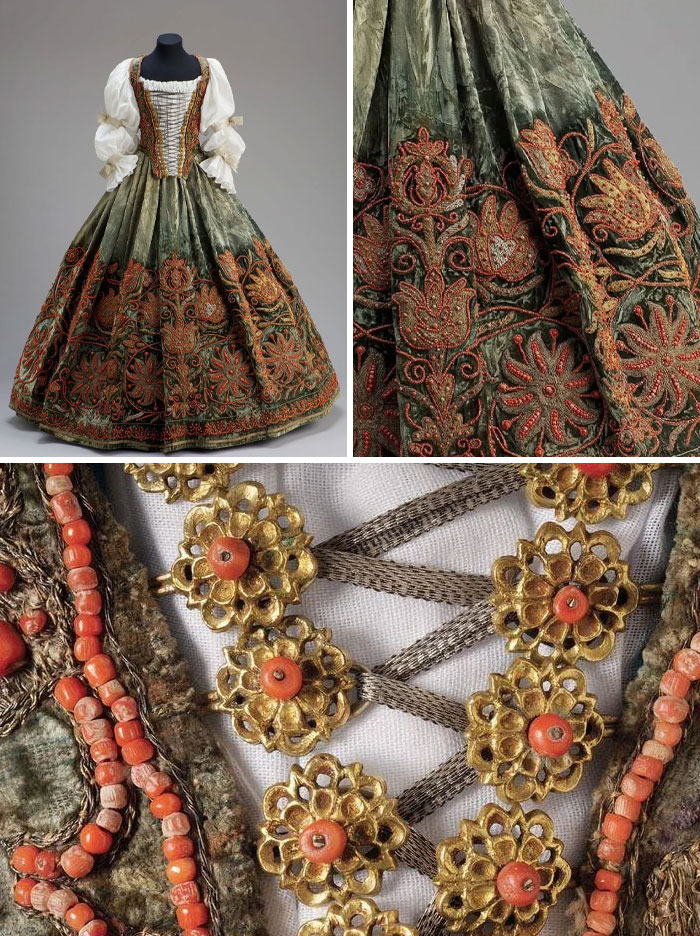
While not the same dramatic effect as these other gowns, the amount of work in this is staggering and unbelievably well preserved from the 1650s.
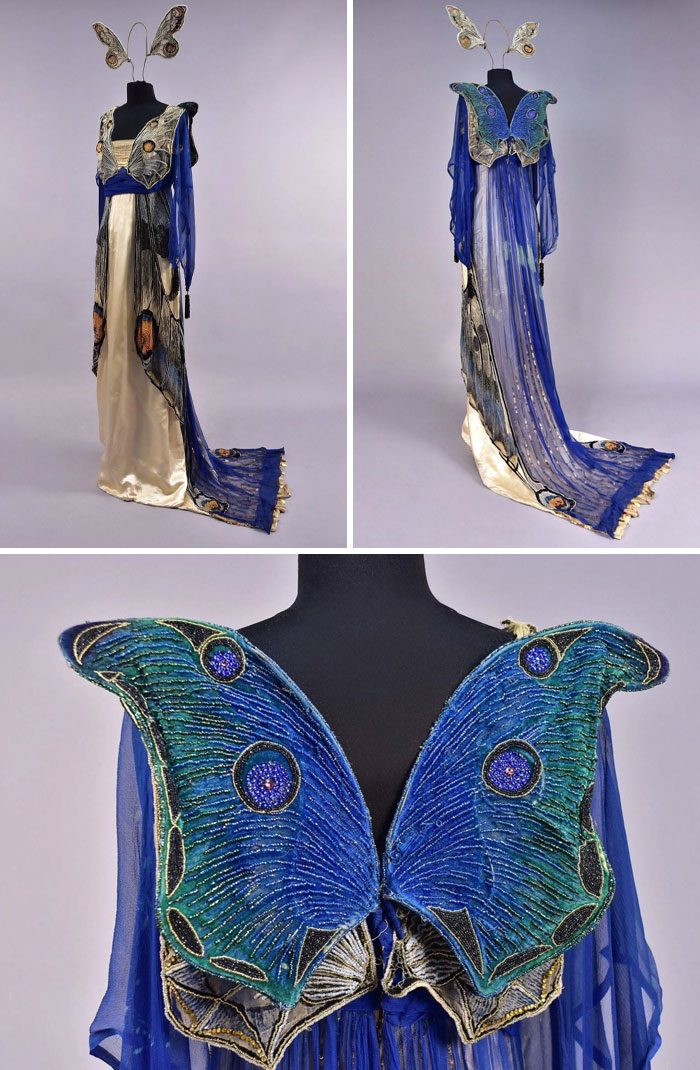
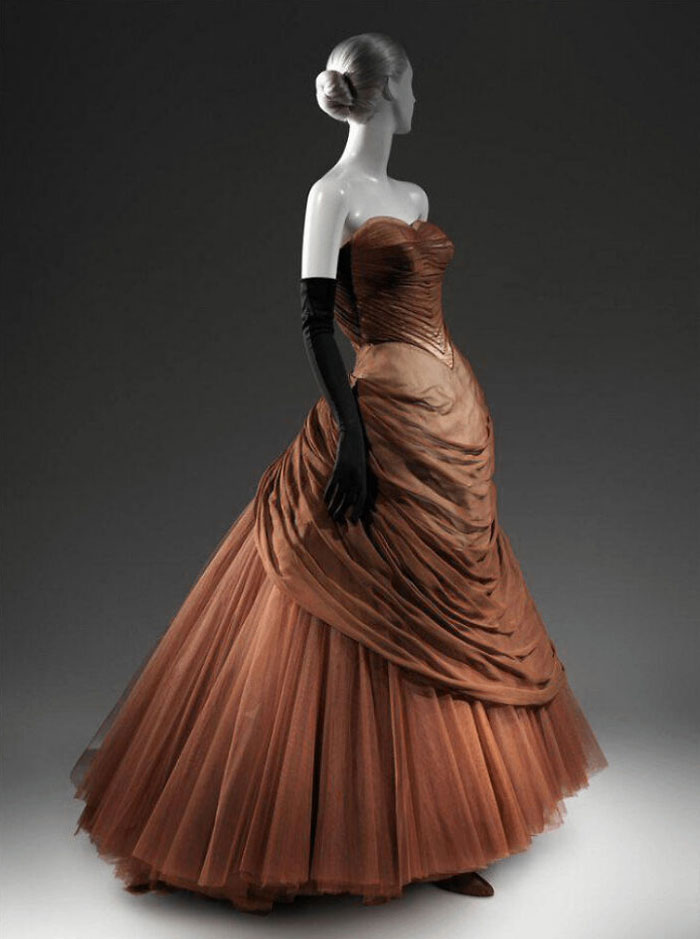
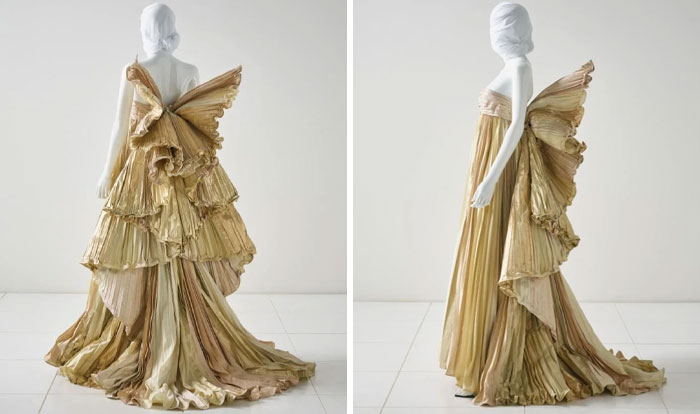
This is the only one that I don't wholeheartedly admire, it reminds me a bit too much of a moth.
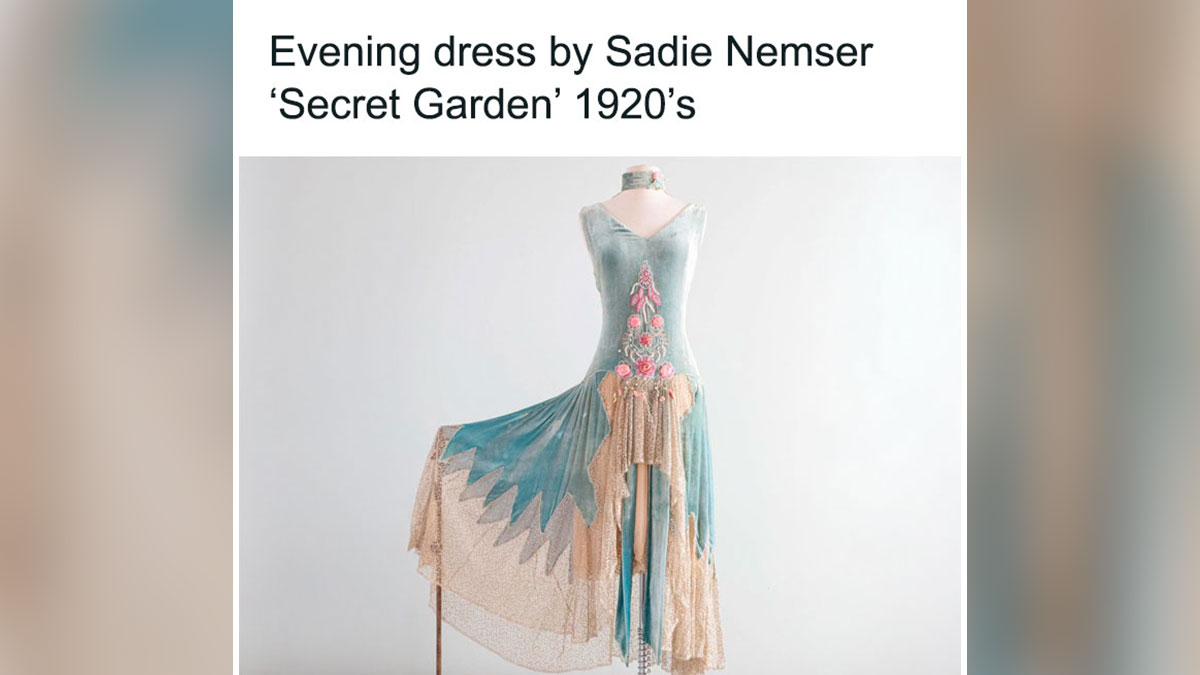
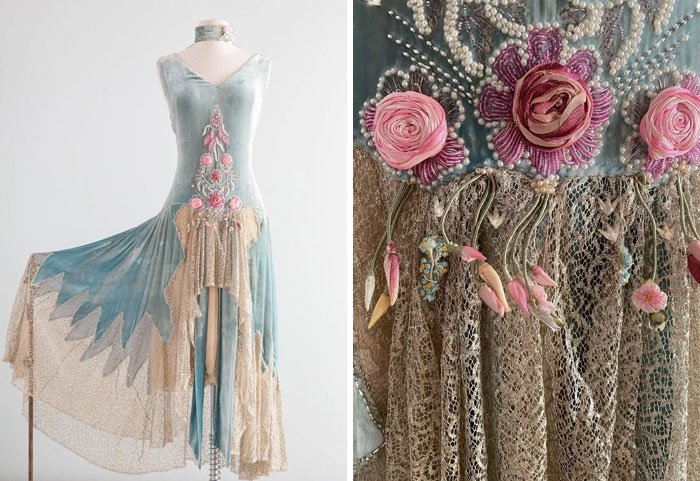
I love this faded blue look. I think it's stunning. I'm surprised it's not further up the list.

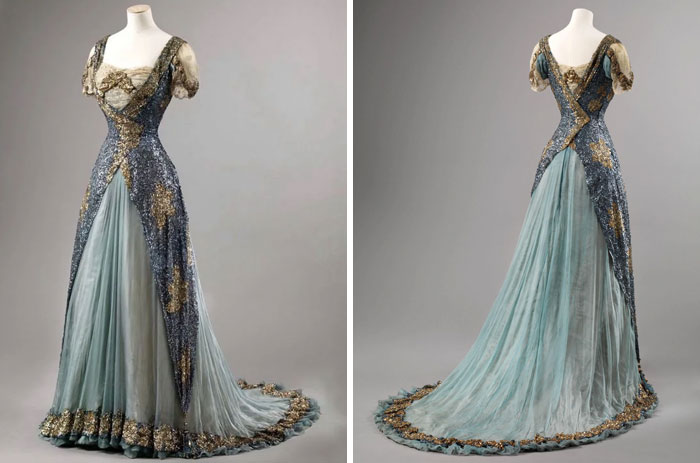
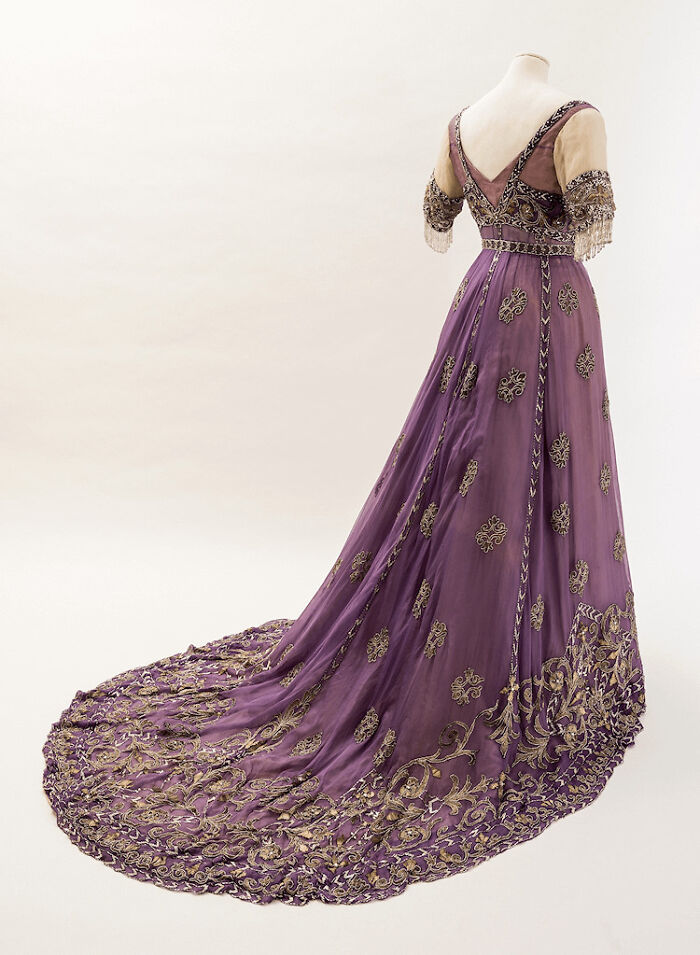
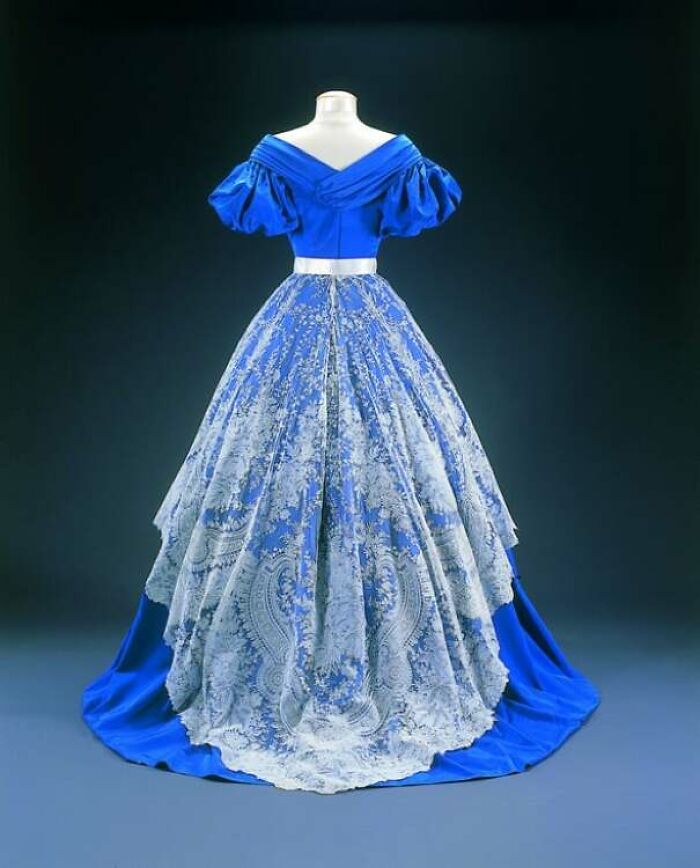
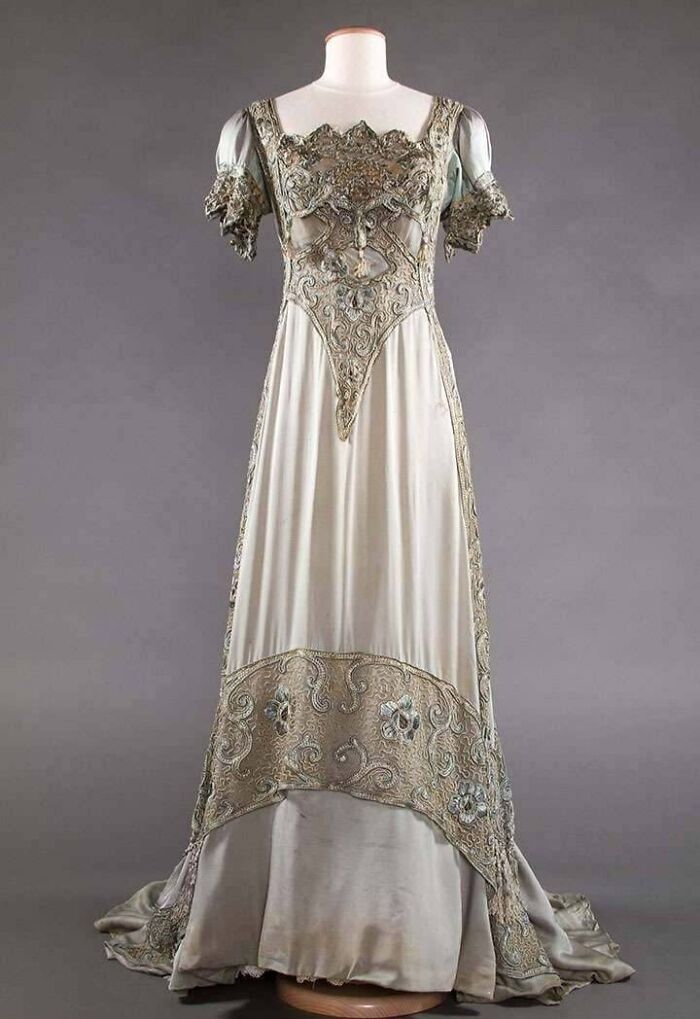
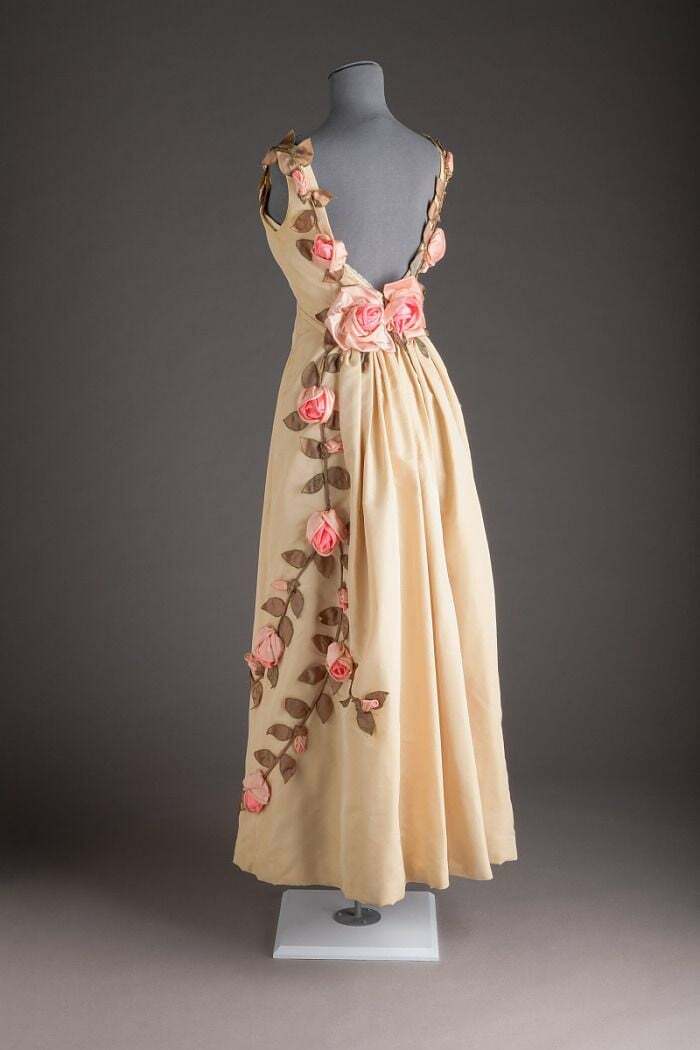
The back, which is showing, is beautiful. The front seems very plain.
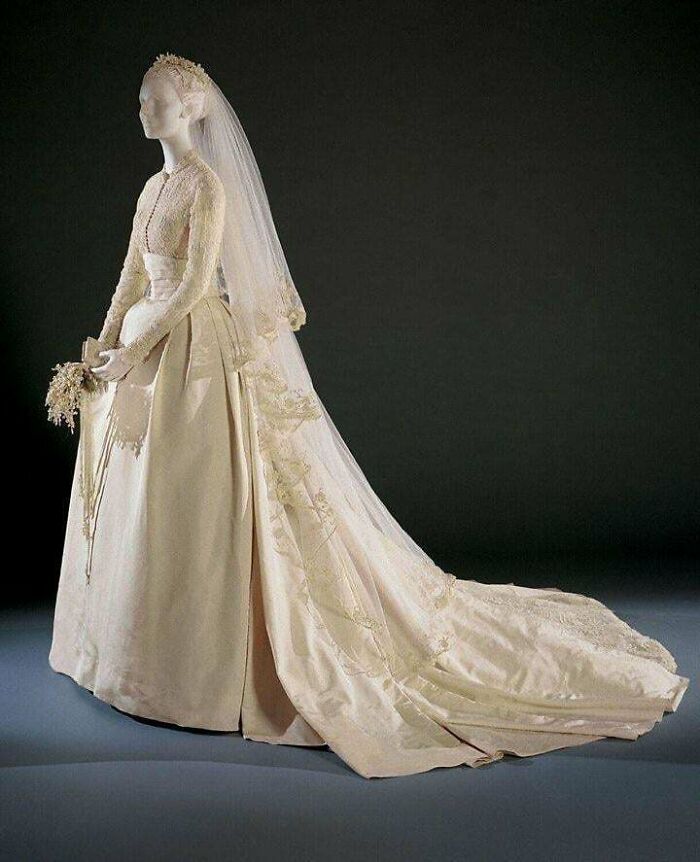
The dress designed by Helen Rose was made of silk faille and Brussels lace embellished with pearls
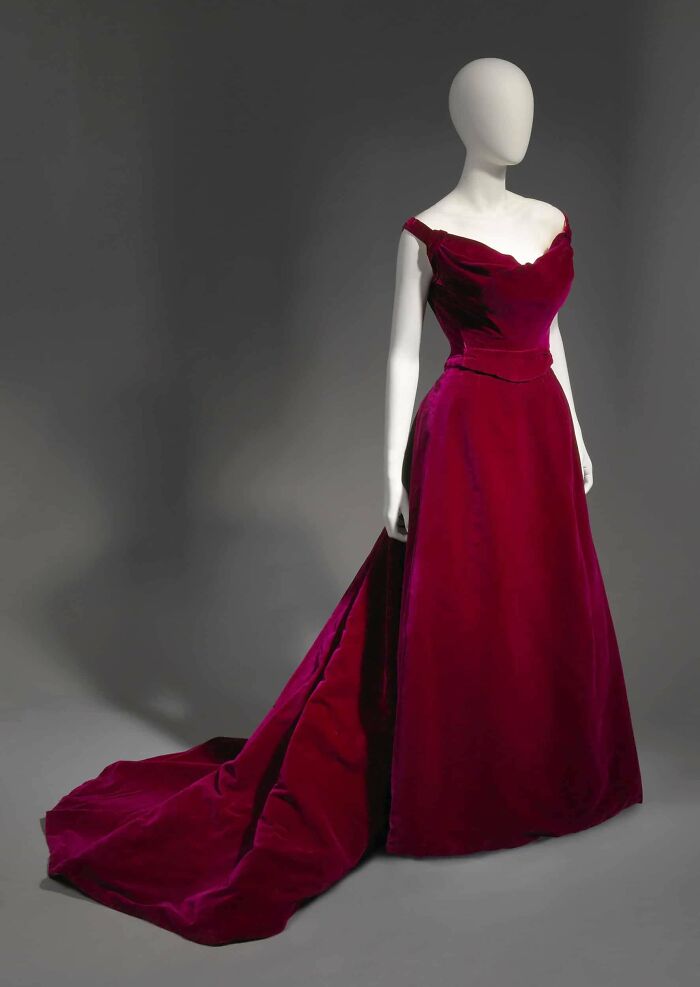
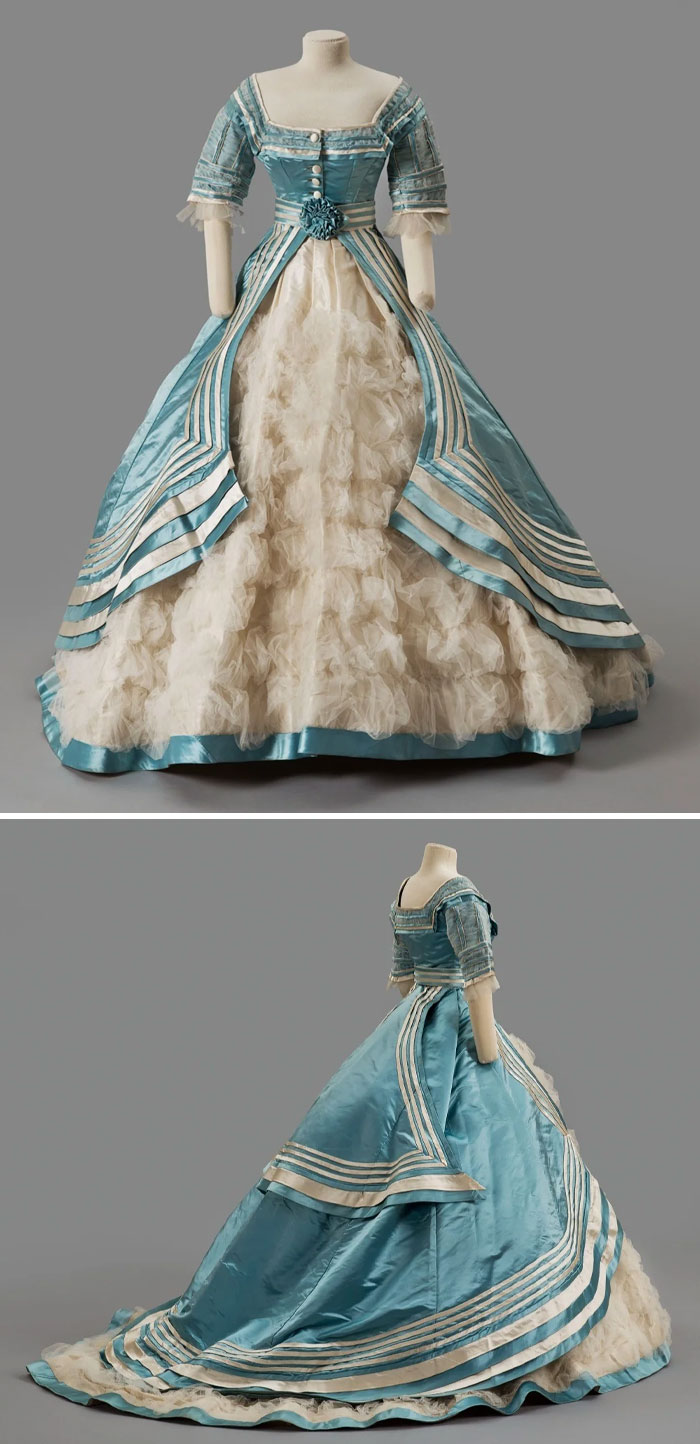
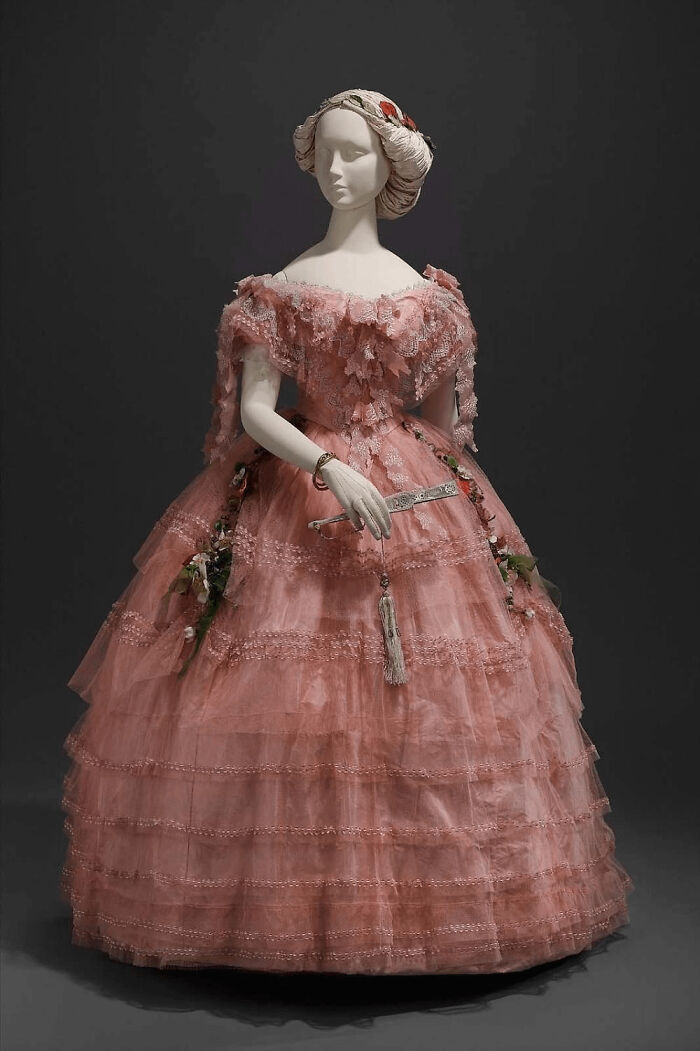
Worn by Mary Augusta Green DeCamp Corning and made by sisters Marie and Josephine Virfolet, French dressmakers working in New York City. The tulle was replaced circa 1980

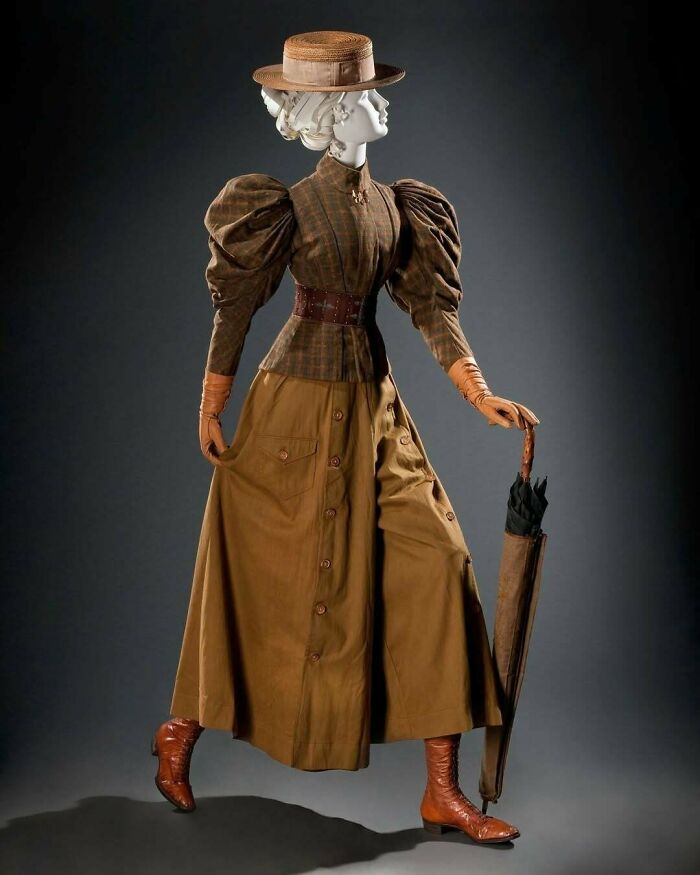
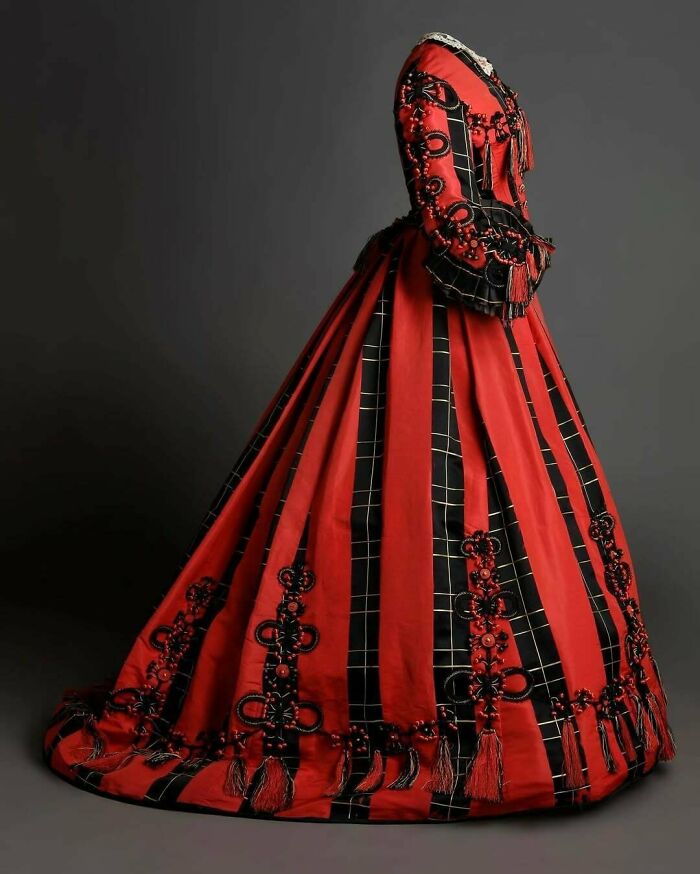
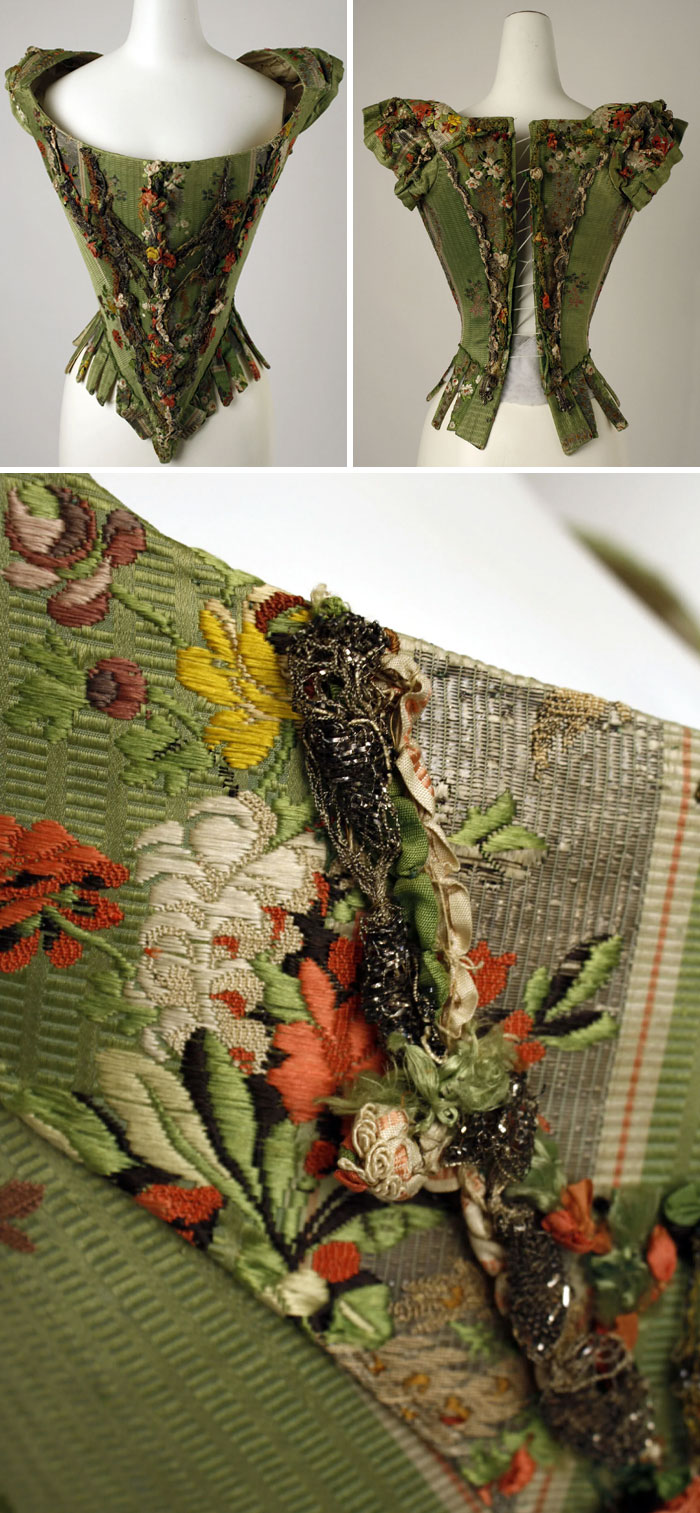
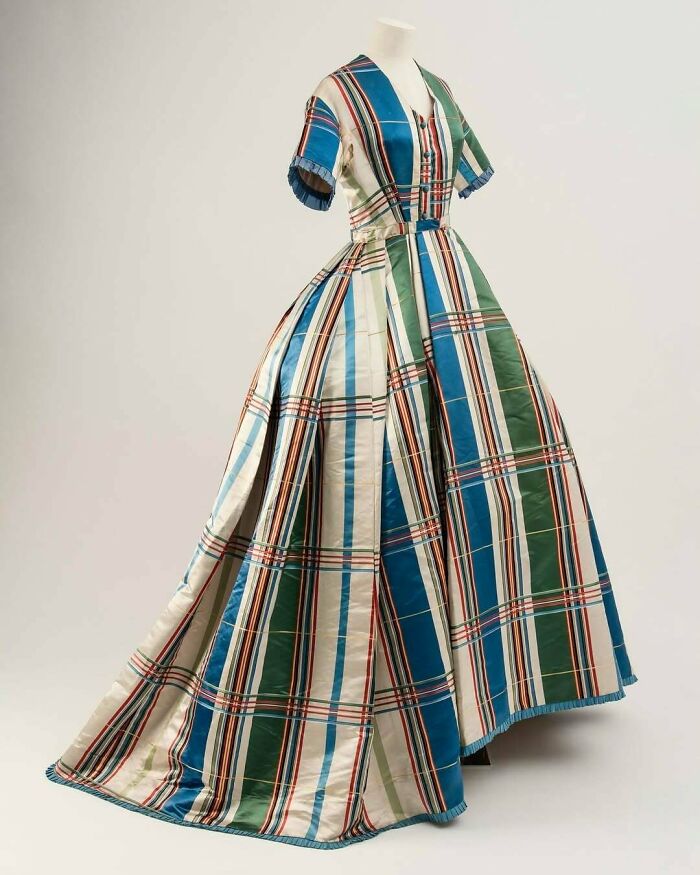
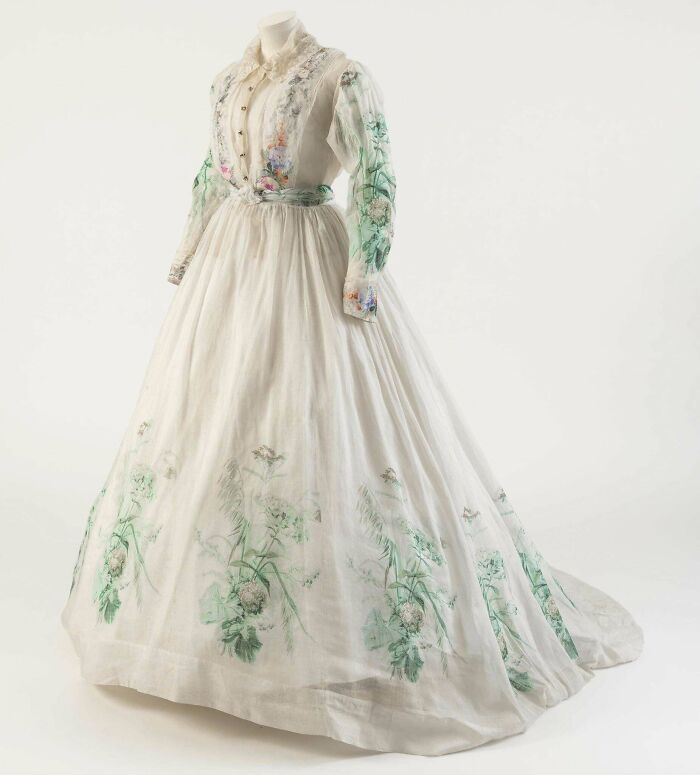
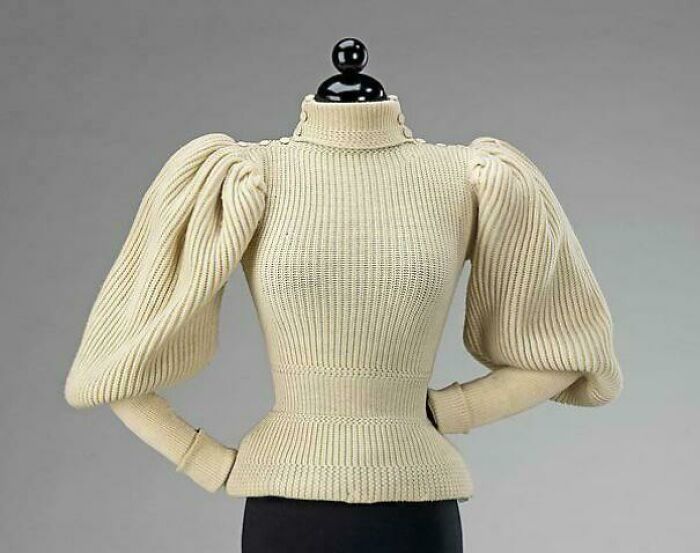
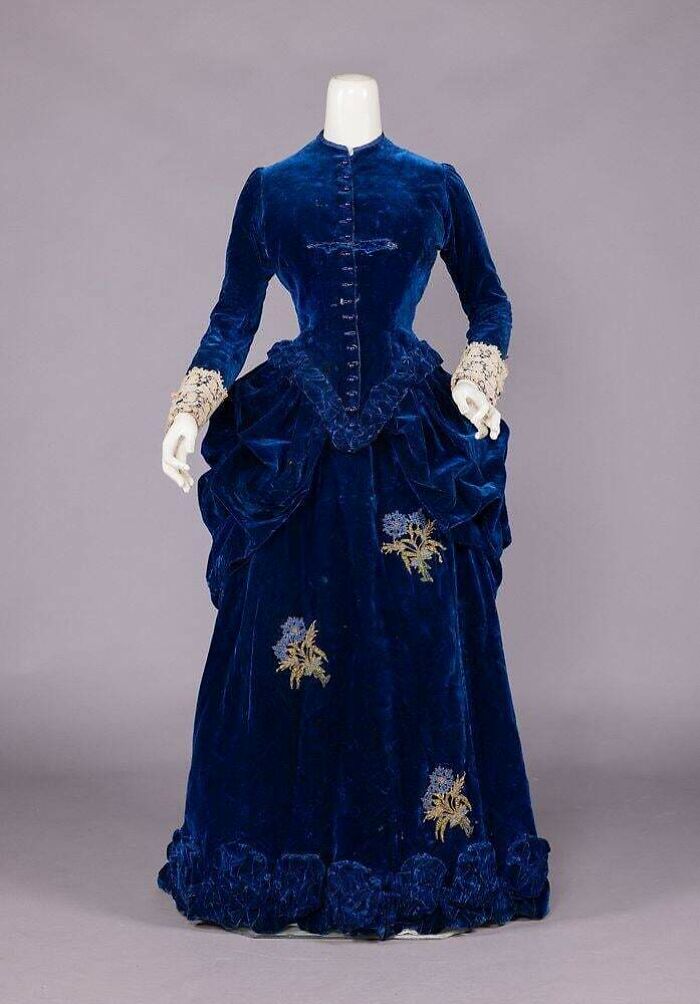
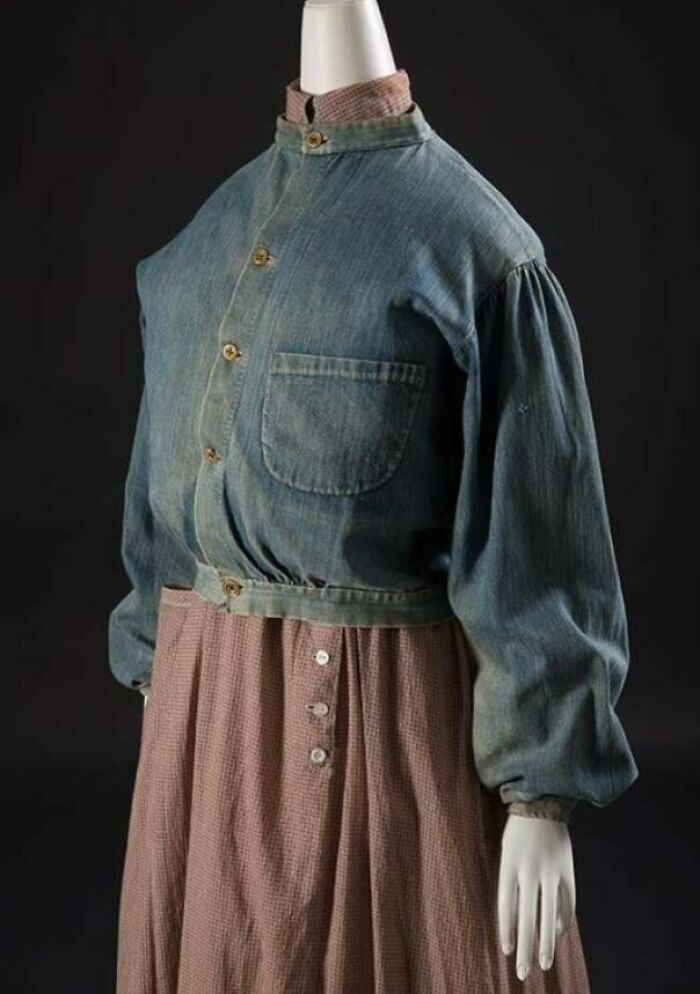
This still presents the fashionable patterns of the era while being functional as this would have been worn outside during outside labours. The Museum at FIT
With a handful of exceptions, almost every dress here significantly outshines the outfits that were worn at last night's fashion show at the Met Gala.

That was fashion? I didn't see any fashion. They were awful this year.
Load More Replies...
Oh, what I would give to be able to play dress up with any or all of these outfits!
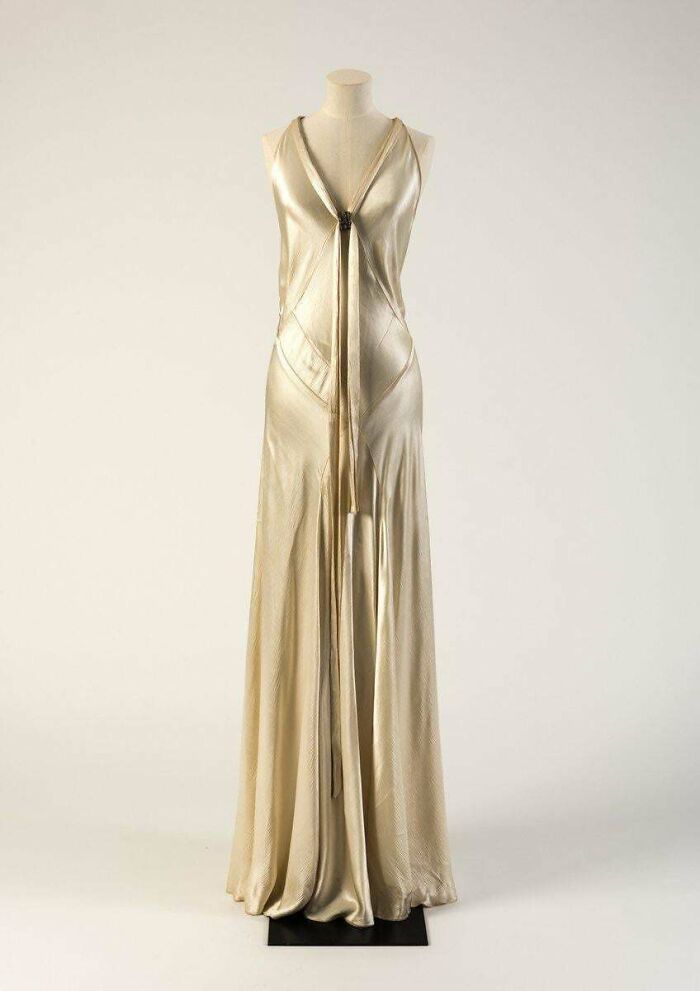
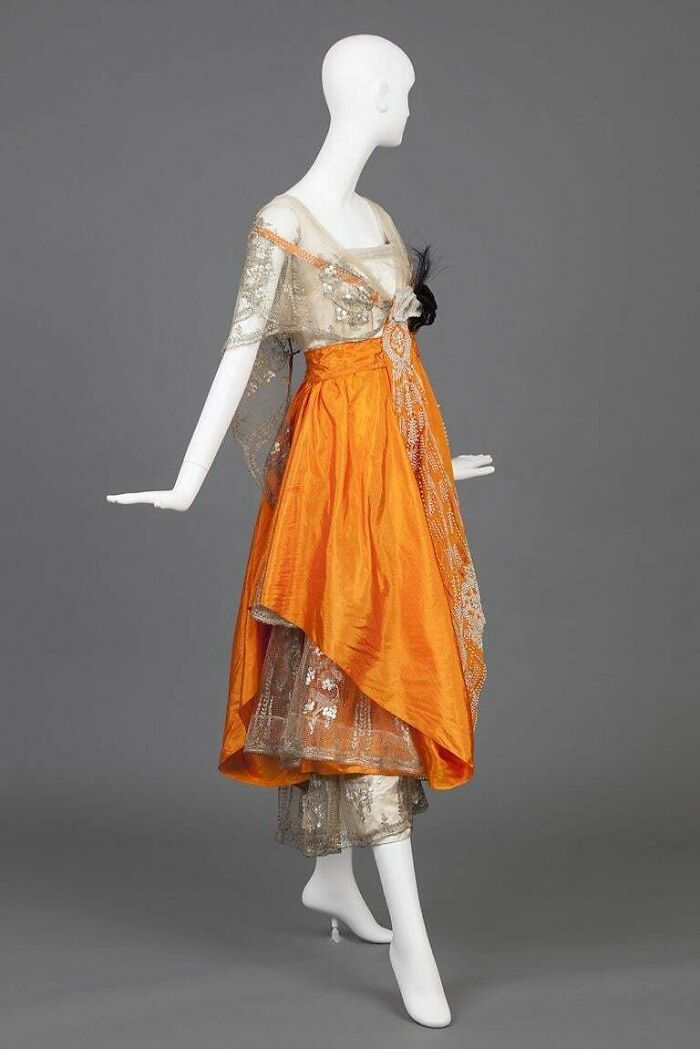
Except the flapper dress, lovely as it was, the straight up and down is not for me. The one made to look like a draped scarf though, so clever as well as beautiful.
Load More Replies... With a handful of exceptions, almost every dress here significantly outshines the outfits that were worn at last night's fashion show at the Met Gala.
That was fashion? I didn't see any fashion. They were awful this year.
Load More Replies... Oh, what I would give to be able to play dress up with any or all of these outfits!
Except the flapper dress, lovely as it was, the straight up and down is not for me. The one made to look like a draped scarf though, so clever as well as beautiful.
Load More Replies...




















 No fees, cancel anytime