Get Premium
Dark mode theme is available exclusively for premium users. Learn more about the benefits of subscribing.
No fees, cancel anytime.

 Dark Mode Ad-Free Browsing Unlimited Content
 Ad-Free Browsing Unlimited Content Dark Mode
Join 1.2 million Panda readers who get the best art, memes, and fun stories every week!


Oh, how naive we are during our childhood, thinking that life is nothing but joy, cupcakes, and rainbows! However, once we grow up, the reality monster comes knocking at the door, and we are hit with epiphanies, some good, some amusing, and some mortifying.
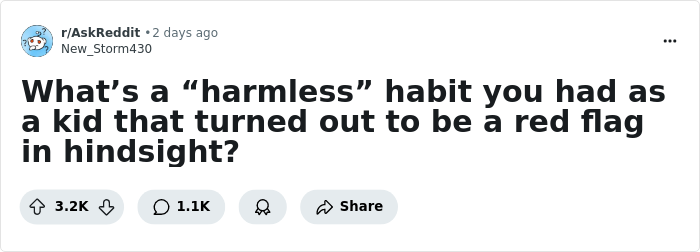
The Reddit user New_Storm430 brought up one such horrifying realization when she inquired, “What’s a ‘harmless’ habit you had as a kid that turned out to be a red flag in hindsight?” Well, her question released the floodgates as people rushed forward with their answers, and some of them are quite dank and relatable. Just scroll down to check them out for yourself!
More info: Reddit
This post may include affiliate links.
 Getting SUPER attached to anyone I felt any hint of a connection with, to the point of it being quite creepy & unhealthy. Lost several friends over it who were not amused, to say the least.
Every time I found someone I thought I could be friends with, I latched on with an iron grip & that person would become my “obsession” of the moment (yes, I can use that word now, even as ashamed as I am of it). I spent years trying to overcome this part of myself and deep down inside, I know the tendencies are still there, thus the reason why I now choose to remain aloof from all but a chosen few people. I never want to get that way with anyone ever again.
I look back now and cringe hard at what I put people through growing up. I realize now it was undiagnosed ASD & abandonment/attachment issues from never quite fitting in, being excluded from my peers and moving around a lot.

There's an about 12 year old girl at my local theater who does the same, it can get annoying sometimes. But I really do love her, she's like my baby sister :).
 Making sure other people liked me, but not taking time to evaluate whether I liked them.
 "Clean Plate Club".
Im fat af now. Definitely won't enforce that with my kids.

My wife was brought up with this BS. Set her up for a very bad relationship with food.
As you scroll through the list, you might even find that the truth behind some of these "harmless habits" is actually quite sad. To better understand why we realize these red flags as adults, Bored Panda interviewed Divya Ahire, a psychotherapist who runs a private practice and offers therapy sessions under supervision. She said, "I think a lot of us only start to understand our childhood when we’re much older."
"When we’re kids, we don’t always have the words to explain what we’re feeling. So we act it out. Maybe we’re always busy, always quiet, always performing. At the time, it just feels normal. But later, when we’ve done some healing or had space to reflect, we might realize those "habits" were actually us trying to cope with something difficult," Divya elaborated.
She also believes that sometimes, it takes therapy, or becoming a parent, or even just watching a movie that hits a little too close to home, to start piecing things together. According to her, that moment of realization can be a little painful, but also really powerful, as it shows us how much we’ve been carrying, often silently.
 "I can do it myself"
It developed into hyper independence which has had its impact on my relationships. Hard to trust someone who keeps one foot out the door.
 Retreating to my room and hiding in fictional worlds (video games, reading) instead of talking out my emotions (from emotional childhood neglect). Now as an adult, my first instinct is to hide and self-preserve when I have an issue, and it's been a struggle to make myself open up and communicate in a healthy manner.
I try to make it a point to go after my kids and talk to them when they're upset (after letting them cool down if needed), instead of ignoring them in their rooms and assuming everything is fine when they finally emerge later.

This is me. Stoicism makes you appear strong, but holding in all your thoughts and emotions leads to a lack of true intimacy. Still working on it!
 Being able to read people’s emotions and adapt very quickly. There is a difference between cognizant of the emotional experience of others and being empathetic and holding space for that, and being hypervigilant due to trauma, and erasing your whole self in the process to the point where nobody actually knows who you are. And even if you have valid points of concern, it’s buried under mountains of people, pleasing behavior and indirect surfacing of your concerns. You will forever feel like your needs are getting unmet, but that’s because since you never felt yourself worthy of having needs you create confusion and ambiguity for others. Most of all you attract people who rely on you to be in that people pleasing space. You can’t have boundaries.
When we asked Divya whether such habits during childhood actually point to deeper emotional or psychological struggles, she said yes and that it happens more often than we think.
She stressed, "Children rarely say I feel anxious or I feel lonely. Instead, they might spin in circles for hours, mimic others obsessively, or retreat into their own world. It can look like play. It can even make adults smile. But sometimes, it’s a sign that a child is trying to make sense of something confusing or overwhelming."
However, that doesn’t mean every unusual behavior is a cause for concern, as kids are wonderfully weird and imaginative, she added. Divya believes that when we start to notice patterns or when a behavior starts interfering with a child’s ability to connect or feel safe, that’s when it’s worth pausing and gently exploring what’s really going on underneath.
 Thinking and trusting that everyone is my friend. Turns out most people really suck and are opportunistic.
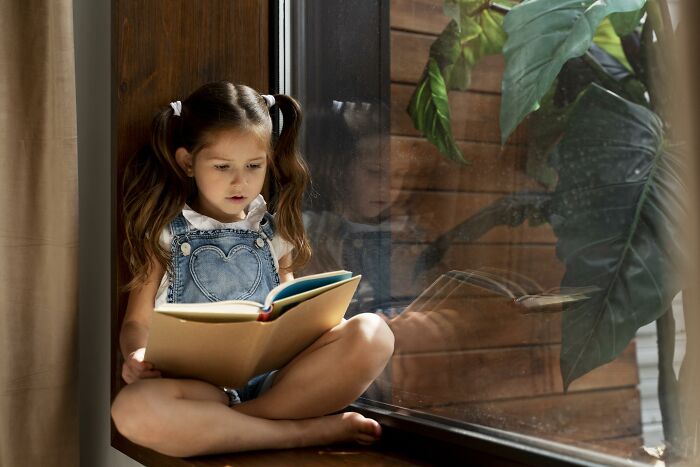 Reading. I read *alot* as a kid as a form of escapism. .

I think this falls into "the dose makes the poison" category. Reading fiction actually improves empathy, reading widely makes people aware of the world around them and the different people and places there are, reading non fiction teaches how to learn on one's own and resourcefulness. It makes it easier to deal with reality if you know you can escape for a while, and it's a way of finding people like yourself and people you want to be like. I'm slightly neuro divergent before it was clearly understood, and a voracious reader for 65 years years.
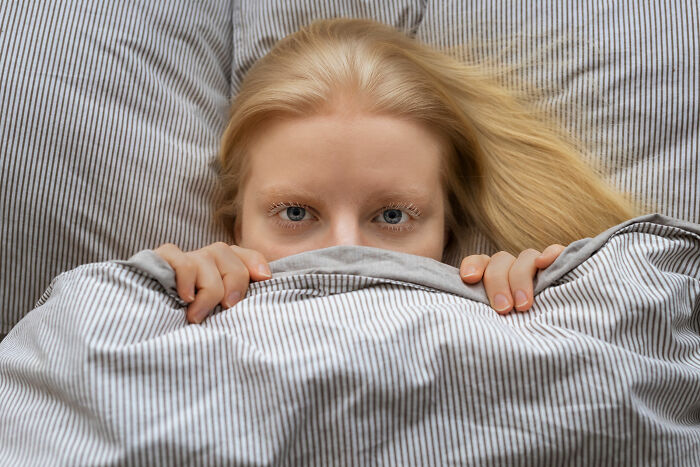 I couldn’t sleep until I knew everyone else was asleep.
I know that in the 80s we weren’t commonly talking about hyper vigilance but d**n, no one wondered why I as a child didn’t feel safe falling asleep unless I thought the adults were asleep too?
Divya also informed us that context, such as home environment or family dynamics, is everything when interpreting these so-called “harmless” behaviors displayed by children. She claimed that a child’s behavior is never just about them, as it reflects the world they’re growing up in.
She narrated that their relationships, their safety, their sense of belonging, and the way emotions are handled around them—all of that shows up in how they behave, play, and respond.
"So when a child starts withdrawing, acting out, or developing intense routines, it’s not helpful to ask What’s wrong with this child. Better questions might be: What’s happening around this child, What are they adapting to, or What are they trying to survive. When we hold that kind of compassion, we’re much more likely to respond in ways that are supportive rather than shaming," Divya narrated.
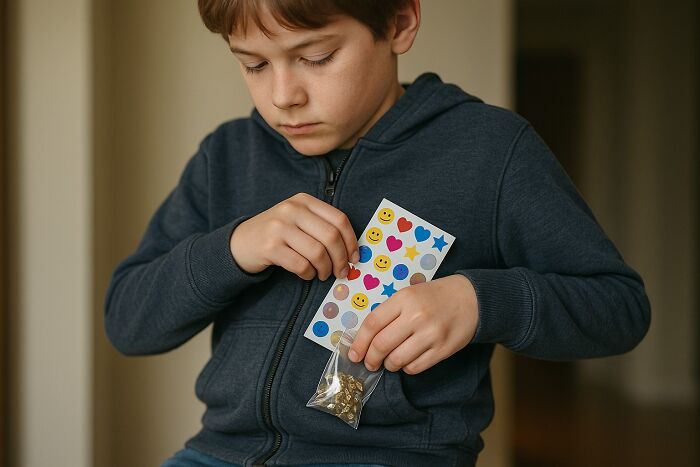 Stealing.
It was small things like stickers and shiny objects and stuff. I realised it was bad when I decided to steal my roommates heels. I felt really bad and I kept it back in it's place.
I got therapy and worked on it and thankfully, I've stopped now.

It's not that some of the comments here are wrong, per se, but I don't think they're very helpful or supportive of OP's obvious attempts to make better choices. Great job working on you, OP! 🥳
 Discussed on Reddit before but I would count the number of letters in each word in a sentence when people spoke. Started as fun, ended with me obsessively needing to do it to the point of not taking in the conversation aside from the words to store to count. I would also stack sentences in my brain if I couldn’t count quick enough.
Luckily I was oddly smart and self aware as a teen and saw it was getting out of hand so I made myself stop. As an adult I had to stop reading g a book series as one of the characters did the same and I started to slip back into it.
I have done other compulsive behaviours as well. I am currently going through autism diagnosis process.
Best wishes for a fulfilling life. The ancient Greek saying "know thyself" is important
Oh god I had a very similar problem. Not letters, but anytime I thought anything or heard anyone say something, I would mentally count the syllables in their words/sentence, up till it became an obsession. I would literally spend lots of time just counting syllables. Thankfully, I’ve stopped now and don’t have any compulsion to do that anymore.

My daughter does this, but for her it's adding the numbers on her clock to a prime number before she went to bed. She'd have to wait a minute or two before it added up to one before she could close her eyes. My mom has undiagnosed OCD, so it really worried me, but she's mostly outgrown it. Although she definitely has other tendencies I noticed, but maybe I'm too hyper vigilant about it?

As a member of the autism community, depending on how strong it is, it's not so bad
OMG..this is me...I didn't know other people did this, I never brought it up for discussion with anyone 🤣 along with all the other strange number and pattern routines I'd have...times of stress the the word count in conversations silently starts...never told a therapist either, Christ they'd have me locked up🤣🤣🤣🤣
We also conversed with Divya about whether awareness around childhood mental health has improved in recent years to help catch these early red flags more effectively. She mentioned that yes, it has, and that gives her hope.
"I see more parents open to learning, more teachers tuned in to emotions, and more social media accounts talking about nervous systems, boundaries, and inner child work. These conversations would’ve been unheard of not too long ago. But at the same time, not everyone has the same access to this awareness," she added.
She noted that some families are dealing with daily survival, some are silenced by stigma, and many don’t have mental health resources nearby. "Awareness is growing, which is amazing, but the real change will come when support becomes more inclusive and easier to reach. Because every child deserves to feel seen, safe, and supported. No matter where they’re growing up," Divya concluded.
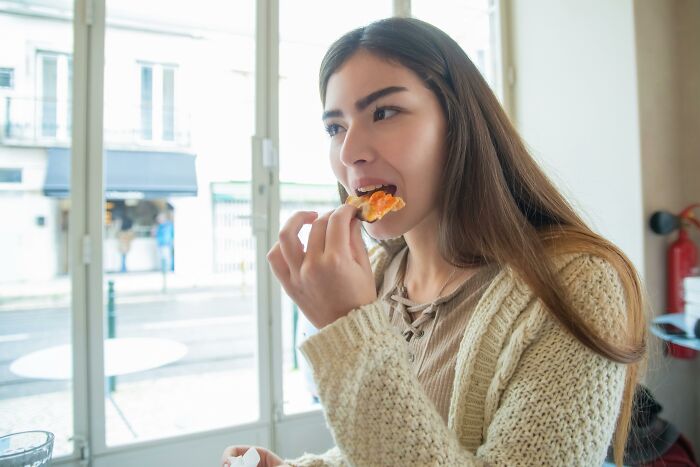 Forgetting to eat/not liking eating. I thought it was just quirky. My whole family did it.
My parents forgot to feed us kids a few times when I was 9-11 (we were always at least middle class, they just neglected us because of a side business). When I was 10, my mom put the entire family on an extremely restrictive diet because she definitely has an undiagnosed ED, and kept telling us that anyone who doesn’t eat like us will die.
Turns out, she forced me to have an ED. I got a diagnosis and am recovering now, in my late 20s. She’s still in denial about hers.
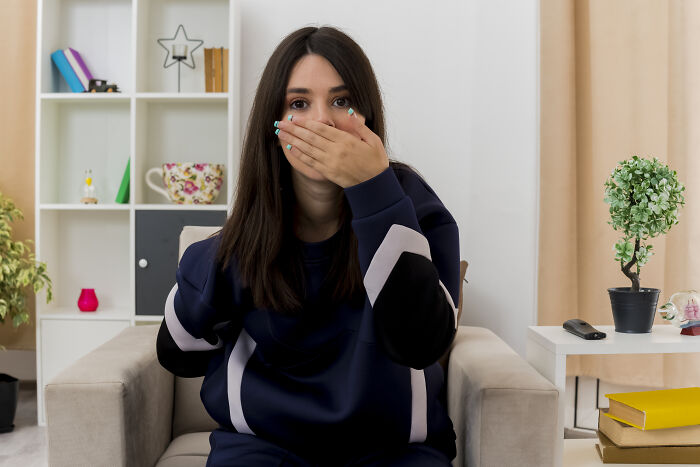 Despite knowing the answer to a question or if I'm being asked about something, my immediate response is to remain quiet because of the fear of being made fun of (I had a stutter growing up) and I was usually yelled at for getting anything wrong.
 I was a pathological liar :-( got therapy, learned to recognize WHY I lied and how to stop. Sometimes I still feel that urge to lie, but now that I’ve got techniques to stop it and reconcile when I do lie, life is much better.
It’s nice to have friends now. The stress of my lies being found out was a huge burden on every part of my life, it’s really good to be free from it.
Well, that was definitely eye-opening insight from our expert, wasn't it? I bet the next time you catch some kid involved in such a "harmless" habit, it might do good to reflect on what's really happening with the child. That's it from our end for now, dear readers, but do tell us if you were able to relate to any of these. Also, don't hesitate to share your habits with us in the comments!
 Attention seeking and approval needing.
I didn't realize how much I was running off of the validation of other people. when I saw it, I embarked on the famous self-love journey and now I feel so much better about myself.
edit: spelling.

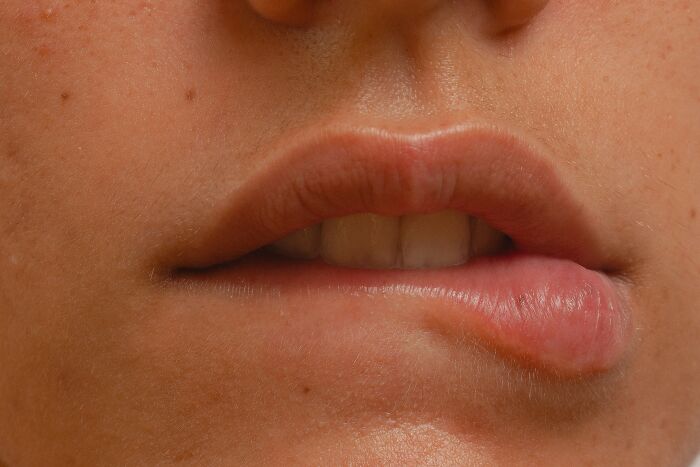 Biting the inside of my cheeks and lips, sometimes until they bled. Constantly. It’s anxiety. I still can’t stop doing it to this day 40 years later.
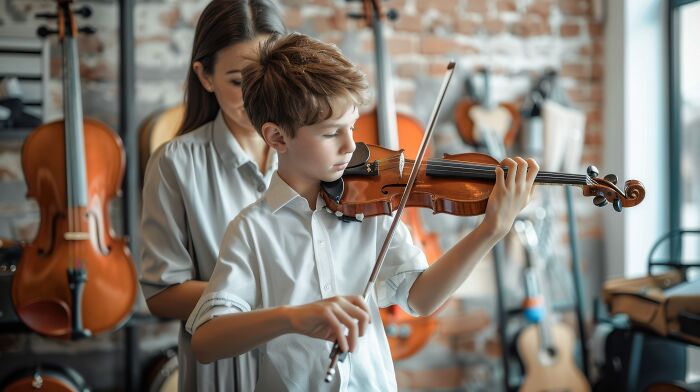 Signing up for every extracurricular - I’m still great at starting things! Sticking with them and seeing them through is another story….
My mum made me sign up for things in order to get me to be more social. I hated it! Thankfully she only paid for a term at a time and let me quit after that.
 I used to like getting an ice cube to keep in my mouth (I ate it like a hard candy rather than chewing it)
Years later, I found out that ice cravings can be a sign of iron deficiency anemia
(At that point I was already getting more iron in my diet because my doctor found that I had low iron in a blood test while I was getting a cardiac catheter).

Can relate. My parents learned about vitamins from my cousin, a nurse, who noted my behavior which was pretty impressive for that time period.
 Fantasizing and daydreaming. It’s all nice until I dissociate in the middle of driving and almost crash.
I have skipped out on most social, education and career opportunities because it was just so, so much nicer in my imaginary world. I sometimes think I made the wrong decision and should have spent more time at least trying to make it in the real world. But at the moment i spend just minimum energy here, so that I have enough to survive and then travel back into my own world.
 Procrastinating on everything and then rushing to get it done at the last minute, stressing myself out everytime and beating myself up for not doing the work when I had more time. Guess what I turned out to have.

Procrastination is one of those things I just never seem to get around to.
 Playing “the passout game”. Me and my friends and siblings would press on each other’s carotid arteries to reach unconscious. So dangerous. Also, a pre courser to high-seeking behavior.
Wow! That's concerning that they thought doing that was a 'game'. Wonder how they first learnt about it?
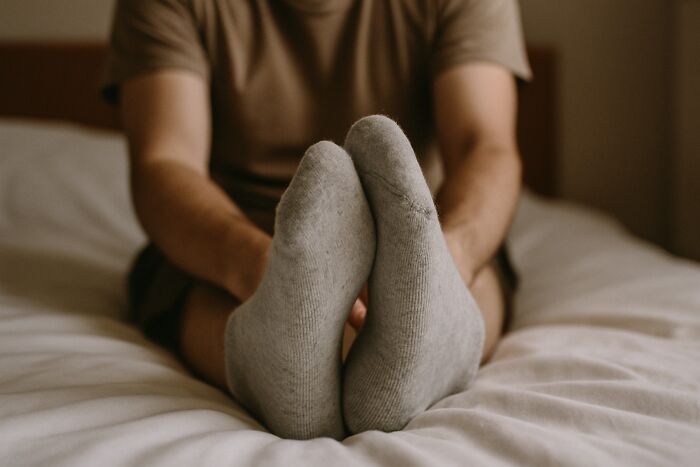 Stimming, specifically compulsively rubbing my feet together like a cricket. Turns out I have ADHD & autism lol .
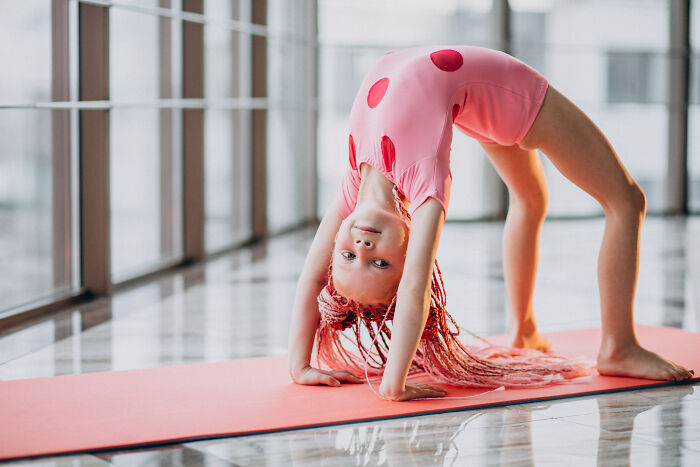 I was very flexible as a kid and would constantly contort myself into strange positions because it was comfortable for me and to show off. Well, it turns out I have Ehlers Danlos, and I was just doing permanent damage to my body that I'm paying for now as an adult.
Parents might have noticed and wondered? But then, do they have regular (according to a schedule, like every two years) check-up examinations at the pediatrician in US? Covered by compulsory health insurance, so recognising development or health issues is not a question of the parents' income, if anybody wonders.
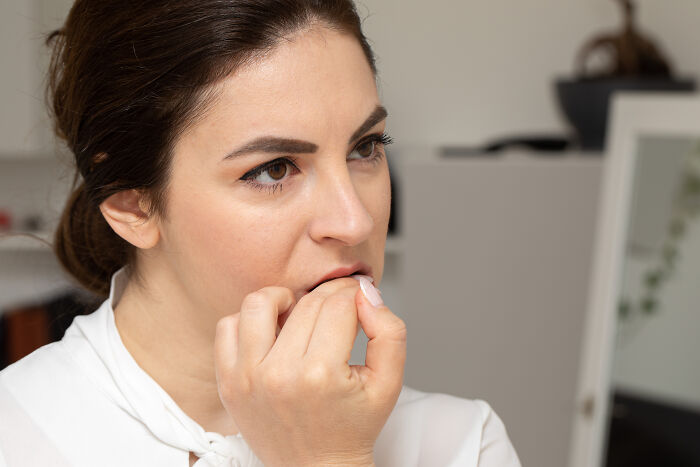 Dermatillomania. I shredded my cuticles and lips. I think I subconsciously believed things would be better if I could make myself flawless. Unfortunately I'm almost 50 and still do it. It's soothing and stressing at the same time. It's like, everything will be ok once my lips are smooth. Lip balm stops me for a while but makes it worse long-term because it makes my lip skin easier to remove.
Not stopping at just one snack.
 Avoiding simple tasks.
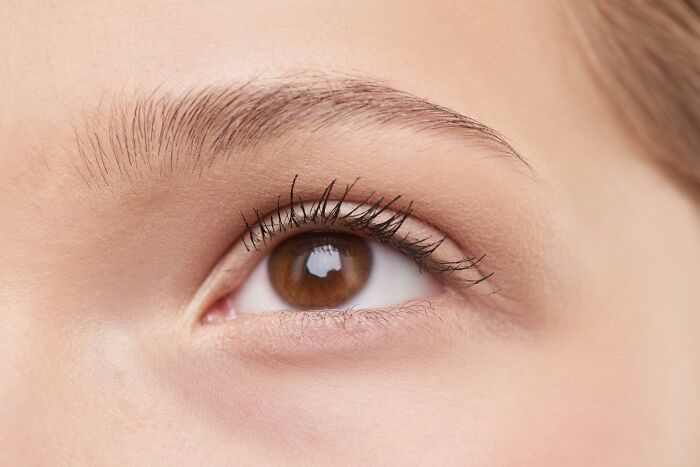 Pulling out my eyelashes because I thought I would get wishes. It's called trichotilomania (spelling?) Apparently and now I barely have any eyelashes, eyebrows, or hair on my head.
I used to pull out my eyebrows if they were growing below the eyebrow ridge, by hand, because they felt 'wrong'. Sometimes I ended up with scabs from it. Glad I grew out of it by early high school.
Drinkimg sugary beverages instead of water.
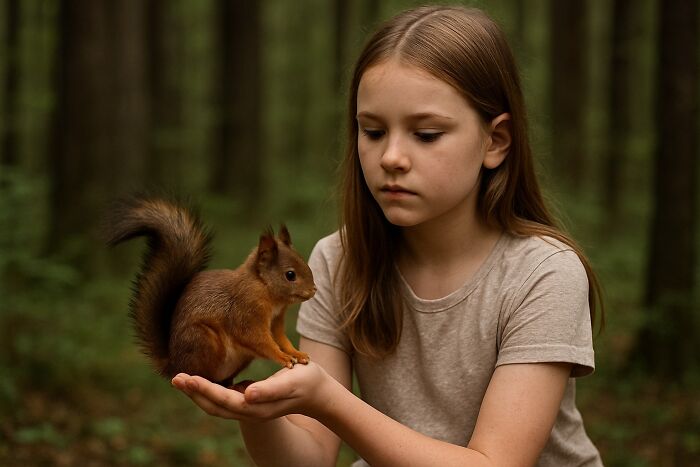 Playing with whatever weird animal I could find while wandering around in the woods.

 Going on Omegle.

say no more, the horror stories from that website are a nightmare T.T


I learned how to get kids to basically ask me to bully them (they didn't realize it).
I learned how to get kids to basically ask me to bully them (they didn't realize it).














 No fees, cancel anytime