Get Premium
Dark mode theme is available exclusively for premium users. Learn more about the benefits of subscribing.
No fees, cancel anytime.

 Dark Mode Ad-Free Browsing Unlimited Content
 Ad-Free Browsing Unlimited Content Dark Mode
Join 1.2 million Panda readers who get the best art, memes, and fun stories every week!
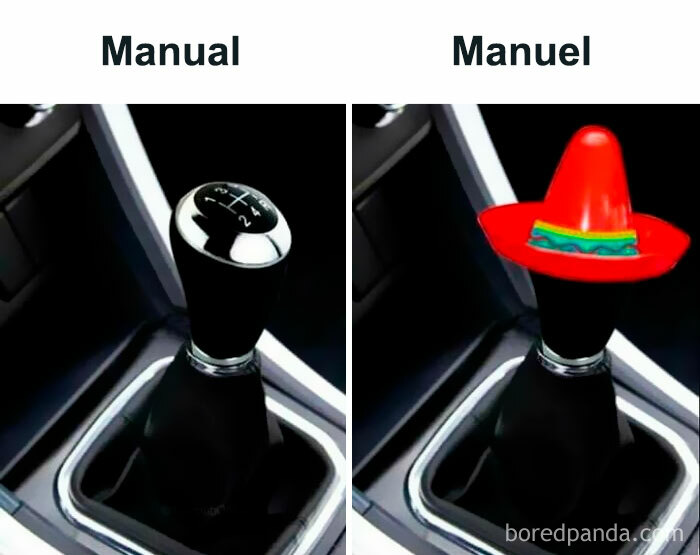
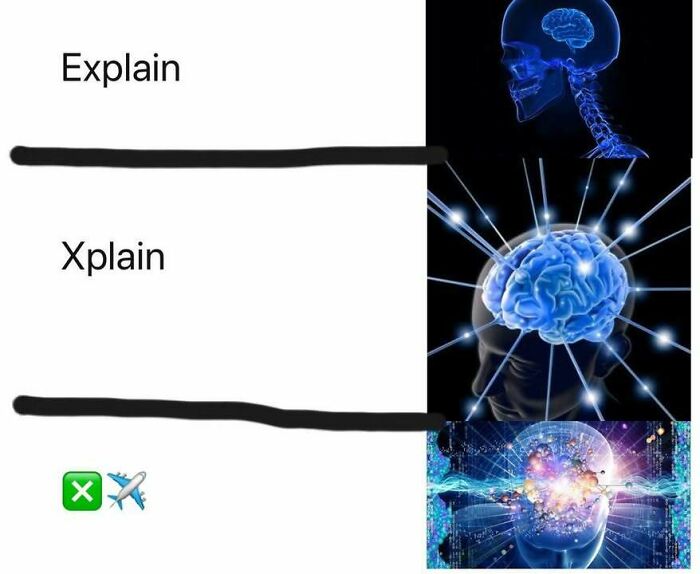
Anyone who has tried learning a second language has no doubt come to the independent realization that the way humans communicate can be pretty chaotic and absurd at times. Why do some languages insist that chairs have genders, while others have no qualms about stringing together multiple nouns into one long monstrosity?
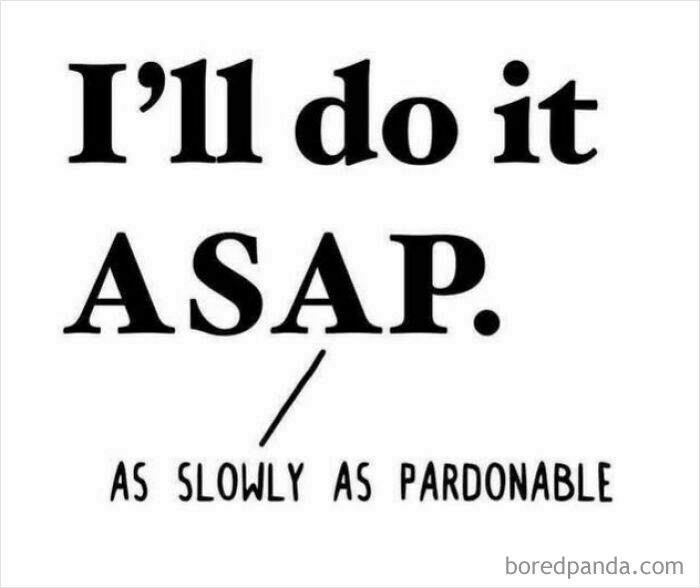
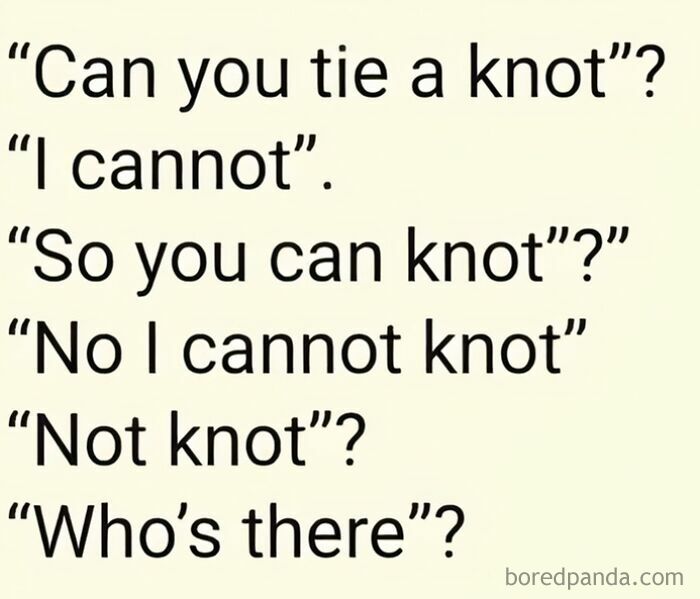
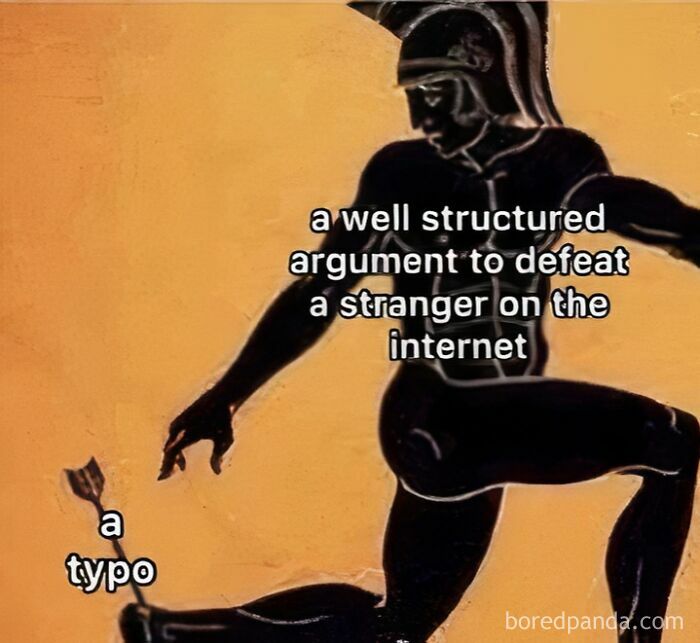
“The Lingwist” is a Facebook page dedicated to interesting and downright hilarious linguistics memes. So get comfortable as you scroll through, upvote your favorites and be sure to add your own language-based memes and ideas in the comments section below.
More info: Facebook
This post may include affiliate links.
While English doesn’t assign random genders to nouns, many languages across the globe do. If you have ever attempted to learn French or Spanish as a native English speaker, you will quickly ask questions like “why do I need to know if a table is a girl?” This is a very reasonable question and you often won’t hear a reasonable answer.
Often, there is no logic behind it, besides the form the word happens to take. Most languages differentiate a noun’s gender with a suffix, and often have some other rules about pronunciation as well. Native speakers tend to not even notice how unintuitive this can be until it’s pointed out, these days, often in a meme.

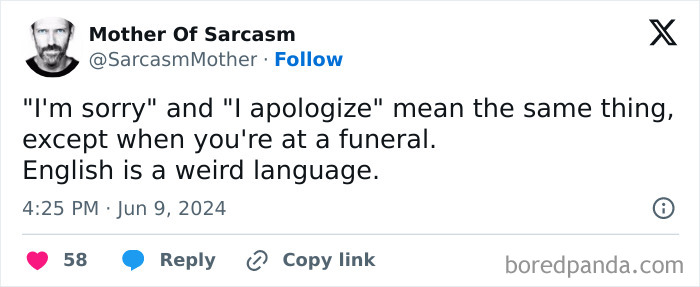
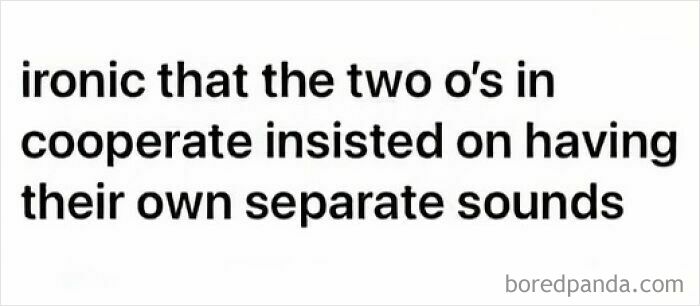
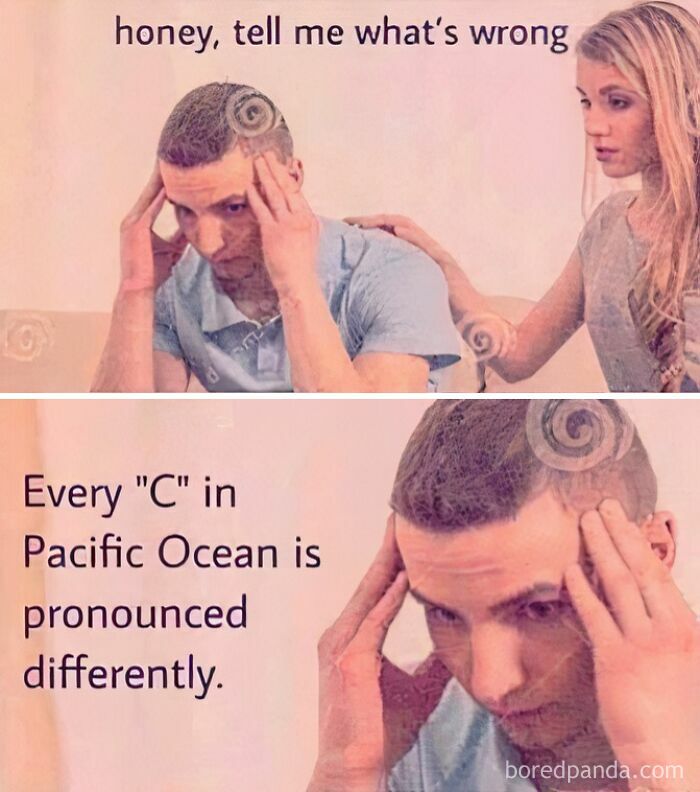
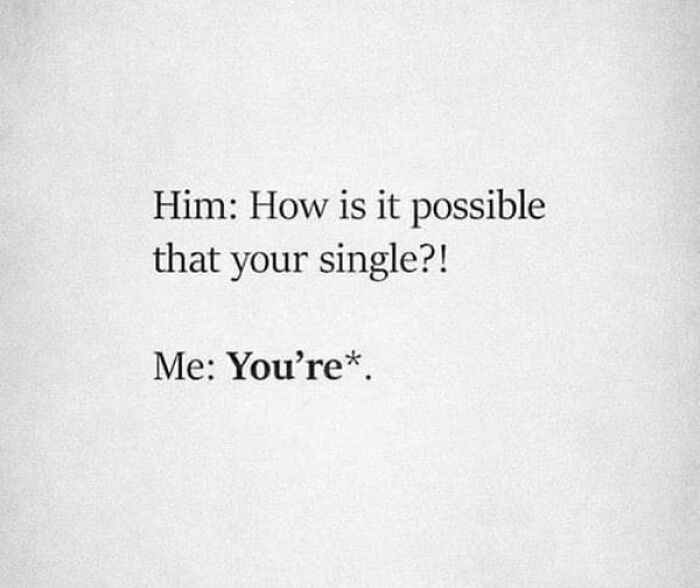
As my drill instructor would say if someone said "I'm sorry" *ahem* "I know you are! I didn't ask for a character reference!"


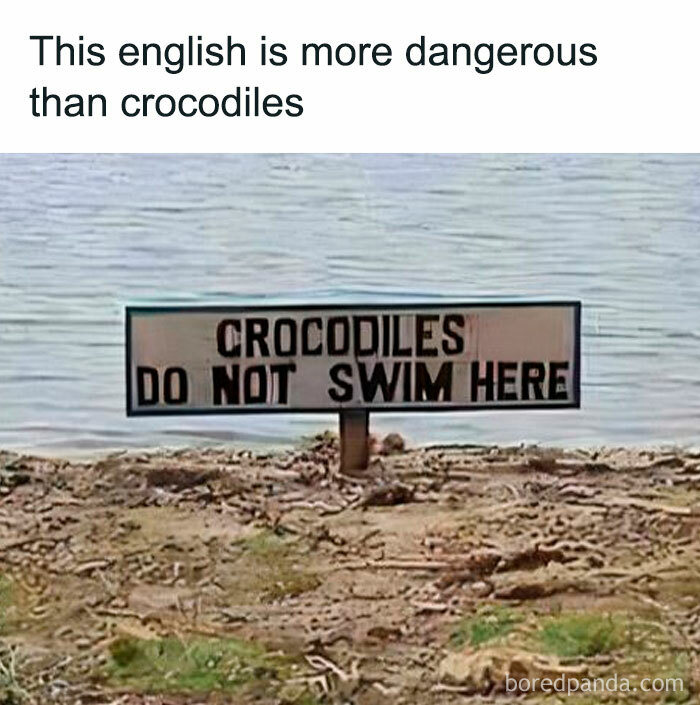
But here in the South West they pronounce letters that doesn't even get written, so it evens out. Tout es bieng.
Load More Replies...

Or Irish, which has whole silent syllables. Yet Welsh spelling is very phonetic (if you know the rules).
Load More Replies...
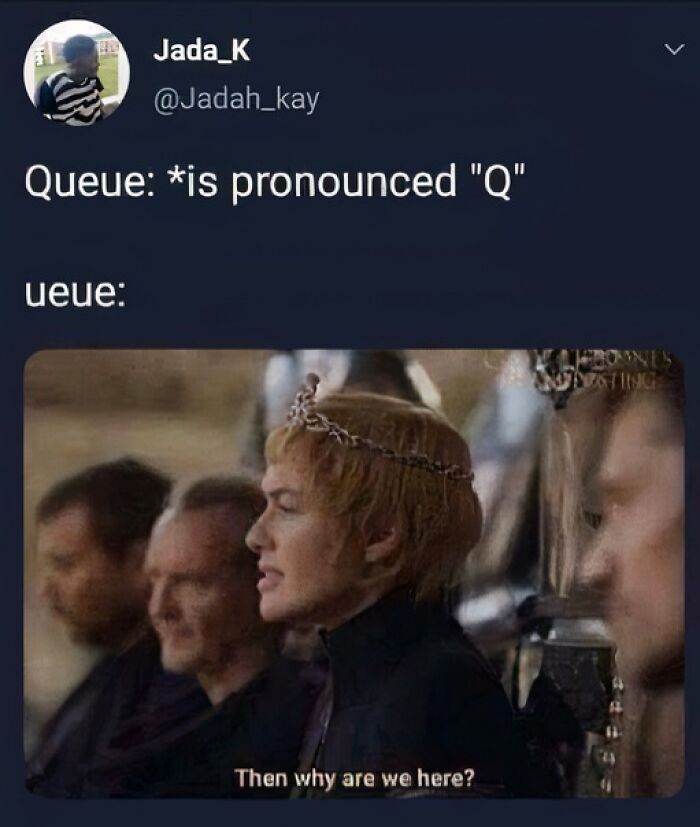
Yes, English is the linguistic iSland Known for pronouncing all letters, recoGnizing the valuE of each in a KniGHtly fashIon, a casTle of pronounciation KnoWledgE, althoUGH suBtle siGns show that you can undouBtedly go for an Hour on a WeDnEsday niGHt counting words with silent siGns.

Unfortunately, the letters not pronounced are the only way to tell many words apart.

I wish Spanish had become the most common second language instead of English. Spanish is very regular in spelling, pronunciation, and grammar rules. I love Spanish. (It is also a much prettier language than most, imho.)

Because American English is derived from Queens English. And England started the fun by mixing Latin with Galic, stole some Greek, then we had the viking era (no I'm not capitalizing it because Viking is a verb not a nationality) which scramble that into a predominance of Saxon, Danish and who have you. Then they added German influence, sprinkle in some French. I'm sure I'm missing some.
Load More Replies...


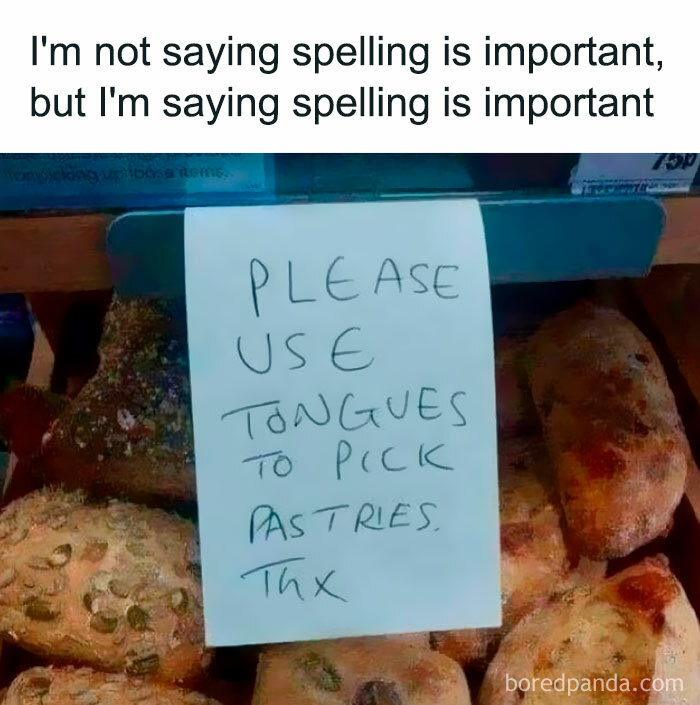
What about the letters not pronounced in English???? Every book would be but a magazine!

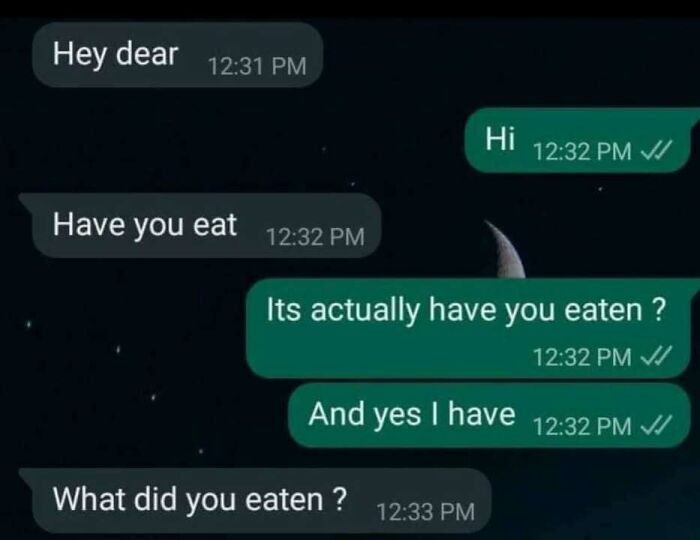
In the US, we still tend to hang on to the "en" on a word, like eaten, gotten, bitten, etc. But I'm noticing more and more people are cutting off the "en". "I was bit by the dog" instead of "I was bitten by the dog" or "He hasn't got it yet" instead of "He hasn't gotten it yet" (and we're seeing "got" used in place of "have", that is, "Does he got it?" instead, of "Does he have it?") What this means is we're pretty much in the middle of a subtle language change and no one seems to realize it. Think about this today, because in 40 or 50 years from now, I doubt anyone will hear the words "bitten, gotten, eaten," etc. It's sort of spooky, like being back in time when people quit saying words like "Zounds!" and "flivver".


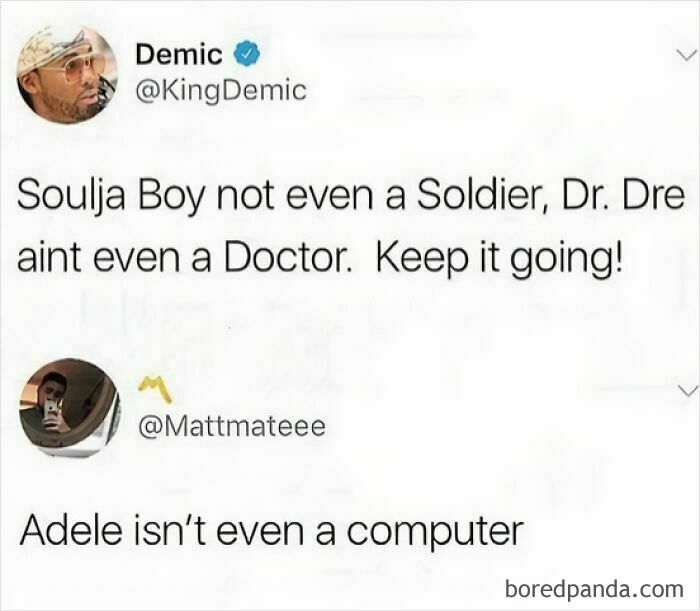
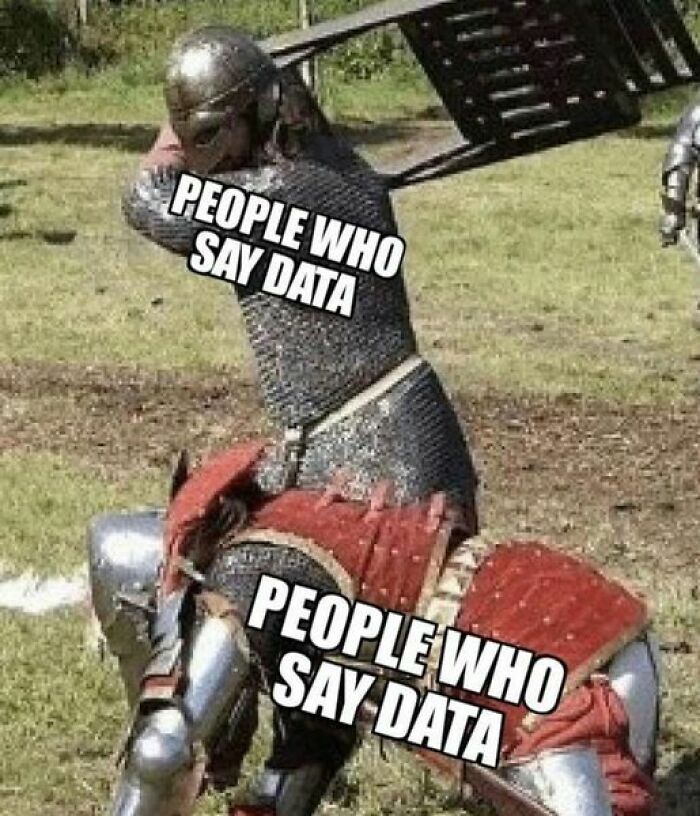
I used to say "data" until Star Trek The Next Generation came out. Now I say "data".

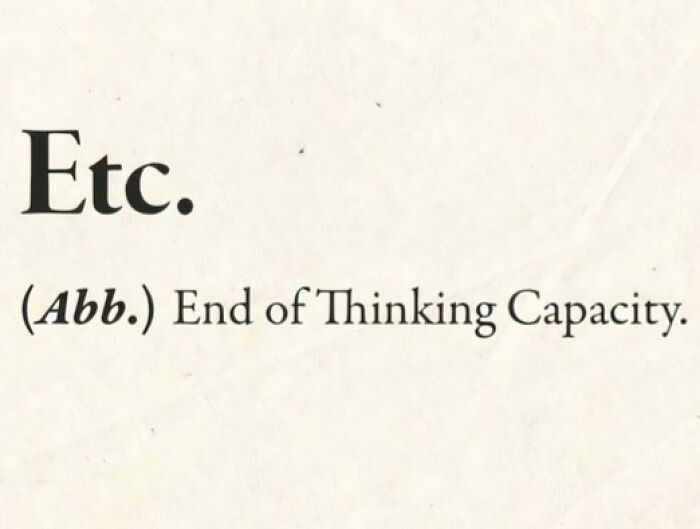
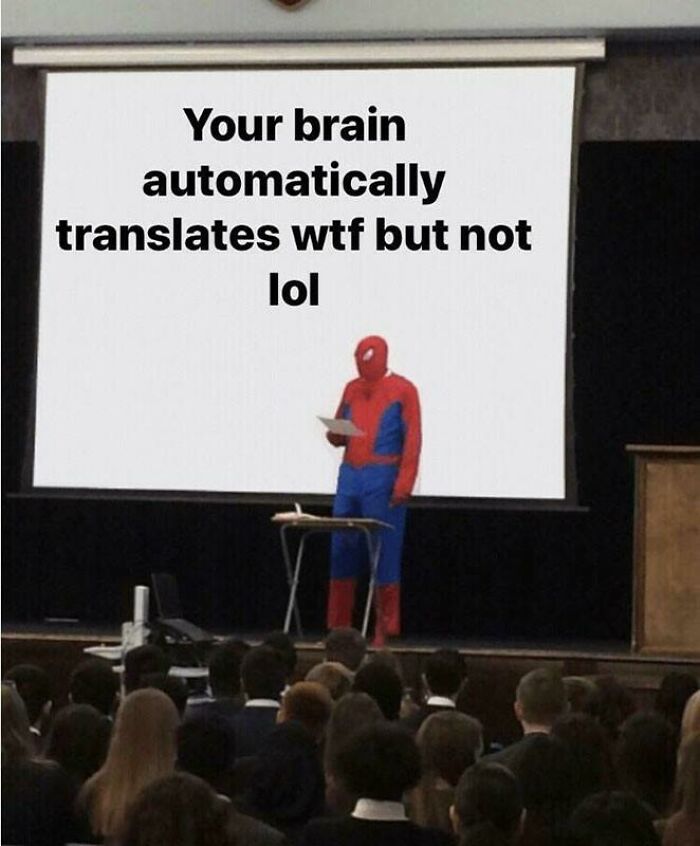
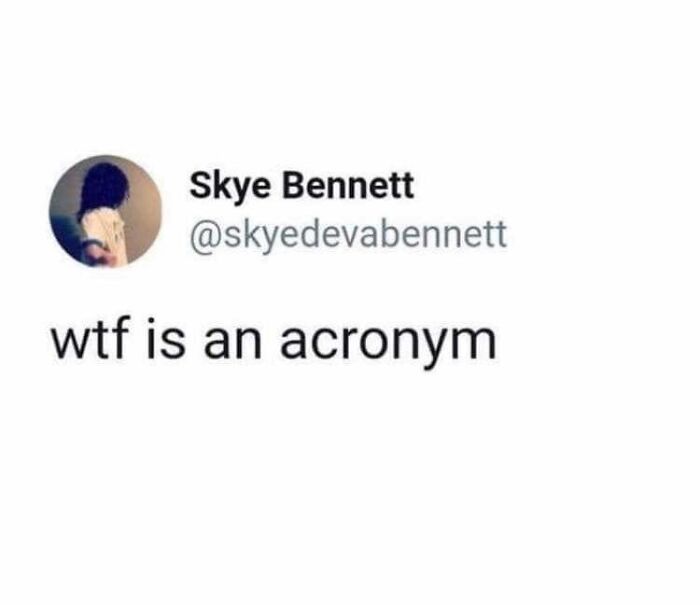
Technically, it is not an acronym, it is just initialism. A true acronym has a pronunciation, like NASA, JAMA or LOL. Abbreviations like USA, FBI and WTF are just initials or alphabetism.


And not just for those willing to pay for premium
Load More Replies... The funniest language game I heard in college was saying a sentence in Polish and adding a correct English question tag. Very fun.

Years ago a language translation machine was given 'The spirit is willing but the flesh is weak' to translate into Russian and back. The result was 'the wine is agreable but the meat has gone bad'
Load More Replies... And not just for those willing to pay for premium
Load More Replies... The funniest language game I heard in college was saying a sentence in Polish and adding a correct English question tag. Very fun.
Years ago a language translation machine was given 'The spirit is willing but the flesh is weak' to translate into Russian and back. The result was 'the wine is agreable but the meat has gone bad'
Load More Replies... 
























 No fees, cancel anytime