Get Premium
Dark mode theme is available exclusively for premium users. Learn more about the benefits of subscribing.
No fees, cancel anytime.

 Dark Mode Ad-Free Browsing Unlimited Content
 Ad-Free Browsing Unlimited Content Dark Mode
Join 1.2 million Panda readers who get the best art, memes, and fun stories every week!
‘Just Google Translate it,’ someone said in an unfamiliar/foreign language.
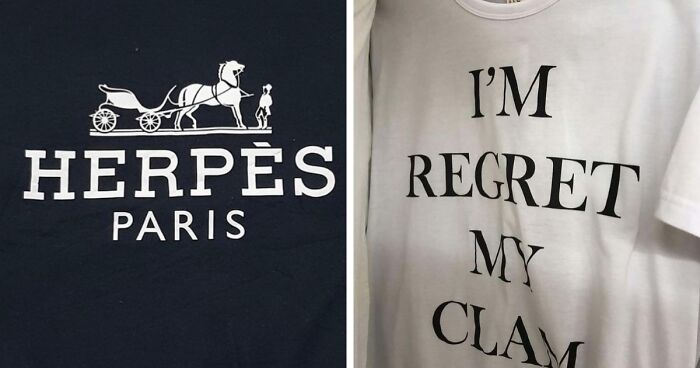
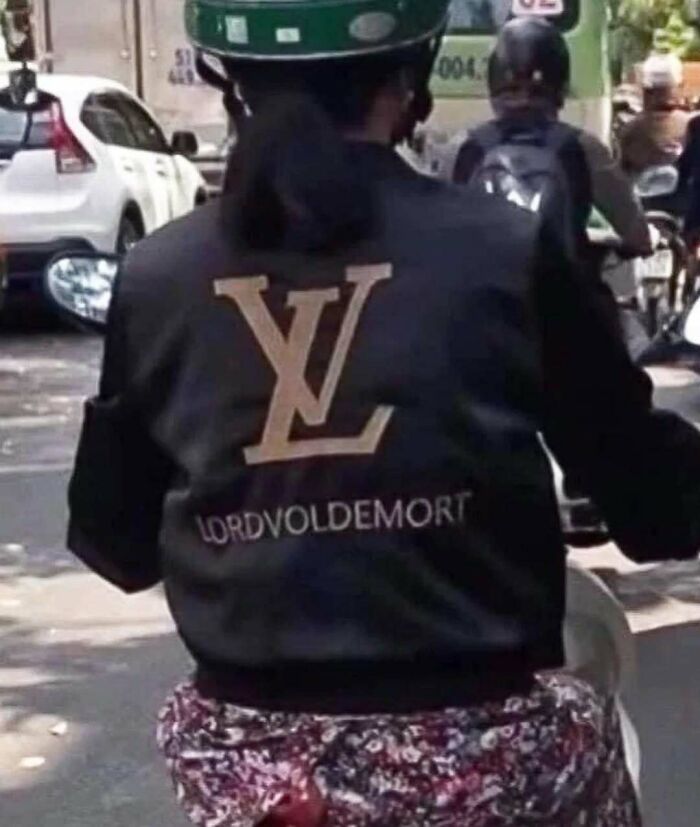
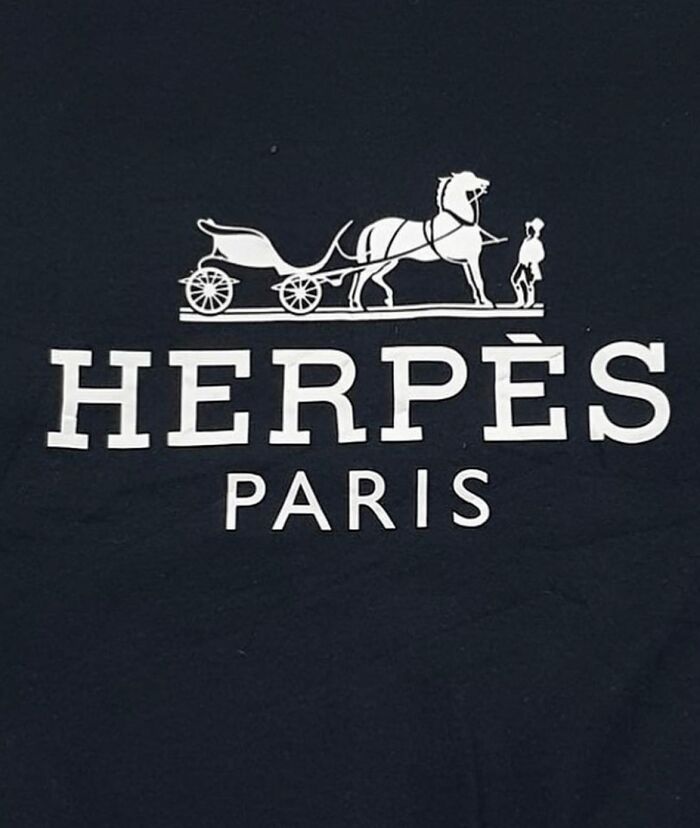
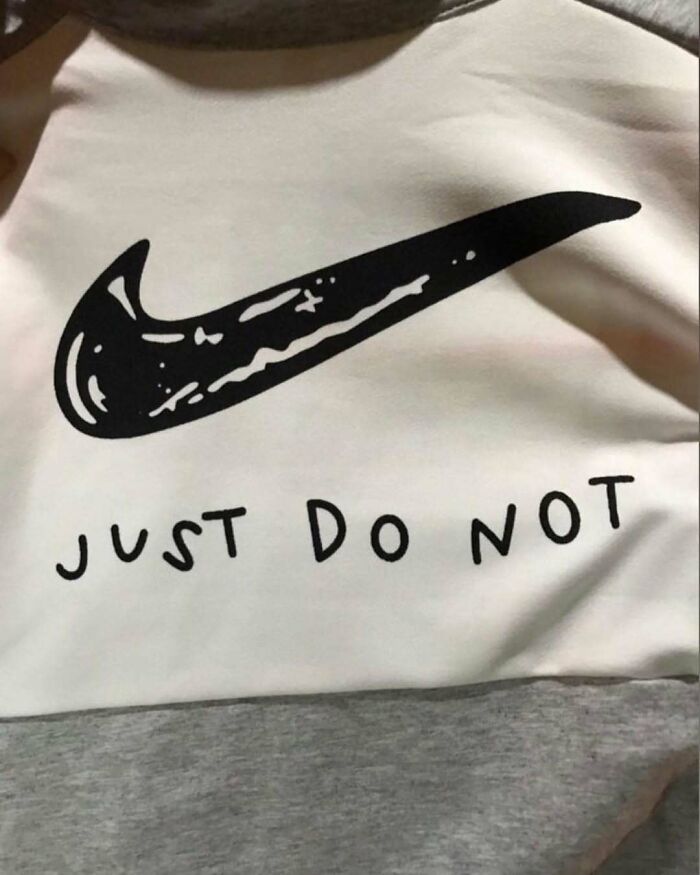
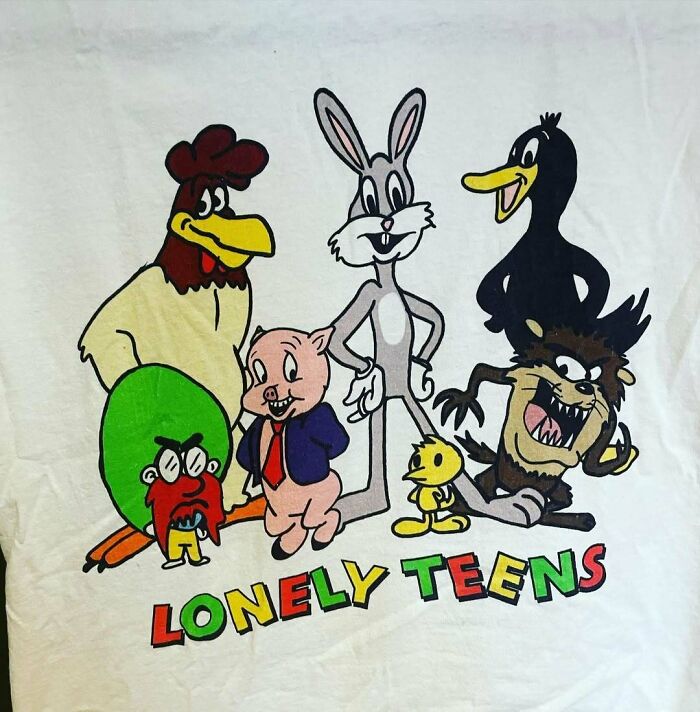
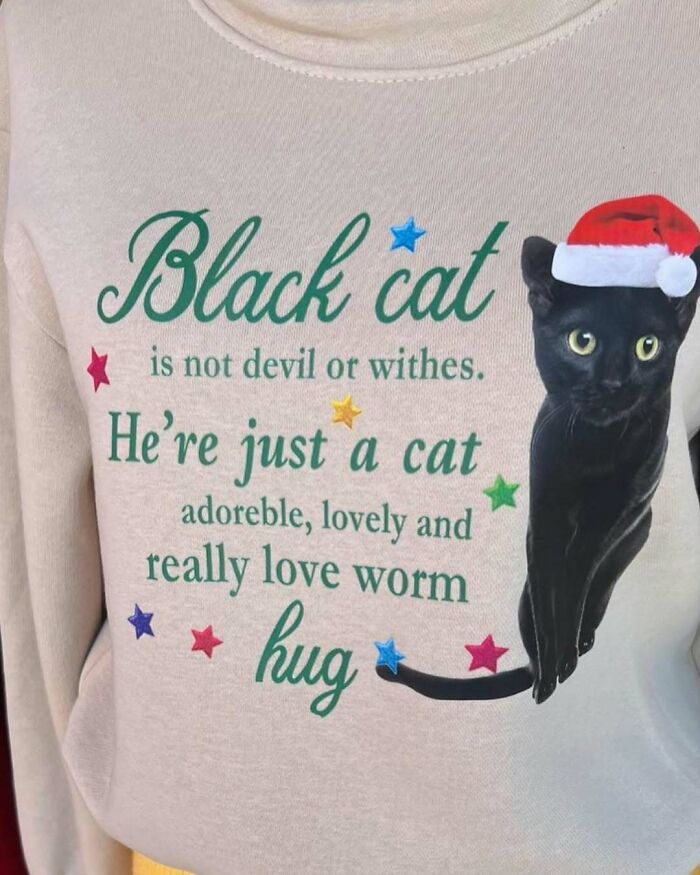
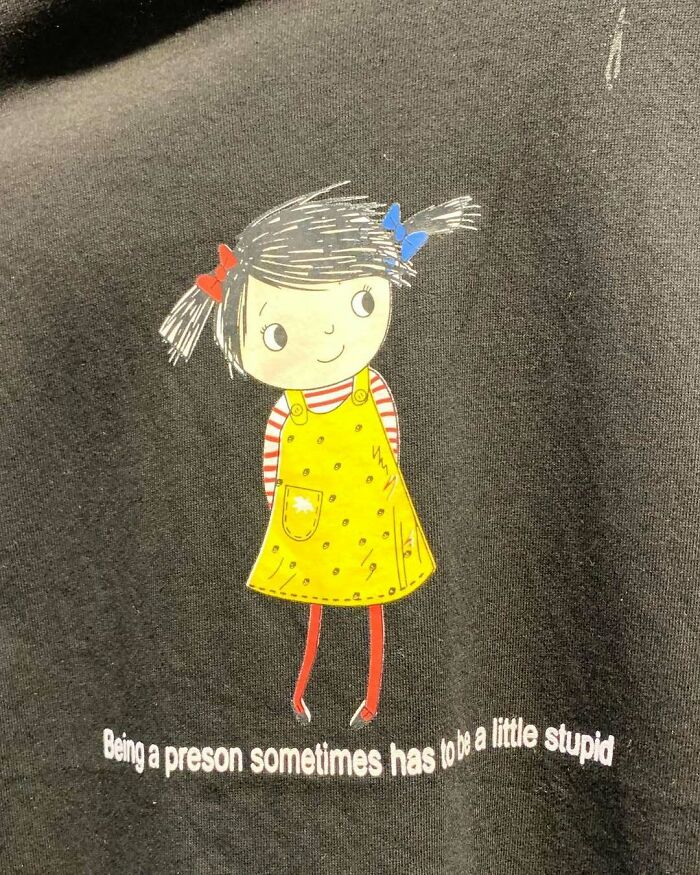
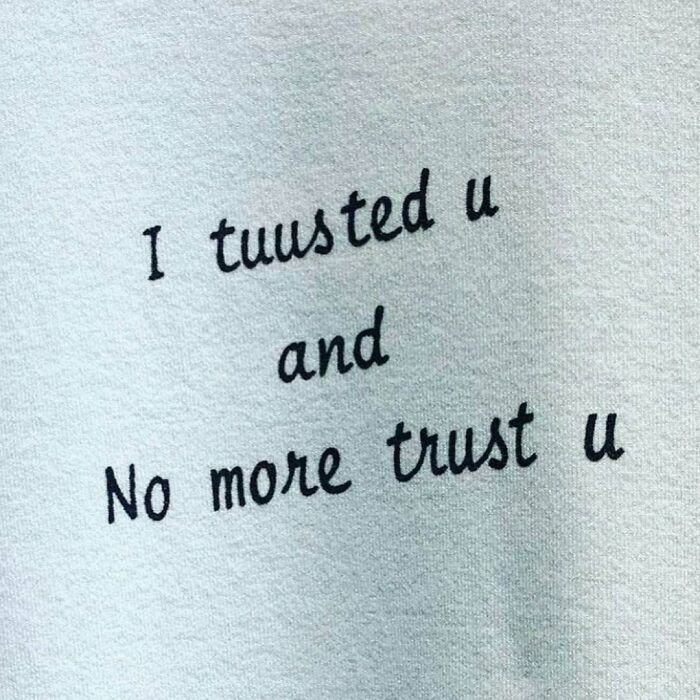
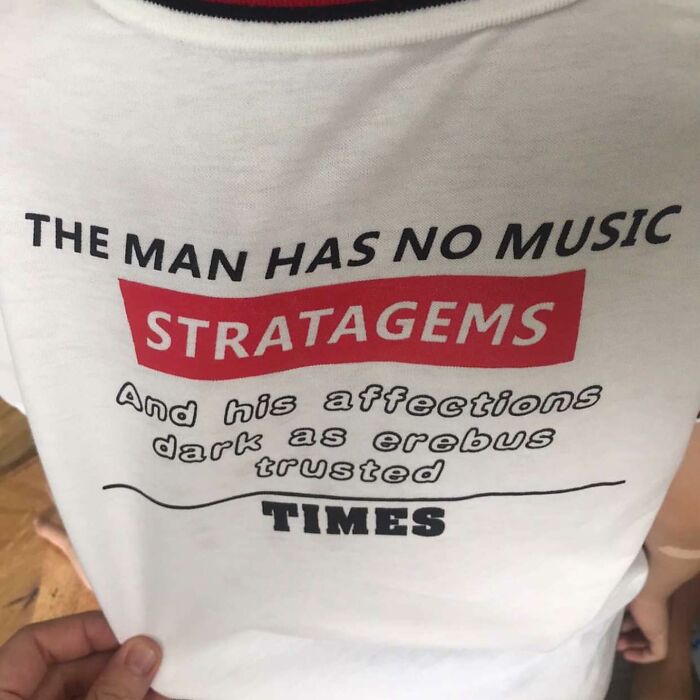
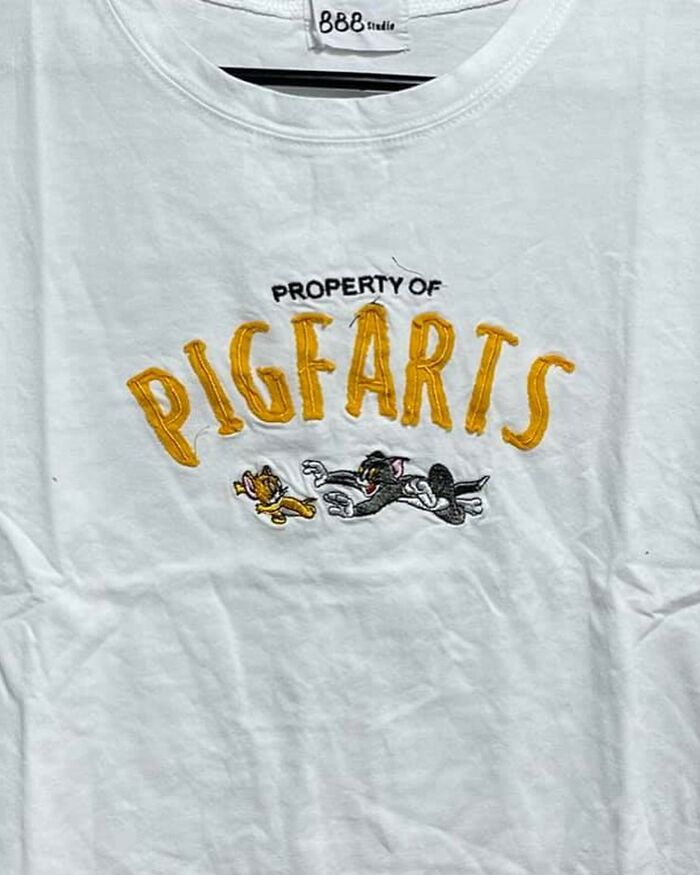
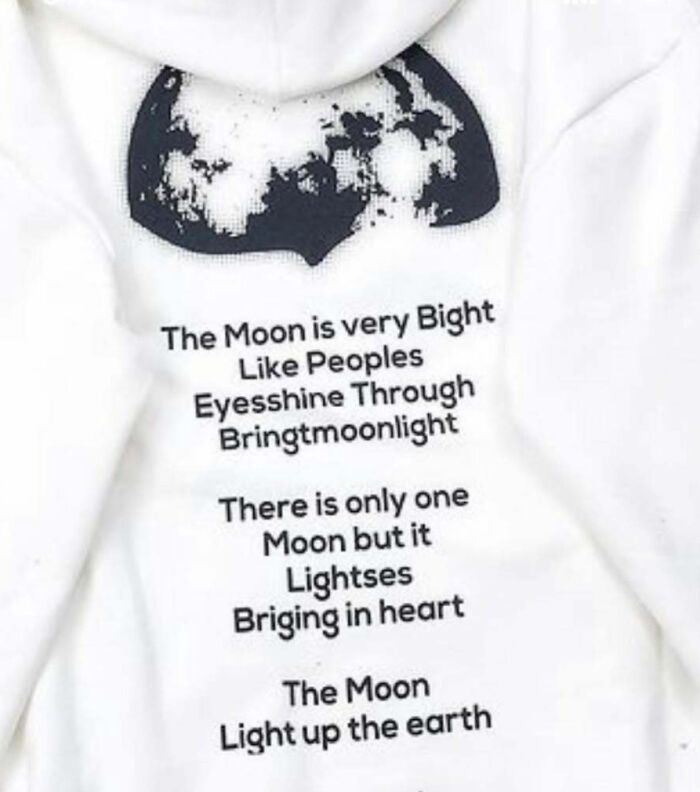
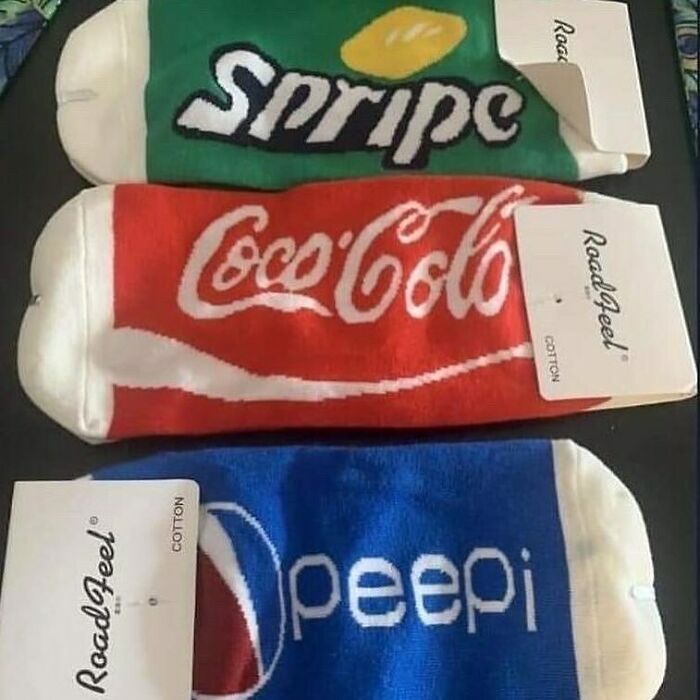
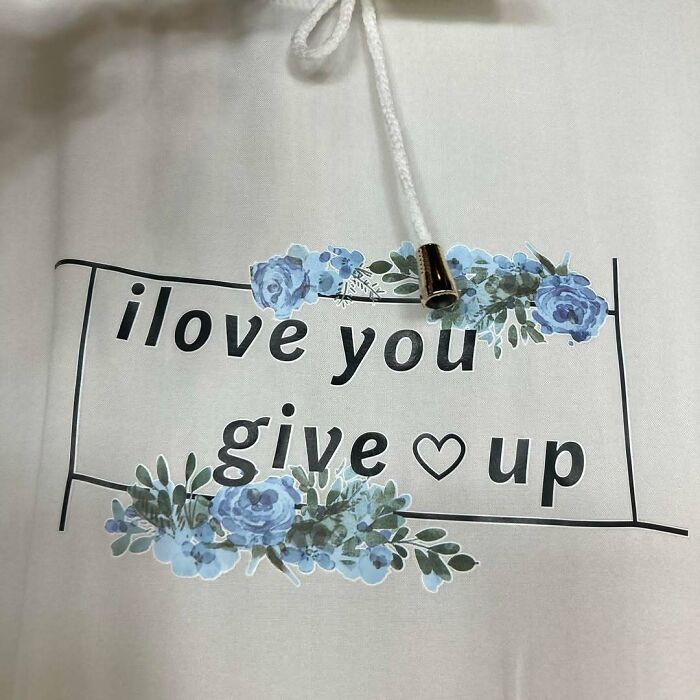
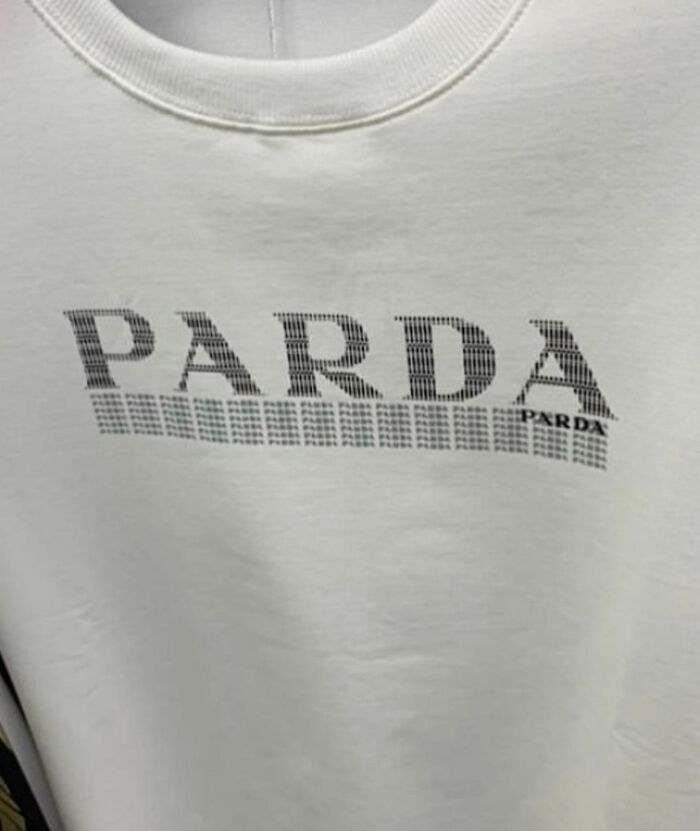
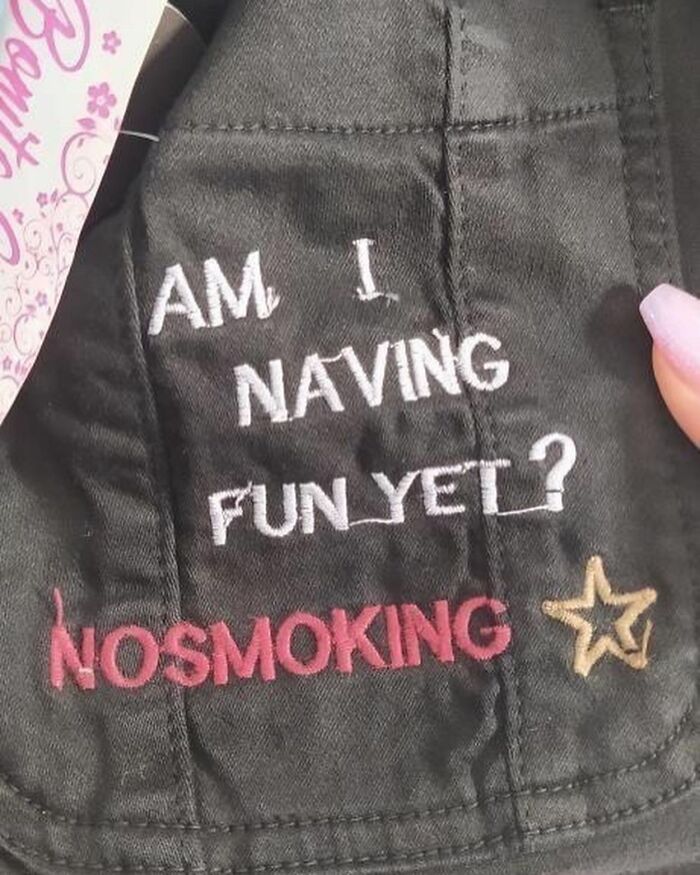
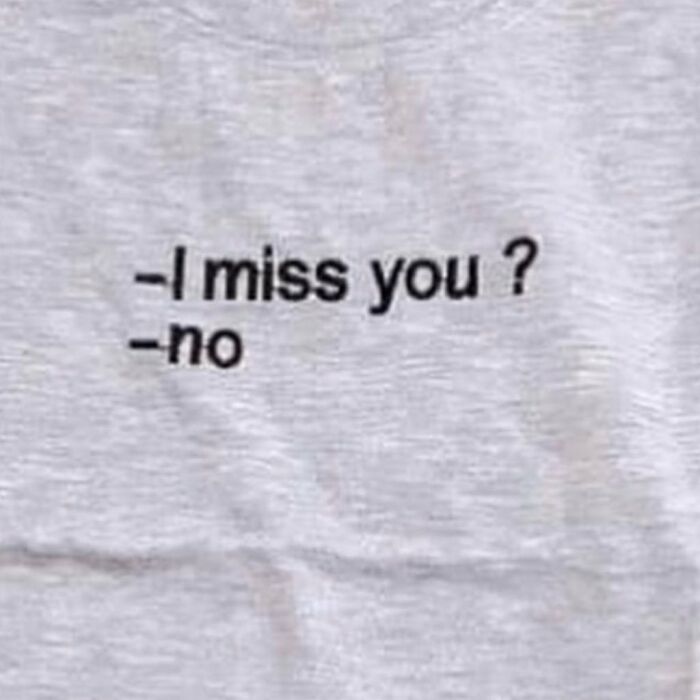
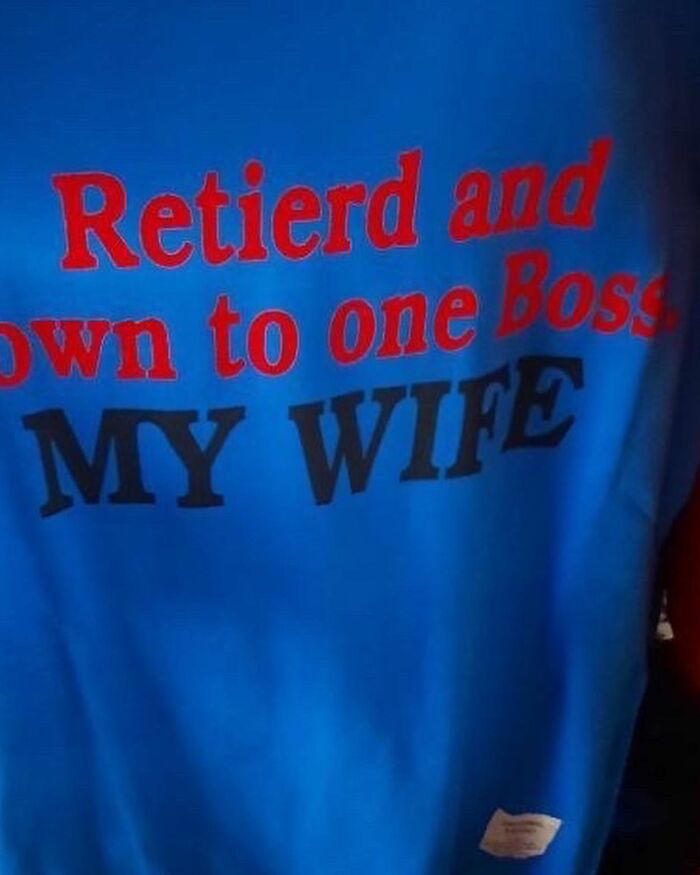
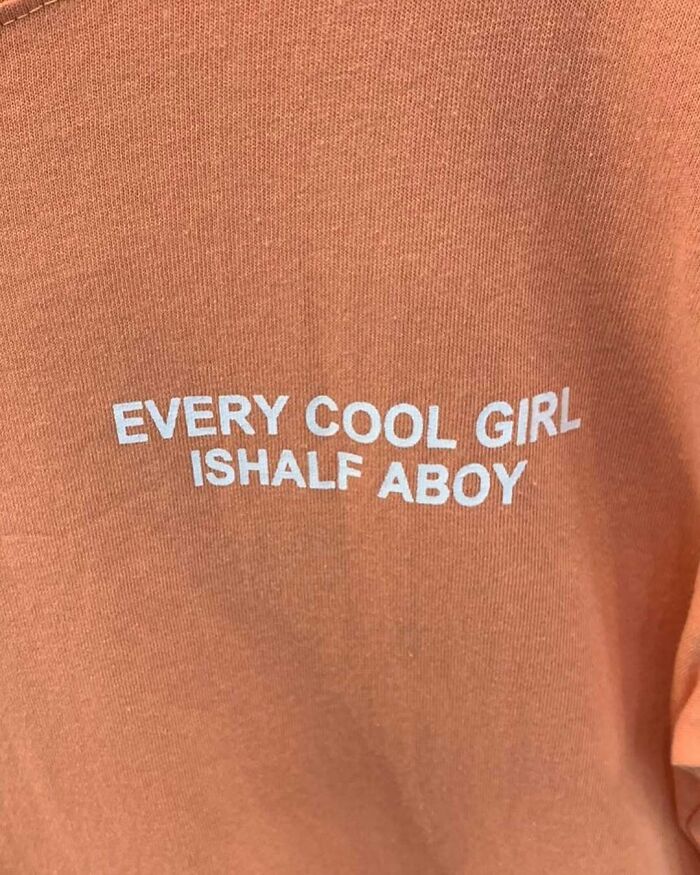
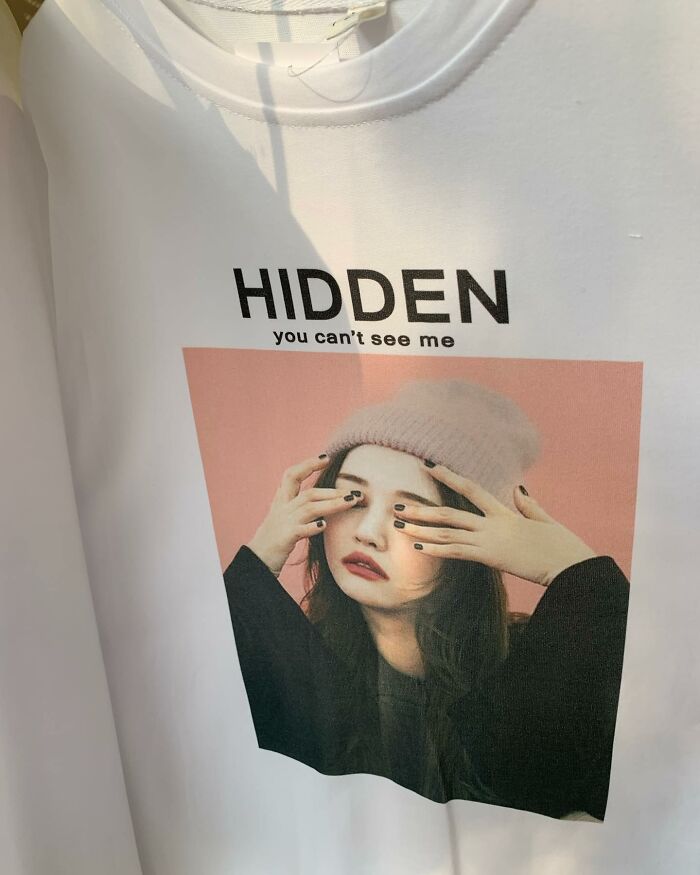
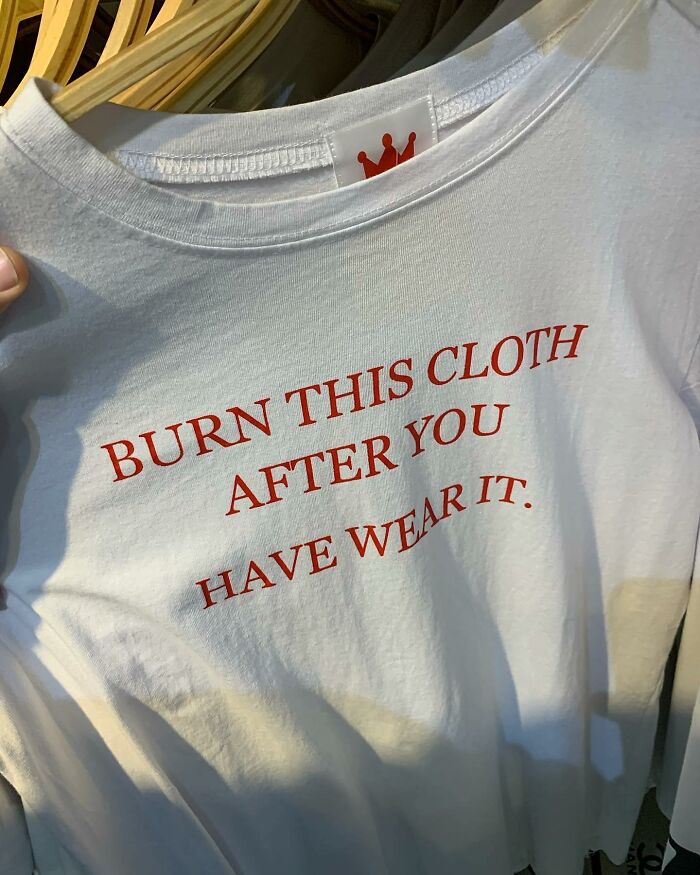
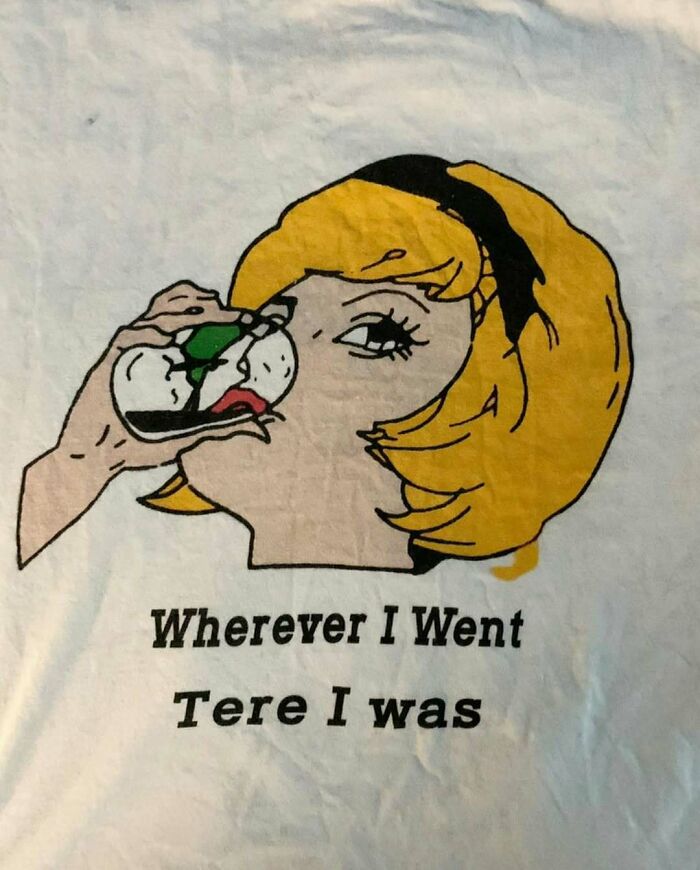
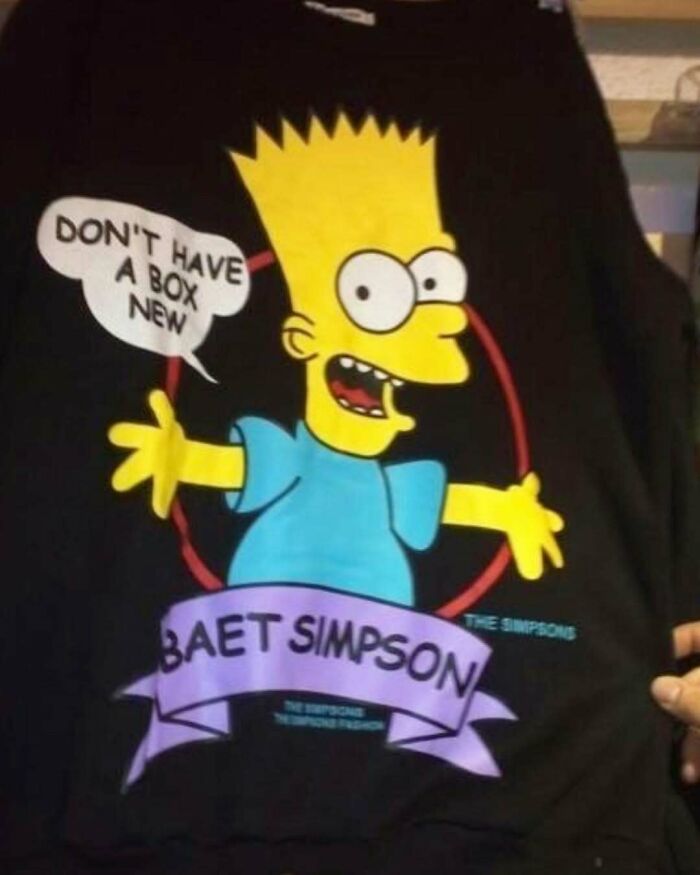
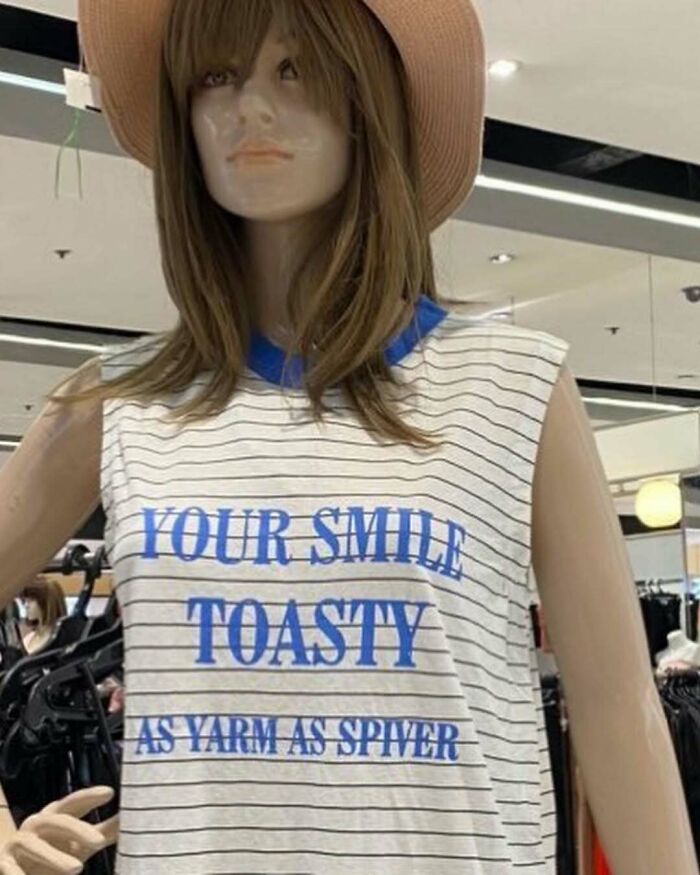
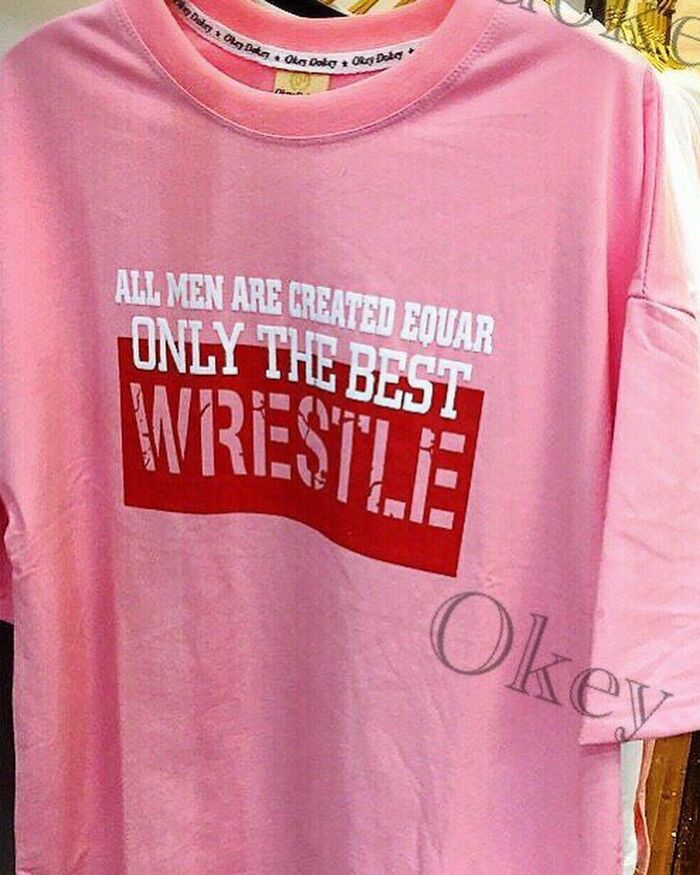
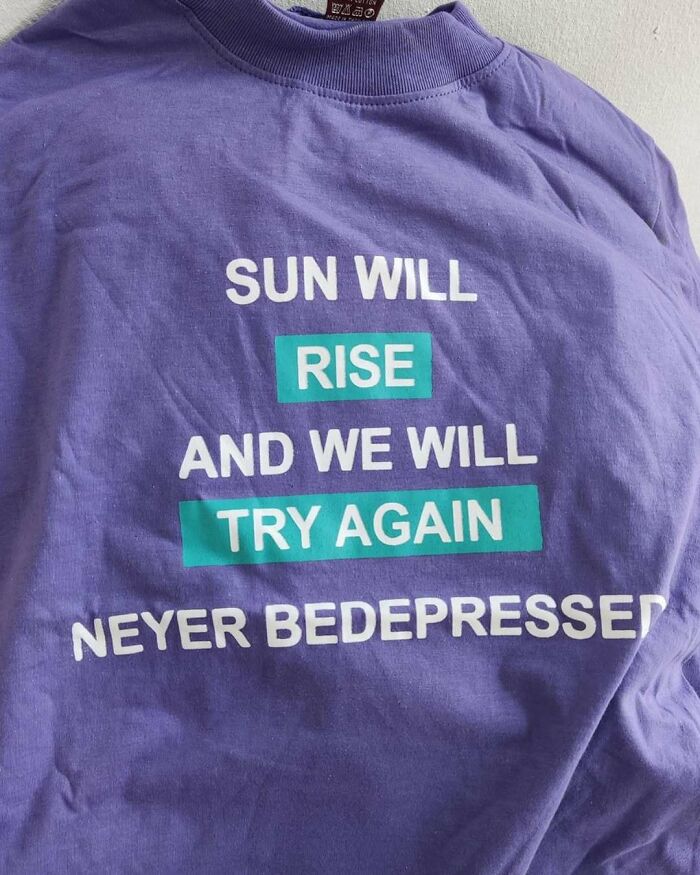
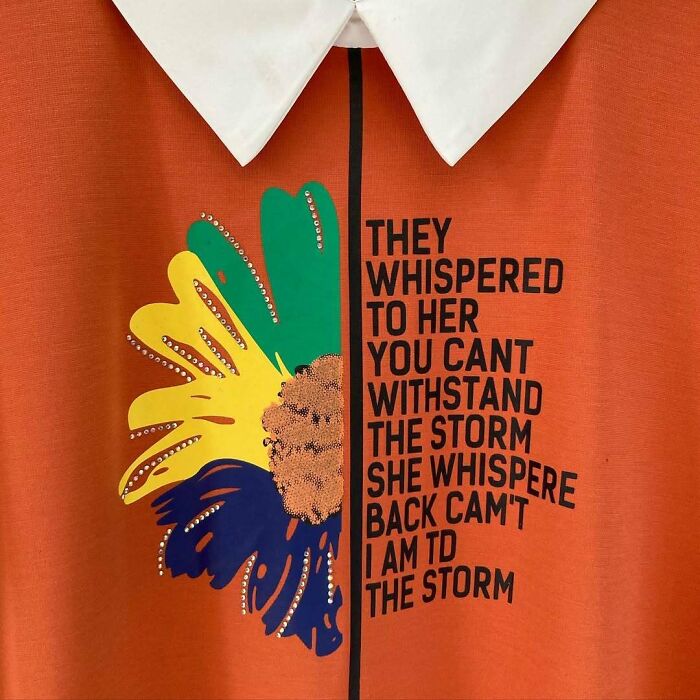
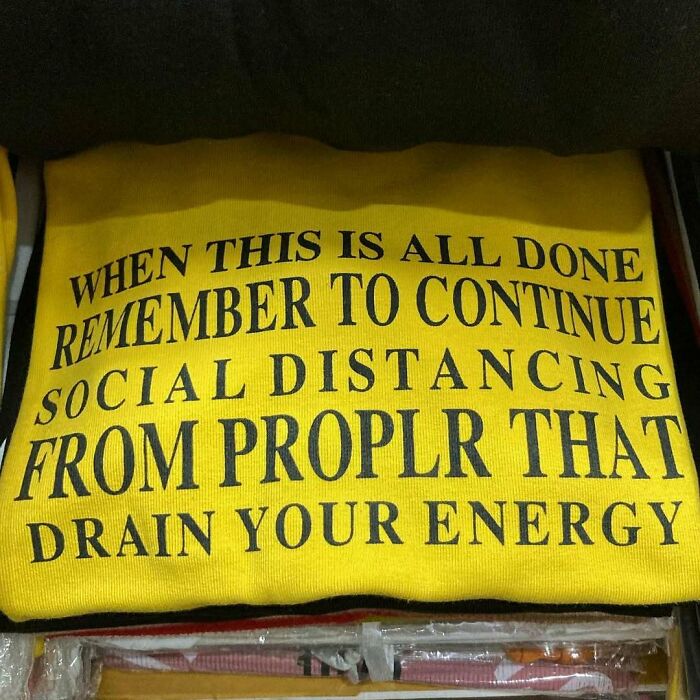
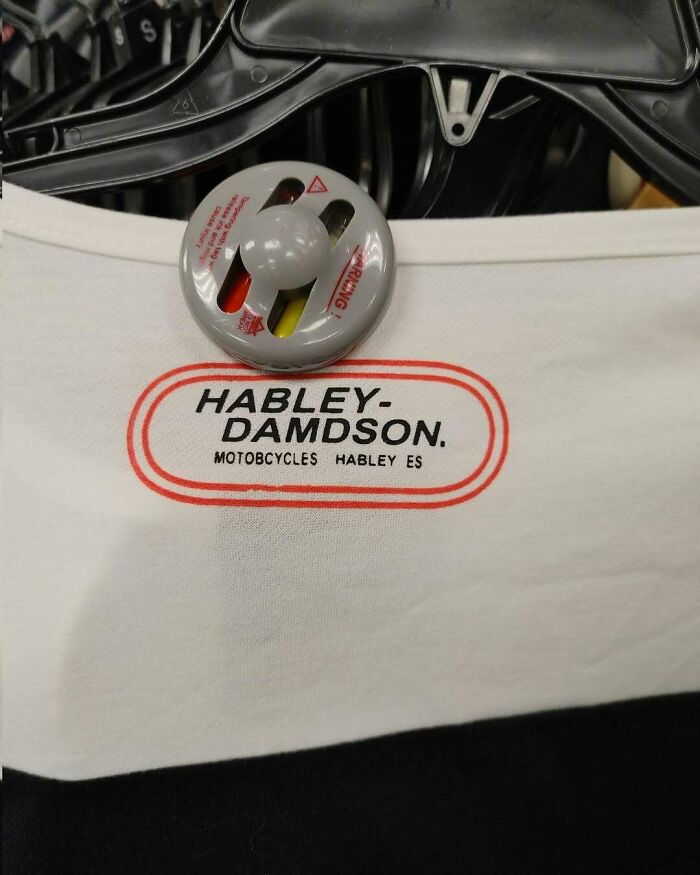
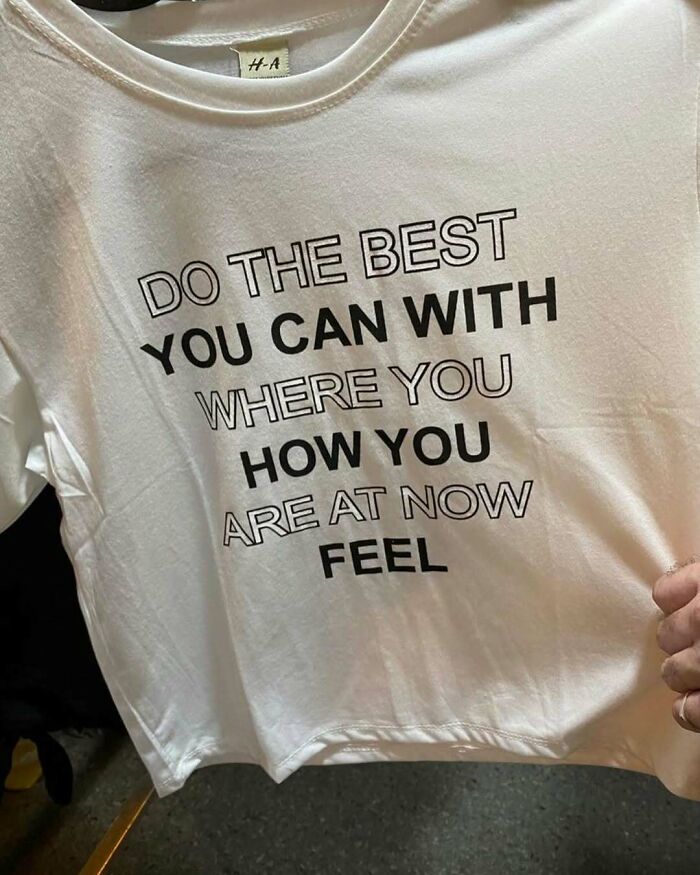
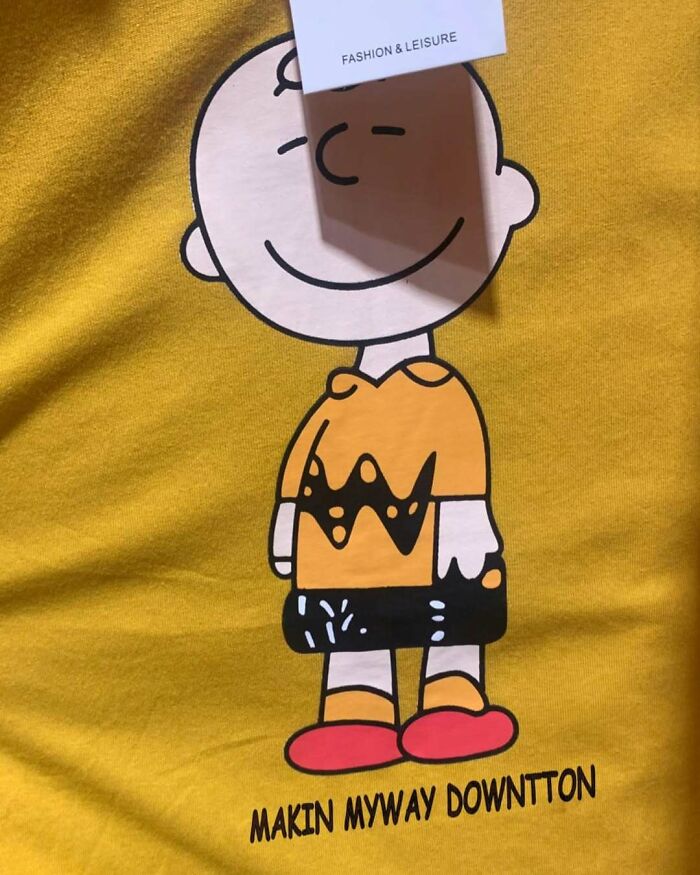
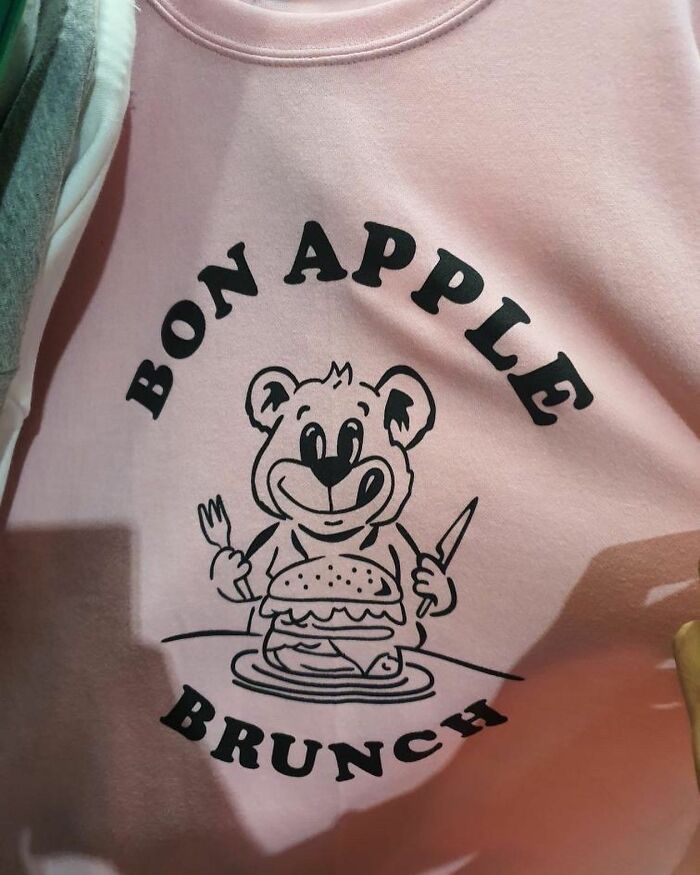
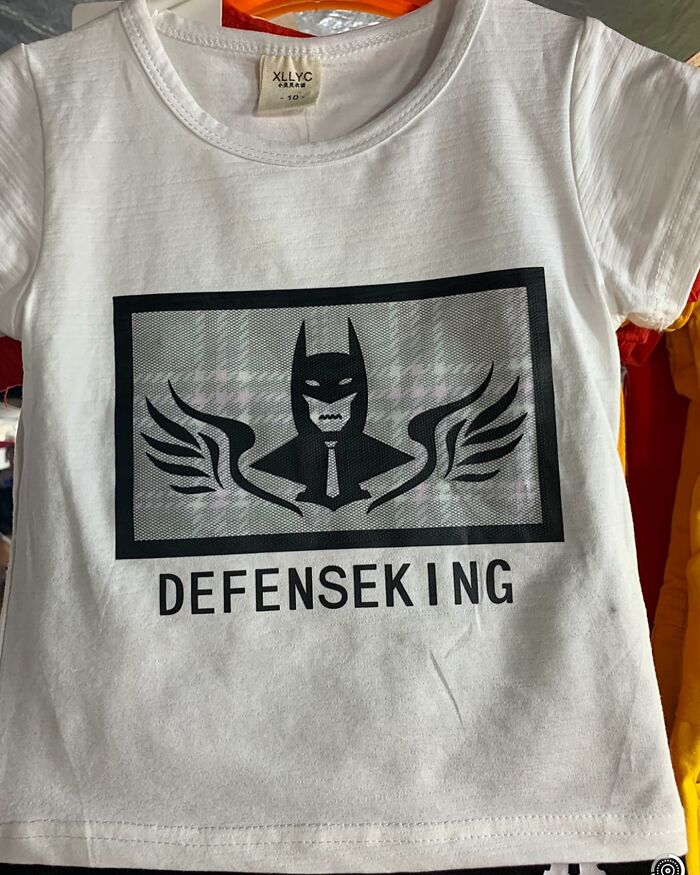
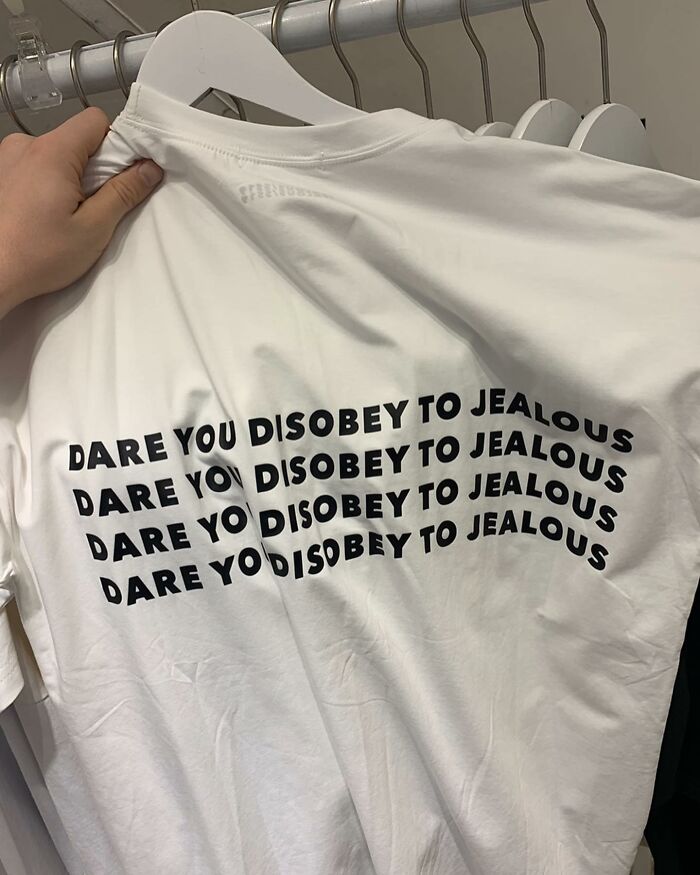
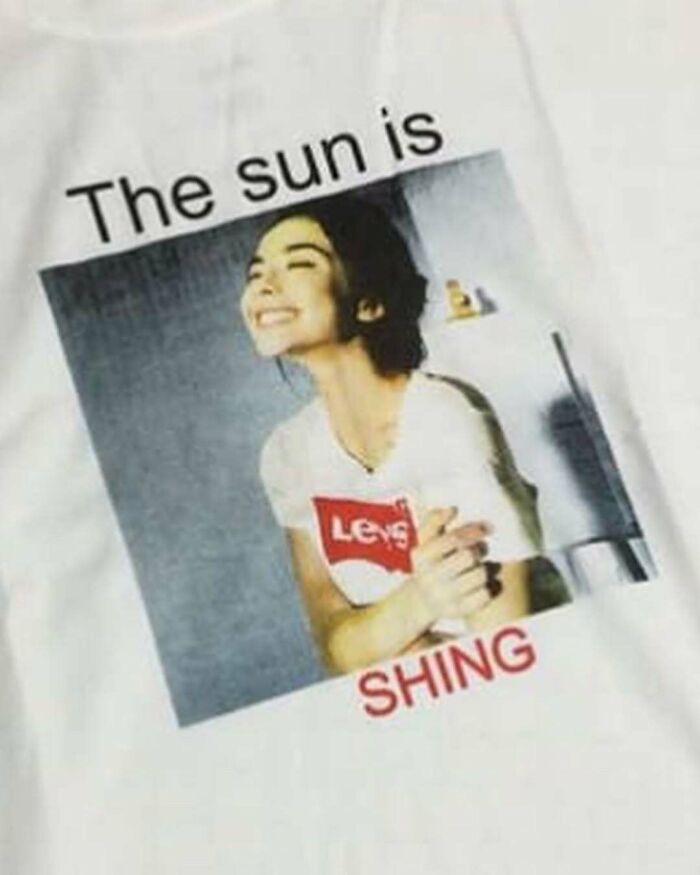
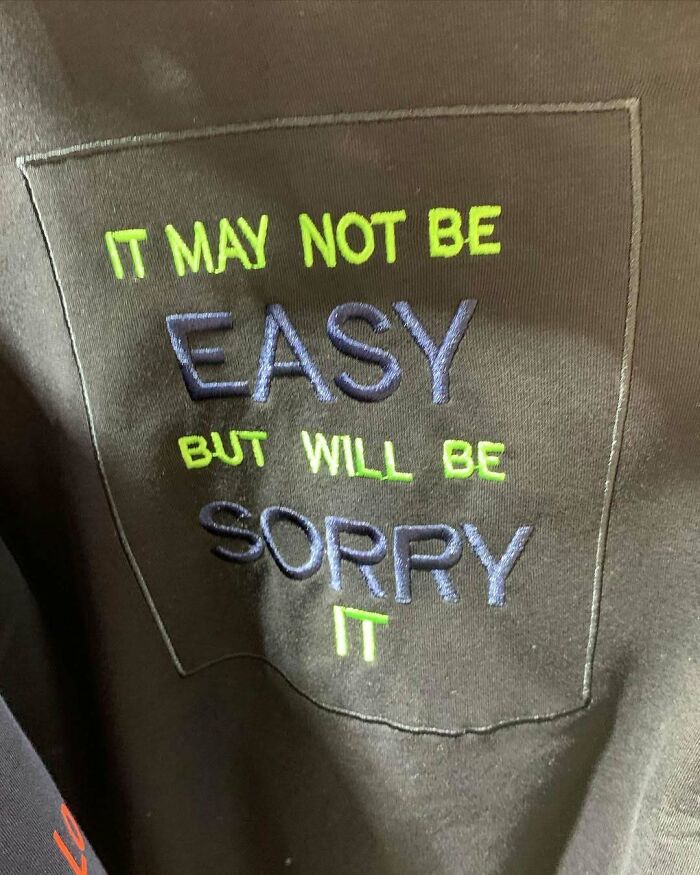
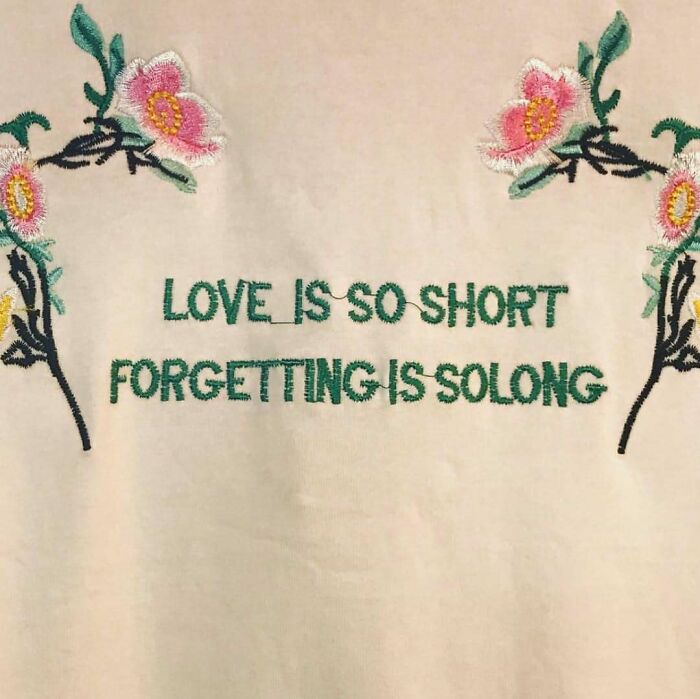
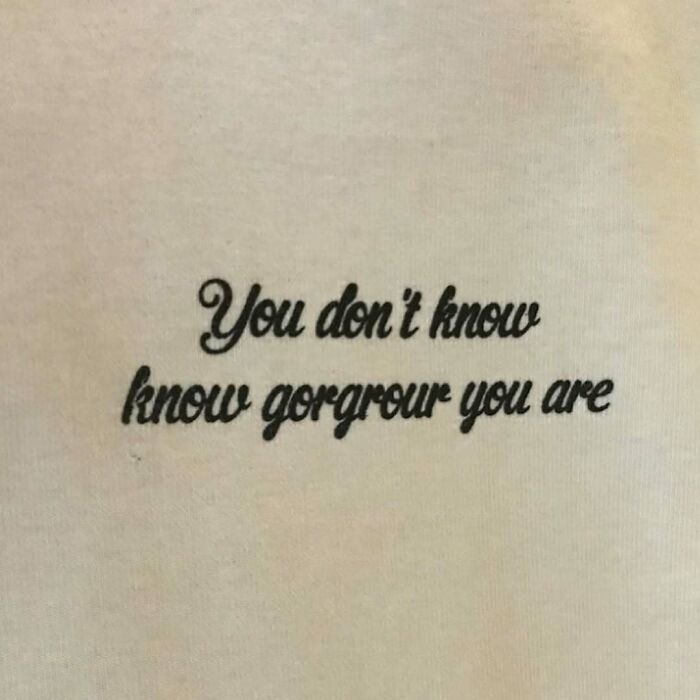
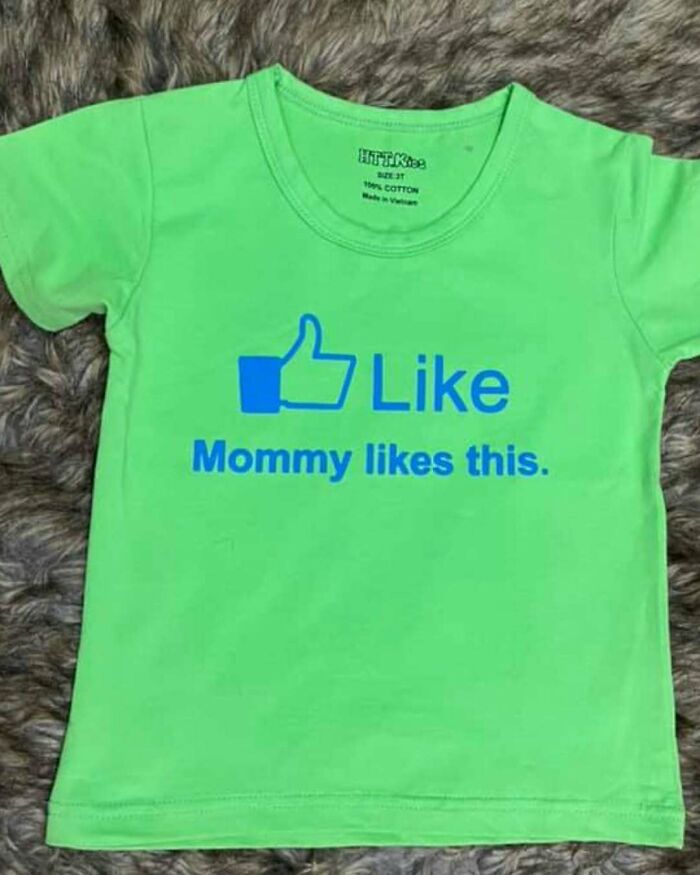
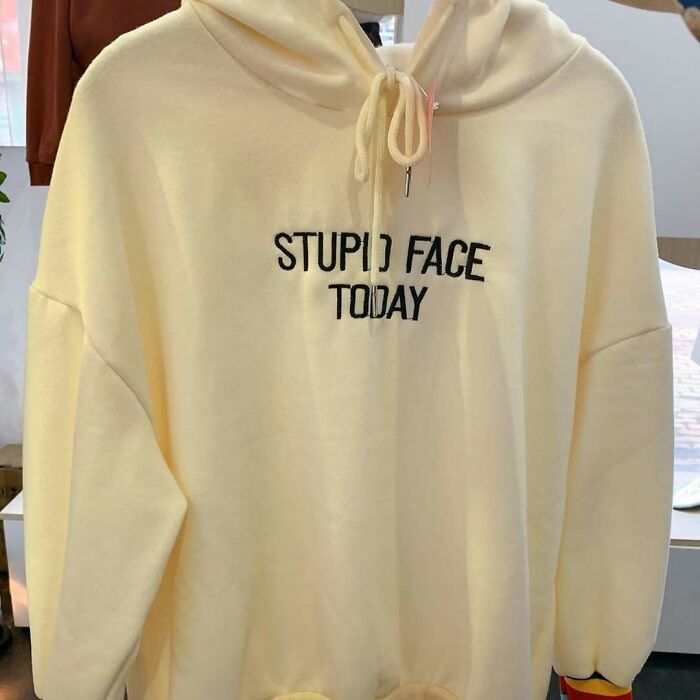
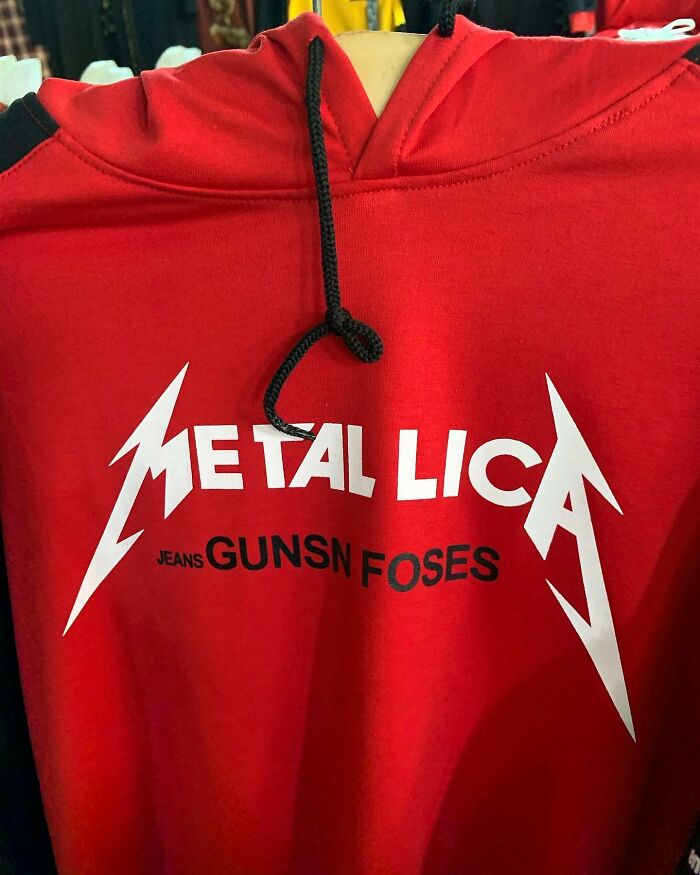
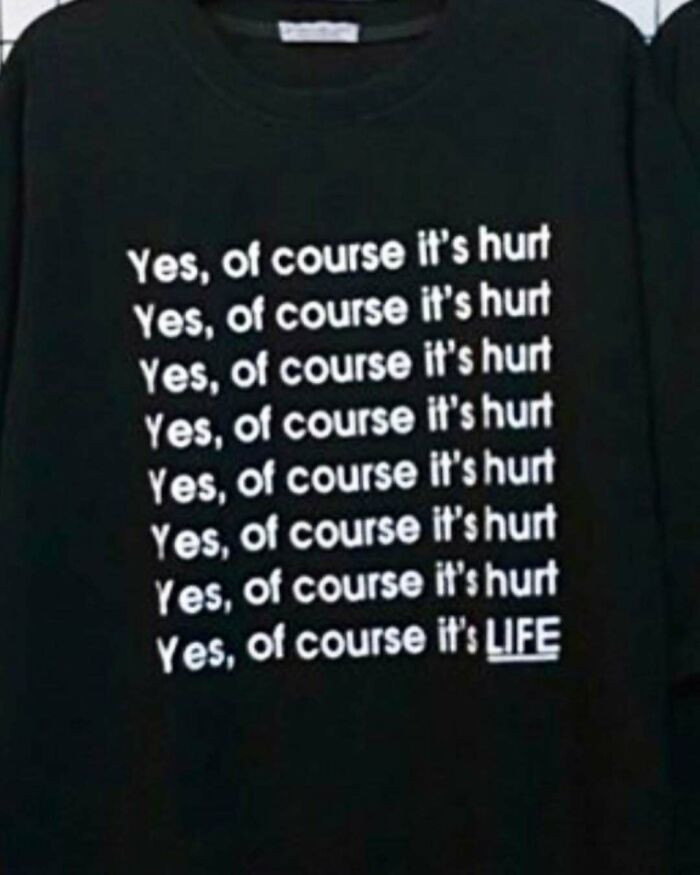
That’s probably how most of these writings on clothes you’ll find below were created and put on sale in various parts of the world. While machine translation has greatly improved, it’s still not 100% foolproof, and the hilarious instances below are proof.
While you're scrolling through, don't forget to check out a conversation with Silvi Nuñez, Spanish linguist, professional translator, and managing director of Optimational, who kindly agreed to chat with us more about mistranslations.
This post may include affiliate links.
Silvi Nuñez, Spanish linguist, professional translator, and managing director of Optimational, says that mistakes in translating, aka mistranslations, often reveal how deeply culture and context are tied to language.
"They show us that translation isn't just about words—it's about meaning. A phrase that works perfectly in one language might fall flat or sound ridiculous in another if the cultural reference or tone doesn’t carry over. In short, mistranslations remind us that language is more than grammar—it's human, messy, and beautifully complex."
Indeed, cultural understanding is crucial for accurate and effective translation. In language, every word carries additional context, such as cultural connotations, historical references, and social implications. Without having a solid grasp of the source language, the intended message might be miscommunicated.
Like in a 2018 Coca-Cola advertisement when advertisers tried to appeal to Māori, the native population of New Zealand, by translating their slogan “Hello, mate” into their native language. However, they chose not to translate it in full, turning the phrase into “Kia ora, mate.” Little did they know that 'mate' in Māori means 'death,' which gave the slogan a whole new deadly meaning.

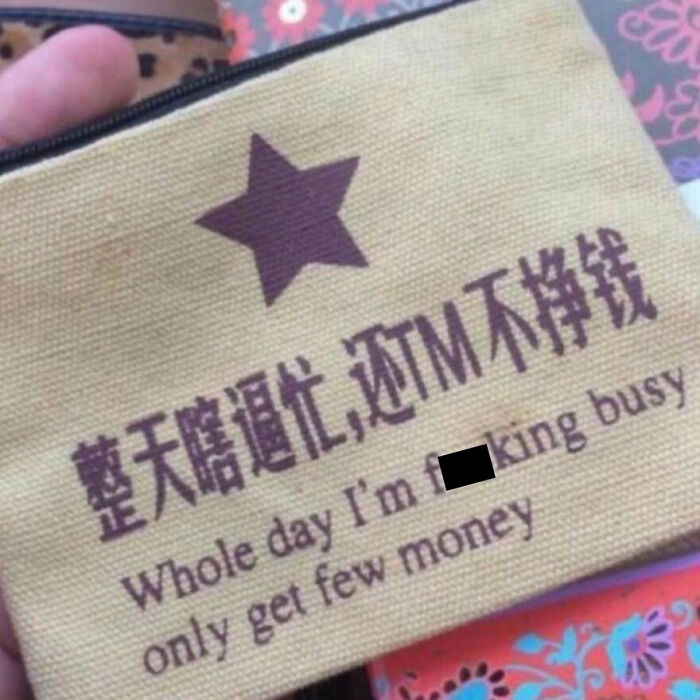
It basically means the same thing in the Chinese above the English (I’m Chinese). There wasn’t a translation error, the English grammar is just kind of weird. A more accurate translation would be “I’m always f*****g busy yet I f*****g don’t make money”. Yes, there are that much swear words in the chinese
As a professional translator who's been in the industry for more than a decade, Silvi has witnessed a wealth of similar translation misunderstandings.
"One of the latest I saw was on a major brand’s website—a simple button labeled “Back” was translated into Spanish as “Espalda,” which literally refers to a person’s back. It’s a classic example of translating without context, and it’s exactly the kind of thing that can make a brand look careless or unprofessional. These mistakes are funny to readers, but costly for brands," she explains.
Every brand that wants to expand beyond its location should put a lot of resources into translation as well as localization to prevent any mistranslations that can hinder their authority, trust, and overall image in customers' eyes.
Most of us know what translation encompasses, while localization, perhaps, not so much. Well, localization is a comprehensive process that goes beyond translation and addresses cultural and non-textual components as well as linguistic issues when adapting a product or service for another country or locale. It ensures that content is culturally appropriate and well-received in the target market.

Another famously known example of a company that failed to localize their translations and failed spectacularly was KFC’s attempt to translate their “Finger-Lickin’ Good” slogan into Chinese. Instead of conveying the intended meaning, they translated it into Chinese as “Eat your fingers off.” Not only was it confusing but also quite off-putting, which made a bad first impression with Chinese consumers, probably costing them a pretty penny.
Luckily, they managed to recover quickly by hiring a local marketing team to revise their messaging and refine the brand's image to Chinese culture. They, of course, replaced the slogan and even incorporated Chinese culinary preferences into its menu, like rice dishes and congee. All this effort paid off, as it helped KFC gain popularity in China and even made it one of the largest and most successful markets.
All of this is to say that companies shouldn't downplay the importance of professional translators and localization services, as a small mistranslation can really affect a brand's image. In addition, launching a campaign to foreign markets should be tested with native speakers to avoid any misinterpretations or offensive meanings. And relying 100% on machine translations should definitely be avoided, as it's still not the same as human translation.
"Machine translation can be useful for quick, informal understanding. But it struggles with nuance, tone, and intent—especially when context is missing. That’s why it’s risky to rely on it for anything customer-facing or brand-critical," says Silvi.
"Also, the reliability of machine translation varies by industry. In technical fields or regulated sectors like legal or medical, even small errors can have serious consequences. For marketing content, where tone and style matter, human input is essential. The smartest approach is combining automation with professional review," she concludes.

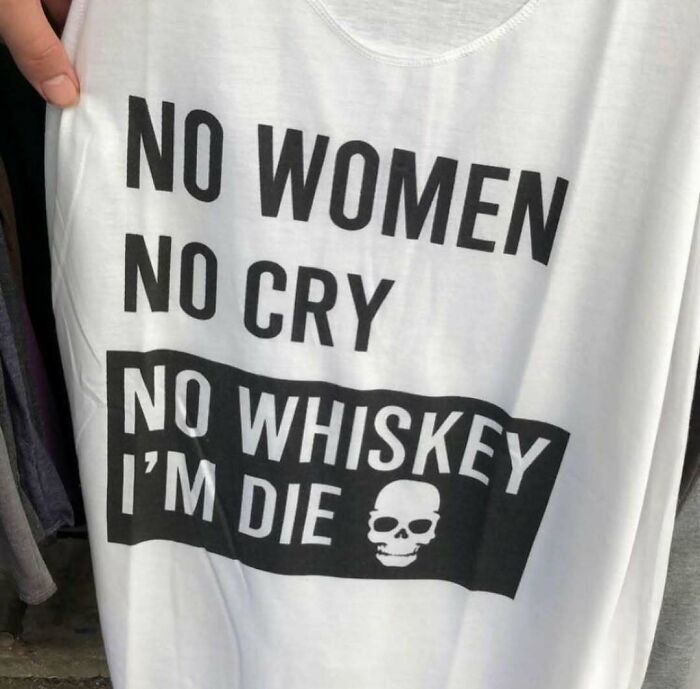
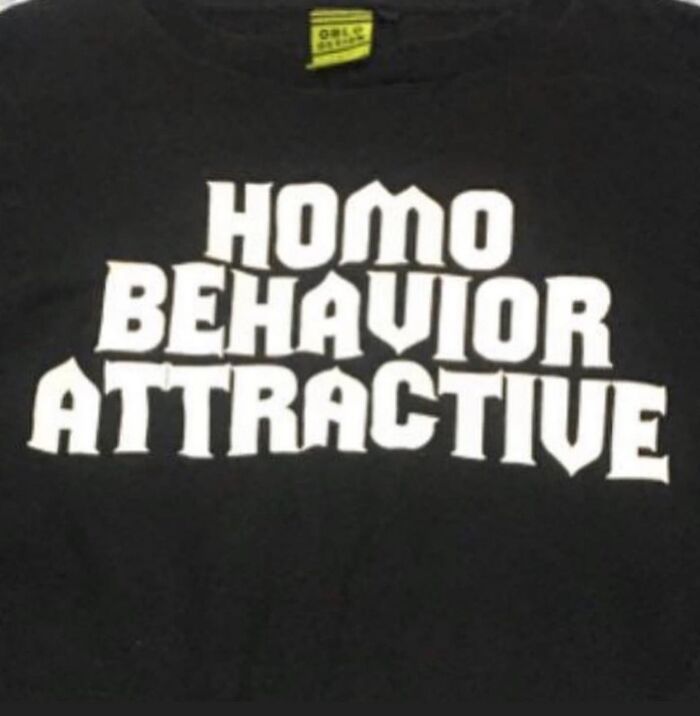
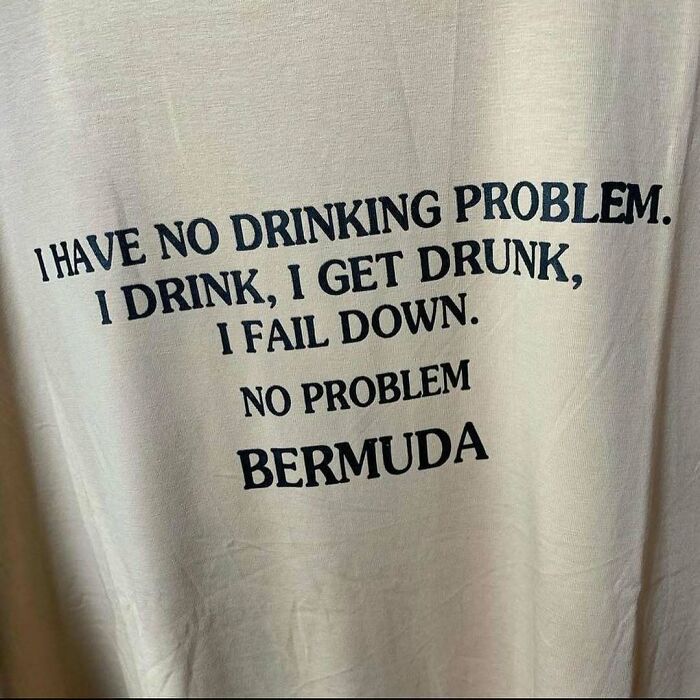
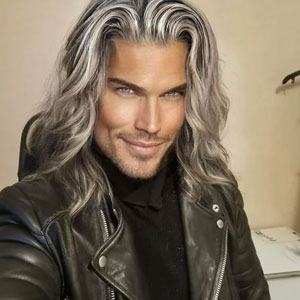
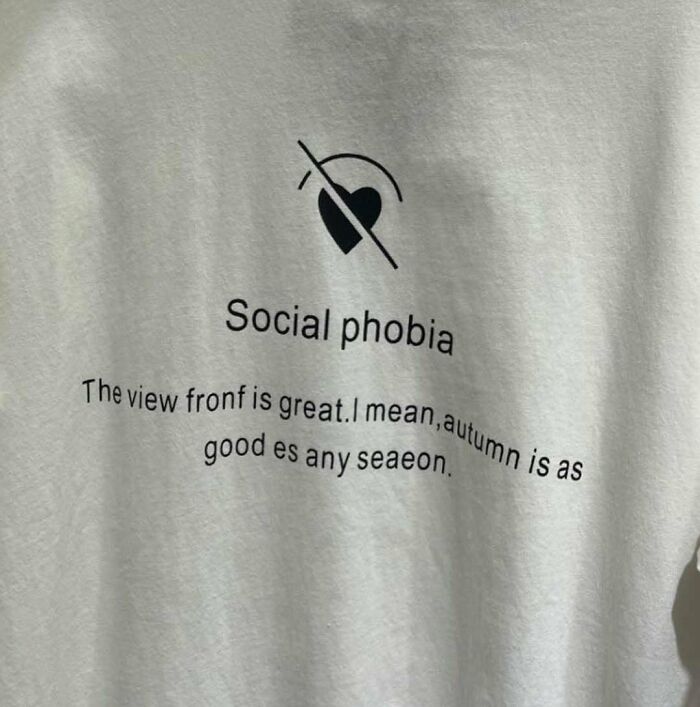
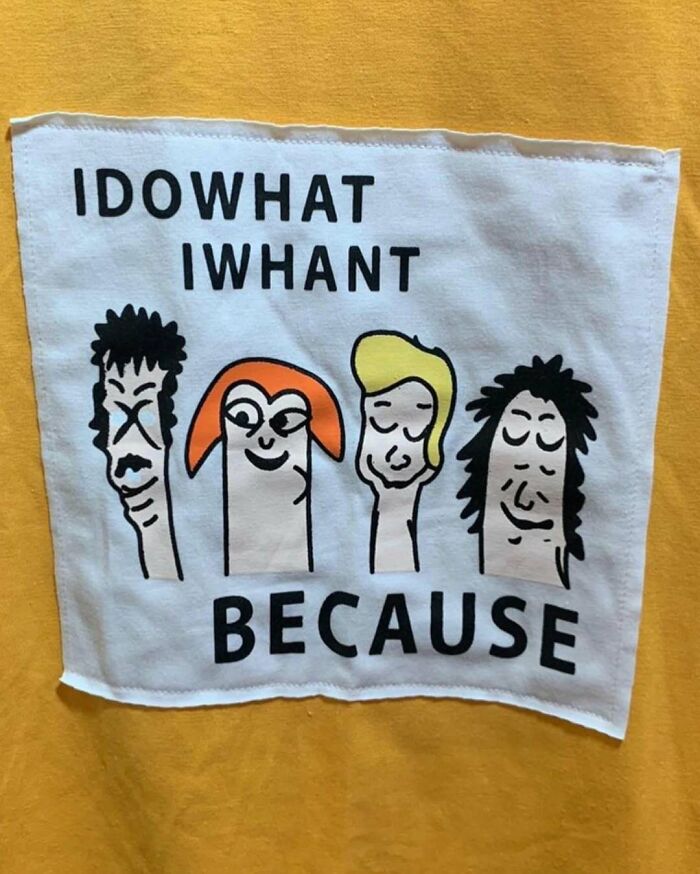
If I ever reactivate my ok cupid account, I now have a profile overview!

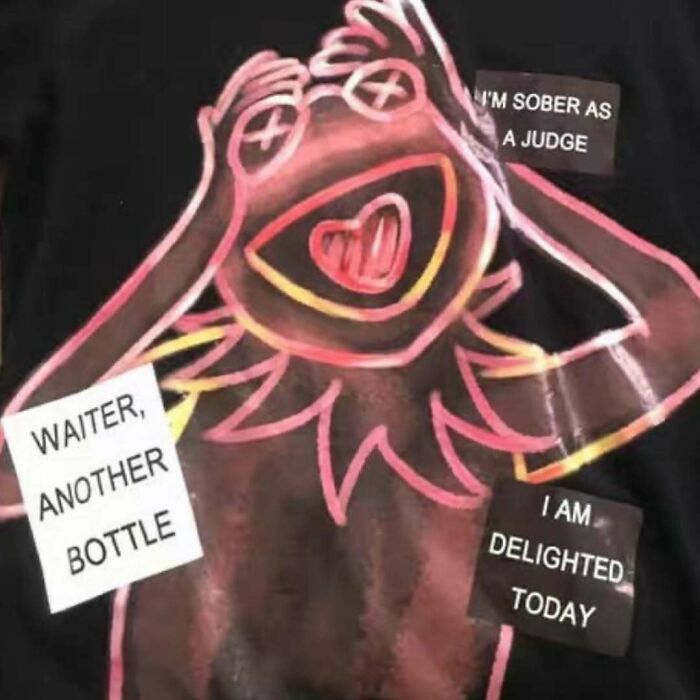
OK, I read that last line like the chorus of 'Te-Qui-La'. "BER-MU-DA!" Da-daa-da-da-DAA-da-Da-daa..."

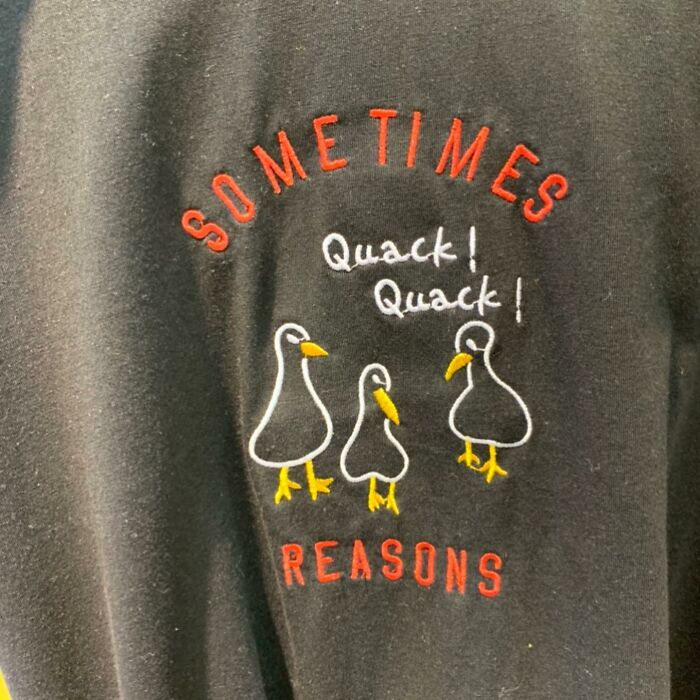
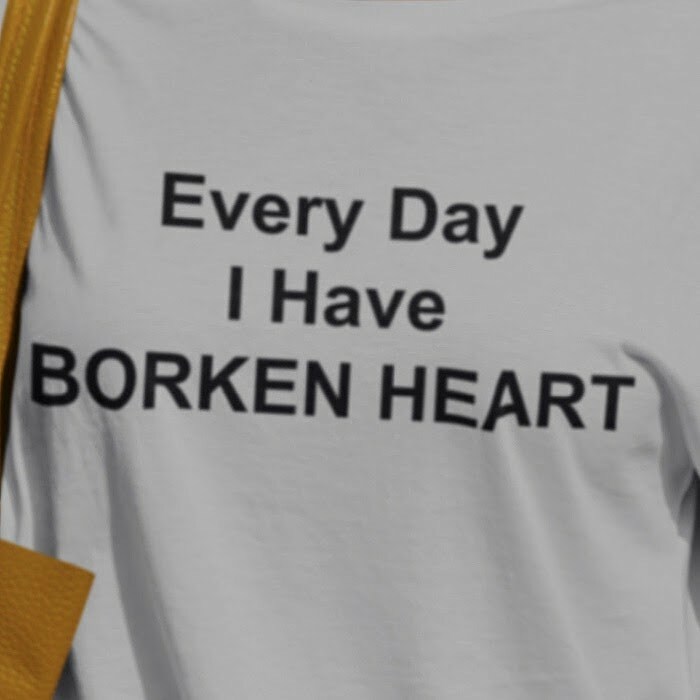
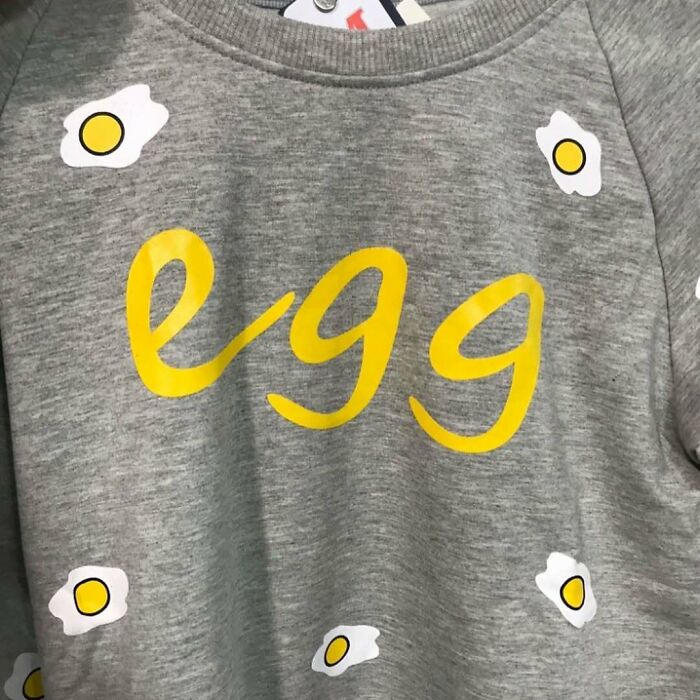
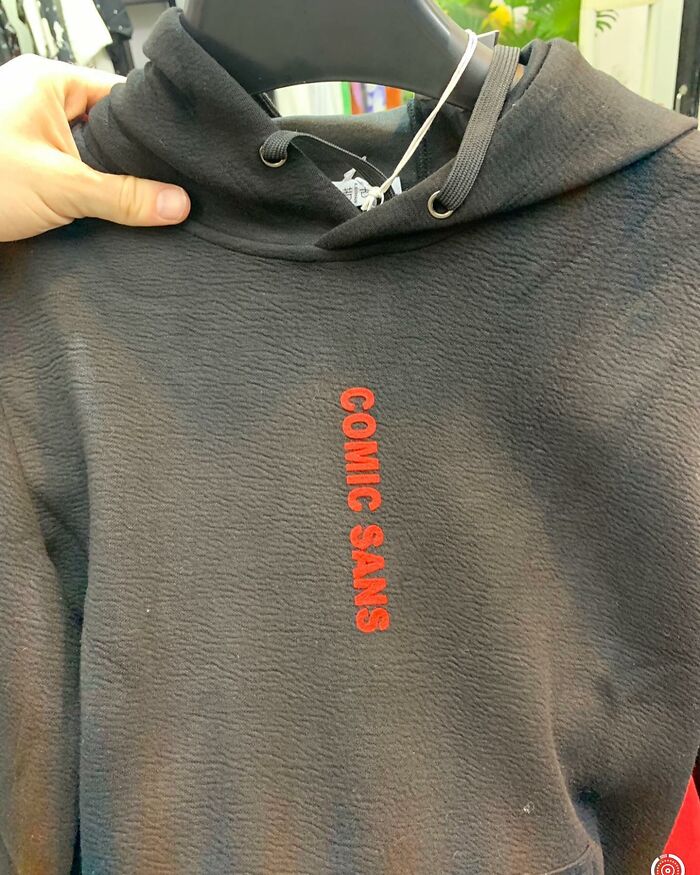
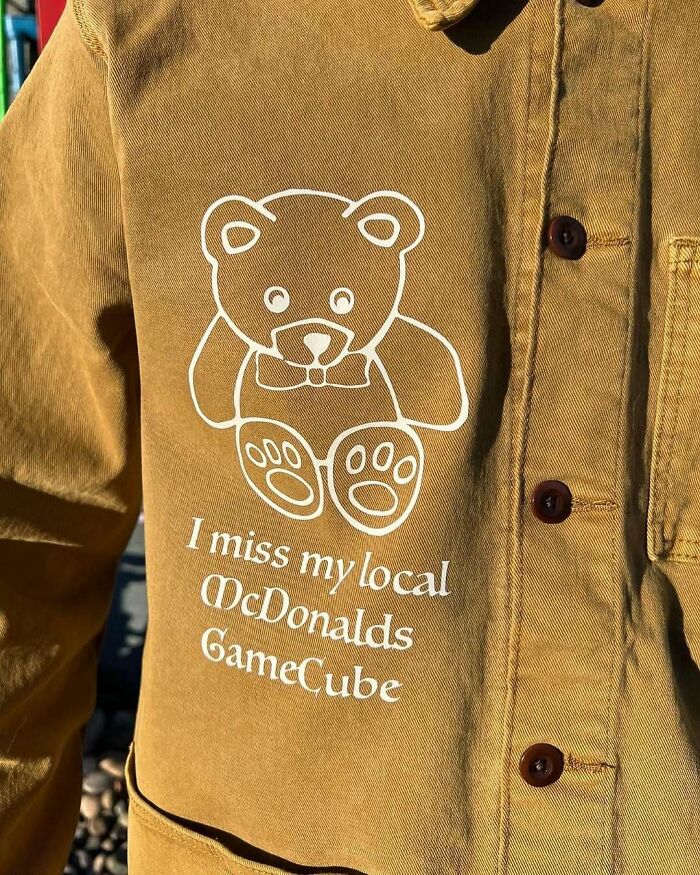
I don't know what's on the back, but this garment uses a comic sans front.
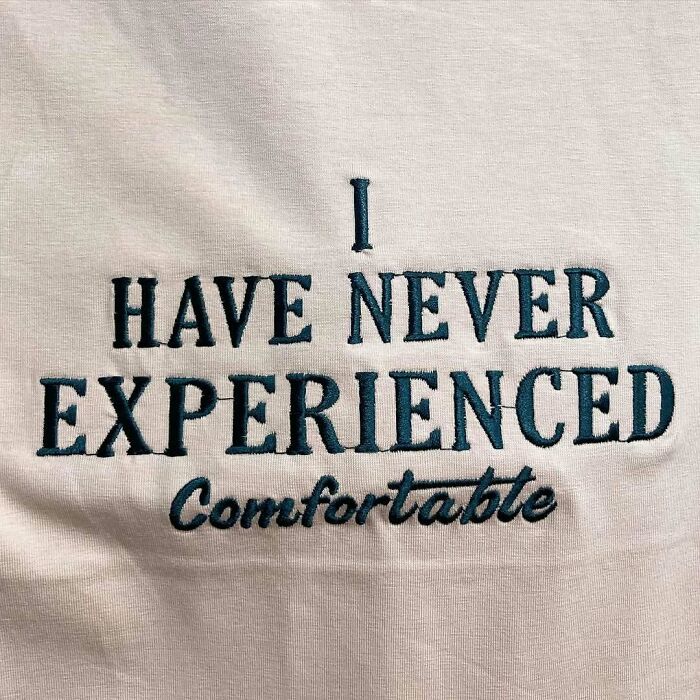
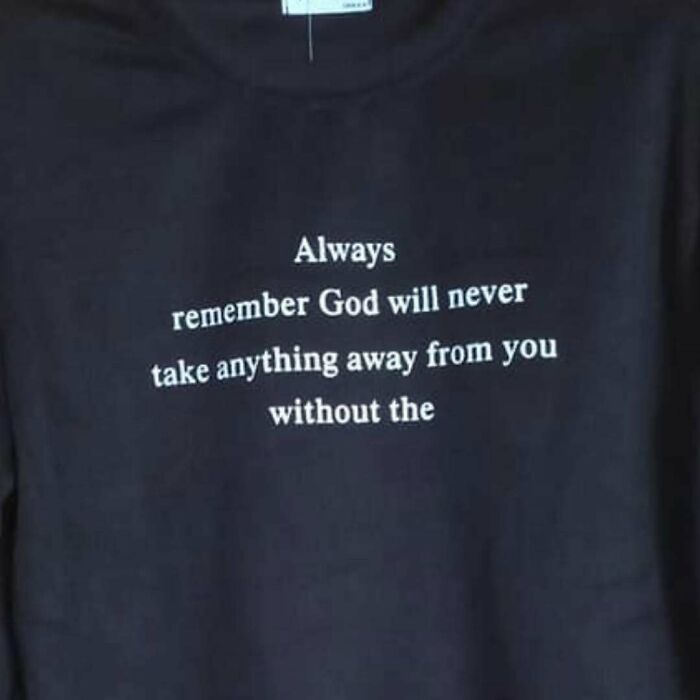
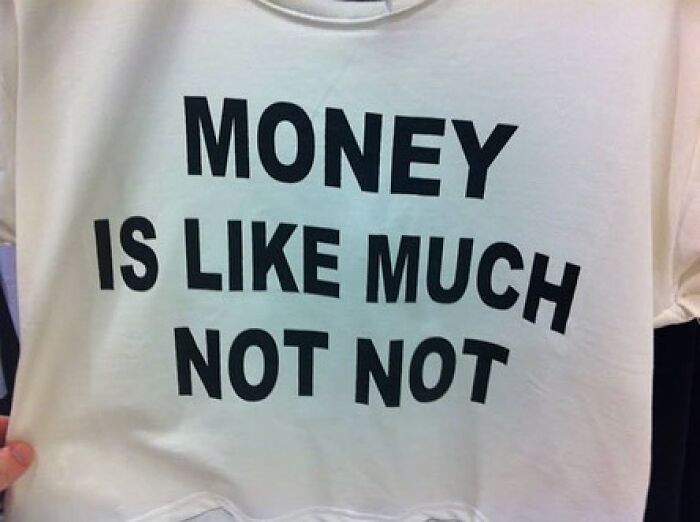
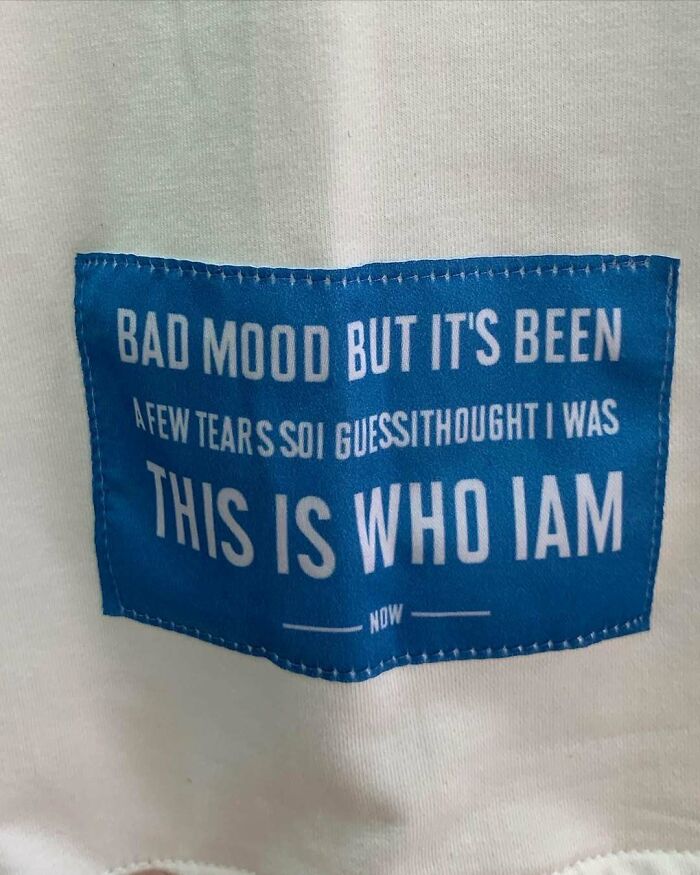
Very true. Like "NOT having to worry about NOT having the rent money" or "NOT needing to worry if you do NOT have a job anymore" or"NOT having to give up things you do NOT need", etc.

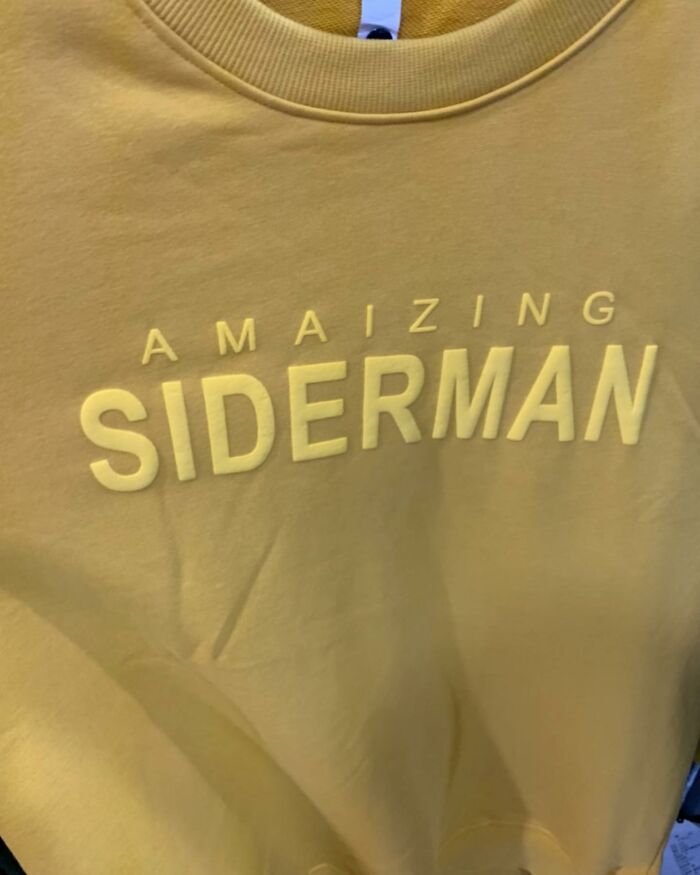
Not wrong. He's always got contingency plans. Not sure when Batman started wearing a tie, though
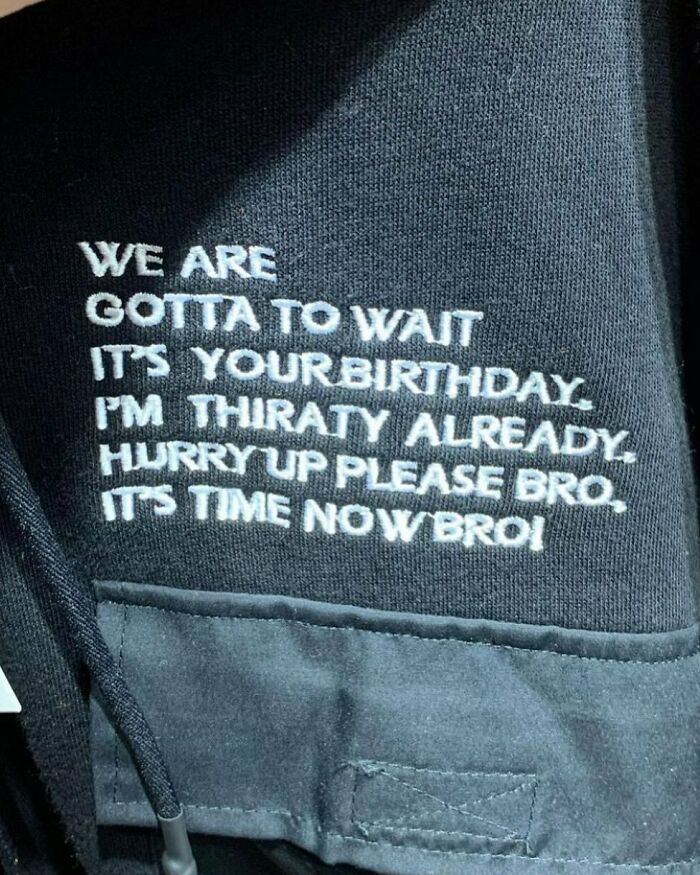
Bet you a week's pay this is a knockoff Rage Against the Machine t shirt.

I was feeling rather low before I saw these, I was laughing out loud, bad translations always seem to tickle my funny bone.

My company included a cheap free gift in the products we sold. One was a pedometer made in China. The instructions included with it said things like, "Walk in the flat plane." We found it hilarious. Our customers? Maybe not so much.

I hope the instructions included where to find a flat plane.
Load More Replies... 
Honestly, it's no worse than reading through most on-line postings these days.
They left one out. When the Phantom Of The Opera was in NYC, there was merchandise for sale: hats, t-shirts, playing cards. The t-shirts caused a bit of a stir. There was a picture of the Phantom and Christine. The caption: "She chased him 'round the Opera House and caught him by the organ." According to Michael Crawford, it looked like a huge d**g bust, the misprinted merch was hauled out so fast.
I was feeling rather low before I saw these, I was laughing out loud, bad translations always seem to tickle my funny bone.
My company included a cheap free gift in the products we sold. One was a pedometer made in China. The instructions included with it said things like, "Walk in the flat plane." We found it hilarious. Our customers? Maybe not so much.
I hope the instructions included where to find a flat plane.
Load More Replies... Honestly, it's no worse than reading through most on-line postings these days.
They left one out. When the Phantom Of The Opera was in NYC, there was merchandise for sale: hats, t-shirts, playing cards. The t-shirts caused a bit of a stir. There was a picture of the Phantom and Christine. The caption: "She chased him 'round the Opera House and caught him by the organ." According to Michael Crawford, it looked like a huge d**g bust, the misprinted merch was hauled out so fast.









 No fees, cancel anytime