Get Premium
Dark mode theme is available exclusively for premium users. Learn more about the benefits of subscribing.
No fees, cancel anytime.

 Dark Mode Ad-Free Browsing Unlimited Content
 Ad-Free Browsing Unlimited Content Dark Mode
Join 1.2 million Panda readers who get the best art, memes, and fun stories every week!



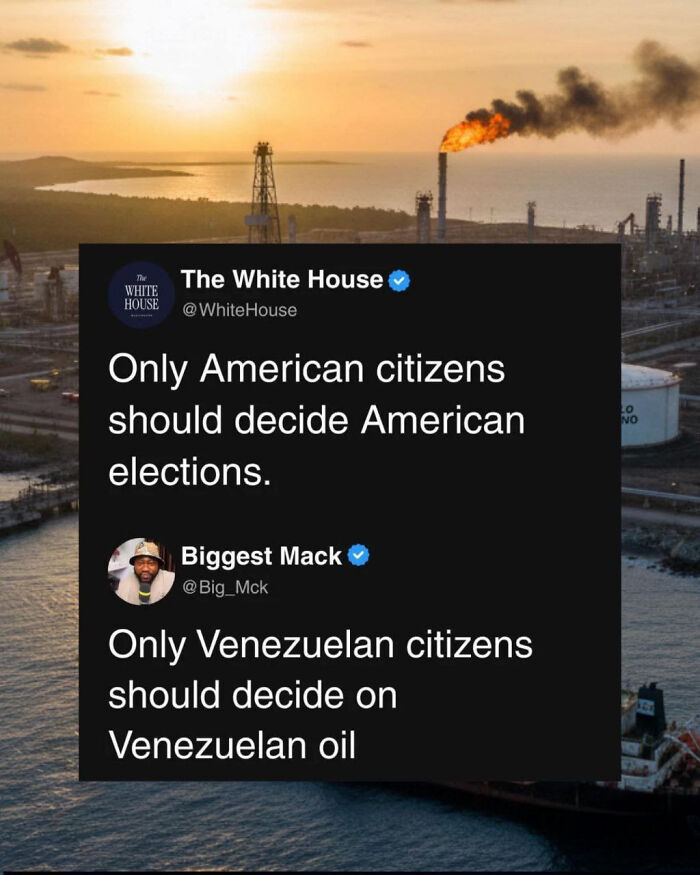
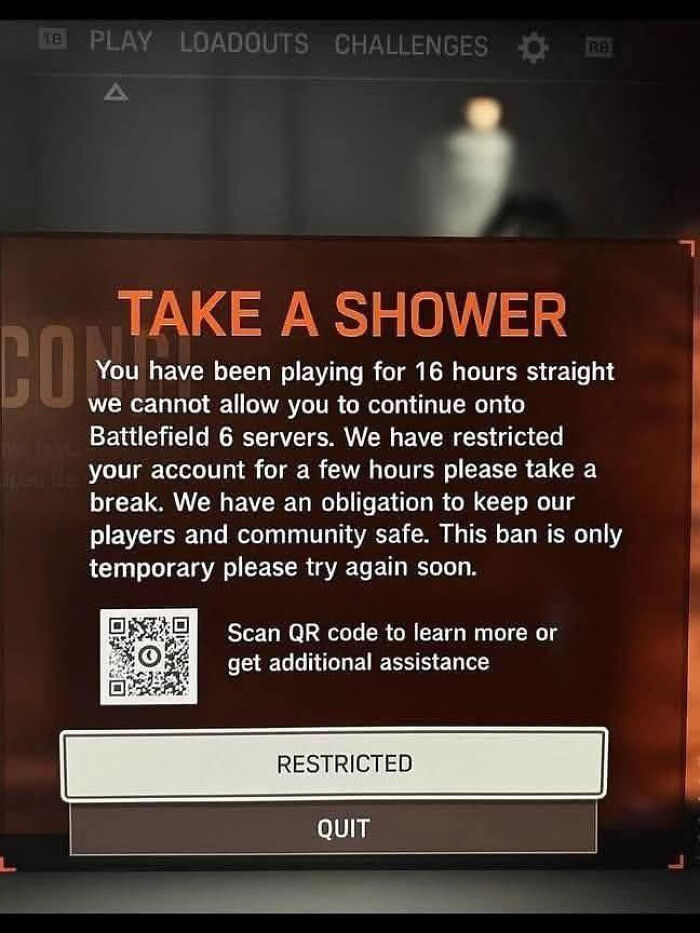
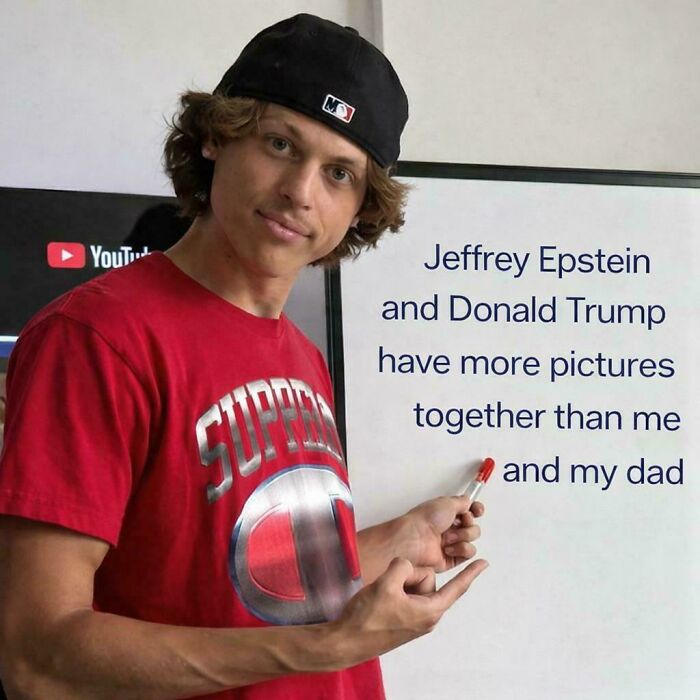
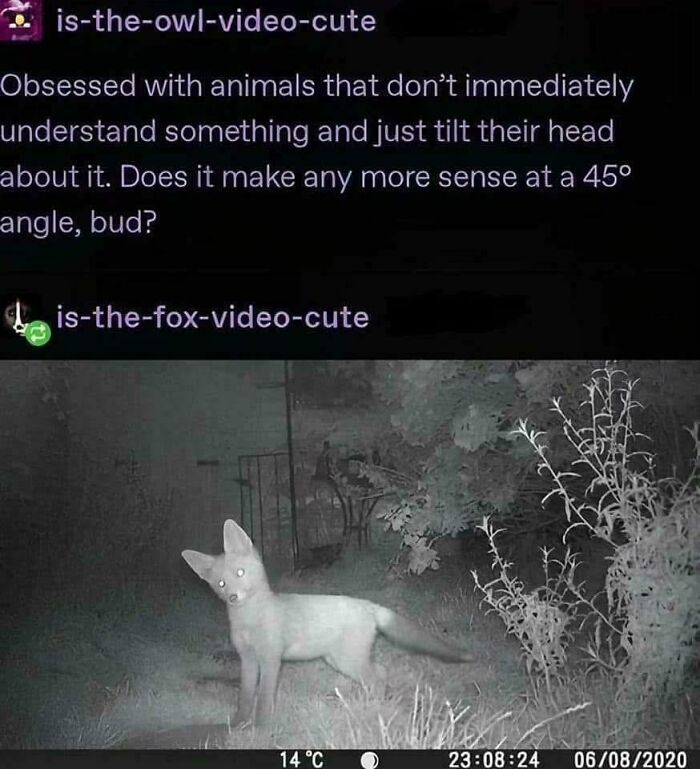
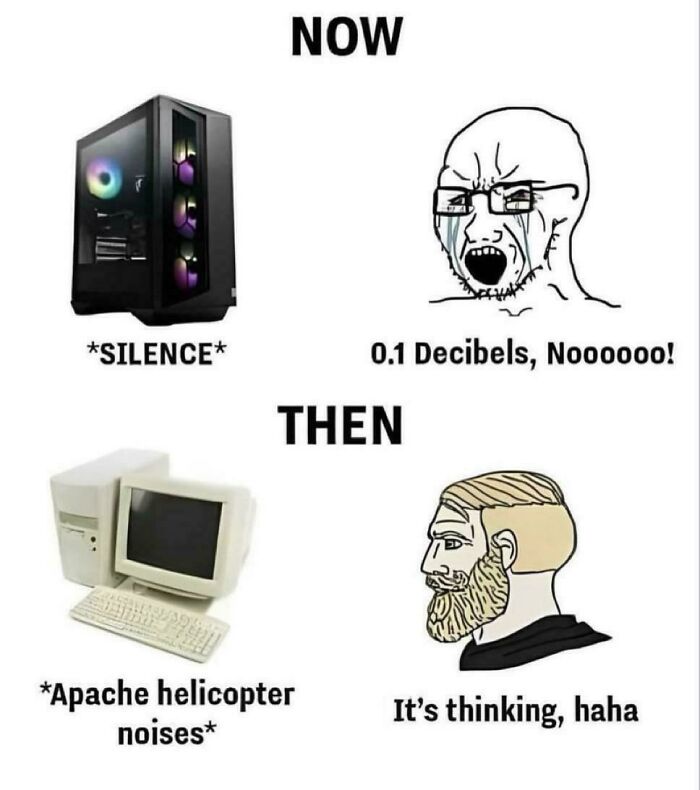
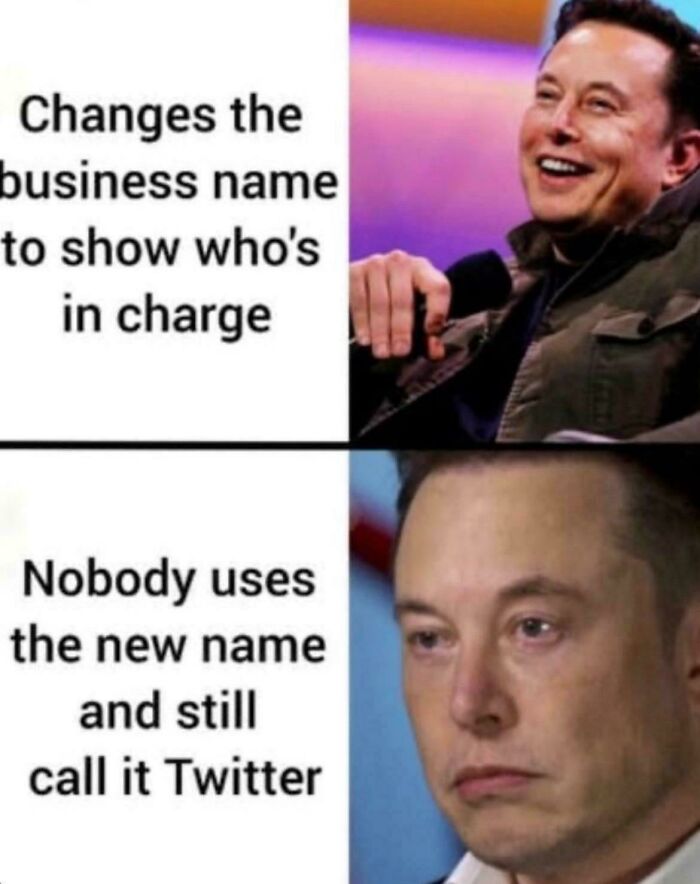
Memes have certainly carved out their own corner on the internet, and it’s really hard to keep track because there are so many of them — cat memes, dog memes, work memes, family memes, you name it.
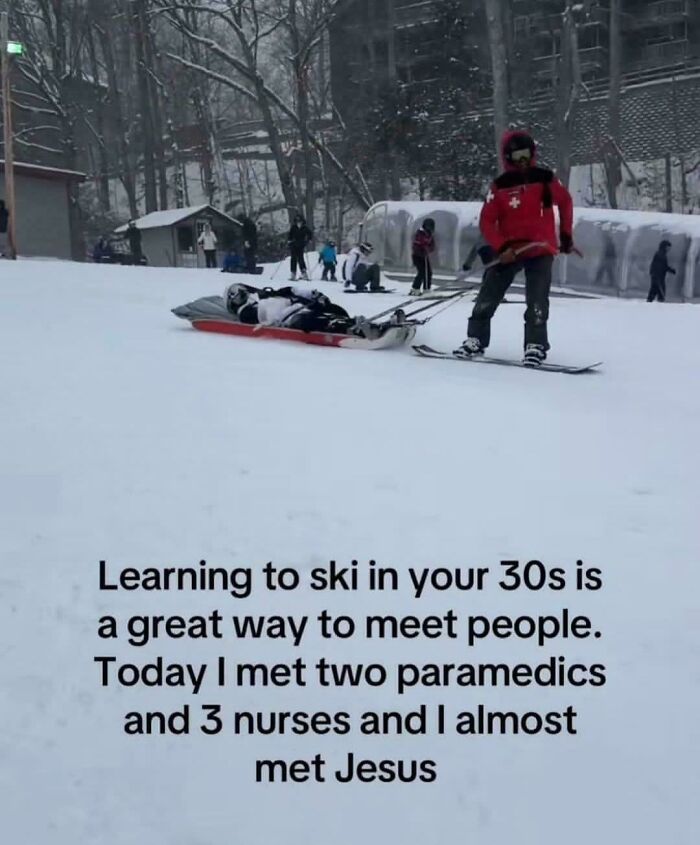
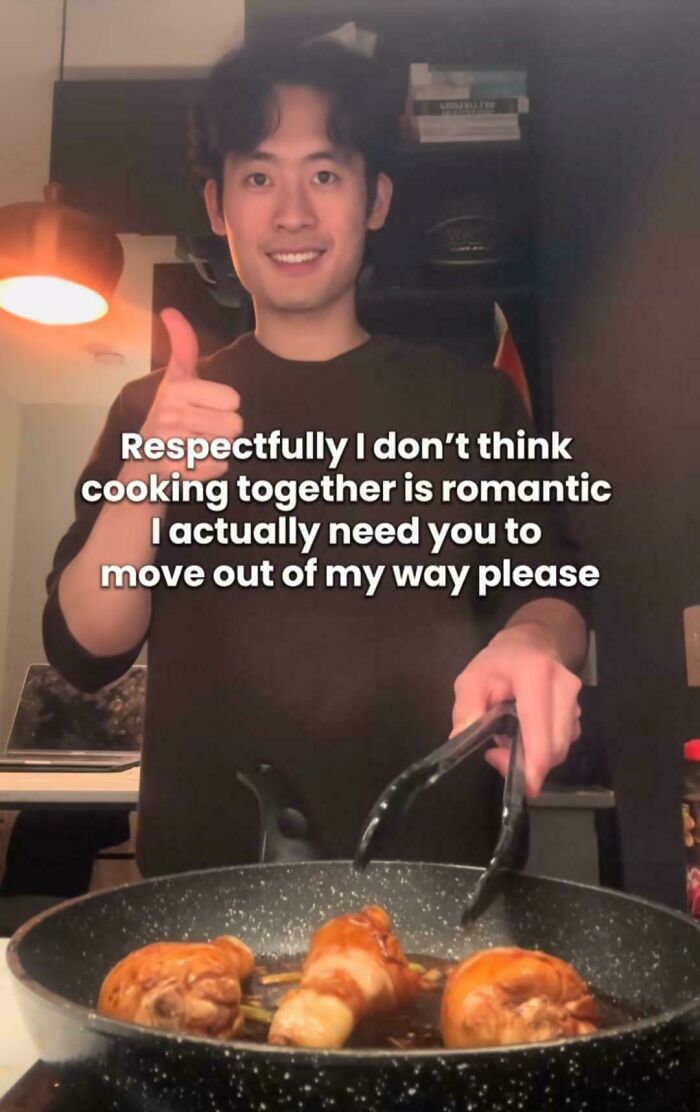
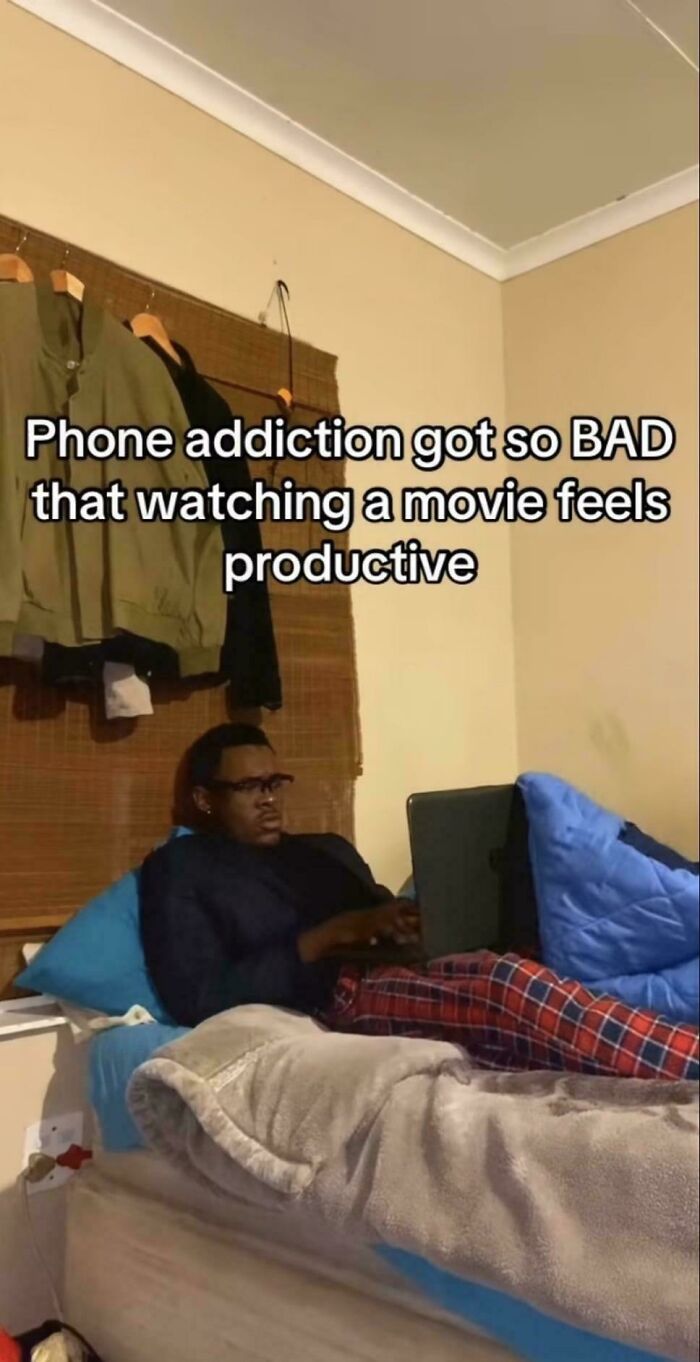
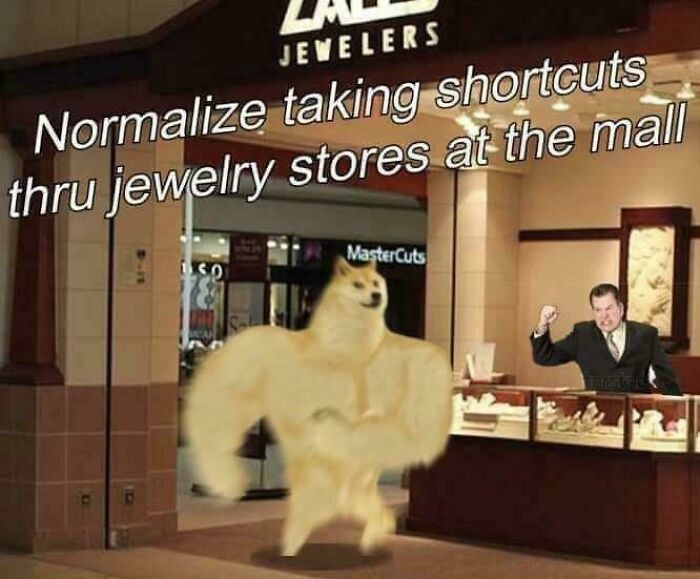
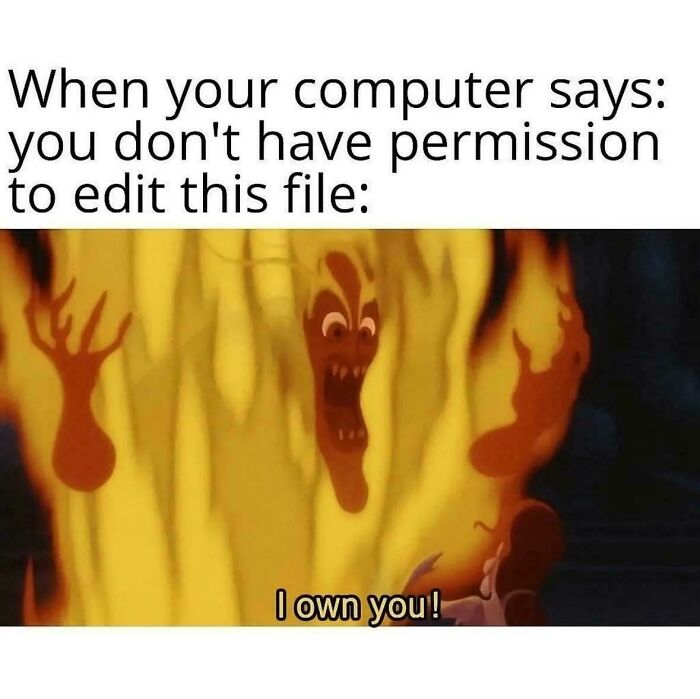
But no matter how many niche categories pop up, one never loses its appeal: relatable memes.
You might have probably seen the ‘This is Fine’ meme — a smiling cartoon dog sitting at a table with a coffee mug, and the room around him is engulfed in flames. It perfectly sums up what life feels like for anyone trying to stay calm while everything around them seems to be falling apart.
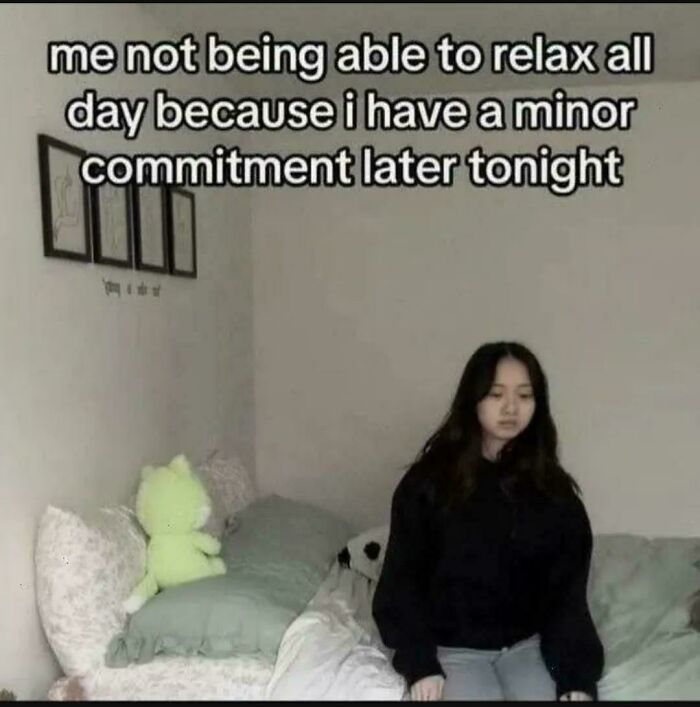
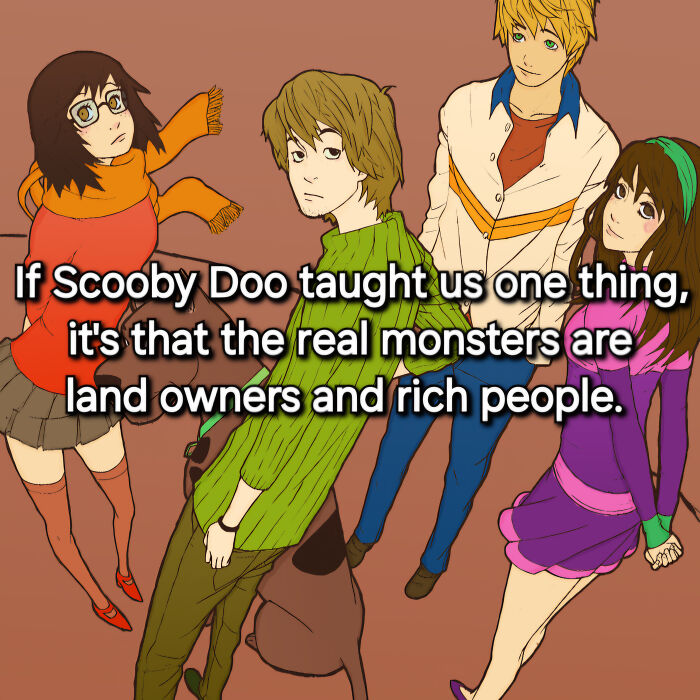
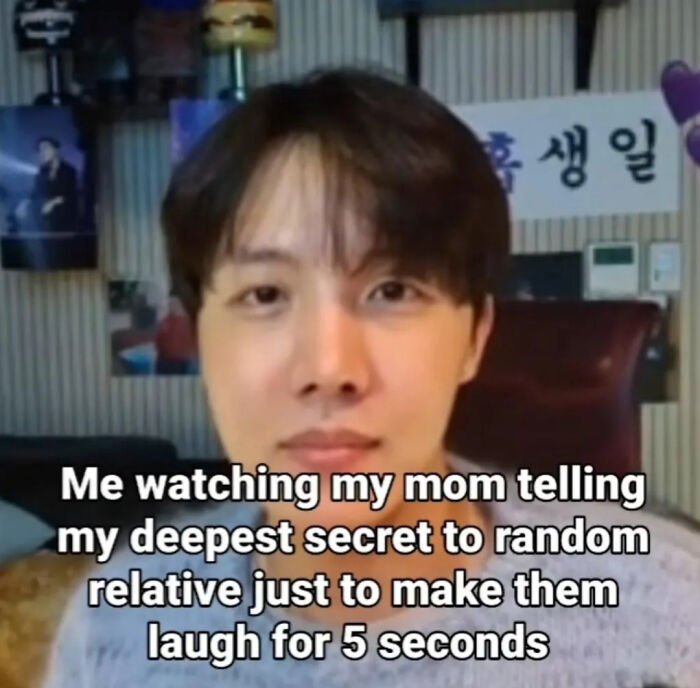
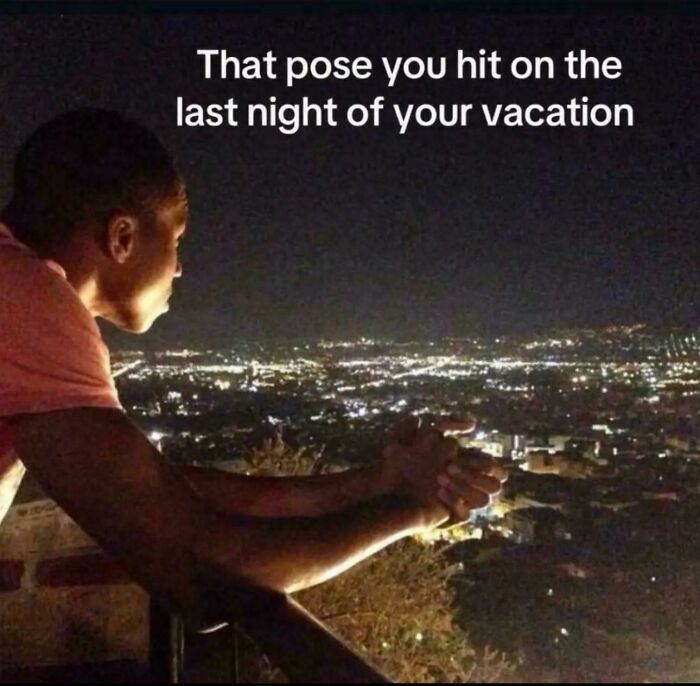
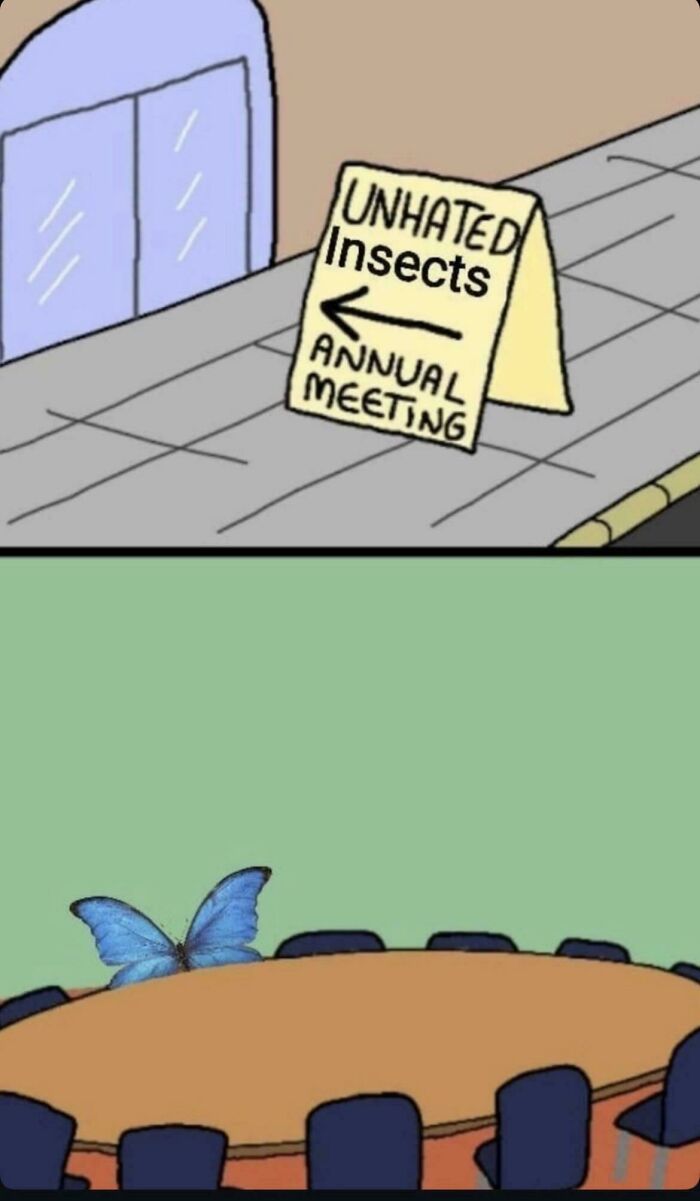
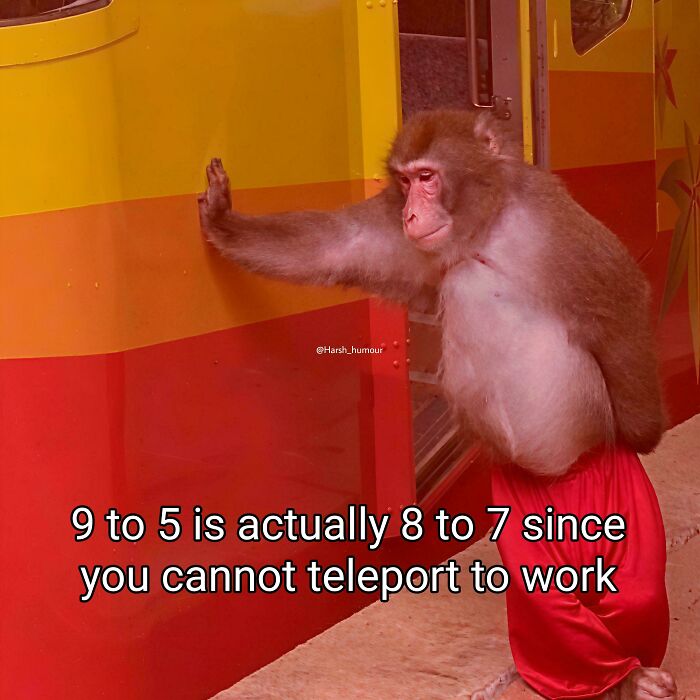
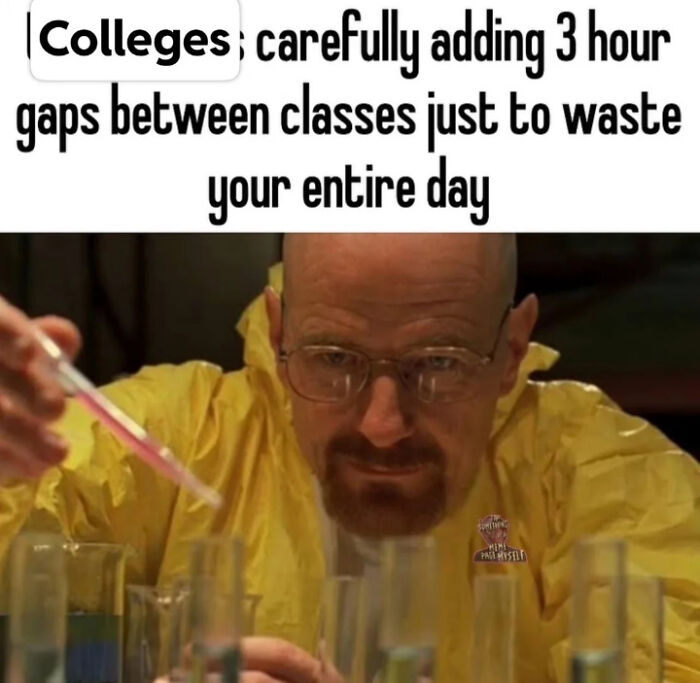
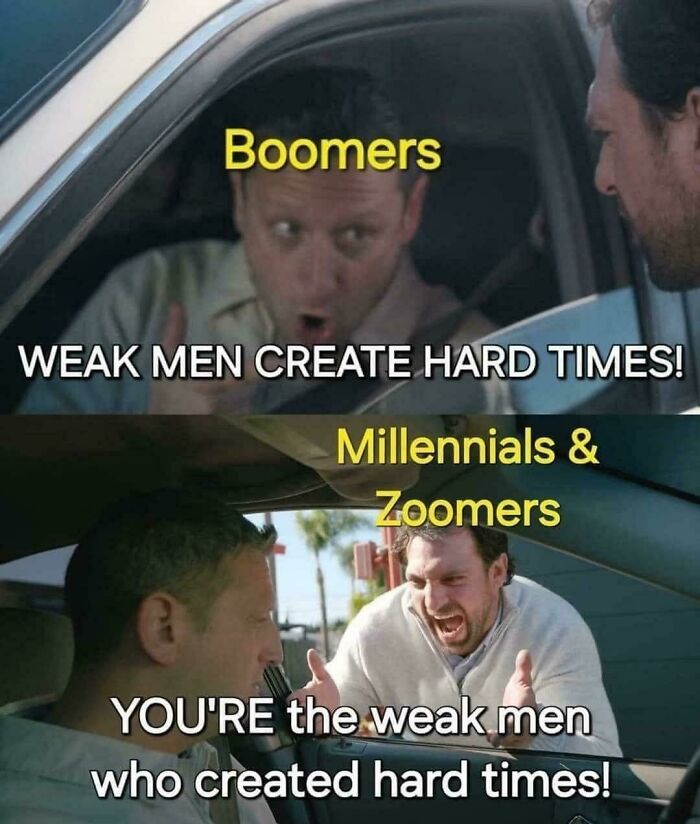
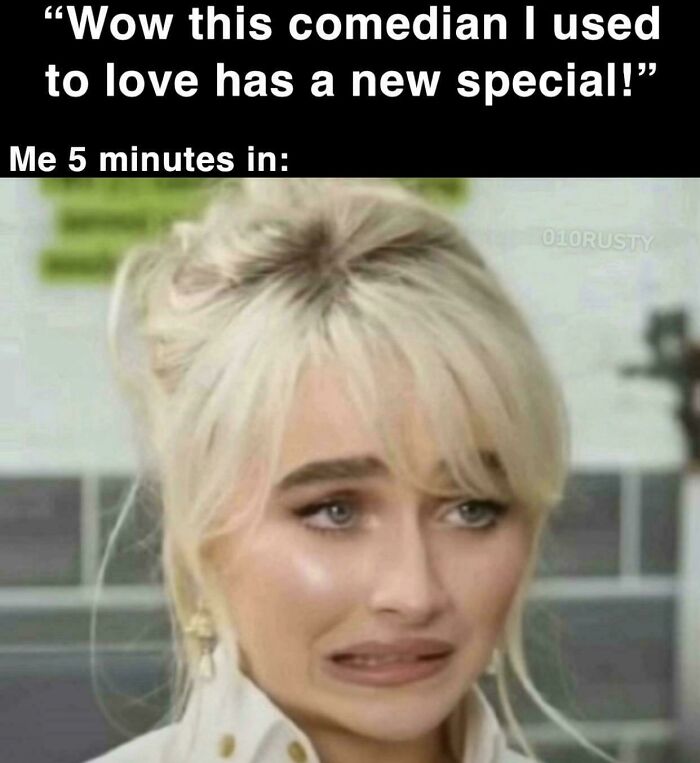
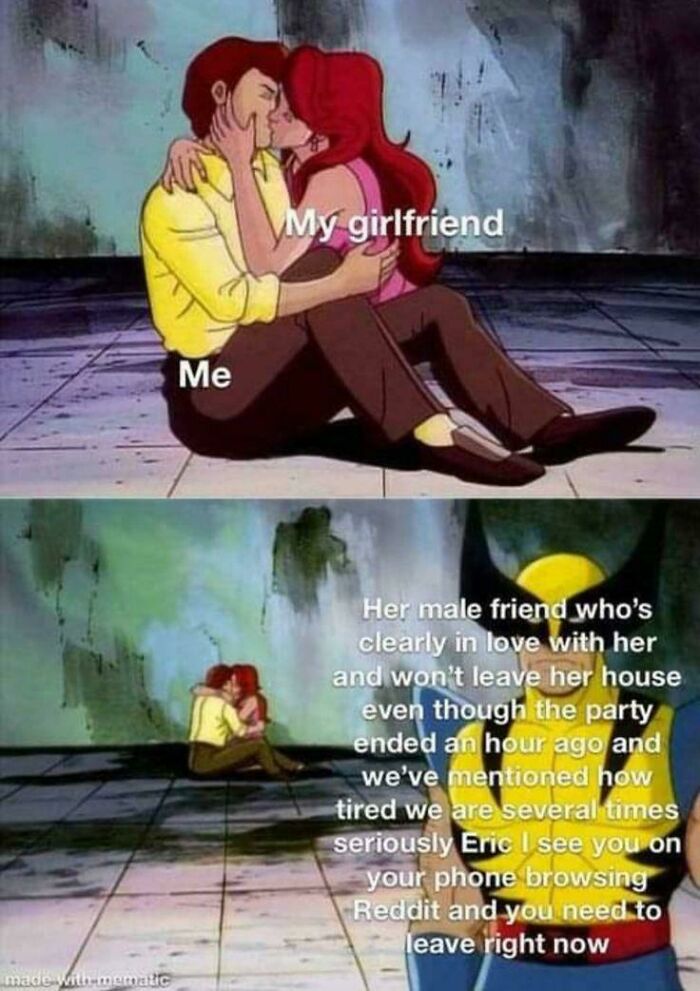
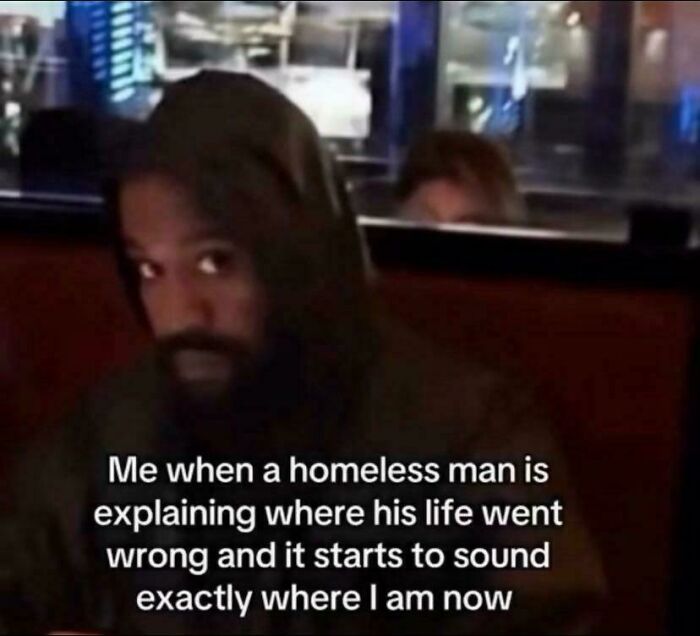
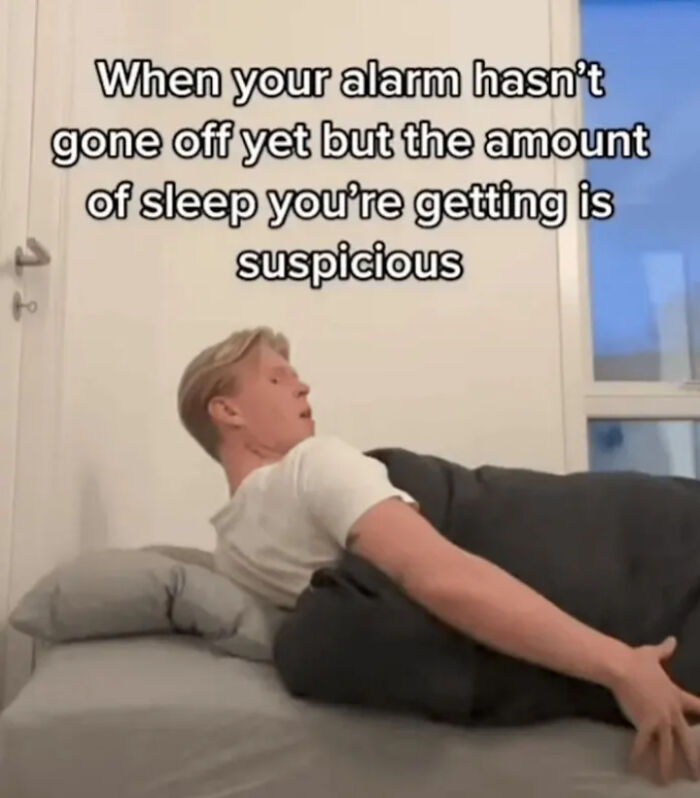
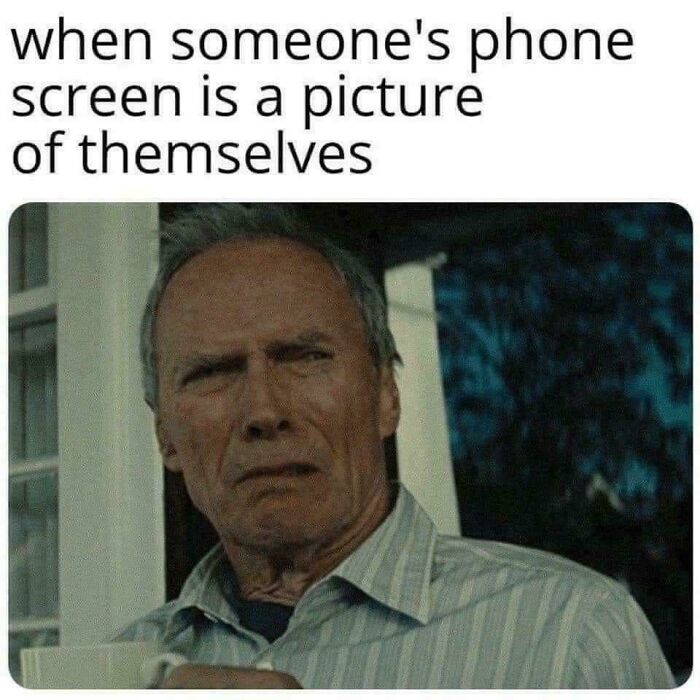
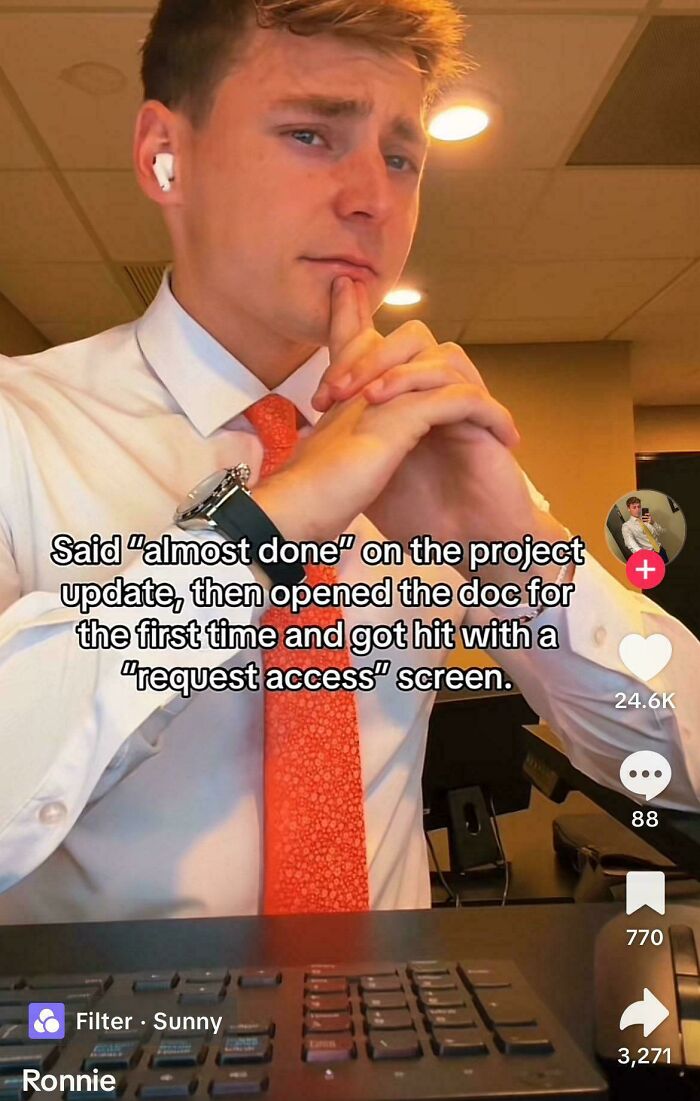
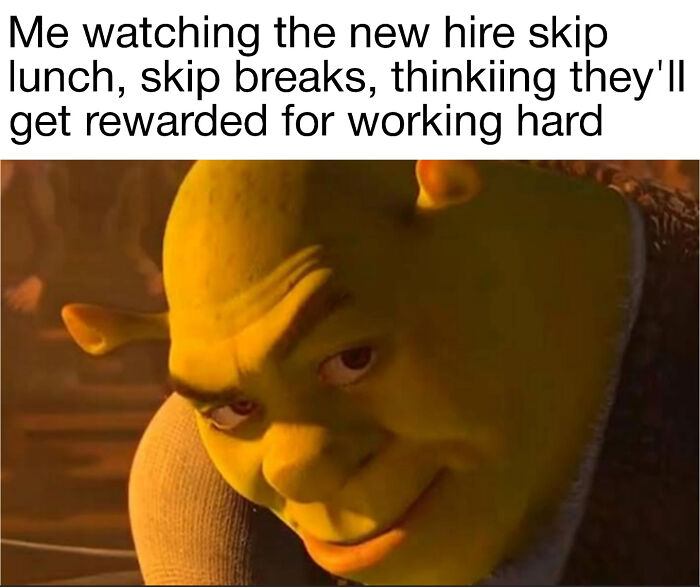
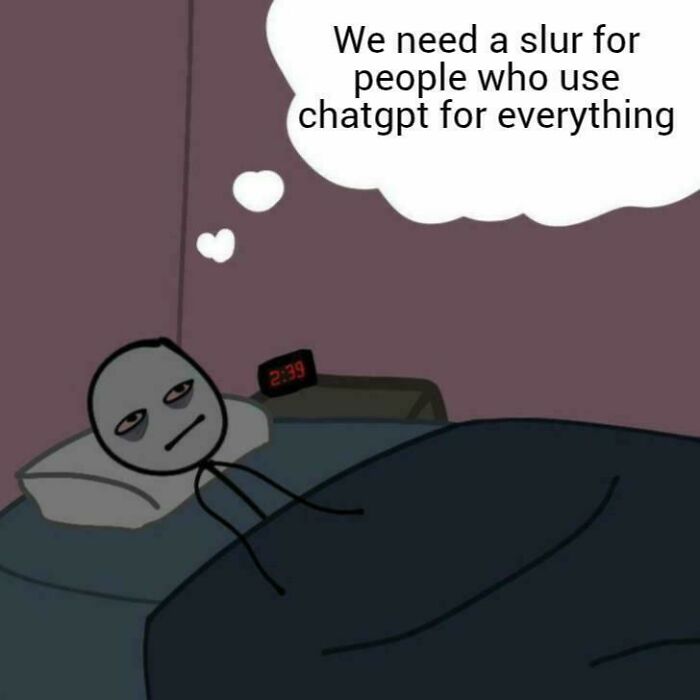
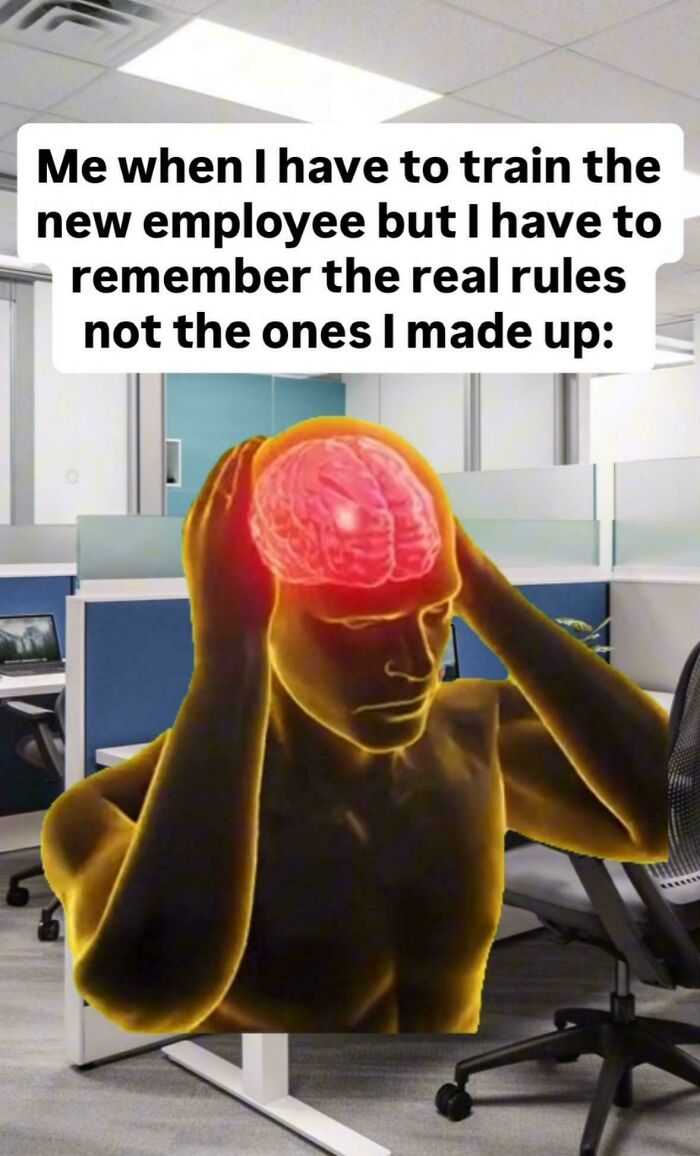
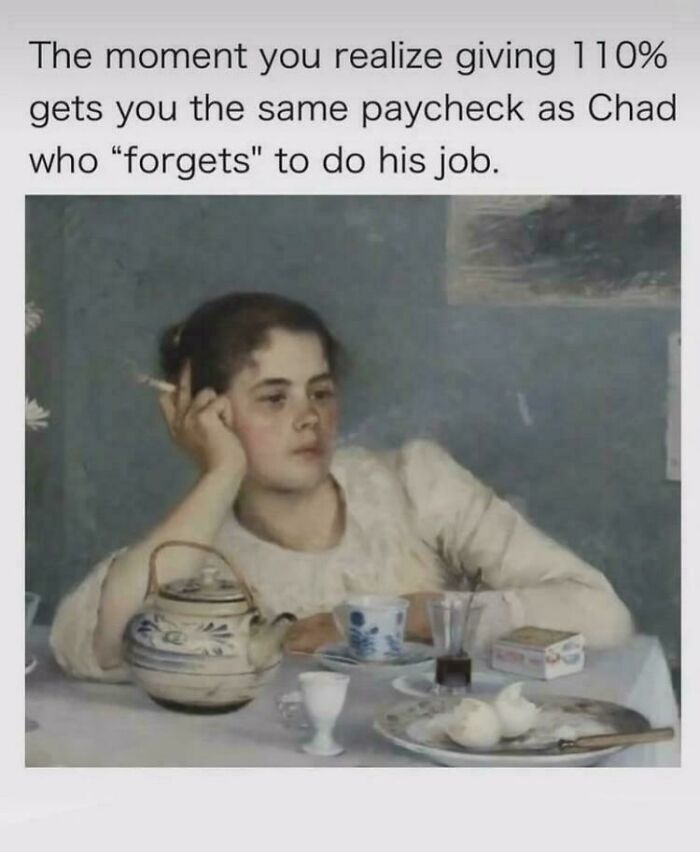
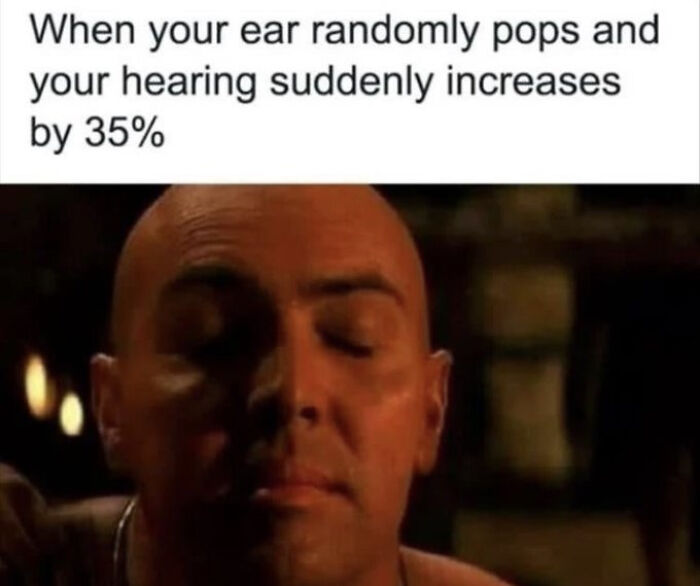
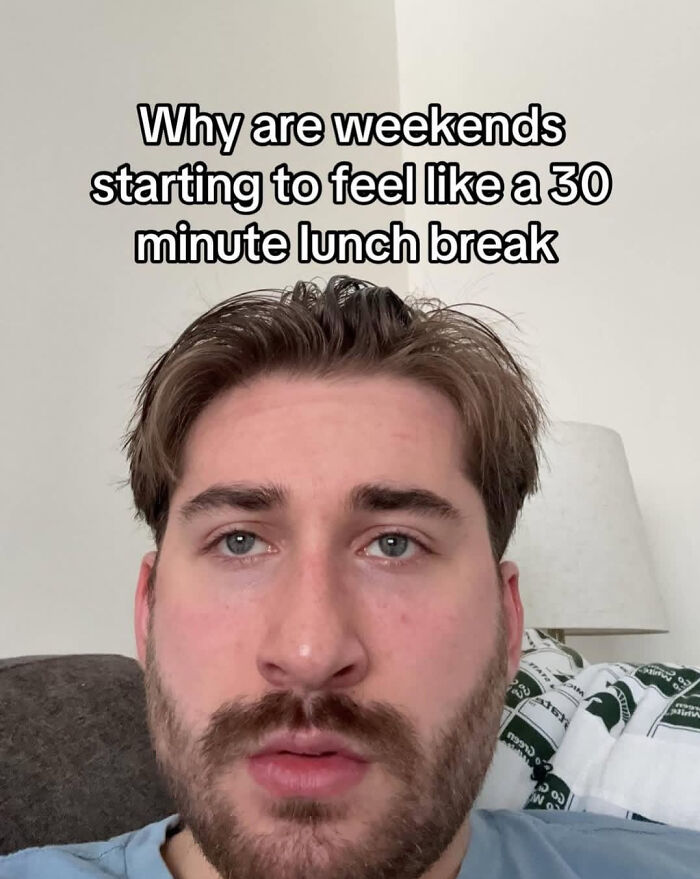
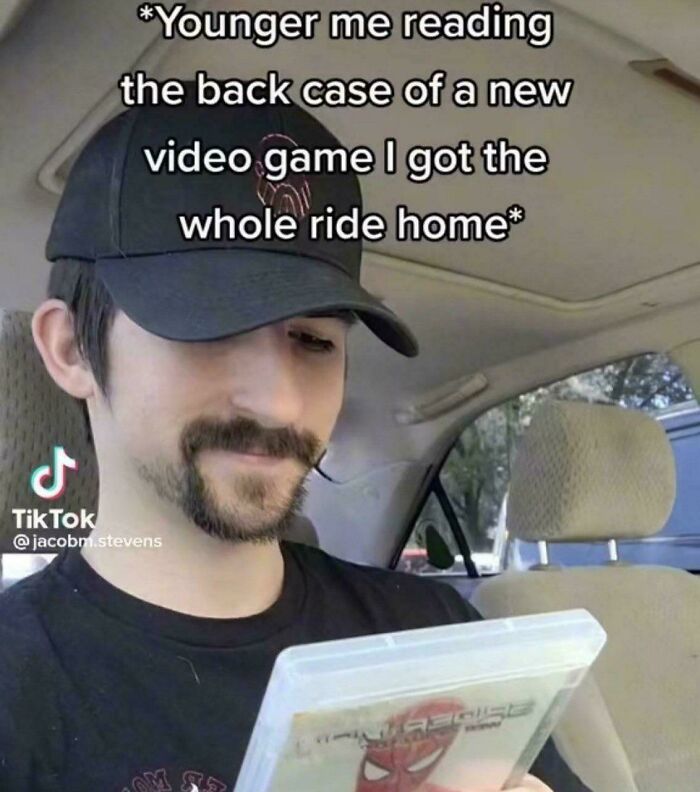
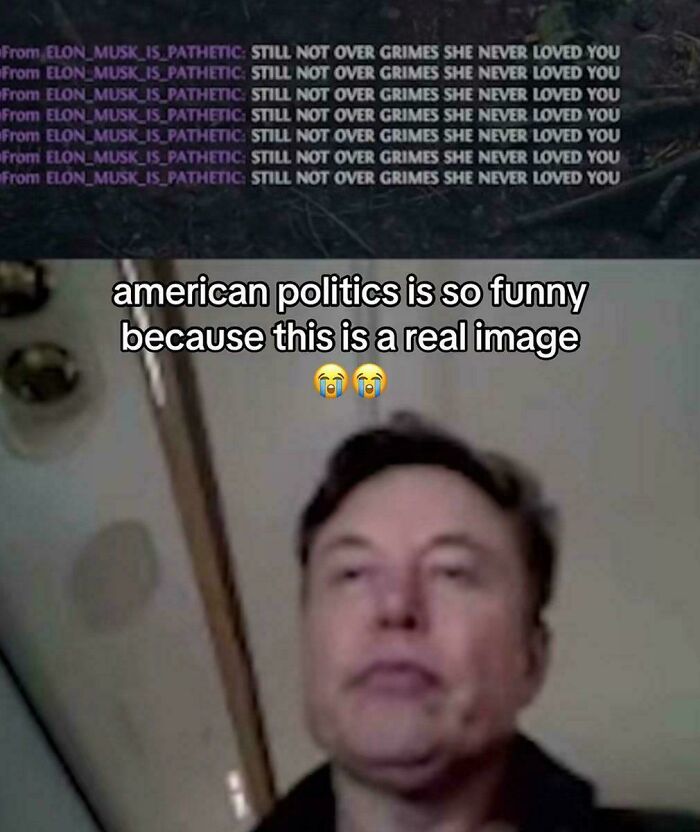
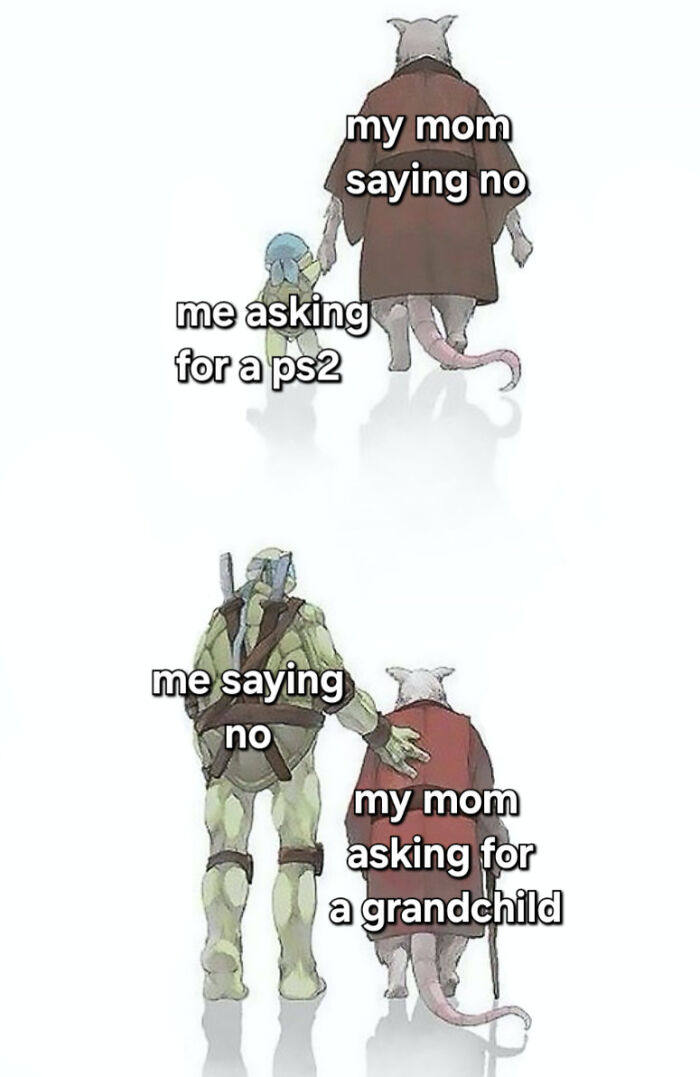
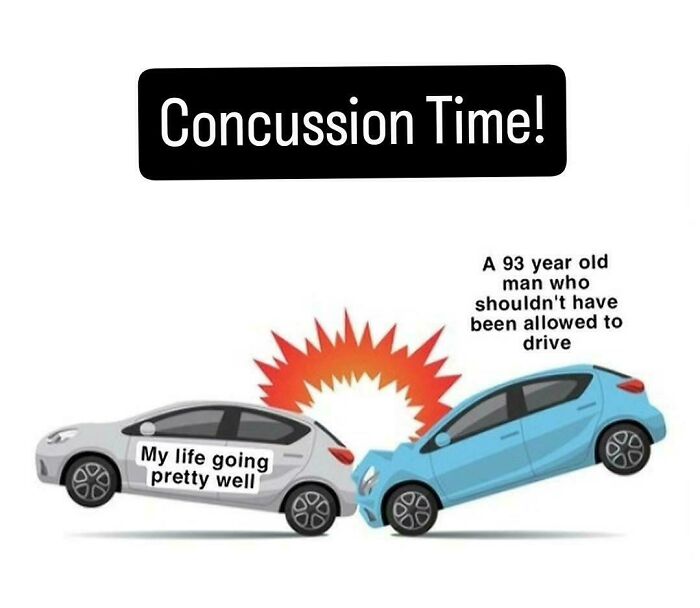
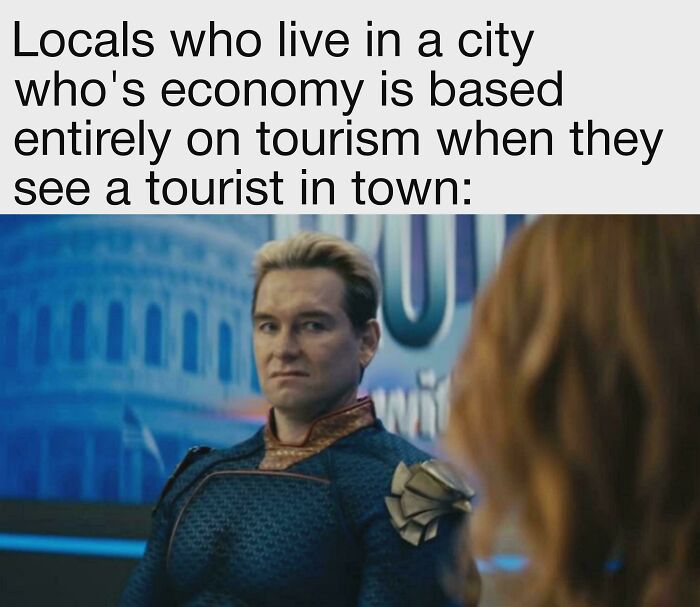
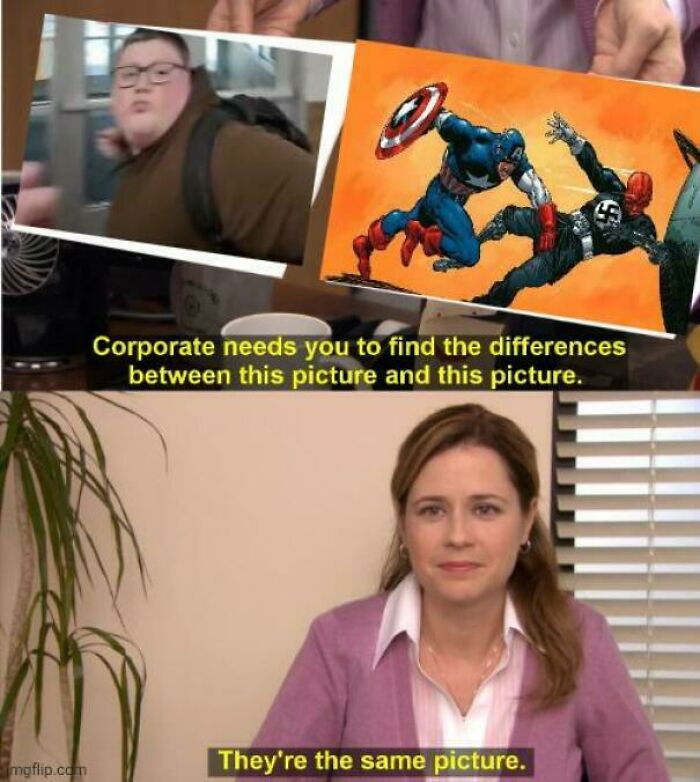
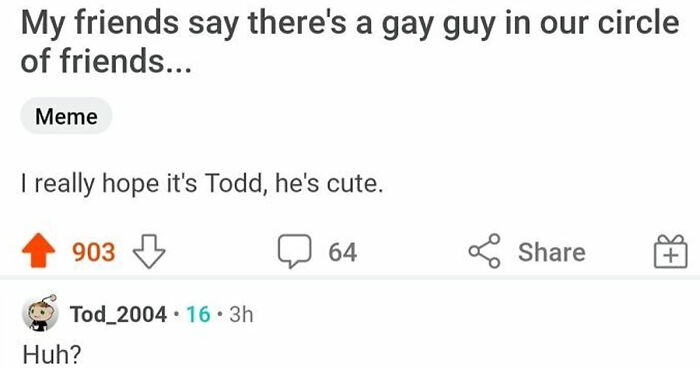
The r/me_irl subreddit is where the really relatable stuff lives, and we’ve rounded up the ones that hit way too close to home.
Bored Panda also spoke to Alex Borgella, Associate Professor of Psychology at Fort Lewis College, to understand why we find relatable memes so funny.
This post may include affiliate links.
Sharing memes is often a form of identity signaling, Alex Borgella — who has done extensive research on intergroup humor — tells Bored Panda.
“When someone shares a meme that ‘perfectly’ describes their procrastination habits, sleep schedule, or personality quirks, they are communicating something about themselves without having to say it directly. Humor becomes a shorthand for self-expression.”
The word meme was actually coined way back in 1976 by evolutionary biologist Richard Dawkins. He was trying to explain how ideas spread from person to person, kind of like how genes spread in your body.
He took the word from the Greek because it meant “something that gets copied.”
Today, memes are pictures, phrases, videos or other artifacts that get shared and remixed on social media.
They basically compete, reproduce and evolve just as genes do, and only the strongest survive.
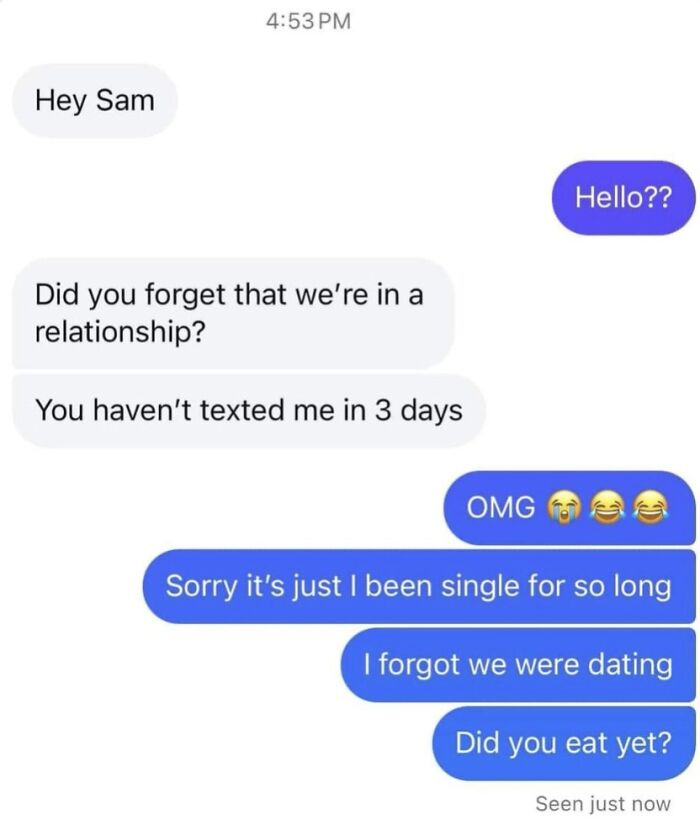
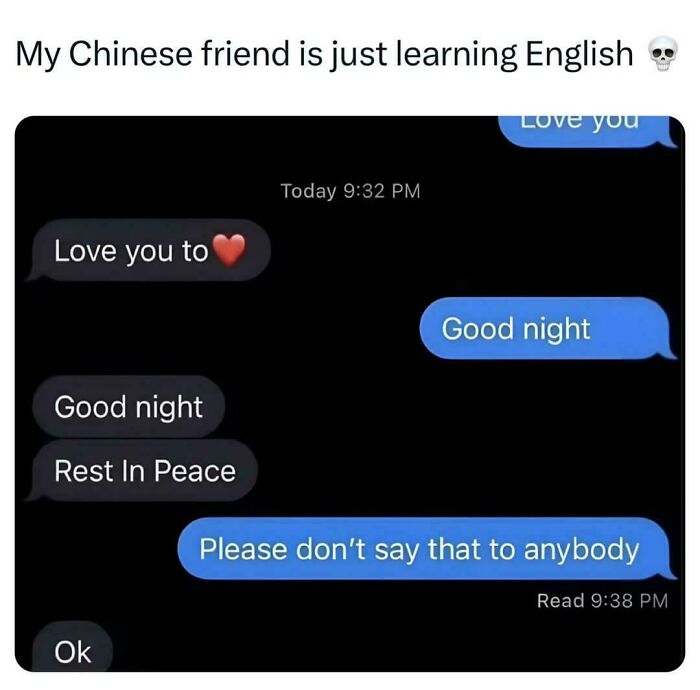
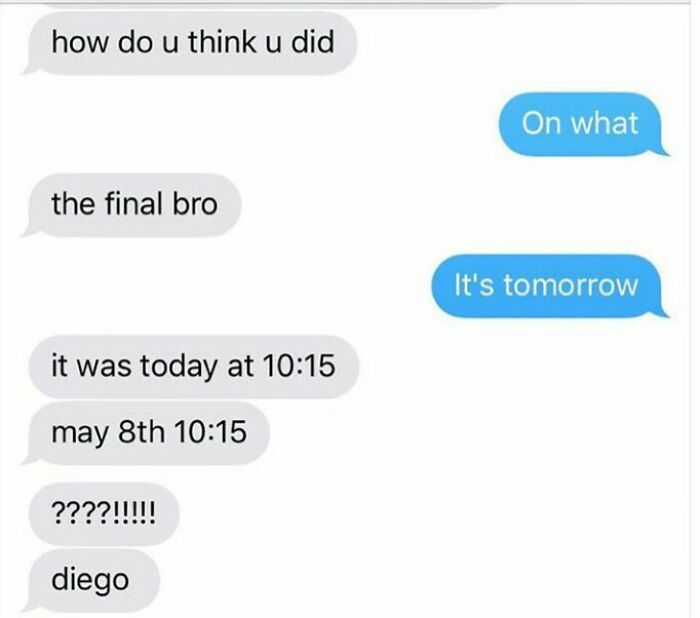
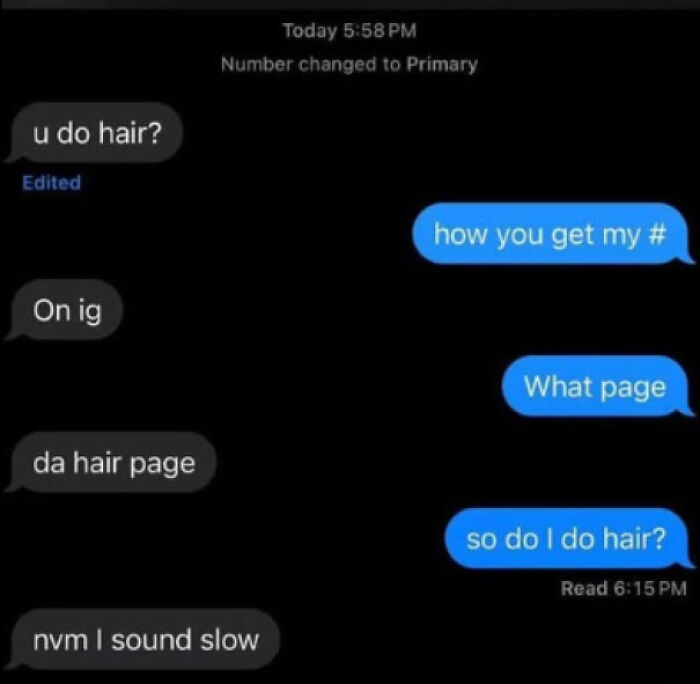
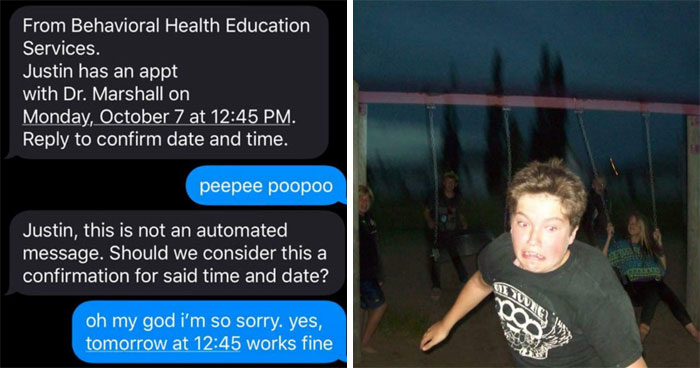
It’s not a terribly strict definition either, and depends on who you’re asking. For some, screenshots of texts can be memes if they are funny or relatable enough to be shared. For others, even a random photo of a cat doing something weird can be used as a meme.
But many experts agree that a single image cannot be a meme — it has to be copied and spread with variations to the original image.
One of the first memes to gain attention in the internet age was the Dancing Baby — a little 3D animation of a baby doing a cha‑cha that spread everywhere through email and message boards.
Media artist xtine burrough, a professor at the University of Texas in Dallas, says the Dancing Baby did exactly what it was supposed to — spark creativity.
“It was released as something that was welcomed to be remixed. And we saw the results of that, and we are still seeing the results of that. And that really gives people the freedom to take the image and allow it to meet the context of today.”
Or enter your phone no. so we can call you back with our best proposal... brrrr
Some of the most talked‑about relatable memes in recent times go way beyond cute babies or cats — they’ve become part of how we all joke about being human.
A wild moment at a Coldplay concert in 2025, featuring a couple reacting to being on the jumbotron, led to countless memes which were remixed endlessly.
Another trend that took off last year was the “Gen Z stare,” where a totally blank, unbothered face became the go‑to reaction for everything from awkward moments to chaotic vibes.
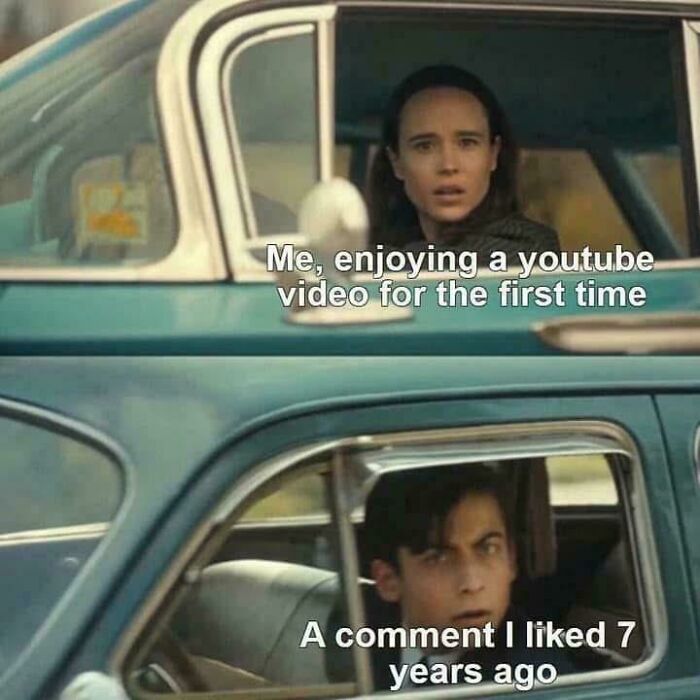
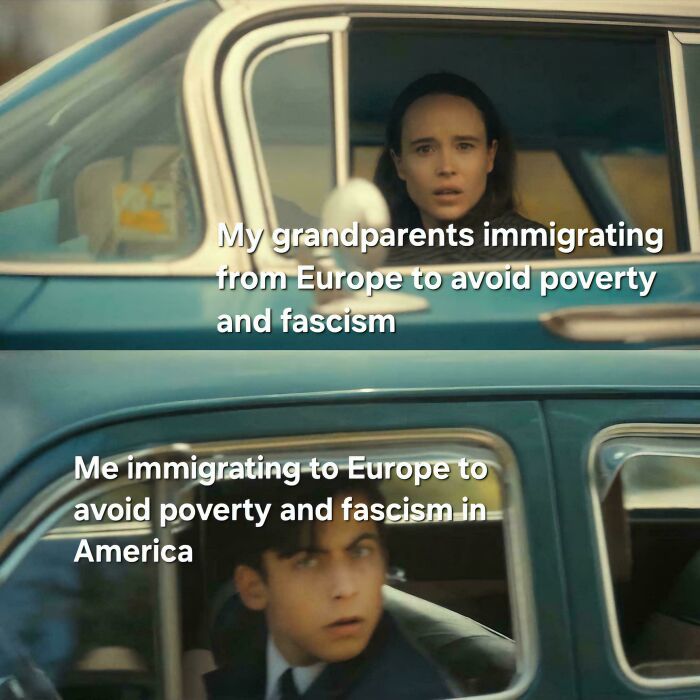
And then there are memes that have stuck around longer because they’re basically a perfect way to show everyday struggles — like the Vanya and Five meme from 'The Umbrella Academy', where two characters drive past each other in separate cars with shocked expressions. This one’s been ruling the internet since it first blew up in 2019.
Now that we’ve looked at which memes are funny and constantly captivating popular imagination, let’s try to find out why do we like them in the first place. And why can’t we get enough of them?
On the surface, memes are a source of light entertainment, a way for people to express themselves through text, images and videos.
They also give us a few minutes of idle and amusing fodder for procrastination in the middle of a busy day.
But if we dig deeper, we will find that we don’t just laugh at memes… we see ourselves in them.
Studies show when you share a meme that captures a mood or situation you’ve felt yourself but can’t quite put into words, it gives you a sense of connection and even relieves stress.
Relatability also matters because humor is deeply social.
"When people encounter a meme that reflects a common experience, they immediately recognize that others must have gone through the same thing. That recognition creates a moment of shared perspective," says Borgella.
He explains that in psychological terms, humor often functions as a social signal that says, “We see the world the same way.”
"Research on humor styles and social bonding has consistently found that affiliative humor, humor that highlights shared experiences or brings people together, tends to spread widely. In other words, memes about everyday struggles transform mundane frustrations into collective inside jokes."
Research shows that memes are like their own kind of language that can cross cultures and bring people together.
These shareable images and jokes can help people express themselves, connect with others, influence opinions, and even make a point about politics or society.
Internet memes are a “sort of a ready-made language with many kinds of stereotypes, symbols, situations. A palette that people can use, much like emojis, in a way, to convey a certain content,” says Paolo Gerbaudo, director of the Centre for Digital Culture at Kings College London.
They are one of the clearest manifestations of the fact there is such a thing as digital culture, he adds.
Borgella believes memes tap into widely shared scripts for daily life.
"People have mental models of common experiences, workplace awkwardness, group chats gone wrong, late-night overthinking, and so on. When a meme captures one of these scripts with surprising accuracy, it creates a small moment of recognition."
He says relatable memes tend to feel like they come from “someone like me.”
"They reflect experiences within a shared cultural or generational context, which increases the sense that the humor is coming from inside the group rather than outside it."
A study found that people who looked at memes — especially ones tied to stressful topics like COVID‑19 — felt more positive emotions afterward. It also helped them feel more confident to cope with stress.
Another study found that people with anxiety often find memes helpful for coping.
Those dealing with depression also find memes about depression way funnier and more relatable than people who aren’t going through it.
Dark humor memes, that might seem edgy or even a little messed up, actually help people deal with tough stuff without feeling totally overwhelmed. They give a kind of safe space to joke about things that are normally hard to talk about face-to-face.
Since most of us spend a huge chunk of our day online, it’s no surprise that memes take up a big part of that time too.
On average, internet users in the US spend roughly 2 hours and 20–24 minutes a day on social media, which includes browsing through memes, funny pics, videos, and feeds.
A survey found that 75% of individuals aged 13 to 36 post memes, with 55% sharing them weekly and 30% daily.
Another survey found that 74% of people share memes for humor, 53% use them as responses, 35% as cryptic messages, and 28% when words are insufficient.
Memes are proof that even in a fast‑scrolling, screen‑filled world, we crave moments of recognition and shared humor with other humans. That we are not just doomscrolling for no good reason.
“If we are all more conscious of how our behaviors — including time spent scrolling — affect our emotional states, then we will better be able to use social media to help us when we need it and to take a break from it when we need that instead,” says Jessica Gall Myrick, a professor at Pennsylvania State University.

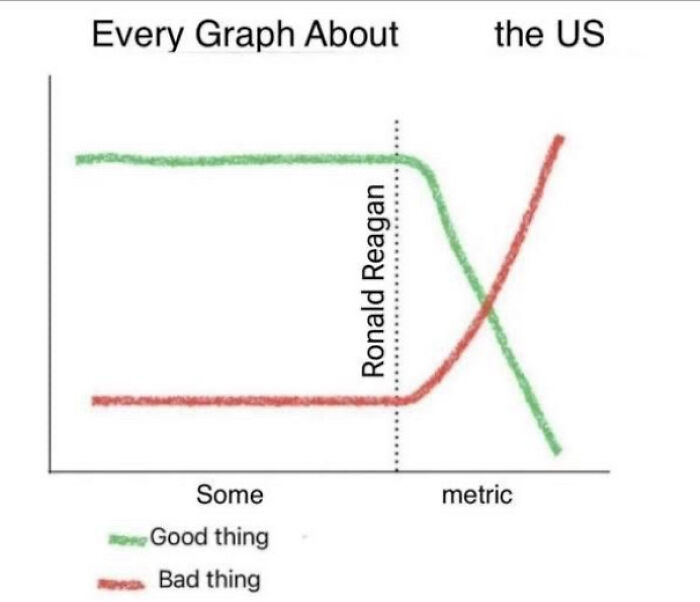
I was by no means a fan of Reagan back in the day, but hey, it's all relative ...

I read a quote from a movie exec in 2025, that they are dumbing down movie plots and dialogue because so many viewers miss details while scrolling on their phones during the movie.

Well, I wonder if we'll soon get a new mental health diagnosis called AI psychosis. People with a genetic predisposition to psychosis can get it from using too much AI. This is still a research and lawsuit stage.
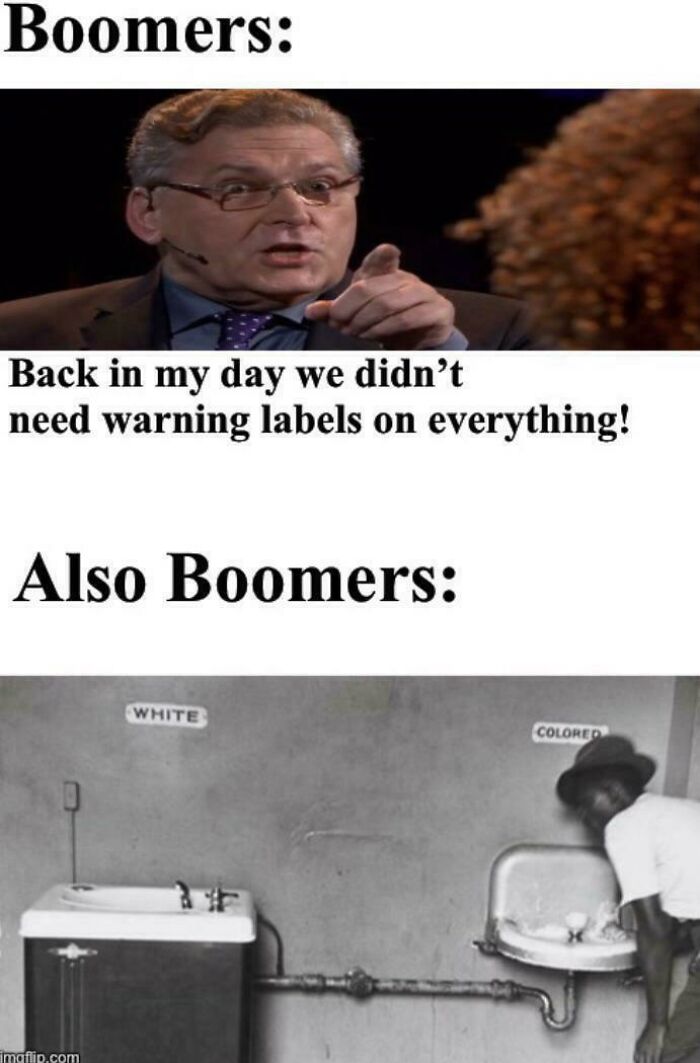
Nope, that wasn't us. That was the Silent Generation and we Boomers grew up while trying to untangle that mess. It even seemed like we made progress there for a while.








 No fees, cancel anytime