Get Premium
Dark mode theme is available exclusively for premium users. Learn more about the benefits of subscribing.
No fees, cancel anytime.

 Dark Mode Ad-Free Browsing Unlimited Content
 Ad-Free Browsing Unlimited Content Dark Mode
Join 1.2 million Panda readers who get the best art, memes, and fun stories every week!
Let's be honest - we all love delicious food. But the very definition of "delicious," as it turns out, varies greatly among different cultures around the globe. Some may consider their national dishes the height of culinary perfection, while others may very well regard these same foods as true culinary crime.
Today, we present a collection of stories that once again prove how diverse and incredible our world actually is. A collection of tales in which people from all over the world share the national foods that even they themselves consider weird. So, bon appettit, and let's go reading!
More info: Reddit
This post may include affiliate links.
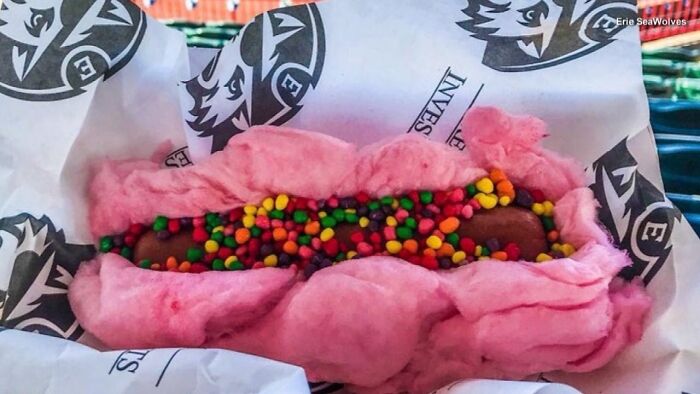 A lot of food for sale at state fairs and ballparks should be considered international war crimes. I present the cotton candy hotdog.
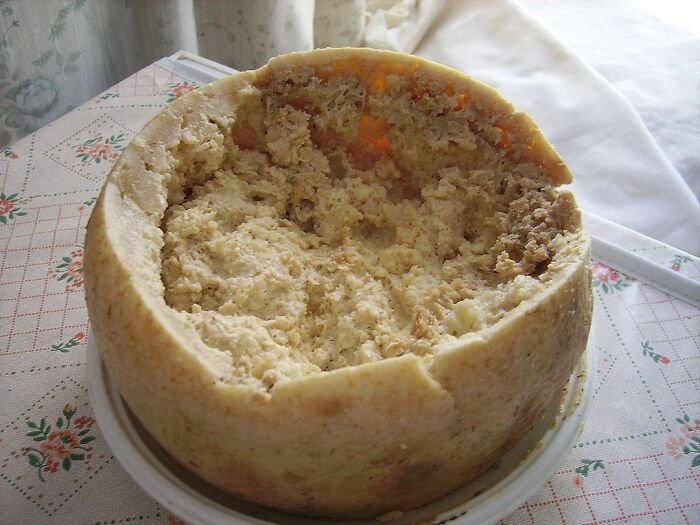 Casu Marzu.
It's cheese... with insect larva in it.
Cervelli Fritti. Fried brains.
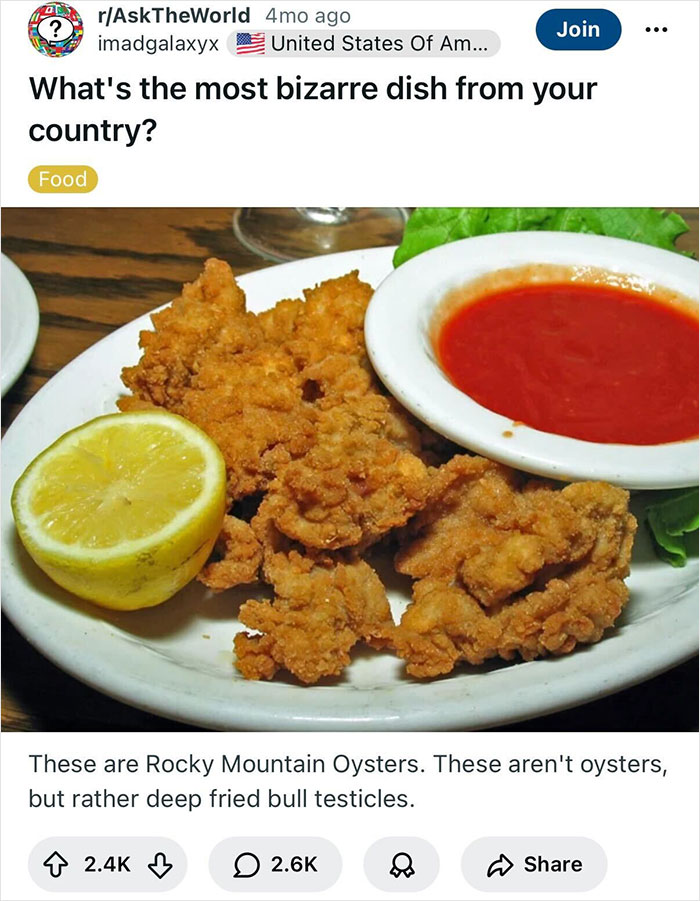
It all started, as often happens in such cases, in the AskReddit community, where the user u/imadgalaxyx once asked the netizens: "What's the most bizarre dish from your country?" The original poster is American, so they offered their own take on the dish for the US: the Rocky Mountain Oysters.
In fact, “these aren't oysters, but rather deep-fried bull testicles,” the thread starter noted, along with a photo of the dish itself, which actually looks quite appetizing. Well, it seems the author has opened a true Pandora's box, because the thread currently has over 2.4K upvotes and around 2.6K various comments featuring the most insane foods from all over the world, as well as the debate about these meals.
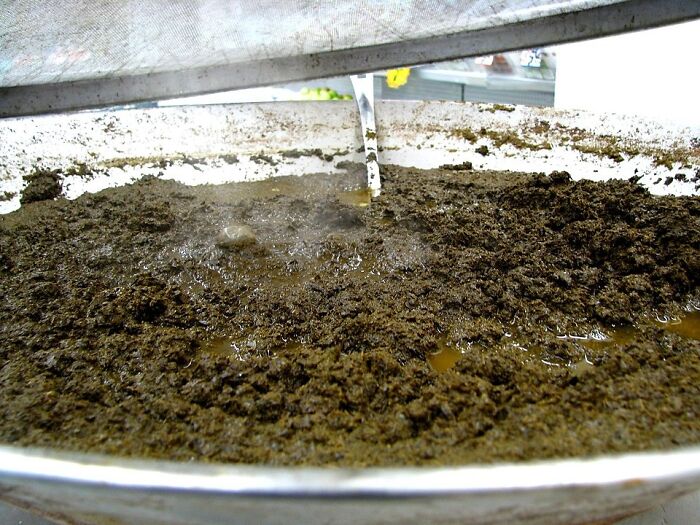 Maniçoba, a dish local to the Amazon region. Basically a stew made with manioc leaves, but because the leaves a poisonous, you have to keep boiling it 24/7 for a week until the poison disintegrates .

wonder about how they found out 7 days was the magic number. "OK, we boiled that last batch for 5 days and poor old Sam did the taste test and didn't make it. Moment of silence for Sam please. Now this batch we've boiled for 6 days, - John, I believe you drew the short straw today?"
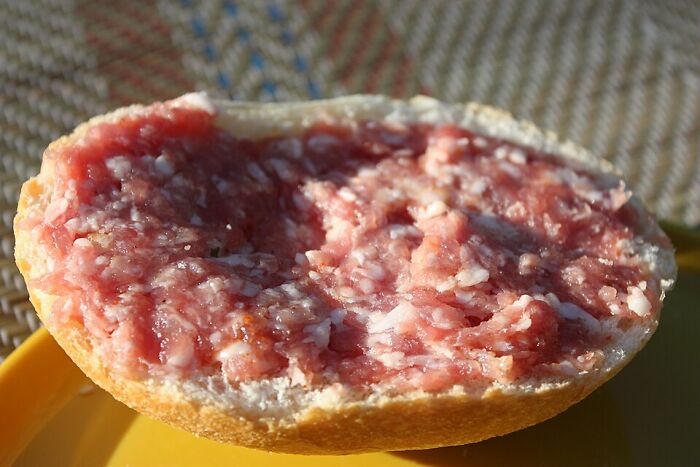 Mett. Minced, almost paste-like raw pork with salt, black pepper, and slices of onions...
It sounds like a crime against anything culinary, but it tastes amazing when you smear it on bread (especially on bread rolls).
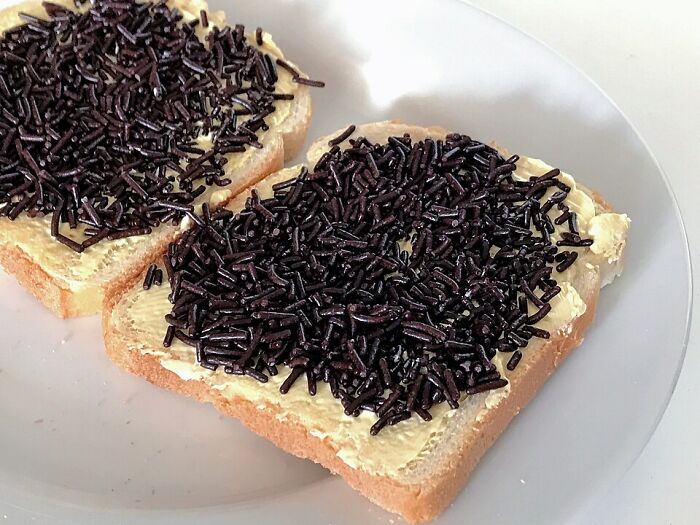
A sandwich with chocolate sprinkles. To others it’s a warcrime, to the Dutch it’s a delicacy. Runner up: raw herring with chopped raw onion.

Australians call it fairy bread! White buttered bread with sprinkles! I made it and it is yummy!
The selection we've put together for you includes both tried-and-true "veterans" of similar lists, like surströmming, pemmican, and fried insects, and something completely unexpected, like deep-fried pizza from Scotland. Well, if you're Italian and consider pineapple on pizza absolutely barbaric, how about this?
In fact, globalization in recent decades has accomplished at least one great, unobvious thing. It has blended the cultural traditions of many countries, taken culinary recipes seemingly hopelessly lost in history, and brought them to the surface. Along the way, it has transformed them in ways that even the natives wouldn't recognize.
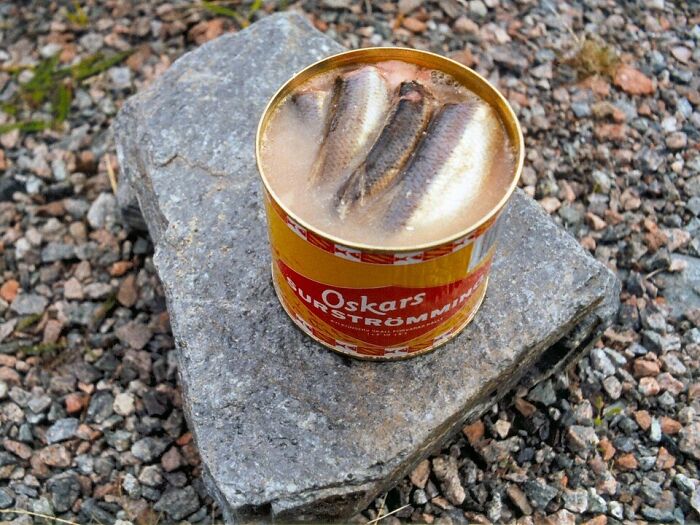 So … we have this rather famous ”rotten” fish in a tin thing.
There are a TON of youtube videos of idiots eating an entire fish straight from the tin. Don’t do that, that’s a self-setup for misery and regret.
 From my region there is a rare dish which is literally called the pig snout mushrooms, it's served as a salad, very refreshing and delicious, but after a white your lips will swollen up since the mushroom is slightly toxic, that's where the mushroom get its name, your swollen mouth reminds people of the pig's snout
Edit: couldn't find a picture of it :((.
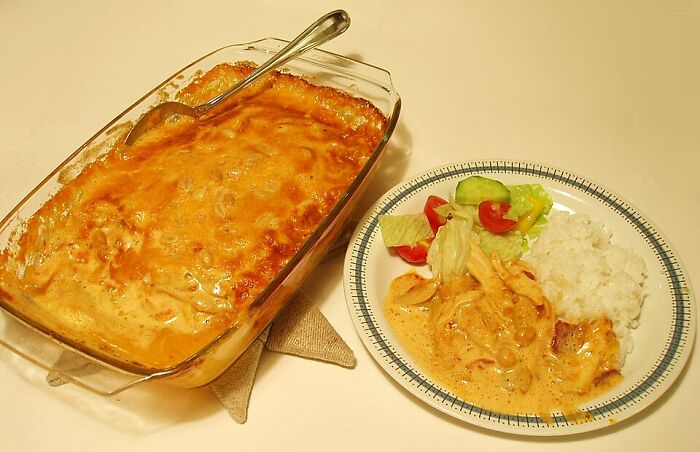 I've seen people say surströmming but that's actually not it. Our weirdest dish is called "Flygande jakob"
It's bacon, whipped cream, chili sauce, peanuts and chicken seasoned with italian seasoning. This is supposed to be served with rice
Personally I call this dish "white man went to Asia and tried to recreate their food". It's kind of like a weird chicken curry
Honorable mention to our Hawaii pizza with pineapples, bananas, curry and ham. Sometimes served with garlic sauce.
On the other hand, our selection largely consists of dishes from nations for whom it was originally more of a kind of survival food. For example, surströmming or pemmican were once a way for people of the Far North to preserve food for the future. After all, catching, say, a walrus was a rare luck for them, so preserving meat in such an exotic way became a matter of survival for the entire tribe.
Over time, the digestive system and the entire body of people in these tribes and nations adapted to the regular consumption of toxins, making them less poisonous. At the same time, many Arctic explorers wrote in their memoirs about how even a small morsel of these northern "delicacies" could prove tragically for reckless Europeans or Americans.
And today, what was once a matter of human survival has become, in many ways, simply a bizarre gastronomic whim. We marvel at strange recipes, sometimes forgetting that these "weird foods" actually saved thousands of lives during cold, snowy winters...
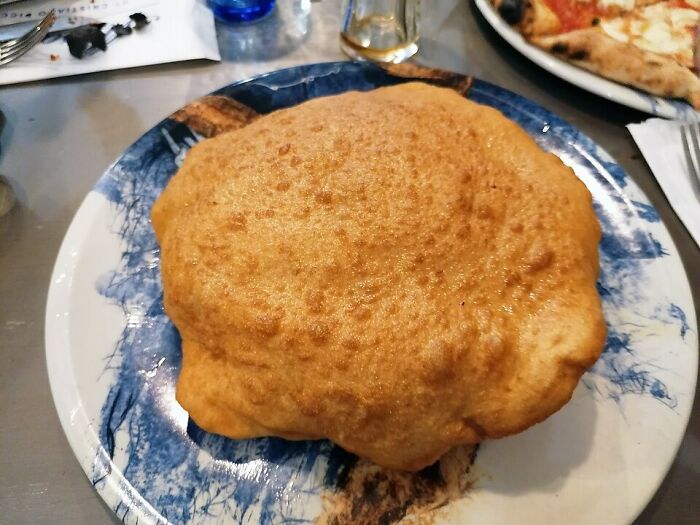 Deep fried pizza. Surprisingly good and probably worth the 5 years of your life you take off.
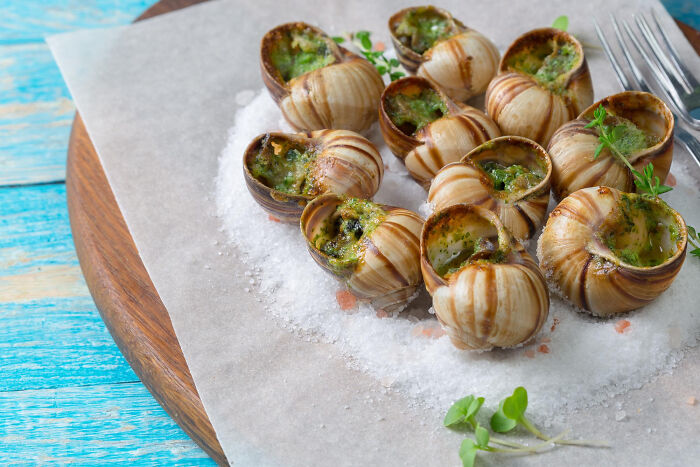 I have to go with snails. Still the sauce is incredibly good.
Nothing crazy about eating snails. Not really any different than eating mussels, oysters, clams, etc.
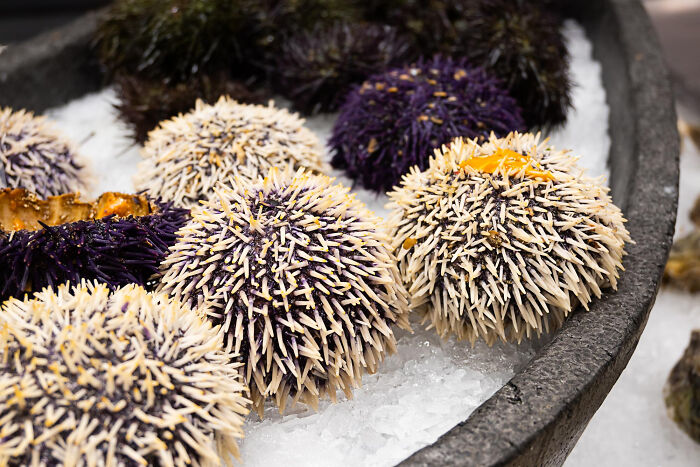 Kina. Sea urchin eaten raw. Oh, and Huhu grubs, also eaten raw and alive. They say they taste a bit like peanut butter.
In general, the very concept of "strange food," according to many researchers, emerged only in the 19th century, when cultures across the globe began to actively interpenetrate. And, of course, the role of literature in this process should not be underestimated.
While previously, a traveler visiting, say, France, wouldn't have been particularly surprised to find snails or frogs' legs being eaten there, the widespread availability of cookbooks and travelogues in the 19th century popularized an ironic appreciation of what the authors considered "strange."
For example, one only needs to read Mark Twain's "The Innocents Abroad, or The New Pilgrims' Progress" to begin to realize why we perceive other people's oddities with such irony. After all, the great American writer was simply describing a journey through Europe, while far greater cultural and culinary discoveries and surprises would've awaited him in Asia or Africa!
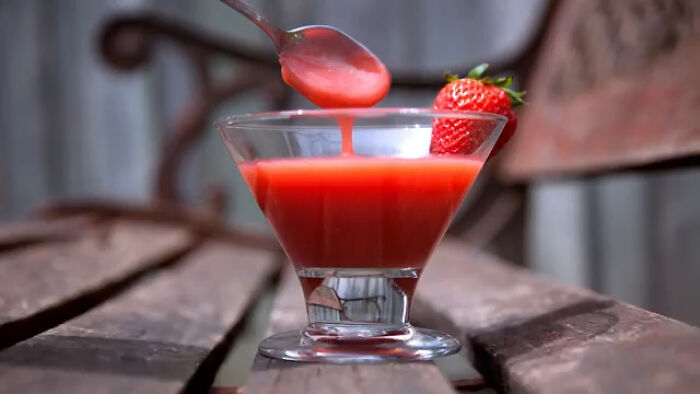 Kissel. Fruit juice (or puree) thickened with cornstarch or potato starch. It be thickened either to a fully jello-like consistency, or can be still drinkable; the drinkable one is probably more common in Ukraine. Another variation, less common in Ukraine, and usually found in Poland and... Finland, is made with milk and starch, with added sugar and vanilla, sometimes cocoa powder.
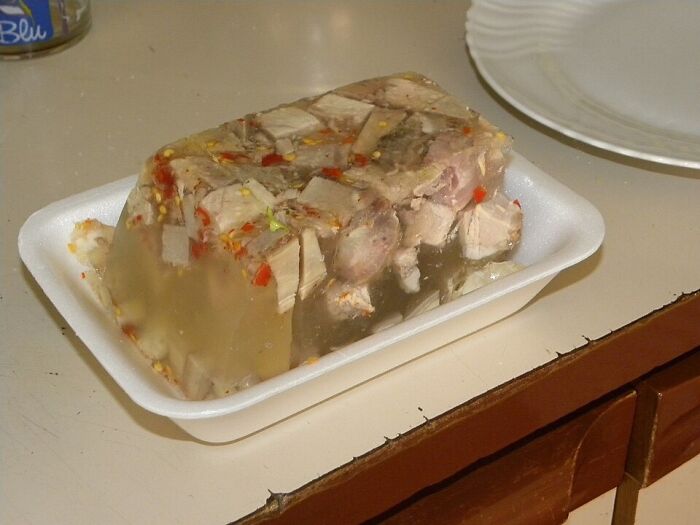 Aspic /meat jelly/ I hate it but my grandma swears it’s delicious

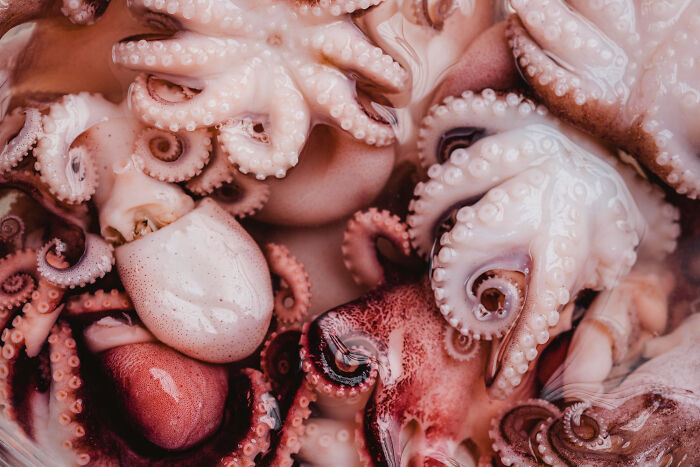 Live octopus probably.
It's pretty mainstream for a dish of its level of weirdness.
Be that as it may, every nation has its own dish that sooner or later even its natives ask, "What is that, and why should we eat it?" So, if you, too, have a similar dish in your memory and are willing to share your own story of facing it or even eating it, please welcome to the comments!
Well, and if you just came here to enjoy reading or find a unique recipe for the evening, then we sincerely hope you'll achieve your goal too. After all, if you, our dear readers, skim through this list with attention and pleasure, what more could we wish for?
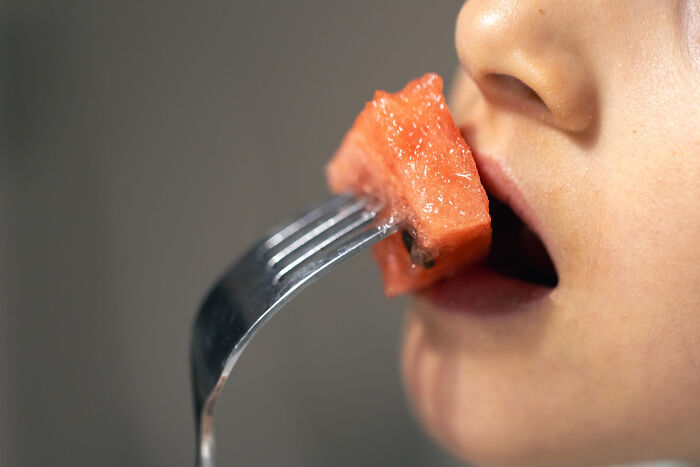 Indigenous people in the north eat raw seal heart. I remember seeing a video of Canada’s Governor General eating it when she travelled there. That’s pretty hardcore.
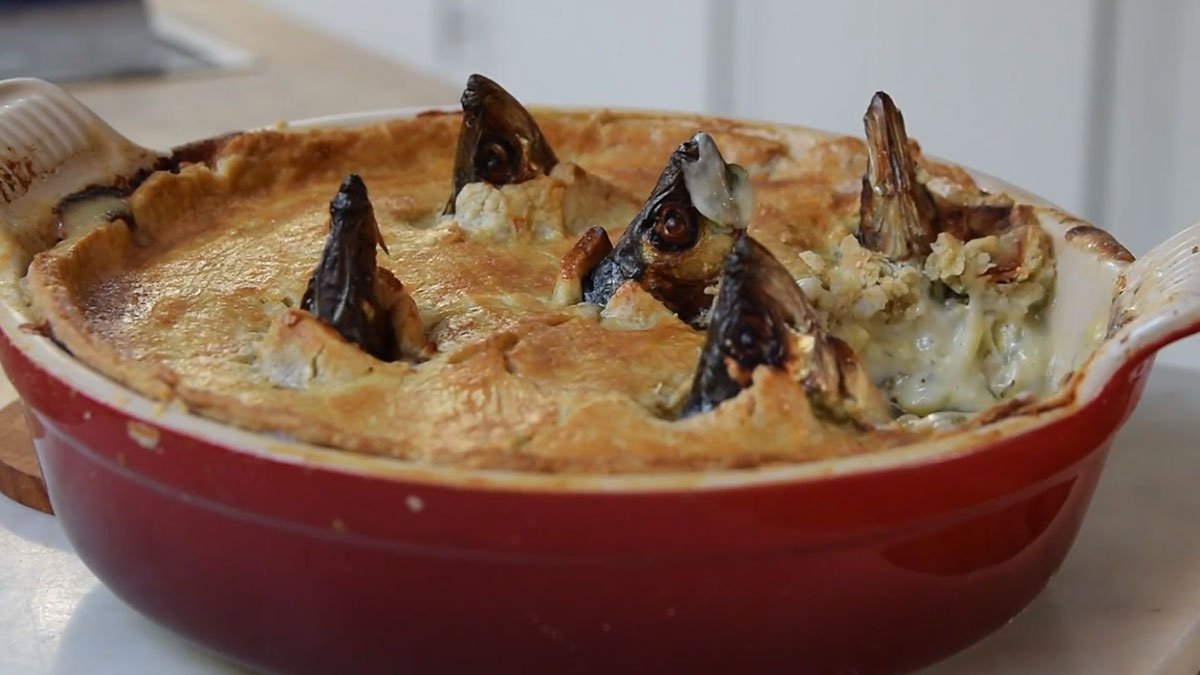
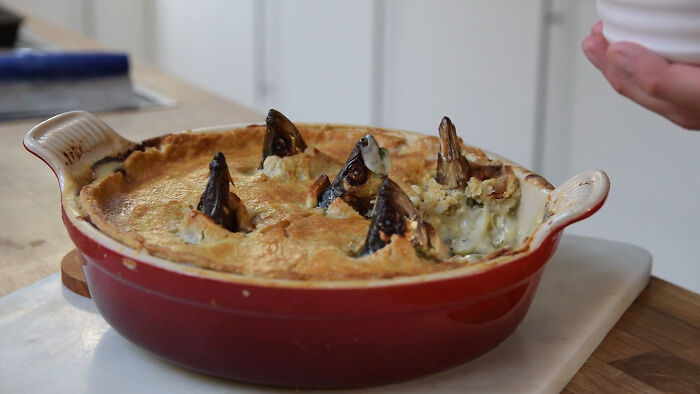 Stargazy pie. Basically, a fish pie with the heads looking up

If you think that's bad, wait until you see the vole-au-vent with their tiny singed whiskers smoldering in the air.
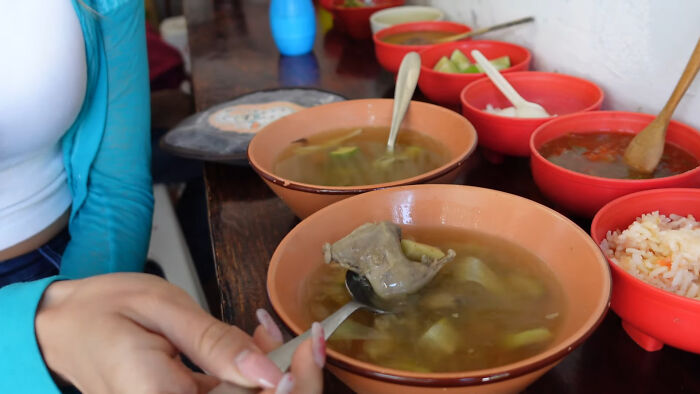
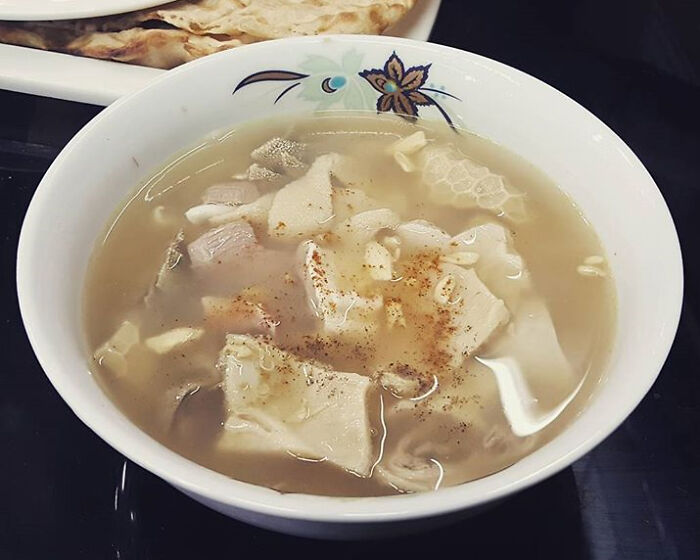 Tripe soup, made from cow belly, sounds bad but it's delicious. You need to try it thrice to like it, best things in life don't come easy. Idk how to put my flag at username.

The smell of it cooking is awful. Used to be a diet food for people with stomach ulcers before they discovered helicobacter pylorii and appropriate antibiotics.
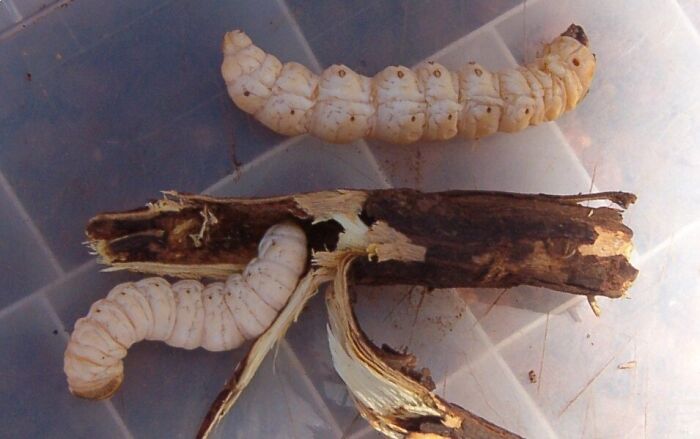 Witchetty Grubs have been a staple for Aboriginal Australians for a long time. They can be fried or eaten raw.

I've always wondered why I keep "sea insects" like shrimp, prawns or lobster a delicacy but would still struggle with grubs and stuff.
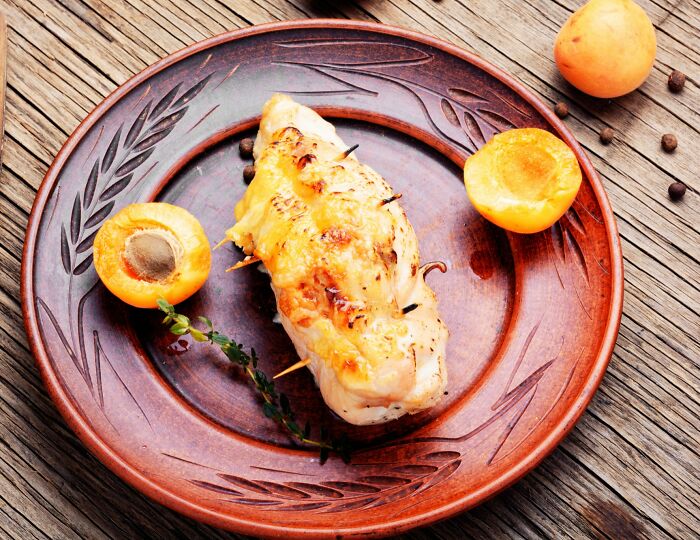 Chicken breast with cheese and pickled peach.

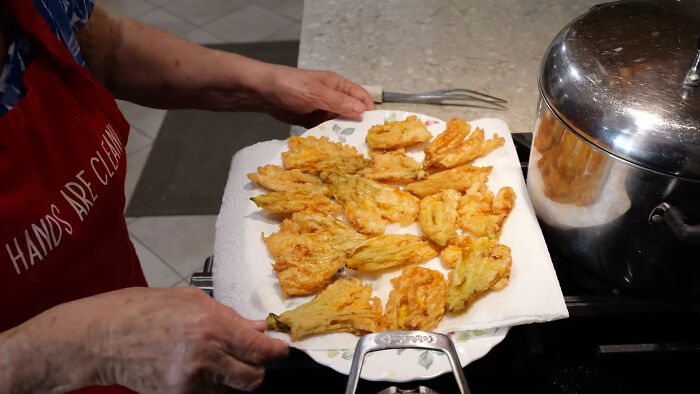
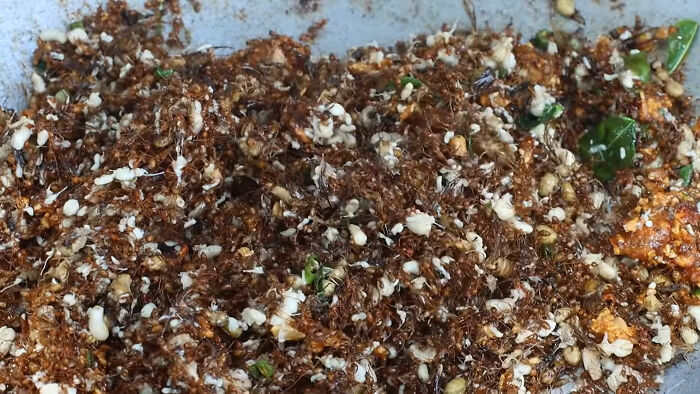 Deep fried ants...
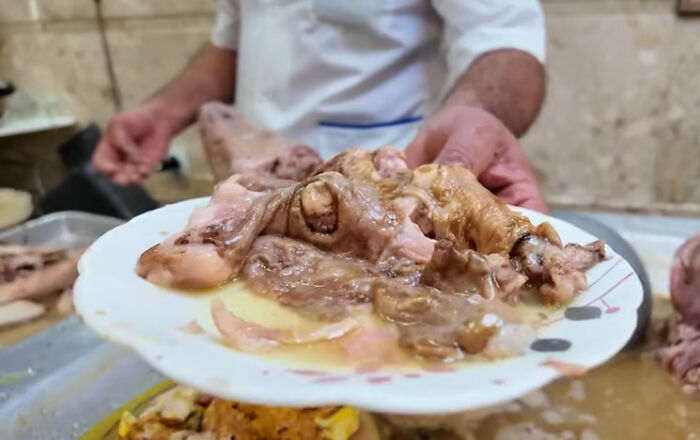 Kalleh pacheh, basically a boiled sheep.
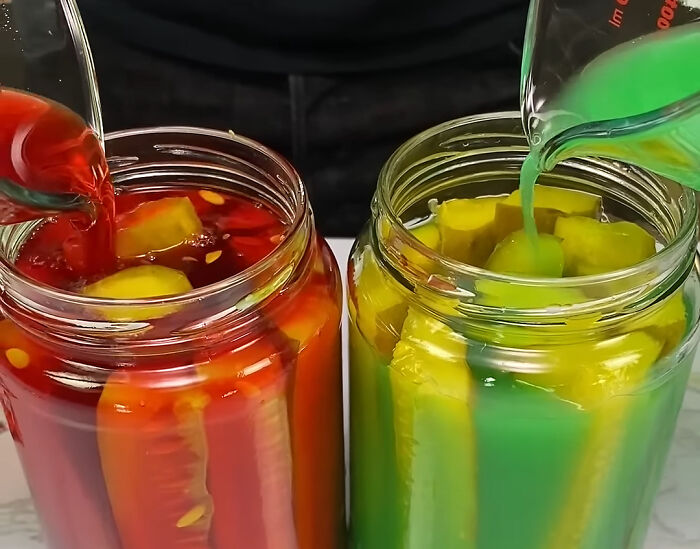 Kool Aid Pickles are pretty weird.
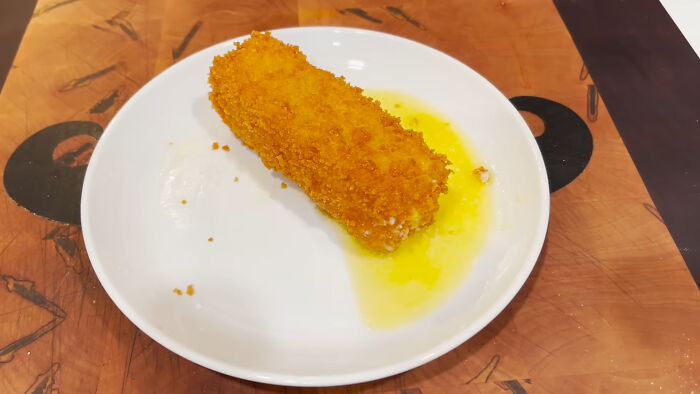 Deep fried butter.
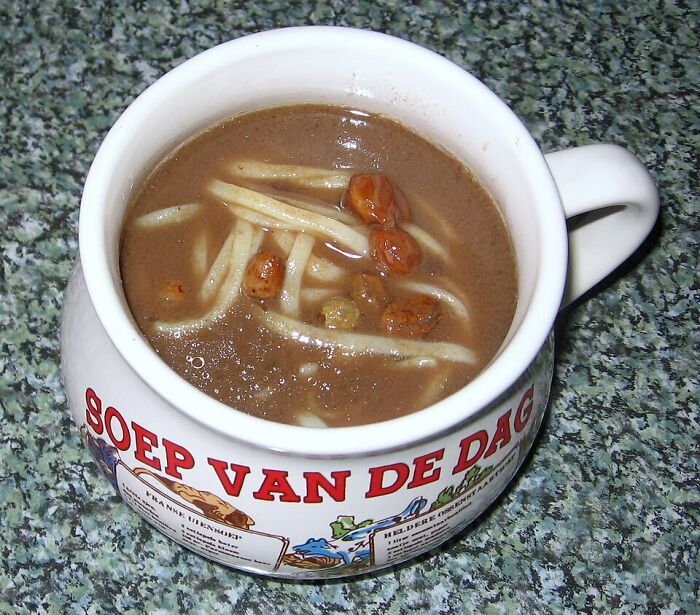 Not the most bizzare out of them all (other poles would say czernina which is a blood soup, however no one actually eats that), but when you think about it it's weird and you won't find it anywhere else. pickle soup.

I've actually tried this! At a Polish restaurant in Chicago. I loved it. My partner wants to learn how to make it, he brought me to that restaurant specifically to try the pickle soup, and cabbage rolls. His maternal grandmother left Poland after being imprisoned in a work camp in WW2 and settled in Chicago. When his family all met up in Chicago each year they all went to this restaurant
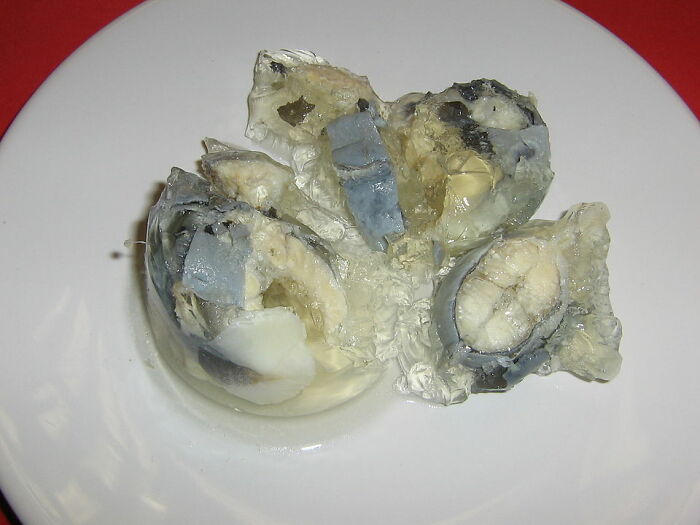 Jellied eels.
UK. These were an East London thing. They became popular during the Victorian times when food was scarce but the River Thames was right there with an abundance of eels. They're an expensive delicacy only really eaten by poshos and tourists these days.
Sourtoe Cocktail
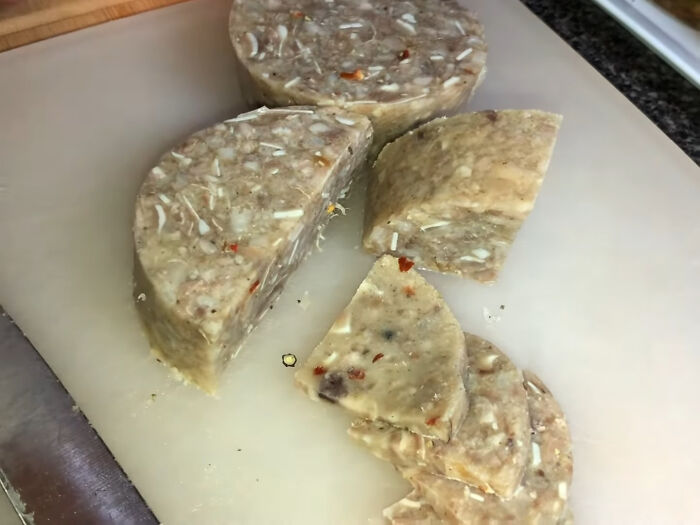
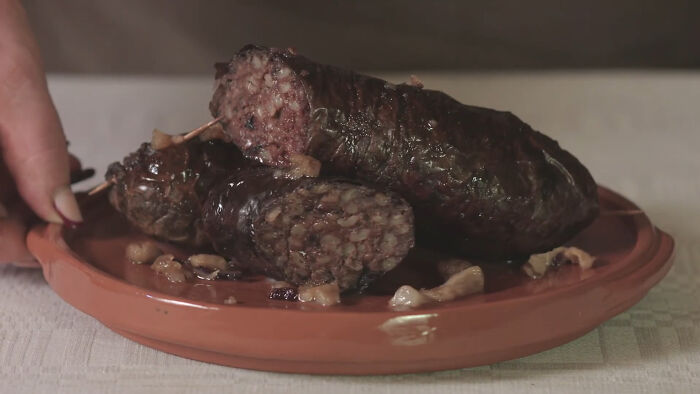 Pearl barley mixed with pig blood and stuffed in pig's intestines, also known as kraujiniai vėdarai.
Pemmican
Though it's technically a survival food and ingredient
basically fat and dried meat.
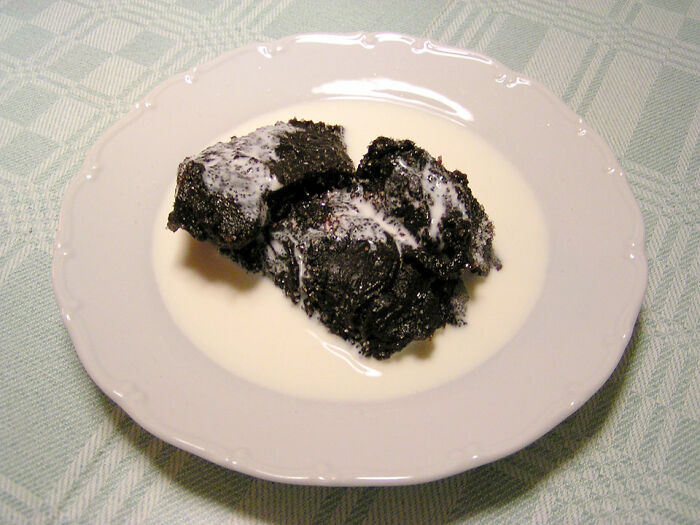 Mämmi. Looks like chocolate or poo, not sweet, served with cream and sugar. People eat it only during Easter.
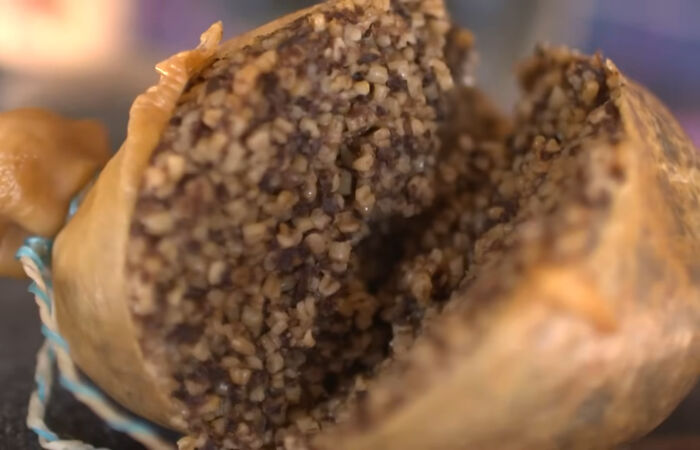 * Cheese with mould in.
* Inside out sheep (haggis)
* StarryGazy pie
* Blood pudding (Black, White, Mealy).
"Cheese with mould in" includes Gorgonzola and Roquefort. The aroma is an aquired taste, but not that uncommon.
Majority of fair food
Rocky Mountain oyster are definitely up there in weird I agree with your choice.
Black pudding is the one that springs to my mind. It is delicious but just don’t think about what it is in it.
Dublin coddle Delicious.


It would have been nice if more of these included the region. I'd like to know where to avoid traveling. :)

It would have been nice if more of these included the region. I'd like to know where to avoid traveling. :)








































 No fees, cancel anytime