“A Drip Coffee Maker”: 34 Things That Are Normal In American Homes, But Weird Everywhere Else
Interview With ExpertWhen I was about 10 years old, my family moved. And after attending dozens of open houses, it became very clear to me that my parents were extremely particular, especially when it came to their kitchen. Now that I’m an adult though, I completely understand where they were coming from. I would give anything to have a dishwasher, a garbage disposal and a dryer in my current apartment. But it turns out that those items aren’t as ubiquitous in every country as they are in the United States…
Redditors have been discussing features that are typical in American homes that aren’t as common globally, so we’ve gathered their most interesting replies below. From ceiling fans to carpeted bedrooms, enjoy scrolling through these dead giveaways that a house is located in the U.S. And keep reading to find conversations with Victoria Pearce of A Life Away, Diane of Oui in France, and Mike Fortin, Founder and CEO of Artemeco!
This post may include affiliate links.
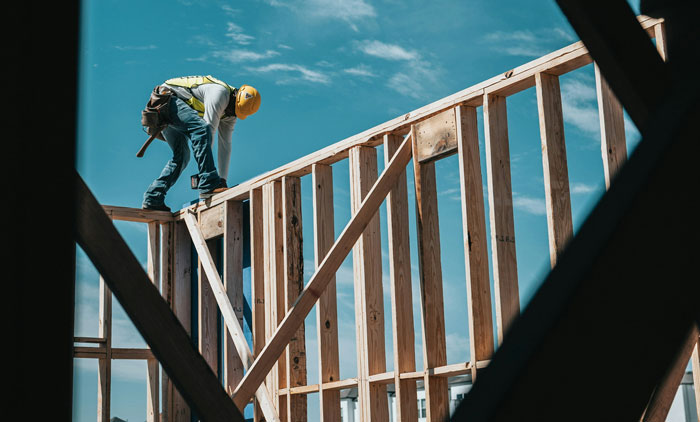
If you go by the comments that show up any time construction gets mentioned, apparently wood.I am lead to believe that all houses in europe are constructed from a mixture of concrete, brick, diamond and titanium, built to withstand the mightiest of gales and double as a b**b shelter.
Over here we mostly use wood framing and cladding, with sometimes a brick or stone outer layer, sometimes just vinyl or aluminum (or even more wood) siding, and drywall on the insides. It works well, but apparently terrifies our overseas neighbors.

The use of wood and drywall allows quickly built, larger houses. But it's also about available resources. What I don't understand is wood and drywall houses in areas expected to suffer from natural disasters. Doesn't make a lot of sense no matter how you look at it, but it makes money.
It's cheap. That's it. People living in ticky-tacky houses in tornado-prone areas consistently rebuild them out of the same materials because they can't afford to build them strong enough to withstand the weather. It's the Sam Vimes boot economic theory at work.
Load More Replies...We listened to the story about the three little pigs and the wolf.. 🙃
I live in France, used to live in the US. The two houses I have lived in since moving to France were both on Napoleon's surveying maps of the area. The first one is actually on an old map from the 12th century, although it was rebuilt a few times due to wars in the area. My two French houses have rocks for walls and huge wooden beams for support. We don't have to pay as much for heat because of the insulation and in summer we rarely would need anything other than a fan due to the thickness of the walls . And on the rare days it's too hot we just jump in the pool. Wouldn't have been an option in the US due to living in the South in our last house - very hot and very humid area.
Wood is the best building material in an earthquake zone, as it flexes but does not crumble.
Thermal efficiency for one, stricter building regs, and I suppose a desire to fit new buildings with an older existing housing stock.
Wood houses are very common in northern Europe, where I live there are plenty of 100+ year old houses made of wood.
Where I live they just started transitioning to steel framing, and you can see new apartments being built out of concrete. Even the older wood-frame houses here have thick concrete or stucco exterior walls, although you could maybe dent an interior drywall by punching it. But it's probably because of where we're located, and not true everywhere. These houses have survived multiple Earthquakes, and in the recent past, 100+ mph winds (161 km/h). This is in California, BTW.
Works well, but how is it insulation-wise? Is it energy-efficient? Is it sustainable? How about noise levels in the house with those thin walls? And what about weather conditions? Fires? It terrifies us because they seem to be made of matchsticks: just no solidity to it.
We use it in the same way in Australia, especially in the last 30+ years. We have aways had weatherboard (wooden siding) houses, despite bushfire risk. I love the look of them so bought a weatherboard house. More houses are brick or concrete exterior these days though.
To learn more about how American homes vary from other houses around the world, we got in touch with a few experts on the topic: Mike Fortin, Founder and CEO of Artemeco; Victoria Pearce of A Life Away, an American living in the U.K.; and Diane of Oui in France, an American living in France. First, we wanted to know what features of American homes stand out to them.
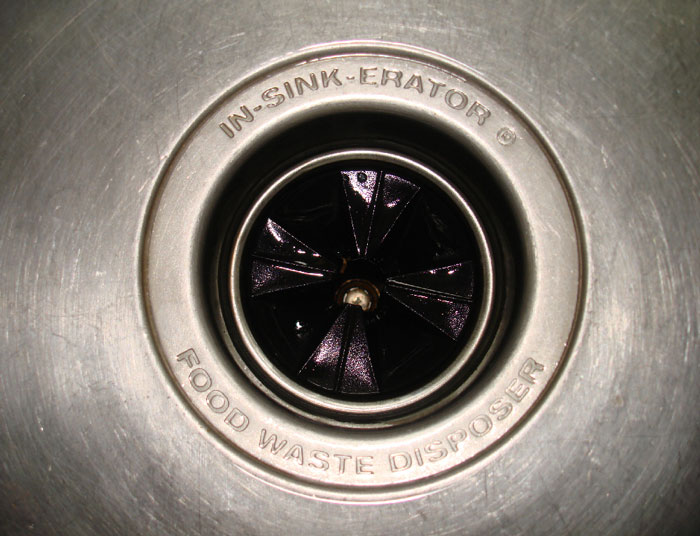
Garbage disposals!
Same! Never encountered one in real life, if I ever do I don't think I would be able to shake the fear of it somehow coming to life and sucking my arm in...
Load More Replies...My apartment has one. As do my parents. Very useful. Keeps smelly good scraps out if the garbage. And if used properly - not letting food sit in It - a disposal doesn’t smell.
I find that surprising, as every home or apartment I've ever lived in has had one.
Load More Replies...And we need to get rid of them - because the bad habit of mindlessly scraping everything down the sink is stressing the hell out of the infrastructure of our sewer system.
I agree. As ubiquitous as they are, I've stopped using them entirely. I have drain covers made of mesh (not unlike the material in a window screen), which are easy to grab out of the sink and dump contents into the trash when they collect bits of food.
Load More Replies...We have one and only use it to clear the drain after washing dishes… and yes, my anxious brain is always playing out a “final destination” scenario when I have to reach into it…
We had one in a rental house in Scotland when I was growing up - a wee 2 bed place near Lockerbie. I didn’t think they were that abnormal - a bit pointless but not abnormal. Ho hum.
Were known and maybe fairly common in Australia in the past. We had one in the house my grandad built in 1973. When my parents bought the house off him, we used it every so often but then stopped as most things were compostable or shouldn't be disposed that way anyway. They were banned in the 2000s.
Load More Replies..."Homes around the world may serve the same purpose, but their construction, design, and features vary significantly," Mike says. "Two of the most notable differences in American housing are size and availability. The homeownership rate in the U.S. is around 63%, significantly higher than in other countries. Additionally, the average size of a new home in the U.S. is around 2,200 square feet, while in Europe, for example, homes tend to be much smaller—often around 1,000-1,500 square feet."
"The U.S. also prioritizes single-family housing, with approximately 80% of new construction being detached homes, whereas in Europe and other parts of the world, multi-family housing is much more common due to higher population densities and urban planning constraints," he added.
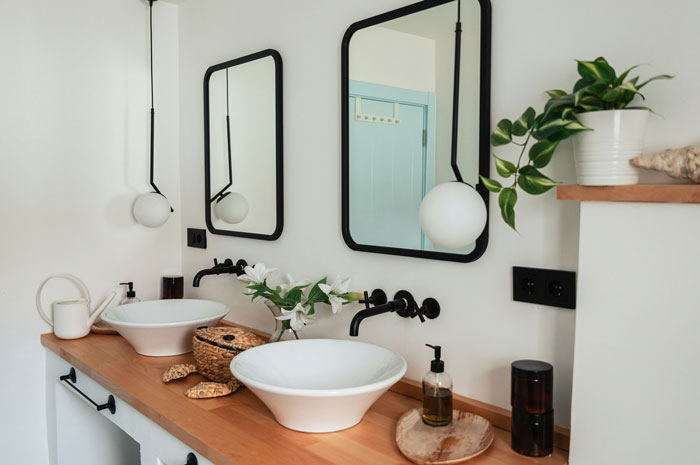
His and Her sinks.
Every single home I have lived in has had these- and I have lived in a variety of homes. So, I would venture to say most do. But it can vary dependent on the size of bathrooms. Larger bathrooms tend to have double sinks.
Load More Replies...My German exchange family had these in 1998. Never seen them (the rather-too-right-wing family or the sinks!) since.
Those are just stupid. What is the point? My husband and I are never in the bathroom at the same time. Ever.
Me and mine work at the same time and go to bed at the same time so we have tons of overlap. A double wide mirror and counter with a single sink works for us!
Load More Replies...Mike says another major difference is construction materials. "In the U.S., homes are predominantly built with light wood framing, whereas many other countries rely on more durable materials like brick, concrete, or stone," he explained. "This is largely due to tradition and local availability of materials. However, it does mean that American homes tend to be less resilient to natural disasters compared to the more robust structures seen in Europe and parts of Asia."
"Additionally, American home design has long followed the philosophy of 'bigger is better,'" Mike shared. "There has been a decades-long trend of maximizing square footage at the lowest possible cost, leading to homes that prioritize size over durability, efficiency, and quality."
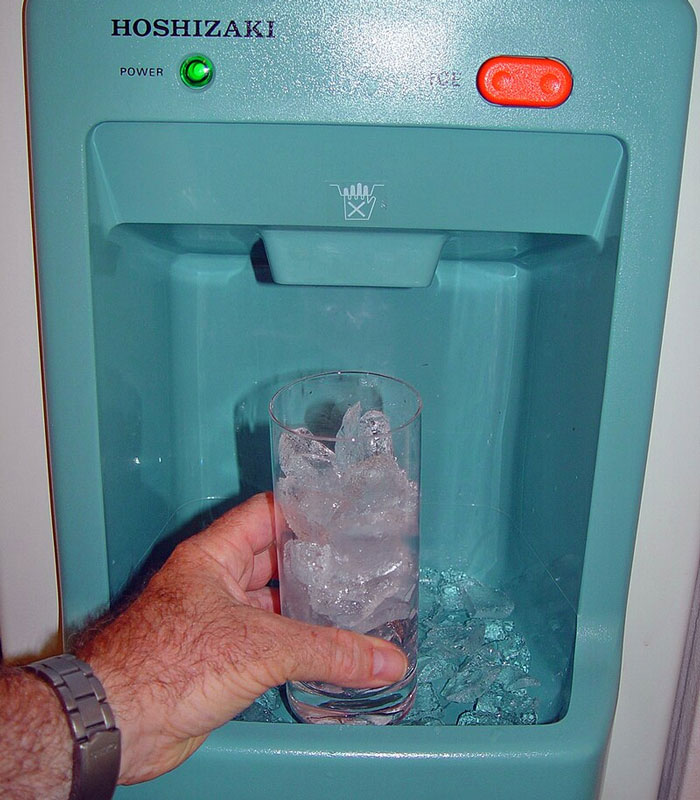
Do Europeans have ice makers in their refrigerators?
We have ice everywhere here but those guys act like its their most precious resource.
Or a tray with cube-shaped slots that is filled with water and put inside to freeze?
That is more common in Australia because fridges with ice machines are more expensive. I got a fridge with one second hand, but it didn't work and somehow leaked water all over the floor.
Load More Replies...Recently bought an 'American' fridge freezer (UK here) For a little extra, I could have had an ice maker, but declined, as I *know* what they look like inside (mould and slimy gunk) if they're not cleaned out regularly. My ice trays will do just fine thanks.
People here in the US have an obsession with having ice in their drinks. I've never understood it. The only time I'd put ice in a beverage is if that beverage wasn't already cold. Otherwise, I'm going to drink it before it is no longer cold. Icemakers take up a lot of room in a fridge or freezer that I'd rather have for actual food or beverages. At most, I'll have an ice cube tray in the freezer, if there's currently room for one -- but many times the ice will be starting to evaporate before I even get the opportunity to use any of it.
I don't know anyone with those. I've lived in the UK (pre-2005), France and Germany. I'm sure some people do because of having seen them on American films/series. Ice just isn't really a big deal for me. A chilled drink in the summer, or a couple of ice cubes in a G&T is about as far as it needs to go.
Same. Became a real life saver when the refrigerator decided to quit.
Load More Replies...I purchased my first ice-maker fridge 6-months ago (Australia). It's a life-changer, esp in summer.
Ive lived in other countries. Everything is bigger as far as appliances. Its like 1.5-2X scale that you would find in like appliances in other countries.
As everything gets bigger, the energy consumption rockets. It quickly becomes a global problem if this happens on the scale of a country with a population the size of America's.
Load More Replies...Because we go to the grocery store once a week (because we have to drive there) so we need room for a week's worth of food at a time. Can't go to the store every day for that's day's needs.
This is the answer. Not everyone lives within walking distance of a grocery store.
Load More Replies...I was invested in watching reruns of Escape to the Country for a while. D**n is they did not have the most huge country kitchens and a miniscule fridge. I mean fireplaces with stoves inside them, long counter tops and a table for 6 in the middle, then pan across and a fridge that holds nothing.
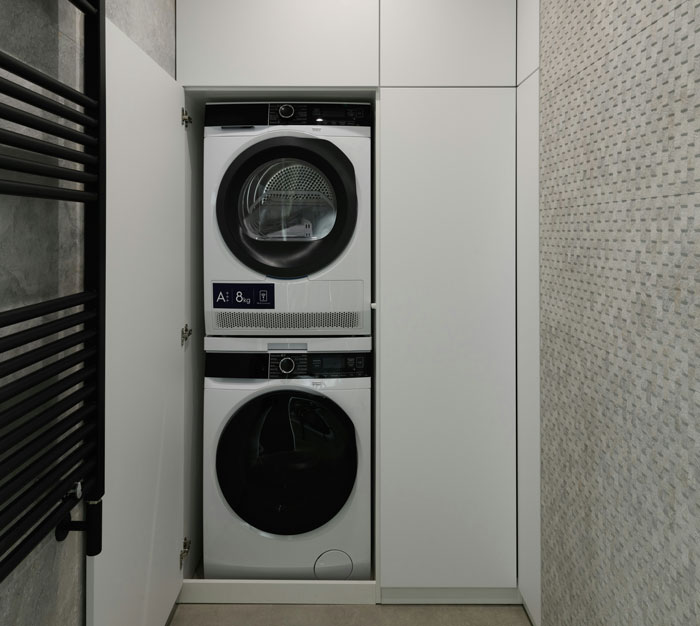
The stacked washer/dryer is a nightmare for short people. Controls are at the top of each machine. You can buy combo units with controls at a reasonable height.
I've been blown away by rich people wine fridges a few times (although I don't spend enough time with the rich, IMO). To have two full fridge sized wine coolers is wild to me if you aren't a restaurant. If you're a big wine drinker maybe a small cooler makes sense for you but who needs 100 bottles chilled to temp in their home at any time? I mean, my BIL keeps gatorade in his so maybe I'm wrong...
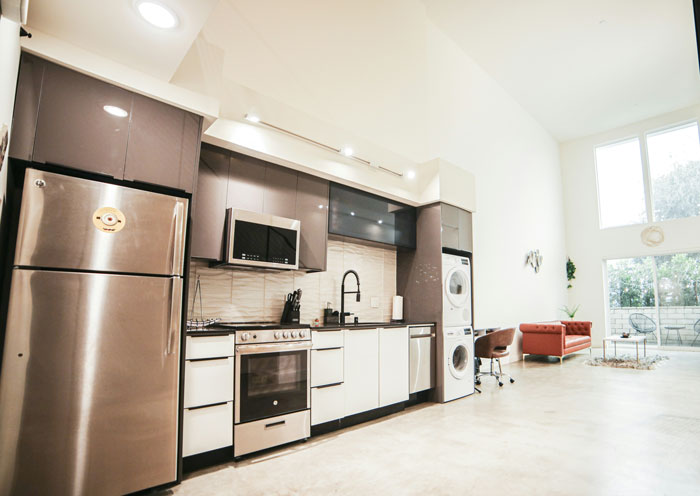
why is there a washer and dryer in the kitchen? I have never seen that before.
Yeah that's not typical at all. Sometimes you'll see those in apartments where there isn't space for a separate room for washer/dryer. But something feels odd to me about loading dirty clothes in the same room as you're preparing food.
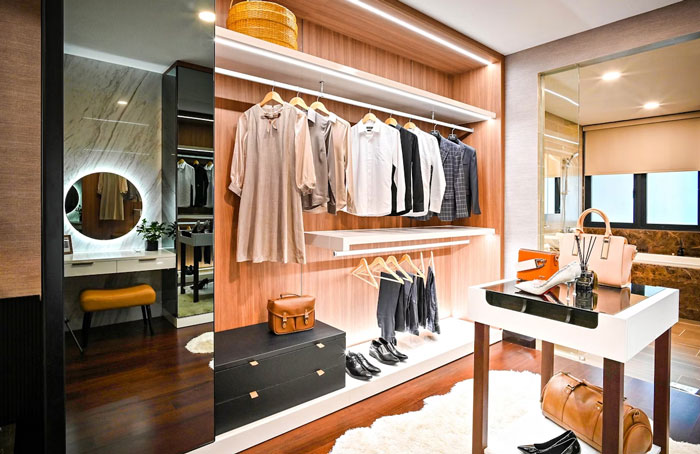
Load More Replies...Victoria says that large closets, dedicated laundry rooms and large counters, especially in bathrooms, are uniquely American. “American homes tend to have a lot more built-in storage space. Walk-in closets in particular are nearly impossible to find in the U.K. or Europe,” she explained. “Occasionally, people will use a spare room as a closet/dressing room, but most people can't afford to use their space this way.”
“For any Americans shocked at the idea of using a whole bedroom as a closet, keep in mind that European rooms can be quite tiny,” she continued. “It's common to find bedrooms that will only fit a twin-size bed."
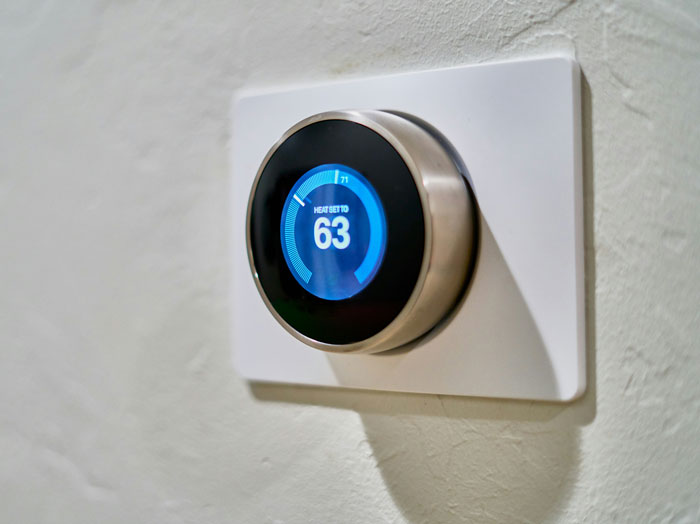
Based on my travels, I'd say clothes dryers, central air conditioning, and firearms.
Pretty much everyone I know has a tumble dryer. Otherwise you'd never get anything dry
I can't imagine why you got a down vote, but I got you back to zero.
Load More Replies...I'm American but I've lived in both Europe and Asia. The odd sort of pride in not having clothes dryers and air conditioning has always confused me. If you live somewhere humid and cold, clothes dryers are incredibly nice. Same for A/C if you live somewhere hot. Couple them with solar panels and even the environmental impact is nil, but I've still had European friends disparage them.
We have dryers in Australia, but a hill's hoist clothesline is preferrable. Many people use dryers, especially in apartment blocks, but air drying is cheaper and better for the environment. We also have central air conditioning, but it is cheaper to have an air con in just the one or two rooms that need it. Thankfully we have strict firearms laws, though it took a large tragedy to achieve this.
Yeah, most Euros have one, paarticularly in colder more Northern countries, but we don't use them all the time as a matter of course. Many Americans don't eve have an alternative, washing line, drying rack or anything at all to hang laundry up to dry.
Load More Replies...Regarding firearms, it's a common belief that the majority of people in the USA own guns. It's still a big number, but not the majority: about 32% of adults in the US own a firearm, and if you take into account people who don't own a gun but live in a household that has guns, that number rises to around 42% (that is, people who live in a household that has a firearm). And not surprisingly, there's a big difference in ownership when broken down by political affiliation: 44% of Republicans own guns, while only 20% of Democrats do.
Interesting stats, thanks for sharing. TBH I actually thought that less than 32% of Americans owned guns but that like 20% of them are NRA types with a whole whack of guns.
Load More Replies...As for why these big closets aren’t common in other places, Victoria shared, “I think the lack of storage space comes down to less available land space in general in Europe compared to America. However, this also impacts things like seasonal decor that are so popular in the U.S. By comparison, people outside of America are less likely to spend money on things like giant Halloween skeletons simply because there isn't anywhere to put it when you don't have it on display.”
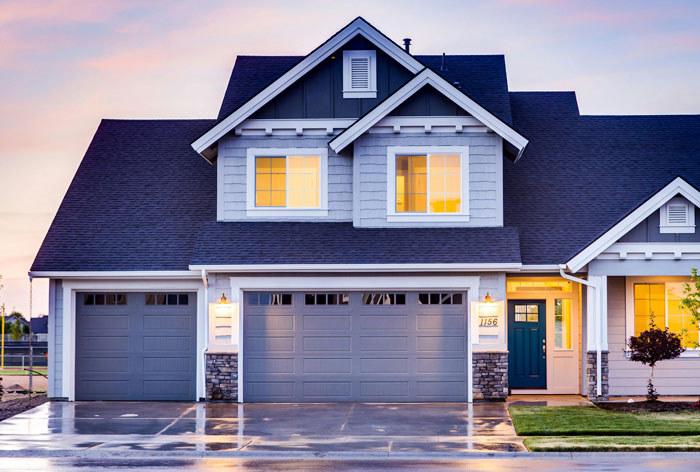
From my observation, garages, and garage size. My double wide, double deep garage is insulated, heated and has cooling, my work shop and desktop computer are out there and oh and a couple cars and motorcycles. It's basically a man cave but called "garage" for tax purposes.

if you live in an older city, i.e., a city built before cars, you likely have no garage unless your home was large enough to have a carriage house...think of boston or inner philly...but cities that boomed after cars -- and like more of the u.s., after wwii -- big yards, big houses w/ garages...the u.s. had money, space to expand and no war damage...that's the difference...space and money to expand...same for australia...
Yeah, I live in Chicago and we have a detached garage in the backyard. The only houses with attached ones are newer (and built on a double lot) and/or are in the suburbs.
Load More Replies...New houses have garages here. Though they are often full of stuff rather than cars
New apartment blocks are usually built with underground garages here in Germany.
never heard of anyone having hearing and cooling in their garage before personally
Load More Replies...“Having a dedicated room for laundry is not common outside of the U.S. Most homes have a washer under the counter in the kitchen,” Victoria continued. “You'll sometimes find homes with washers or dryers in the garage or a hallway. Our current rental home came with a washer in the kitchen and we bought our own tumble dryer for the garage. Homes are often older than those found in America and were not built to include dedicated laundry space.”
“These machines are also smaller than U.S. models and sometimes combine washing and drying in the same machine. Energy to run washing machines is more expensive outside America, which makes smaller machines more cost effective,” Victoria says. “To save energy, most people will hang dry clothing more often than Americans even if they own a tumble dryer.”
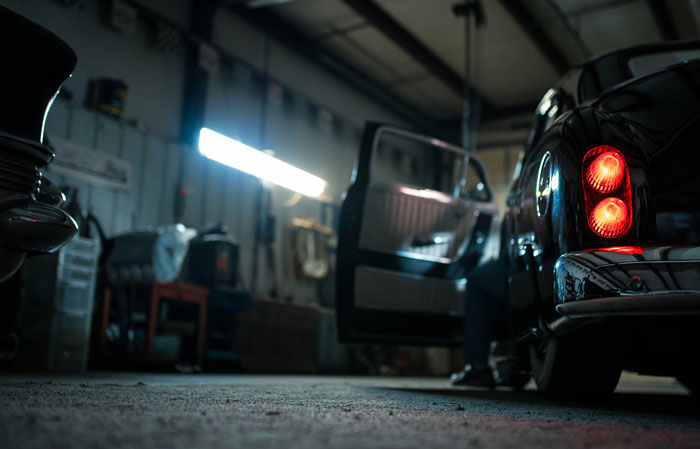
A big garage. When I visited family in the UK I was amazed their garage could barely fit their Ford Fiesta in it. My garage fits an F-150 double cab with zero issues and there's room to spare. Plus you can fit a whole other vehicle next to it.
To go along with that a garage fridge. Not all Americans have them by a long shot but it's common enough to see a hand-me-down refrigerator in a garage that has beer, pop, and stuff like that in it.
Also a coffee maker. When I was going to university in the UK I wanted a small coffee maker but couldn't find one for the life of me. There were French presses and kettles, but no coffee makers like a Mr. Coffee.

I have a 50 year old garage fridge that keeps the coldest beer known to man.
My mother had a Mr Coffee style (percolator) in the 80s. She's still got it. This guy either went to uni in the 1800s or didn't look hard enough.
We have both a freezer and a refrigerator in our garage (which leads right into our kitchen.).
The car plays a very different role in the US than it does in Europe. If you go somewhere in the US, you hop into the car. In Europe, you walk, bike, take the bus, tram or metro. Not always, but more often than in the US.
Smaller garages, if any, here. There are coffee makers all over the place (UK), but we're not as fixated on coffee as the US. We have overpriced coffee shops everywhere too.
No idea exactly what a "Mr. Coffee" is, but although Instant Coffee is quite common, various types of coffee makers are readily available all over the UK, and even more so in Europe.
"Mr. Coffee" is a genericized trademark for an automatic drip coffee machine. The coffee they make is usually not very good.
Load More Replies...Victoria also pointed out that American bathrooms are gigantic by European standards, one of the big space differences being countertops. “Even primary bedrooms with an en-suite bathroom in the U.K. are more likely to have a pedestal sink instead of the large counter with his and hers sinks that can be found in American homes,” she explained.
“One of the effects of having less storage in the bathroom is the popularity of alternative storage furniture for things Americans usually store in the bathroom. For example, it's common to place a dressing table with a mirror in the bedroom for storing and applying makeup and hair products.”
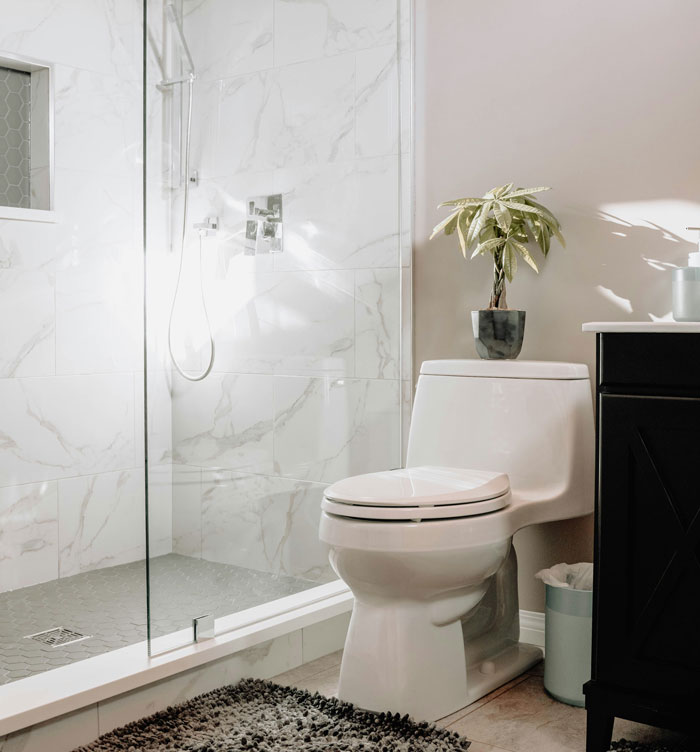
A third and fourth bathroom.
My first house in the UK had one bathroom. My second had two.
My house in the US had FOUR BATHROOMS. Honestly felt a touch excessive.

Until you get older and you start having bathroom emergencies at the same time as your partner.

How many partners do you have? I was thrilled to have a house with two bathrooms, and that was with three kids. I can see the rare occasion where a third might be helpful, but four sounds nuts.Unless you've got like ten people living there
Load More Replies...This has always sounded insane to me. Almost 1 bathroom per bedroom. Why can't people share? I think 2 per house is good, but can easily make do with only 1.
when you get older, multiple bathrooms are a boon.....
Load More Replies...We have two full bathrooms in our house we use typically the main bathroom. but in an emergency or when we have guests the second bathroom is a godsend
I now demand a master bathroom. Not as worried about how many other bathrooms the house has.
Based on my experience living in China, Americans keep a lot more food in their home. Most people I know could survive for days, if not weeks, if the grocery stores vanished. Not sure about anywhere else, but an entire room (pantry) full of shelf stable food is tinfoil hat territory to most Chinese people.

Has a lot to do with how and where you live. Not everyone lives in the city, with public transportation and a grocery store a few doors down from our house. Some of us live in the burbs, miles from town, and the grocery store is a couple miles away in the local strip mall. Also, we commute long distances to work, so don’t have the time to shop for a mere 24 hours worth of food every day. We shop once a week or once every couple weeks, and fill the back of the car (or SUV) with bags of food. Hell, people who live out in the boonies, far from all vestiges of civilization like grocery stores, will trek into the nearest town once a month, or less depending on the season, to buy enough groceries to last until the spring thaw.
This. Daily trips in the burbs mean driving and extra trips. People work, they want to come home and toss a Trader Joes Kung Pao chicken together out of the freezer, then it's a lot easier to drive to buy several and keep them on hand.
Load More Replies...I grew up super poor and in the middle of the desert nowhere near a grocery store. I learned to buy larger quantities of non-perishable foods when I see them on sale. And when the grocery store is an hour away, it's not too economically smart to take that trek every other day.
Quite true. In Beijing, Chinese often to markets or supermarkets daily to buy fresh vegetables, fruits and meats. Me being an American, on the occasions that I actually go to a supermarket here (I usually just order groceries to be delivered), I'll grab as much as I can during that trip and freeze or store what I don't use right away so I can avoid making multiple trips to the store.
Yeah I could probably live for months on the food I've got in my (fairly small) apartment. That is, a fair amount of pasta, several pounds of rice, probably a few dozen instant potato packets (good for when I'm too lazy to cook), a decent stock of canned goods, some frozen meats and veggies, and various other things like oatmeal if I got desperate. But it's like what Tabitha said -- I don't get to the store often, so I have to stock up when I do. And of course it gives me a lot more options when planning meals.
again, it is a space and money issue, if you have the money and the space, you will stock up...i never could when i had an apartment in the u.s....now i do in my house...b/c who wants to run out at the last minute to get sugar, pasta or toilet paper...
It's pretty much the same in American cities for people who live in apartments, esp ones w/o elevators. You buy what you need every day for your daily meal needs.
The US is sadly the heart of consumerism. You have large fridges and pantries so you subconciously feel the need to fill them. It's designed to make you buy.
We're also the country with four times as many tornadoes as anywhere else - the type of natural disasters your area is subject to will certainly impact how much food you store for the long term
Load More Replies...
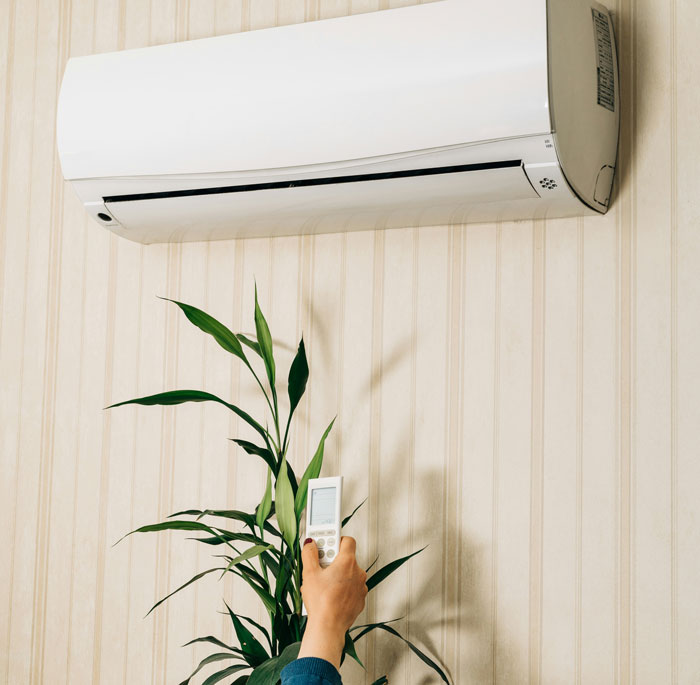
A/C.
Absolutely necessary in extreme climates. When it’s humid and/or hot AF outside, it is so nice to come inside where it’s cool and DRY and comfortable, where you’re out drowning in your own sweat and everything, including furniture, doesn’t feel damp and smell musty. Some places are so humid that houses left closed up and not air conditioned all summer, can end up with mold, mildew, and actual mushrooms growing inside (used to be in real estate rentals and I have personally seen this). If they’d been air conditioned and kept dry, that wouldn’t have happened.
Many people in Europe don't realize where that area is, when compared latitudinally, with North America. For example, all of the UK and the northern half of continental Europe is on the same latitude as Canada. Even going down to Spain, much of that shares its latitude with the middle part of the USA. Whereas Los Angeles is pretty much at the same latitude as Casablanca; Houston and Cairo share about the same latitude; and if you go as far south as Miami, you would find Dubai at about the same latitude. Therefore, I think that many Europeans may have a skewed sense of just how hot it gets in the southern regions of our country, and how essential air conditioning is, especially in areas which aren't cooled by being close to the ocean.
If you live in hot, humid climates, going outside is like stepping into a sauna. :(
Not so much on the west coast where they say they don't need it (but really do).
as an american, i was sooooooo impressed by the high quality AC in even in inexpensive homestays in SEA...thank you to the aussies...who i am convinced made AC a necessity....(although i have sweated my A off too)...
I didn't have it in Seattle. Those few days it was super hot weren't worth it. I had tall windows and ceiling fan.
My brother in Vancouver says the same thing, and I have to sweat my a*s off when I visit.
Load More Replies...My brother and sister in law lived in AU, They were amazed at out central A/C. Brother asked how hot it got. In our part of the US we can get up to 101 degrees F. He said they got that hot as well and only had window units. He changed his mind when I threw in the 80-90% humidity.
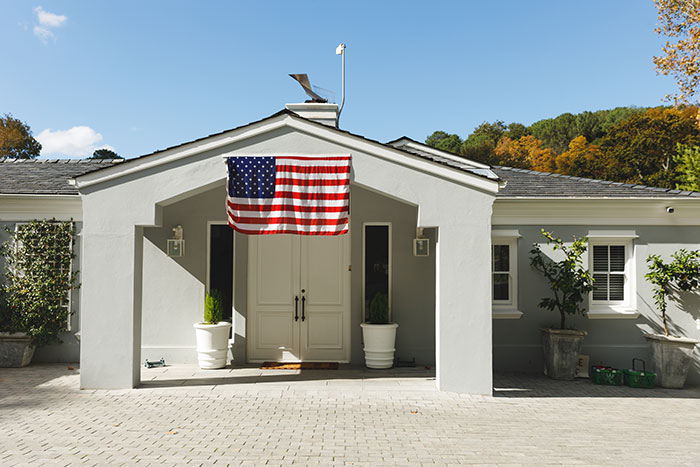
A giant American flag and a painting of an eagle.
Seriously though, I think in general just larger homes.
whaddaya mean,"seriously though"? Unless you have a flag as big as your house, yer not a true 'Merican'. How will your neighbors determine what nation they are in?
Ironic given the whole "Americans can't identify Canada on a map" type trope
Load More Replies...We put a flag out on Memorial, Labor, Veterans and Fourth of July. And I will be running around the street waiving it like a mental case then the Donvict finally kicks the bucket.
Yeah, that’s what my parents do. They are currently flying a Ukrainian flag, and we will totally have a hearty laugh and start singing “Ding dong, the witch is dead” when that áss dies. It won’t kíll MAGA or Project 2025, but his death certainly won’t help them.
Load More Replies...But Diane pointed out that, even in the U.S., there are a wide variety of homes.
“There are a lot of regional differences within the U.S. since it's a huge country with varied landscapes, climates, socioeconomics, etc., so a home in one area might seem very different to someone from another region,” she shared. “In my experience, big yards are something you don't see as much in my area of France.”
“Space comes at a premium. In the U.S., many states have a ton of land and properties tend to be bigger, the actual house square footage as well, than what you'd find in Europe,” Diane continued.
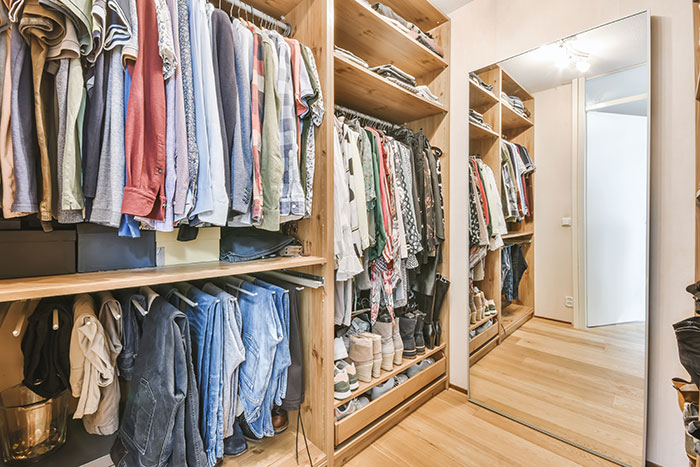
Giant closets.
I wish I had a giant closet. I am in America. My apartment is small. There is no dishwasher. There is a laundry room on each floor.
Same. My apartment isn’t super small but the bedroom sure is. No dishwasher. I have a washer and dryer (stacked) though.
Load More Replies...I would venture that giant closets often are related to pricey homes, not America. Middle and lower class homes often have normal closets. Might be wrong.
“Some other American home features I don't see as much abroad are fixed shower heads, shingled roofs, central air conditioning, garbage disposals, huge double door refrigerators, wall-to-wall carpet, and king size beds,” Diane says. “Cultural differences account for a lot of this – each country has their own preferences and ways of doing something – in addition to space constraints, climate, and a bunch of other factors.”
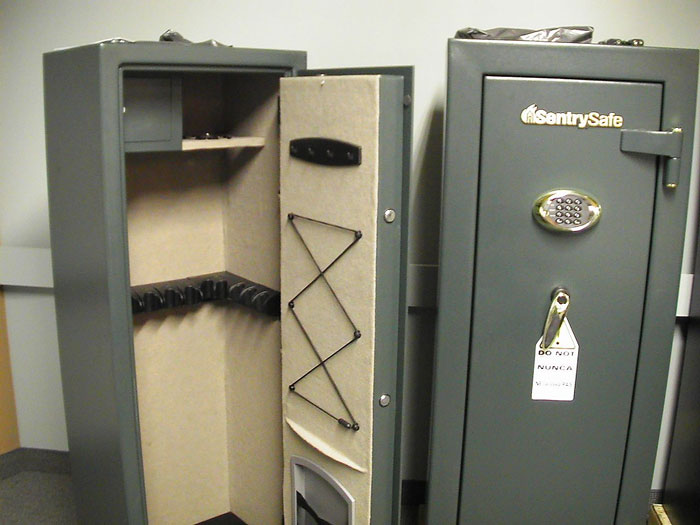
A large gun safe.
My dad has one in my parents’ attic. He mainly has antique firearms though.
Load More Replies...Now that I live in France, I do not miss the worry I used to have about guns when I lived in the US.
When I was in Australia I learned that dryers, while not hard to find, were not as common as in the US. I also learned that while a common first appliance for a university student here might be a microwave, a kettle is preferred in other places.
I’m an Aussie and we got rid of our dryer around 10 years ago. I don’t miss it and love the smell of sun dried clothes. But we get plenty of sunshine where we live.
We do too, but it’s also really humid, so clothes on the line take forever to dry (if they ever do) and end up smelling musty. Not to mention the bugs, especially those in a humid climate. I prefer not to make my bed and find out a spider laid eggs that hatched in my sheets.
Load More Replies...Both microwave and kettle are equally as important in Australia, in my opinion.
The iconic rotary clothesline, often called the "Hills Hoist," was invented by Lance Hill in 1945, rotary-dry...9d67ae.jpg
I live in South Africa where dryers ("tumble dryers") are not common, though some people do have them. We mostly line-dry our clothes here, since Jozi isn't humid. It takes clothes 3 hours in summer to dry and about 5 in winter. Hang them up, go off for the day, come back, take down, done. Although there's also a South African invention called a "dry-buddy" that we have, for the rainy season, which basically blows hot air into an enclosed bubble that you hang your clothes in. It can take 5 or more hours to dry the clothes, though, especially if you hang a lot of stuff in there.
Plus Americans all use vented dryers but invented ones are more common elsewhere. People must hot steamy clothes!
We also wanted to know if any other countries could benefit from incorporating some of these American features into their homes.
"Not necessarily," Mike told Bored Panda. "While the U.S. has developed a system that allows for relatively fast and inexpensive home construction, many of the features that make American homes unique—such as their large size and light wood framing—come with downsides like higher energy costs, lower durability, and greater vulnerability to disasters. Other countries are often better off prioritizing quality and efficiency over size and cost-cutting measures."
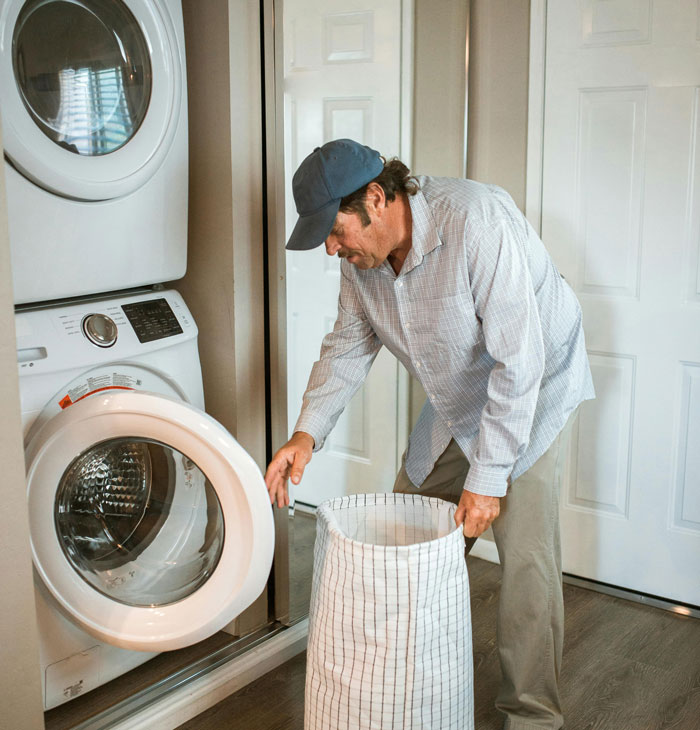
I may be wrong in this, but we usually have dedicated laundry rooms or at least laundry closets. I've read a lot of comments here and elsewhere that many places, especially Europe, just have a washing machine in the kitchen.

Very common in Australia. Usually next to the door to the backyard so it's close to the washing line. That's the difference with American ones, as far as I can tell. They are often in the basement or in the master bedroom, because clothes are dried inside.
there are no laundry in the bedrooms. it might be located just outside but not in the same room.
Load More Replies...lots of americans keep their washer and dryer in their basement or garage...or if you live in the deep south, in the shed in the back yard or back porch...again, space...the separate laundry room is something seen in newer, pricier builds...like a mudroom...
It's a question of space. We've got an old house in the middle of town, no separate room. My parents have a new house on an estate, with a utility room.
Mexico here: washing machine on the back patio next to the clothesline.
We have a small room off the kitchen for the washer and dryer (France).
There's a laundry room on each floor of my building. My previous apartment had a laundry closet, and the house where I grew up had a dedicated laundry room.
“There are pros and cons to all types of houses around the world and what might work for one family might not work for another,” Diane says. “Typical American features aren't the gold standard across the board for everyone, so I think it's important to do whatever makes sense for your family, budget, and personal preferences no matter where you live.”
“Just because something is different in another country doesn't make it wrong,” she added. “I think we can learn a lot by seeing how other people live.”
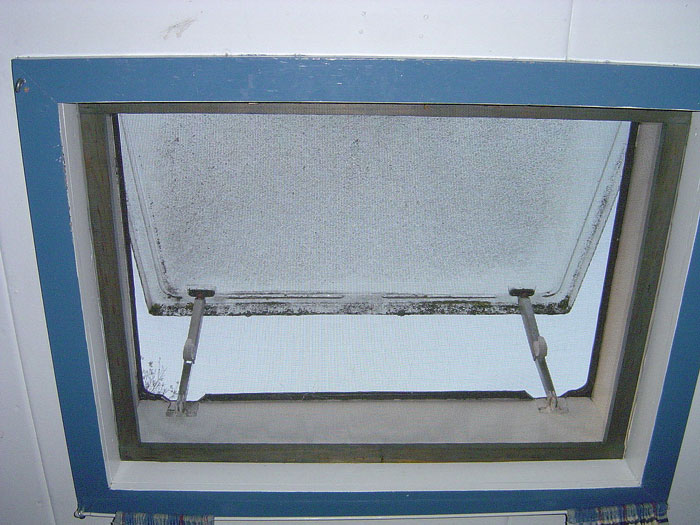
Window screens.
Very rare to have a window without a fly screen in Australia. Mossies and blowflies as well as other things need to be kept outside.
Considering how many species of venomous and just bitey critters you guys cohabitate with there in Australia, I would think screens on windows and doors would be absolutely necessary!
Load More Replies...In my country (EU) window screens are quite common. Except for castles, palaces and similar buildings.
EU isn't a country...as much as Brussels would like it to be!
Load More Replies...Most of these I understand why there are regional differences. This is one I don’t understand why these are not everywhere they can me afforded! Especially places with mosquitos and flies!
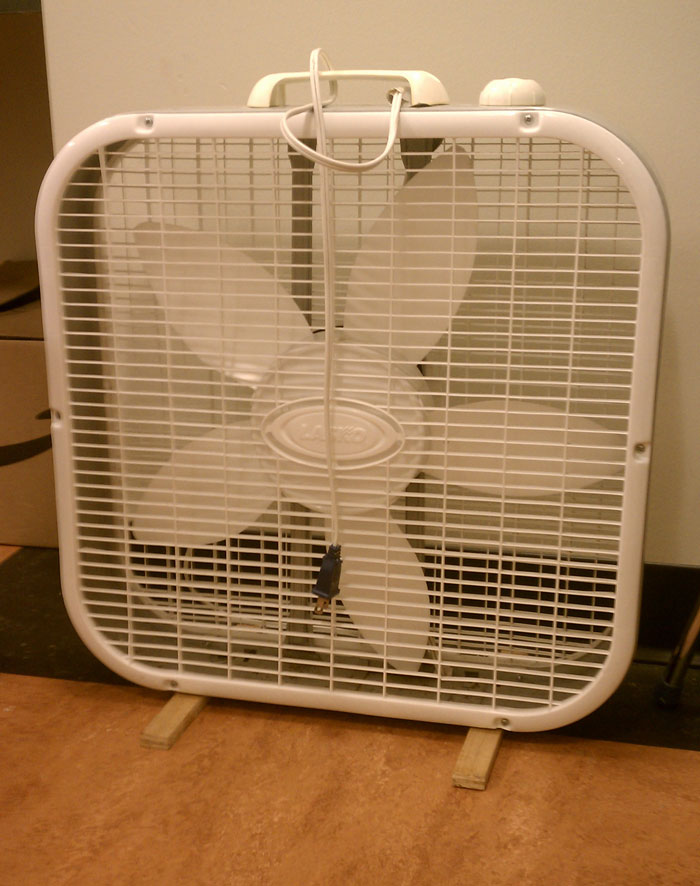
Box fans. I miss them.
I don't like them as much, but they are available in Australia. It was handy when I was a teenager because I had a loft bed and the pedestal fan wasn't tall enough to reach there. I could put a box ban on a shelf when needed.
Victoria would love to see more counter space in her bathroom, though. “It seems likely that a cabinet sink would fit into many existing homes and triple the amount of built-in bathroom storage,” she shared. “Having to buy storage baskets or shelving is annoying when a built-in would add storage and provide space to keep regularly used products.”
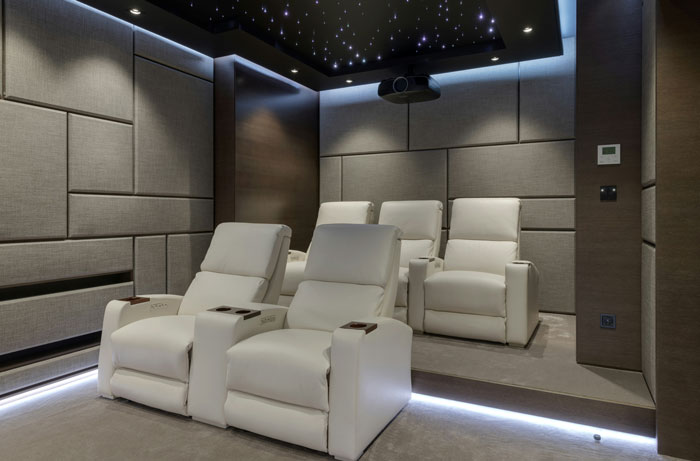
Having lived in upper middle class homes here and in other parts of the world: The theater room is the thing that always fascinates people. Other cultures also have things like pools, jacuzzis, billiards rooms, wine cellars, saunas, libraries, etc. but you rarely see a room dedicated to the theater. Three+ car garages are also not as common.
Most American homes do NOT have theater rooms. Only the rich would do this, because they tend to have huge houses that can accommodate the space
If you have a theater room, you are not upper middle class - you are rich and delusional about it
One of my ex family members is a multi-multi millionaire (makes over 2 million a year) and considers himself middle class. He will grudgingly admit to being "upper middle class" if pressed. He has never/will never admit that he's rich. I pointed out that he earns more in 2 years than I'll earn in my entire working life and he said that it's almost the same and our lives aren't that different.
Load More Replies...In my country having a room dedicated for a single kind of entertainment is insanely rich and kinda weird.
In the U.S. too… I don’t know what the poster is talking about.
Load More Replies...I find them interesting as a concept because you can do it comfortably in a regular room. You can watch a movie in the living room. You can't swim, sauna, or play pool in a regular room. I guess if you can afford a theatre room then you aren't interred in comfortably, you're interested in the best possible experience.
I'm guessing this means movie theatre rather than a stage. I can't imagine too many houses have that.
I've only known two families with a theatre room and they had disposable income
On the other hand, we wanted to know what features from other countries American homes could benefit from.
"The American housing industry has been slow to innovate. Compared to many European and Asian countries, the U.S. lags behind in energy efficiency, building quality, and sustainability," Mike says. "Countries with stricter building codes, such as those following Passive House standards, construct homes that are far more airtight, well-insulated, and durable. These homes consume significantly less energy for heating and cooling while providing superior comfort and indoor air quality."
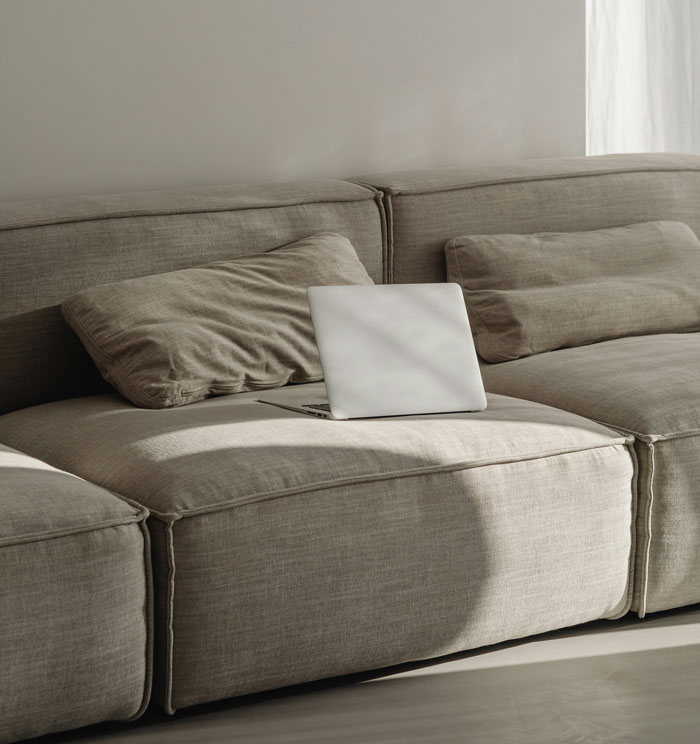
Super comfortable sofas that you just sink into. Maybe I just had bad luck renting Airbnb's in Europe, but my god was the furniture uncomfortable.
Also affordable computers and smart phones.
Soft sofas are available elsewhere. But I think it's personal preference. I don't like the ones you sink into, and the very big ones are difficult to sit on if you have shorter legs.
You can’t really sink into mine, but it’s really deep. Super comfy.
Load More Replies...That depends. If you're looking for those big reclines with pop-out footing a lot of american homes seem to have, then no, because they don't fit :p At least in the Netherlands. We have recliners, sure, but most people prefer a good couch.
Mike believes America should embrace safer, longer-lasting materials like Insulated Concrete Forms (ICF) as an alternative to traditional stick framing. "Given the increasing frequency of hurricanes, wildfires, and extreme weather events, the shift toward more disaster-resistant construction should be a priority."
"I’m also a big fan of the European tilt-turn style windows and often include them in homes I design and build. Ultimately, it’s not about the size—it’s about the quality, longevity, and efficiency of the home. America could learn a lot from other countries when it comes to building efficient, safe, long-lasting homes," the expert noted.
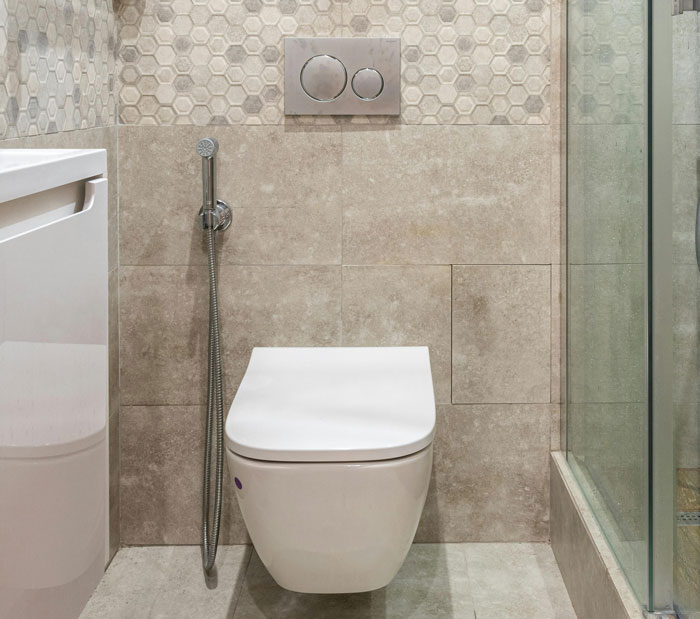
No bidets.
Had two in my parents house in the 70's & 80's just went out of fashion in the UK.
Load More Replies...WOW i just expanded my international vocabulary
Load More Replies...since the pandemic it seems like more people have them here in the States
And if no built in, ther is always the Poseidon's Kiss! 🙃
Load More Replies...We don't need bidets that only spray your a$$ with cold water. We have bidet toilet seats that have seat warmers, warm water, heated air driers, toilet illumination, deodorization and IR remote controls. hehehehe... The only thing you need is the outlet to plug it in, the water connection is already there.
I know more people are putting on bidet attachments to their toilets here in the greater Seattle area. It's a fad that is good for the planet
Victoria also says tilting windows would be great in America. “When you turn the window handle one direction, the window opens up fully. But when turned in the other direction it tilts inward a few inches from the top of the window only," she explained. "The tilt option is a great way to let in air flow while keeping it secure from intruders. Unlike a slide window, it is still locked when tilted.”

Crunchy Peanut Butter
One spout on a sink so you can get warm water, not freezing cold and super hot separate spouts
Tea Kettle on the stove.
Crunchy peanut butter, seriously? I eat it all the time in Australia.
You should come to the land of peanutbutter, the Netherlands. We have every variety you can think of and more.
🤤 How did I not notice the copious peanut butter?! I missed out!
Load More Replies...I assume the second one refers to the fact that most kitchen and bathroom sinks in the US have a single spout, instead of one for hot and one for cold. You can control the temperature coming out of the faucet.
Load More Replies...I don't know about the peanut butter thing because I don't eat it because it's gross, but as far as the spout and kettle thing, that's totally normal and available in many different styles and designs. The person in question may either be a traveler to the past or a liar.
Tea kettle on the stove? Really? What country is OP from where they have never seen a kettle on a stove?
It's become more common in the last 20 years or so in South Africa, to have a "mixer" tap instead of separate taps. I had separate bath taps for years and only got a mixer with a shower attachment a few years ago.
one tap should be the norm...everywhere..instead of guessing how much of this one and that one you need fill the bowl with to get the temp you want.
UK here, I have mixer taps and crunchy peanut butter. Electric kettle though
“I also think Americans should take advantage of hang drying clothes. In many parts of the U.S., the weather is warm enough to dry clothes quickly, and not putting them through the tumble dryer every time would help the fabric last longer,” Victoria continued.
“Americans should embrace the kettle. Make a pour-over coffee instead of housing a big drip coffee maker, quickly boil water for cooking, or just make a cup of tea,” she added.
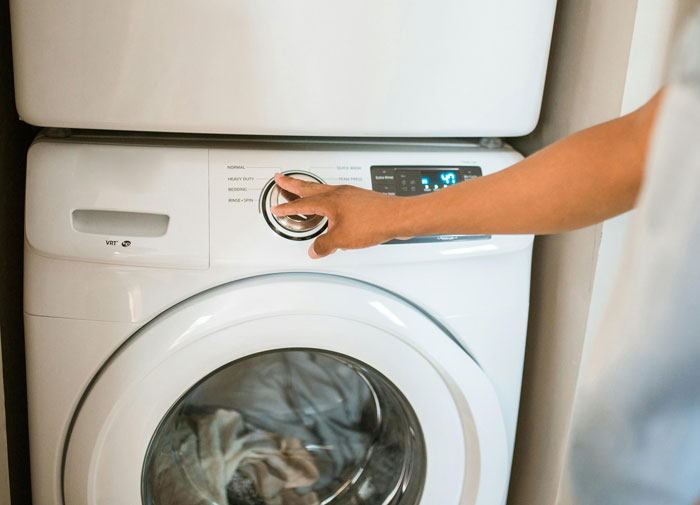
A dryer!
Garbage disposals.
Screens on our windows.
Ceiling fans. (These exist in many countries, but are not common.)
A large garage for two cars.
God forbid I have screens on my windows to keep my house free of flies, mosquitoes, wood beetles, leaves, birds, neighborhood stray cats....
Dont forget the bats, squirrels, moths, stink bugs, raccoons, possum, mice, leaves, kid next door, snakes and some cell phone someone threw at your house by mistake.
Load More Replies...So Americans get criticized for having air conditioning, but if they open the windows they aren't supposed to have screens to keep the bugs out. Am I the only one who feels we just can't win?
I’m American, and have always thought of Australia as a kindred spirit to the US. We’re both New World countries with a ton of open and unoccupied space and extreme climate, plus a mindset that thinks we should install things like garbage disposals, screens on windows, and air conditioning instead of b******g about stinky food scrap garbage, bugs coming through our open windows, and how f*****g hot it is in summer—-while feeling superior to those who take advantage of modern inventions that solve their problems.
Load More Replies...I'm in Australia & refuse to live in a house without window screens.
You don't need two cars since there is efficient public transportation available.
Not in my state, or several others. I still don't have a car though. Lyft is fine.
Load More Replies...Screens! Went to Portugal for a week last year, had such a wonderful time, booked an apartment for a month this coming june. asked if we could bring our cat. Landlord said fine! Talked to vet, airline, all set. Then we find out no screens. No screens? What is this? People don't have screens? How do you keep the bugs out? The cats in?? I find out about the outside shutters, ok, fine for nighttime, but what about daytime?? Quick change, find a sitter for the cat, she's not going to Portugal. Now I just have to wonder if I'm going to get bitten by mosquitos all night.
i think they also have screens in australia...in the u.s. and canada, you would be eaten alive by bugs if you did not have screens on your windows in summer...
Also in Africa. If it's hot and there are bugs, houses will have screens.
Load More Replies..."For decades, American home construction has been centered around speed and affordability, often prioritizing initial cost savings over long-term performance, resilience, and efficiency," Mike told Bored Panda.
"But as energy costs rise, natural disasters become more frequent, and housing prices continue to climb, homeowners are beginning to ask a different set of questions: How well will my home hold up over time? Will it be energy-efficient enough to keep utility costs down? What is the environmental impact of this building? Can it withstand extreme weather events? Will it provide a healthy, quiet, and comfortable living environment?"
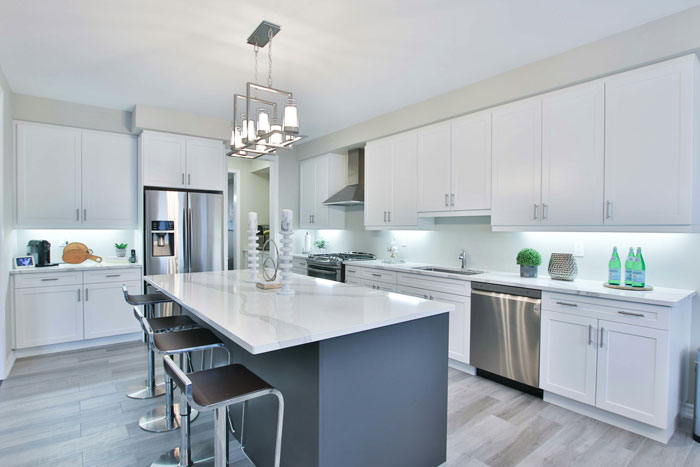
The raw amount of space, always available air conditioning and ice, open floor plans and kitchen islands. I stayed at a friend’s place in china once and although the home was many multiple mine by value, the kitchen was essentially a separate room. They didn’t do much cooking themselves versus we like our kitchens to be the heart of entertaining.

I hate it too! I'm glad ours doesn't have that. Someone once suggested opening it up and I said hell no. I like having my quiet kitchen creation time away from everything else. And if I screw up and burn something, it's easier to contain the smell without it permeating all the soft furnishings.
Load More Replies...Open plan is largely popular in Australia, more so in the last 25 years. I hate it because it gets so noisy and it's harder to heat/cool.
just the opposite - open floor plan is way easier to heat and cool because temperature inside of the house is equalized faster.
Load More Replies..."As these concerns grow, there’s a noticeable shift toward high-performance homes—structures that emphasize airtightness, superior insulation, and durable materials," Mike continued. "More homeowners and builders are moving away from traditional wood framing and opting for more resilient, energy-efficient materials, especially in regions prone to wildfires, hurricanes, and extreme weather."
"One emerging trend is the focus on continuous insulation and airtight construction, also known as passive house principles, which significantly improve energy efficiency, indoor air quality, and noise reduction," the expert says. "Many of the best-performing homes today are being built with insulated concrete (ICF), rather than wood framing."
An instant hot water faucet.
Seen that one time,was fascinated, but is really expensive and seems like a waste of money to me.. edit: 100°C for tea right out of the tap.
They are actually quite cost-effective after initial layout because you don't waste electricity keeping a whole tank full of water hot for the just-in-case-you-need-it situation. Your electricity heats only the actual amount of water you need at the time. So much more efficient.
Load More Replies...we have them in Turkiye. and i would never occur to me that it was a "luxury". every apartment flat in cities have them for at least 30 years..
I think they mean the sort that provides near-boiling water for making tea, coffee, pot noodles, etc. Mostly we have electric kettles that will boil your required quantity in just a minute or two so we don't really see the need.
Load More Replies...My brother got one of these in his house in the UK (I think Ace is correct in thinking it's an instant *boiling* hot water tap, not just a hot water tap for washing your face with!). Even he admitted he thought it was a bit wasteful.
Yes, Mr Auntriarch's sister has one, fill the teapot straight from a tap.
Load More Replies...You can ger Quooker types that give instand boiling water, not just *hot*, in many places in the world.
My house came with one of these, but it was old and disgusting. I took it out and filled the hole with a detergent dispenser.
rare...i've seen them in rarely in businesses, but never in a home...some people may have them, but they pose a scalding hazard for small children and the elderly...
I've never been anyplace in the U.S. that didn't have a hot water tap.
Boiling-hot water tap? Like for tea? Was my take on it?
Load More Replies..."While the U.S. has had little innovation in the construction industry in the past few decades, more buyers today are prioritizing longevity, safety, and efficiency over more square footage," Mike shared. "This shift is changing the way homes are being designed—and ultimately, redefining what makes a home truly valuable."
"At Artemeco, we’re working to be part of the solution. And that’s why we exclusively design and build high-performance homes," he says. "A home is one of the most expensive purchases you will ever make, we make sure it’s built right. Our homes protect your safety, your legacy, and the environment. When you build with us, you can take pride in building a better future."
I have the fridge that allows you to knock on the door to see what's inside.
Washer and dryer upstairs in its own room and a basement.

We have those fridges in Australia, but you have to rich to own one, and I just don't see the point.
Why not just a transparent fridge, I never understood why it's not a thing.
Big a*s bag of ice in the freezer.
I actually haven't seen this unless someone's about to fill up an ice chest. Whatever amount the built-in ice maker produces is sufficient for most.
I you have a built-in ice cube maker. My parents had bags of ice in the freezer when they were preparing for a party. I have 2 ice cube trays, which are more than sufficient for my needs.
Load More Replies...“For many of us, our home is our sanctuary and the most valuable thing we own, so we want it to be comfortable and a place where we feel at peace. That'll look different for everyone and I respect that,” Diane added. “My style and vibe might not mesh with yours and that's okay.”
“Many Americans value curb appeal and a lot of space, and after living abroad for over a decade, my views on what a dream home is have shifted,” she continued. “French people (and many Europeans in general) live well in much smaller spaces. Everything from the size of the rooms themselves, the size of the TVs and beds, the fridge, the yard, and so much more are smaller. Bigger isn't always better. It opens up a conversation on consumerism and consumption and how American views may differ from French values.”

TVs in every room.
Definitely not true for all Americans. This sounds like more of a rich people thing.
Not a rich person thing, in my opinion. I think it depends on your 'values'. I would never have tv in any of my bedrooms- it disrupts sleep/ rest. It's good to 'detox' from screens and I think bedrooms should be a sanctuary for that.
Load More Replies...and in your garage / mancave / pool area (if you are rich) :)
Dishwashers. Idk about restaurants, but I'm in third world country and its just been a year or two since I know dishwasher exist.
It astounds me, why would you need something to do a chore for you when it takes a few mins to do it? I'm jealous.

Actually, dishwashers save water and energy... and most importantly, time
Depends on the size of your family. Manually washing the dirty dishes of six people’s dinner, plus the pots and pans the food was cooked in, certainly does NOT “take a few minutes to do”. So much better to put those dishes in a dishwasher and let the machine clean them.
And once you've got used to them, you realise just how much cleaner they make things, particularly glassware and tea-stained mugs.
Load More Replies...studies have been done...they conserve both energy and water...hard to beleive, but true...
I live alone and only had one in ONE apartment about 20 years ago. I’d like to have one again but I can’t justify it, because, hey, one person…
Load More Replies...Australia has too. Not in every home, but any that can afford it.
Load More Replies...I've lived on my own since 1987 and in almost 40 years I only had a dishwasher for 6 of them.
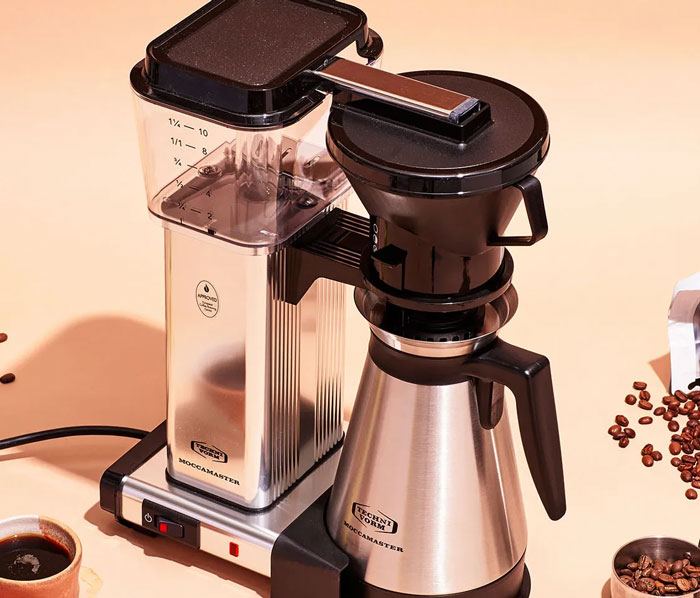
A drip coffee maker.
Once you get a good electric kettle, a burr grinder, and a pour over carafe, you'll ditch that thing. Yes, I'm in the US.
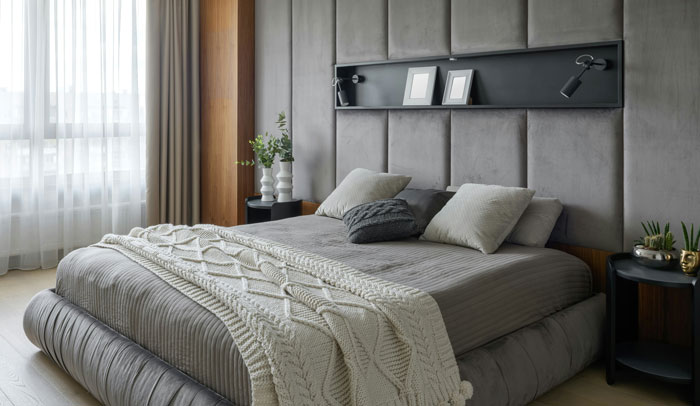
Never understood the difference between pourover and drip? They both drip the coffee over the grinded beans?
Load More Replies...Hm... in Germany you basically find one in every household, unless it got replaced for good. While I'm using an automatic coffee machine, I still have a drip somewhere.
Same in Sweden. The Moccamaster in the image is one of the most popular coffee machines in Sweden, it is a Dutch brand, by the way, Drip coffee culture was invented in Germany,
Load More Replies...These are great if your priority to have coffee ready and waiting when you get out of bed. But if you make your coffee with a pour over or French press, it usually comes out much better and it's also much easier to clean the device.
Yes. French press coffee is far superior to drip. In my not-so-humble opinion.
Load More Replies...Once you have a proper bean-to-cup espresso machine you will never want a drip coffee again.
And it's so simple even I'm allowed to operate it...
Load More Replies...Drip coffee is everywhere. I thought Americans didn't have coffee makers in their homes :)
This American has five ways to make coffee at home, none of which is a drip machine.
Load More Replies...
Plumbing that actually functions 99% of the time. Showers that access hot or cold without having to flip extra switches. Central heating and air conditioning standard in most homes (not in all areas, but most). A fridge with a built in water and ice dispenser. Large beds.
The fridges with built-in water and ice dispensers are for people who are building new or renovating, because you have to add separate plumbing just for your fridge. So pretty well for rich people, unless you live in a house where the previous owners were rich enough to install this extra plumbing.
Walk in closets (most European countries I've been to, they use wardrobes and dressers).
Switch in the bathroom that runs a fan, the only purpose of which is to cover up the sound of you doing your business.

Bathroom fans also get rid of steam from showers and smells from toilet.
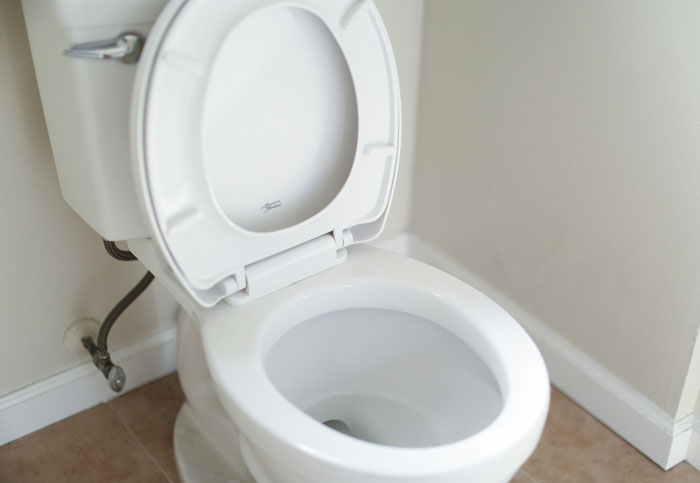
Exactly. They protect the house from mold and mildew
Load More Replies...bathroom fans get rid of a lot of steam...and, most americans do not have walk in closets
A bathroom fan is supposed to take care of smells and moisture, but lots of people don't do maintenance on their fans, which have been in operation since the 70's, so not a lof of actual fanning is done :P
Most toilets here are 1.28 or 1.6 gallons of water per flush.
The best info I've found says German toilets use nearly 2 gallons per flush. My guess is you need to, because of the nasty s**t-shelf your toilets have. In any case I'm not sure where your perception of swimming pool sized toilets comes from.

Lots of European toilets have a dual flush - short for a pee, and long for poop. *In the UK, standard toilet flushes use around 6-9 liters of water per flush, though dual-flush toilets offer options of 4-6 liters for a full flush and 2-3 liters for a half flush. *
For me it’s not the perception the actual toilet is swimming pool size. It’s the scary amount of water that refills the toilet bowl before receding back down. I’m always worried it’s going to overflow!
I flush my toilet with bath water and a bucket. Not because I live in Africa, but to save water as South Africa is a drought-prone country. I think toilets here use 12 litres per flush. I find one 10-litre bucket will do the trick.
The shelf is, in fact, very useful. It allows you to, from time to time, to check your stools on the presence of blood or anything else that shouldn't be there. An early diagnosis of bowel cancer increases your chances of survival.
Or your government could have free bowel cancer test sent to you at 50 and then every two years until you're 75.
Load More Replies...It's been a long, long time since I saw a shelf toilet in Germany, and I think almost every toilet I've seen here in the past 10 years has a half-flush button for wee and a full-flush for the full business.
In Australia we try to save water. A full flush is 4.5 litres (1.18 gallons) and 'half' flush is 3 litres (0.79 gallons).
Not sure if your gallons are different, but in the UK 4.5 litres is 0.99 gallons, 3 litres is 0.66.
Load More Replies...
Americans.
The more intelligent you are, the more you realize that stereotypes based on nationality (as well as other types of stereotypes), are wildly incorrect and unfair. You find a******s and idiots EVERYWHERE on the globe, because they’re HUMAN traits that are found across all nationalities, socioeconomic statuses, religions, cultures, etc. They might speak different languages, wear different clothes, pray to different gods or none at all, but they’re still a******s and idiots.
Hmm, but we know that 49.8% of voting Americans are moronic for favouring the orange blob.
Load More Replies...Ah, yes ... I'm sure I'd go to France and be surprised to see French people living in French homes.
Well, at least this isn't one of BP's weekly "America sucks and all 350 million people living there are bat spit crazy rednecks" posts

Been to North American a few times (Canada), and all I can say is that the sheer space your homes take up is due to the size of your country. We just can't do that here, at least in the Netherlands, which is tiny and heavy with all kinds of laws and restrictions.
American here: I'll have to say, I enjoy the luxury of not living in a cramped space and/or packed in with neighbors like a bunch of sardines. I've lived in tiny spaces (5ppl living in a tiny trailer 7m long. A "studio" 5m x 4m. A basement.) I'm currently in a giant old house on a 10,000sqft and absolutely loving the space to move around, garden, and rearrange things. I'm very lucky, at the moment.
Load More Replies...This one is weird. While budget dictates whether you can afford these thing there is nothing on this list (apart from American flags) that can't be found in New Zealand... Though what's with the microwave over the oven in American kitchens? See it all the time on HGTV just not a thing here!
the microwave above the stove also serves as an exhaust fan and doesn't take any space on the kitchen counter
Load More Replies...I'm Canadian-American and I'll take a small apartment in a walkable city over a mansion in the suburbs.

American here. I just moved from a small city, 1600sq ft (148.64 sq meters) house on a tiny lot, to a 1100sq ft (102.2 sq meter) house on a 1.5 acre lot. I much prefer the smaller house on the bigger lot. Lots of trees, can't really see the other houses. I don't have the feeling the neighbors are watching me all day.
I would really love one of those garages that I could use as a workshop!... But of all those, what I want the most is just warm water straight from the faucet
You must have warm/hot water straight from the faucet. Do you mean hot enough for tea?
Load More Replies...Reading this post, it finally occurred to me (all generally of course); if Europe has no central AC, no fans (box or ceiling), no ice, and no screens on the windows, no wonder they freak out when the weather reaches 70°F/21°C 😃
UK - we have a ceiling fan, a dryer, and a dishwasher. We also recycle a lot of what I believe goes into the garbage disposal (ie food).
I was surprised to not see "trash compactor" - usually in the kitchen next to the dishwasher. I've never seen one in Europe or Asia, but maybe they're just as common there?
I only know one person here in the states with one of those, my 'rich' sister. And it really didn't seem worth it.
Load More Replies...Well, at least this isn't one of BP's weekly "America sucks and all 350 million people living there are bat spit crazy rednecks" posts
Been to North American a few times (Canada), and all I can say is that the sheer space your homes take up is due to the size of your country. We just can't do that here, at least in the Netherlands, which is tiny and heavy with all kinds of laws and restrictions.
American here: I'll have to say, I enjoy the luxury of not living in a cramped space and/or packed in with neighbors like a bunch of sardines. I've lived in tiny spaces (5ppl living in a tiny trailer 7m long. A "studio" 5m x 4m. A basement.) I'm currently in a giant old house on a 10,000sqft and absolutely loving the space to move around, garden, and rearrange things. I'm very lucky, at the moment.
Load More Replies...This one is weird. While budget dictates whether you can afford these thing there is nothing on this list (apart from American flags) that can't be found in New Zealand... Though what's with the microwave over the oven in American kitchens? See it all the time on HGTV just not a thing here!
the microwave above the stove also serves as an exhaust fan and doesn't take any space on the kitchen counter
Load More Replies...I'm Canadian-American and I'll take a small apartment in a walkable city over a mansion in the suburbs.
American here. I just moved from a small city, 1600sq ft (148.64 sq meters) house on a tiny lot, to a 1100sq ft (102.2 sq meter) house on a 1.5 acre lot. I much prefer the smaller house on the bigger lot. Lots of trees, can't really see the other houses. I don't have the feeling the neighbors are watching me all day.
I would really love one of those garages that I could use as a workshop!... But of all those, what I want the most is just warm water straight from the faucet
You must have warm/hot water straight from the faucet. Do you mean hot enough for tea?
Load More Replies...Reading this post, it finally occurred to me (all generally of course); if Europe has no central AC, no fans (box or ceiling), no ice, and no screens on the windows, no wonder they freak out when the weather reaches 70°F/21°C 😃
UK - we have a ceiling fan, a dryer, and a dishwasher. We also recycle a lot of what I believe goes into the garbage disposal (ie food).
I was surprised to not see "trash compactor" - usually in the kitchen next to the dishwasher. I've never seen one in Europe or Asia, but maybe they're just as common there?
I only know one person here in the states with one of those, my 'rich' sister. And it really didn't seem worth it.
Load More Replies...