Get Premium
Dark mode theme is available exclusively for premium users. Learn more about the benefits of subscribing.
No fees, cancel anytime.

 Dark Mode Ad-Free Browsing Unlimited Content
 Ad-Free Browsing Unlimited Content Dark Mode
Join 1.2 million Panda readers who get the best art, memes, and fun stories every week!

30submissions
1week left

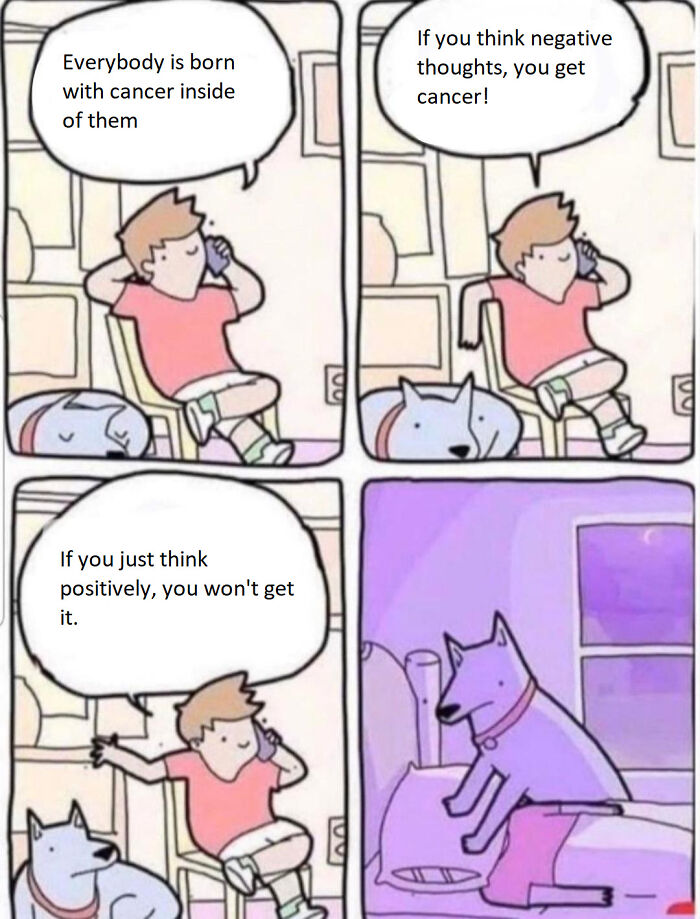
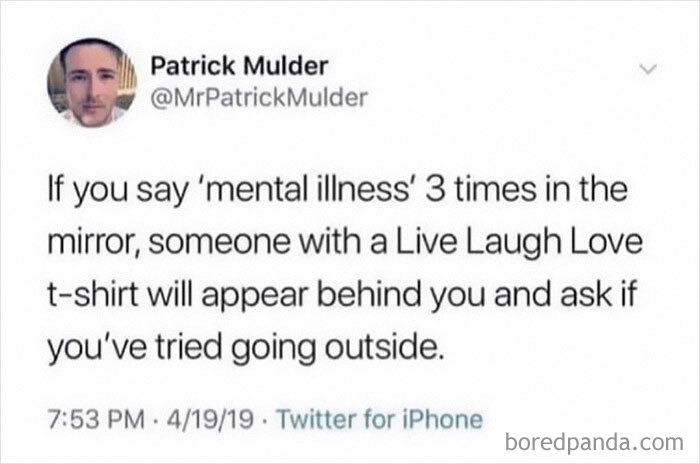
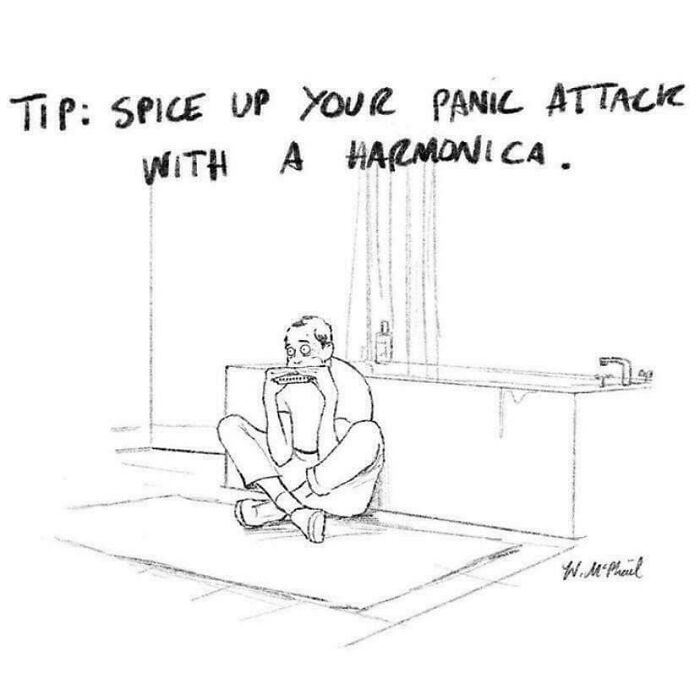
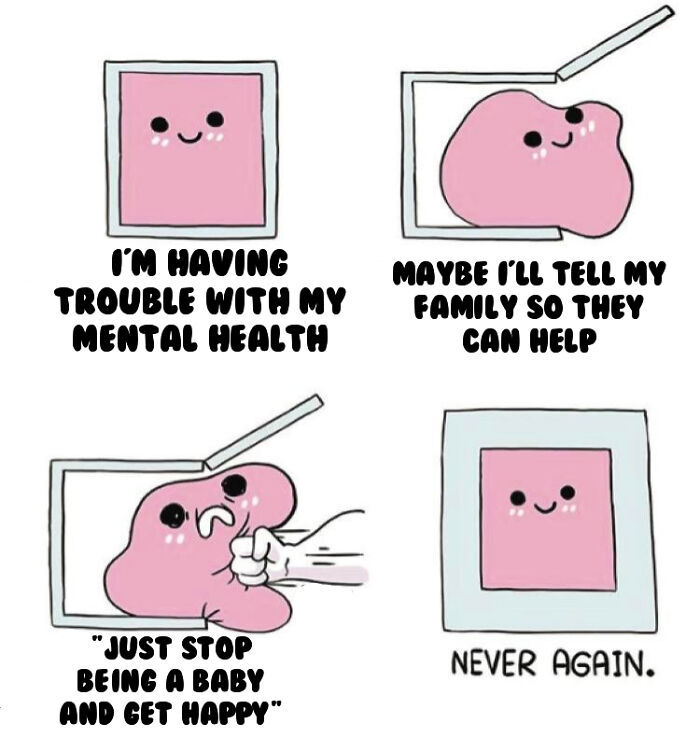
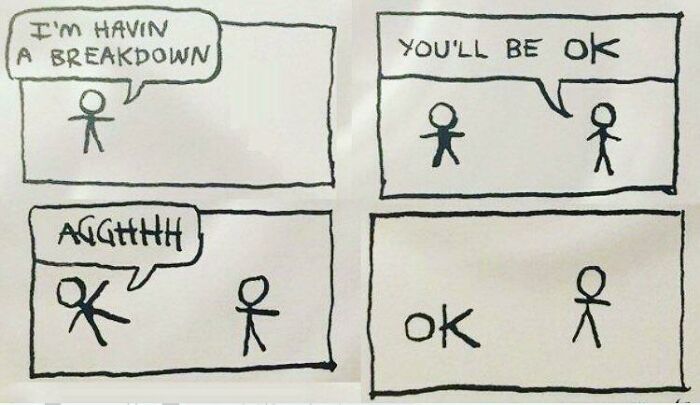
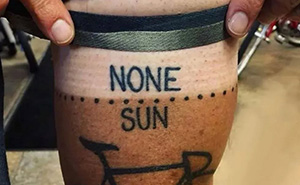
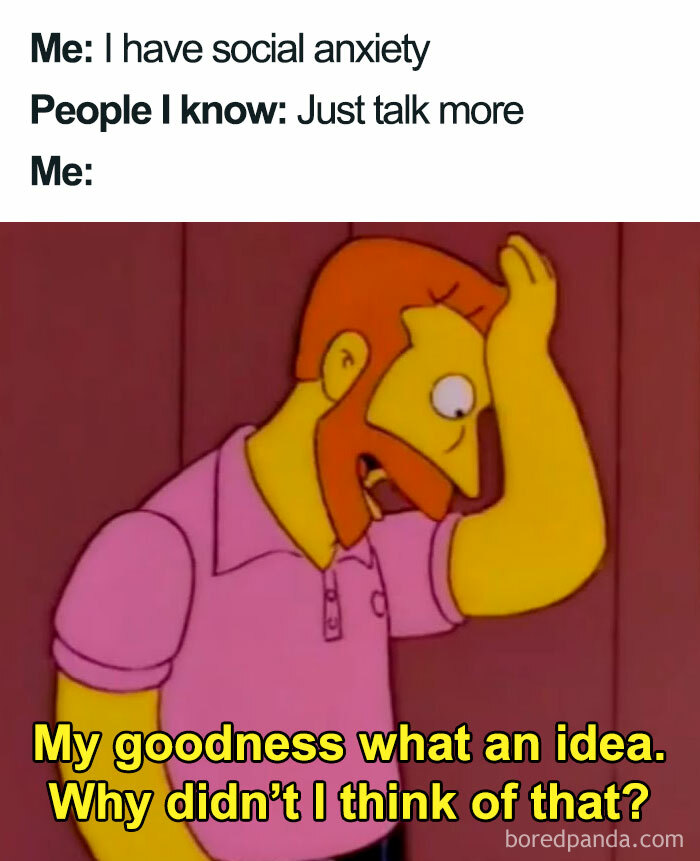
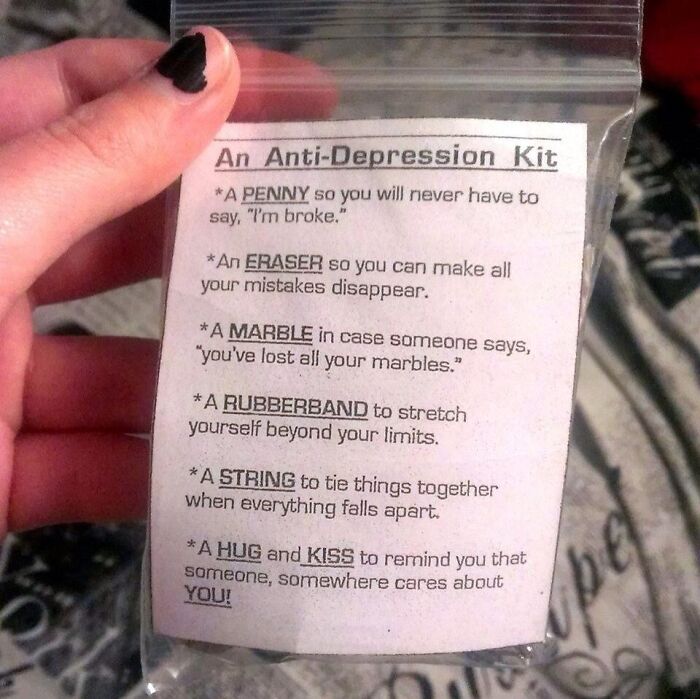
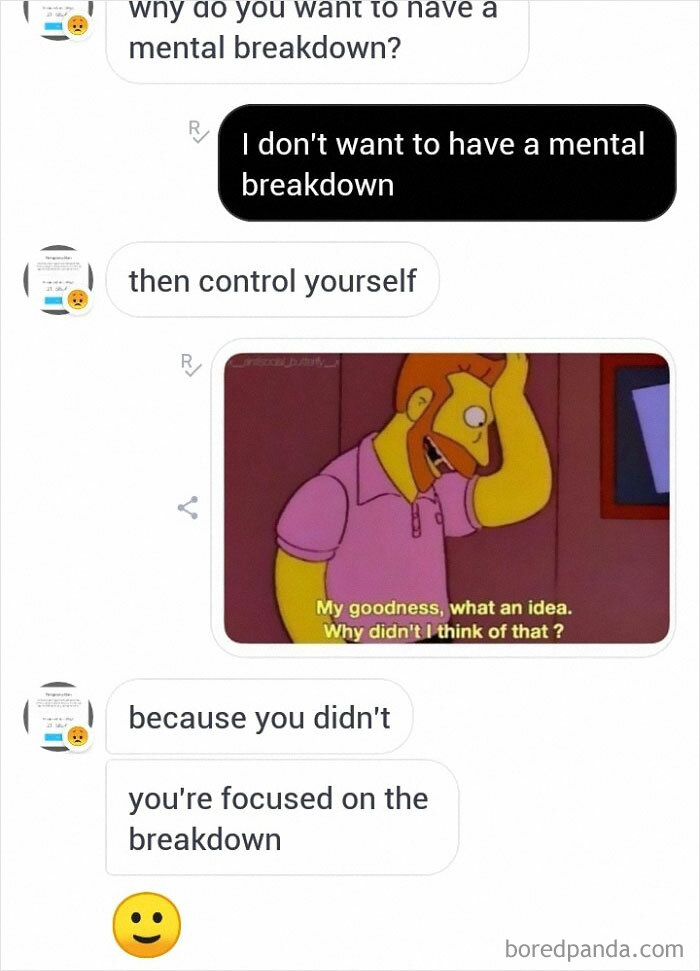
We can get valuable insights from asking a trusted person for guidance. Someone who truly cares for us. Someone who wants us to be happier. But sometimes people throw advice at you when you didn't even ask for it. And nobody illustrates how ridiculous these "gurus" can be as vividly as the subreddit Thanks, I'm Cured. It has 202K members collecting pictures of overly simplistic solutions to highly complex problems that deserve only one response — an ironic "Thanks, I'm cured!" From mental illness to crippling debt, continue scrolling to learn how to overcome your biggest problems!
Click here & follow us for more lists, facts, and stories.
This post may include affiliate links.
According to Elizabeth Scott, a wellness coach specializing in stress management and quality of life, since it's difficult to know what to do with unsolicited advice, it helps to examine where the words might be coming from.
In an article reviewed by psychiatrist Carly Snyder, MD, Scott divides the sources of unsolicited advice into 3 categories: helpful motives, less-helpful motives, and very unhelpful motives.
Whether or not the advice you received fits with your values or specific situation, it generally feels good to get when you know it was crafted out of helpful motives.
"Often, people offer advice simply because they think they can help, and they want to make your life easier. Their motives are altruistic," Scott writes. "Perhaps there's something they think would work perfectly with your situation or personality, and they make suggestions on how to improve your life or reduce your stress, especially if you're talking to them about a problem."
Sometimes a stranger might offer unsolicited advice as a way to start a conversation. Or a friend gives advice to forge a stronger connection. Plus, friends assume they can help you by offering a solution, even if you didn't ask for one. This type of advice, Scott claims, is well-meaning and can often be helpful at times.
"Other times, unsolicited advice comes from those who have found something that works for them, and they want to share it with the world. They see your situation as a perfect fit for this piece of wisdom that’s made a positive impact on their life. They may share because they wish someone had told them about it sooner," the wellness coach says.
"It's also common for people who have faced the same challenges you're facing to offer solutions or advice, especially when it comes to things that have worked for them. As a result, they assume their solution will benefit you in the same way it did for them, and they cannot wait to share it with you."
Then there are the less-helpful motives. These tips might be relevant to your situation, but oftentimes they're not.
"Sometimes, people offer unsolicited advice out of their own neediness. While they may have a lot of knowledge in a certain area that pertains to your situation, their motivations for sharing are all wrong—they're not doing it for you, but for themselves," Scott explains.
Instead of being altruistic, they share advice to feel valued, powerful, and important.
When you’re sharing your feelings and frustrations with a friend, they might be motivated to help you solve your problem because they view you as helpless. "If you're truly looking for help, great. But if you just wanted a supportive ear or a little validation, you may need to communicate that it's all you're looking for."
This scenario is quite understandable: a lot of us can't tell the difference between sharing and seeking advice, so we assume the latter.
But giving advice can also be a way of sending a message. "If you routinely share your problems and feelings with people as a way of venting, but take no steps toward solving your own dilemmas, your friends could be tired of hearing you complain," Scott says. "Even if they know that you just want to talk, they could offer advice as a way to get you to do something constructive rather than continually emoting."
Finally, we have very unhelpful motives. This type of advice has more to do with the giver than with the receiver and can feel like a slap in the face. People who are motivated by this type of advice-giving could even be considered emotionally abusive.
"Some people—particularly those with narcissistic tendencies—need to be in the role of 'teacher' virtually all of the time," Scott writes. "Or perhaps they just like to hear themselves pontificate. Their advice is often long-winded and not always appropriate to your situation. Likewise, their advice tends to be more about them than you."
Others share their 'wisdom' to appear as a "more knowledgeable person" in the relationship dynamic. And giving advice puts them in that position. If you find that someone in your life is always putting themselves in a position of authority over you, it might be worth it to take a closer look at the relationship.
"People may give unsolicited advice as a way to change you or your behaviors," Scott adds. "This advice can often feel like an insult more than a genuine attempt to help. In these situations, it's important to recognize this type of advice for what it is. Remember, a true friend wants to help you be the best you can be, but they also love you, warts and all."
Believe it or not, some people love conflict. They love hearing themselves argue and get a feeling of personal power from telling others how wrong they are. Such people, consciously or unconsciously, tend to give lots of advice as a way of bringing up topics to debate.


































 No fees, cancel anytime