Get Premium
Dark mode theme is available exclusively for premium users. Learn more about the benefits of subscribing.
No fees, cancel anytime.

 Dark Mode Ad-Free Browsing Unlimited Content
 Ad-Free Browsing Unlimited Content Dark Mode
Join 1.2 million Panda readers who get the best art, memes, and fun stories every week!
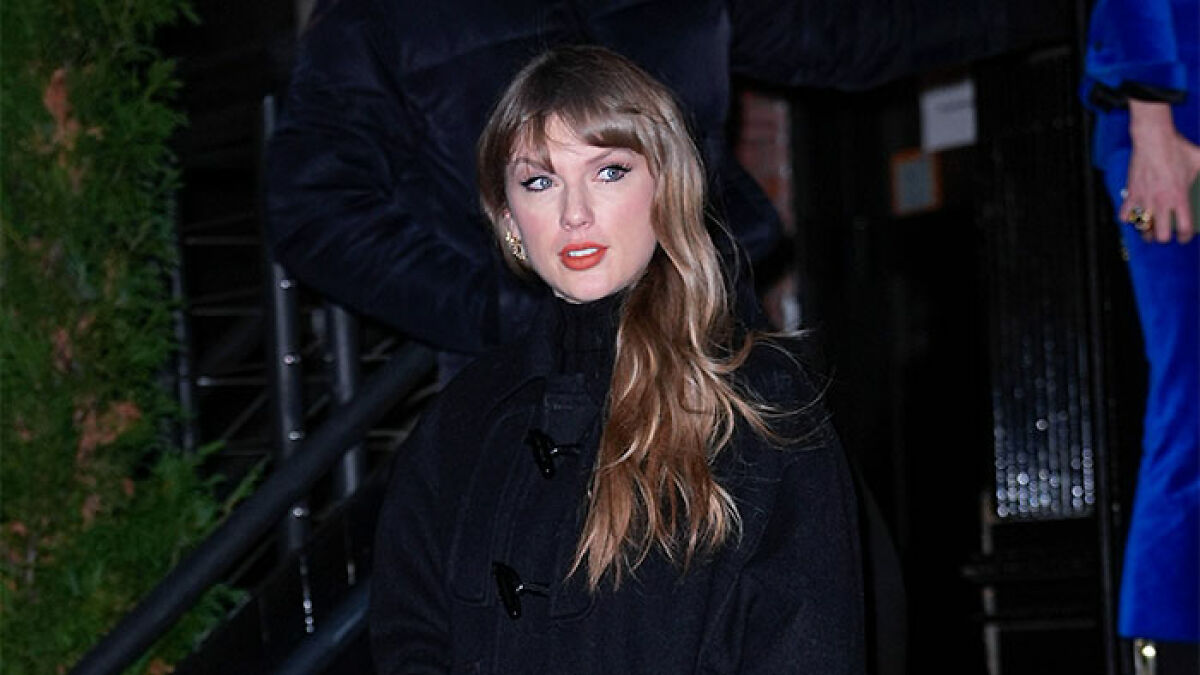
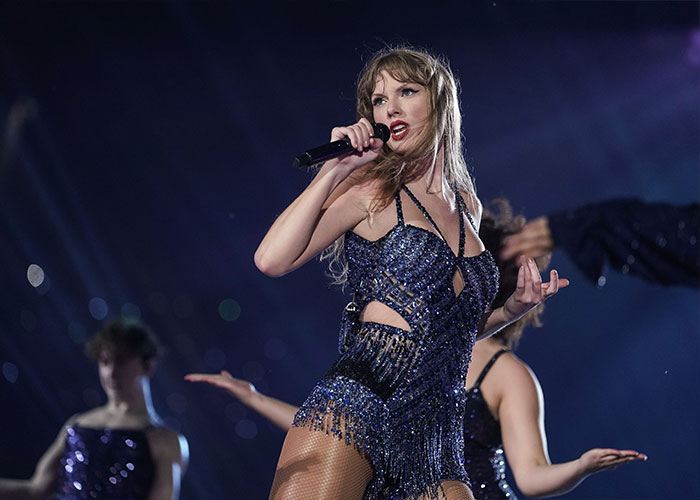
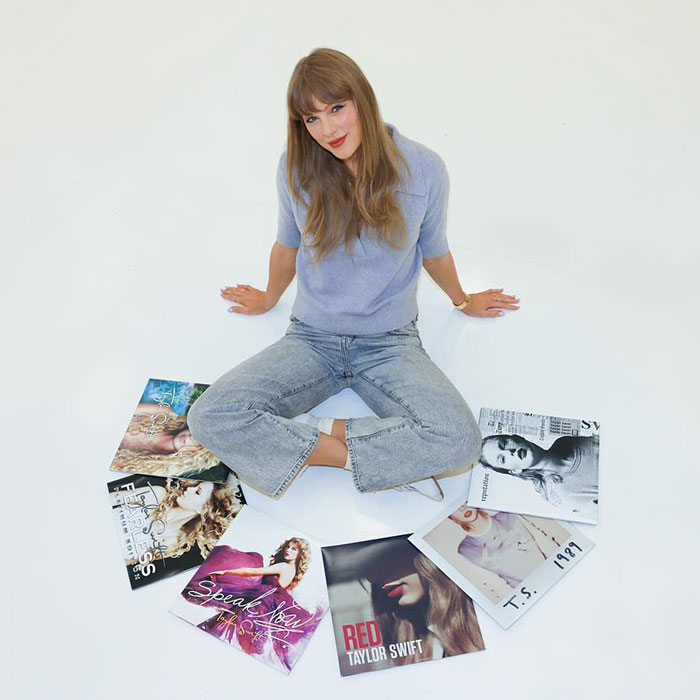
Taylor Swift has found herself at the center of a conspiracy storm unlike any other.
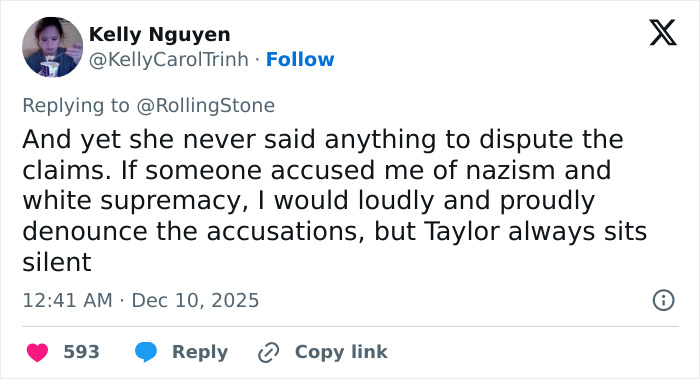
In recent weeks, the singer has been accused of using white s*premacist symbols and incorporating racist dogwhistles at her shows. The backlash was intense, leading her to block comments on social media.
Both fans and neutral observers were shocked by the animosity towards Swift, who has been known for her conciliatory and inclusive demeanor in the past. Something was off, but no one was able to identify why.
Until now.
Behavioral-intelligence research has proven the outrage was not organic at all. It was manufactured by a small network of bots and coordinated accounts created specifically to sow division and hatred among US users.
Image credits: taylorswift
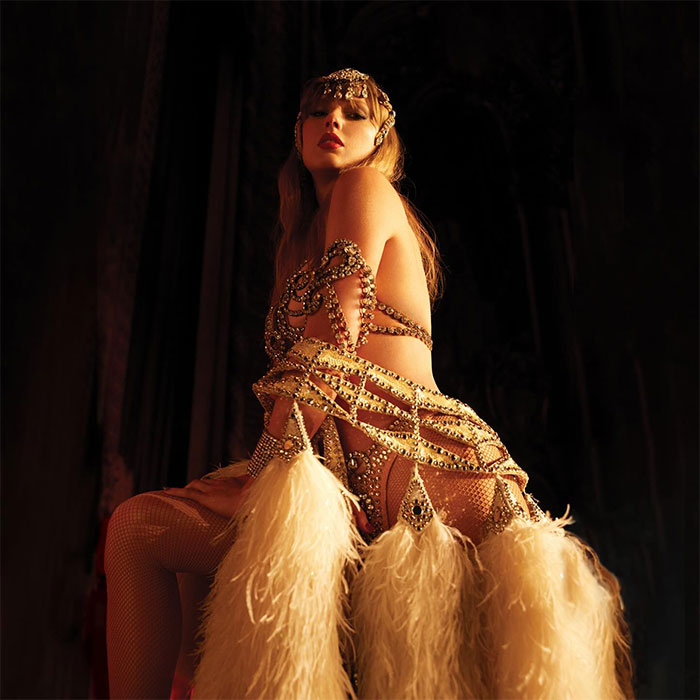
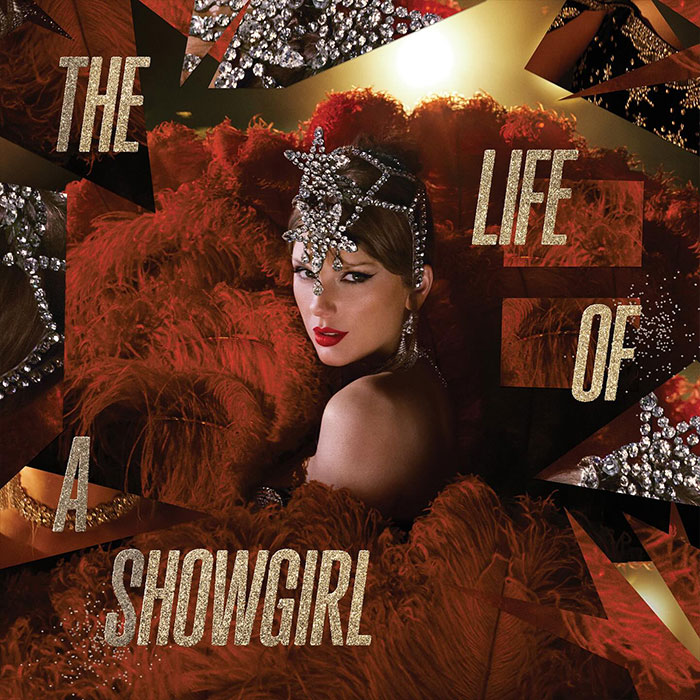
The controversy began after Swift released The Life of a Showgirl in October, when critics suddenly accused her of embedding racist dogwhistles into the album and its merchandise.
More concerning allegations followed, a lightning-bolt Opalite necklace was said to resemble authoritarian imagery, and Swift’s lyrics were accused of celebrating racist ideals.
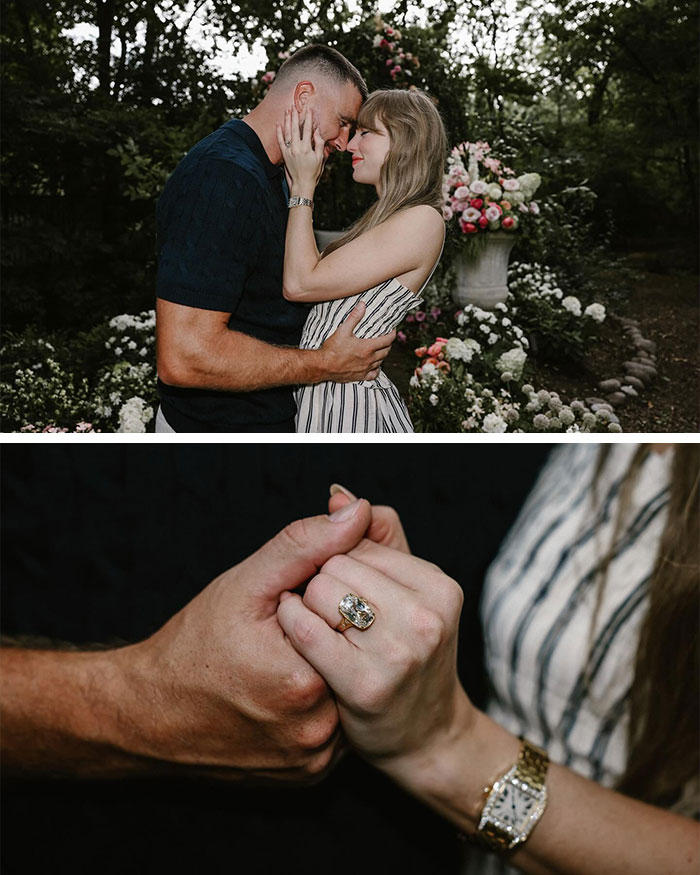
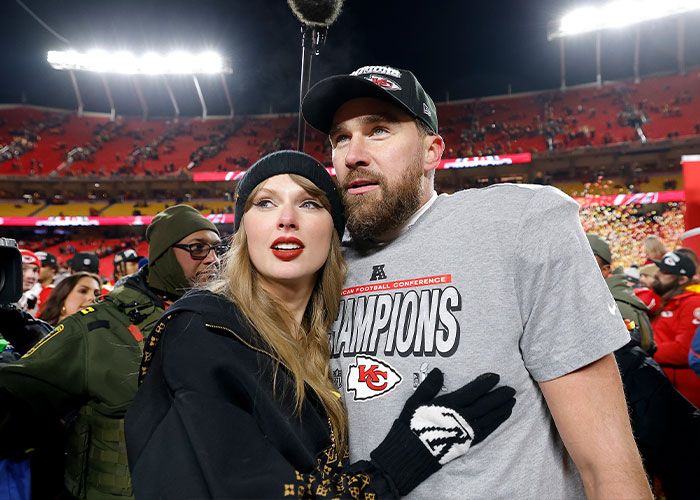
Even her engagement to Travis Kelce was questioned, being framed as a blueprint for “white American perfection.”
Image credits: disneyplus
Data now reveals the outrage was engineered, and many are now questioning how much of the collective outrage filling their social media pages on a day to day basis is even real.
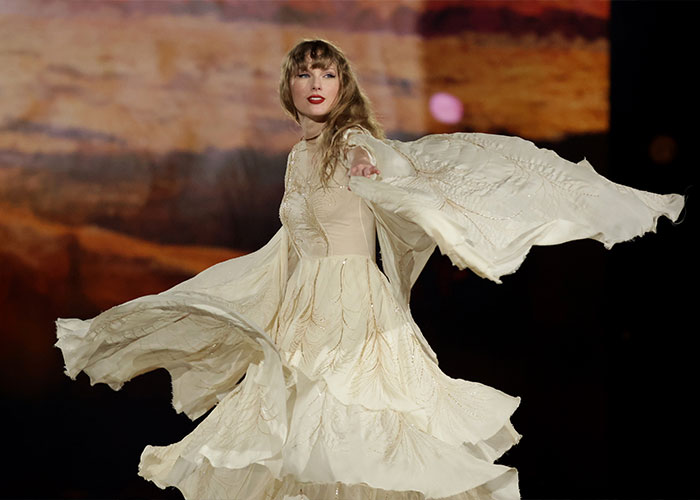
Image credits: taylorswift
Conspiratorial accounts latched onto lyrics from Swift’s song Wi$h Li$t, insisting she was promoting “tradwife” values and coded white nationalism.
Critics claimed the lines, “I just want you / Have a couple kids / Got the whole block looking like you,” paired with imagery of Swift and her blonde fiancé, were evidence of an “Aryan-style” fantasy.
Image credits: taylorswift
GUDEA, a behavioral-intelligence platform, analyzed the conversations and found that from October 4 to October 18, only 3.77 percent of accounts were responsible for driving 28 percent of all Swift-related discussion.
Their report, published on their website, shows these accounts disproportionately pushed the most inflammatory content, overwhelmingly centered on conspiracies rather than music commentary.
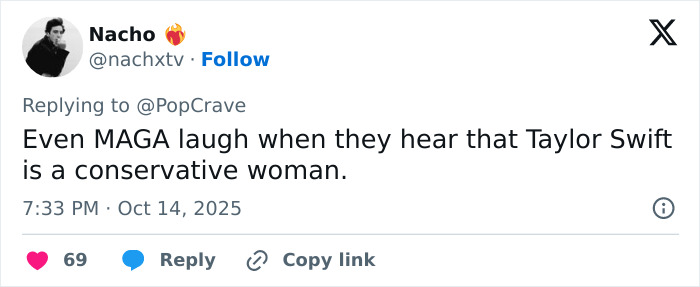
Image credits: nachxtv
Two surges were identified. The first occurred October 6 and 7, just days after the album launch. The second happened October 13 and 14, immediately after the release of the lightning-bolt necklace.
During that second spike, GUDEA found that 73.9 percent of all Swift-related posts online originated from bot-like accounts or pages spreading fabricated claims.
Image credits: Getty/Ashok Kumar/TAS24
According to GUDEA, the false narratives originated in fringe spaces before leaking into mainstream platforms like X, TikTok and Reddit, which the report identifies as some of the most vulnerable spaces for targeted attacks of this kind.
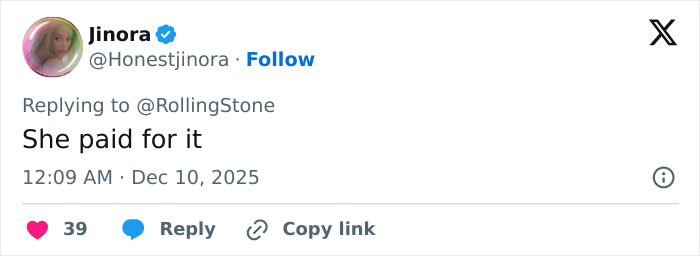
Image credits: Honestjinora
Image credits: Getty/David Eulitt
Once that happened, the discourse mutated. The public conversation shifted from fact-checking to hostility, with some users drawing comparisons between Swift and Kanye West, despite Swift’s well-documented history of criticizing political extremism.
“An invented claim can evolve into a completely new, authentic conversation that continues to propel its visibility,” the researchers wrote.
Image credits: Getty/Thomas Niedermueller/TAS24
In other words, the bot accounts target social media spaces vulnerable to false information with inflammatory claims, in hopes that people who already have animosity towards the celebrity in question create a genuine conversation that then spreads on other platforms.
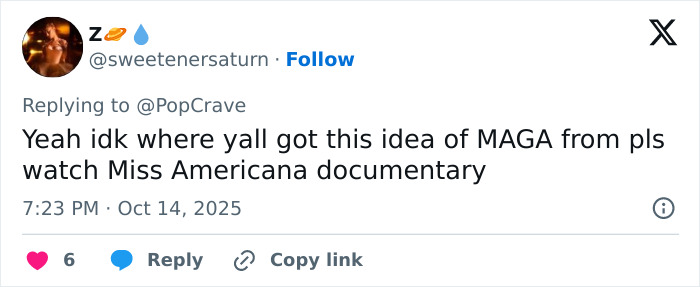
Image credits: sweetenersaturn
@kenzmemories I saw this on threads and had to steal it! LOVE HER! @Taylor Swift @Taylor Nation✨ #foryou#taylorswift#fyp#xyzcba#fypシ゚viral#fy#taylornation#fypage#fyppp#foryoupage#fypp#swiftie#taylor#swift#viral#fypシ#4u#donaldtrump#fypツ#fdt#xybca♬ original sound – Kazliah🦋
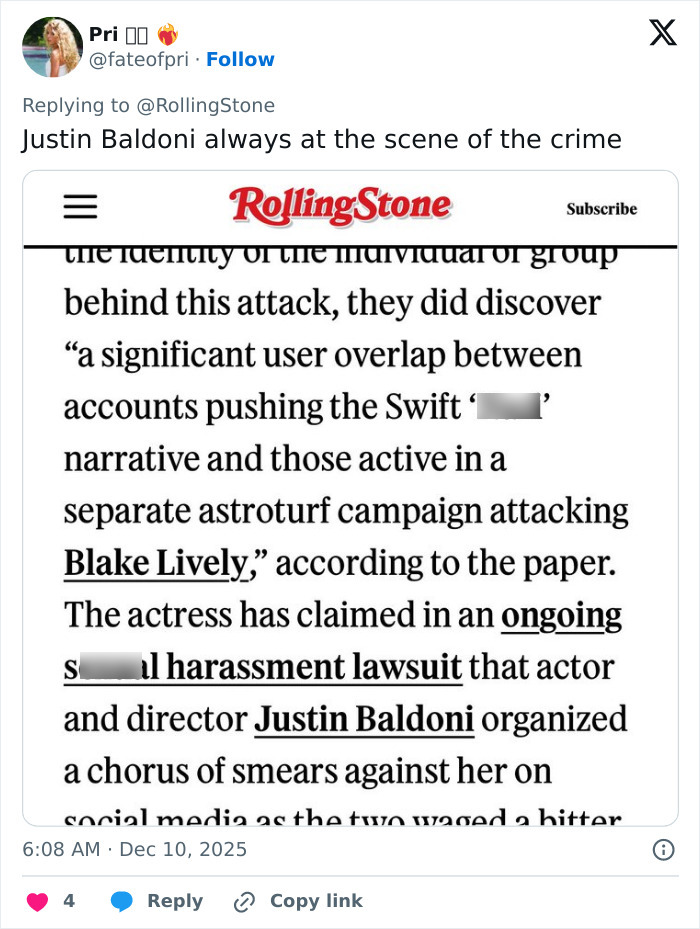
Investigators also discovered the same network of accounts attacking Swift had been active in separate smear campaigns involving other celebrities, such as Blake Lively.
In particular, GUDEA identified 2,395 accounts participating in propagating conspiracy theories targeting both celebrities, describing the overlap as a “cross-event amplification network.”
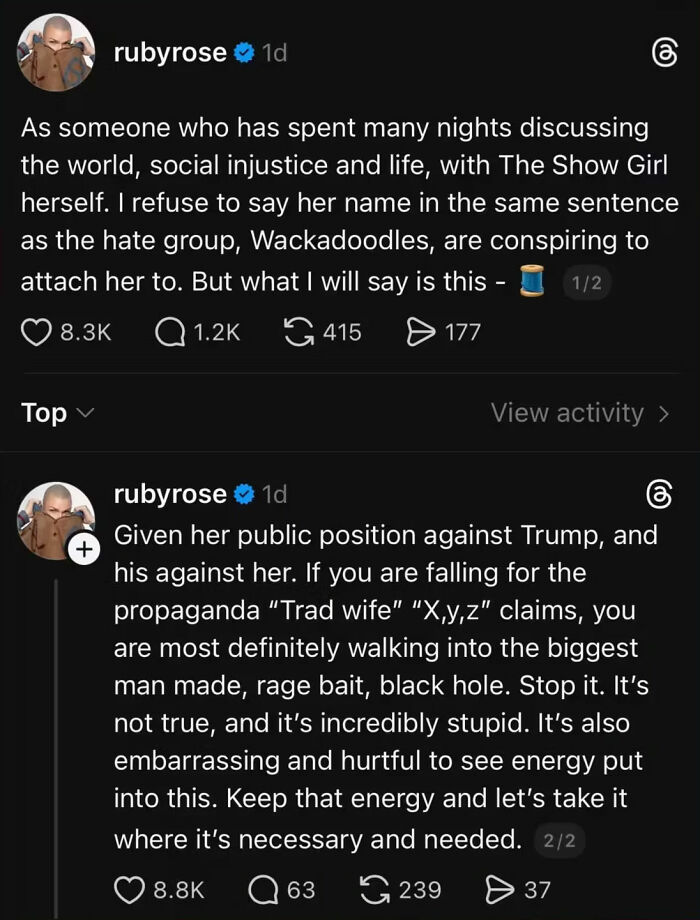
Image credits: rubyrose
This suggests the Swift controversy was not spontaneous outrage, but part of a coordinated effort targeting multiple celebrities simultaneously, many of which are still to be named.
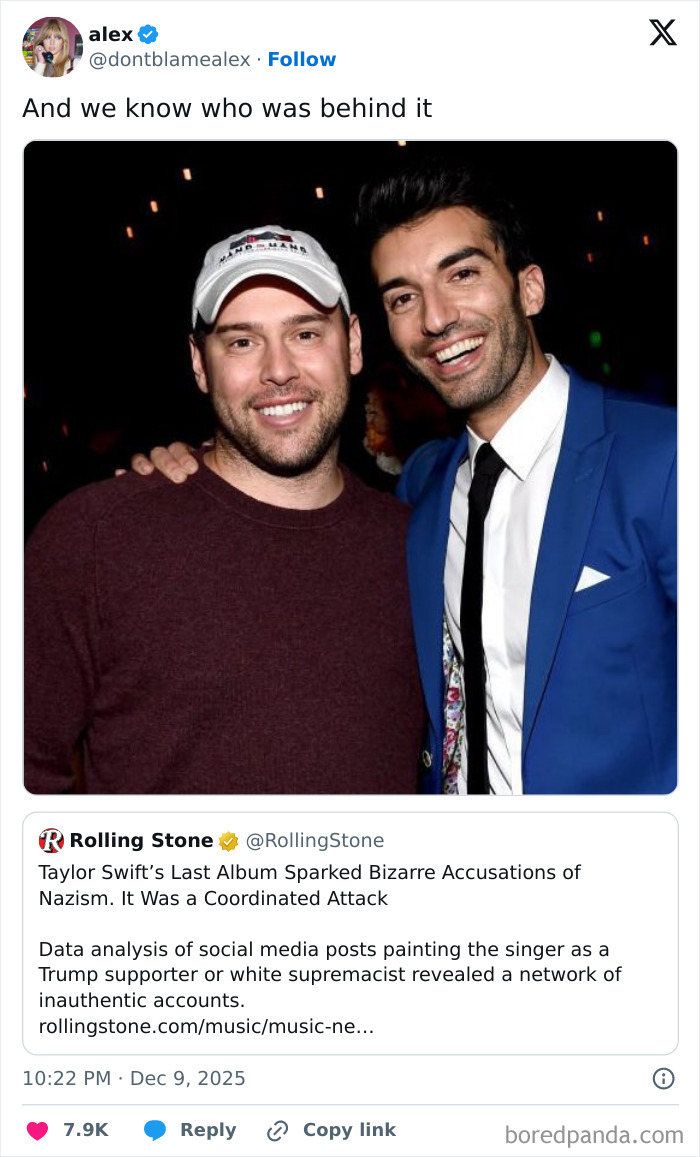
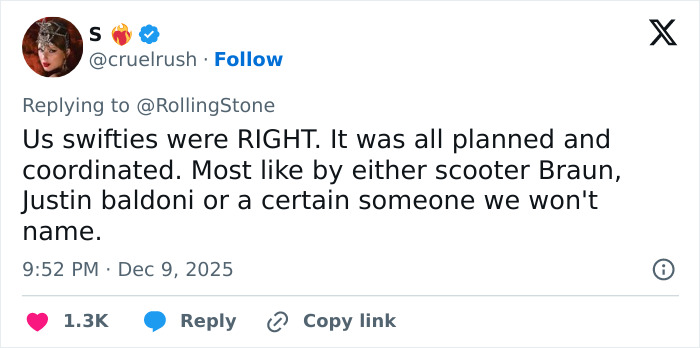
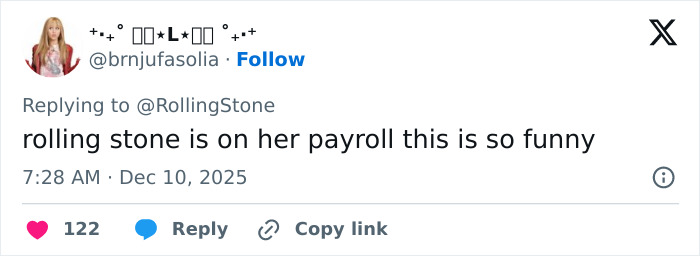
A similar analysis published by Rolling Stone reached the same conclusion.
Their report found more than 24,000 posts and 18,000 accounts involved across 14 platforms, revealing that the same small cluster of actors pushed conspiracies about Swift’s supposed ties to political extremism and racist messaging.
Image credits: dontblamealex
Georgia Paul, GUDEA’s customer-success lead, said she had a “gut feeling” something was off.
The attacks were too synchronized, too ideologically charged, and too sudden to represent genuine fan sentiment. After reviewing the data, she confirmed her suspicion.
Keith Presley, GUDEA’s founder and CEO, took it further with an even more worrying claim: bots may constitute “50% of the web.”
Image credits: taylorswift
He described these tactics as a form of reputational sabotage.
“This is something that we’ve seen escalate on our corporate side. This type of espionage, or working to damage someone’s reputation,” he said.
In Lively’s case, the attacks were allegedly linked to a separate dispute involving director Justin Baldoni, whom Lively accused of misconduct. Fans quickly speculated that the smear networks targeting Lively were now redirected toward Swift.
Image credits: fateofpri
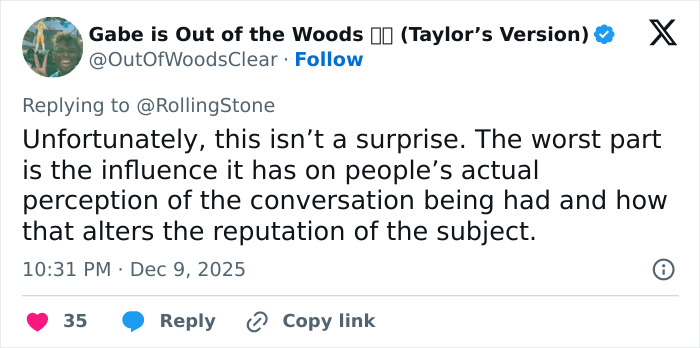
The conspiracy theories succeeded not by convincing the public that Swift was a white nationalist, but by forcing people to respond to the lie.
GUDEA’s report explains that the tactic relies on baiting ordinary users into arguing, fact-checking or debunking, all of which give the initial falsehood greater algorithmic reach.
Meanwhile, Swift’s actual political identity stands in direct opposition to the conspiracies. She has publicly endorsed Democratic candidates for years, repeatedly condemned white supremacy, and used her platform to encourage civic participation.
Image credits: Getty/XNY/Star Max
“The simplest way to combat misinformation is with the truth,” she wrote, revealing an AI deepfake of her endorsing Donald Trump had appeared on his website.
“It really conjured up my fears around AI, and the dangers of spreading misinformation.”
As of now, Swift’s representatives have not commented on GUDEA’s findings.
GUDEA warns that the goal of these attacks is chaos and creating an environment of hatred and suspicion. The strategy designed to see whether a single seeded lie can reshape public perception, even when nearly everyone knows it is false.
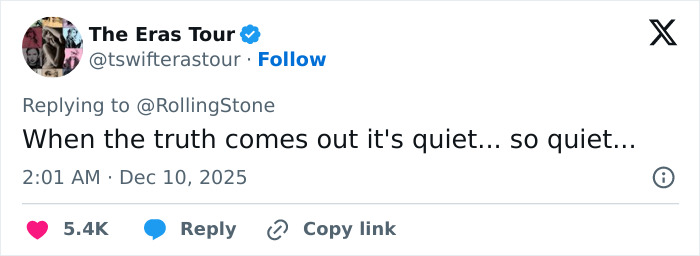
Image credits: tswifterastour
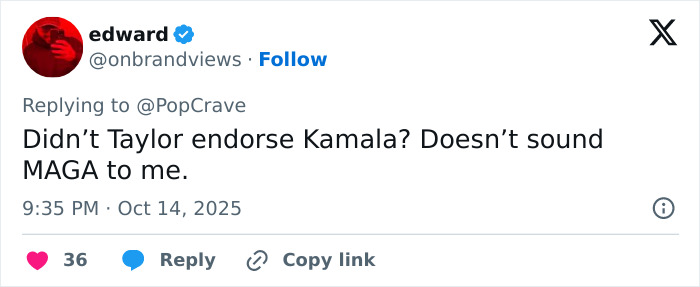
Image credits: onbrandviews
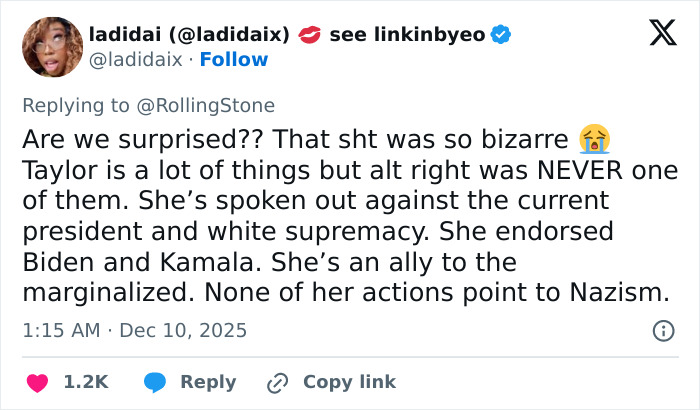
Image credits: ladidaix
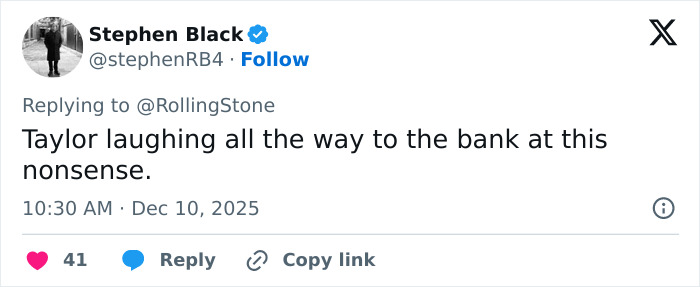
Image credits: stephenRB4
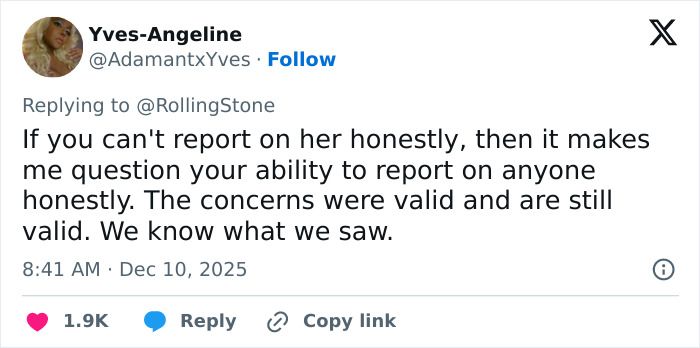
Image credits: AdamantxYves
Image credits: cruelrush
Image credits: OutOfWoodsClear
Image credits: brnjufasolia
Image credits: KellyCarolTrinh
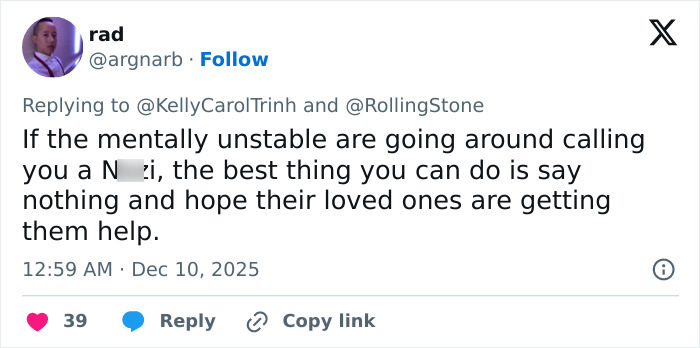
Image credits: argnarb
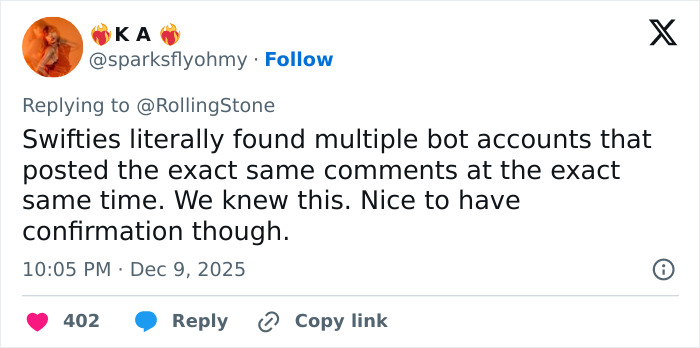
Image credits: sparksflyohmy
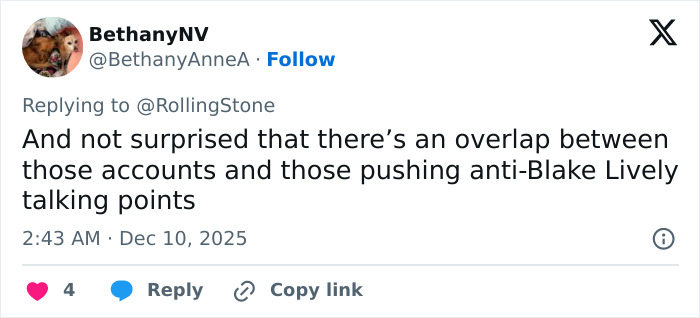
Image credits: BethanyAnneA
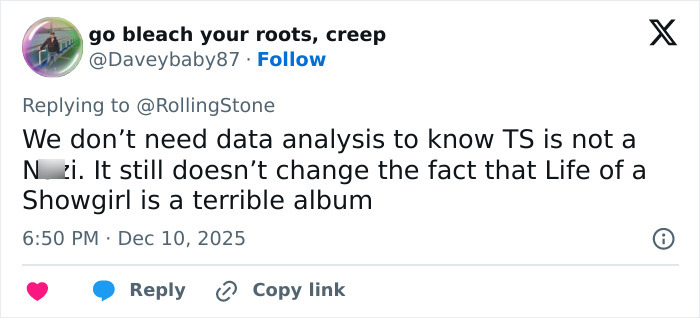
Image credits: Daveybaby87
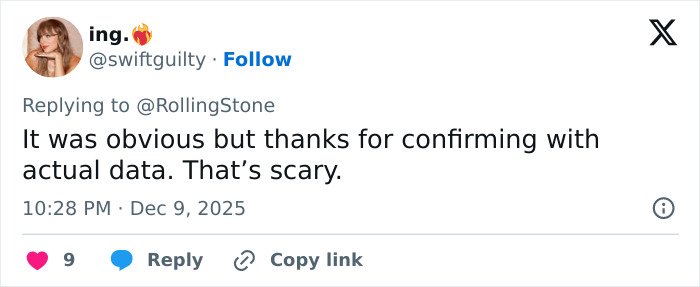
Image credits: swiftguilty
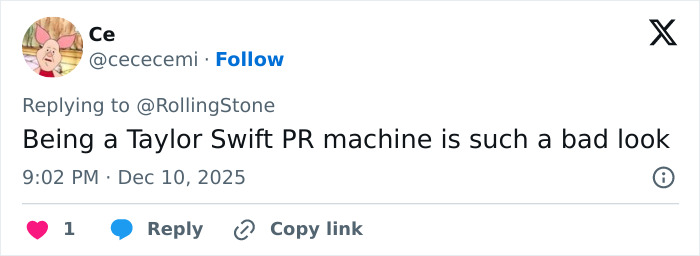
Image credits: cececemi
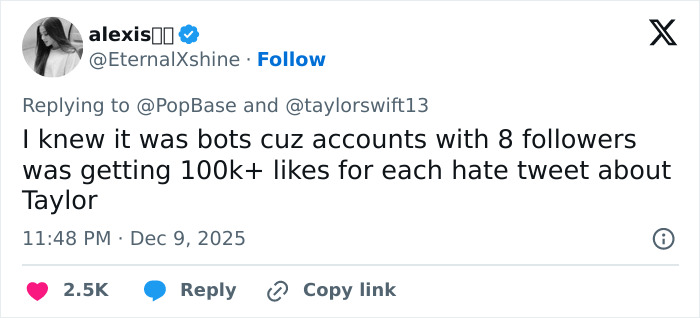
Image credits: EternalXshine
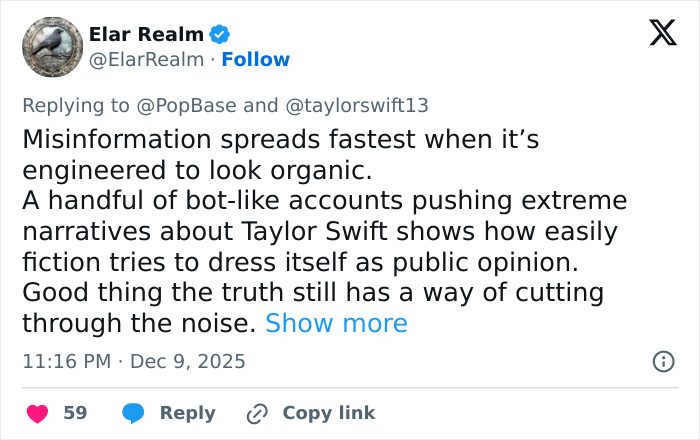
Image credits: ElarRealm

By entering your email and clicking Subscribe, you're agreeing to let us send you customized marketing messages about us and our advertising partners. You are also agreeing to our Privacy Policy.
Thank you! You've successfully subscribed to newsletters!


"many are now questioning how much of the collective outrage filling their social media pages on a day to day basis is even real." It's about time people actually thought about this. It's disturbing how many useful idiots are responding to targeted false information on social media. It's actually deliberately DESIGNED to cause divisions and conflict.
"many are now questioning how much of the collective outrage filling their social media pages on a day to day basis is even real." It's about time people actually thought about this. It's disturbing how many useful idiots are responding to targeted false information on social media. It's actually deliberately DESIGNED to cause divisions and conflict.





 No fees, cancel anytime




5
1