Get Premium
Dark mode theme is available exclusively for premium users. Learn more about the benefits of subscribing.
No fees, cancel anytime.

 Dark Mode Ad-Free Browsing Unlimited Content
 Ad-Free Browsing Unlimited Content Dark Mode
Join 1.2 million Panda readers who get the best art, memes, and fun stories every week!
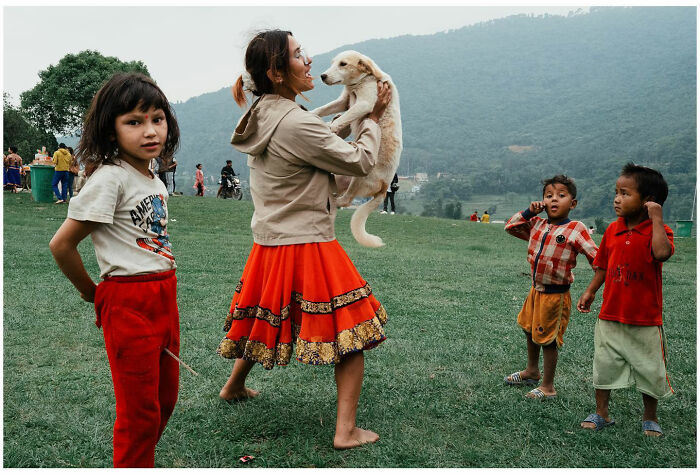
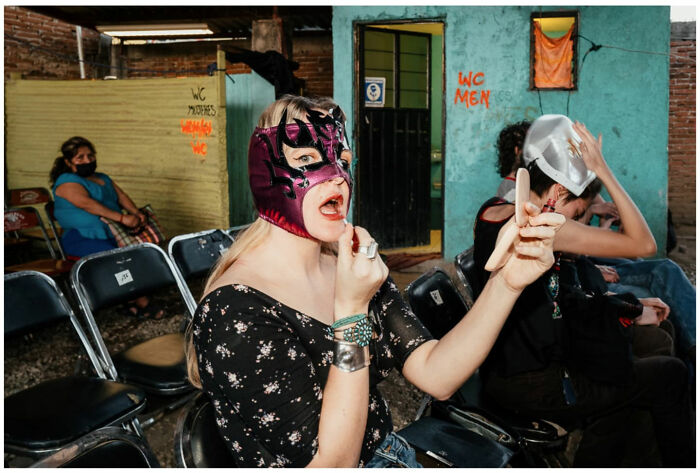
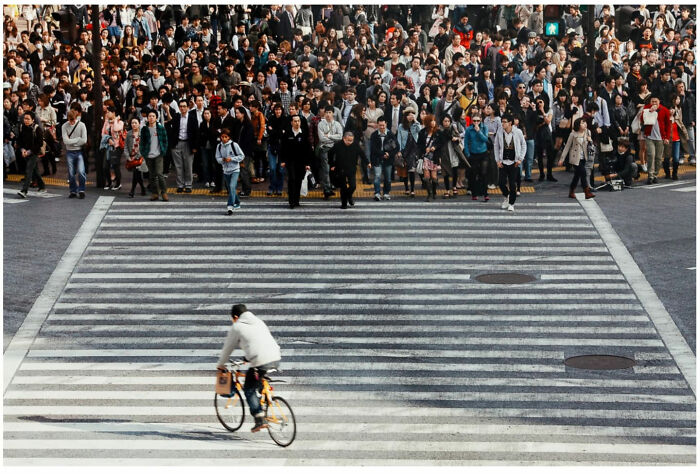
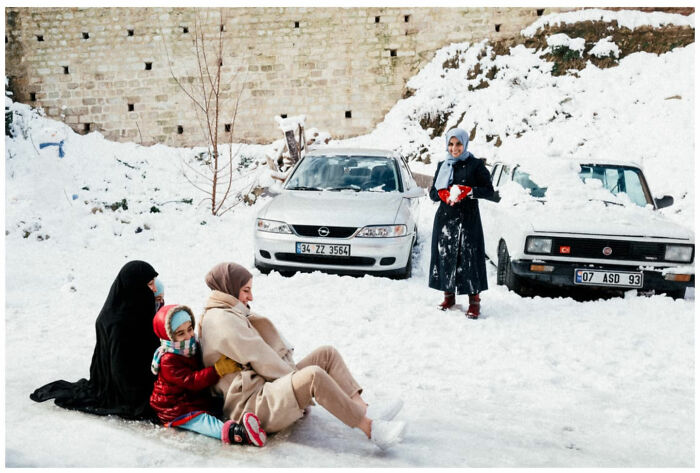
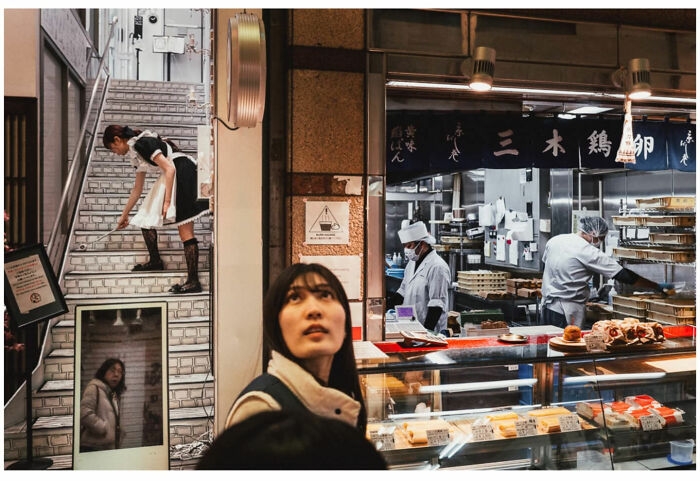
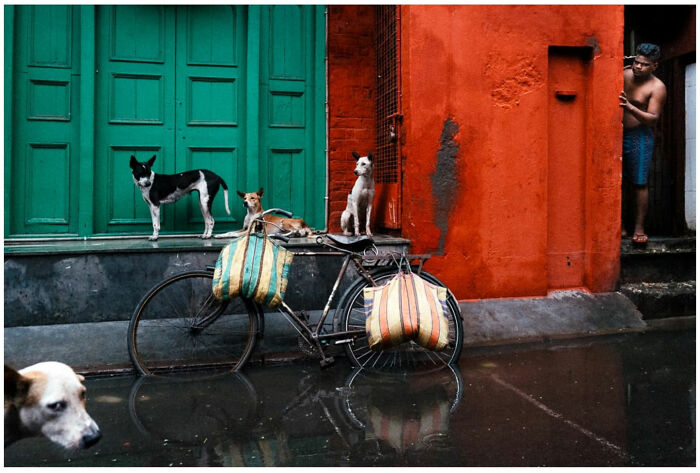
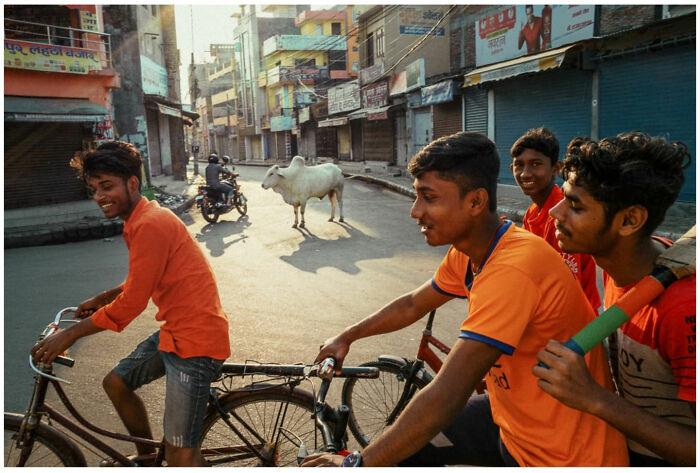
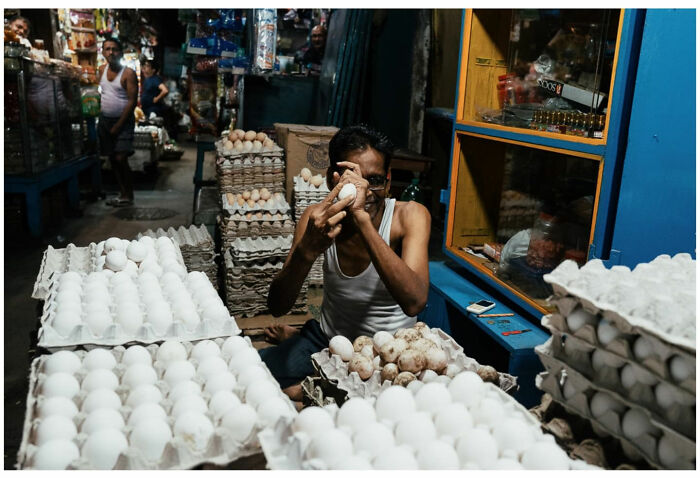
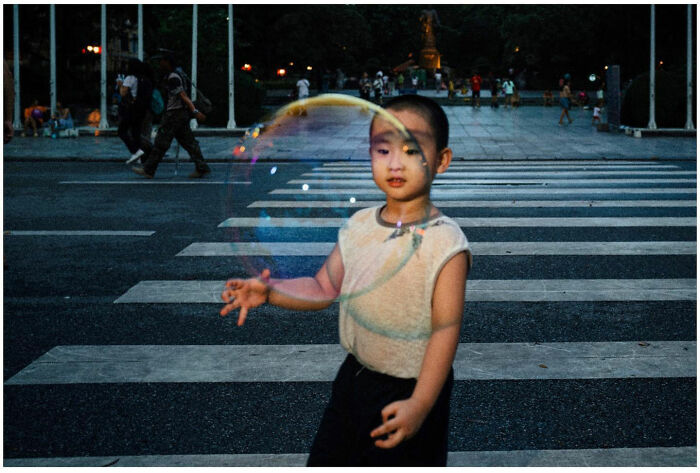
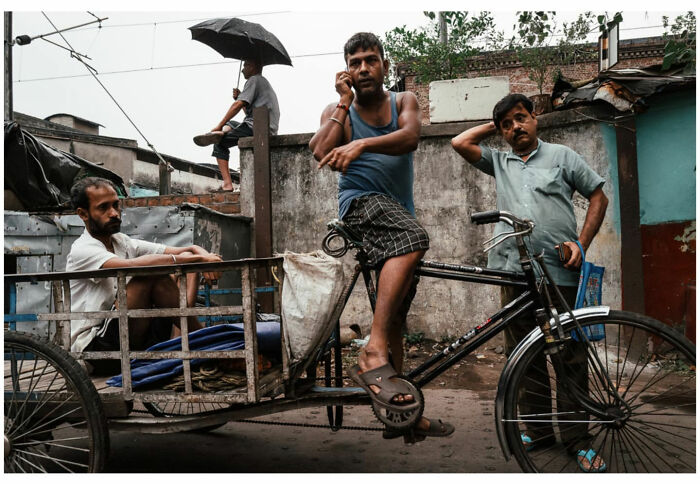
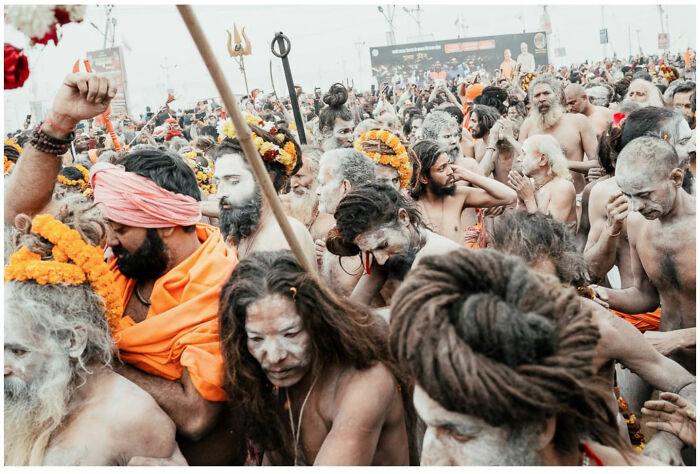
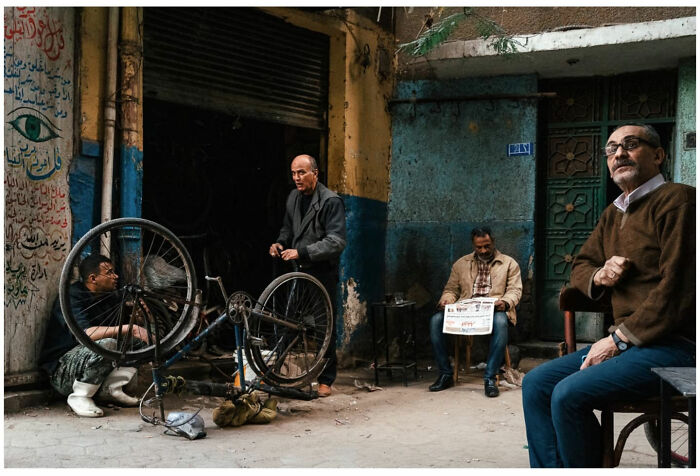
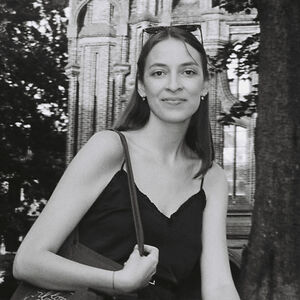
Jonathan Jasberg is a renowned American street and documentary photographer, often described as a vagabond for his nomadic, full-time travel lifestyle. Over the years, he has journeyed through dozens of countries, capturing vibrant, cinematic moments from everyday life.
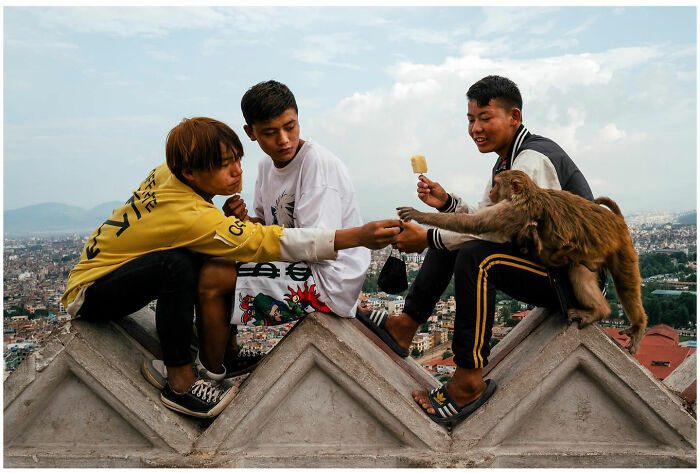
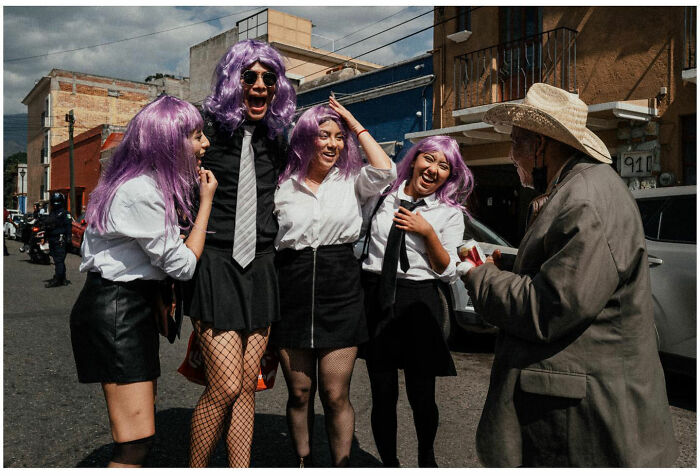
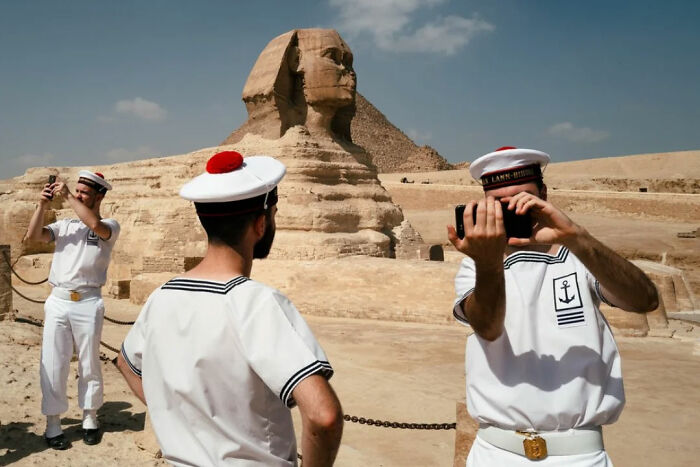
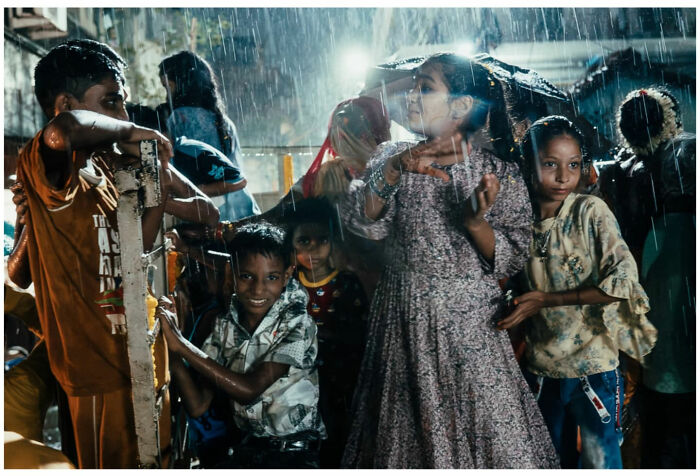
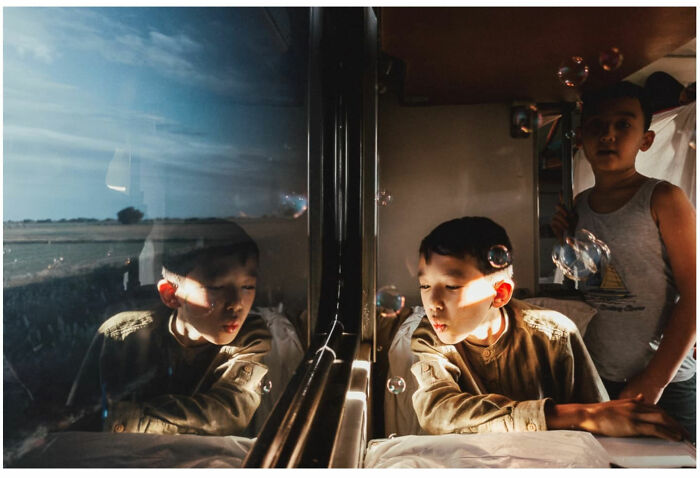
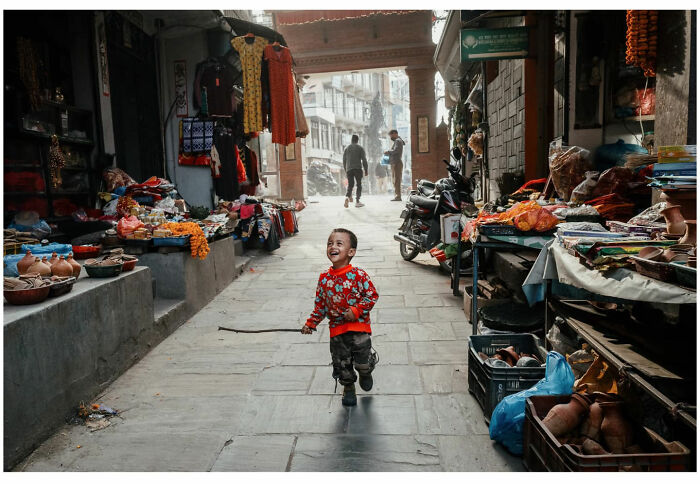
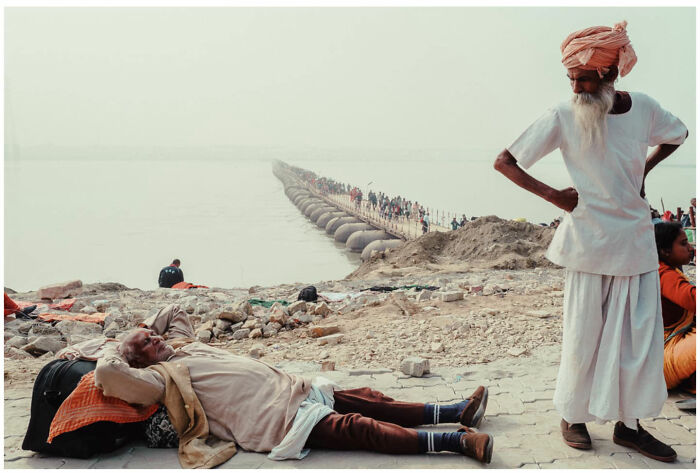
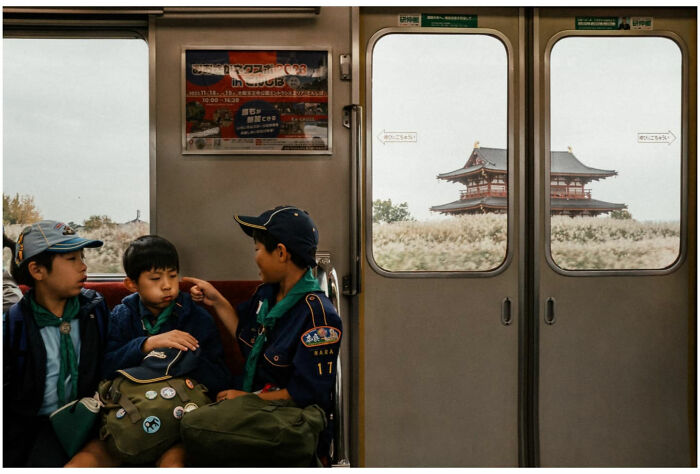
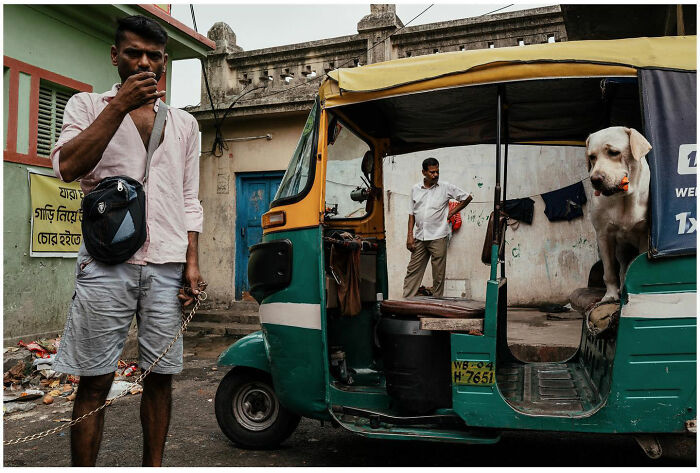
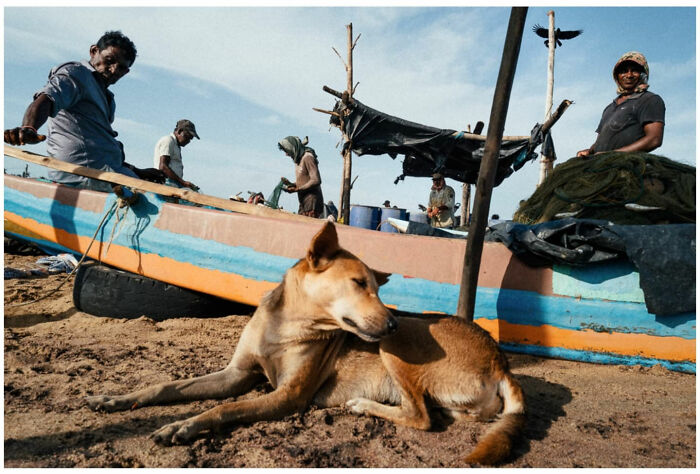
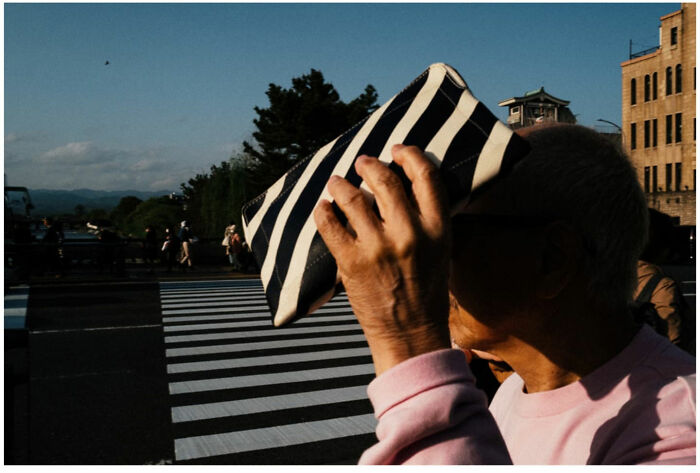
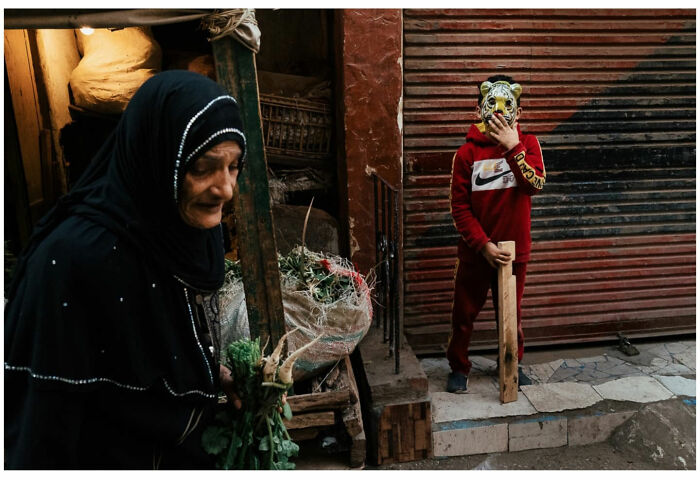
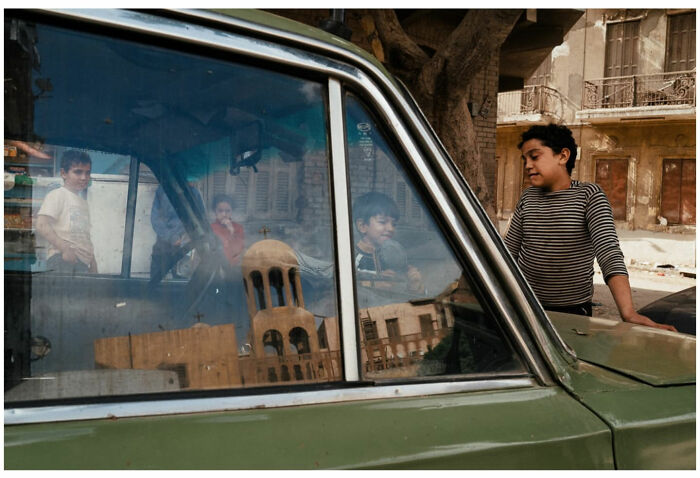
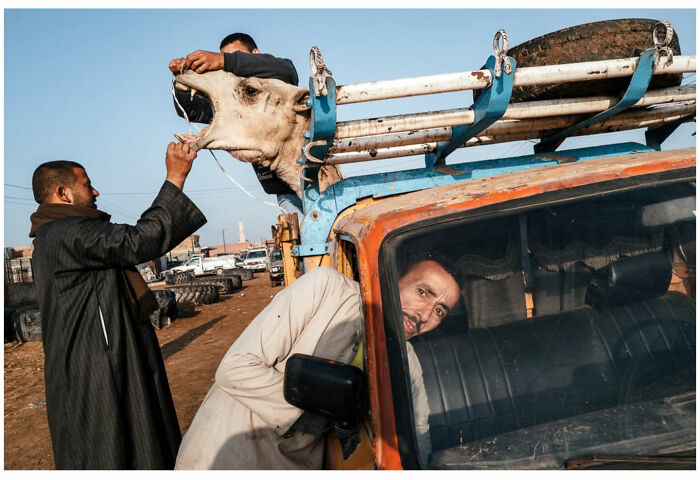
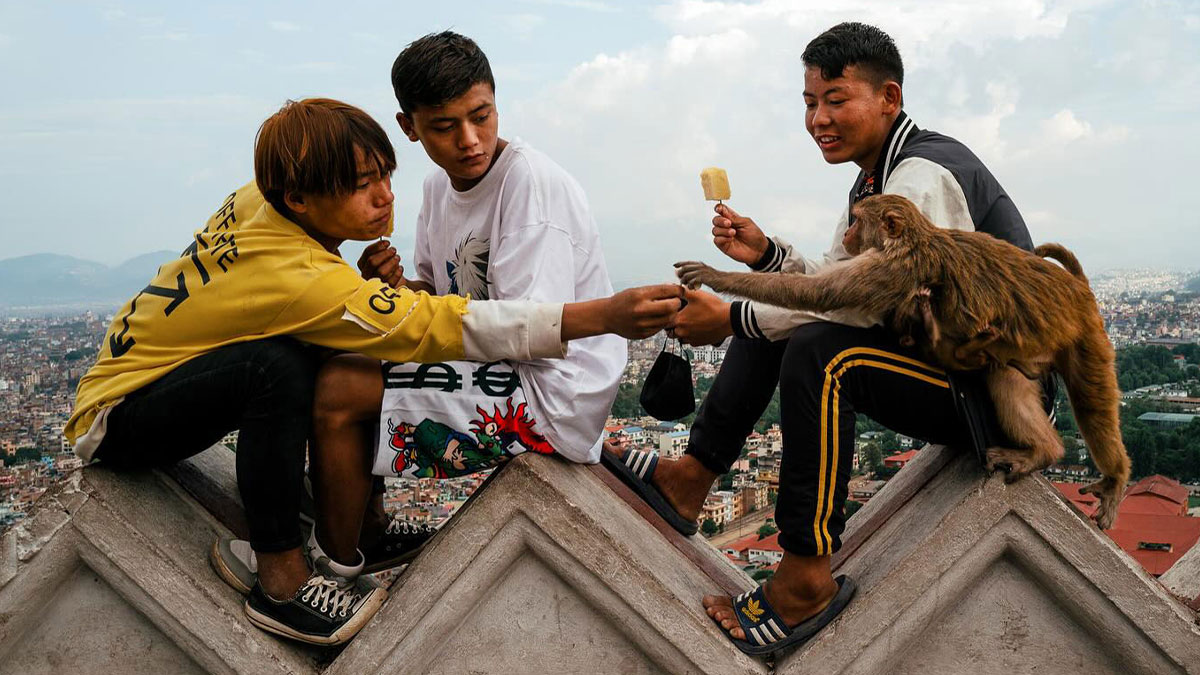
In this feature, we showcase a selection of Jasberg's photographs from his travels through Vietnam, Japan, Nepal, Uzbekistan, and beyond. Each image offers an intimate, spontaneous, and deeply human window into daily life, seen through the eyes of a traveler who lingers, observes, and waits for just the right moment.
More info: Instagram | jonathanjasberg.com
This post may include affiliate links.
We reached out to Jonathan Jasberg to learn more about his approach to street photography, the challenges of his nomadic lifestyle, and the unforgettable moments he’s experienced behind the lens.
When asked what draws him to a particular scene or moment, Jasberg describes a process that’s less about seeking and more about sensing—following sparks of curiosity until something begins to unfold. "Usually when I’m drawn to something, it doesn’t immediately appear as a scene. It might just be a small detail like an interesting light, a reflection, an intriguing person, or something else. As I start exploring it with a bit of playful curiosity, new discoveries are sometimes made, and a scene begins to develop. Regardless of whether a usable photo materializes, it’s the process of visual discovery that I’m really after. It kind of feels like fireworks going off in my mind."
Jasberg shared that he seldom stays in one place for more than a couple of months. The biggest challenge, he says, is finding a sense of balance and routine amid constant upheaval—especially with the ever-present jet lag. "It’s exhausting to figure out the simple things that become automatic once you’ve lived somewhere for a while, like where to get groceries, do laundry, or find light roast single origin natural processed beans (If you know, you know.. and yes, it’s been a serious addiction for as long as I’ve been traveling)."
Still, Jasberg is quick to point out that the rewards more than make up for the challenges. "I love having numerous second-home cities around the world that I return to often, places I know well and where I have great friends. Keeping a minimal and agile lifestyle allows me to feed my unquenchable wanderlust."
We were curious about how Jasberg navigates the delicate balance between observation and intrusion and whether the simple presence of a camera can shift the authenticity of a scene. He acknowledges that a camera can certainly influence what unfolds in front of it, but believes it doesn’t have to. "Usually, I don’t care much about being invisible. I’m 6’3” and pretty obviously a foreigner in most places I stay, so trying to be invisible with a camera often just draws attention for looking suspicious. Instead, I aim to be ignorable.
My goal is to capture a scene from an insider's perspective without letting my presence show in the final image. To do that, I use body language, both spoken and unspoken communication, and social dynamics to quickly make my presence understood and welcomed. While scanning a scene, I juggle my attention between noticing elements to build the composition and deflecting or redirecting other people’s attention. If it’s no big deal that I’m there and casually taking photos, then maybe, just for a split second, me and my camera become ignorable, and that’s when a photo can emerge."
Some moments pass too quickly to capture, but never too quickly to remember. We asked Jasberg if there’s a shot he still thinks about missing. “I’m sure I have missed shots, but I can’t think of one off the top of my head… wait, I guess that means I haven’t,” the photographer shared. "Fortunately, I have always had my camera with me and managed to capture the rarest and most memorable moments while on the road (at least from what I can remember)."
However, it’s not so much a “missed shot” as a “lost shot” that often haunts Jasberg. "It is a bit of a long story, but I will try to keep it brief. Last summer, I was on a multi-month assignment for a phone company photographing a week-long horse trek with nomads in Kyrgyzstan, followed by ten days driving the Pamir Highway (one of the highest elevation highways in the world) along the border of Afghanistan and Tajikistan.
Midway through the trip, on an incredibly dark night, I took a shot with my phone from an old basketball court next to a mosque along the Pamir Highway with the Milky Way shooting through the scene. When I showed the shot to a guy I was traveling with who had been down the Pamir Highway before, during his decades writing for Lonely Planet, he was so blown away he immediately took out his phone and took a photo of me holding my phone with the picture on it. I was so looking forward to submitting the photo for the assignment.
On the second-to-last day of the trip, we hiked half a day into a remote canyon to stay in a four-family village completely off the grid and reachable only on foot. That night, while attempting more night photography with my phone on a small bridge over a river, I dropped the phone with surgical precision through a crack in the wooden slats straight into the near-freezing roaring river below. I lost nearly all my work from Tajikistan, including the epic night photo. I hardly slept at all that night and still think about that photo frequently. All that remains is a blurry photo of me showing it on my phone."

These pictures could be anywhere. These people could be anybody. Anyone of them could be next door, down the street, or on the other side of the world. With the current environment of world conflict, scenes like these could be disappearing. They could be gone tomorrow. Keep the labels off. People will read into them with their own opinions anyway. Very good photography.
These pictures could be anywhere. These people could be anybody. Anyone of them could be next door, down the street, or on the other side of the world. With the current environment of world conflict, scenes like these could be disappearing. They could be gone tomorrow. Keep the labels off. People will read into them with their own opinions anyway. Very good photography.







 No fees, cancel anytime