Get Premium
Dark mode theme is available exclusively for premium users. Learn more about the benefits of subscribing.
No fees, cancel anytime.

 Dark Mode Ad-Free Browsing Unlimited Content
 Ad-Free Browsing Unlimited Content Dark Mode
Join 1.2 million Panda readers who get the best art, memes, and fun stories every week!
29submissions
Finished

“How often do you think about the Roman Empire?” It's a question that became a viral trend back in 2023. Thanks to a Swedish influencer who curiously asked her followers to find out. Women all over were asking their men how often the ancient civilization popped into their heads. Surprisingly, many admitted to thinking about the Roman Empire a couple of times a week. Some even said "at least once a day."
Many men, and some women, have been long fascinated with what went on in Ancient Rome. There've been blockbuster movies like Gladiator and Troy, HBO’s Rome, and of course, the Netflix series simply titled Roman Empire. Whether you're someone who can't stop thinking about that ancient time in history, or you're just wondering why others are so fascinated with it, keep scrolling.
Bored Panda has put together a list of fun facts about how people lived back then. Next time someone asks you when last you thought about the Roman Empire, you might be able to impress them with some of the interesting tidbits you found here.
This post may include affiliate links.
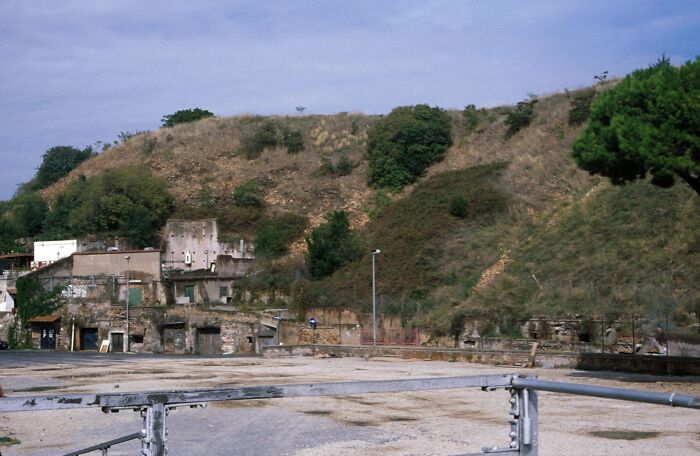
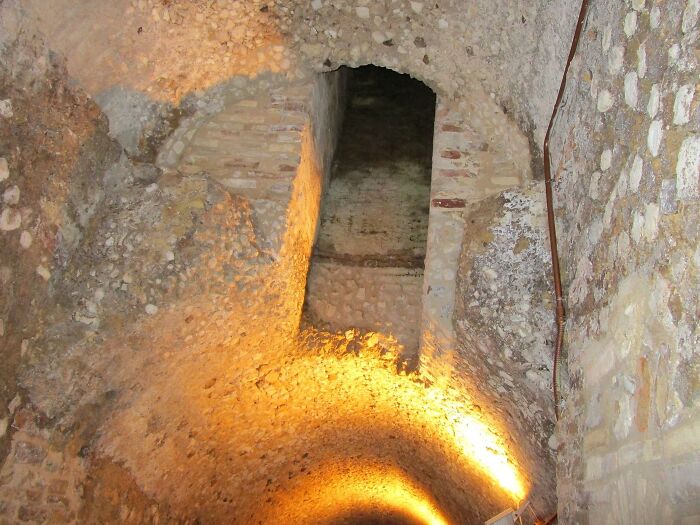
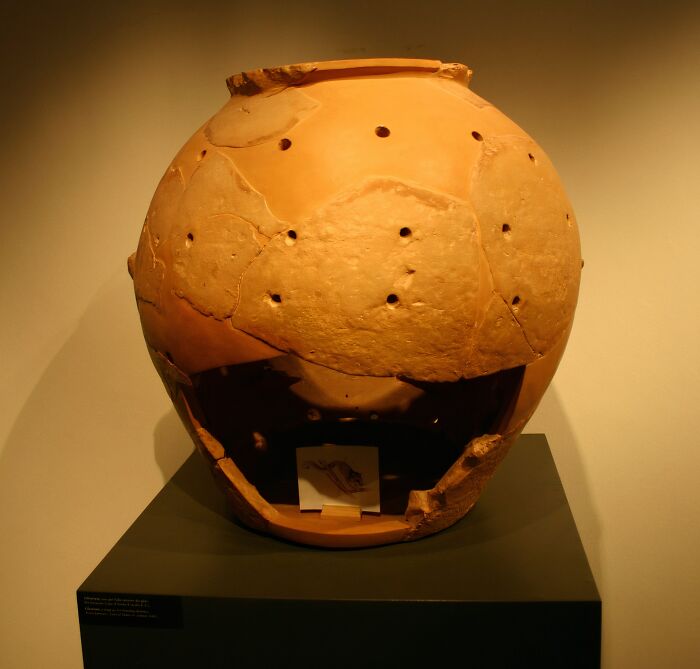
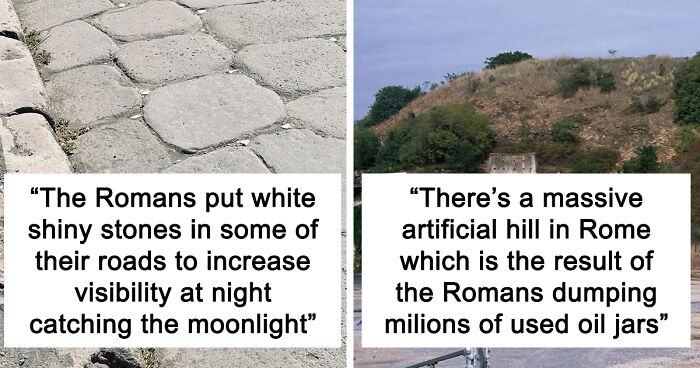
There's a massive artificial hill in Rome called "Monte Testaccio" which is the result of the Romans dumping milions of used oil jars over the centuries as they could not reuse them due to the residue. The hill is still accessible today and it's literally a huge pile of thousands of layers of terracotta.
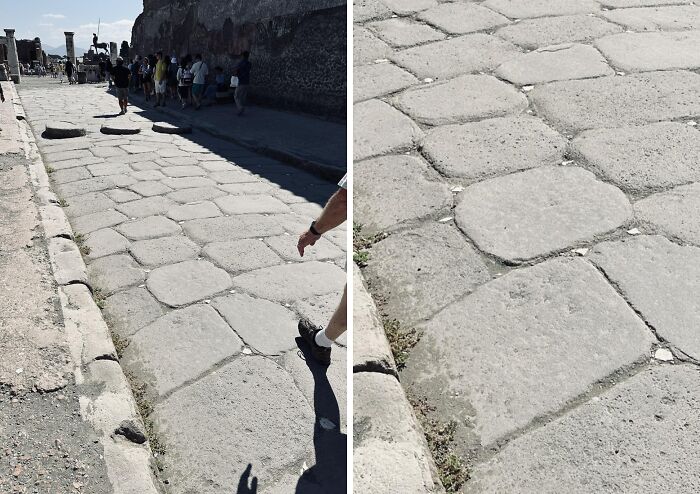
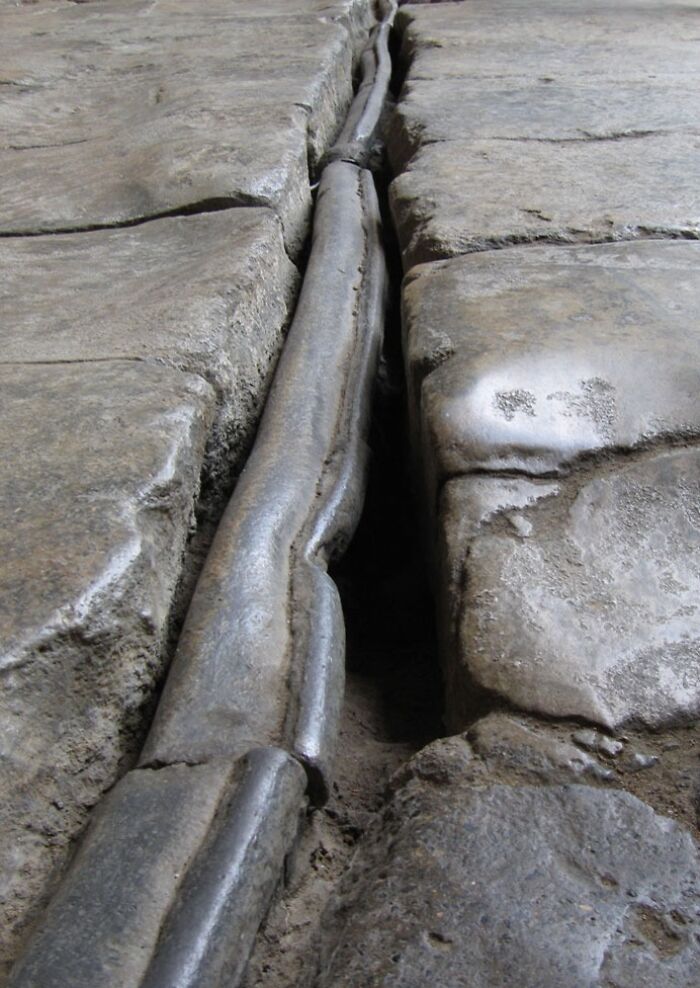
The Romans put white shiny stones in some of their roads to increase visibility at night catching the moonlight.
Trivia is a Latin word! It combines "tri-" and "via" meaning "three roads”. In ancient Rome, the term "trivia" referred to the three-way intersections where people would gather to socialize and exchange information. Over time, the word evolved to refer to common or insignificant bits of information, which is how we use it today when talking about trivial facts or details. Romans invented the word for interesting facts!
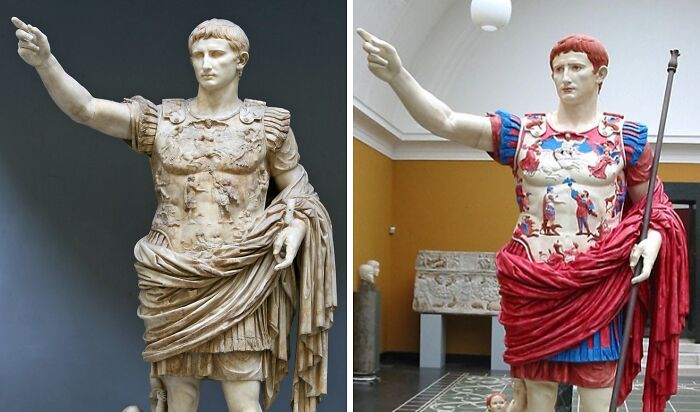
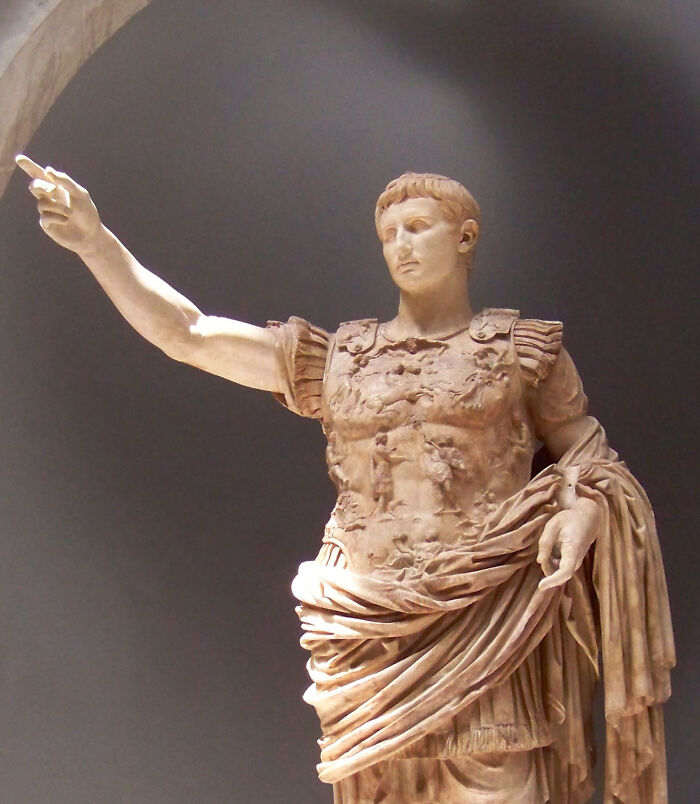
The famous “white” marble and stone statues of emperors, gods, and other individuals in most cases were actually painted and colorful. Archaeologists and art scientists found traces of the paint pigments upon closer examination in recent decades. The colorized Roman statues especially of Caligula can be quite creepy looking but it’s awesome.
Roman concrete has chunks of calcium in it called lime-clasts - they help self-heal the concrete.
Emperor Octavian once bought a Raven from a merchant who taught it to say “hail Caesar!” (Ave Caesar!)
In the time of Julius Caesar, you could send a letter from Rome to Athens in nine days. Today, the Italian post can’t even come close.
Romans discovered a waterproof concrete made with “pozzolana” sand (from Pozzuoli). Waterproof as in, it magically dried under water and became hard as a rock. Without that, they couldn’t have maintained the huge net of aqueducts they’re famous for, and probably couldn’t build the lasting empire we know.
They thought “soap” was gross and only used it for textiles and other industry! For cleaning themselves they used olive oil, lotions and perfumes then just scraped it all off with a bronze or wooden stick called a Strigil.
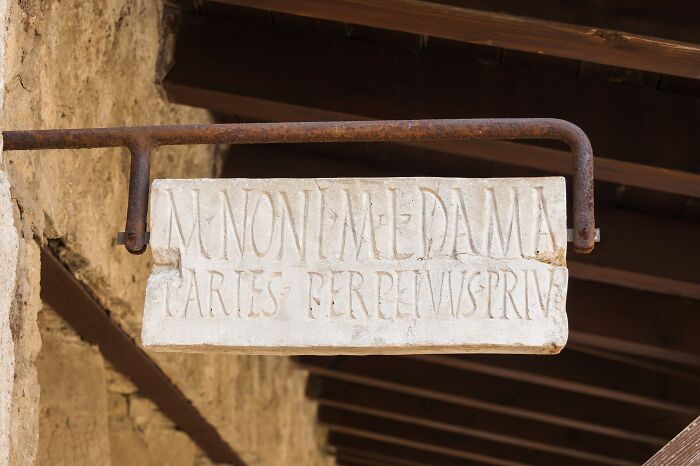
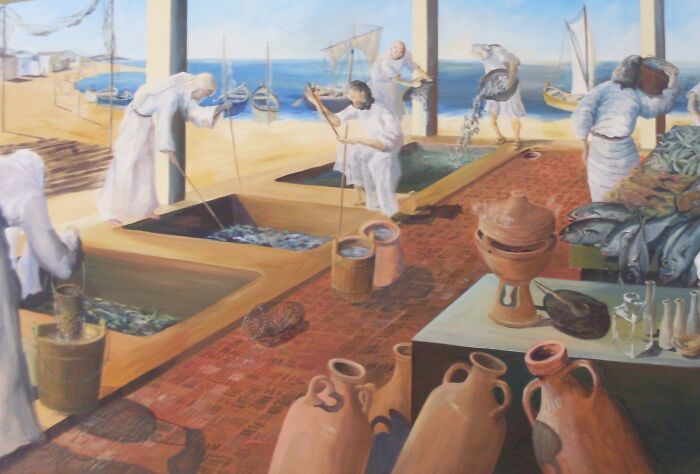
The Romans had road side billboards just like us. Advertising a lot of different things, including fermented fish sauce Garum!
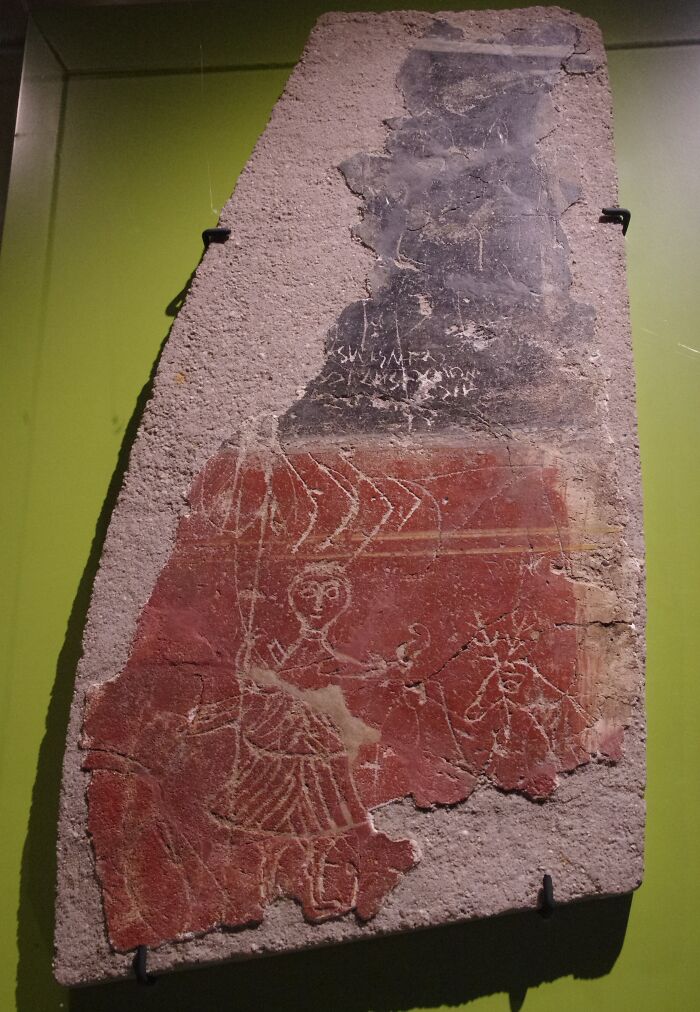
Graffiti was a commonly used and popular political tool. If the Roman people were unhappy with something they would paint it on walls of buildings and it was just an accepted normal thing.
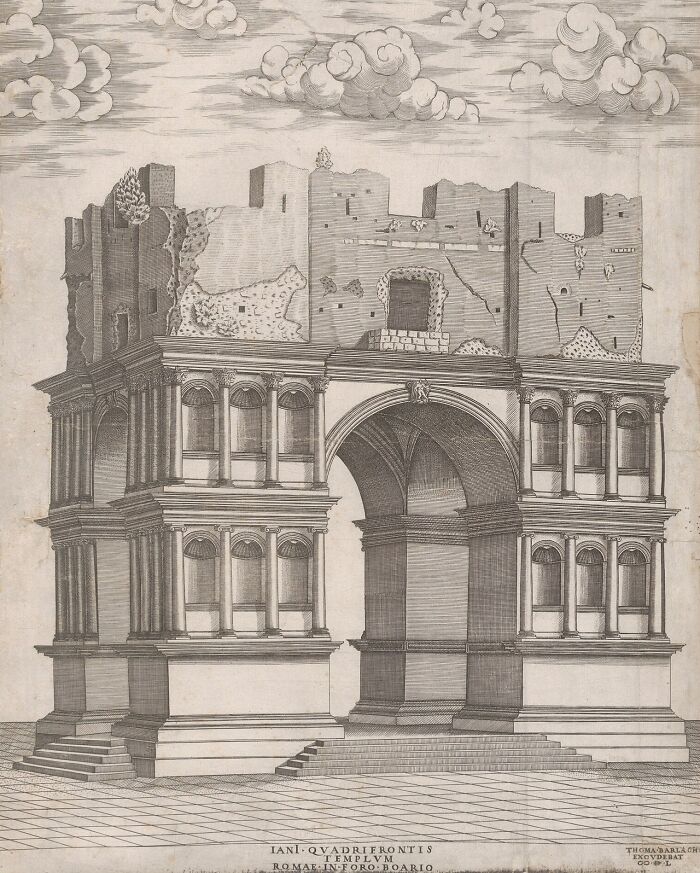
The Roman temple of Janus, the two-faced god, had gates closed during peacetime, and open during war. They were once open for 400 years in a row, and hardly ever closed. The rare (and brief) times they were closed were accompanied by festivals, and new coins being minted to mark the occasion.
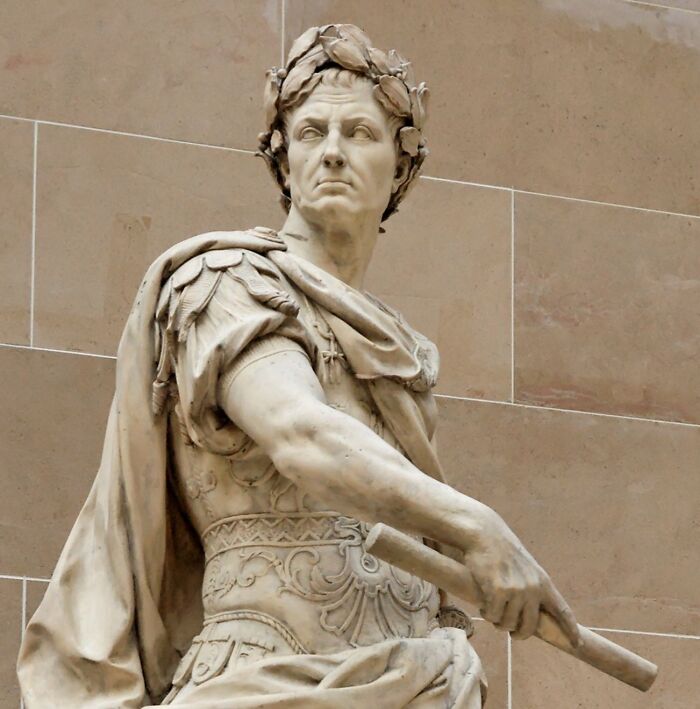
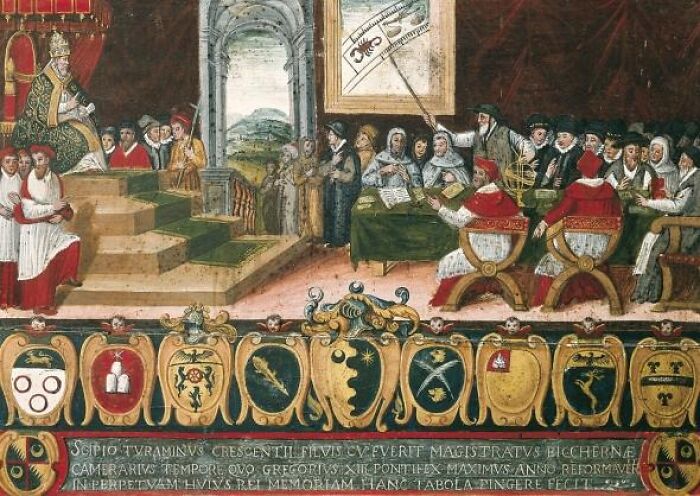
Julius Caesar and his advisors made the calendar that we use today, with minor adjustments by Pope Gregory. It's called the Gregorian calendar nowadays but Caesar really contributed more.
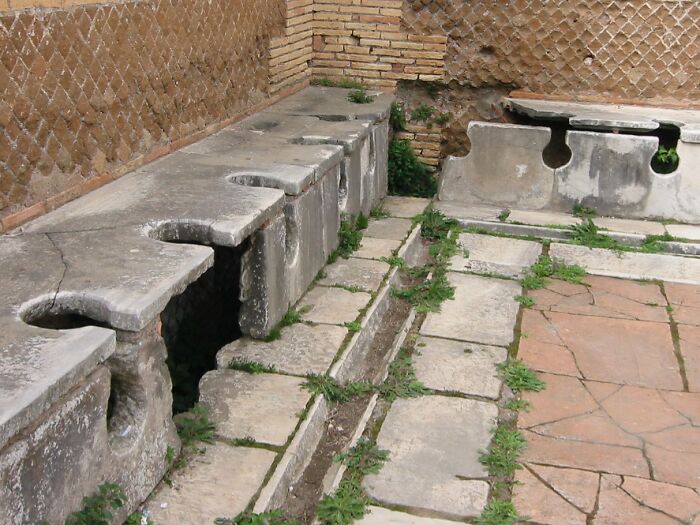
There were no stalls on Roman Bathrooms. Everyone was just sitting there staring at each other as they did their business and then cleaned themselves with community sponges.
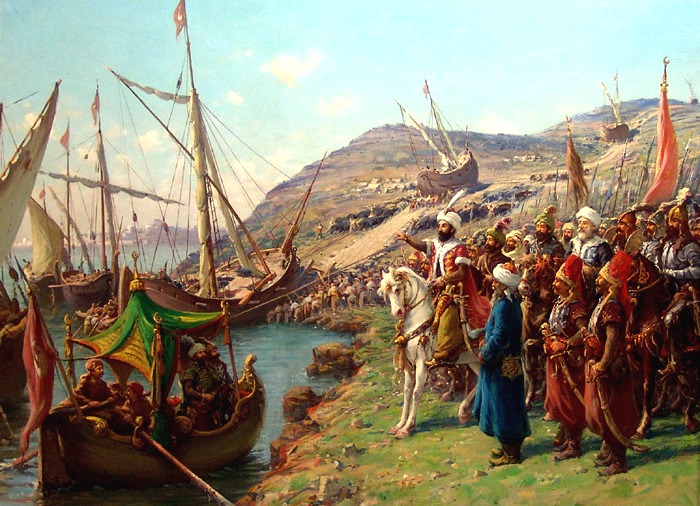
The fall of Constantinople in 1453 closed the Silk Road and other trade routes to Europe. This forced Europeans to sail west to find new trade routes and accidentally discover (/rediscover) the new world.
Romans loved doves that were in the streets and they were associated with Venus. Unlike now when we dislike their decendants the pidgeons in the cities.
Romans had special terracotta containers called Glirarium to raise dormice so they could eat them.
The roman "ketchup" Garum was used in almost everything. Very much like tomato ketchup nowadays. Only... It was made of rotten fish guts...
The Middle Ages started with the fall of the Roman Empire and ended at the fall of the Roman Empire.
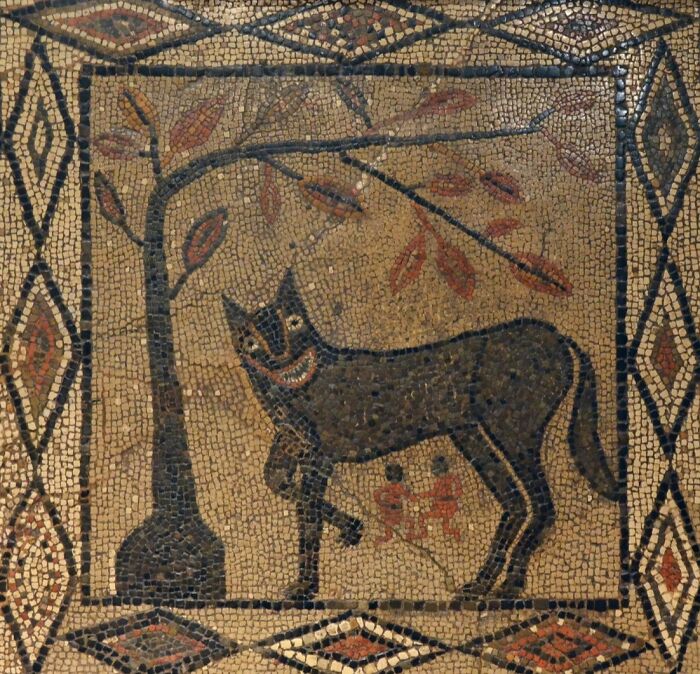
The founder of Rome, Romulus, and his brother, Remus, were both supposedly raised by a wolf mother. This, of course, after being born by a human mother and the god of war, Mars. That’s the story we have at least.
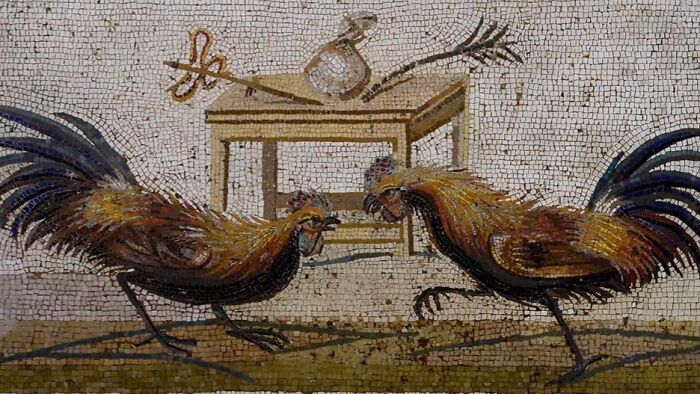
Romans used to bring sacred chickens to battle with them and would “consult” the chickens before battle to see if they should proceed.
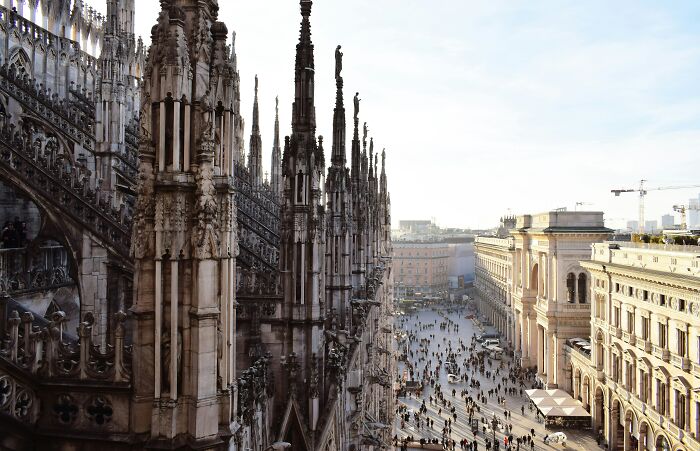
After 286 AD, Rome was no longer the capital of the empire. Instead, Mediolanum (todays Milan) became capital for the WRE. It was moved again in 402 AD to Ravenna.
The Rostra, the platform in Rome where people would give speeches, has the Rams of enemy Warships from the Latin Wars built into it. (Rostrum = a warships ram)
All the baths, at least in Bath, England, were lined in lead, so all the Romans who thought they were having a nice relaxing dip in the hot tub were exposing themselves to lead poisoning.
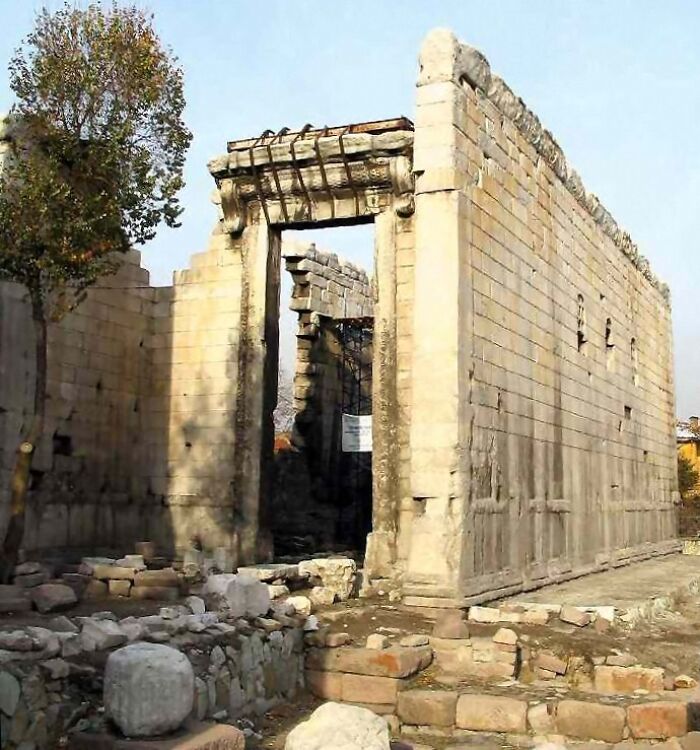
Julius Caesar invented newspapers, and Augustus published his autobiography as a gigantic wall called Monumentum Ancyranum.
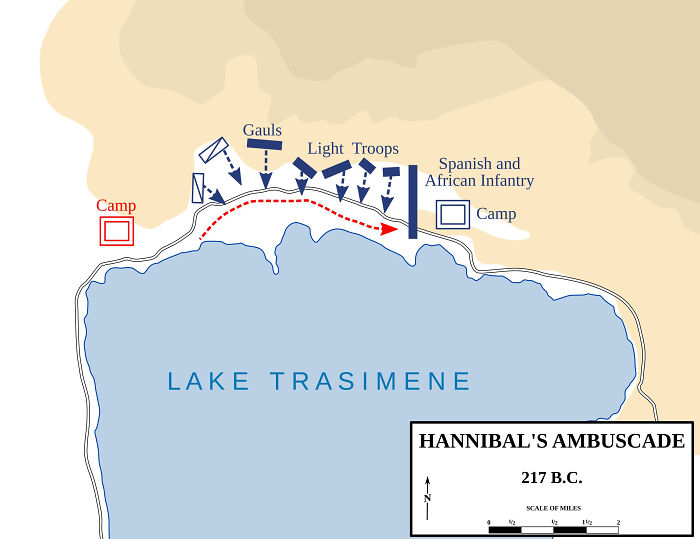
The battle of lake Trasimene in 217BC is still to this day the largest military ambush in human history. Military historian Basil Liddell Hart called the Battle of Trasimene “the greatest ambush in history.” The Roman losses were at least 15,000.
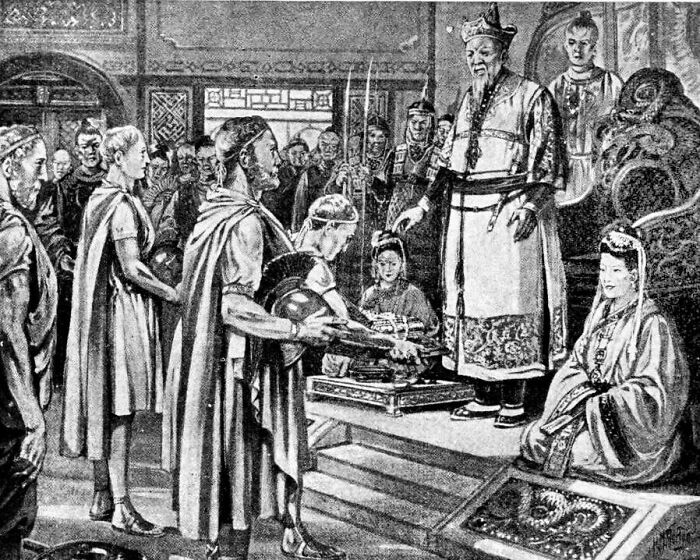
Romans were in direct contact with China - not just through trade. Embassies are attested by several sources. A roman embassy reached China in 166 AD. Even the presence of a roman legion is reported.
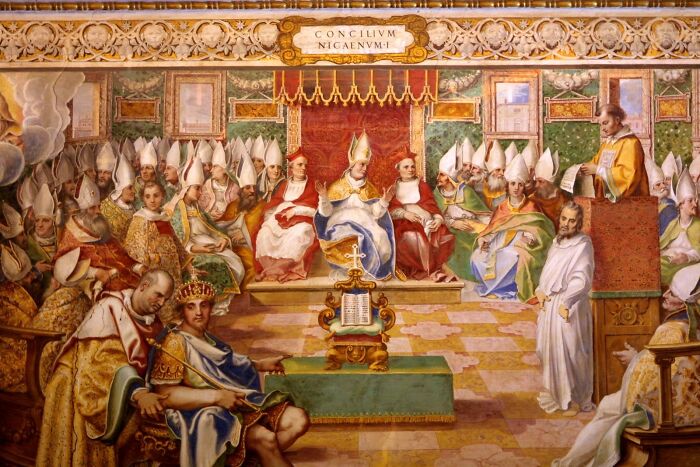
Christianity was officially recognized by the empire in 380 AD by Theodosius through the Edict of Thessalonica.








































 No fees, cancel anytime