Get Premium
Dark mode theme is available exclusively for premium users. Learn more about the benefits of subscribing.
No fees, cancel anytime.

 Dark Mode Ad-Free Browsing Unlimited Content
 Ad-Free Browsing Unlimited Content Dark Mode
Join 1.2 million Panda readers who get the best art, memes, and fun stories every week!
As Mark Twain famously said, “Truth is stranger than fiction, but it is because Fiction is obliged to stick to possibilities; Truth isn't.”
As a kid, I always found history class incredibly boring. Why would I care about what happened way back then when I’m living now? But boy was I wrong. It turns out that there are hundreds of stories from the past that read just like scripts of films that you'd pay money to see in a theater.
Redditors have recently been recalling these wild events, so we’ve gathered the most fascinating ones below. From tales of war to historical events that sound completely made up, enjoy scrolling through these stories. Keep reading to also find conversations between Bored Panda and the person who started this thread, as well as Sebastian Major, host of the Our Fake History podcast. And be sure to upvote the stories you can’t believe are true!
This post may include affiliate links.

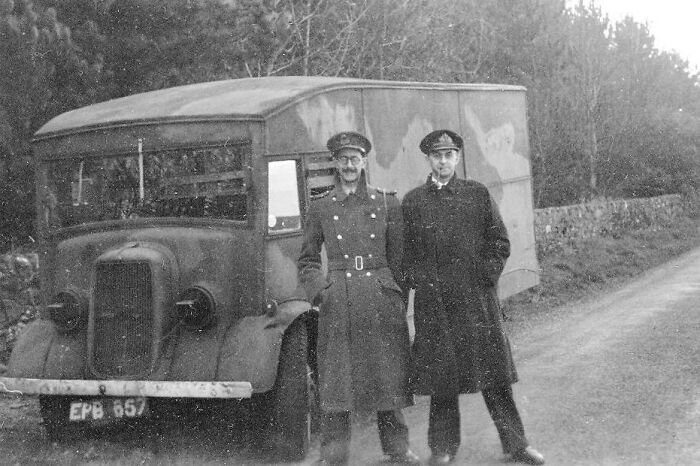 Operation Mincemeat during WW2
British government takes the corpse of a homeless guy, fakes documents and dresses him up to look like a soldier, puts a fake letter in his pocket saying the British will invade Greece and Sardinia, fires him out of a submarine towards F*****t Spain.
The Spaniards find the body and tell the N**i party about the upcoming invasion, so they then move troops from Sicily to Greece. They’re totally caught off guard and the Allies successfully took Sicily, which they used to start the liberation of Italy.
Totally insane, can’t believe it worked.
To find out how this conversation started in the first place, we reached out to Reddit user Kodumonpotti363, who invited others to share historical events that sound too crazy to be true.
"I've always been fascinated by the weird side of history—those moments that sound too bizarre to be real," they told Bored Panda. "I thought it would be interesting to see what other people knew about these kinds of events, and Reddit never disappoints when it comes to obscure knowledge!"
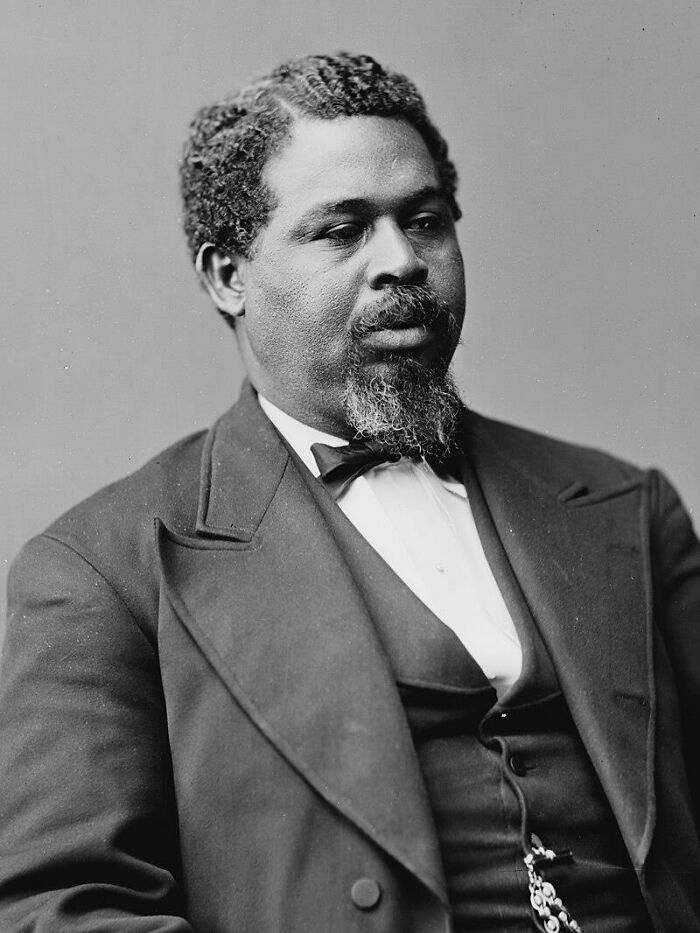 The life of Robert Smalls:
Robert Smalls was born into slavery on April 5, 1839, in Beaufort, South Carolina, to Lydia Polite, an enslaved woman, and possibly John McKee, her enslaver.The McKee family held Smalls and his mother in bondage. When Smalls was 12 years old, the McKees sent him to Charleston as a rented or “hired out” enslaved laborer. Smalls worked on ships in the Charleston Harbor.
During the Civil War, Smalls’ enslavers forced him to work as a pilot on the CSS Planter, a confederate steamboat that transported arms and ammunition.On May 13, 1862, Smalls and the rest of the Black crew commandeered the boat and sailed to Union lines.On the way, Small and the crew freed Smalls’ wife Hannah, daughter Elizabeth and son Robert Jr. They disguised themselves and, using the knowledge they had gained as maritime workers, sailed the boat past Forts Sumter and Moultrie. Smalls surrendered the Planter to the U.S. Military, thus securing the freedom of everyone on the vessel. Smalls became the first Black man to become a pilot in the United States Navy. As the captain of the USS Planter, Smalls fought in 17 battles during the Civil War.
During Reconstruction, South Carolinians in and around Beaufort elected Smalls to the United States House of Representatives. He served from 1874 to 1879 and 1881 to 1887.8 As “Southern Redemption,” a violent effort to usurp political power from Black Southerners and Republicans, swept South Carolina, Smalls maintained his congressional seat, though he briefly lost his seat in 1878. Smalls retired from congress in 1887, after William Elliott unseated him.
While serving as a Representative of South Carolina, Smalls helped secure funding to improve the Port Royal Harbor and secured appropriations from the government for its use of The Citadel.Smalls also fought to secure full citizenship and equality for Black Americans. He resisted Jim Crow, opposing s*********n of the United States Armed Forces, railroads and restaurants. After retiring from Congress, “Smalls was appointed the Collector of Customs in Beaufort.” He served in this position for two decades, despite dissent from local white people and the Jim Crow social, political, economic and legal regime.
During Reconstruction, Smalls purchased the McKee Home in Beaufort. He and his family lived in the home for almost a century after the purchase.In an act of graciousness, Smalls allowed his former enslaver, Mrs. McKee, to remain in his home after she fell ill. Robert Smalls died on February 23, 1915, and was laid to rest in Beaufort at Tabernacle Baptist Church.He died not only a hero to his Black crewmates on the USS Planter and his family but also to the Union and the people of South Carolina.
I first learned about this on Drunk History (a fabulous show as far as history goes). Then I ended up working with one of his descendants when I was in Augusta, Georgia.
 Didn't Australia go to war against emus? And didn't the emus win?

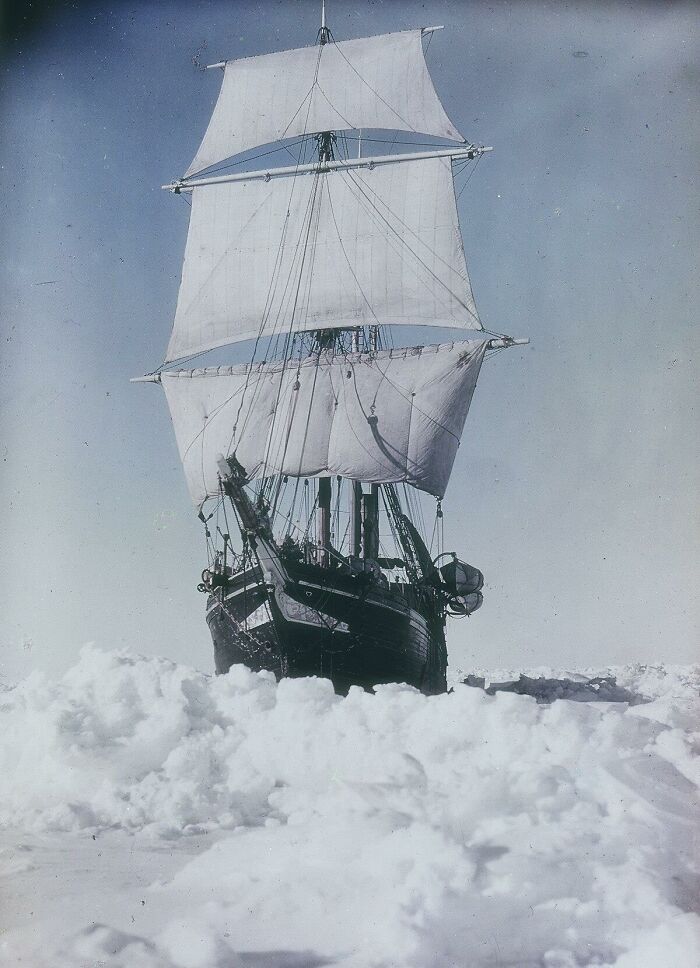 Sail of Endurance to Antarctica. Ship was stuck on ice, sank and crew stuck on ice field. It took them almost one and half year to walk over ice and sail with small boats to uninhabited "elephant island".
After that part of crew sailed 1300 km with small lifeboat in roaring in southern storms to small island where there was whaling station. They could not reach side where there is harbour so they hiked over mountains to over 1000 metres of elevation.
In the end everyone from 28 men survived the trip.
We also asked the author if they had any favorite wild stories from history. "There are so many, but one that always gets me is the story of the Great Emu War in Australia," they shared. "The idea that trained soldiers with machine guns lost a war against a bunch of oversized birds sounds like a ridiculous comedy plot, but it actually happened."
"Another favorite is the time a French soldier, Jean Bernadotte, ended up becoming the King of Sweden, despite initially being an enemy of Sweden," the OP added.
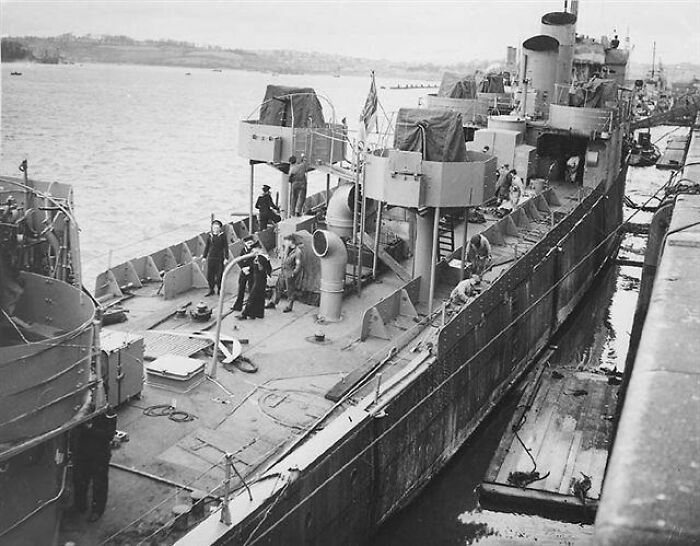 The St. Nazaire Raid in the Second World War. In short, a bunch of British commandos with balls of tungsten rammed a ship full of explosives into a N**i dry dock and it blew up the next day while a whole pile of German officers were inspecting the wreckage
From an account of the raid - "Just before the Campbeltown exploded, Sam Beattie was being interrogated by a German naval officer who was saying that it wouldn't take very long to repair the damage the Campbeltown has caused. Just at that moment, she went up. Beattie smiled at the officer and said, 'We're not quite as foolish as you think!'"
S**t sounds made up for a big budget action movie, such a crazy read.

In French, Opération Chariot". Isn't there a good movie about it yet? This would make a perfect plot.
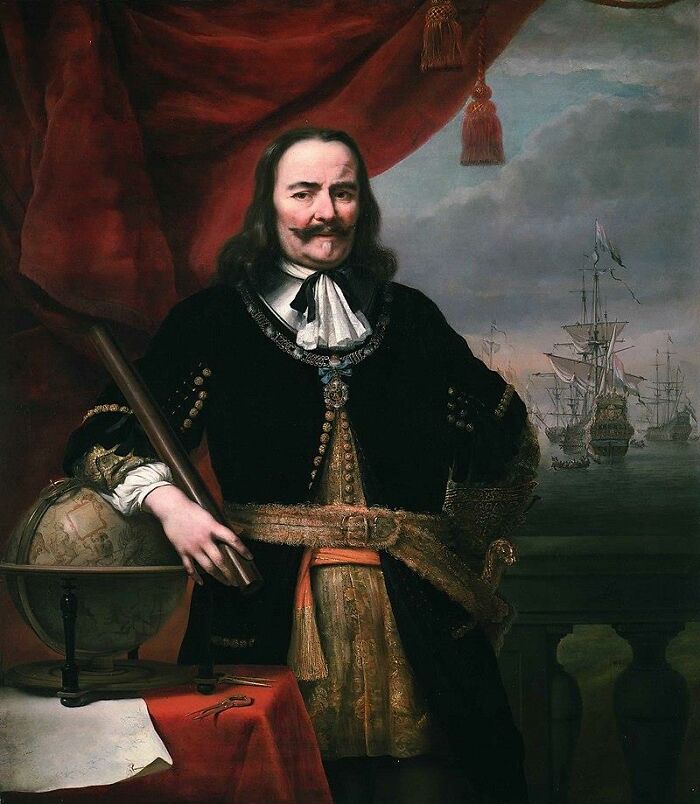 In June 1667, Dutch Admiral Michiel de Ruyter led a raid right up the River Medway, near the Thames, and pretty much knocked out the entire English fleet while they were still moored. They even captured the English flagship, the Royal Charles, and sailed it back to the Netherlands. It was such an unbelievable humiliation for the Royal Navy that, if you saw it in a movie, you’d think it was too over-the-top to be real—but it actually happened.

The place that was purposely built to stop them was an Elizabethan artillery fort on the Medway at the village of Upper Upnor, Rochester called Upnor Castle. The Medway was so important because the fleet's mooring as well as the main building dock was the Chatham Dockyard, also on the Medway. Beautiful castle, but its defences and stores were neglected after the turn of the 17th century, and the Dutch attack was sudden and unexpected so there was no time to get supplies to Upnor, and so their primary defence failed. However, for its extreme lack of provisions it actually did quite well for itself, it even caused most of the Dutch fleet to retreat before reaching Chatham, and if it had its supplies had then it's highly likely that Upnor would have prevented this from happening. In the end, Upnor was still blamed, and was downgraded to a munitions supply depot. It's now a museum, and visiting it is why I have such a love for the story of Upnor Castle and the Medway forts.
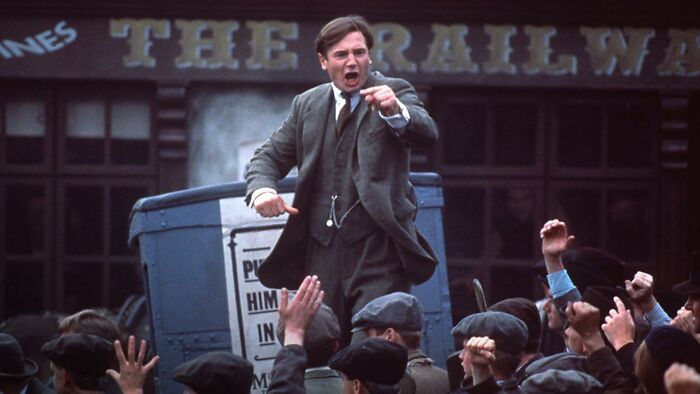 When the Irish film Michael Collins included a scene of the British army opening fire on civilians at a GAA match, k**ling spectators and players alike, some people were up in arms about the director being inflammatory and including needless scenes to demonise the British.
So we had to open a history book and say: no, no, it happened. There was more than one Bloody Sunday.
As for whether or not truth really is stranger than fiction, Kodumonpotti363 says, "Absolutely! Fiction has to follow rules—it needs to be believable, have logical cause and effect, and keep an audience engaged. Reality doesn’t have those constraints, so it can be completely chaotic and absurd," they explained. "History is full of coincidences, bizarre decisions, and unexpected outcomes that no scriptwriter would dare include."
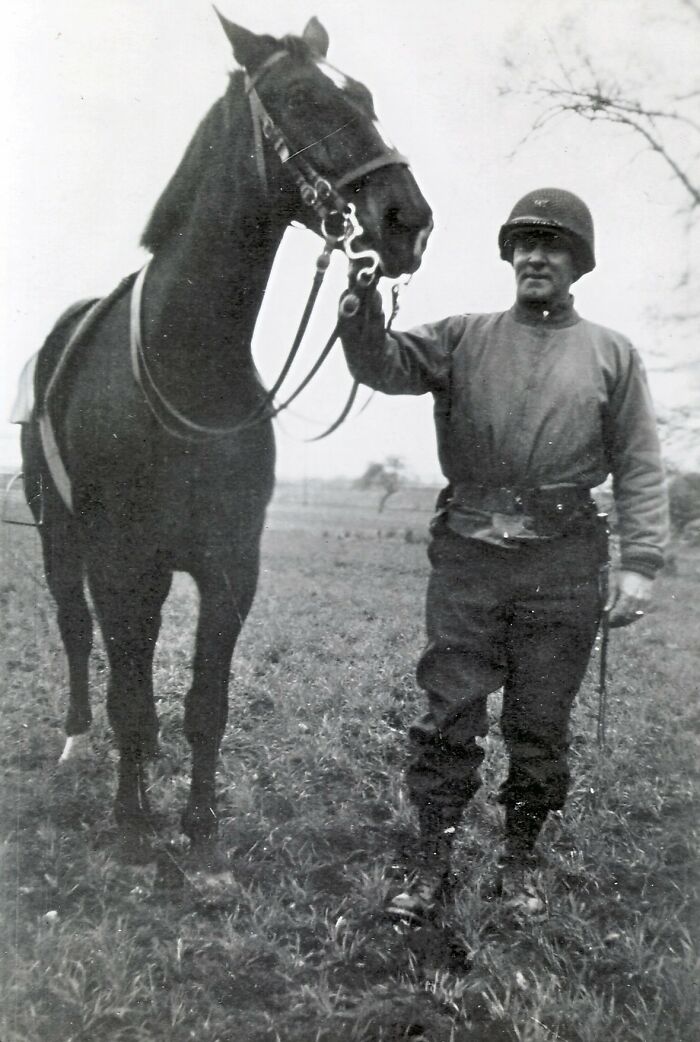 Operation Cowboy where a mixed group of Americans and Germans saved part of the Lipizzaner stallion herd from the advancing Soviets *who would have eaten them*. Mark Felton wrote a great book on it called *Ghost Riders*. It's a fun read.
 Press conference at the Four Seasons Landscaping Supply store in Philadelphia. It's right next to a d***o shop. This would've been the moment _Veep_ "jumped the shark" if they had tried it.

That whole thing would have embarrassed me if I were trying to hold a press conference. But they just kept on with the insanity.
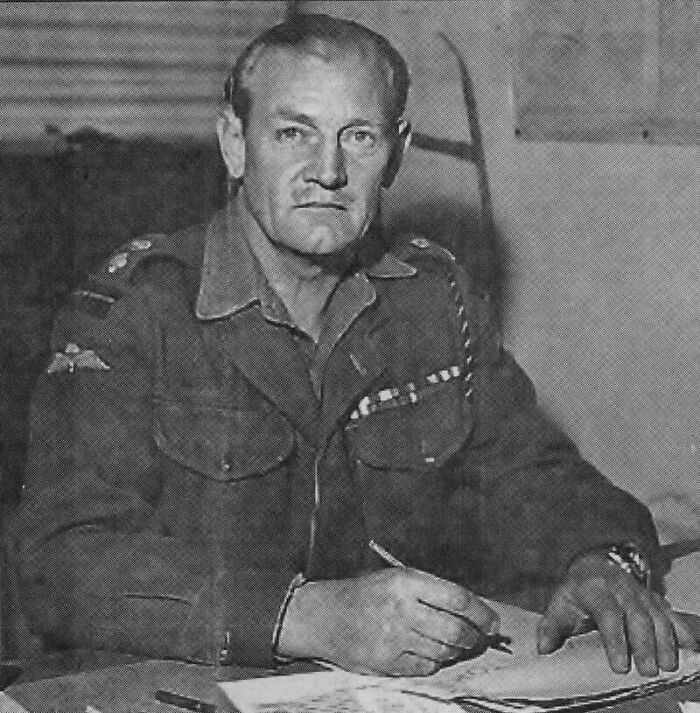 Mad Jack Churchill
A man who fought WW2 with a bow, arrows and a broad sword. Also he played the bag pipes.
Finally, we asked the author what they thought of the replies to their post. "[They] were incredible! People shared so many mind-blowing historical facts that I’d never heard of before," they told Bored Panda. "One that stood out was the story of how Napoleon was once attacked by a horde of bunnies because his men accidentally gathered hundreds of domesticated rabbits instead of wild ones for a hunt. That kind of stuff is just pure gold."
"History is endlessly entertaining if you dig deep enough," Kodumonpotti363 added. "It’s a mix of comedy, horror, and absurdity all rolled into one. I love seeing people get excited about it, and I hope your readers enjoy these stories as much as I did!"
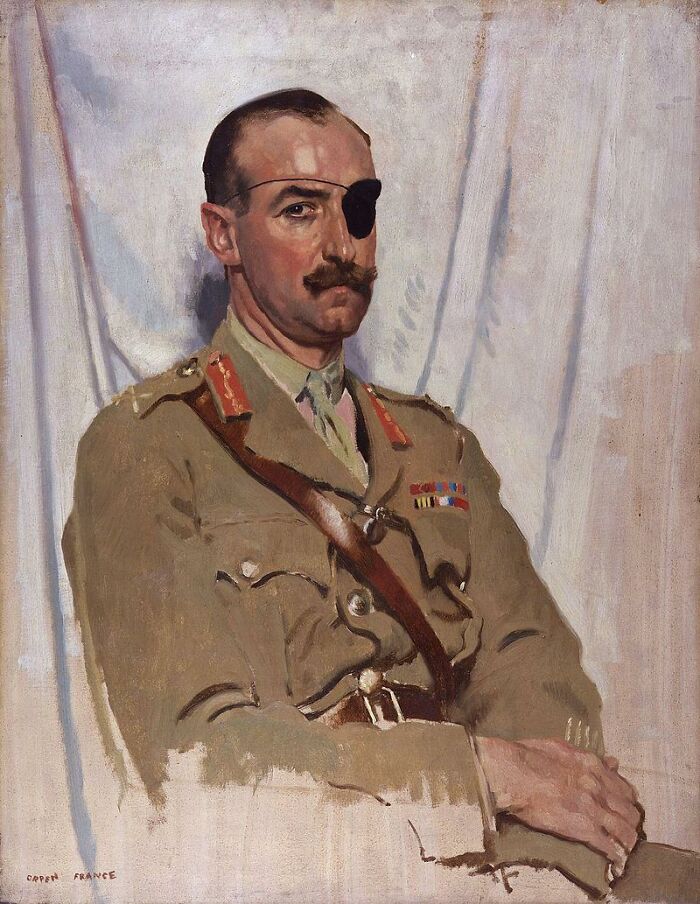 That one [tough] soldier, Adrian Carton de Wiart. Literally an action movie protagonist irl. Survived 2 bullets in his left eye in the same charge, amputated a few fingers himself when the doctor refused to do so, survived several plane crashes and castaways, survived the Boer war, ww1 and ww2 and a few more, personally told Mao Zedong that communism is bs, etc.
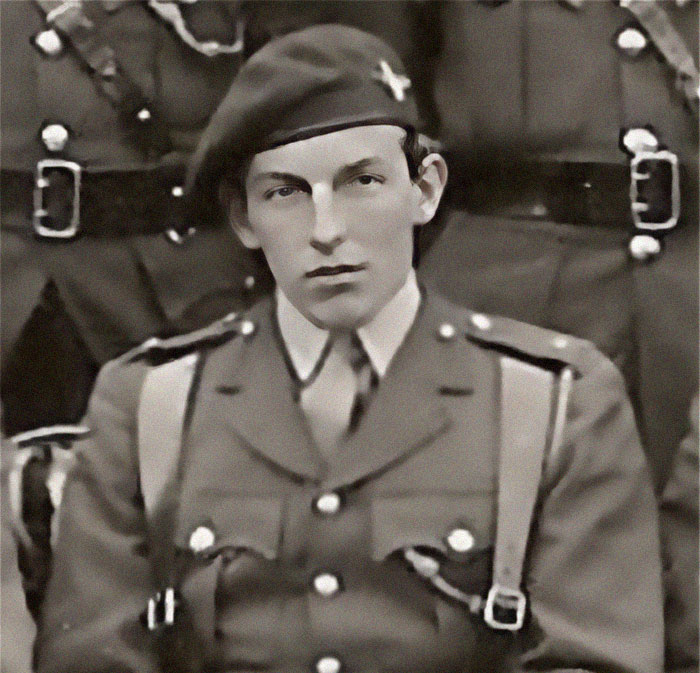 Major Digby Warter of the First Battalion, fought in WW2, always carrying an umbrella and a bowler hat. Never wore an helmet because lol, helmets. He once used said umbrella to shove it inside the eye of a German, disabling him and the armoured car he was driving. Saved a priest who was under heavy fire, saying "come with me, I've got an umbrella". Captured, escaped, known for his courage, even helped a German truck out of a ditch while disguised as a Dutch citizen. He once fought a**e naked because shrapnel had cut the rear of his pants.
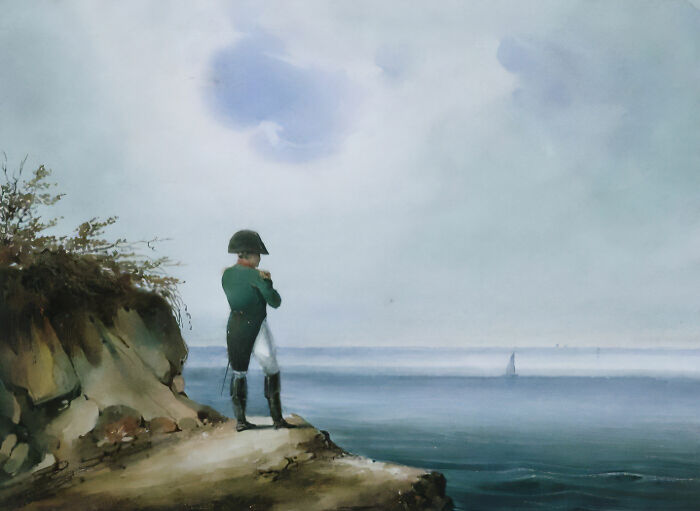 Napoleon returning from exile. Seems like something that was badly written into history so the writers would have an excuse to continue the plotline.
We were also lucky enough to get in touch with Sebastian Major, host of the Our Fake History podcast, to hear about some of his favorite wild stories from the past.
"The entire story of Joan of Arc sounds like it was made up by a fiction writer," the history expert shared. "A teenage peasant girl living in rural France in the 1400’s convinces the King to let her lead an army and liberate the country from an invasion force. If you know even the most basic facts about the late-medieval period, you know how unlikely that story is. And yet, so much about her life story is true… or at least, is backed up by credible sources."
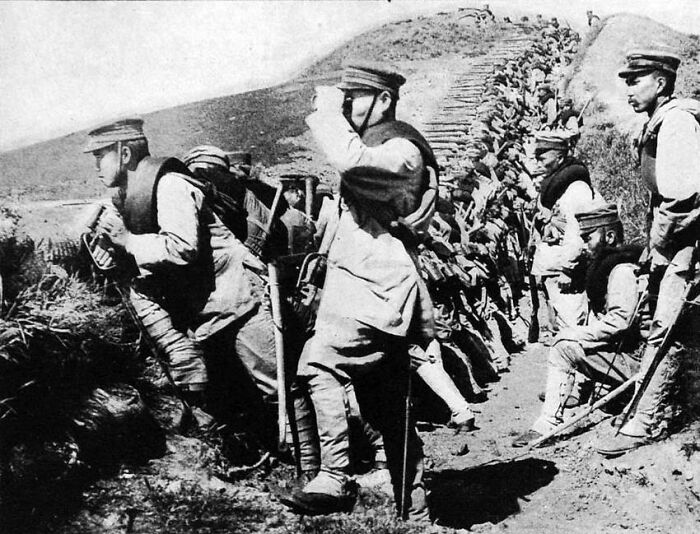 The leadup to the first world war. So many specific coincidences and every attempt to prevent the war failing in one way or another.
From Archduke Ferdinand’s driver taking a wrong turn onto the street where Ferdinand’s assassin was having a consolation sandwich, sulking over having failed the previous assassination attempt earlier in the day. To a diplomat having a heart attack and dying moments before signing a document.
It’s as if the forces of the universe made sure the war would be inevitable.
What I mean is, not the fact the war broke out, but rather how it wasn’t as straightforward as one might think.
—
Or maybe even the christmas truce. We all know it happened, but the fact that enemies who previously shot at eachother met and even played soccer..

The Christmas Truce happened at the beginning of the war, and it likely could only have happened because the soldiers had sent their whole lives in a world where the Germans and English weren't enemies. A few years later the soldiers who were there had thought of Germans and Austro-Hungarians as The Enemy for two or three years (it's a lot for an 18 year old), so the idea of humanizing the enemy was much less likely.
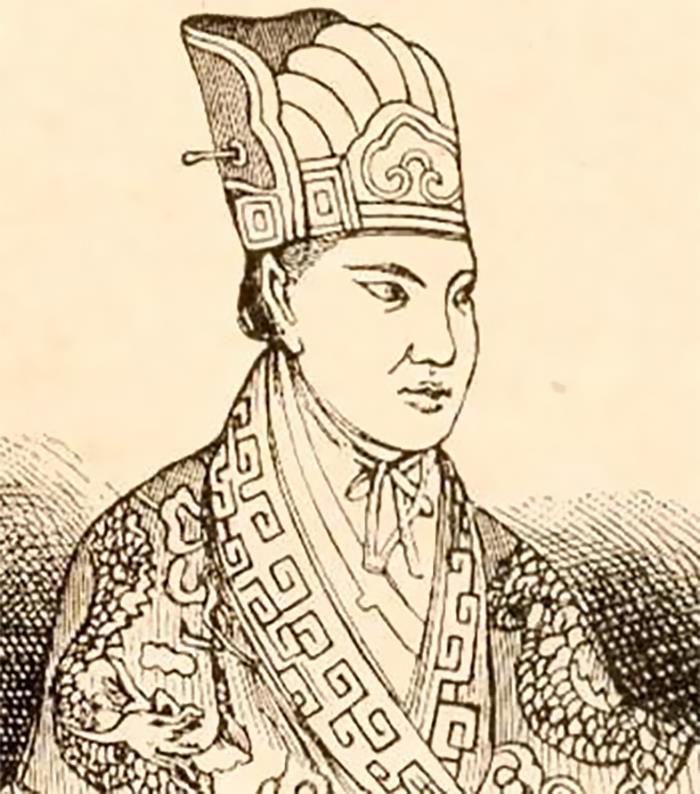 Hong Xiuquan and the Taiping Rebellion.
Some Chinese dude failed the civil service exams too many times and had a nervous breakdown. He then had a hallucination telling him he was Jesus's brother and started one of the deadliest civil wars in Chinese history.
As it says in the bible, "Then Jesus stuck his finger in the man's eye...like Moe... and said turn the other cheek my A^^."
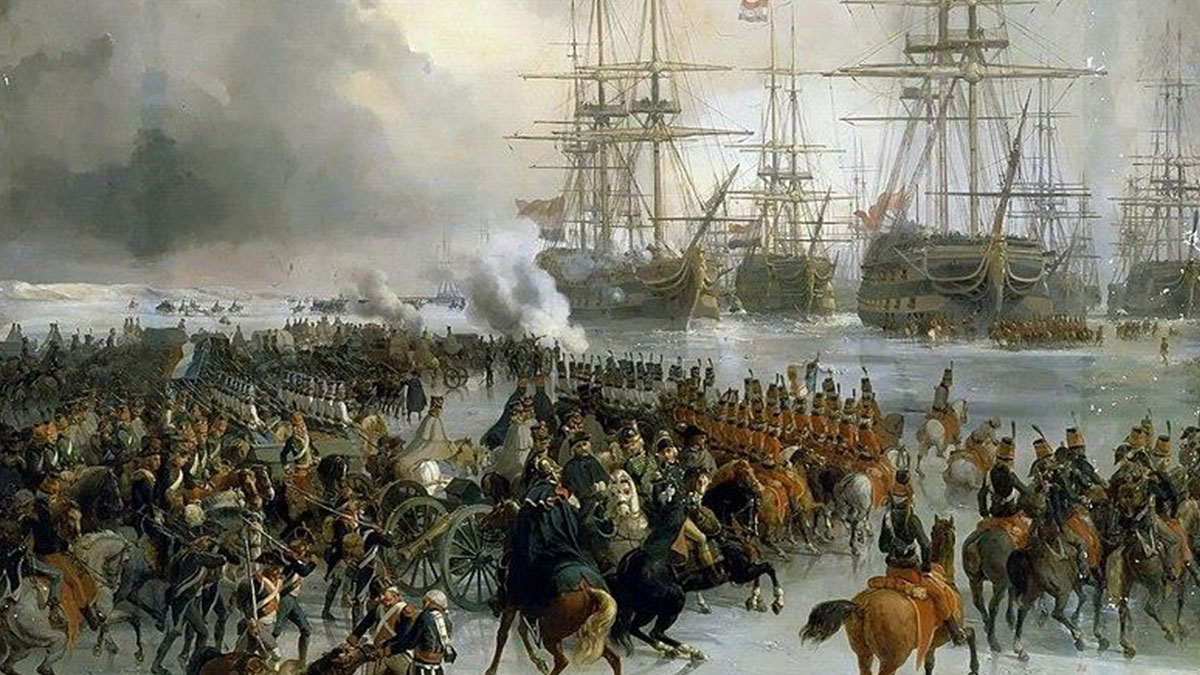
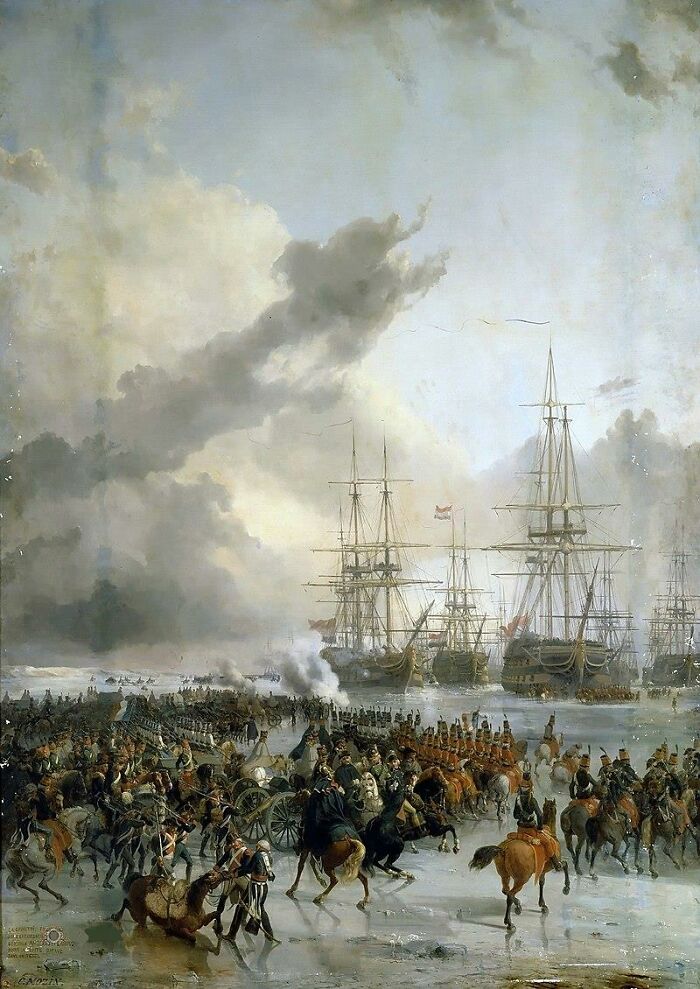 There was a famous navy battle just off the coast of the Netherlands where Dutch warships were fought by men on horseback. The French cavalry won, capturing all 14 warships with no losses.
Even if you factor in the detail that this took place during a record cold-snap that froze the freshwater bay over completely, it's still a pretty outlandish tale.
Case in point: the details of its authenticity are still being debated by historians, though all records indicate that a total surrender on the part of the Dutch navy *did* happen - the issue is whether the cavalry actually charged them head-on, or simply went out as a formality to negotiate their surrender while they were stuck in frozen-over waters.
Either way it's an exceptionally rare occurrance, and one that's been commemorated in paintings and poorly-cited Wikipedia articles.
"There are certainly unbelievable stories of miracles that punctuate her life, but the vast majority of what we hear about Joan of Arc is generally accepted by historians," Sebastian continued. "When I started researching her, I expected to learn that she was more like a mascot for the French army, who was then 'inflated' into a general by the process of historical myth making."
"But that is not at all what the sources tell us! She was a war leader who rode into battle, charged the enemy, and was wounded liberating the city of Orleans," the host revealed. "Nothing about Joan of Arc makes sense, but she was (mostly) the real deal."
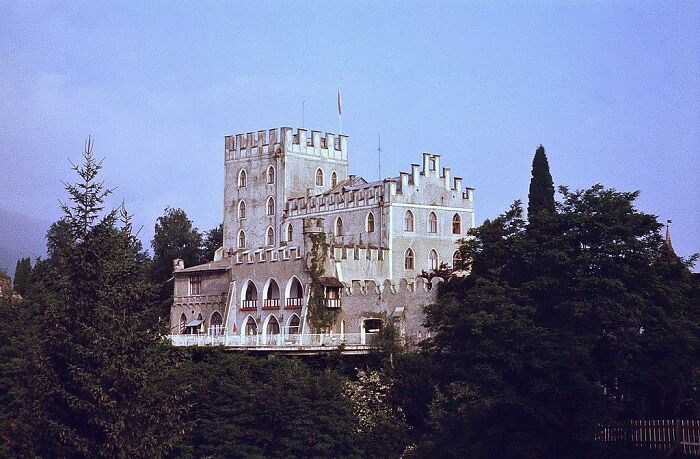 Battle of Castle Itter. American, French POWs and German Wehrmacht solders fought against the SS. Gross over simplification, the SS had a handful of high value French prisoners in Castle Itter. A small American unit went to liberate them before they could be executed. The came across a handful of German solders. They ended up joining up with them to protect the POWs. The 3 groups fought off the SS until more Americans showed up. .
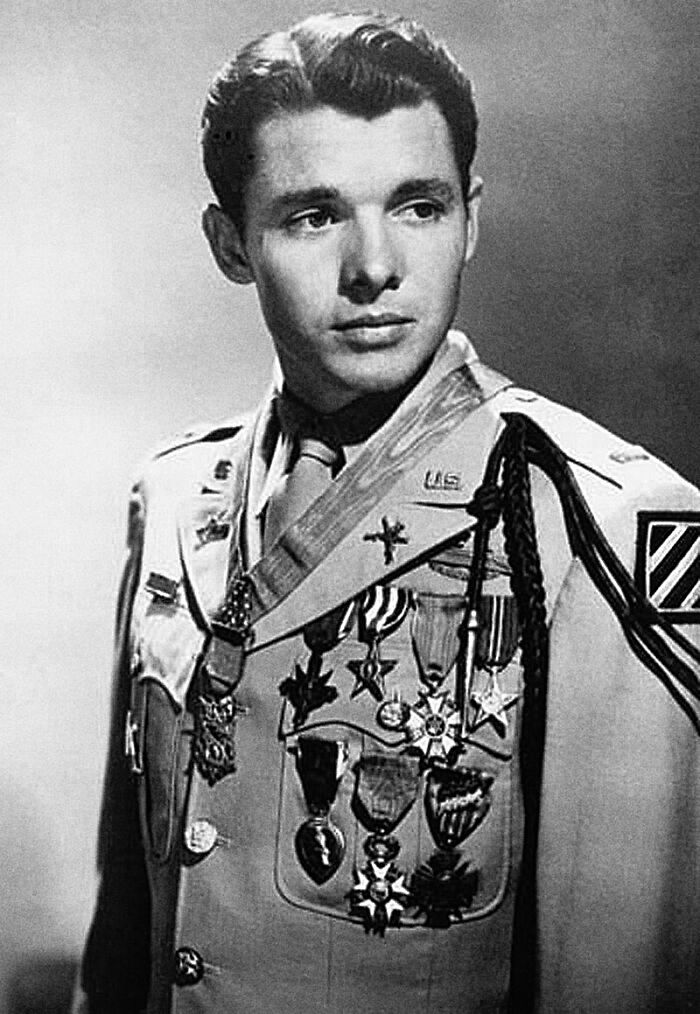 Audie Murphy. There was a movie made about him and his exploits in the military. They had to *tone down* things because audiences would have found it unbelievable that someone actually did some of the things he did.
So does Sebastian believe that truth is stranger than fiction?
"Truth can sometimes be stranger than fiction, but often it’s just that truth is more complicated than fiction," he noted. "Reality is messy and tends to defy tidy narrative structures. But, ironically, the process of teaching history is often about finding narratives in the human story and using them as hooks."
"Most historical myths develop from people trying to make sense of a complicated mess of information," the host pointed out. "For instance, a tragedy like the sinking of the Titanic makes more sense if the ship was marketed as 'unsinkable,' the ship's owners purposefully skimped on lifeboats, and everyone involved committed the sin of hubris. The tragedy then becomes understandable using mythic logic—even the ancient Greeks knew that the gods punished hubris."
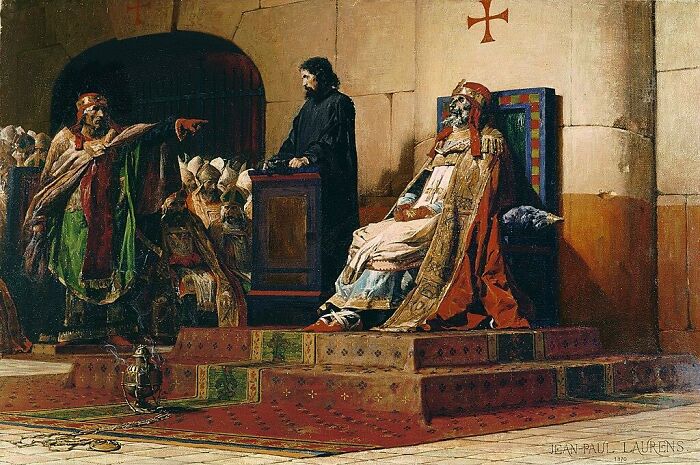 The cadaver synod. A pope exhumed his predecessor and put the corpse on trial.
I love this. So, Pope Stephen VII had his predecessor Formusus dug up. Nobody could actually find something to charge him with (picture Trump's accusations against his enemies but by a pope). He threw up some examples of perjury and is mostly thought to have used the trial to cement his own reasons to be Pope. In the end, he declared all Formusus' actions undone and after his death, Stephen was almost wiped from papal history himself.
But Sebastian says the true story is more complicated.
"The Titanic had the typical number of lifeboats for an ocean liner of the era, in fact it had more than most. The term 'unsinkable' wasn’t really used to promote the ship (although you can find passing examples hidden deep in promotional materials). The 'unsinkable' Titanic was seized on by the media after an official used the term after the ship had already hit the iceberg," the host explained.
"The truth is that the universe is chaotic. That chaos sometimes produces strangeness… but just as often produces messy situations that are difficult to fully understand."
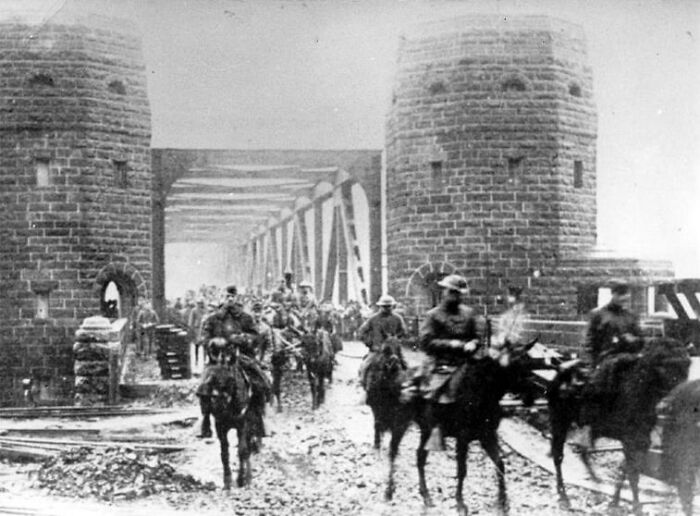 The battle of Remagen.
As the Americans closed in on Germany and reached the Rhine in the closing months of WW2, the Germans had successfully blown up every last bridge except for one that was already wired up and hours from demolition.
When Brig. General William M. Hoge was sent to liberate Remagen, he was shocked to discover the Ludendorff bridge still intact.
It was generally accepted that there would be no bridges left, but Eisenhower believed that in the off chance there was a bridge left, it should be captured.
Hoge then decided to defy a direct order to link up with Patton further south and sent his men on a s******l charge to capture the bridge.
At the very same time, N**i troops that had fled across the bridge to escape the allied advance were frantically trying to set off the detonation charges and drop it into the Rhine.
While some of the charges actually went off and badly damaged the structure, the bridge still stood because a lucky hit from an allied artillery shell severed the wires to the detonation charges before they could be triggered.
After a valiant effort the bridge was captured, opening an Allied beachhead into Germany.
The first man across, Alexander A. Drabik, spoke about it.
*"While we were running across the bridge – and, man, it may have been only 250 yards, but it seemed like 250 miles to us – I spotted this lieutenant, standing out there completely exposed to the machine gun fire that was pretty heavy by this time...He was cutting wires and kicking the German demolition charges off the bridge with his feet! Boy that took plenty of guts. He's the one who saved the bridge and made the whole thing possible – the kinda guy I'd like to know."*
Incidentally, Sgt. Drabik became the first man to successfully cross the Rhine and capture German territory since the time of Napoleon.
With the tireless work of the Army Corp. of Engineers, the bridge survived German mortar attacks, artillery barrages, and hundreds of air raids (Defended by the single largest AA battery arranged in the entire war)
It was almost obliterated by a near miss from a railroad gun, SS Frogmen who tried to float downstream during the night and sabotage the bridge were spotted by special spotlights mounted on tanks, naval mines sent downstream were caught by nets, and the Nazis even tried to blow it up with V2 rockets (But missed).
After 10 days the Ludendorff bridge collapsed on its own (K**ling several engineers trying to keep it standing), but its capture allowed six divisions to cross and establish a beachhead in German territory, and likely shortened the entire war by weeks or even months.
"sent his men on a s******l charge" - sexual charge? 😂 This is way past seriously stupid now, BP.
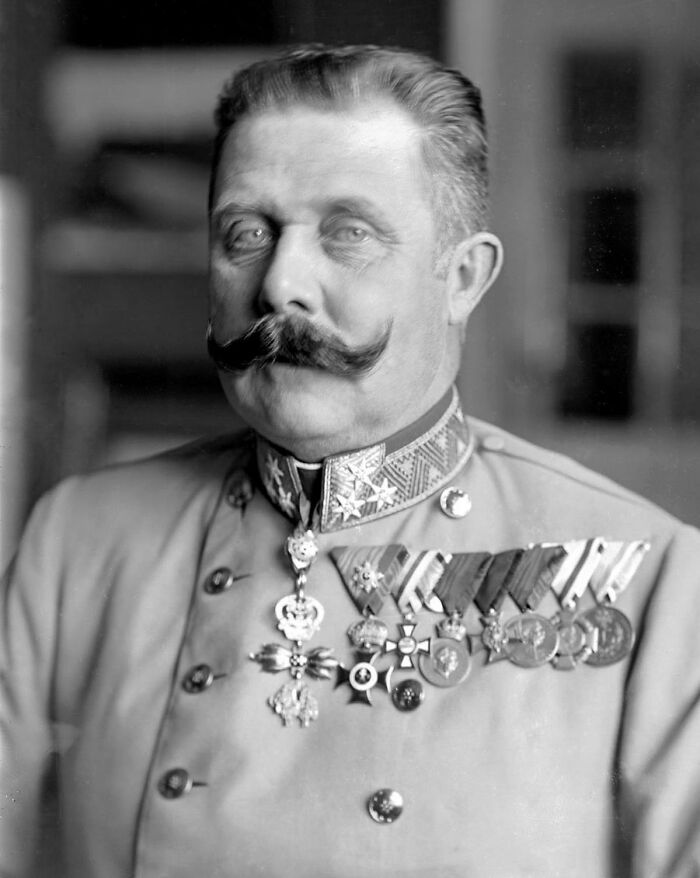 The Assassination of Archduke Franz Ferdinand.
The failed first attempt, the car taking the route that it did, the car stalling right in front of Gavrilo Princip then the aftermath of that event being so catastrophic.
It sounds like sensational Hollywood writing.

He failed in his initial attempt and went to a bar. The arc dukes car drove past the bar, and vmbrokecdown there. Princep rushed out to take his shot.
 The Four Seasons Total Landscaping press conference. It would have been rejected for an episode of Veep because it was so ridiculous.
If you're interested in hearing more crazy yet true stories, be sure to check out Sebastian's podcast Our Fake History.
"On that show, I explore stories that people think are true but are likely legends (Did Napoleon Shoot the Nose off the Sphinx?). I also look at events or figures many people believe to be purely legendary (The Trojan War, King Arthur, etc.) and try to determine if there is a kernel of historical truth at the heart of the story!" he shared. "We have 10 seasons and over 200 episodes. Find it on Apple Podcasts, Spotify, YouTube, or wherever you listen to podcasts."
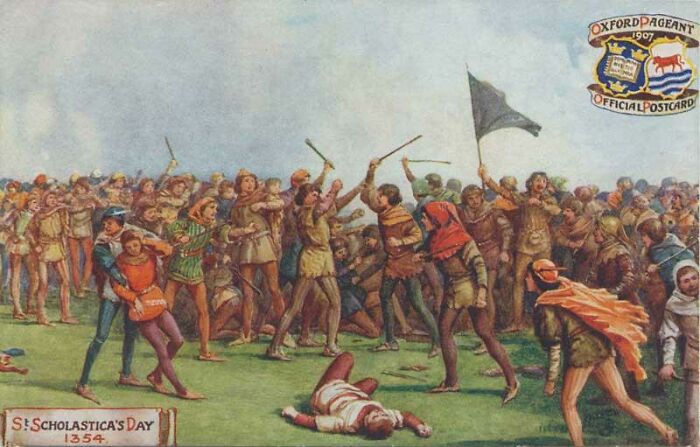 The St Scholastica day riot. Two students go to a pub and complain about the quality of the wine - a fight starts and escalates out of control, lasting three days with over 90 people k**led.
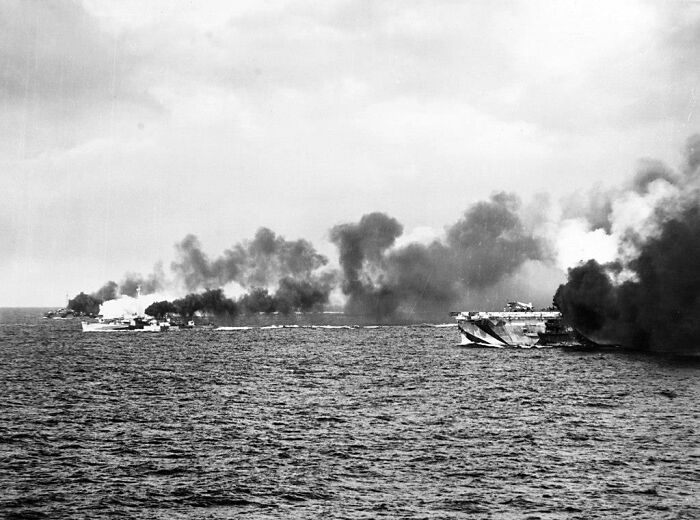 The battle off Samar. A tiny US task force driving off the entire Japanese Center force(which included the Yamato) by fighting so hard the IJN thinks each ship is one class above its actual class(IJN thought the destroyers were cruisers, the destroyer escorts were destroyers, and the light carriers were fleet carriers). The Yamato alone weighed more than the entire US force that entered battle against them. It involves one of the smallest oceangoing US warships getting into a gun duel with an IJN Heavy Cruiser and damaging it so heavily that the IJN scuttled it after the battle.
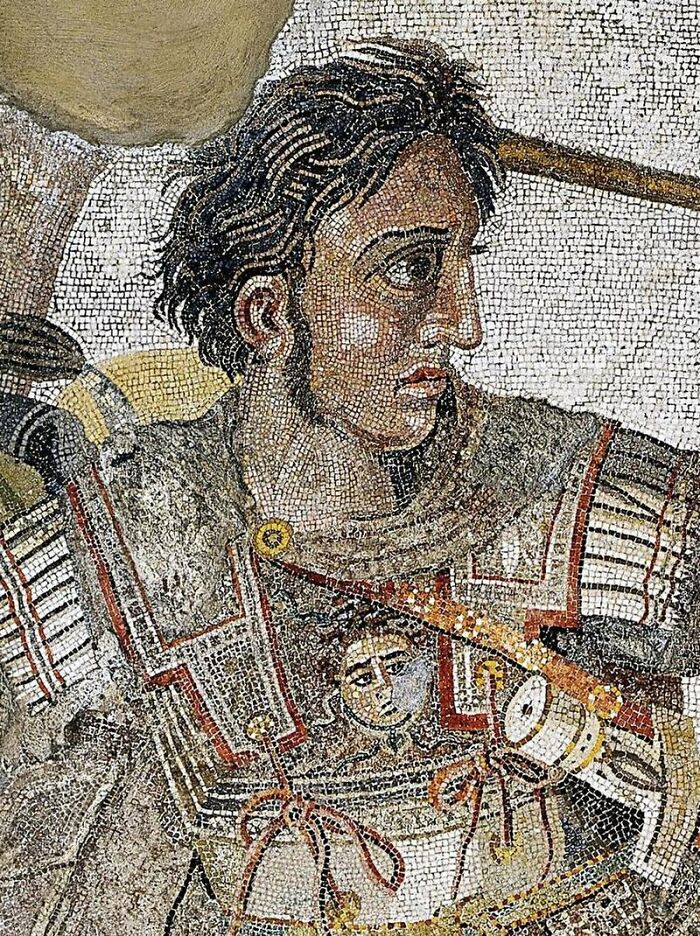 Alexander the Great approaching the island city of Tyre and deciding "S**ew it, rather than attack an island, I'll just make the island part of the mainland" and building a land bridge to link Tyre to the mainland so that he could attack and take it.
 -That far right Norwegian man who pretended to be a police and attacked those teenagers in that island. Sounds like a plot to some very mediocre Nordic Noir book.
-The eccentric rich Danish man who invited a reporter to his submarine and ended up m*******g and cutting her body into pieces. Like wtf who does that? Would probably get rejected as a movie script for being too weird.
-9/11.
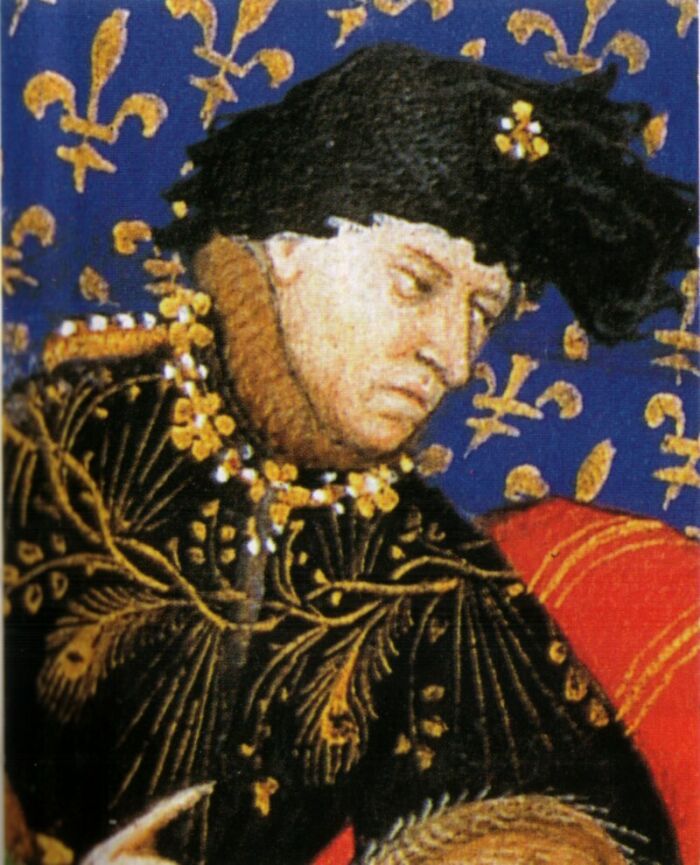 Charles VI of France and his grandson Henry VI of England both became mentally ill in their twenties.
Their relatives then responded by deciding to fight each other over the regency. Much of the animosity was provoked by already existing tensions between two members of the royal family. In Charles' case, it was his brother, Louis, Duke of Orléans and his cousin, Jean the Fearless, Duke of Burgundy. In Henry's, it was two of his cousins, Richard Plantagenet, 3rd Duke of York and Edmund Beaufort, 2nd Duke of Somerset.
Charles and Henry's respective wives, Isabeau of Bavaria and Marguerite of Anjou, were both slandered as evil and greedy foreign harlots who were cheating on their mad husbands with other men, who just so happened to be their main political supporters.
Louis of Orléans and Edmund Beaufort were both basically m******d by the rivals and their sons' swore vengeance. Then the respective commissioners of those m*****s, Jean the Fearless and Richard Plantagenet also got k**led violently by their enemies and their sons were also like, "VENGEANCE IS MINE!!!"
Charles and Henry's immediate family members eventually took sides in the rivalry between the two members of the extended royal family. Charles' only surviving son surrounded himself with members of the Armagnac-Orléans faction and Henry's wife and only son surrounded themselves with Beauforts.
Charles and Henry both died insane and it's not certain how much they knew was going on. One kind of hopes that they didn't actually know that much about the state of their family and kingdom, because talk about depressing. However, the methods of their deaths were different: Charles died of natural causes while Henry was secretly m******d.
There's so many parallels it feels like this was a TV show where the writers got bored and decided to just recycle old plots.

They didn't have syndication then, so old storylines could be reused every couple generations.
I do a lot of short tornado documentaries and honestly so many moments I have had talked about sound like they were ripped right out of an over the top tornado action/horror movie. Natchez is probably the most striking to me off the top of my head. The second deadliest tornado in US history, it got so dark out people had to light candles to see, it straddled the Mississippi River, sank essentially a fleet's worth of ships on the river and caused so much destruction people were thrown into full religious crises by the end of it.
Xenia is another one like that, there was a moment in that storm where students fled their school seconds before a bus smashed through the wall behind them. Very scary stuff. I've been honestly floored at how many true tornado moments sound like something people would say are over the top and unrealistic if you included in a movie about said tornado.
Battle of Saragarhi where 21 soldiers fought against 10 or 12,000 soldiers.
The numbers would put any crazy Indian movie to shame 😂. So they decided to make a movie out of it as well.
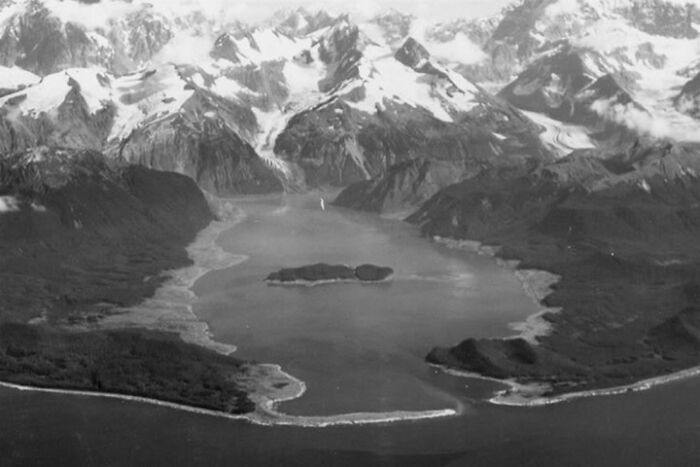 That giant Tsunami wave that happened in Alaska - Lituya Bay in 1958. That one was supposedly 1,700 feet in height.
Not quite. When the wave reached the steep opposite shore, the water rushed up the slope to 1,700 feet. The wave itself wasn't nearly that high although it was still a monster.
Hands down 9-11. Not even a debate. Seriously, a bunch of terrorists steal 4 jet planes, fly one of them into the g*****n Pentagon and fly two of them into The World Trade Center towers? AND THEY F*****G BOTH COLLAPSE? Get the f**k outta' here with that b******t.
"We just want to fly (they told the teachers in Vero Beach) takeoff/landings? Ok, if we must".
Jurassic period.
1. American WW2 Veteran, Desmond Doss helped a wounded Japanese soldier during the war.
2. I don't remember this quite often but some say that while Desmond Doss was running (or rescuing I'm not sure), the Japanese Soldiers' guns malfunctioned while trying to fire at him. This did not make it to the movie "Hacksaw Ridge" however, because of how many people or watchers will find this unbelievable.
Needless to say Desmond Doss is a believer of God.
"Needless to say"? Then why say it? Also, belief in God is not related to compassion. In many instances it actively contradicts compassion.
One of my favourites is that once, the winter was so bad around Paris, that packs of wolves gathered into a large group, crossed the frozen Seine and beginning hunting people in the streets of Paris. It’s allegedly supposed to have ended after pitched fighting in the streets led to people and wolves battling it out on the steps of Notre Dame where the pack leader ( Because alpha triggered weird responses to this) was k**led. The remaining wolves fled and for the better part of the year, allegedly, nearly all wolves were wiped out in the north of France
Of course Paris and Norte Dame looked very different at the time. Barely a small city and a half-built church BUT HOW IS THIS NOT A MOVIE ALREADY?!

Nothing about the K Syndrome? This fake disease invented by Dr Borromeo to save returners and Jews from the SS in Roma during WWII. This would perfectly suit this list.

The story of Louis Zamperini (sp?). Grew up a troubled youth, discord running, made it to the 2936 Olympics in Berlin, joined the USAAF after Pearl Harbor, was a B-24 crewman. Plane ditched in the Pacific, he and 2 other survivors floated in a life raft for around 45 days, picked up by. Japanese ship and became a POW. Somehow earned the wrath of a sadistic guard who tried to break him repeatedly. Never have in. The movie "Unbroken' is a great watch, but the book of the same Tite by Laura Hillebrand is really worth reading.

I read that book in 7th grade English, it was amazing
Load More Replies... Nothing about the K Syndrome? This fake disease invented by Dr Borromeo to save returners and Jews from the SS in Roma during WWII. This would perfectly suit this list.
The story of Louis Zamperini (sp?). Grew up a troubled youth, discord running, made it to the 2936 Olympics in Berlin, joined the USAAF after Pearl Harbor, was a B-24 crewman. Plane ditched in the Pacific, he and 2 other survivors floated in a life raft for around 45 days, picked up by. Japanese ship and became a POW. Somehow earned the wrath of a sadistic guard who tried to break him repeatedly. Never have in. The movie "Unbroken' is a great watch, but the book of the same Tite by Laura Hillebrand is really worth reading.
I read that book in 7th grade English, it was amazing
Load More Replies...



























 No fees, cancel anytime