Get Premium
Dark mode theme is available exclusively for premium users. Learn more about the benefits of subscribing.
No fees, cancel anytime.

 Dark Mode Ad-Free Browsing Unlimited Content
 Ad-Free Browsing Unlimited Content Dark Mode
Join 1.2 million Panda readers who get the best art, memes, and fun stories every week!
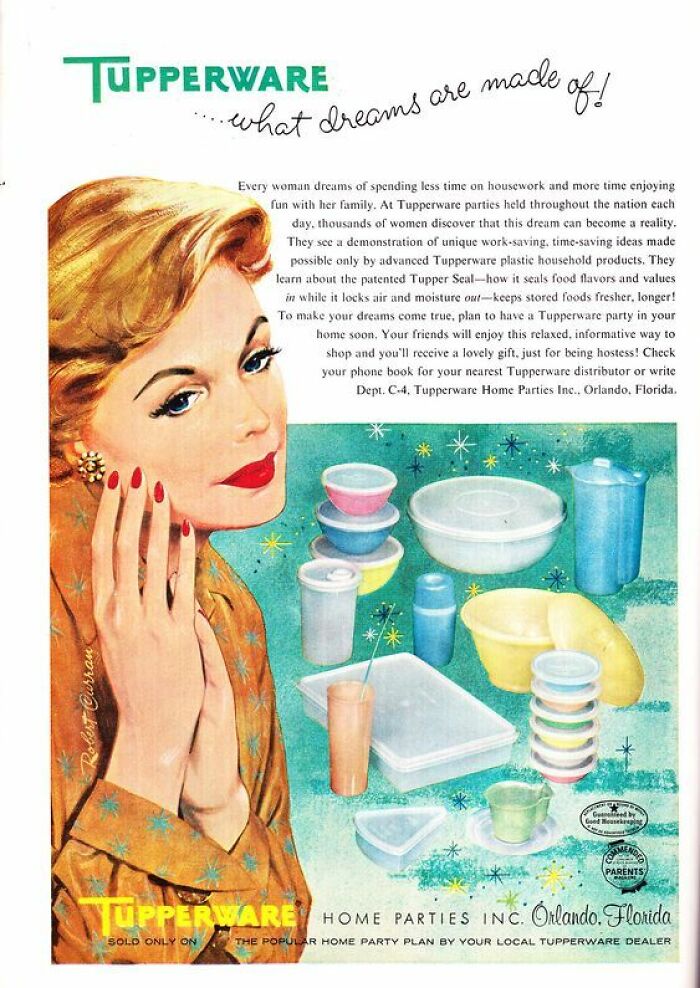
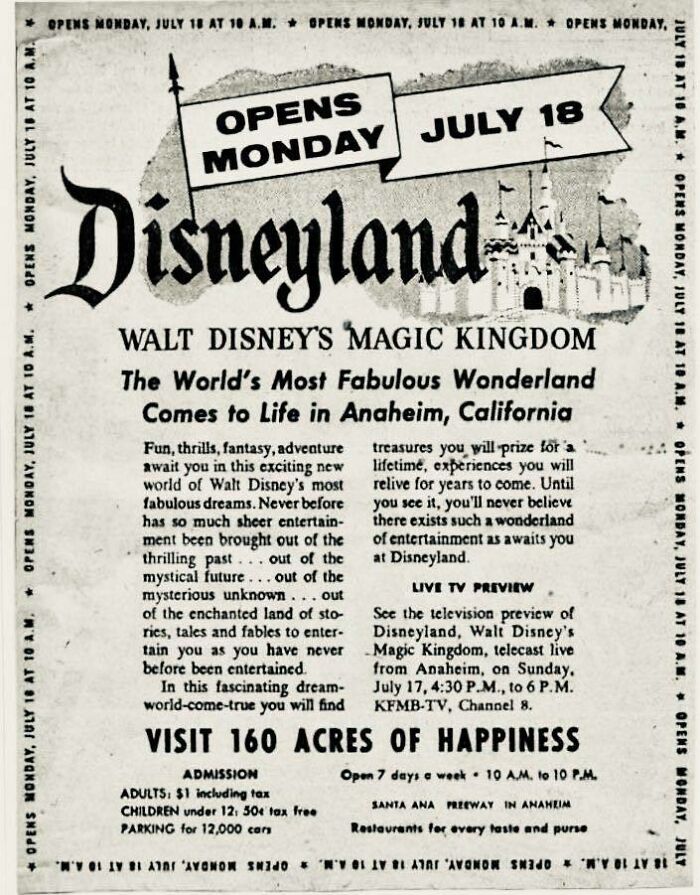
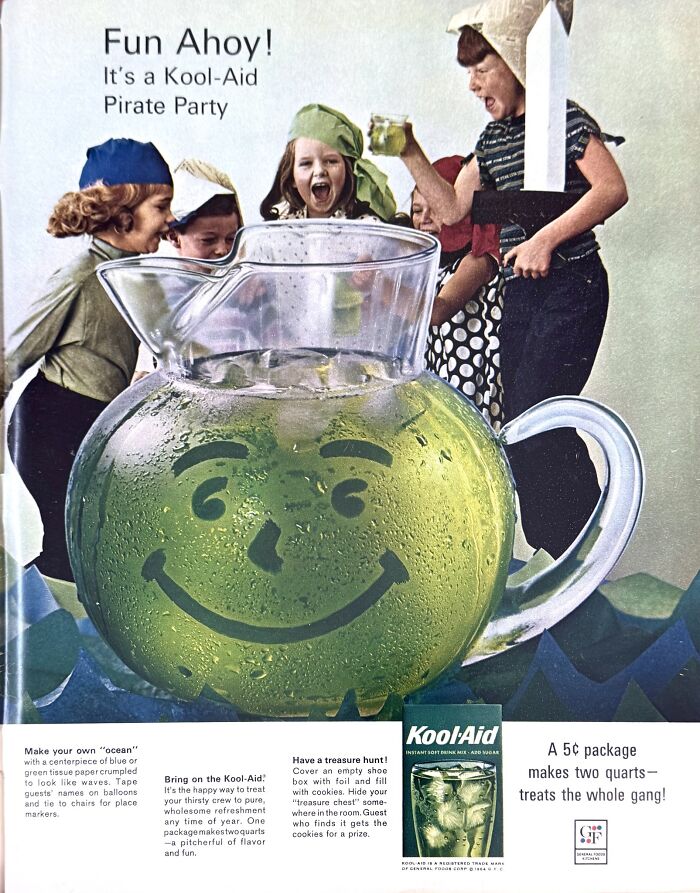
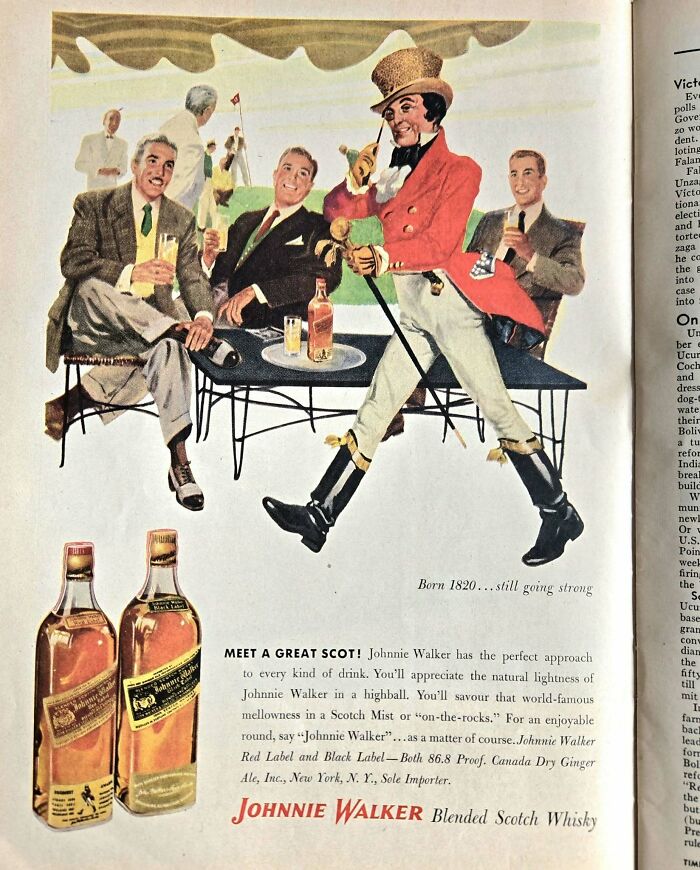
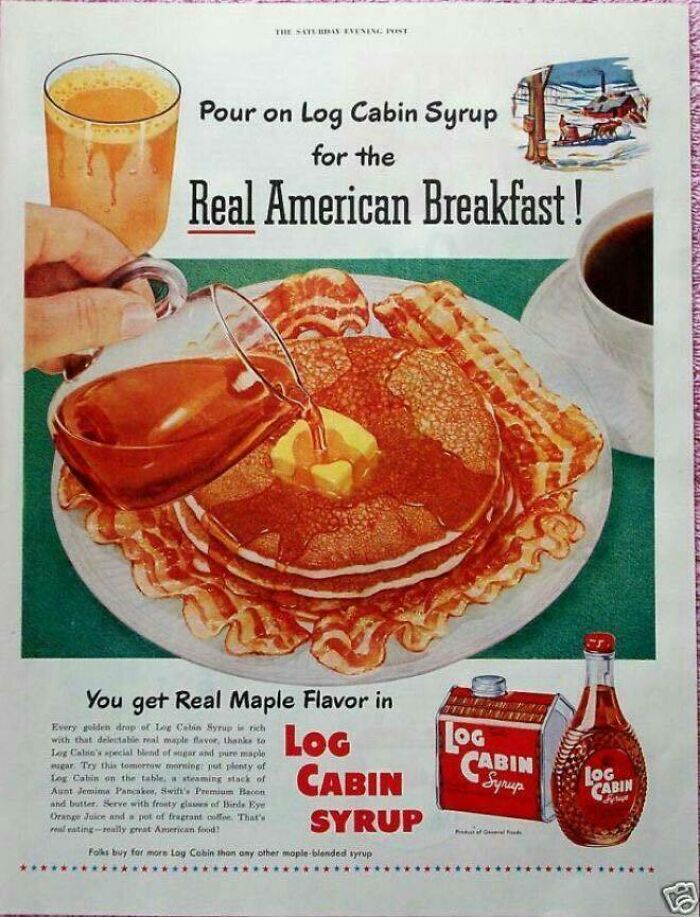
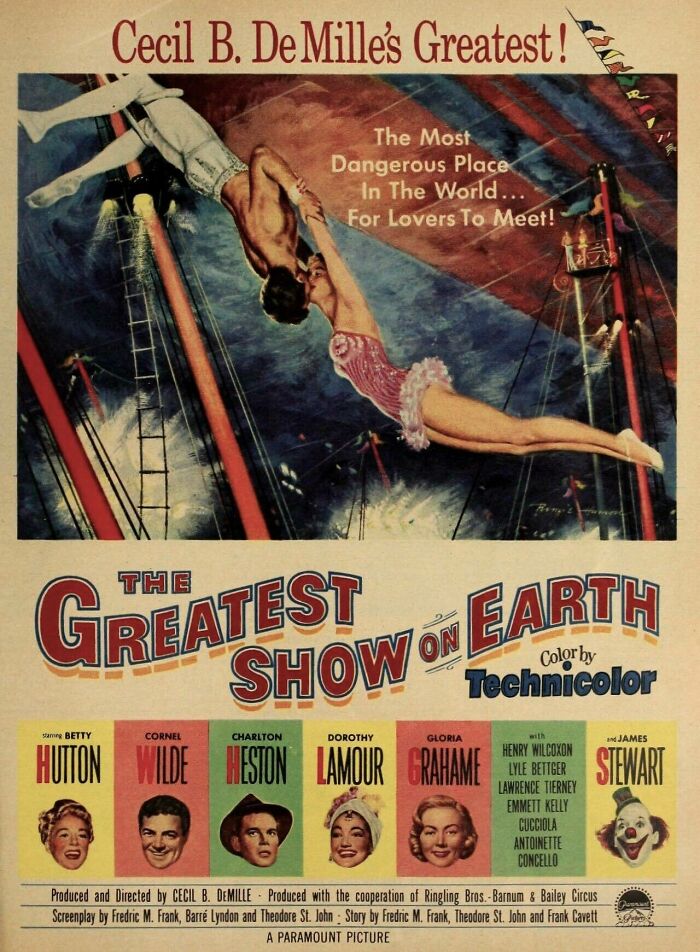
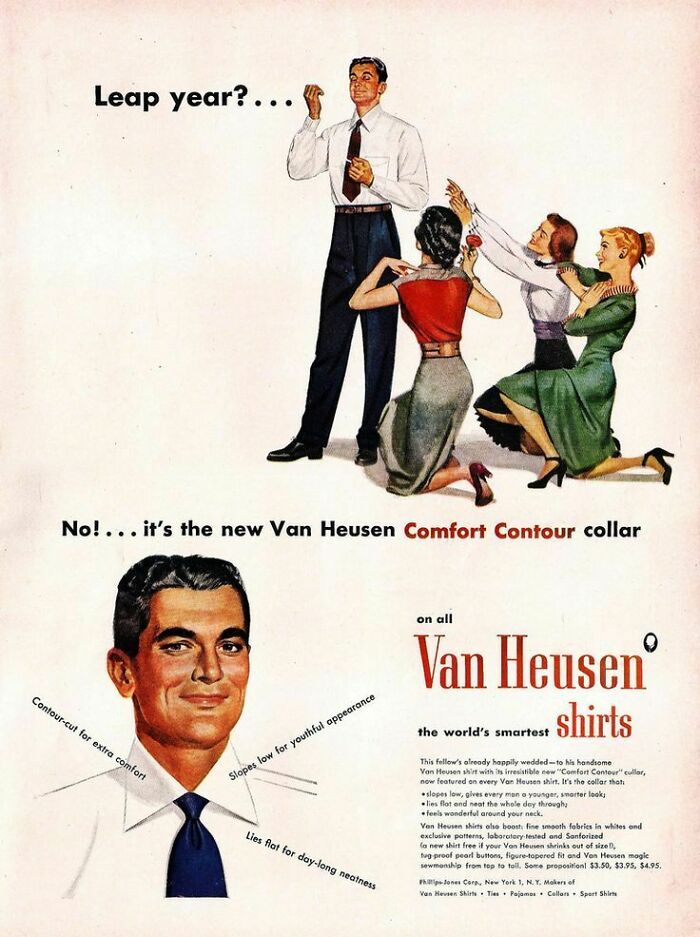
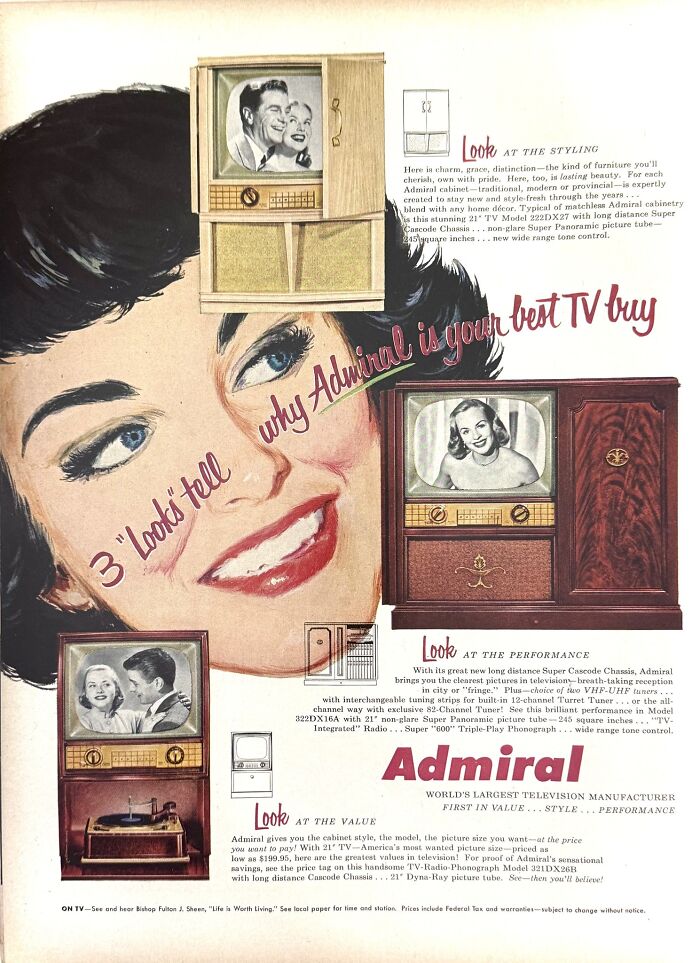
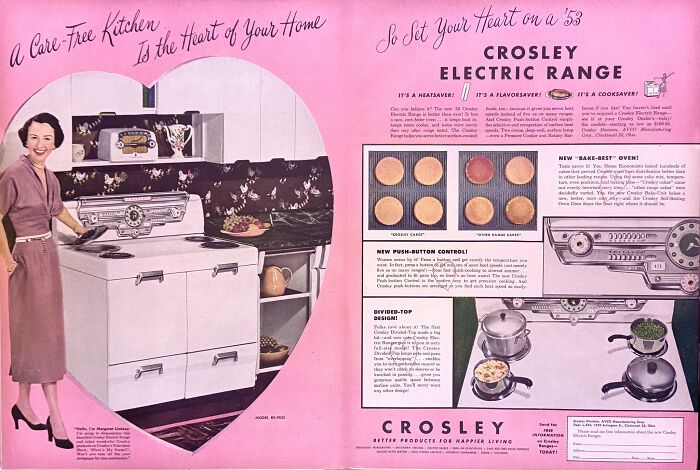
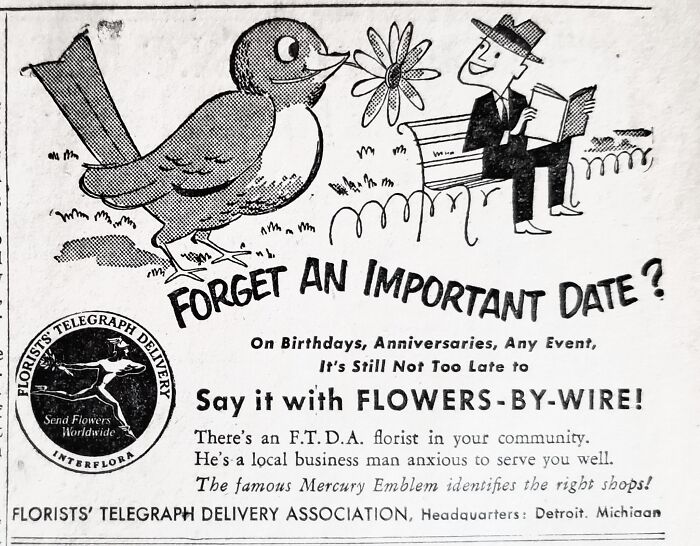
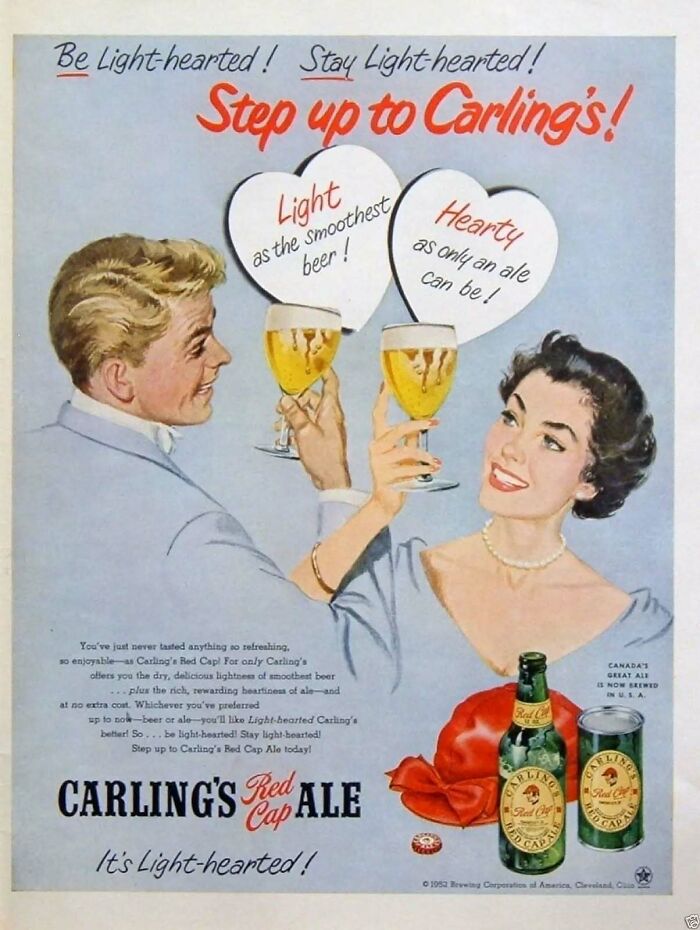
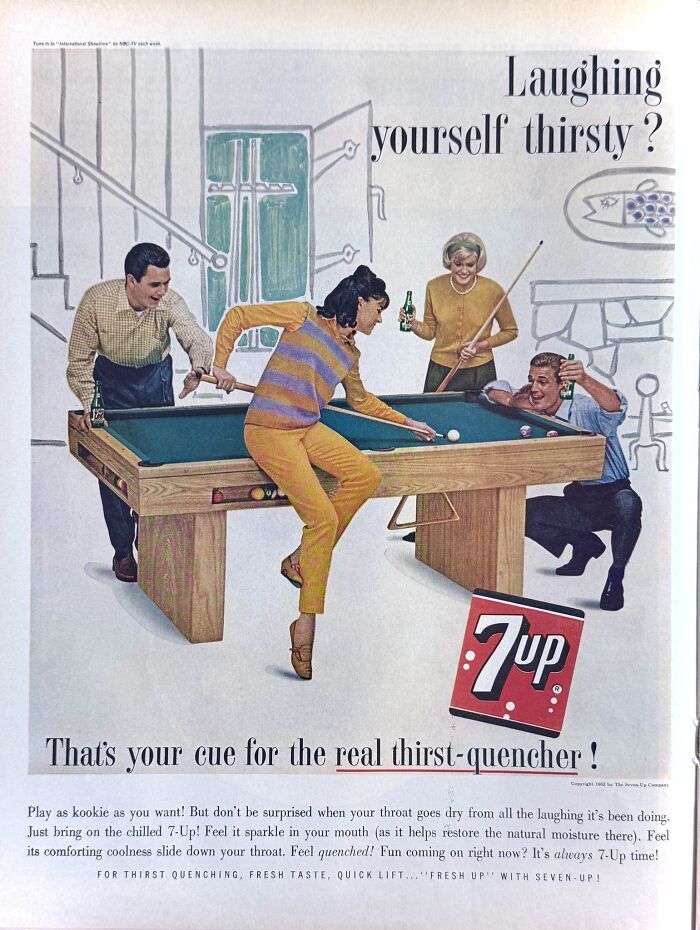
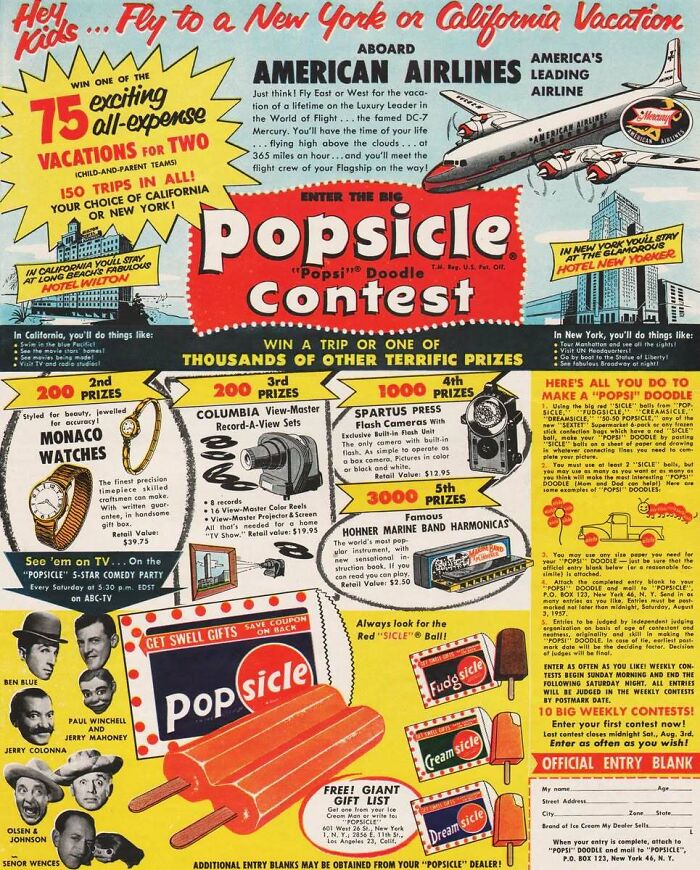
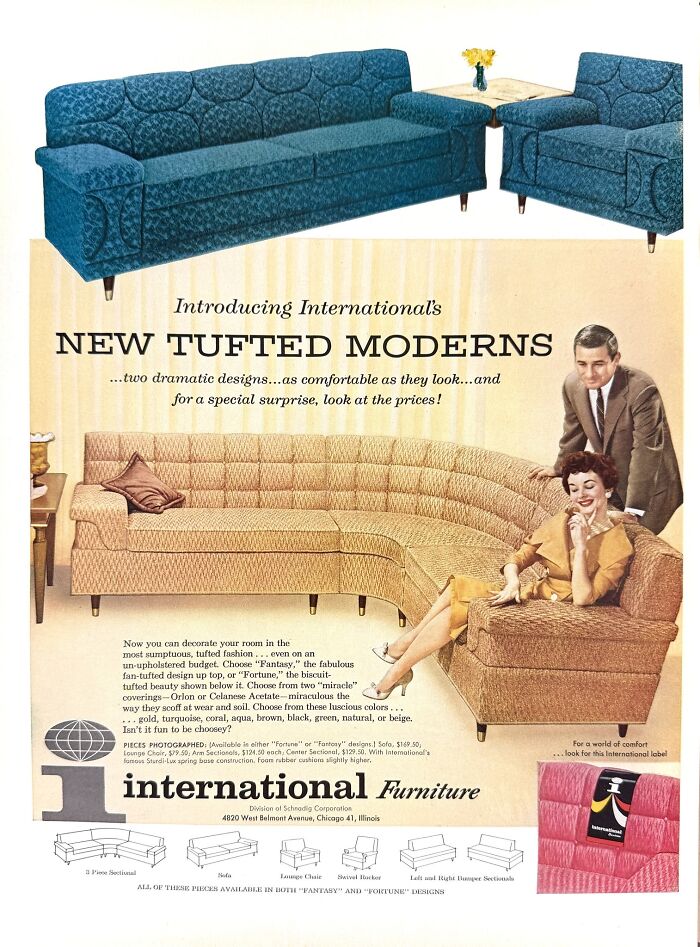
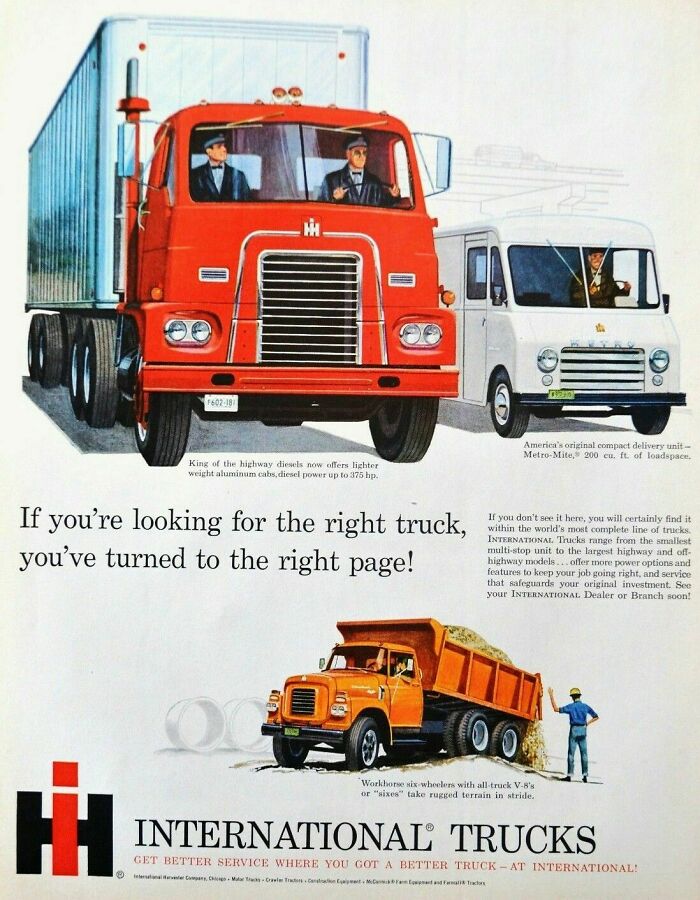
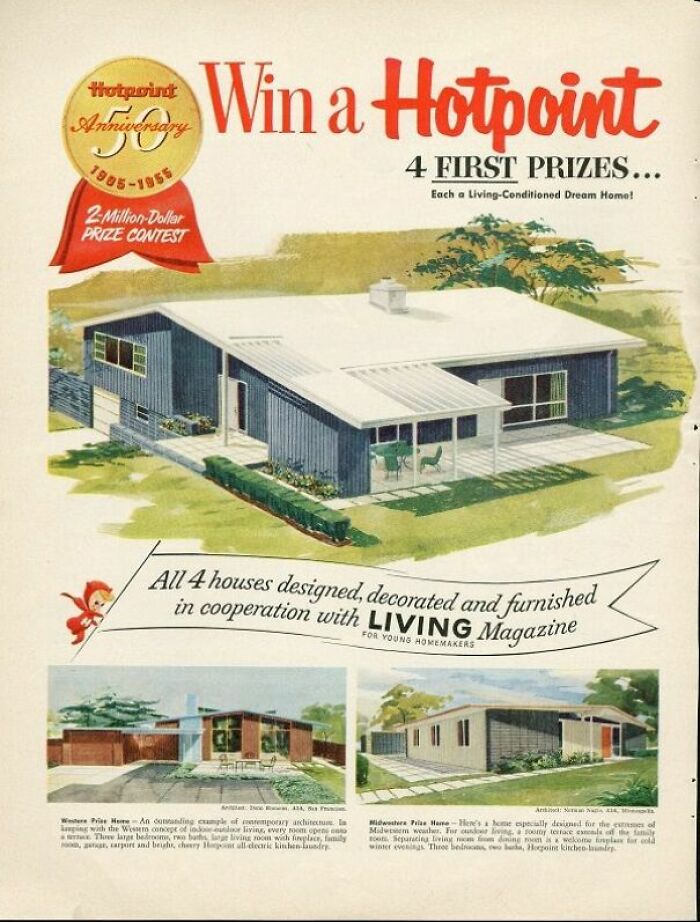
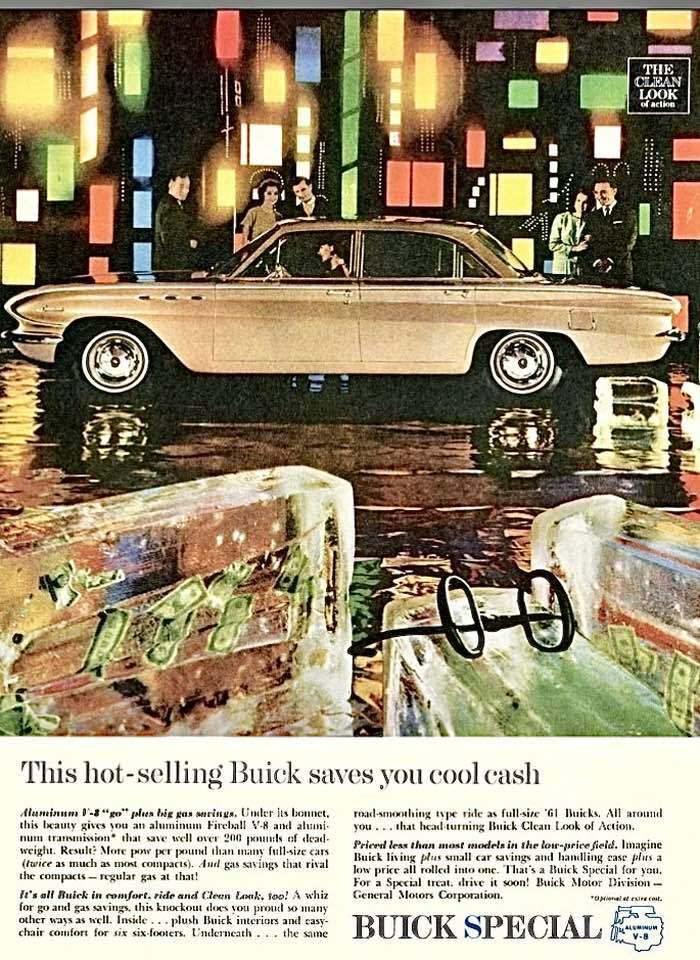
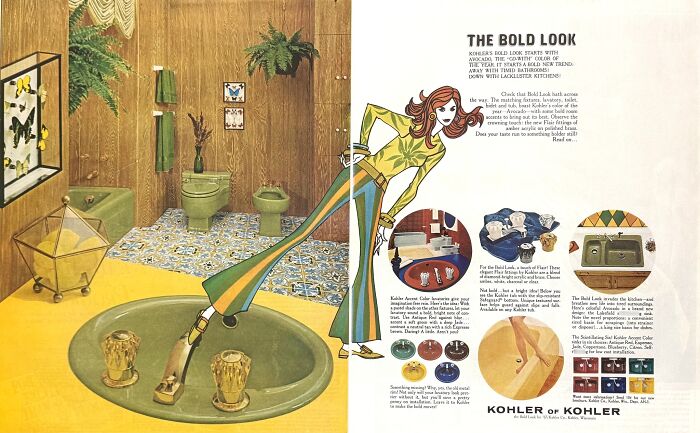
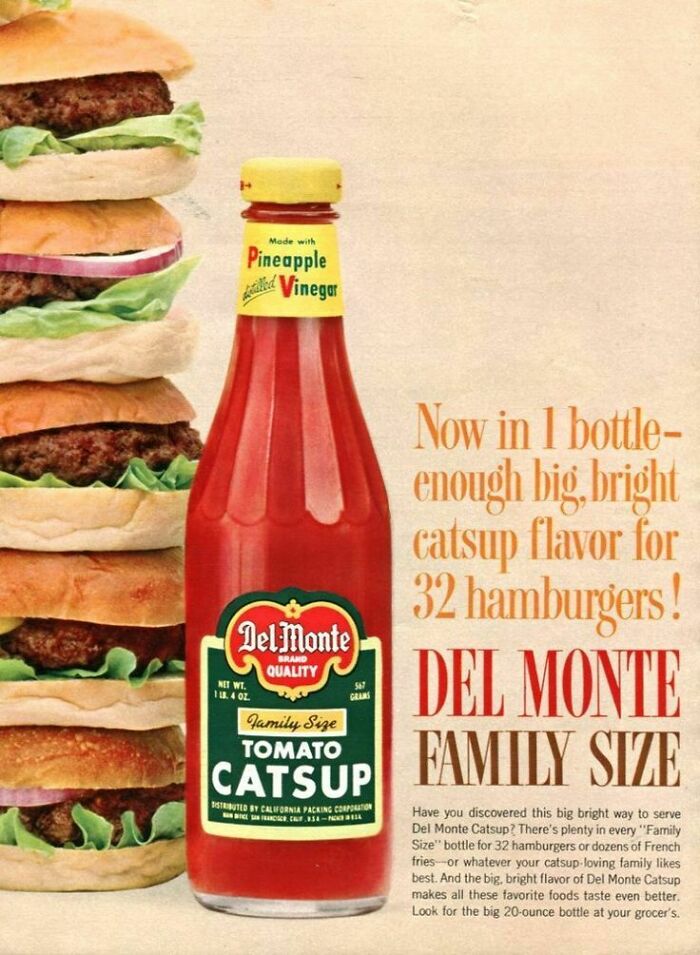
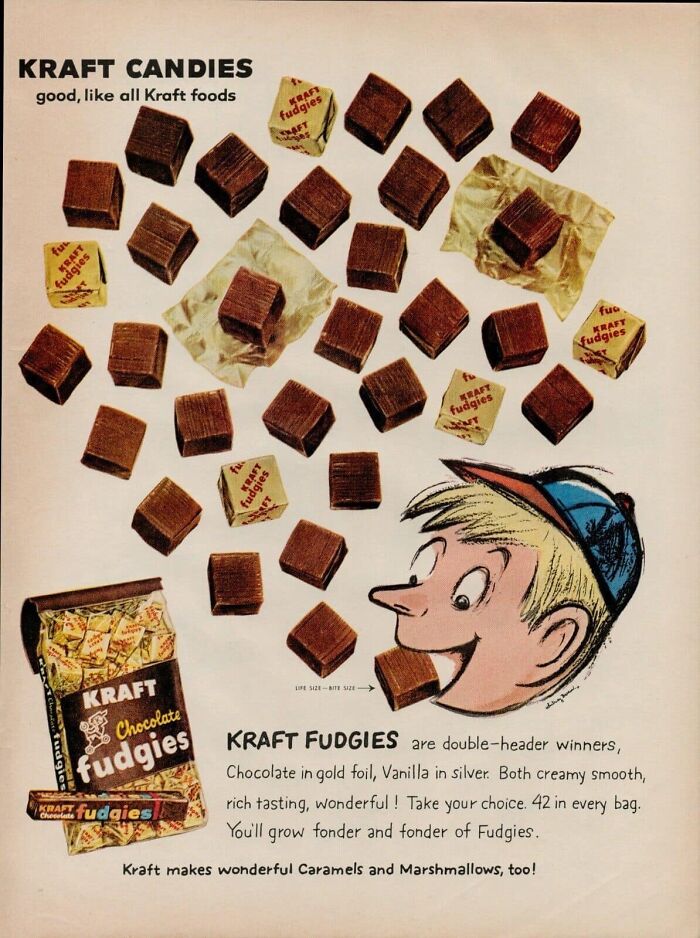
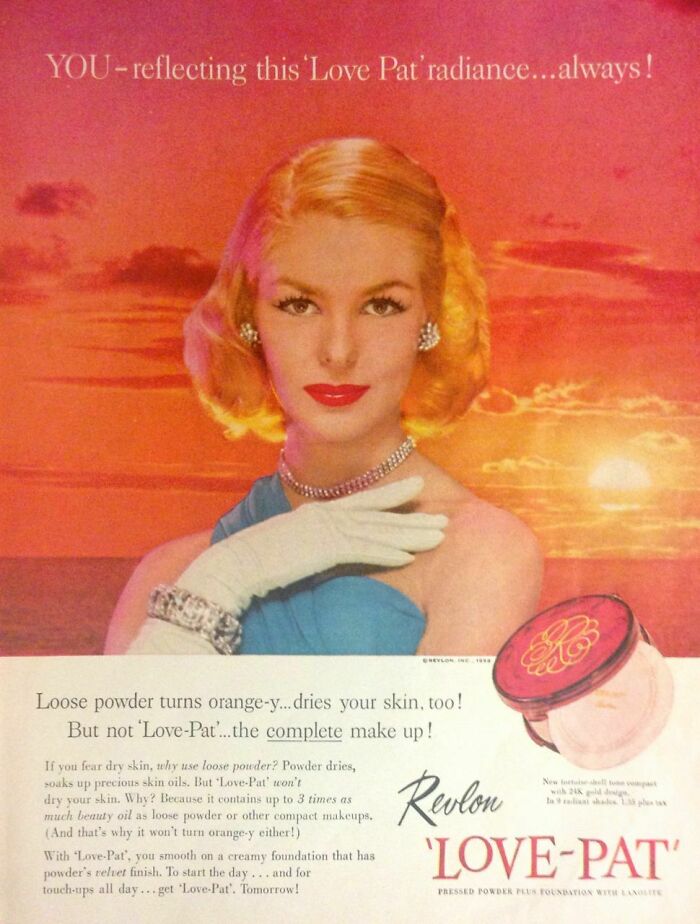
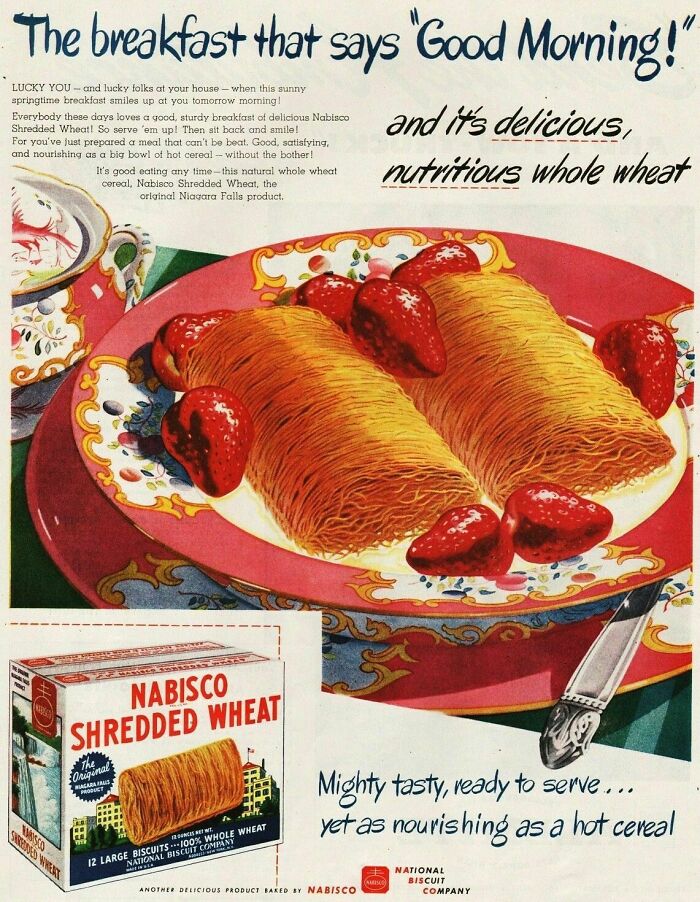
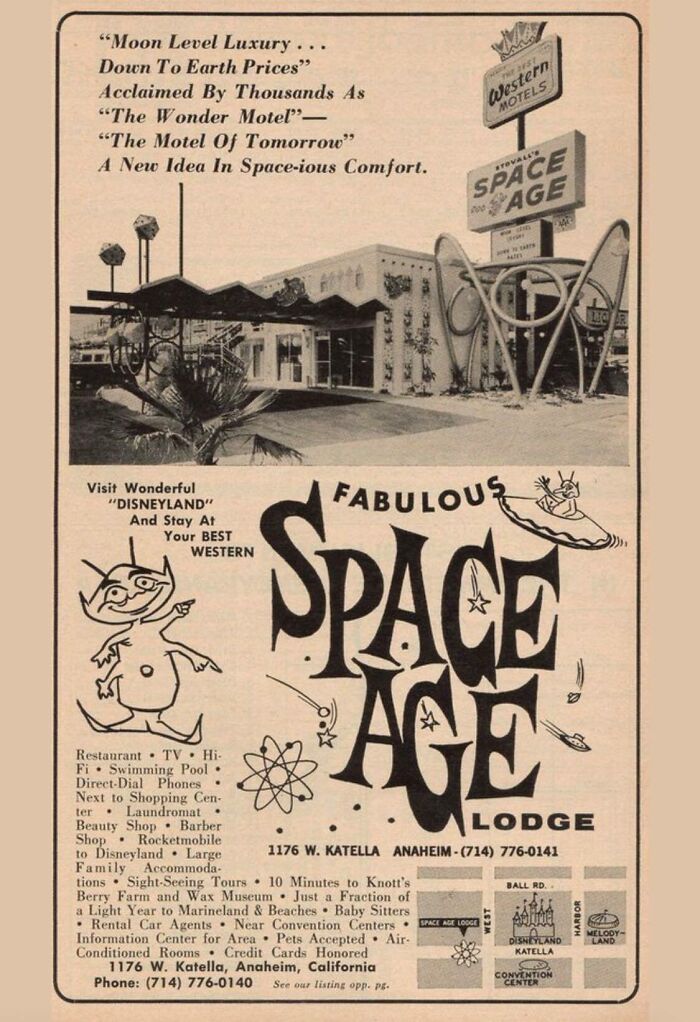
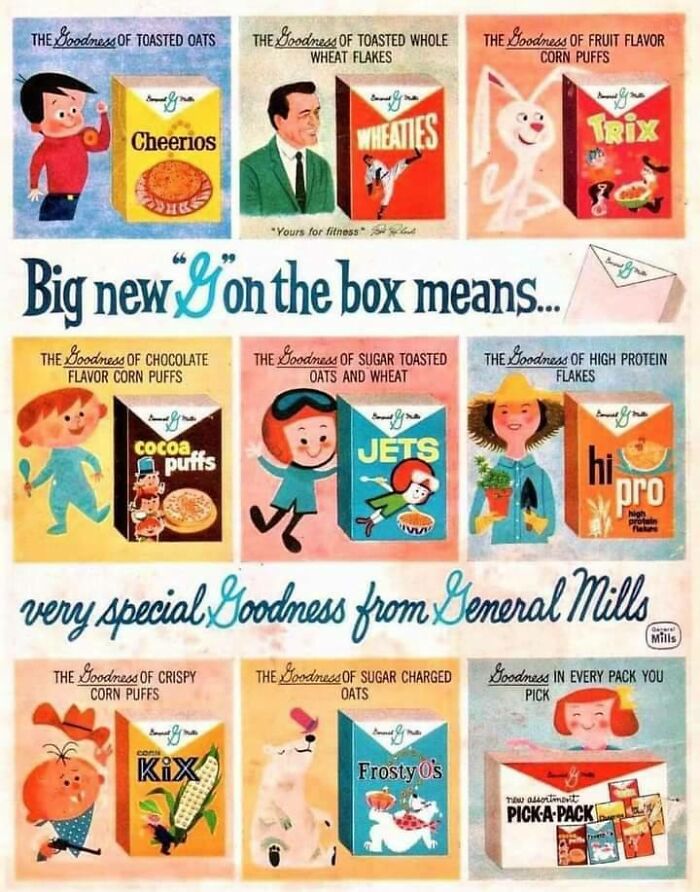
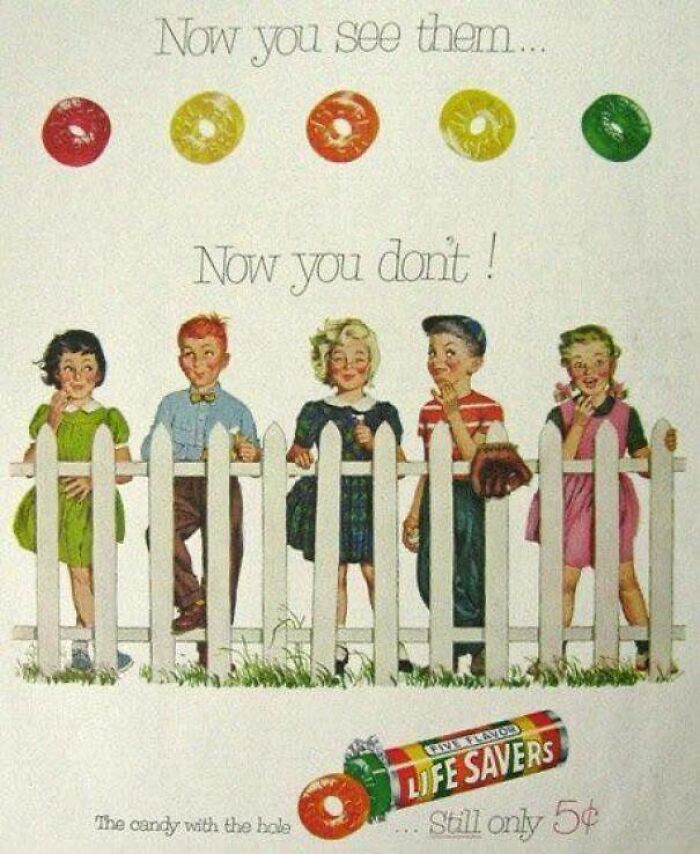
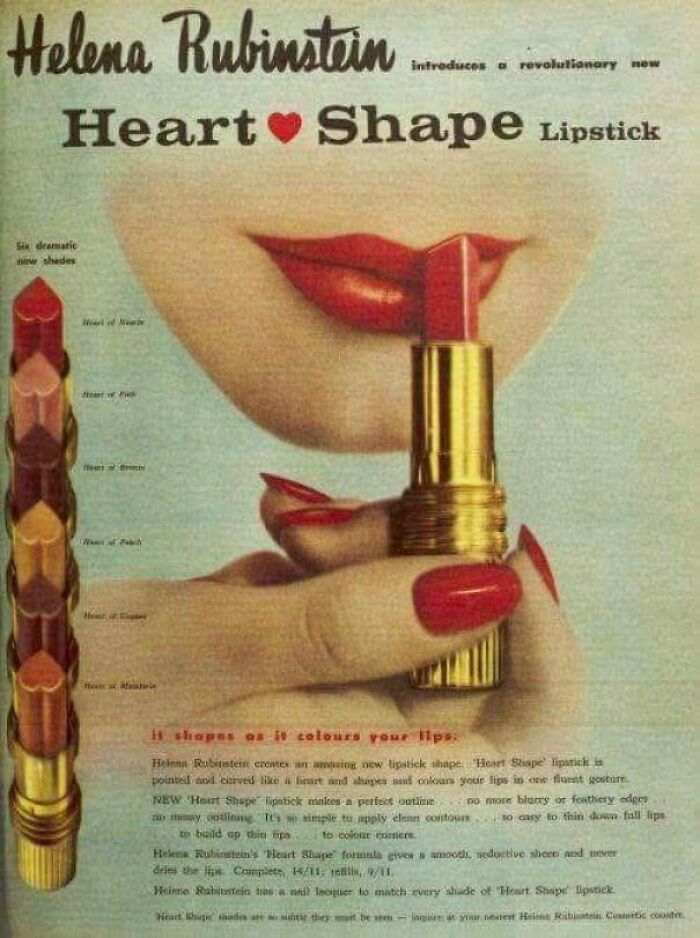
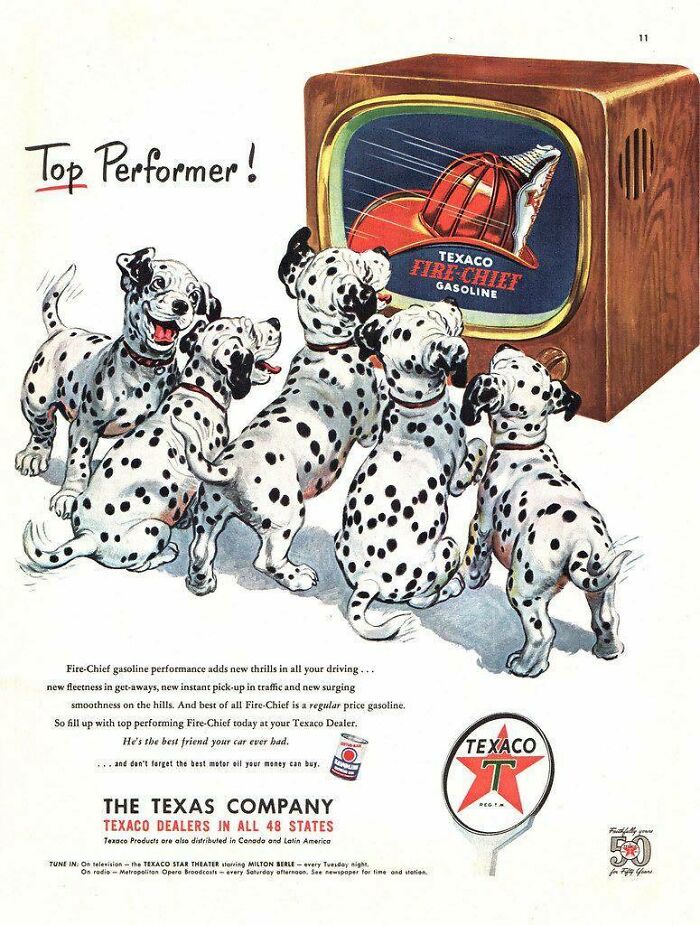
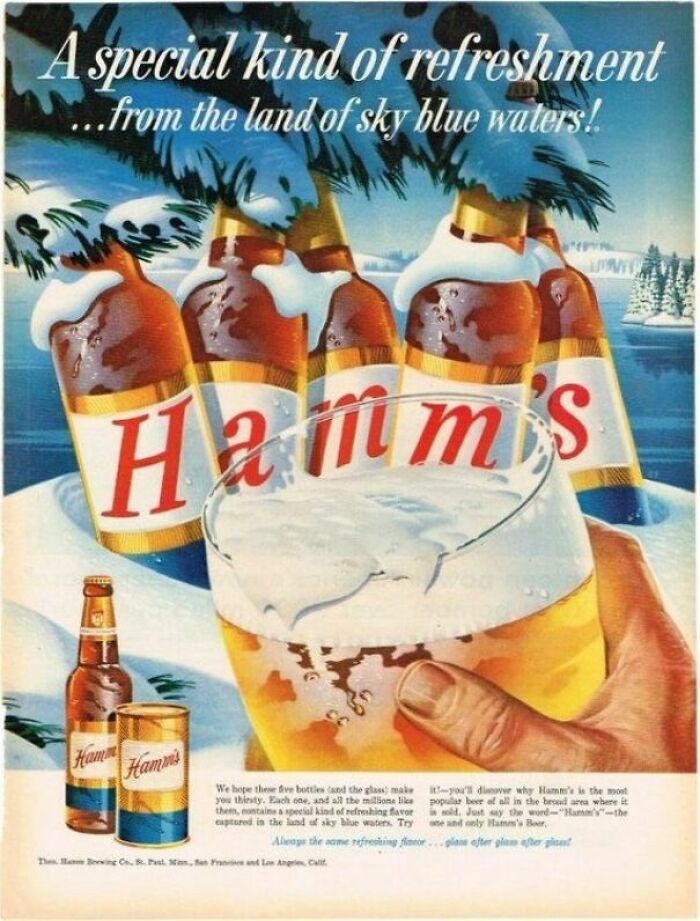
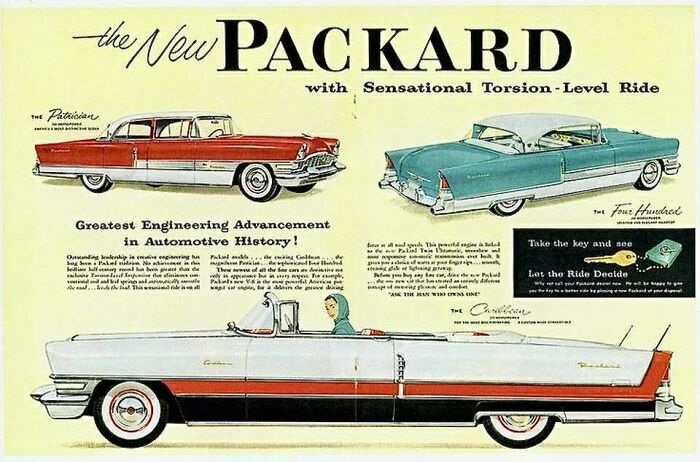
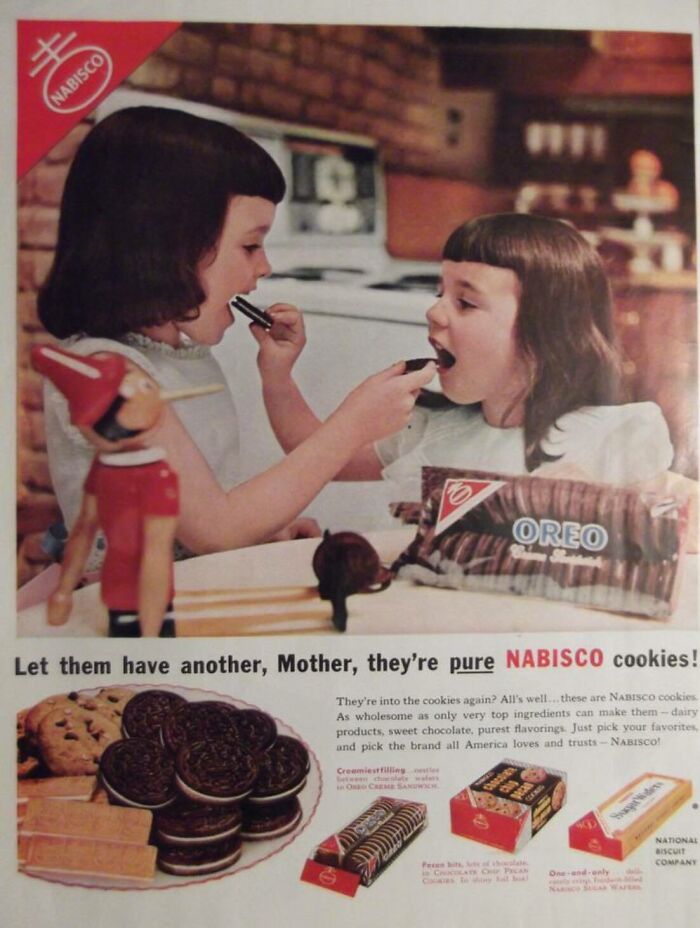
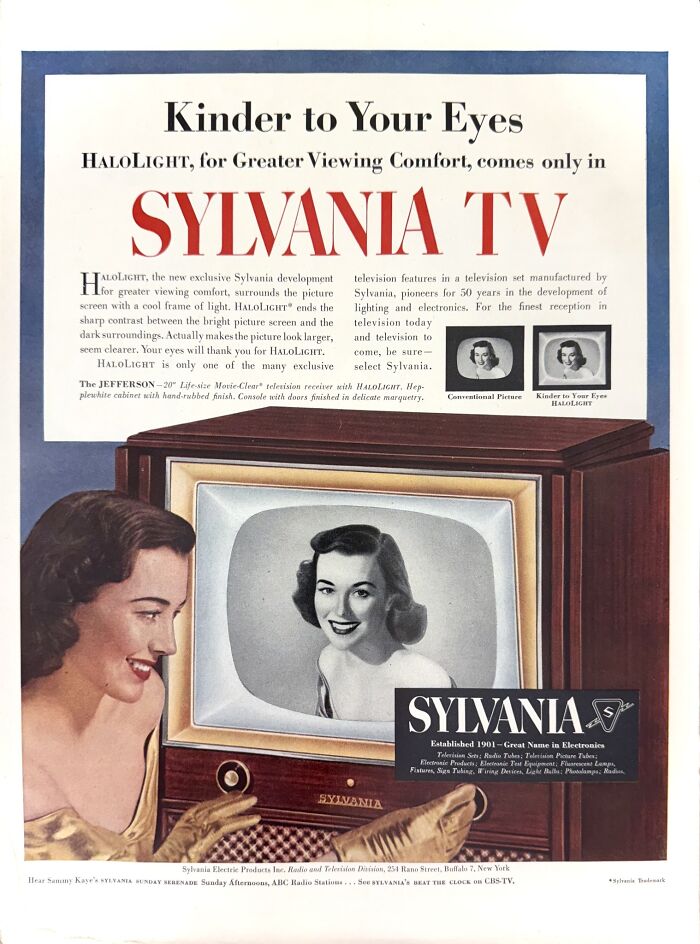
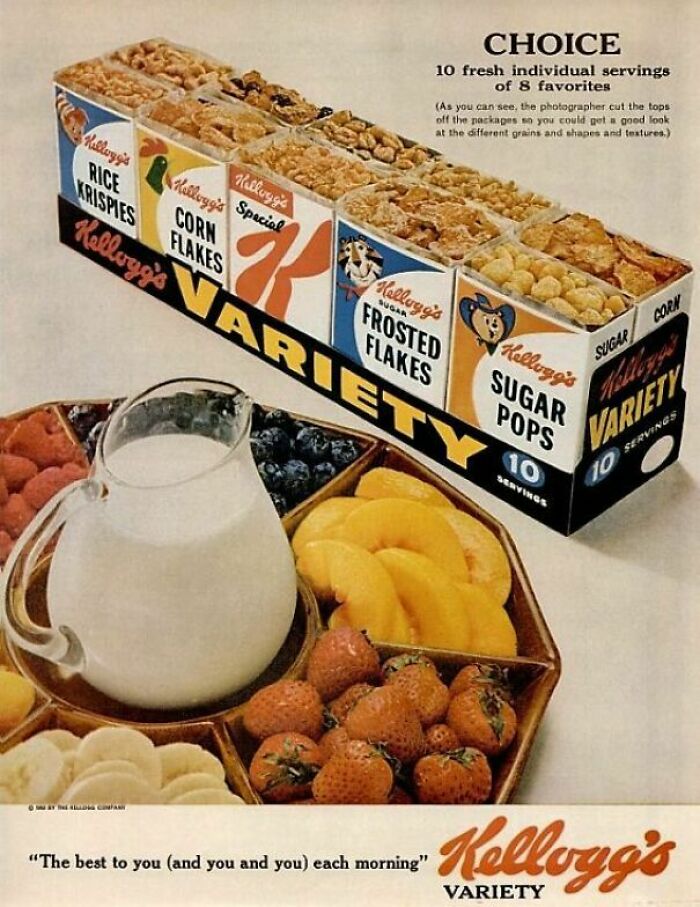
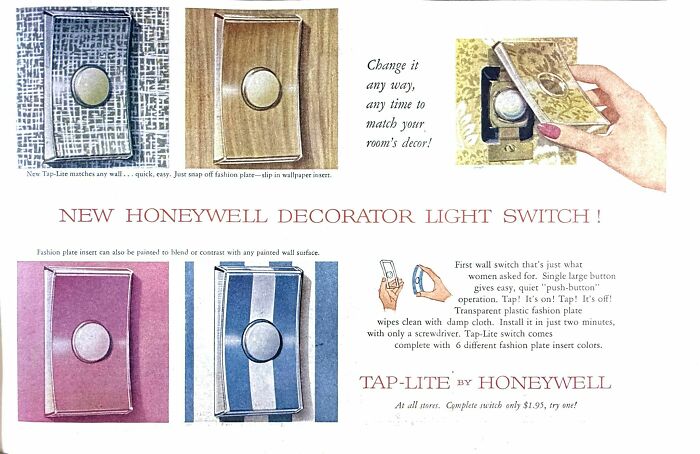
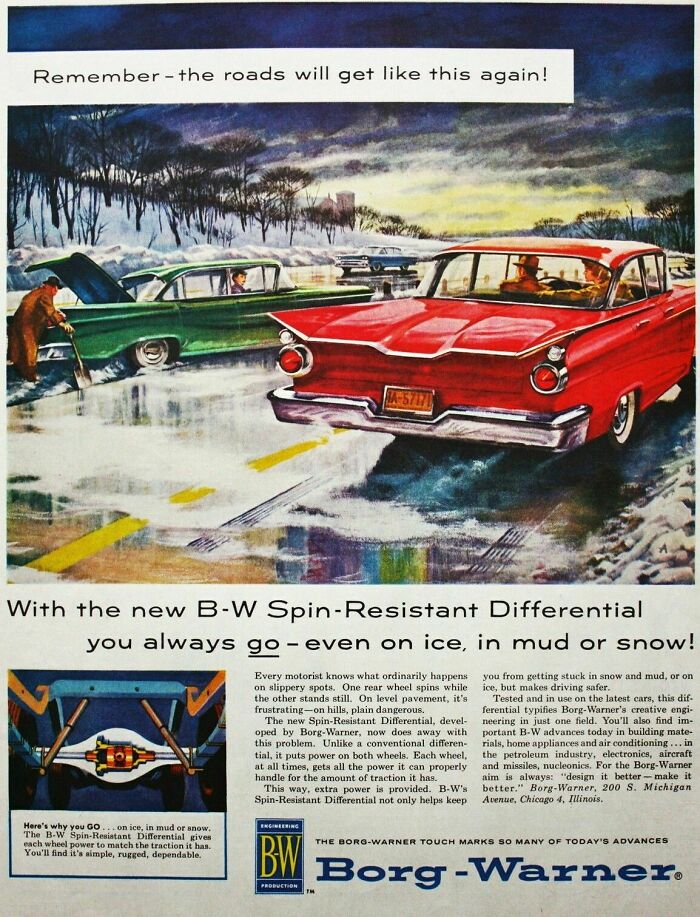
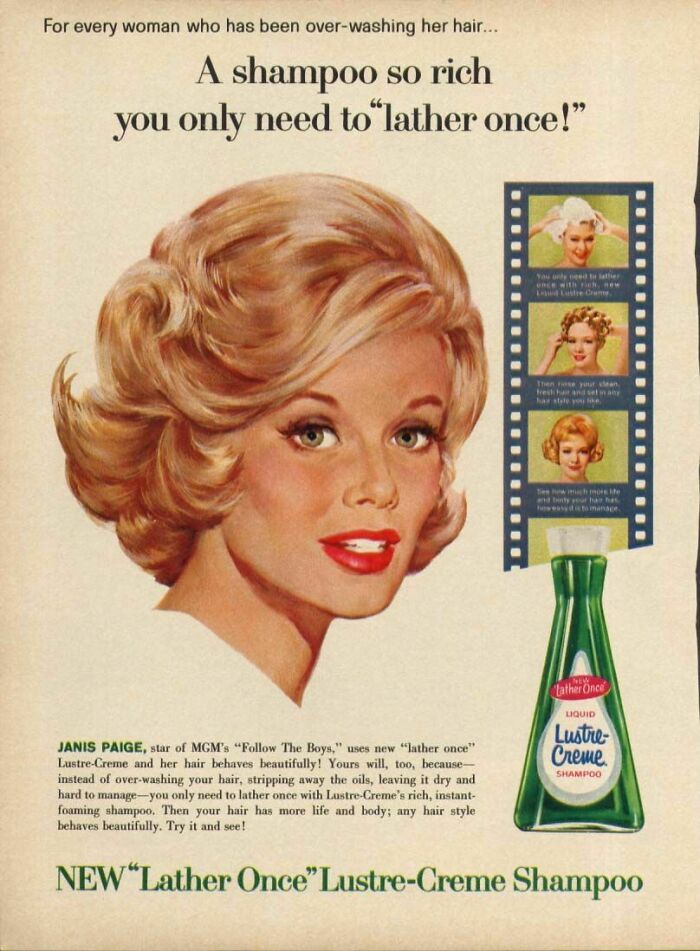
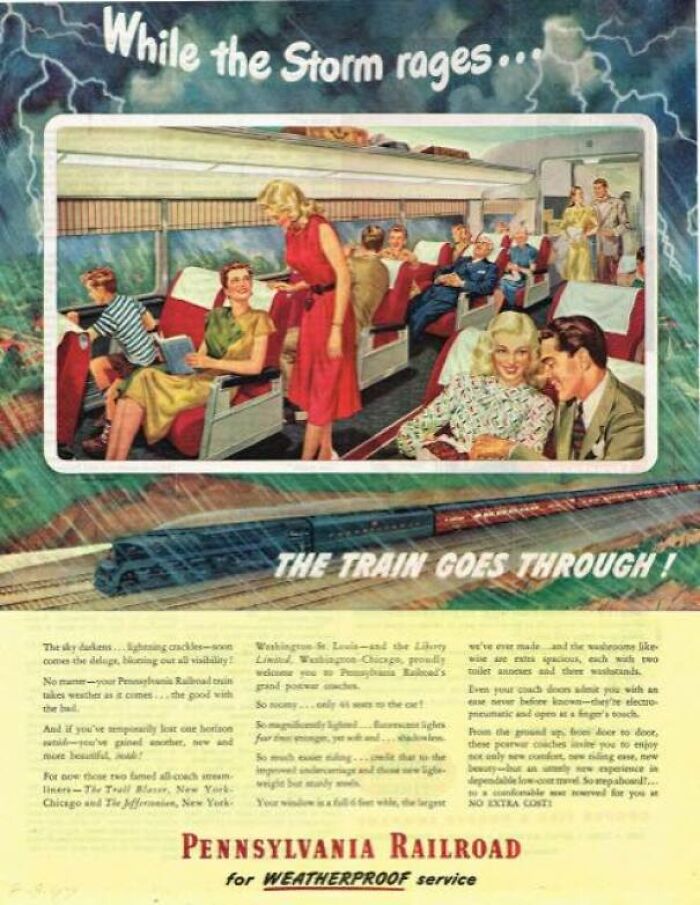
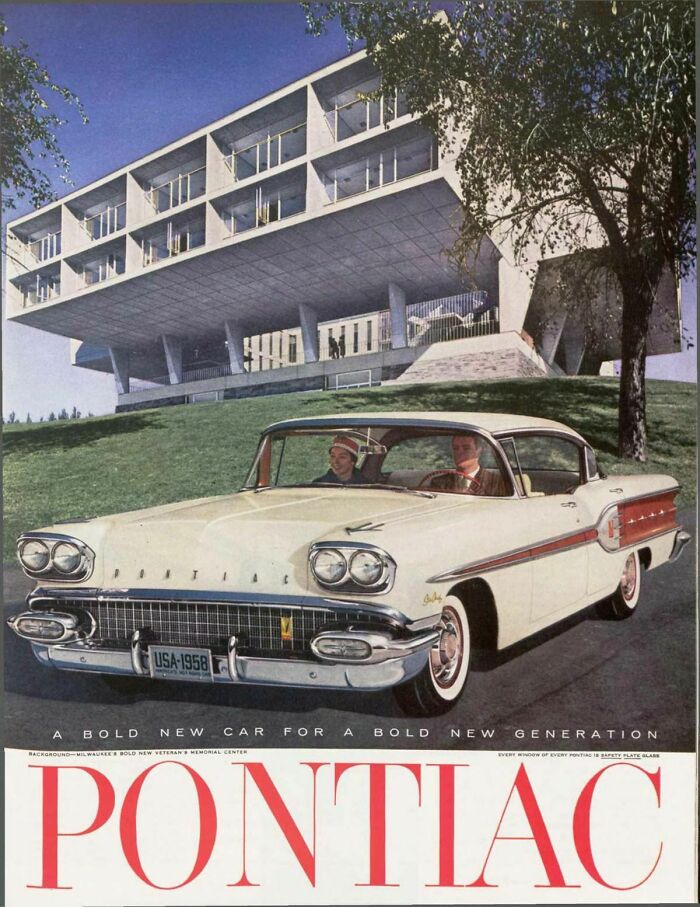
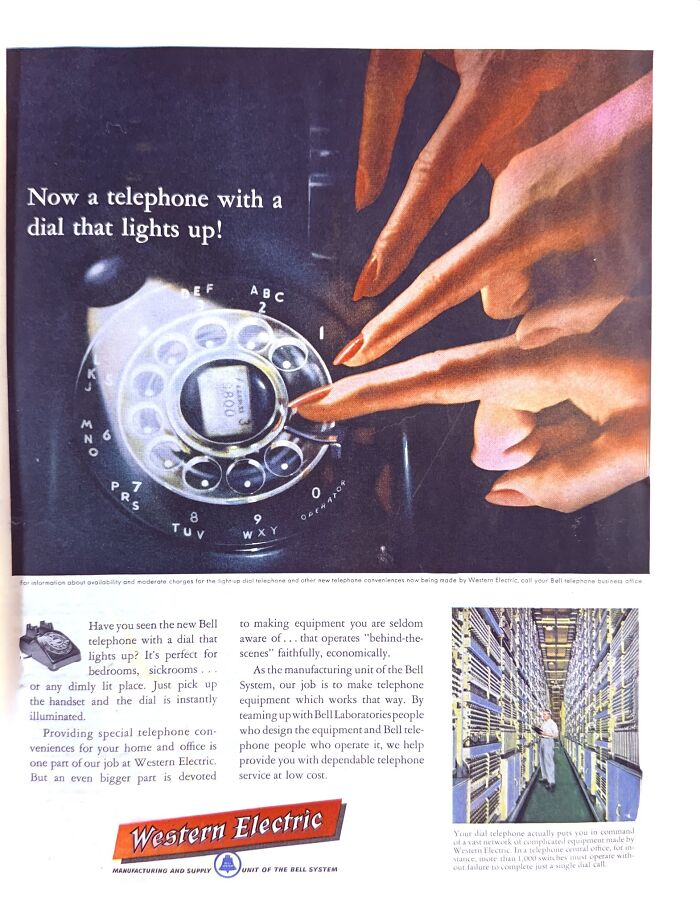
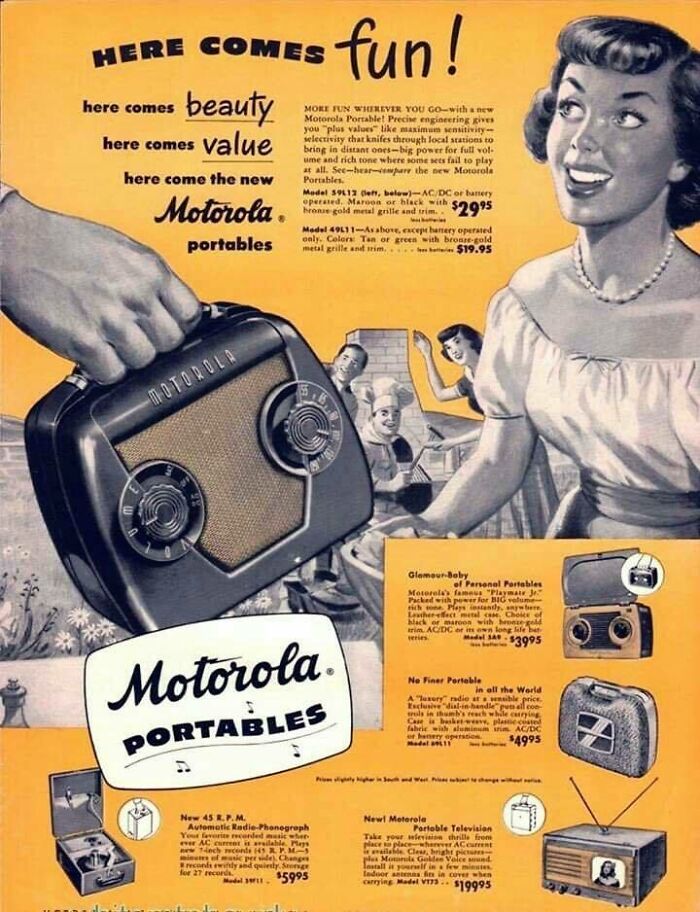
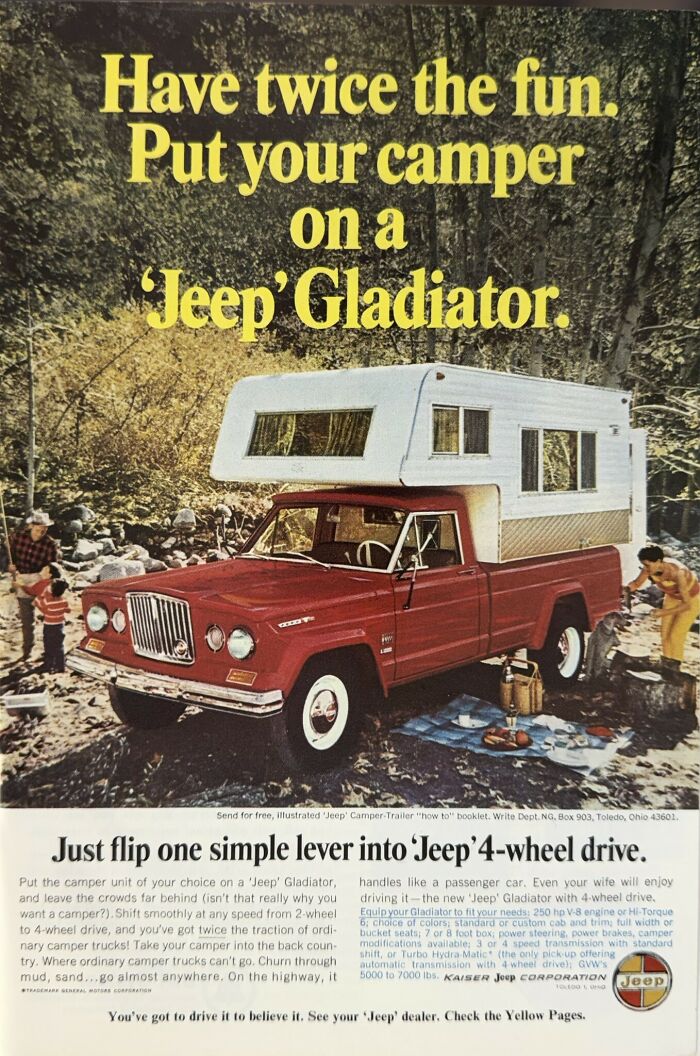
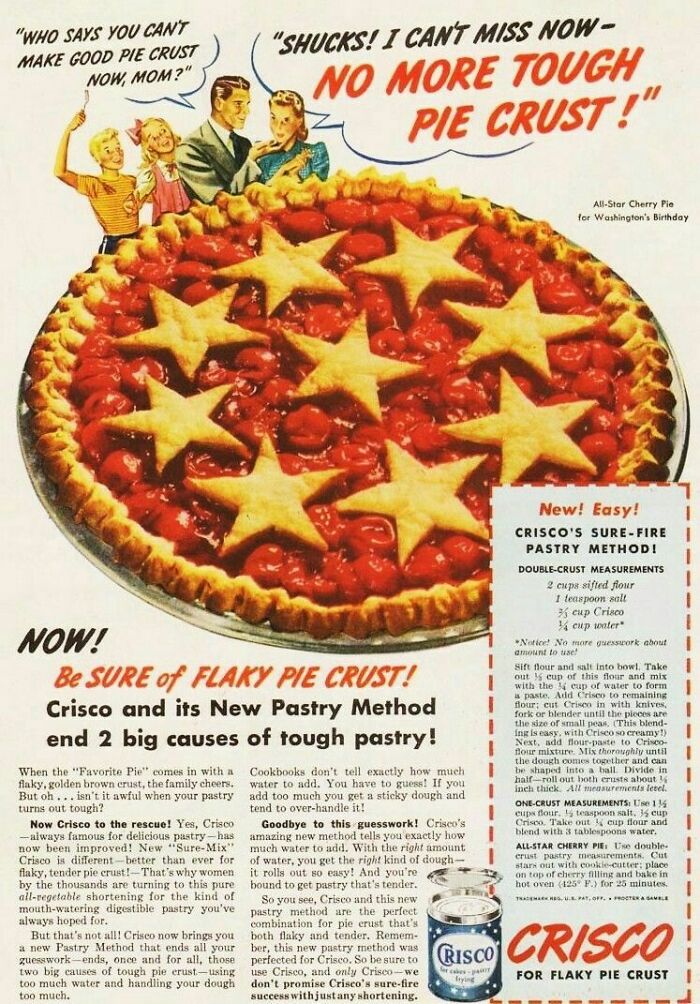
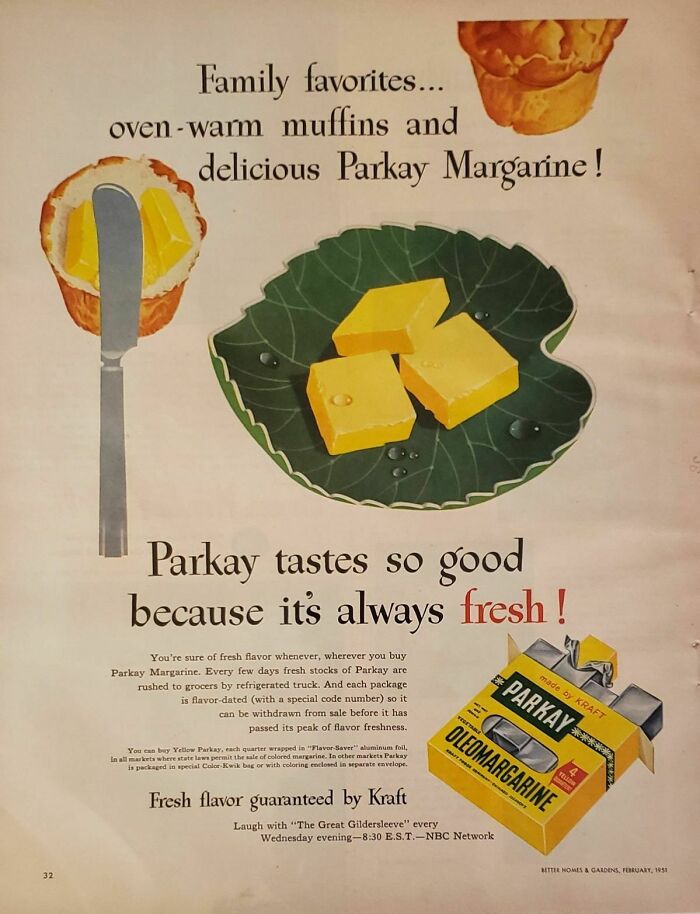
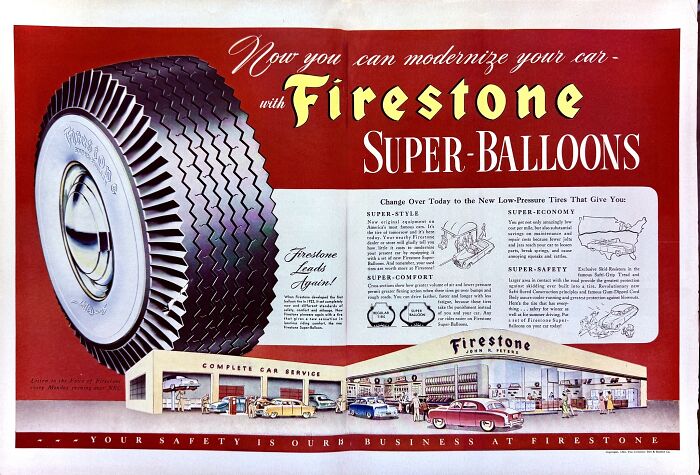
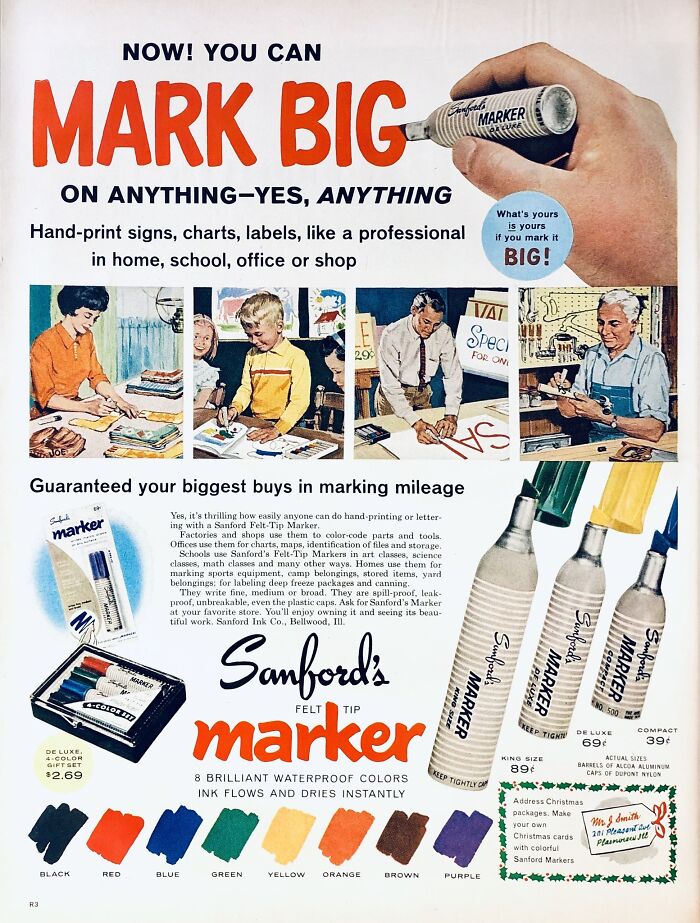
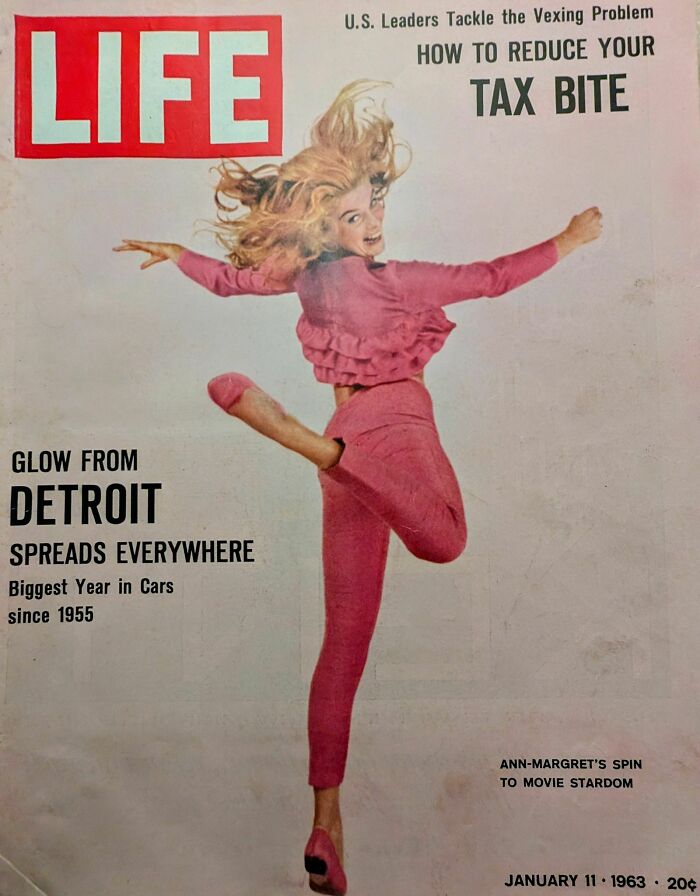
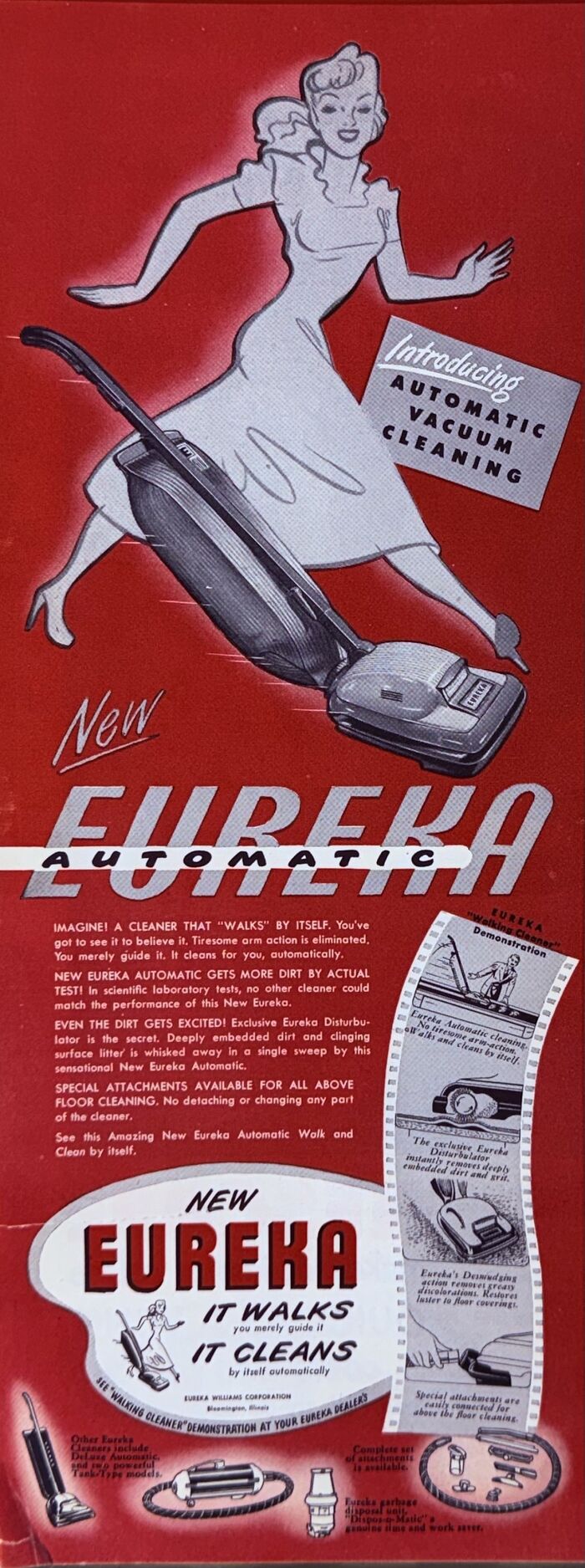
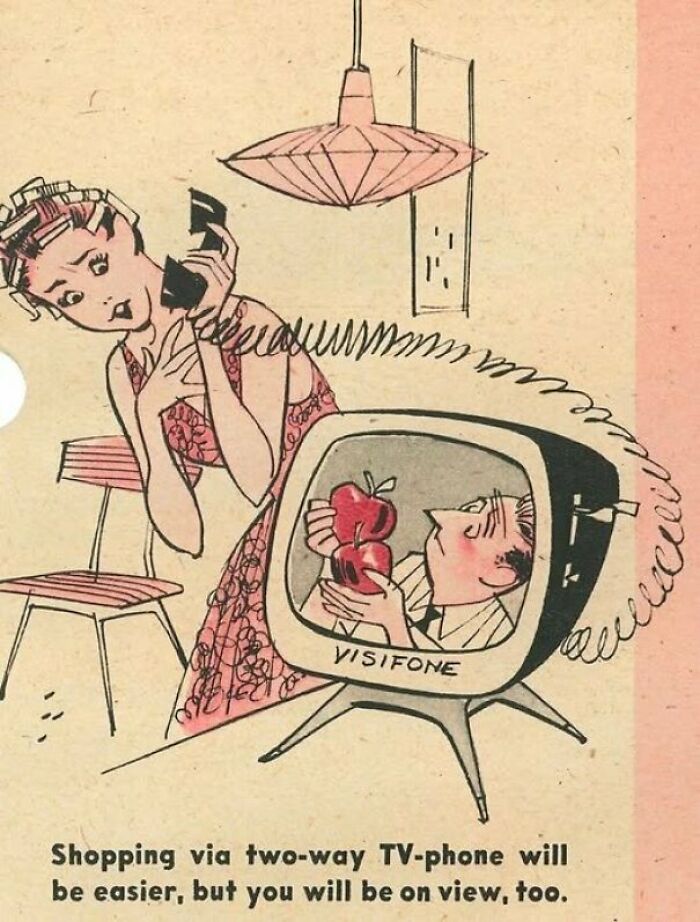
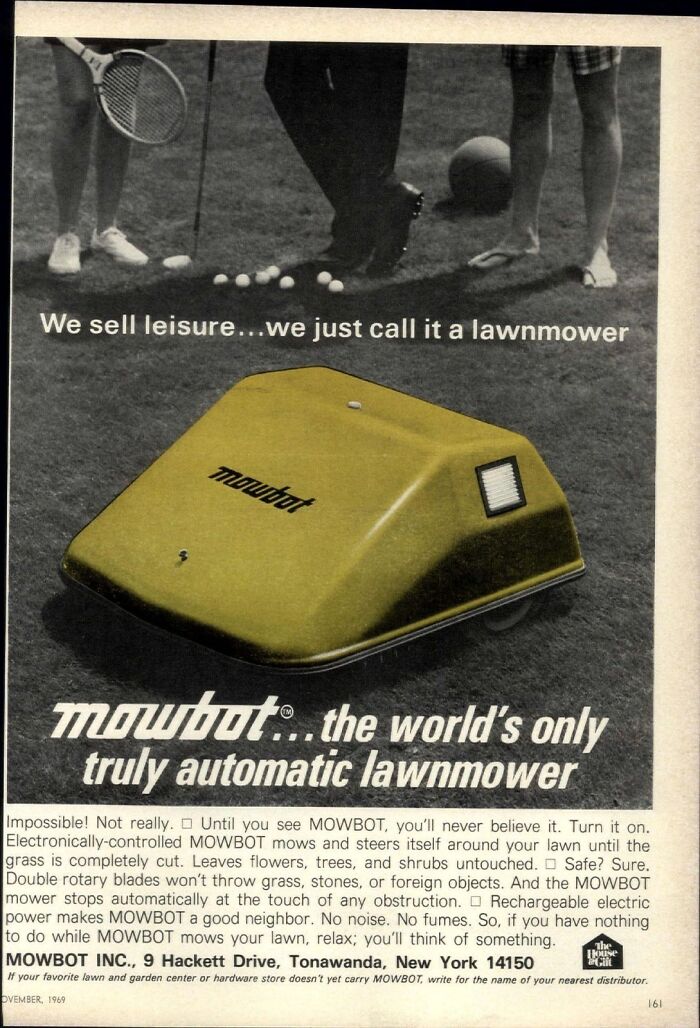
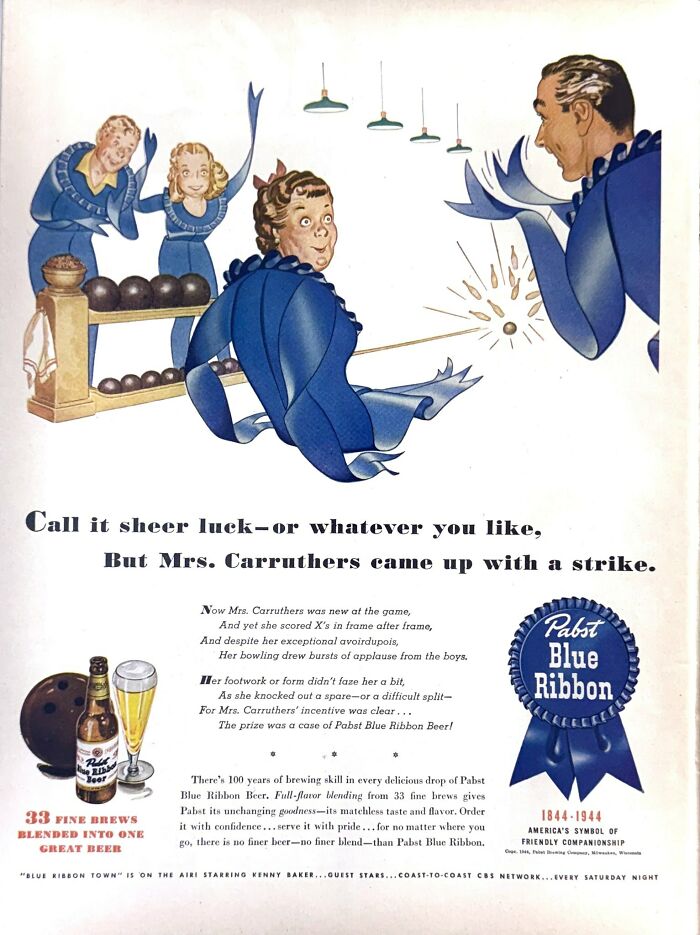
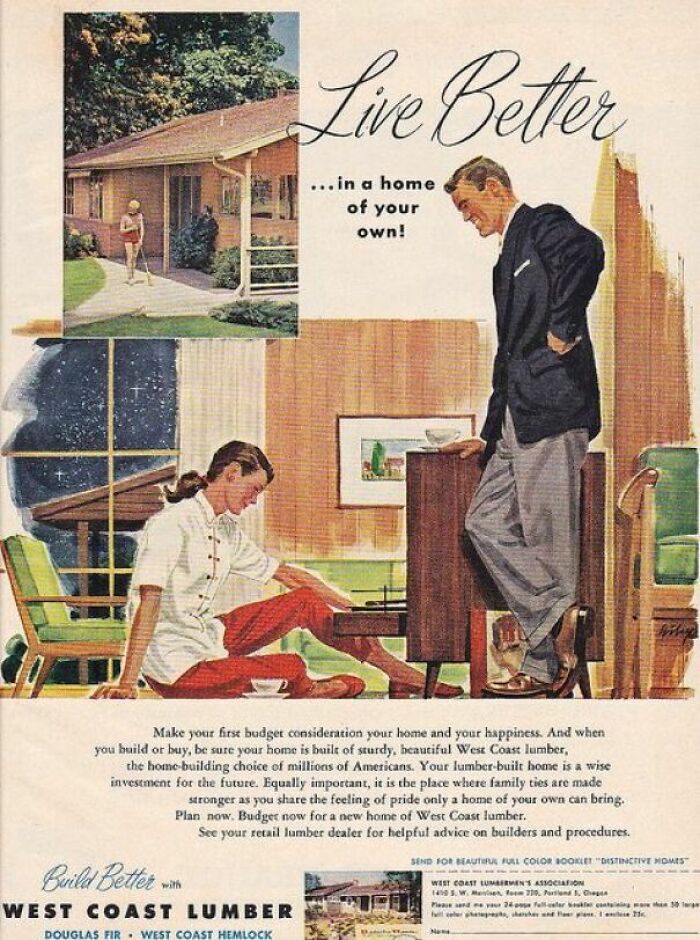
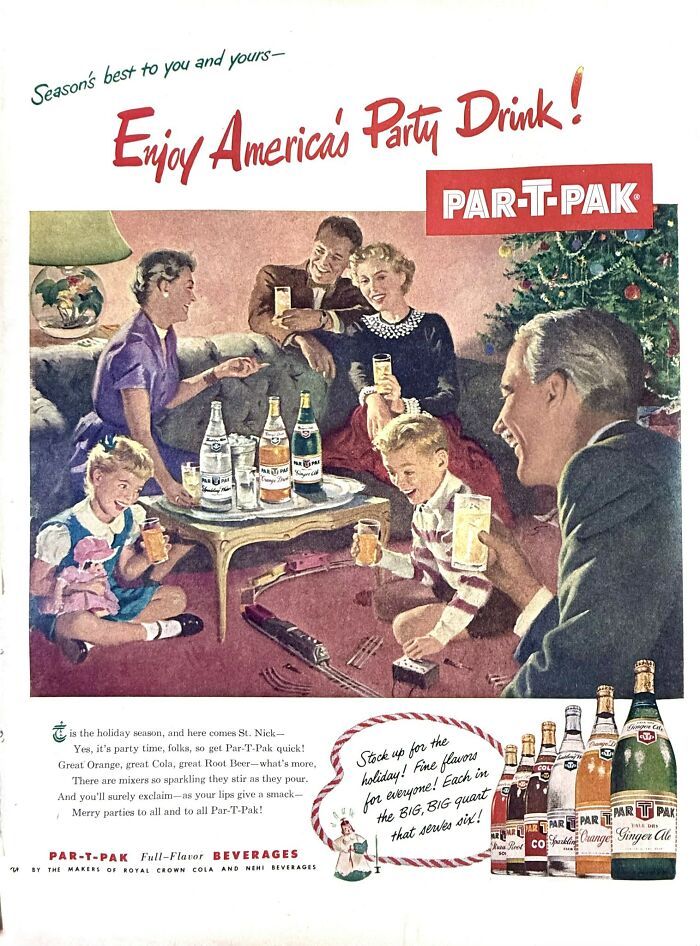
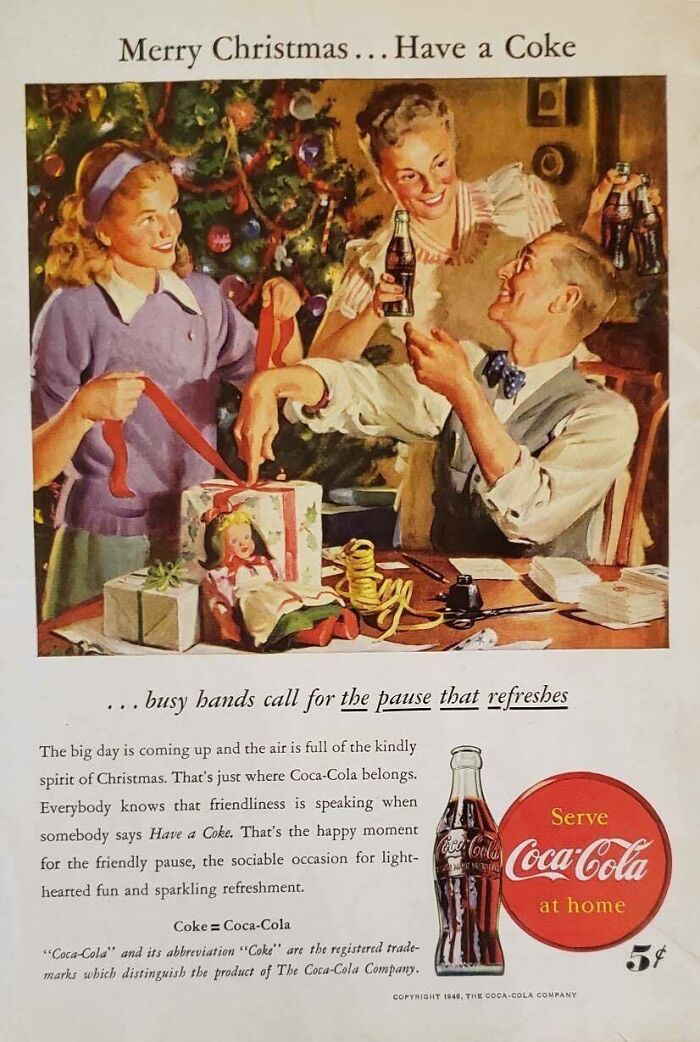
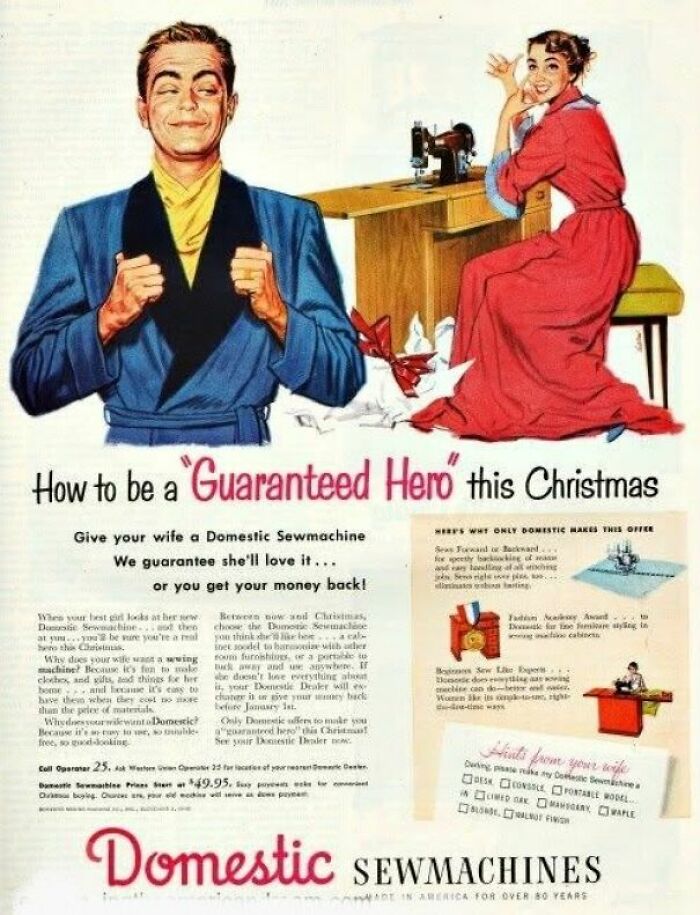
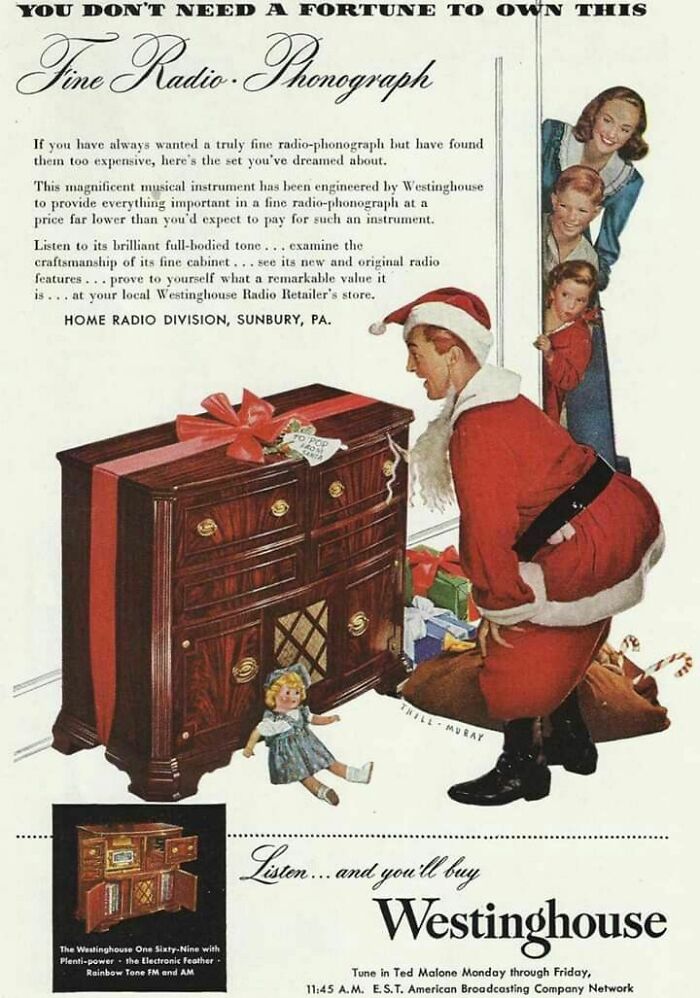
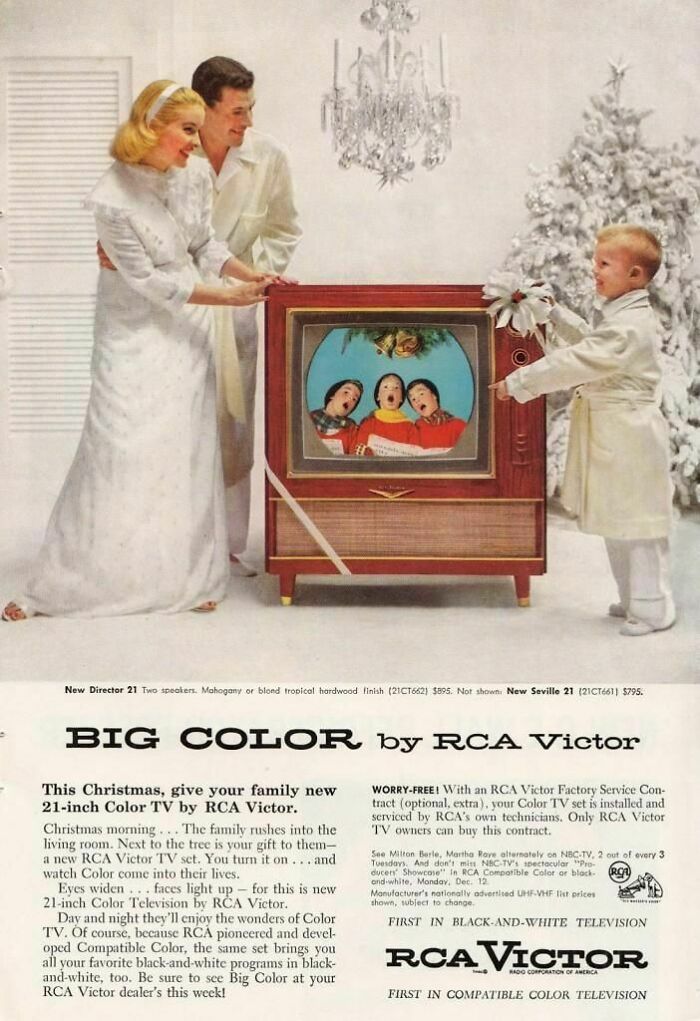
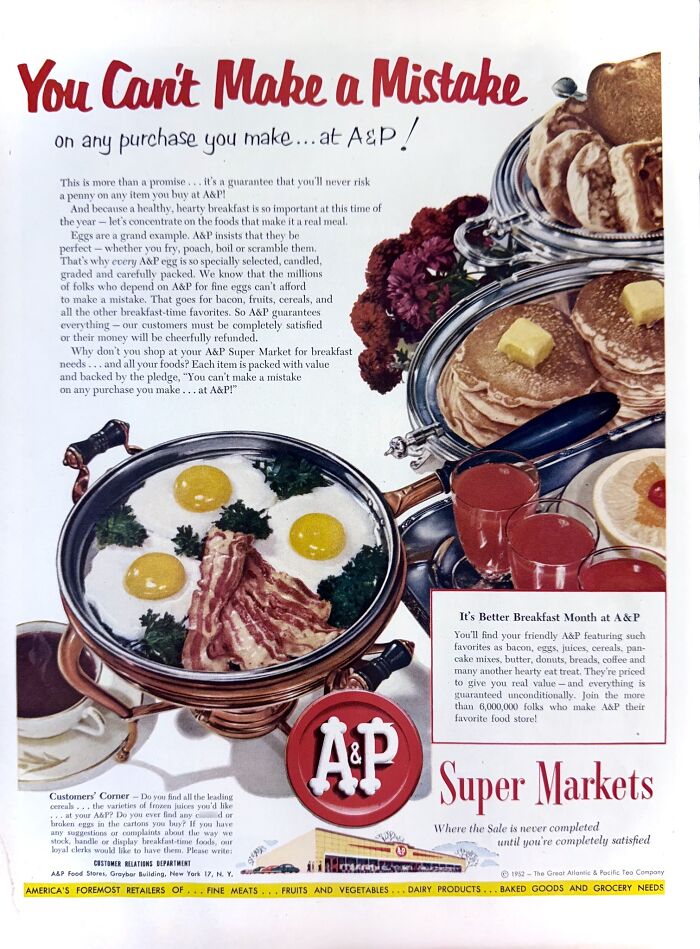
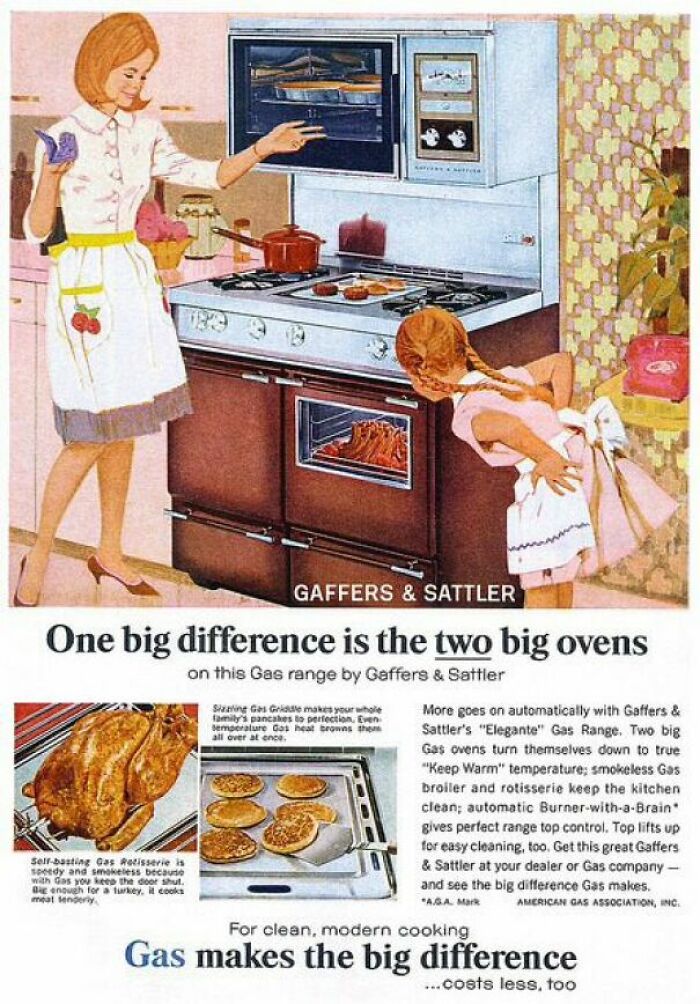
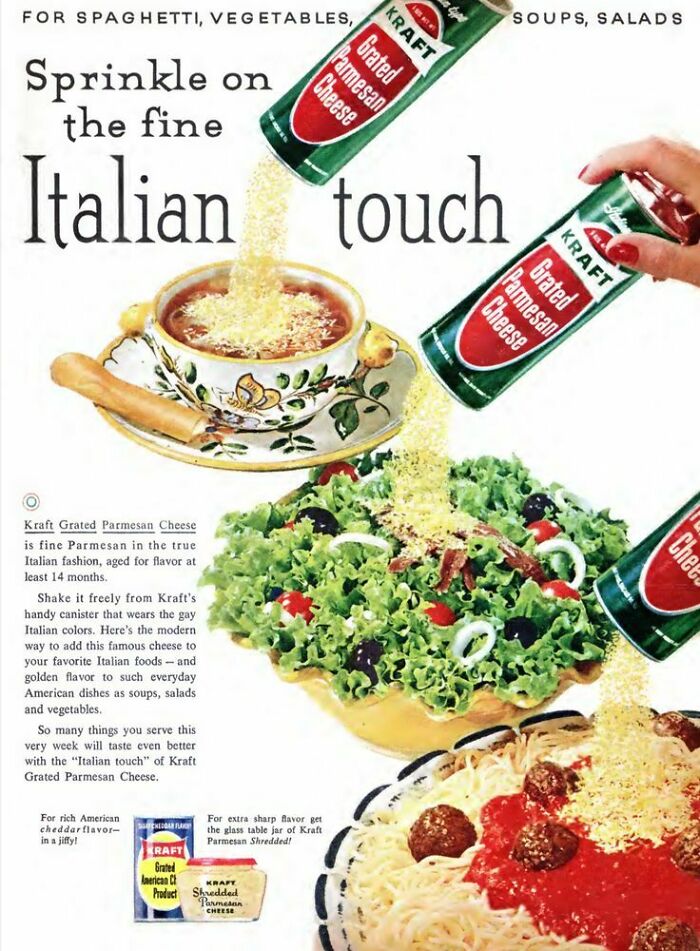
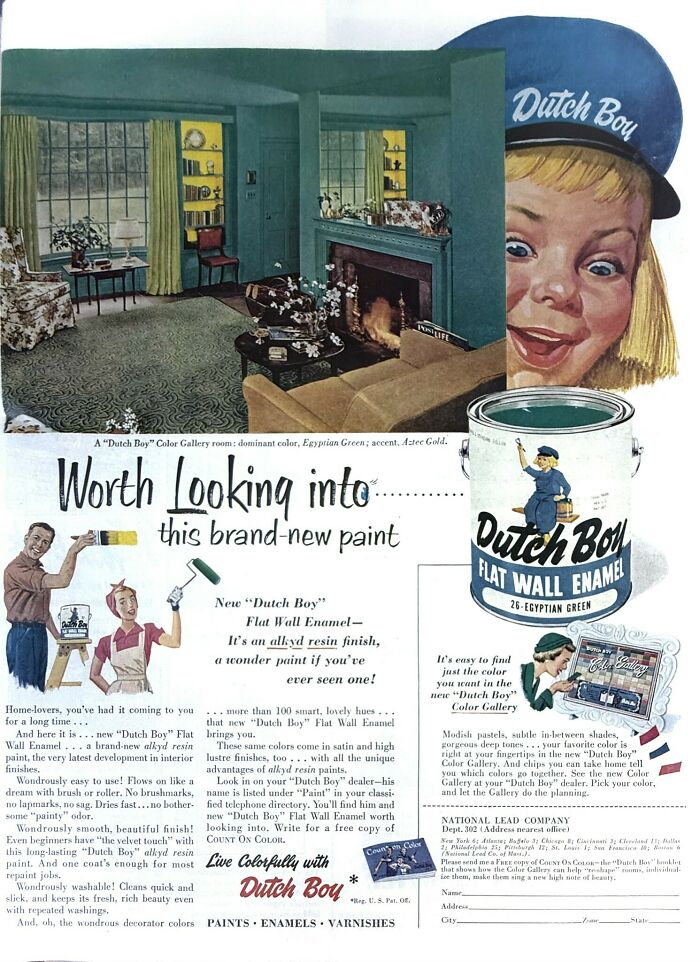
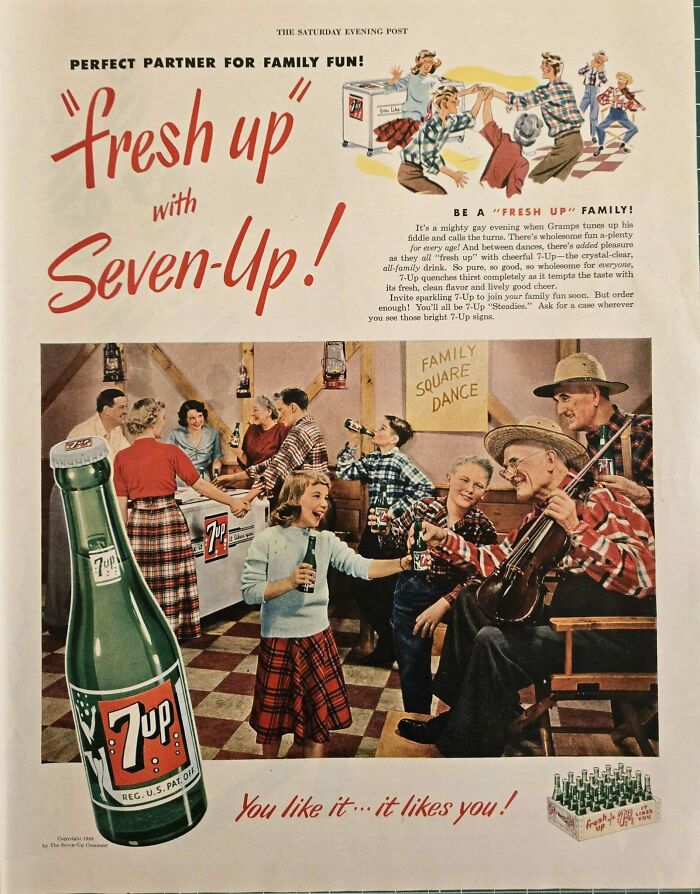
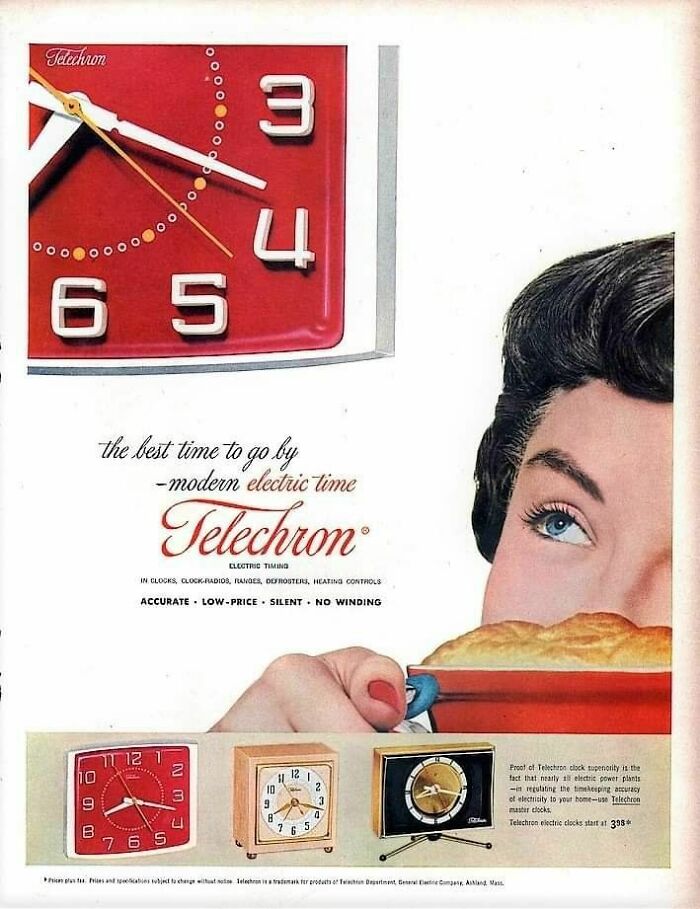
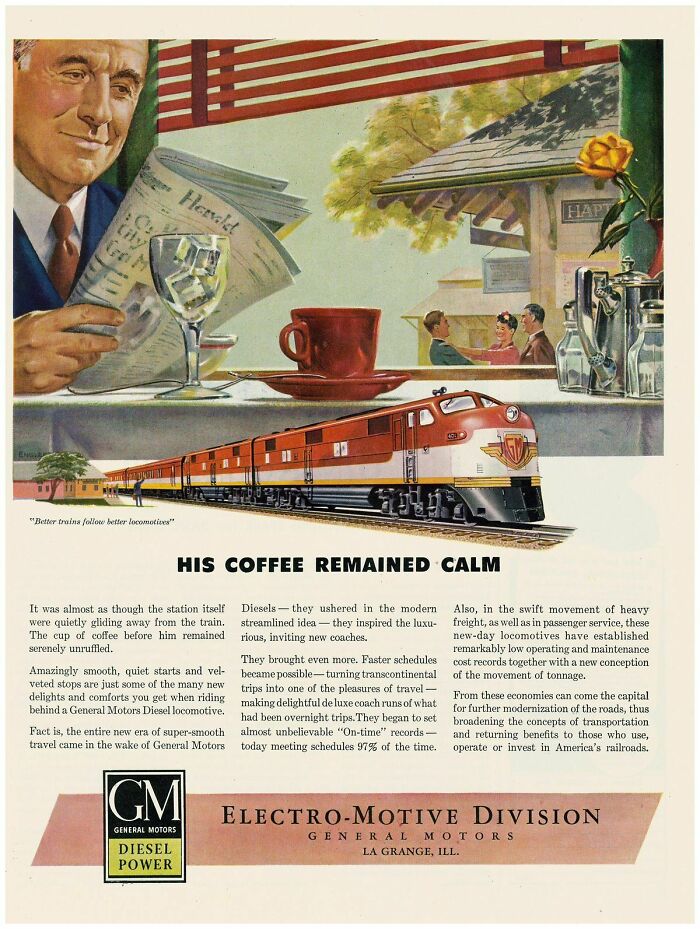
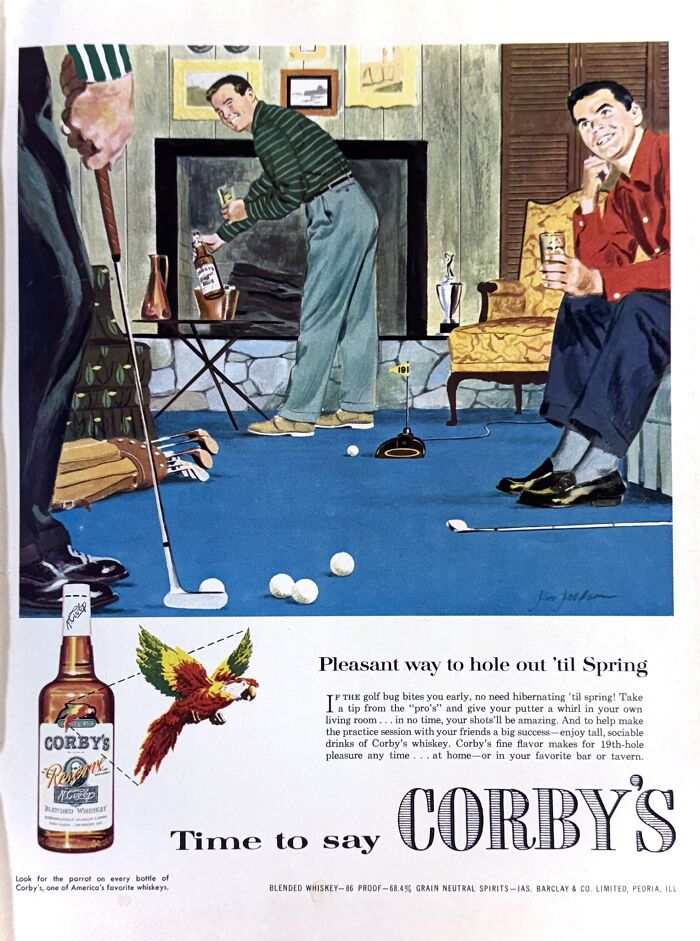
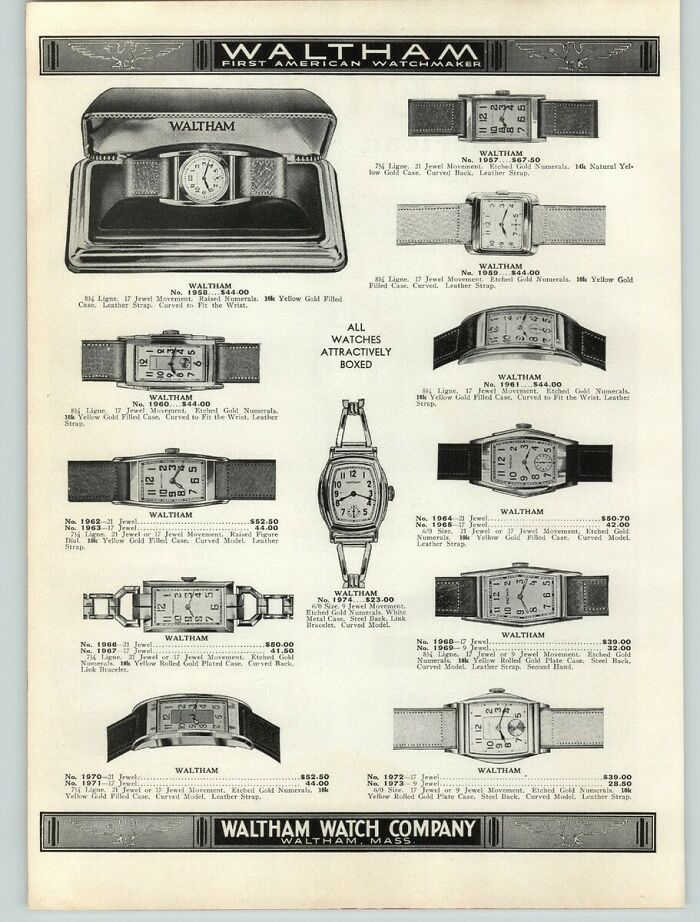
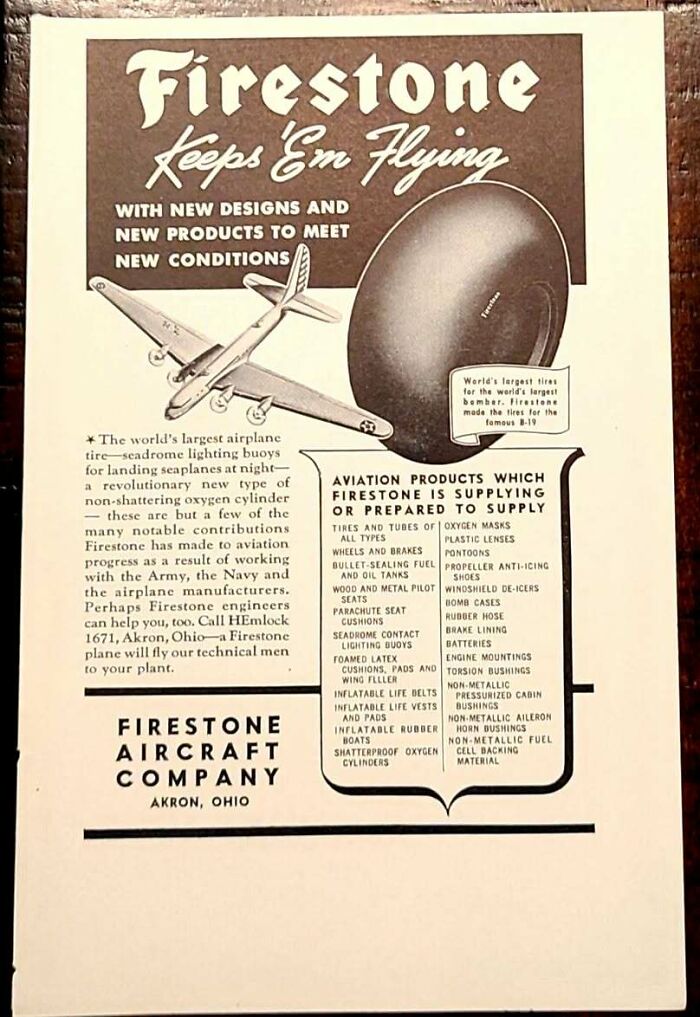
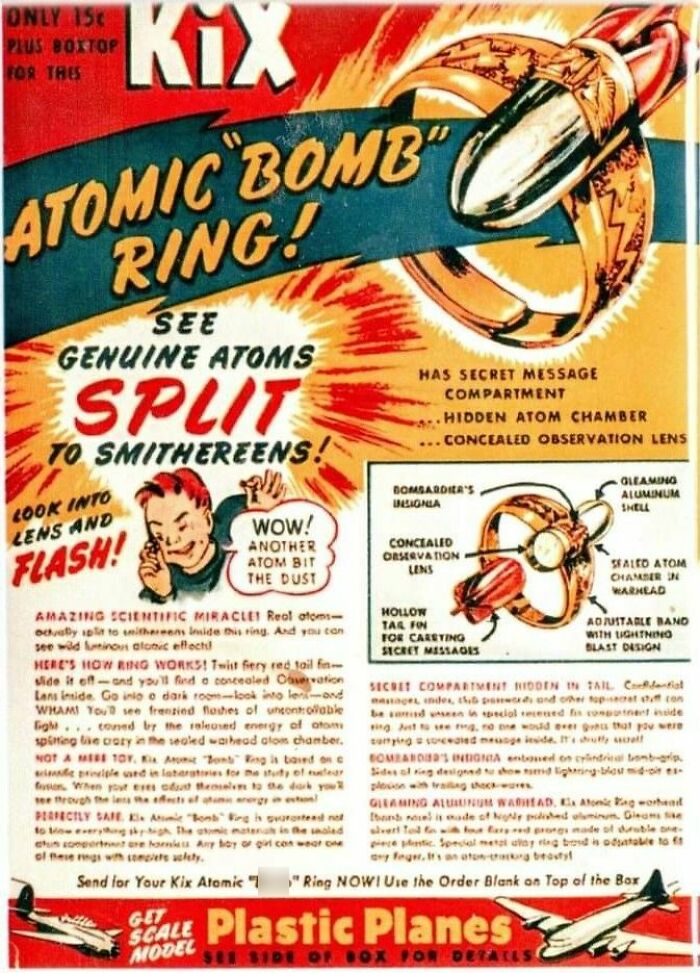
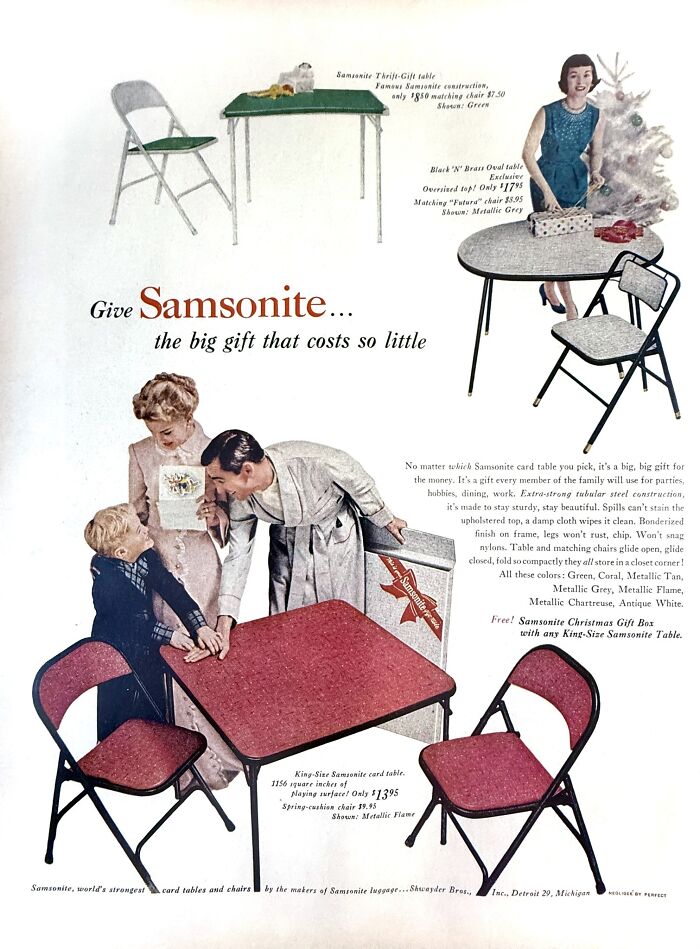
Some people may call them outdated, but vintage ads have a charm you won’t find in today’s bulletins or posters. They evoke a vibe that reminds those who lived it of a much simpler time, while introducing younger folks to what things looked like decades ago.
Check out some of the examples we’ve collected from this Facebook group, an online community all about vintage advertisements. It currently has just over 403,000 members, thriving on pure nostalgia.
We’ve collected some of the best images for a blast from the past today. Be sure to upvote those that catch your eye!
This post may include affiliate links.
The one common theme in these retro ads is that they all came about during a time when today’s technology was far from being developed. As cultural historian Allen J. Wiener tells Bored Panda, “print media filled the idle hours of the youth.”
“The post-World War II generation of kids was the first to have disposable income, making them a plum target for advertising,” Wiener said. “Comic books were particularly popular with kids and were illustrated with hand-drawn art from cover to the final page, with advertising typically appearing on the back cover, where sellers could provide everything from BB guns to ant ranches by mail.”

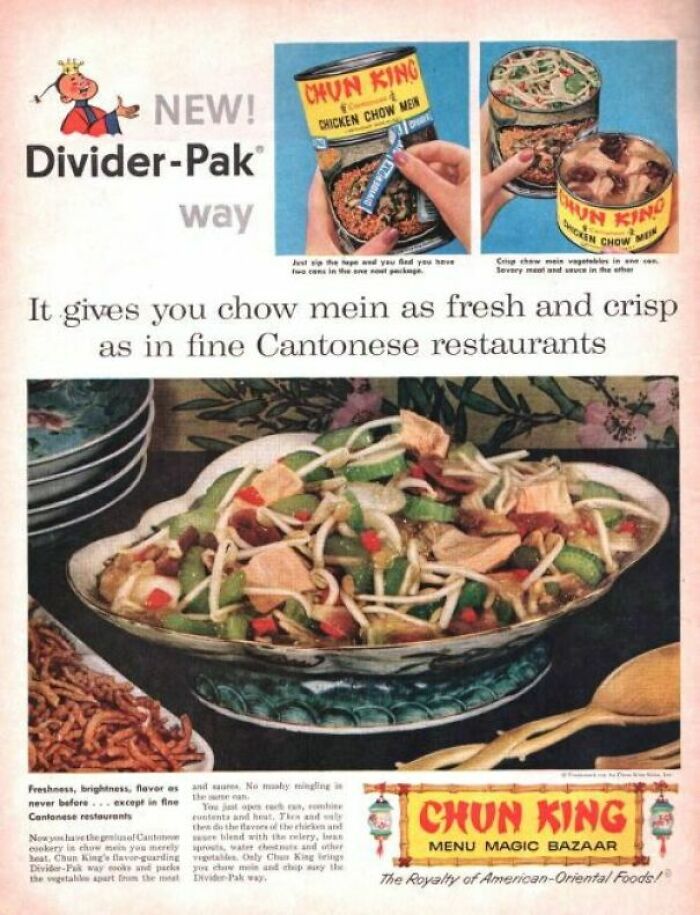
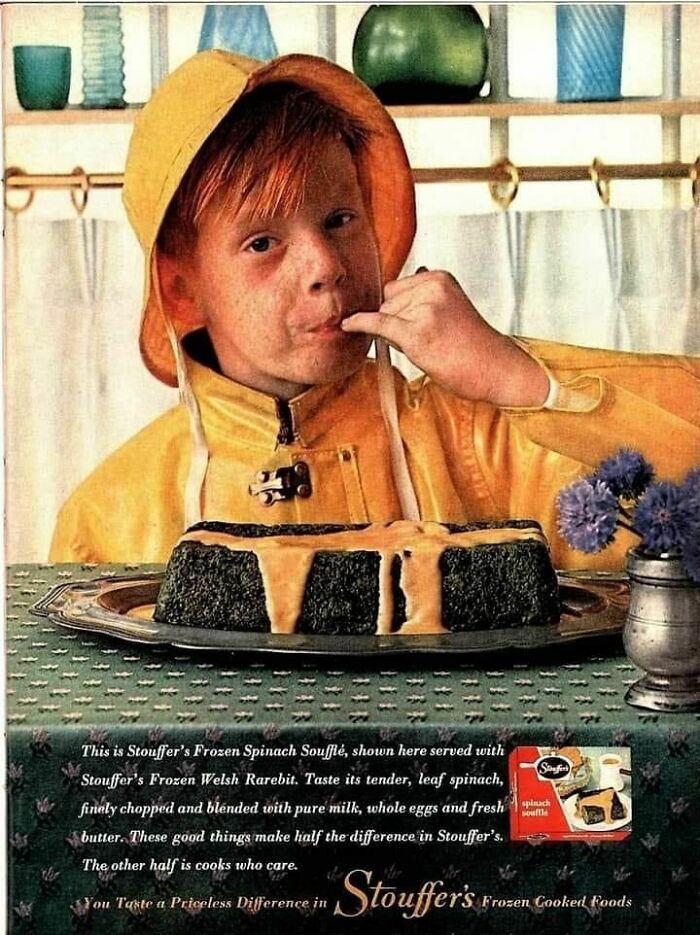
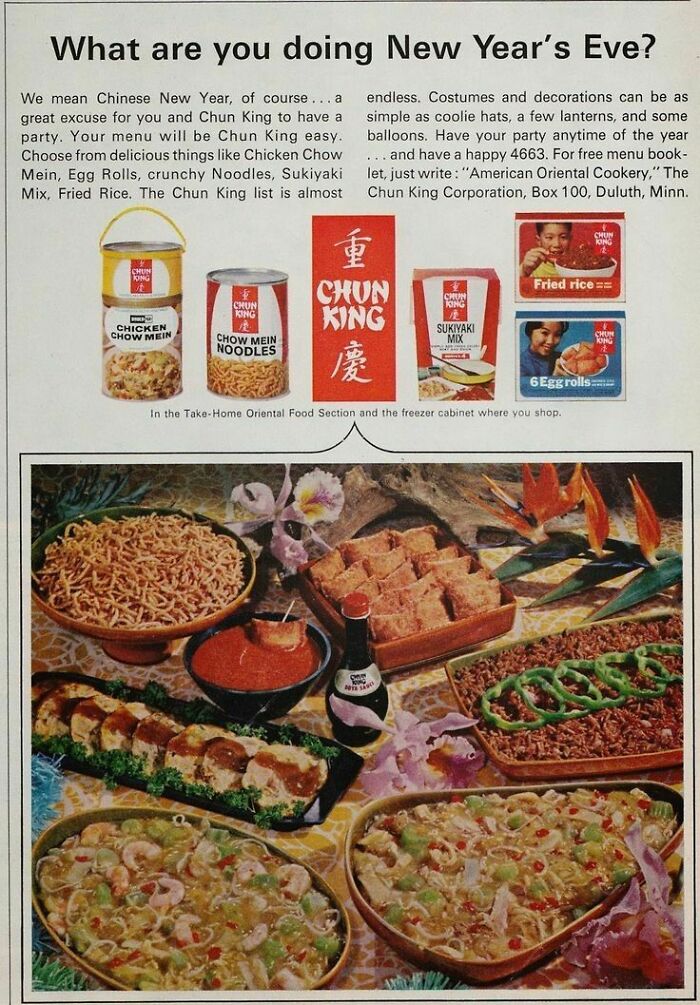
As Americans, this was a "taste of the Orient." Little did we know that no decent, upstanding Cantonese (or surrounding countries/cultures) person would eat anything of this sort. They have taste.
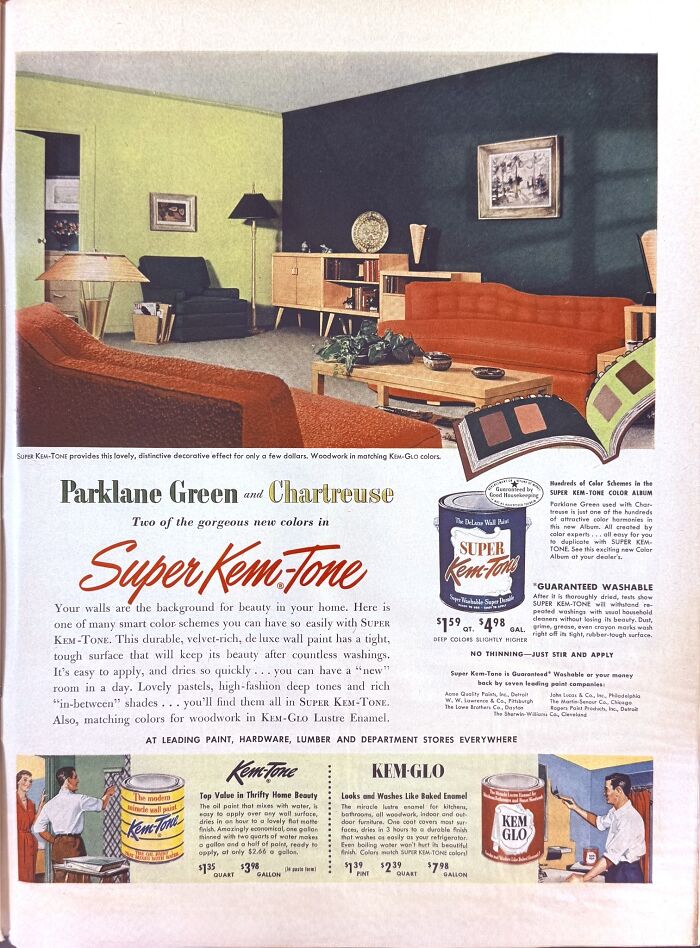
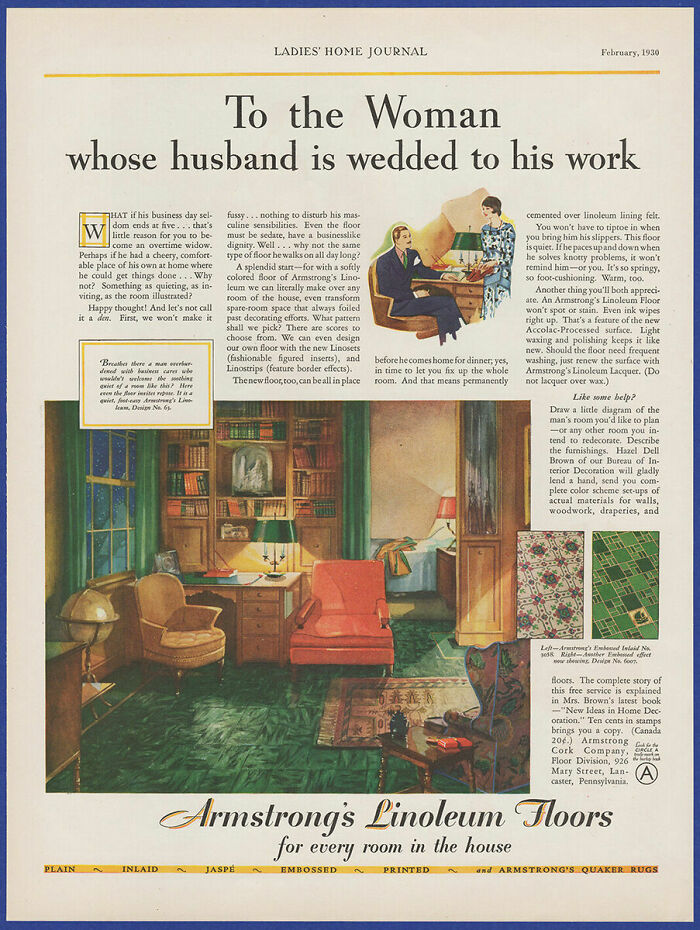
Looking at these ads in 2026 is essentially peering into a window to the past. According to digital marketing professional Victoria Morais, they provide clues about social hierarchies, ideals of home life, and design trends at the time.
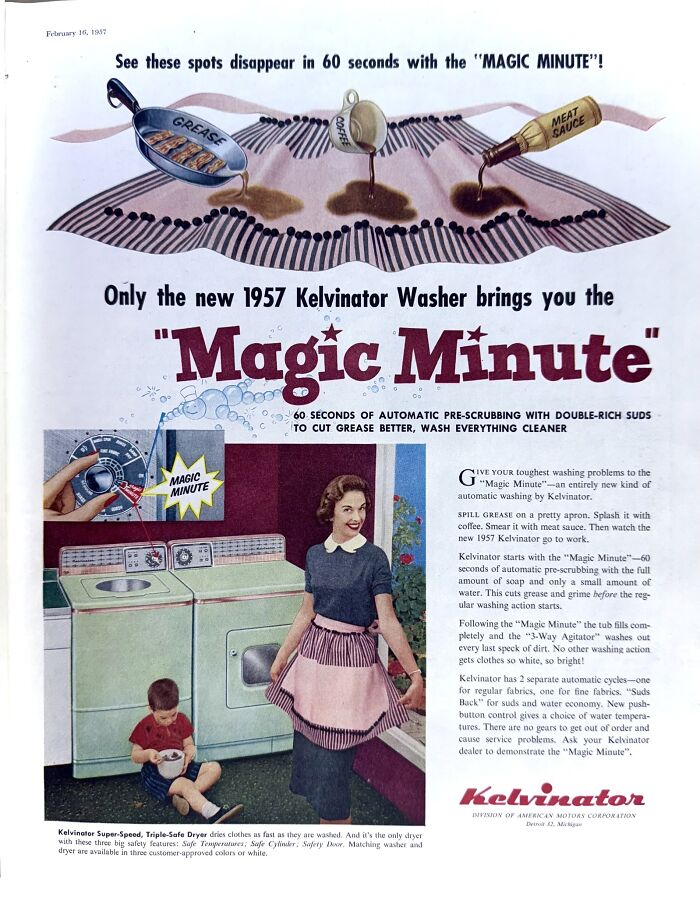
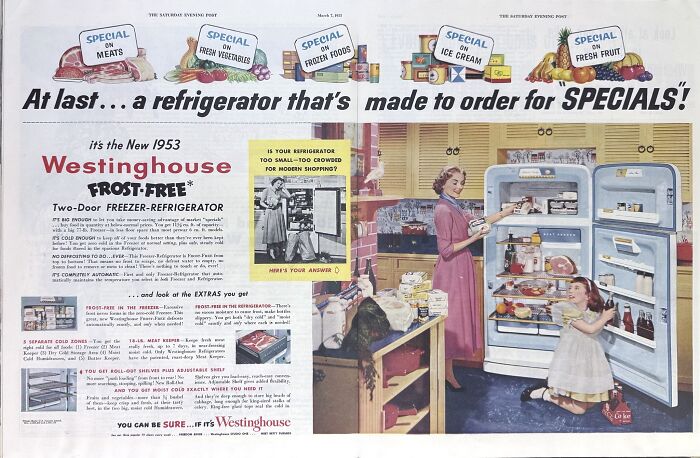
“Suburban kitchens were elaborate sets; color televisions starred; men were strong; and women were homebound. And like popular culture, they mask power dynamics in a message of aspiration,” she said.
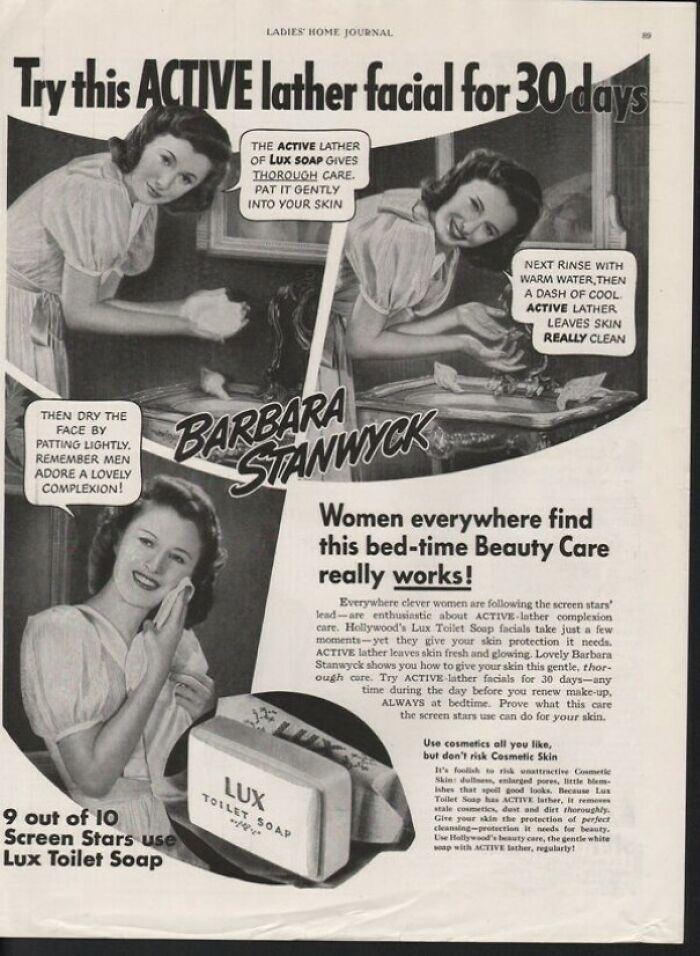
One thing that may not be as noticeable in these ads is the gender-targeting. Wiener says that children's publications directed to young males featured boys engaging in activities that included the advertised product.
The same thing applied to female-centric comics like Little Lulu, which showed more ads for trinkets that appealed to young girls.
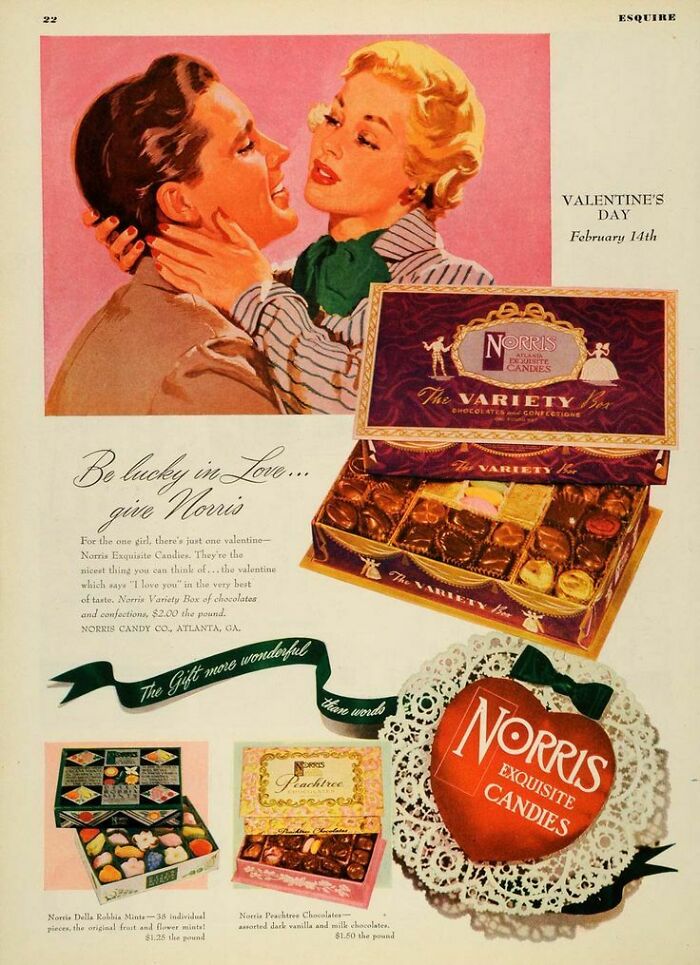
There was also racial segregation at the time, which, according to Wiener, also showed in the ads. He notes that, save for a few publications that cater to African-Americans, most of the advertisements during the time were predominantly white.
“Except for a few Black-oriented publications (Jet and Ebony come to mind), which distributors rarely sold in predominantly white neighborhoods, all of the figures in these ads were white, whether in photographs or sketch art,” Wiener pointed out.
During a time when print media was king, advertisers had limited tools for disseminating information. However, these creative constraints assured that quality was on point.
“The hand-rendered lithography and succinct copywriting meant that the key visual and verbal elements of the campaign needed to be clear, compelling, coherent, and united in purpose,” Morais said. “I see each day how constraints can both clarify and magnify a story.”
This is where the phrase "Gag me with a spoon" originated.

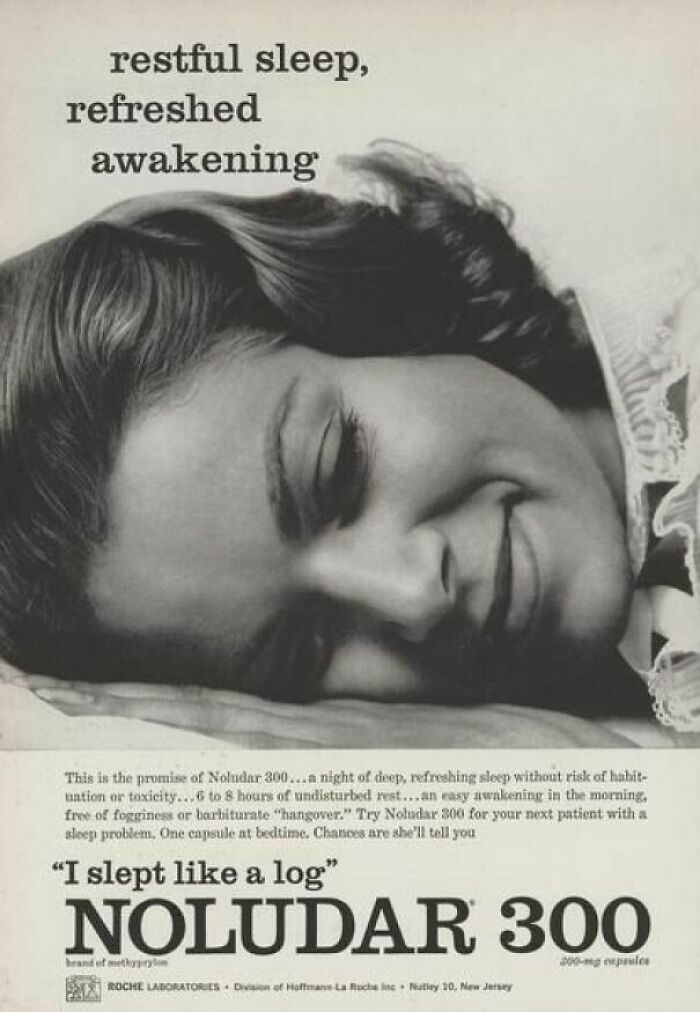
"Methyprylon was withdrawn from the US market in June 1975 and the Canadian market in September 1990. Some other trade names are Noctan and Dimerin." - wiki
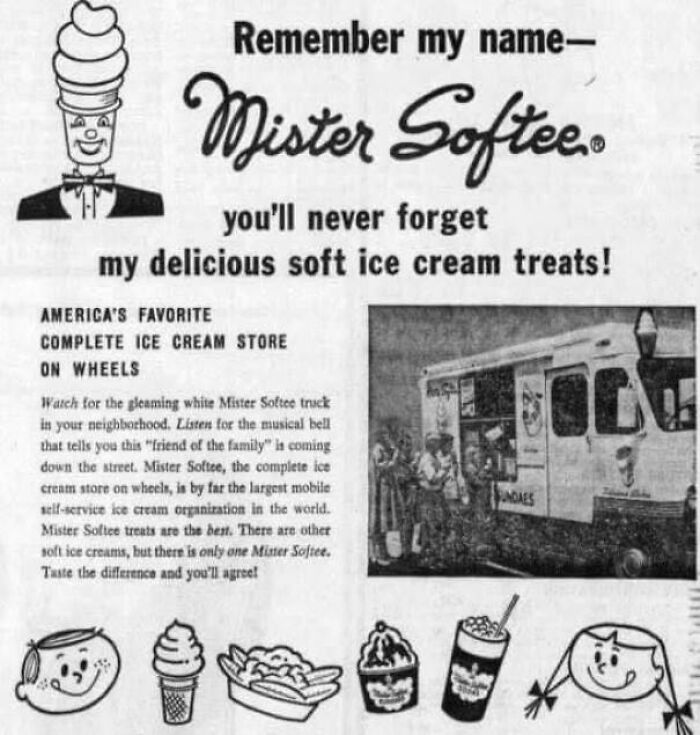
I LOVED the Mister Softee ice cream man when I was little!
I can hear this ad in my head. I have to give it to some of the jingle writers - those things will stick with you over the years.

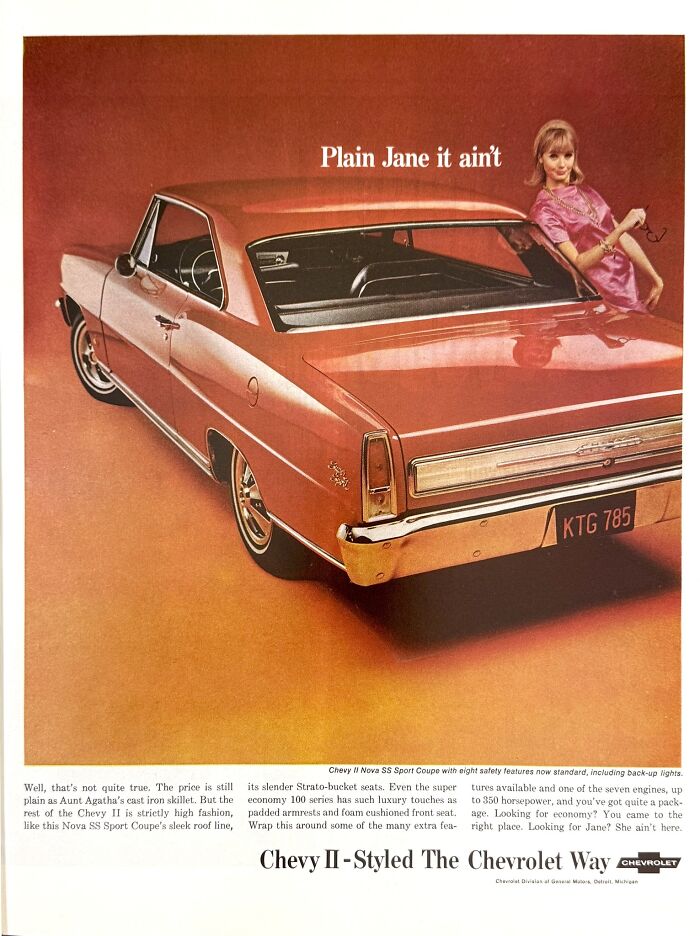
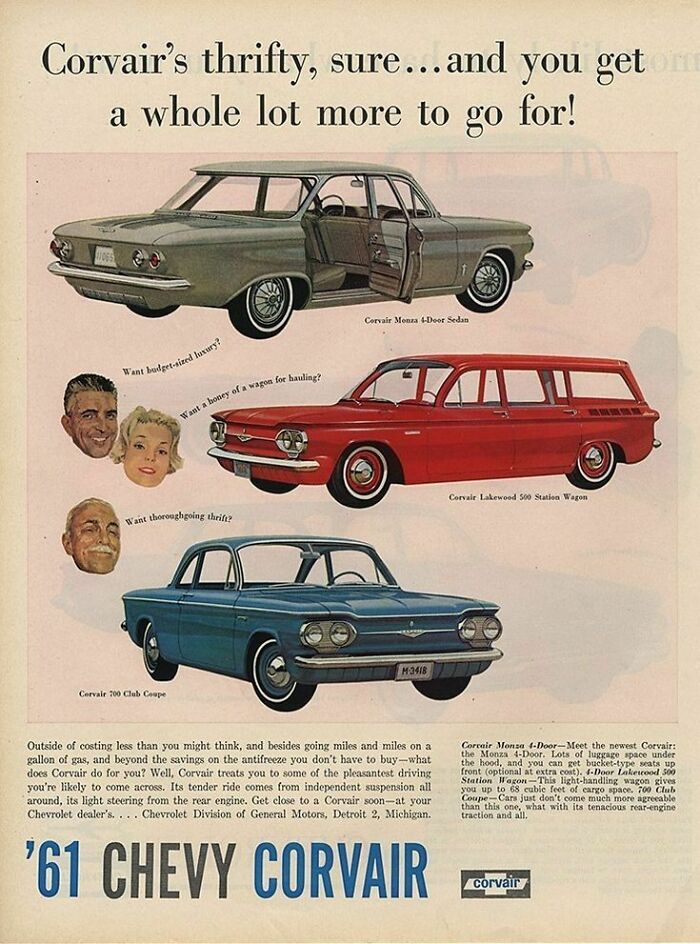
Unsafe at any speed. Chevy also made a Monza, which was a sportier version of the death trap Corvair.
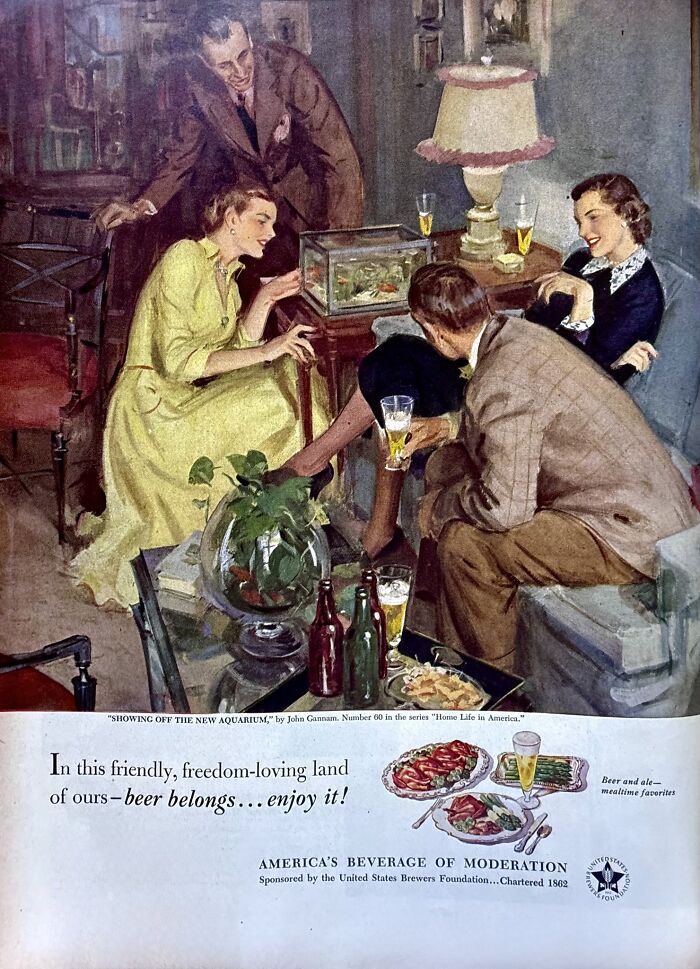
In this friendly, freedom-loving land we stuck way too many fish in this tiny fish tank.
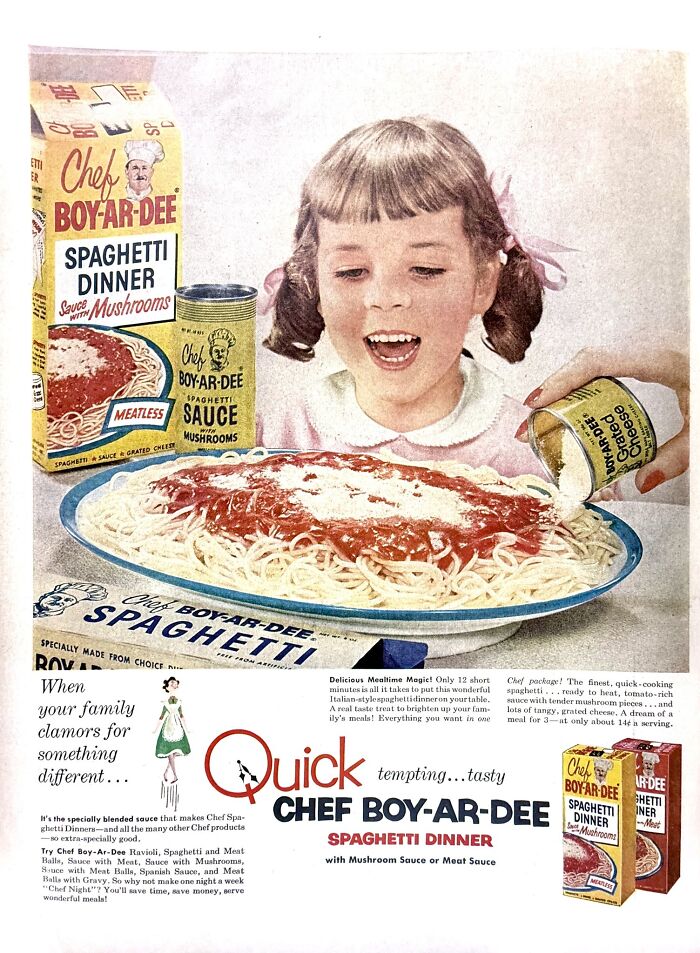
I must admit that I was totally in love with Chef Boy-ar-dee when I was a little girl and wanted to marry him. I loved the little pizza kit he put out where you could make your own little pizzas. I LOVE you, Chef Boy-ar-dee!!!!
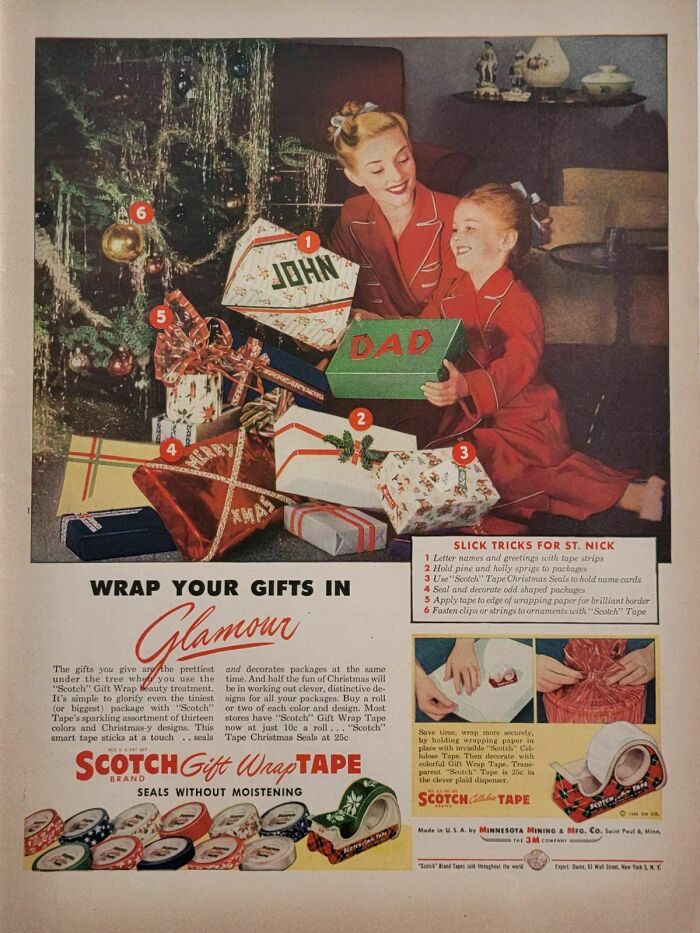
LOVED the Christmas gift wrap tape when I was little!

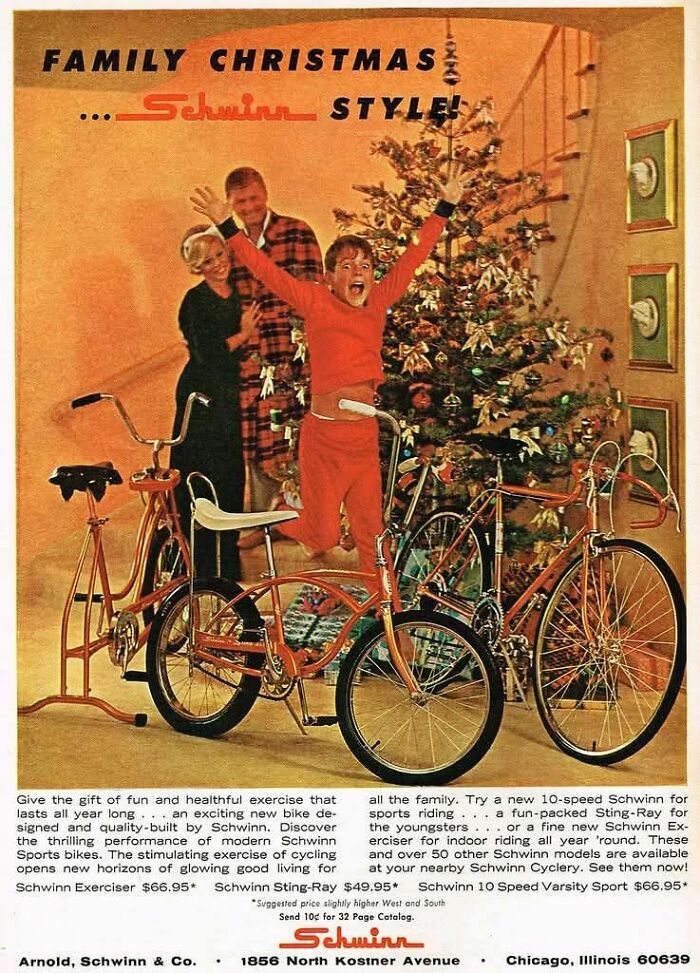
A Stingray. I used to have one of those beasts. Man I miss it now. Then again I miss the knees I had then too.
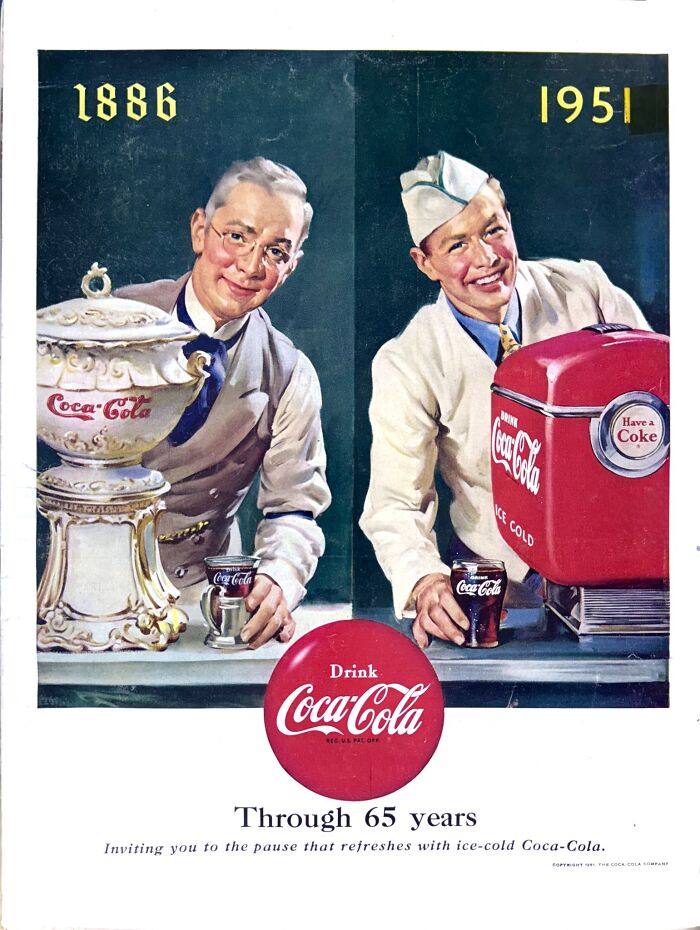
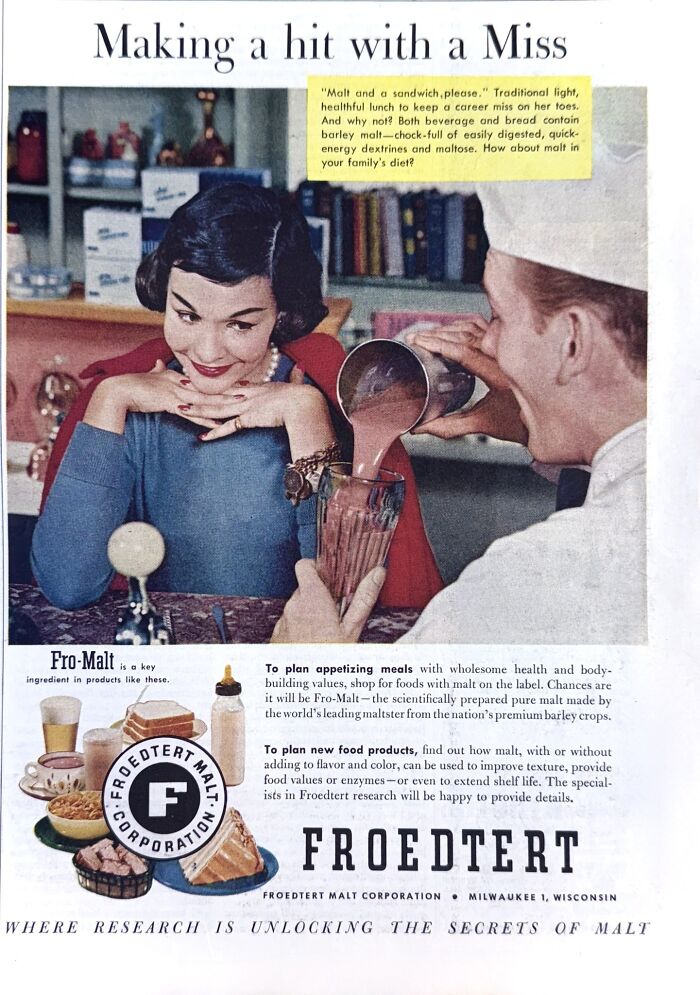
The men behind the counter were known as soda jerks. As a child, I always wondered why they would hire jerks.
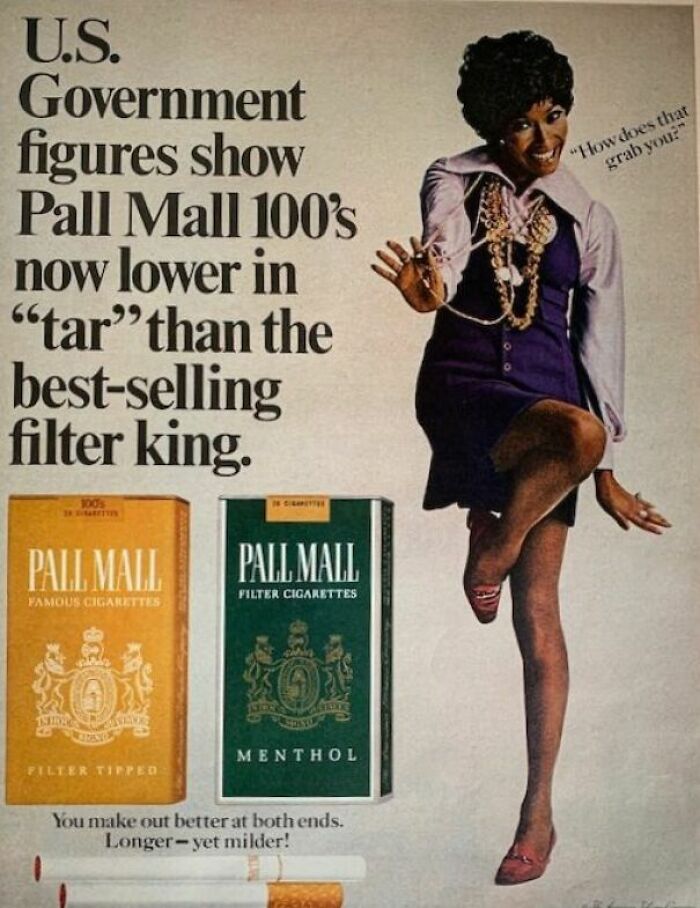
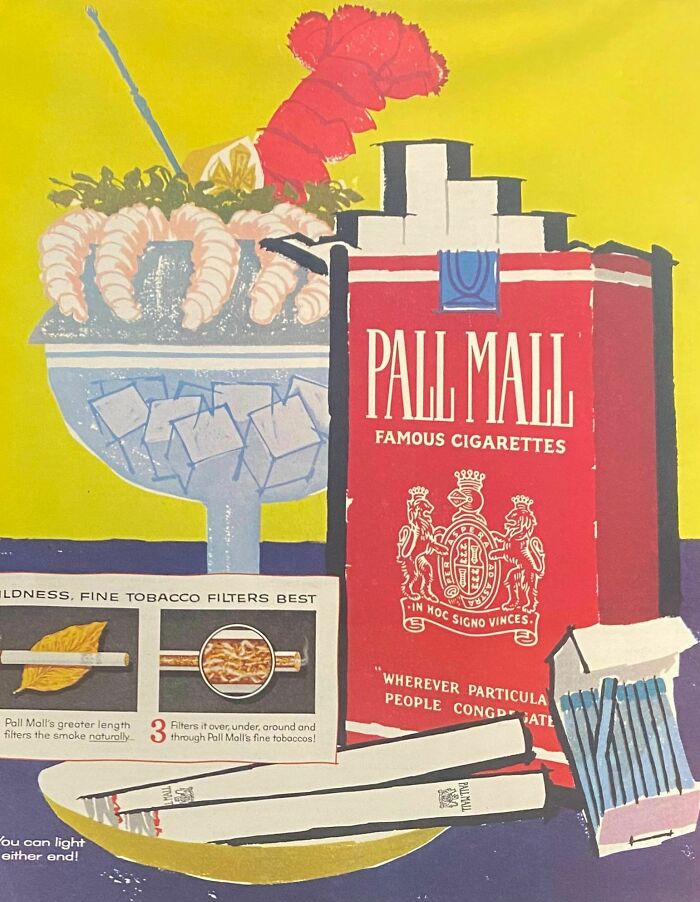
My grandmother used to smoke these - unfiltered - when she came home at the end of the day from working in a downtown Pittsburgh hospital. She rode the tram to town and back to the North side and was as crisp and starched when she arrived home in the evening as she was when she left in the morning. I can still see her in my mind's eye, inhaling those Pall Malls, sometimes in the dark, until they crackled. She lived till her mid-80s, as did my mother, who was not a smoker.
This was fun. I am sure it was quite American-centered, but since I grew up there, it brought back some great memories. Thanks!
This was fun. I am sure it was quite American-centered, but since I grew up there, it brought back some great memories. Thanks!
















 No fees, cancel anytime