Get Premium
Dark mode theme is available exclusively for premium users. Learn more about the benefits of subscribing.
No fees, cancel anytime.

 Dark Mode Ad-Free Browsing Unlimited Content
 Ad-Free Browsing Unlimited Content Dark Mode
Join 1.2 million Panda readers who get the best art, memes, and fun stories every week!
If asked to name a type of art, most folks might suggest a painting or maybe theater. Poetry and music might also come to mind. But if you stop and think about it, the buildings and monuments around us also have a lot of artistic qualities. Perhaps they were not made to be “art,” but, just like the applied arts, there is a lot of thought and creativity put into everything from churches to bridges.
We’ve gathered some beautiful examples of possibly lesser known architectural wonders from around the world. So get comfortable as you scroll through, upvote your favorites and be sure to share your thoughts and personal examples in the comments section below.
This post may include affiliate links.

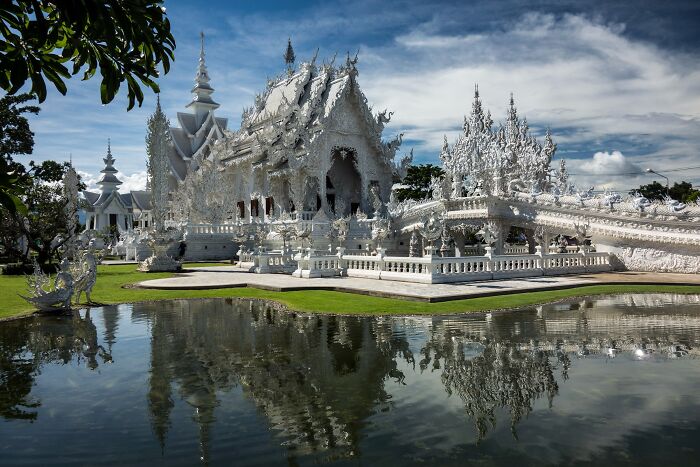
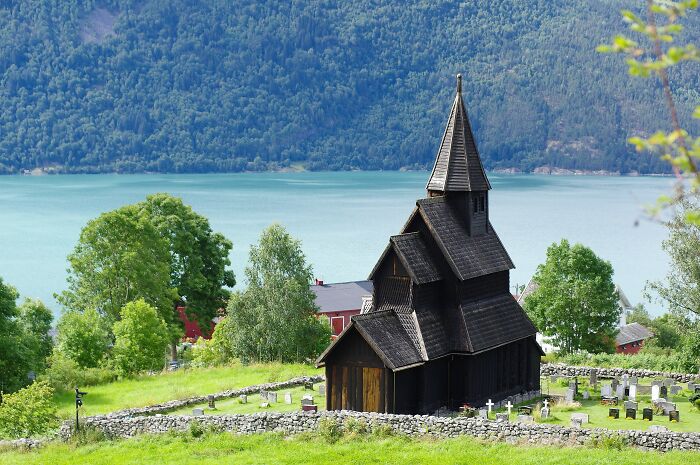
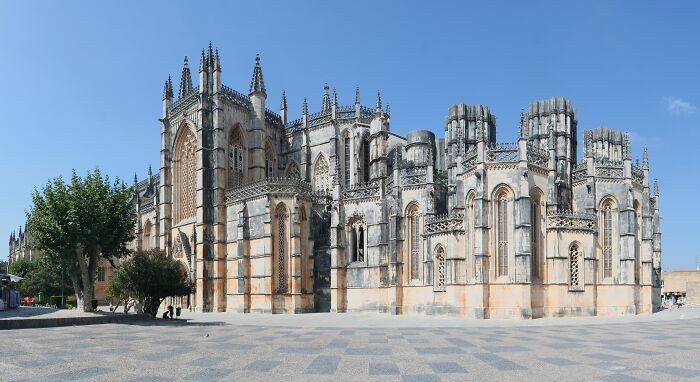
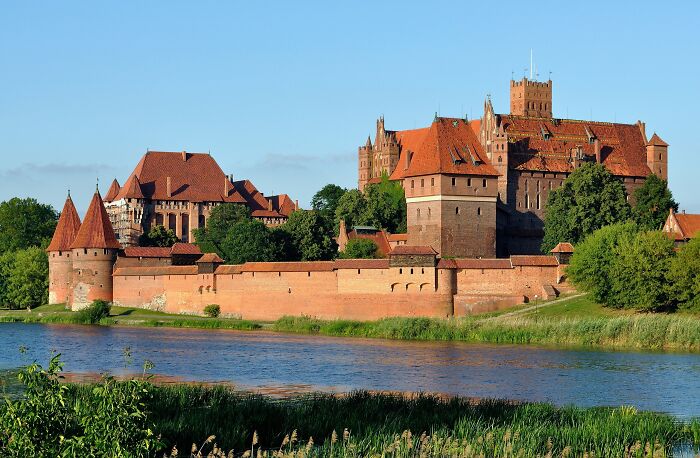
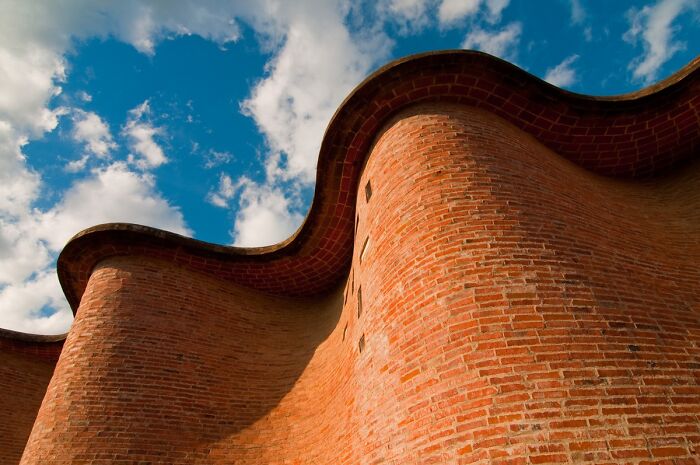
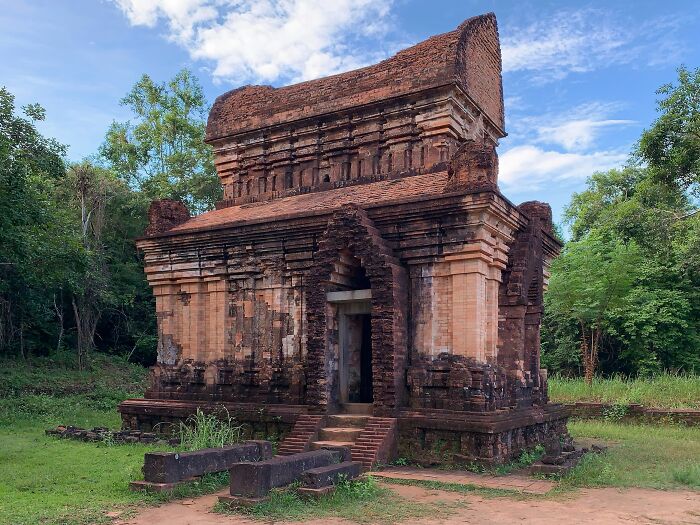
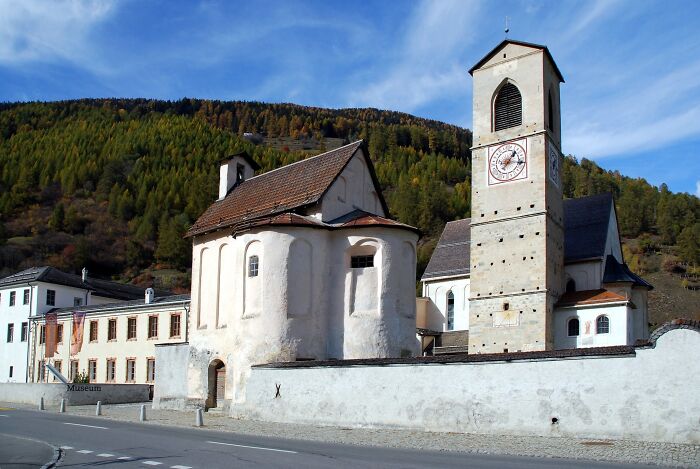
Gorgeous, but also looks like a place a bone Fay would live in. Like it’s made with the bones of their enemies. But not as creepy.
Architecture stands at the crossroads of function and beauty, elegantly blending engineering with artistic expression. At its core, architecture is about shaping spaces that people inhabit, move through, and experience, but the true power of the discipline lies in its ability to evoke emotion and meaning, just like any other art form.
From the soaring arches of Gothic cathedrals to the clean lines of modernist skyscrapers, buildings can inspire awe, comfort, contemplation, or delight simply through their form, materials, and the way they interact with light and environment.

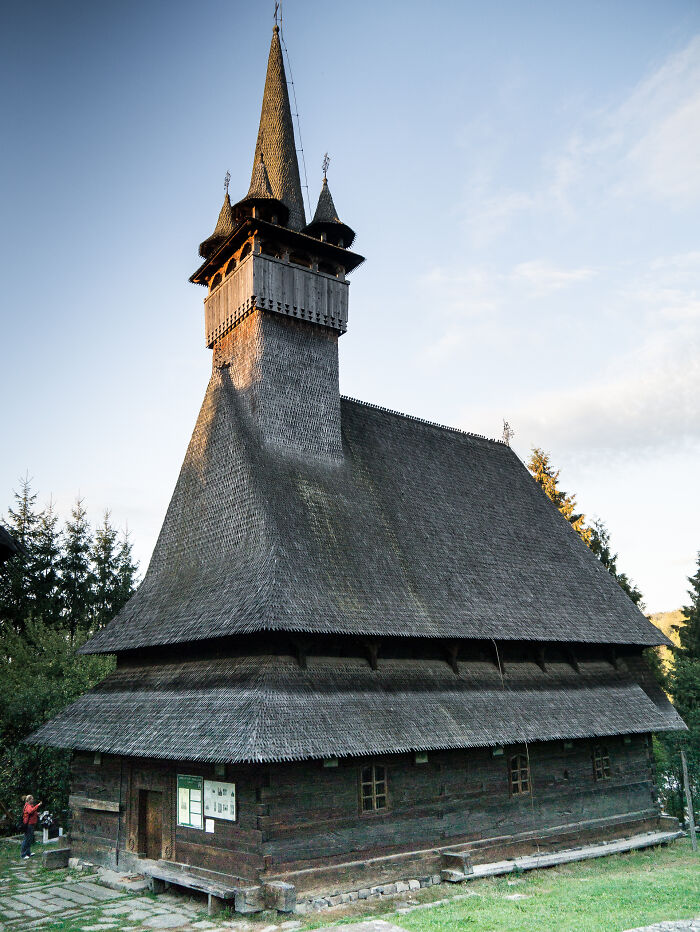
Love stave churches. They're all made with axes and trunnels (tree [wooden] nails).
One reason architecture qualifies as art is its emphasis on composition. Architects arrange elements, columns, windows, walls, and voids, much like painters organize color on a canvas or sculptors carve volumes from marble. Balance, rhythm, contrast, and harmony play crucial roles. A facade with a rhythmic pattern of windows can feel musical, guiding the eye in a deliberate dance.
A building’s silhouette against the sky becomes a drawn line in three dimensions, and the interplay of solids and spaces invites observers to appreciate the choreography of form. Materiality and texture further reinforce architecture’s artistic resonance. Stone can be carved into intricate reliefs that cast delicate shadows, while polished steel reflects its surroundings like a living mirror.
Warm timber panels carry the grain and knots of their origin, lending a tactile, almost emotional quality to interiors. Even concrete, often seen as cold and utilitarian, can be sculpted, patterned, or colored to reveal surprising warmth and nuance. These material choices, handled with creative sensitivity, transform mere structures into works of art.

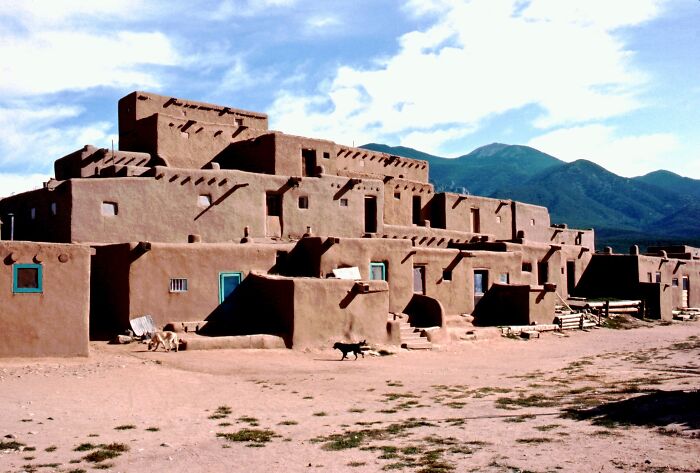
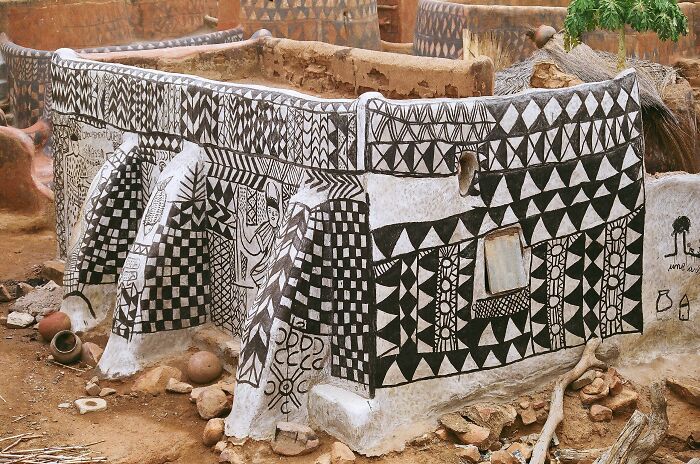
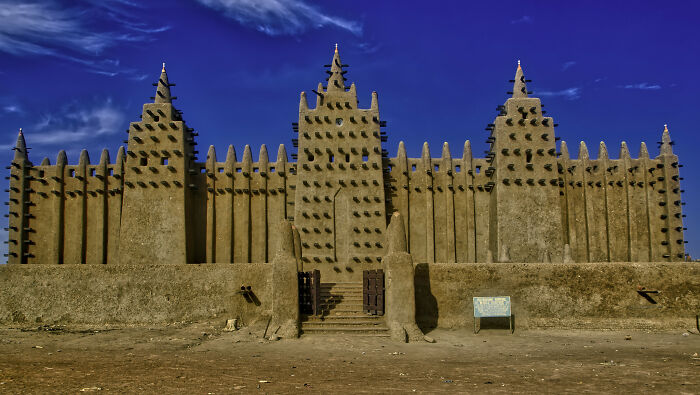
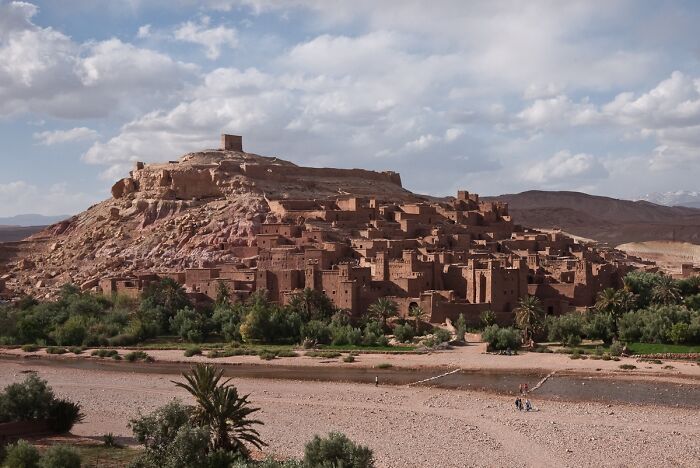
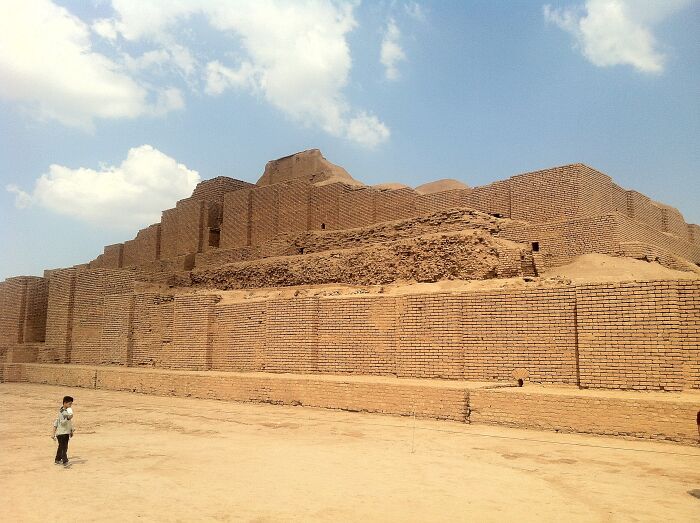
I recall watching the yearly mud plastering tradition the locals do to preserve this building on “Human Planet” (I think that’s what it was!) this building is built from mud bricks which are durable but they need to re plaster it with mud once a year to protect it during the rainy season. The whole community takes part in this process, it was really neat.
Light is a sculptor’s tool in the architect’s palette. The way sunlight filters through stained-glass windows, casting vibrant patterns on cathedral floors, is a masterpiece of color and movement. In minimalist spaces, slits or courtyards can channel rays to highlight textures or to create shifting plays of shadow throughout the day.
Thoughtful manipulation of natural and artificial light can turn ordinary rooms into ethereal experiences, proving that architecture can paint with brightness and darkness just as readily as any visual artist. Context and narrative also elevate architecture into the realm of art. A building does not exist in isolation, it responds to its surroundings, history, and culture. A museum may echo classical forms to honor tradition, or deliberately clash with an ancient cityscape to provoke dialogue about progress.

A community center might incorporate local crafts, embedding stories and identities directly into its walls. By embedding narrative meaning into physical form, architects create structures that speak to people’s hearts and minds, much like a novel or a film. Architecture’s participatory nature distinguishes it as a living art. Unlike paintings locked behind glass or sculptures on pedestals, buildings invite interaction.
People inhabit them, touch their surfaces, hear echoes in their halls, and form memories within their walls. The success of architectural art is measured not only by critical acclaim but by the quality of life it offers its users, the comfort of a home, the inspiration of a concert hall, or the sense of communal pride in public landmarks.
In all these ways, architecture transcends mere construction and enters the realm of art. By harmonizing form, material, light, context, and human experience, it crafts environments that not only serve practical needs but also enrich our lives with beauty, meaning, and emotional resonance. Architecture, in other words, is art you can live in.

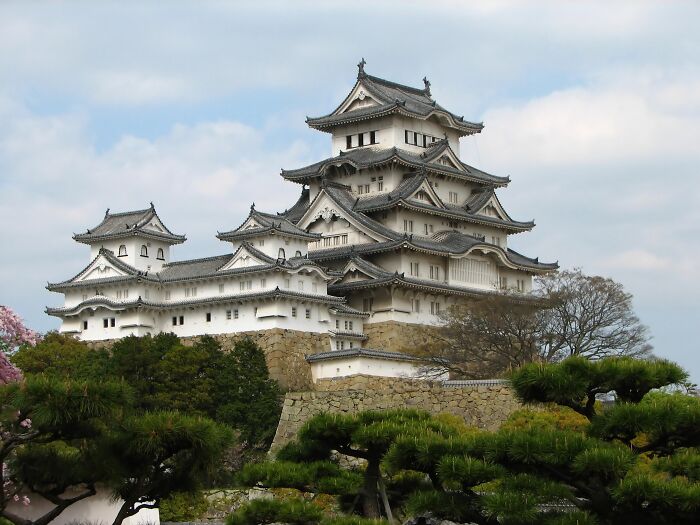
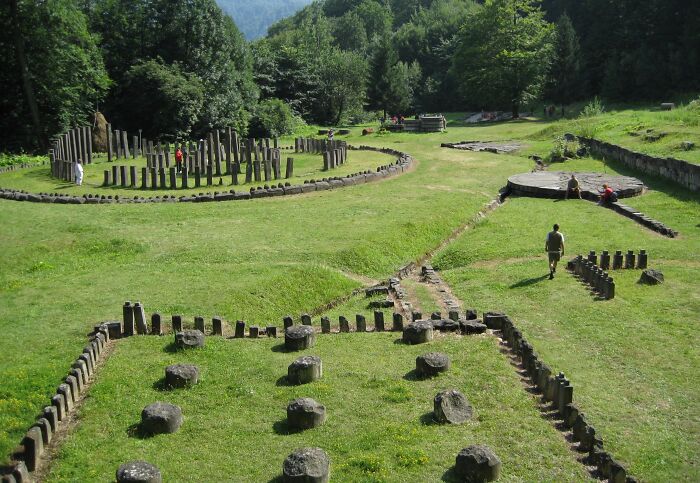
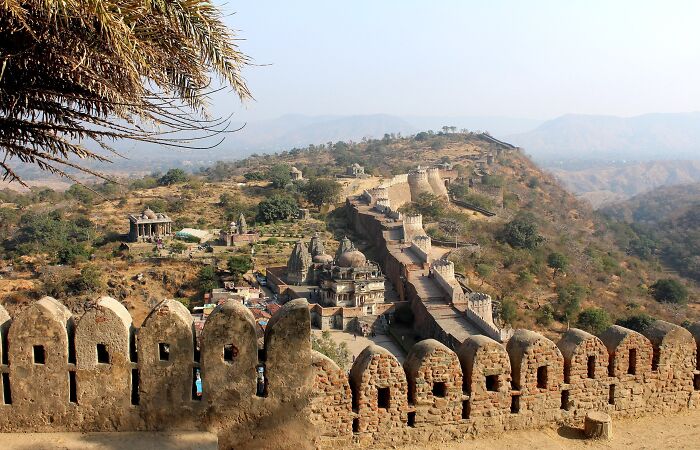
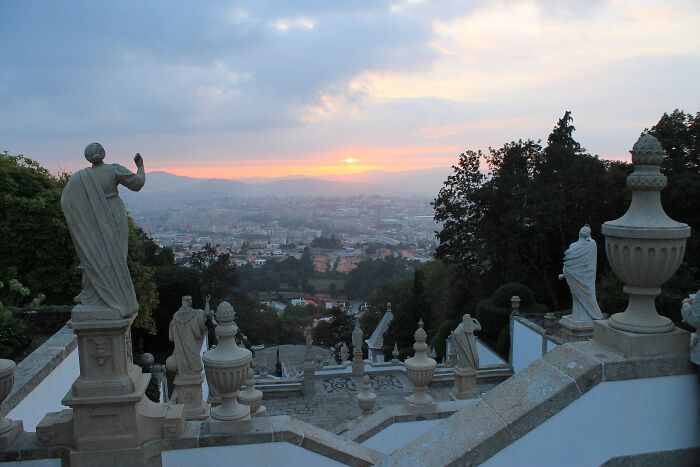
My grandma grew up close to it. When the Iron Courtain fell and she went visiting again for the first time, Gran absolutely sped up that hill. When they arrived on the top, she gasped: Well, I completely forgot that I'm not a child anymore.

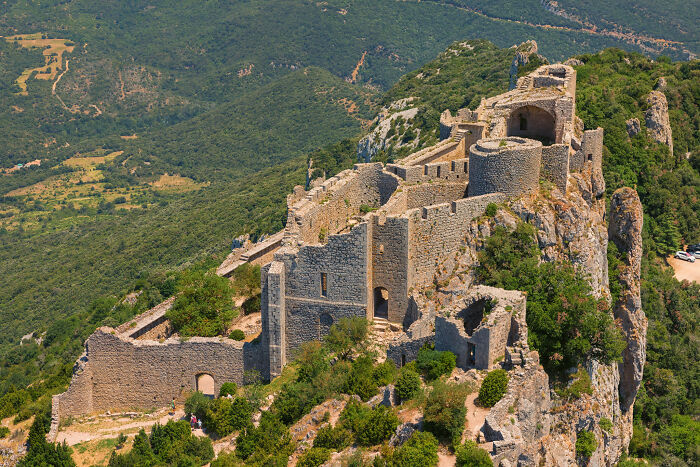
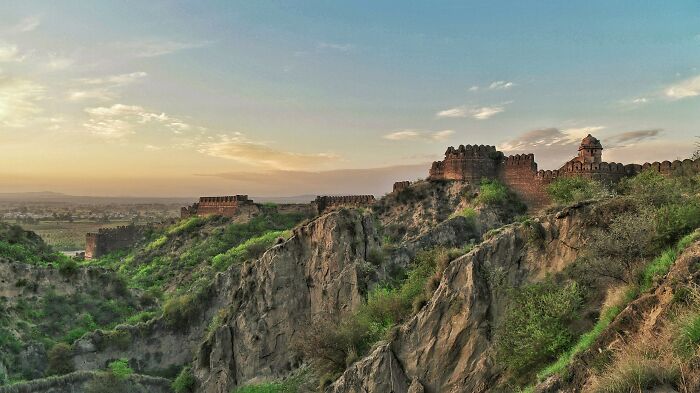
This is near where I live, and the trip up there is on a long steep path made by the Romans. The view is amazing from up there, but I can't help thinking how everything used to build an run the place had to be carried up there. There are many fortresses like this in the area, but my favourite is Montségur, mostly for its history during the c*****e against the Cathars.

Building Information Modeling (BIM) is a methodology and technology that architects use to create digital representations of physical and functional characteristics of a building. for more info click Here. https://geovision.cloud/

It’s beautiful here. When the tide is out, people can walk all the way up to gate. People also push yen into the wood as they make a wish.

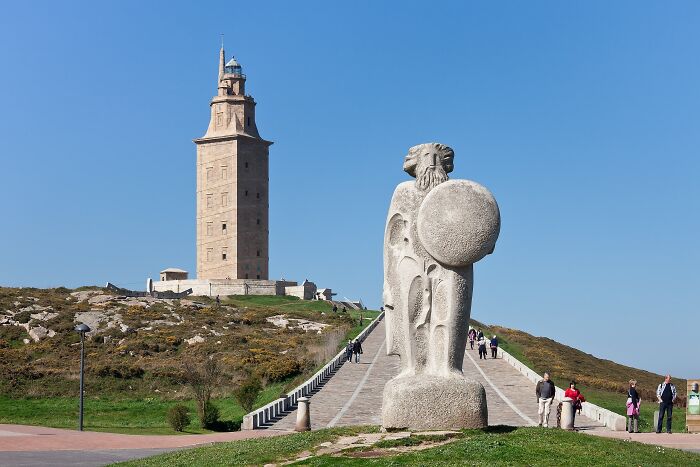
It used to mark the west end of the Roman empire and it's the only Roman lighthouse still in use

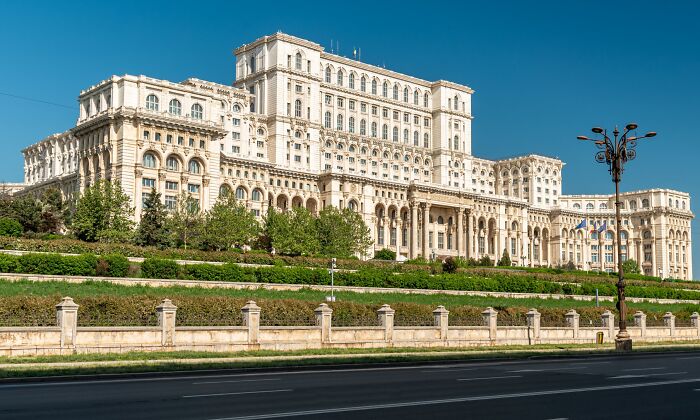
This used to be the home of the Ceaușescus. Their own personal home. It’s also the heaviest building in the world because of the amount of marble that was used.

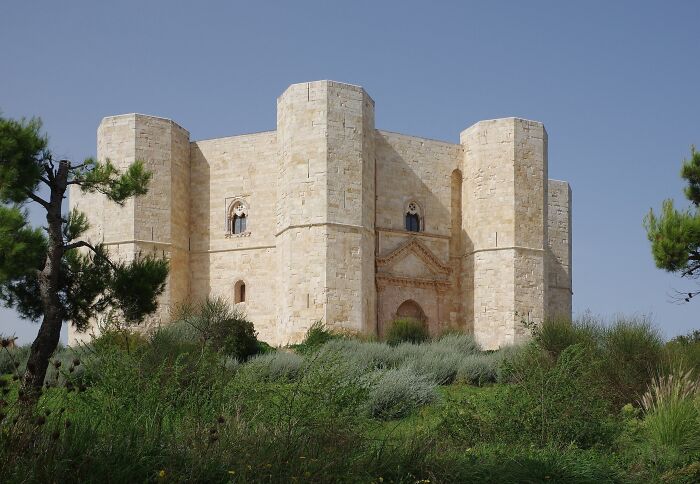
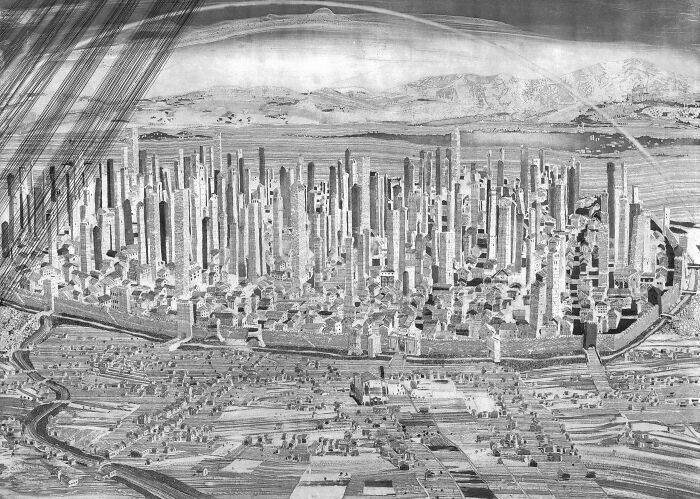
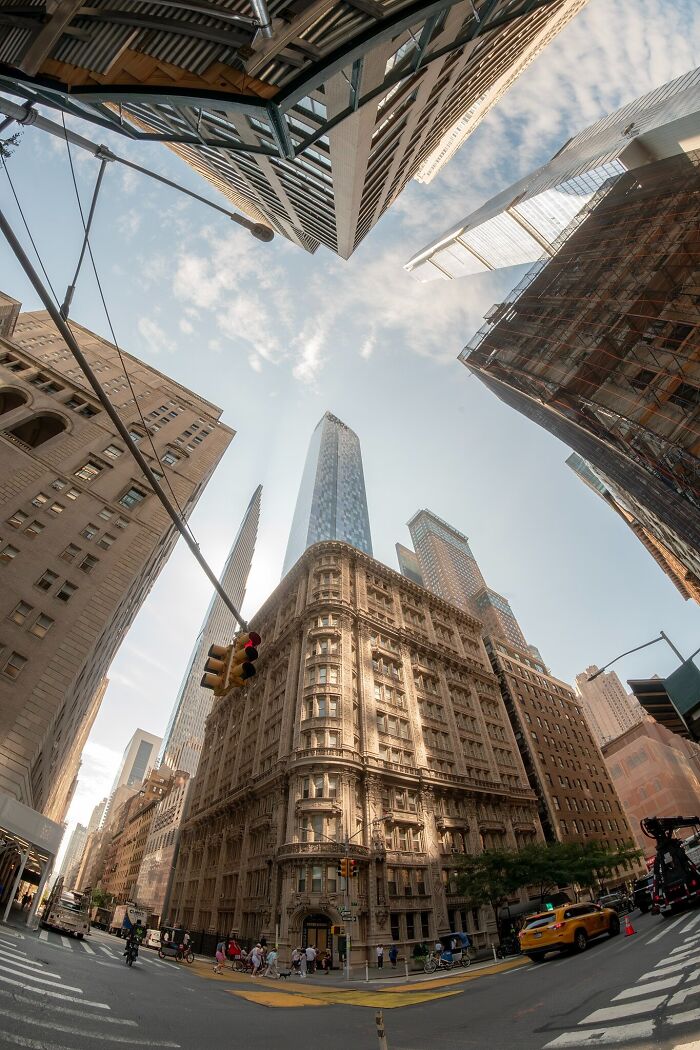
Italians lived in a manhattan well before they lived in the Manhattan.

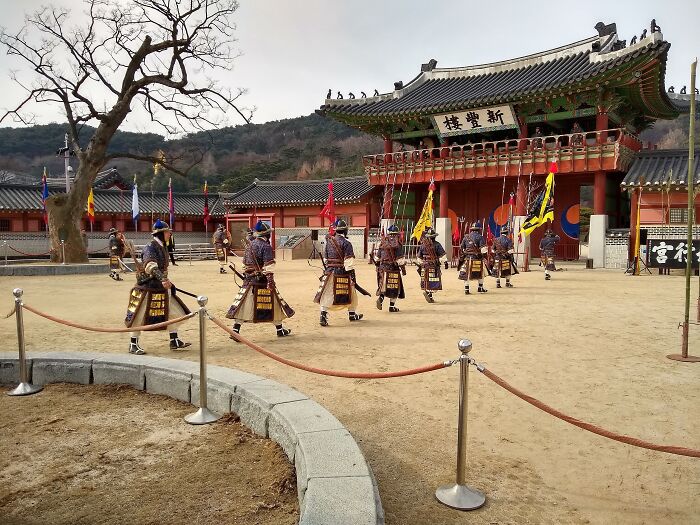
I've been here, and it's very interesting! The soldiers dress in period costumes and perform in a parade. They they'll take a picture with you.
This place appeals to me at a molecular level. I'm going to visit sooner than later.
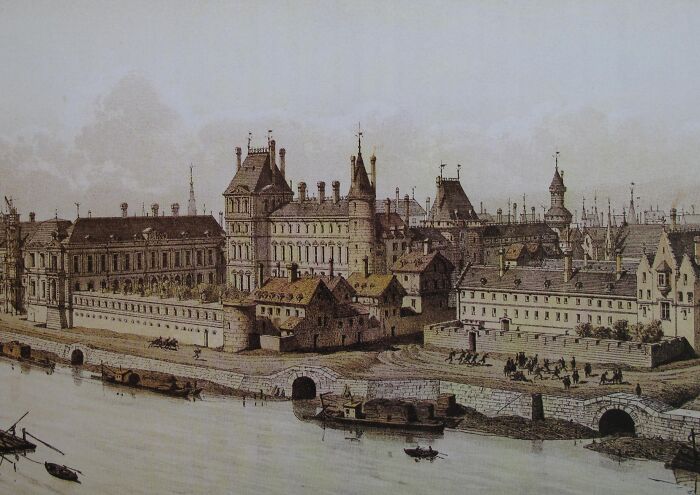
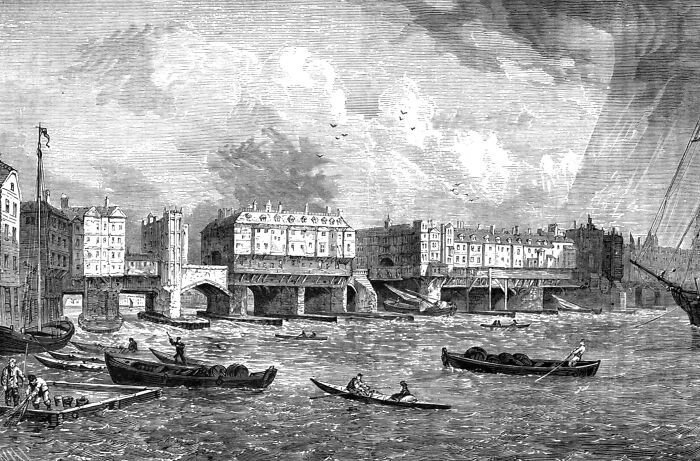
Because of the amount of piers the bridge needed (19 in total) was the reason why they were able to hold frost fairs on the Thames most winters. Because there were so many and the gaps between the piers wasn’t large, this was able to slow down the flow of the river. That then made it easier for the water to freeze over. And they had proper winters back then! This version of London Bridge stood from 1209 to 1831. Though it was affected by major fires, namely 1633 and 1666, The Great Fire.



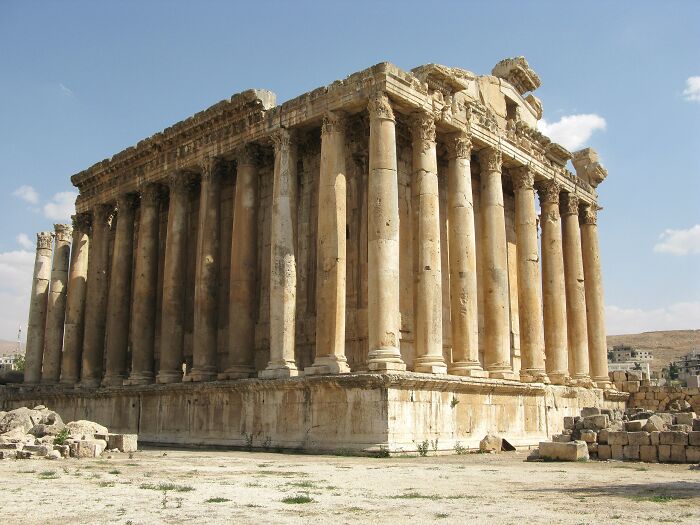
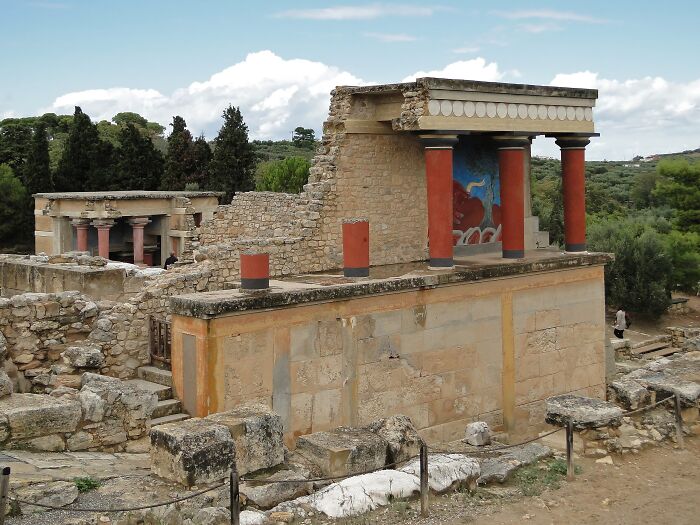
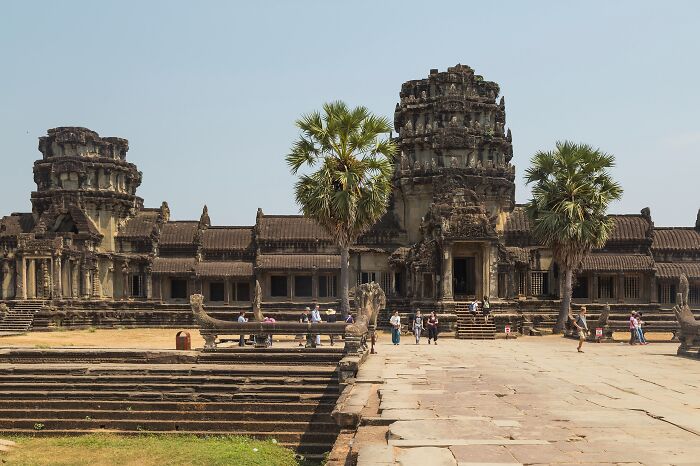
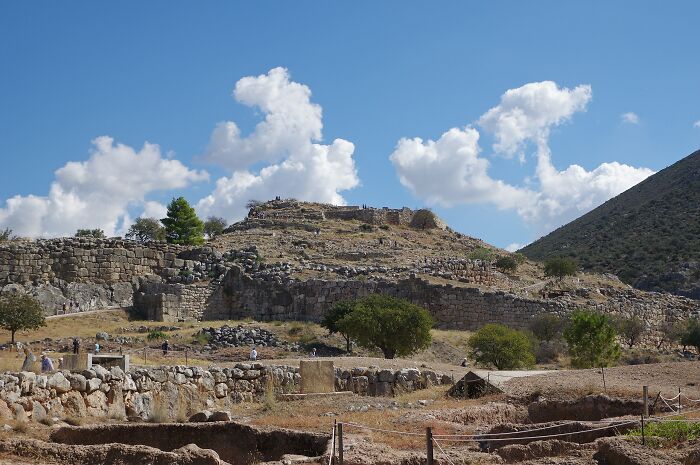
There were quite a few very well known sites here like Mycenae, Angkor, Knossos and Baalbek.

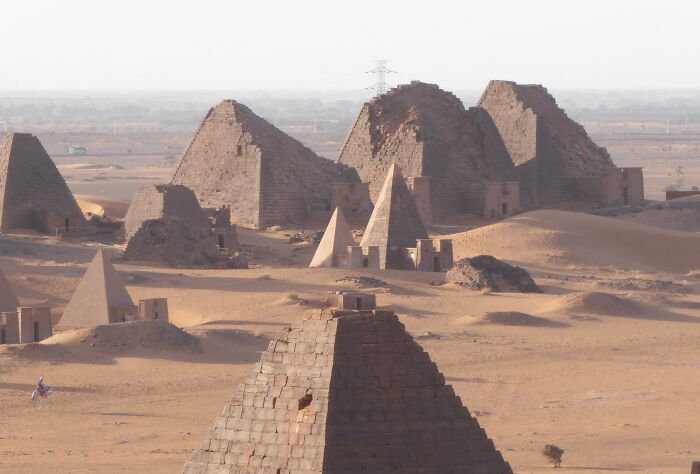
I'm just glad to see more Asian, African and South American sites on this list.
Load More Replies... There were quite a few very well known sites here like Mycenae, Angkor, Knossos and Baalbek.
I'm just glad to see more Asian, African and South American sites on this list.
Load More Replies... 
































 No fees, cancel anytime