Get Premium
Dark mode theme is available exclusively for premium users. Learn more about the benefits of subscribing.
No fees, cancel anytime.

 Dark Mode Ad-Free Browsing Unlimited Content
 Ad-Free Browsing Unlimited Content Dark Mode
Join 1.2 million Panda readers who get the best art, memes, and fun stories every week!
Anyone who has moved away from their hometown for a longer period of time has probably experienced that feeling of returning and finding that the cityscape has changed, for better or worse. It can be sobering to realize that this has been going on at scale everywhere in the world.
We've gathered fascinating and melancholic pictures of buildings and structures that now only exist in paintings and photographs. So get comfortable as you stroll through some images from the past, upvote your favorites and be sure to share your thoughts in the comments section down below.
This post may include affiliate links.
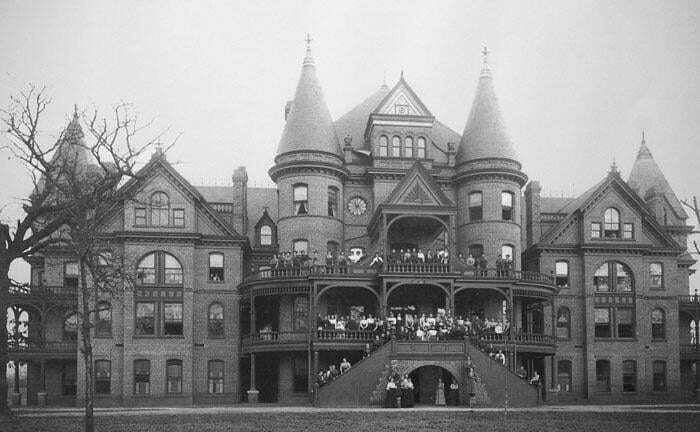
It is a classic example of the mid-20th-century trend where historic character lost out to the demand for parking and modernization. Known locally as the "Raleigh Castle," this striking structure in downtown Raleigh was flattened by the Wadsworth Wrecking Company in 1967.
Originally opening its doors in 1899 as the main building for the Baptist Female University (now Meredith College), it later pivoted to become the Mansion Park Hotel and eventually served as state office space starting in 1951. By the time the sixties rolled around, however, the state deemed the aging giant obsolete and uninsurable, choosing to raze it to the ground to make way for government expansion and pavement.
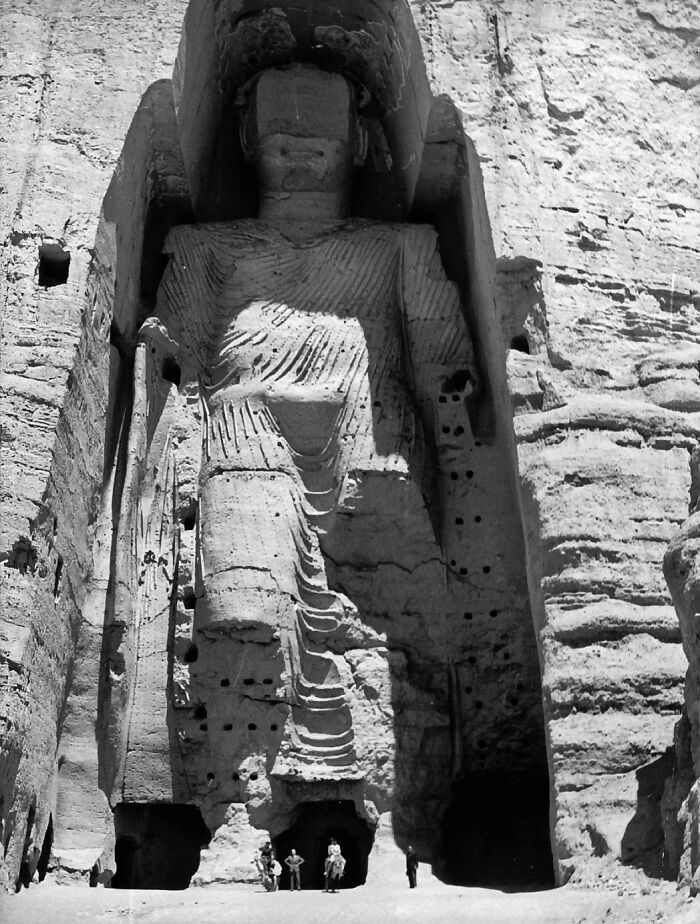
This 1963 photograph preserves a serene view of one of the monumental Buddhas of Bamiyan, standing tall decades before its tragic destruction. The ancient statues met their end in early 2001 after the Taliban issued a decree on March 1st ordering the removal of all figures depicting humans throughout Afghanistan.
The demolition starting on March 2nd, and it took weeks of sustained effort to bring the massive sculptures down, leaving a permanent void in the cultural landscape of the region.
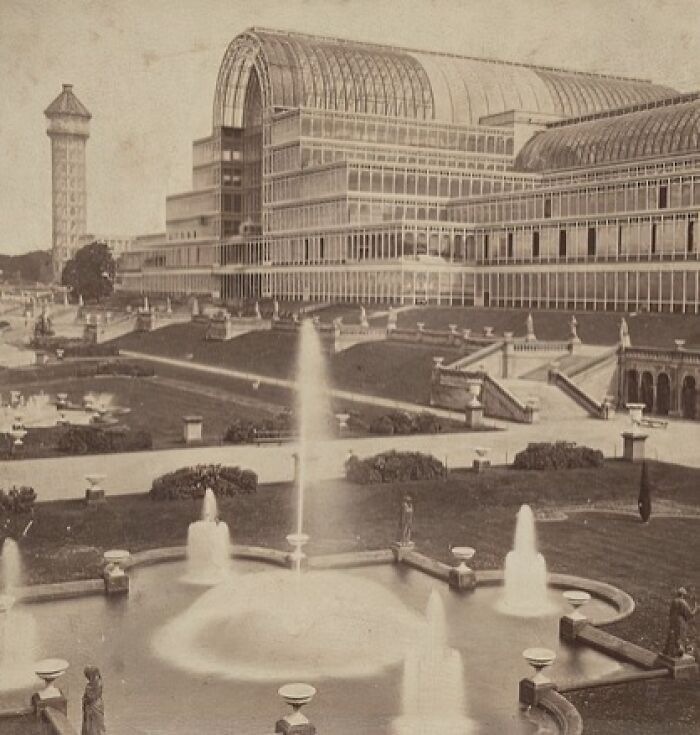
It is a tragic end for a structure that began its life dazzling the world in Hyde Park during the Great Exhibition of 1851. The Crystal Palace, a massive architectural marvel made of iron and glass, didn't stay in its original spot; it was actually dismantled and painstakingly rebuilt at Sydenham Hill, where it served as a cultural hub for concerts, exhibitions, and football matches for decades.
However, a catastrophic fire on the night of November 30, 1936, gutted the main hall. While the iconic towers managed to survive the flames, they were doomed by the onset of World War II. In 1941, they were deliberately pulled down because the government realized they were serving as perfect navigation landmarks for incoming German bombers.

This was clearly an amazing building. I still can't quite rationalise how a glass and steel building can burn. But, burn it apparently did.
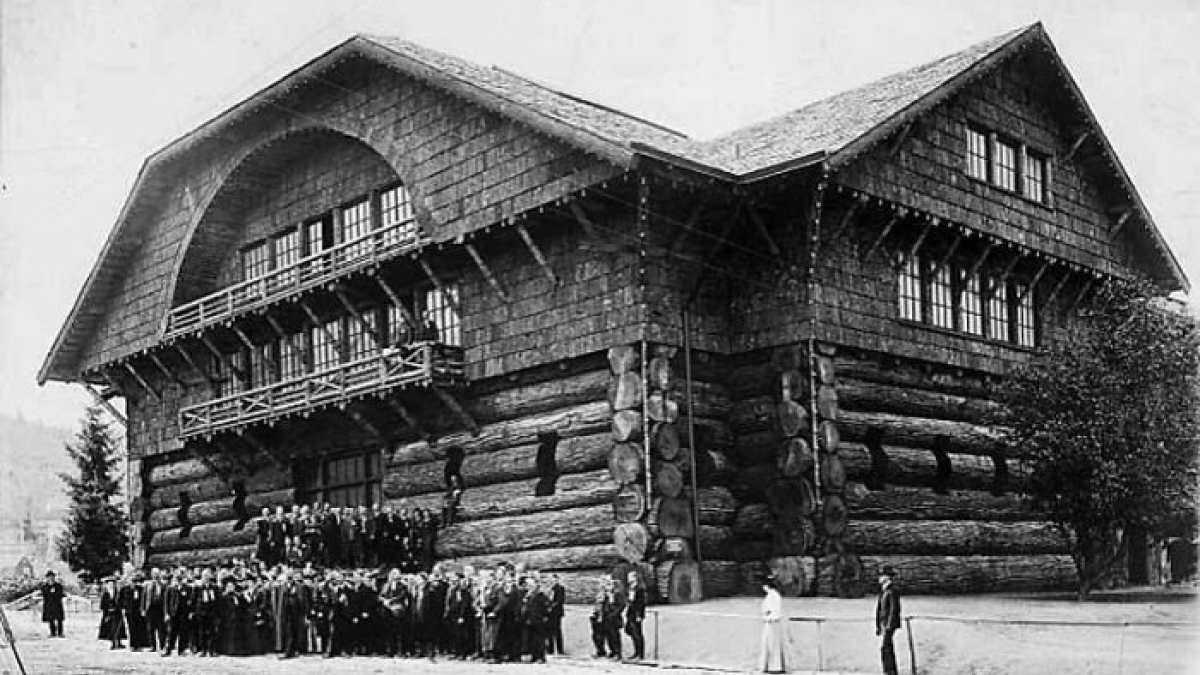
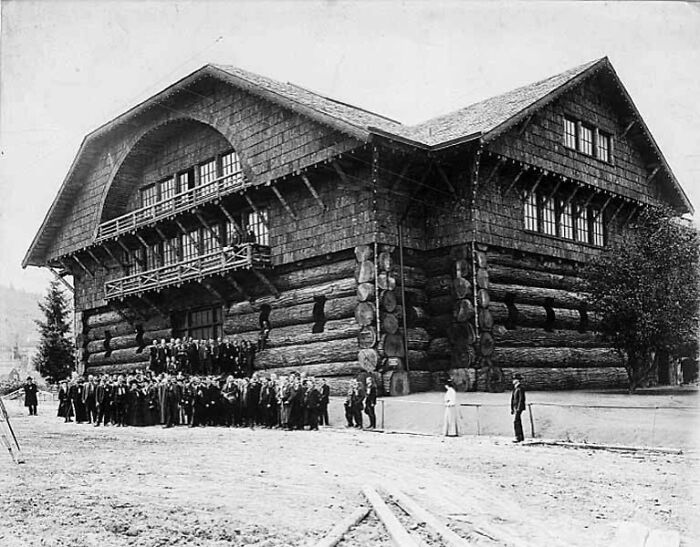
It is pretty rare for World's Fair structures to stick around, and the Lewis and Clark Centennial Exposition was no different as most of its buildings were demolished right after the show ended in 1906. The Forestry Building was the notable outlier, surviving the initial cull to become a beloved forestry museum after getting a structural upgrade with a concrete foundation.
It managed to hang on for nearly sixty years until a fire reduced it to ash in August 1964. While the original huge log structure is gone, its spirit lives on through the World Forestry Center, which was constructed in Portland's Washington Park to take its place.
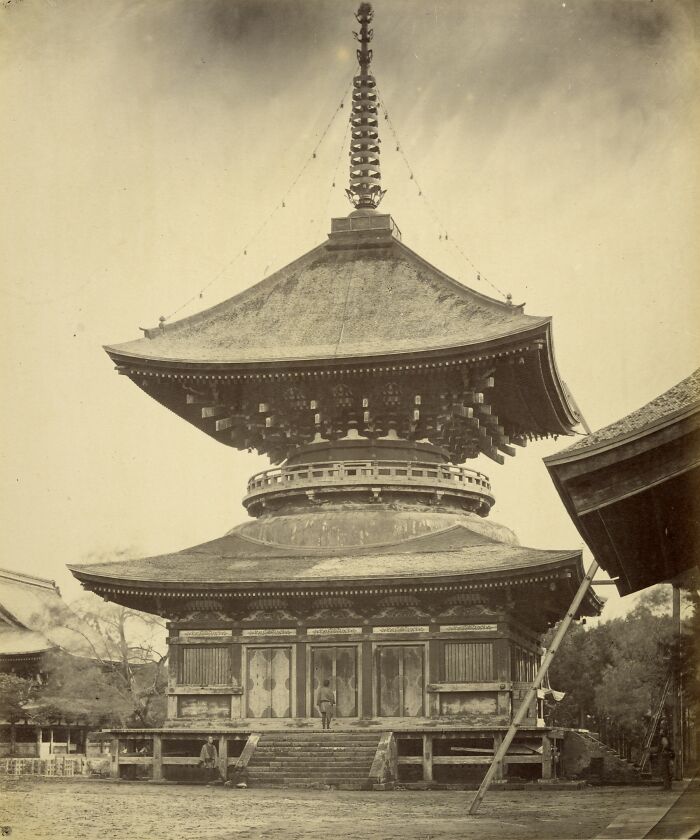
If you visit the famous Tsurugaoka Hachimangū shrine in Kamakura today, you won't find the Single-Storied Pagoda that once stood on its grounds. This structure was a tahōtō, or treasure pagoda, representing a time when Japanese religious practices were a blend of traditions.
However, that harmony was disrupted by the Meiji government's 1868 shinbutsu bunri policy, which demanded a strict breakup between Shinto and Buddhism. Because this was a Buddhist piece of architecture sitting inside what was officially a Shinto shrine, it was targeted during the anti-Buddhist reforms of the era and dismantled sometime in the early 1870s to "purify" the site.
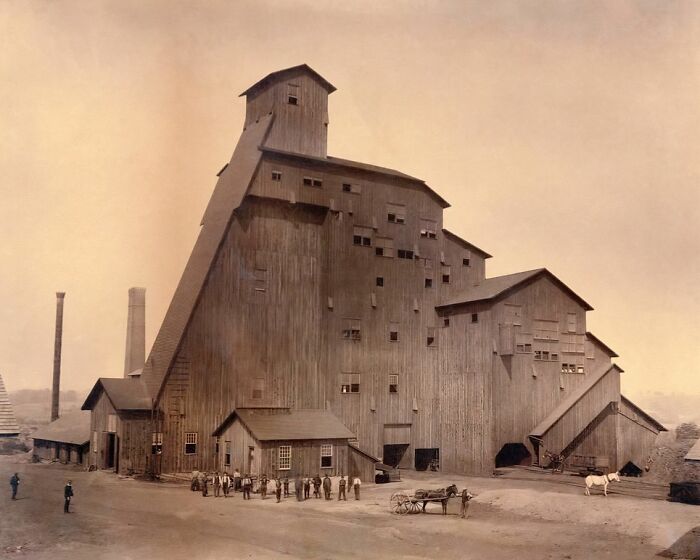
Back in the industrial heyday of Pennsylvania, structures like the Sibley Breaker were a common sight looming over anthracite mines. Erected in 1886, this facility served as a giant processing machine, crushing raw coal and filtering it through screens to sort the pieces by size.
It stood for exactly two decades before a fire destroyed it in 1906, but its legacy is a reminder of the era's labor conditions. The work inside was dangerous and grueling, involving the manual removal of slate and impurities from moving belts, a task that, heartbreakingly, was often performed by children.
This would have been an amazing structure to have seen in the flesh.
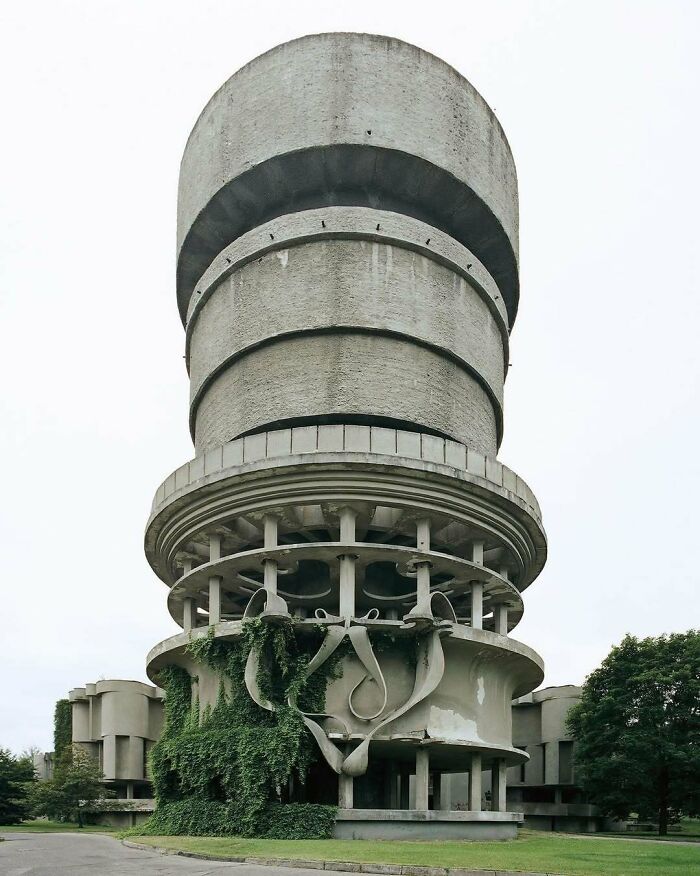
For decades, the sick and weary traveled to the spa town of Druskininkai, Lithuania, relying on the Balneological Hospital to fix them up with its famous thermal waters. It was a place of serious healing until modern leisure took over.
In 2006, the site underwent a massive transformation, tearing down the old water tower to convert the facility into a water park, effectively turning a historic medical retreat into a playground for slides and pools.
This one really gives me a mixed feeling. It looks like it fell from the top of the ugly tree, and hit every branch on the waqy down. But, it was interesting and probably significant to the area.
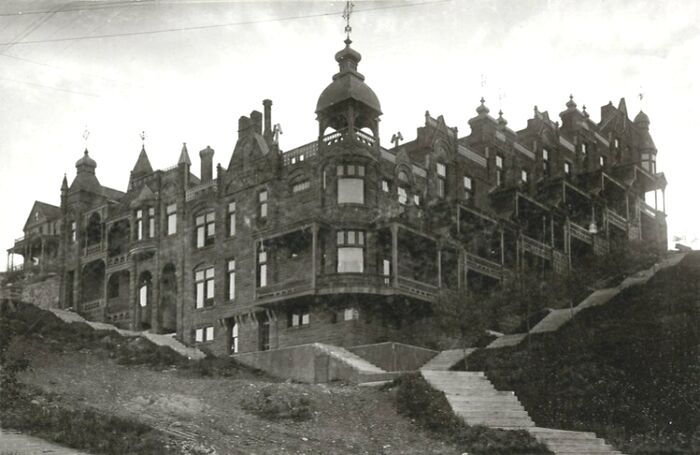
Perched on a steep hill just off Mesaba Avenue, Park Terrace was a serious flex of Victorian architecture when the Myers Brothers Investment Company built it in 1890. Costing a cool $50,000 at the time, it was one of the first multi-family complexes in West Duluth, and it was opulent enough that Henry and Benjamin Myers actually moved their own families in.
However, the building's fate seemed tied to the family's fortunes because after Henry passed away in 1931, the property quickly fell into disrepair and abandonment. It sat vacant and dilapidated for a few years until 1936, when the decision was finally made to demolish the once-grand townhouses.
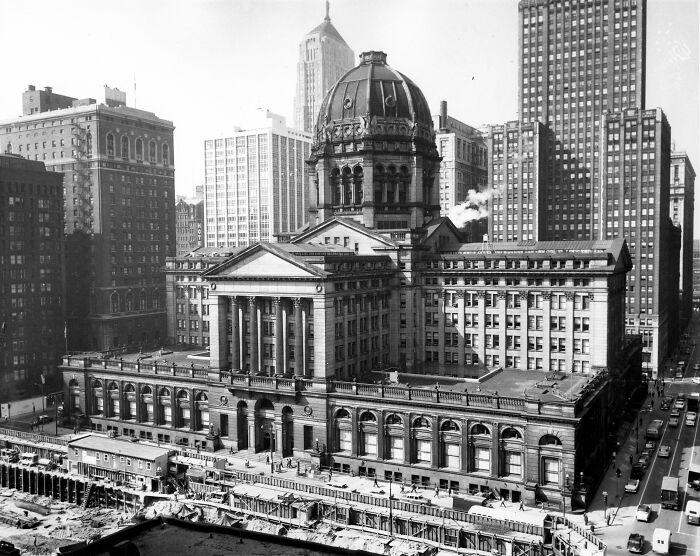
It seems like the block bounded by Dearborn, Adams, Clark, and Jackson in Chicago's Loop just can't settle on a permanent look. Between 1898 and 1905, crews cleared away an 1880s-era customhouse to erect the massive Chicago Federal Building, a structure designed to serve as the heart of the Midwest's federal operations.
For six decades, it housed everything from the main post office to the region's federal courts, but the cycle of demolition struck again in 1965. Just like its predecessor, the building was razed to the ground, clearing the space for the modern Kluczynski Federal Building that stands there today.
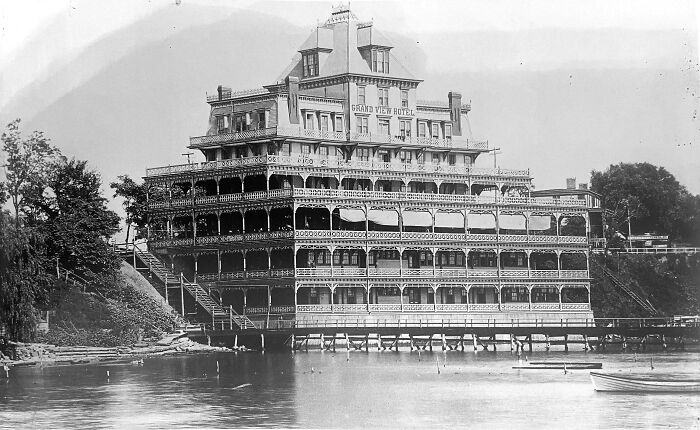
Captured around 1890, this image offers a fleeting glimpse of the Grand View Hotel, a Victorian-era resort that once graced the Brooklyn waterfront near 95th Street. Built in 1886, the structure was a classic example of the wooden architecture popular at the time. Charming, sure, but also dangerously flammable.
Its existence turned out to be incredibly short-lived; a massive fire tore through the property in January 1893, reducing the whole thing to ash. Given the sheer scale of the destruction and the financial burden of starting over, the owners decided against rebuilding, leaving this photograph as one of the few reminders of its brief seven-year run.
Amazing building. But built in timber? Burning was probably inevitable.
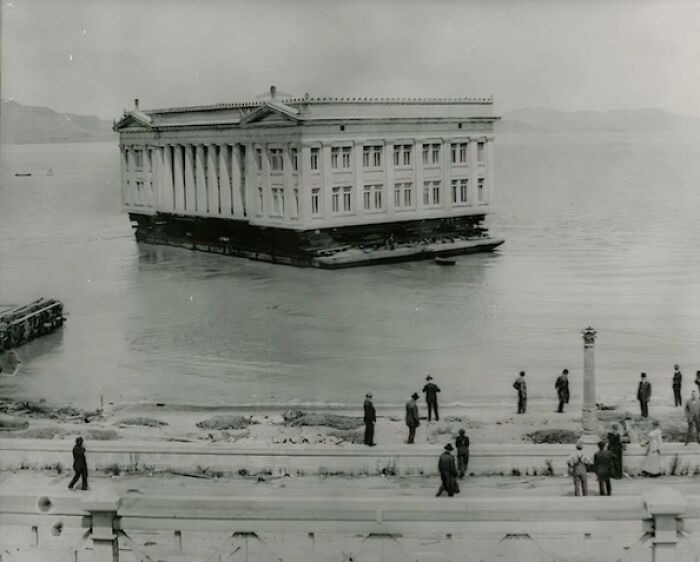
Seeing a massive building bobbing along the water is definitely not something you see every day, but that is exactly what happened with the Ohio Building in 1916. Following the conclusion of the Panama-Pacific International Exposition, the decision was made to dismantle the structure since it was never designed to last forever.
It was built from those typical, fleeting World's Fair materials like plaster and fiber. Rather than letting it rot in place or tearing it down immediately on site, crews actually loaded chunks of the building onto barges and floated them over to Coyote Point as part of a massive salvage effort before the whole thing was finally wiped off the map by 1917.
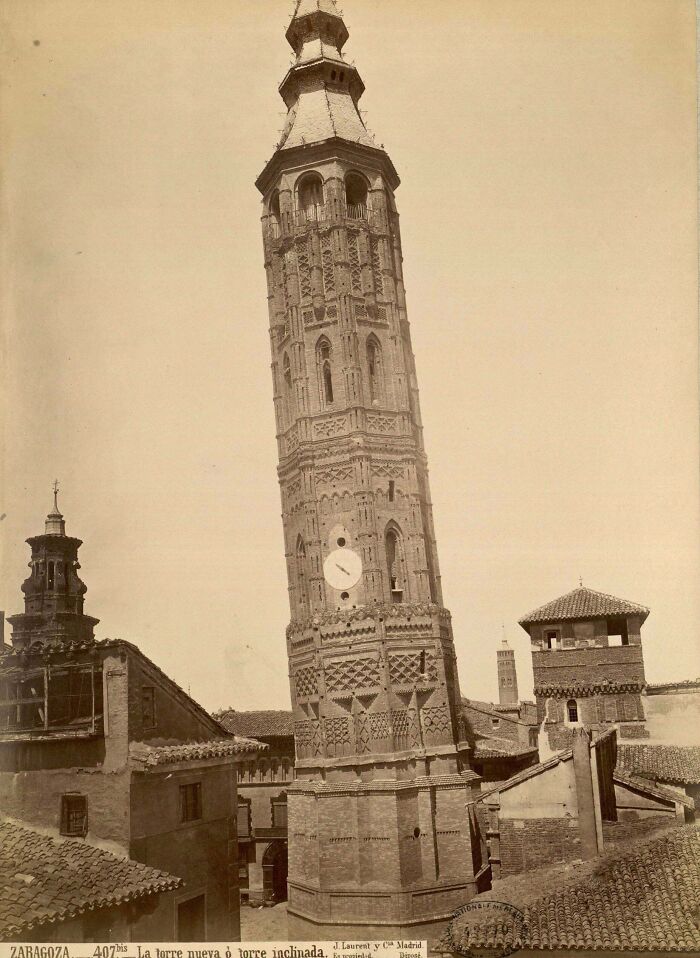
The Leaning Tower of Zaragoza was once considered the most beautiful Mudéjar tower in the land but was wiped off the map in 1892. Standing since 1504, the structure had already suffered the indignity of having its triple spire chopped off in 1878, but the city council eventually voted to demolish the rest, claiming its famous lean made it a safety hazard.
The decision sparked a massive outcry, particularly from the Gascón de Gotor brothers, who slammed the move as "patricide" and the "greatest artistic crime committed in Spain." Their protests were in vain and workers spent a year dismantling the icon, selling off the bricks to build foundations for new local houses. Today, the only trace left is a memorial sculpture of a boy sitting on the pavement, gazing up at the empty sky where the tower used to be.
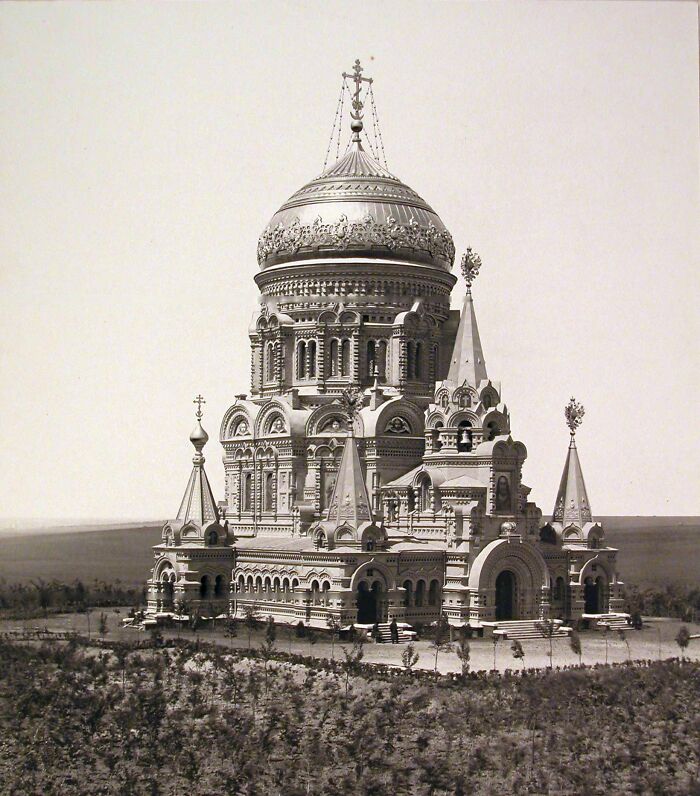
War leaves a lot of scars, and the Cathedral of Christ the Savior in Borki, Ukraine, bears a massive one. During the chaos of the Great Patriotic War, the building initially caught fire, causing its magnificent golden dome to collapse. The final blow landed on September 7, 1943, when the cathedral was blown up during a Soviet offensive.
To this day, nobody is 100% sure which army actually triggered the explosion. For decades, the ruined chapel was downgraded to a storage warehouse, missing its upper tier, until a community effort backed by the Southern Railway finally managed to restore it in the early 1990s.
Wow. The Russian Orthodox Church certainly knew how to make a statement. It was amazing.
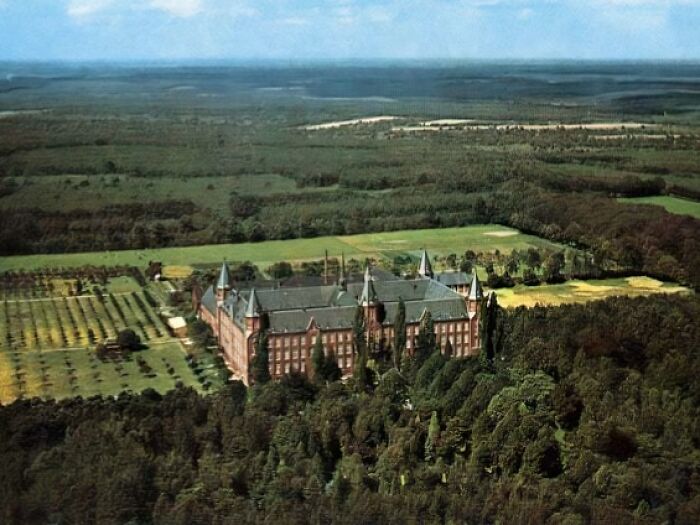
The scale of the St. Ludwig Monastery was incredible for its time. We are talking about a building with 1,200 windows, 600 doors, and a roof spanning a massive 17,000 square meters. Originally built in the Netherlands in 1909 as a Franciscan friary and boarding school, the facility closed down in 1978 and was eventually snapped up by a group focused on Transcendental Meditation.
Unfortunately, the historic architecture didn't vibe with their plans, kicking off a two-year legal war with preservationists who were desperate to save it. The judge ultimately sided with the new owners, agreeing that restoring the behemoth would just be too expensive, and the organization was allowed to bulldoze the site in 2015 to make way for a modern replacement.
In the OP, though it would have cost more to restore it than destroy it (100m vs 65m), the main reason was because the building was the building was facing the wrong way and didn't comply with the Vedic laws of nature. I do wonder why they bought it knowing that it was entirely inappropriate for their practice.
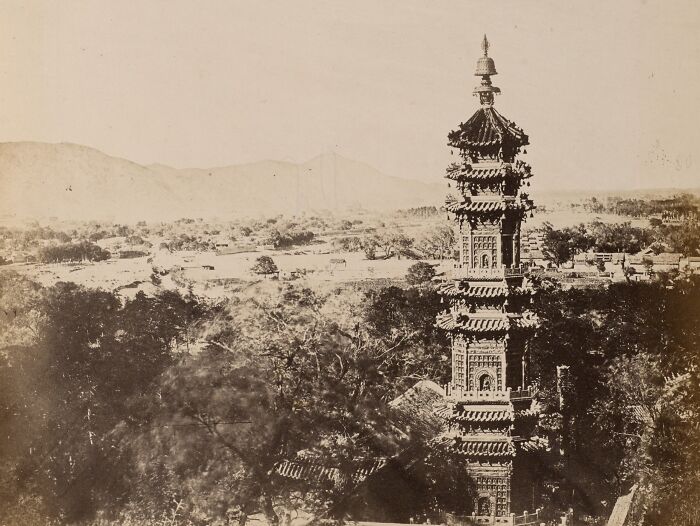
It took a record-breaking donation to resurrect the Porcelain Tower of Nanjing. In 2010, businessman Wang Jianlin dropped a cool one billion yuan (about $156 million) to fund the reconstruction, making it the largest single personal charitable gift in Chinese history.
The original structure, a 15th-century Ming Dynasty masterpiece located on the banks of the Qinhuai River, had been tragic collateral damage during the Taiping Rebellion, getting mostly destroyed back in 1856. Thanks to that massive influx of cash, a modern replica and surrounding park finally opened their doors to the public in December 2015.
A replica is okay. But it would be so much better to have the original.
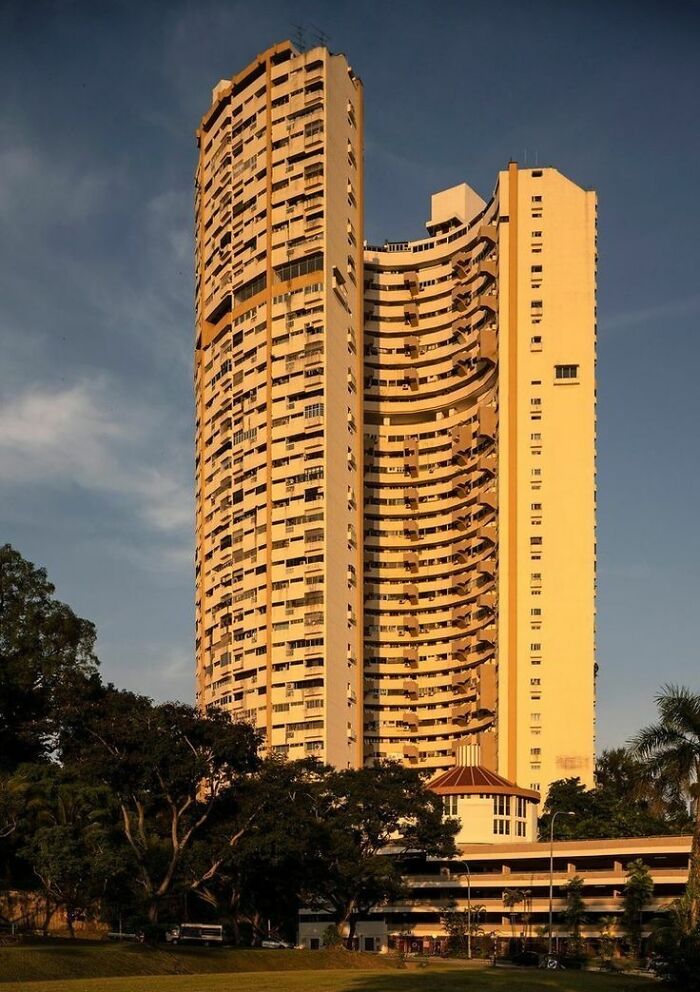
Singapore’s Pearl Bank Apartments was designed by Archurban Architects Planners, and standing since 1976, this iconic structure met the wrecking ball in 2020. Getting to that point was a long road, though, as attempts to sell the building via "en bloc" tenders failed miserably in both 2007 and 2008 when no buyers stepped up.
It wasn't until February 2018 that CapitaLand finally put up the cash (a staggering $728 million!) to secure the site in a private deal. The residents took their payouts and were told to vacate by April 2019, clearing the way for the developer to replace the original 280 spacious homes with a much denser project squeezing in around 800 smaller units.
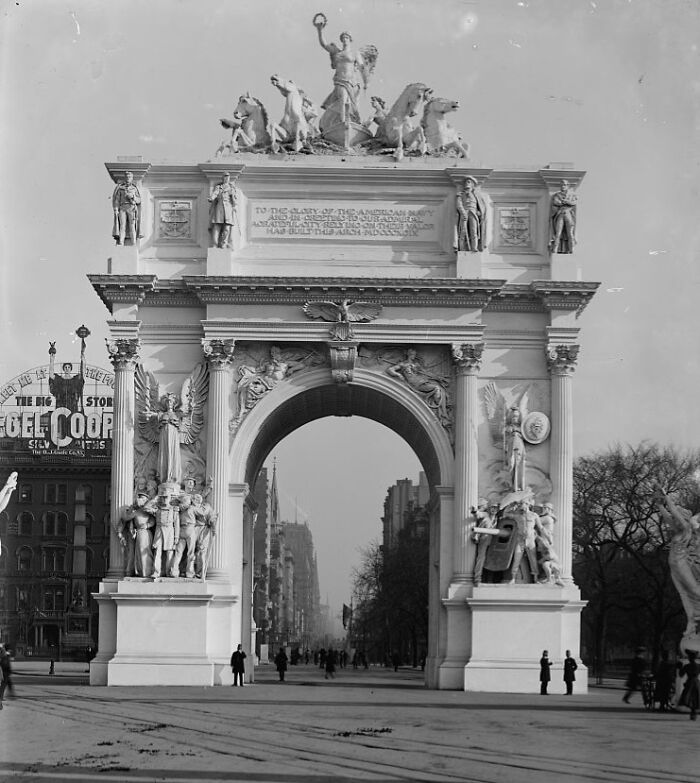
The Dewey Arch in New York City was nothing more than just a temporary prop. Constructed in 1899 to celebrate a victory parade, the structure began to disintegrate almost as soon as the festivities ended. While there was a brief push to rebuild it in permanent stone, public sentiment turned sour due to the growing controversy over the Philippine War.
By 1900, the funding efforts failed, the arch was torn down, and the massive sculptures were shipped off to Charleston, South Carolina, where they eventually vanished into history.
If it was more than just a temporary prop, why did it begin to disintegrate so soon?
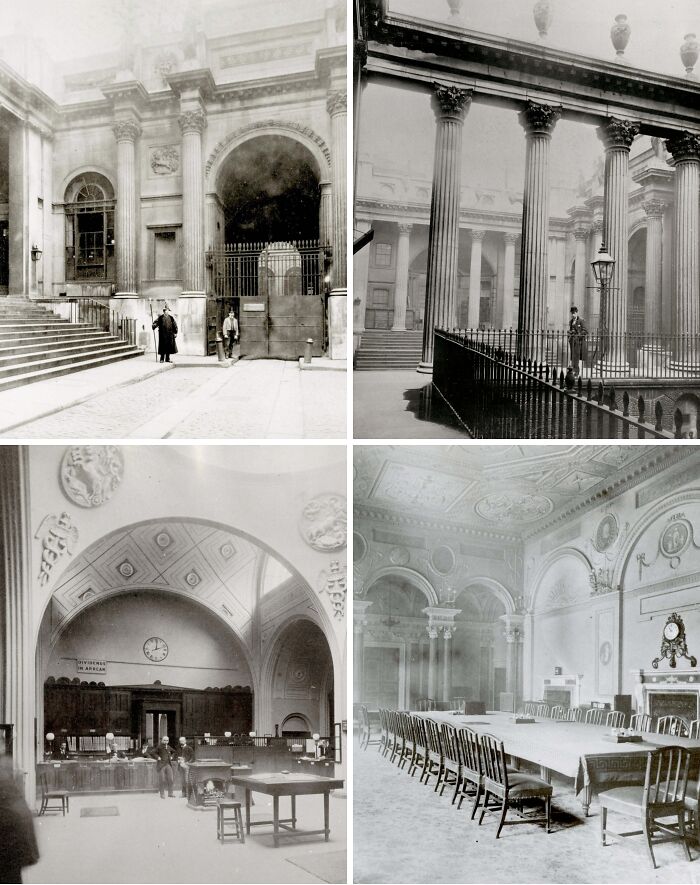
Sir John Soane’s Bank of England was a masterpiece developed from the late 18th century into the early 19th. Sadly it was lost to the mundane need for more office space. By the mid-1920s, the institution decided that Soane’s vision was simply too small for their modern operations, so they began a massive demolition project in 1925 that stretched well into the next decade.
Instead of preserving the historic structure on Threadneedle Street, they brought in Sir Herbert Baker to design a much larger headquarters, and by 1939, Soane’s original work had been largely wiped away to make room for the new build.
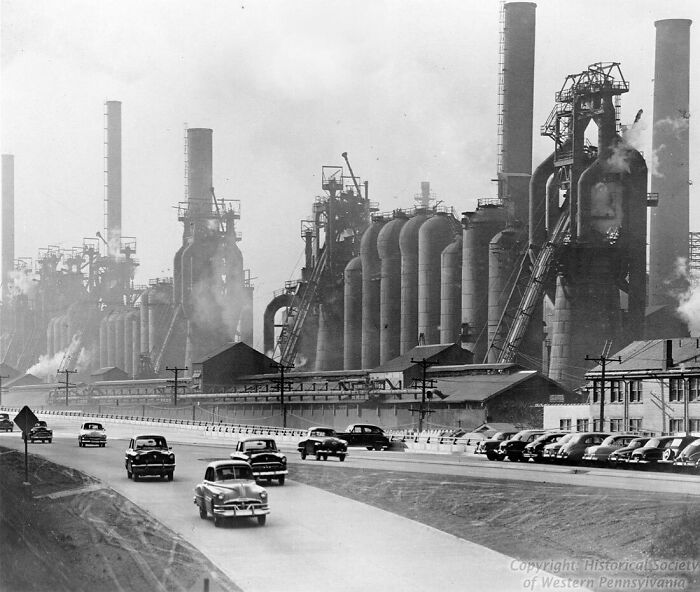
This 1950s snapshot preserves the looming silhouette of the blast furnaces at Pittsburgh’s Northside Steel Works, a site that once anchored the local economy with over 5,000 employees. The image is a throwback to the city's industrial peak before the crash, when the plant officially closed its doors in 1977.
Less than a decade later, in the mid-1980s, demolition crews moved in to raze the structures, erasing the physical evidence of what was once a steelmaking giant.
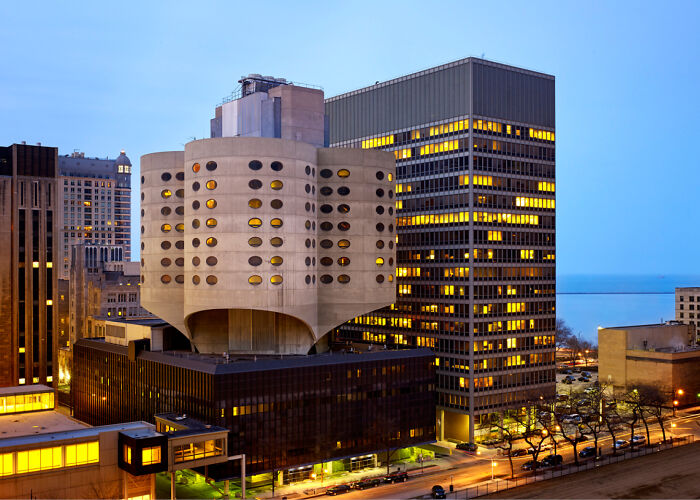
It is tough for architecture buffs to look at photos of Bertrand Goldberg’s Prentice Hospital without a pang of regret. This distinctively shaped concrete icon was once a landmark of Chicago’s skyline, but it couldn't survive the march of progress.
After the new Prentice Women's Hospital opened its doors just down the street at 250 East Superior in 2007, the original building’s days were numbered. It sat vacant starting in 2011, and despite its architectural pedigree, Northwestern University eventually decided the site was better suited for a modern medical research hub, bringing the structure down for good in 2014.
It's a shame. Weird buildings like this add to the diversity of the city-scape.
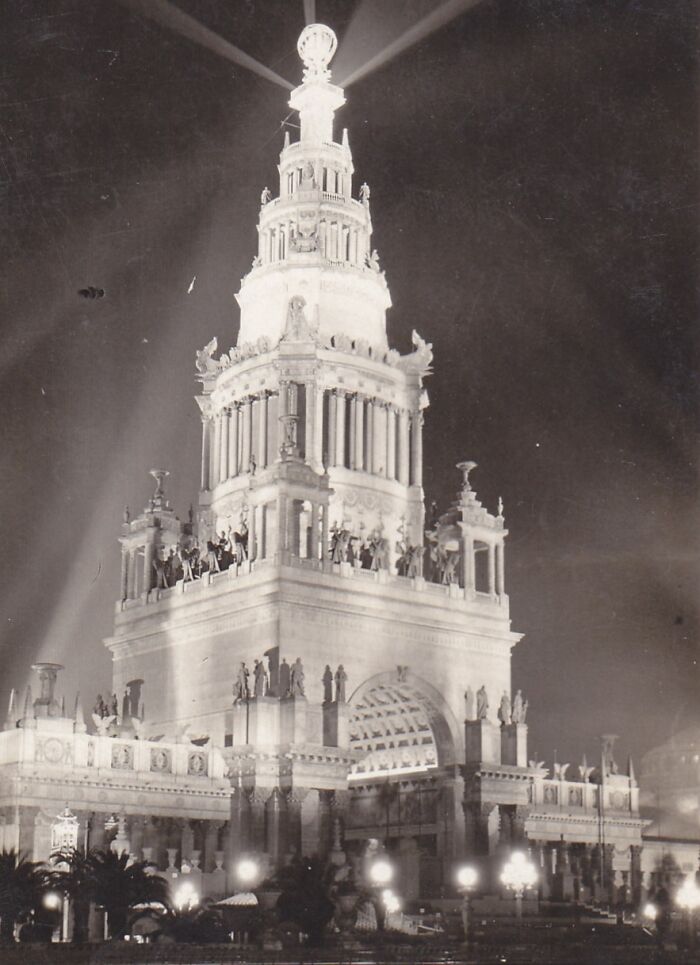
San Francisco hosted the 1915 Panama–Pacific International Exposition and the Tower of Jewels was a sight to behold, even if it wasn't built to last. Despite its imposing appearance, the structure was temporary, crafted from "staff," which is essentially a blend of plaster and burlap fiber slapped over a steel and wood frame.
When the fair ended, the tower was demolished, but the organizers saved the glittering "Novagems" that adorned the exterior. They tagged each gem with a brass medallion to prove it had hung on the tower, boxed them up, and sold them off as souvenirs for a single dollar apiece.
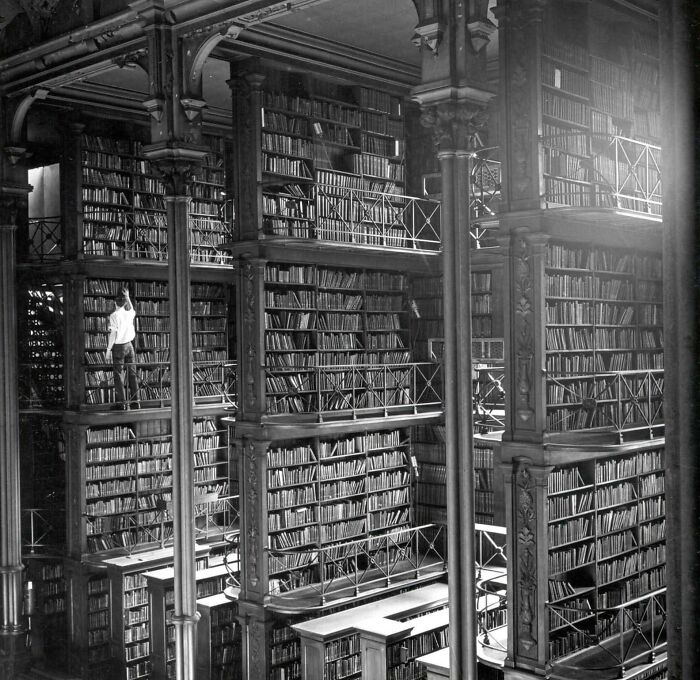
It is a tragedy that the Old Cincinnati Library, which stood from 1874 until 1955, is now just a memory. By the time the mid-20th century rolled around, the building was actually falling apart. We're talking peeling paint, terrible lighting, and a basement that flooded so often it ruined the books stored down there. It was even flagged as a massive fire hazard.
Despite the urgent need to move, legal battles and financial squabbles delayed the construction of its replacement at Eighth and Vine. Once the new spot finally opened its doors on January 31, 1955, the Leyman Corp bought this architectural gem for a mere $100,000 and completely demolished it before the summer was over.
Forgot about the air being so full of coal dust that you couldn't breathe well, the lack of ventilation, havng not enough room for the books that they were at risk in some places of falling on top of people, ad people did go over those railings. It was completely dangerous.
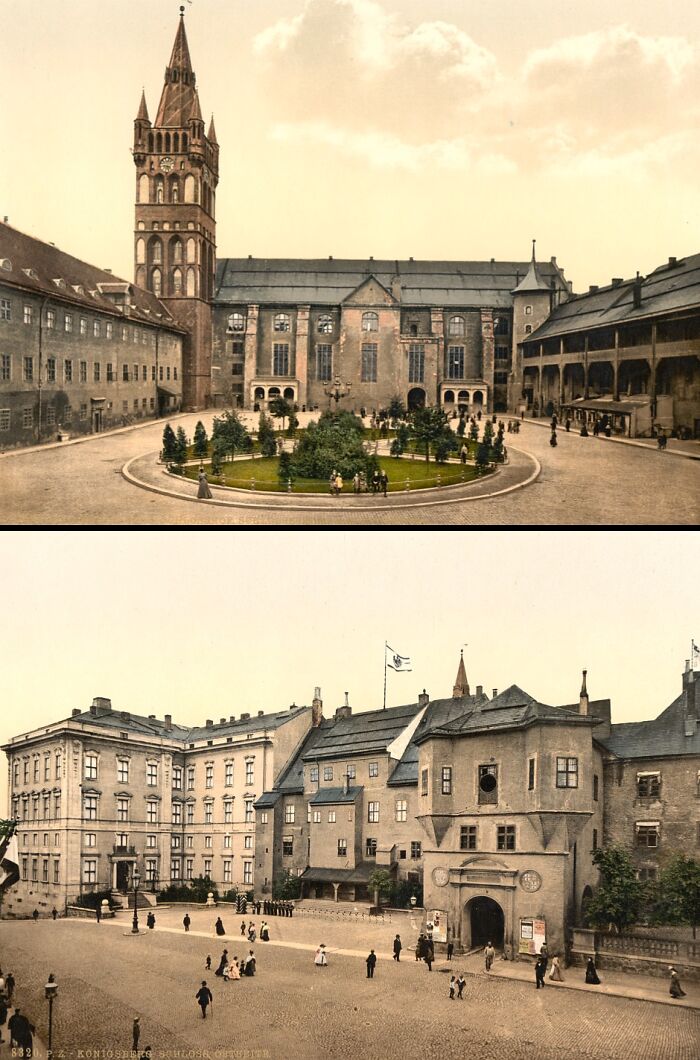
The site where the Konigsberg Castle and its gardens once stood has seen a staggering amount of destruction over the last century. Originally the heart of East Prussia, the castle took a beating during World War II, though its exterior walls actually managed to stay standing.
However, survival wasn't in the cards once the region transformed into the Soviet Union's Kaliningrad Oblast in 1946. The authorities spent years systematically demolishing what was left, wiping out the final section by 1968. In a twist of irony, the massive "House of Soviets" they built to replace it was never actually finished, and it simply sat as an abandoned concrete shell for decades until it was finally torn down just a couple of years ago in 2024.
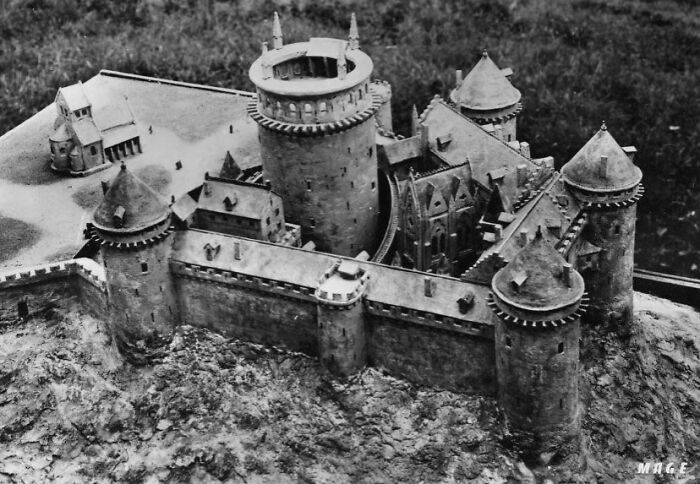
Before World War I changed the landscape, the Château de Coucy was famous for boasting the largest keep in all of Europe. It was a massive tower standing 55 meters tall and 35 meters wide. That architectural marvel met a violent end, however. After German troops occupied the site in September 1914 the retreating army blew the whole thing sky-high in March 1917.
General Erich Ludendorff gave the order to level the keep and the four towers, an act that historians still debate as either military strategy or pure spite. The destruction caused such a massive public outcry that the site was officially declared a "memorial to barbarity" the very next month. While war reparations were eventually used to shore up the surrounding walls, the keep itself was left as a pile of rubble.
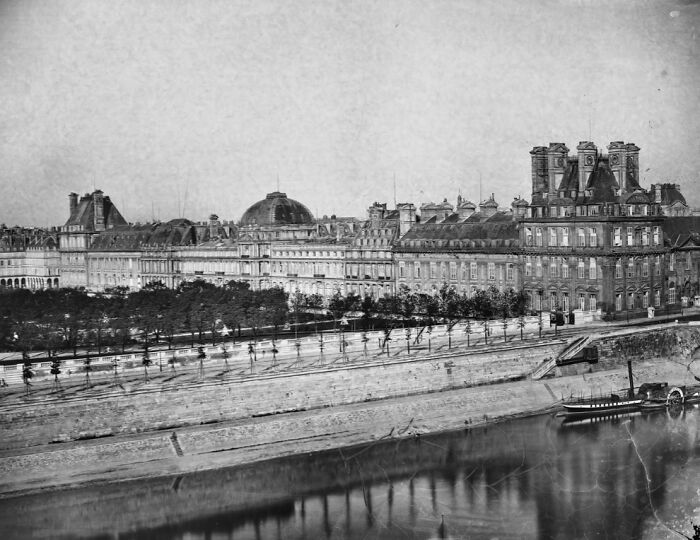
It is hard to picture the Louvre today without that open view to the west, but for centuries, the massive Tuileries Palace blocked that sightline. Started in 1564 for Catherine de' Medici, this sprawling residence served as the Parisian headquarters for French monarchs from Henri IV right up to Napoleon III, boasting a façade that stretched an incredible 266 meters.
The view from the Solférino Bridge changed forever after the Paris Commune torched the building in 1871. The ruins lingered for a bit, but they were ultimately razed in 1883, transforming the site into the open terrace that now links the Place du Carrousel to the famous gardens.
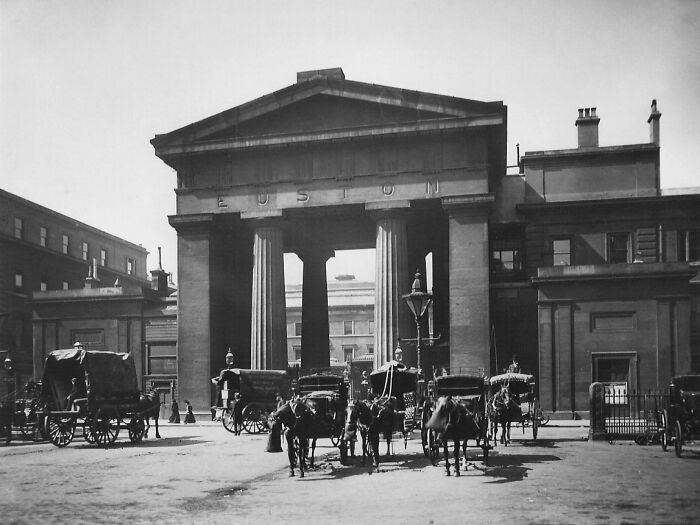
Londoners still mourn the loss of the Euston Arch, the impressive gateway that originally greeted travelers at Euston Station from 1837 until its controversial demolition in 1962. Facing Drummond Street, it was a victim of the 60s drive to modernize the railway hub, but it turns out the wreckage wasn't lost forever.
Much of the original stone was actually located years later, having been unceremoniously dumped into the Prescott Channel to serve as fill material. With the station set to become the London terminus for the High Speed 2 line, there have been ongoing proposals to retrieve those blocks and reconstruct the arch, potentially righting a decades-old architectural wrong.
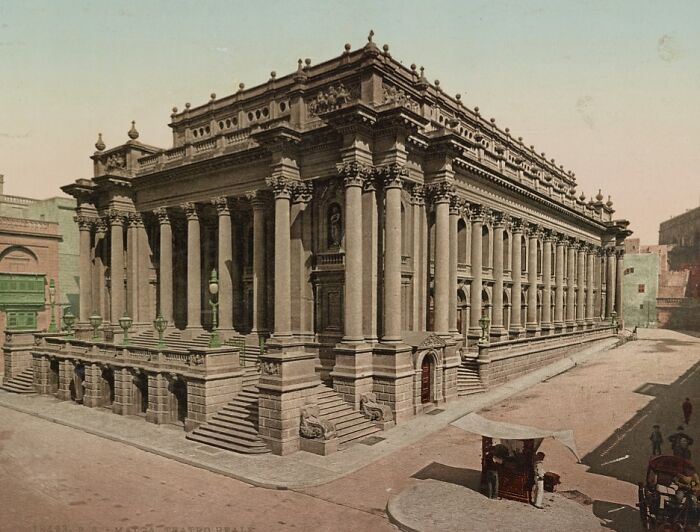
If you visit Valletta today, you will find the Pjazza Teatru Rjal, a unique open-air venue that finally brought life back to one of the city's most scarred sites in 2013. For decades, the spot was a ghostly reminder of World War II, where aerial bombing in 1942 destroyed the magnificent Royal Opera House originally designed by Edward Middleton Barry in 1866.
The path to rebuilding was messy; at one point in 2006, the government tried to push through a plan to put a Parliament building there, but the public outcry was massive. Renzo Piano, the famous Italian architect, eventually steered them in a different direction. He convinced officials to move the Parliament project to Freedom Square and instead integrated the opera house ruins into a controversial but striking open-air theatre design. Even when writing in English, everyone respects the local title, referring to the space strictly by its Maltese name.
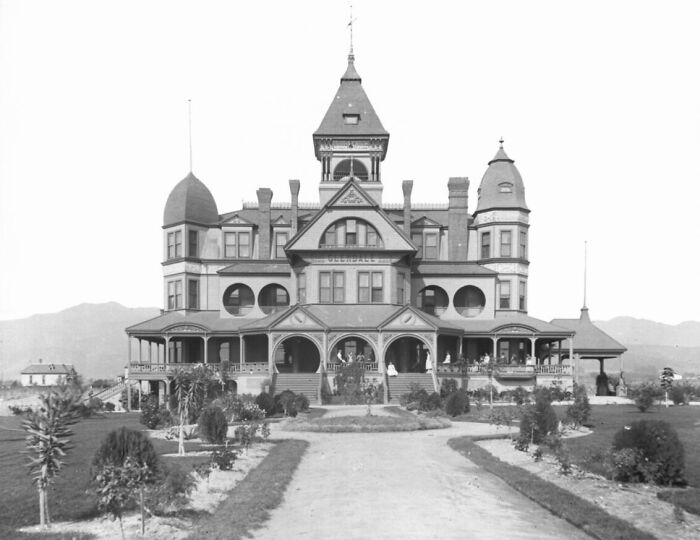
It was just a case of bad timing for this stunning Queen Anne-style structure. Built during a massive Southern California land boom between 1886 and 1887, the 75-room Glendale Hotel was meant to be a hotspot, but the local economy tanked almost immediately after it opened, cutting its life as a hotel short.
The building bounced around a bit after that, serving stints as a girls' school and even Glendale High School, before the Battle Creek Sanitarium Company took over in 1905 and converted it into a health retreat. That second life worked out well until the operation simply got too big for the Victorian framework; the sanitarium moved to a modern campus in 1924 (the site of today's Adventist Health Glendale), and the original hotel was demolished in 1928 to make way for new development in the growing city.
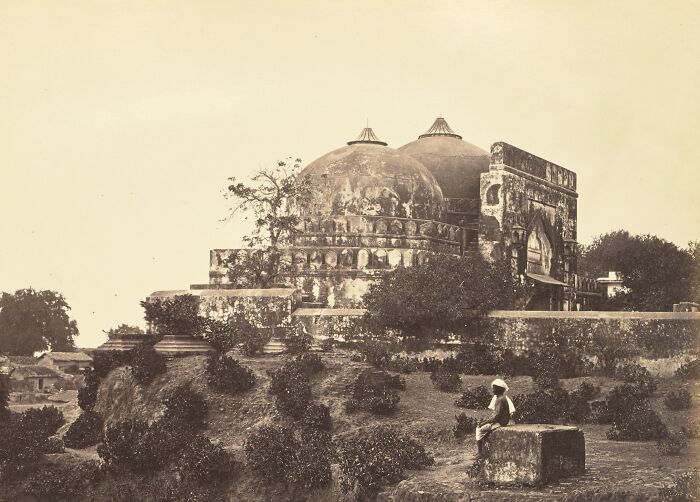
Commissioned by Mir Baqi, a general serving under the first Mughal Emperor Babur, the Babri Masjid stood for centuries after its construction around 1528 or 1529. Inscriptions on the site confirmed its origins in the year 935 AH, marking it as a significant piece of history in Faizabad.
That history was violently interrupted in 1992, however, when a crowd of Hindu nationalists descended on the site and leveled the mosque. The demolition was a flashpoint moment, triggering a wave of severe communal unrest and rioting that surged across the entire Indian subcontinent.
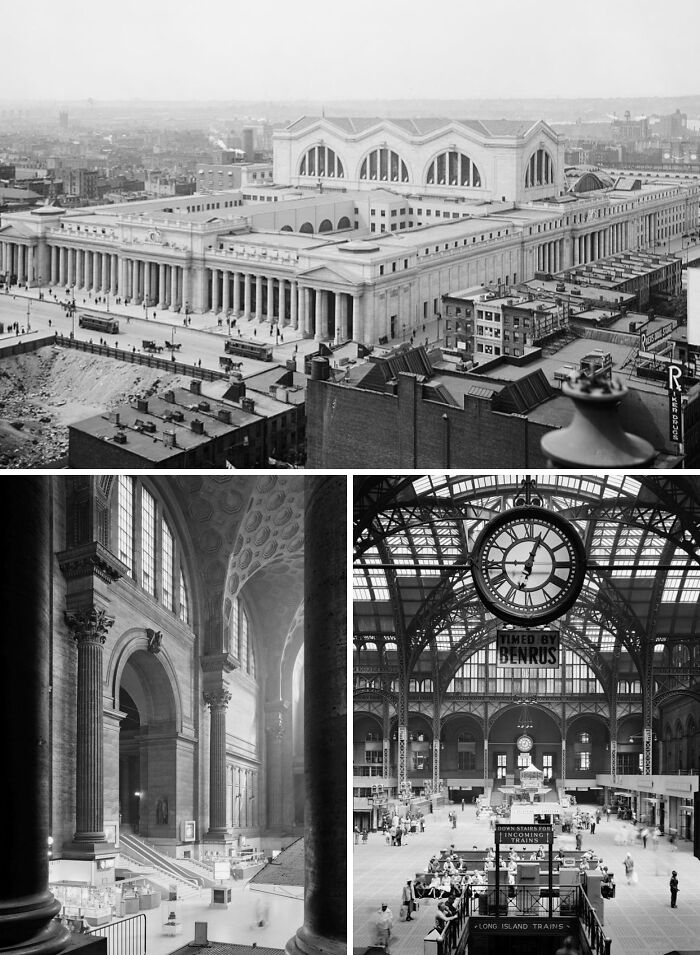
Looking at the sheer scale of the waiting room in the old Pennsylvania Station, it hurts to think that this NYC icon was turned to rubble starting in 1963. When it opened in 1910, it was a marvel, but by the sixties, the owners were complaining that the maintenance costs were bleeding them dry.
The stone was getting grimy and the heating bills were astronomical, leading to a fierce debate about whether a train station should be treated like a protected monument or just a functional transit hub. Money ultimately won the argument, and while the tracks and tunnels were kept for the modern station, the breathtaking above-ground structure was completely wiped off the map by 1966.
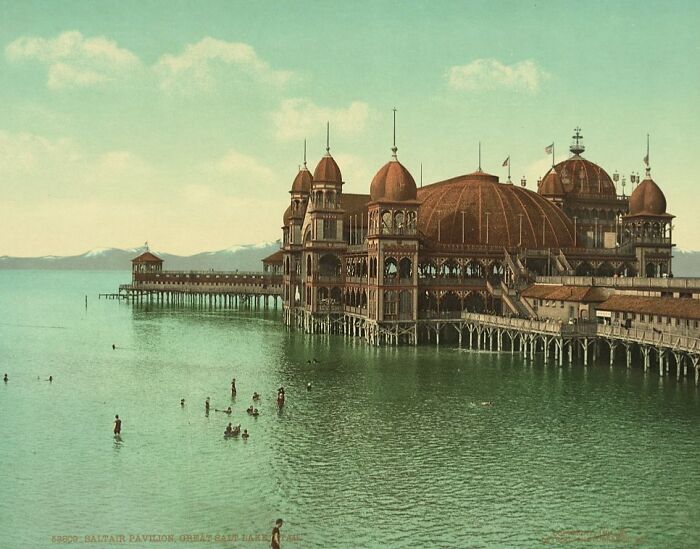
It was once the "Coney Island of the West," a stunning example of Moorish Revival architecture that drew crowds as the most popular family destination west of New York. Designed by architect Richard K.A. Kletting, the Saltair Pavilion stood directly over the Great Salt Lake on a foundation of more than 2,000 posts and pilings. Some remnants of these are still visible today.
Although the church sold the booming resort in 1906, it remained a major attraction until disaster struck on April 22, 1925. On that day, a massive fire tore through the complex, reducing the first pavilion and several other buildings to ash and ending the first chapter of this legendary Utah landmark.
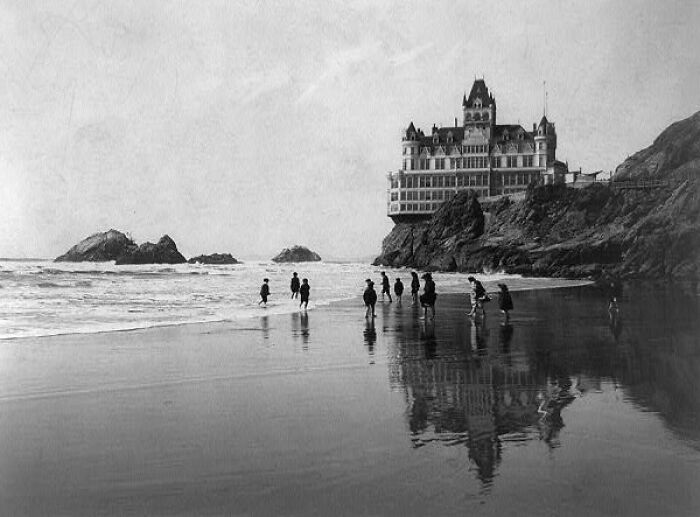
Perched on the bluffs just below Sutro Heights, the second iteration of San Francisco's Cliff House was a sight to behold. Commissioned by Adolph Sutro in 1896, this seven-story Victorian chateau was so ornate that locals affectionately dubbed it the "Gingerbread Palace."
It was a sturdy beast, too, managing to shrug off the devastation of the massive 1906 earthquake with hardly a scratch. However, its luck didn't last long; just a year later, on the evening of September 7, 1907, a fire swept through the structure, reducing the architectural gem to ashes.
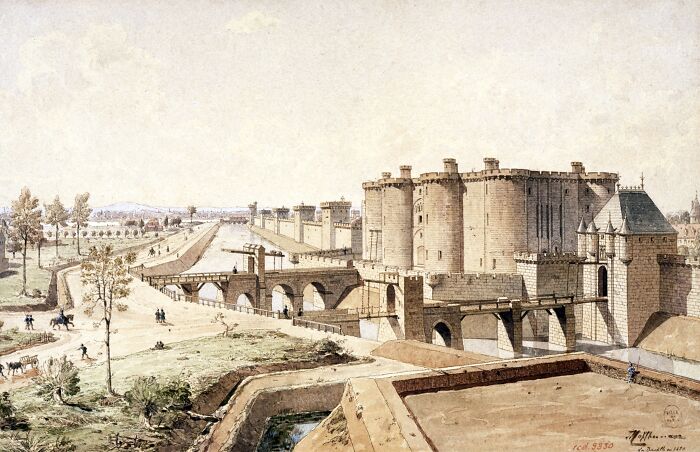
This illustration takes us all the way back to 1420, capturing the Bastille Saint-Antoine as it loomed over the road to Vincennes, wedged between the Billy Tower and the Saint-Antoine Gate. For centuries, French monarchs utilized this medieval fortress as a state prison, making it a hated symbol of royal authority.
That reputation is exactly why a furious crowd stormed the gates on July 14, 1789, sparking the French Revolution and turning the building into an icon of the Republican movement. The revolutionaries captured it and they dismantled the structure stone by stone in 1790, clearing the ground for the modern-day Place de la Bastille.
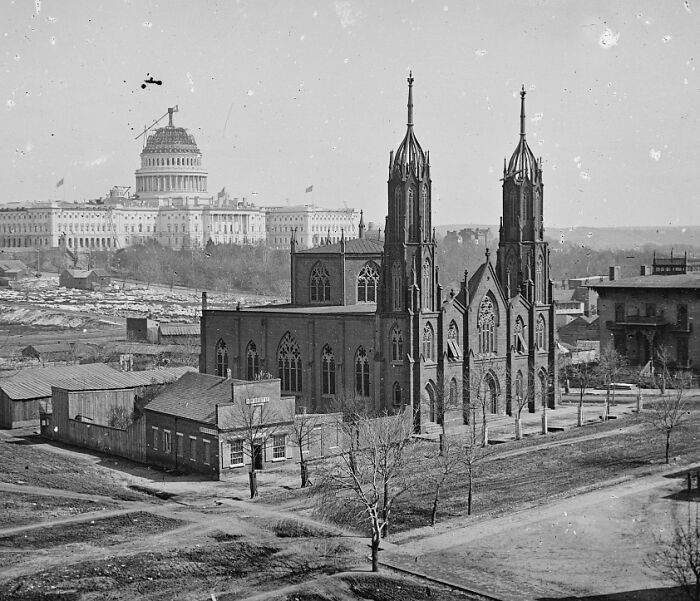
It is a striking juxtaposition to see the Trinity Episcopal Church standing tall while the U.S. Capitol looms in the background, still under construction. Despite efforts to keep the parish alive with renovations and a new hall in the 1890s, the congregation just couldn't outrun its mounting debts.
After World War I, the local diocese stepped in to convert the struggling church into a social services center, but even that purpose had an expiration date. By 1936, the property was sold off, stripped of anything valuable, and flattened to make way for a parking lot. The plot of land that is now occupied by the massive Frances Perkins Building, home to the Department of Labor.
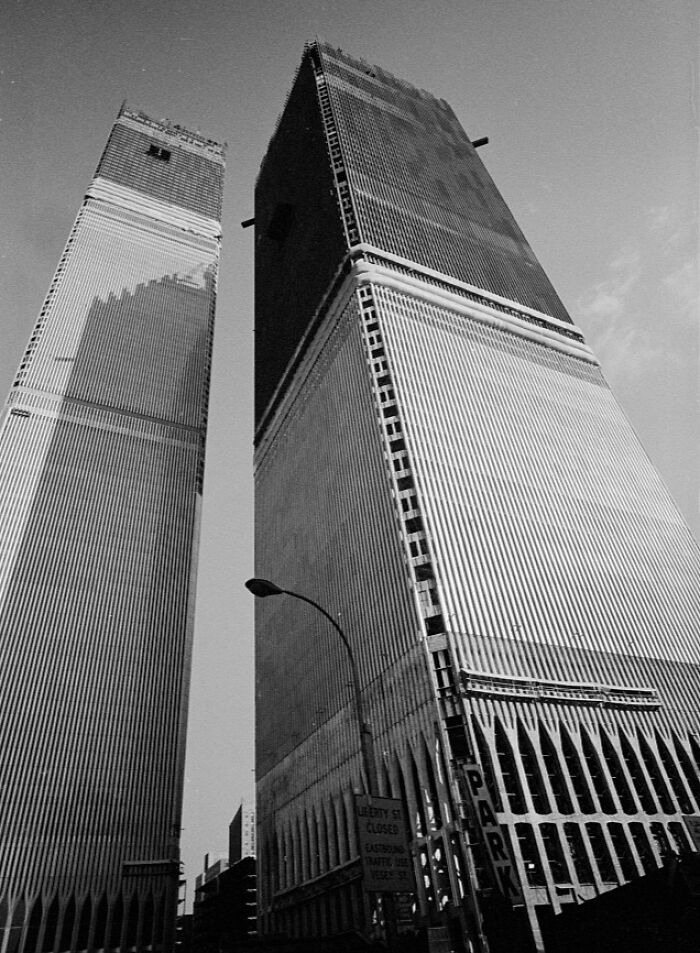
The skyline of New York City was permanently altered on the morning of September 11, 2001, when the Twin Towers were destroyed in a coordinated terrorist attack. In a sequence of events that shook the world, hijackers seized two commercial airliners and directed them into the skyscrapers.
The first impact occurred at 8:46 a.m., when Mohamed Atta piloted American Airlines Flight 11 into the northern face of the North Tower, tearing through floors 93 to 99. Just seventeen minutes later, at 9:03 a.m., Marwan al-Shehhi drove United Airlines Flight 175 into the South Tower, striking the southern side between the 77th and 85th floors.
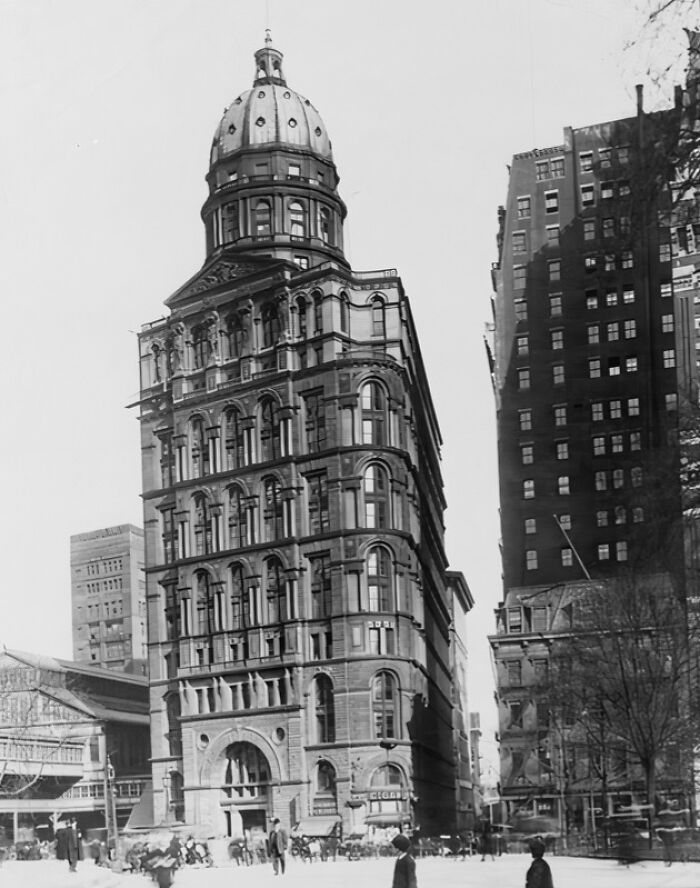
The Pulitzer Building was once the headquarters of the New York World and was sacrificed just to improve traffic flow. Also known as the New York World Building, it served as the home of the famous newspaper until it folded in 1931, after which The Journal of Commerce moved in.
But by 1955, city planners decided they needed more room for an expanded entrance ramp to the Brooklyn Bridge, and the wrecking ball swung into action, finishing the job in 1956. Fortunately, not everything ended up in a landfill and the Columbia University School of Journalism managed to save the building's cornerstone and a massive stained glass window as tributes to its journalistic history.
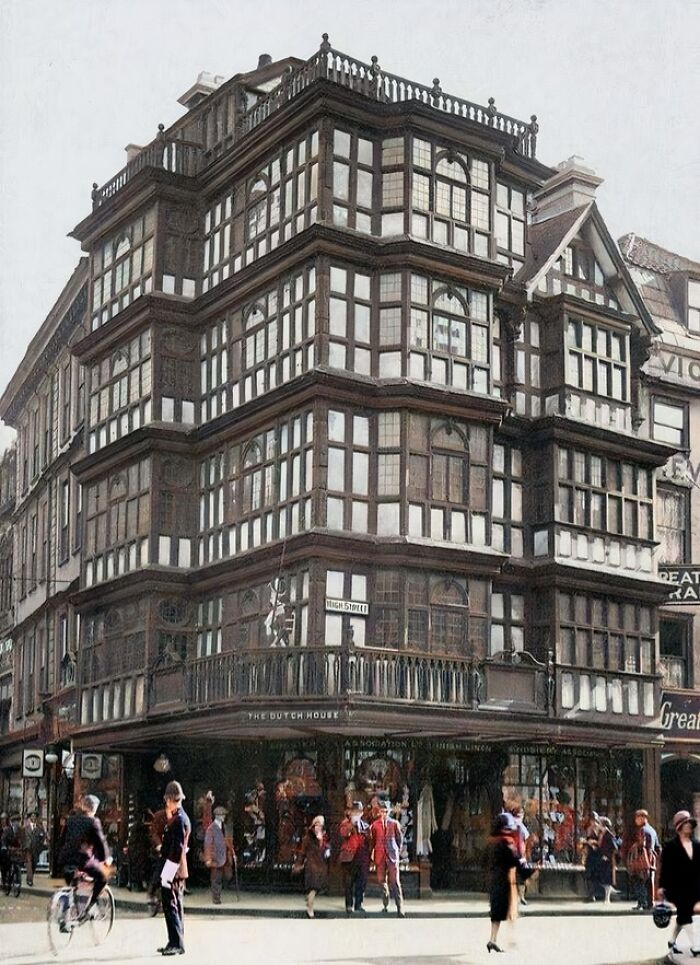
The Old Dutch House was a Bristol icon that survived centuries (since 1676 to be exact) only to fall victim to the devastation of World War II. On November 24, 1940, a massive Luftwaffe raid featuring 135 bombers turned the city's shopping district into an inferno, and incendiary bombs left this historic structure in ruins.
By the 27th, the damage was so severe that an army crew had to step in to finish the job for safety reasons. Bringing it down was actually a massive headache, though; eyewitnesses watched a lorry struggle to pull the wreckage down with cables because the building’s steel frame was still securely bolted to the Jones and Company department store next door.
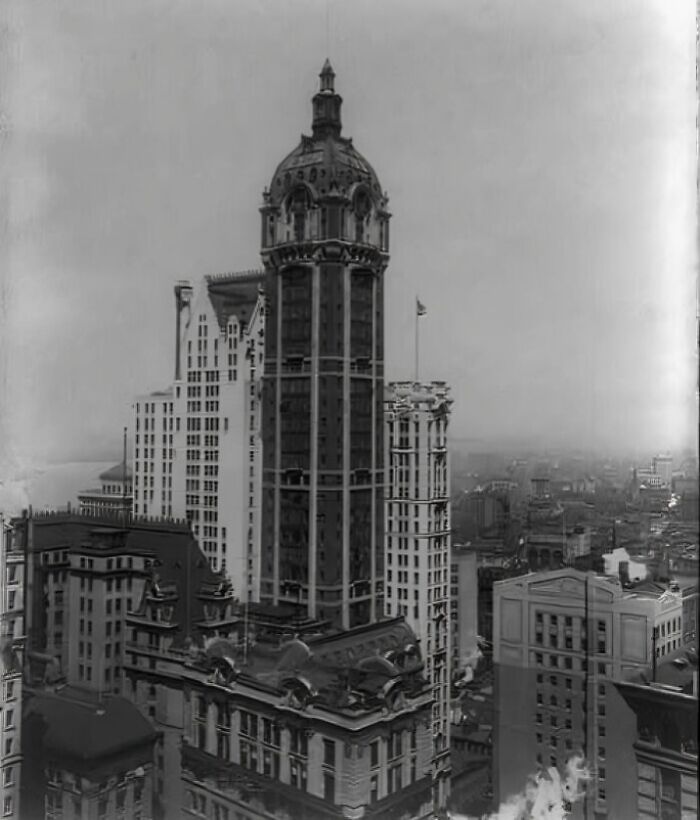
For over fifty years, the Singer Tower held the dubious distinction of being the tallest building ever voluntarily dismantled by its owners. Standing tall in New York City since 1908, this architectural icon met the wrecking ball between 1967 and 1969 solely to make room for One Liberty Plaza, which promised significantly more usable office space.
It wasn't until 2019, when 270 Park Avenue was brought down, that the Singer Building finally lost its title as the highest skyscraper to be intentionally destroyed.
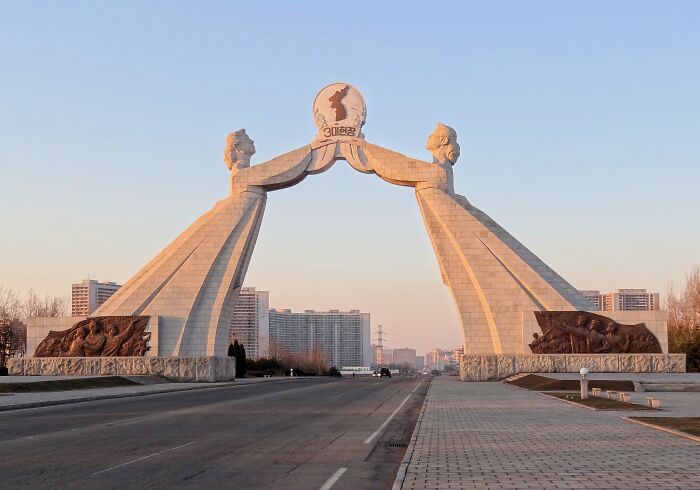
It has been roughly two years since satellite imagery revealed the sudden disappearance of the Arch of Reunification south of Pyongyang. Sometime between January 19 and 23, 2024, the North Korean regime quietly dismantled the massive monument, a move confirmed shortly after by South Korea's Ministry of Unification.
The demolition wasn't just a renovation project though. It was a symbolic nail in the coffin for peace talks, following a speech Kim Jong Un delivered in December 2023. At that assembly, he declared that the South had effectively become a nuclear outpost for the U.S., explicitly ruling out any future possibility of peaceful reunification.






































 No fees, cancel anytime