Get Premium
Dark mode theme is available exclusively for premium users. Learn more about the benefits of subscribing.
No fees, cancel anytime.

 Dark Mode Ad-Free Browsing Unlimited Content
 Ad-Free Browsing Unlimited Content Dark Mode
Join 1.2 million Panda readers who get the best art, memes, and fun stories every week!
Historical photos may be in black and white, but they provide excellent insight into how colorful life was back in the day. Just by looking at them, you already know there is a fascinating backstory waiting to be told.
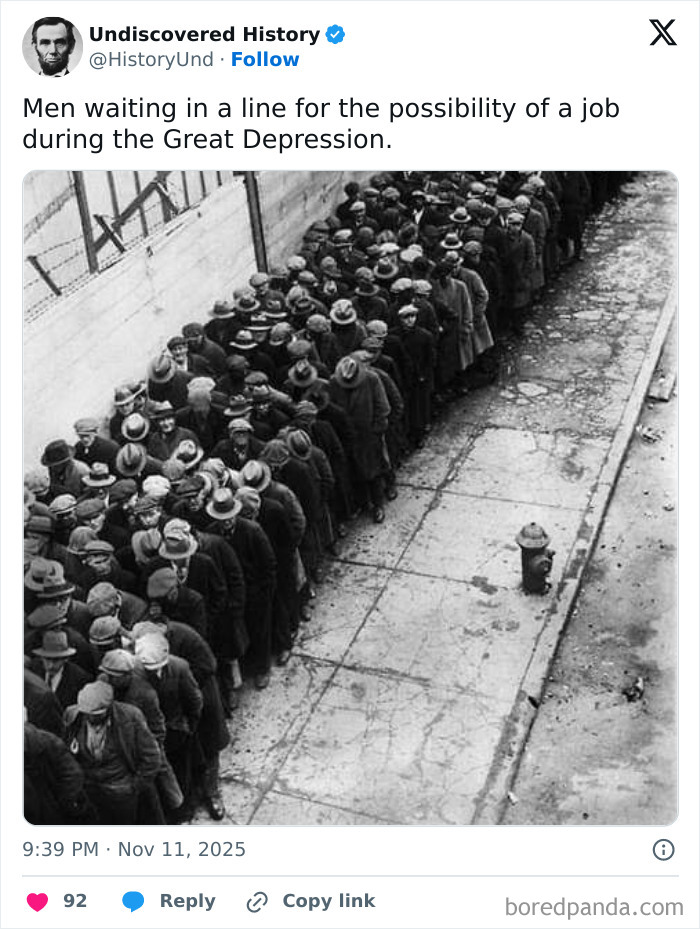
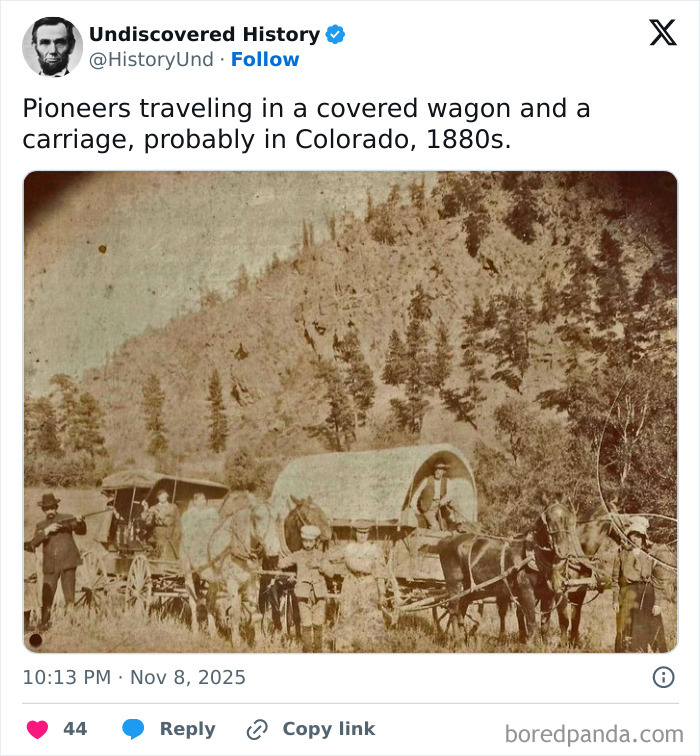
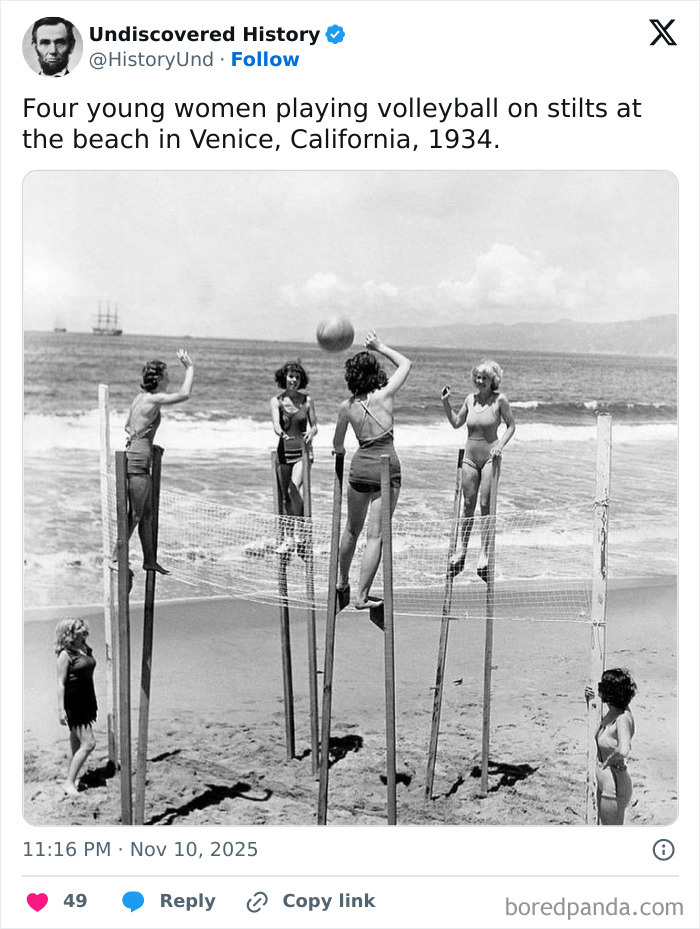
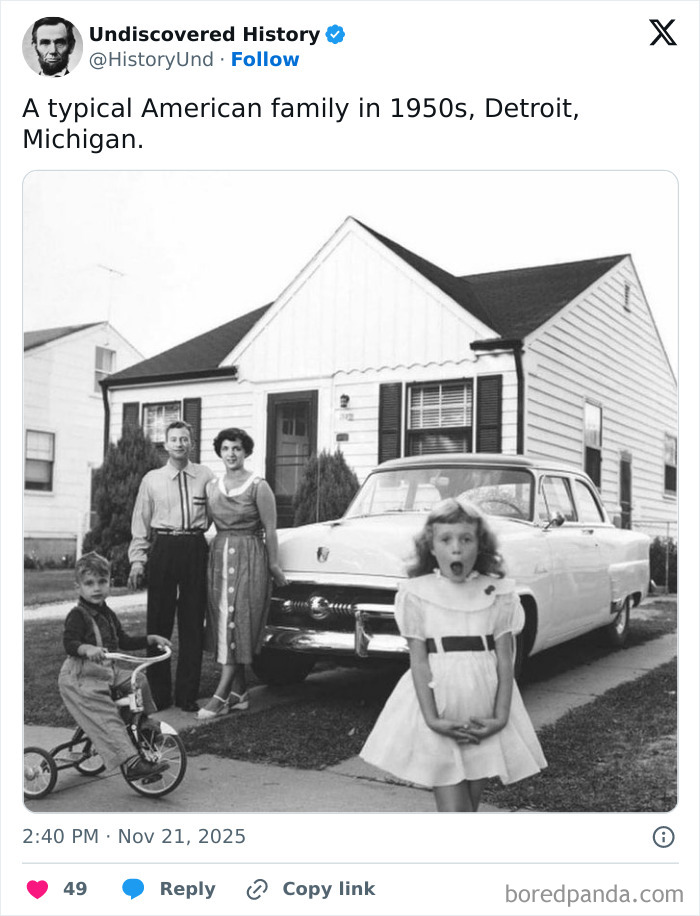
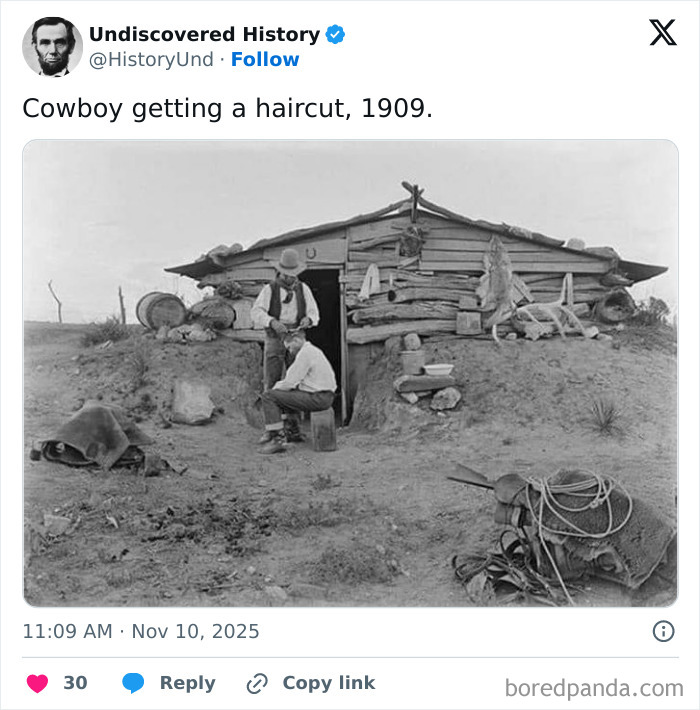
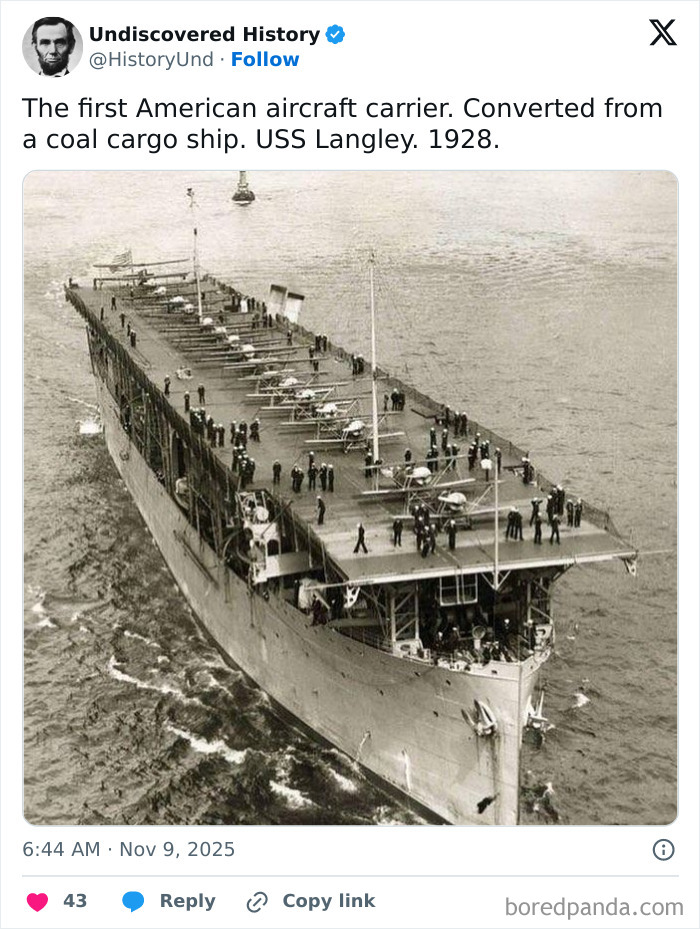
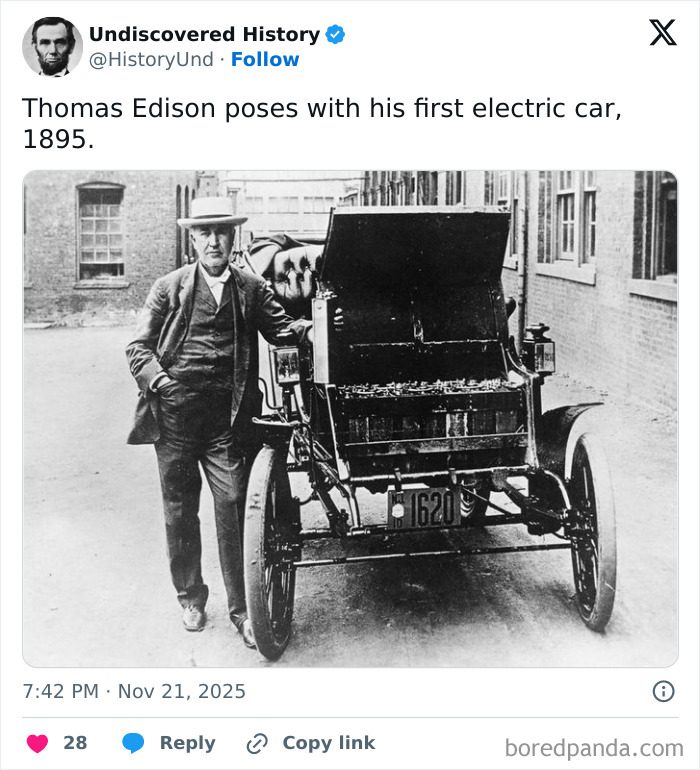
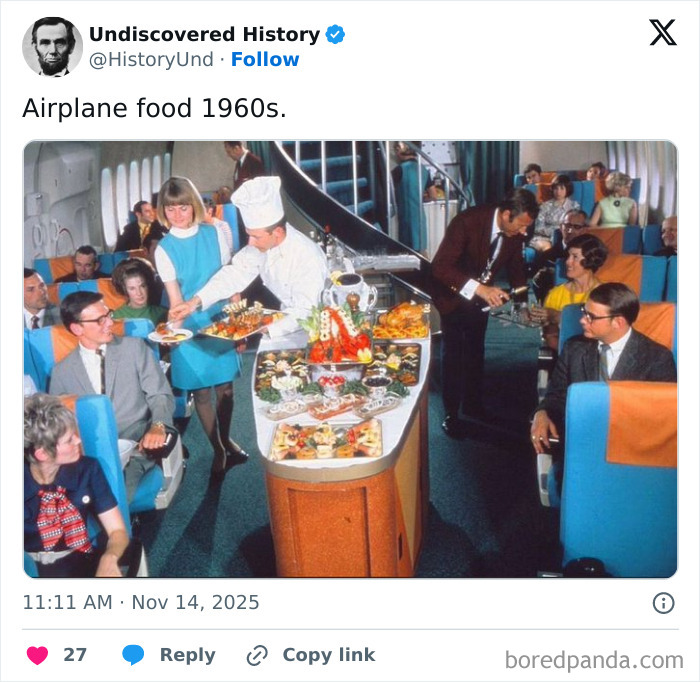
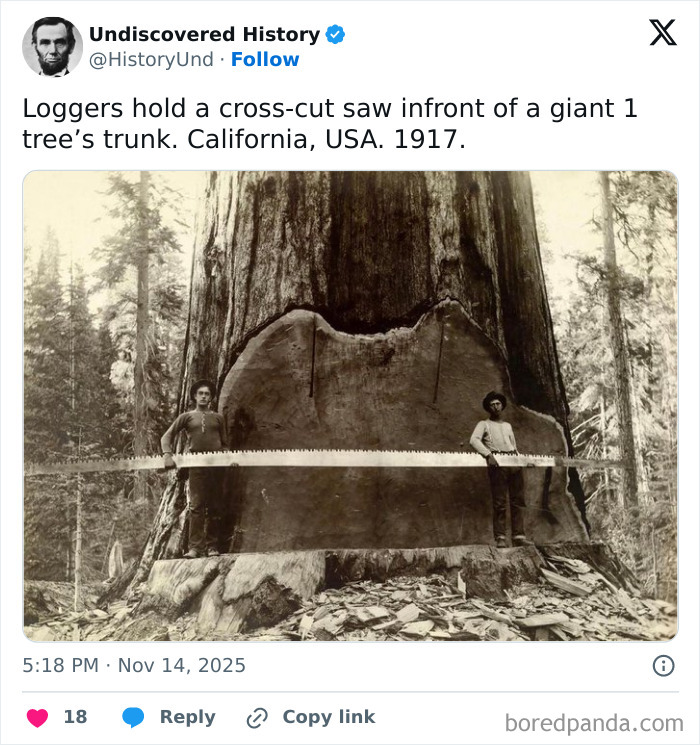
Here are some examples from the Undiscovered History Twitter account. The name itself should give you a clue of what to expect, but scrolling through the profile should likewise wow you with the rare images you will see.
We’ve compiled some of the best snapshots from the page for your quick history lesson today. Enjoy!
This post may include affiliate links.
We take photos to capture a particular moment to look back on. However, it is also a way to document history to educate future generations. Liberal Arts professor Dr. Kathryn Medill summed it up perfectly: Photography fosters connection with the past through imagery, not just through events, but the emotions and experiences of people who lived through them.
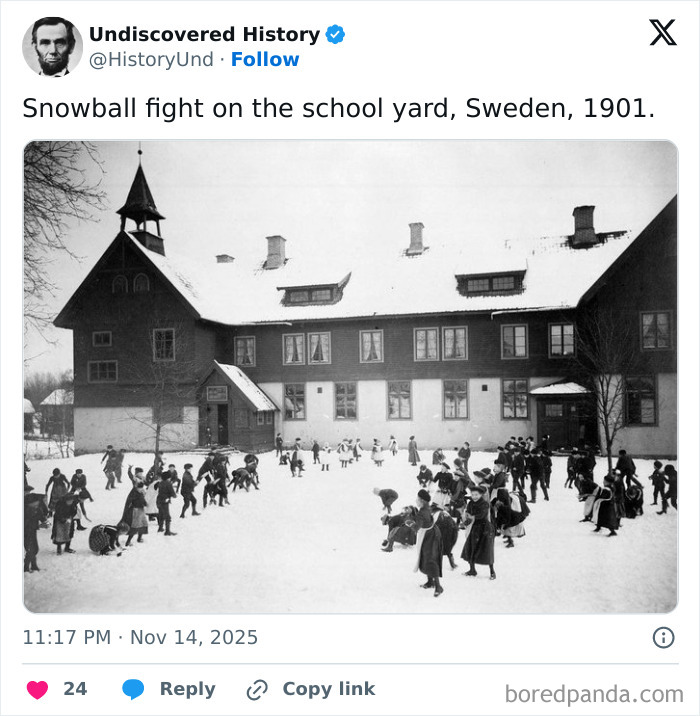
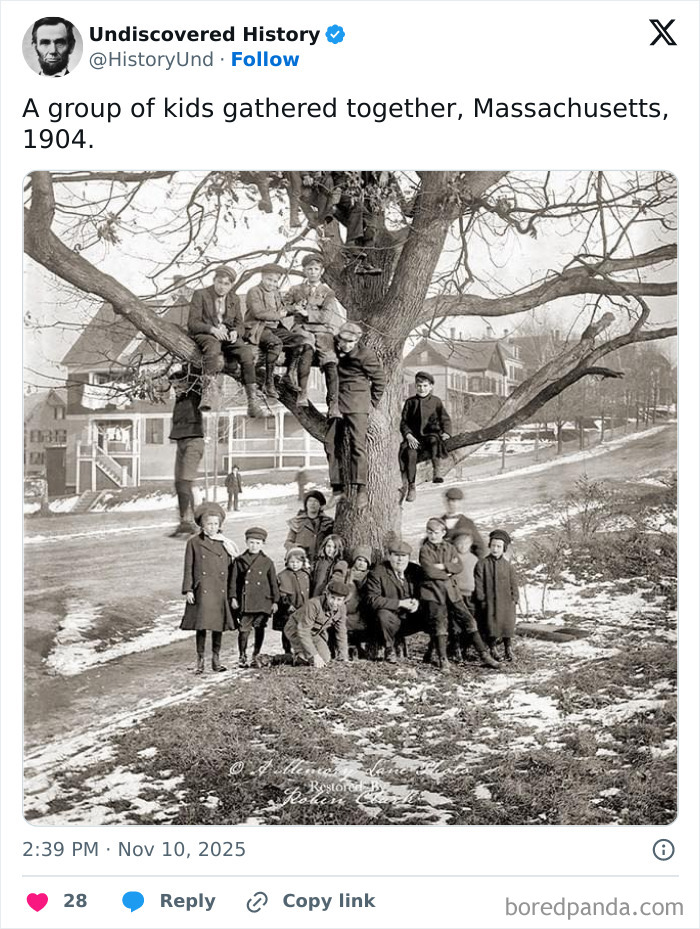
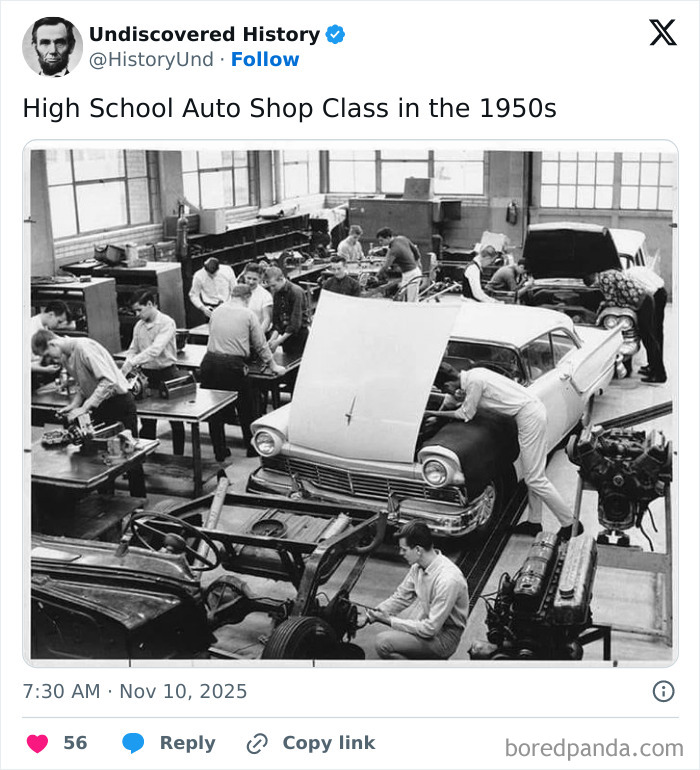
Commen when I was in school in the late 50s and early 60s. Rival classes would take each other down.
Before the first camera was invented in 1816, people documented life through written accounts or artistic representations, such as drawings and paintings. As Dr. Medill noted, photography “offered a seemingly objective and immediate way to capture reality” through visual records of events as they happened.
“This ability to document the world visually made photography an invaluable tool for historians, journalists, and social scientists,” she wrote.

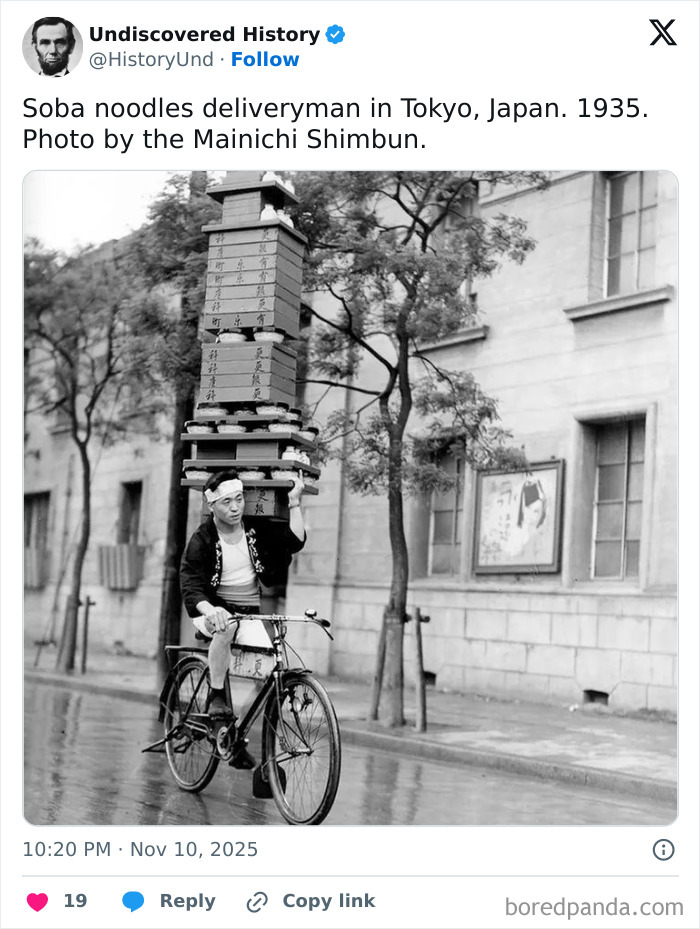
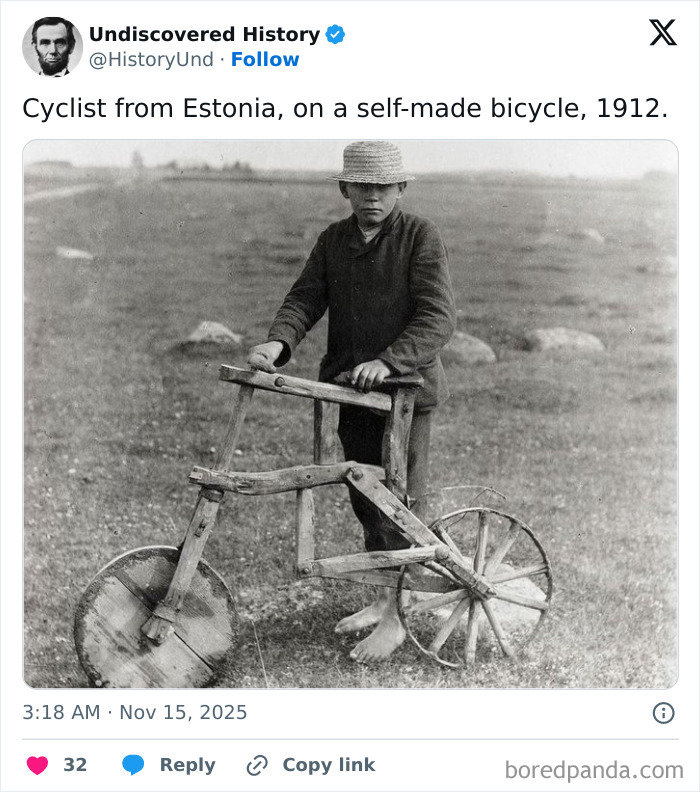
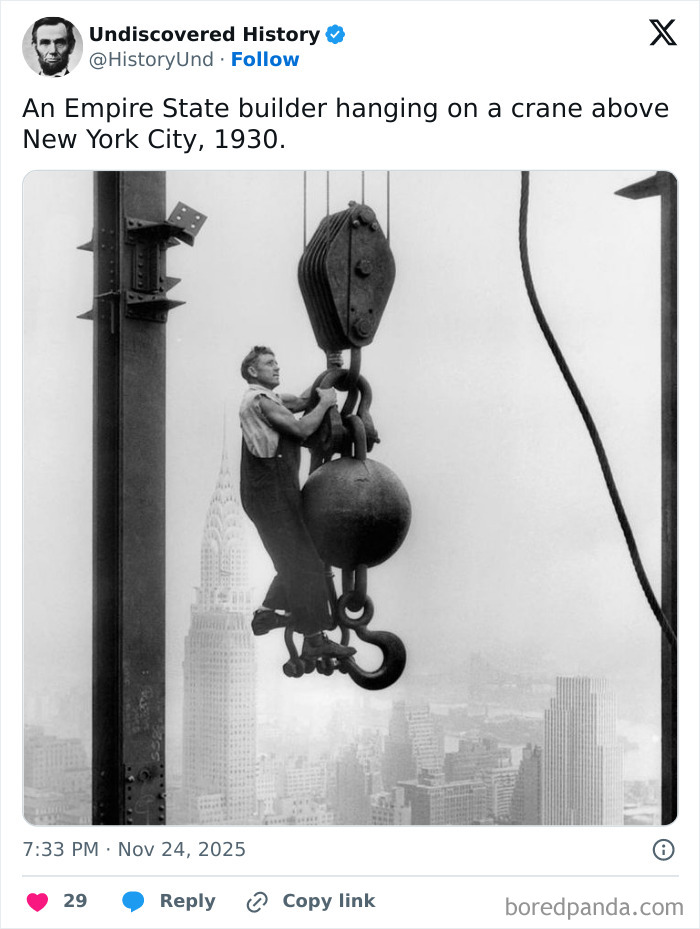
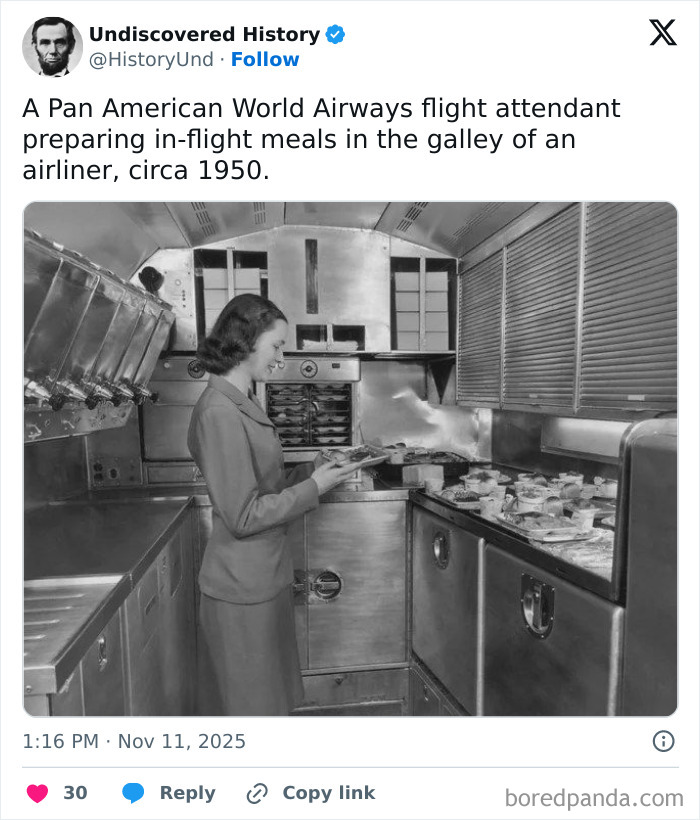
Wonder how many times he dropped things? I couldn't even do ONE tray while riding a bike!
Like all photographs, historical photos have an emotional impact on those who see them. In moments of celebration or despair, these images become powerful enough to connect profoundly with people.
As an example, Dr. Medill used the flag-raising photo at Iwo Jima, an image that signified a pivotal moment in World War II.
“(Such) iconic images not only capture moments of victory but also resonate with the emotions and values of a society, illustrating the courage and resilience of individuals,” she explained.


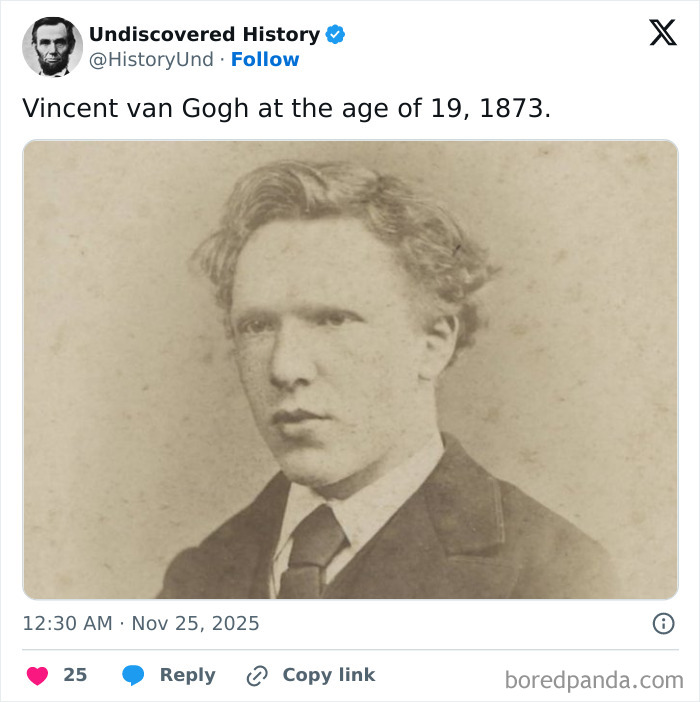
But after a while, one of those ears had to Gogh.
Load More Replies...
A pity, imagine what a better life he could have lived, if modern treatments for mental health had been available.

His painting probably would have suffered from an infusion of mental health.
Load More Replies...
But what exactly draws attention to these iconic snapshots? According to photographer Anthony Morganti, it all comes down to the wiring in our brains. In an article for Medium, he mentioned the Gestalt Principles, a set of rules that explain how the human eye organizes visual elements.
Some of the key principles include proximity (grouping objects close to each other), similarity (relating images that are similar in shape, color, or size), continuity (the natural preference to see continuous flows of visual elements), closure (mentally filling gaps to create the perception of a whole object), and figure/ground (separating an object from its background).

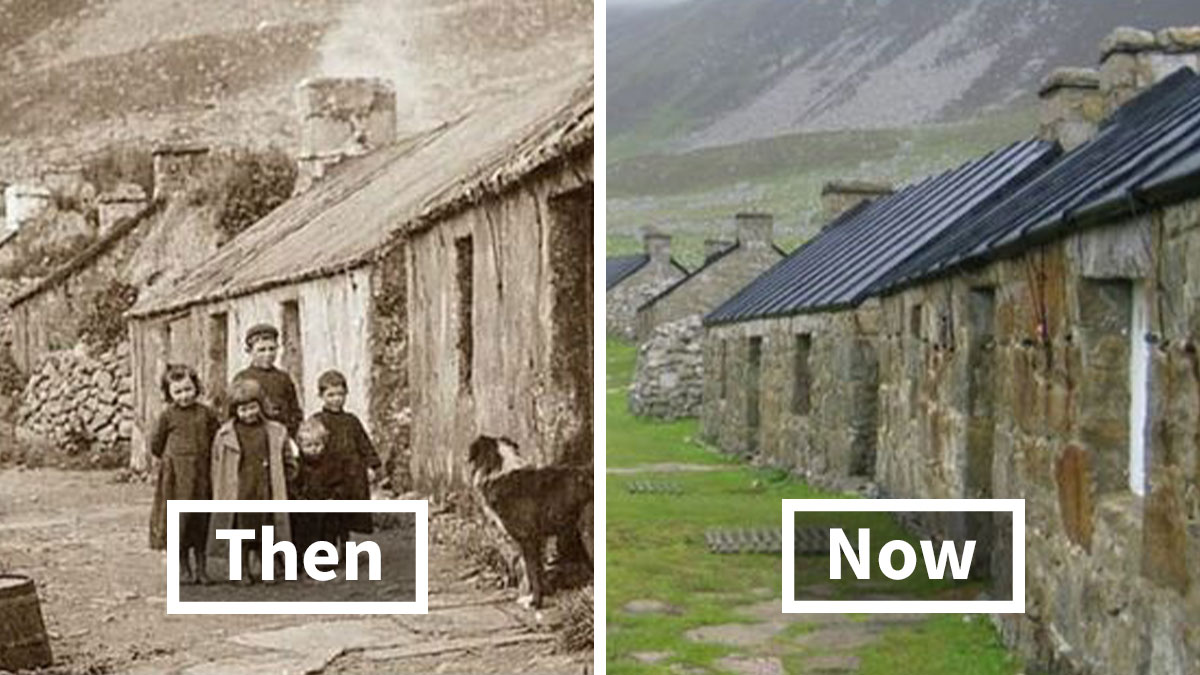
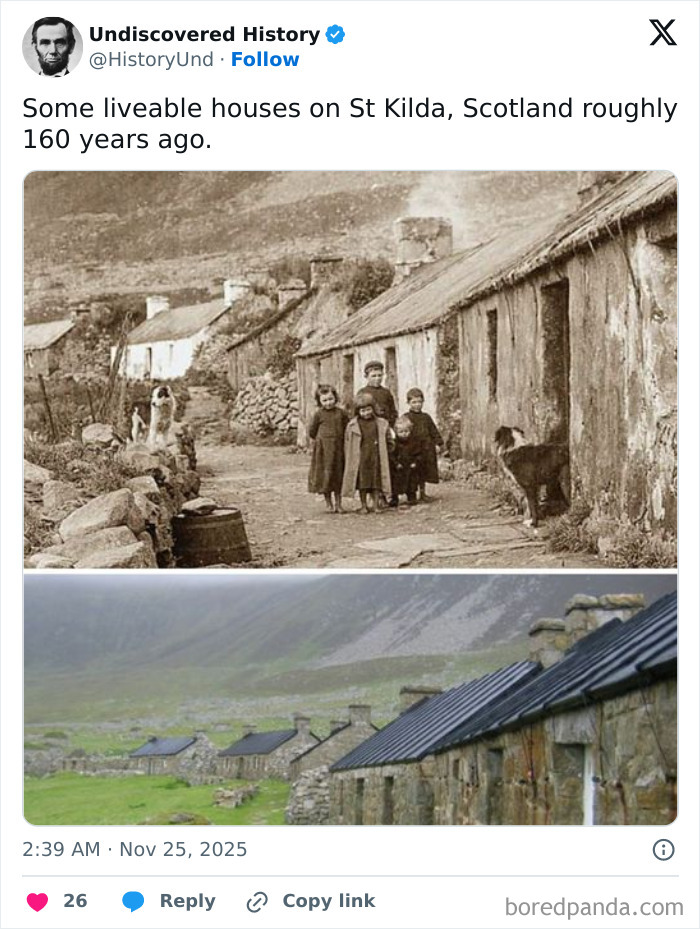
St Kilda is an archipelago with the island of Hirta being the biggest and settled. The way of life gradually became unsustainable and the 30 or so residents asked to be resettled on the main land. They left with their livestock in 1930. Their dogs were drowned in the bay - terrible thing to do. Now it's a UNESCO World Heritage site famous for the huge colonies of breeding seabirds.

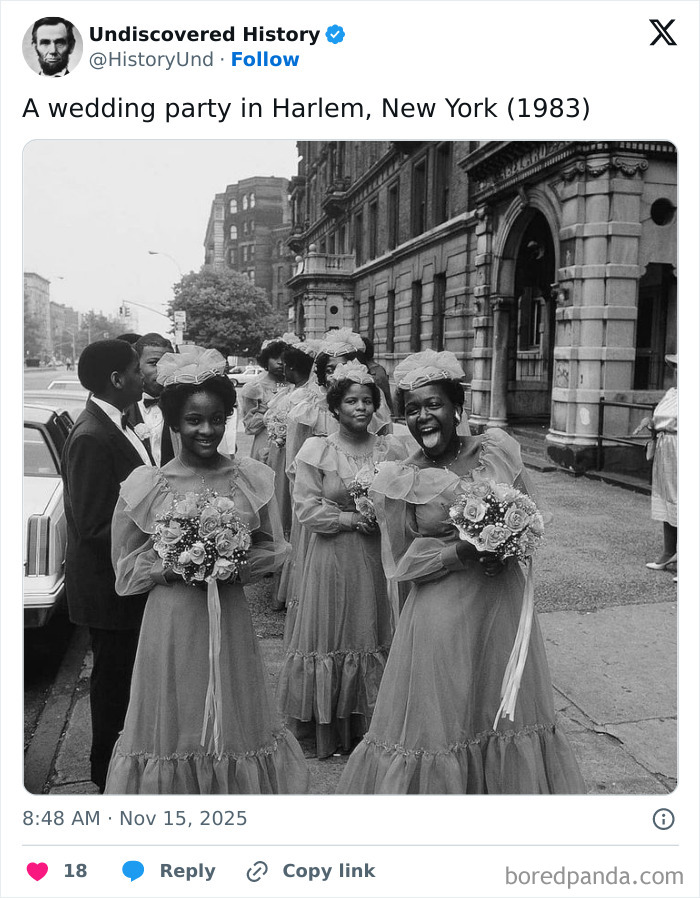
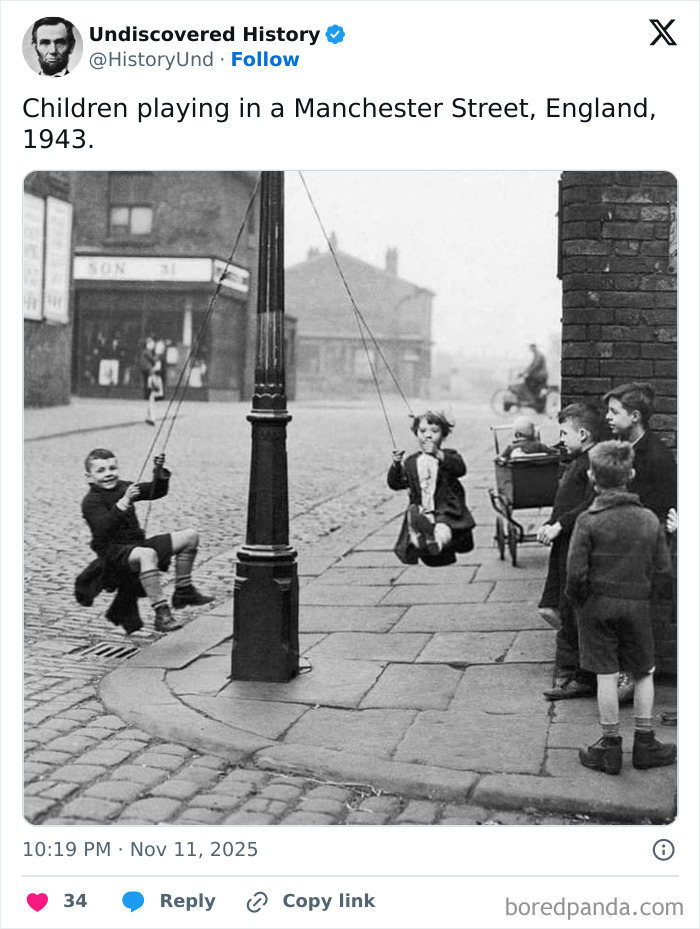
Lampposts like that date back to gas lighting and still had cross-pieces to lean the gaslighter's ladder against, making an ideal climbing or swinging attachments. Sadly a lot of them, including the one just outside my childhood home, were replaced with in the 1970s Edit: I should perhaps point out that they had been converted to electric lighting a very long time before that. I suspect the ladder-rest was still useful for changing the bulbs though.
“A well-structured image gently guides the viewer’s eye — our brains appreciate that and reward us with a satisfying ‘aha’ feeling when a photo is easy to absorb,” Morganti wrote, adding that we naturally pay extra attention to parts of an image bearing strong contrasts. It could be regions where light and color change abruptly.
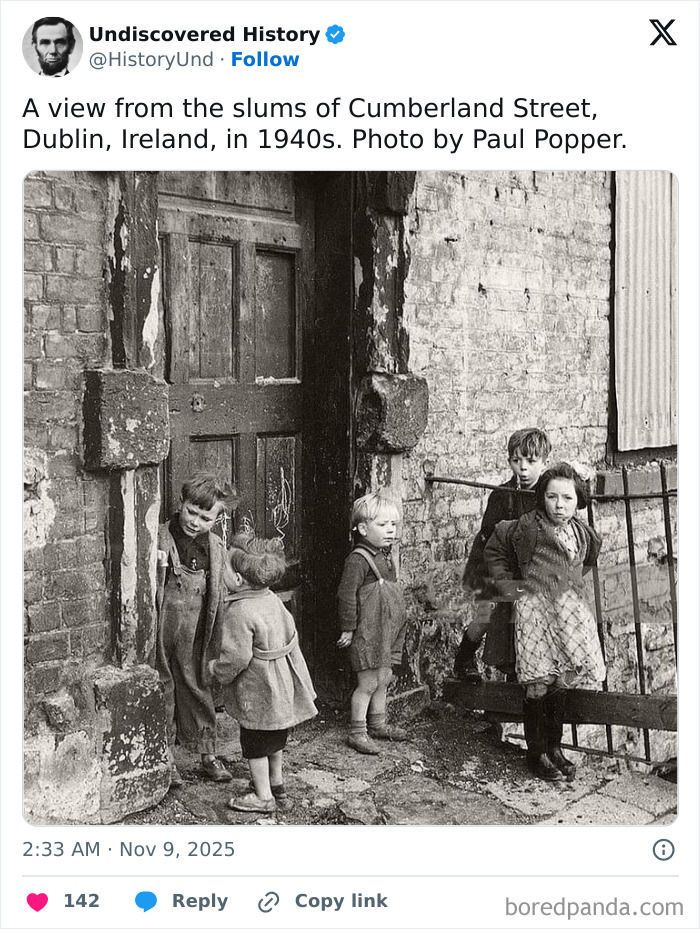
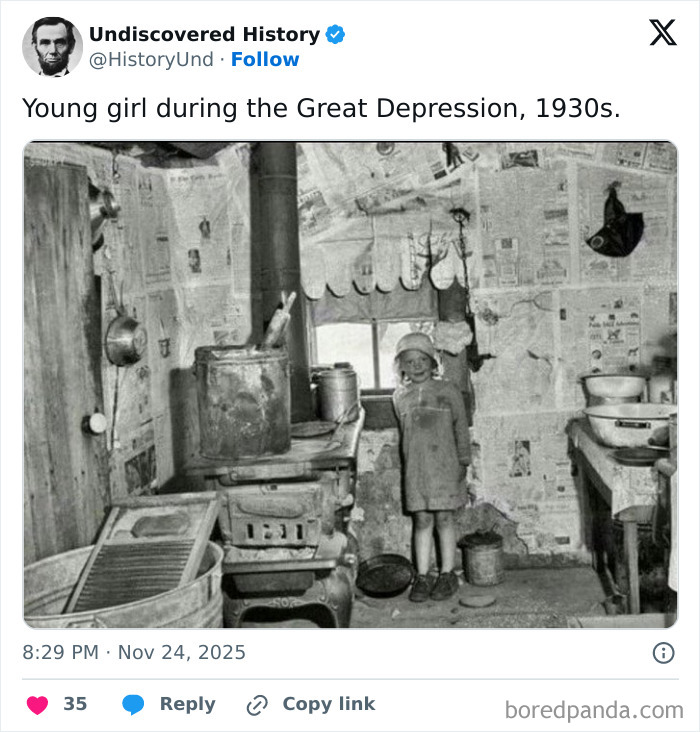
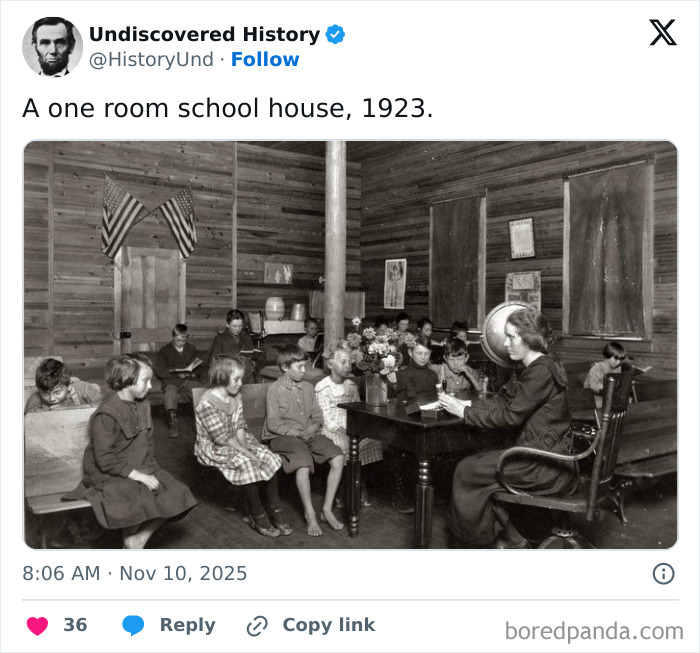
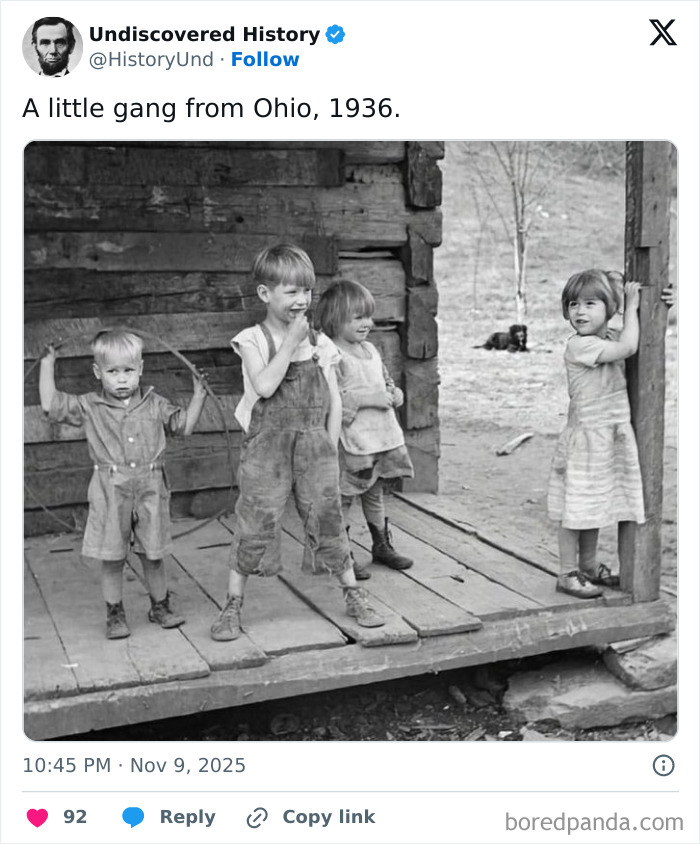
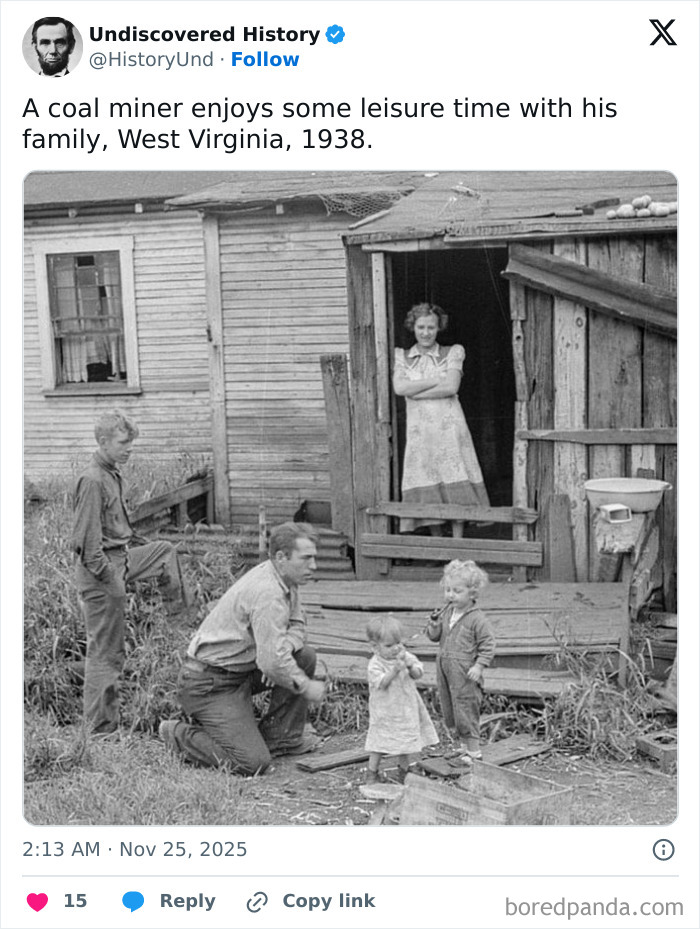
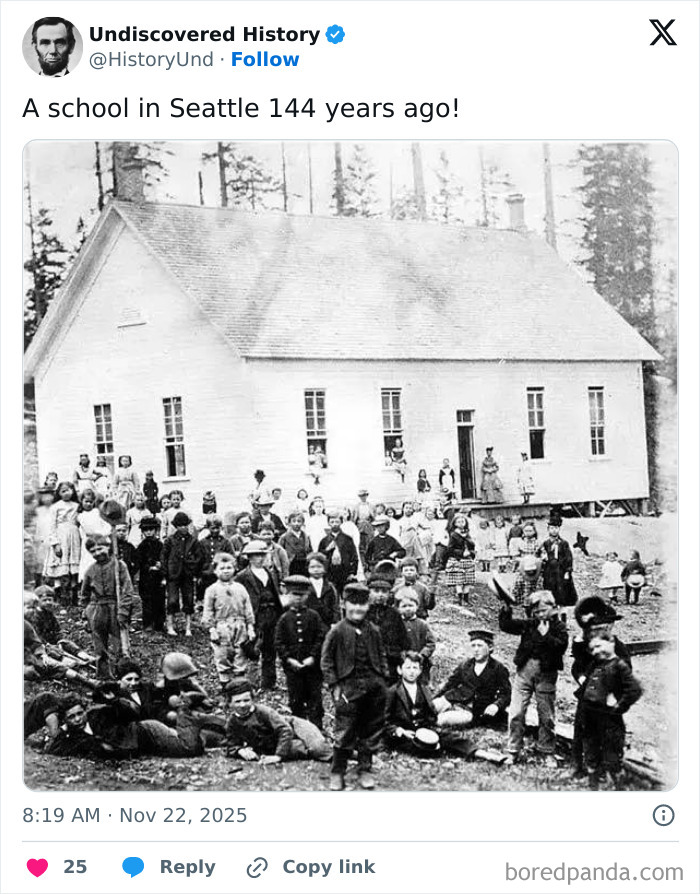
Hurts my heart to think of how tough those kids would have had it. I was born in 1954, son of a police officer, Pomona, California. I grew up in a relatively posh life compared to those kids in the photo.
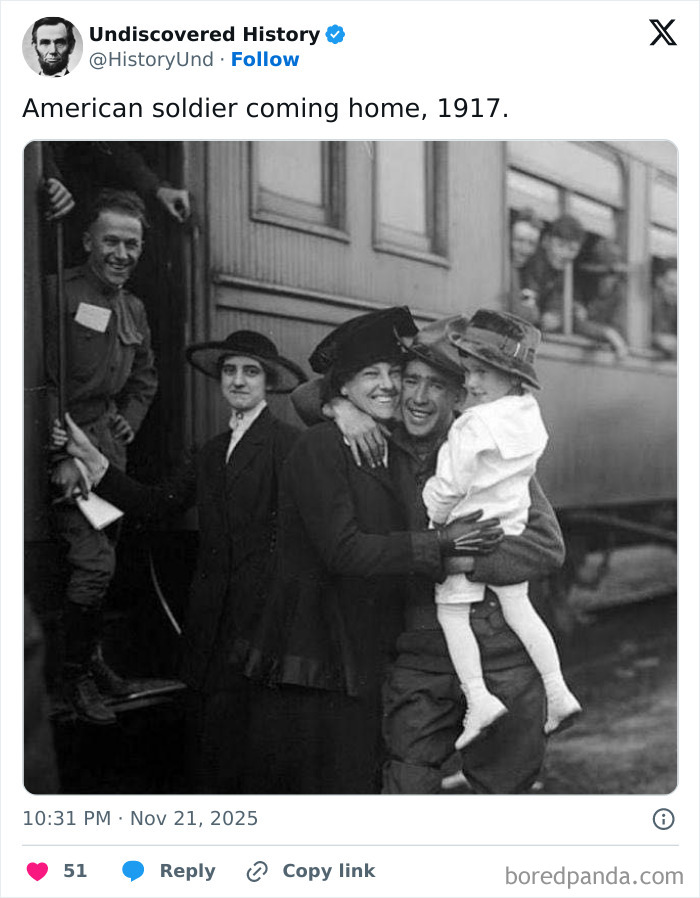
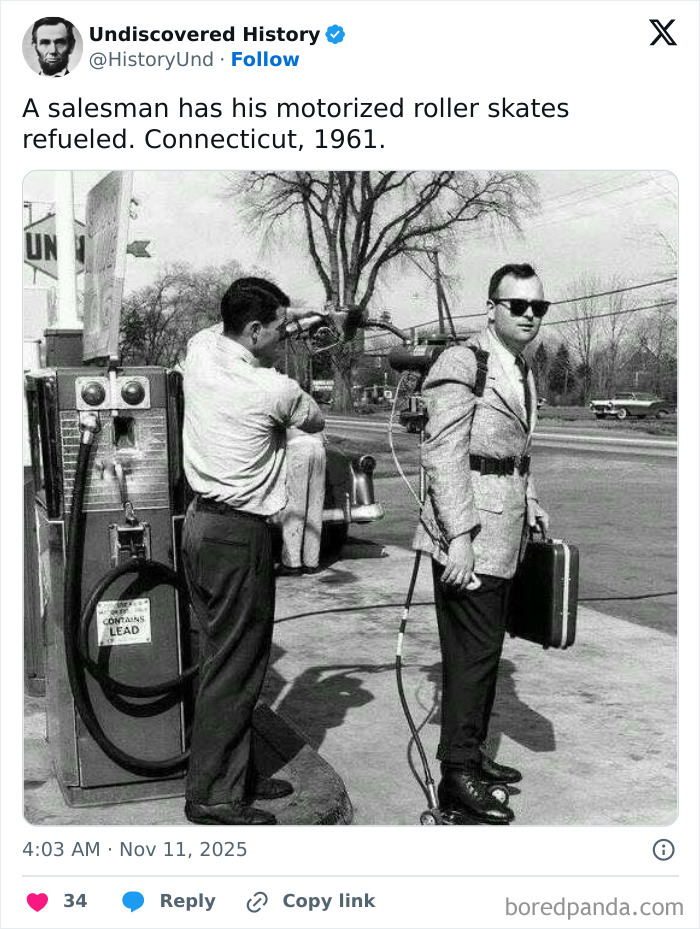
Not an expert, but wouldn't that had make him a Canadian? Which is of course still America, but the comments seem to focus on US only...

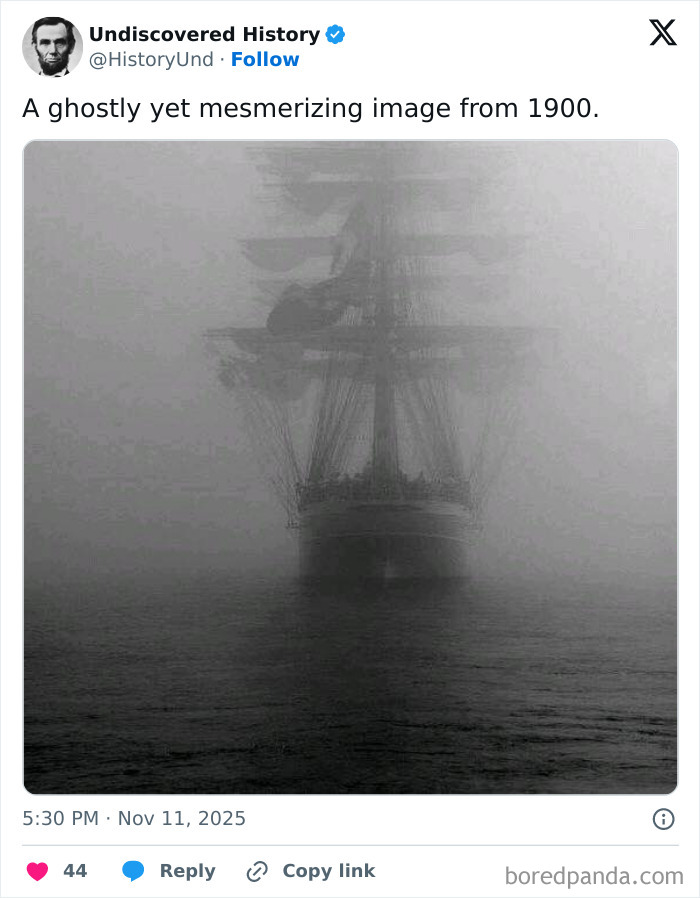
The theme from Pirates of the Caribbean swells in the background...

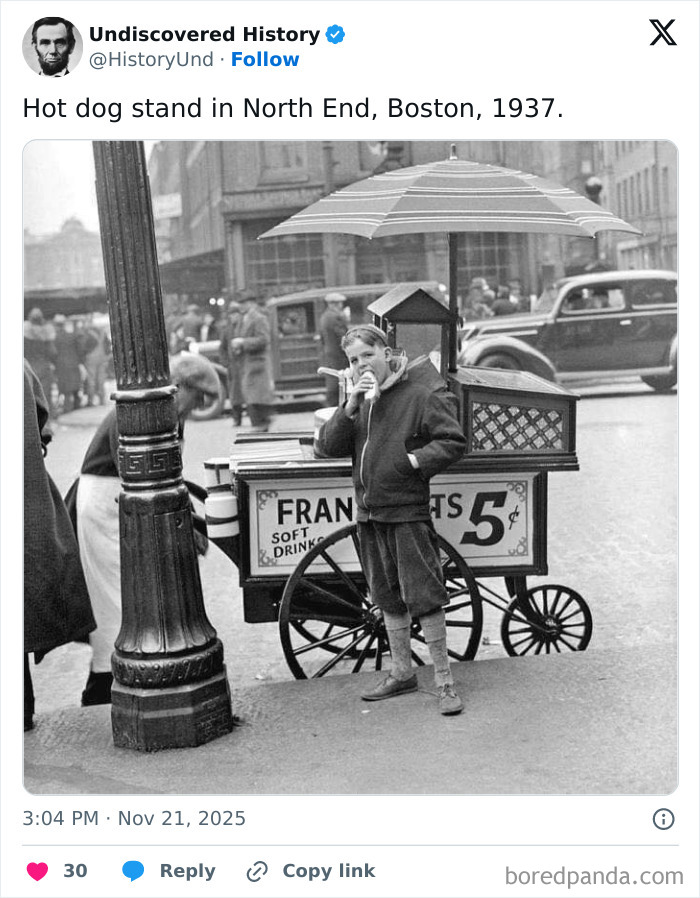
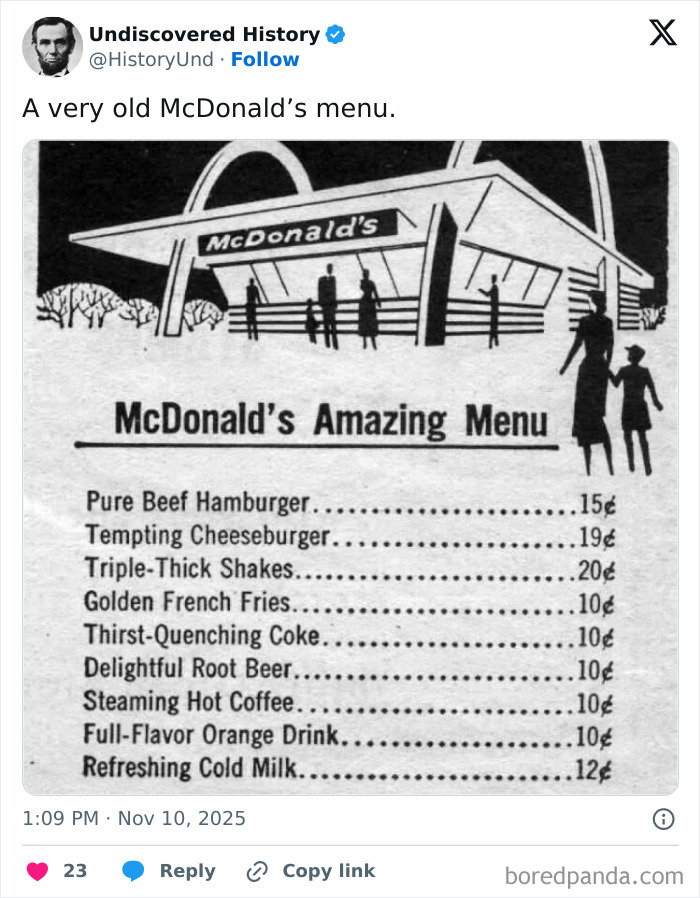
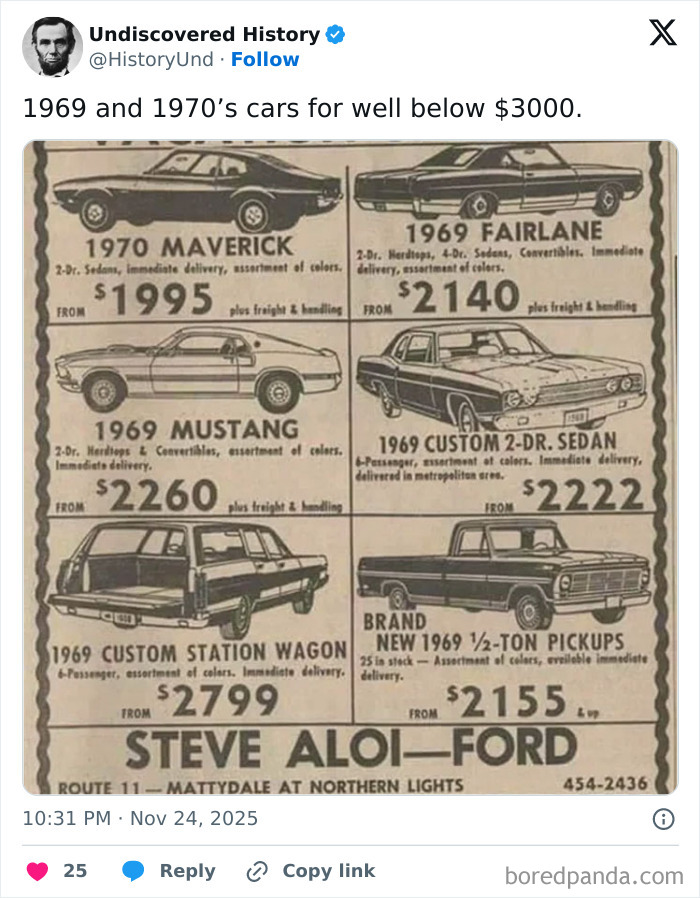
My grandfather used to enjoy blowing his grandkids' minds by proclaiming "I could get a full meal for myself AND Grandma with $1 and still get change back!"


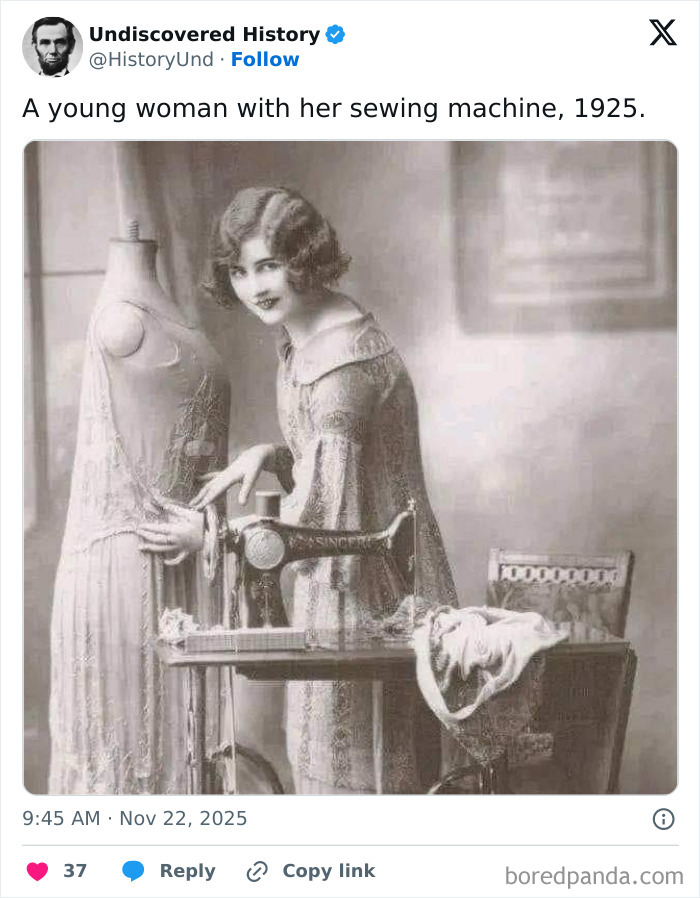
Note the wheel on the left side of the pic, right side of the machine to the operator, with a rope around it, going down and back up. What is outside the frame is the iron rectangular pedal near the floor, on an axle, that the operator had to push down on, one foot forward, one closer to her, to run the sewing machine. One needed excellent eye-hand-foot coordination to work these sewing machines (and the operator could stab her hand with the fast-moving needled if she wasn't coordinated). Nevertheless, it was a huge improvement over hand-sewing.

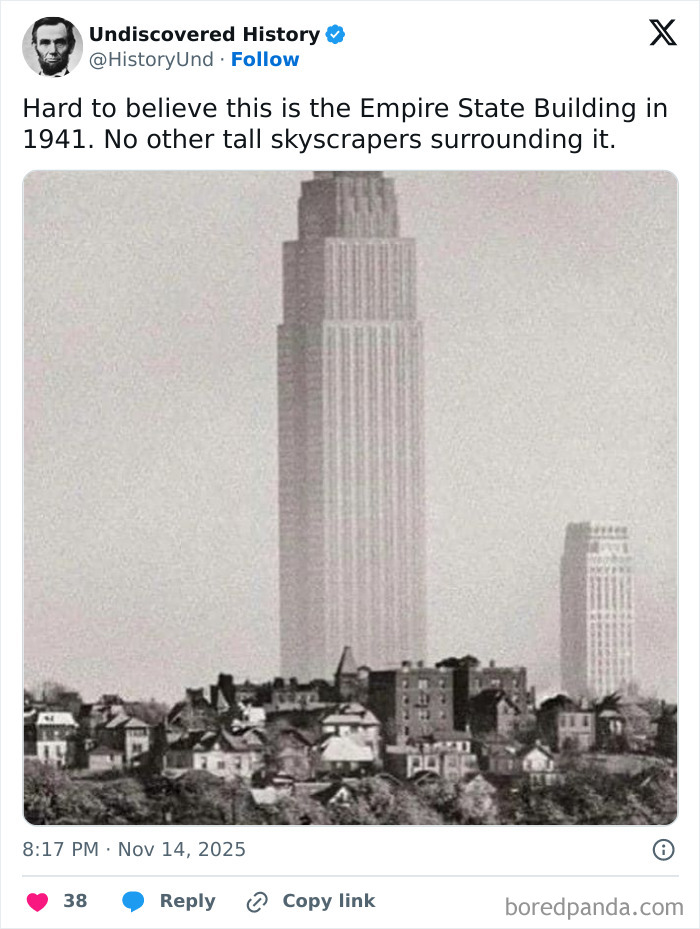
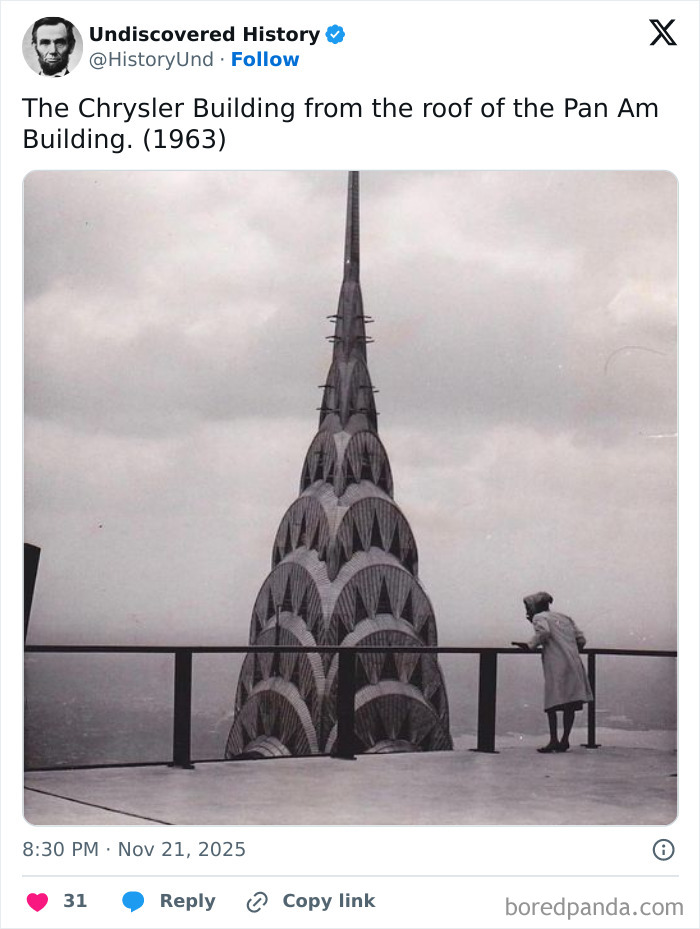
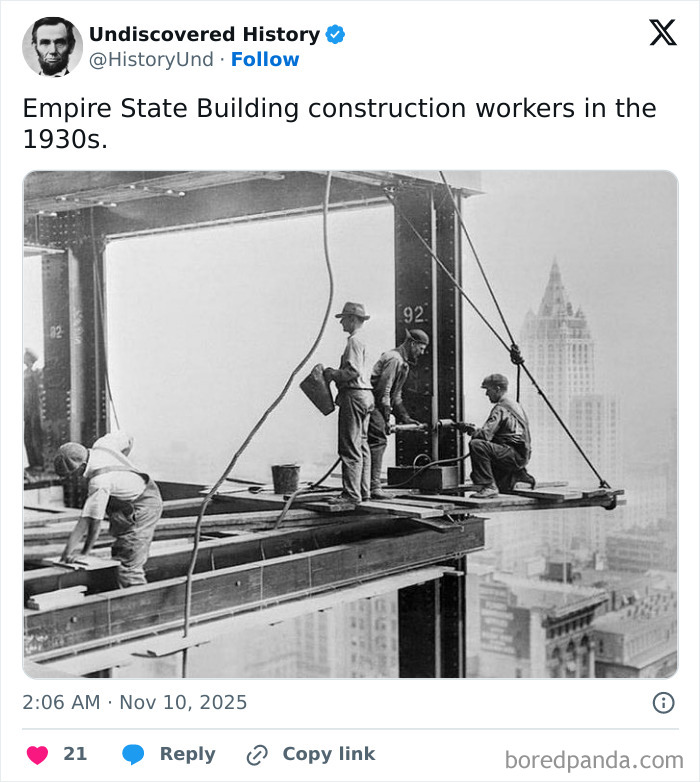
It was initially nicknamed the "empty state building" because there weren't enough people or businesses to fill the offices.
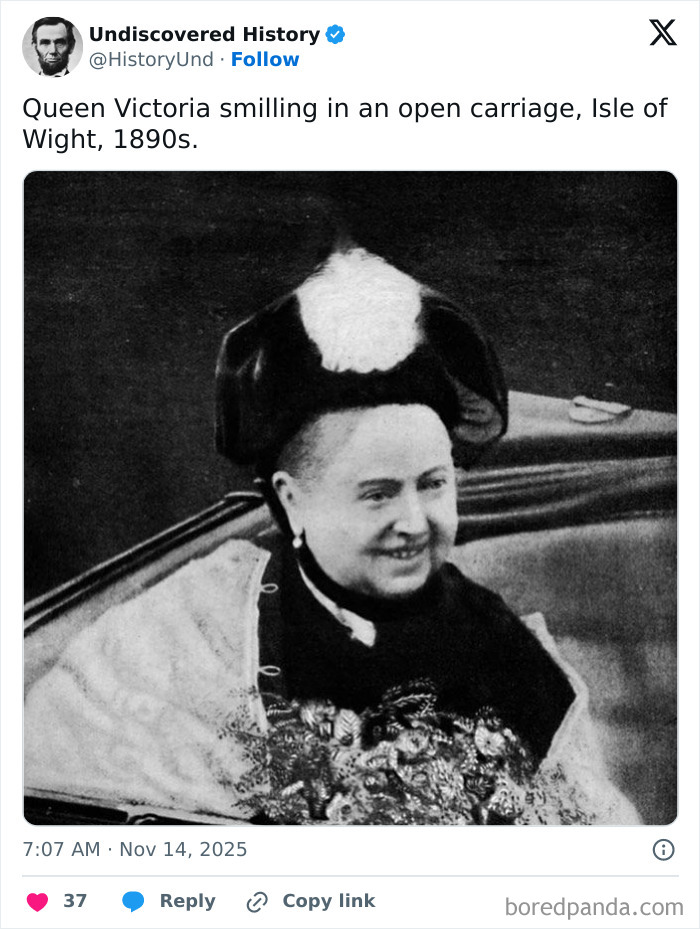
Delightful. This is only the second photo of Queen Victoria where I've seen her smiling. She destroyed photos of her that showed her smiling. "We are not amused" comes from Queen Victoria.
My family had that wood-paneled station wagon when I was a kid. Along with 80% of the other families in the US. Ours had rear facing seats in that back area. We loved them.

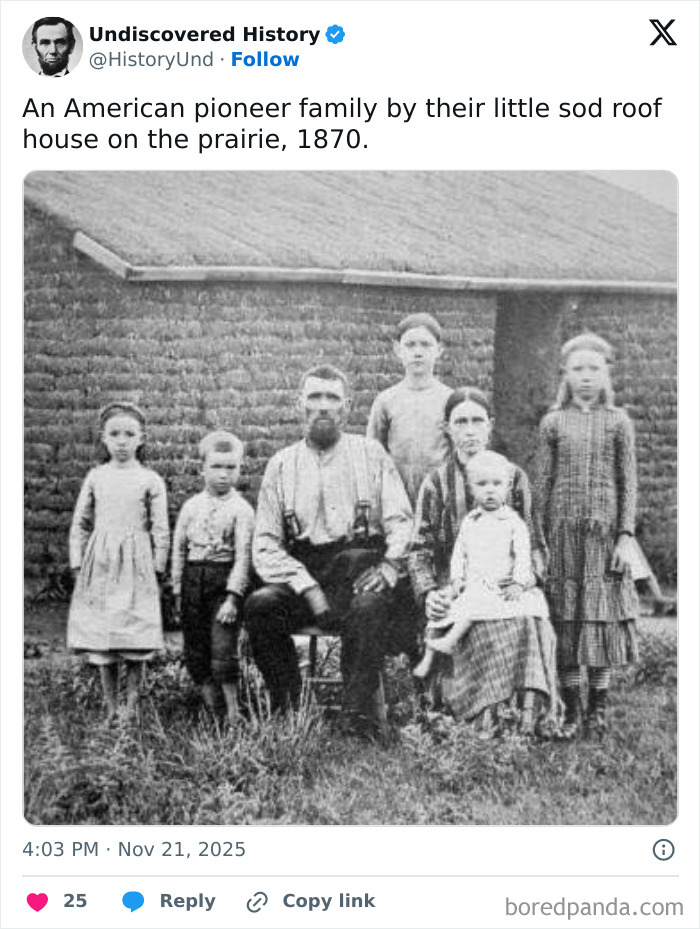
You can still see the ruts in the road on the Oregon Trail. Quite amazing really to look at them and realize all the people that went through.
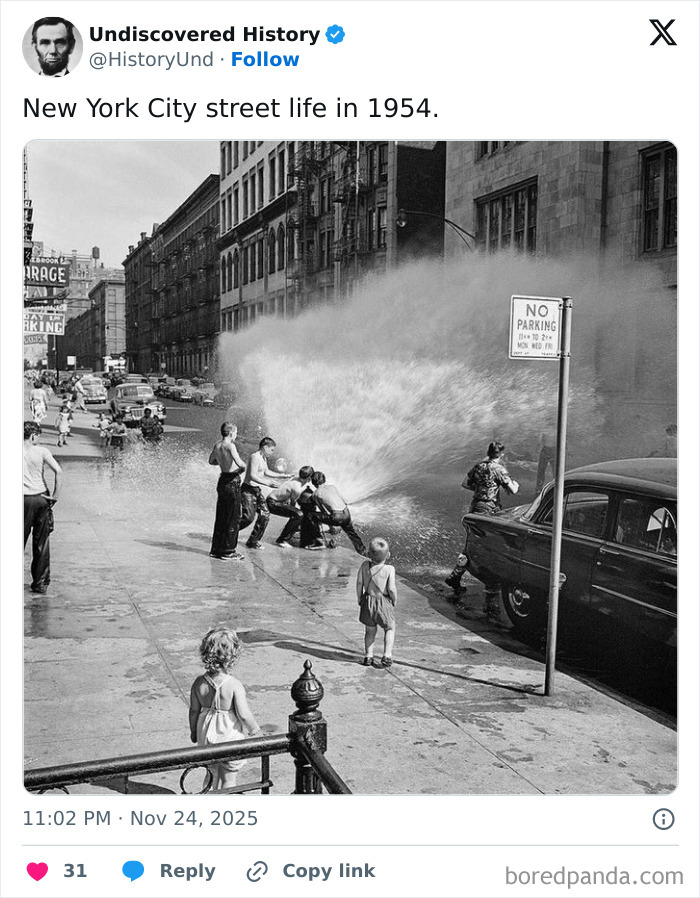
I grew up in Philly and we used to do this too on my little street. It was so much fun!

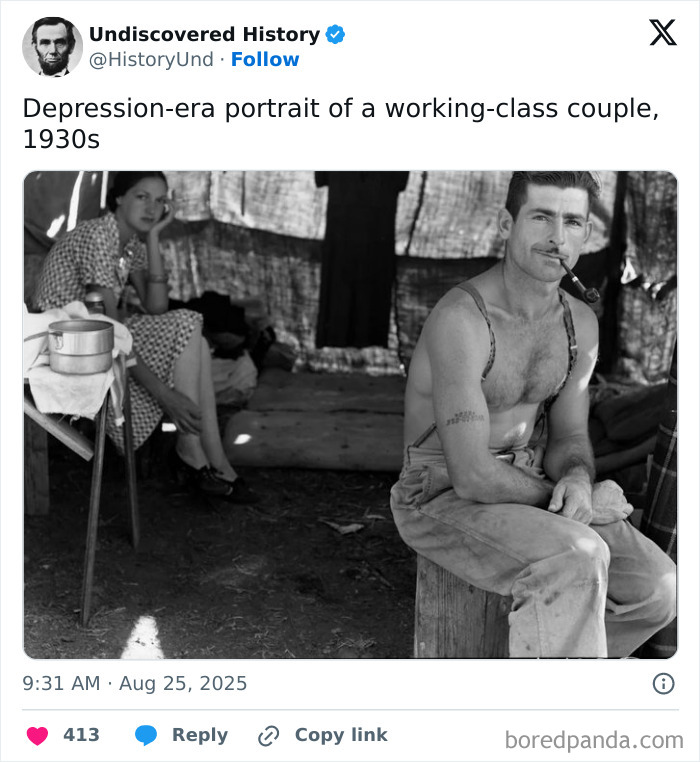
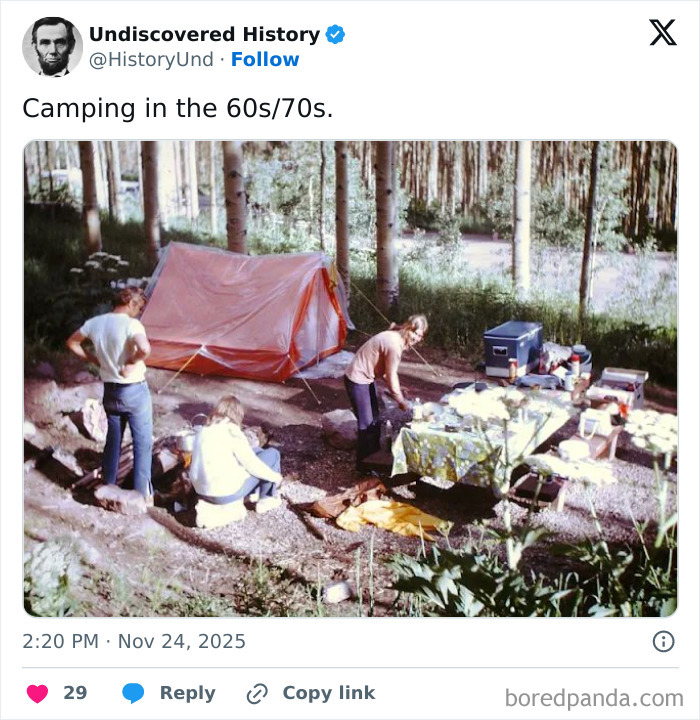
My last camping experience was around that time. It was a disaster: the first night, our friend left an open box of potatoes alongside his tent & we were all woken in the middle of the night by opossums fighting over them. The next night, his girlfriend needed pads at 1.15am, they were in my locked car. The third morning, the tentpole in the tent my wife & I were using blew over at around 5.45am & fell on my head. My wife & I have never been camping again

Move the decimal point one space to the right and we have today's prices.

60-70 kids - wonder if they had separate classrooms - it was large enough . When I was at Primary school in England 1949 - 1954 (age 5 to 11), there were two classrooms for each year group - and each class had about 50 pupils. two to a metal framed wooden desk. all in rows facing the front One teacher (No Teaching Assistants!) and no specialist teachers, your form teacher taught everything. In our last year we had a smashing teacher who regularly read to us - all sorts of things, which helped develop my lifelong love of books - I'm now 81 and I still read something every day (mostly non-fiction)
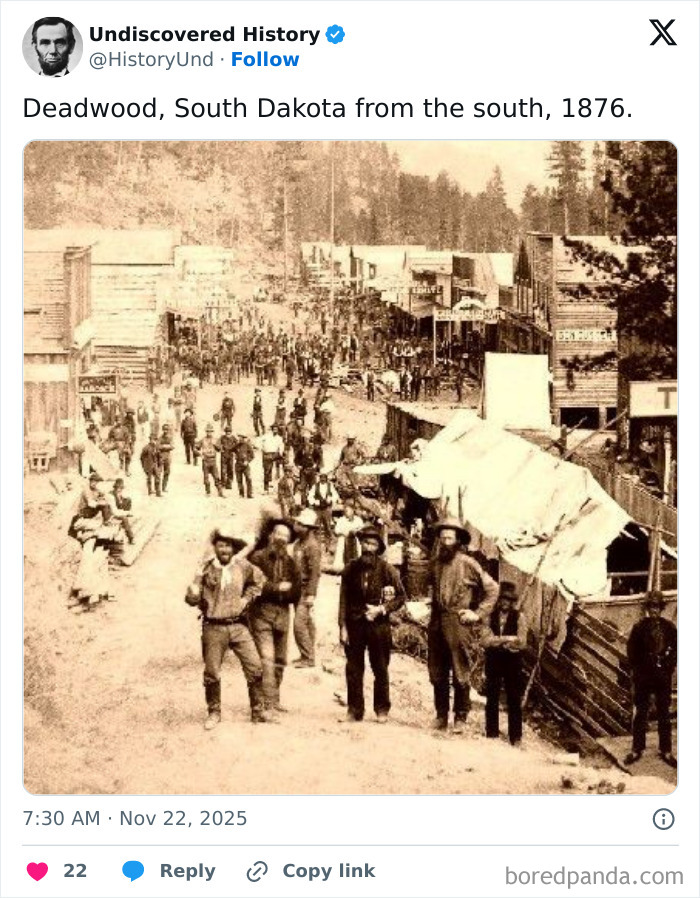
There was a show called Deadwood that was excellent. A real lawless town and how they did things. Superb.

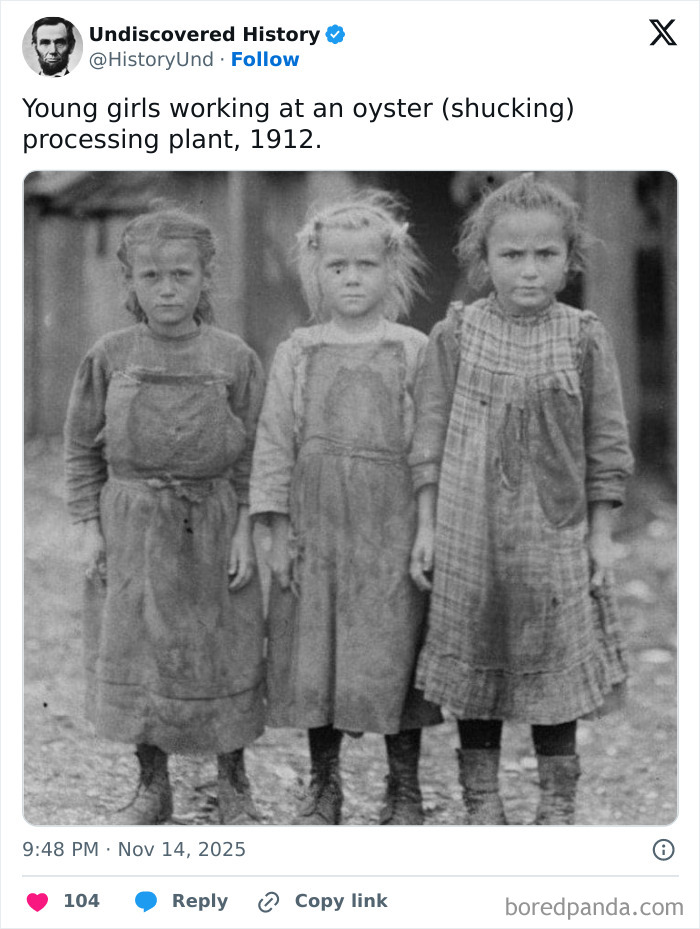
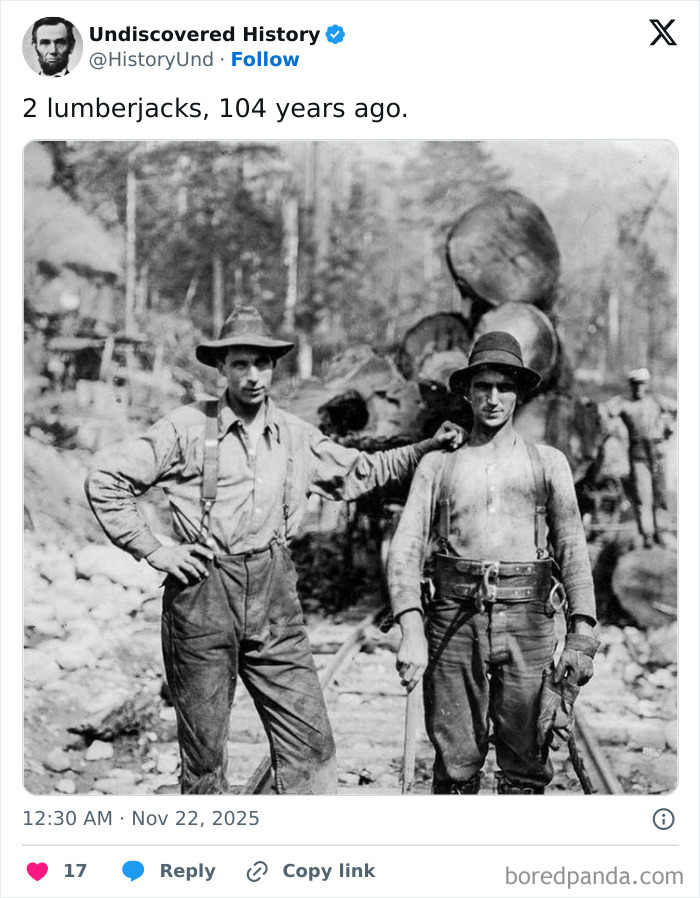
Yeah...drudgery and starvation will do that to you. 🫤
Load More Replies... Yeah...drudgery and starvation will do that to you. 🫤
Load More Replies...




















 No fees, cancel anytime
 then open in external browser


 and click "Open in External Browser"