Get Premium
Dark mode theme is available exclusively for premium users. Learn more about the benefits of subscribing.
No fees, cancel anytime.

 Dark Mode Ad-Free Browsing Unlimited Content
 Ad-Free Browsing Unlimited Content Dark Mode
Join 1.2 million Panda readers who get the best art, memes, and fun stories every week!
Despite the fact that they are literally just a lack of light, shadows have ingrained themselves in our popular culture, mythology and just everyday life. On a sunny day, you might look for the shade cast by a tree or you might grin when a comic book hero, brought to screen, whispers “I am the shadows.”
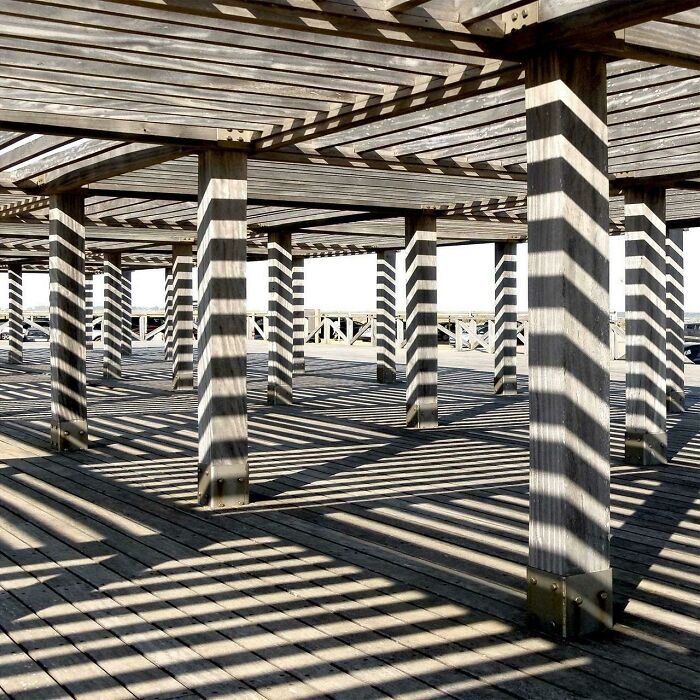
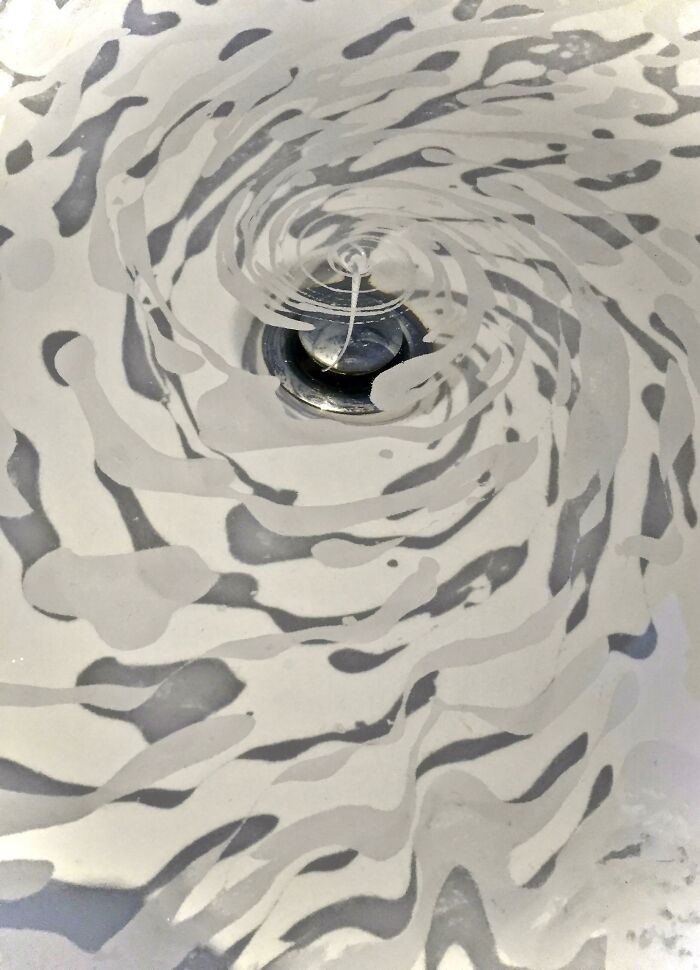
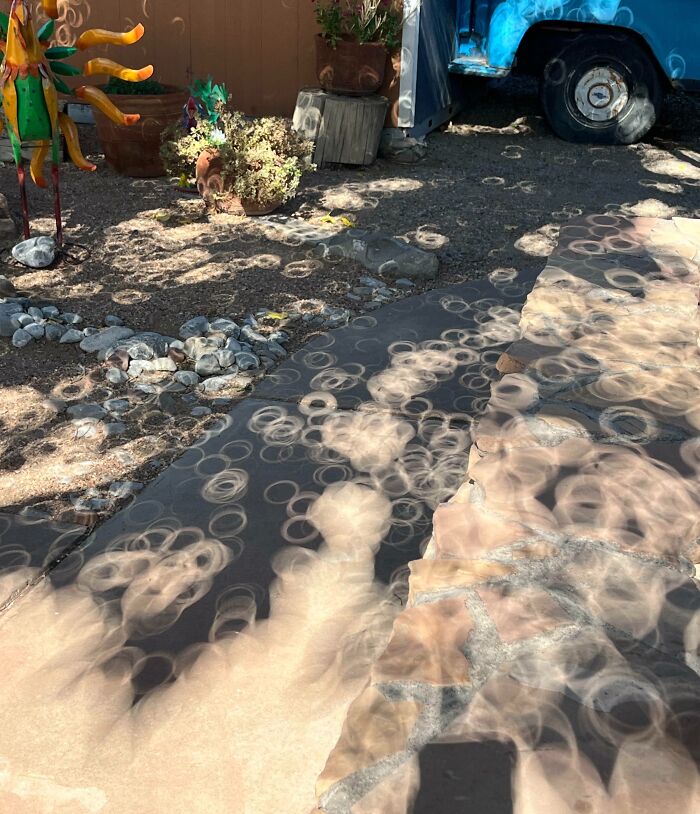
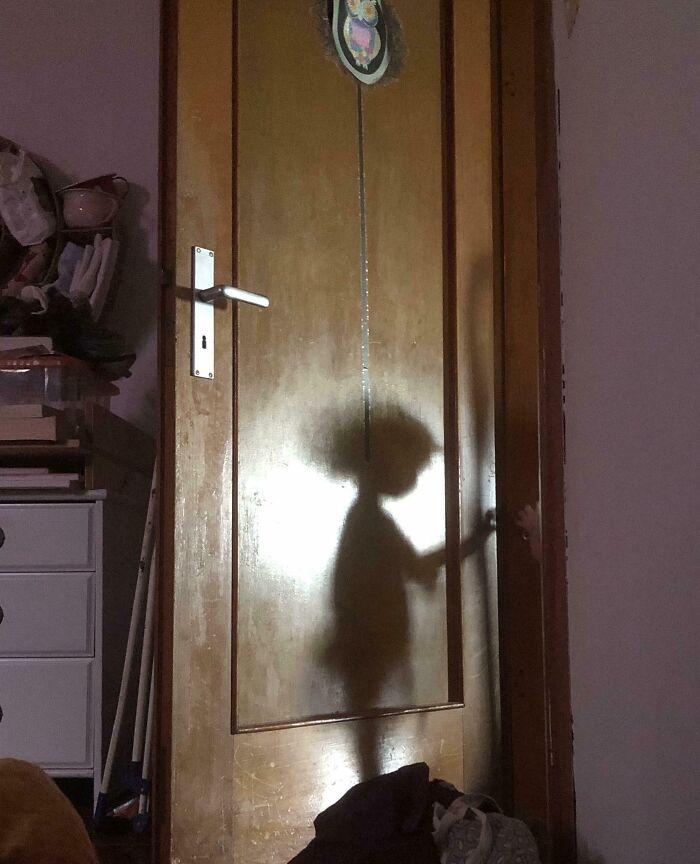
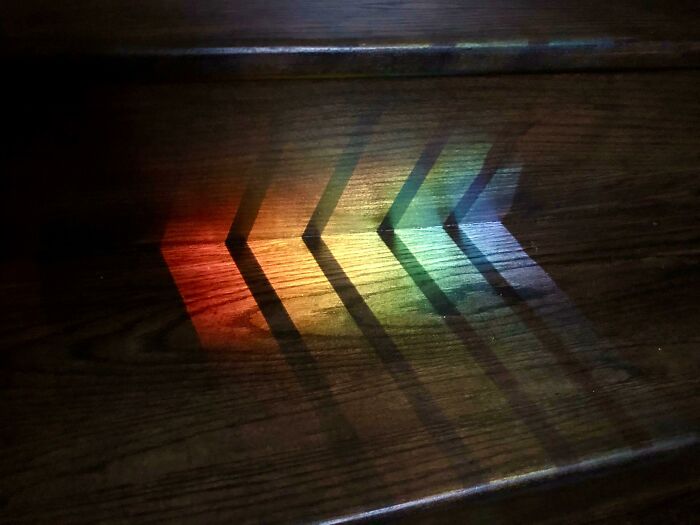
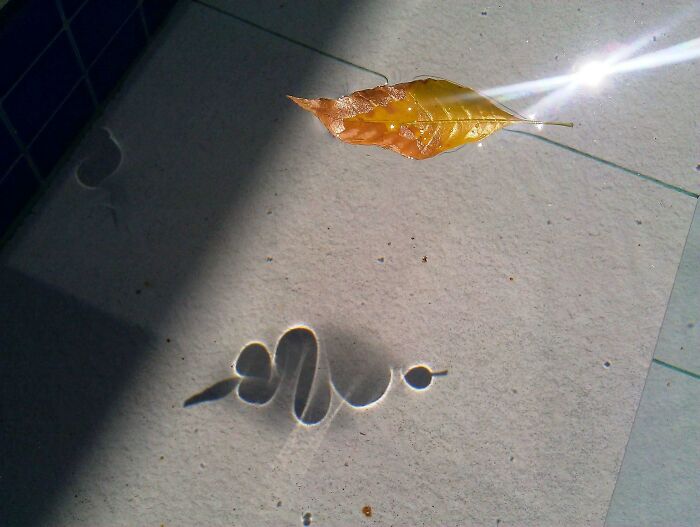
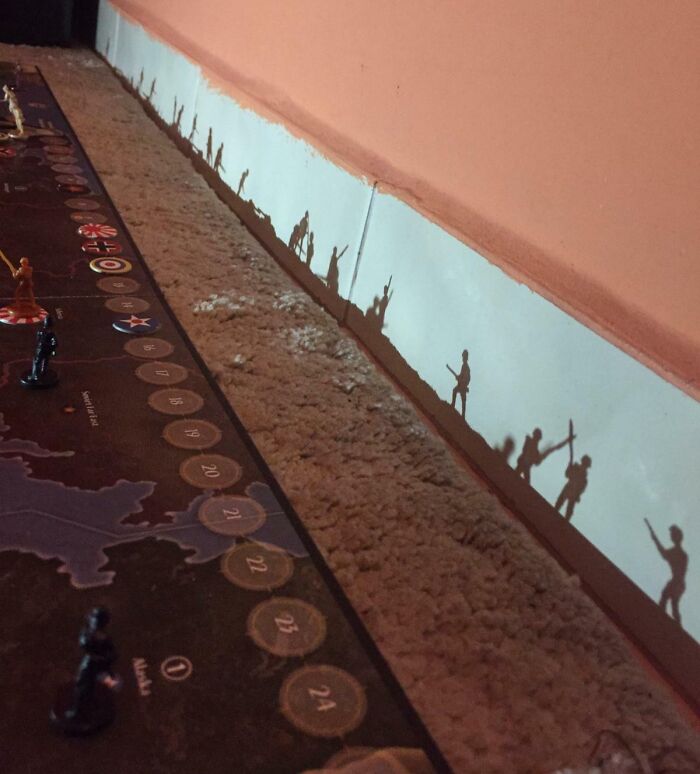
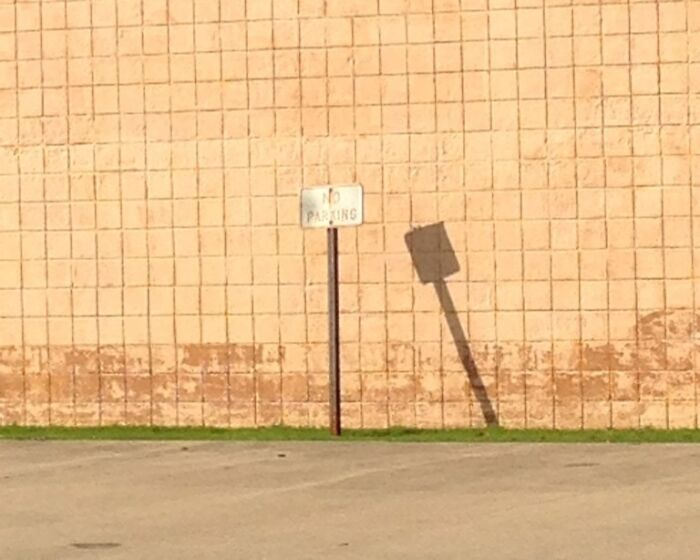
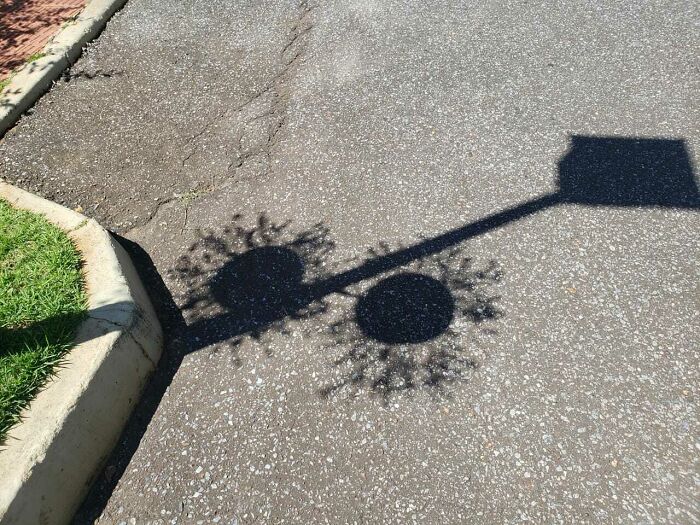
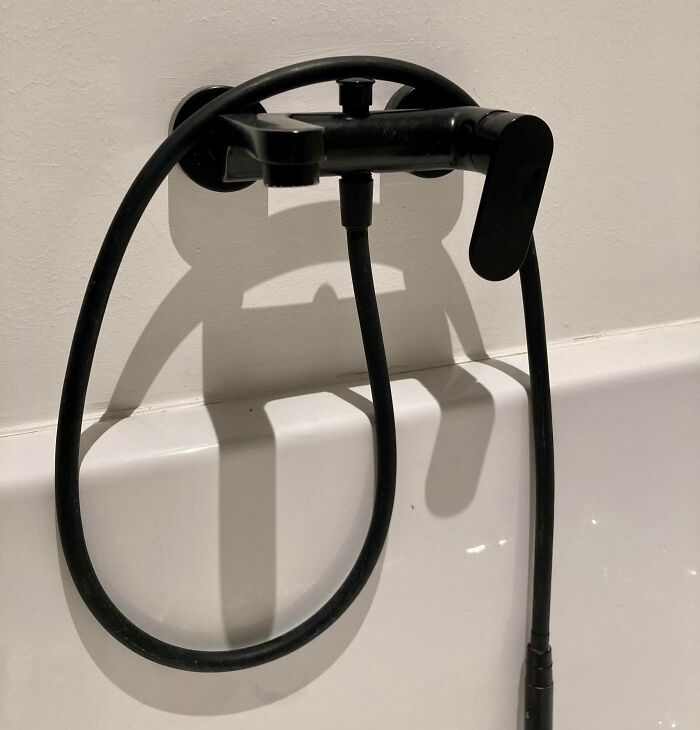
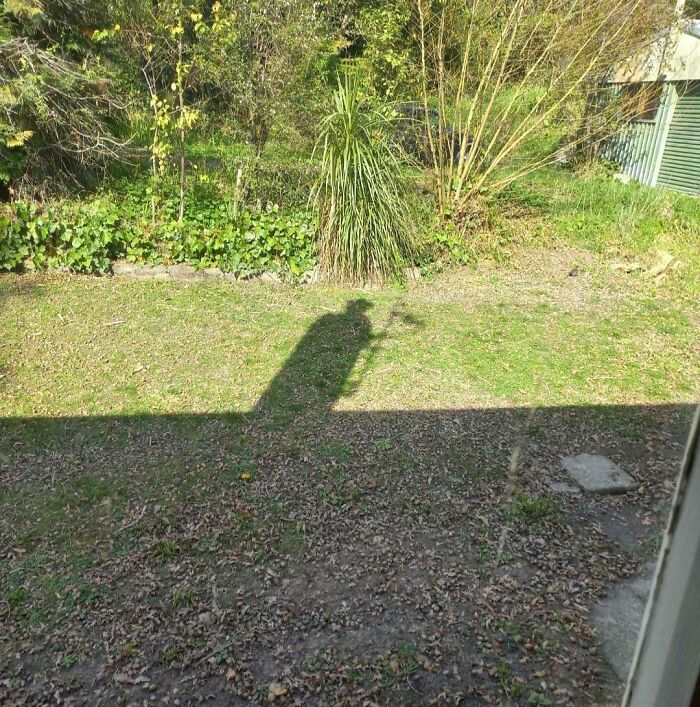
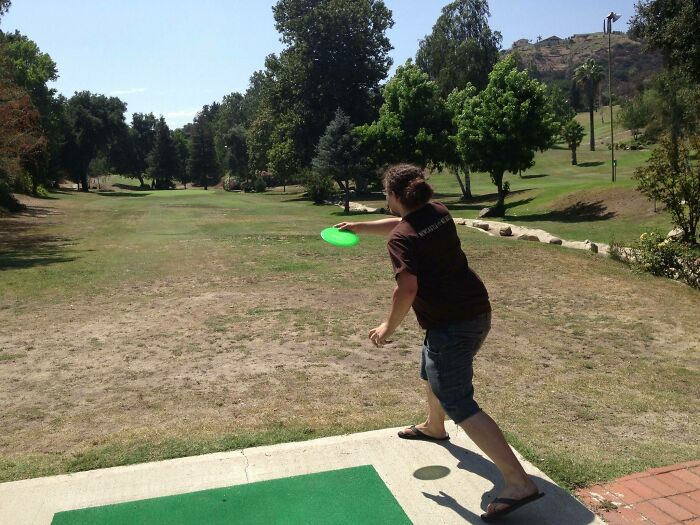
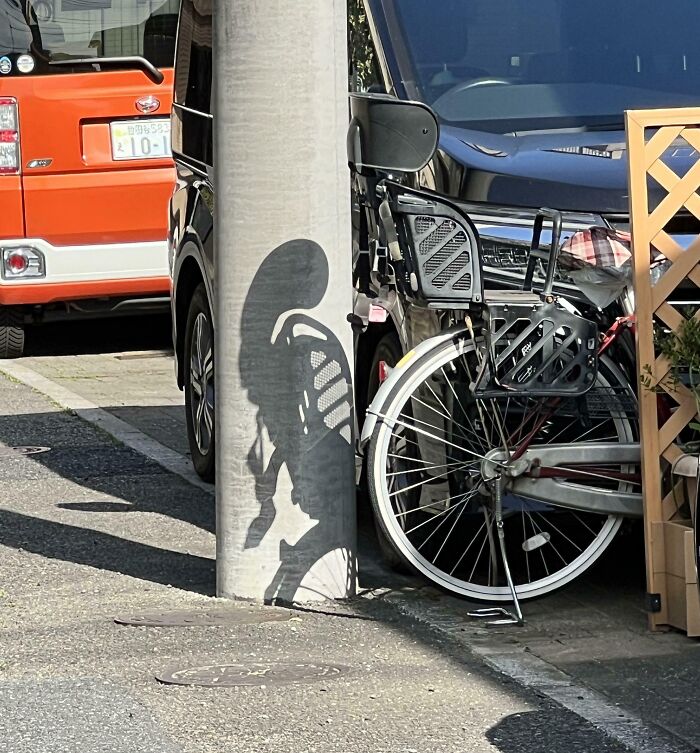
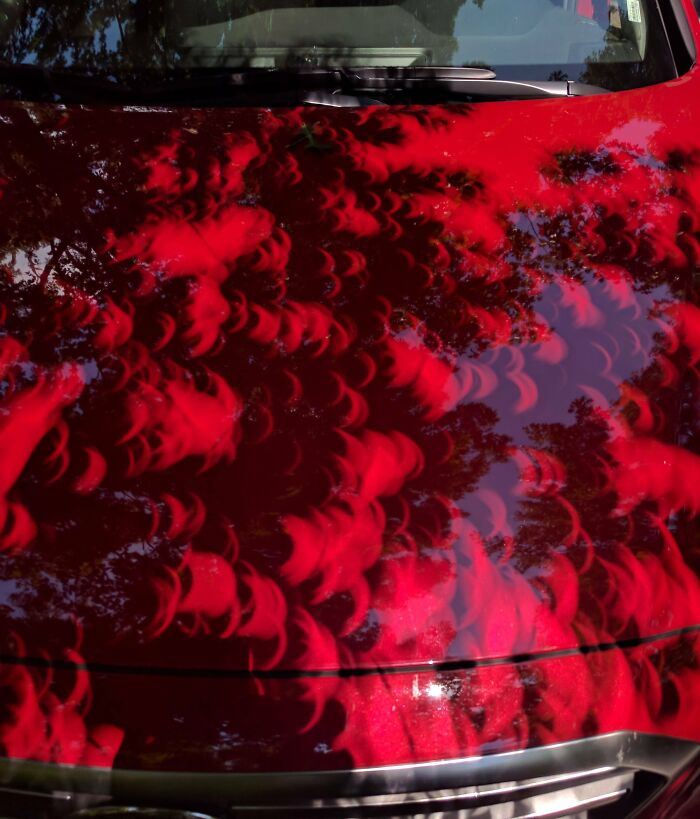
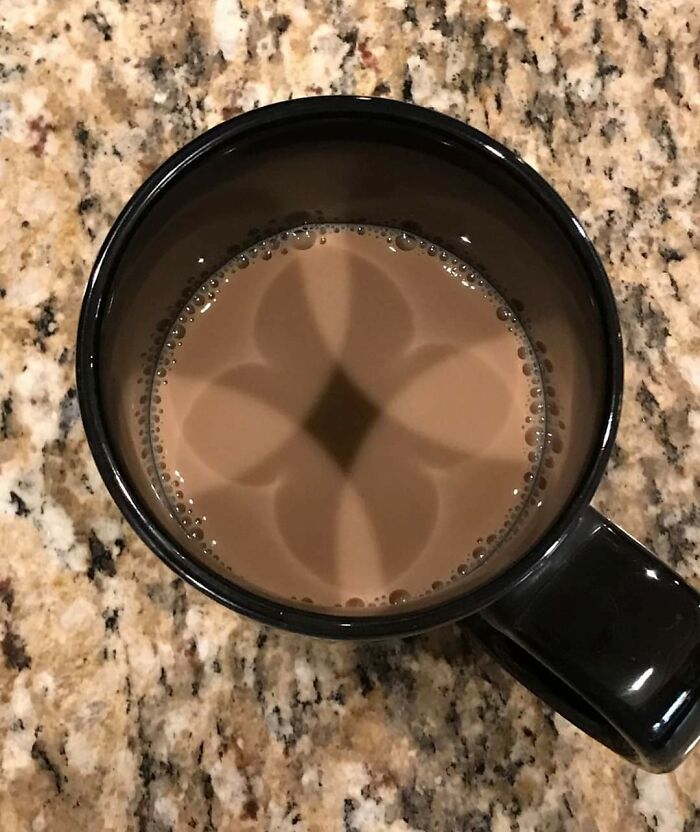
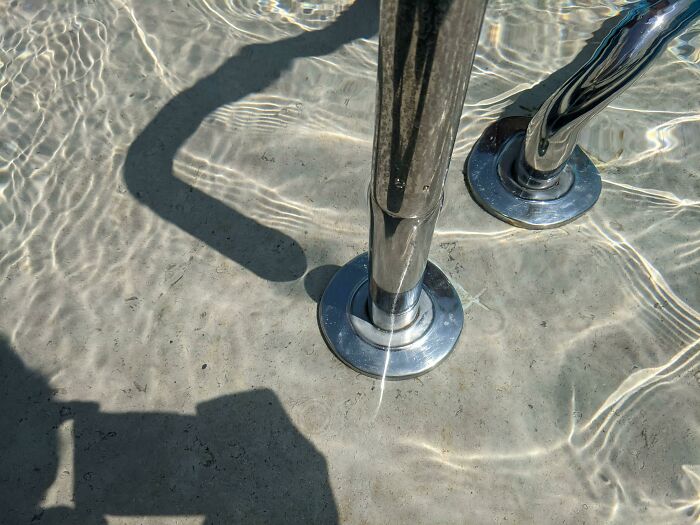
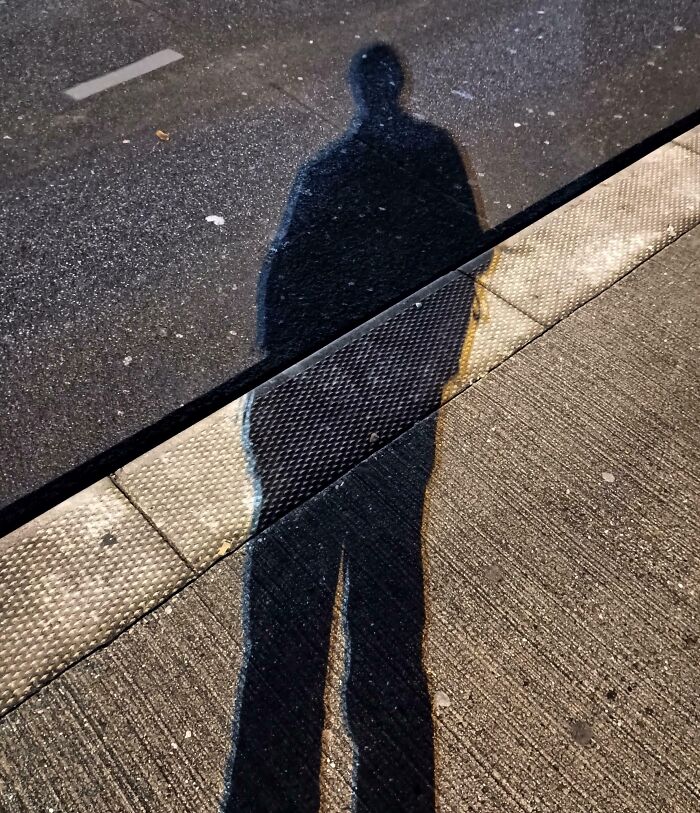
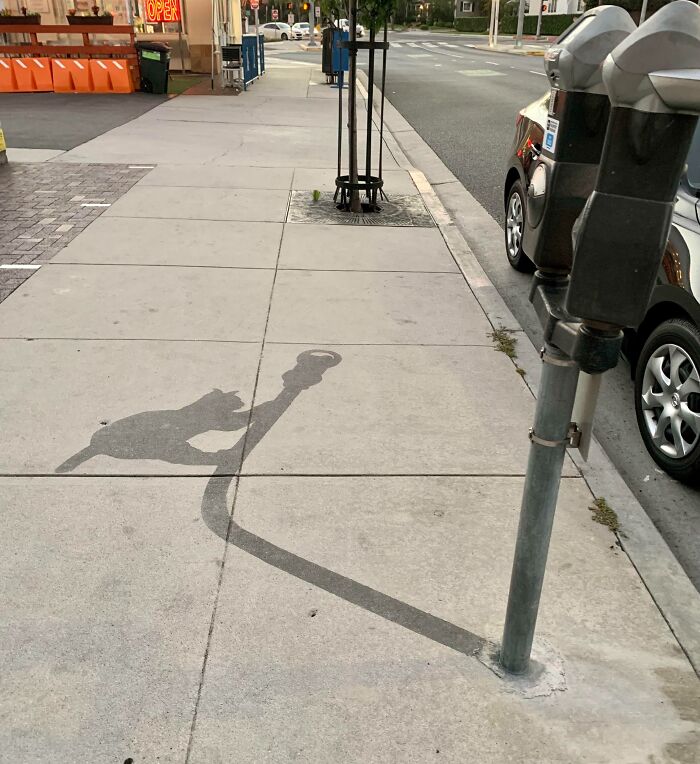
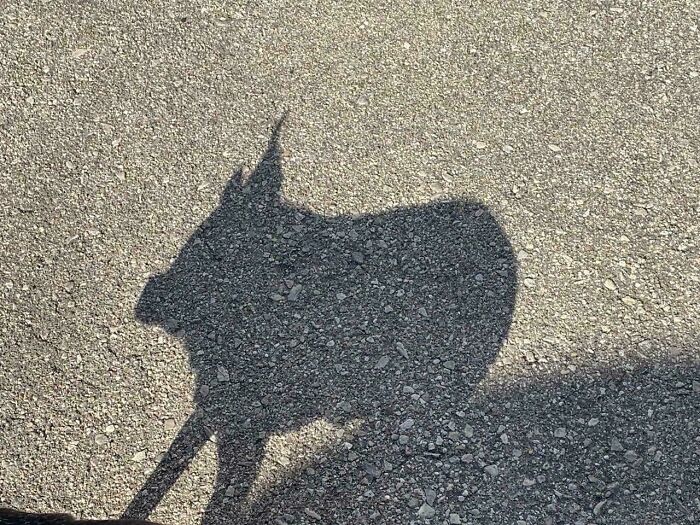
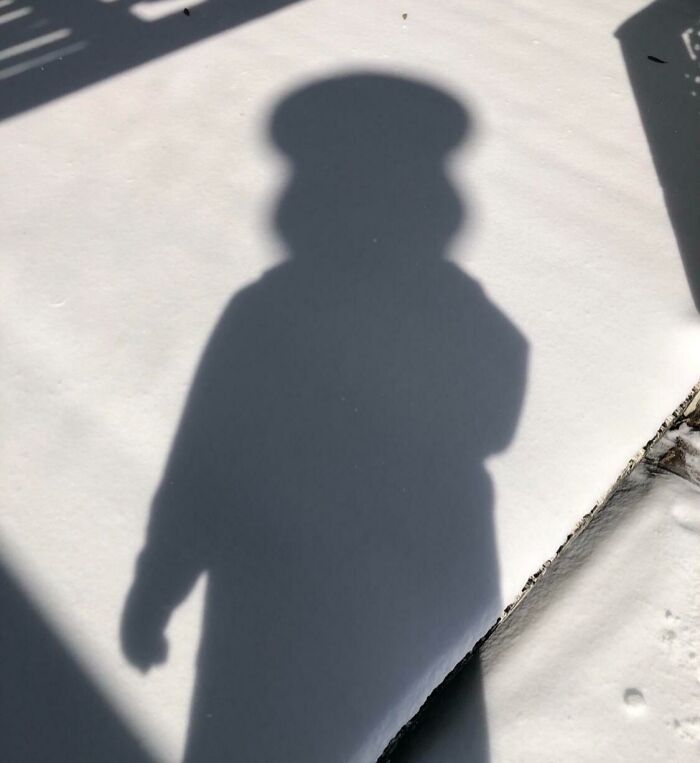
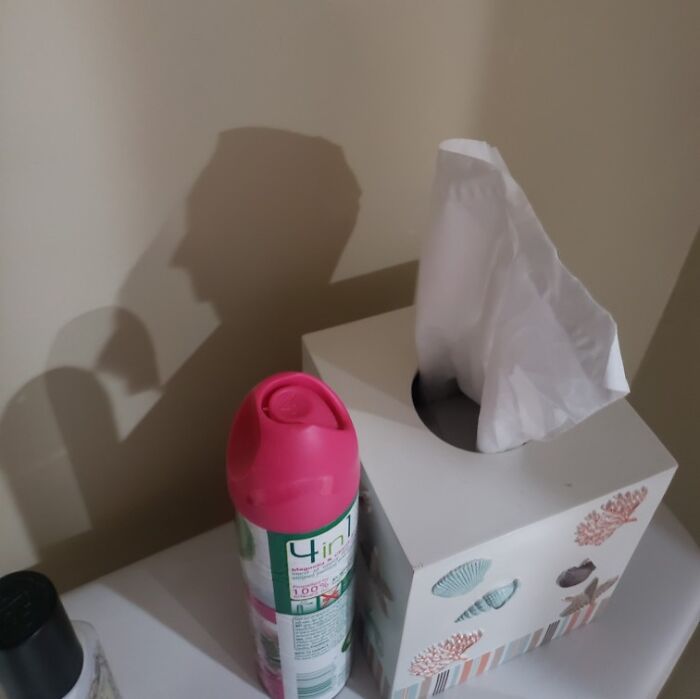
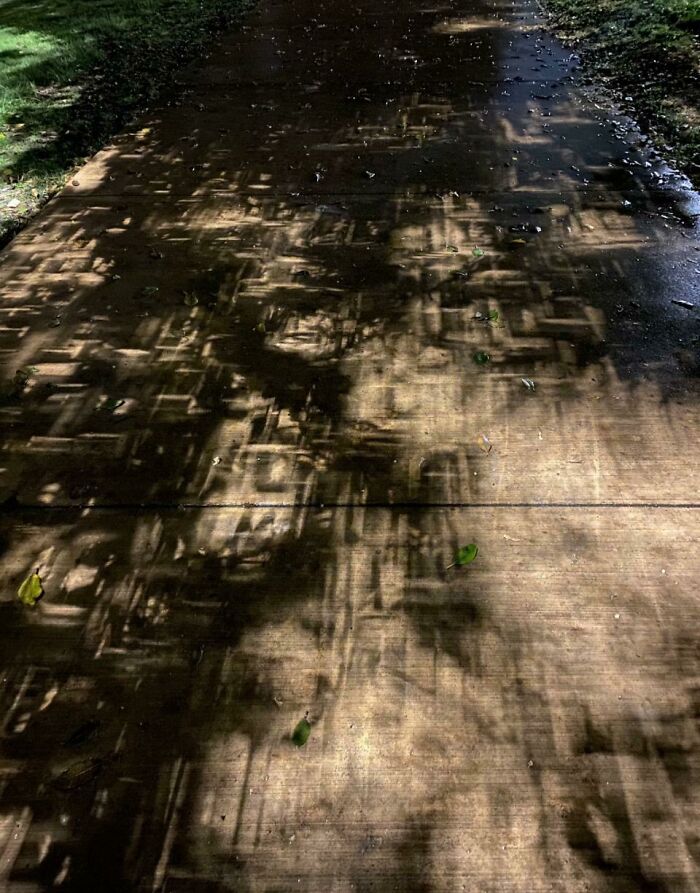
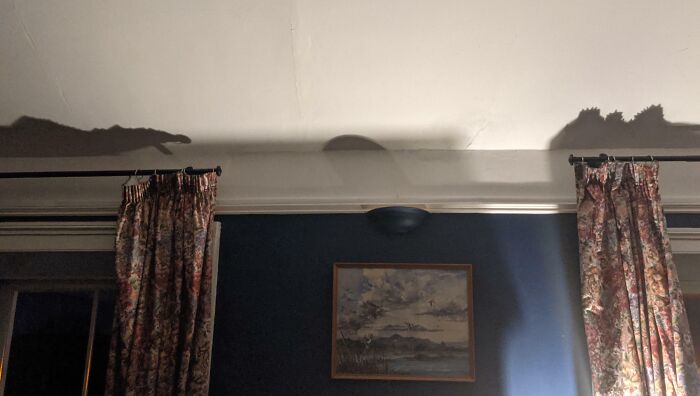
We’ve gathered some of the best examples of cool shadows stealing the show, creating cool illusions or just setting up an interesting scene. So get comfortable as you scroll through, upvote your favorites and be sure to share your thoughts in the comments section below.
This post may include affiliate links.
Shadows have been both a literal and metaphoric burden throughout human history, shaping how cultures perceive reality and the unknown. From cave paintings, whose earliest examples include hand silhouettes on rock walls implying presence and mystery, to modern psychological concepts of the unconscious, shadows negotiate between light and dark, known and unknown. They invite consideration of what lies outside of immediate perception, suggesting that each culture's understanding of being includes an awareness of obscured realms.
In the ancient mythologies, shadows routinely symbolized the boundary between life and death. A majority of cultures believed that the soul or spirit of a person persisted in shadow form after death, wandering as a shade. In Egyptian philosophy, for example, the concepts of the "ka" and "ba" included a conception of an incorporeal double, and in Greek mythology, the underworld was inhabited with shades of the deceased. Shadows in this case represented both continuity and loss: a recollection of life even as one traveled outside of the sphere of light.
Shadows have been employed by artistic convention to depict mood, depth, and uncertainty for centuries. During the Renaissance, chiaroscuro techniques highlighted drama by contrasting light and dark, evoking spiritual or emotional undercurrents. Caravaggio's use of dramatic light and shadow heightened tension in biblical scenarios, suggesting underlying truths beyond surface appearances. Shadows in artwork invite the viewer to look beyond the obvious, to sense that meaning often lies in what is concealed as much as in what is revealed.
In literature, shadows serve as metaphors for inner conflict or looming danger. The Romantic poets called up shadowed landscapes to mirror the human soul's darker impulses or existential terrors. Gothic fiction used dark corridors and flickering lamp-light to call up fear and the unknowable. In these novels, shadows symbolize repressed desires, moral ambiguity, or the specters of past deeds. Shadows in these novels remind the reader that there are aspects of human nature best left in the darkness but demanding acknowledgment.
Religious and ritual practice has treated shadows with reverence or fear. Some spiritual practices performed rituals at dawn or dusk, when shadows are long, to separate thresholds between worlds or to receive knowledge. Southeast Asian and other shadow puppetry transformed two-dimensional silhouettes into animated dramas, taking advantage of the play of light and dark to explore moral lessons or mythological dramas. The shadow theatre is paradox personified: a stark outline is animated and enriched by being illuminated, implying the alchemy of perception in giving life to the unseen.
Philosophy has also grappled with shadows as a metaphor for knowledge and ignorance. Plato's allegory of the cave envisions prisoners who mistake shadows on a wall for reality, suggesting that human knowledge is generally limited to the narrow range of perception. The journey to enlightenment involves progressing beyond those shadows to fuller awareness. The image has resonated for centuries as a meditation on education, religion, and the challenge of discerning truth from deceptive appearances.
In folklore and superstition, shadows could predict evil omens or signal spiritual vulnerability. To tread on another's shadow would rob them of their energy, warned certain cultures, while others believed that to ensnare a person's shadow was to ensnare their soul. These beliefs pinpointed an instinct that shadows were more than light play, they were tied to essence, health, and fate. Although contemporary sensibilities might ridicule such superstitions, they attest to an age-old intuition that shadows are related to forces outside the material.

20th-century psychology re-established the concept of the shadow in a new guise. Jungian theory rendered the shadow as the concealed or repressed dimensions of the psyche, parts of personality disowned due to their incompatibility with one's conscious identity. Becoming whole required the incorporation of the shadow, that is, acknowledgment of undesirable characteristics or impulses. This modern echo of an old symbol illustrates that the idea of shadow persists as a way of understanding complexity within individuals and societies.
In architecture and city planning, shadows create experiences of space and time. Alleyways and skyscrapers throw moving shadows that mark the passage of day, influencing mood and activity. In some cultures, screens and courtyards were built to control light and shade, providing comfort in hot climates and reflective moods. Sun and shadow in the built environment remind dwellers of their place in cycles of nature and human design.
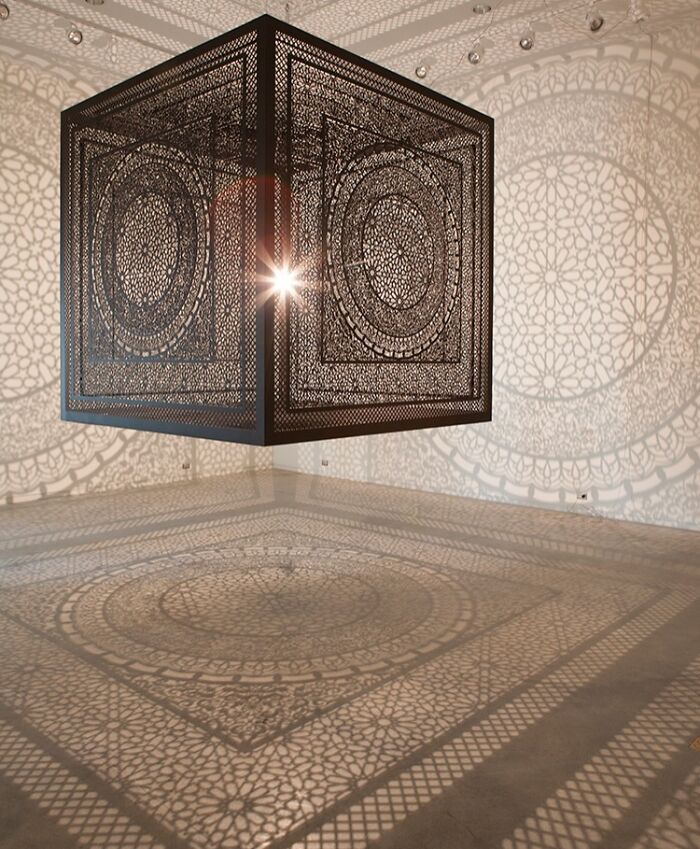
Interesting. I hope this person continues to make sculptures. It would be fun to see a version using colored plastic and how the colors mix to create new colors in the shapes. If that material is acrylic, I don't know.
Photography and film have also altered how we engage with shadows. Early photographers played with light and shadow to reveal new things about reality, and film noir used high-contrast shadows to introduce moral ambiguity and tension. Shadows in film can hide faces or settings, create suspense, or suggest hidden agendas. Modern digital art continues to play with shadow and light to direct narrative, showing that our ancestral fascination with shadows persists in new mediums.
Human interest in shadows illustrates an ongoing dialogue with the unknown aspects of existence. Shadows instill fascination and apprehension, representing both concealment and the possibility of unveiling. They are a reminder that for every truth revealed, there exists a companion in the darkness. By acknowledging the “power” of shadows, in art, myth, psychology, and everyday life, we do justice to the entirety of human experience, accepting that what we don't see at first glance may be just as powerful as what is directly in our line of sight.

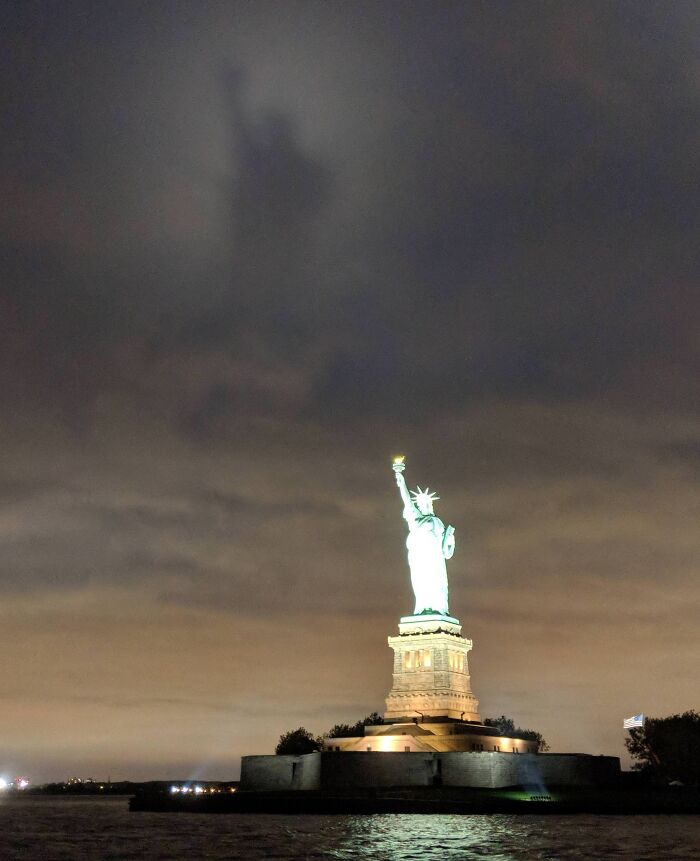
This reminds me of The Man on the Mountain, NH, USA. So sad that it crumbled.


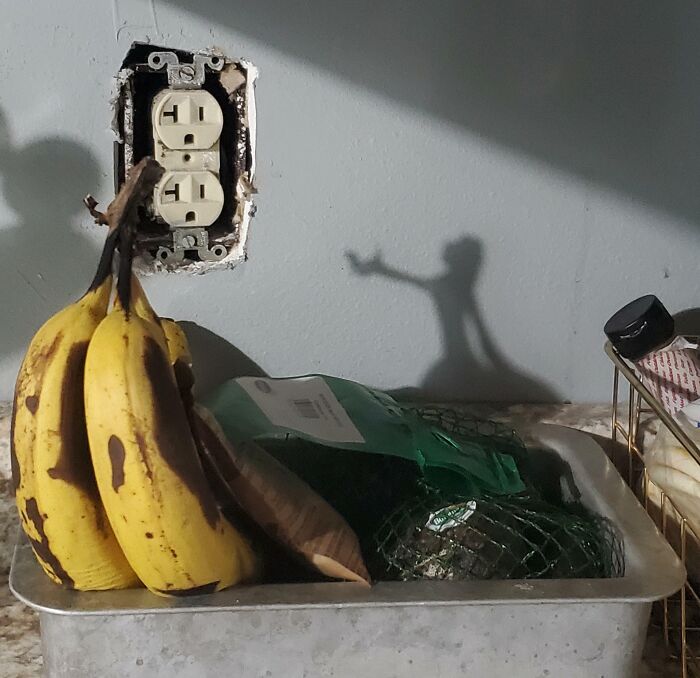
looks more like Lumiere from the best Beauty and the Beast! Be our guest Jerry Orbach was the best🎶
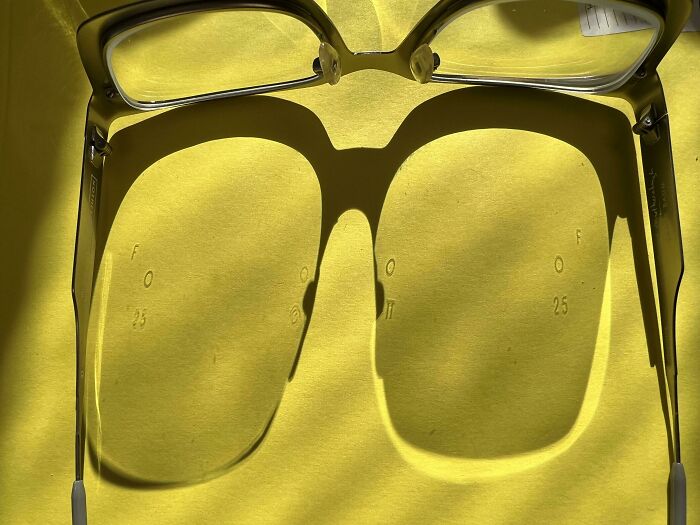
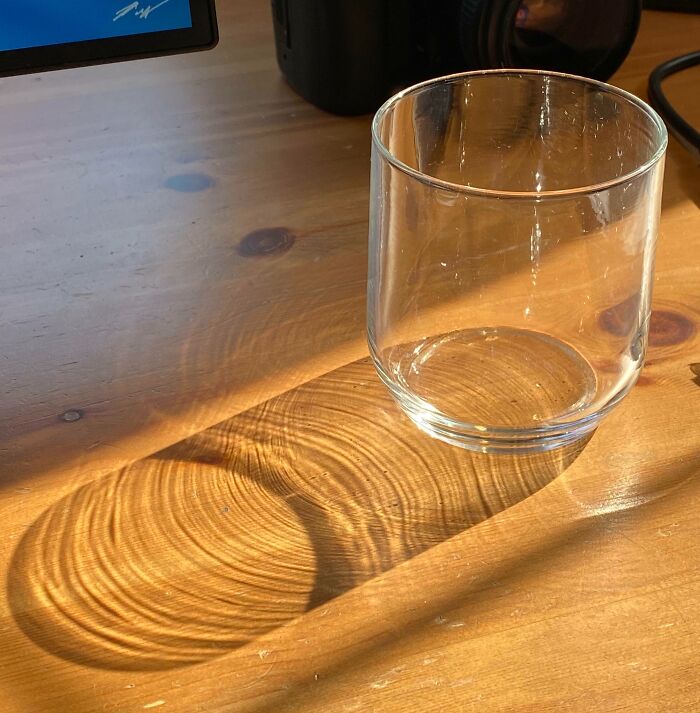
This just shows that glass is fluid. Science is cool. Please don't stop teaching science and history. Amazing things there good, bad, scary and amazing!






























 No fees, cancel anytime
 then open in external browser


 and click "Open in External Browser"