Get Premium
Dark mode theme is available exclusively for premium users. Learn more about the benefits of subscribing.
No fees, cancel anytime.

 Dark Mode Ad-Free Browsing Unlimited Content
 Ad-Free Browsing Unlimited Content Dark Mode
Join 1.2 million Panda readers who get the best art, memes, and fun stories every week!
Do you know what the universal blood type is? Apparently, only one in 10 Americans do. (It’s O-negative, by the way.) How much do you know about the lymphatic system? And do you know if you’re getting enough dietary fiber every day? (Chances are, you aren’t.) The reality is that the human body is a mystery to the majority of us. And even if you’ve been to medical school, there might be plenty of conditions you’ve never encountered.
To learn more about what’s going on in the mysterious world of medicine, we took a trip to Medical Doctors on Instagram. This page shares a variety of photos and information to educate others about rare conditions and provide a glimpse into what's going on inside our hospitals. We’ll warn you right now that some of these images are definitely not for pandas with weak stomachs, and other photos might break your heart. But if you can make it through this list, we hope you’ll learn something new!
This post may include affiliate links.
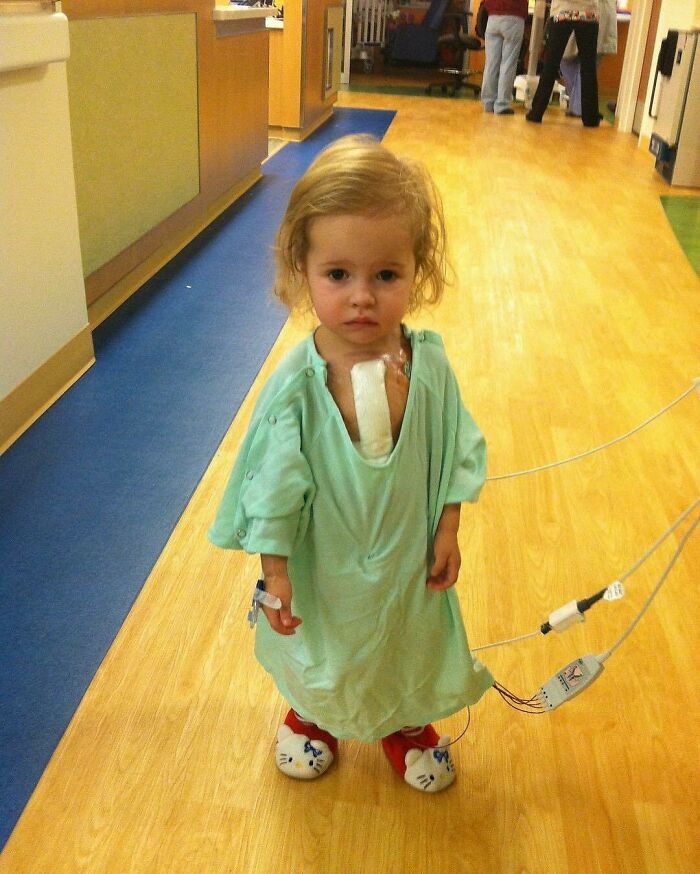
Little Serafina Murphy pictured only days after serious life-saving heart surgery to fix a hole in her heart at Ann & Robert H. Lurie Children's Hospital of Chicago.
When asked why she was up so soon, her reply is adorable. She replied her Hello Kitty slippers make everything better.

Aww Brave little fighter! It's always sad when children have to go to the Hospital. I hope she has a long, healthy and happy life!


❤️❤️oh my heart . Bless her ikkle soul, kids are so resilient aren’t they xx

Anyone who downvoted this lovely comment is an idiot and a coward.
Load More Replies...
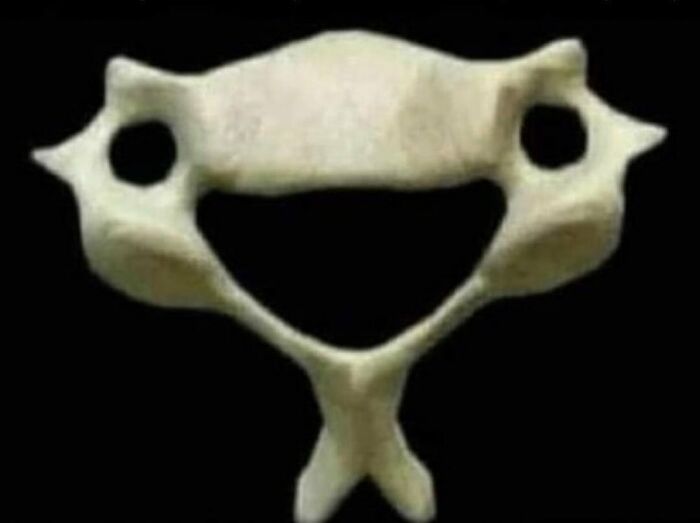
If you're feeling sad, remember this C6 vertebra and how happy it is to hold you (and your head) up every day

This is just a random comment, but I read a book to my granddaughter about an axolotl, which I had never heard of before. Since that time, axolotls have been coming up in new speeds and comments like crazy. Weird.

Weirdly a cows one looks like the Mario caterpillar as a smiley Skeleton
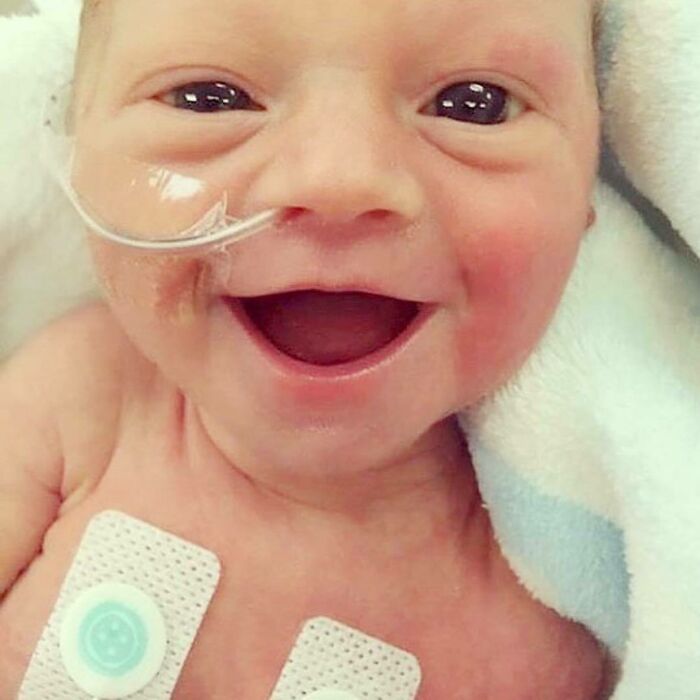
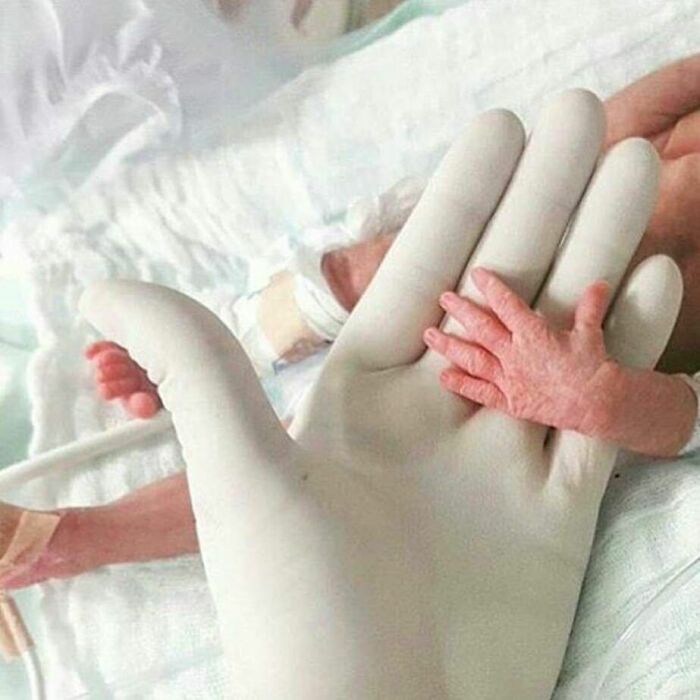
Inspiring photo of premature newborn's heartwarming smile ❤️ Without the tube in her nose and the wires on her body, you would have no idea Lauren's daughter was a preemie and spent weeks in the nicu
I think the most beautiful smile that a doctor, a nurse or any health worker can receive is that of a child: it is that smile that answers the question "why I chose this job", is that smile that has not compromised, does not hide anything. It is that smile that is lost between the unconsciousness of not understanding what happens and between the desire to grow, run, jump and play with other children.
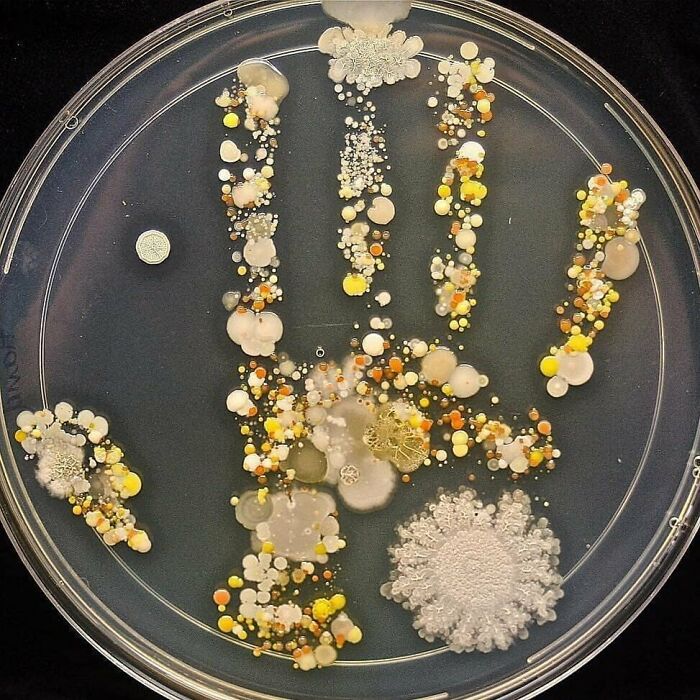
Please wash your hands!
This is the handprint of an 8 year old boy covered in bacteria.
The boy came in from playing outside, and his mom decided to put his hand print inside a large Petri dish, incubated it for two days, and ended up with a colorful germ garden.

Anecdotes aren't data but, grew up on a farm so exposure to lots of germs etc. Started school and several classmates grew up in the city. I remember thinking how fragile they were. I'd cut my hand and it would be cleared up in a few days. A buddy cut his and it was a pus oozing mess.
Load More Replies...


We did in my uni lab, they're cleaner than you'd think... The uni handrails on the other hand...
Load More Replies...


I have a horse ranch. I would be too scared to do that with my handprint. Probably grow a horse and a chicken in that dish.
Sorry to tell you but your body is covered in bacteria, all the time. So is the ground. So is the couch. so is the door handle. So is.... bacteria are everywhere and nonsense like the above just supports the weird notion that to be healthy we would have to destroy all microorganisms.
We have to live with them, there are many, many more of them than of us. More than many are necessary for sustaining life. Stop scaremongering.
The hole that a needle/syringe leaves in the skin as seen by an electron microscope


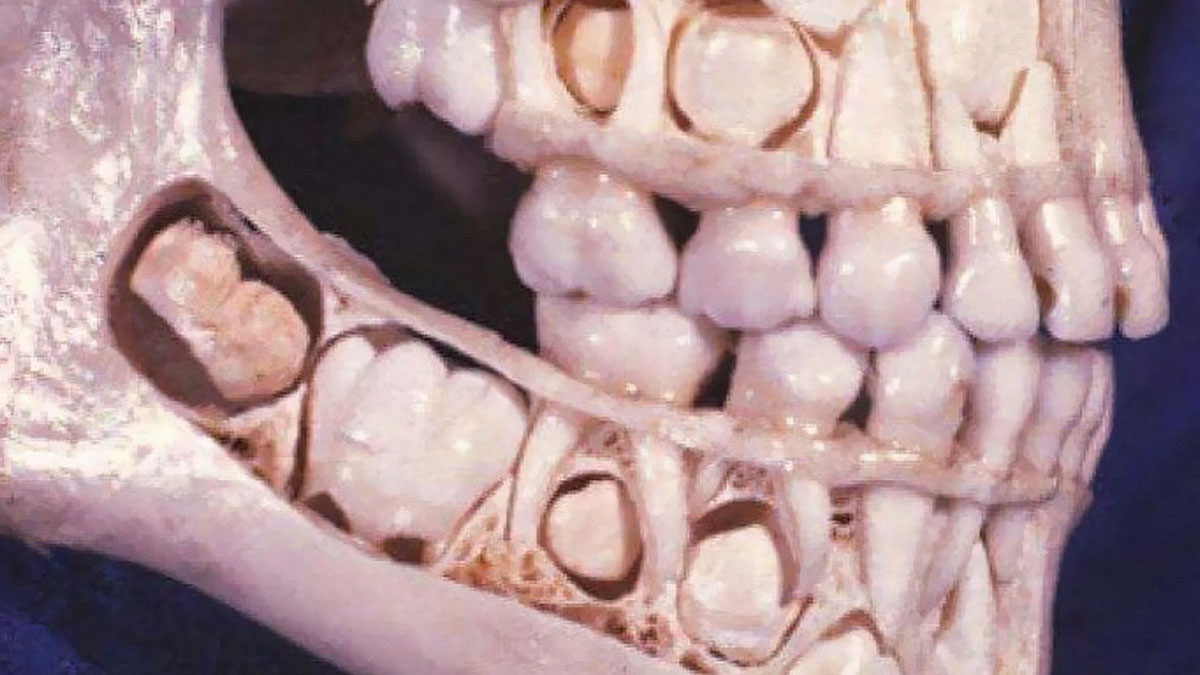
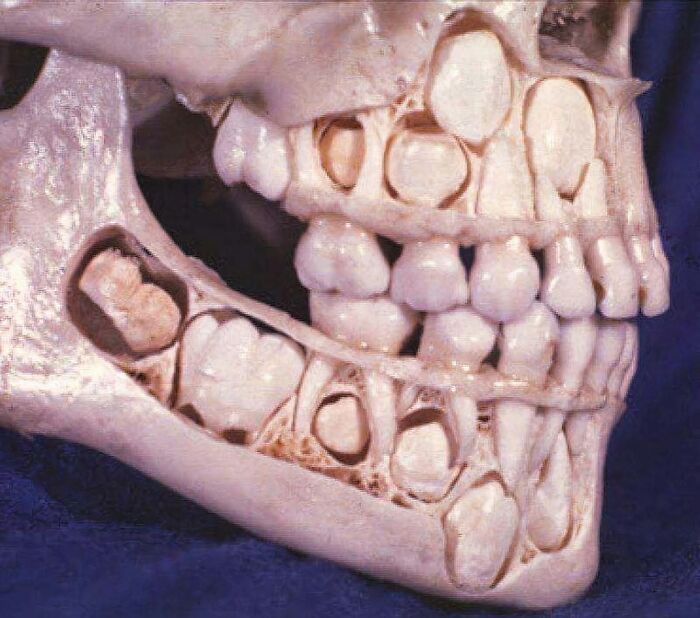
A child's skull before losing baby teeth
Neat, but also makes me think that sadly this child never lived long enough to lose their baby teeth.

Looks like a plastic model. No babies were harmed
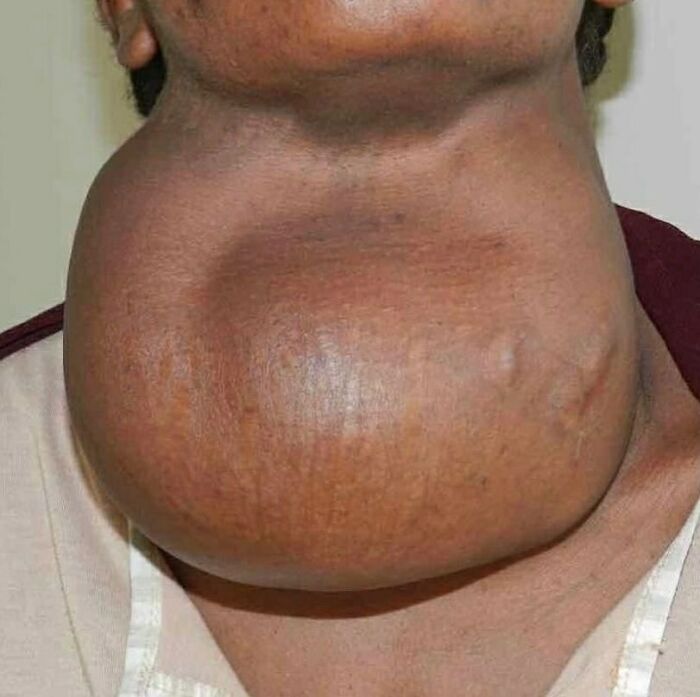
Load More Replies...A patient with severe goiter. A goiter, is a swelling in the neck resulting from an enlarged thyroid gland.


Maybe if you live somewhere with no medical assistance available, like a great many people in the world?
Load More Replies... 
Iodine was added to table salt to specifically avoid this and it worked. Until food snobs decided they can't possibly eat common table salt and started using non-iodized. This has led to a rise in goiter. It's not a huge rise and certainly not an epidemic, but it did happen. Not sure how it is now. Also a rise in scurvy alongside the rise in homeless folks.
A living ladybug found in the transverse colon during screening colonoscopy

That has to have been on or near the equipment when it went in. There's no way it would have survived going through the stomach acid and small intestine to appear alive and unscathed in the transverse colon. And it wouldn't have crawled up from the other end because the sphincter muscles would have crushed it. Also, colonoscopy prep involves a complete clear out of the bowels so they can insert the scope. A ladybird cannot survive independently in your body in the same way that intestinal parasites do.
You don't want to know on what kind of stuff people "fall" when naked
Load More Replies... 

No aphids there, little friend! XD I wonder if the team was able to remove the ladybug safely/alive. I know the colonoscopy thing is not exactly a "fine instrument", but they could have stuck its end close to the ladybug towards the end of the colonoscopy and maybe let it crawl onto it? XD (I know, it's unlikely, but hope springs eternal.)


I thought it was photoshopped. But I was wrong, there is a report in the American College of gastroenterology journal (link in a separate post). According to the authors, "The patient's colonoscopy preparation was 1 gallon of polyethylene glycol the evening before colonoscopy, and the colonoscopy examination was otherwise normal. His colonoscopy preparation may have helped the bug to escape from digestive enzymes in the stomach and upper small intestine." Not sure how much bugs like polyethylene glycol (and the severe evacuations it causes), but it must be possible for them to survive the ordeal.
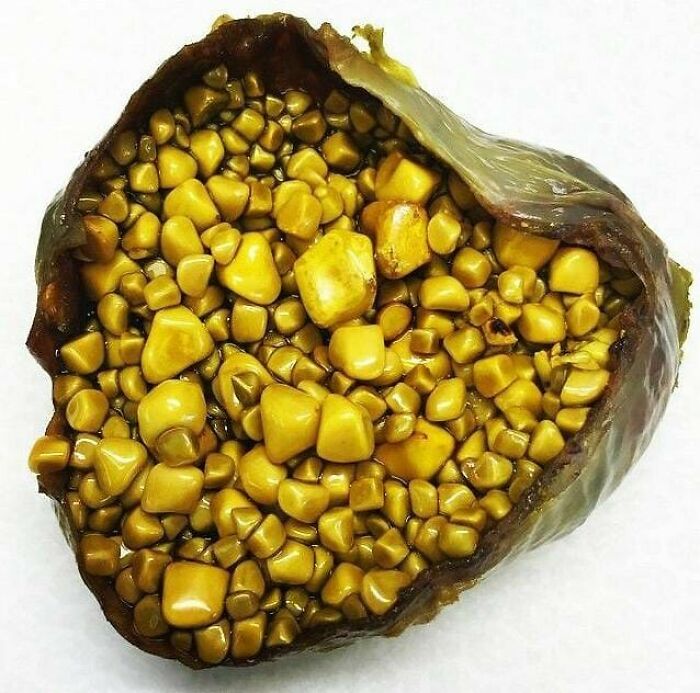
A gallbladder with multiple gallstones



Been there done that but nor that many stones in mine. My son had 7 large stones when his gb was also.

Mine looked like this too, but with much fewer stones - and they were bigger. I was surprised to find out they're yellow! (The doc gave me the pics from my surgery, which is how I know)
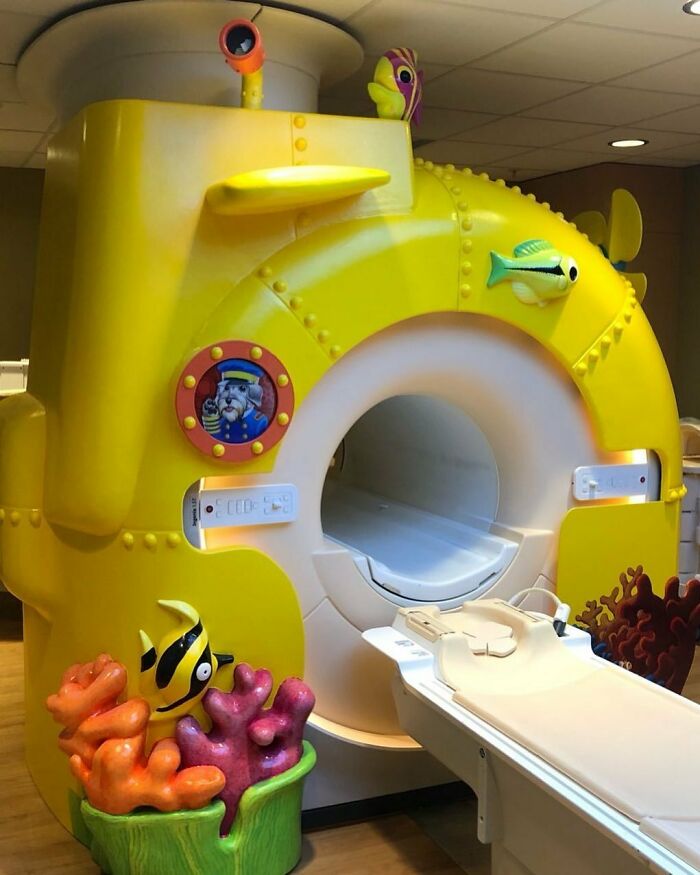
Pediatric Radiology and Imaging. Designed with kids in mind: Child-friendly Magnetic Resonance Imaging (MRI)

This entry is like a little colourful paradise amidst all the other pictures


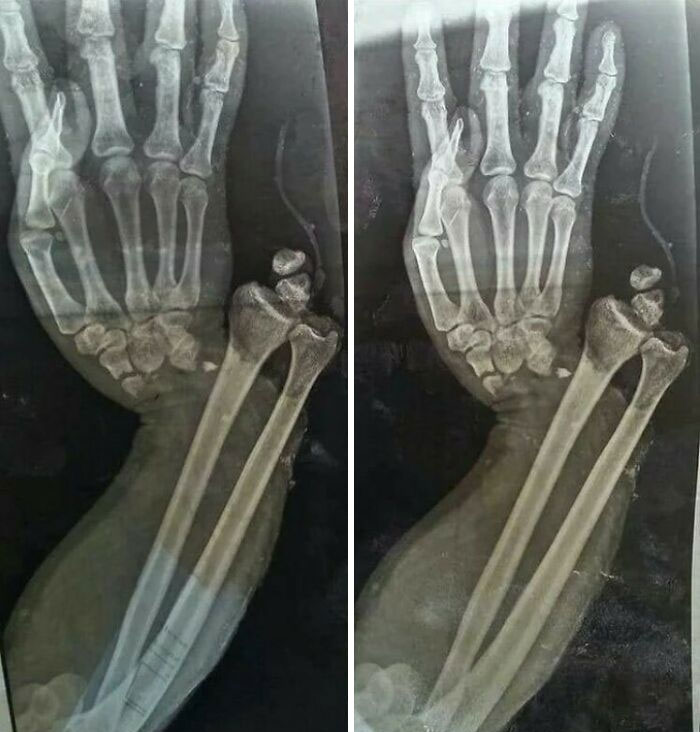
Open fracture dislocation of the wrist
I have no words right now... thats what my mom's ANKLE looked like last year... so scary
I did that exact thing to my right ankle at the end of 4th grade.
Synapse, the junction between two neurons
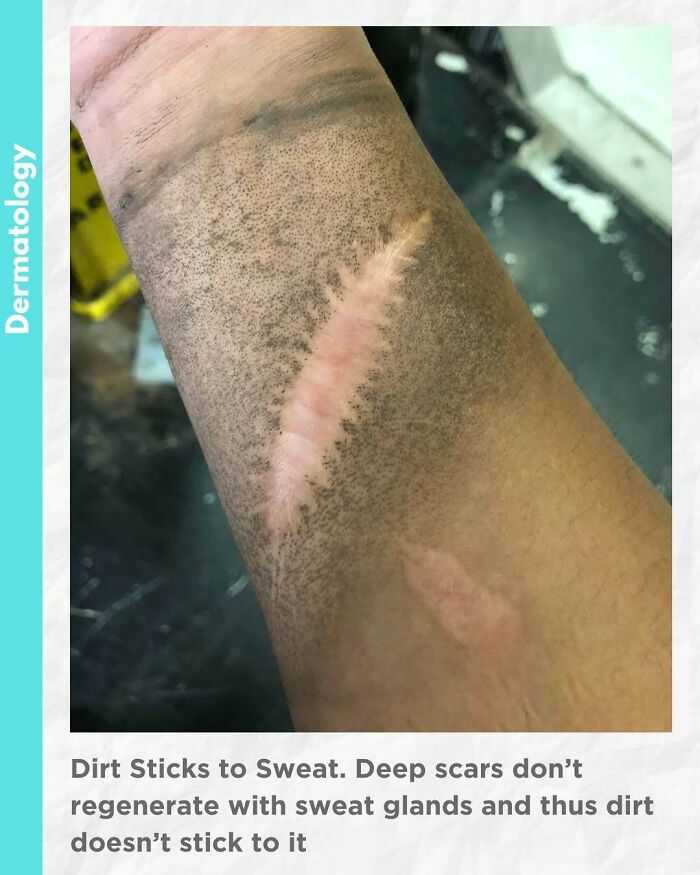
Dirt doesn't stick to scar,
A scar is an area of fibrous tissue that replaces normal skin after an injury. Scars result from the biological process of wound repair in the skin, as well as in other organs and tissues of the body. Because it’s a collagen matrix, it sometimes doesn’t have the same properties as normal skin thus not containing sweat glands and as a result, no dirt/dust sticks to it because the surface of it stays dry.
And now I understand stump balm - a product I approved at work for a man with no legs who kept having this product rejected. - we won- we got the man his stump balm and balance beam for when his legs are made etc
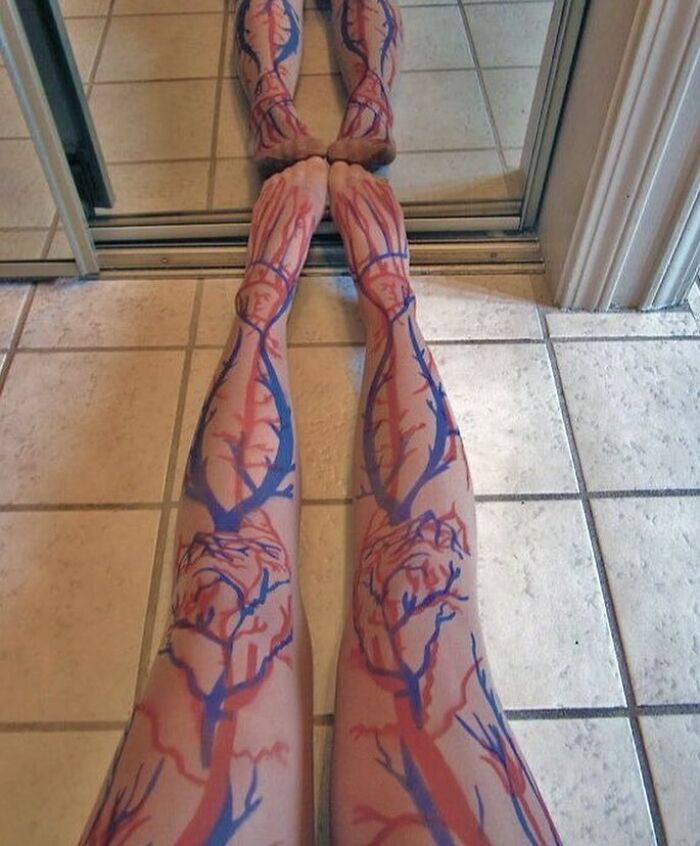
Really creative way to learn anatomy

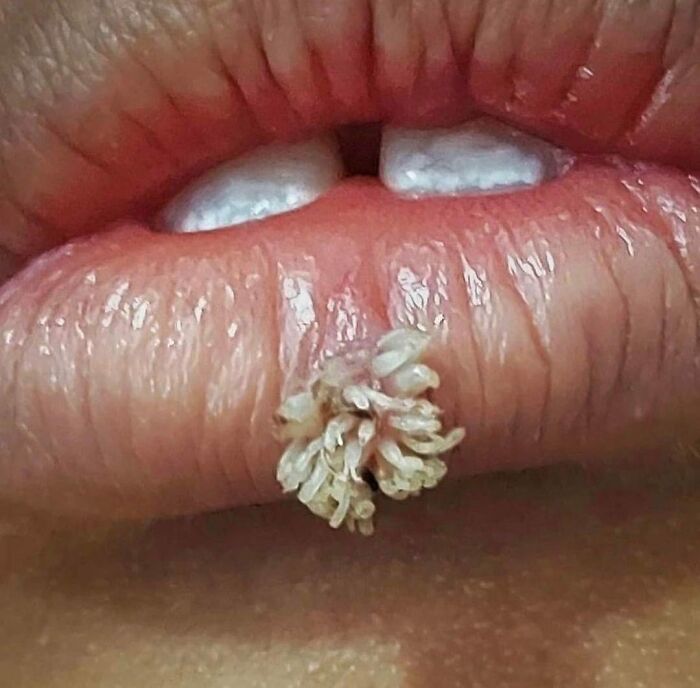
Filiform warts look different than most warts. They have long, narrow projections that extend from the skin. They can be yellow, brown, pink, or skin-toned. Filiform warts are caused by human papillomavirus (HPV).
Like other warts, the filiform variety is a benign growth that can appear as an individual wart or in a group or cluster. Whereas other warts tend to be either raised or flat growths however, filiform warts tend be quite different in that they are quite long and narrow growths that have a distinctive and undesirable frond like appearance which can be quite distressing, particularly as it favours growing on the face, and more specifically on the lips and eyelids. These warts grow very quickly which is also quite characteristic, as most other warts can take a long time to develop after the initial infection.
Okay, time to tear out my own eyes. I have gotten warts a time or two in my life, always on my toes near my nailbed (so, not plantar warts) and always removed easily with either cryotherapy at the dermatologist or over-the-counter salicylic acid patches. I did not want to know that it was possible to have a wart grow on one's lip.

As a trumpet player, this is horrifying. I suppose they called for a primary care appointment when it was barely visible, and it grew this much before the approval for a specialist came.
Let us hope that’s the case. Unfortunately if they live in the US they may very well be one of the millions of people here who still have zero access to health insurance and therefore little to no access to primary care. They may work their butts off at jobs that simply don’t offer decent ( if any) benefits and yet can’t access any healthcare at all without the very real possibility of incurring substantial debt that they simply cannot afford. Many have no choice to wait until initially simple health issues become so awful and debilitating that they end up in Emergency Departments where they will rack up debt that they’ll NEVER pay off and still may not really get the care they need need because Emergency Departments are overwhelmed with such patients in addition to the usual trauma patients and acute illnesses. Such a fantastically inefficient system because US healthcare ,including for profit health insurance companies, is focused on one thing,PROFIT for the people at the top! 🙄
Load More Replies... I think the texture of this would be really distressing as well. Being able to feel that on my lip... I can't even.
Nope! No way! I’m burning that shiz with acid!
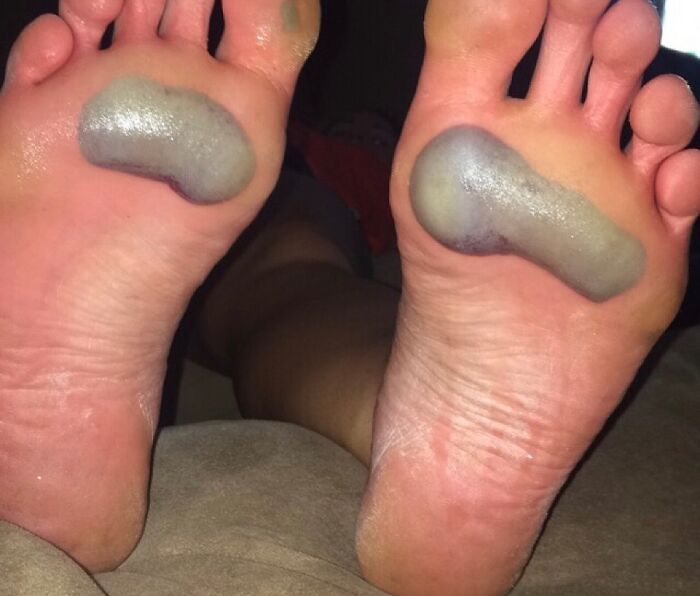
Load More Replies... These blood blister formed due to extreme heat while she was playing basketball for an hour on asphalt on a 100 degree weather day!!!
A blood blister is marked by a raised section of skin filled with blood. They are very similar to blisters caused from friction that fill with a clear fluid. In the case of blood blisters, pressure broke blood vessels and mixed blood with the clear fluid. This combination fills the pocket.
As the feet are filled with many nerves and blood vessels and are under pressure most of the waking day, blisters on the feet can be especially painful.
Depending on where a blister is on the foot, it can be disabling and hard to treat.
Most blisters are harmless and resolve spontaneously, but if they get big, manual drainage or evacuation is the favorable method of treatment.
Geez, BP, the last time you showed us this photo (was it just last week or was it the week before?) you at least had the decency to put a warning cover over it.
Yikes, I'm most surprised that they didn't burst while playing.

Doesn't really make sense... nothing on the heels? Nothing on the toes? Were those two areas the only parts she used during a whole hour game? Didn't the blister rupture on the rough asphalt? Or were the lesions caused/inflicted in another way, and the basketball just an excuse?
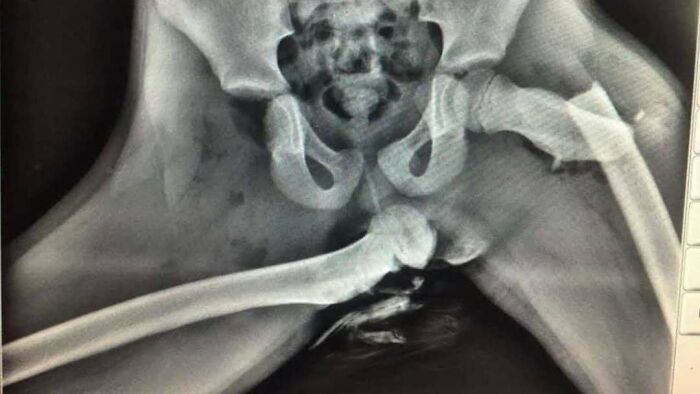
Why you should never put your feet on a car dashboard.
A woman has sustained horrific injuries after resting her feet on the dashboard of a car. It left her with a crushed hip.
I don't want to think about the pain.. Ignore the lower part of the image. Does anyone else see a face in the top part as well?

Not that it makes any difference, but this is a child, not an adult.

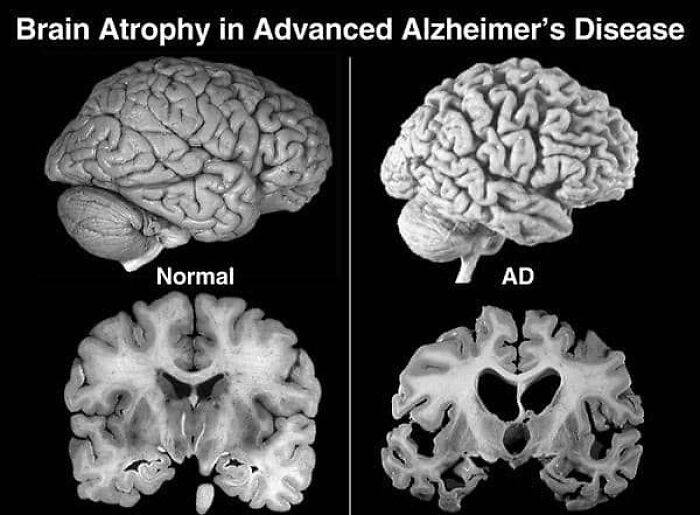
Now that was very rude!... To Alzheimer patients 😁
Load More Replies... That’s really wild to see. Honestly looks like it’s dehydrated or something
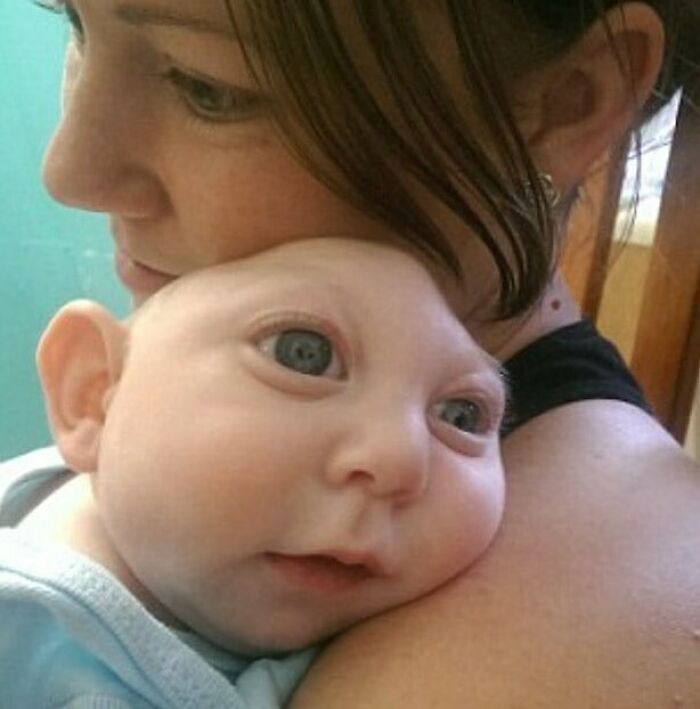
Adorable Baby: Jaxon Emmett Buell, defies the odds after being born with only part of a brain and skull. Jaxon Emmett Buell-The Boy Born Without Most Of His Skull Little Jaxon was diagnosed with microhydranencephaly, a type of brain malformation that causes severe intellectual disability and deformed skulls, but in Jaxon’s case, it meant that most of his brain and skull were missing. The condition only affects an estimated one in every 4,859 babies born in the U.S. each year, most of which die shortly after birth. Jaxon’s parents were told of his medical condition before his birth but still decided to carry on the pregnancy. Although Jaxon was not expected to survive very long, he managed to beat all odds and celebrated his first birthday this past September.
Jaxon ended up dying when he was five years old. All types of anencephaly are a tragedy for the whole family. The child generally has no "real" awareness of the world around them and have profound intellectual disabilities (as they are missing all or most of their brain.) They are not "miracles". Even when the children live for years or even decades, they require 24-hr complete care and cannot function or do anything for themselves. If they survive into adulthood, the parents will need to set up a facility or other family member who will be willing to care for the disabled child if/when the parents díe. I do not favor eugenics, but I do support abortion, especially in cases like this. Babies with this severe of a physical disability do not truly get to "live", and put financial and emotional strain on their entire families. Parents need to also consider their existing children (if there are any) and how a profoundly disabled baby who needs 24/7 care would impact the care and attention that the other children in the family receive.
I agree with you. Existing is not the same as living.
Load More Replies...
I have a child with a chronic condition, cystic fibrosis, it has changed my life forever even though my child is now an adult, the constant anxiety is often overwhelming
So much respect, Orange Mum. I don’t want to say that it must be hard, because I’m aware that that can offend some people and I don’t want to offend you, but I will say that I don’t think I could ever do that myself, and I’m sure that your child appreciates all that you do for them. ❤️
Load More Replies... I spent a great portion of my life working with children and adults with severe conditions such as this, most of whom were not expected to live past the first few weeks of life. The great majority of them had at least a little "awareness" (as much as a typical infant might have) and were a delight to be with and I consider this to have been among the best and most gratifying experiences in my life. Most of the people had as much intellect or awareness as your average infant, and I hope that no one thinks we should end someone's life because their intellect is the same as an infants, given how much most people think of their infants. There has been a recurrent photo on BP of a man whose x-ray indicated he was missing a great part of his brain and yet he was living an average life. I have worked with "normal" adults who have had half of their brains removed due to cancer or trauma and after rehab you would have a hard time picking them out in a crowd. (Please see part 2)
(Part 2) I will say that after 50 years of working with some of the most impaired individuals on the planet, that they are some of the sweetest, most loving individuals you will ever meet, and I have received such unconditional love from these folks that it has taken my breath away and brought literal tears to my eyes. Please do not judge these people or the people who love them until you have spent some time with them. If you personally choose not to have a child with a condition such as this, that is your choice and your right. But do not condemn those who have taken the other route. These folks have certainly made me a better person, have made my life better, and they put things into perspective for me. Any time I feel bad about my life or the things that are happening around me, I stop to think of some of these individuals and how their faces would light up when they saw me. I know what true, honest love is, and I hope that the rest of you can ever be as blessed as I have been.
Load More Replies...Really important to know



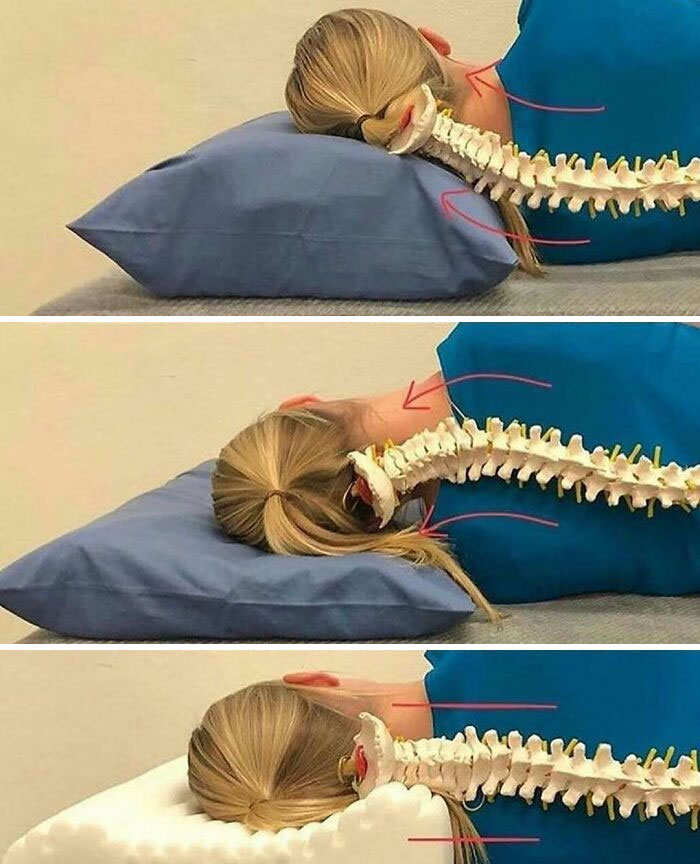
I tried a few pillows... fluffy, ergonomic, you name it. the "ergonomic" one made everything worse) when I mentioned a flat one to my physical therapist he was all for it. they key is to try different ones and find one that works for you. my neck issues got seriously better with the flat one ( I am side/back sleeper). I wouldn't ever have expected that.

I tried the ergonomic one too and it felt good at first, but soon my neck was so locked up that I could barely move it and it was giving me vertigo
Load More Replies...
That poor woman! Start a go fund me to re-install her spine! Please all help is appreciated, even 1$.
I mean, evolution didn't know about pillows when our necks evolved, so...
Load More Replies...
My pillow looks exactly like the last one. It is the best pillow I have ever used, yet I got it cheap because no one else was buying them, so they probably won't be around when it's time for a new one.
Thing is, when I sleep in the "correct" way, the pillow puts pressure on my neck and in the morning, I have so much pain from sore neck muscles.
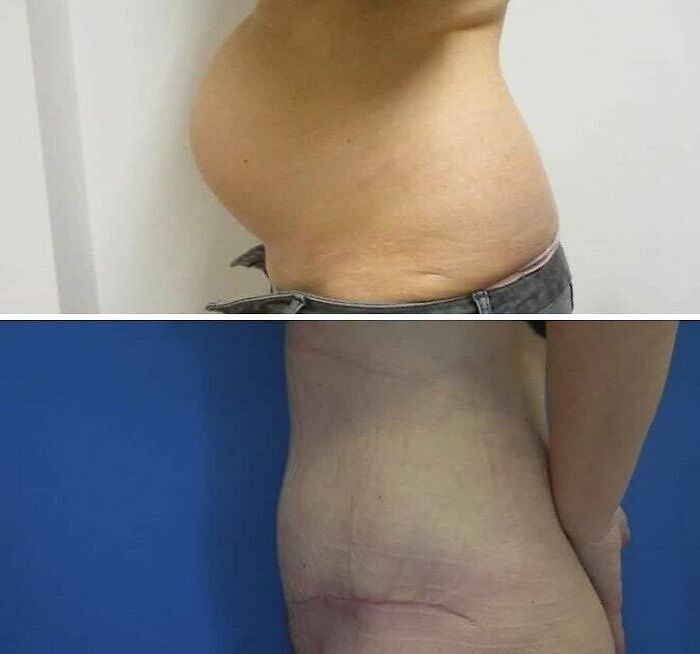
Tummy tuck/ Abdminoplasty is not just removing skin/fat!
Sometimes our patients complain more about a belly that still looks "like pregnant" after pregnancies.
This is due to a massive separation of the rectus muscles, a so-called rectus diastasis/ abdominal wall hernia.
This is then repaired by means of two rows of sutures with or without nets (Sublay/ IPOM)
After this „delivery“, the concomitant back pain often disappears because the spine is stabilized by the abdominal wall as well.
It also reduces the risk of hernias. I had this surgery after two c-sections because I had a hernia and a large separation in my abdominal wall. More women should ask about this!
I have terrible back pain and need exercise, walking is all I can do. When I decided to do this, it really hurt, then I remembered from 2000 and a brilliant physio/chiropractor who advised me engage my abdominal muscles to help alleviate pain. It truly, really does work.
Body riddled with parasites as a result of eating raw pork for 10 years.
Trichinellosis, more commonly known as trichinosis, is a parasitic food-borne disease that is caused by eating raw or undercooked meats, particularly pork products infested with the larvae of a type of roundworm called Trichinella.
When a human or animal eats meat that contains infective Trichinella larvae, the acid in the stomach dissolves the hard covering of the cyst around the larvae and releases the worms. The worms pass into the small intestine and, in 1–2 days, become mature. After mating, adult females lay eggs. Eggs develop into immature worms, travel through the arteries, and are transported to muscles. Within the muscles, the worms curl into a ball and encyst (become enclosed in a capsule). The life cycle repeats when meat containing these encysted worms is consumed by another human or animal.
You're not wolves, people. Cook your meat at least a LITTLE. And this is a wolf telling you this, so you know it's legit :p
Can also be prevented by proper hygiene in raising pigs and meat processing. I had delightfully juicy pork when I was stationed in Germany. I bought fresh milk from a farmer whose barn smelled cleaner than my house does on a bad day. My landlord was a butcher whose shop was more sanitary than some clinics I've been to.

Did they still have the weird toilets with the shelf? The ones for examining your p*o? They had those in Germany when I lived there, because they ate so much pork, but they were starting to be removed.
Load More Replies... 
If this is the woman Im thinking it is, she actually owned a restaurant and served raw pork on her menu. Similarly to sashimi. She swore that it was OK and used herself as an example, saying she's been eating it for years and is healthy. It was when she started not feeling well that she went to see a doctor and they were horrified to find her entire body was filled with parasites..
Promoters of veganism would be much more persuasive if they brought this up (not vegan, not shaming vegans, not shaming non-vegans, it’s just a joke)
What part of the body are we looking at? Because it looks like his thighs.
Snopes wrote "In short, the images were authentic and depicted part of a woman's body (the lower torso and legs) infected with parasites linked to the consumption of raw pork."
Load More Replies... In Germany, and I'd suspect all of Europe, every pig is checked by a vet before being processed. I remember him doing that with the pigs our landlady kept. Trichinosis shouldn't be an issue anymore (although, of course, nobody is perfect). But then, I was also told from a young age to look out for anything strange when we had raw minced meat.
This looks horrific and painful. I am not sure I want to go on with this thread.
I had to scroll past a couple of the photos and place the "Add a comment" box at the top of my screen before commenting/posting the info on some of the ones I commented on, because I feel so much empathy and sympathy and pain for these people, most of whom cannot help the conditions they have.
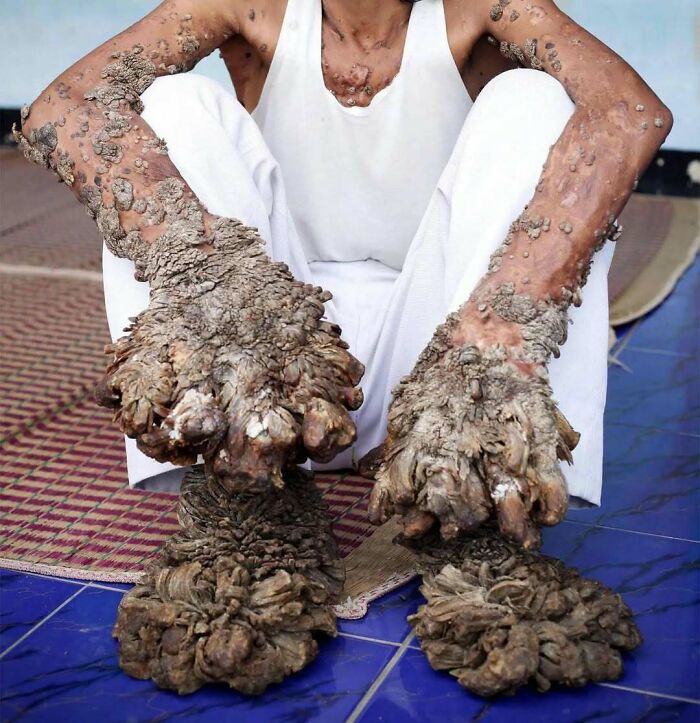
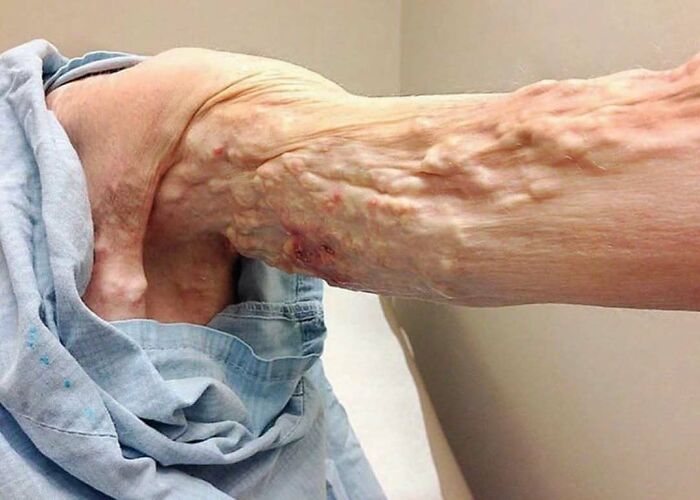
Load More Replies... Dede Koswara (1971 – January 30, 2016), known as the "Tree Man" was an Indonesian carpenter. He suffered epidermodysplasia verruciformis (EV). The condition worsened and eventually caused him to lose his job and wife and children left him. His story was on international TV in 2007. He later in 2008 had surgery, which removed 6kg which was 95% of the warts. They were able to restore use of his hands but they never cured him of the condition and they grew back. He sadly died due to complications of his disease in 2016. Heart breaking.
I remember this story. He was brought to the states for surgeries. Much has grown back, however.
IIRC his home country (Indonesia) didn't have the specialists for the surgeries and he couldn't afford going abroad, but he got it donated to him and the surgeries took place in either Europe or the US.
Load More Replies... Tree Man from the Philippines or Indonesia. He finally got medical care. Interesting cable program about him.
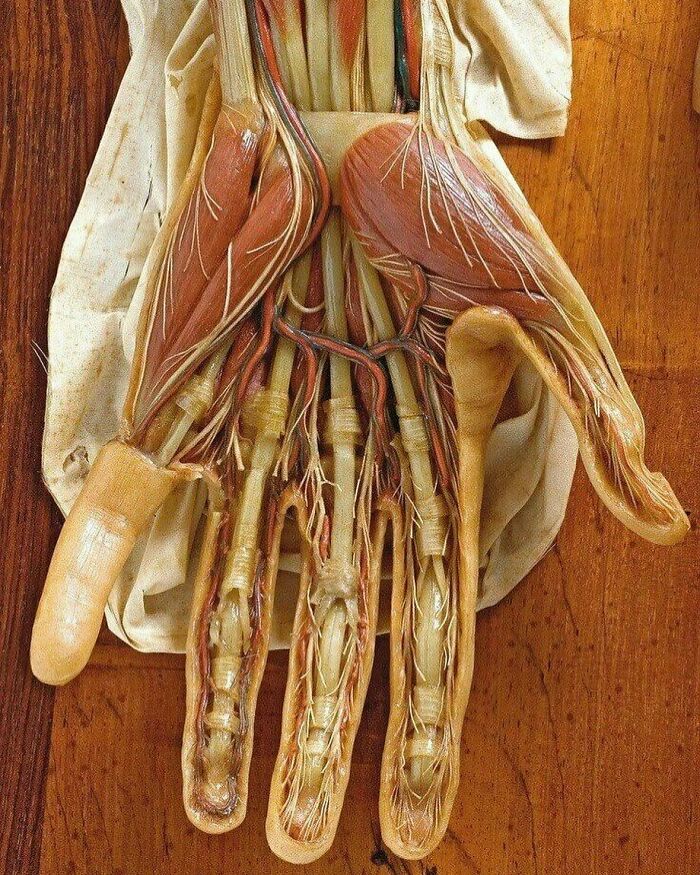
Anatomy of hand
I need one of those for the shoulder. Mine is messed up and I want to understand it better.
search for anatomy 3d models, there are many free ones that you can pick and turn around to see it from all angles - free of charge (and many for pay, of course!)
Load More Replies... Roni - you'll be fine, I am sure. I broke both my wrists at once one time and they operated on the worst one (unfortunately my dominant hand). It took a little while to "get back in the saddle," but it was all worthwhile for the results. The only problem I had was that for a while I had to sign everything with my left (non-dominant) hand, which gets exhausting and when you have to write "Multa Louise Nocte, Ph.D., Licensed Clinical Psychologist" plus the current date 200 times a day to sign off on reports and clinical notes, and it gets a little pitiful looking. I was always worried they were going to come after me for forgery. ;-) You'll be fine, my dear. Let us know how it goes. XXXOOO
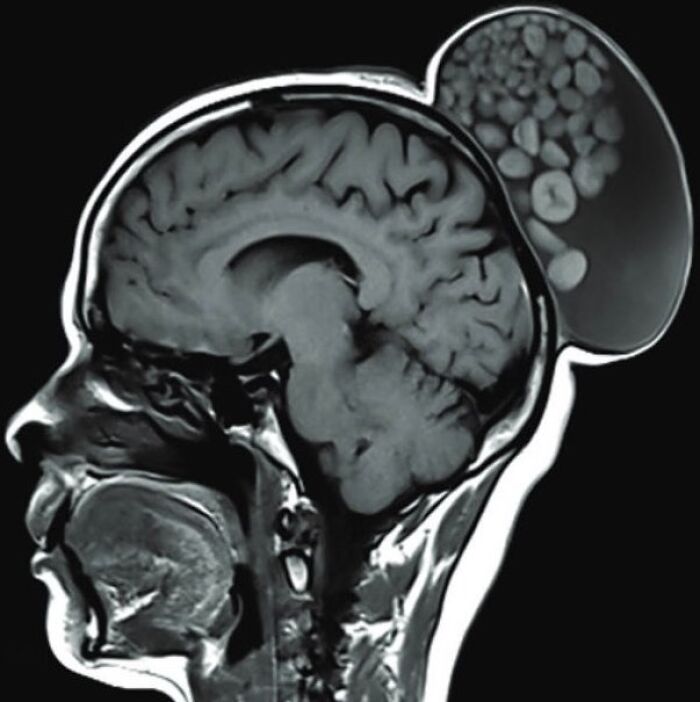
Load More Replies...52-year-old woman presented with a painless, gradually enlarging scalp swelling
I posted a comment with info, but BP's new weird AI censorship hid it :/
Are they ever going to get that fucking thing fixed?
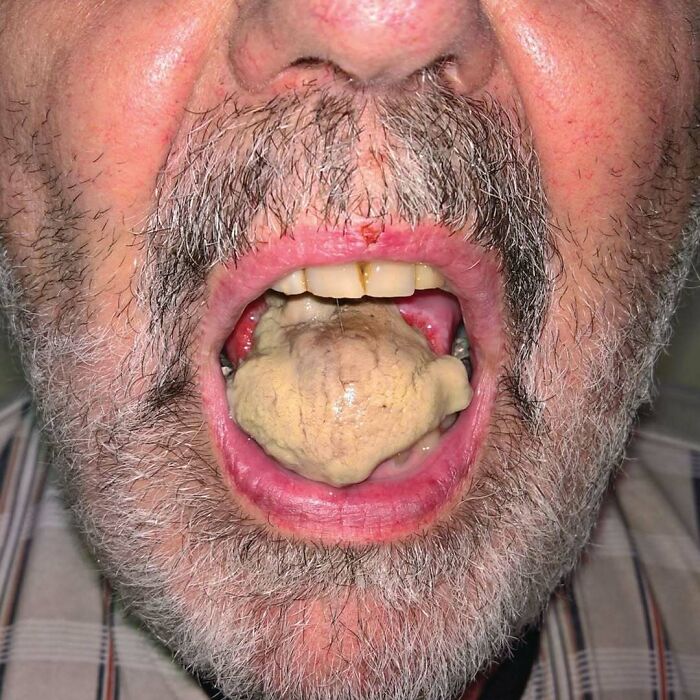
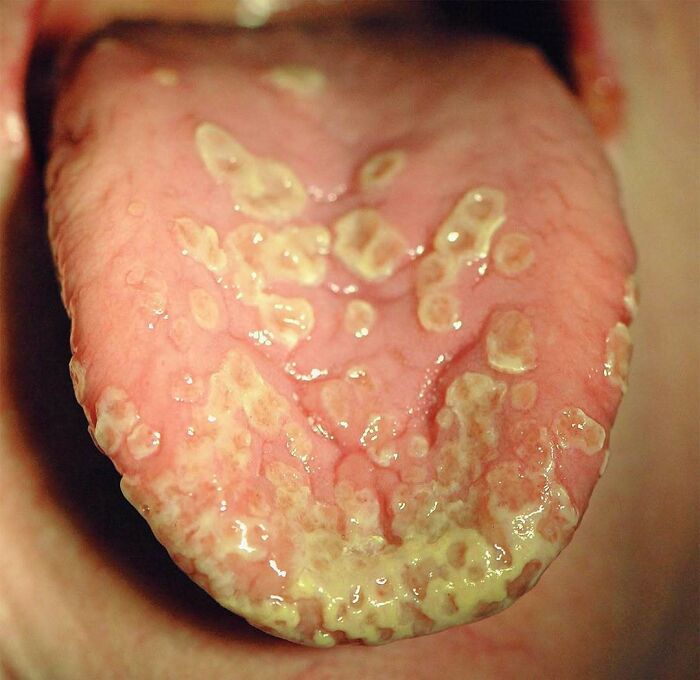
Load More Replies... Oral candidiasis, also known as oral thrush, is a condition in which the fungus Candida albicans accumulates on the lining of the mouth.
For oral thrush to be this bad in an adult, you would have to be severely immunocompromised.

For real. I've gotten it a few times because I'm diabetic, but not NEARLY this severely.
Load More Replies... Babies are prone to oral thrush because literally everything goes in the mouth. It can be a real bear to get rid of.
A 12-year-old immigrant female was admitted in the dermatology department with multiple brown lesions on the trunk and face and a large cerebriform plaque on the right side of her scalp.
She was born with multiple brown papules and nodules on the trunk and face and a brown patch on the right side of her scalp. She reported an increase in the size of the lesions on her body and face over time and there was no associated pain or itching. According to history given by her parents, the lesion on the scalp was a small brown flat patch at birth and had increased in size and thickness over the last 8 years and in the past 5 years it had become nodular and cerebriform. The patient complained of intense itching and discharge which had recently become malodorous.
Her birth and developmental history were normal.
In physical examination, her developmental and nutritional status was normal. The head circumference was in normal range and her neurologic, cardiovascular, musculoskeletal, and ophthalmic examinations were normal
The mass on the scalp sized 22 cm × 18 cm × 2.5 cm approximately with a nodular surface spread across the right side of the scalp.

More from the author on the op: + A congenital melanocytic naevus is proliferation of benign melanocytes that are present at birth or develop shortly after birth + This form of a congenital naevus is a so known as a brown birthmark + Congenital melanocytic naevi are usually classified by their size in an adult. + There are several different classifications. ~ A small congenital melanocytic naevus is < 1.5 cm in diameter. • A medium congenital melanocytic naevi is 1.5-19.9 cm. • A large or giant congenital melanocytic naevus is ≥ 20 cm in diameter. * Congenital melanocytic naevi present as single or multi-shaded, round or oval-shaped pigmented patches + They may have increased hair growth (hypertrichosis as in this case ~ The surface may be slightly rough or bumpy. + Congenital melanocytic naevi are usually asymptomatic, however, some may be itchy, particularly larger lesions. It is thought there may be a reduced function of sebaceous (oil) and eccrine (sweat) glands, which may result….
……in skin dryness and a heightened sensation of itch. + Congenital melanocytic naevi are caused by localised genetic abnormalities resulting in the proliferation of melanocytes; these are cells in the skin responsible for normal skin colour. This abnormal proliferation is thought to occur between the 5th and 24th weeks of gestation. + Management of a congenital melanocytic naevus must take into account the age of the subject, the lesion size, the location and depth, and the risk of developing malignant change within the lesion. + Giant congenital melanocytic naevus * The only definite indication for surgery in a giant congenital melanocytic naevus is when melanoma develops within it
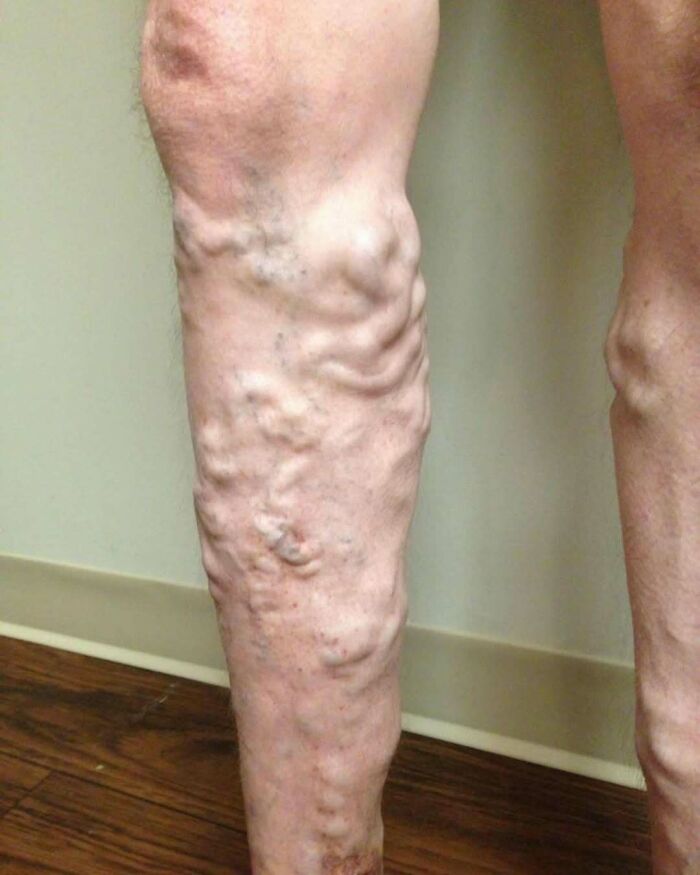
Load More Replies... This looks like a case of really, REALLY severe varicose veins.
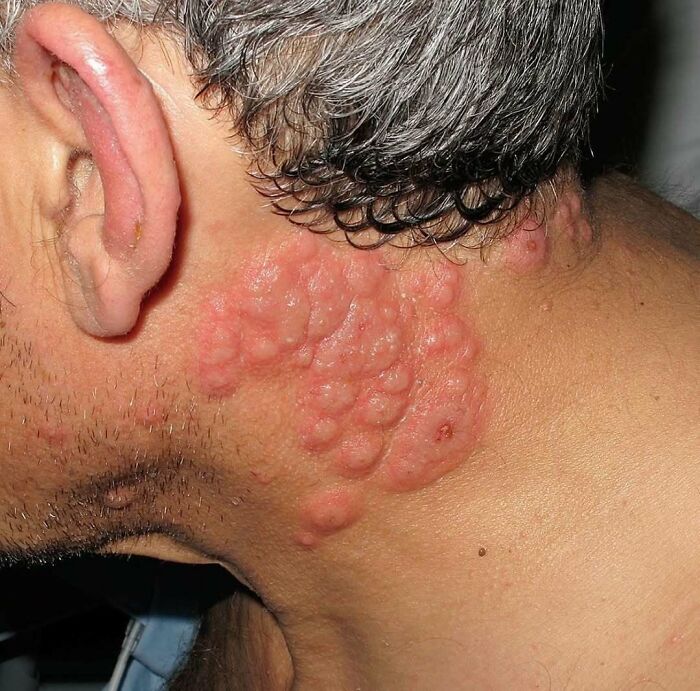
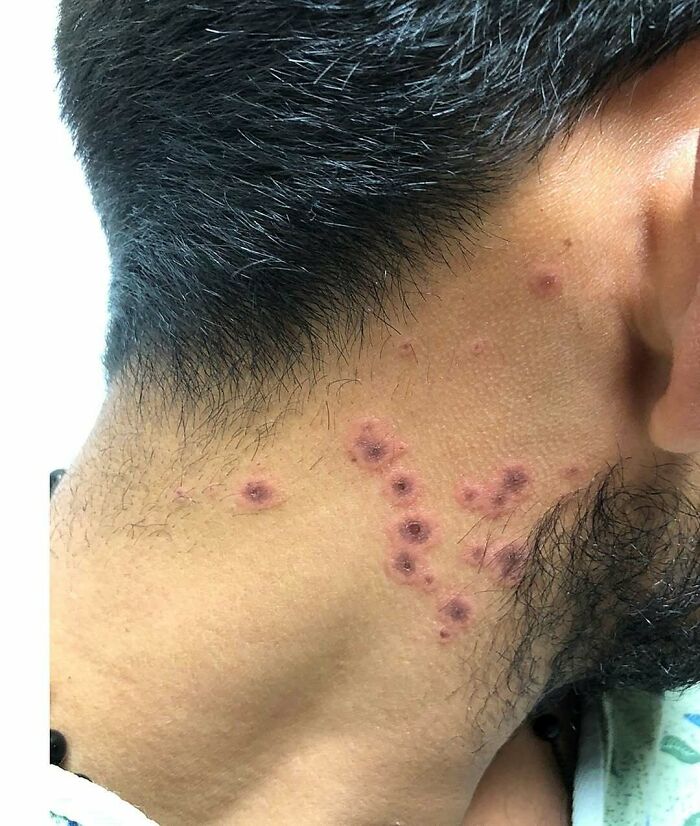
54-year-old man with a history of ulcerative colitis was admitted to the hospital with an intraabdominal abscess. On day 7 of his hospital stay, painful skin lesions developed on his neck
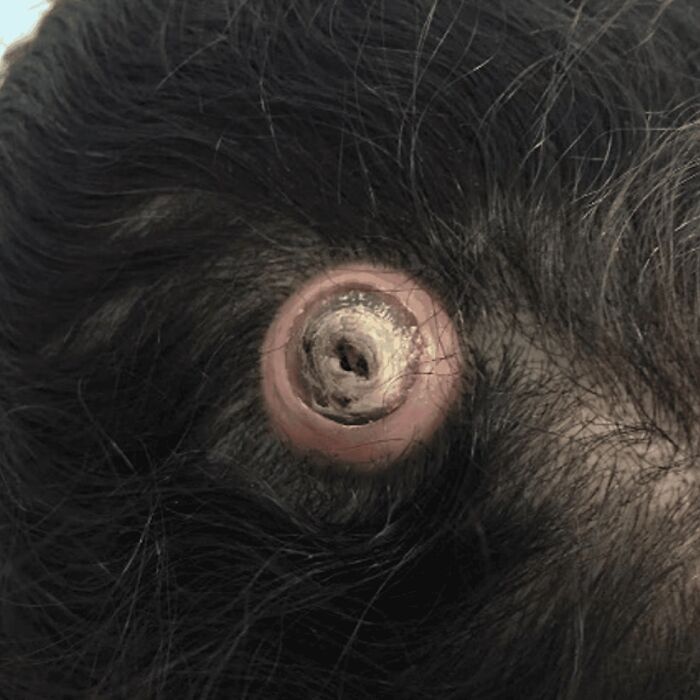
A 57-year-old female presented with a rapidly growing ellipse-shaped nodule on her scalp for two years .The mass did not regress with time and was filled with serous fluid. The patient had a medical history of diabetes and hypertension, and her family history was not significant. Physical examination revealed an oval-shaped mass with a central scar, no discharge, no fluctuation, and painless.
The gross pathological description includes a skin ellipse measuring 1.5 x 1.2 × 0.4 cm with a raised skin lesion and a central crater measuring 1.1 cm.
Microscopically, sections showed skin-abundant pilosebaceous follicles with dilated infundibulum containing lamellated keratin and lined by stratified squamous epithelium with peripheral basal cells and no cytologic atypia
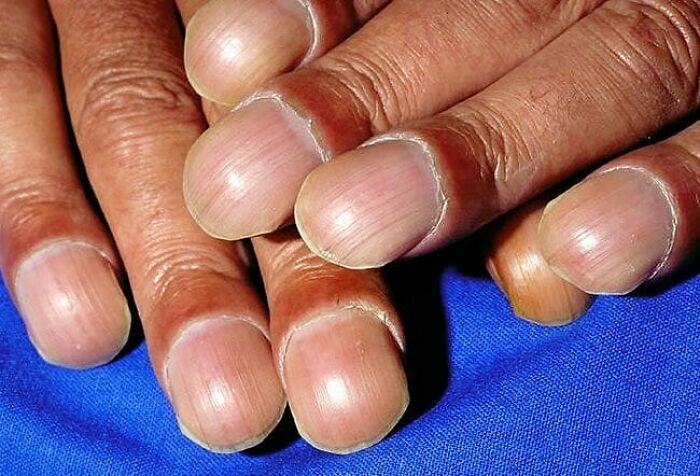
Nail clubbing is a deformity of the finger or toe nails associated with a number of diseases, mostly of the heart and lungs.
Nail clubbing occurs when the tips of the fingers enlarge and the nails curve around the fingertips, usually over the course of years. Nail clubbing is sometimes the result of low oxygen in the blood and could be a sign of various types of lung disease.
When it occurs together with joint effusions, joint pains, and abnormal skin and bone growth it is known as hypertrophic osteoarthropathy.
Clubbing is associated with lung cancer, lung infections, interstitial lung disease, cystic fibrosis, or cardiovascular disease.
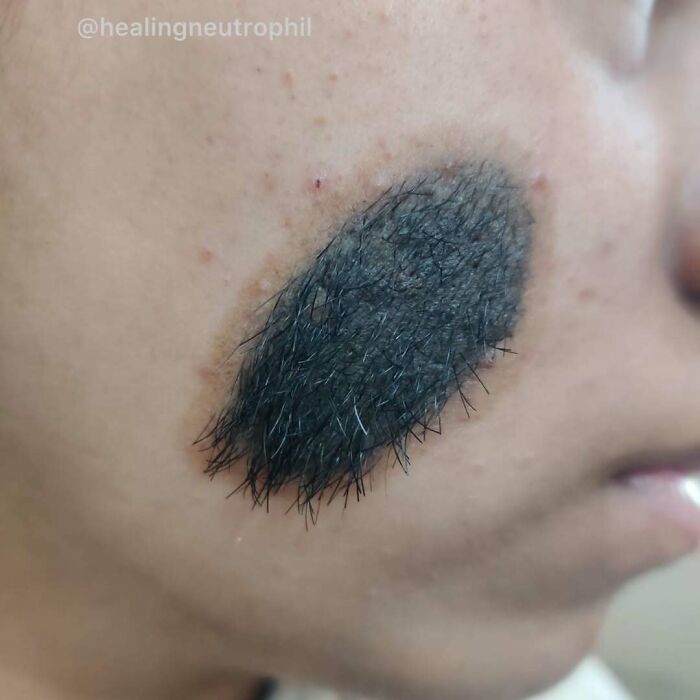
A 15-year-old female presented with a 8 cm x 7 cm, ovoid-shaped, hairy lesion on the right side of her face The palm-sized solitary lesion was present since birth and enlarged as she grew .An interview confirmed no personal or family medical history of melanoma or any form of cancer. The patient denied pain, pruritis, functional problems, or limitations in facial expression due to the lesion
I posted a comment with info, but BP's new weird AI censorship hid it :/
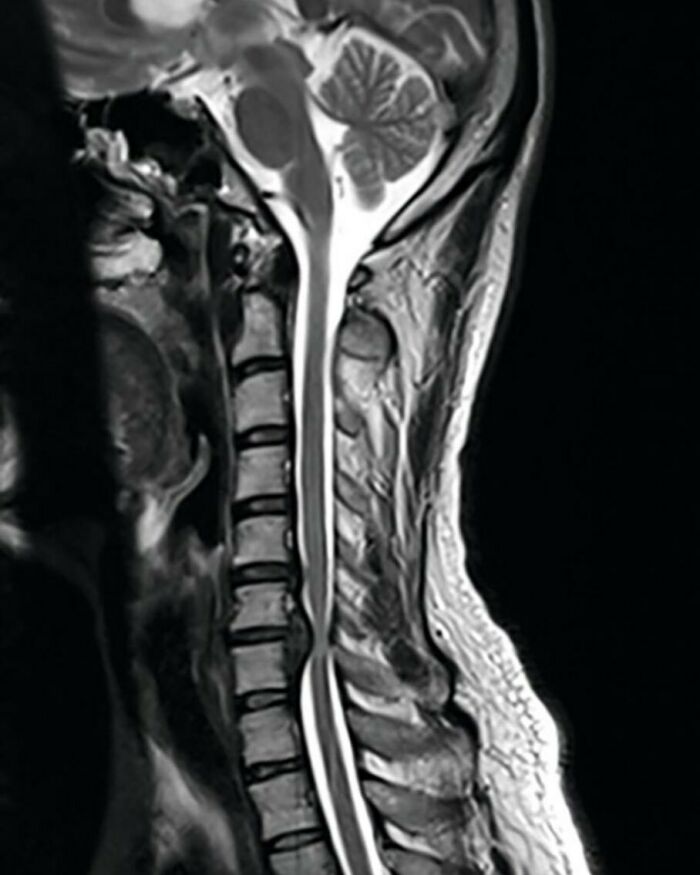
MRI of spinal cord (sagittal view) showing vertebral disc herniation and spinal cord compression at the level of C6-C7
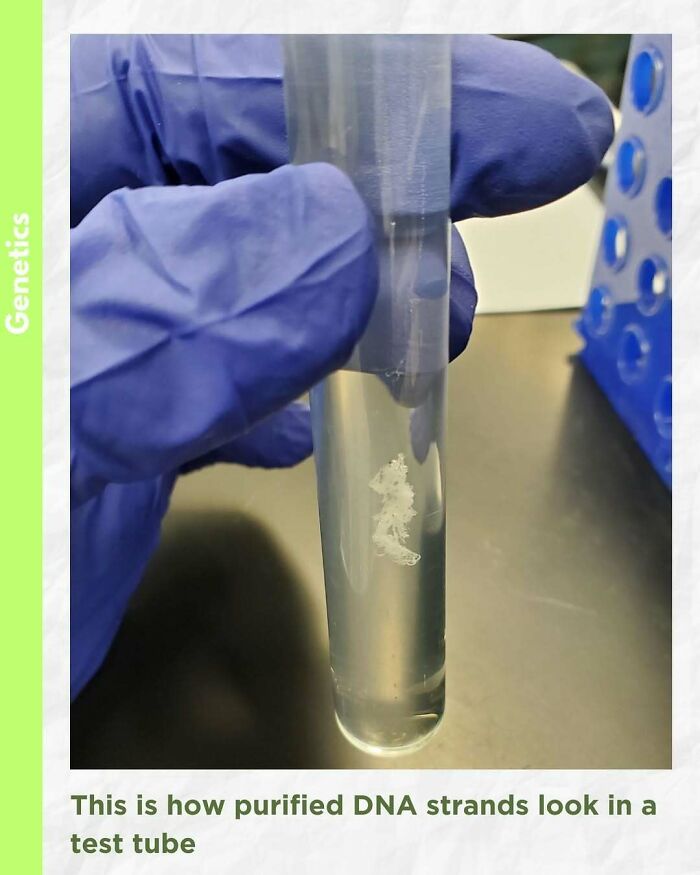
Fascinating to see purified DNA (Deoxyribonucleic acid) inside a test tube
In today’s world of DNA analysis by multiplex and real-time PCR, the importance of high-quality, purified DNA cannot be underestimated. Finding a suitable DNA isolation system to satisfy your downstream application needs is vital for the successful completion of experiments.
There are five basic steps of DNA extraction that are consistent across all the possible DNA purification chemistries: 1) disruption of the cellular structure to create a lysate, 2) separation of the soluble DNA from cell debris and other insoluble material, 3) binding the DNA of interest to a purification matrix, 4) washing proteins and other contaminants away from the matrix and 5) elution of the DNA
We got to extract DNA samples at the Gene Technology Access Centre when I was in high school. Such a fascinating process and feels like magic when you see the strands appear.
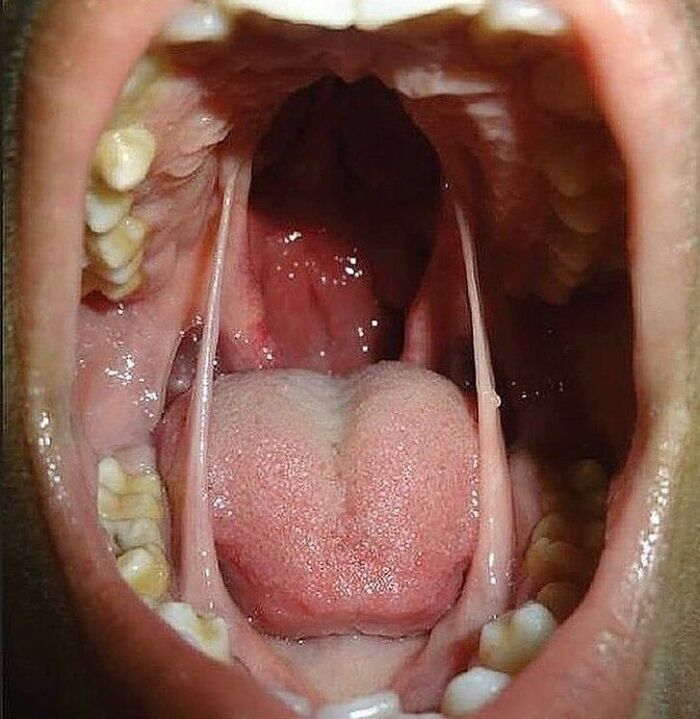
Ankyloglossia, also known as tongue-tie, is a congenital oral anomaly that may decrease the mobility of the tongue tip and is caused by an unusually short, thick lingual frenulum, a membrane connecting the underside of the tongue to the floor of the mouth. Ankyloglossia varies in degree of severity from mild cases characterized by mucous membrane bands to complete ankyloglossia whereby the tongue is tethered to the floor of the mouth.

My son was tongue tied. He had it "clipped" when he was around 4. The improvement in speech was instant.
Can also cause feeding issues in infants if not recognized and remedied
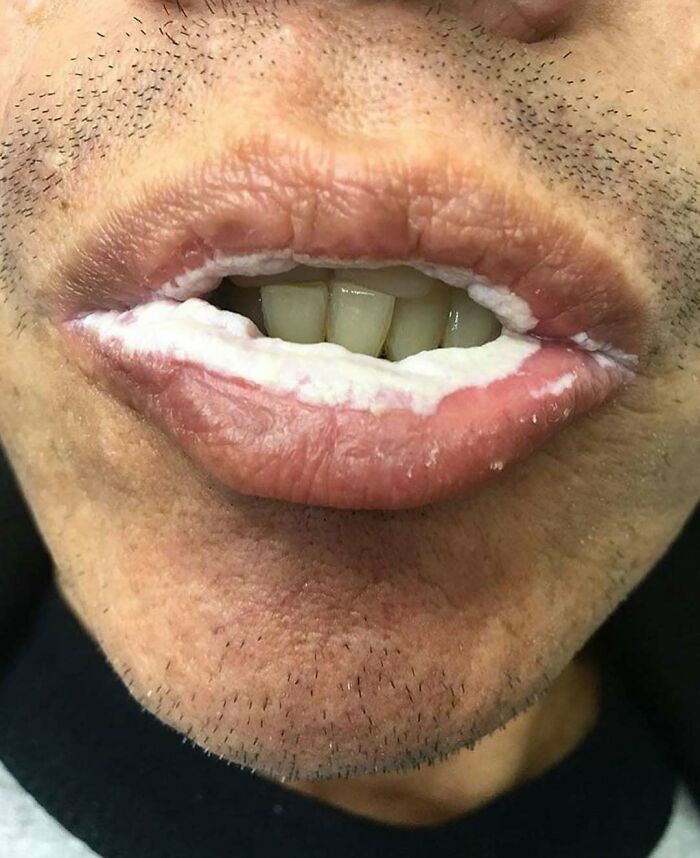
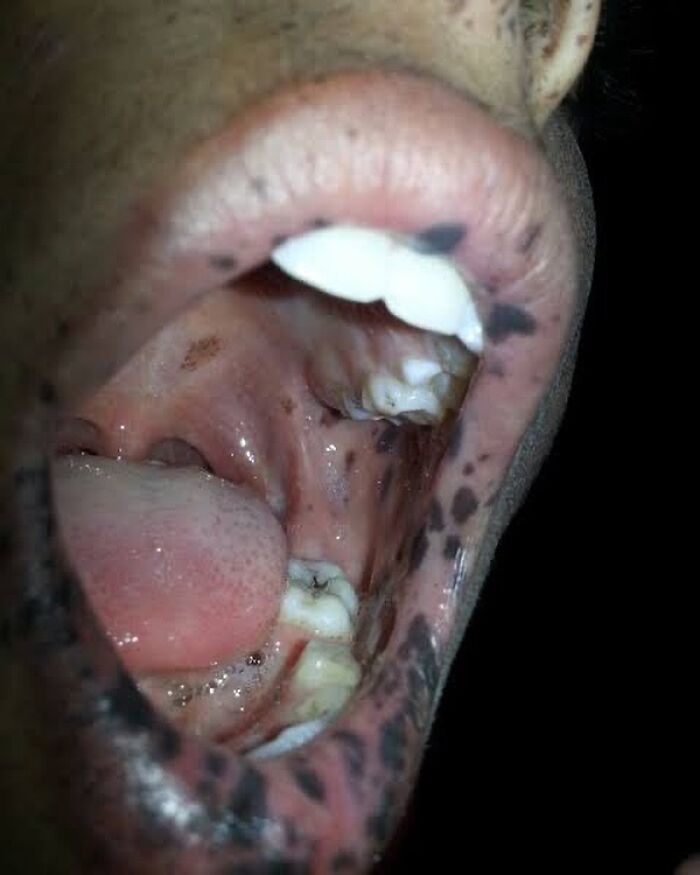
Load More Replies...A 22 year-old male was brought to a clinic for evaluation of intermittent abdominal pain and watery diarrhea of 12 years’ duration. Over the previous 2 months, his symptoms had included vomiting and weight loss. The patient had numerous hyperpigmented macules on his lips, buccal mucosa, fingers, and toes. Computed tomography (CT) and ultrasonography showed duodenojejunal intussusception. Upper gastrointestinal (GI) endoscopy revealed multiple polyps.

This is a rare condition when the duodenum (the first part of the small intestine) telescopes into the jejunum (the next part of the small intestine.) It is often caused by a tumor or polyp in the intestine. Surgery is usually required in adults, though if the condition is "caught" early enough in childhood, it can sometimes be fixed non-surgically. The macules on his body were likely caused by the inflammation that the duodenojejunal intussusception was causing in his body.
Load More Replies... Peutz–Jeghers syndrome. Multiple hyperpigmented macules (freckles, moles), including in areas that don't usually get any, associated with multiple polyps in the intestine. There is a high risk of intestinal obstruction (blockage) from the polyps (can cause abnormal twisting and intussusception - the bowel folding up a segment inside the next, like a spyglass), and has a high risk of cancer (bowel or skin). It is genetic in origin.
People who are born with freckling in the mouth like this are more likely to develop colon cancer.
It says "intermittent", not "constant". Depending on where this patient lived, he may not have been able to pay for medical care/diagnosis of his GI symptoms during those 12 years (especially if they were intermittent and not debilitating.) He apparently did not go to a clinic until other symptoms appeared :(
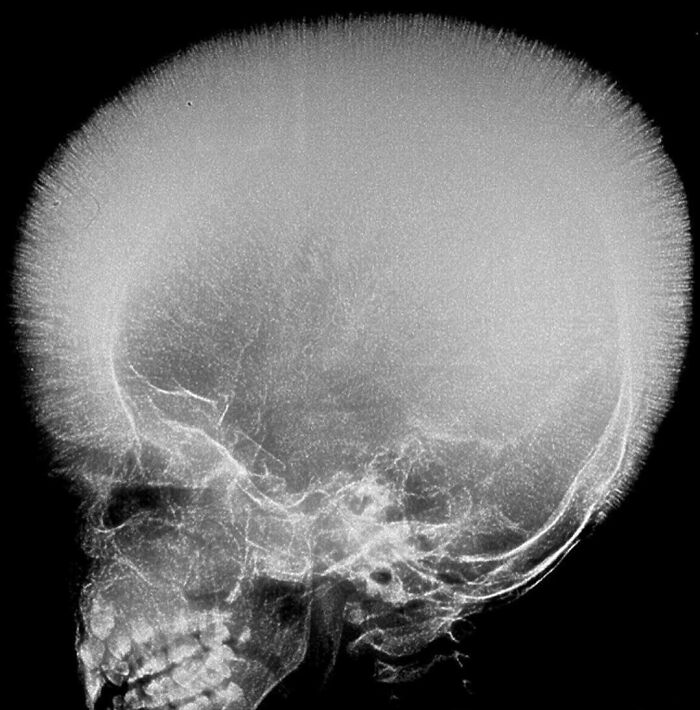
Load More Replies... According to a reverse image search on Google, this is a symptom/sign of thalassemia major, a severe form of anemia. It is called the "hair-on-end" sign and "is a result of marrow hyperplasia that expands the diploic space of the skull vault, causing vertical bone striations that resemble hairs standing on end."
I posted a comment with info two hours ago, but BP's new weird AI censorship hid it :/
Load More Replies... Y’all can also go to the original post by tapping the grey words under the picture. Thalassemia is the answer from there.
I posted a comment with info, but BP's new weird AI censorship hid it :/
Load More Replies... 
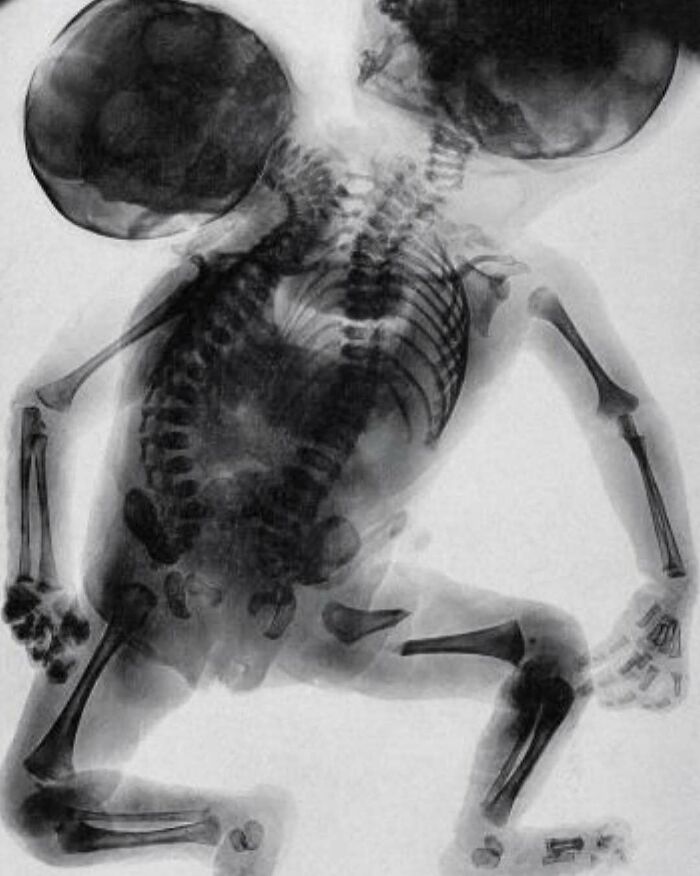
An X-ray of conjoined twins born with two backbones and two heads
Conjoined twins are two babies who are born physically connected to each other. Conjoined twins develop when an early embryo only partially separates to form two individuals. Although two babies develop from this embryo, they remain physically connected — most often at the chest, abdomen or pelvis. Conjoined twins may also share one or more internal body organs. Though many conjoined twins are not alive when born (stillborn) or die shortly after birth, advances in surgery and technology have improved survival rates. Some surviving conjoined twins can be surgically separated. The success of surgery depends on where the twins are joined and how many and which organs are shared. It also depends on the experience and skill of the surgical team.
This poor soul. The right head seems to be internally decapitated, and the right thigh bone is clear cut, not to mention the right hand seems detached as well
Looks like it had been dropped, the poor thing. Maybe these injuries happened during birth?
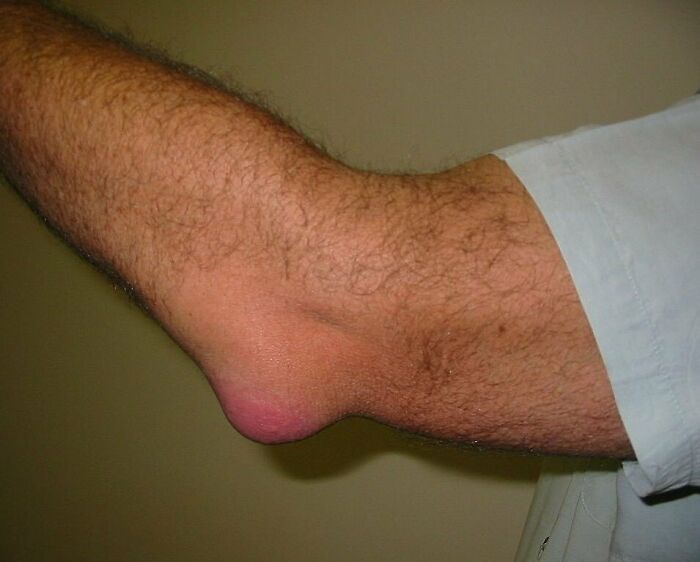
Load More Replies...Olecranon bursitis is a condition characterized by swelling, redness, and pain at the tip of the elbow. If the underlying cause is due to an infection, fever may be present. The condition is relatively common and is one of the most frequent types of bursitis.
It usually occurs as a result of trauma or pressure to the elbow, infection, or certain medical conditions such as rheumatoid arthritis or gout.
The underlying mechanism is inflammation of the fluid filled sac between the olecranon and skin.
Bursitis can occur in any joint. My dad and daughter have it in their shoulders.
Load More Replies... I had hip bursitis and it frea king hurts! One shot of steroids and I was walking fine again. Whew.
Hopefully this person had surgery to straighten the spine to correct the scoliosis.
Or atleast a brace as they grew. Lord that’s definitely on the more severe side from what I’ve seen
Load More Replies... I remember having to go to the school nurse for scoliosis screening in grade school. This is very severe.
My older brother's back looked pretty much like this before having rods inserted to straighten it. My younger brother also had scoliosis, but I never saw the xrays and he never got surgery, so maybe it wasn't as bad. He couldn't support his own weight, but he was pretty hunched over to one side when in his wheelchair without the side supports though.
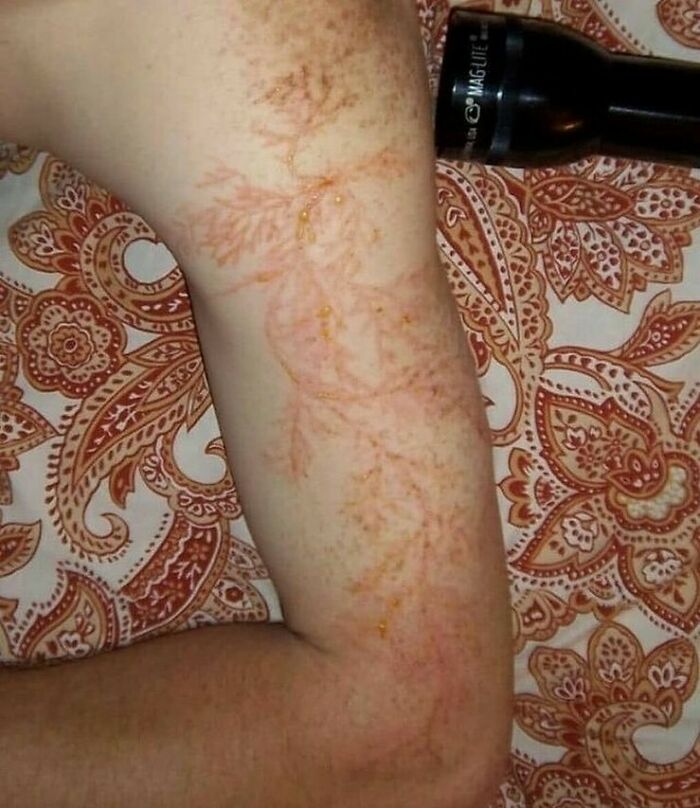
"Lichtenberg Figures", properly known as keraunographic markings, the result of being struck by lightning.
Bored Panda needs to do a better job with captions/explanations! Or better yet they could just hire LakotaWolf to do them😊. Yours are much better than the ones they DO bother to write, Lakota. 😊
I know. I am downvoting ones that have no explanation or are totally in medical terminology. As well, to better understand the photos, I am also just plucking them out and putting them into my search engine, because some of these have been just flat wrong and others are only in medical jargon, which is the original audience for whom they were intended. BP does us no favours by just plopping them down here without adequate info. As well, many of these are difficult to view if you haven't had much exposure to unusual medical conditions or complications or to people who have severe medical conditions. This turns their experiences into them being side show entertainment, and BP ought to be ashamed of themselves for it. I will put this complaint below in the general comments as well.
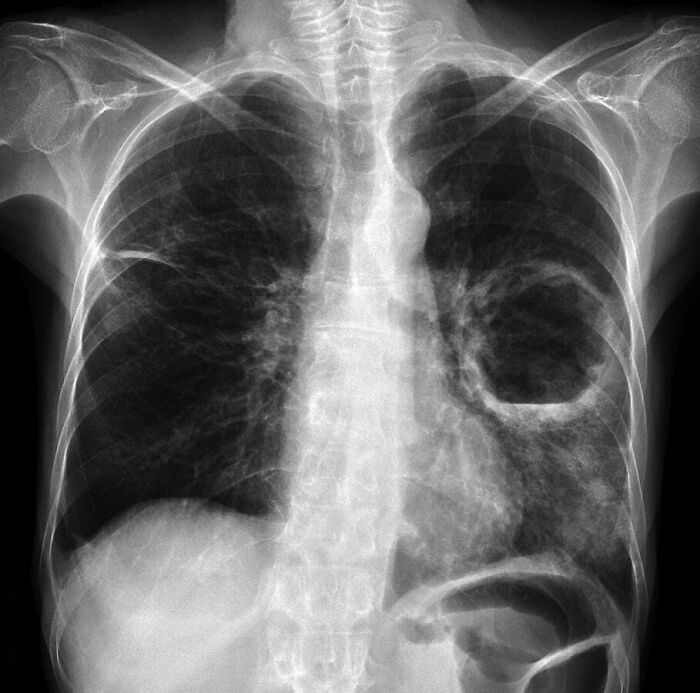
Load More Replies...Chest x-ray of a patient demonstrates a large left sided pulmonary cavity with a small dependent air-fluid level within the left mid zone, in keeping with pulmonary abscess. Patchy airspace opacification more inferiorly within left lower zone.
Scarring/atelectasis within lateral aspect of right upper zone.
This chest X-ray shows a serious infection in the left lung, likely a lung abscess, which is a pocket of pus from bacteria, seen as a big hole (cavity) with fluid and air inside. There's also some general inflammation (patchy spots) lower down in the left lung, and some old damage or collapsed lung tissue (scarring/atelectasis) in the upper right lung. Here's a breakdown in simple terms: "Large left sided pulmonary cavity with a small dependent air-fluid level within the left mid zone, in keeping with pulmonary abscess.": There's a big "pocket" or hole in the middle part of the left lung that's filled with dead tissue, pus (fluid), and air, which is the classic sign of a lung abscess. "Patchy airspace opacification more inferiorly within left lower zone.": There are some white, hazy spots in the lower part of the left lung, suggesting more infection or inflammation. "Scarring/atelectasis within lateral aspect of right upper zone.": On the right side, towards the edge and top, ….
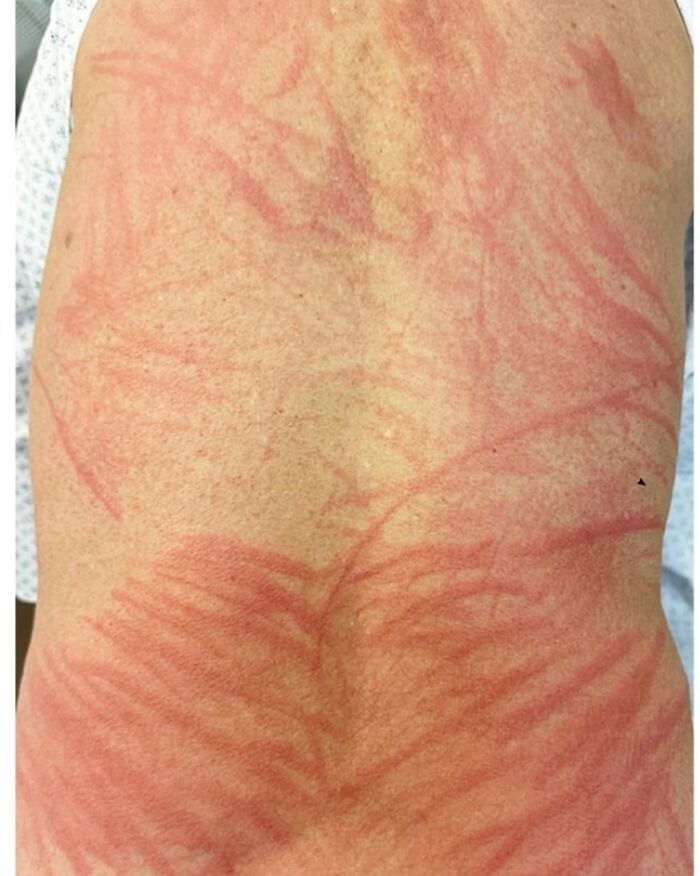
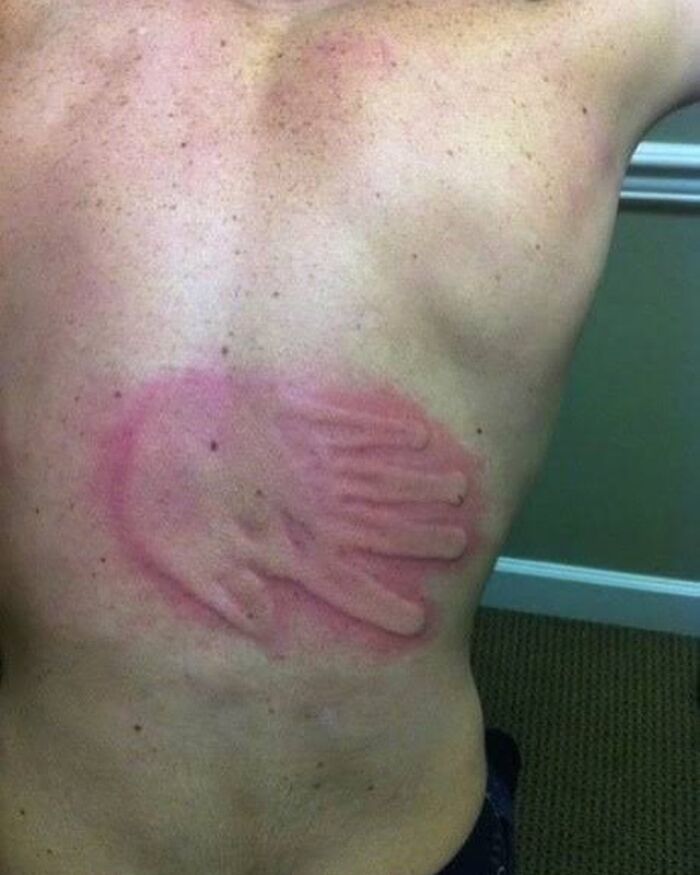
Load More Replies...A 72-year-old man presented to the emergency department with a 2-day history of an itchy rash on his back. On physical examination, edematous, flagellate plaques and linear patches were present across the patient's entire back and upper buttocks. There was no adenopathy, dermographism, or mucosal involvement

I posted a comment with info, but BP's new weird AI censorship hid it :/

that's what it is? I was wondering why perfectly good comments were hidden. I thought that maybe they would have swithed it so that all the non-paying commenters comments would start as hidden. Yours is a better explanation!
Load More Replies... It is absolutely pointless to read these descriptions, if you are not in the medical field, which I am not.
Presented is a case of spinal cord transection, where the spinal cord is cut in half. The spinal cord is the main relay station for both afferent sensory information and efferent motor commands. There are multiple sensory tracts which ascend the spinal cord such as the Dorsal Column-Medial Lemniscus (DCML) and spinothalamic. The DCML carries ipsilateral information of pressure, vibration, fine touch and proprioception from sensory nerve endings in the periphery, whereas the spinothalamic tract carries contralateral information of pain, temperature, pressure and crude touch. The main motor pathway that controls voluntary movement is the lateral corticospinal tract, although there are many others. In cases of spinal cord injury, the spinal cord often goes into spinal shock, which is a characteristic reflexive pattern of areflexia->hyporeflexia->hyperreflexia. The state of a patients reflexes can often be tested clinically by testing a reflex arc such as the patellar reflex. Unfortunately, the patient suffered massive spinal cord trauma, sternal fractures, with bilateral lung contusions leading to a hematothorax and expired

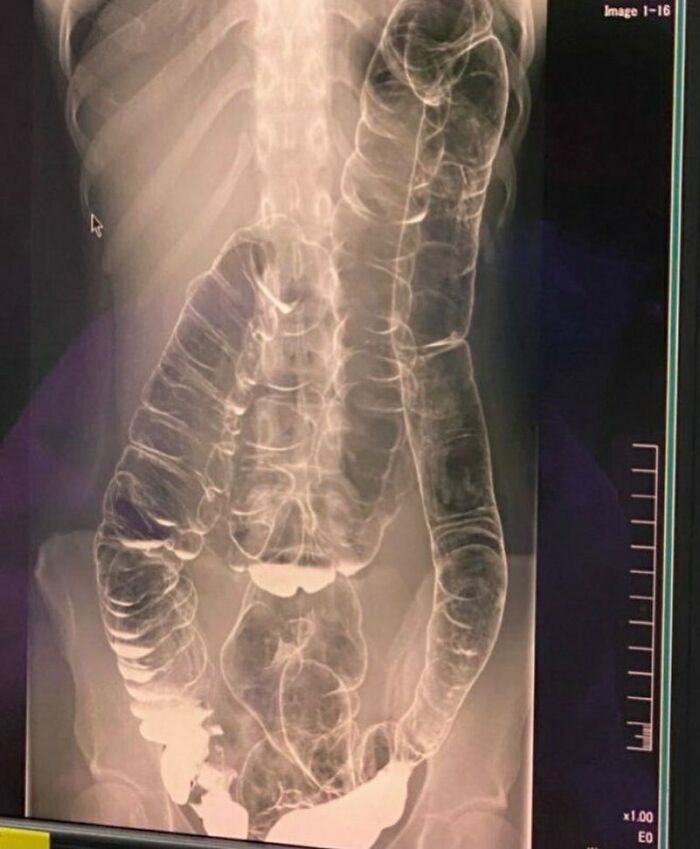
This is what constipation after 19 days looks like. A woman suffering from chronic constipation, discovers her colon severely displaced.
On the original post someone wrote: "Whoever wrote this caption doesn’t know what they are talking about and is a liar. There is no constipation and the colon is completely normal. It is an erect film post air and barium enema. What a shame to sell misinformation this way." Another poster wrote" "The text says that it’s a woman who’s been constipated for over two weeks. They took this X-ray and this is what it looked like. That’s air and contrast if they were constipated the bowel would be full of feces not air. This looks more like a post colonoscopy where they did maybe a BE or something after or a double contrast BE study." Radiologists writing in to comment on this repeatedly and unanimously said that this is air, not feces.
I'm concerned about the position though. Diaphragmatic hernia? I certainly agree this is air, not constipation.
Load More Replies... 
Was she okay!? I’m no doctor, but that looks like it warrants a transplant!
I don’t think they do colon or intestinal transplants, but I could be wrong? And that’s not what the poster says it is. It’s an empty colon full of air
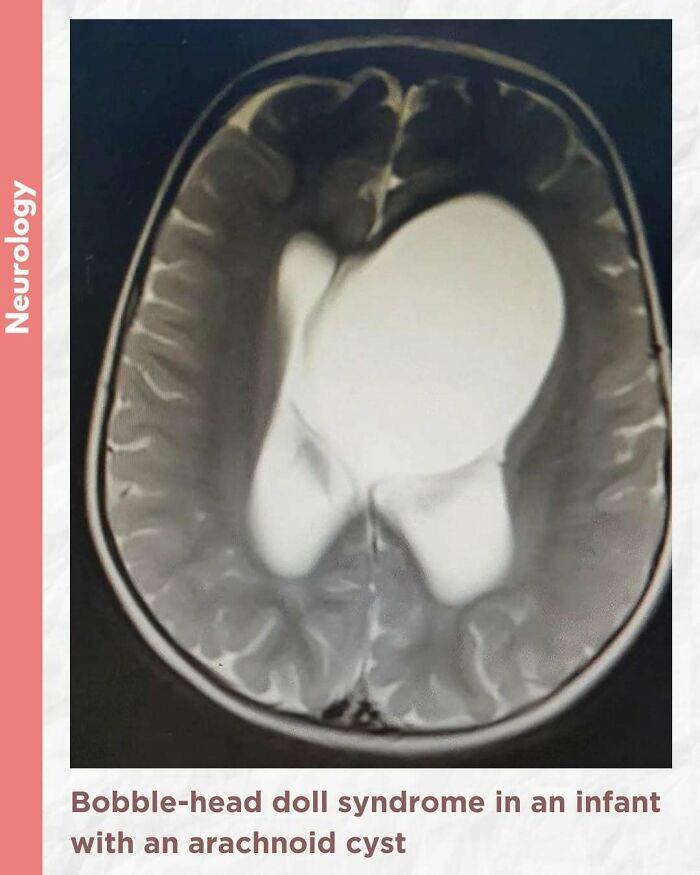
Load More Replies...Bobble-head doll syndrome in an infant with an arachnoid cyst
Bobble-head doll syndrome is a rare neurological movement disorder in which patients, usually children around age 3, begin to bob their head and shoulders forward and back, or sometimes side-to-side, involuntarily, in a manner reminiscent of a bobble head doll. The syndrome is related to cystic lesions and swelling of the third ventricle in the brain. Symptoms of bobble-head doll syndrome are diverse but can be grouped into two categories: physical and neurological. The most common form of treatment is surgical implanting of a shunt to relieve the swelling of the brain.
A 1.5-year-old girl presented to the pediatric clinic with the chief complaints of gradual onset excessive head nodding (side-to-side movement) for 3 months. Movements increased with walking, emotions, and stress; decreased during periods of concentration; and were absent during sleep. There were no other complaints or headaches. There was no other significant history.
The child was alert, with normal cognitive function. Neurological examination was normal. Initial laboratory assessment including CBC, hepatic and renal function, and endocrine function tests were normal.
Cranial MRI demonstrated a large left-hemispheric cystic process with a midline shift, well-defined thin-walled suprasellar arachnoid cyst measuring 3 × 5 × 7 cm that obstructed the foramina of Monro, with resulting hydrocephalus ventriculomegaly. Based on the cranial MRI and symptoms, a diagnosis of a suprasellar arachnoid cyst with BHDS was made. The patient underwent endoscopic cystoventriculostomy and cystocisternostomy for the suprasellar arachnoid cyst. During the 6 months of follow-up, the head bobbing disappeared completely, and her growth was normal.
Despite the rareness of bobble-head doll syndrome, it is considered an important condition that must be investigated early to detect the cause and treated promptly to avoid potential complications.
I used to know a lady whose head moved in a similar way when the shunt she had was blocked. I can't remember what the actual condition she needed the shunt for, all I remember was she was also in a wheelchair (I was very young when I knew her, my mum met her through the legal service she worked for I think).
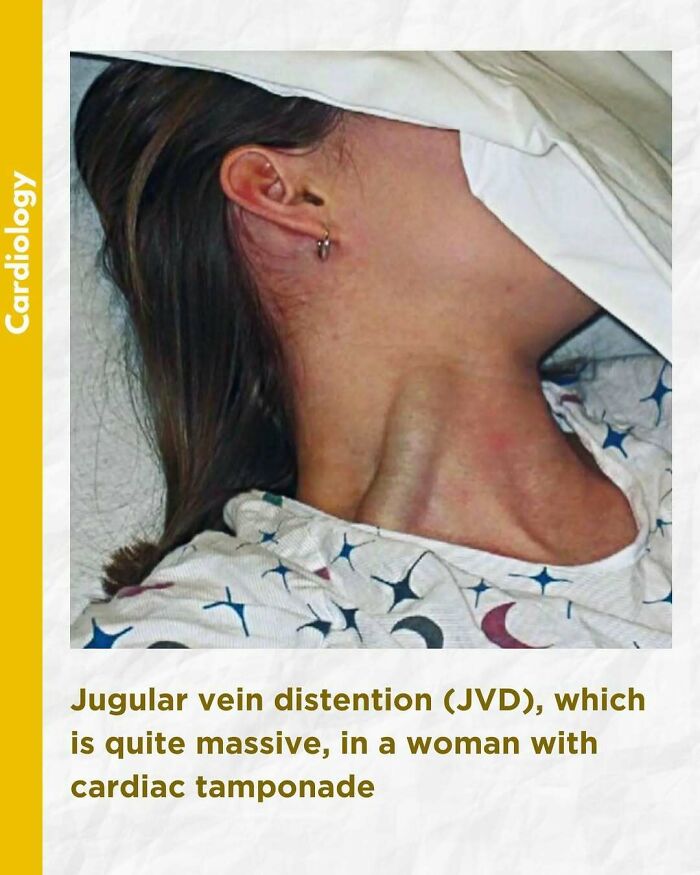
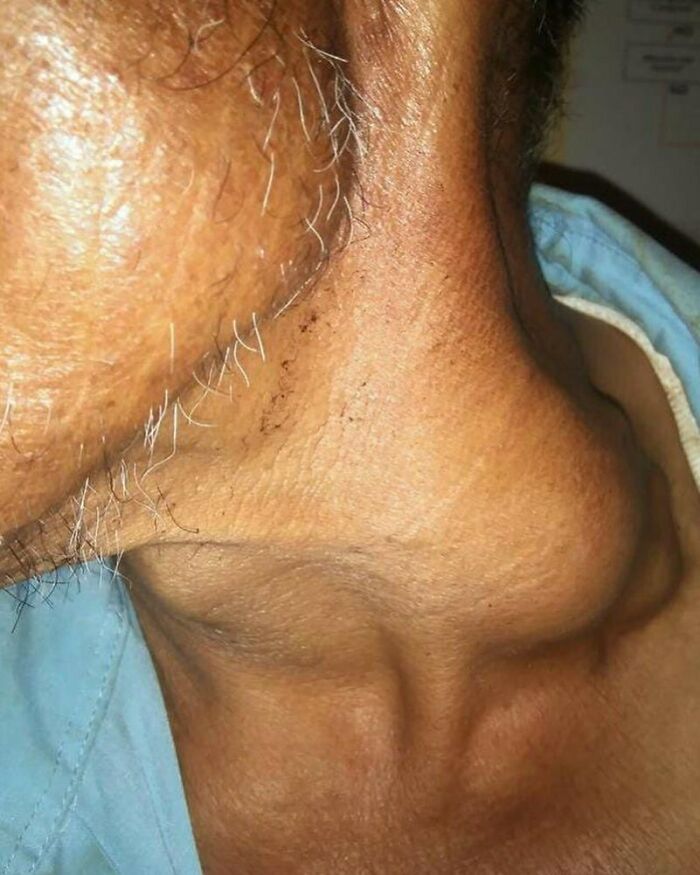
An elevated jugular venous pressure (JVP) is the classic sign of venous hypertension (e.g. right-sided heart failure). JVP elevation can be visualized as jugular venous distension, whereby the JVP is visualized at a level of the neck that is higher than normal. The jugular venous pressure is often used to assess the central venous pressure in the absence of invasive measurements (e.g. with a central venous catheter, which is a tube inserted in the neck veins).
I have a swelling/lump in my neck the size of a ping pong ball, should I worry?
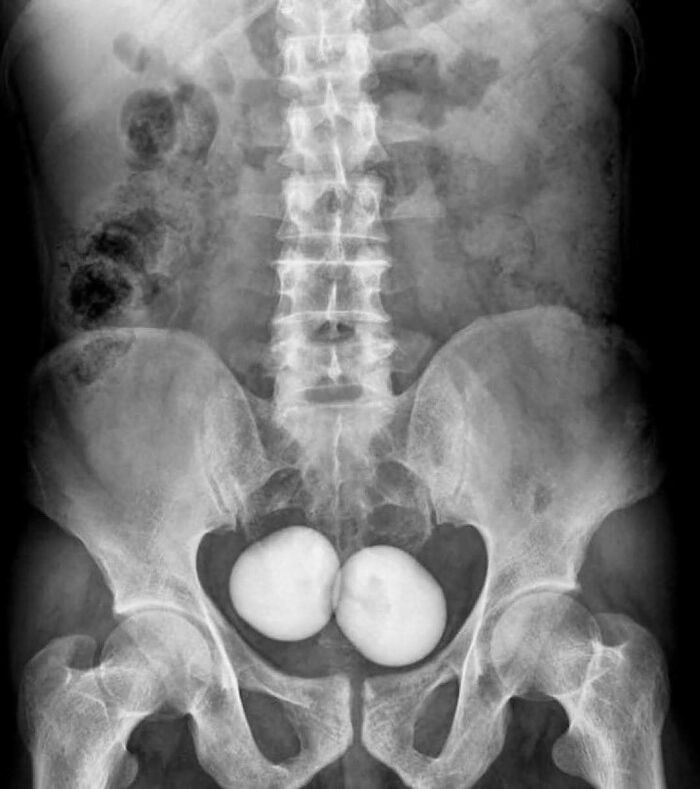
Load More Replies...KUB X-ray shows two large and oval radio-opaque shadows in the pelvis
Lateral view skull radiograph of a patient with multiple myeloma
The classic radiographic appearance of multiple myeloma is that of multiple, small, well-circumscribed, lytic, punched-out, round lesions within the skull, spine, and pelvis. The pattern of lytic or punched-out radiolucent lesions on the skull have been described as resembling raindrops hitting a surface and splashing. How would you manage a patient with multiple myeloma?
'Well, fučk. My sister has this cancer, as far as I know it hasn't gotten to her brain.
My uncle went many extra years past his life expectancy switching to a no sugar, no carb, grass fed meat diet (while continuing his mayo clinic treatments).
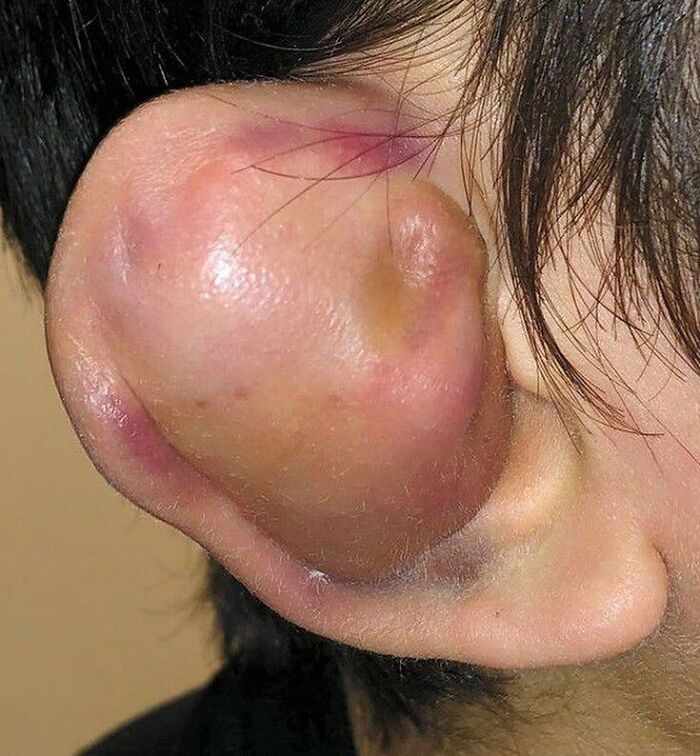
Auricular Hematoma or Cauliflower Ear
An auricular hematoma is a collection of blood underneath the perichondrium of the ear and typically occurs secondary to trauma. Auricular deformity, commonly known as "cauliflower ear" is the result of untreated or inadequately treated auricular hematoma.
Often caused by boxing or rugby and other sports with higher rates of blunt force trauma to the head.
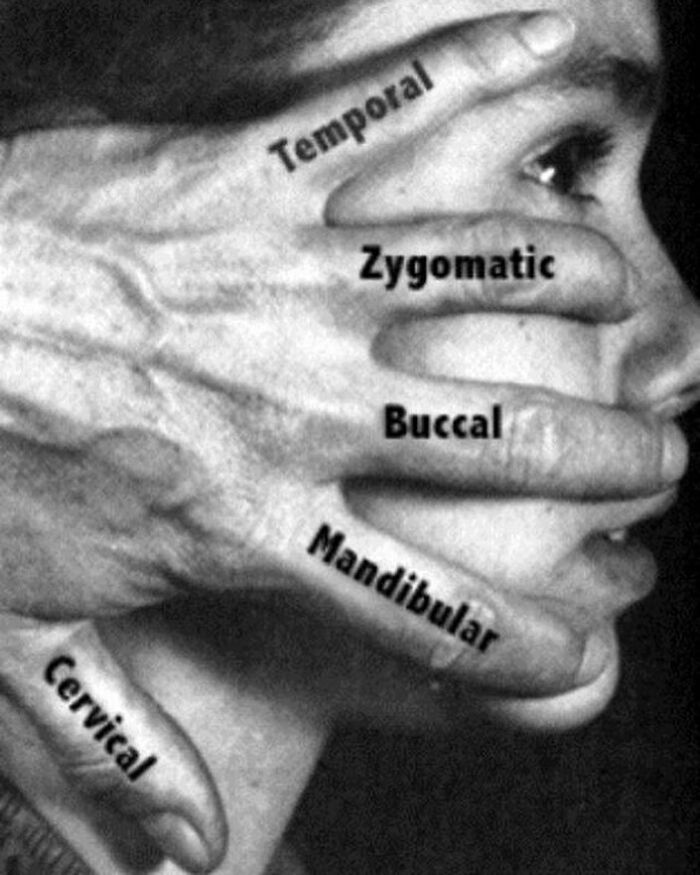
The facial nerve is the seventh cranial nerve, or simply CN VII. It emerges from the pons of the brainstem, controls the muscles of facial expression, and functions in the conveyance of taste sensations from the anterior two-thirds of the tongue. The nerves typically travels from the pons through the facial canal in the temporal bone and exits the skull at the stylomastoid foramen.
The facial nerve has five main branches, although the anatomy can vary somewhat between individuals. The branches are, from top to bottom: frontal (or temporal), zygomatic, buccal, marginal mandibular, and cervical. Each of these branches provides input to a group of muscles of facial expression.
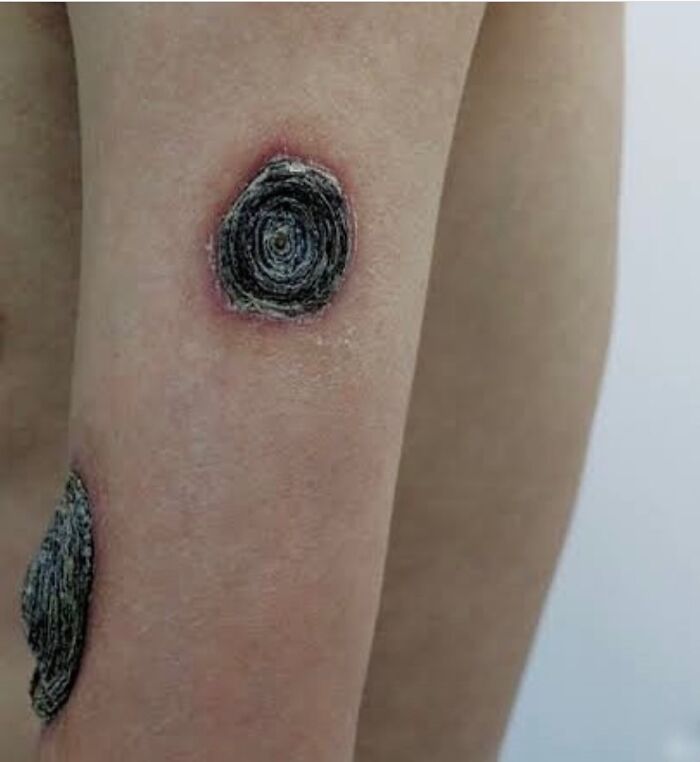
A 44-year-old man with HIV infection presented with a
1-month history of fevers and skin lesions. Examination was notable for blackish-brown lamellated plaques on his limbs and scalp that resembled oyster shells
No, it's not. It's a patient with a severe form of secondary syphilis. These are ulcerative lesions caused by the syphilis, which, due to the patient's already-immunocompromised state (due to HIV) have progressed to necrosis, which causes the rupioid crusts you see here that resemble an oyster shell.
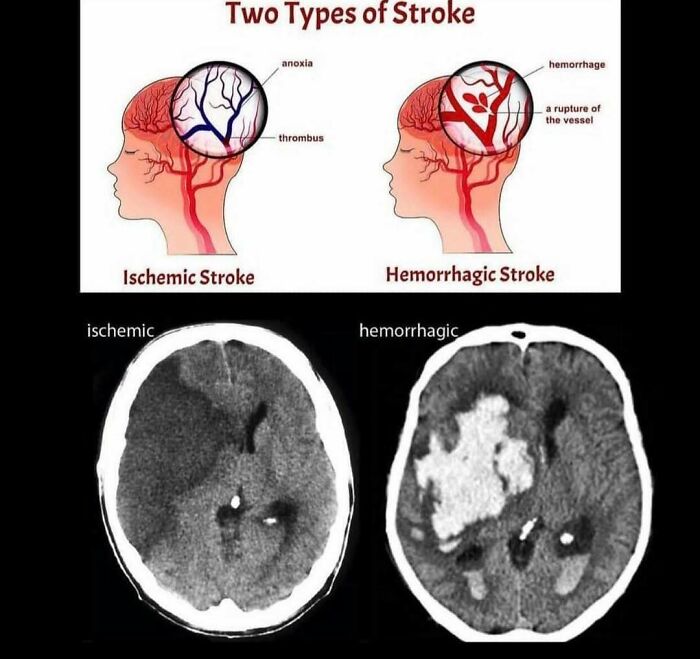
Load More Replies... I had a "pinpoint" ischemic stroke over a decade ago that caused permanent visual field loss in my left eye. Immediately following the stroke [not that I knew it was a stroke at the time], I actually lost the "ability" to process colors properly, so I had a weird form of colorblindness (purples and blues looked gray to me, green looked brown/orange, and I couldn't distinguish between shades of red, orange, and yellow at all.) Luckily the color issues resolved months later, but the vision loss remained.
This is good information to know so others can hopefully recognize any similar symptoms in themselves. As usual, thank you Lakota for your insightful, educational comment. :)
Load More Replies... My dog had multiple hemorrhagic strokes in 2016. She had grand mal seizures because of that, and was diagnosed with epilepsy and vascular brain damage. Today she is as fit and healthy as a 16 year old dog can be. She has a tiny seizure last year February, the first in years, and hasn't had one since. She's no longer on meds; she was weaned off slowly and is doing well. She's no longer sharp on her service dog alerts, and spends most of her time asleep, but she saved my life more than once and I will treasure her for as long as she lives.
Correction, 2018. 2016, my mom died and I broke my right wrist.
Load More Replies... I posted a comment earlier with info, but BP's new weird AI censorship hid it :/

It's weird, the censorship is usually seemingly random, but nearly every single one of your explanation posts are hidden. BP fix your site.
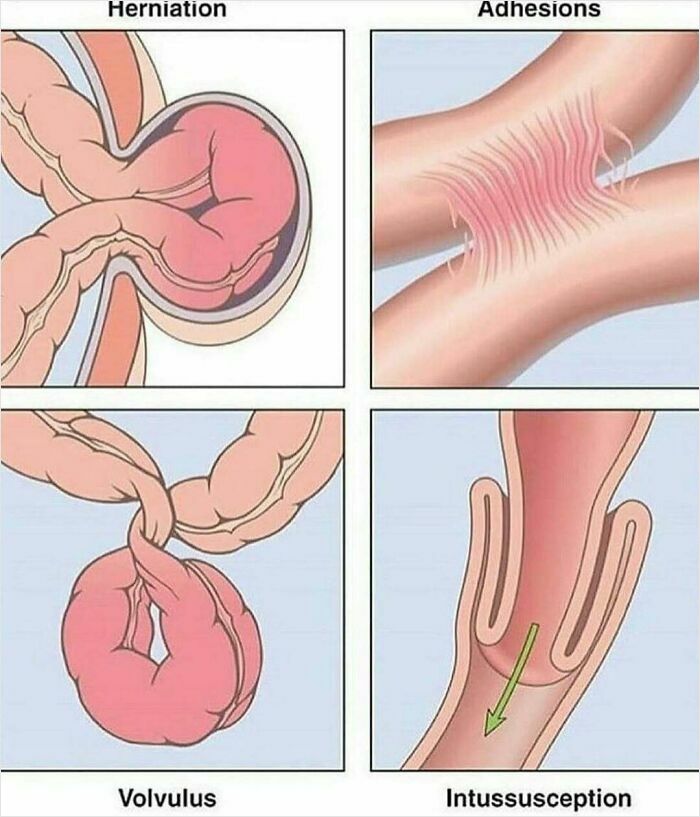
Load More Replies...Bowel obstruction, also known as intestinal obstruction, is a mechanical or functional obstruction of the intestines which prevents the normal movement of the products of digestion. Either the small bowel or large bowel may be affected. Signs and symptoms include abdominal pain, vomiting, bloating and not passing gas. Mechanical obstruction is the cause of about 5 to 15% of cases of severe abdominal pain of sudden onset requiring admission to hospital.
Causes of bowel obstruction include adhesions, hernias, volvulus, endometriosis, inflammatory bowel disease, appendicitis, tumors, diverticulitis, ischemic bowel, tuberculosis and intussusception. Small bowel obstructions are most often due to adhesions and hernias while large bowel obstructions are most often due to tumors and volvulus. The diagnosis may be made on plain X-rays; however, CT scan is more accurate. Ultrasound or MRI may help in the diagnosis of children or pregnant women.
The condition may be treated conservatively or with surgery. Typically intravenous fluids are given, a tube is placed through the nose into the stomach to decompress the intestines, and pain medications are given. Antibiotics are often given. In small bowel obstruction about 25% require surgery. Complications may include sepsis, bowel ischemia and bowel perforation.
A 27 years male presented with multiple nodular swelling in the bilateral periauricular region with neck
extensions.Scar tissue was present on both the sides with history of previous surgery elsewhere around 17 months back. The swellings were non-tender with mixed consistencies- firm over the nodules but soft in between the nodules. The patient also complained of itching in and around the swelling with visible scratch marks. The patient also gave history of frequent sneezing. watery rhinorrhoea and heaviness of head suggestive of allergic rhinitis
Routine investigation shows significant peripheral eosinophillia and with mild elevation of the ESK.
CT scan of the Paranasal sinuses showed features of bilateral maxillary ethmoidal sinusitis
Hint: Eosinophilic lymphogranuloma
Treatments (General Approach): Confirm Diagnosis: A biopsy (small tissue sample) of the lump is crucial to see the specific cells and rule out other rare conditions. Control Allergies: Stronger allergy management (antihistamines, nasal steroids, avoidance) to reduce the trigger. Reduce Inflammation: Steroids (topical creams, oral pills, or injections) to calm down the swelling and itching. Address Sinusitis: Treatment for the sinus infection (antibiotics, nasal rinses). Surgery (if needed): If a specific cause is found or if lumps interfere, further surgery might be considered, but it's less likely to be the first step now. In essence, his allergies are making his lymph nodes swell up and harden into unusual, itchy lumps, and doctors need to confirm the diagnosis and aggressively treat the underlying allergy and inflammation.
Load More Replies...
No, it's inducible urticaria, actually, not "spontaneous". This form of urticaria flares up when someone touches, scratches, or (in this case) slaps the skin. It doesn't spontaneously form. It is also called "dermatographia".
Load More Replies... I posted a comment with info, but BP's new weird AI censorship hid it :/
You are a font of information and I adore you for it.
Load More Replies... Tongue necrosis due to Giant cell arteritis (GCA)
Necrosis of the anterior two-thirds of the tongue body. Such lesions are secondary to arteritis of the lingual artery.
Giant cell arteritis (GCA), one of the first causes of arteritis in the elderly, affects the vascular territory of the external carotid artery, especially in its superficial temporal branch1.
A 66-year-old patient was referred for a fever and rapidly progressive deterioration of his general state. The first symptoms appeared several days before, while the patient was visiting Thailand: fever and unusual bilateral headaches were followed by glossodynia and jaw claudication. Within about 2 hours, tongue edema and jaw pain appeared. Intermittent binocular diplopia with transient amaurosis was also noted.
An erythematous and scabbed rash then developed on the patient’s scalp, featuring a necrosis area. The tongue evolved toward cyanosis, further to necrosis. The patient’s case history included bilateral shoulder arthralgia. C-reactive protein was 120 mg/l, and temporal artery biopsy confirmed the diagnosis of GCA. Treatment consisted of high-dose intravenous corticosteroids (methylprednisolone, 1.5 mg/kg/d for 3 days. Articular pain, headaches, and ophthalmologic symptoms drastically improved in < 48 hours, while the scalp lesions responded at a slower rate. Emergency surgery for resection of the tongue necrotic tissue was performed. Because there was satisfactory primary healing, no further treatment was required.
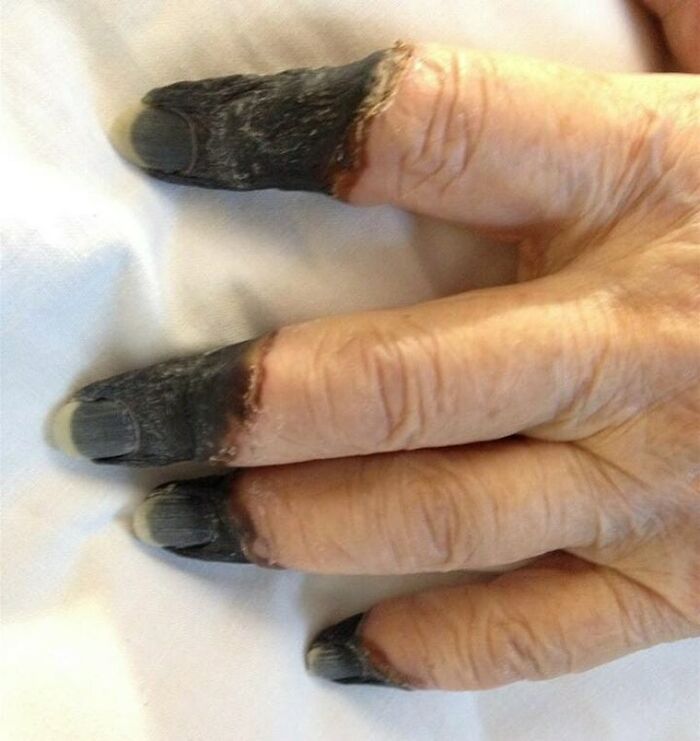
Fingers necrosis in cold agglutinin disease
Cold agglutinin disease is a rare autoimmune disease characterized by the presence of high concentrations of circulating cold sensitive antibodies, usually IgM and autoantibodies that are also active at body temperatures below 30 °C, directed against red blood cells, causing them to agglutinate and undergo lysis. It is a form of autoimmune hemolytic anemia, specifically one in which antibodies bind red blood cells only at low body temperatures.
According to a post on the American Society of Hematology, this patient received treatment, which helped some of the hemolysis, but unfortunately she did develop gangrene and hand surgeons were contacted to follow-up, which probably means some amputations occurred.
I posted a comment earlier with info, but BP's new weird AI censorship hid it :/
The crappy AI knows you’re coming for its job, Lakota!😅
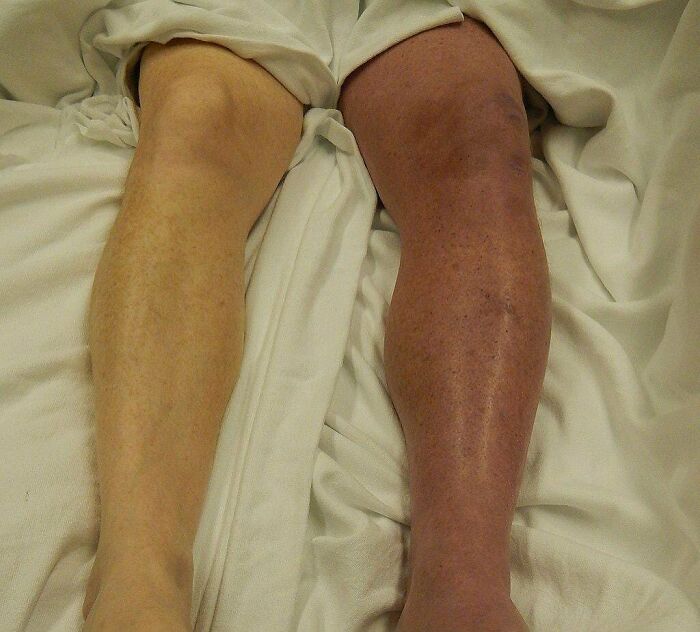
Load More Replies...A person with a two hour history of phlegmasia cerulea dolens
Phlegmasia cerulea dolens (PCD) is an uncommon severe form of lower extremity deep venous thrombosis (DVT) that obstructs blood outflow from a vein. Upper extremity PCD is less common, occurring in under 10% of all cases. PCD results from extensive thrombotic occlusion of extremity veins, most commonly an "iliofemoral" DVT of the iliac vein and/or common femoral vein. It is a medical emergency requiring immediate evaluation and treatment.
When a thrombus occludes an extremity vein, pressure backs up in the venous system leading plasma fluid to leak out into the interstitium of the affected limb. This increases the pressure of that limb compartment, which can collapse the arteries and lead to acute ischemia, gangrene, hypovolemia, and hemodynamic instability.
Phlegmasia cerulea dolens is best diagnosed with contrast venography, but venous duplex ultrasonography is used more commonly in clinical practice. Magnetic resonance and computed tomography venography can also be used.
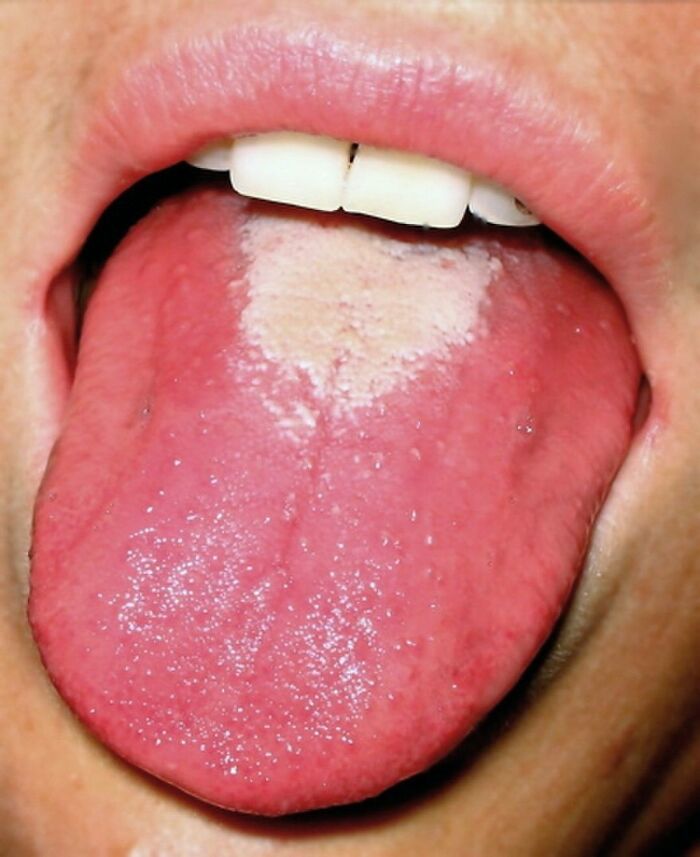
Strawberry tongue seen in scarlet fever.
Scarlet fever is an infectious disease resulting from a group A streptococcus (group A strep) infection, also known as Streptococcus pyogenes. The signs and symptoms include a sore throat, fever, headaches, swollen lymph nodes, and a characteristic rash. The rash is red and feels like sandpaper and the tongue may be red and bumpy. It most commonly affects children between five and 15 years of age.
Scarlet fever affects a small number of people who have strep throat or streptococcal skin infections. The bacteria are usually spread by people coughing or sneezing. It can also be spread when a person touches an object that has the bacteria on it and then touches their mouth or nose. The characteristic rash is due to the erythrogenic toxin, a substance produced by some types of the bacterium. The diagnosis is typically confirmed by culturing the throat.
I had friends that developed Scarlet Fever. They had to be quarantined for a while. Luckily that's no longer a thing.
Mulberry molars are a dental condition usually associated with congenital syphilis, characterized by multiple rounded rudimentary enamel cusps on the permanent first molars. Mulberry molars are physically defective permanent molars. The deformity is caused by congenital syphilis. This type of abnormality is characterized by dwarfed molars with cusps covered with globular enamel growths. These teeth are functional but can be cosmetically fixed with crowns, bridges, or implants.
Just above the gum line, the mulberry molar looks normal. A deformity becomes apparent towards the cusp or top grinding surface of the tooth. Here, the size of the mulberry molar is diminished in all aspects, creating a stumpy version of a conventional molar. The cause of the molar atrophy is thought to be enamel hypoplasia, or a deficiency in tooth enamel. The underlying dentin and pulp of the tooth is normal, but the enamel covering or molar sheath is thin and deformed, creating a smaller version of a typical tooth.
The grinding surface of a mulberry molar is also corrupted. Normally, the grinding surface of a molar has a pit and is surrounded by a circular ridge at the top of the tooth, which is used for grinding. The cusp deformity of the mulberry molar is characterized by an extremely shallow or completely absent pit. Instead, the pit area is filled with globular structures bunched together all along the top surface of the cusp. This type of deformity is also thought to be caused by enamel hypoplasia. Mulberry molars are typically functional and do not need treatment. If the deformity is severe or the person is bothered by the teeth, there are several options. The teeth can be covered with a permanent cast crown, stainless steel crown, or the molars can be removed and an implant or bridge can be put in place of the mulberry molar.
Ah yes, this old gem. The "mulberry molars" image where the "molars" are magically located where the incisors usually are XD
Mulberry molars are real, but yeah this image is manipulated I think.
Load More Replies...A patient presented with impaired night vision & a rash on his arm.
"Phrynoderma is a form of follicular hyperkeratosis associated with nutritional deficiency. Phrynoderma is associated with nutritional deficiency, particularly ~ Vitamin A deficiency (commonly), severe malnutrition, Vitamin E and B deficiency, or essential fatty acid deficiency. Phrynoderma is a form of asymptomatic or mildly symptomatic follicular hyperkeratosis, where follicular papules of various sizes with central keratotic plugs that block the follicle openings develop on the skin. New patches may be hypopigmented. Other symptoms of vitamin A deficiency can be present, such as: night blindness and inability to see in bright light."
A 50-year-old woman presented to the dental clinic with a 10-day history of tongue and inner cheek pain. She had a history of Crohn’s disease, for which she had been previously treated with prednisone and mesalamine. At this presentation, she had no gastrointestinal or systemic symptoms. On physical examination, she had numerous painful, shallow erosions that merged to form linear “snail track” formations on the dorsal tongue and buccal mucosa. There were no skin lesions. Laboratory studies revealed an absolute eosinophil count of 870 per cubic millimeter (reference range, 50 to 500). A biopsy specimen of the dorsal tongue showed intraepithelial microabscesses with neutrophils and eosinophils, findings consistent with a diagnosis of pyostomatitis vegetans.
Pyostomatitis vegetans is a very rare oral manifestation with unknown pathogenesis. Skin and other mucous membrane involvement may be seen. This lesion has strong association with Inflammatory Bowel Disease (IBD) and may be the first sign of it. The management of Pyostomatitis vegetans is usually based on the management of underlying bowel disease.
The patient was referred for gastroenterologic evaluation, and her bowel disease was found to be quiescent. The oral lesions were treated with topical glucocorticoids and benzocaine. At 1 month of follow-up, her symptoms had resolved, and they did not subsequently recur.
Toxic megacolon is an acute form of colonic distension. It is characterized by a very dilated colon (megacolon), accompanied by abdominal distension (bloating), and sometimes fever, abdominal pain, or shock.
Toxic megacolon is characterized by extreme inflammation and distention of the colon. Common symptoms are pain, distention of the abdomen, fever, rapid heart rate, and dehydration. This is a life-threatening complication that requires immediate medical treatment.
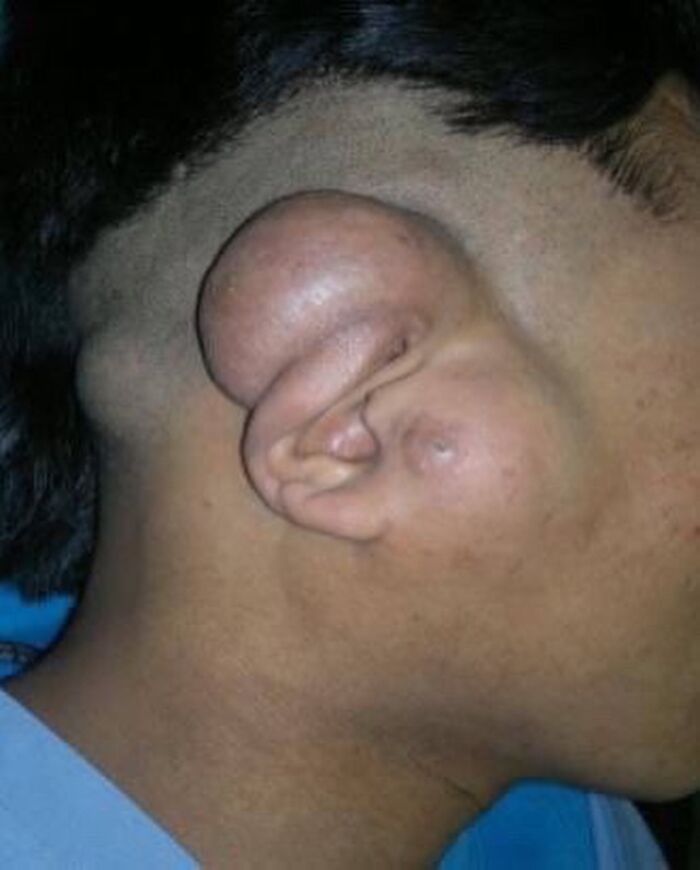
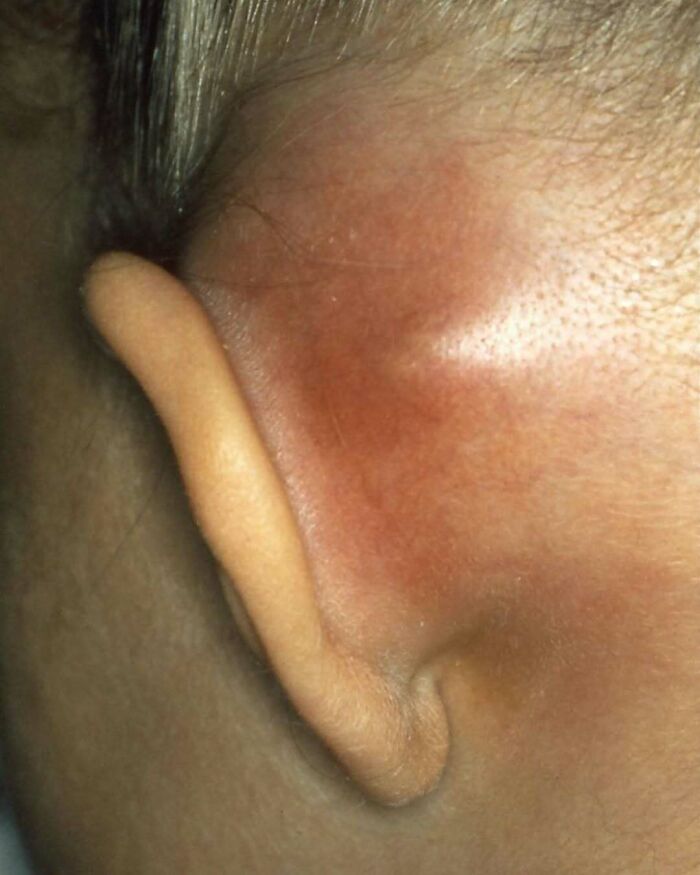
Mastoiditis is the result of an infection that extends to the air cells of the skull behind the ear. Specifically, it is an inflammation of the mucosal lining of the mastoid antrum and mastoid air cell system inside the mastoid process. The mastoid process is the portion of the temporal bone of the skull that is behind the ear. The mastoid process contains open, air-containing spaces. Mastoiditis is usually caused by untreated acute otitis media (middle ear infection).
I had chronic mastoiditis (but didn’t know it) for basically my entire life apparently. A few years ago I had surgery on both ears to do a tempanoplasty on the left, and a tempanoplasty with OCR (ossicular chain reconstruction) on the right as well as a mastoidectomy on the right. The ocr was basically them rebuilding my stapes bone with titanium implant.
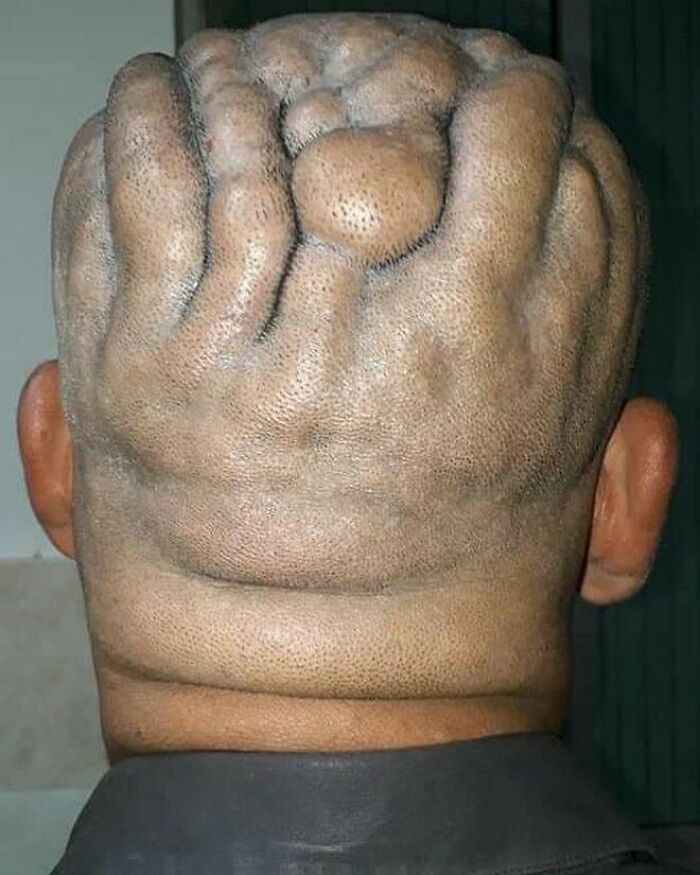
Cutis verticis gyrata (CVG) is a rare benign cutaneous disorder that is characterized by convoluted folds and deep furrows of the scalp that mimic cerebral sulci and gyri. Cutis verticis gyrata is a medical condition usually associated with thickening of the scalp. The condition is identified by excessive thickening of the soft tissues of the scalp and characterized by ridges and furrows, which give the scalp a cerebriform appearance. Clinically, the ridges are hard and cannot be flattened on applying pressure. Patients show visible folds, ridges or creases on the surface of the top of the scalp. The number of folds can vary from two to roughly ten and are typically soft and spongy. The condition typically affects the central and rear regions of the scalp, but sometimes can involve the entire scalp.

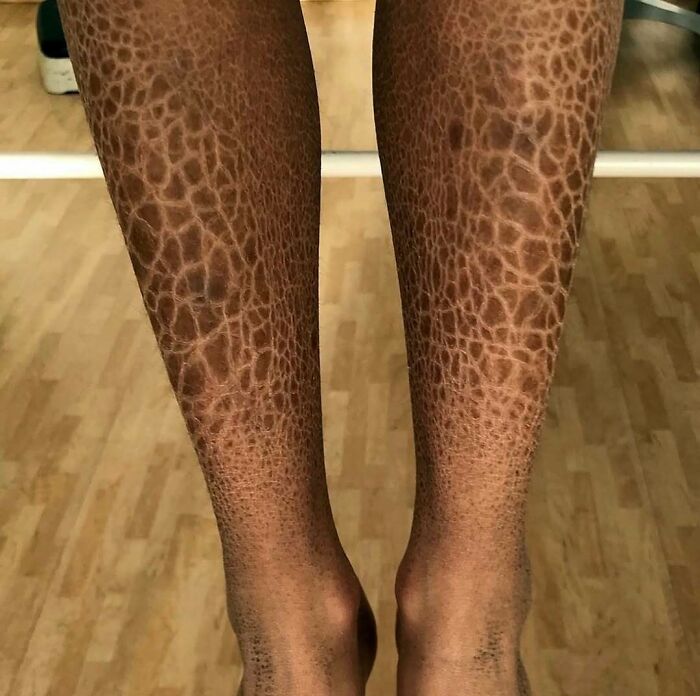
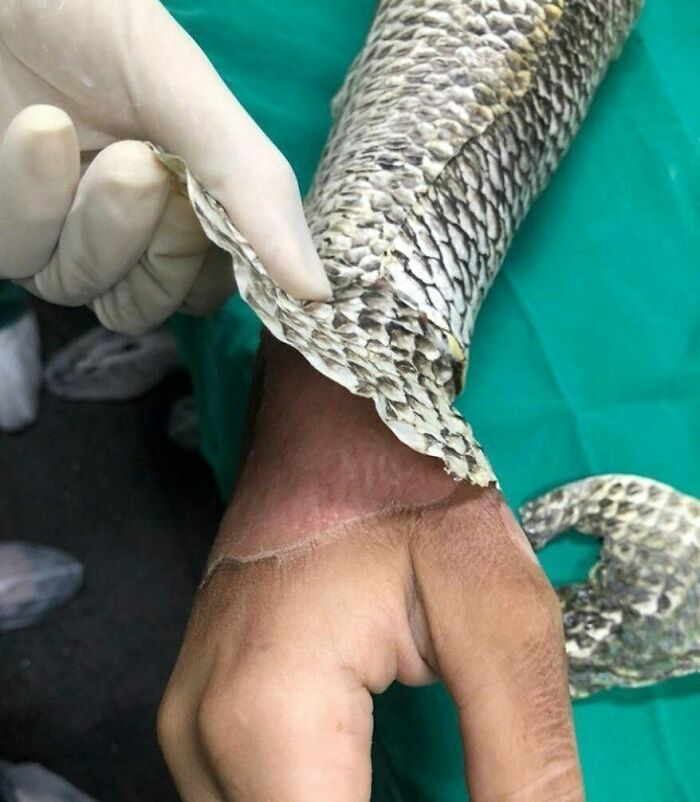
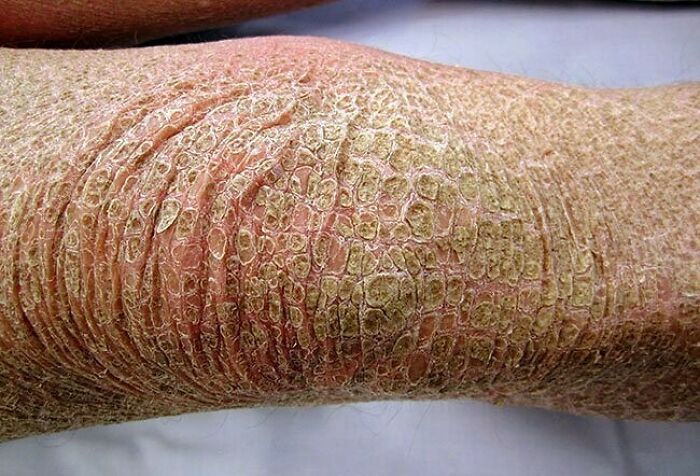
Lamellar ichthyosis, also known as ichthyosis lamellaris and nonbullous congenital ichthyosis, is a rare inherited skin disorder. Affected babies are born in a collodion membrane, a shiny, waxy-appearing outer layer to the skin. This is shed 10–14 days after birth, revealing the main symptom of the disease, extensive scaling of the skin caused by hyperkeratosis. With increasing age, the scaling tends to be concentrated around joints in areas such as the groin, the armpits, the inside of the elbow and the neck. Ichthyosis lamellaris has an autosomal recessive pattern of inheritance.
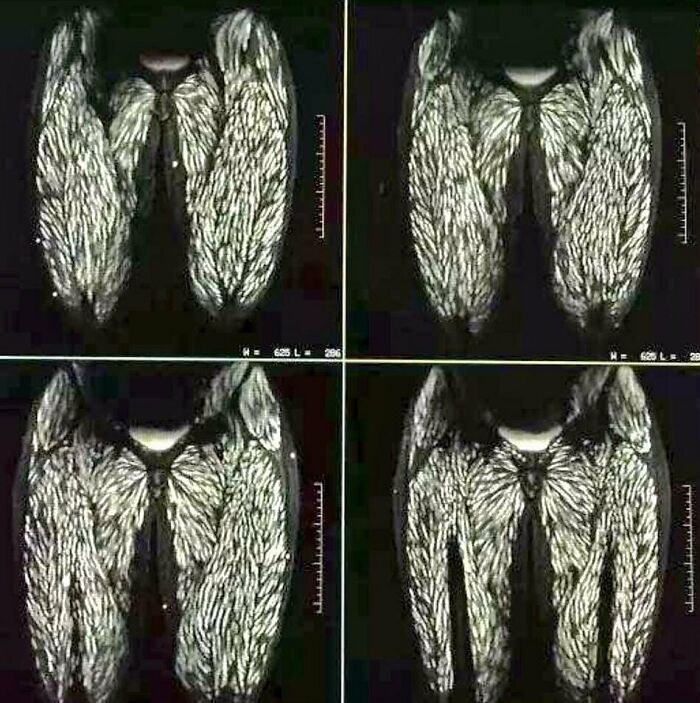
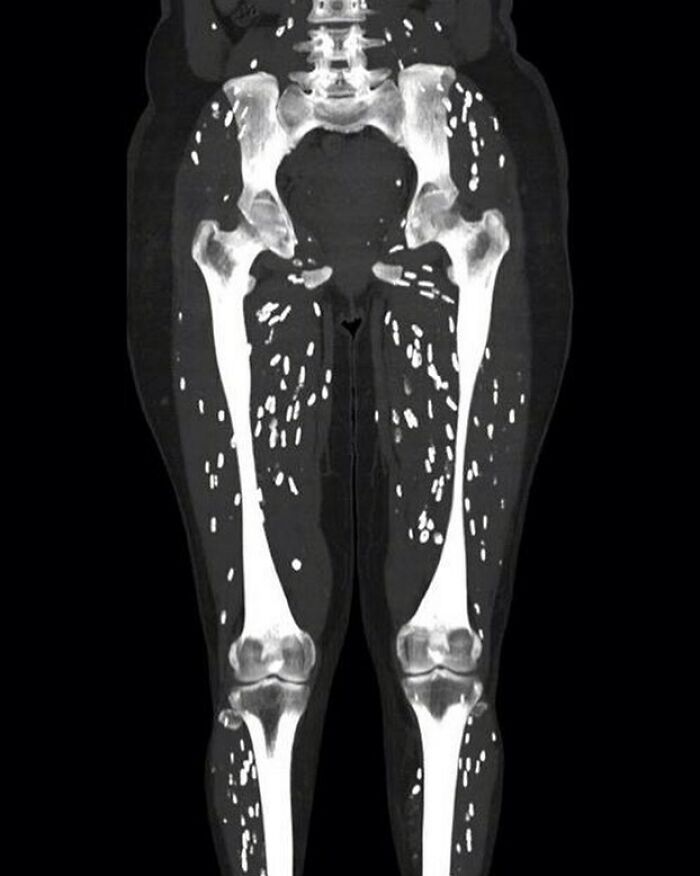
The picture shows oblong calcific specks in the skeletal muscles parallel to the muscle fibres (rice-grain calcification) consistent with musculoskeletal cysticercosis. The calcifications parallel the long axis of the muscle. This is characteristic of infection with Taenia solium (cysticercosis)
"Taenia solium, commonly known as the pork tapeworm, is a parasitic worm that can cause taeniasis and cysticercosis in humans, leading to significant health issues." Cook your meat thoroughly, everyone!
23-year-old male presented to the emergency department, with rash, mouth sores, and subjective fevers that began after eating fish five days prior. His symptoms started with sores in his mouth and on his lips with penile and anal pruritus. After 24 hours, the patient developed a pruritic rash over his upper extremities, neck, upper back, and palms, as well as two non-painful sores on his penis
On physical examination, he had heme-crusted polycyclic erosions of vermillion lips, buccal mucosa, and labial mucosa.. He was also found to have numerous 2-12 mm erythematous, urticarial, targetoid papules and plaques with central hyperpigmented purple/red duskiness over bilateral palms dorsal hands, upper arms, lateral neck
"Erythema multiforme is an immune-mediated, typically self-limiting, mucocutaneous condition characterised by 'target' lesions. Significant mucosal involvement distinguishes erythema multiforme major from multiforme minor. Episodes can be isolated, recurrent, or persistent. In most cases, erythema multiforme is precipitated by herpes simplex virus (HSV) infection."
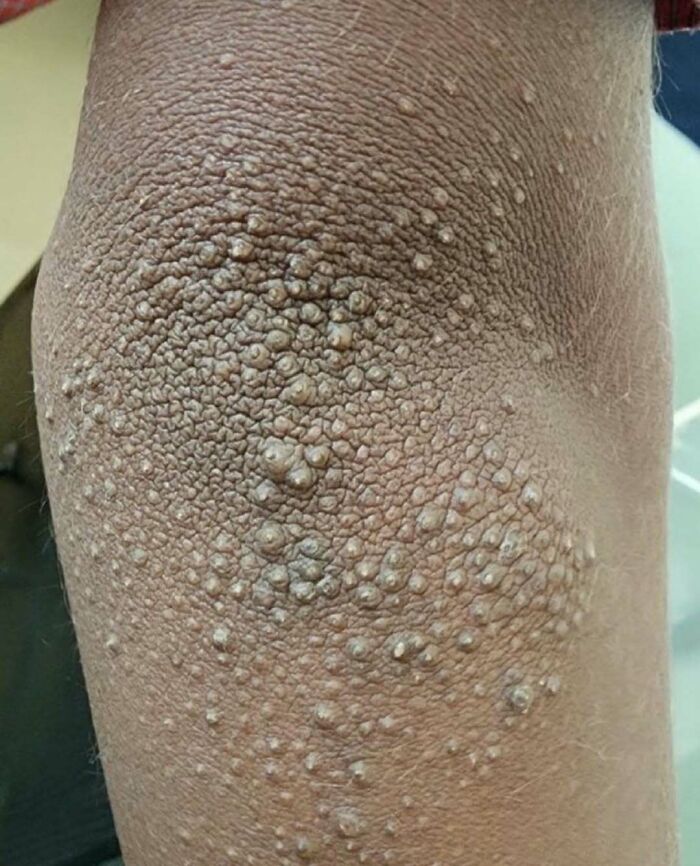
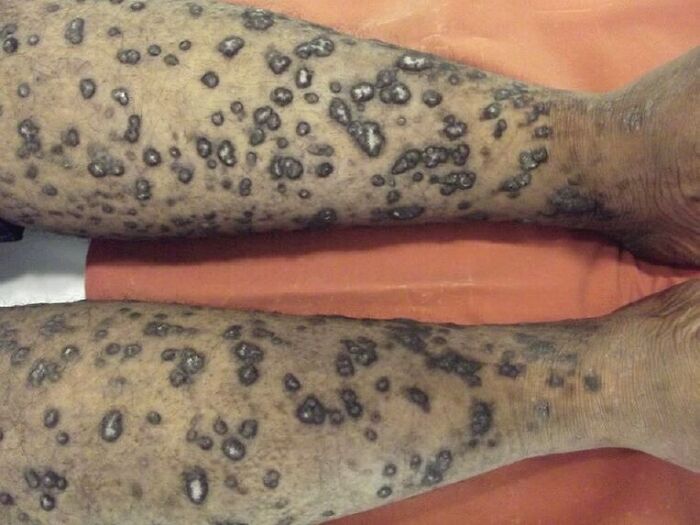
Multiple hyperpigmented hyperkeratotic papulonodules over bilateral legs
A 48-year-old man, presented with multiple highly itchy dark raised lesions over bilateral legs.
A long standing case of disseminated hypertrophic Lichen planus treated with oral acitretin
Lichen planus (LP) is a chronic inflammatory and immune-mediated disease that affects the skin, nails, hair, and mucous membranes. It is not an actual lichen, and is only named that because it looks like one. It is characterized by polygonal, flat-topped, violaceous papules and plaques with overlying, reticulated, fine white scale (Wickham's striae), commonly affecting dorsal hands, flexural wrists and forearms, trunk, anterior lower legs and oral mucosa.
Cancellous bone, also called spongy bone, is the internal tissue of the skeletal bone. Cancellous bone has a higher surface-area-to-volume ratio than cortical bone and it is less dense. This makes it weaker and more flexible. The greater surface area also makes it suitable for metabolic activities such as the exchange of calcium ions. Cancellous bone is typically found at the ends of long bones, near joints and in the interior of vertebrae. Cancellous bone is highly vascular and often contains red bone marrow where hematopoiesis, the production of blood cells, occurs.
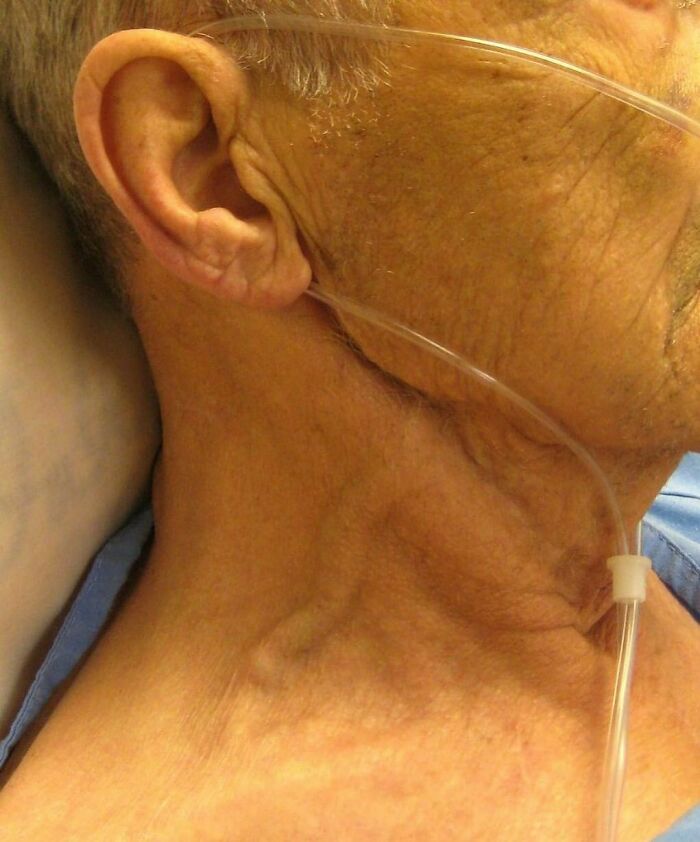
Supraclavicular lymph nodes are lymph nodes found above the clavicle, that can be felt in the supraclavicular fossa. The supraclavicular lymph nodes on the left side are called Virchow's nodes. It leads to an appreciable mass that can be recognized clinically, called Troisier sign.
Virchow's node is a lymph node and is a part of the lymphatic system. It is the thoracic duct end node. It receives afferent lymphatic drainage from the left head, neck, chest, abdomen, pelvis, and bilateral lower extremities, which eventually drains into the jugulo-subclavian venous junction via the thoracic duct.
Malignancies of the internal organs can reach an advanced stage before giving symptoms. Stomach cancer, for example, can remain asymptomatic while metastasizing. One of the first visible spots where these tumors metastasize is one of the left supraclavicular lymph node.
Virchow's nodes take their supply from lymph vessels in the abdominal cavity, and are therefore sentinel lymph nodes of cancer in the abdomen, particularly gastric cancer, ovarian cancer, testicular cancer and kidney cancer that has spread through the lymph vessels. Such spread typically results in Troisier's sign, which is the finding of an enlarged, hard Virchow's node.

I posted a lot of comments with details and info about the photos listed, since BP once again posted an article with zero context for most of the posts/images. However, due to BP's new weird censor-AI thing, a lot of my info comments were auto-hidden. A few have multiple downvotes now. Try not to downvote them just because they're hidden comments, guys :p Anyway, if you see a comment of mine on one of these images and it's "hidden", it's my research/copy-paste of info related to the image.

Thankyou very much for taking the time to post such interesting comments and explanations
Load More Replies...
Cheers, LakotaWolf. Also, I hope no one else made the mistake of eating while reading this.
I downvoted all entries that had no explanation, were totally in medical terminology, or appeared to be put here just for their "shock value." As well, to better understand the photos, I pulled many of them out and put them into my search engine, because some of these were just flat wrong and others were only in medical jargon, which is the original audience for whom they were intended. BP does us no favours by just plopping them down here without adequate info. As well, many of these are difficult to view if you haven't had much exposure to unusual medical conditions or complications or to people who have severe medical conditions. This turns their experiences into them being side show entertainment, and BP ought to be ashamed of themselves for it. BP, by not better preparing readers for these photos for not putting in explanations that aren't specifically for people with advanced medical degrees, you have done both your readers and the people in these photos a gross disservice.


I couldn't finish this post. I guess I don't have a strong stomach anymore. Thank you Lakota for the information.


Can we block these photos automatically? Like on the home page? You seem to block comments that are not positive.
Sometimes they do hide the images, so you have to click on them to view, after being warned they are confronting. Not sure why they didn't this time.
Load More Replies... I posted a lot of comments with details and info about the photos listed, since BP once again posted an article with zero context for most of the posts/images. However, due to BP's new weird censor-AI thing, a lot of my info comments were auto-hidden. A few have multiple downvotes now. Try not to downvote them just because they're hidden comments, guys :p Anyway, if you see a comment of mine on one of these images and it's "hidden", it's my research/copy-paste of info related to the image.
Thankyou very much for taking the time to post such interesting comments and explanations
Load More Replies... Cheers, LakotaWolf. Also, I hope no one else made the mistake of eating while reading this.
I downvoted all entries that had no explanation, were totally in medical terminology, or appeared to be put here just for their "shock value." As well, to better understand the photos, I pulled many of them out and put them into my search engine, because some of these were just flat wrong and others were only in medical jargon, which is the original audience for whom they were intended. BP does us no favours by just plopping them down here without adequate info. As well, many of these are difficult to view if you haven't had much exposure to unusual medical conditions or complications or to people who have severe medical conditions. This turns their experiences into them being side show entertainment, and BP ought to be ashamed of themselves for it. BP, by not better preparing readers for these photos for not putting in explanations that aren't specifically for people with advanced medical degrees, you have done both your readers and the people in these photos a gross disservice.
I couldn't finish this post. I guess I don't have a strong stomach anymore. Thank you Lakota for the information.
Can we block these photos automatically? Like on the home page? You seem to block comments that are not positive.
Sometimes they do hide the images, so you have to click on them to view, after being warned they are confronting. Not sure why they didn't this time.
Load More Replies...

































 No fees, cancel anytime
 then open in external browser


 and click "Open in External Browser"