Get Premium
Dark mode theme is available exclusively for premium users. Learn more about the benefits of subscribing.
No fees, cancel anytime.

 Dark Mode Ad-Free Browsing Unlimited Content
 Ad-Free Browsing Unlimited Content Dark Mode
Join 1.2 million Panda readers who get the best art, memes, and fun stories every week!
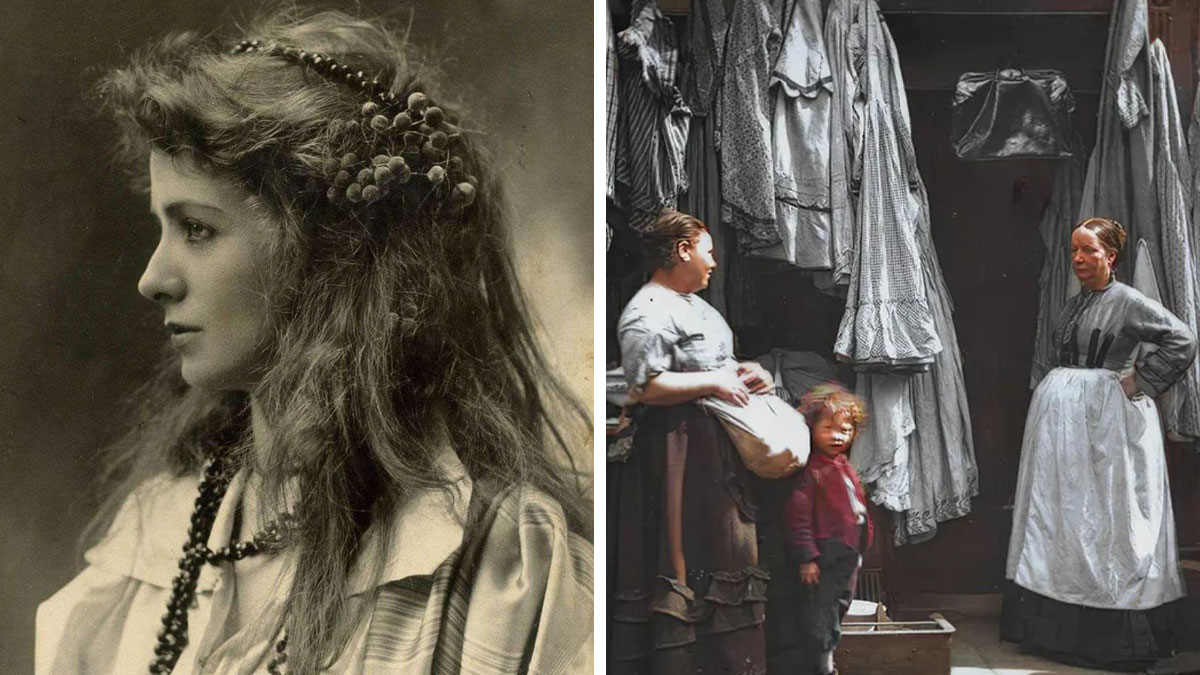



Even though the Victorian era was, relatively speaking, not that long ago, looking at pictures or old items from it can feel like stepping back into an alien world. However, that’s no reason to stop exploring the time that gave us the telephone or Sherlock Holmes.
We’ve gathered some of the best posts from this online group dedicated to sharing interesting posts and pictures from the Victorian era. So get comfortable as you scroll through, upvote the most interesting posts and be sure to share your own thoughts and ideas in the comments section down below.
This post may include affiliate links.
When scrolling through sepia-toned photographs of the Victorian era, it is easy to assume that the 19th century was a deeply serious time filled with unsmiling people trapped in very tight clothing. While the corsets were indeed breathtakingly snug, the era itself was a bizarre carnival of contradictions, deeply weird trends, and practices that would send a modern health inspector into immediate cardiac arrest.
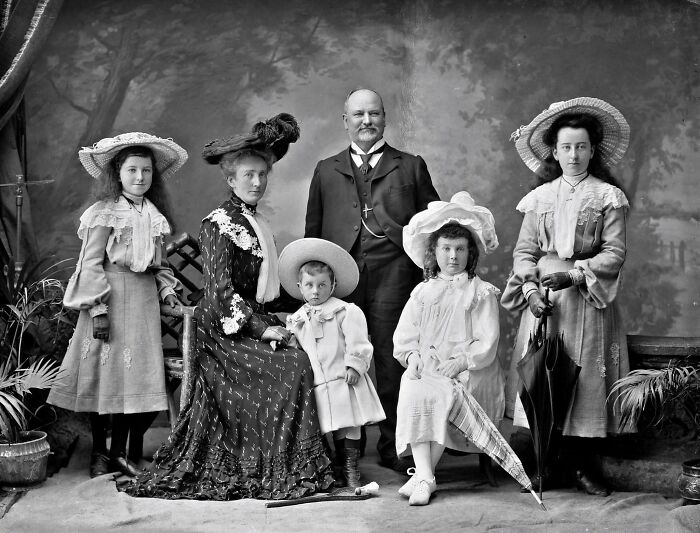
Beneath the veneer of stiff upper lips and prudish morality lay a society obsessed with the macabre, prone to poisoning themselves for aesthetic reasons, and employing people for jobs that sound entirely made up. If you see a photo of a stoic Victorian family, look closer, there is a non-zero chance that one of the people in the picture is actually deceased.
The practice of post-mortem photography, or "memento mori," was surprisingly common. Because photography was expensive and rapid transit rare, a family often wouldn't have a picture of a loved one until they died, leading them to prop up the dearly departed in lifelike poses for one final, slightly unsettling group shot.

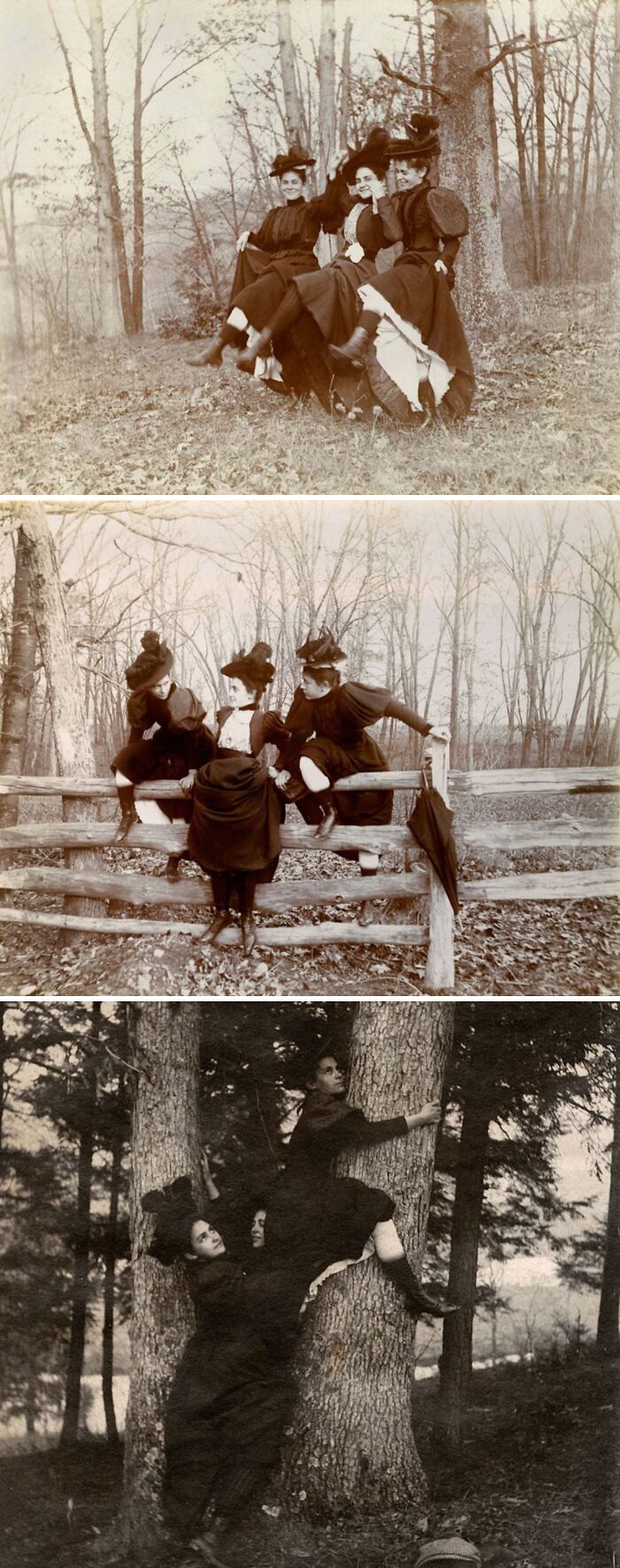
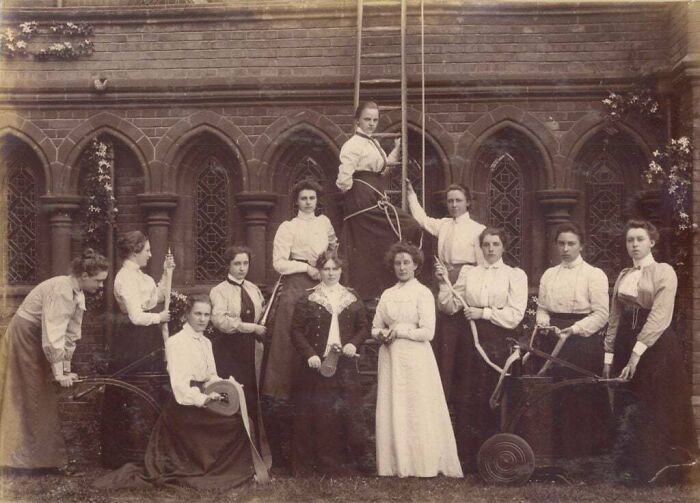
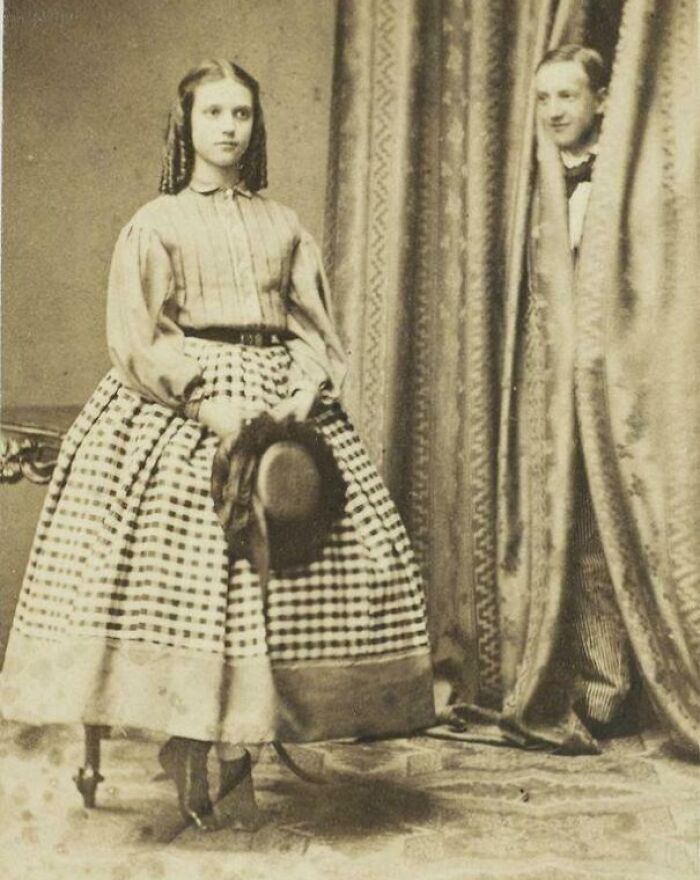
What a bunch of hussies showing their ankles and calves like that! LOL!
If the long passed people in the photos don't disturb you, the fashion choices of the living certainly should. The Victorians loved vibrant colors, likely as a rebellion against the relentless gray sludge of industrial London sky. Their absolute favorite hue was a brilliant, eye-searing emerald green made popular by a dye called "Scheele’s Green."
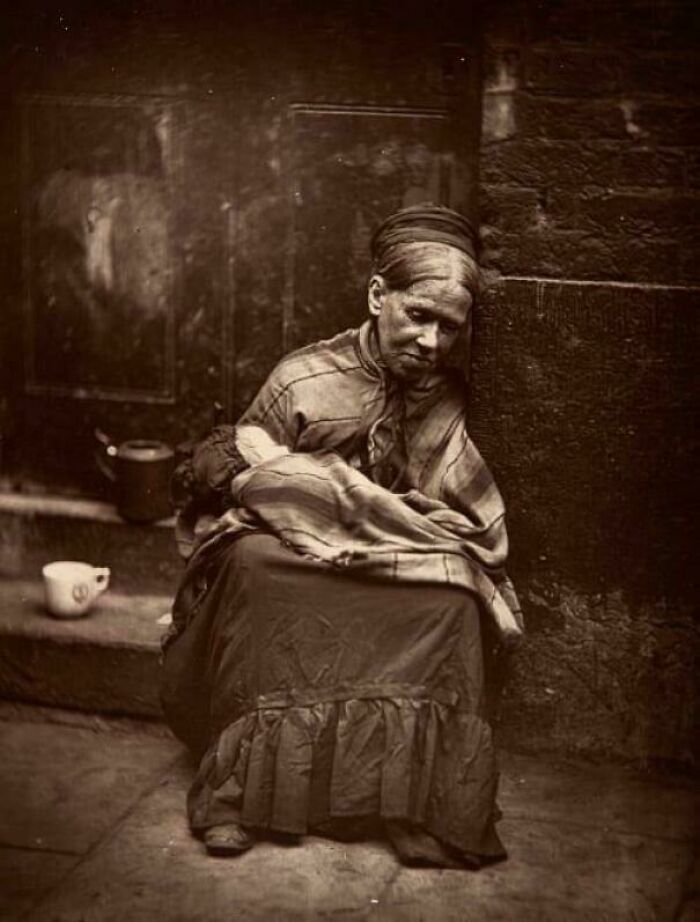
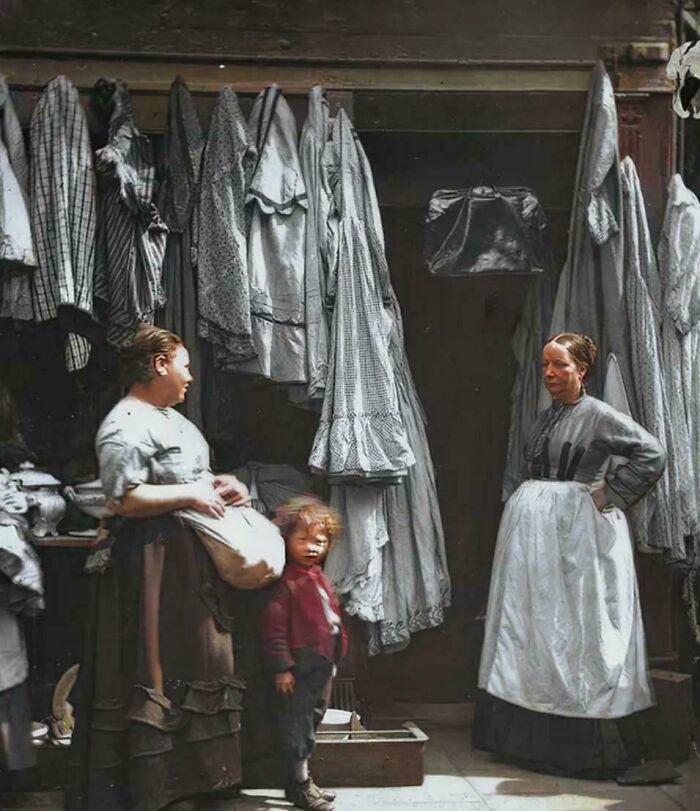
This elderly widow is sitting outside a tailor's shop, holding a baby while its mother works. She was given a cup of tea and a slice of bread daily in return
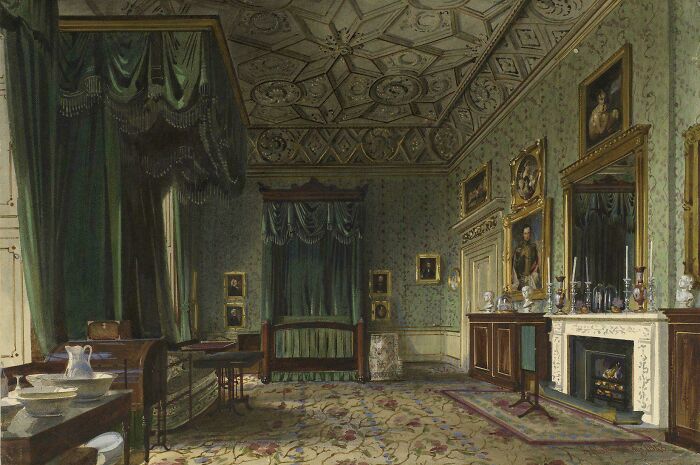
It looked stunning on gowns, exquisite on wallpaper, and festive on children's toys, unfortunately, its primary ingredient was arsenic. It wasn't uncommon for women wearing these toxic frocks to suffer open sores on their skin, or for households with green wallpaper to slowly grow ill from inhaling poisonous dust. Historians have extensively documented how this fatal attraction to bright green baffled doctors who couldn't figure out why their most stylish patients kept wasting away, proving that being a fashion victim used to be a literal diagnosis.

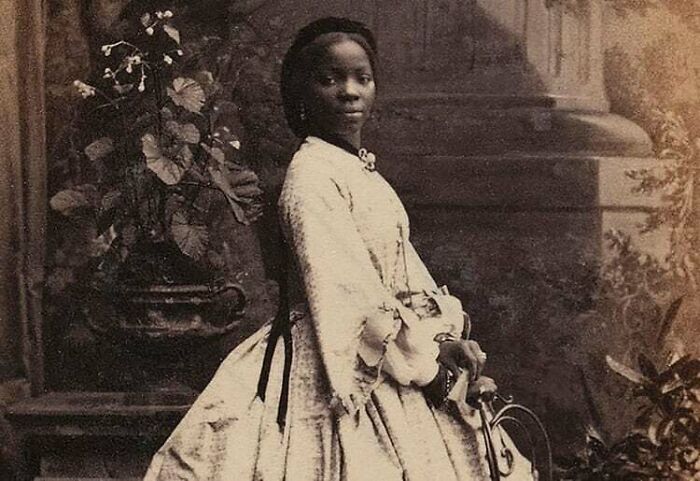
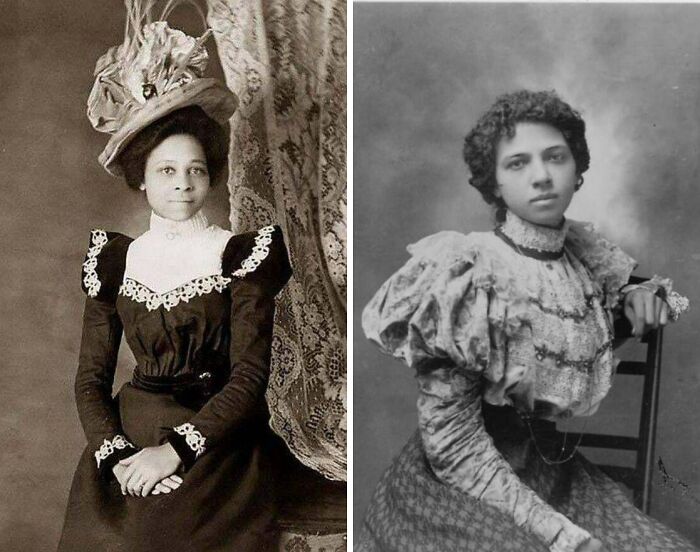
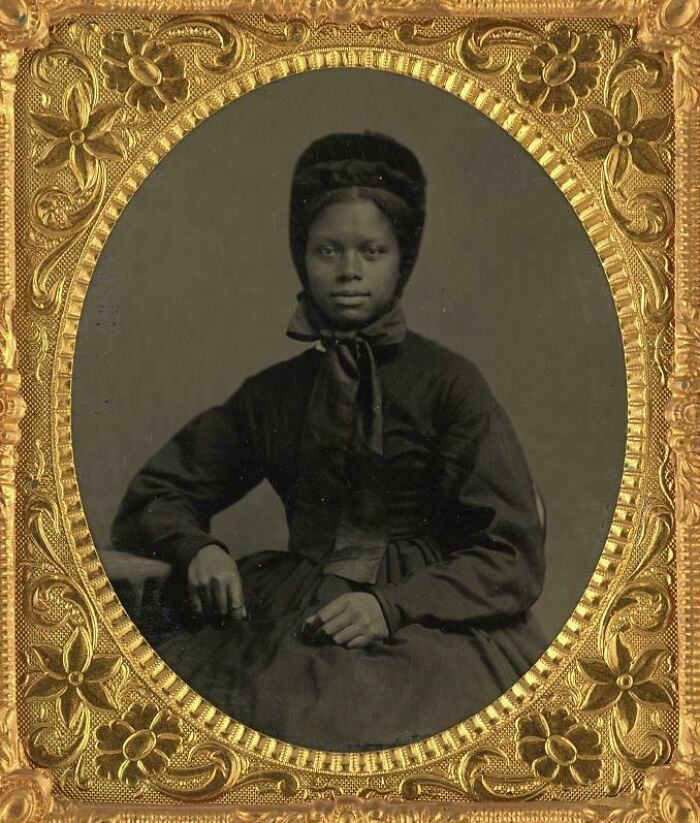
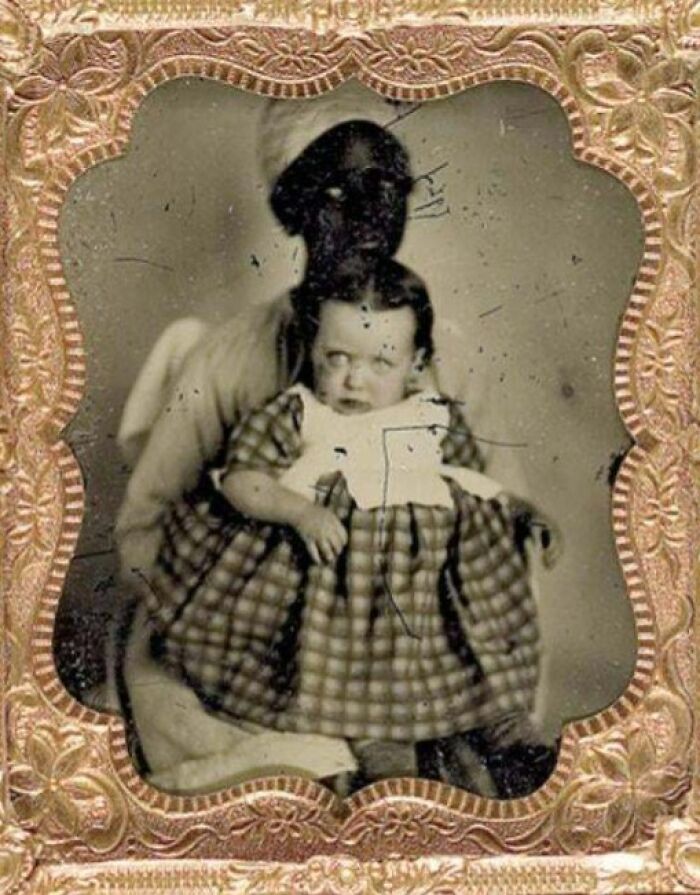
From Wikipedia: "Sarah Forbes Bonetta or Sally Forbes Bonetta (born Aina or Ina; c. 1843 – 15 August 1880) was ward and goddaughter of Queen Victoria. She was believed to have been a titled member of the Yewa clan of the Yoruba people in West Africa, who was orphaned during a war with the nearby Kingdom of Dahomey as a child, and was later enslaved by King Ghezo of Dahomey. She was given by Ghezo as a "gift" to Captain Frederick E. Forbes of the British Royal Navy and became a goddaughter of Queen Victoria. She married Captain James Pinson Labulo Davies, a wealthy Lagos philanthropist."
The everyday hustle of the Victorian street was equally strange, filled with professions whose descriptions sound like entries in a dystopian Mad Libs. Before the iPhone alarm clock revolutionized our sleep schedules, people relied on a "knocker-upper." This was a person, usually an elderly man or woman wielding, generally, a long bamboo stick, who was paid to walk the streets at dawn tapping on bedroom windows until their clients woke up for their factory shifts. It was a human snooze button you couldn't easily ignore.
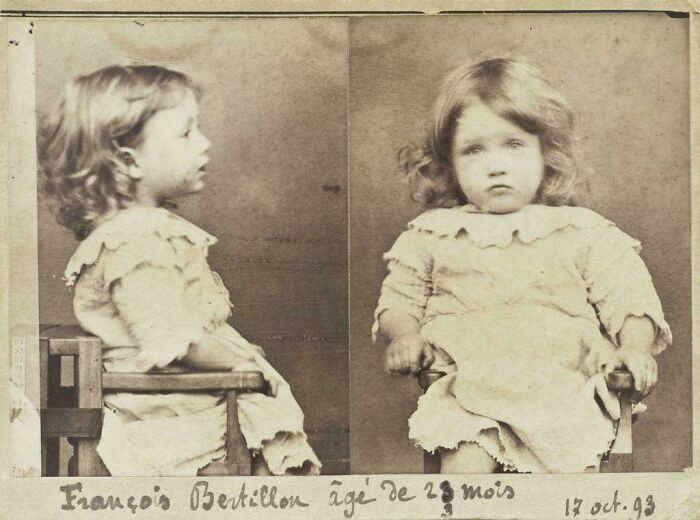
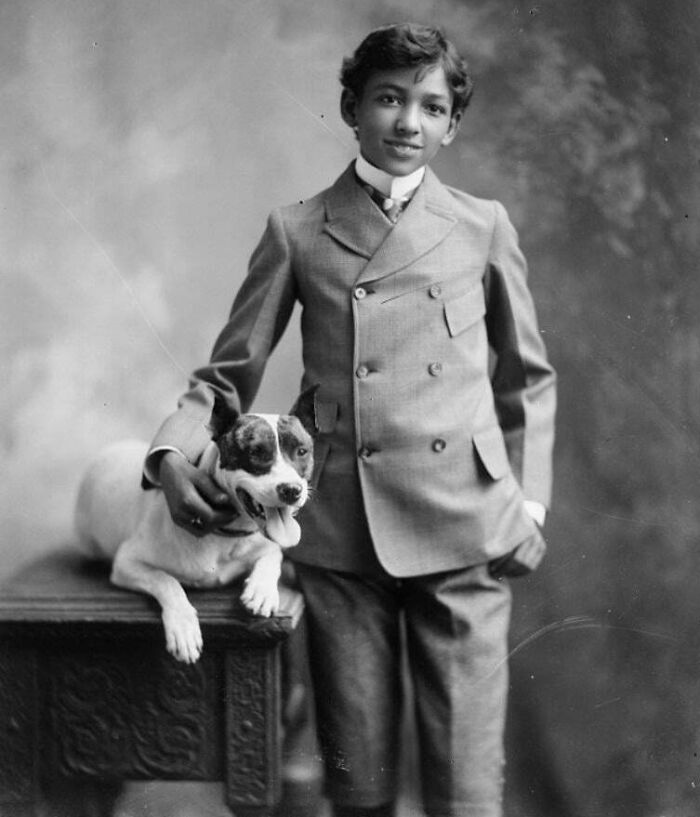
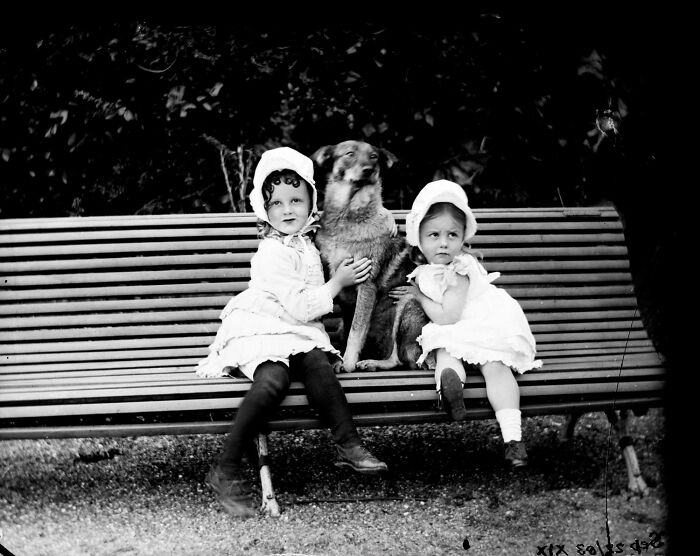
Alphonse Bertillon and his wife had no children of their own. Apparently the photo is of his nephew, François.
Even further down the career ladder were the "pure finders." In an age before synthetic chemicals, dog feces, known euphemistically as "pure", was a valuable commodity used in the tanning process to cure leather. Armies of poor collectors would scour the streets, scooping up canine deposits to sell to tanneries, creating an entire economy based on scooping refuse that Charles Dickens himself observed with morbid fascination.
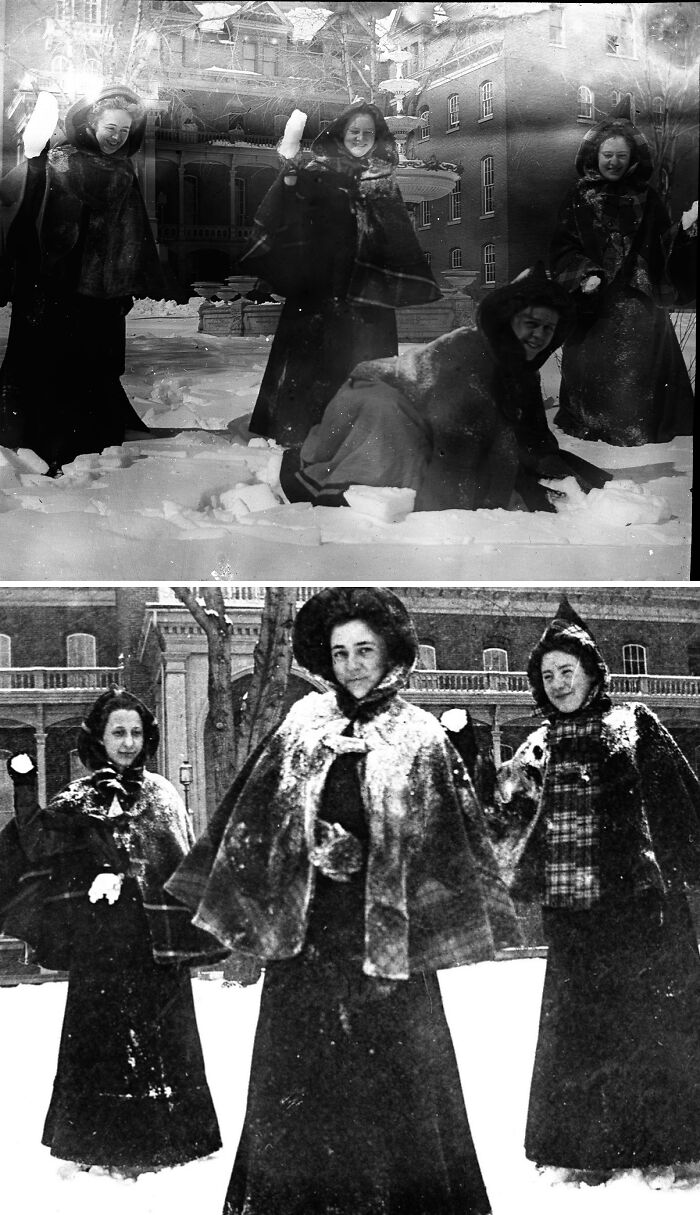
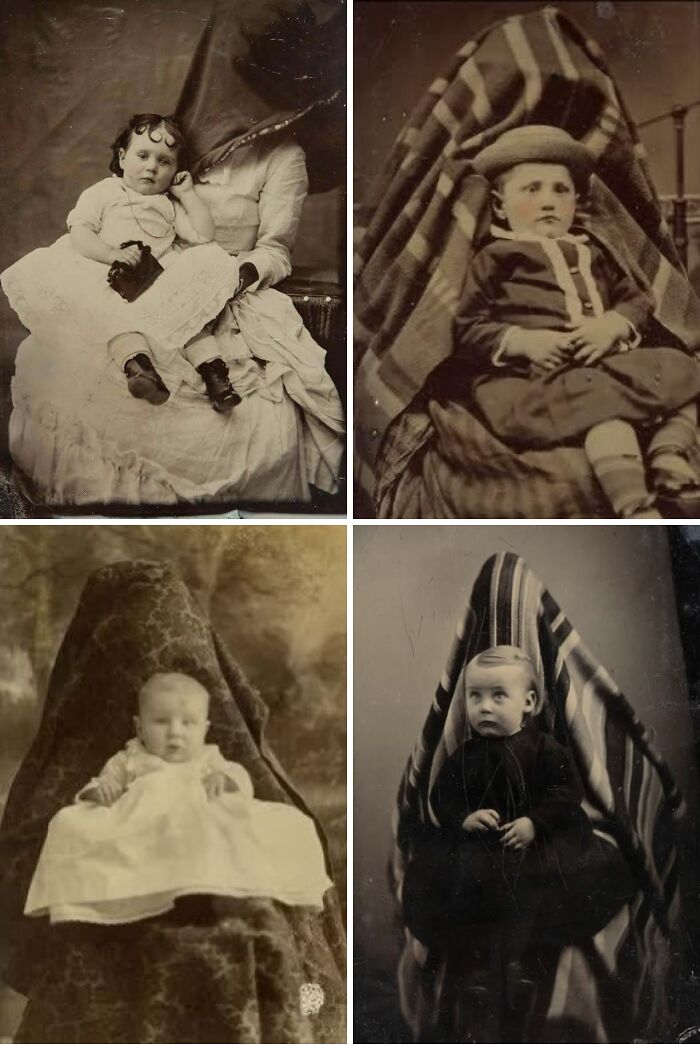
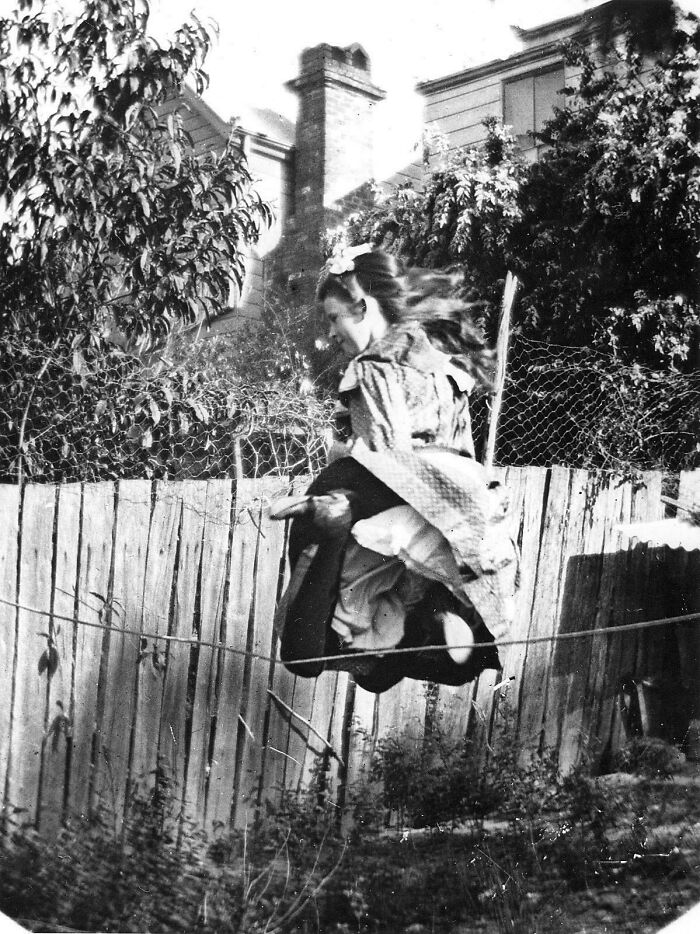
The technology to take everyday photographs of objects in motion was developed from around the late 1870s onwards, and was widely possible in the late 1880s-1890s. For the majority of the Victorian era, it was necessary to stay still for photographic subjects to be successfully captured.
Perhaps the most terrifying aspect of Victorian life, however, was dinner. Without modern regulations like the FDA, food adulteration was rampant and terrifyingly creative. Unscrupulous bakers would cut flour with chalk, alum, or plaster of Paris to make bread look whiter and weigh more, while milkmen watered down their product and added sheep's brains to create a frothy "cream" layer on top.
If this culinary nightmare made you ill, the medical remedies were often worse than the disease. As records of Victorian pharmacy practices show, you could walk into a chemist shop and buy enough laudanum to knock out a horse, all without a prescription, which explains why so many people in those old photographs look slightly dazed.
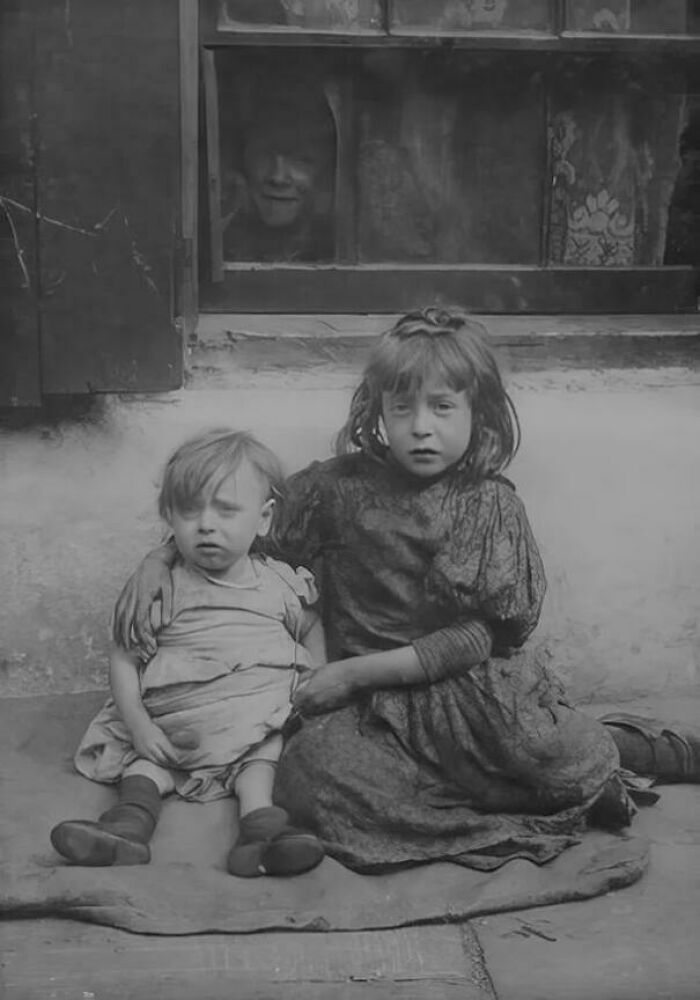
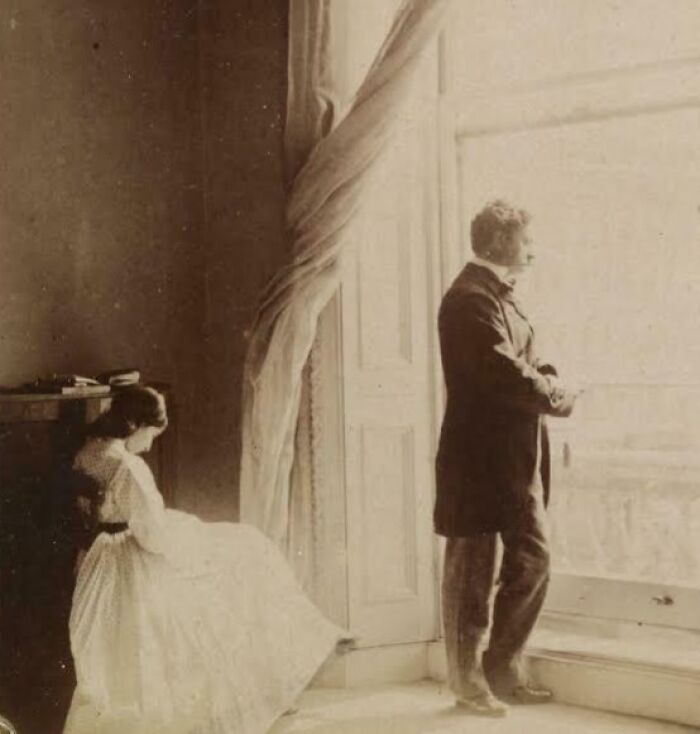
What about the third person in the window? Or can no one else see them?

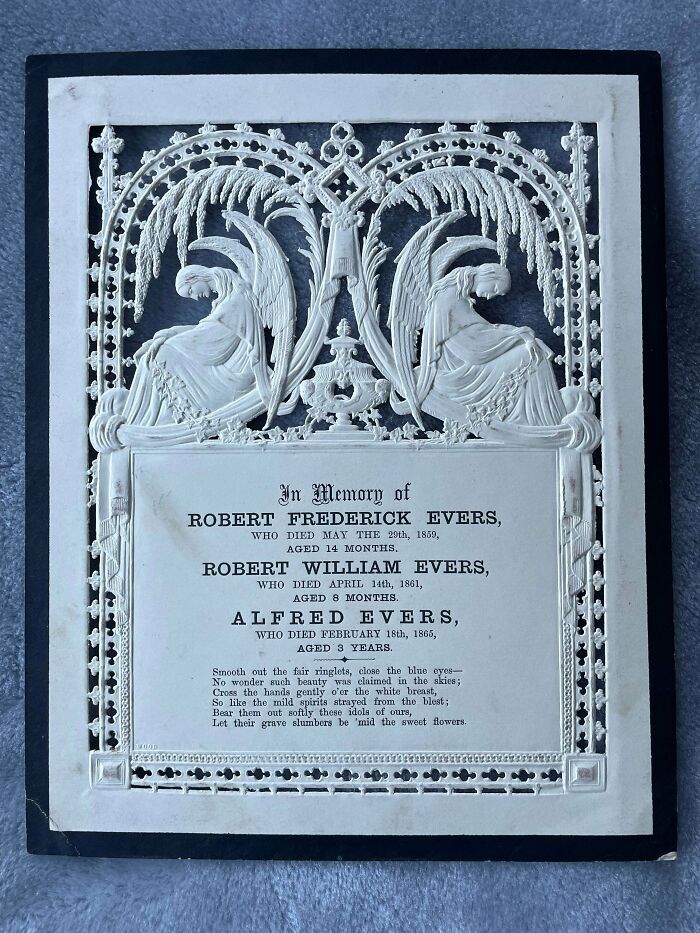
HOw sad they really wanted a Robert and question that name for lucks sakes upon the third child - only for it to happen again. I’m not a mother but this card is very sad indeed
"The Hellenes" means the Greek peoples, and refers to the Kingdom of Greece extant from 1832 to 1924. Ellas is still the Greek word for Greece, therefore the official name of the country. Derives from Hellen, a sort of Abraham figure in Greek mythology, from whom the various Greek tribes were supposed to have descended via his four sons.

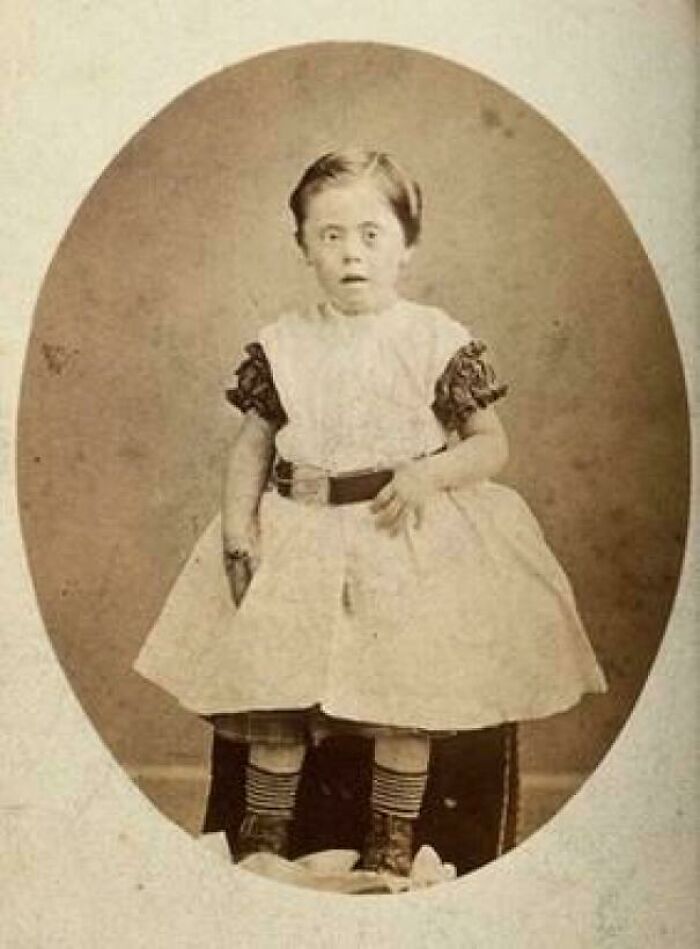
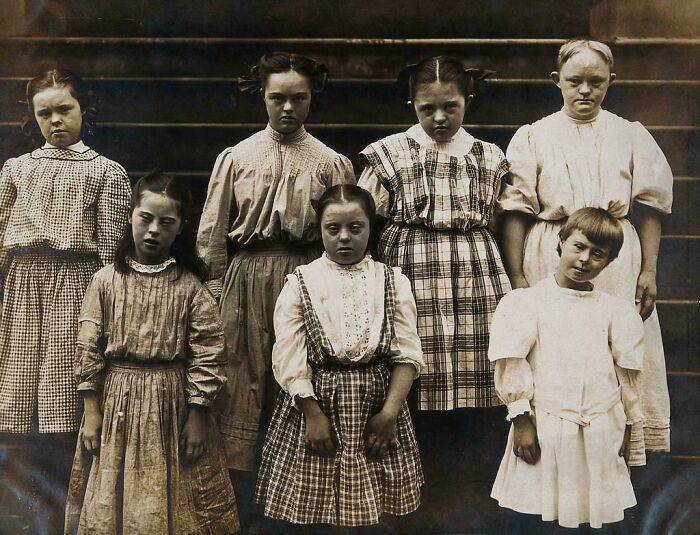
Important side note here is that the terms imbeci*e and idiots did not yet have the derogatory meaning of today but were classifications of (lower) intelligence
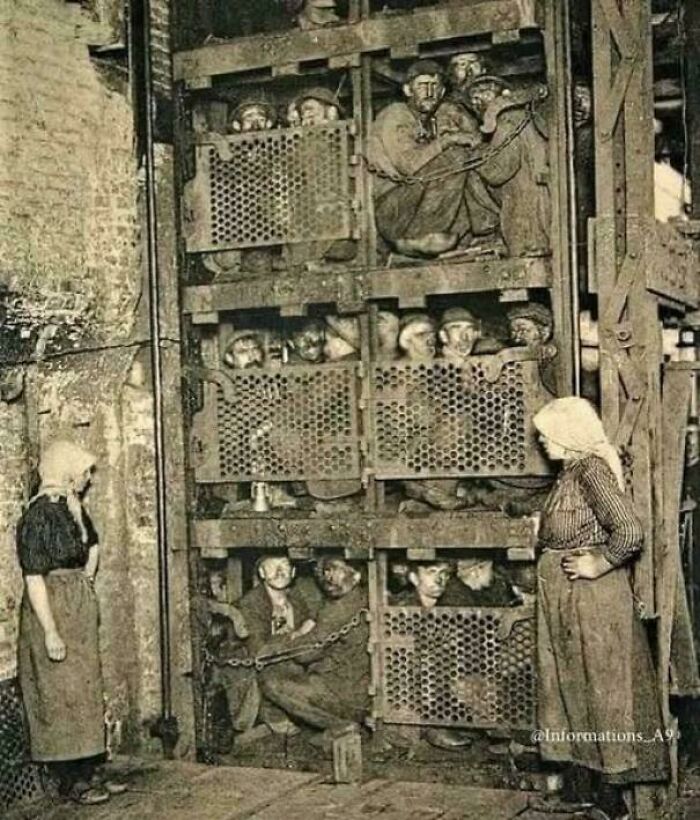
The trip down to the coal face would have been so claustrophobic, let alone what it would have been when you got there.
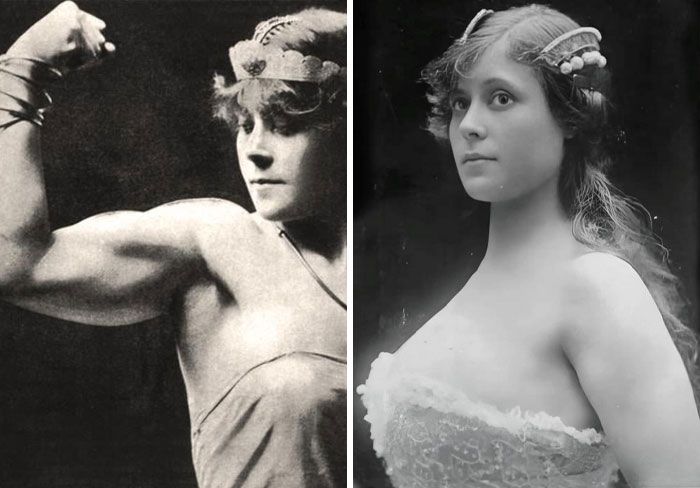
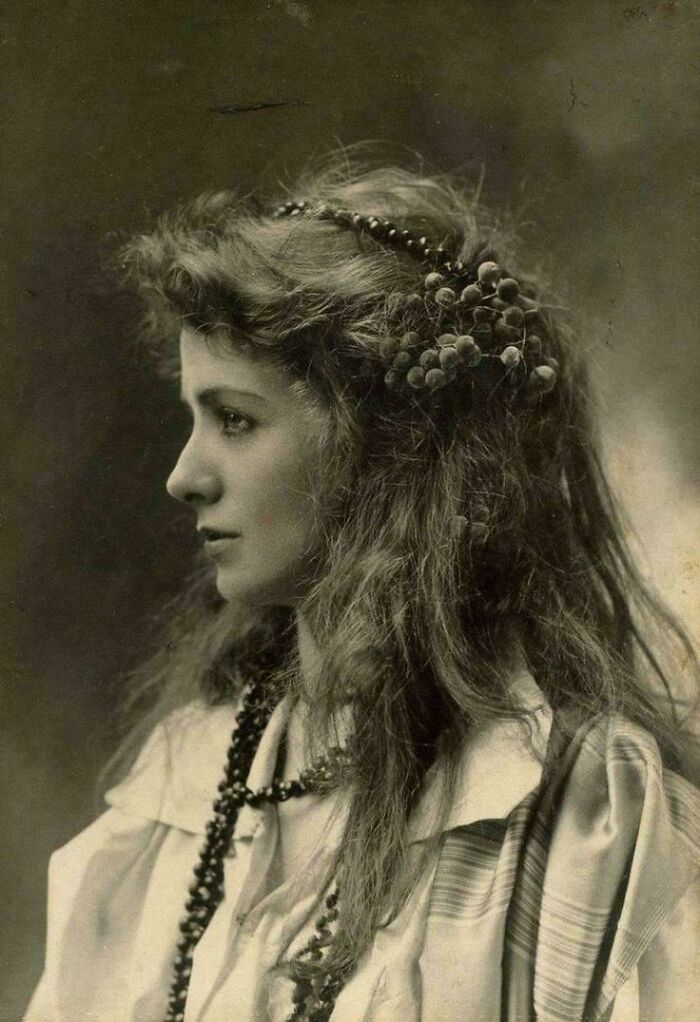
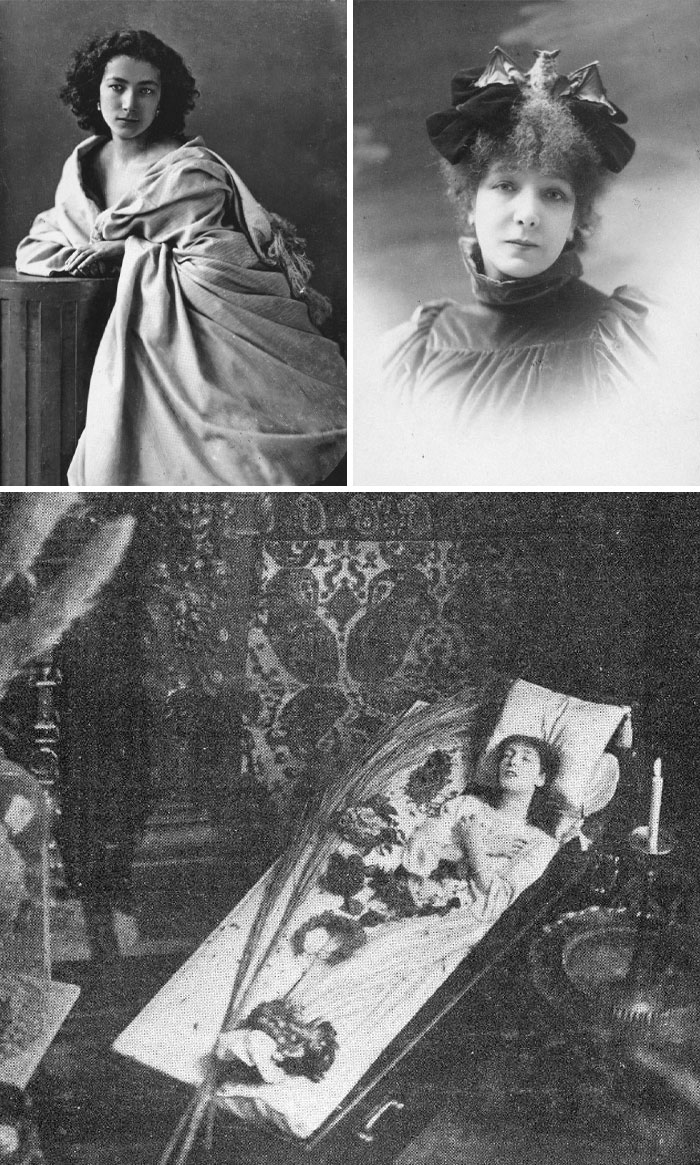
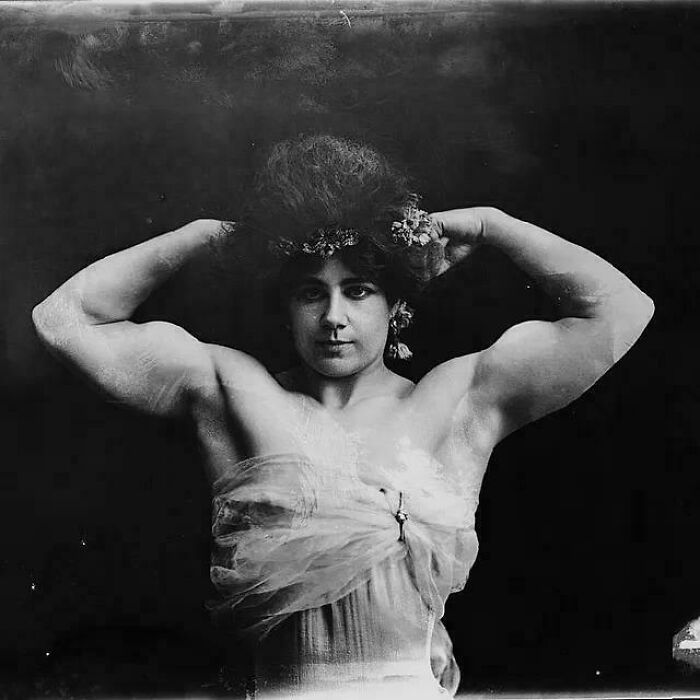
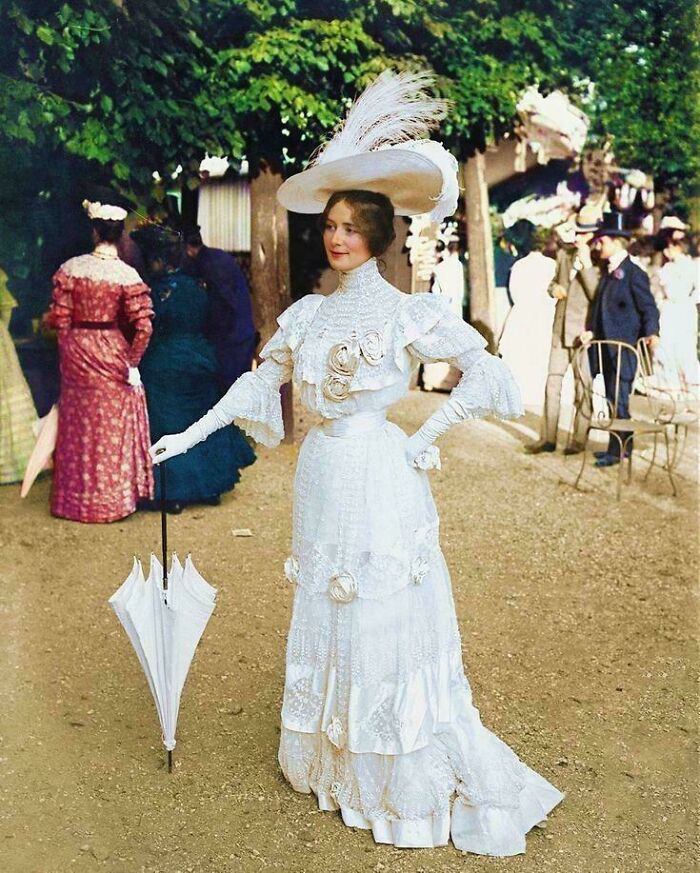
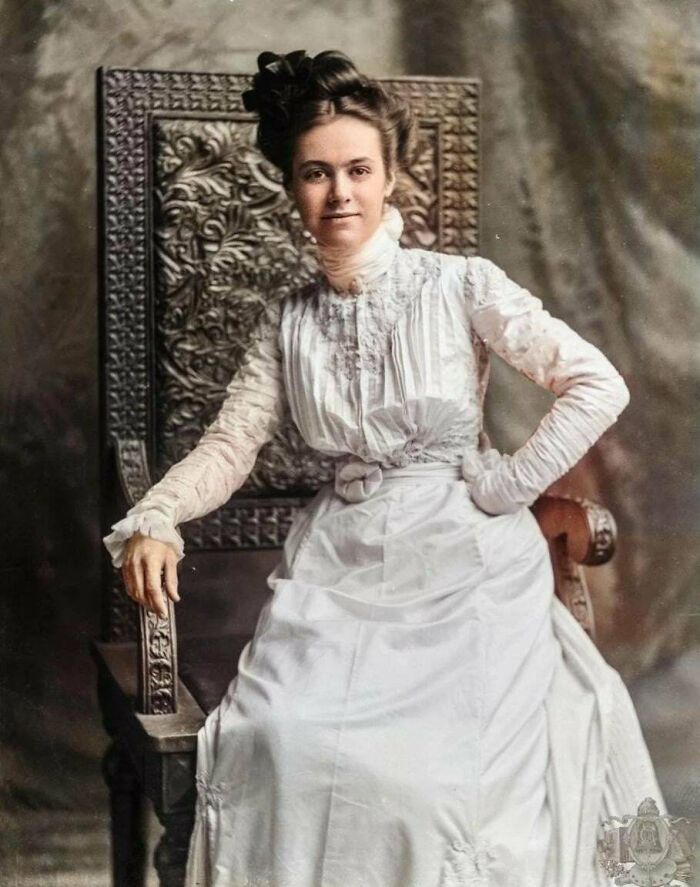
One of the most beautiful actresses and dancers ever. She was a stunner.
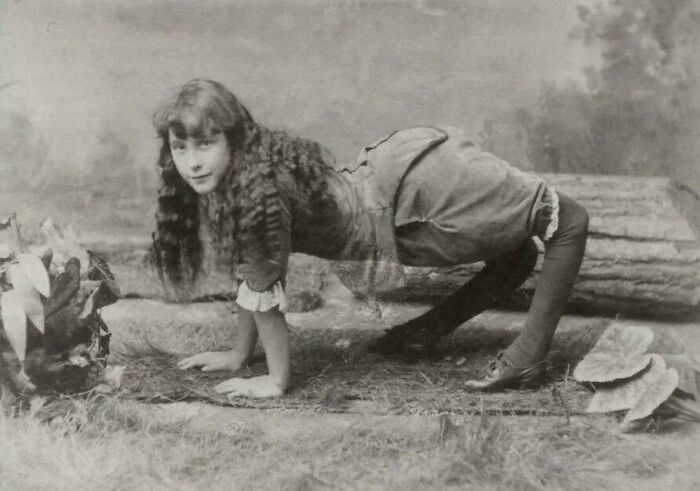
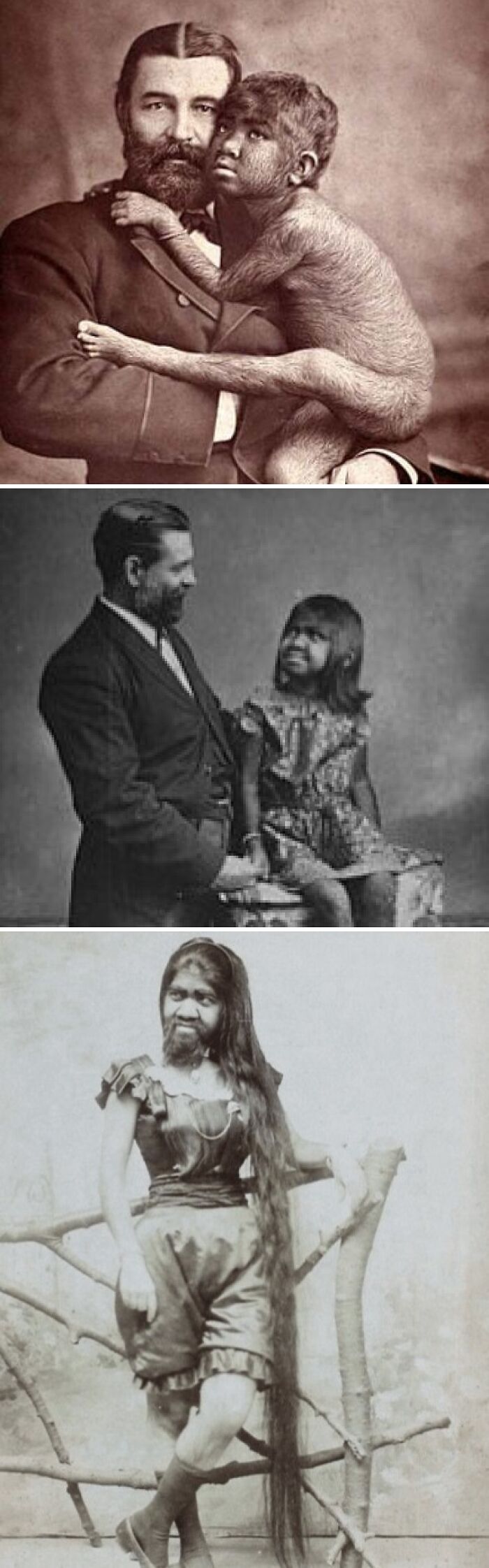
She was called "Camel Girl" and the "most wonderful freak of nature." She was paid the equivalent of $6300 a week

Sheesh good for her! If anyone laughed at her, i hope she was able to laugh right back and think "you pay my bills 💅 "

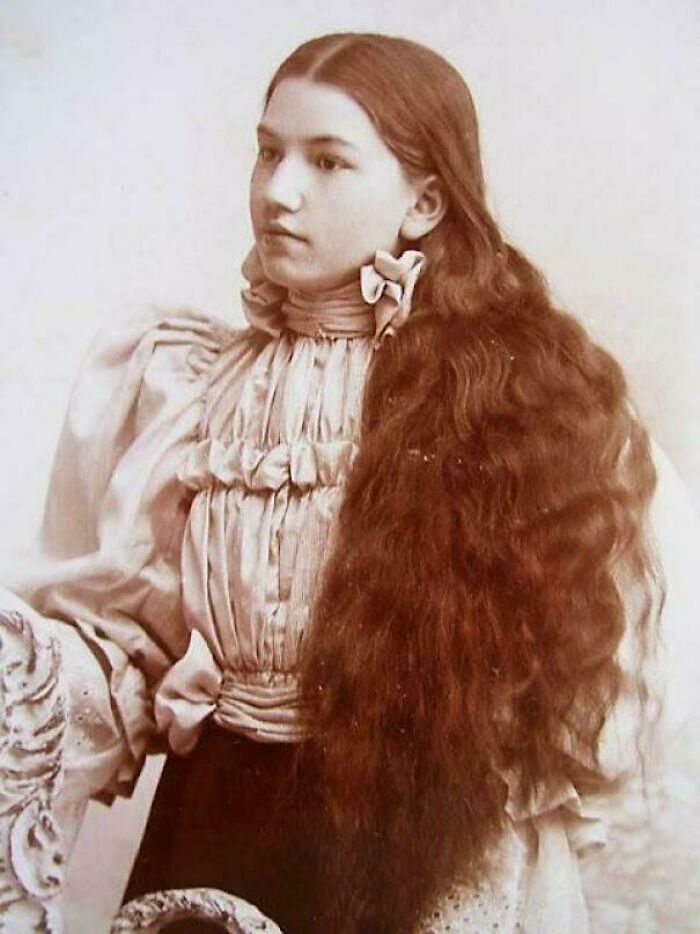
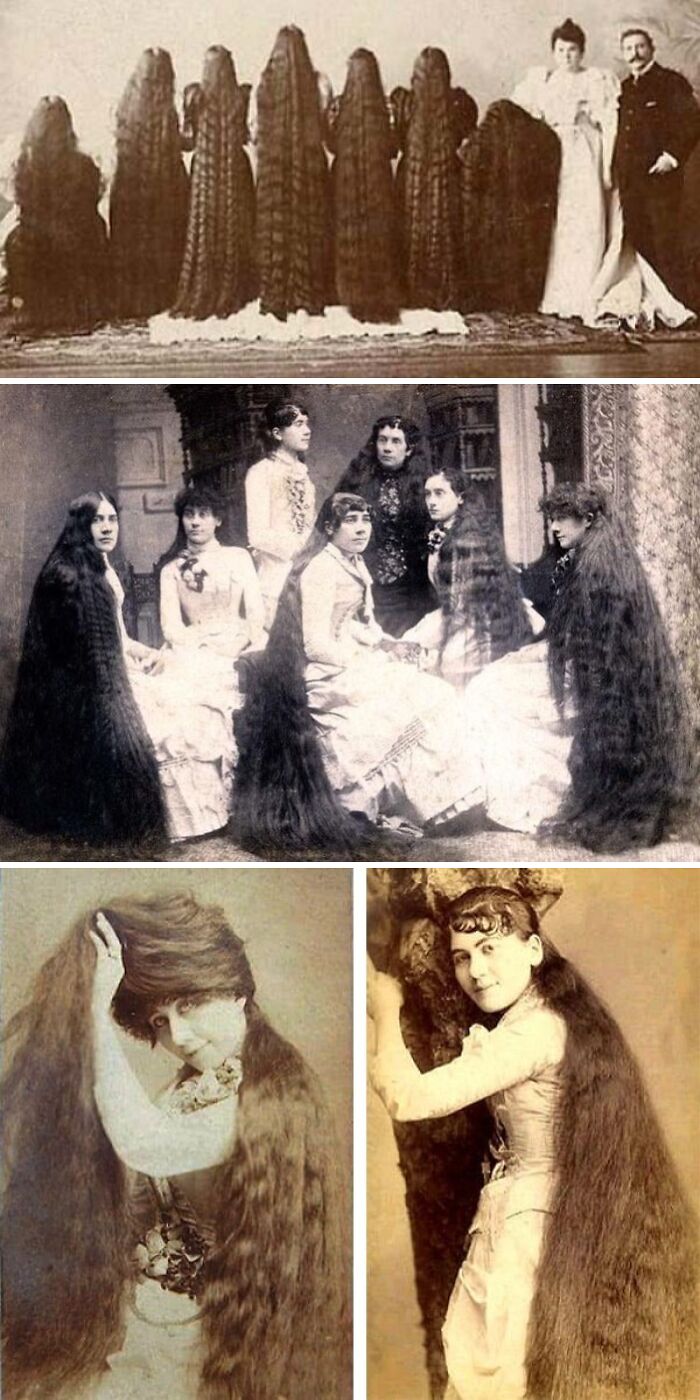
There was once a photo of my maternal grandmother with her hair that long. I remember seeing it as a child. No idea what became of it.

The last name, Farini, was actually the name of her London manager. She was from Siam, exhibited in Europe, and later brought to the US where she became one the stars for Ringling Brothers and Barnum & Bailey Circus. Despite being billed as “Darwin’s Missing Link”, she was well-read and spoke several languages. She died in New York, April 16, 1926 at the age of 49.
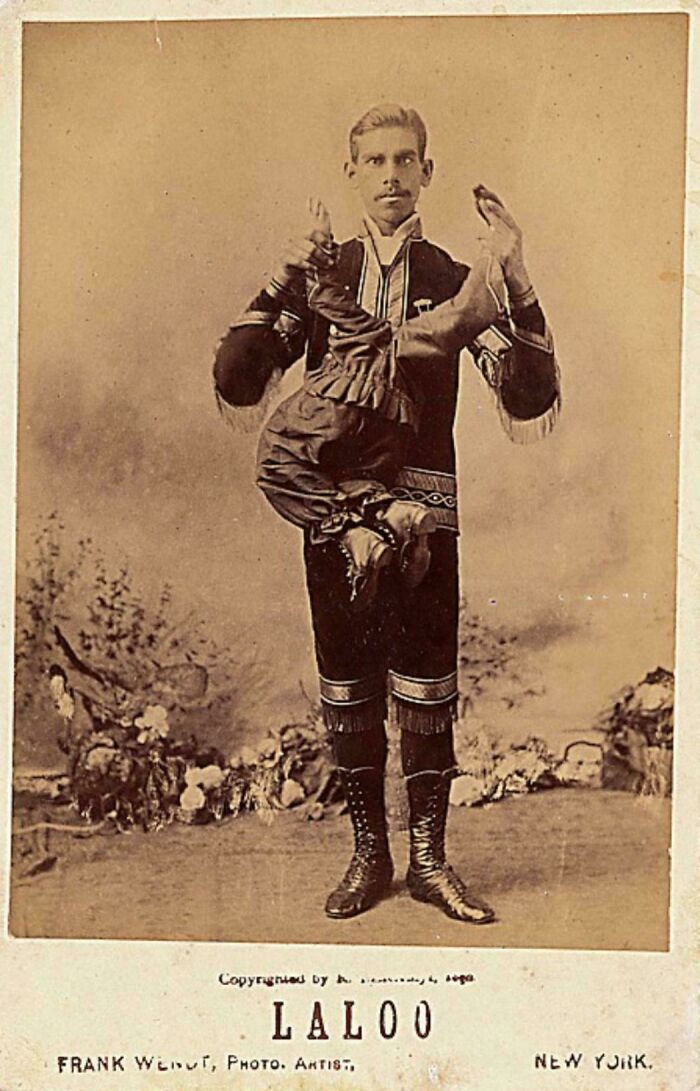
Was An Advocate Against Using The Term “Freak” In Advertising. He Was Born With A Parasitic Twin Who Was Attached To His Sternum
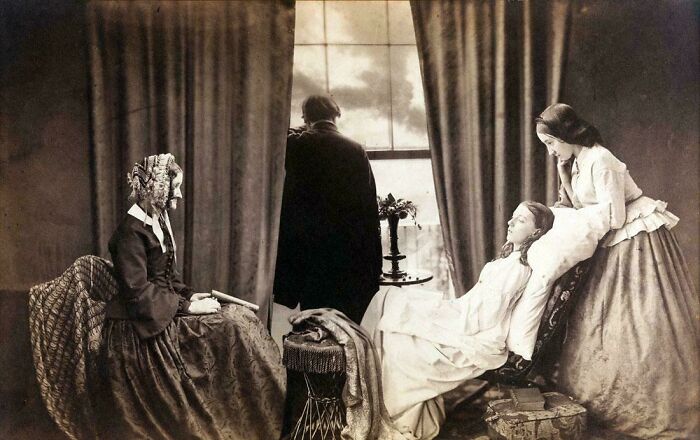
This wasn't a plain photograph. It was a composite artwork formed from five separate photographs. "Although the photo was staged and the woman wasn't really dying, some people believed the composition didn't afford enough dignity to what was a tragic situation faced by many families." and "Albumen print from 1858 depicting a young woman dying of tuberculosis. It formed part of a series of 5 photographs showing her final moments."
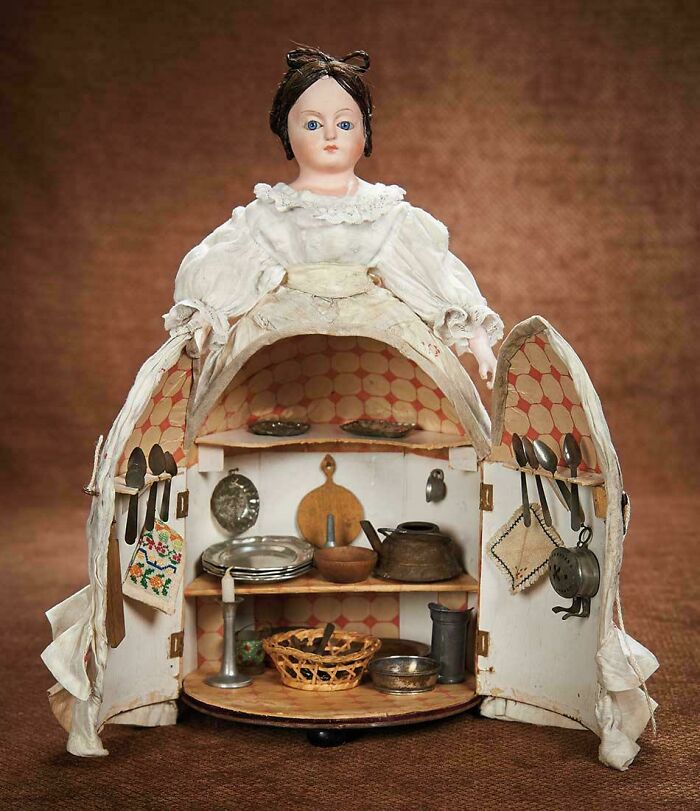
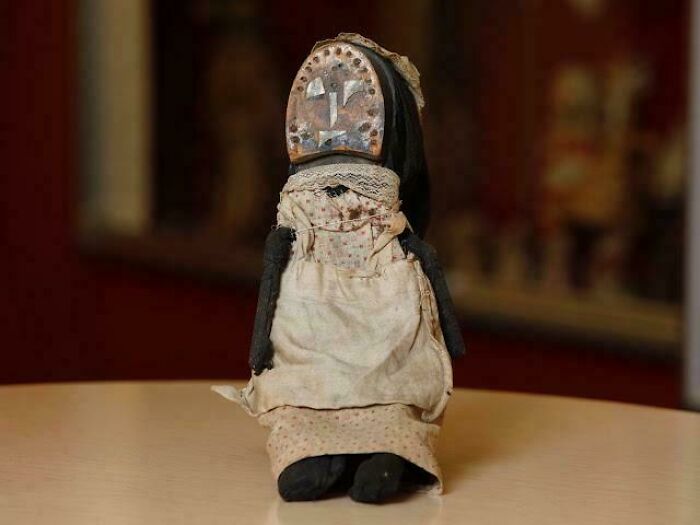
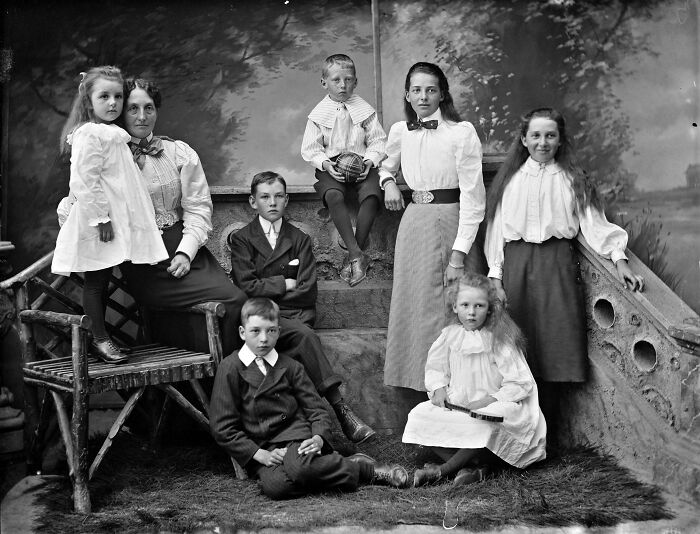
The sons got a train, sports gear, boats, books, a globe, a miniature figure playset of some kind...and the daughter got A doll
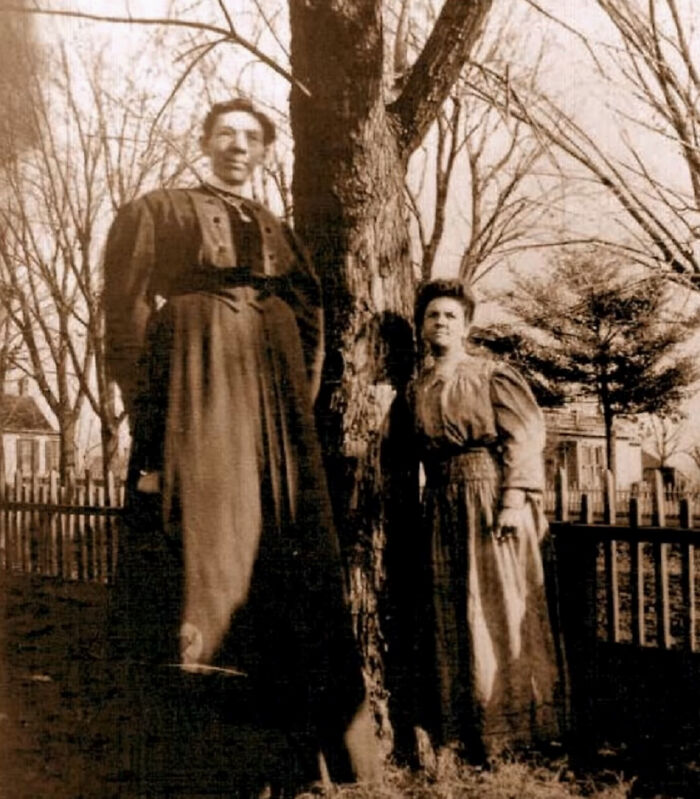
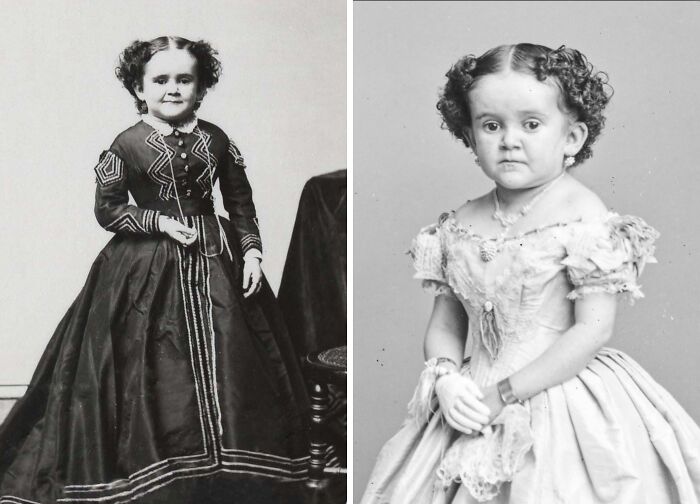
Clarification needed. Which one is Ella Ewing and which one is the regular sized women?
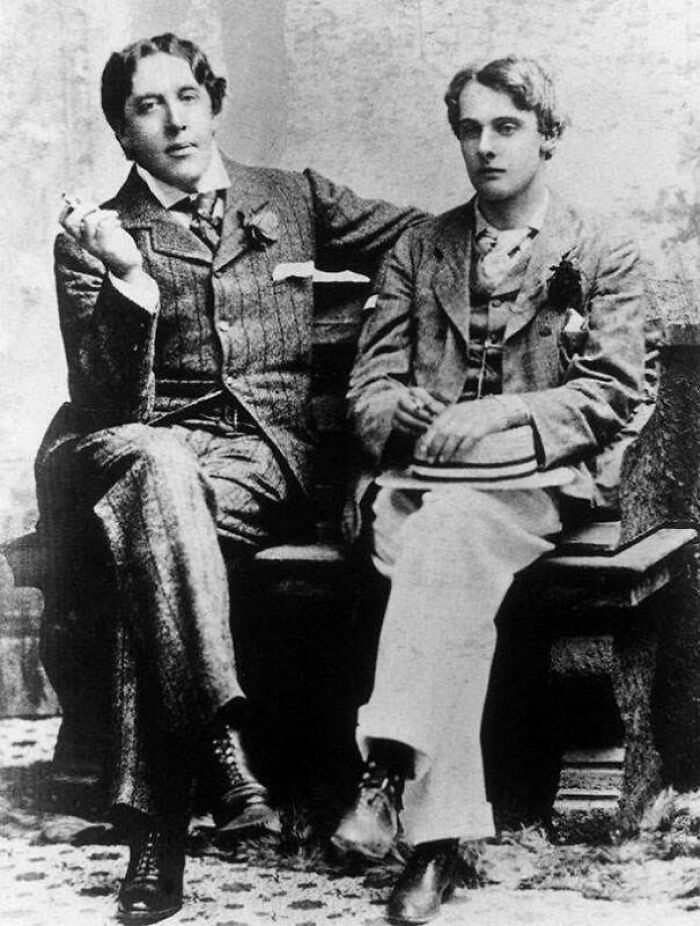
Our family has a few. We also had a lot of out of the closet gays (Roma east Europe) up until today’s times including my mother, so it’s possible it is just a maid Photo btw.
Her sister, Lavinia Warren, married General Tom Thumb (Charles Sherwood Stratton)

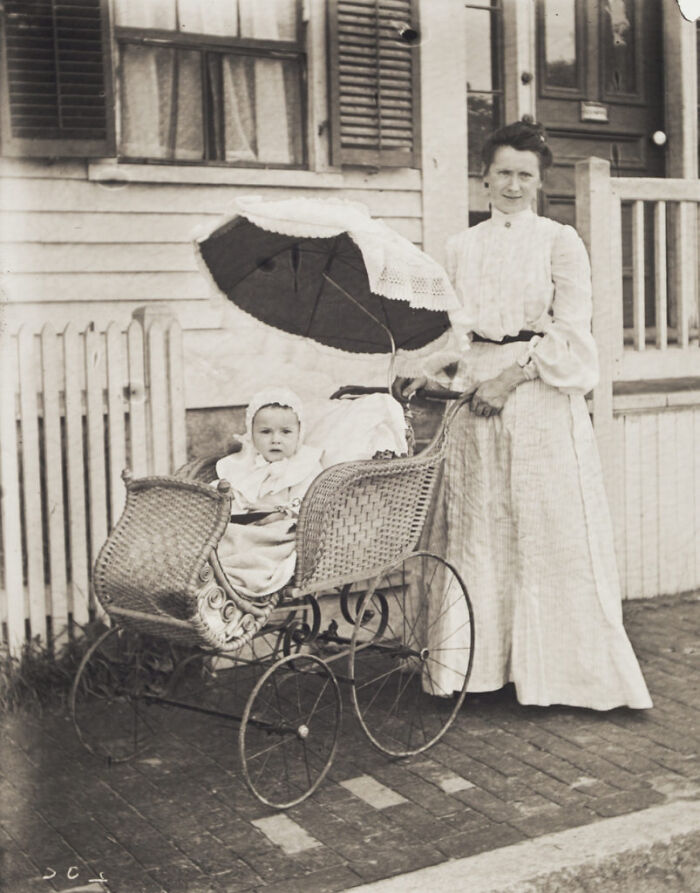
A woman photographer. A candid rather than posed shot. Interesting.
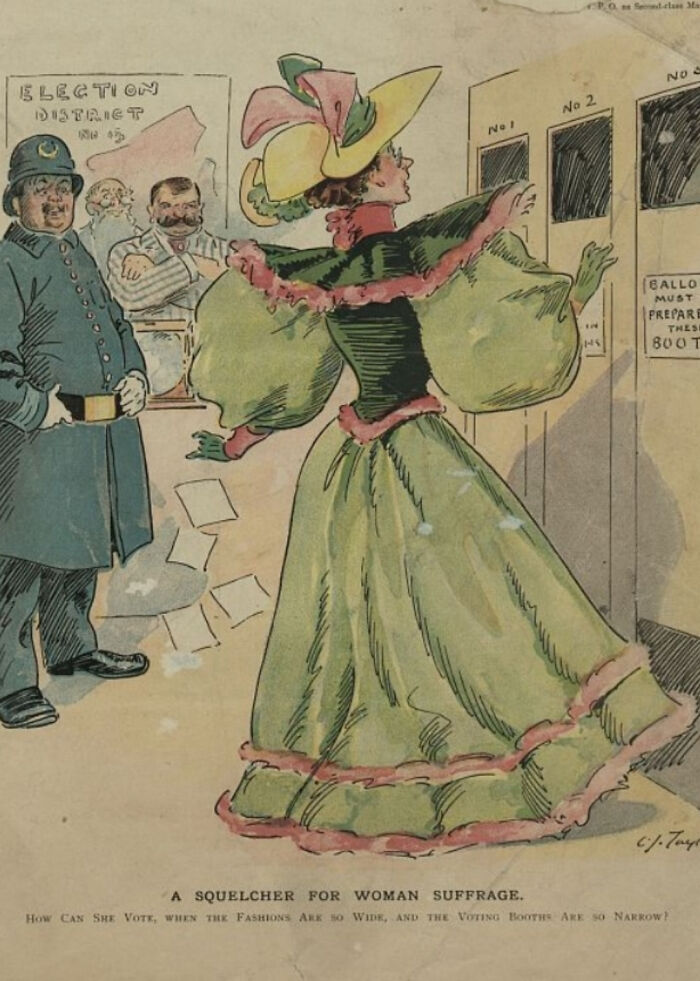
One way to stop those pesky women from having the vote! I just hope they do not discover trousers!
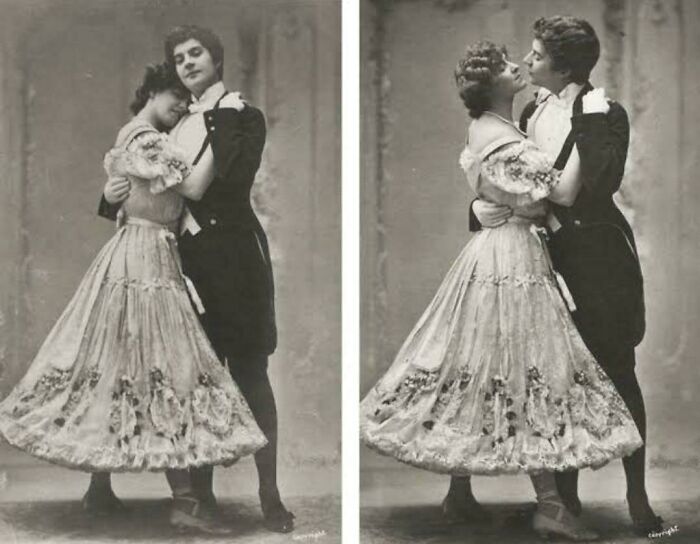
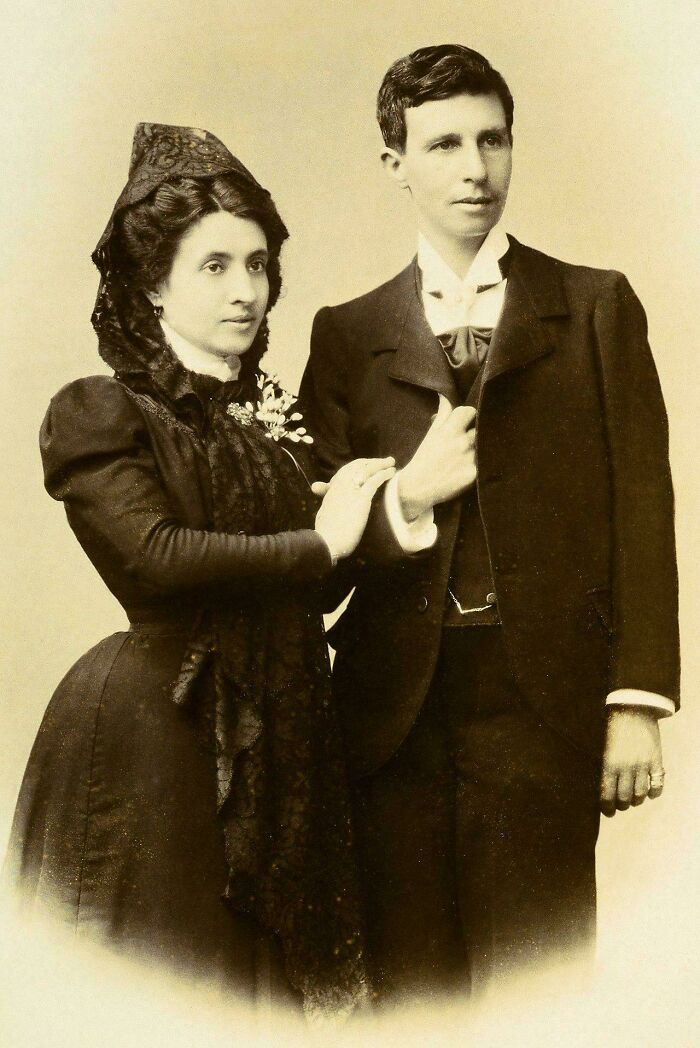
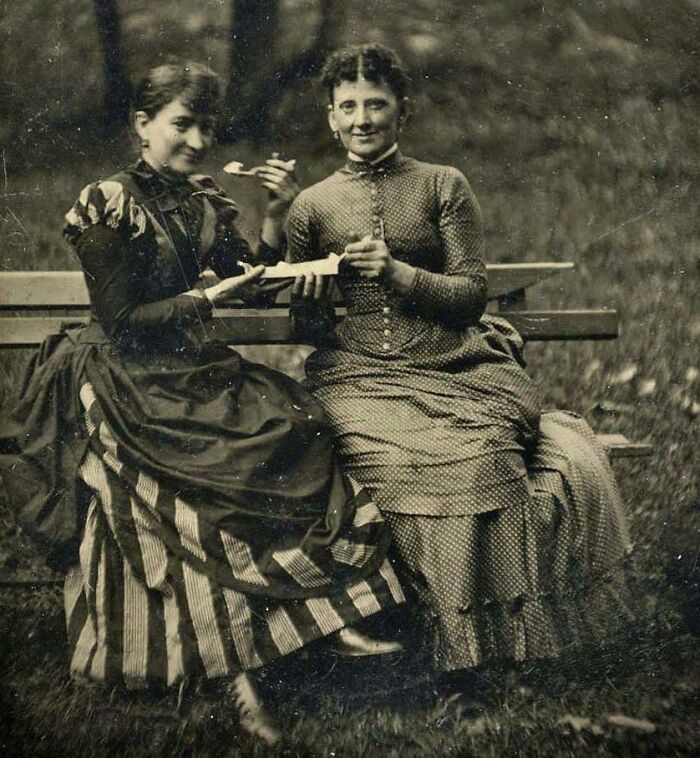
Apparently. The first same-s*x marriage in Spain was by Marcela Gracia Ibeas and Elisa Sánchez Loriga in June 1901. When it was discovered that Elsia was a man, the presecution forced the to leave Spain. The marriage was never annulled. (Wikipedia)
They look so miserable. I hope they had happy life despite being put into an institution.
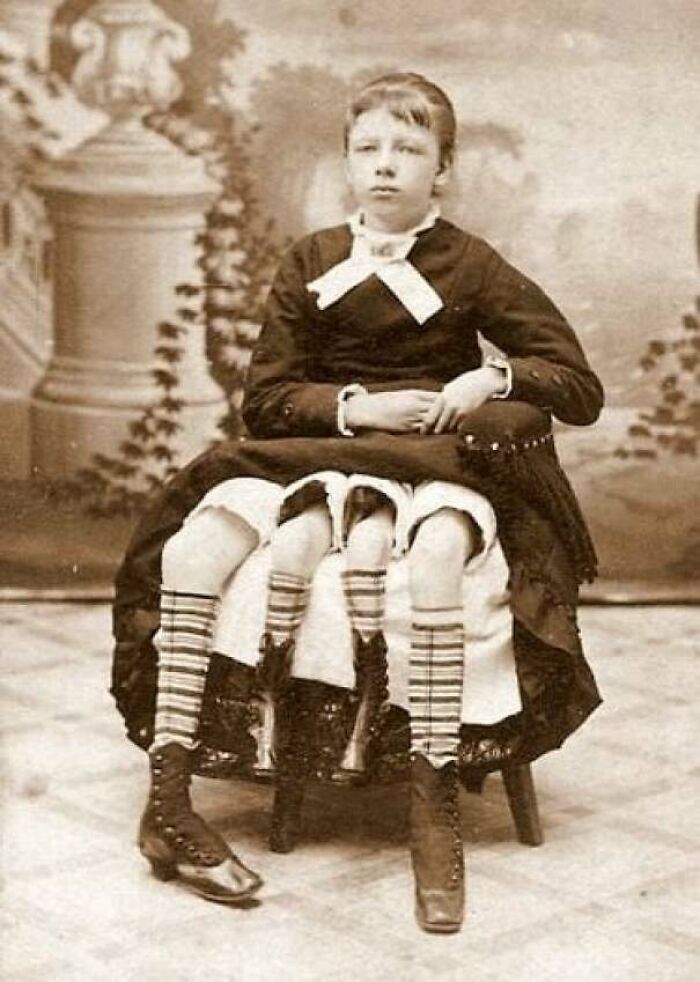
Myrtle married and was the mother of five. Circus handouts would claim she had 3 children with one body and two with the other.

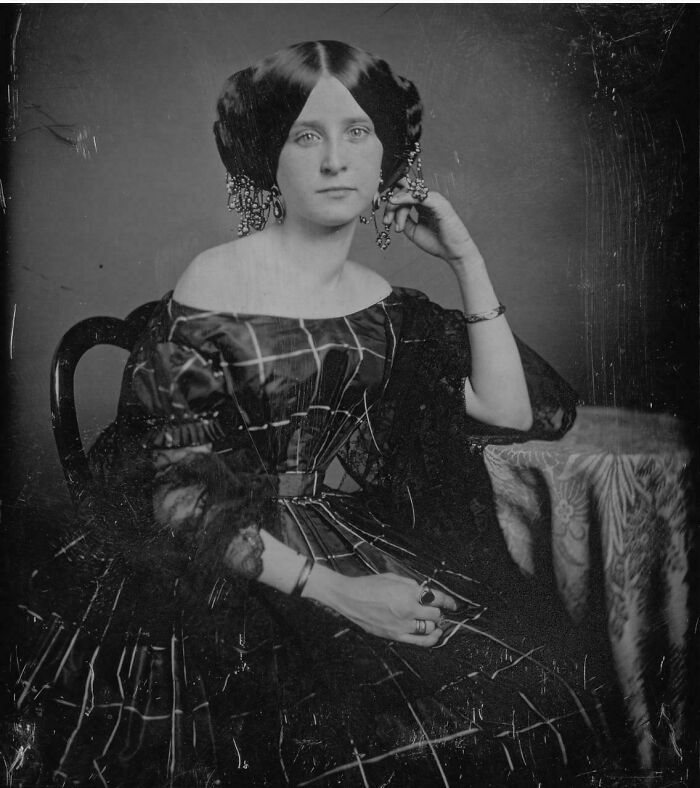
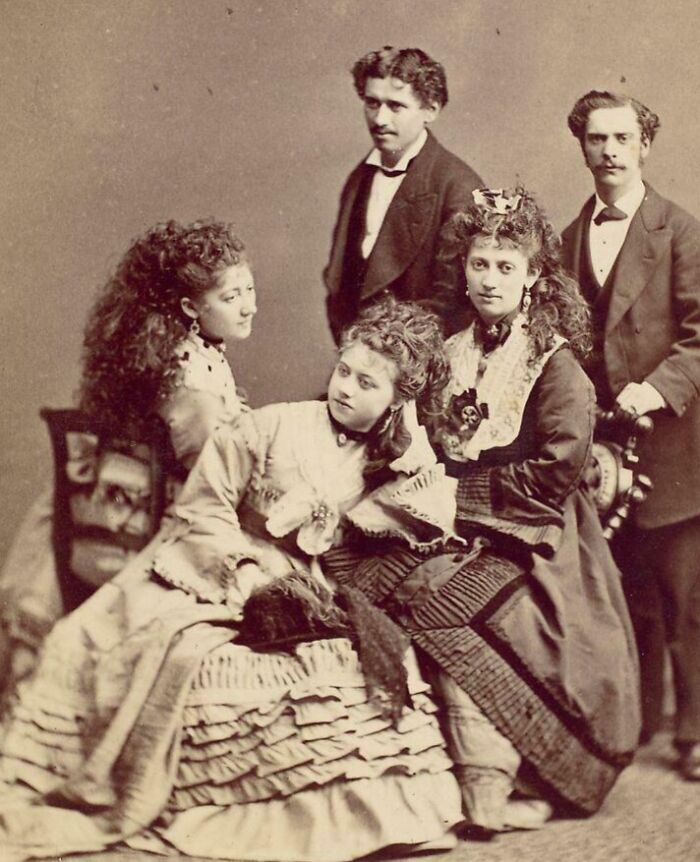
Doubtful all these women have thick curly hair. Some people don’t need fraudulent accessories.
Millie and Christine’s lives started out rough, but ended well. They were born into slavery, but they and their entire family were sold to J.P. Smith who would tour with a showman, exhibiting the girls. Their mother traveled with them. However, the showman later kidnapped the girls. He tried to show them in a “free” state and was reported, but fled overseas to the UK before any action could be taken. Because the UK abolished slavery, their owner, Smith couldn’t claim them as his property, but he instituted a suit on their mother’s behalf. The kidnapper hired a black woman to pose as their mother and coached her on how to testify, but it was not as believable as their real mother’s pleas. The girls were returned to their mother, and later met Queen Victoria who gave them priceless mementos of their visit. With the end of the Civil War, they chose to stay with Smith’s widow and were pulling in $600 a week, putting a share of it into savings, later moving into a 10-room house

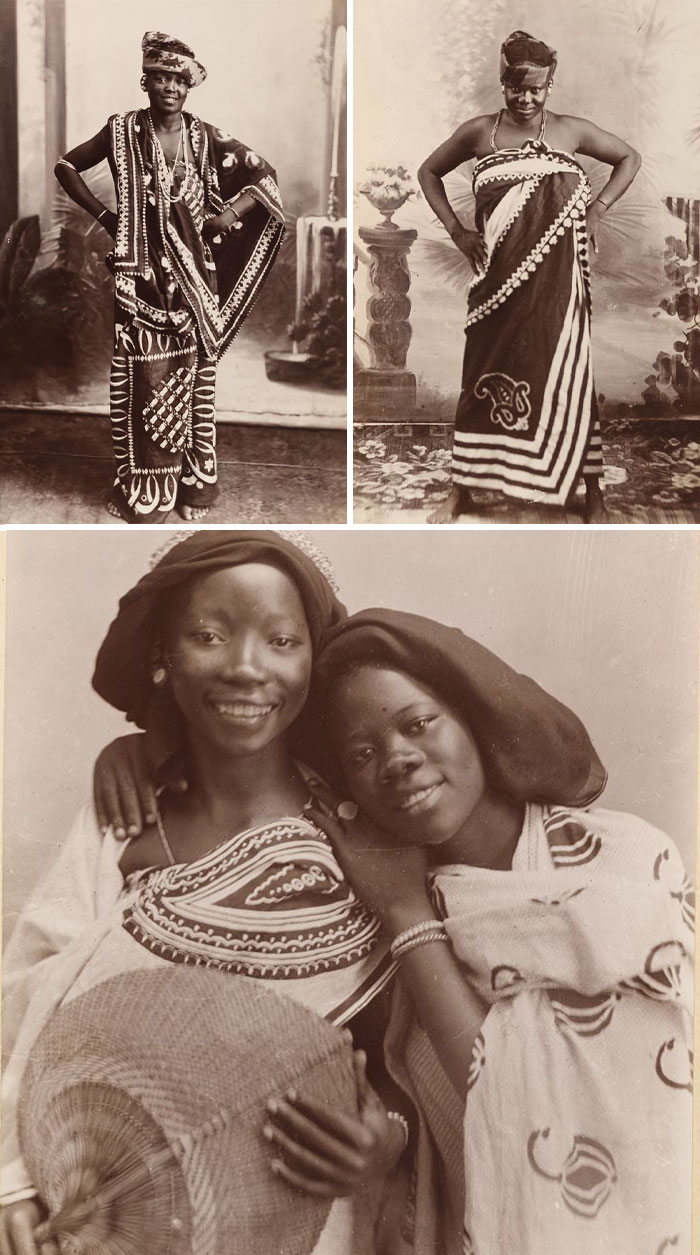
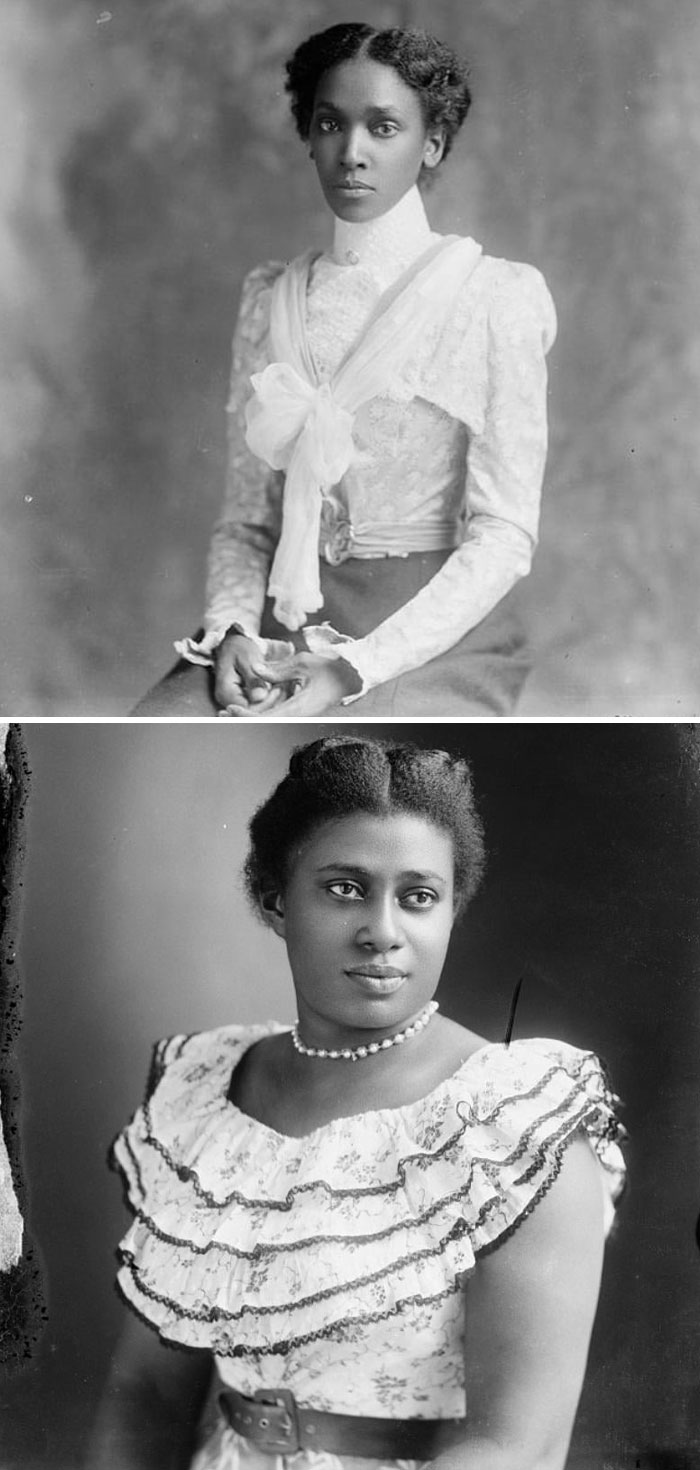
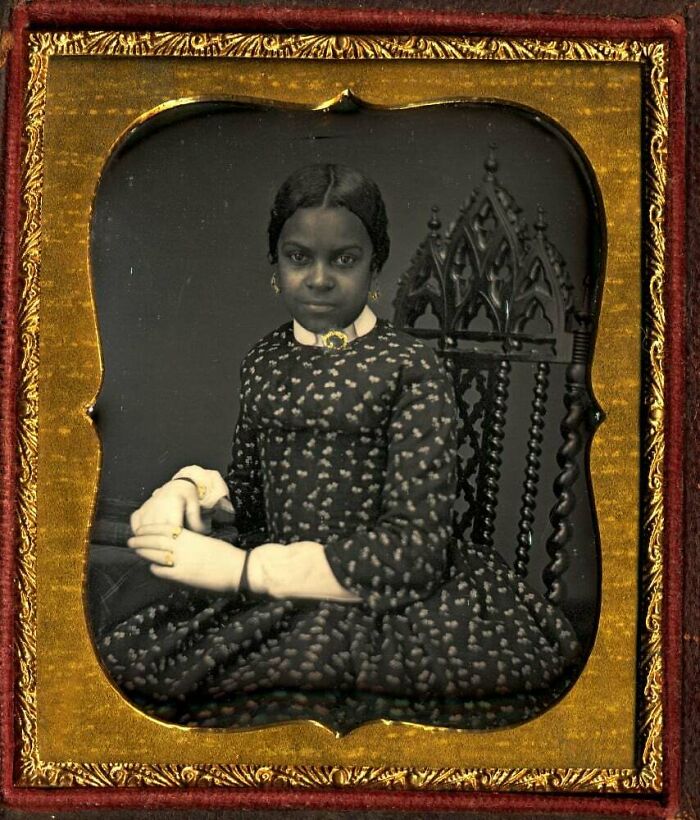
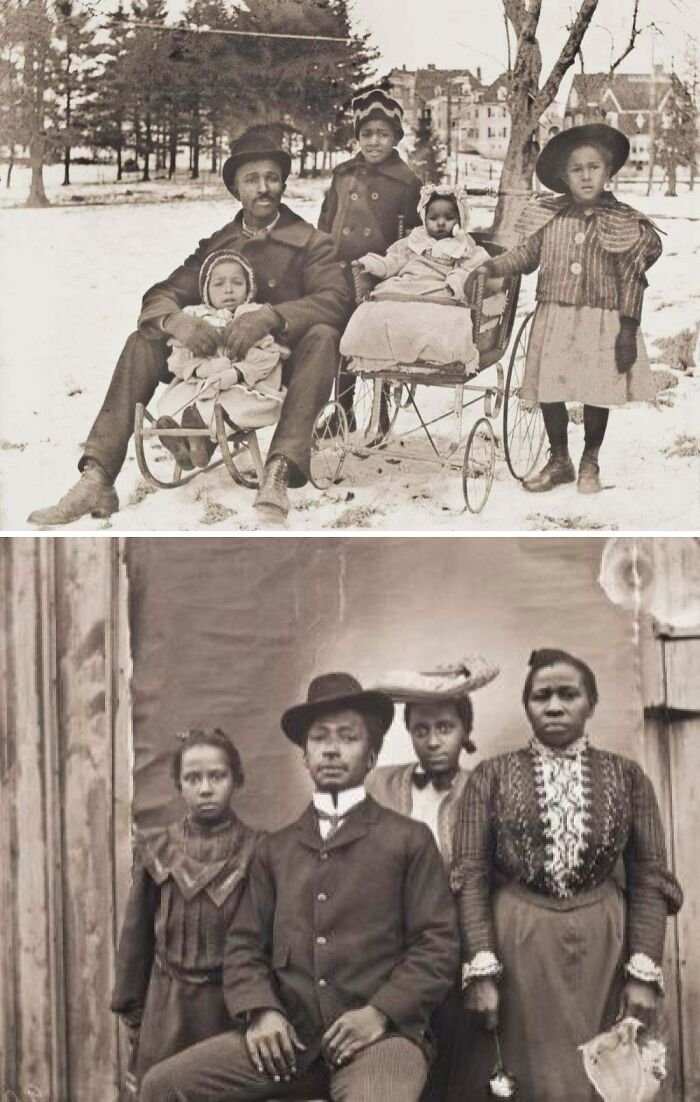
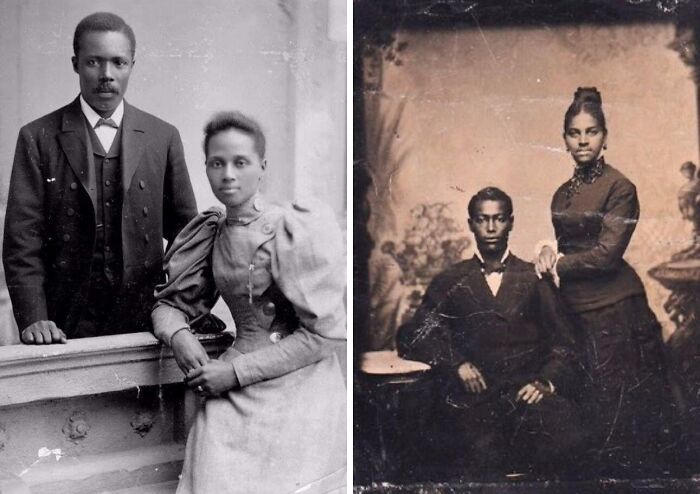
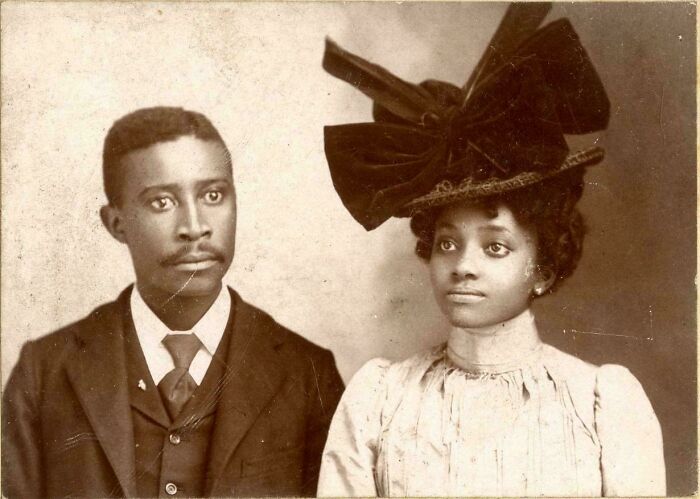
I'm always amazed how many photos of black families were taken, and have survived. I always imagined photographs of the time were only for the rich white people. As for the poll - none of the first three is a surprise, one only has to read Dickens to know what it was like in the UK. The welfare state has been costly, but it has been such a huge improvement in lives that would otherwise have been intolerable.

Many people saved up, especially when soldiers went to war in 1914
Load More Replies...
Remember folks, MAGA wants to bring back the slums. They want to destroy unions and bring back s***e labor conditions for the poor. And just like the Victorian elite, they have a wrongful sense of their own moral and ethical superiority. They also have no respect or sympathy for anyone 'different', and that includes people with disabilities and those in the LGBTQIA+ community. DO NOT LET THAT HAPPEN.

persephone134: the Victorian era was a period of time - 1837-1901, being the reign of Queen Victoria. It applied everywhere on Earth, not just inside the British Empire.
Load More Replies... I'm always amazed how many photos of black families were taken, and have survived. I always imagined photographs of the time were only for the rich white people. As for the poll - none of the first three is a surprise, one only has to read Dickens to know what it was like in the UK. The welfare state has been costly, but it has been such a huge improvement in lives that would otherwise have been intolerable.
Many people saved up, especially when soldiers went to war in 1914
Load More Replies... Remember folks, MAGA wants to bring back the slums. They want to destroy unions and bring back s***e labor conditions for the poor. And just like the Victorian elite, they have a wrongful sense of their own moral and ethical superiority. They also have no respect or sympathy for anyone 'different', and that includes people with disabilities and those in the LGBTQIA+ community. DO NOT LET THAT HAPPEN.
persephone134: the Victorian era was a period of time - 1837-1901, being the reign of Queen Victoria. It applied everywhere on Earth, not just inside the British Empire.
Load More Replies...
















 No fees, cancel anytime