Get Premium
Dark mode theme is available exclusively for premium users. Learn more about the benefits of subscribing.
No fees, cancel anytime.

 Dark Mode Ad-Free Browsing Unlimited Content
 Ad-Free Browsing Unlimited Content Dark Mode
Join 1.2 million Panda readers who get the best art, memes, and fun stories every week!
The past can often seem distant and difficult to approach, but that doesn’t mean it’s not worth learning about. Let’s face it, giant, dusty historical tomes are just not for everyone, so it can be useful to check out something easier to digest.
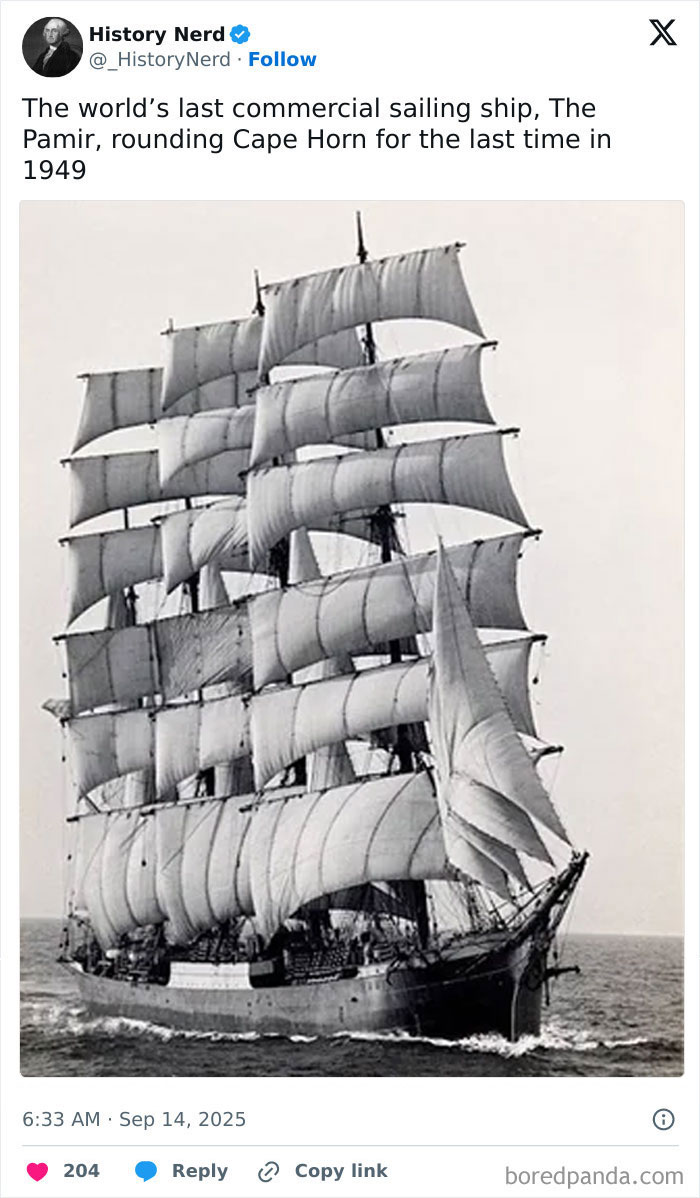
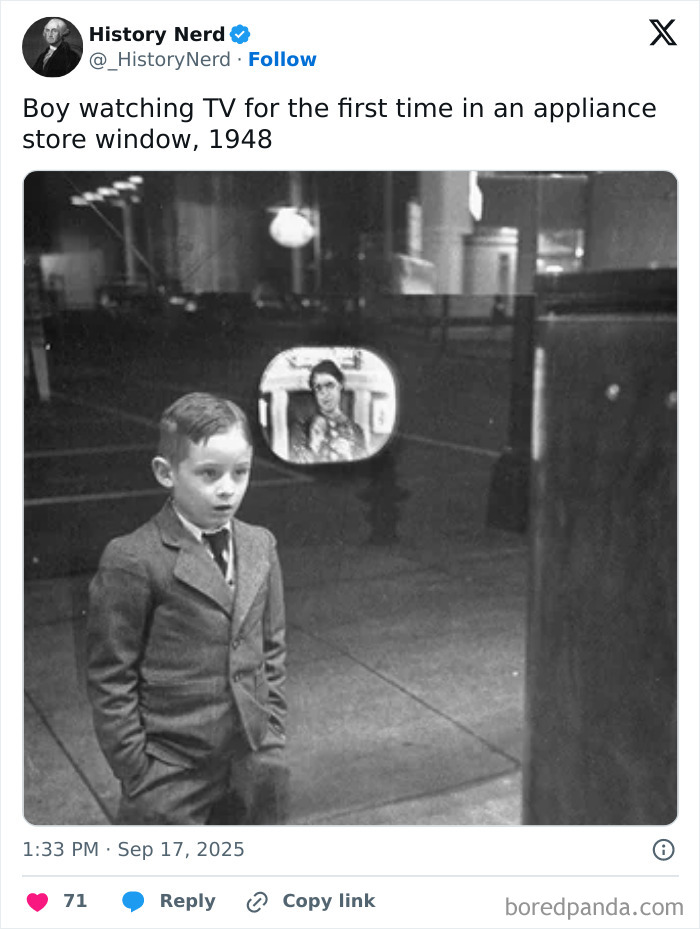
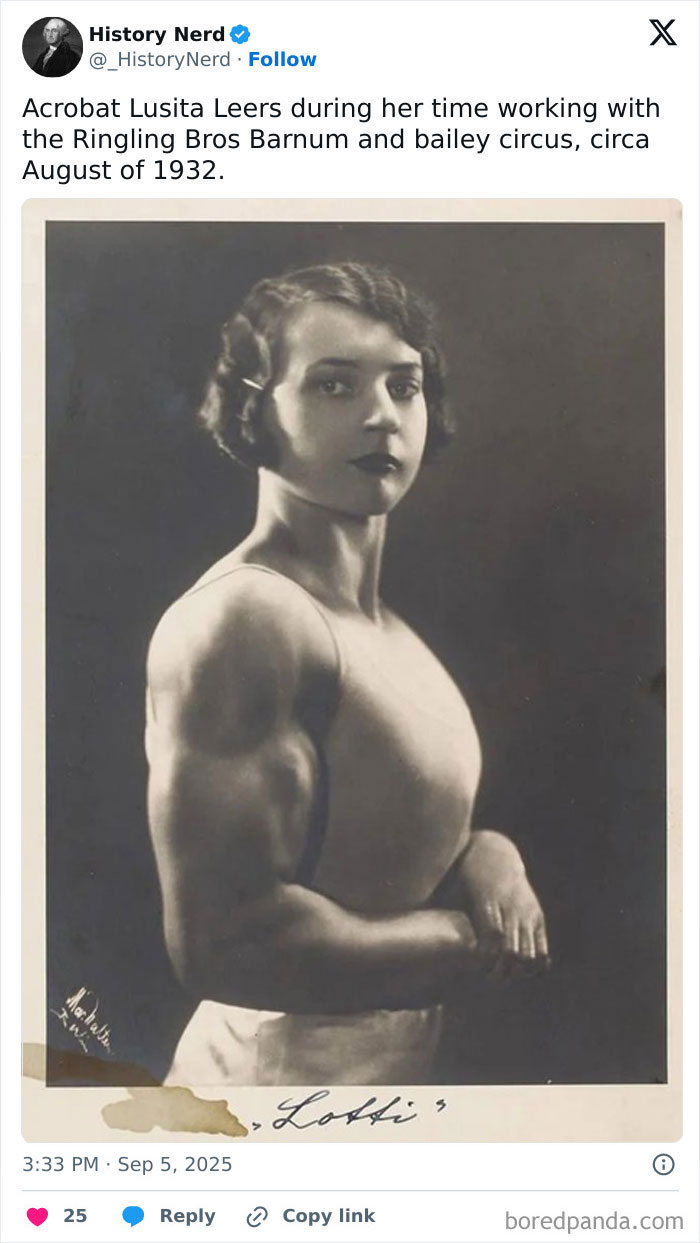
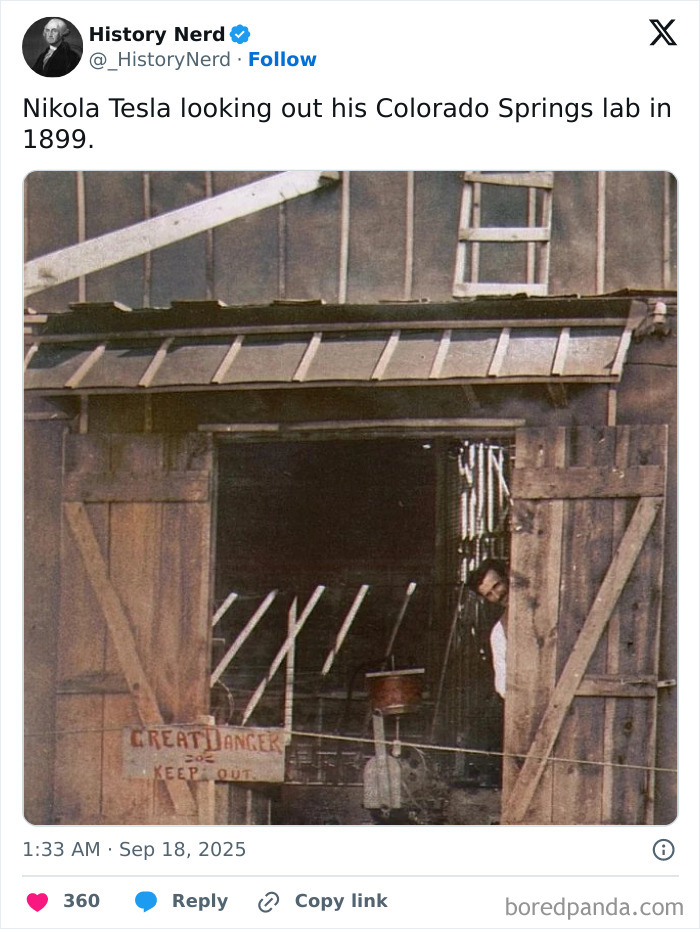
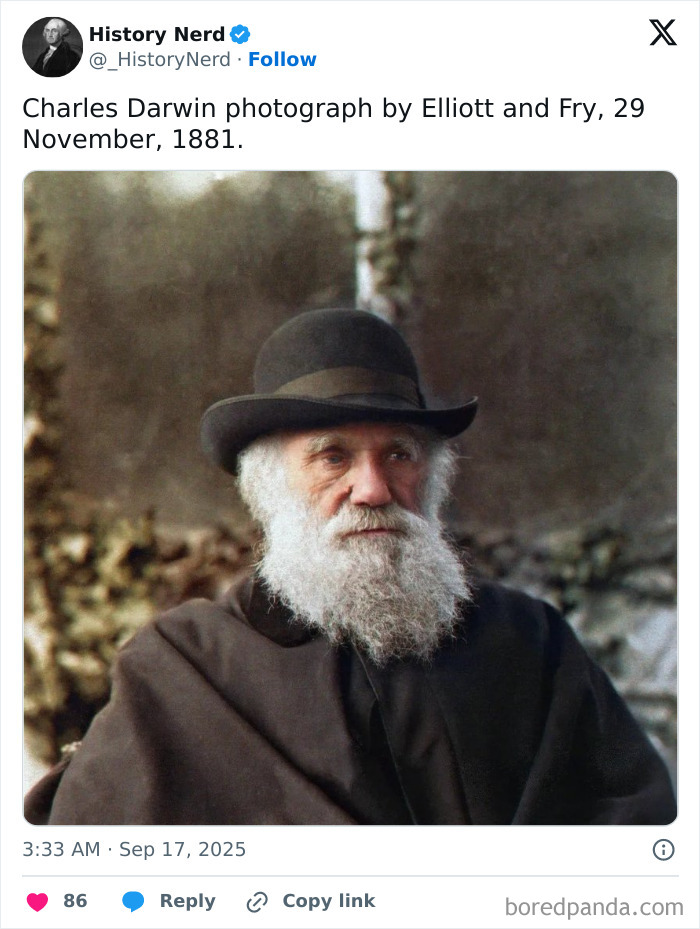
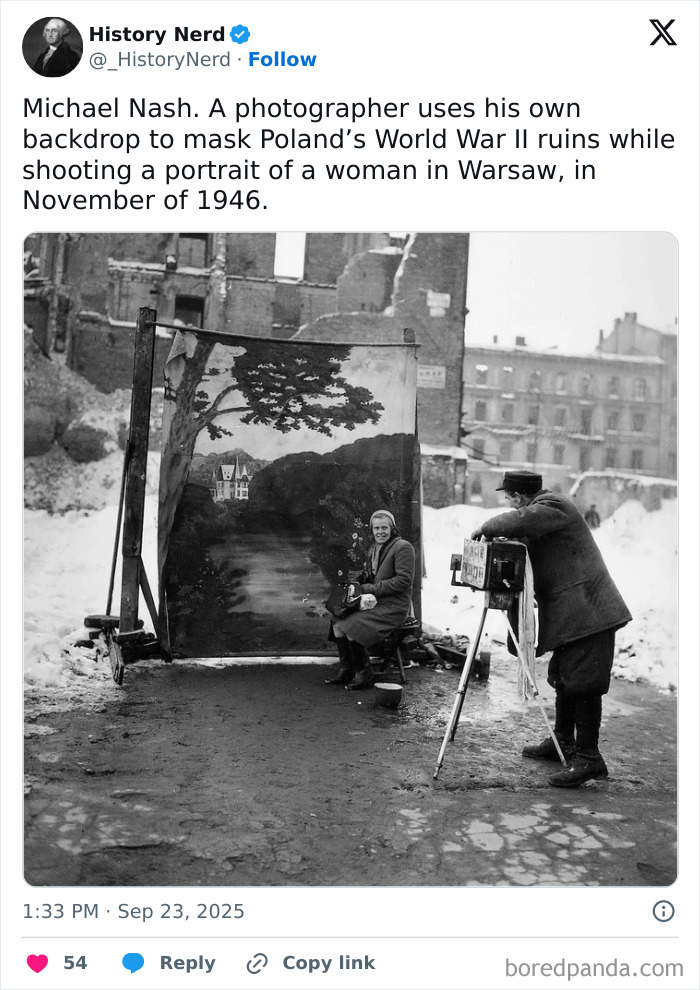
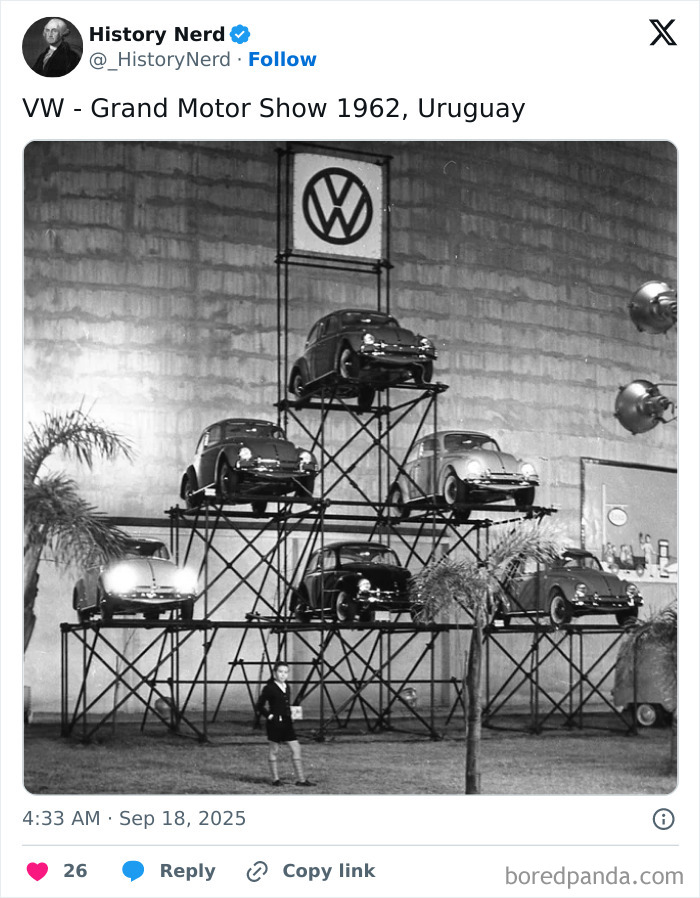
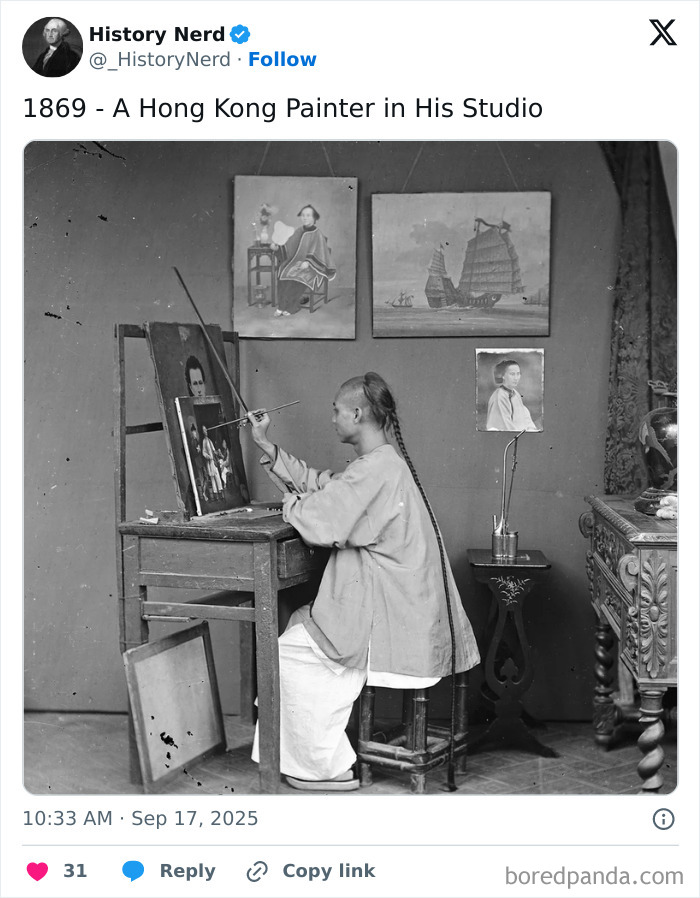
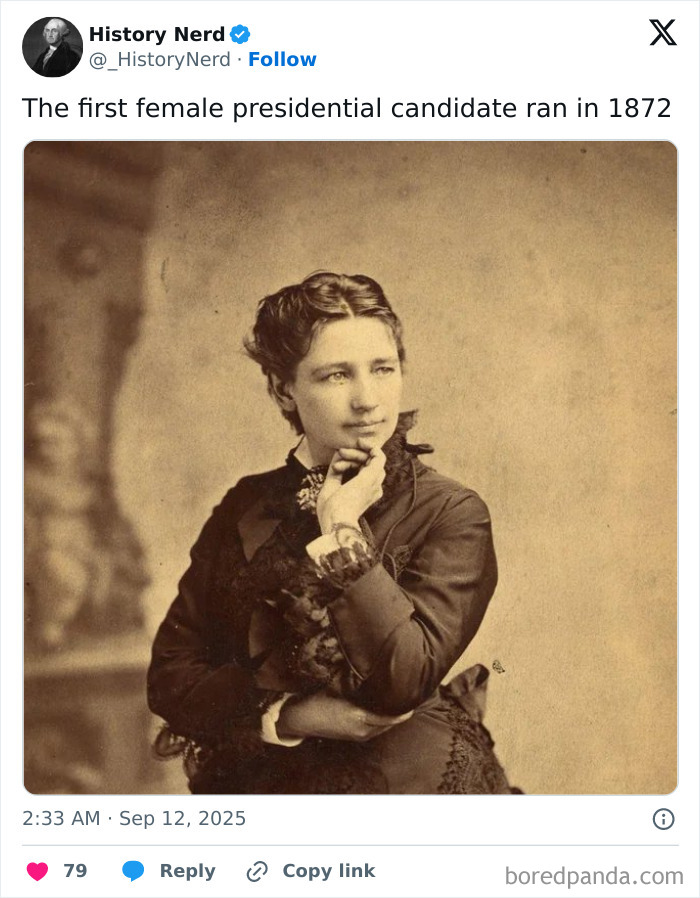
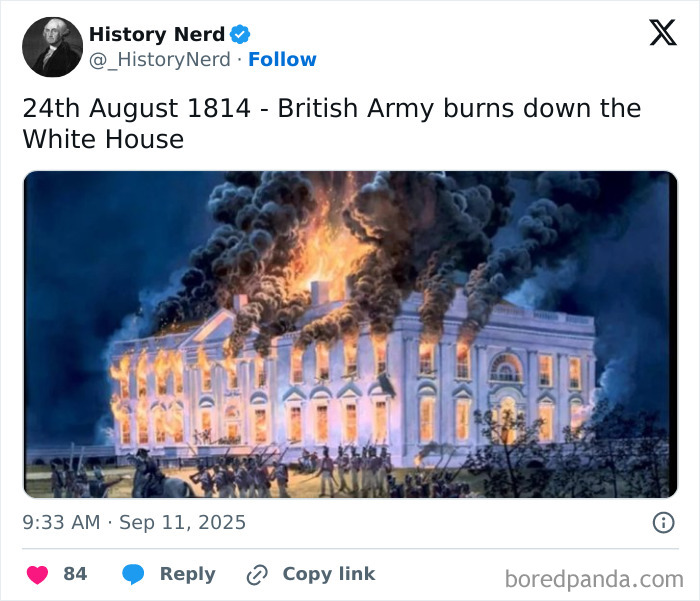
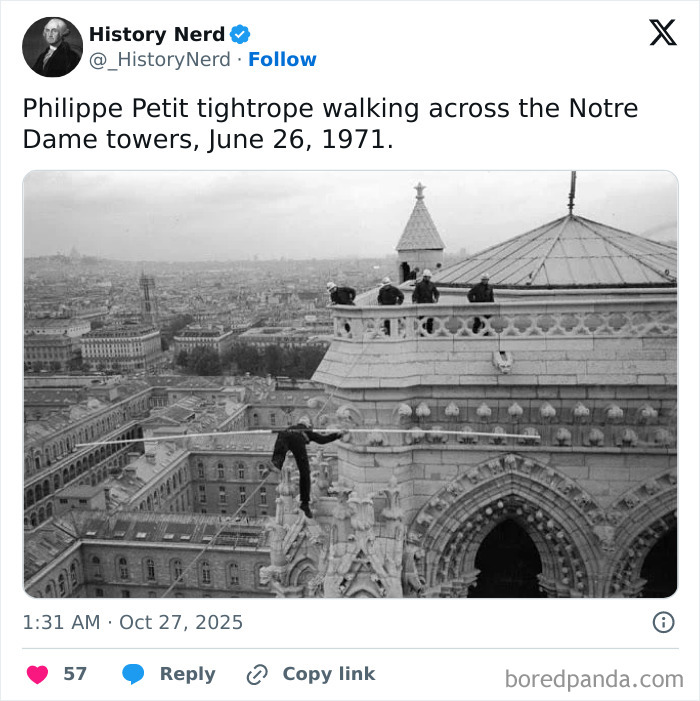
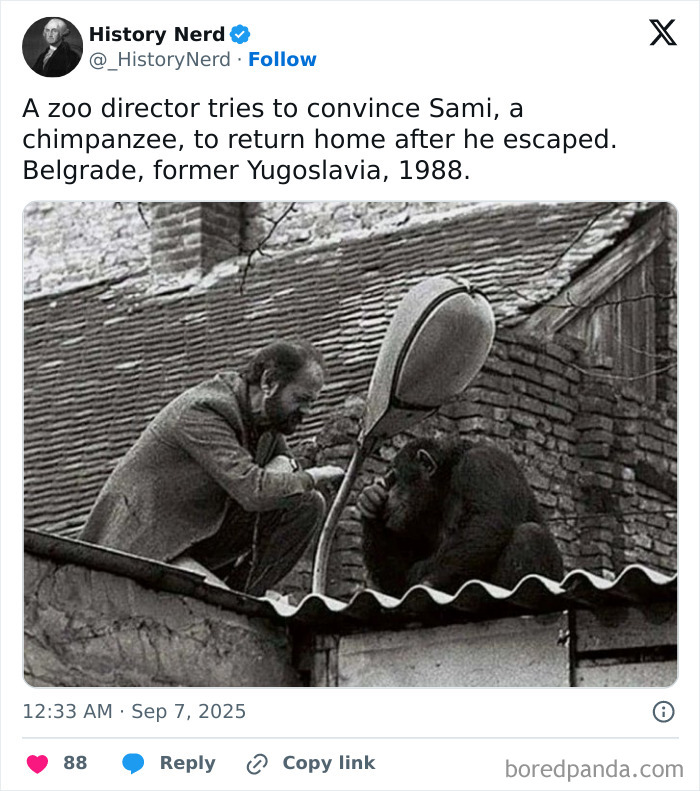
The “History Nerd” page on X (historically, Twitter) is dedicated to interesting pictures from the past. So get comfortable, prepare to be transported to another century (or at least decade), upvote your favorites and be sure to share your thoughts and experiences in the comments down below.
This post may include affiliate links.
There is something profoundly captivating about old photographs. Whether it is a grainy image of strangers from the 1920s or a faded family portrait from decades past, historic photos have an almost magnetic quality that draws people in. This fascination extends far beyond personal nostalgia, tapping into something deeply wired into human psychology. Recent studies suggest that 79% of people get nostalgic at least once a week, and old photographs serve as one of the most powerful triggers for this universal emotion.
Psychologist Clay Routledge, who studies nostalgia at North Dakota State University, explains that there are two types of nostalgia: autobiographical, which is a fondness for your own memories, and historical, which is a fondness for broader cultural ones.
Historic photographs uniquely satisfy both categories. Even when viewing images of people and places we have never personally experienced, we feel connected to them through our shared humanity and cultural heritage. These images transport us to eras we can only imagine, allowing us to witness moments frozen in time.
The psychological benefits of nostalgia help explain why we are so drawn to these images. Research has found that nostalgia generates positive feelings, improves self regard, and enhances our bonds with others. Old photographs serve as visual gateways to these emotional benefits.
When we look at a historic street scene or a portrait from another era, we are not simply observing the past but engaging in a form of mental time travel that can actually improve our wellbeing. A study published in the November 2013 issue of Personality and Social Psychology Bulletin found that test participants who recalled a nostalgic event reported feeling more optimism than those who remembered an ordinary one.

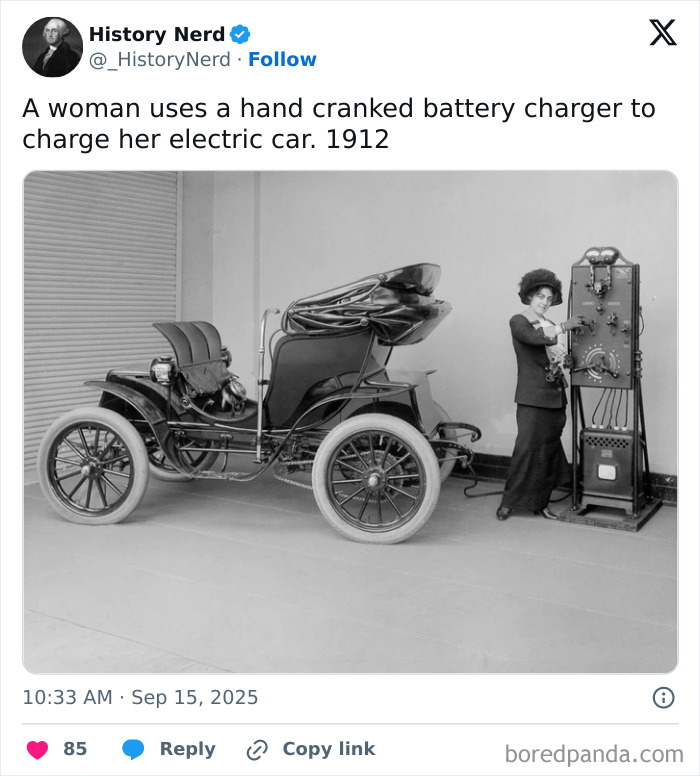
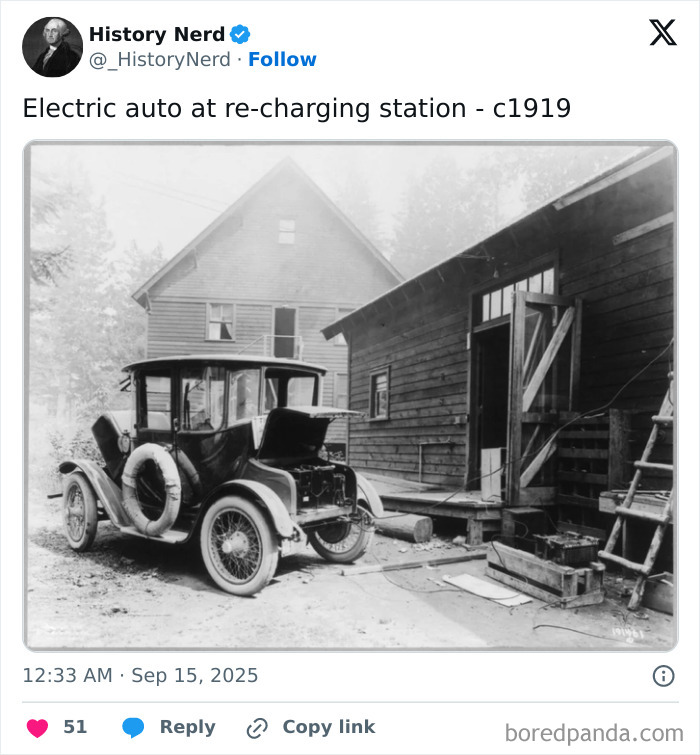
It's sorta weird how humanity has tried making electric vehicles a thing but it never has taken off as the main type of vehicle power.
Photographs are one of the most powerful tools used to trigger nostalgia because they evoke feelings of sentimental longing and affection for a period past that remains untouched on paper. The physical characteristics of old photos themselves contribute to their appeal. Fuzzy frames, silver prints, and faded copies evoke memories of an idealized past, even if the subject is from the near present.
These imperfections that come with age create an aesthetic quality that modern digital images often lack. There is authenticity in deterioration, a reminder that these moments actually happened and that real people lived these lives.
Historic photos also satisfy our need for continuity and meaning. Professor Krystine Batcho asserts that consuming nostalgic media of all types gives us a way of thinking about who we are and helps us make sense of our purpose in life. When we view photographs from previous generations, we see evidence of human resilience, creativity, and everyday existence. These images remind us that life has always been a mix of joy and struggle, that people have always fallen in love, raised families, worked hard, and found moments of happiness. This connection across time provides comfort in our own lives.


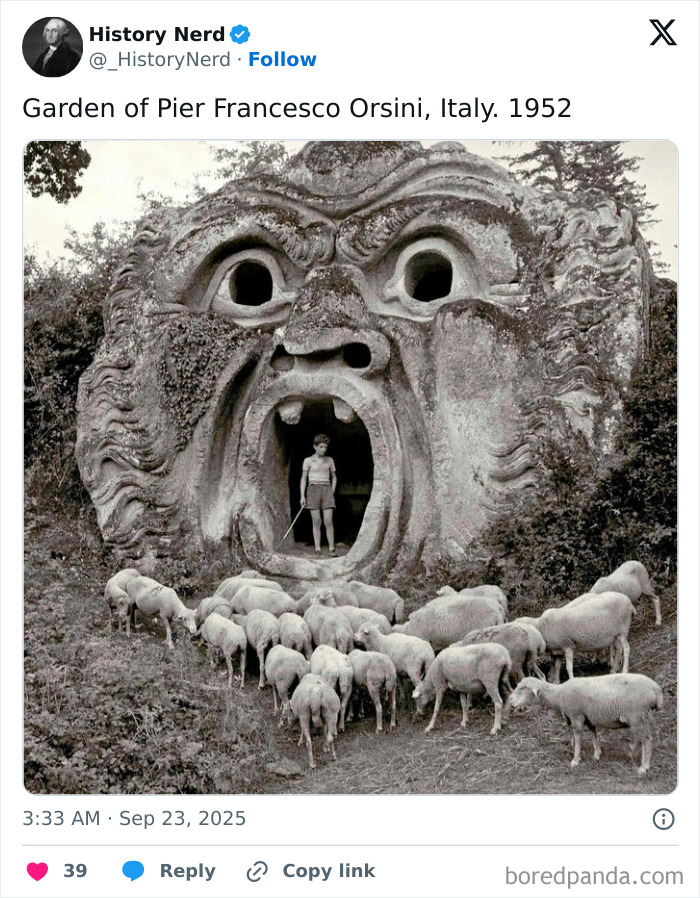
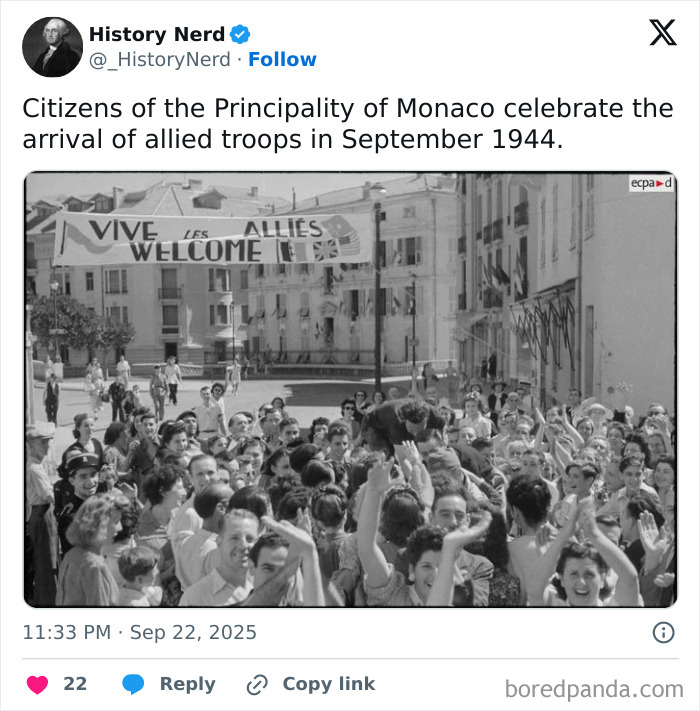
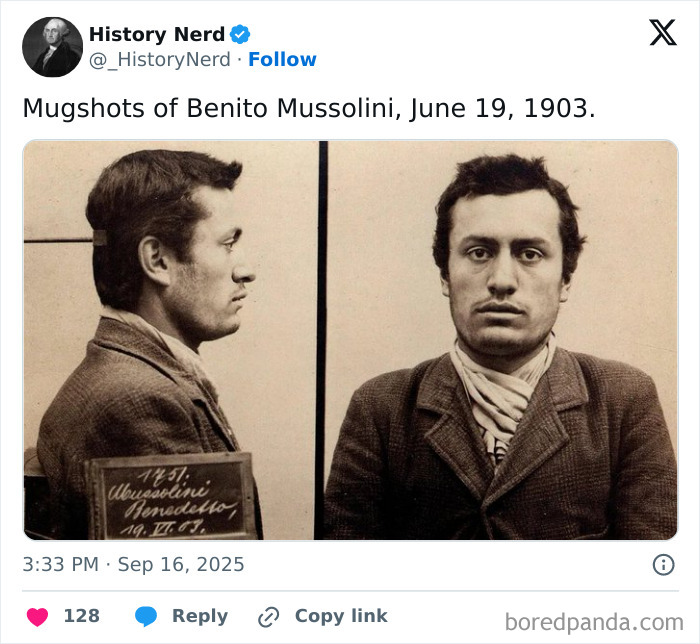
*Principality. (Hope you don't mind being corrected on English terminology - my Italian would be a lot worse.)
Load More Replies...
The phenomenon of rosy retrospection plays a significant role in our attraction to old photos. This cognitive bias makes us remember and recollect past events more fondly and positively than they might have actually been. When viewing historic images, we tend to project an idealized version of the past onto them, imagining simpler times and stronger communities. While this may not always reflect reality, it serves an important psychological function by giving us hope and perspective on our present circumstances.
During challenging times, our attraction to old photographs intensifies. Professor Ziyan Yang asserts that movies and music easily trigger nostalgia and that nostalgic experiences can be particularly comforting in trying times, be they personal or global. Historic photos offer an escape from current anxieties while simultaneously grounding us in the knowledge that humanity has weathered storms before. They provide both comfort and inspiration, showing us that life continues and that moments worth capturing have always existed.
The appeal of historic photographs transcends age and culture. Even in our digital age where billions of photos are taken daily, there remains something special about images from bygone eras. They are windows into worlds we can never visit, evidence of lives we can never live, yet they speak to universal human experiences that remain remarkably consistent across time. This timeless quality ensures that old photographs will continue to fascinate and move us, connecting past to present in ways that words alone cannot achieve.

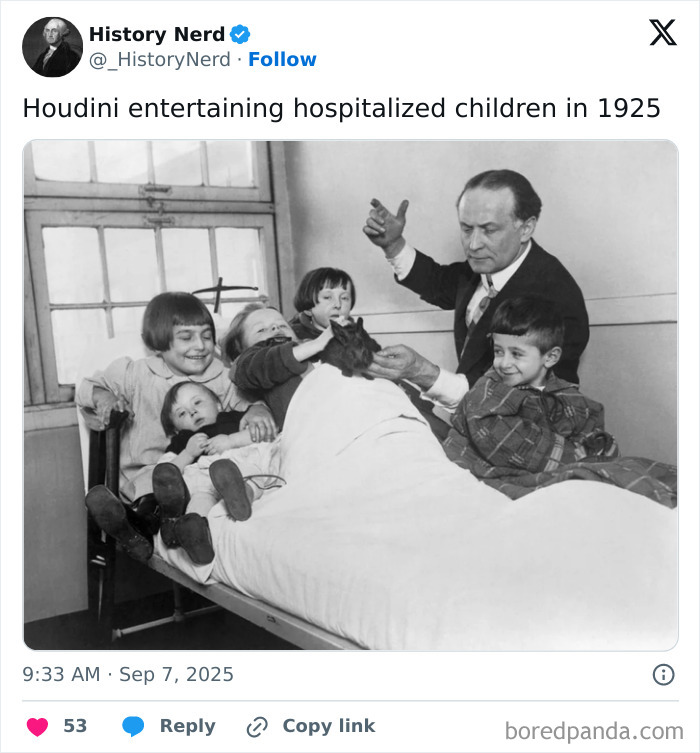
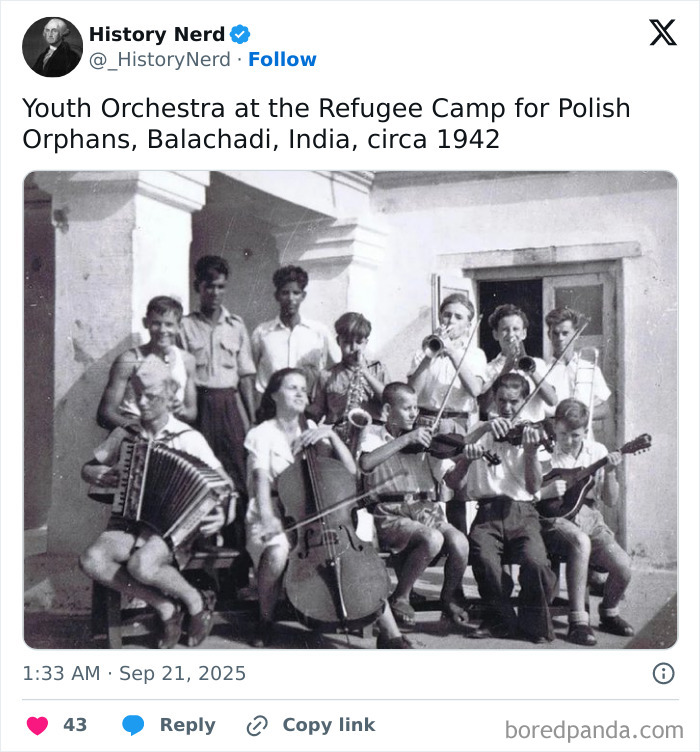
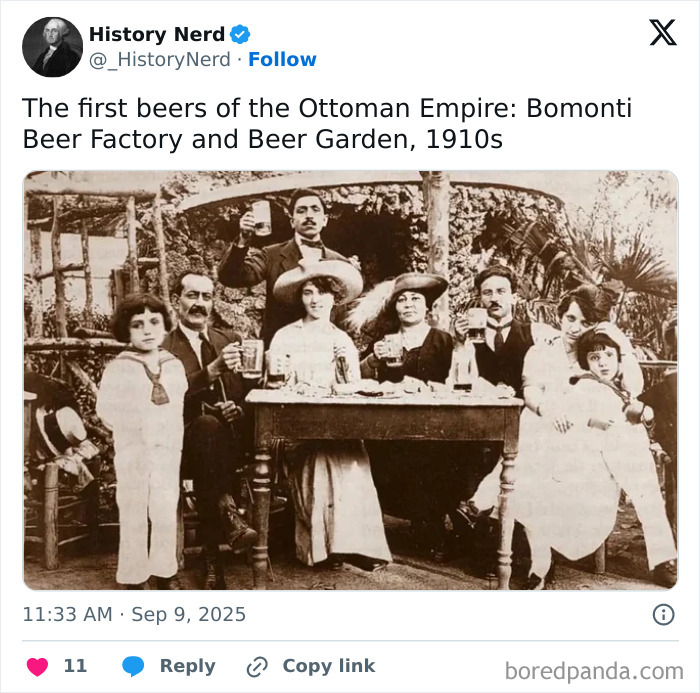
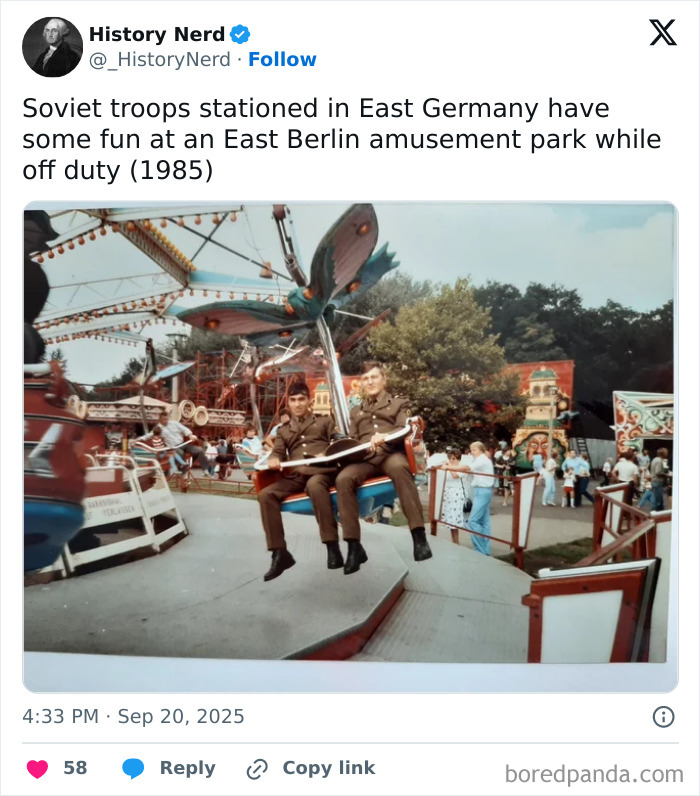
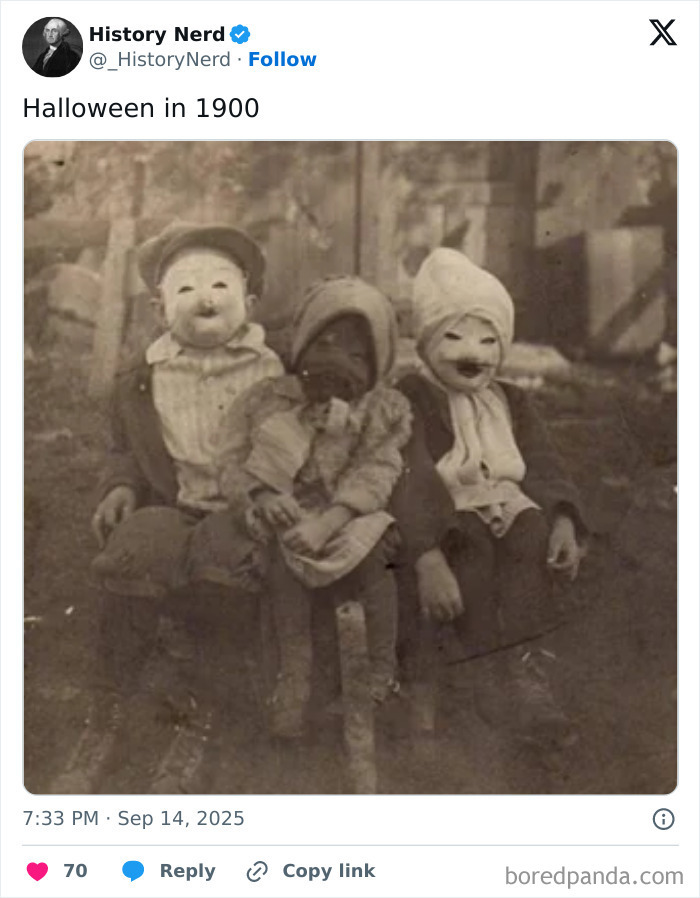
Wonder whatever came of them, if they survived or not. Could have been the last bit of fun and tapping back to their childhood they had.
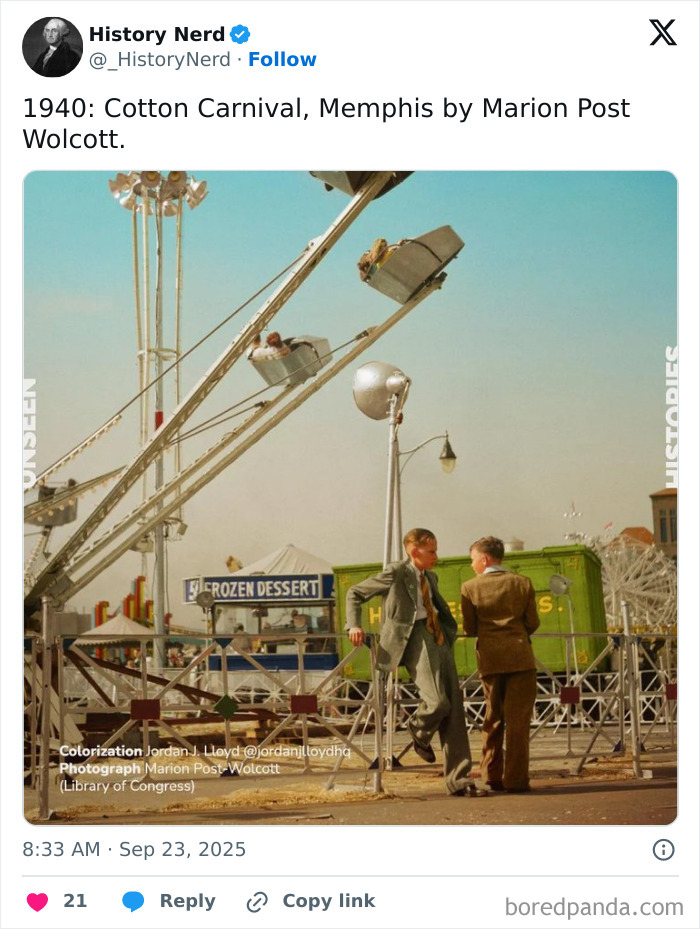
Remember when many people would go to grassy parks and grassy attractions, sit down and just take in the scenery? Even at the big local parks in my city, it used to be bustling with people picnicking, playing frisbee, or other games, suntanning, walking around and eating ice cream. When I've gone in recent years, the grass fields are mostly barren of people.
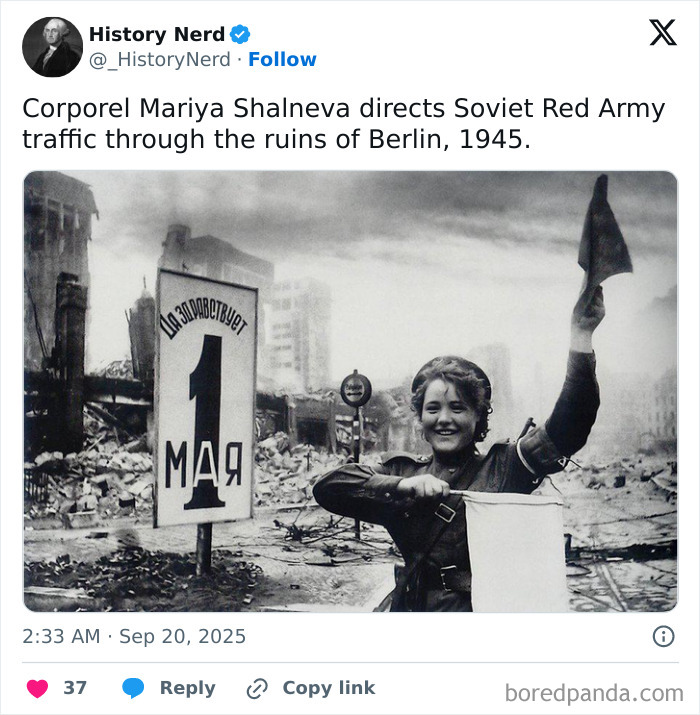
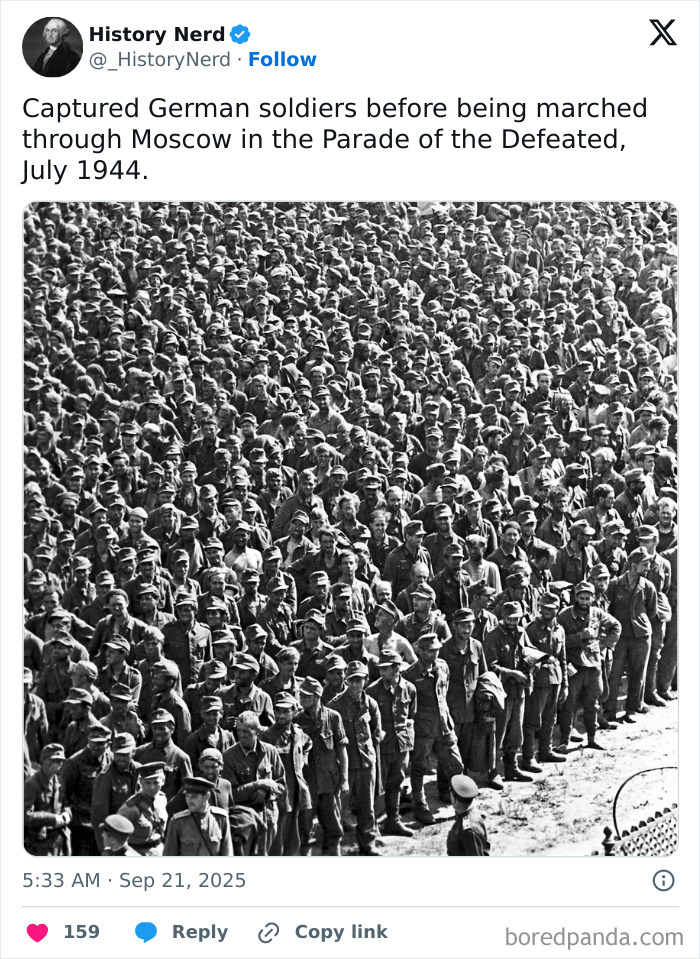
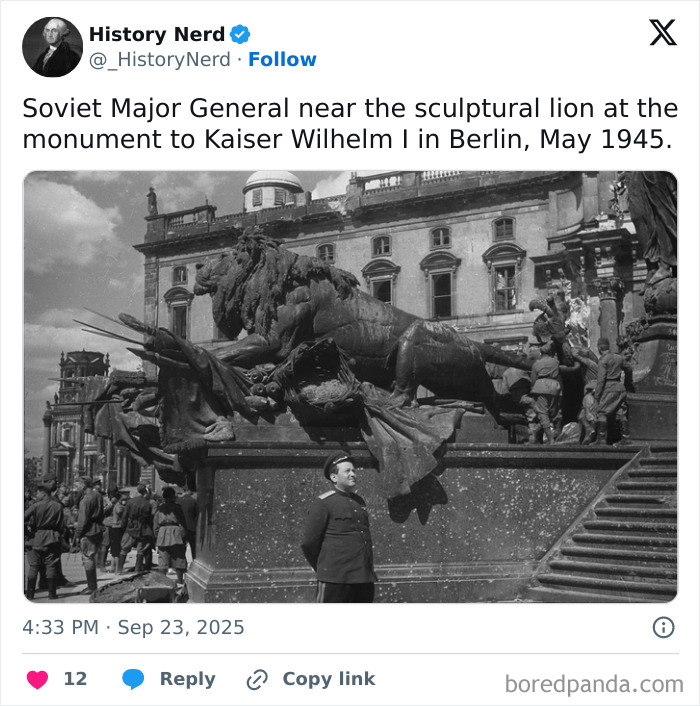
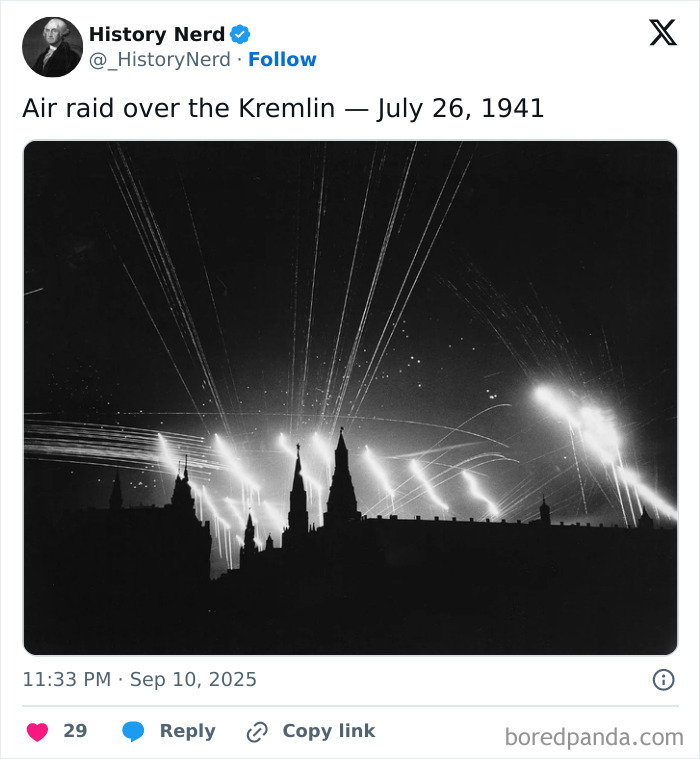
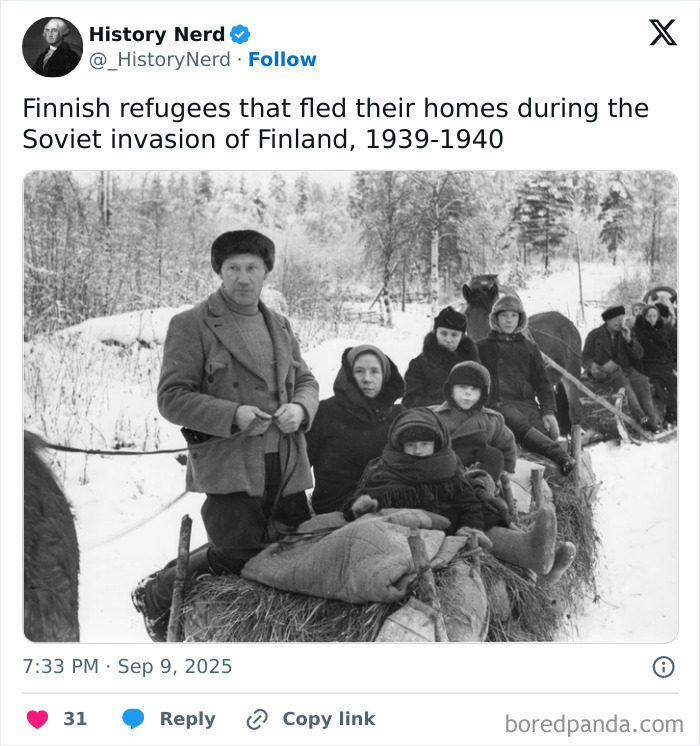
I wonder how many of them ever made it home again? A quote here, can't vouch for its accuracy but for illustration purposes "Officially, the Soviet Union took 2,388,000 Germans and 1,097,000 combatants from other European nations as prisoners during and just after the war. More than a million of the German captives died. "
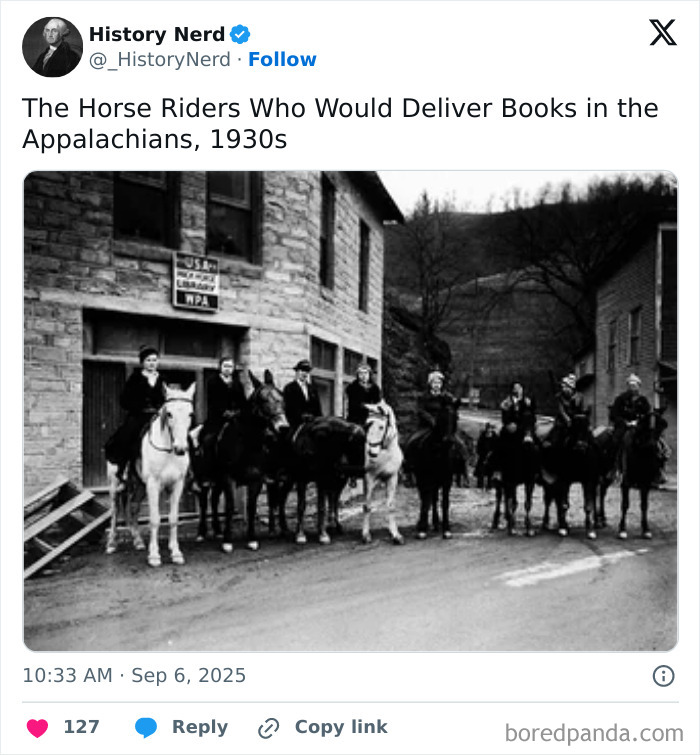
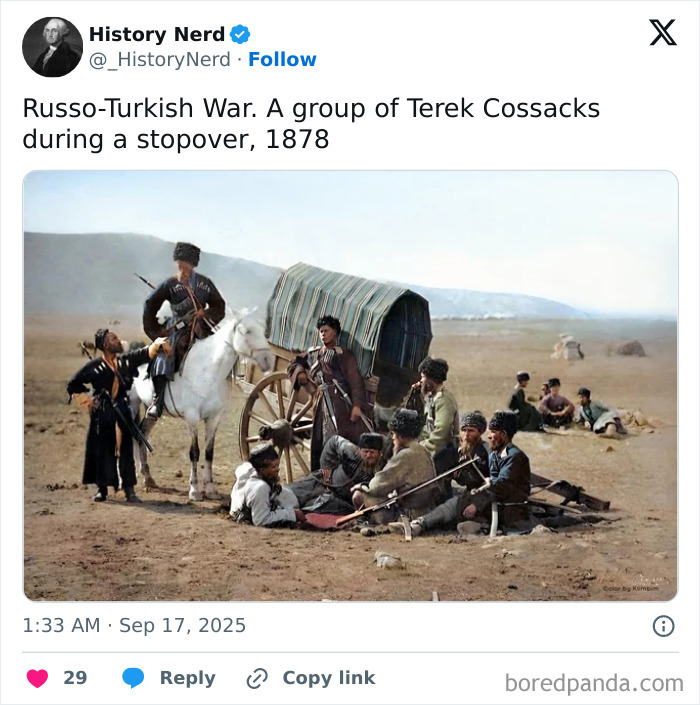
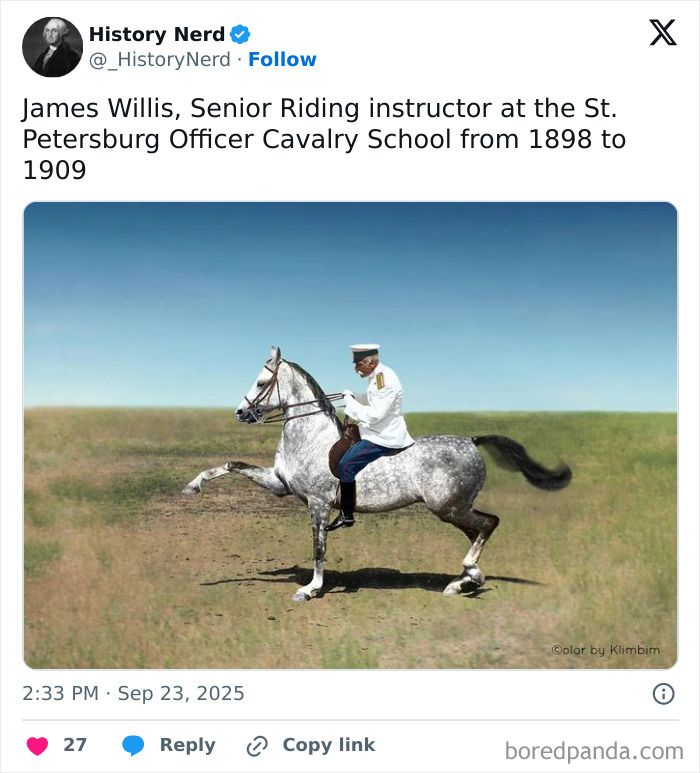
What is the horse doing? It doesn't look like a natural gait. Reins are pulled taut. Almost like the horse was trotting or cantering then stopped suddenly.
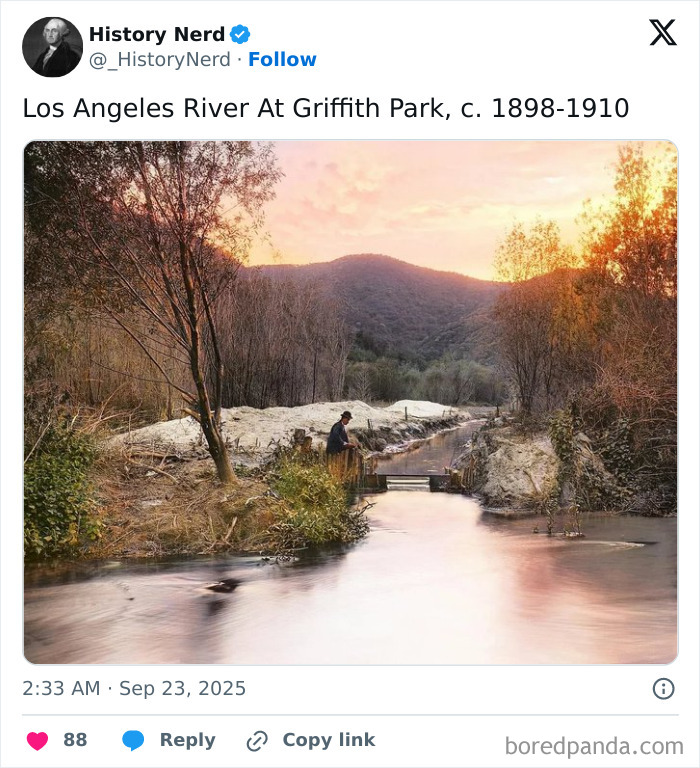
That looks bizarre. Like some 1980s funky poster that got the neon colours removed.

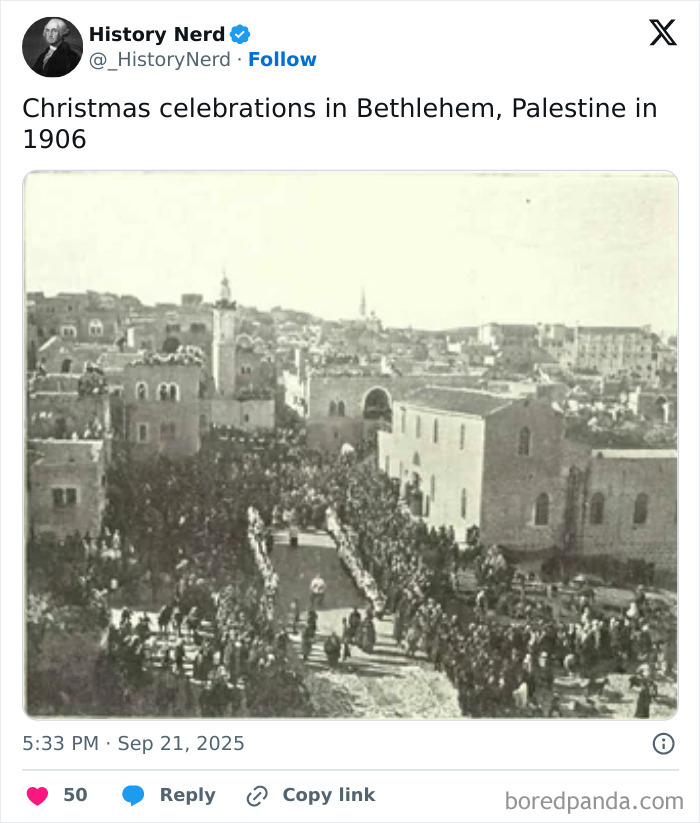
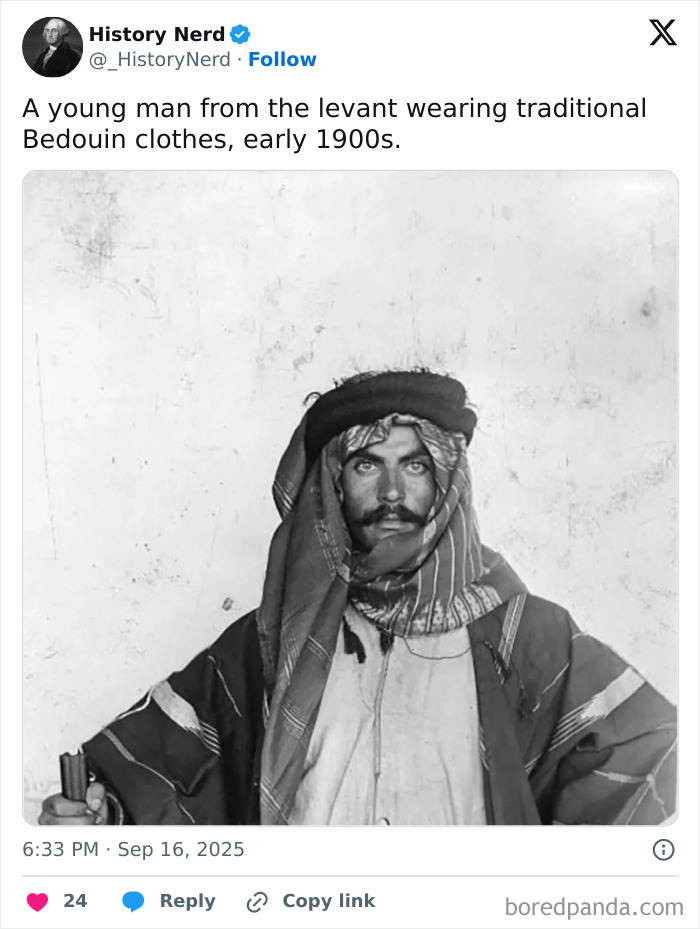
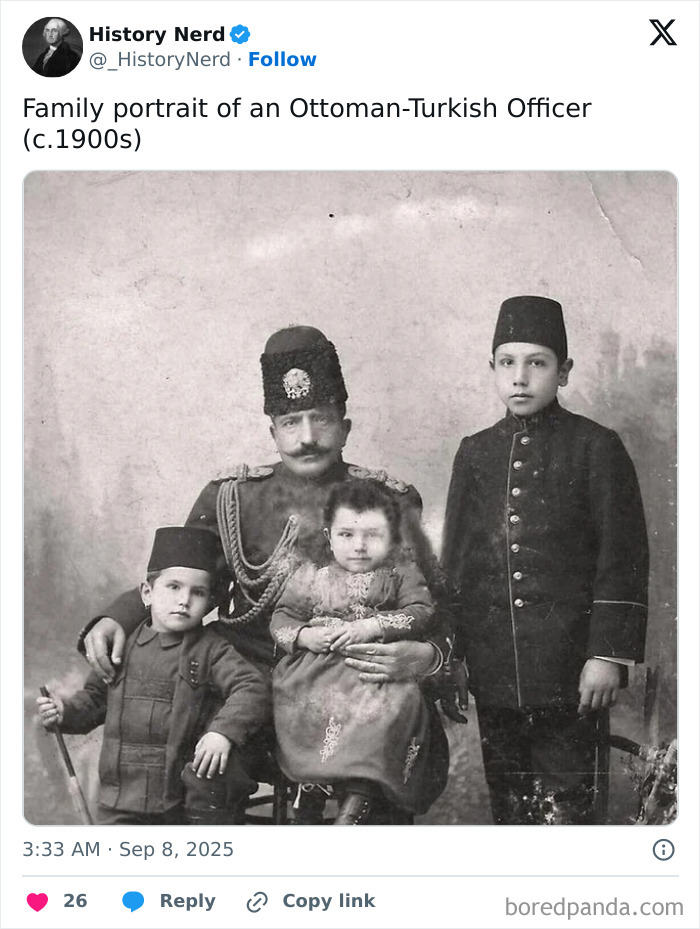
1906 it was the Independent Sanjik of Jerusalem. The Ottoman reforms on the mid 1800s, separated from the Governorate of Syria. Only Europeans used the old Roman Colonial name of "Palestine" in 1906, and from the Crusader period until the British conquering in WW1, it never went officially by that name. This is misnamed for the time period, as well as incorrect historically, as outside of when it was on Christian Rule, it never went under that name (as well as post-British colonial period it kept around), though in Europe they used that name, due to Christian colonial influence, and European influenced academics at the time
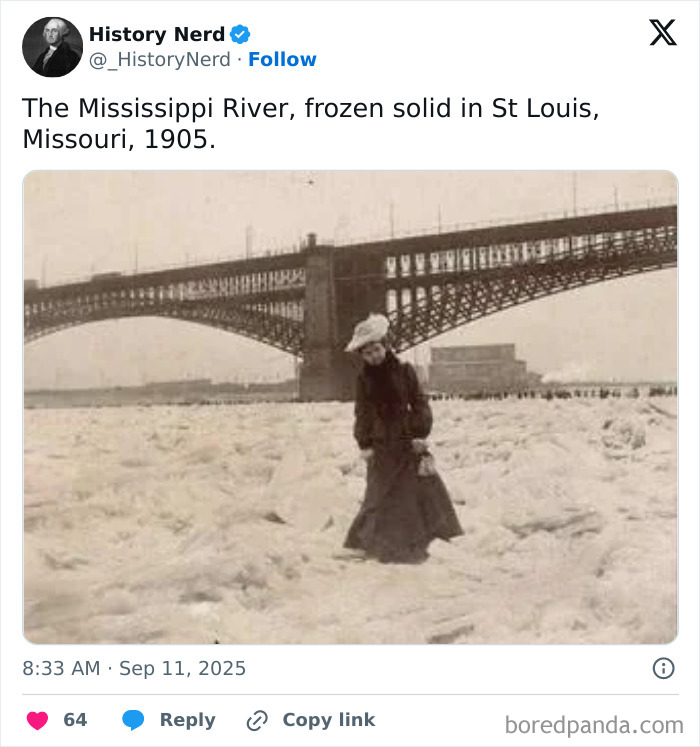
The city where I live has a tradition that for one of the local fun fairs, they test our local rivers "frozenness" by walking over it. Nowadays, they use boats to get from one side to the other and announche that the river "is still going!" because the river doesnt freeze anymore. The last time it was properly frozen was somewhere in the 1940s.


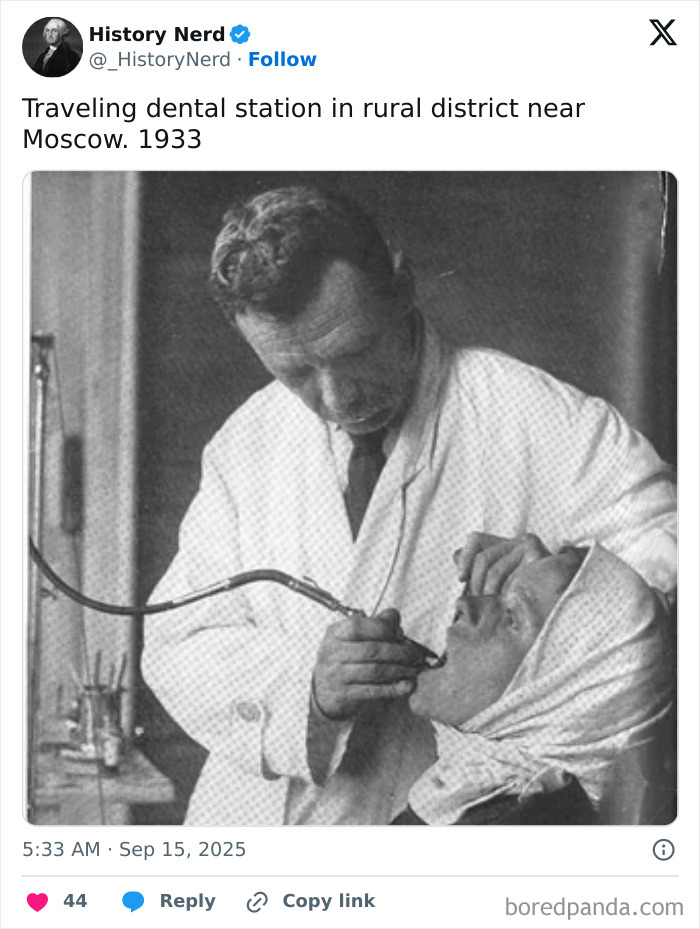
Uganda in the '50's. The dentist came towing a cavan set up as a surgery. Could see him coming from miles off due to the clouds of dust. Drill was powered by a foot operated treadle - think old fashioned sewing machine. Terrifying experience and I still have a huge fear of dentists 70 years later.
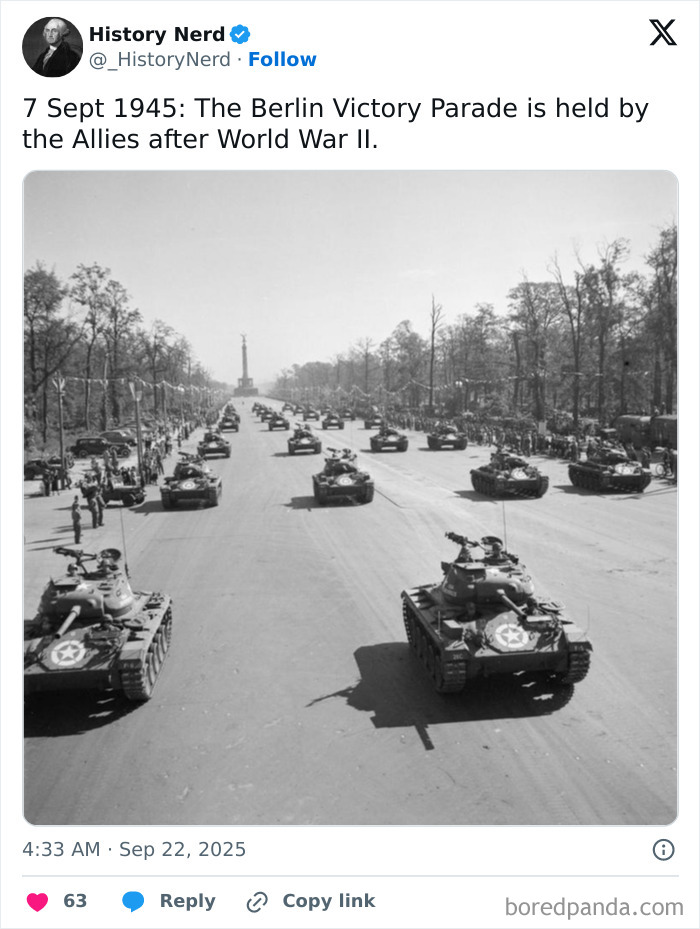
This Allied Victory Parade took place four months after Germany surrendered on May 7, 1945.

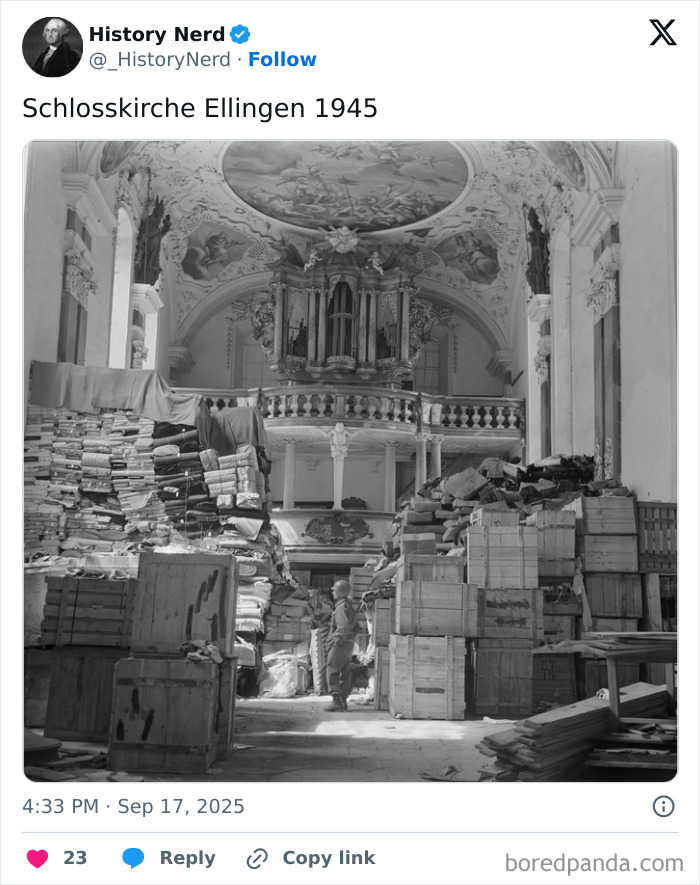
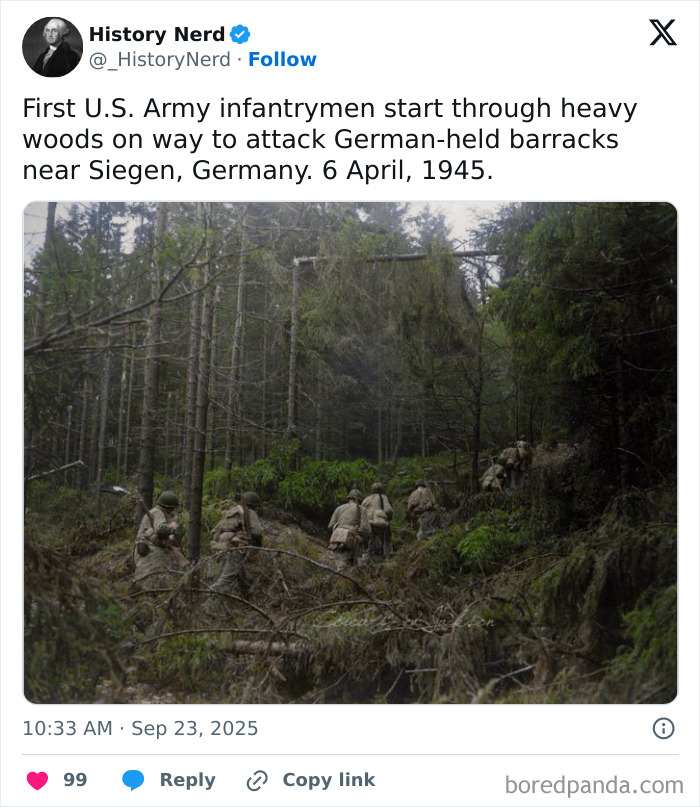
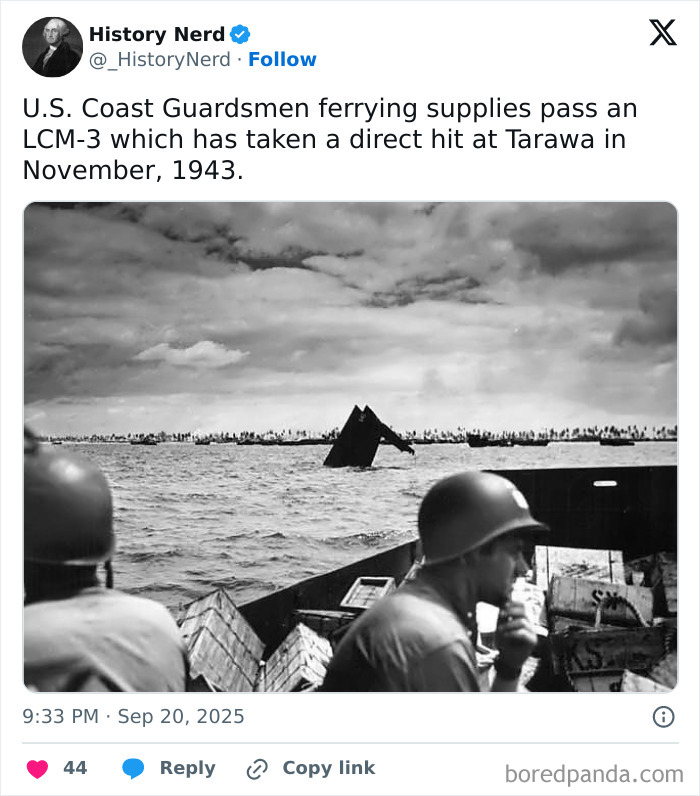
I'm surprised by how those supplies are all w***y-nilly. It says something when a military operation isn't all straight and even and true.
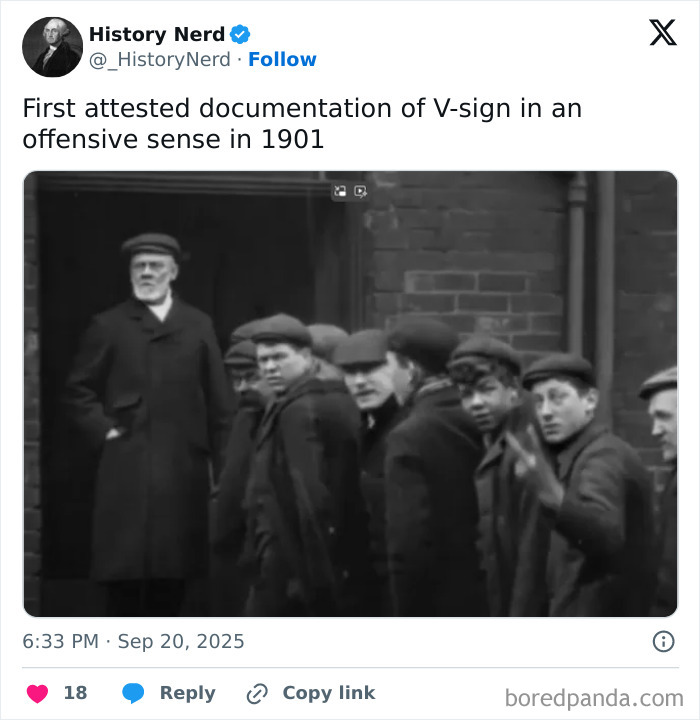
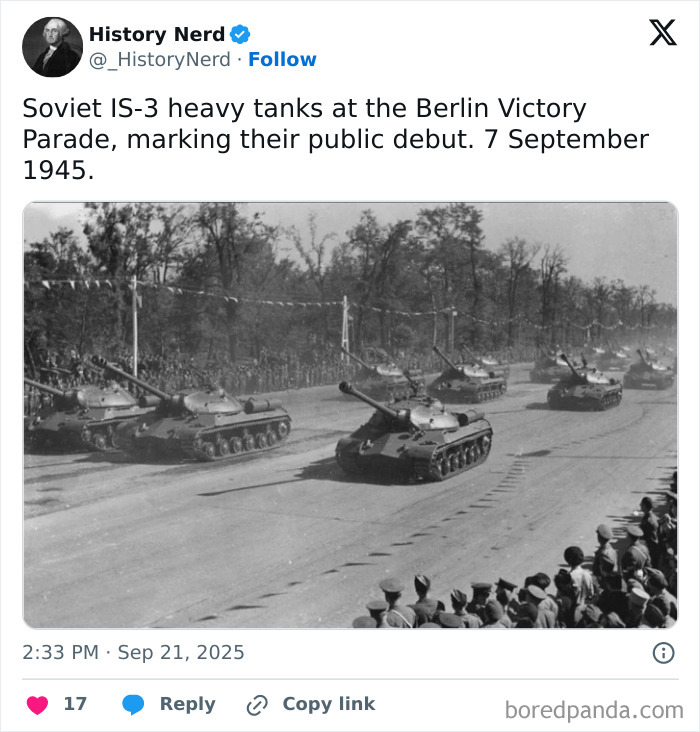
Looks like the one on the right, second row is giving the middle finger.

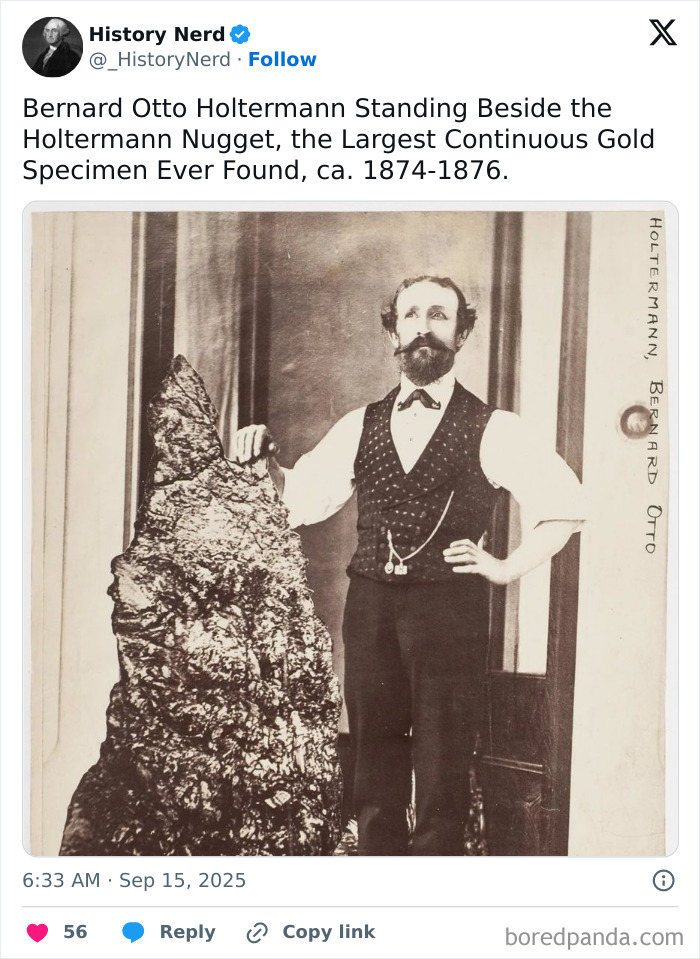
I only learnt recently that this famous photograph is a total fake. The photos of the nugget and of Holtermann were taken in different cities. The scale is wrong, too, the nugget is nowhere near that big.
I've not seen most of these before. All fascinating - thank you.
I've not seen most of these before. All fascinating - thank you.













 No fees, cancel anytime
 then open in external browser


 and click "Open in External Browser"