Get Premium
Dark mode theme is available exclusively for premium users. Learn more about the benefits of subscribing.
No fees, cancel anytime.

 Dark Mode Ad-Free Browsing Unlimited Content
 Ad-Free Browsing Unlimited Content Dark Mode
Join 1.2 million Panda readers who get the best art, memes, and fun stories every week!
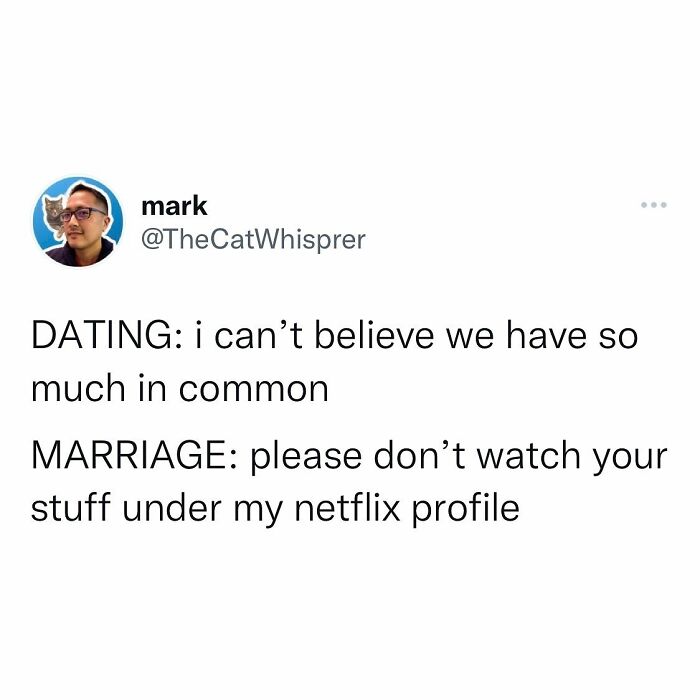
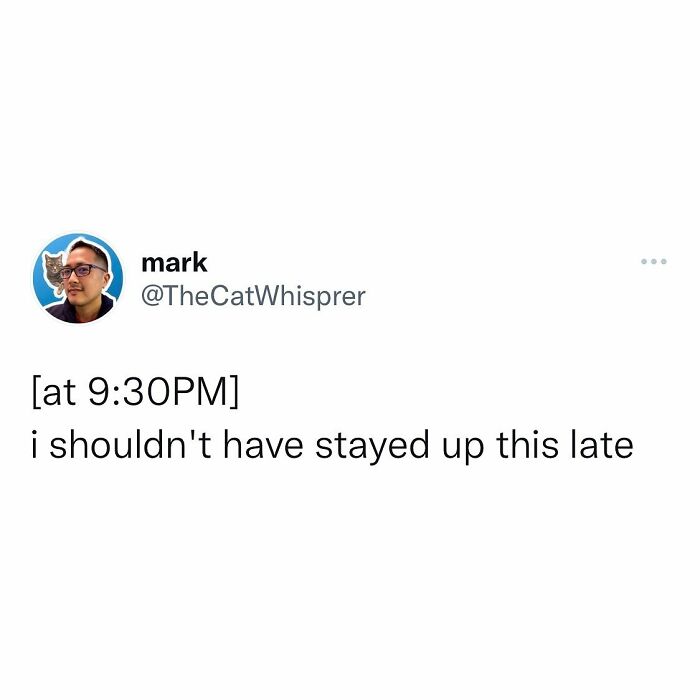
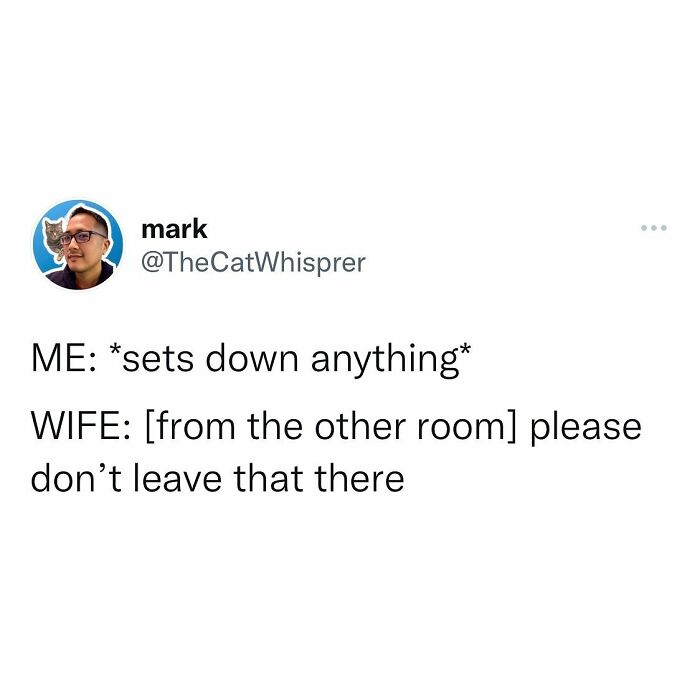
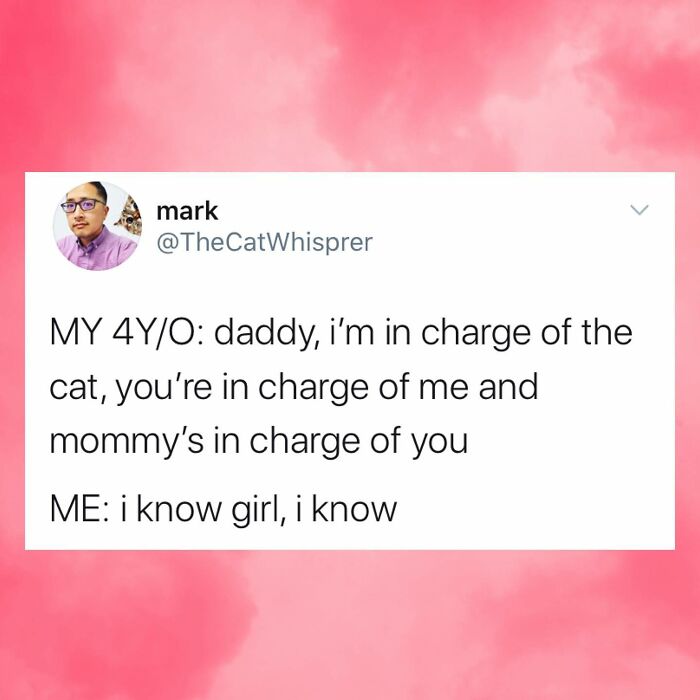
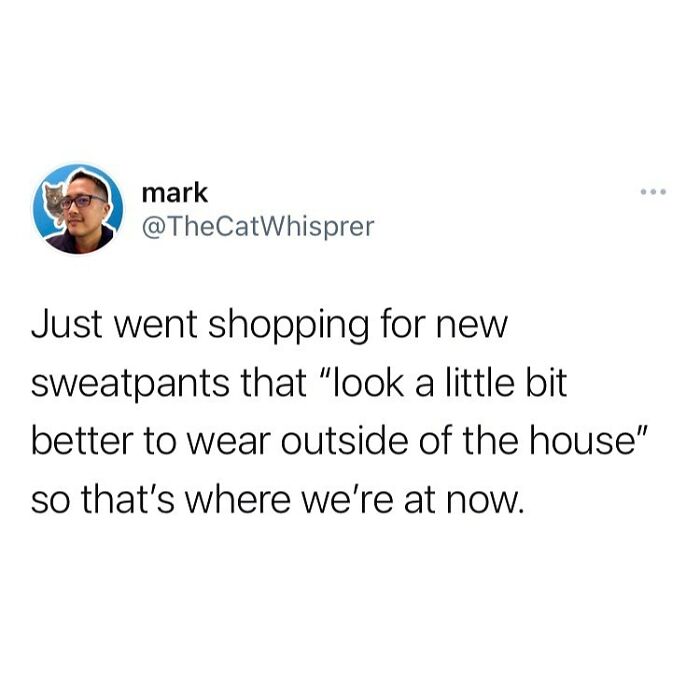
Memes are the bread and butter of the internet, something one engages with on a daily basis. There are random memes to keep you entertained on a commute, memes about your hometown or perhaps your profession. So it shouldn't surprise anyone that there are also memes about something as big as marriage and kids.
We’ve gathered hilarious, relatable and just wholesome memes from this IG page dedicated to marriage, parenting and everything in between. So get comfortable as you scroll through, upvote your favorites and be sure to share your own thoughts in the comments down below.
More info: Instagram
This post may include affiliate links.
Relatability is the secret sauce of successful social media content, and understanding why certain posts resonate while others flop comes down to basic human psychology and how we're wired to connect with each other. When someone scrolls through their feed and stops to think "this is exactly how I feel" or "this person gets me," that's the magic of relatable content at work.
Research from the University of Pennsylvania found that people share information online that they feel is meaningful to themselves or to the people they know, which explains why relatable posts spread so quickly across platforms.
At its core, relatable content speaks to your target audience's needs and wants, helping them feel seen and understood. This isn't just about mirroring their interests but actually tapping into shared experiences, emotions, and everyday moments that feel universal. Think about those tweets about struggling to get out of bed on Monday morning or the frustration of losing your phone charger for the hundredth time. These aren't groundbreaking observations, but they work because everyone has been there.

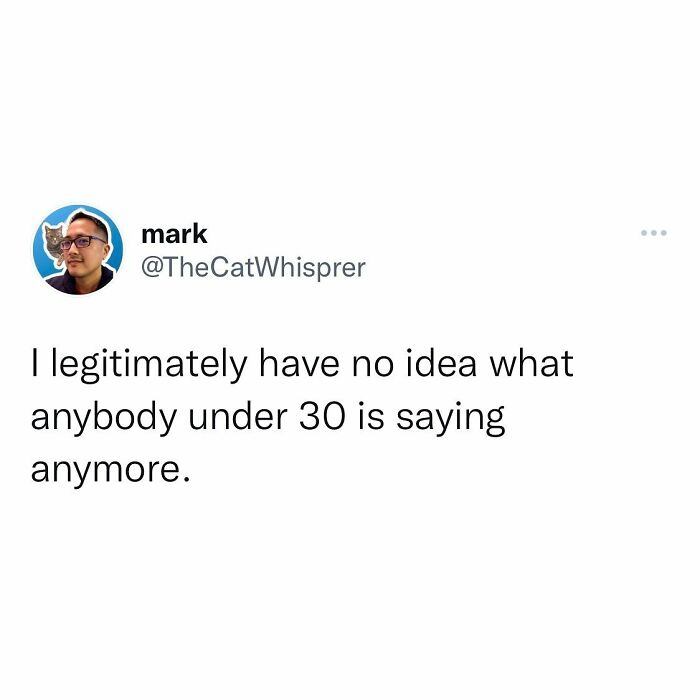
I thought this generation doesn't bully based on protected grounds.....they all fos.

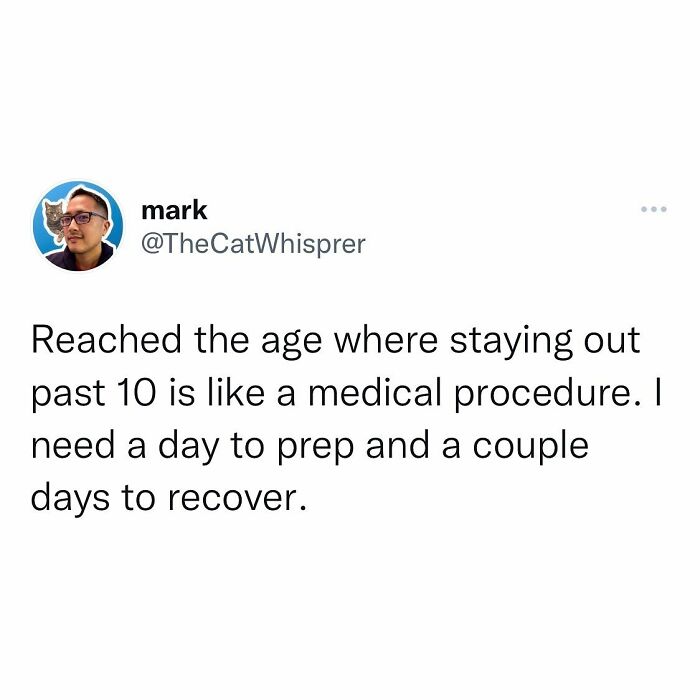
I work nights and 2 days off is NOT enough to recover. When I was 22, I could work nights and then go party for 2 days!
The psychology behind why this works is pretty straightforward. When content strikes a chord with the audience's emotions, it doesn't just get viewed but gets felt, shared, and remembered. Humans are naturally drawn to stories and content that reflect their own experiences because it creates an instant sense of connection and validation. When you see a post that perfectly captures something you've experienced, your brain lights up with recognition and you feel less alone in whatever you're going through.
Research shows that about 63% of marketers report that relatable content is the most effective strategy for their brand, outperforming even trendy or polished content. This shift happened because audiences grew tired of the perfectly curated Instagram aesthetic and overly produced content that felt distant and unattainable. A Sprout Social study found that 77% of consumers are more likely to engage with content that feels genuine and relatable, which is why platforms like TikTok have exploded with their emphasis on raw, unscripted videos.

My partner in the morning: "You're on MY sideof the bed!" Me: "well, it's where you were..." Her: "Awwwww!" 😍

I stopped going to the store for people. I always get the wrong thing.
Language plays a massive role in making content relatable. Using the same words, slang, and expressions that your audience uses makes your content feel like it's coming from a friend rather than a brand trying to sell something. Using inclusive language like "we" creates a sense of belonging, while steering clear of formal corporate speech helps content feel more human and approachable. The best posts sound like actual conversations you'd have with someone in real life.
Humor is another powerful tool for creating relatable content. Nearly 48% of consumers say they find funny content the most memorable, and laughter is essentially a universal language that transcends demographics and backgrounds. When brands can nail a joke that resonates with their audience's everyday experiences, it creates a relaxed, friendly vibe that makes people want to engage and share with their friends.
The emotional component can't be understated either. People are hardwired to relate emotionally before making a purchase, which means relatable content isn't just good for engagement but also for building trust and driving conversions. When audiences feel like a brand understands their struggles, desires, and values, they're far more likely to become loyal customers who recommend that brand to others.

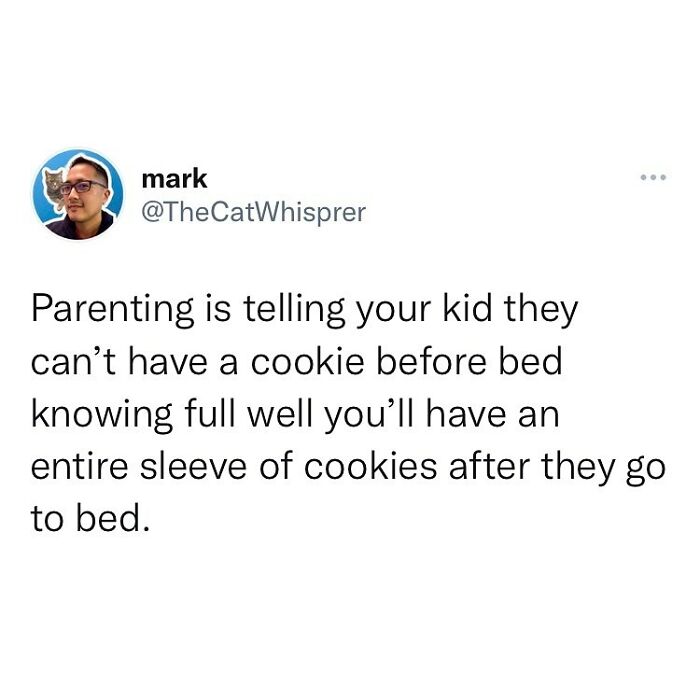
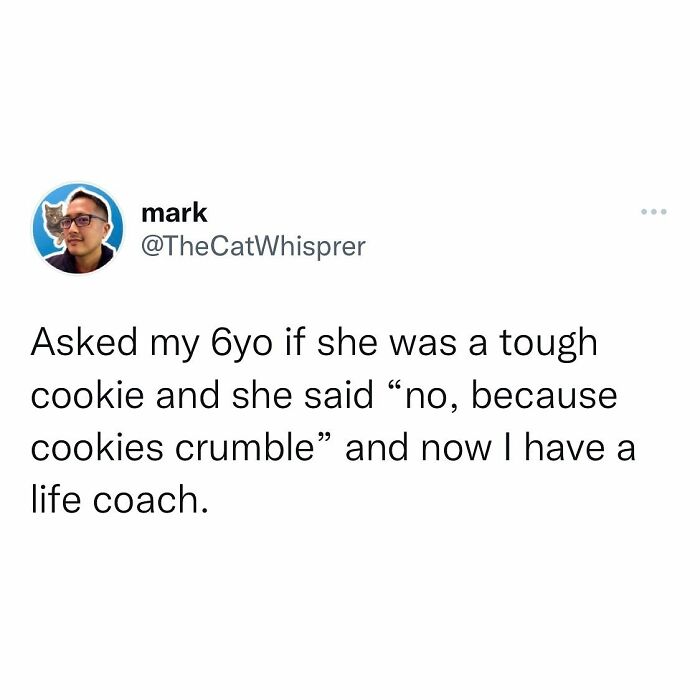
Ah-ha! You were saving the cookies for yourselves... I knew it!
Behind the scenes content and showing vulnerability also contributes to relatability. People appreciate seeing the imperfect, human side of brands and creators rather than just the highlight reel. Admitting mistakes, sharing challenges, or showing what happens behind the curtain makes content feel authentic and genuine in a way that polished promotional material never can.
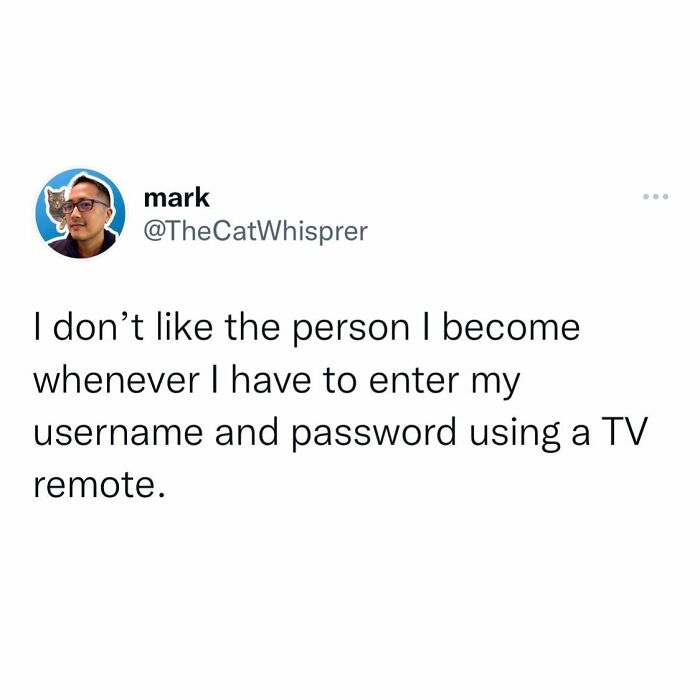
Me, any time I have to battle through the 'two factor authentication' (aka keeping me out of my own account) for any financial institution!
The platforms themselves have caught onto this shift too. Instagram leaned into Stories and Reels that favor spontaneous everyday moments over carefully edited posts. TikTok built its entire empire on candid, unscripted content. Even LinkedIn has loosened up with more personal storytelling becoming acceptable in professional spaces. The algorithms reward authentic engagement, so relatable content that sparks genuine conversations and shares naturally performs better than content that feels like an advertisement.

or you get in a line at the supermarket and the individual in front of you looks surprised that payment is requested, and then has to try five cards before one doesn't decline.
I found out recently that I was the same age as one of my coworkers when said coworker was born. I had a mini existential crisis in that moment.
What makes relatable content so effective is that it creates a feedback loop of connection. When people engage with content that resonates with them, they're essentially saying "yes, me too" to both the creator and everyone else who's engaging with it. This builds community and makes people feel part of something larger than themselves, which is exactly what keeps them coming back to social media in the first place.
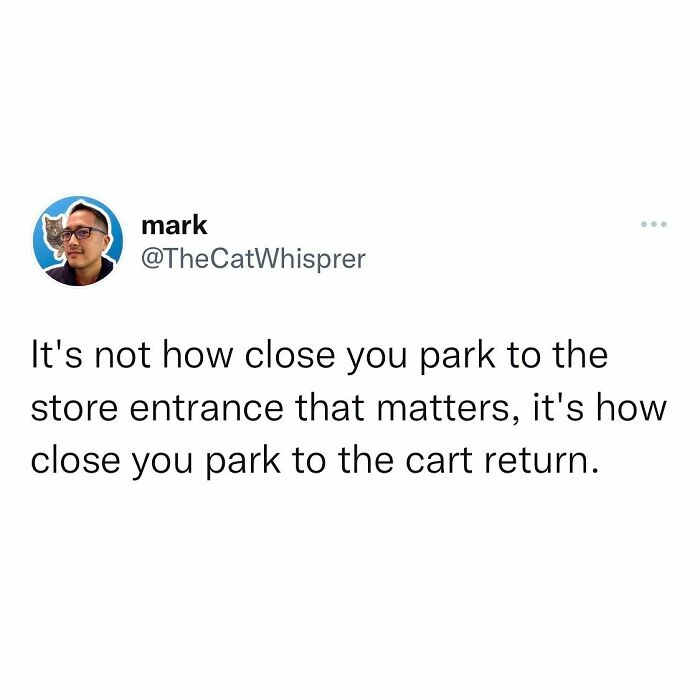
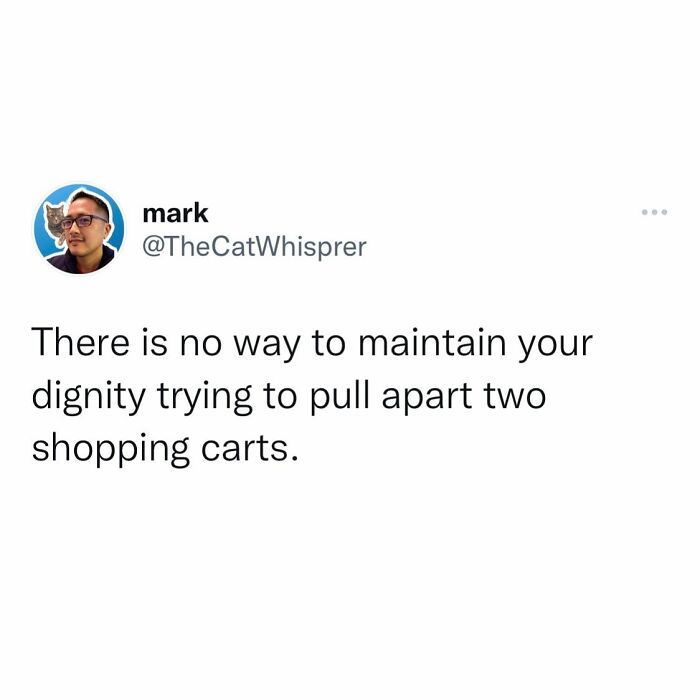
How do two people with two carts totally block a 20 foot wide back aisle. But they do. Some by outriggers (toddlers).
Americans seem to 'graduate' from everything. We only used to graduate from university in my day.
I think finding a device with a missing cord is better than finding a cord with no device. I just bought a new charging cord (actually 2) for a set of headphones, and I'm confidently expecting that the missing cord will leap up and scream "Gotcha!"

"Have I really bought something or has my money just been stolen off me never to be seen again?"

I hate people driving slow in the left lane. It's called the passing lane for a reason folks. You're supposed to use it to pass then get out of the way. Even worse when 2 drivers drive right next to each other so you can't get around.
My wife wrote 'muchrooms' on a shopping list in our first week together. We (me and our children) still laugh about 'much rooms' 35 years later....
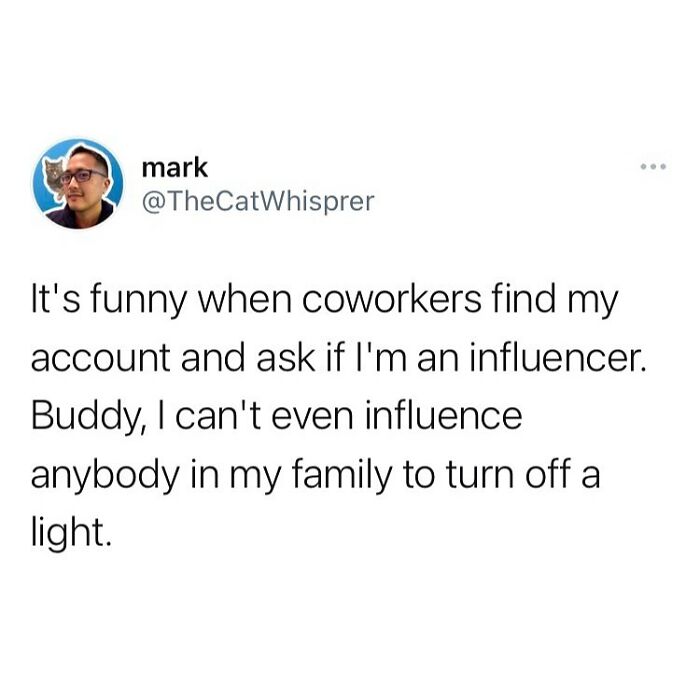
My dad charged us a dollar when he found a light on in an empty room. To this day, I compulsively turn off lights even if I'm planning to immediately go back in.













 No fees, cancel anytime
 then open in external browser


 and click "Open in External Browser"