Get Premium
Dark mode theme is available exclusively for premium users. Learn more about the benefits of subscribing.
No fees, cancel anytime.

 Dark Mode Ad-Free Browsing Unlimited Content
 Ad-Free Browsing Unlimited Content Dark Mode
Join 1.2 million Panda readers who get the best art, memes, and fun stories every week!
Humanity has produced some truly elite ideas. The snooze button, read receipts, and trash bags with drawstrings that actually close. Civilizational wins. Whoever invented these absolutely understood the assignment and improved daily life for everyone.
But nature demands balance. For every stroke of genius, there also has to be something completely useless. And Reddit has a whole community dedicated to finding exactly those creations. It’s called Well That Was Pointless, and it’s full of hilariously unnecessary fails. Scroll down for the funniest ones.
This post may include affiliate links.
On the spectrum between useful and useless, there exists a curious middle ground. A place where things are both clever and completely impractical at the same time. Where an invention can make you roll your eyes and admire the engineering behind it in equal measure. That strange space is called chindōgu.
Chindōgu (珍道具) is the Japanese practice of inventing everyday gadgets that appear to solve specific problems but often create just as many new ones. Translated literally, the term means “unusual tool,” from chin (strange) and dōgu (tool).
The concept was coined by Kenji Kawakami, a former editor at the Japanese home-shopping magazine Mail Order Life. In his spare magazine pages, Kawakami began showcasing bizarre product ideas that never stood a chance on the actual market.
Later, Dan Papia introduced chindōgu to the English-speaking world through a monthly feature in Tokyo Journal, encouraging readers to submit their own ideas. In 1995, Kawakami and Papia published 101 Unuseless Japanese Inventions: The Art of Chindōgu, a book that became a defining collection of the movement’s most iconic creations.
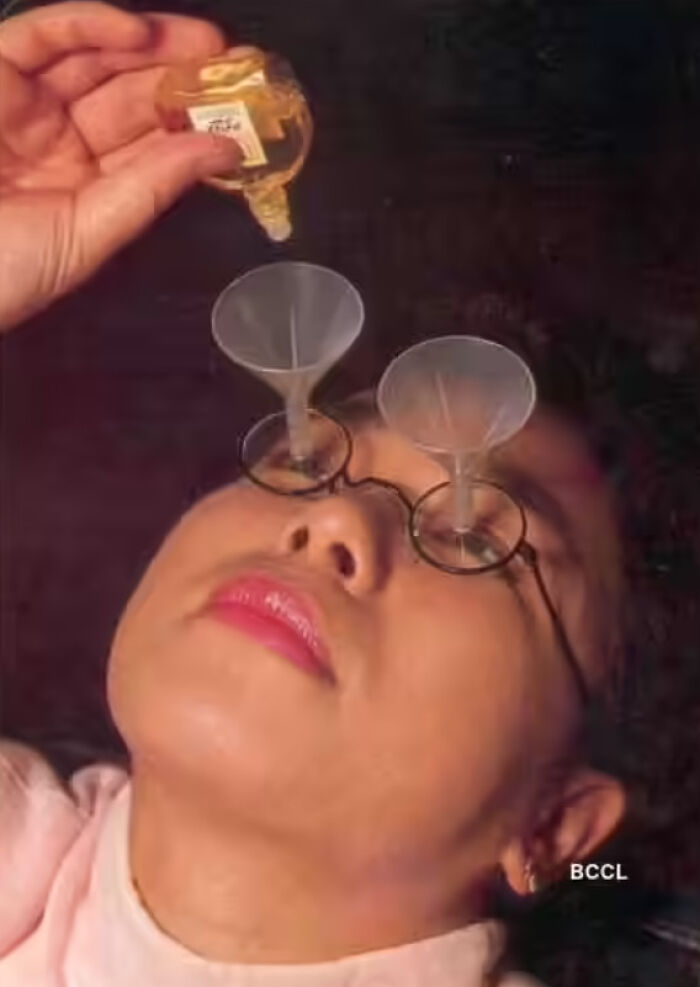
Among those inventions were a combined household duster and cocktail shaker, designed for the person who wants to reward themselves while cleaning, and a full-day tissue dispenser worn like a hat for hay fever sufferers. There was also an all-over plastic bathing suit for people afraid of water, and even a baby outfit that doubled as a floor mop as the child crawled around.
One of the most ironic examples is the selfie stick. It was originally dismissed as a useless invention and later went on to become a global everyday accessory. Few things capture the unpredictable fate of chindōgu better than that.
Of course, something as esteemed as chindōgu could not possibly exist without an official institution to oversee it. That is exactly why Kawakami went on to found the International Chindōgu Society, which manages and promotes the concept worldwide. Through the society’s platform, inventors can submit descriptions of their creations for others to explore.
However, not every silly idea automatically qualifies as chindōgu. The Society established ten official tenets that outline what true chindōgu must follow. A chindōgu must exist, must be usable in theory but not meant for real use, must not be a commercial product, and must not be created purely for humor. It also must not be taboo, discriminatory, or patented.

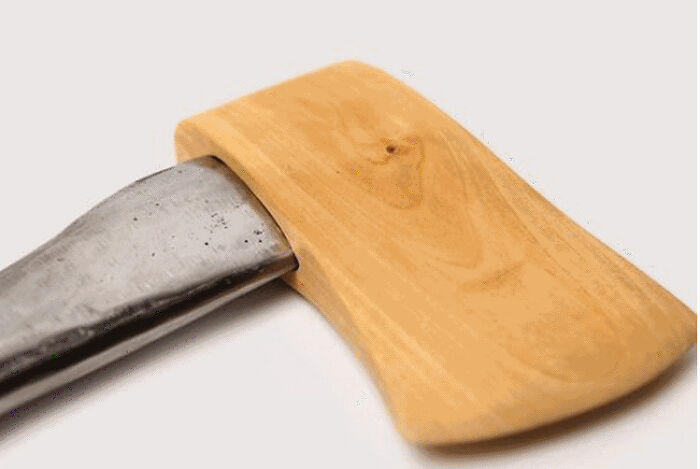
America's Big Beautiful Axe: backwards , upside down, and extremely stupid.

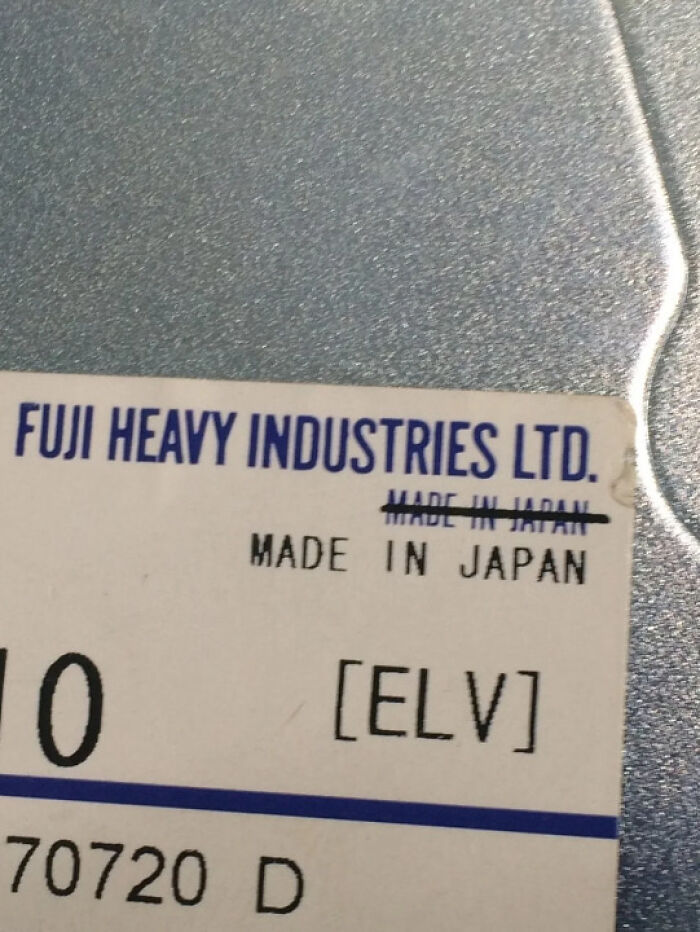
Arguably, one of the funniest parts of the whole concept is where it originated. Japan is often associated with high standards, precision, and quality. From cars to cameras, fashion to animation, it has built a global reputation for advanced technology and respected craftsmanship. When we see a “Made in Japan” label, it usually comes with a sense of authority and trust.
At the same time, Japanese society is also known for its formality and complex social rules. That strictness is likely one of the reasons such high standards of quality exist in the first place. It also means that communication depends heavily on context and on being very good at reading the room. Even compliments can carry hidden messages.
For example, if your Japanese neighbor one day tells you they have heard you playing the piano and comments on how beautiful you sound and how much you have improved, you might feel thrilled that someone noticed your progress. In reality, what they may be trying to say is that your piano playing is so loud they can hear it in their apartment, and you should try to keep it down.
In that sense, it feels strangely fitting that chindōgu was born in such an environment. It turns all that structure on its head with tongue-in-cheek humor. Kawakami himself has never minded people laughing at his creations. “If people laugh, that’s fine,” he said in a 2005 interview with The Asia-Pacific Journal. “We need more of it. I believe in rejecting society by laughing at it.”

Well the sign DOES say "On a clear day..." I wonder if this is on Orcas Island
But as humorous as chindōgu may seem on the surface, Kawakami has always treated the concept with complete seriousness and saw it as a genuine form of rebellion. To him, these inventions were never just jokes.
On the one hand, he spoke of chindōgu as “strangely practical and utterly eccentric inventions designed to solve all the nagging problems of domestic life.” On the other, he called them “invention dropouts,” ideas that escaped “the suffocating historical dominance of conservative utility.”
“I describe them as unuseless,” he explained. “Technically they are convenient and you can use them but most won’t because of shame.”
At its core, chindōgu is a critique of materialism and commercialization. Yet as the concept spread worldwide, it began to take on slightly different meanings depending on where it was received. In Europe, Australia, and Canada, Kawakami said he was often treated as a legitimate inventor or even a kind of scientist.
In the United States, however, the political edge of his work was more easily lost. “Chindōgu is considered radical in other parts of the world,” he said. “But in America they just laugh at the weird Japanese inventor.”
“I despise materialism and how everything is turned into a commodity,” Kawakami added. “Things that should belong to everyone are patented and turned into private property. I’ve never registered a patent and I never will because the world of patents is dirty, full of greed and competition.”
Chindōgu proves that even the most pointless ideas can still say something meaningful. Beneath the absurdity, there is a message about the world we live in and the choices we make within it. And that is a thought worth sitting with.

Very funny, Tony. Now how's 'bout you get outta your poolside lounger and get your but.t out on the front lines instead of sending one of your Iron Legion suits?

Well, "Sale" just means you can buy it. Nothing about it being cheap...
I know people that only scratch off the bar code, then scan the tix to see if they've won.

I say we anger a happy, handsy mime- then say "Use your words! Use your words!" 😁
I say we anger a happy, handsy mime- then say "Use your words! Use your words!" 😁






































 No fees, cancel anytime