Get Premium
Dark mode theme is available exclusively for premium users. Learn more about the benefits of subscribing.
No fees, cancel anytime.

 Dark Mode Ad-Free Browsing Unlimited Content
 Ad-Free Browsing Unlimited Content Dark Mode
Join 1.2 million Panda readers who get the best art, memes, and fun stories every week!
At this point, there are folks entering middle school who can browse and possibly laugh at memes that are older than them. After all, it’s a form of content that everyone from grandparents to grandchildren can enjoy in one form or another.
This Instagram page is dedicated to relatable, hilarious and sometimes unhinged memes about life. So get comfortable as you scroll through, upvote your favorite examples and be sure to share what you are procrastinating on as you look at memes.
More info: Instagram
This post may include affiliate links.

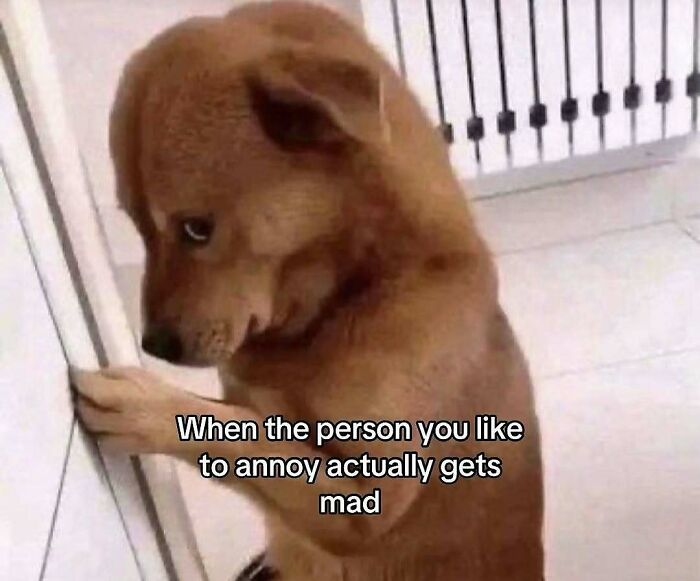
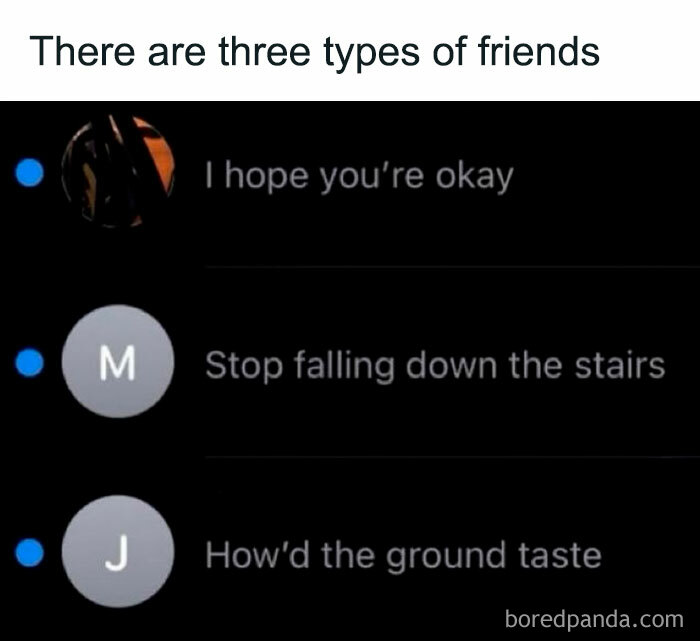
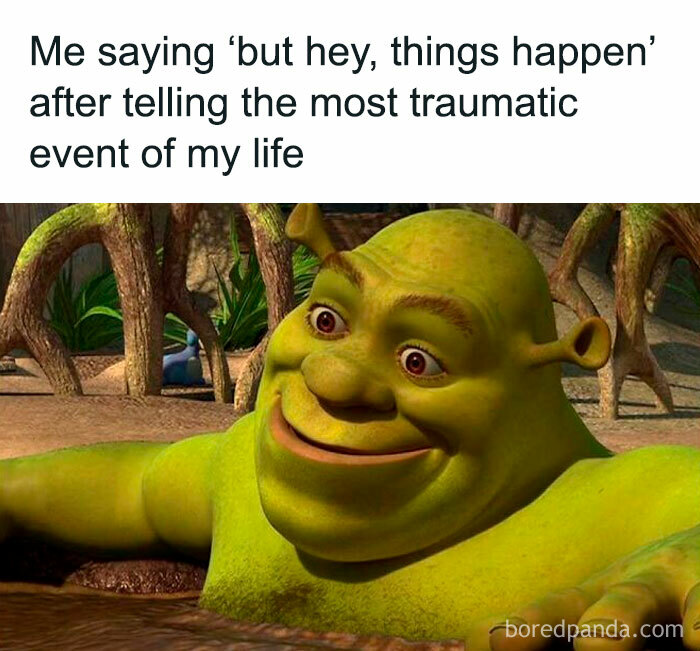
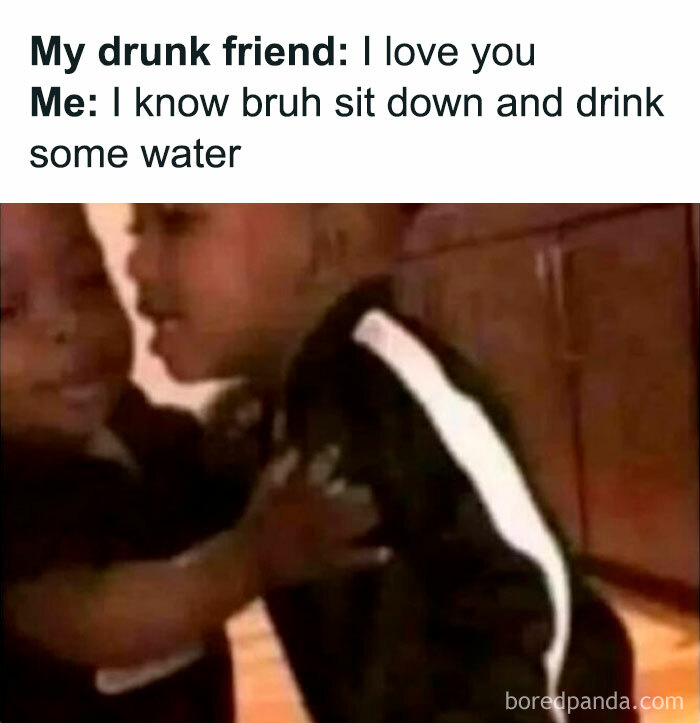
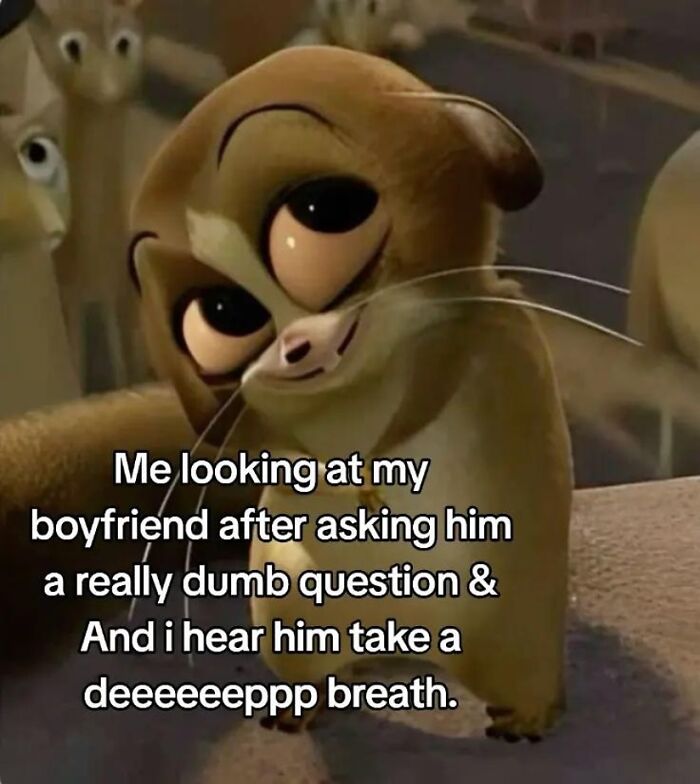
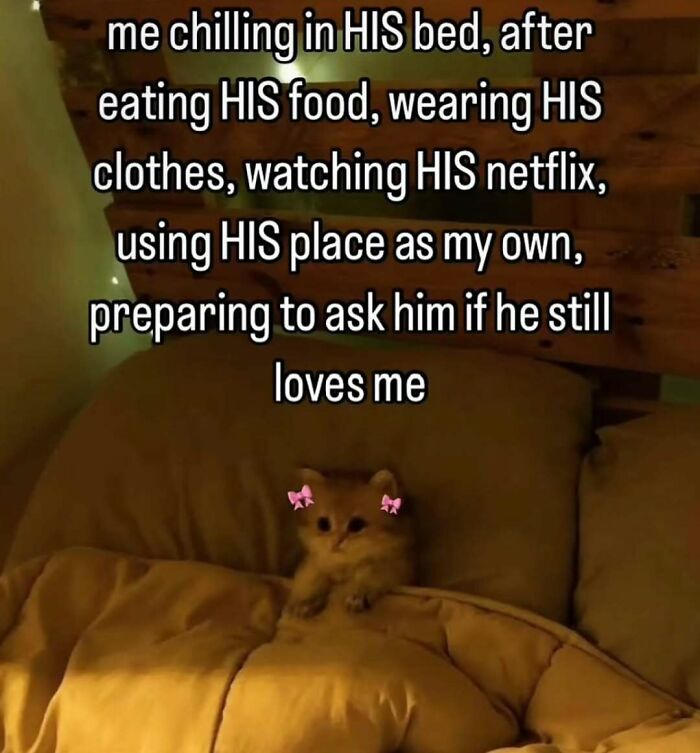
Or a cat. My childhood cats, I would say to them "I know, she went into the bedroom and closed the door! It's the end of the world!" in that "talking-to-cats" tone
NGL, I thought this was going to go another way, I'm glad I was wrong.
In the early 2010s, meme culture still revolved around simple image macros and rage comics. You’d scroll through Reddit or Tumblr and find panels of crudely drawn characters, “Trollface,” “Forever Alone,” “Me Gusta”, paired with block‑text captions declaring everything from petty frustrations to existential dread.
Across town, 9GAG users and 4chan vandals were busy perfecting advice animals, those stock photos of owls, socially awkward penguins, and success kids that dispensed life guidance (or mockery) in neat, predictable formats. You can still find examples of this being posted now, albeit not as frequently. But by the mid‑2010s, the game began to change.
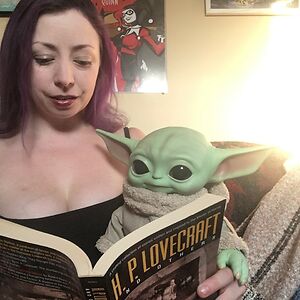
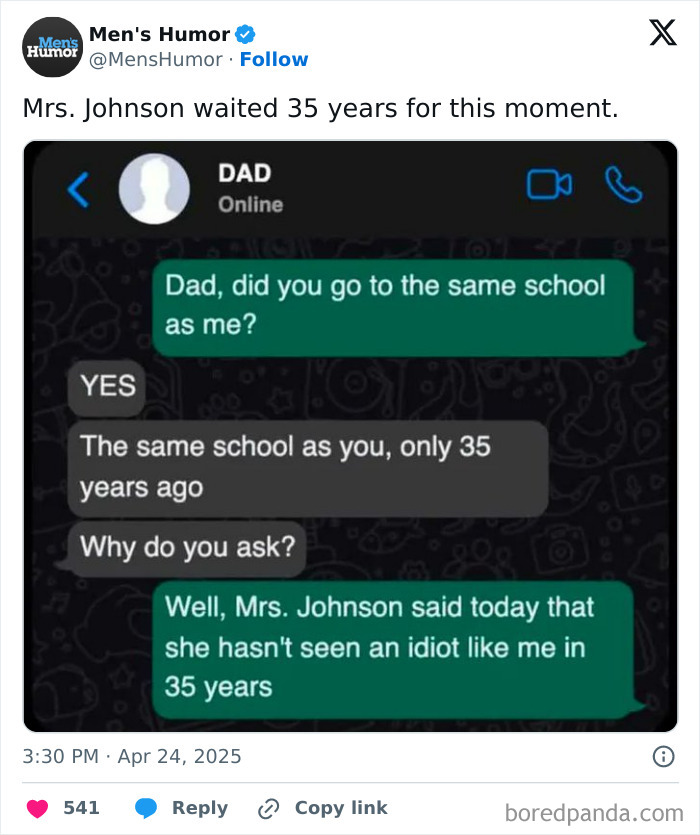
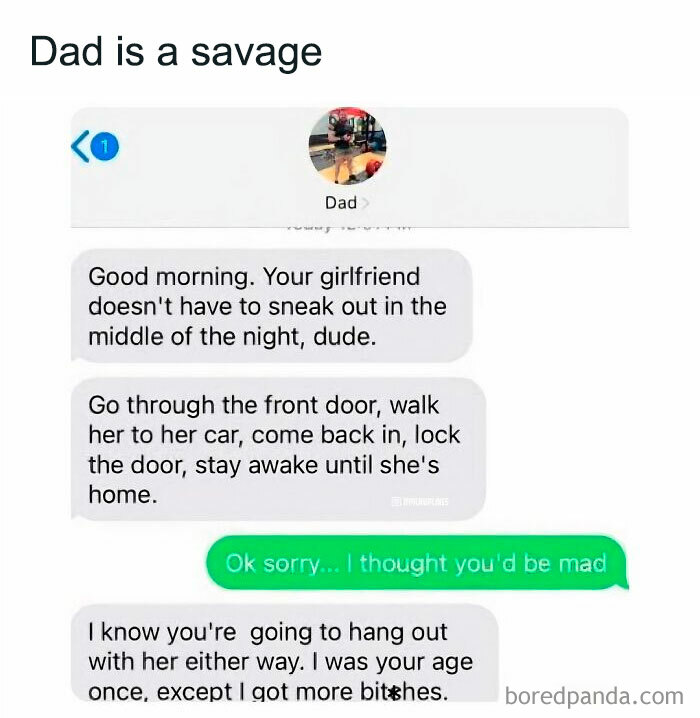
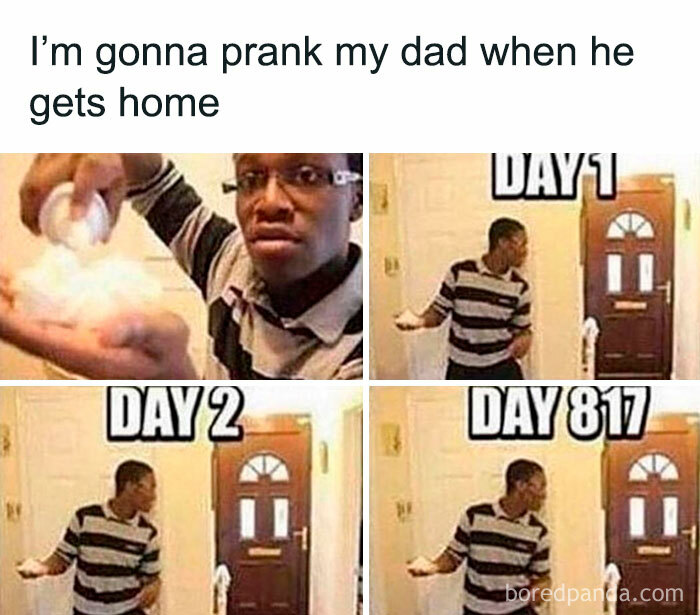
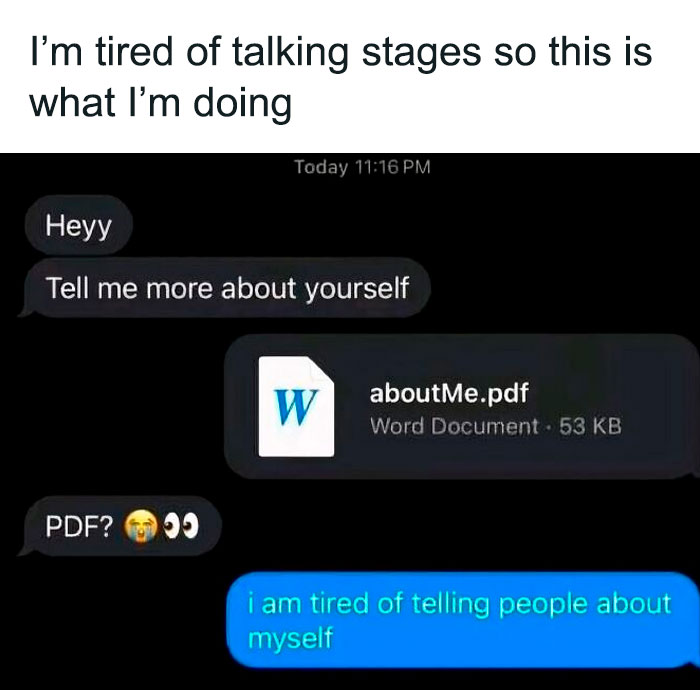
Reminds me of the first day of maths class when I was 16, and as the teacher is taking attendance he gets to my name and goes "christ not another one."

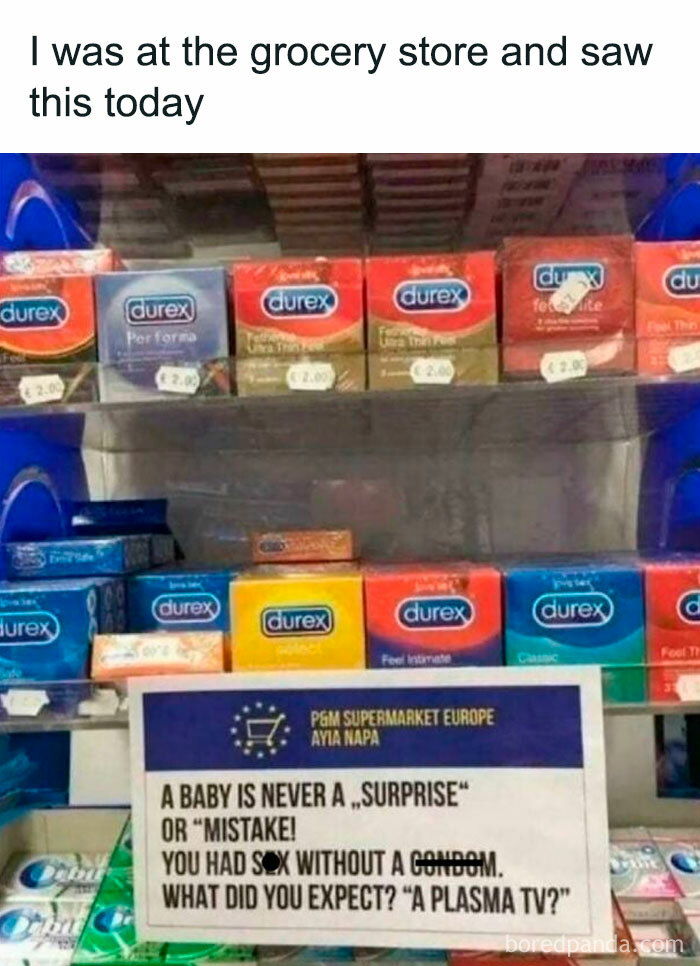
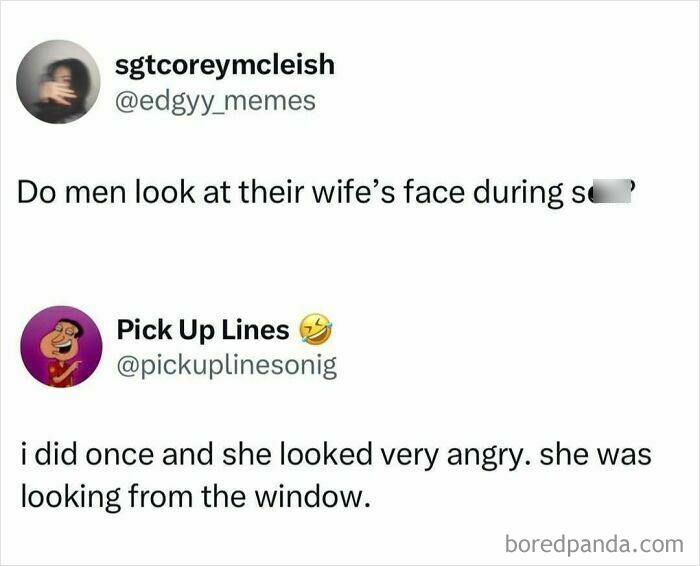
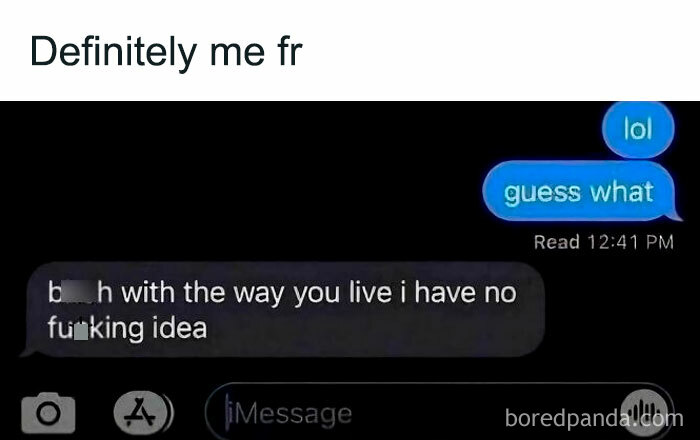
I want to know who the namby pamby is who is trying to censor the word, "s*x" and "c****m?" WTF. This site is such a prude site.
Vine’s (remember Vine?) six‑second loop gave birth to a new breed of short‑form humor: the “I’m in me mum’s car, broom broom” skit, the “Why you always lying?” lip‑sync, and countless others that thrived on absurdity and timing. Meanwhile, reaction GIFs, animated snippets from TV shows and movies, became the emoji of the digital age, letting people reply to posts with a perfectly timed eye roll, slow clap, or dramatic gasp.
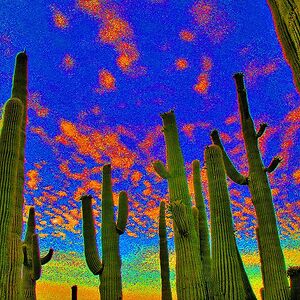
Around 2015–2016, “dank memes” rose from the depths of Reddit’s more obscure forums. These memes reveled in surreal, often garbled humor: low‑resolution images, random color filters, and captions that seemed to make sense only to those steeped in the inside jokes of internet subcultures.
At the same time, throwback challenges like “planking” and the “Harlem Shake” swept social media, turning everyone with a camera phone into reluctant members of fleeting viral phenomena. This was perhaps the point where a purely online phenomenon could, suddenly, enter the “real world.”
As Instagram and Twitter matured, memes grew more topical. Political events, celebrity scandals, and pop‑culture moments found instant expression in meme form: a politician’s awkward smile became a template for “when you…” jokes, a blockbuster film scene was captioned to mock everyday situations, and trending hashtags spawned countless remixes. Memes weren’t just jokes anymore; they were a running commentary on global events, wielded by netizens to praise, criticize, or simply commiserate.
The late 2010s saw the arrival of “deep‑fried” memes, images so overprocessed they looked like burnt toast, complete with warped colors and pixelation. These images carried a kind of manic energy, like humor distilled into its chaotic essence. Simultaneously, “wholesome memes” offered a counterpoint: clean, earnest images and captions meant to uplift, proving the internet could be both darkly ironic and sincerely kind.
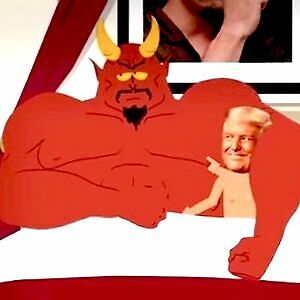
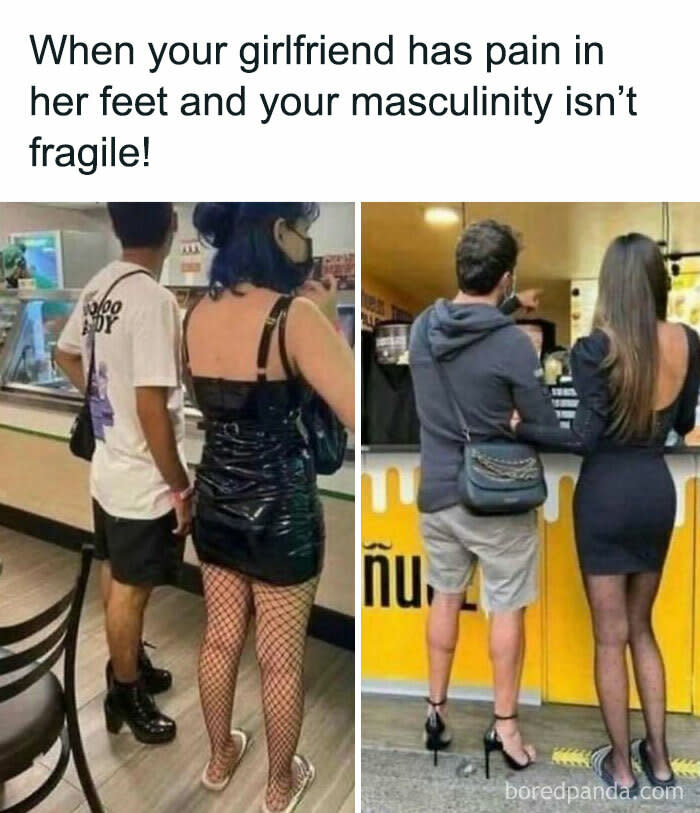
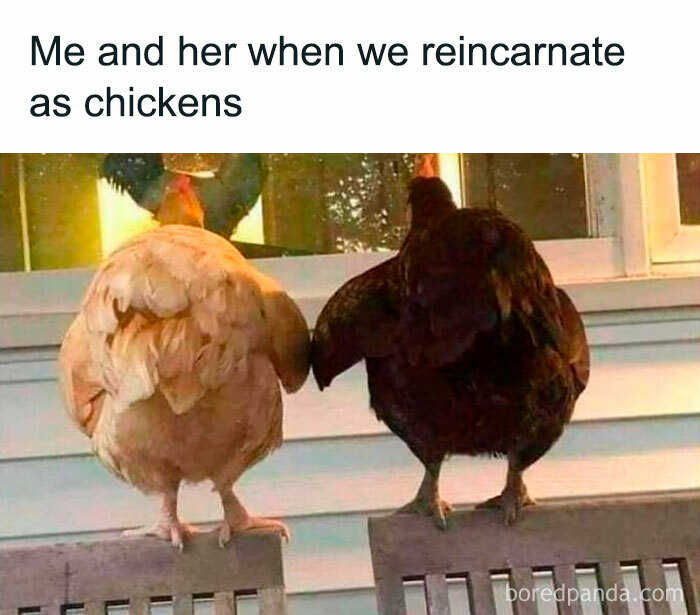
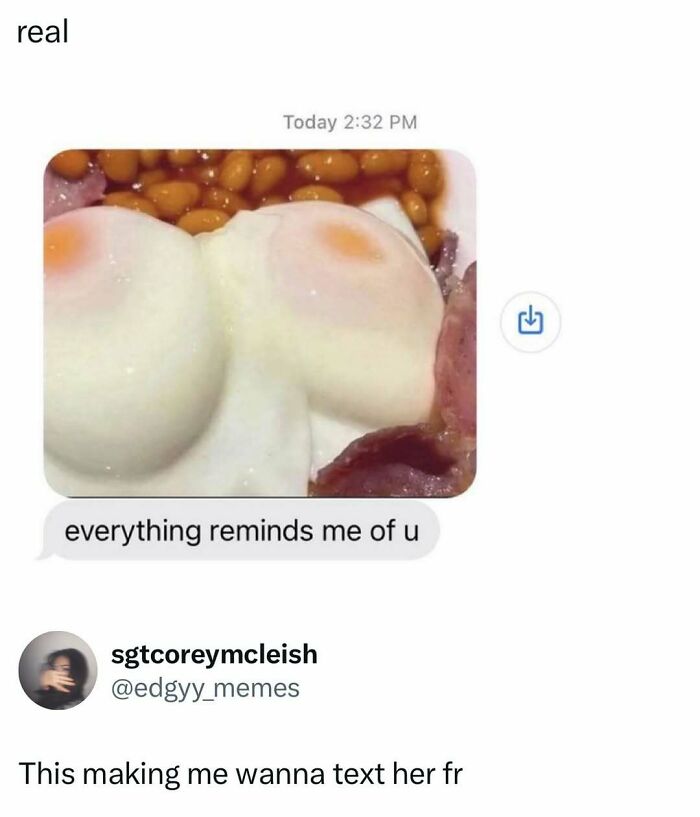
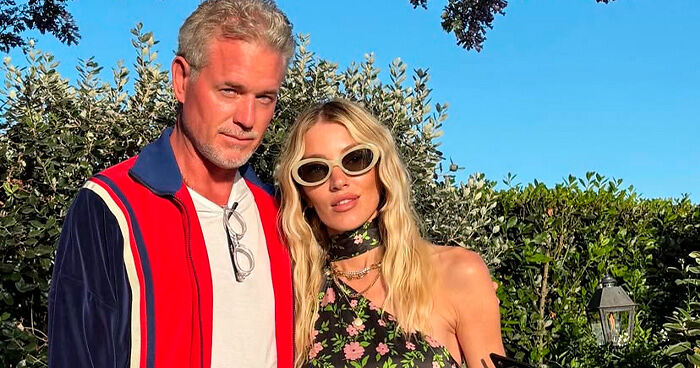
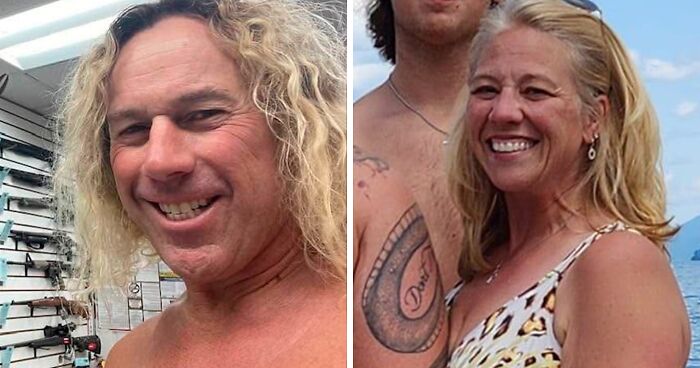
Funny how they both just happen to have the same size as their significant others. I'm not buying this one.
Entering the 2020s, TikTok upended the landscape yet again. Memes evolved into trends built on specific sounds, dances, or video templates. The six‑second Vine format gave way to thirty‑second clips, stitched together with duets and reaction features. Suddenly, meme creation was no longer limited to image editors and GIF makers; everyone with a smartphone became a potential viral architect.
Thank you so much for marking out the "c" in that naughty word! I mean, my mind still said it but at least I didn't have to see it and be traumatized for life!
Today, meme culture is a sprawling ecosystem of formats, platforms, and generations. Instagram carousels share “starter packs” that distill personality types into six images, Twitter threads pair screenshots with snarky commentary, Discord servers cultivate hyper‑niche inside jokes that rarely escape their own circles.
From the hand‑drawn rage faces of the early 2010s to the algorithm‑driven trends of TikTok, memes have evolved from simple captions over pictures into a dynamic, multimedia language of shared experience. They reflect our collective anxieties, our absurdities, and our boundless creativity. And as long as we keep scrolling, liking, and resharing, the next wave of memes will be right around the digital corner, waiting to capture the moment in a flash of laughter.

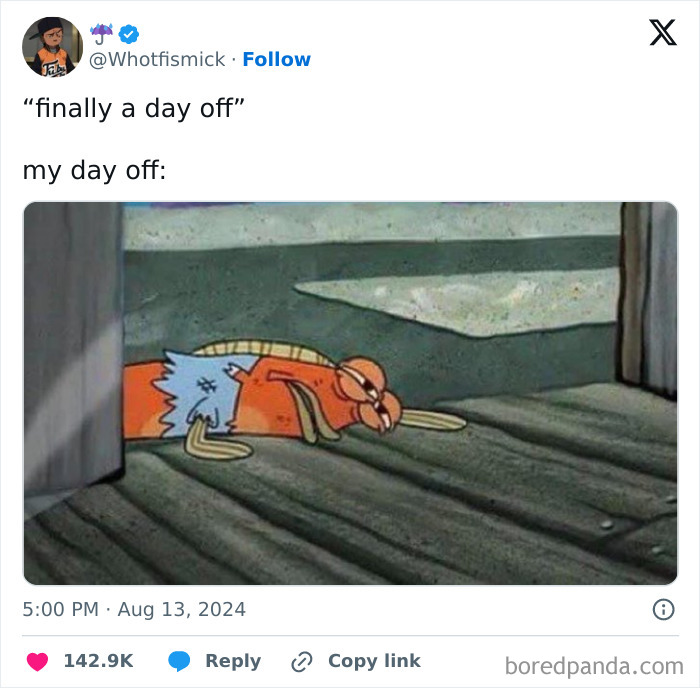
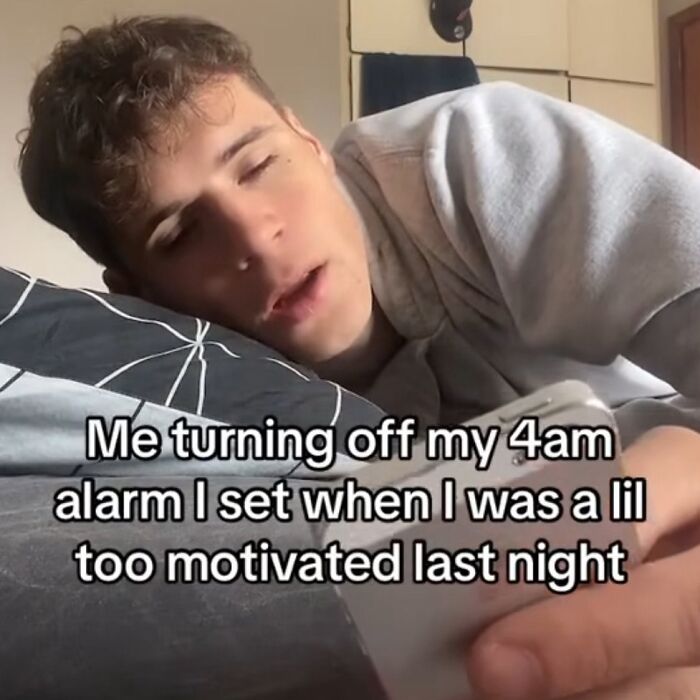
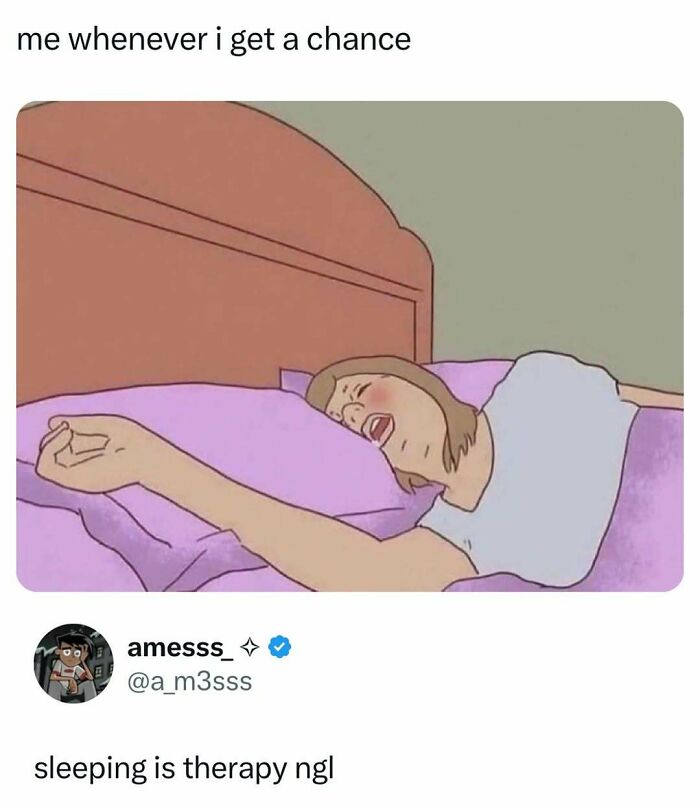
who loves to set up the alarm on sundays for 6AM just to have the pleasure to say : " go ef yoursel f! ". I know i do xD

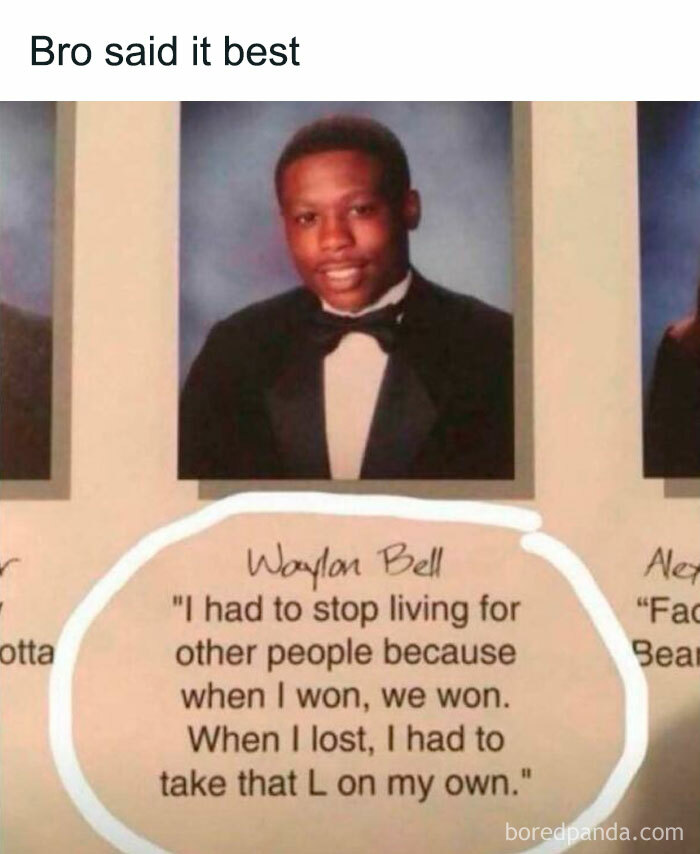
Success has many parents, failure is an oorphan. I'd love to take credit for that but it's actually a Polish saying.

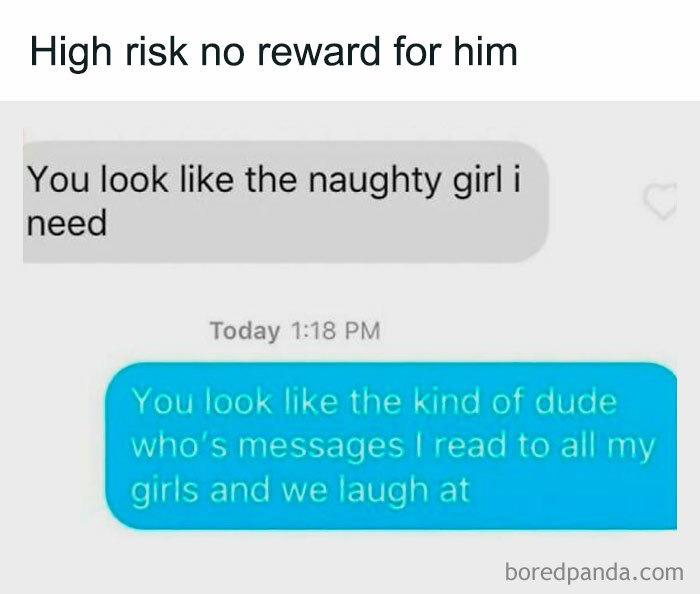
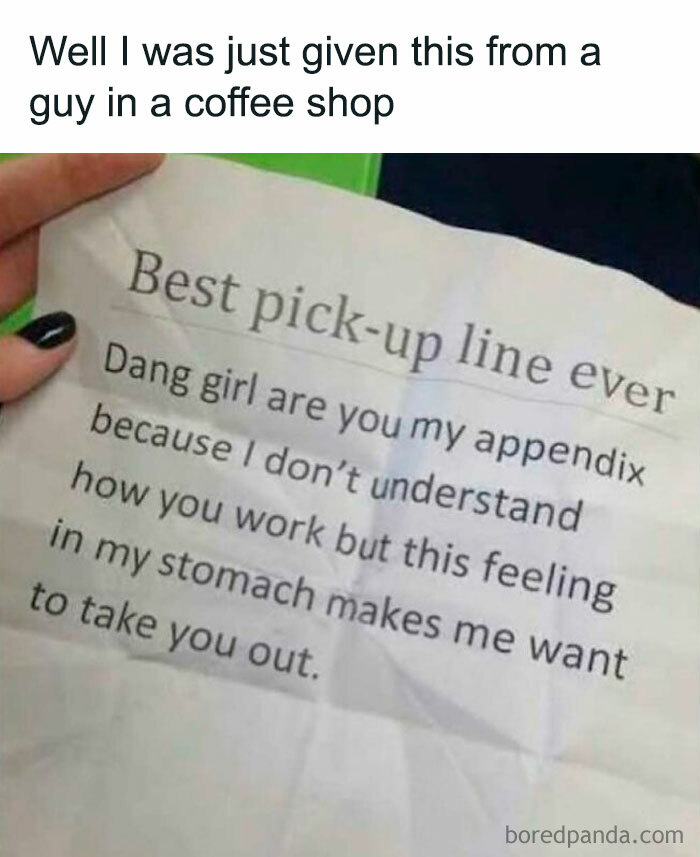
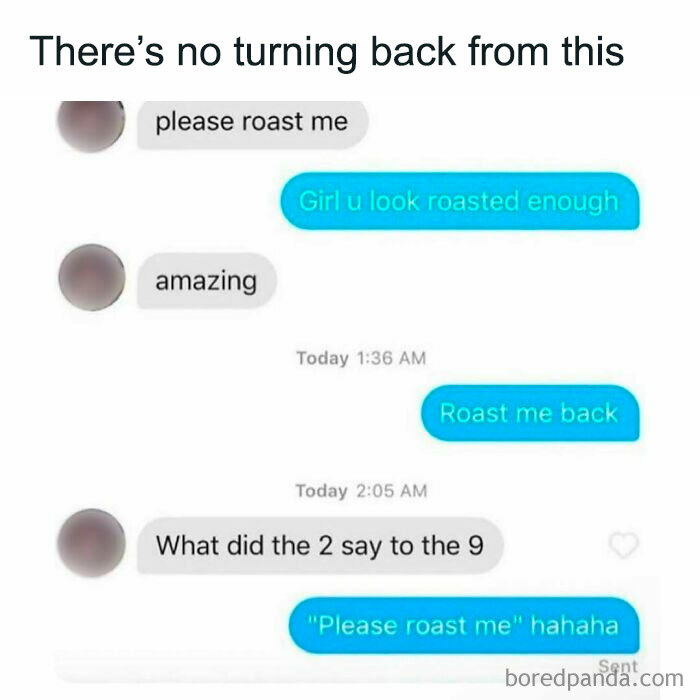
She relies "Strange coincidence. You are like my appendix - I can get along fine without you."
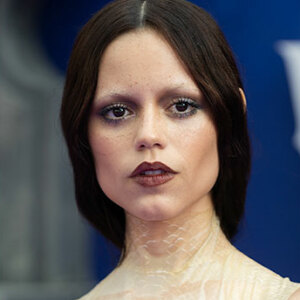
I love mixed couples. (They do sorta look like 'Roast' and "Barbecued'...)
Bp is getting sloppy with the censoring. OH NO SAVE ME! THE PROFANITY IS TOO MUCH!!!
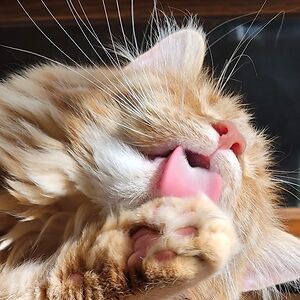
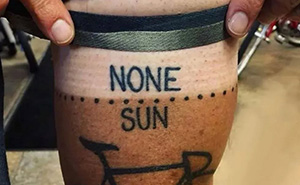
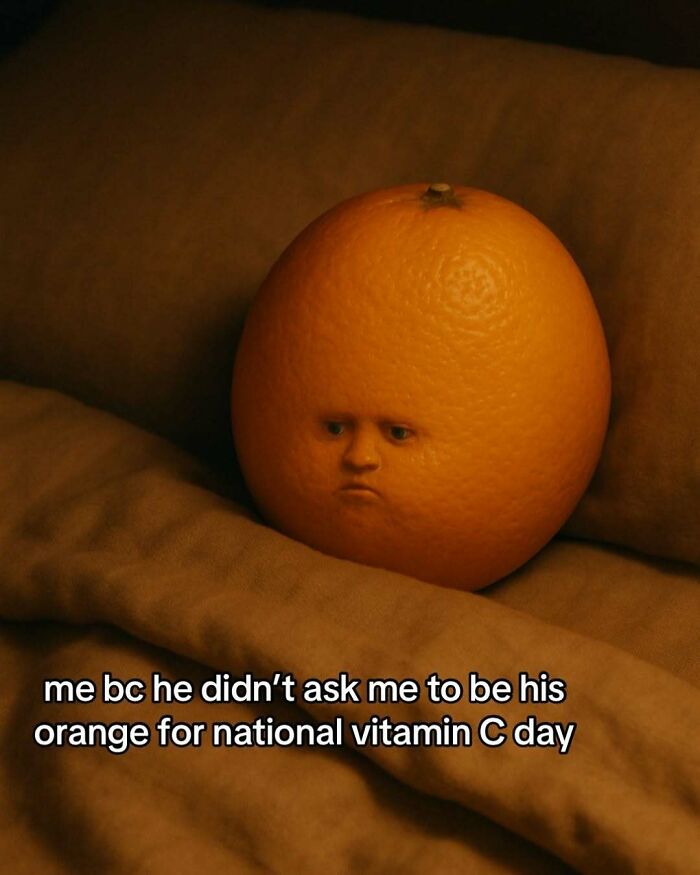
I'm a big enough nerd to wonder...yes. There actually IS a National Vitamin C Day. April 4th. https://www.nationaldaycalendar.com/april/national-vitamin-c-day-april-4
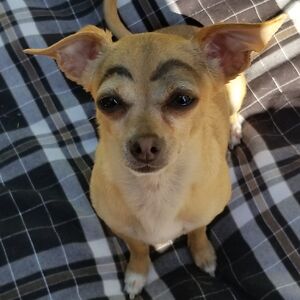
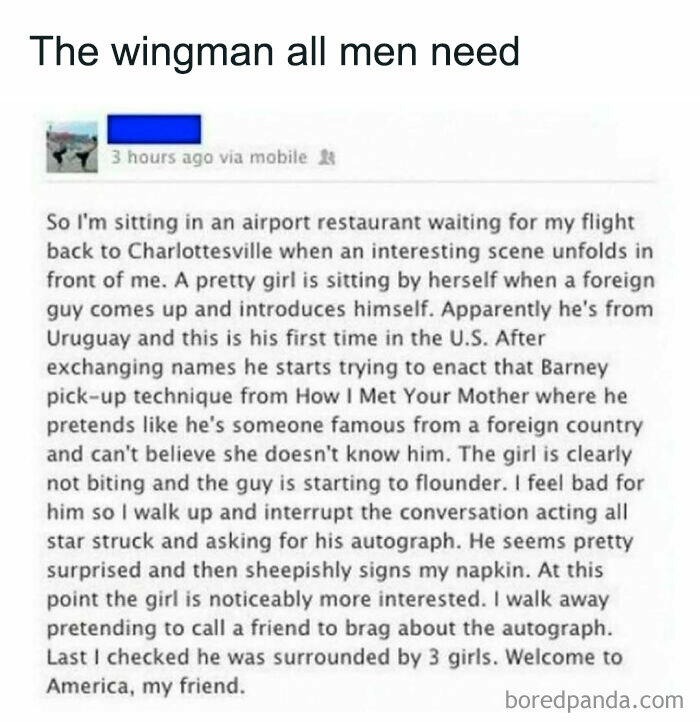
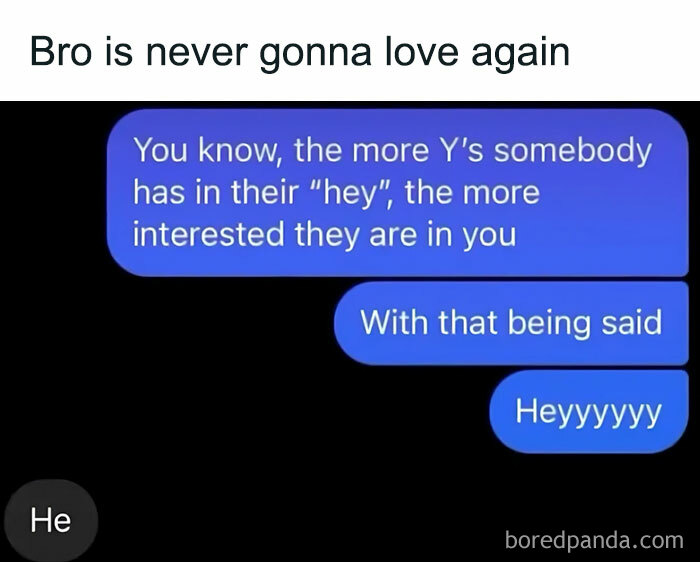
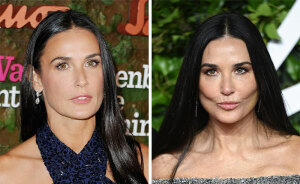
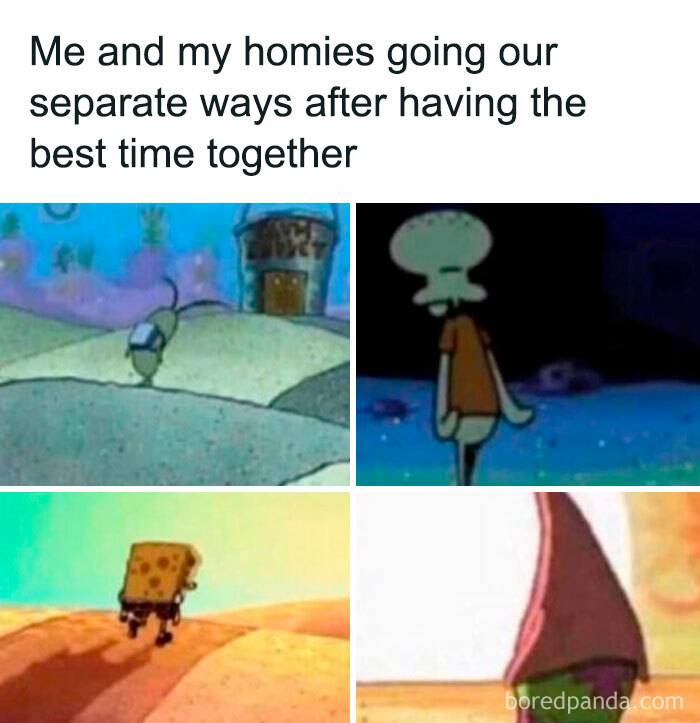
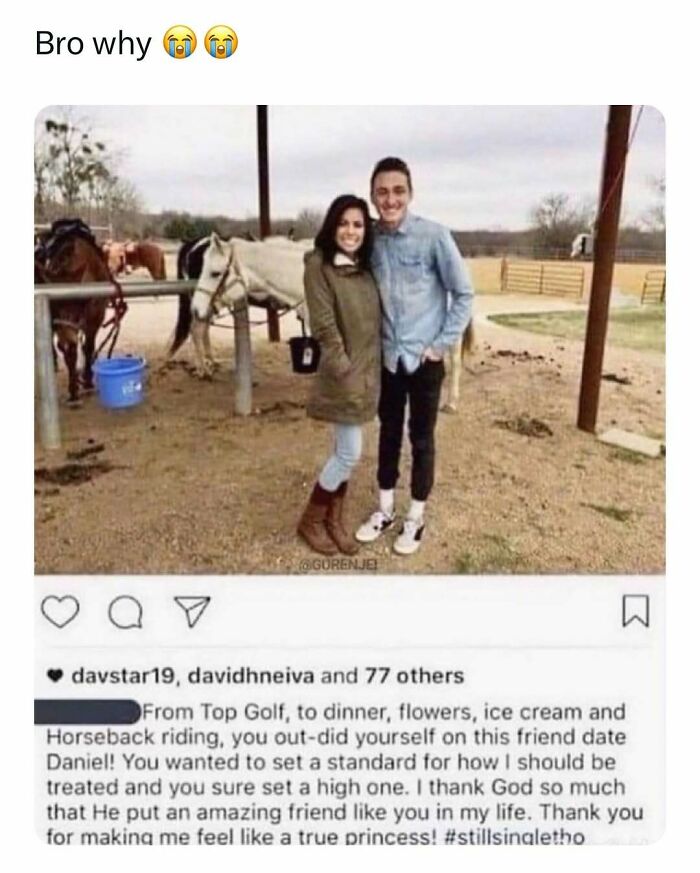
A moment of silence for our fallen brother, set the standard so high he has fallen into the deepest part of the friend zone.
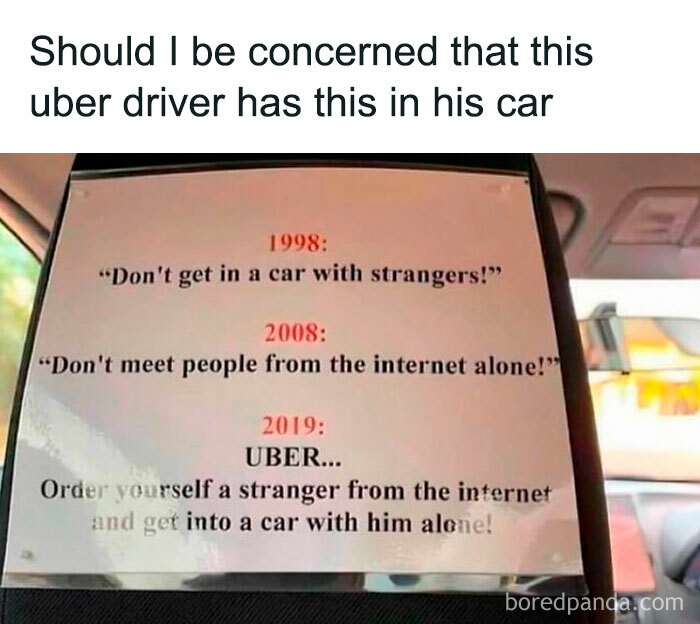
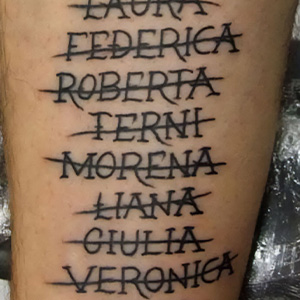
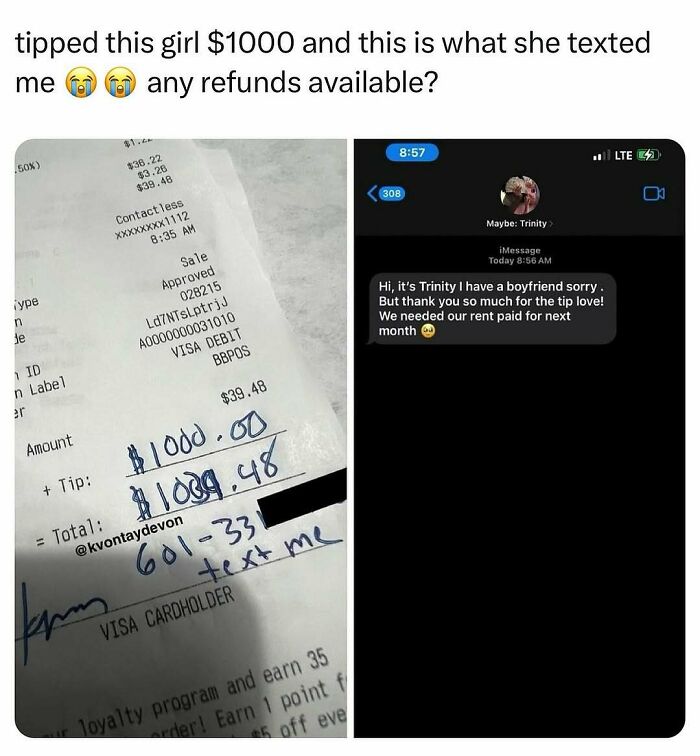
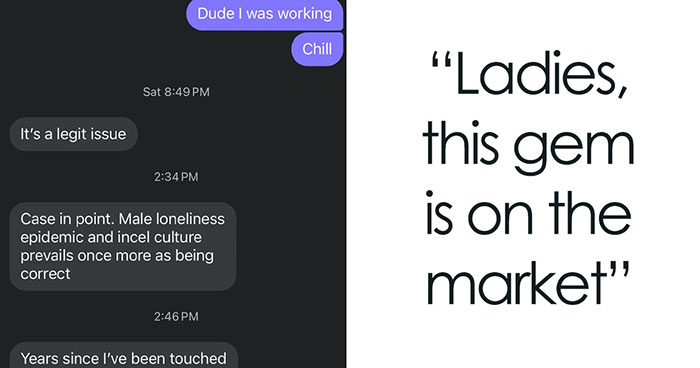
If you were expecting s*x in exchange for a tip, you should have just hired a s*x worker...


Huh... ironic how BP steals memes from other people but then throws their own watermark in the bottom right corner of every meme they stole
Huh... ironic how BP steals memes from other people but then throws their own watermark in the bottom right corner of every meme they stole



 No fees, cancel anytime