Get Premium
Dark mode theme is available exclusively for premium users. Learn more about the benefits of subscribing.
No fees, cancel anytime.

 Dark Mode Ad-Free Browsing Unlimited Content
 Ad-Free Browsing Unlimited Content Dark Mode
Join 1.2 million Panda readers who get the best art, memes, and fun stories every week!
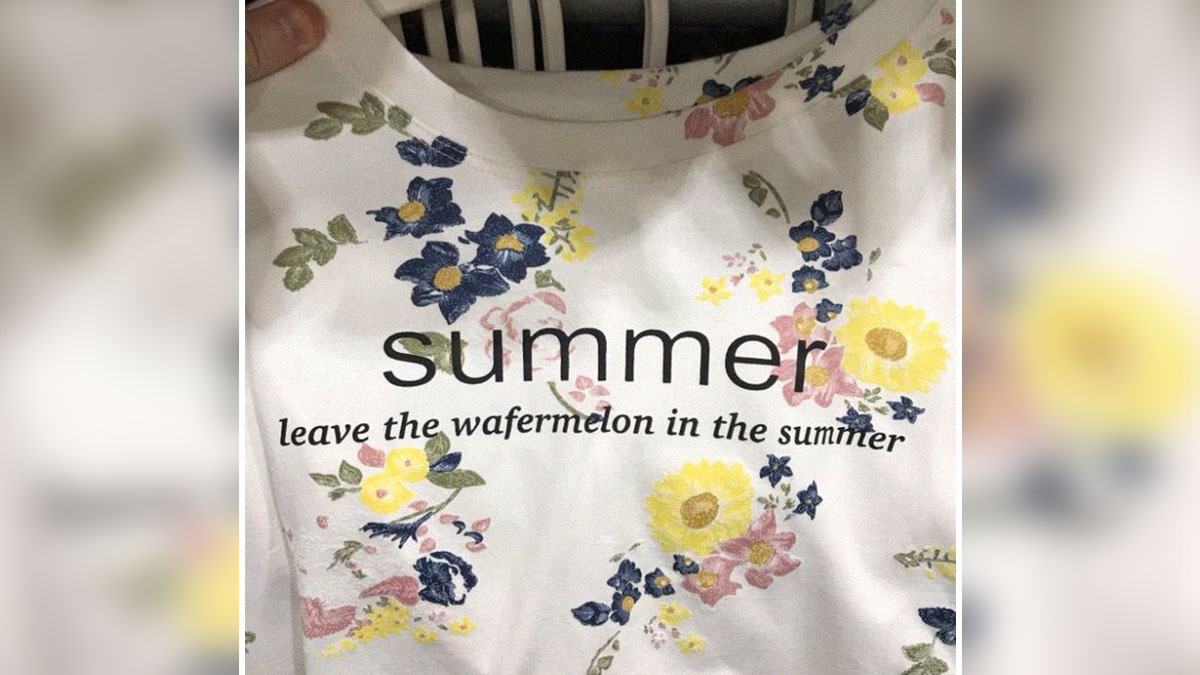


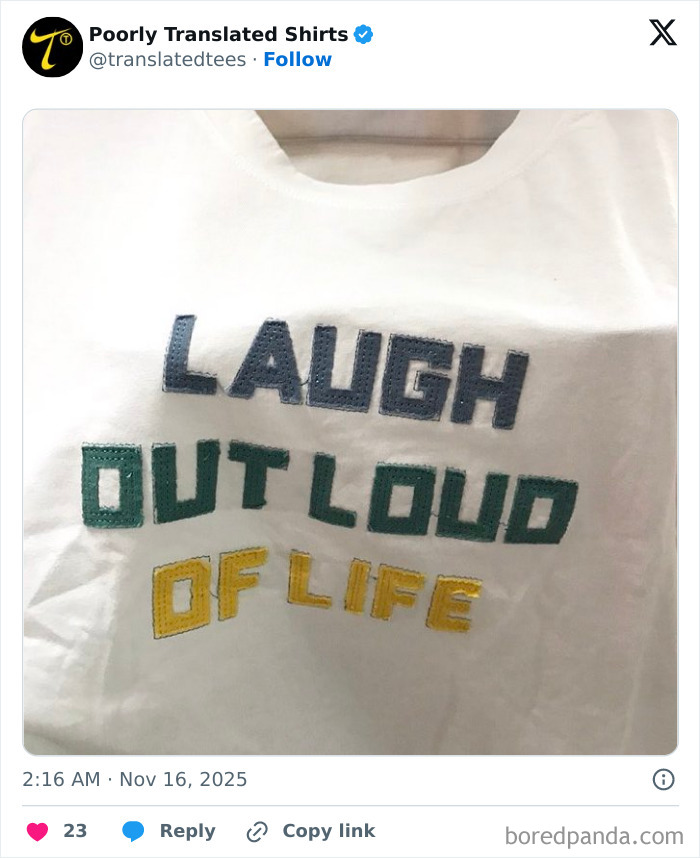
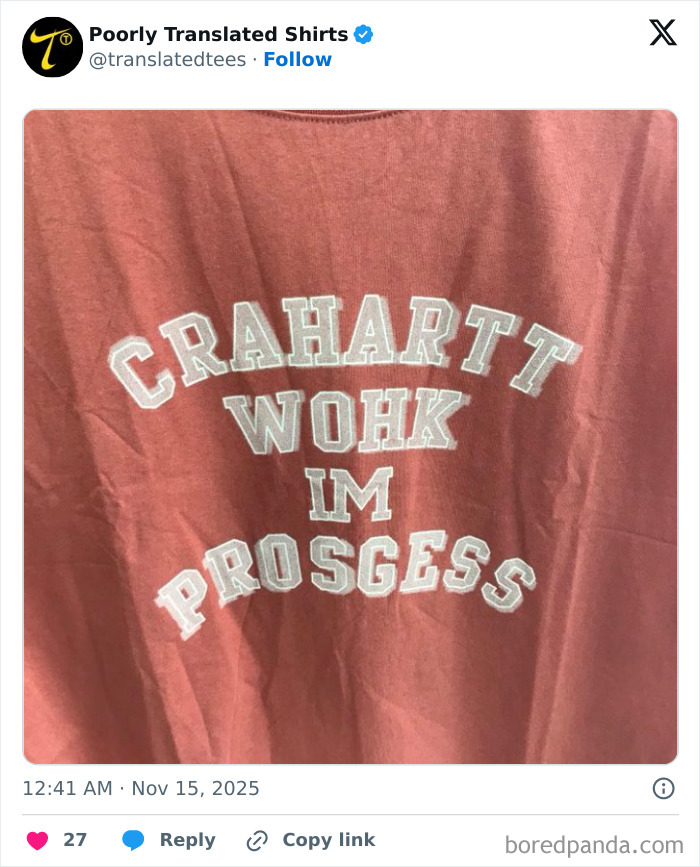
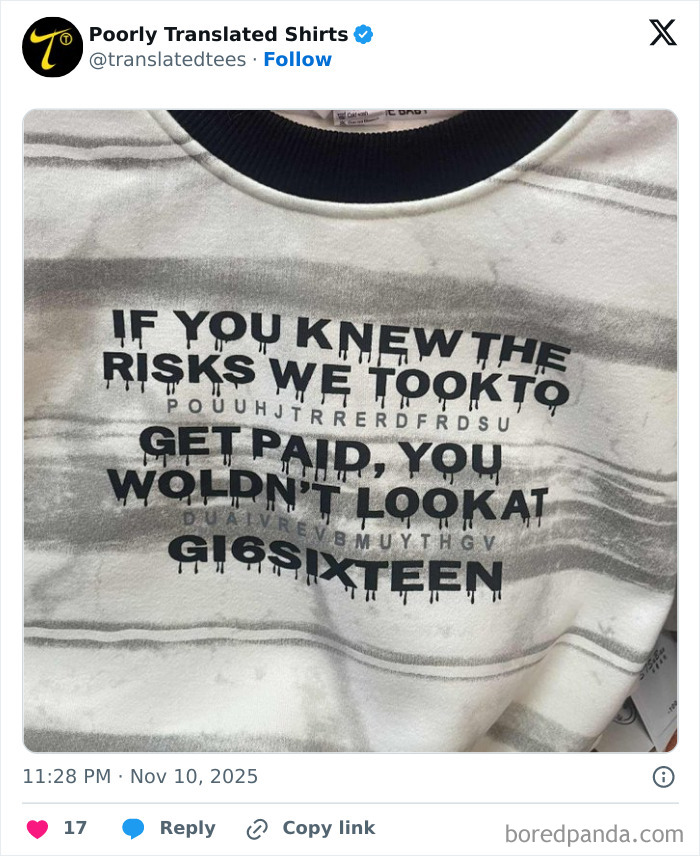
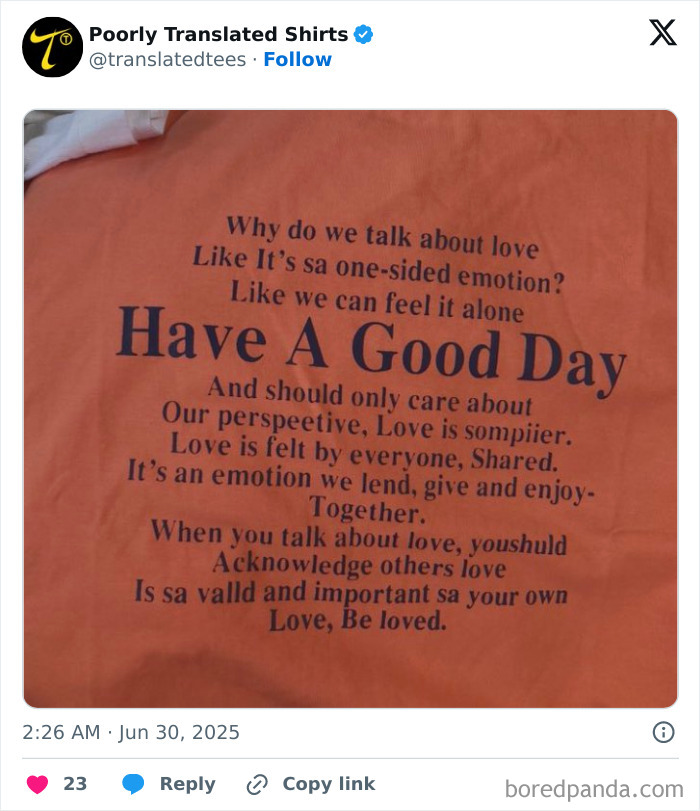
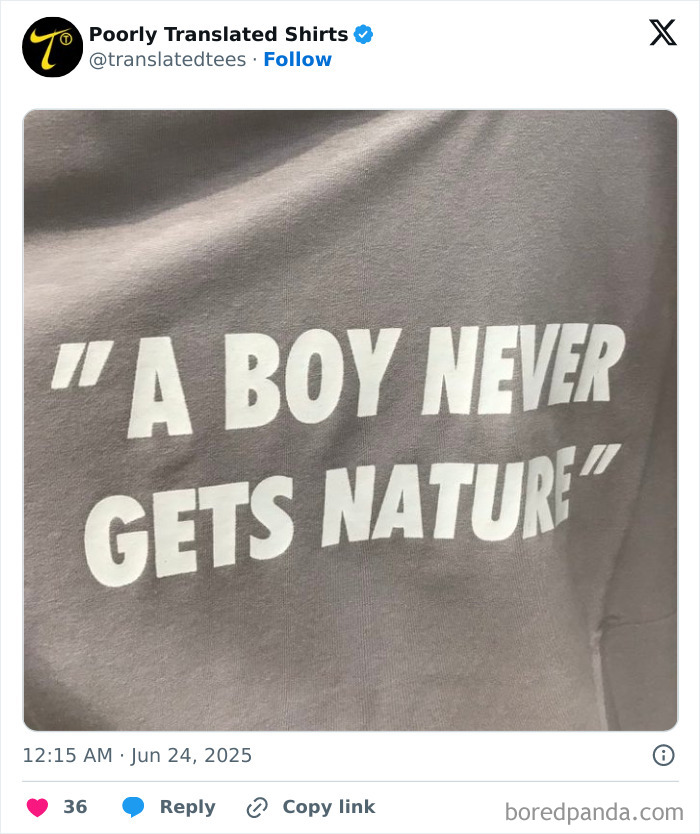
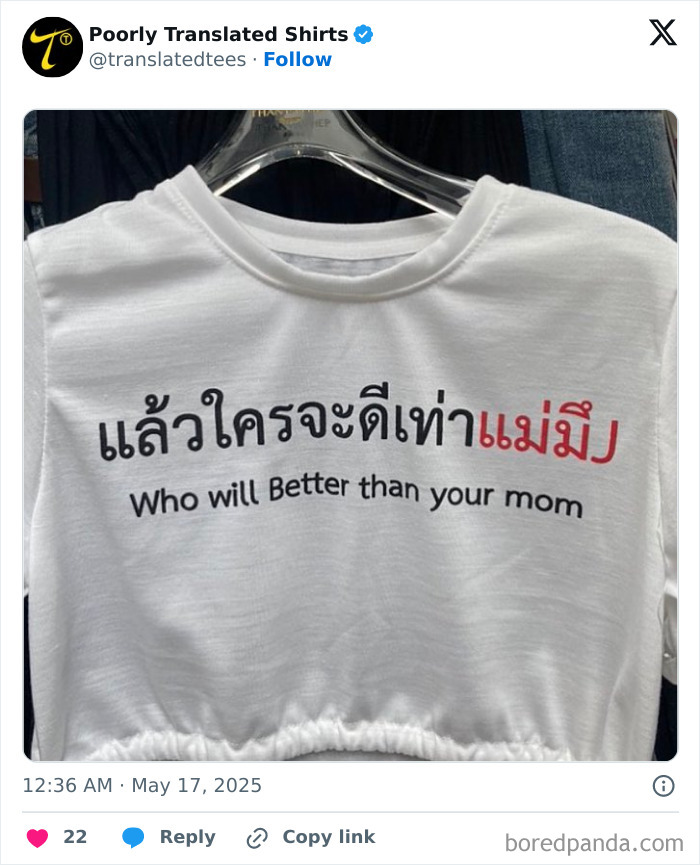
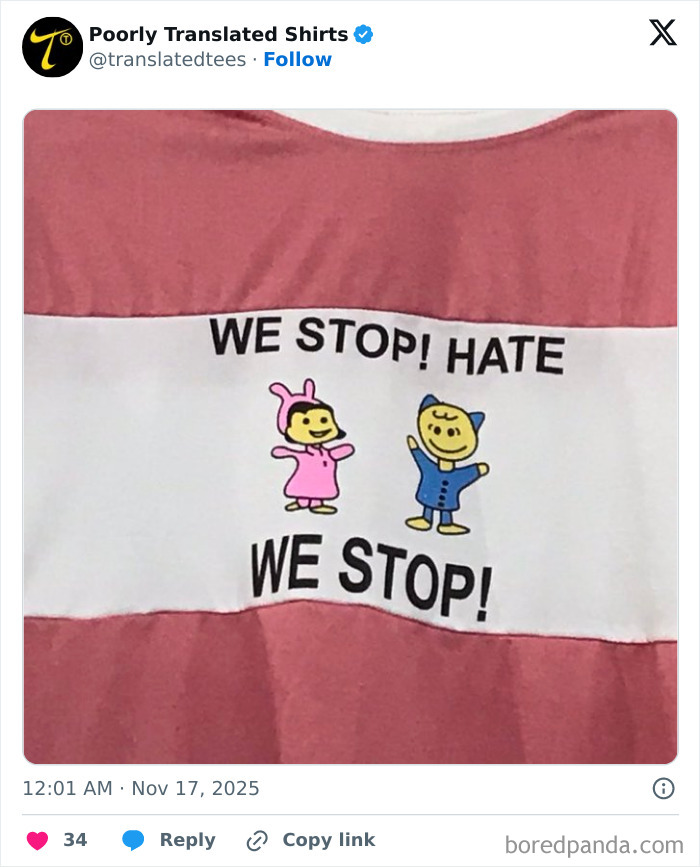
Sure, English can be a tough language to learn, and everyone makes dumb mistakes from time to time. That being said, some errors are so hilariously bad that they deserve some time in the spotlight. And if you’re a counterfeit goods seller, you might get roasted a bit.
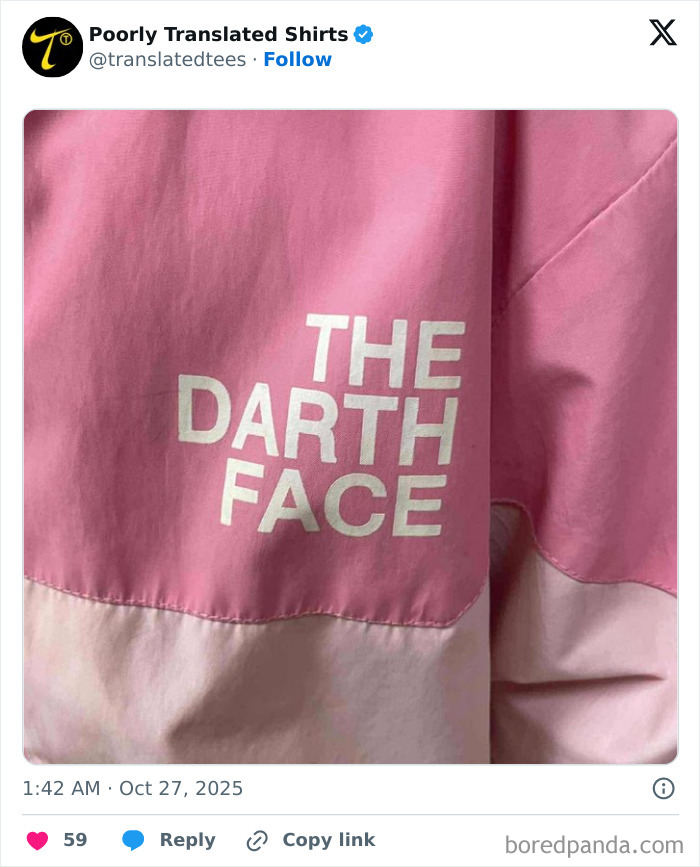
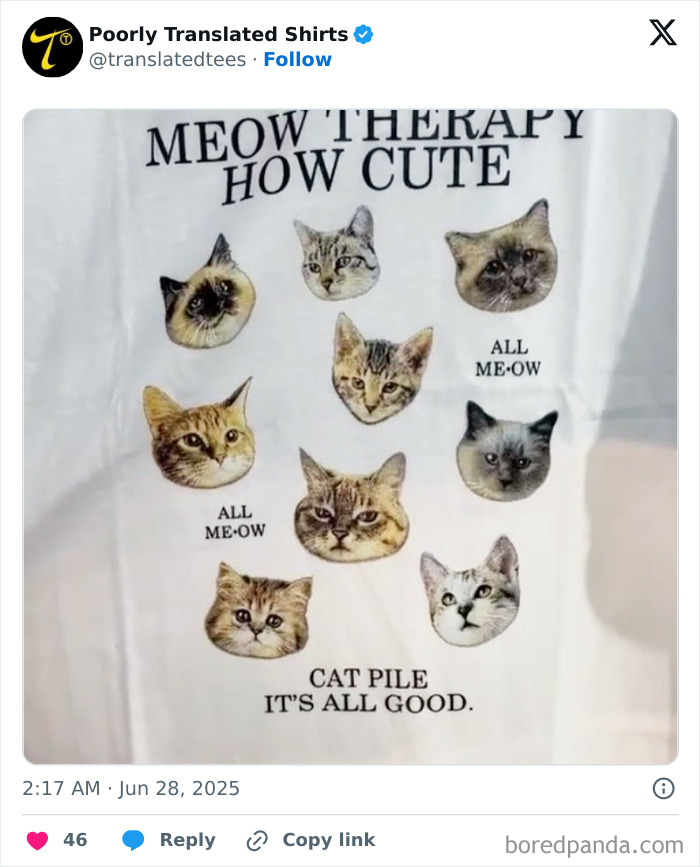
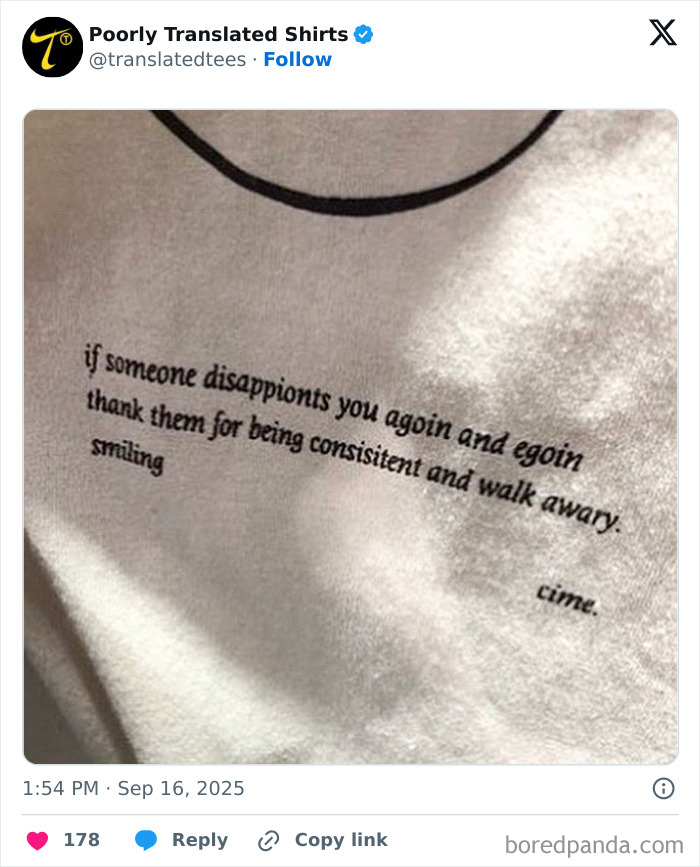
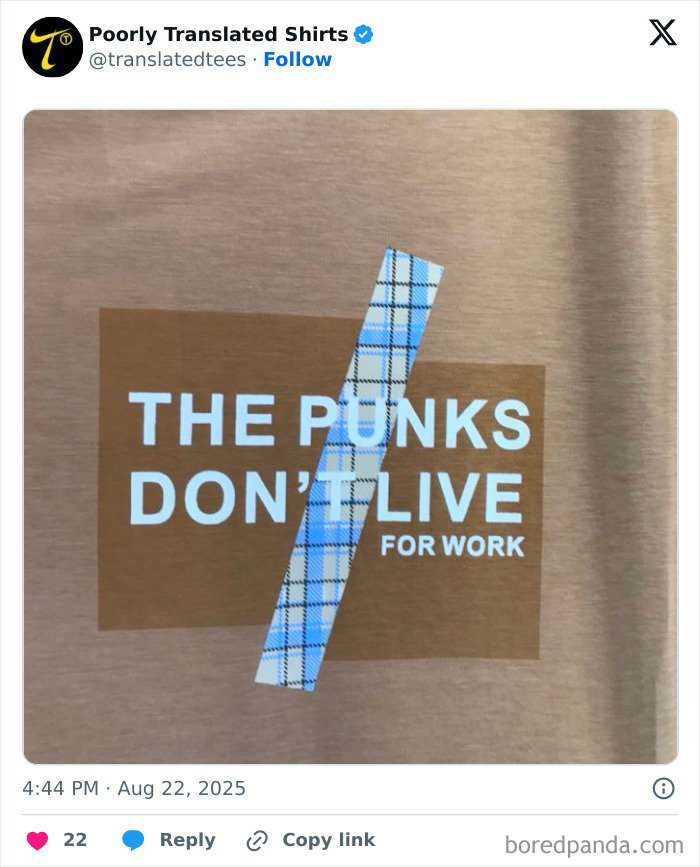
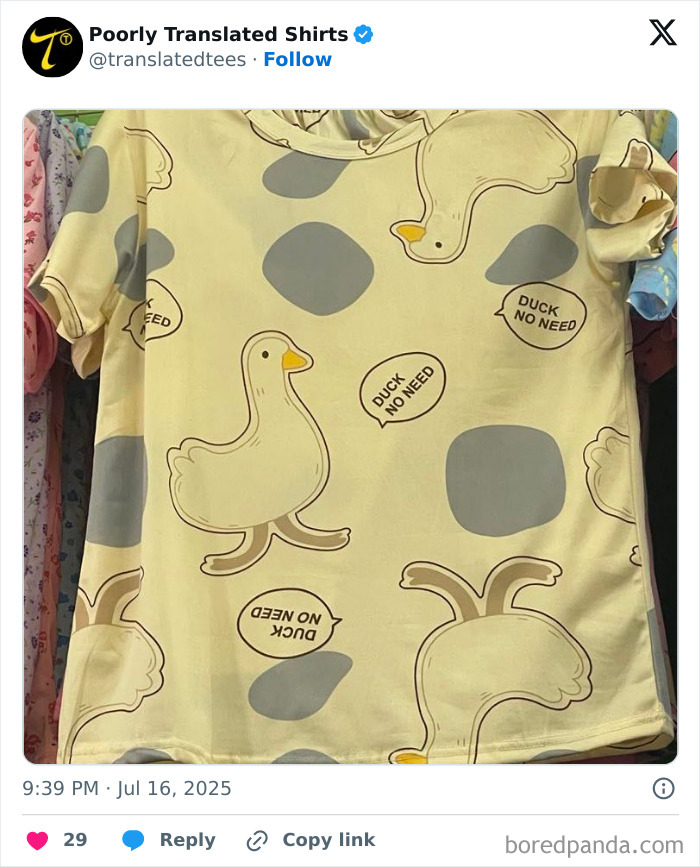
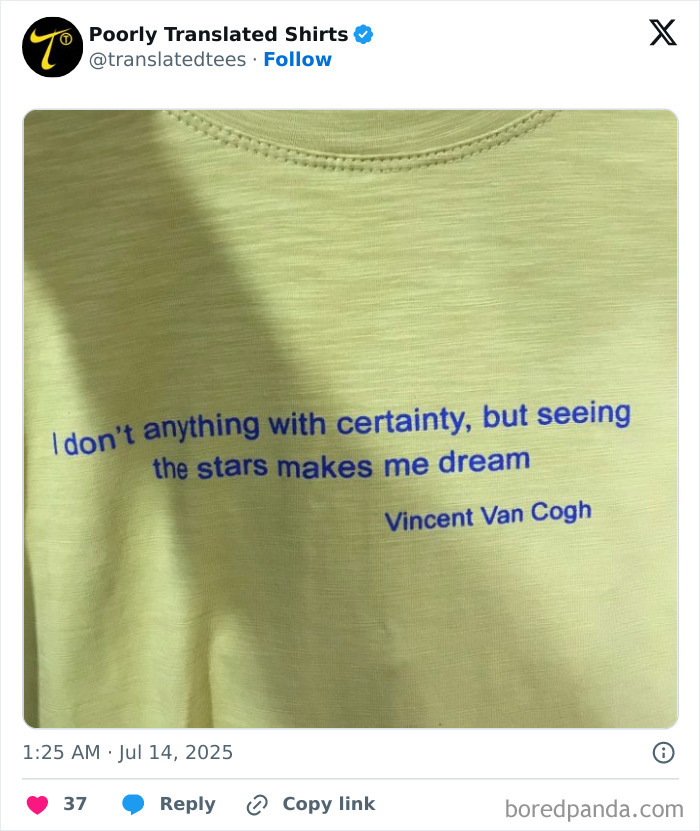
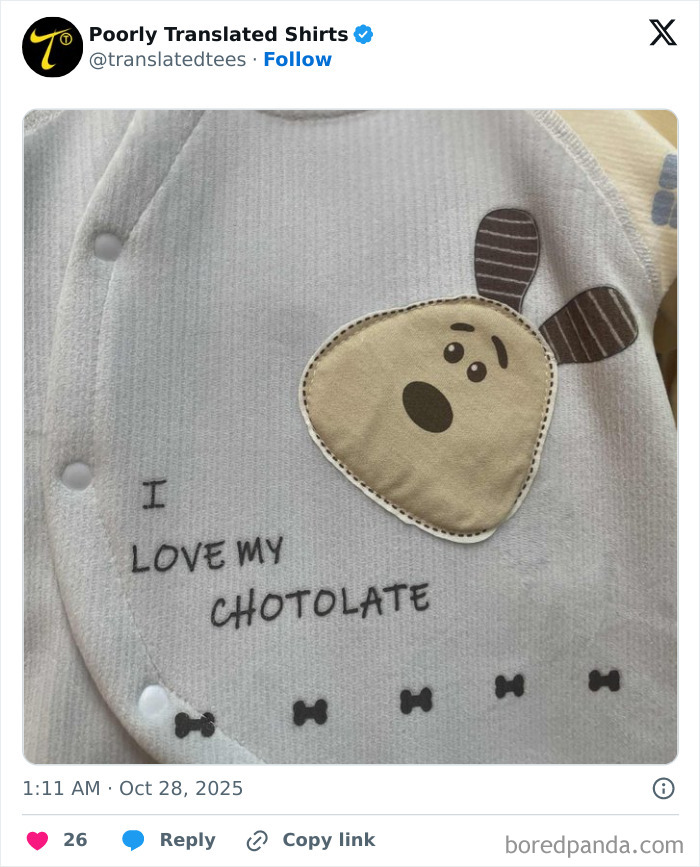
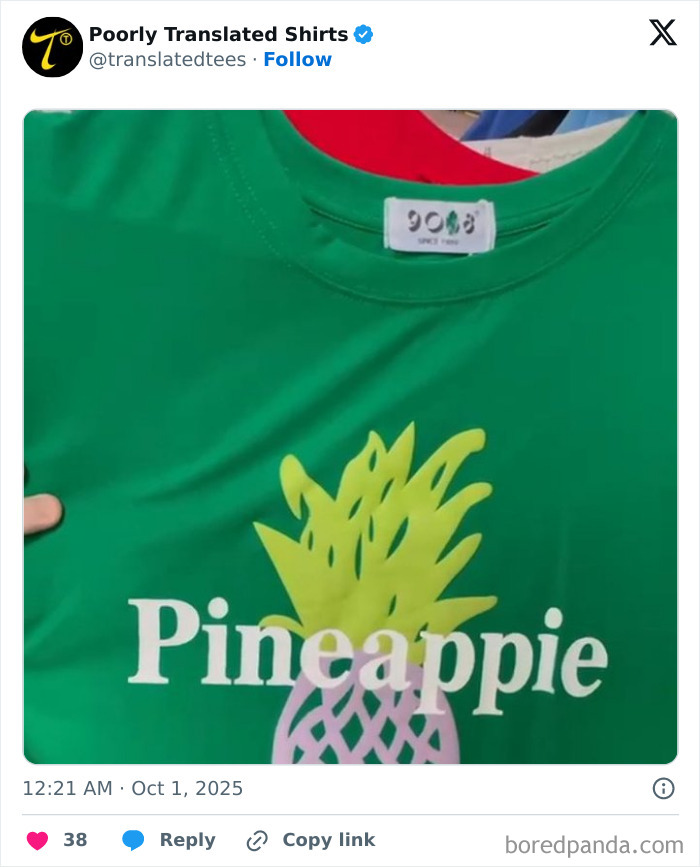
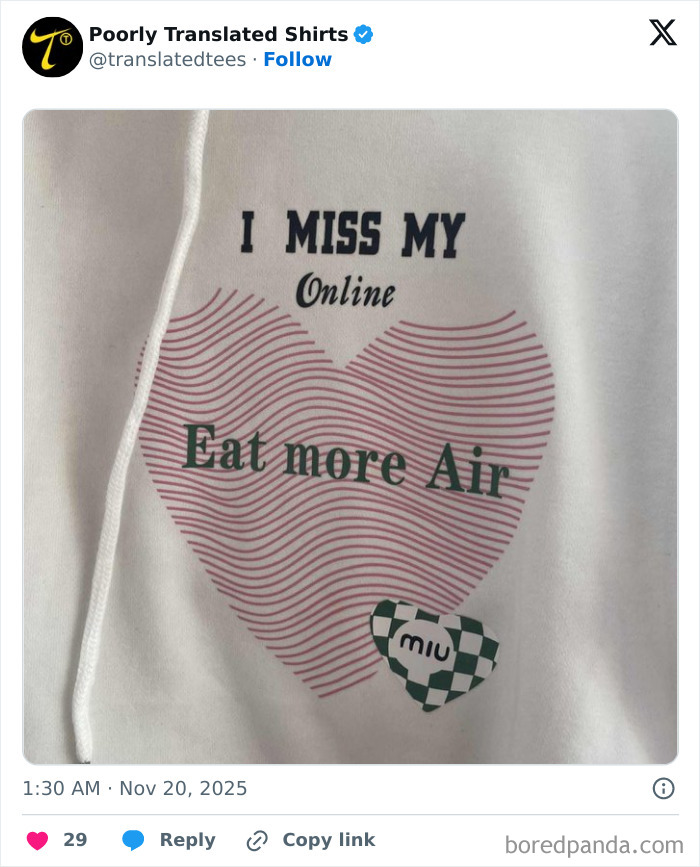
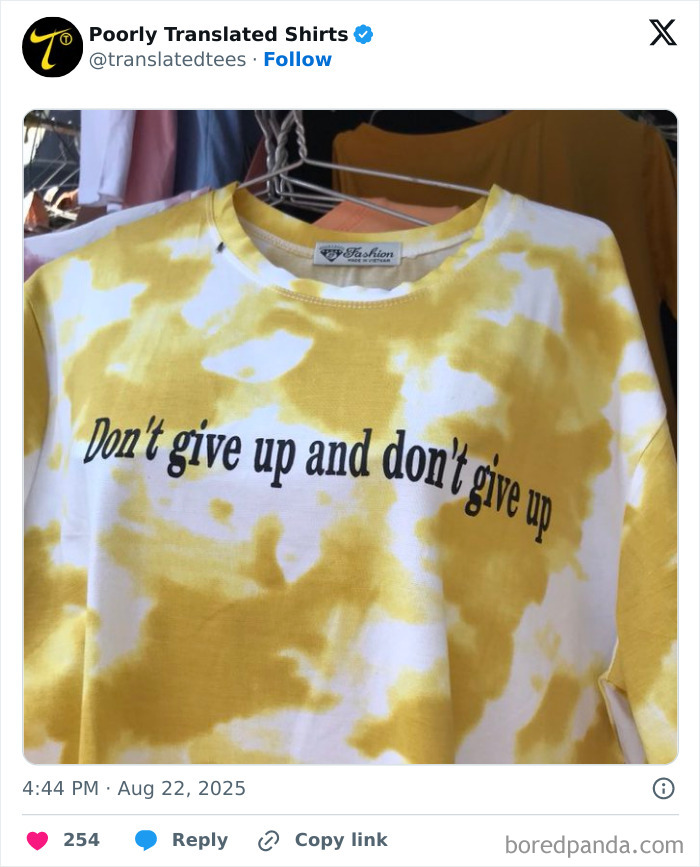
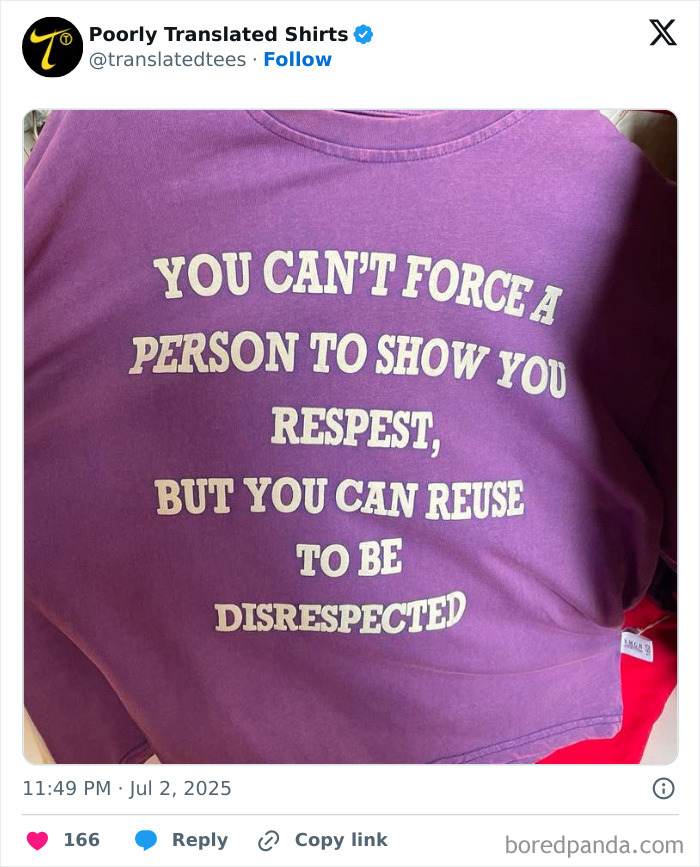
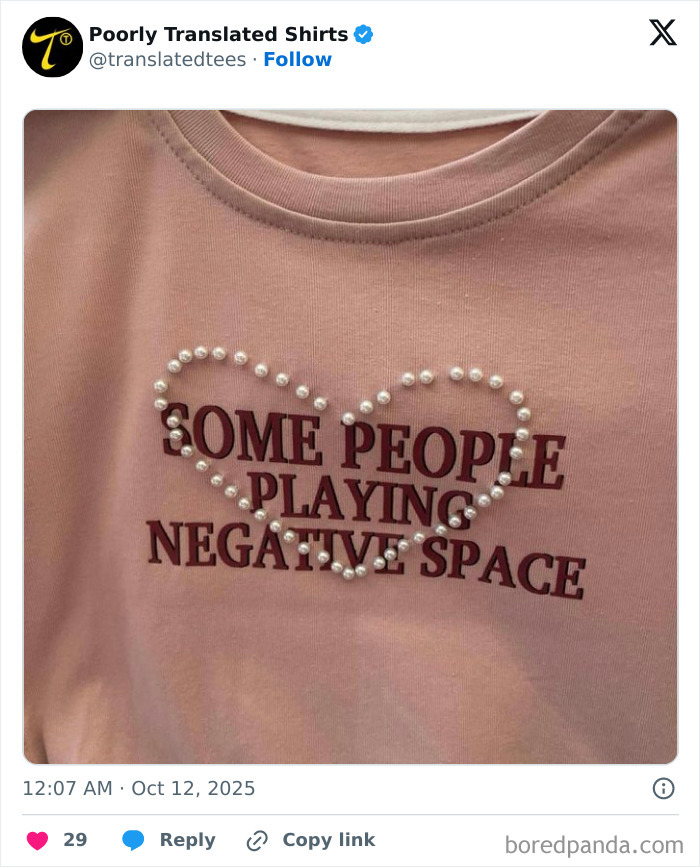
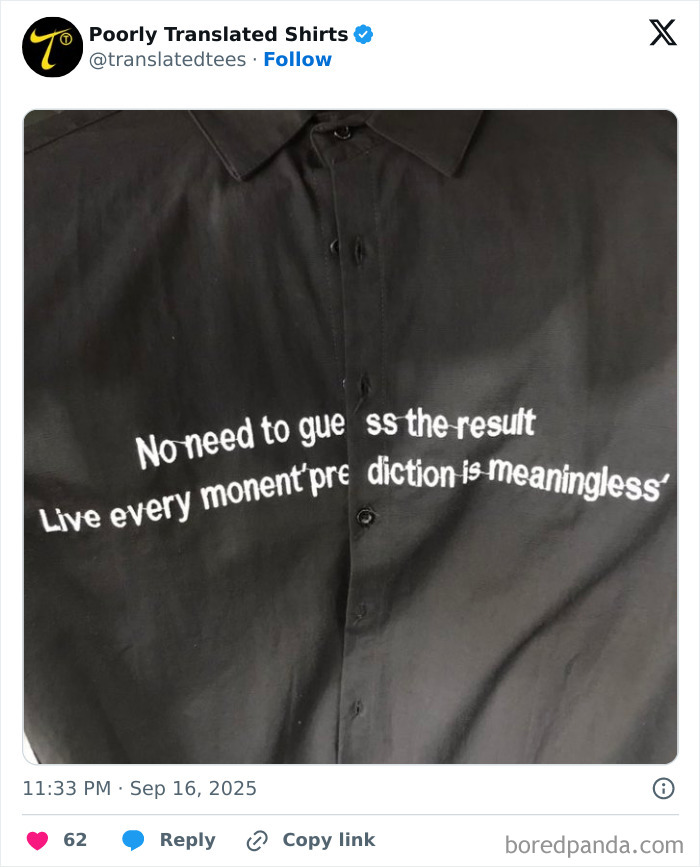
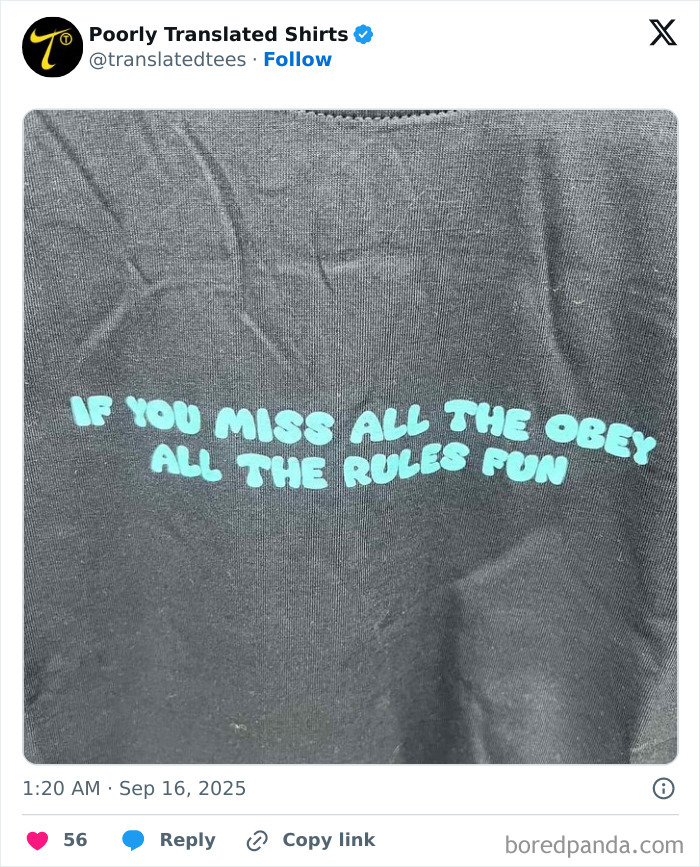
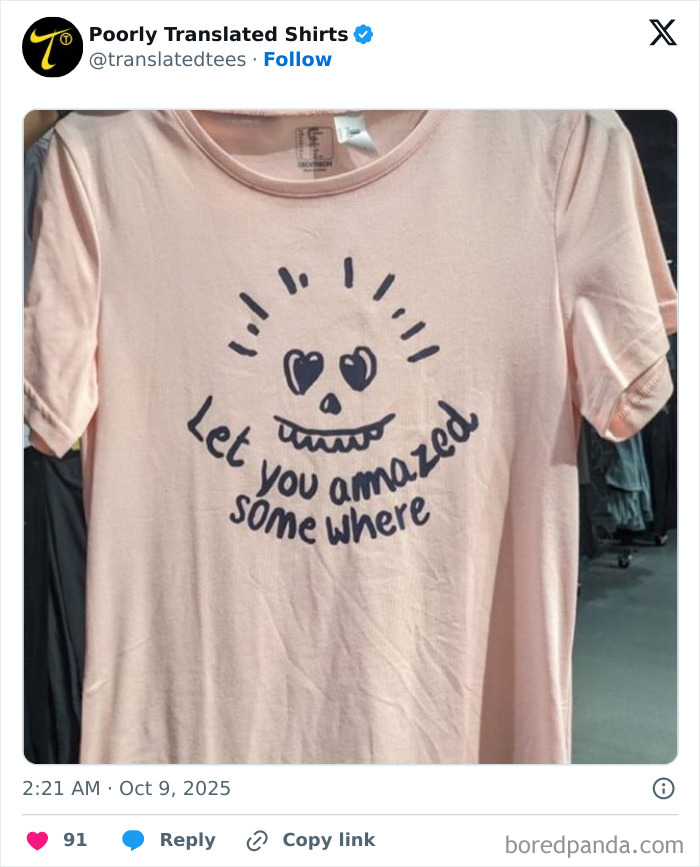
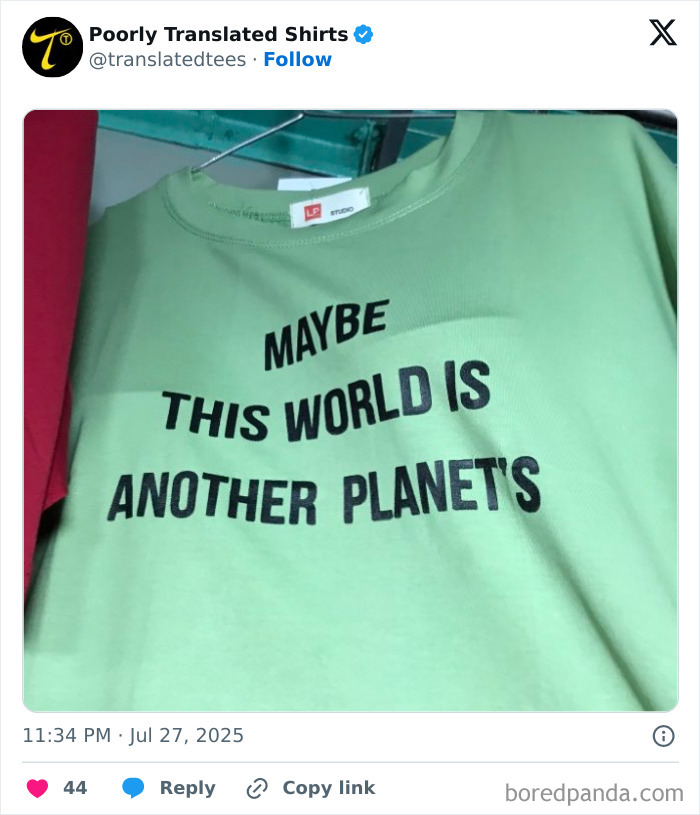
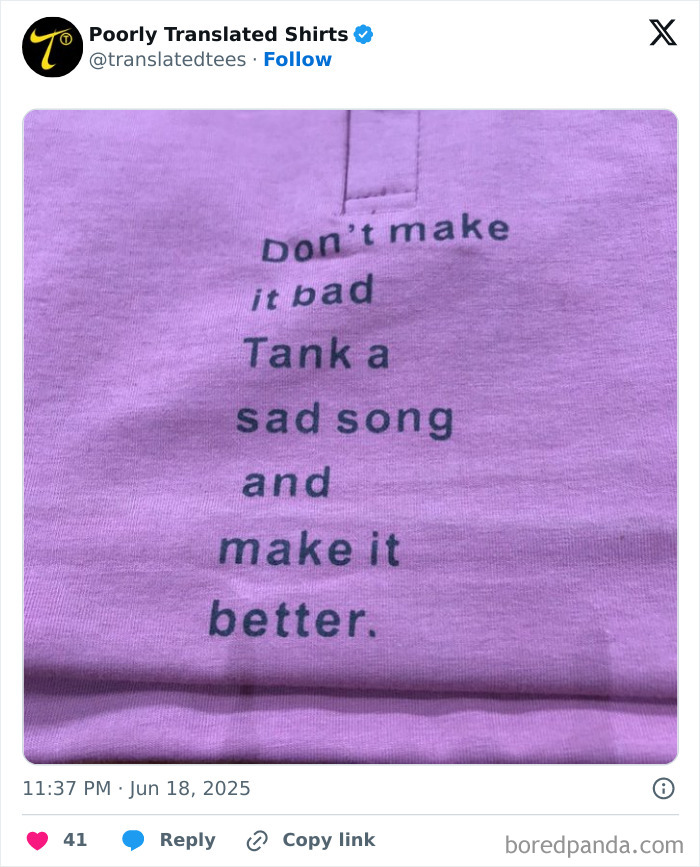
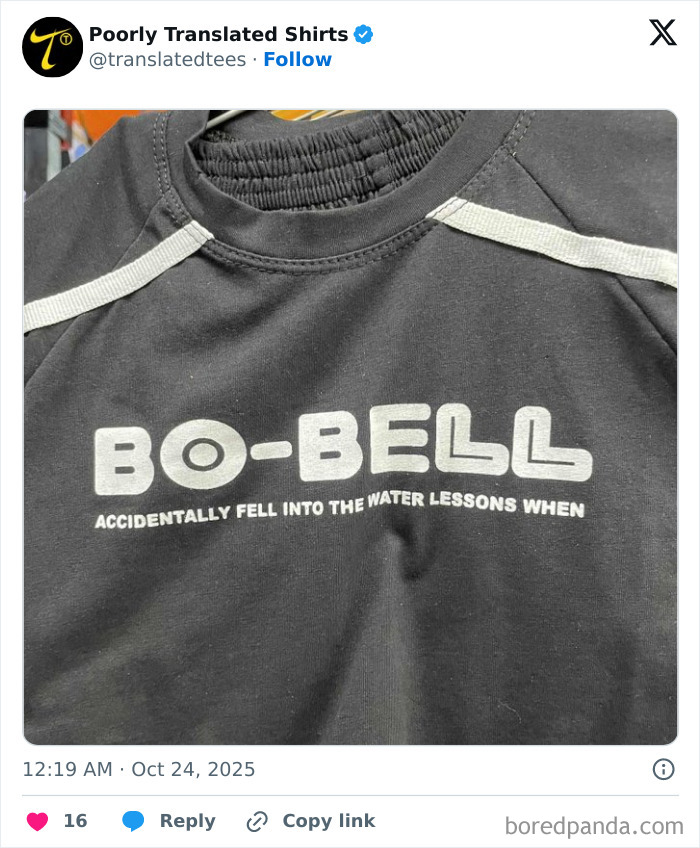
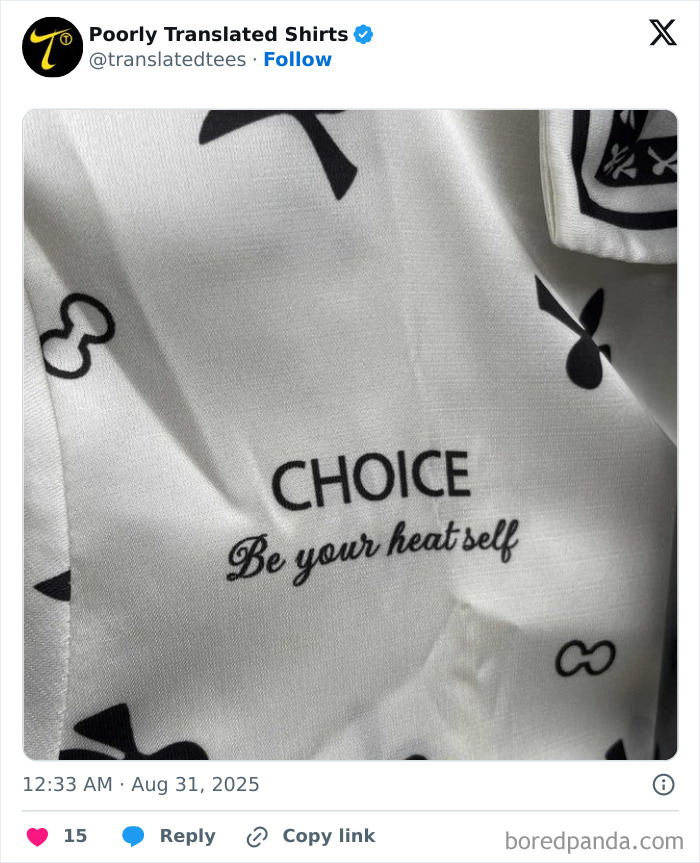
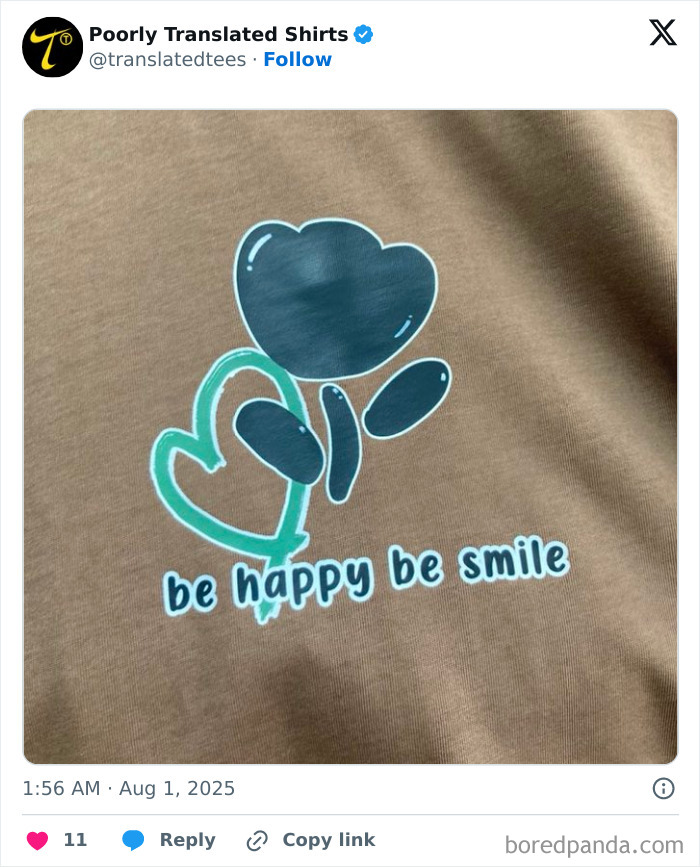
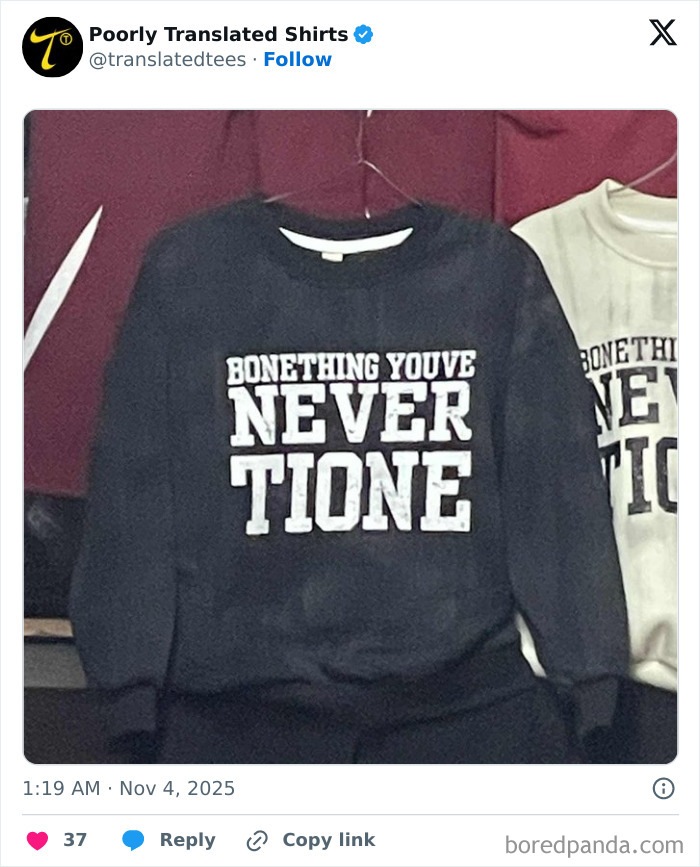
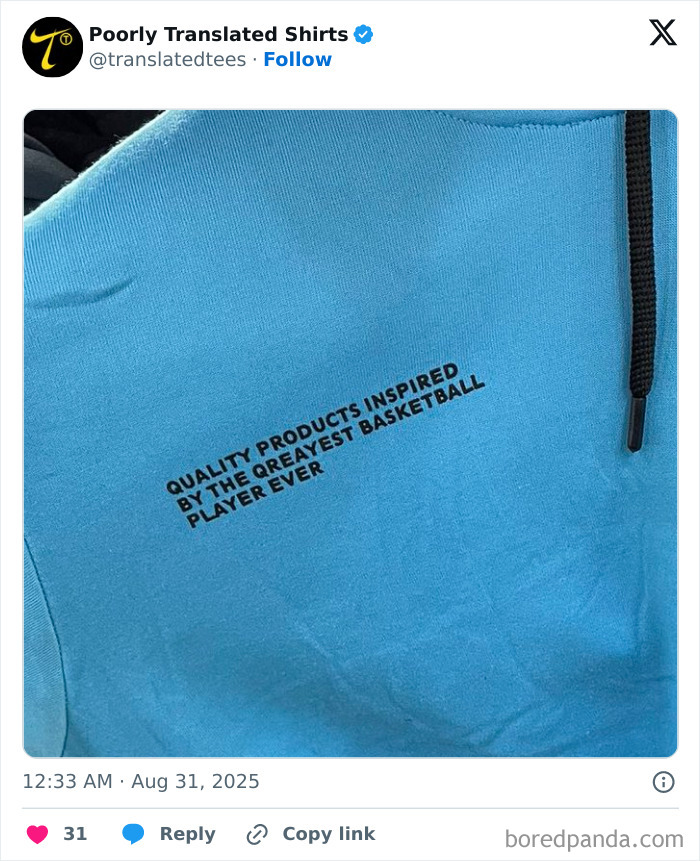
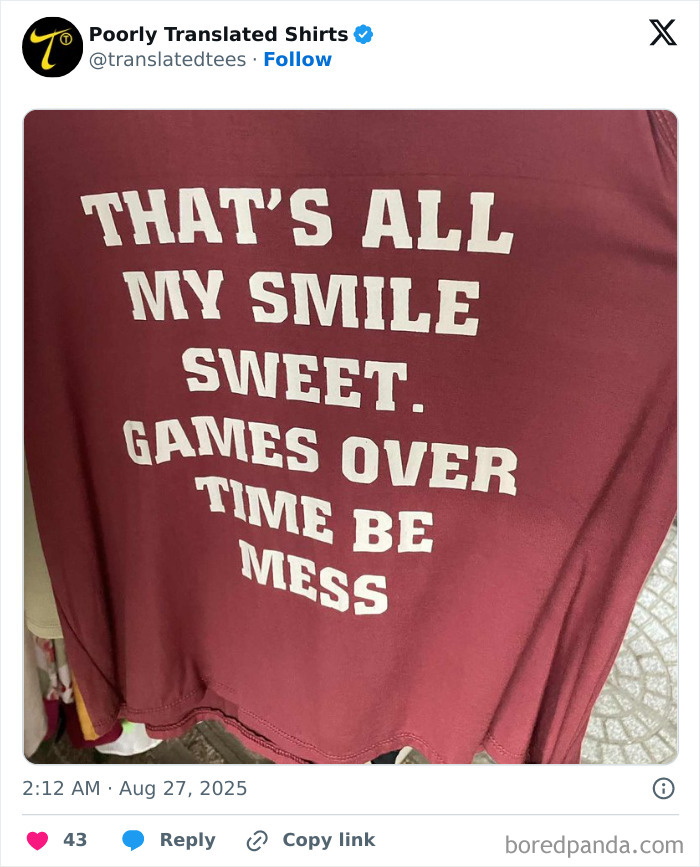
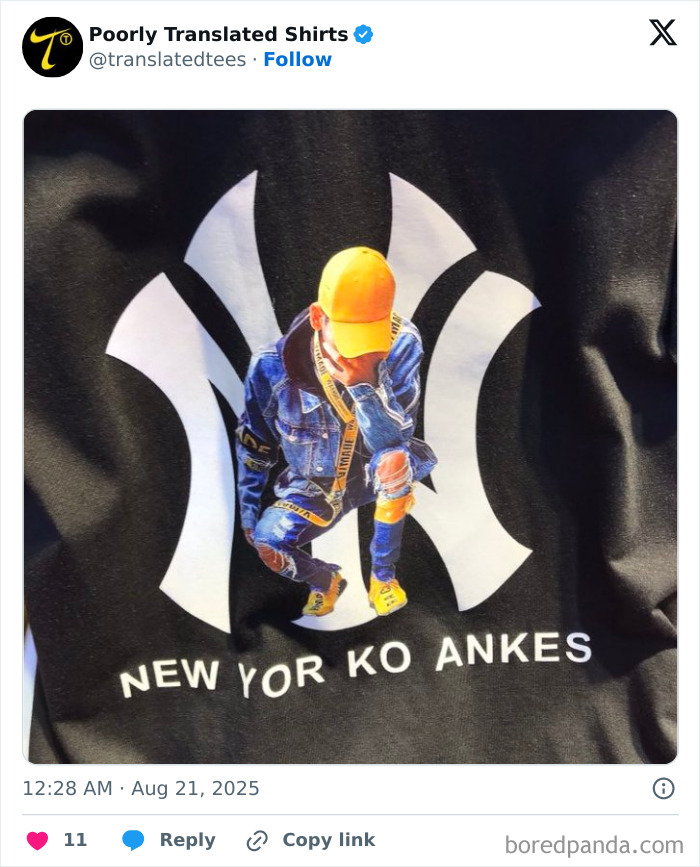
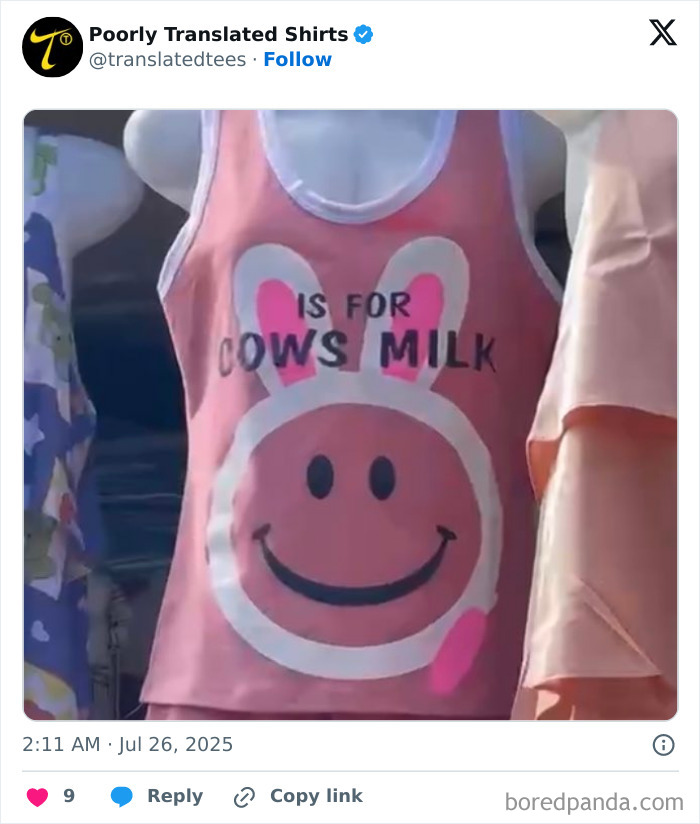
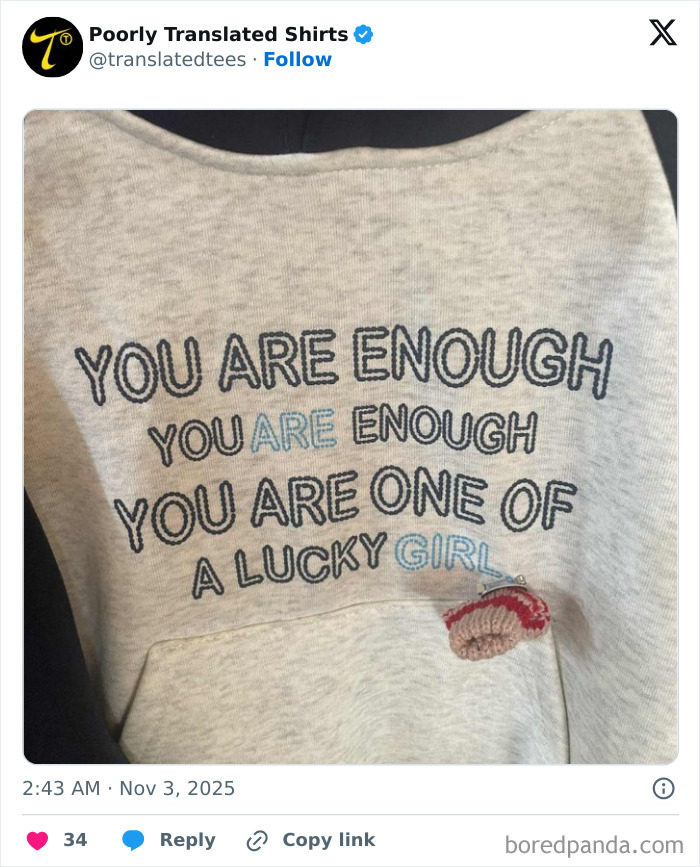
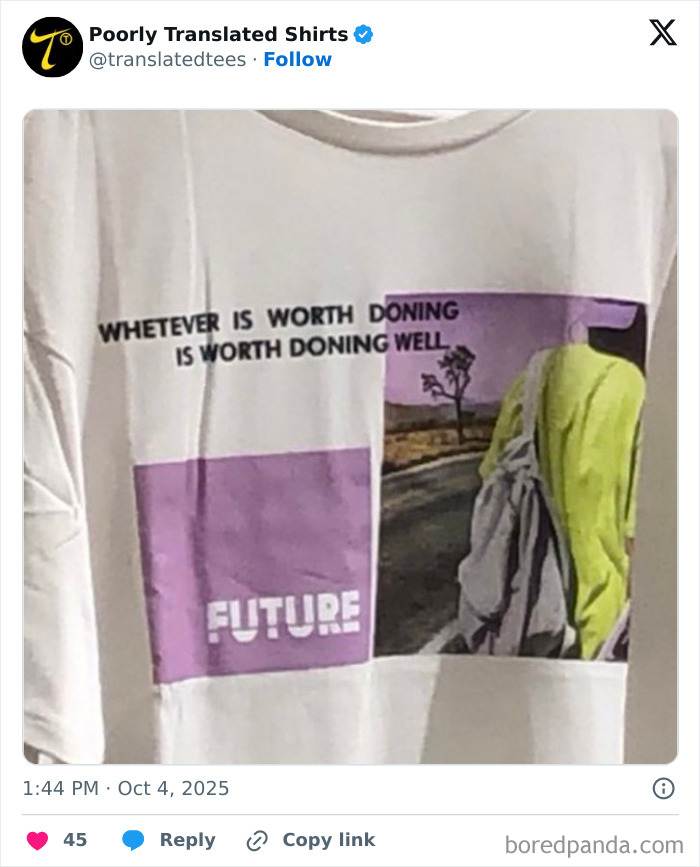
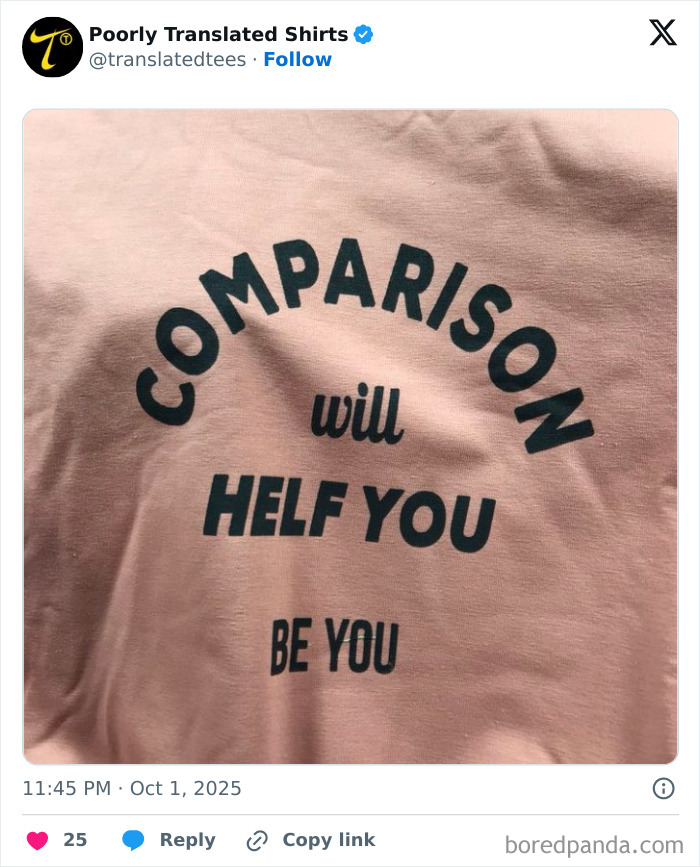
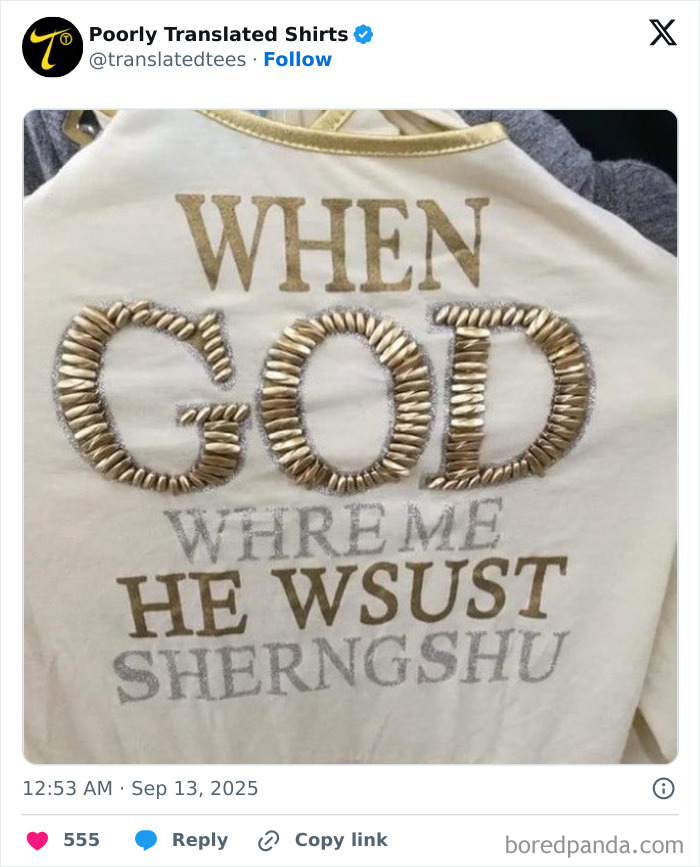
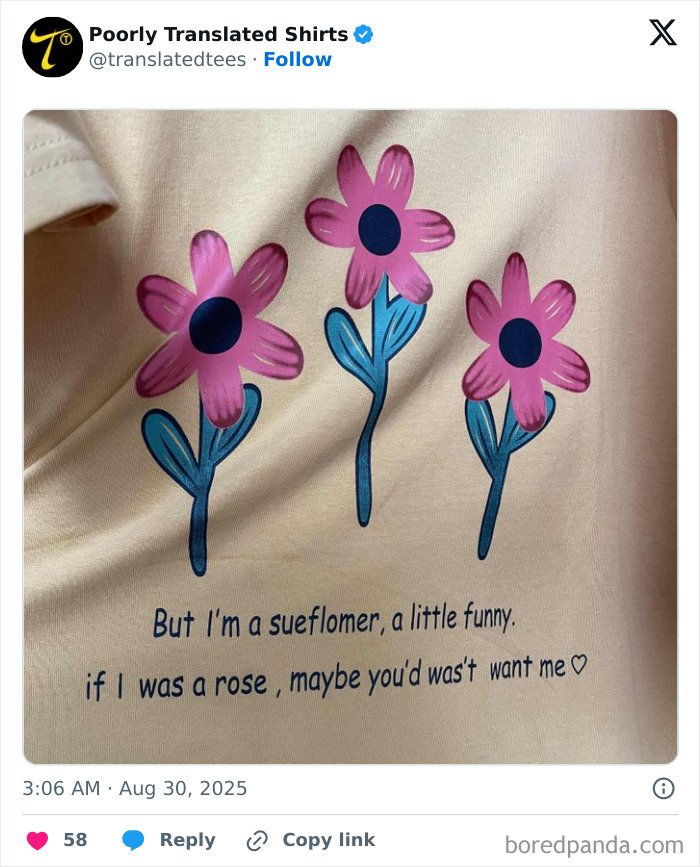
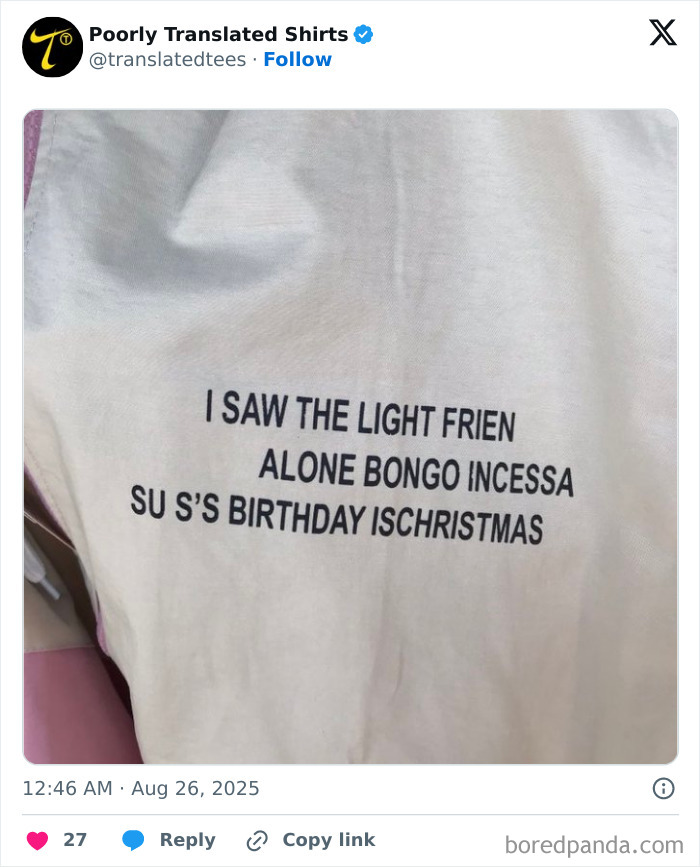
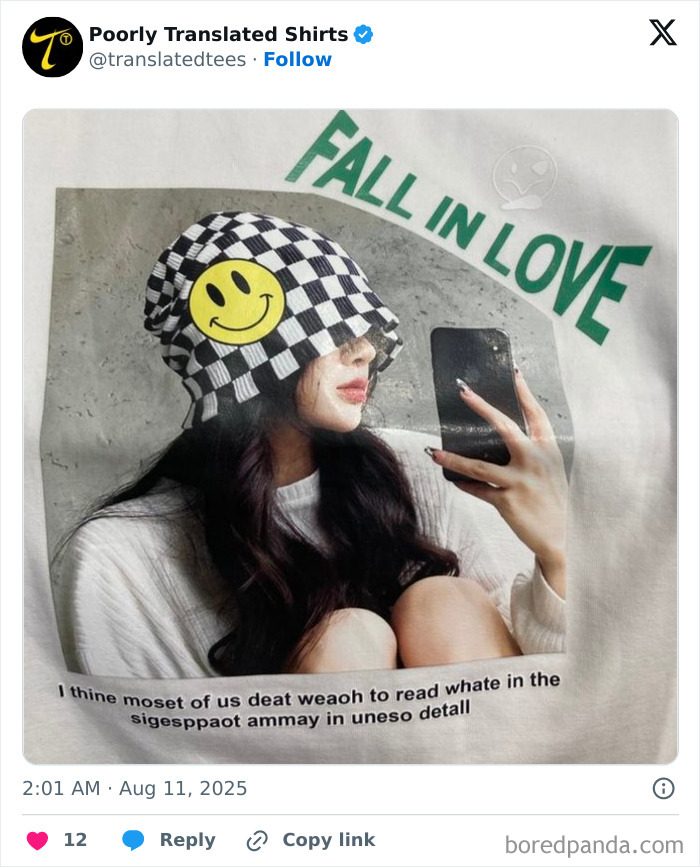
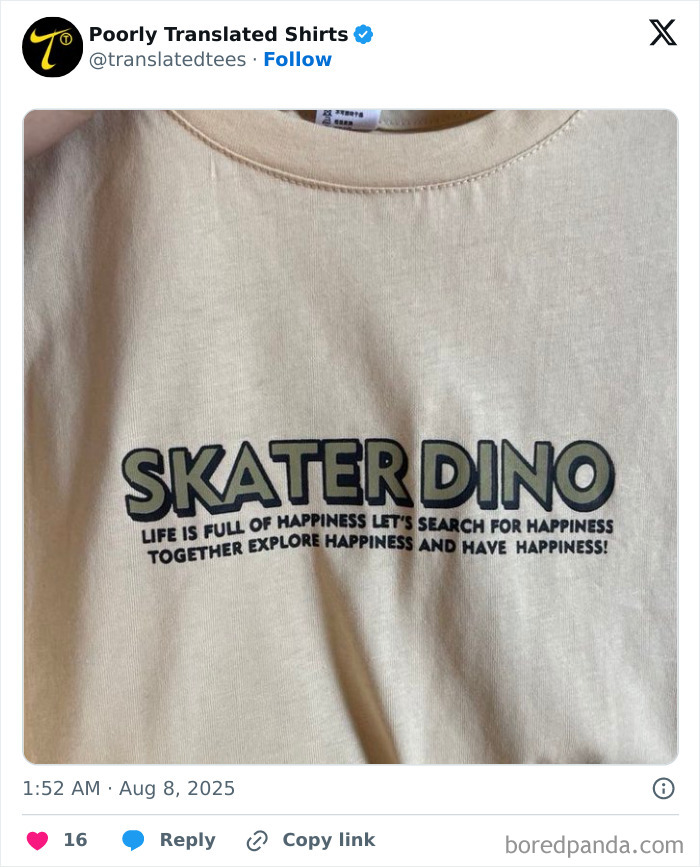
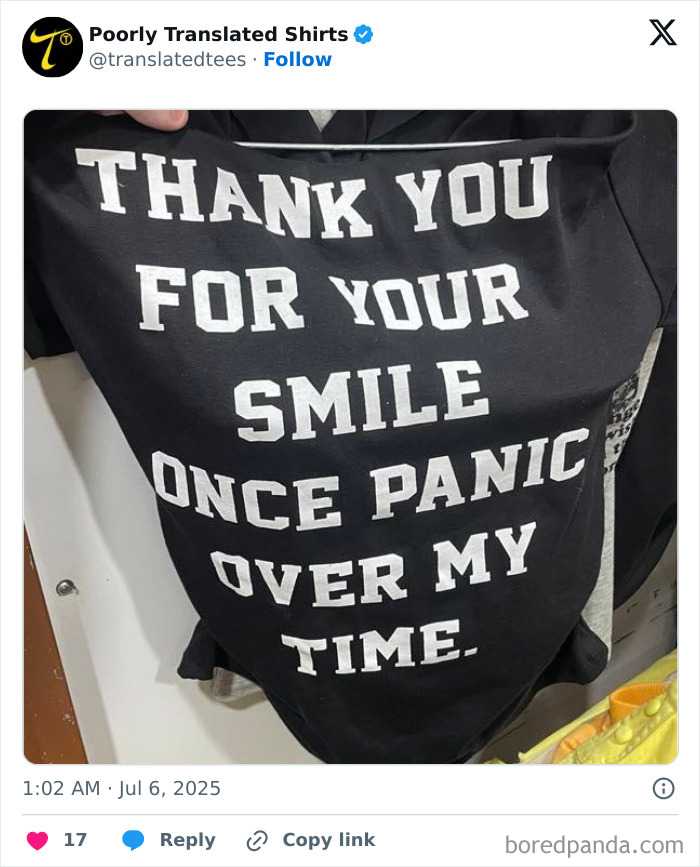
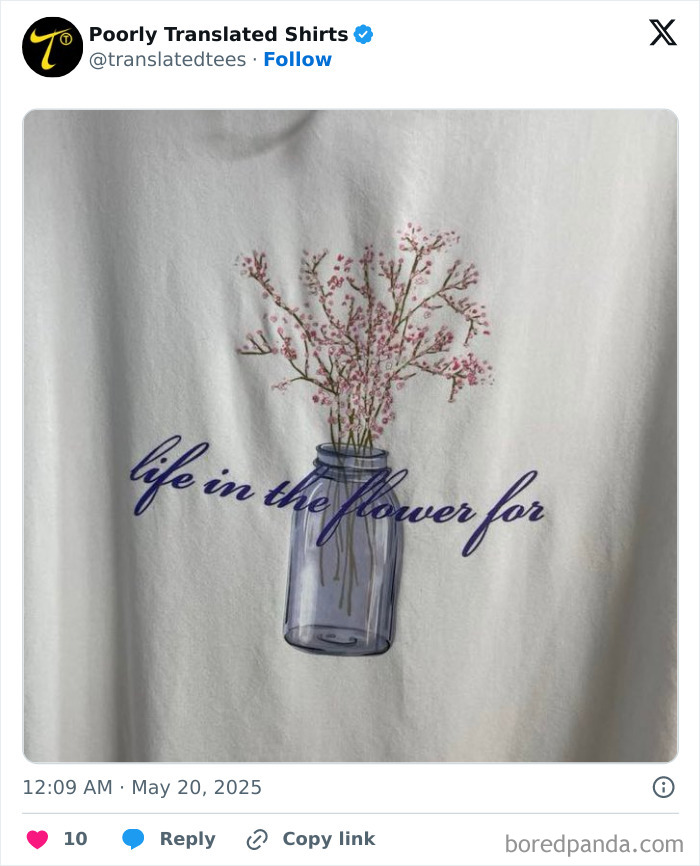
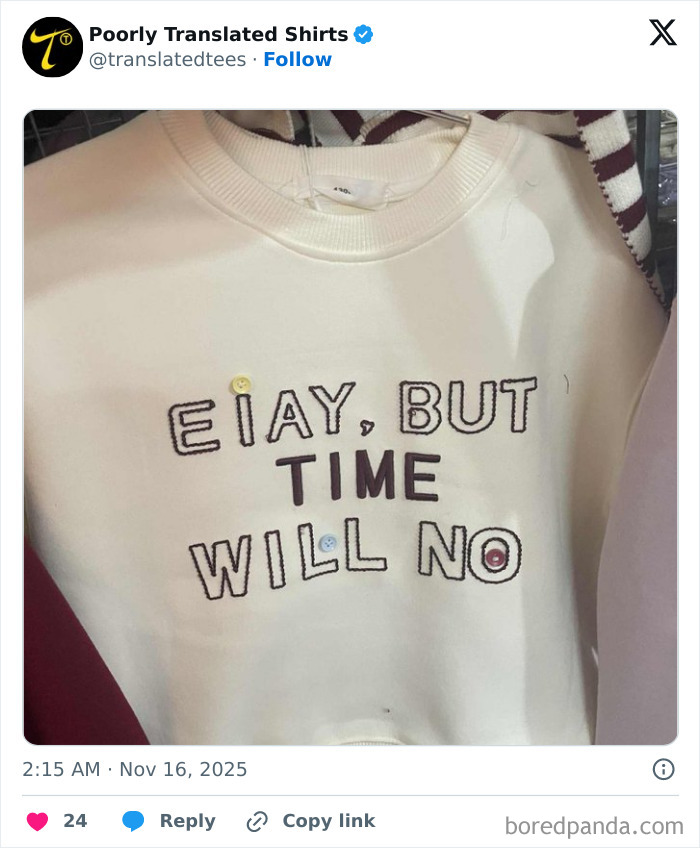
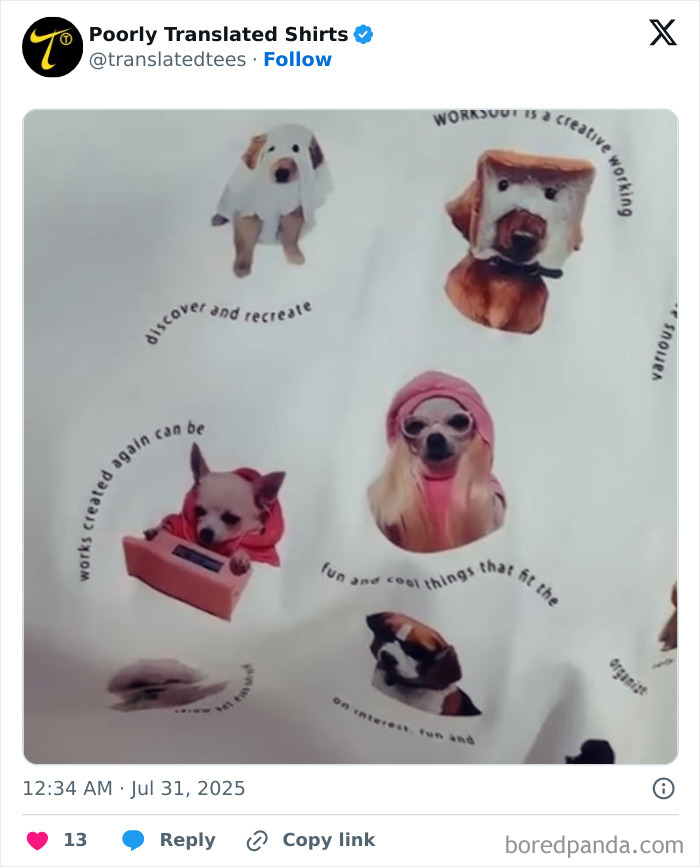
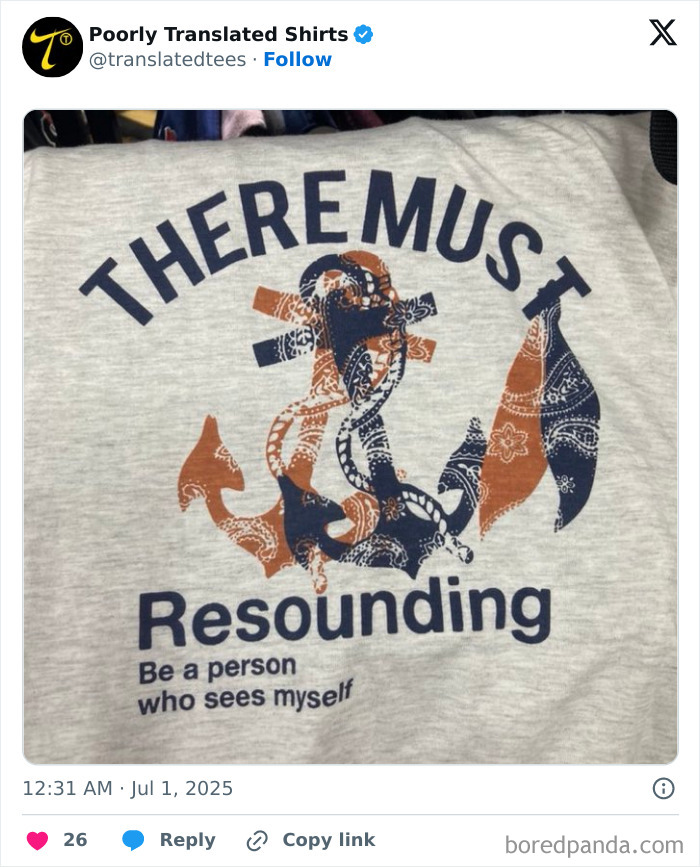
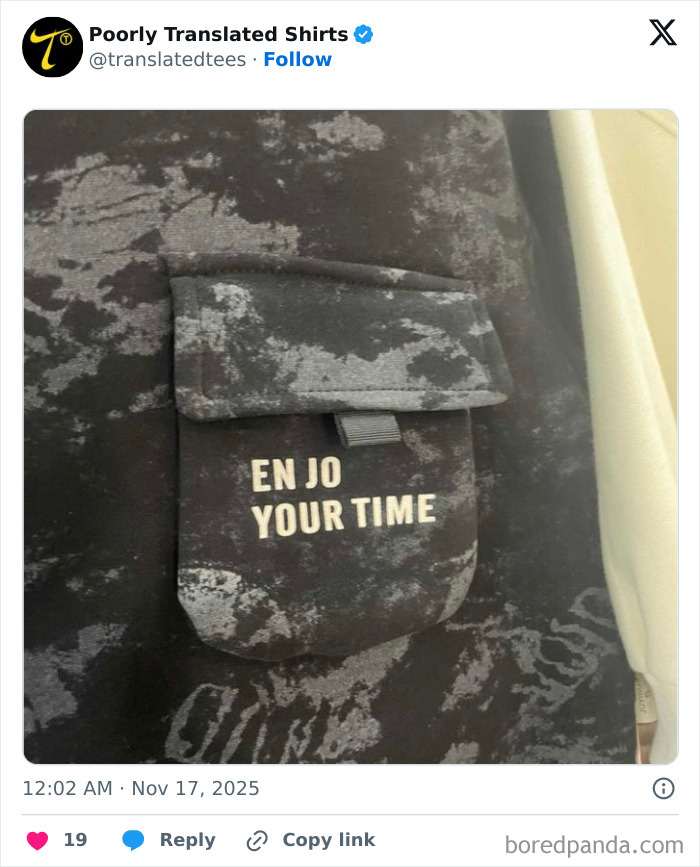
The ‘Poorly Translated Shirts’ social media project features the most ridiculous and funny translation fails, as found on knockoff clothing. We’ve collected some of the most facepalm-worthy errors to bring a bit of humor to your day. Keep scrolling for a good laugh and to feel better about any style or grammar mistakes you’ve made in the past.
This post may include affiliate links.
According to the Organisation for Economic Co-operation and Development (OECD), the global value of trade in fake goods is “staggering.”
It is a massive, persistent issue.
Back in 2021 alone, counterfeit and pirated goods accounted for a jaw-dropping $467 billion worldwide. This was equal to 2.3% of all global imports.
The OECD reports that fake items go beyond just luxury goods and affect all manner of goods. Some of the most common categories of counterfeit goods include things like clothing, shoes, perfumes, spare parts, pesticides, food items, and semiconductors.
Small and medium-sized enterprises are particularly vulnerable to counterfeiting because they lack the resources of larger companies to enforce their intellectual property rights.

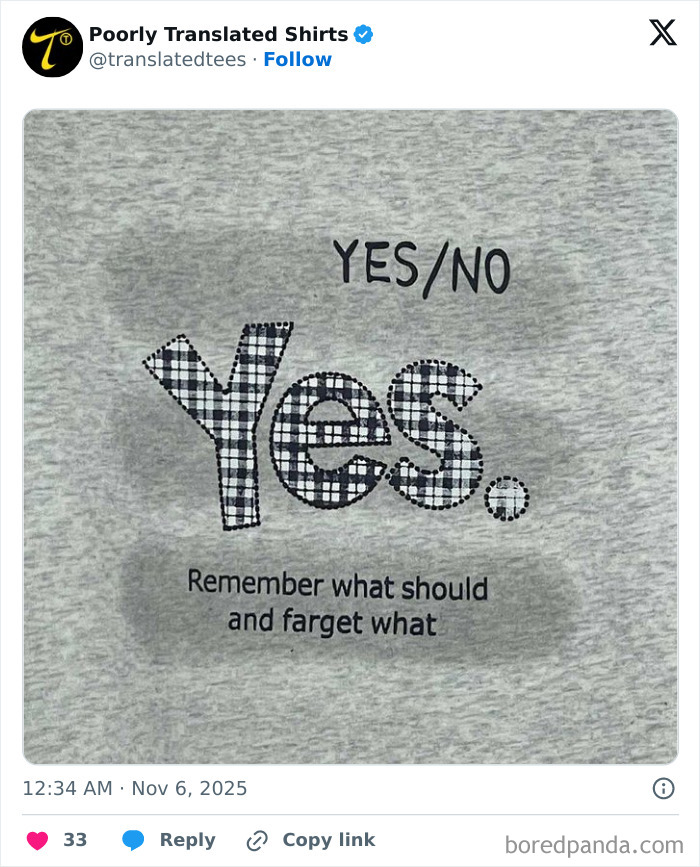
"farget" - what you do with something so far back in your memory that it's hard to get a hold of it. (In honor of Rich Hall's sniglets.)

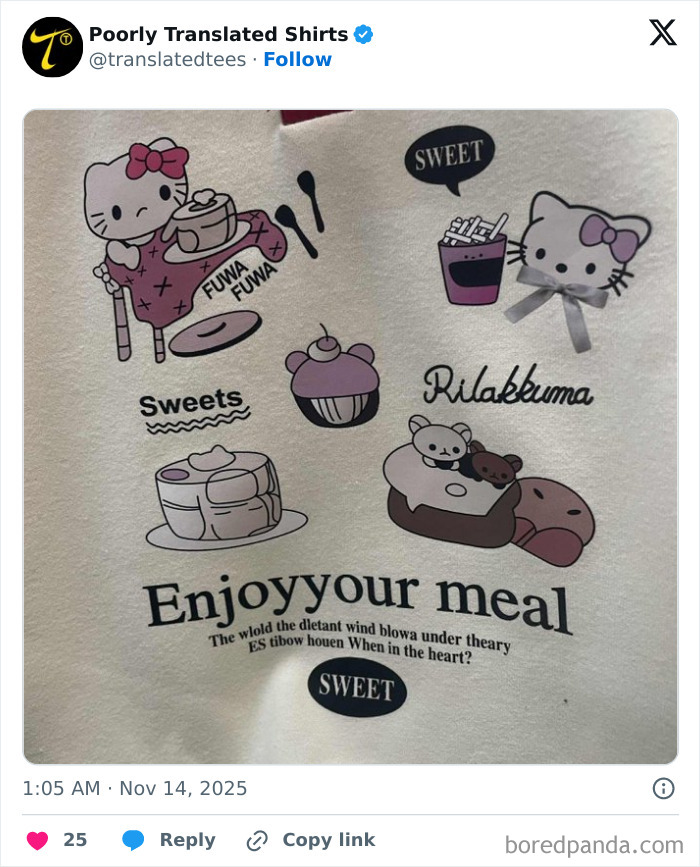
wind blowa under theary. Words to live by. Btw the fuwafuwa might suppose to be fluffy, but with this amount of nonsense, who knows

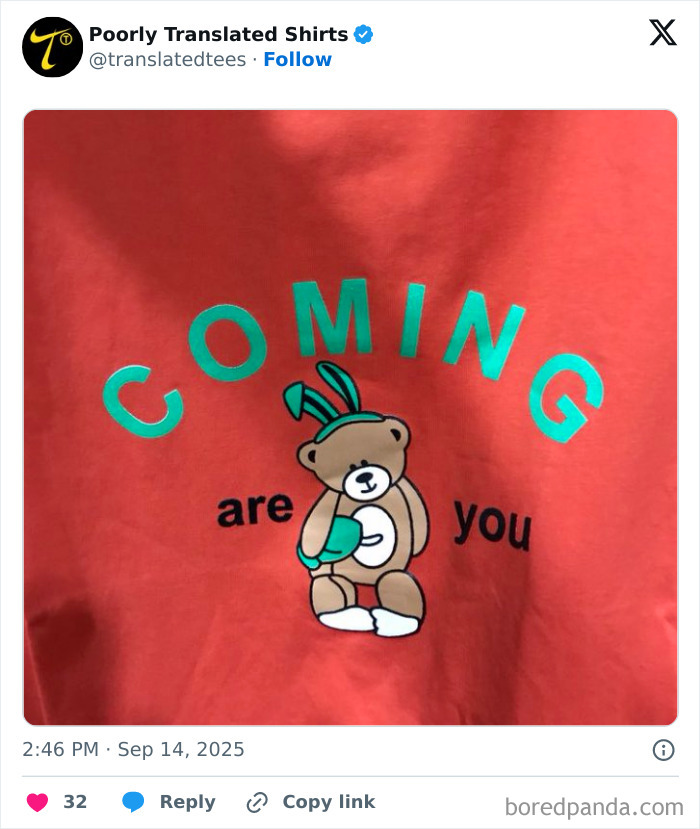
So I googled Rilakkuma, thinking this sounds like it could be the name of a small Finnish town (random, I know, but just... look at the shirt), but it's actually the bear (?) in the bottom right cartoon. It also sports a somewhat concerning resemblance to pedobear.
Yeah, he's the bear in the corner. I... never thought of that comparison, but I don't think I'll be able to unsee it now, so thanks for that 😂
Load More Replies...
According to the OECD, 62% of all seized counterfeit goods in the 2020-2021 period included clothing, footwear, and leather goods. These categories are the most popular choices for faking.
However, counterfeiters are also expanding into new, potentially hazardous sectors, such as making medicines, toys, food, cosmetics, and automotive parts. They pose serious risks to people’s health and safety.

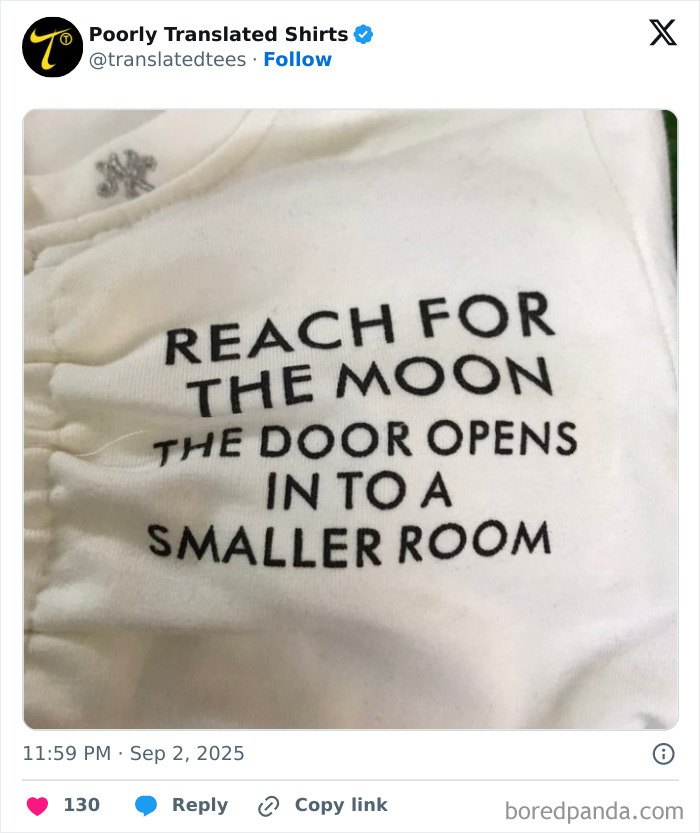
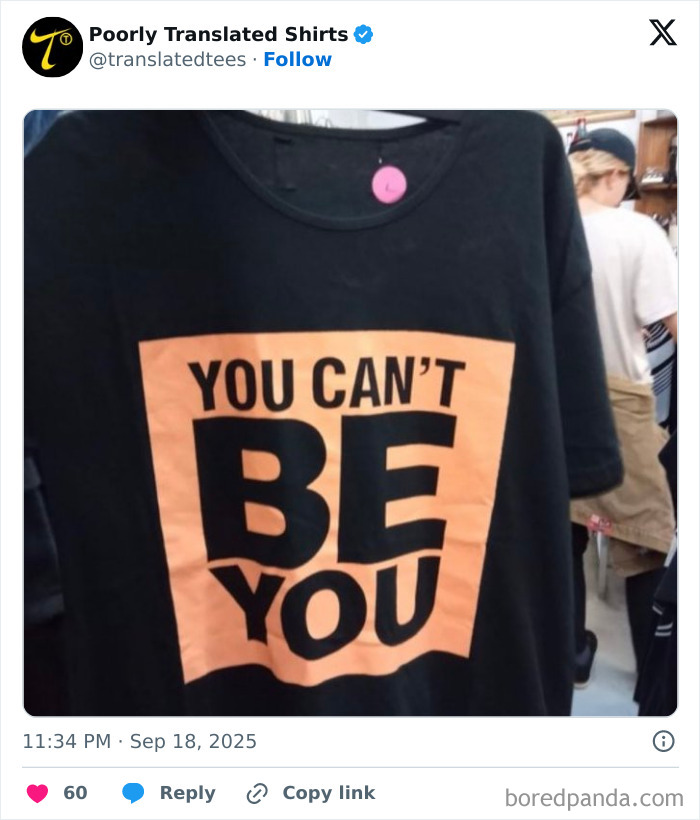
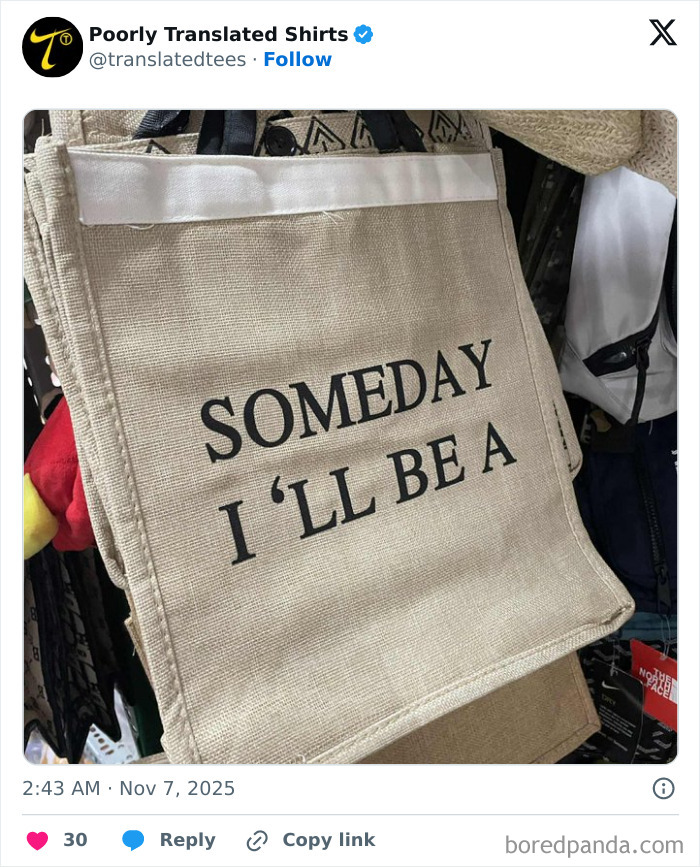
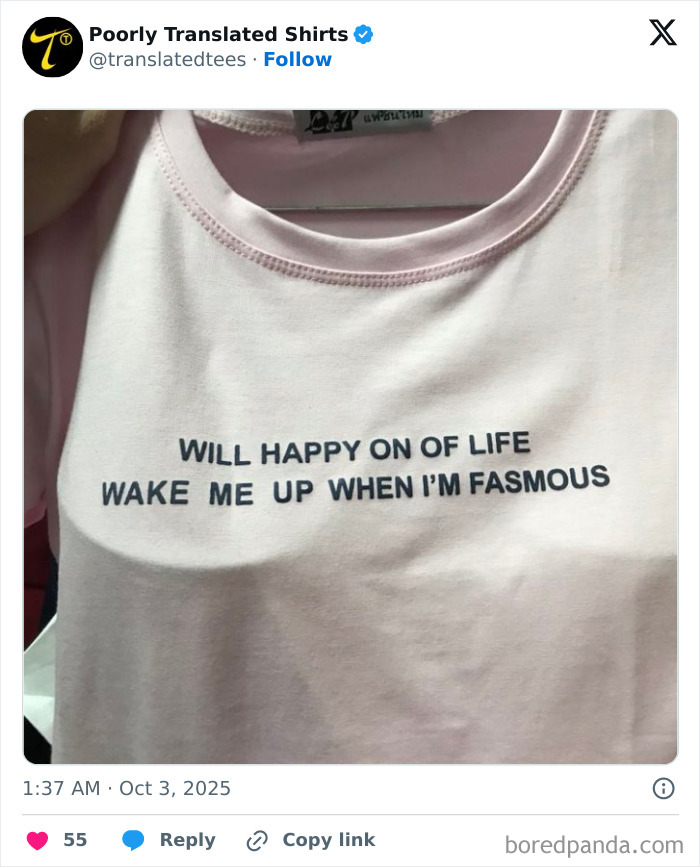
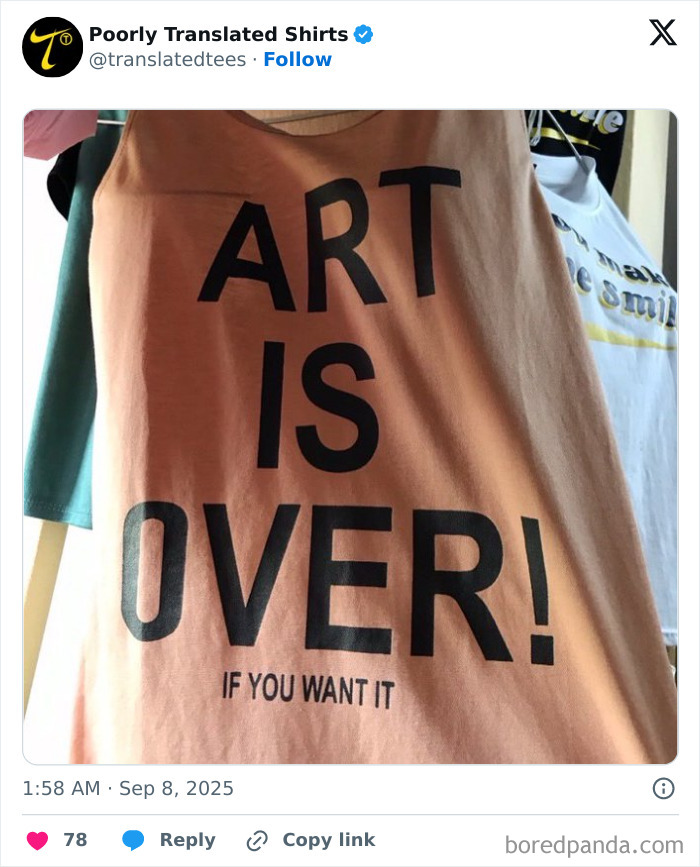
That's okay, the person buying it is free to complete it to reflect their ambition (or lack thereof)
“Trade routes for counterfeit goods are shifting, as criminal networks adopt new tactics to stay ahead of enforcement. Counterfeiters increasingly rely on international waterways and ‘localisation’ strategies—shipping unassembled components or packaging to produce fake goods closer to end markets, making detection more difficult,” the OECD explains.
“They also respond swiftly to consumer demand, producing fake versions of trending products, advertising online, and exploiting less scrutinised distribution channels. In 2020-21, around 65% of seizures involved small parcels and mail, highlighting a clear shift toward fast, low-risk shipping methods that challenge traditional enforcement tools.”
Knockoff goods are, unfortunately, far more widespread than you might think. As reported by Statista, a whopping two-fifths of American consumers may have purchased counterfeit luxury items before, whether intentionally or otherwise.
A similar number may have bought knockoff goods in the United Kingdom, while in Germany, the number may be as big as 50%.
Many consumers aren’t very open about buying luxury counterfeit items, and are likely to want to avoid the topic altogether. That being said, attitudes toward these items might be changing.
“Fakes, counterfeit products, or knock-offs are shedding their previously undesirable image and are making a comeback as highly sought-after dupes,” Statista states.
As per Statista, around two-thirds of Americans who know what dupes (duplicates) are have bought them before. In a nutshell, dupes and knockoffs are essentially the same. They’re copies of popular branded or luxury products that you can buy much cheaper. The main difference is that often, dupes are legal products. They don’t copy brand names or logos. However, not everything is above being shady here.
I tried that once.....................passed gas for a week after:)
The issue is that many dupes can infringe upon intellectual property. They might be “breaking the rules if they copy a unique design too closely. The same is true about marketing something specifically as a dupe,” Statista explains.
Based on the findings by Statista Consumer Insights, of the American consumers who had said they’d purchased dupes, 28% admitted that they bought apparel.

Furthermore, 27% of US respondents who admitted to buying dupes said they bought handbags, 26% bought footwear, 23% bought fragrances, 21% bought skincare products and accessories, and 19% bought color cosmetics. However, a whopping 34% of dupe-buyers said they purchased items that were none of these categories.
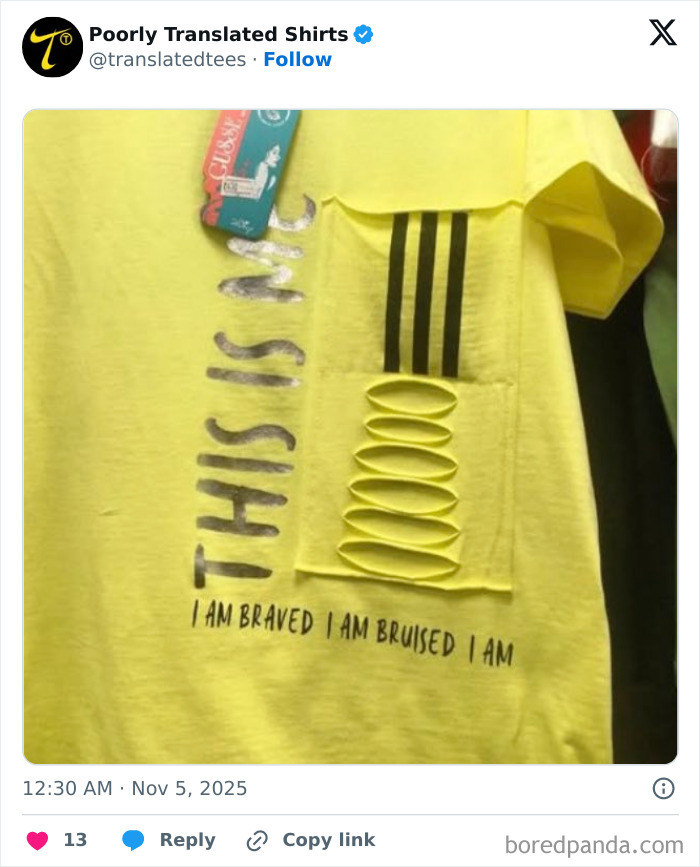
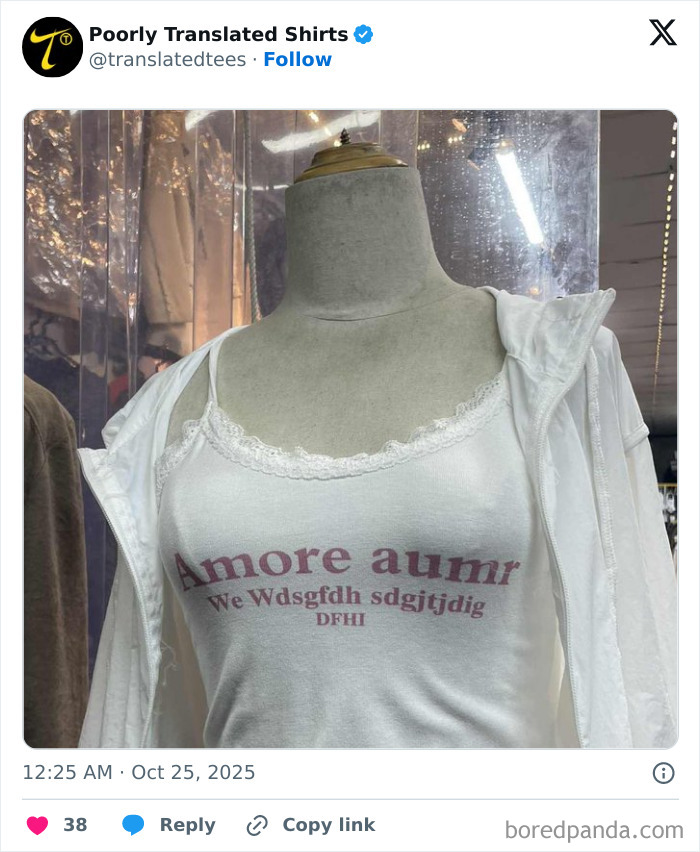
I am I said....I am said I; and no one heard at all, not even a sigh!
The ‘Poorly Translated Shirts’ Instagram account has been up and running since 2020 and, at the time of writing, has 19.6K followers.
Meanwhile, the creator of the project has been amusing internet users on X (formerly Twitter) since 2022, proudly wearing the tagline “lost in translation, found across the world.” Currently, 156.4k people follow the account on the social network.

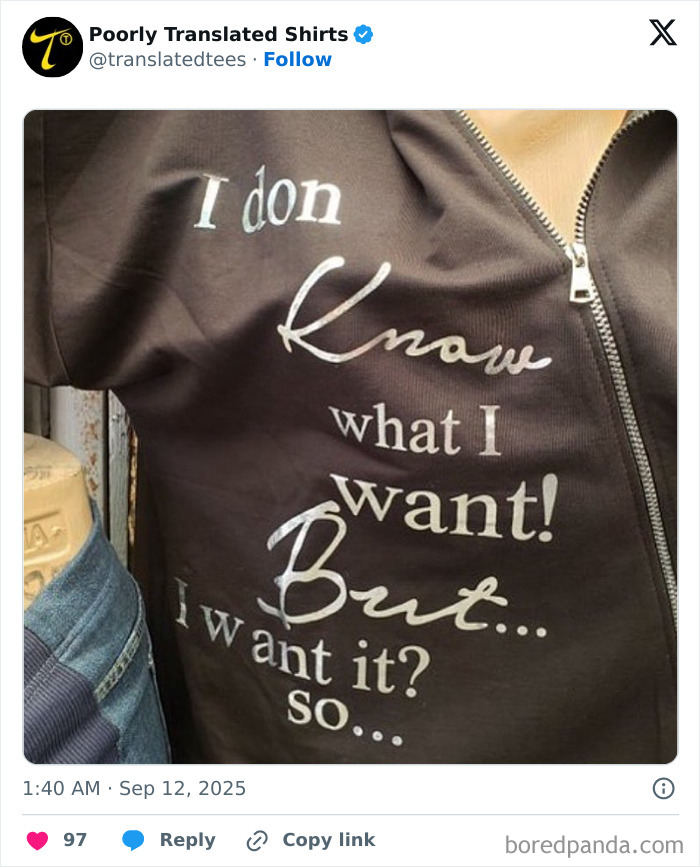
I know what I want. 🎼 I want it all, and I want it now! 🎶
We’d like to hear your thoughts about these counterfeit disasters, Pandas. Which of these translation fails made you laugh the most? Which ones were so bad that they even made you cringe?
Which ones do you think would make your former English teachers facepalm the hardest, and why? Share your opinions with us in the comments at the bottom of this list.


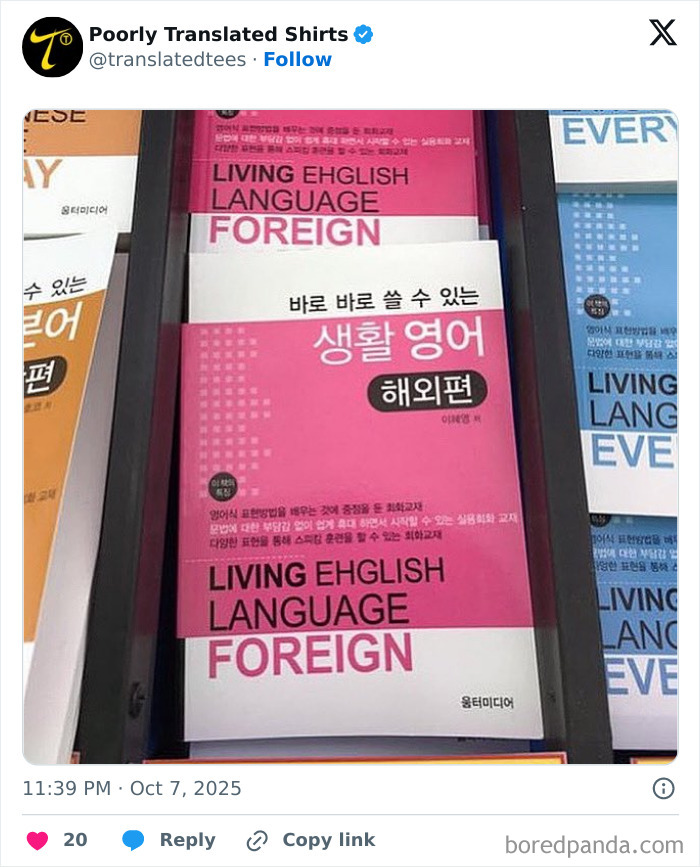
I've taught ESL, IELTS, TOEFL for over 15 years in China, The Philippines and later Vietnam. The Korean language schools buy six or so copies of original books. then they send them to a book printer that disassembles them, scans them for a digital version, then mass produce pirated copies. Many times the pages are out of order. Also, even the work from the original books are 15% to 25% incorrect
How can you have unexpected surprises when everything can be expected? Enquiring minds want to know!
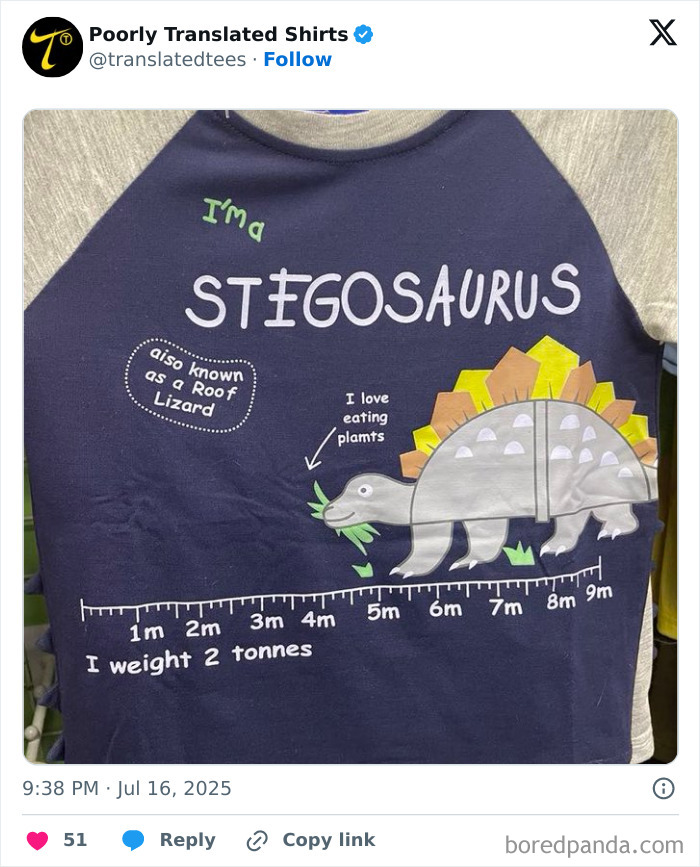
Absolutely! I'm not certain about the skating dinosaur, but whatever...
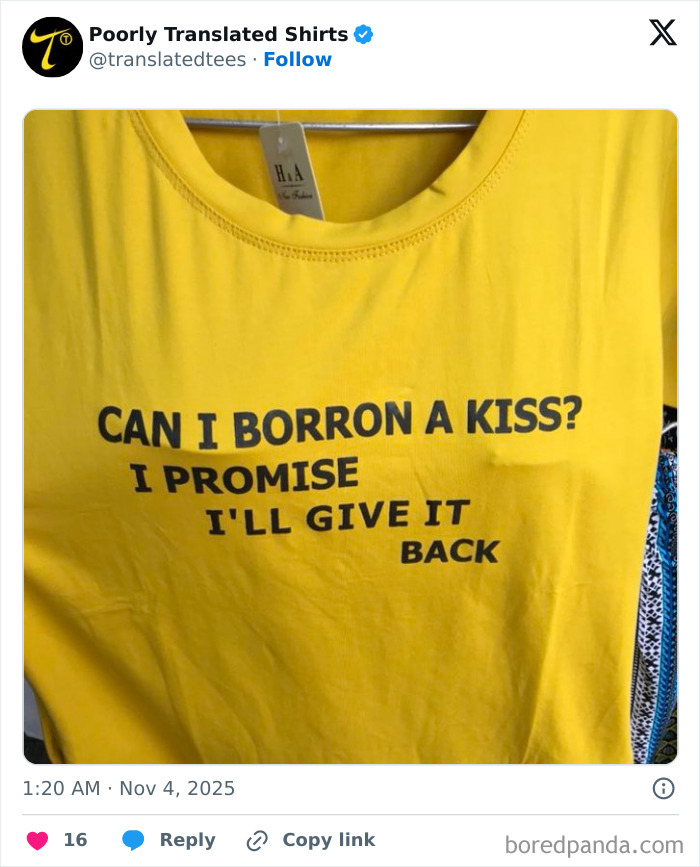
So very close to being an introvert shirt: Somebody smiled at me, thank you but aaaargh! 😂
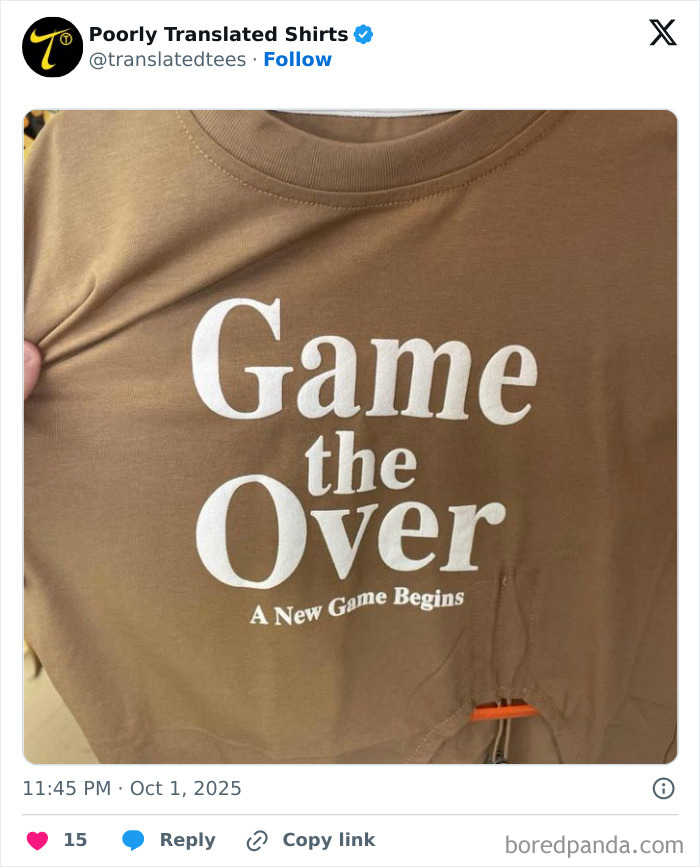
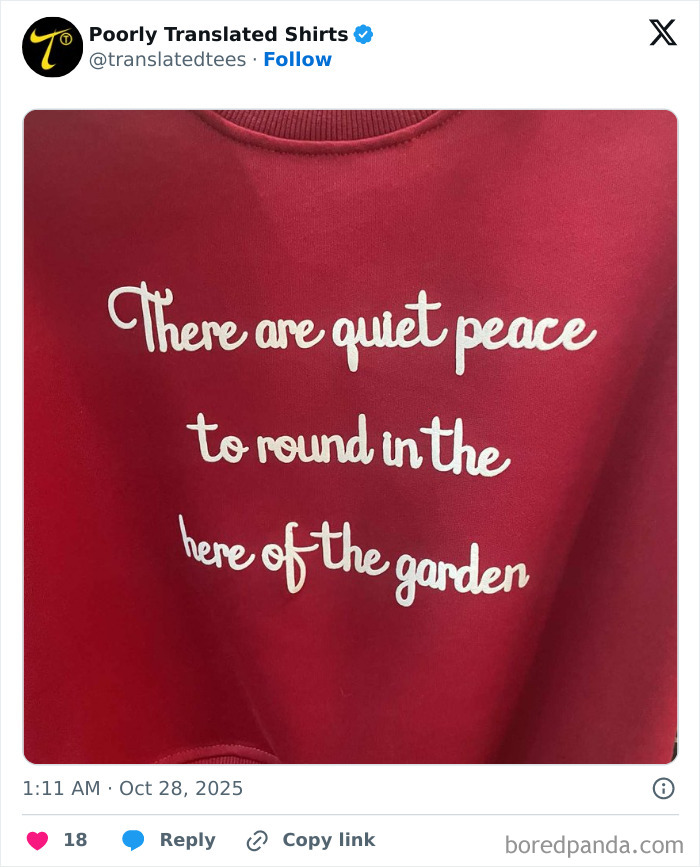
The here of my garden 🌼 is where I like to read, unless it is too hot/bright/sunny there the over there of my garden 🌳 is better.
I wonder if they are laughing at all the bad chinese and japanese tattoos people have in the west


"I don't have original thoughts, so I wear slogan t-shirts." ~ spotted in the wild

I would much prefer to wear clothing with these on than the usual. For I am imp erfet.
The T-shirt writers' English is still far better than my [Japanese | Korean | Chinese].



I wonder if they are laughing at all the bad chinese and japanese tattoos people have in the west
"I don't have original thoughts, so I wear slogan t-shirts." ~ spotted in the wild
I would much prefer to wear clothing with these on than the usual. For I am imp erfet.
The T-shirt writers' English is still far better than my [Japanese | Korean | Chinese].







 No fees, cancel anytime
 then open in external browser

 and click "Open in External Browser"