Get Premium
Dark mode theme is available exclusively for premium users. Learn more about the benefits of subscribing.
No fees, cancel anytime.

 Dark Mode Ad-Free Browsing Unlimited Content
 Ad-Free Browsing Unlimited Content Dark Mode
Join 1.2 million Panda readers who get the best art, memes, and fun stories every week!
As passengers, we all hope that the people keeping our plane in the sky take their jobs seriously. And, of course, they do. But that doesn’t mean those who work on board can’t have a laugh about it. After all, a little fun makes even long-haul days easier to handle.
That’s where the Instagram page Aviation Humor comes in. It’s filled with posts that perfectly capture life above the clouds, from relatable crew moments to the quirks of those traveling with them. Scroll down to see their funniest memes and don’t forget to upvote your favorites.
P.S. You don’t have to be an expert to enjoy them—if you love everything about flying, you’ll feel right at home.
This post may include affiliate links.

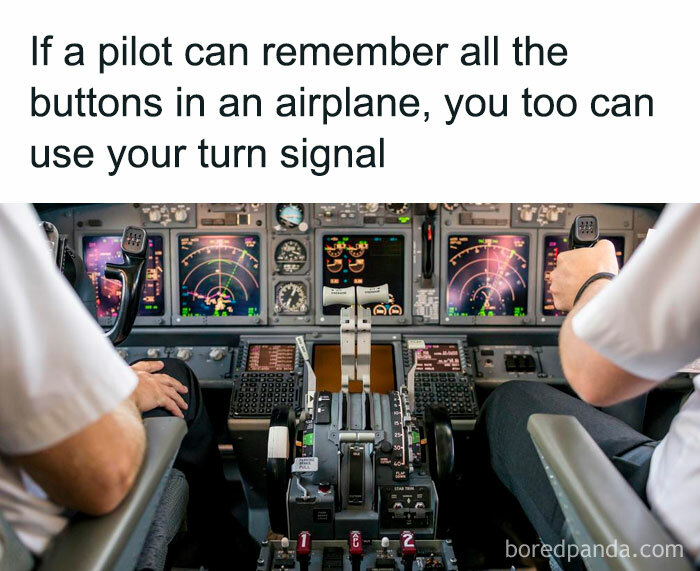
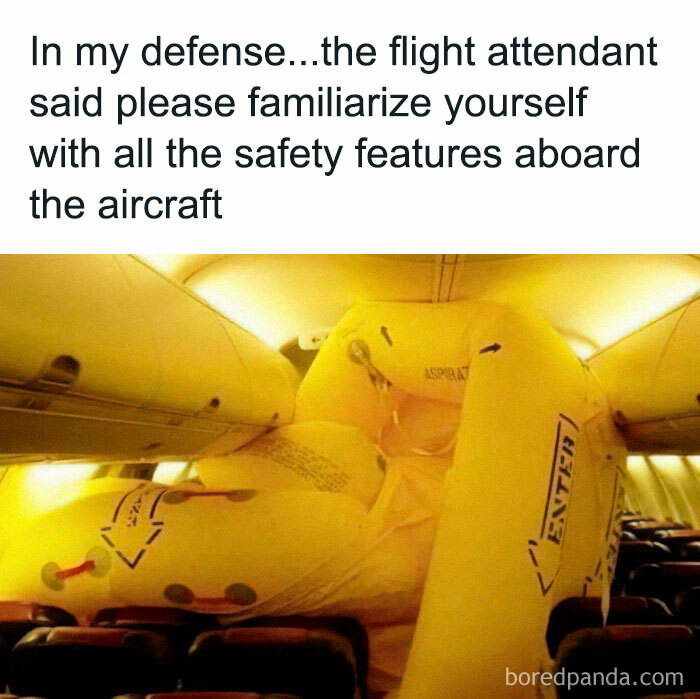
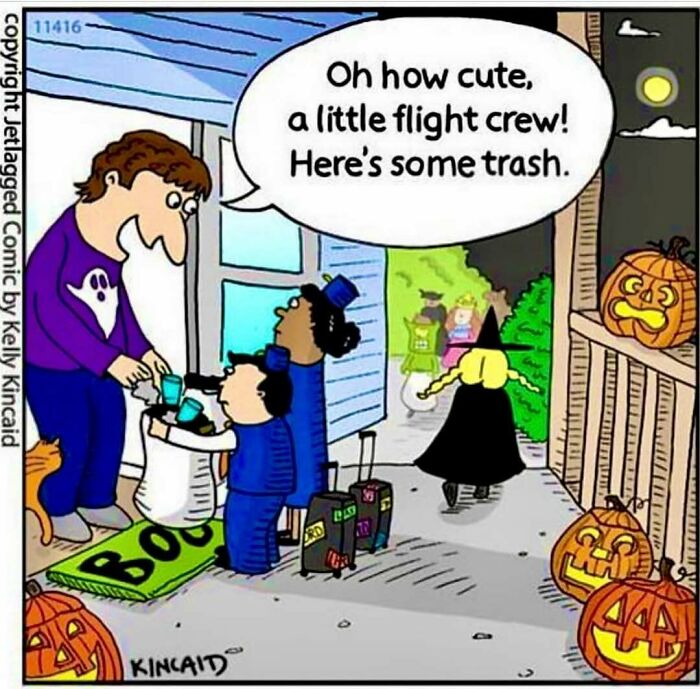
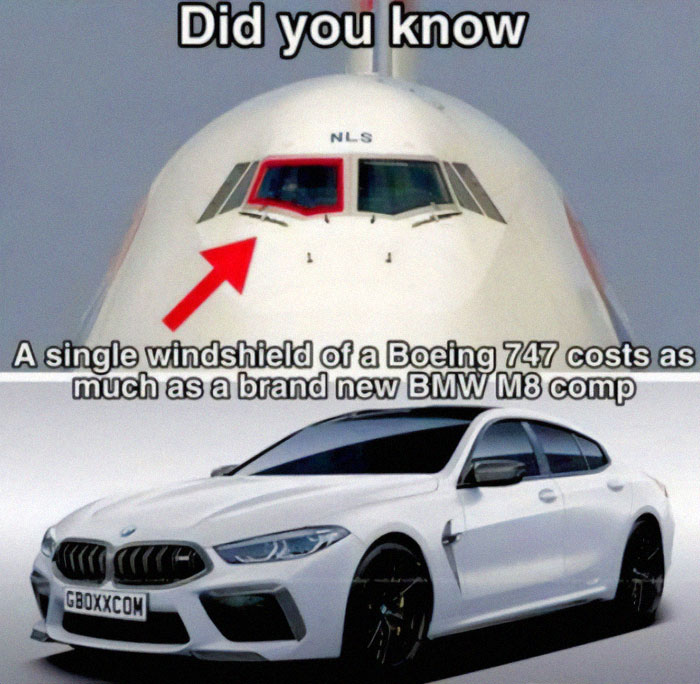
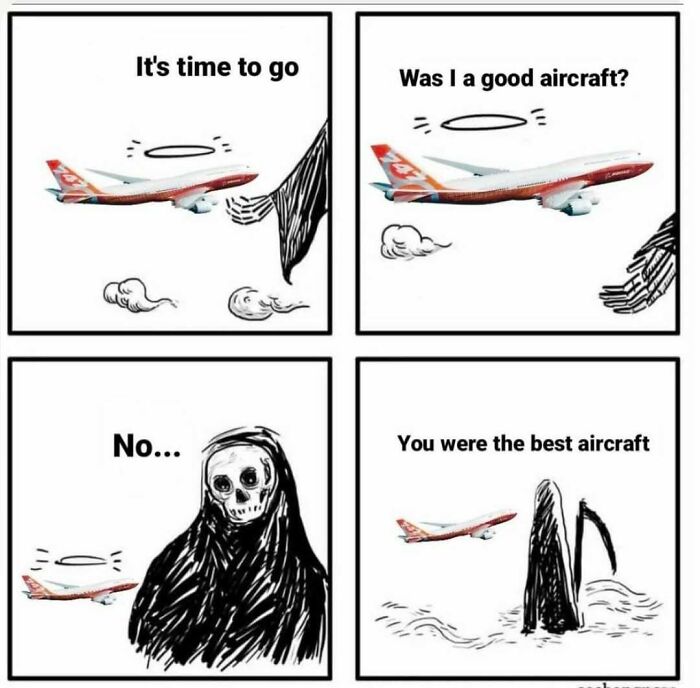
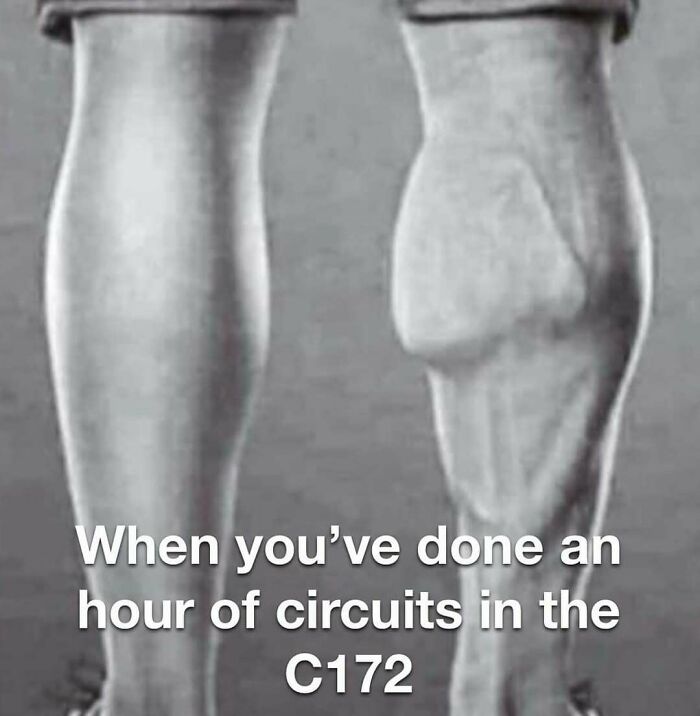
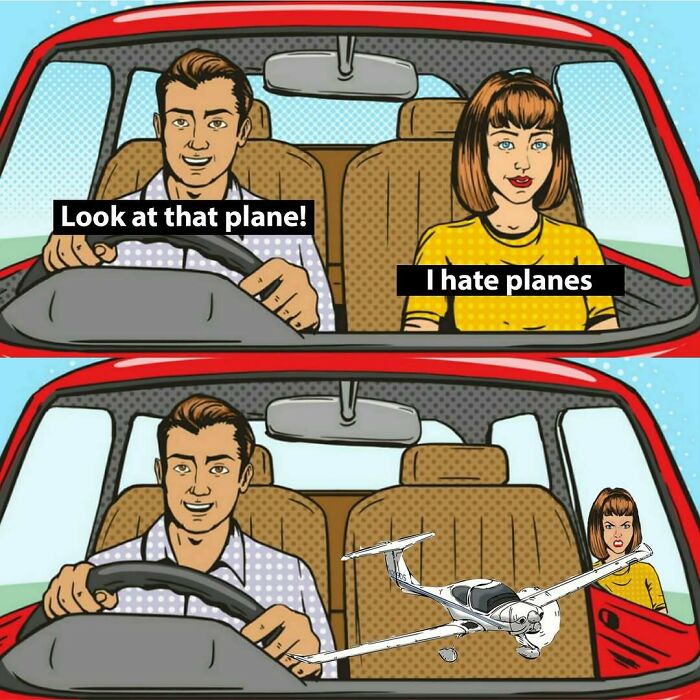
Never has a meme more accurately reflected the feeling when you realize you've just done this. Give that OP an Academy Award!
Isn’t it kind of mind-blowing that humans, who can’t even flap their arms fast enough to leave the ground, somehow figured out how to soar thousands of meters into the sky?
Today, flying feels so routine that we barely think twice about it. Planes take off, people sip their tiny coffees, and a few hours later, they’re across the world. But it wasn’t always this simple or safe.
Before commercial flights and low-cost airlines, there were centuries of wild ideas, daring experiments, and, yes, a few painful landings. The dream of flight is as old as civilization itself, and the story of how it turned from myth to everyday life is nothing short of extraordinary.
The very word aviation has poetic roots. It comes from the Latin avis, meaning “bird,” and the suffix -ation, which implies action or progress.
It was coined in 1863 by a French pioneer named Guillaume Joseph Gabriel de La Landelle, who literally wrote the book on air navigation, long before we had any planes to navigate.

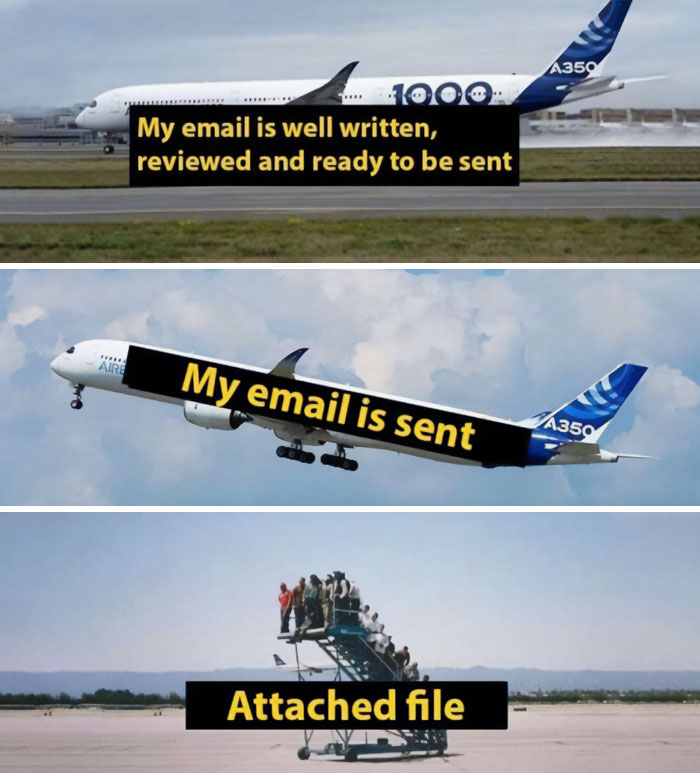
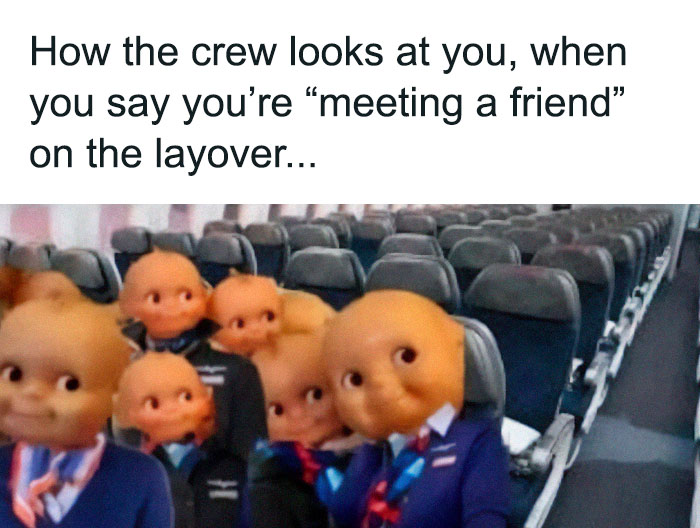
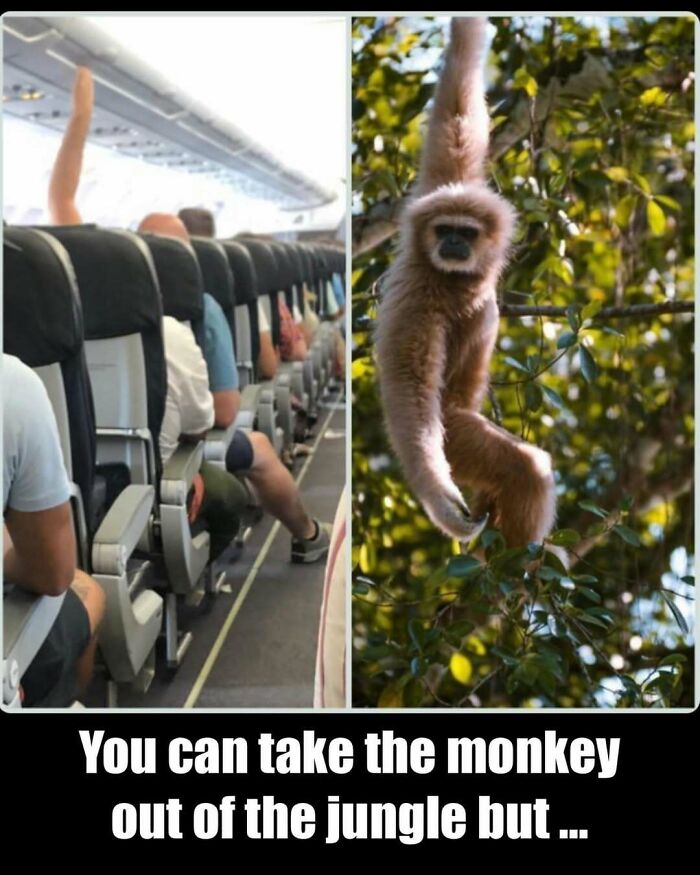
Stay expressionless if you want it to go faster!
Still, people’s fascination with flight goes back much further. Thousands of years ago, people in China were flying kites, experimenting with air currents, and studying how the wind behaved.
Elsewhere, ancient stories told of people trying to lift themselves off the ground. One of the most famous is the Greek tale of Daedalus and Icarus, the father and son who made wings out of feathers and wax. It didn’t exactly have a happy ending, but it showed just how far people were willing to go to understand the skies.
This is me every time I fly. I'm not on a no-fly list, but I'm pretty certain I'm on a "make him run" list.
And then came the real-life attempts. Around the 9th century, Abbas ibn Firnas, a scientist from Córdoba, Spain, decided to make flight happen himself. He covered his body in feathers, strapped on wings, and actually managed to glide for a short distance.
Unfortunately, the landing didn’t go very well—he forgot to build himself a tail to slow down. A few centuries later, Eilmer of Malmesbury, an English monk, tried something similar and had the same result. Gravity, as it turned out, wasn’t easy to beat.

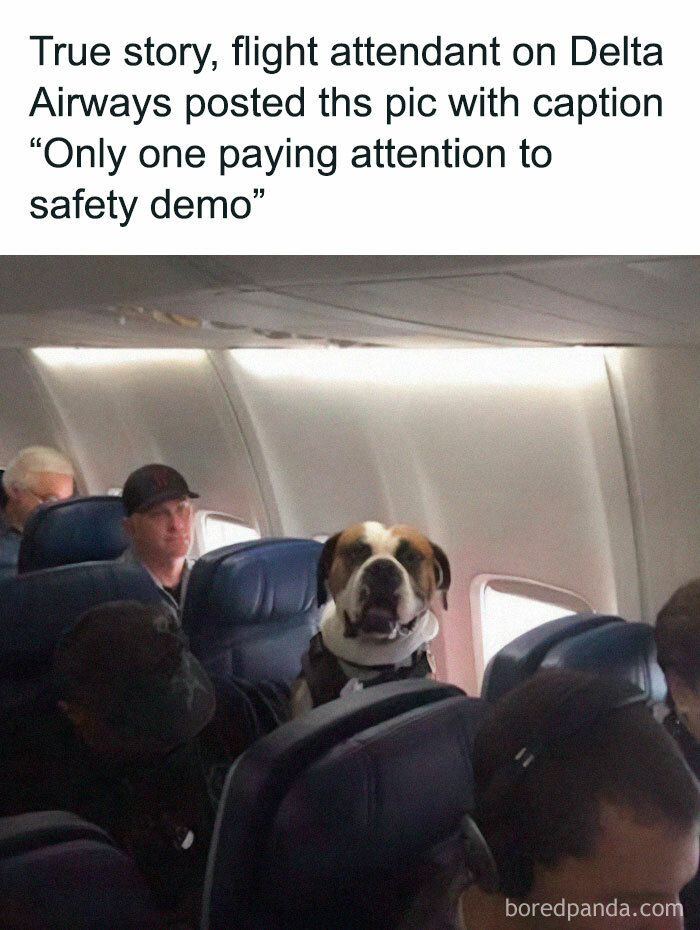
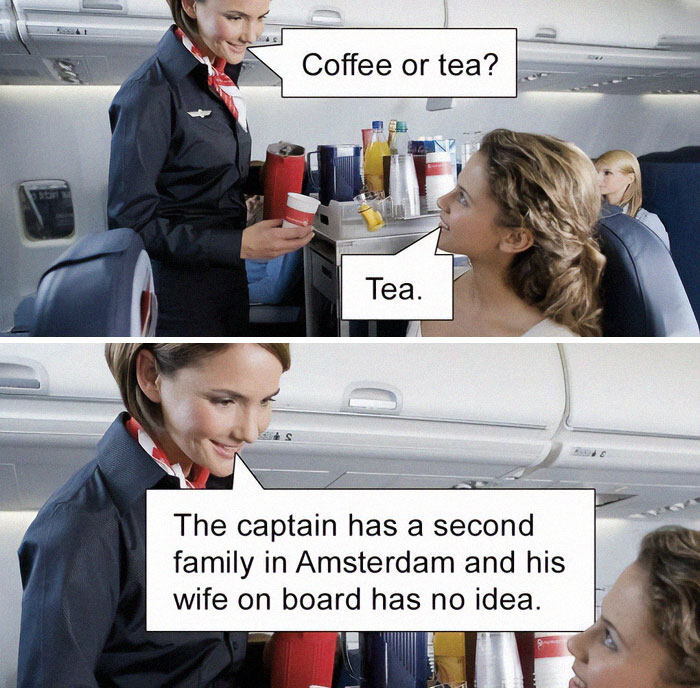
"But what he also doesent know, ive arranged for Amsterdam family to meat him at destination.."
The first true success in getting off the ground came from the Montgolfier brothers in the 18th century. Their invention, the hot air balloon, finally allowed humans to rise into the sky.
At almost the same time, hydrogen balloons followed, and scientists began uncovering the physics behind flight. Sir George Cayley, often called the “father of aerodynamics,” figured out the principles of lift and drag, laying the groundwork for everything that came next.
By the 19th century, inventors everywhere were experimenting with gliders, steam-powered contraptions, and early prototypes that barely stayed airborne. Otto Lilienthal in Germany made more than 2,000 glider flights, while Sir Hiram Maxim’s flying machine actually lifted off the ground, though control was another story.
These early dreamers set the stage for the two brothers from Dayton, Ohio, who would change everything.
In 1903, Wilbur and Orville Wright achieved what no one else had before: controlled, powered flight. Their plane, the Flyer, might look simple by today’s standards, but it was a miracle of design.
Just a few years later, planes evolved rapidly—by 1909, aviation pioneers were experimenting with new materials, building floatplanes, and even using aircraft for communication and military observation.

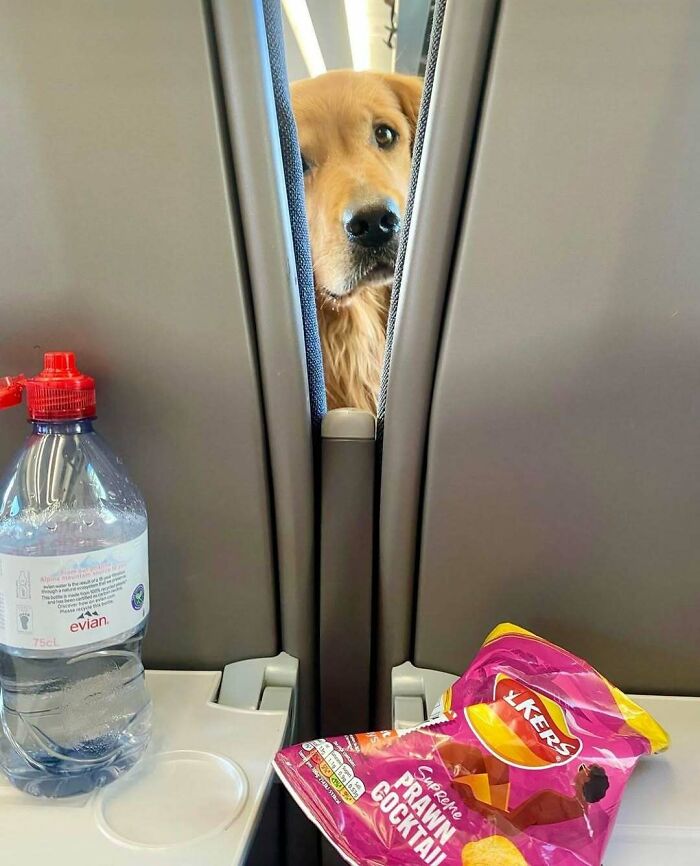
The bare bones flights are rudimentary, but, we got an Allegiant flight from Toledo to Ft Walton, round trip for $150 each.
From there, aviation took off, literally and figuratively. Airships, like those designed by Ferdinand von Zeppelin, ruled the skies for long-distance travel until the 1930s, when large flying boats began crossing oceans.
After World War II, land-based planes and jet engines took over, making air travel faster and more accessible than ever before.

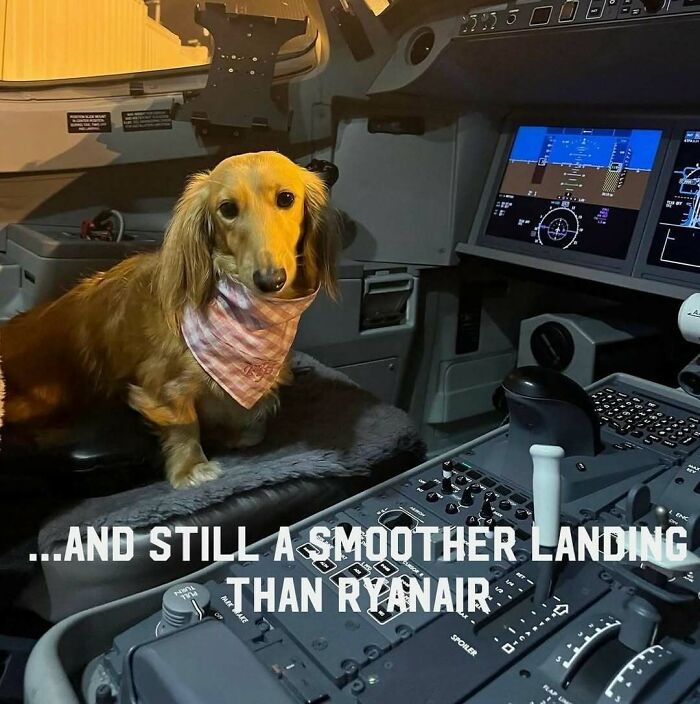
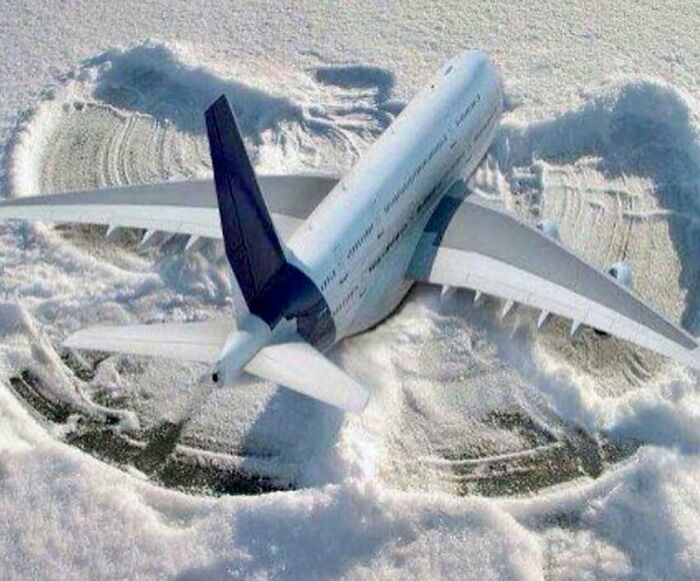
If I remember correctly, hard landings though uncomfortable tend to be far safer than soft landings due to something in physics relating to air
Then came the digital age. In the second half of the 20th century, aviation saw huge progress with fly-by-wire systems, better navigation tools, and aircraft that could handle much of the flying automatically.
Today, the field has advanced even more. Drones, electric planes, and designs that once seemed impossible are now part of reality. From early experiments with feathers and wood to modern jets, aviation has come a long way. And even now, watching a plane lift off the ground never stops being impressive.




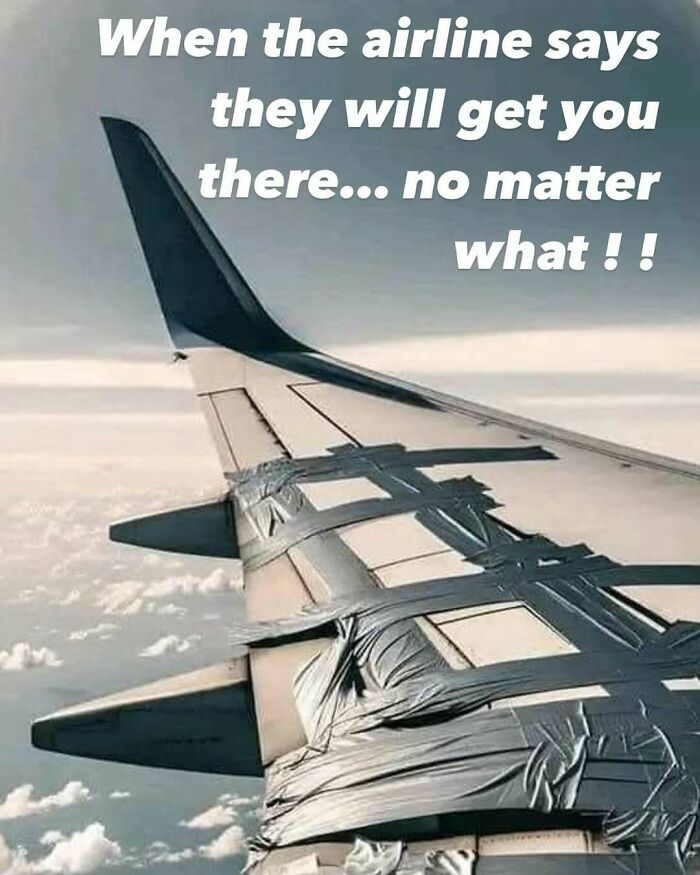
in the military aviation world they use "speed tape"
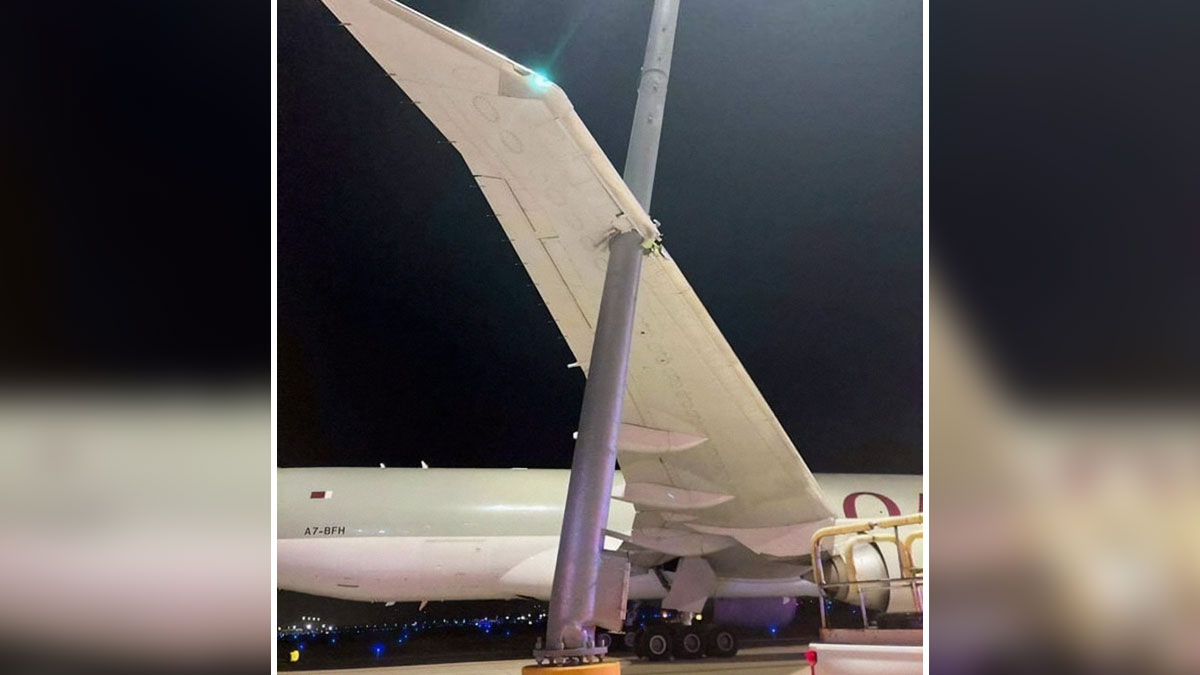
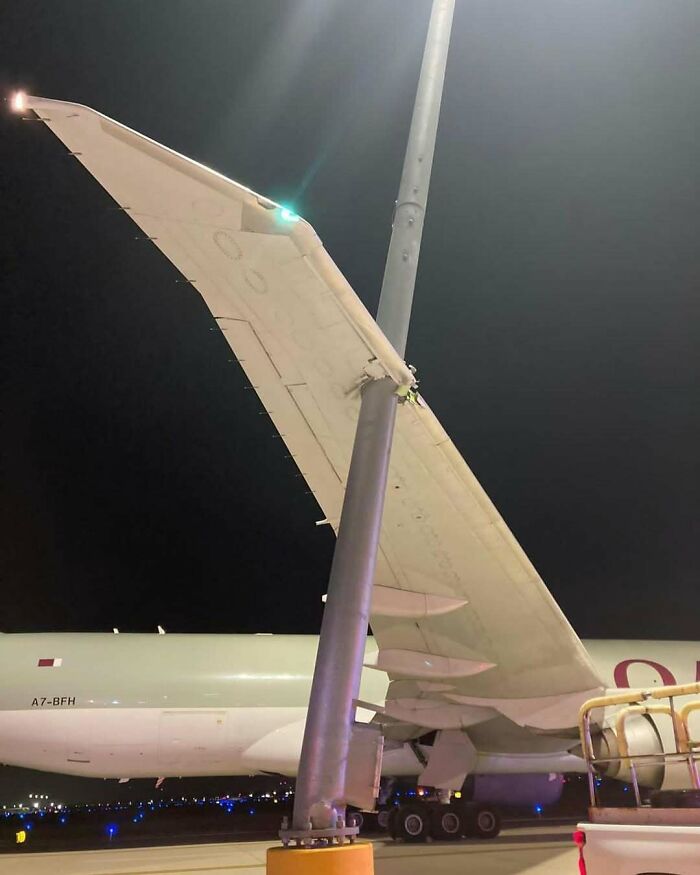
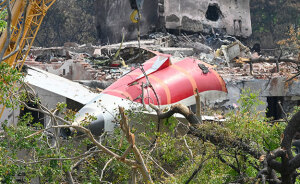
Load More Replies... A-7BFH: Qatar Cargo (Qatar Airways) Boeing 777-FDZ. It's been repaired and it's in service. A url can be reconstructed from this: www DOT flightradar24 DOT com\data\aircraft/a7-bfh\

I spent several minutes on that question. I think the leading edge hit the pole and then it popped through to look like it was impaled.
Load More Replies...


I can't even begin to imagine how you screw up that badly. There should have been a guy with a wand or a light right under that wing tip. Plus the plane was obviously at least 15' right of where it should have been, and maybe a plane that big shouldn't have been there at all. FWIW, I was once on a plane that pulled up to a gate where the ground crew had failed to pull the jetway far enough back for the plane we were on. We hit it hard enough to feel it in the plane and it pushed the jetway back at least 15'. I don't know it it caused significant damage to the wing, but at the very least there was a thorough inspection before it flew again.
Bob Brooce: I can imagine how you scréw up that badly. Manoevring a big plane on the ground without mishap takes everyone involved doing their job properly. There's supposed to be multiple overlapping precautions so that - on the whole - just one person screwing up can't let that sort of thing happen, but you know what? Sometimes you do get two people being sloppy or otherwise making mistakes at the same time.
Load More Replies...
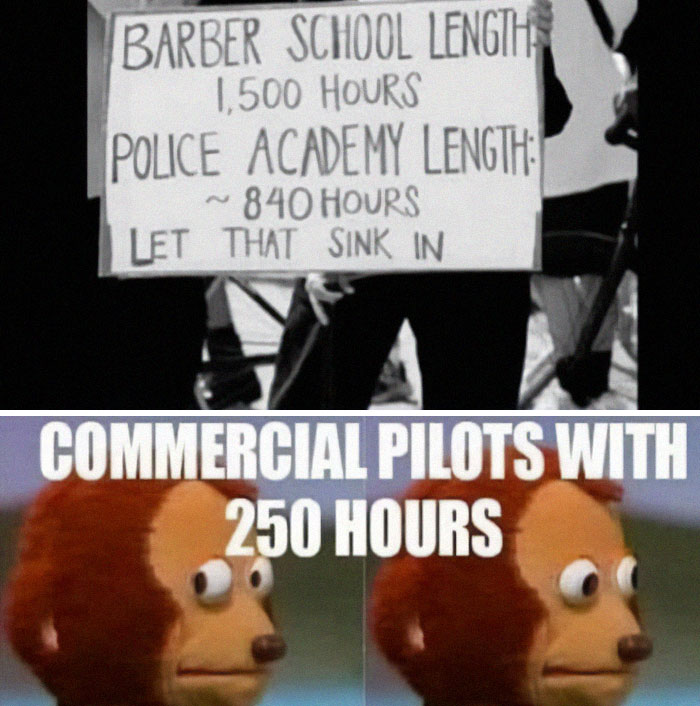
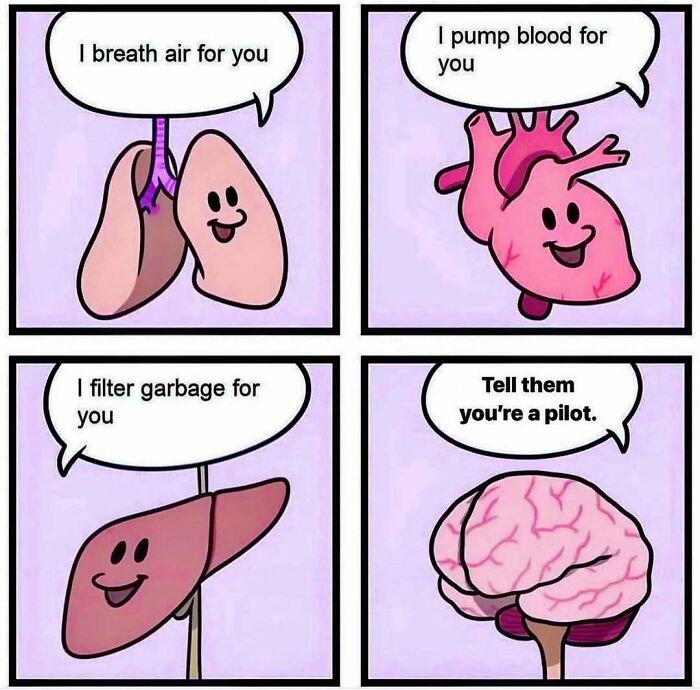
That's 210 hours more than the minimum for a private certificate, and while it allows you to legally accept compensation for flying it doesn't mean anyone will hire you for anything important. In theory you can be a flight instructor and meet your first student when you've got 250.00 hours, but in practice you probably need more. Minimum for an air transport certificate, which is a minimum requirement to fly even a small airliner, is 1500 hours.
I think an F-16's stall speed might be more than a Cessna's top speed. Just a guess.
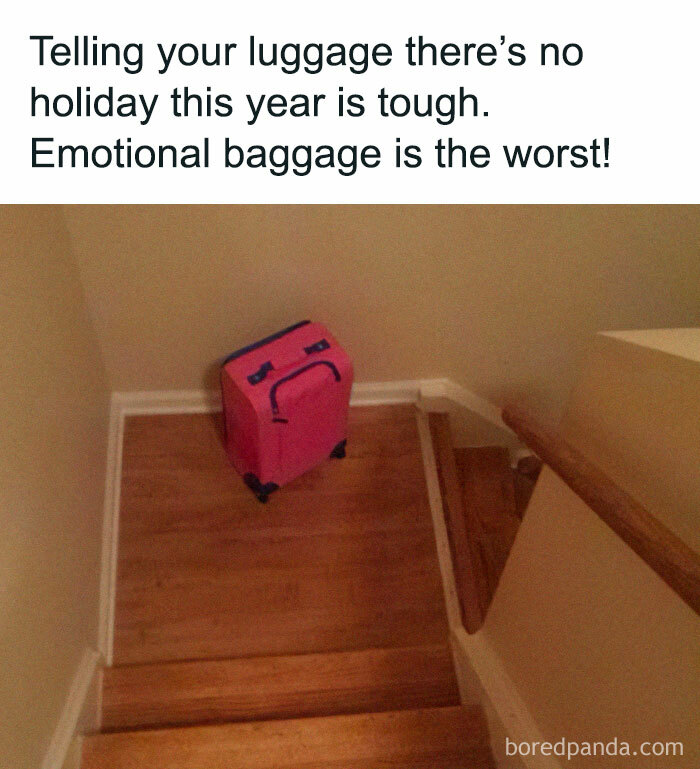
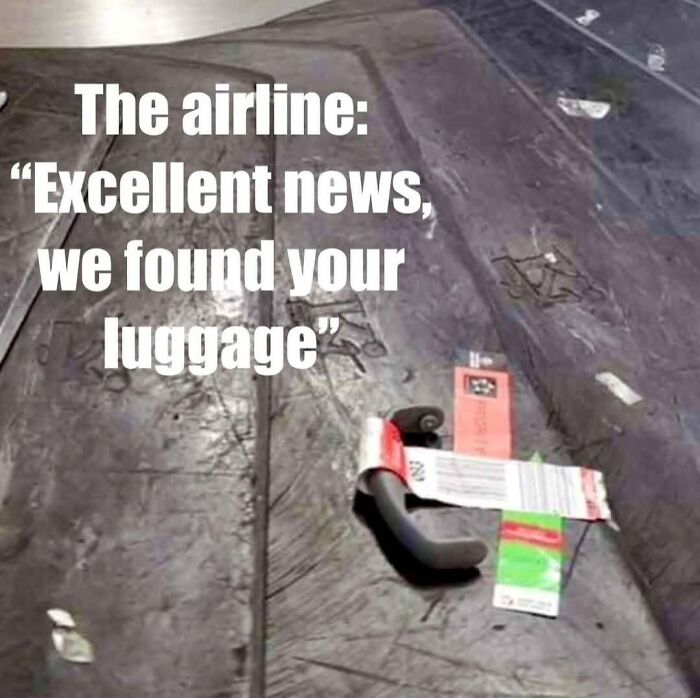
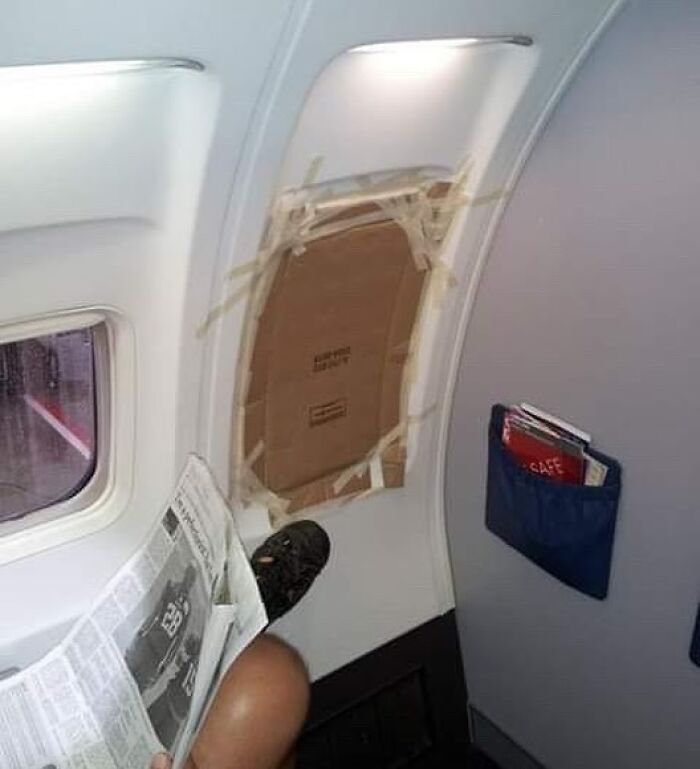
To recieve the remaining luggage kindly upgrade to premium at just $599 a month or a one time payment of $7199 to recieve benefits for up to a year. Benefits include whatever’s left of your luggage, a s****y window seat that doesn’t have a window along with a complimentary crying child to really bring up the mood of everyone around.

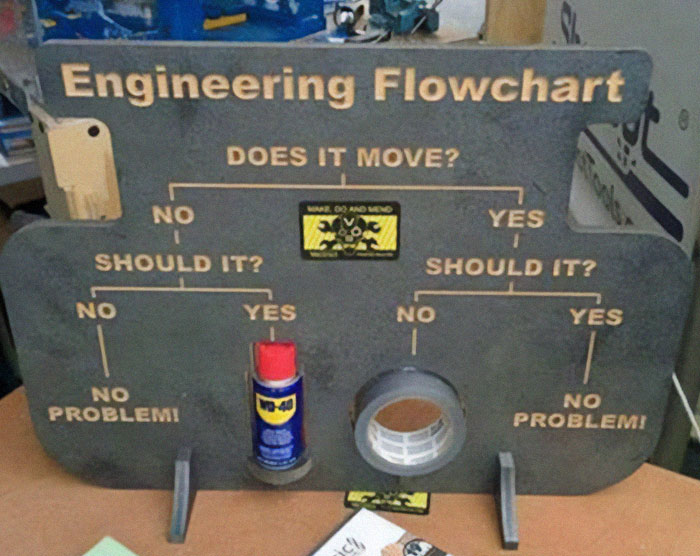
That is entirely contrary to Australian safety regulations! They should use duct tape.
Same here, no deaths. 𝗁𝗍𝗍𝗉𝗌://𝗐𝗐𝗐.𝖻𝖺𝖺𝖺-𝖺𝖼𝗋𝗈.𝖼𝗈𝗆/𝗌𝗂𝗍𝖾𝗌/𝖽𝖾𝖿𝖺𝗎𝗅𝗍/𝖿𝗂𝗅𝖾𝗌/𝖼𝗋𝖺𝗌𝗁/𝗂𝗆𝖺𝗀𝖾𝗌/𝖮𝖸-𝖪𝖧𝖮-𝟥.𝗃𝗉𝗀
I once met a guy who actually used to hitch around Africa with a parachute. He'd hang around airports, waiting for a light plane going his way. When over the place he wanted to be, he'd jump out and land at his destination. Sheer genius!
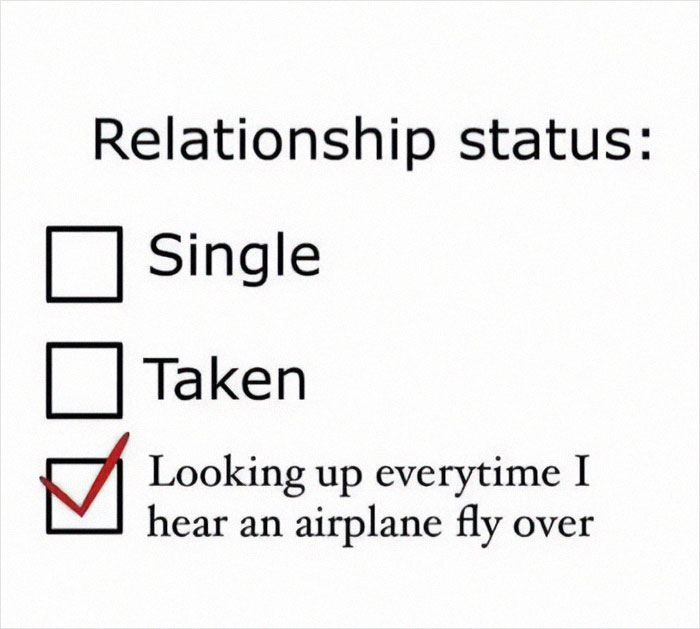
So that's the reason some people didn't/don't get any passion to even be a passenger. I was a nervous wreck in departure lounges, just going on holiday, but haven't flown for 30 years now. Great relief.

They need a medical station half way along to treat runners who are dying from a heart attack.


































 No fees, cancel anytime
 then open in external browser


 and click "Open in External Browser"